




Introduction
Undernutrition, resulting from inadequate protein and energy intake is common among older adults. Prevalence can vary depending on the criteria for undernutrition used; however, it generally increases with age and declining health and function. Using the Global Leadership Initiative on Malnutrition (GLIM) criteria, prevalence of undernutrition has been reported at 7-13% in community-dwelling older adults and up to approximately 50% in hospital and rehabilitation settings(Reference Rodríguez-Mañas, Rodríguez-Sánchez and Carnicero1–Reference Cruz-Jentoft and Volkert3). Consequences of undernutrition include increased physical and cognitive disability, reduced quality of life, increased complications and poorer health outcomes, along with increased health care costs(Reference Cruz-Jentoft and Volkert3–Reference Tucker, Luscombe-Marsh and Ambrosi6).
With ageing, physiological changes, disease(s)/medications, physical/mental impairments and socio-economic aspects among other factors can contribute to a reduced food intake, increased energy requirements or impaired bioavailability of nutrients, causing undernutrition (see Volkert & Cruz-Jentoft(Reference Cruz-Jentoft and Volkert3) for a comprehensive review). There are different sub-types of undernutrition, including disease-related malnutrition (synonym for undernutrition) with or without inflammation, and undernutrition without disease(Reference Cederholm, Barazzoni and Austin7). However, regardless of the sub-type of undernutrition, all are responsive or partially responsive to increased energy and/or protein intake(Reference Cederholm, Barazzoni and Austin7). Therefore, ensuring adequate energy and protein intake is a key component of strategies aiming to prevent and/or treat undernutrition.
In the general population sustainable healthy dietary patterns are recommended(8). Sustainable, healthy diets are defined by the United Nations Food and Agriculture Organisation as those that ‘promote all dimensions of individuals’ health and wellbeing; have low environmental pressure and impact; are accessible, affordable, safe and equitable; and are culturally acceptable’(9). Diets with a higher emphasis on plant-based foods are associated with greater environmental sustainability(Reference Conrad, Thorne-Lyman, Wu, DiStaso, Korol and Love10). Consuming a diversity of animal and plant-based products is therefore important to meet nutritional requirements of an ageing population and enhance sustainability of food systems. For a review, including discussion on environmental considerations, see Morgan et al.(Reference Morgan, Carson and Witard11). However, in the context of preventing and treating undernutrition in older adults specifically, there are several aspects that should be considered in relation to increasing dietary intake of plant-based products.
The aim of the present review is to provide an overview of the evidence to date and several key considerations regarding addressing undernutrition in older adults with plant-based products.
Health benefits of higher consumption of plant-based foods in older adults
Alongside environmental benefits, several health benefits have been reported with higher consumption of plant-based foods. For example, in two large prospective cohorts in the United States of over 100 000 people, dietary patterns rich in plant-based foods, with moderate inclusion of healthy animal-based foods were associated with greater odds of healthy aging after a 30 year follow up(Reference Tessier, Wang and Korat12). Healthy ageing was assessed according to measures of cognitive, physical and mental health, along with being free of chronic disease. Similarly, in a prospective study from six European countries of over 400 000 people, higher adherence to a plant-based diet (incorporating small amounts of animal-based foods) was associated with a lower risk of cancer and cardiometabolic multimorbidity in both younger (<60 years) and older (>60 years) adults(Reference Córdova, Kim and Thompson13).
Concerns regarding higher consumption of plant-based products in older adults
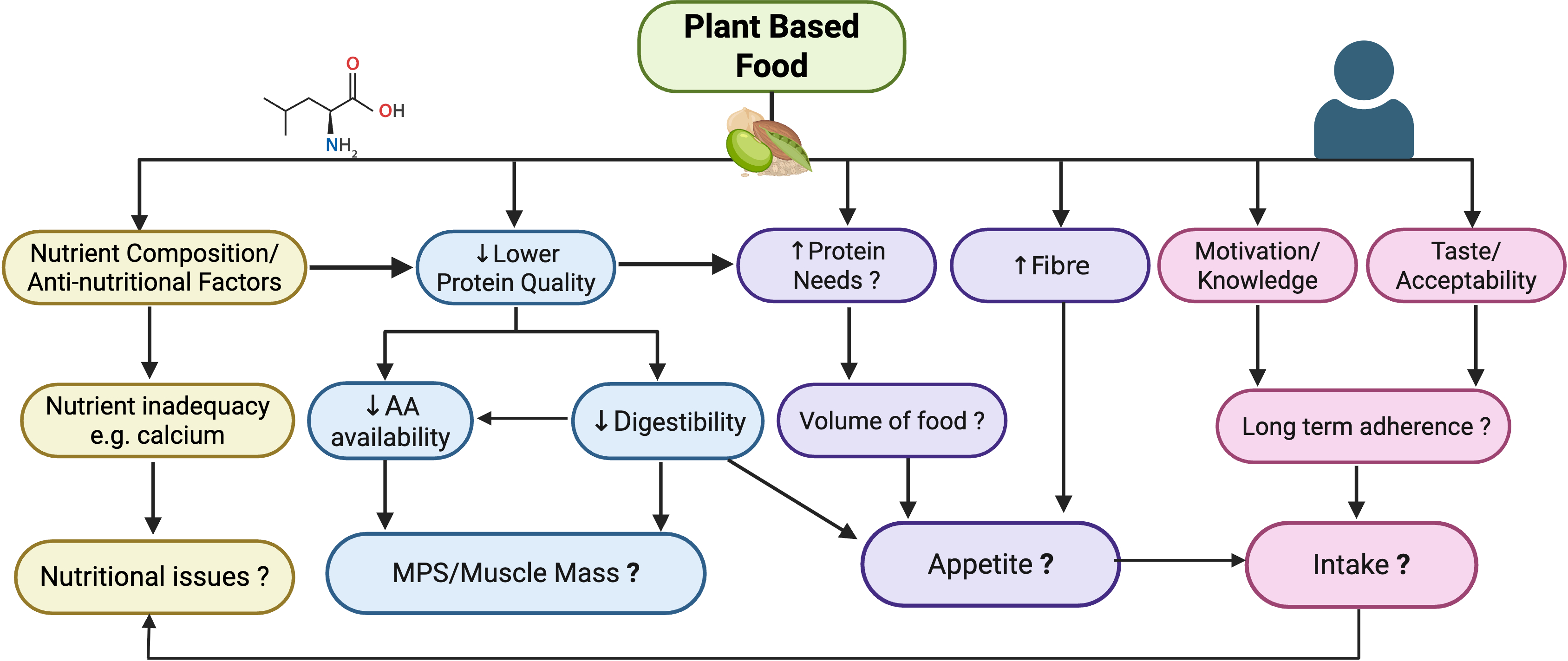
Despite the reported benefits, however, there are also potential concerns and questions that should be considered regarding increasing dietary intake of plant-based products in older adults, particularly in those with undernutrition or at risk of undernutrition (Figure 1). Compared to animal-based products, the nutrient composition of plant-based products can often lack several nutrients including iron, iodine, calcium and vitamins B12, A, D and riboflavin (B2), among others, which may lead to inadequate amounts of these nutrients and associated nutritional issues(Reference Fouillet, Huneau and Perraud14,Reference Witard, Devrim-Lanpir and McKinley15) . Anti-nutritional factors such as higher phytates in plant-based foods can also negatively impact digestibility and absorption(Reference Young and Pellett16) and reduce nutrient bioavailability(Reference Van Wonderen, Melse-Boonstra and Gerdessen17,Reference Perignon, Barré and Gazan18) . In addition, the protein quality of plant-based foods and the effect this may have on amino acid availability and muscle protein synthesis (MPS) is a key concern (refer to Domic et al.(Reference Domić, Grootswagers and van Loon19) for a detailed review). This in turn may negatively impact on skeletal muscle mass and protein requirements. An increased requirement for protein could increase the volume of food needed, and alongside the presence of other nutrients in plant-based foods such as dietary fibre could detrimentally influence appetite. Furthermore, the acceptability and adherence to consumption of plant-based products needs to be considered as this, in turn, will impact overall nutritional status. Nonetheless, it should be noted that several strategies to address these issues have been devised and studies are now beginning to investigate some of these questions in older adults, which will be discussed in the subsequent sections.
An overview of some potential concerns regarding greater consumption of plant-based foods in older adults. AA, amino acid; MPS, muscle protein synthesis. Created in BioRender. Horner, K. (2026) https://BioRender.com/soj6ius.

Strategies to address limitations of plant-based products
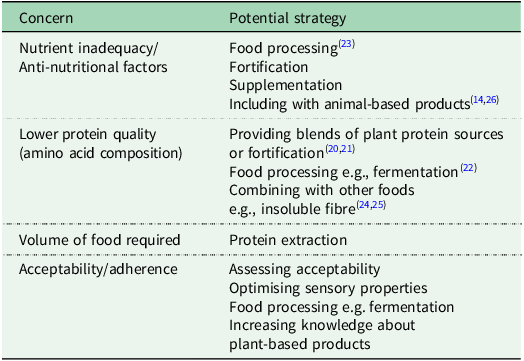
A summary of strategies that have been identified and implemented to try and address some of the concerns associated with plant-based products is provided in Table 1. For example, protein extraction can assist to reduce the overall volume of food required to provide adequate protein. Providing blends of plant proteins or fortifying foods with specific amino acids can assist in overcoming some limitations associated with amino acid composition(Reference Pinckaers, Trommelen and Snijders20,Reference Kouw, Pinckaers and Le Bourgot21) . Food processing techniques such as fermentation can also enhance the amino acid profile of plant proteins and reduce levels of anti-nutrients(Reference Abbaspour22,Reference Samtiya, Aluko and Dhewa23) . Furthermore, there is evidence from cell and animal models that suggests that insoluble fibre may enhance de novo amino acid biosynthesis via alterations in the gut microbiome, which would support combining plant protein with fibre to enhance amino acid availability(Reference Martin, Ecklu-Mensah and Ha24,Reference Prokopidis, Chambers and Ni Lochlainn25) . The inclusion of some animal-based products in the diet can also assist in addressing nutrient inadequacy(Reference Fouillet, Huneau and Perraud14,Reference Carballo-Casla, Sotos-Prieto and García-Esquinas26) . In addition, clear efforts have been made to conduct acceptability testing and optimise sensory aspects of some products to improve future product development(Reference Baugreet, Kerry and Brodkorb27), and processes such as fermentation have been shown to improve the taste profile(Reference Abbaspour22).
Potential concerns associated with plant-based products and potential strategies to address these concerns

Nutrient adequacy of plant-based products and diets
Achieving recommended intakes of essential nutrients and energy is critical for healthy aging(Reference Shlisky, Bloom and Beaudreault28). While greater consumption of plant-based products may increase likelihood of achieving adequate intakes of some nutrients including folate, fibre and unsaturated fatty acids(Reference Neufingerl and Eilander29), other nutrients may be lacking as animal-based foods contribute significantly to intakes of essential nutrients including iron, calcium and vitamin B12(Reference Witard, Devrim-Lanpir and McKinley15,Reference Fouillet, Dussiot and Perraud30,Reference Phillips, Fulgoni and Heaney31) . For example, a small sample of Dutch vegetarian older adults were found to be at risk for marginal low iron, zinc, vitamin B12 and vitamin D, despite a more favourable cardiovascular risk profile, compared to omnivorous older adults(Reference Löwik, Schrijver and Odink32). In addition, as meat and dairy are often a key contributor to dietary protein in older adults(Reference Hengeveld, Pelgröm and Visser33,Reference Berner, Becker and Wise34) , animal-based foods would have to be replaced with a variety of plant-based products that provide sufficient protein quantity and quality to ensure recommendations for protein intake are met(Reference Domić, Grootswagers and van Loon19).
In a recent study of 433 French older adults (>65 years), Fouillet et al.(Reference Fouillet, Huneau and Perraud14) investigated how increasing the percentage of protein coming from plant-based sources in older adults impacts nutrient adequacy (for 34 nutrients) and long-term health. Using diet optimisation modelling of observed diets and accounting for bioavailability, a key finding was that when plant protein was in the range of 25 to 70% (constrained to remain within 5% of energy requirements), there was full nutrient adequacy with minimal chronic disease risk. The findings were similar regardless of age and protein requirement compared (0.83 or 1g/kg/d). However, when percentage plant protein was above this range at greater than ∼75%, insufficient amounts of several nutrients were provided (iodine, calcium, eicosapentaenoic acid+docosahexaenoic acid, bioavailable iron, vitamins A, B12 and riboflavin). Interestingly, dairy products and seafood were key to ensuring nutrient adequacy of several of these nutrients. Legumes and nuts were also identified as key plant protein sources supplying more limiting nutrients. These findings suggest that the proportion of plant-based protein sources in the diet can be significantly increased compared to currently observed levels in older adults (from approximately one third(Reference Fouillet, Huneau and Perraud14,Reference Carballo-Casla, Sotos-Prieto and García-Esquinas26) to two thirds)(Reference Fouillet, Huneau and Perraud14). However, sufficient amounts of some animal foods including dairy and seafood must be included to ensure nutrient adequacy. In the case of vegan or vegetarian diets, food products not consumed by the general population including fortified foods or dietary supplements would be needed(Reference Fouillet, Huneau and Perraud14).
Effects of plant-based products on appetite, nutritional status, amino acid availability and muscle protein synthesis/skeletal muscle mass in older adults
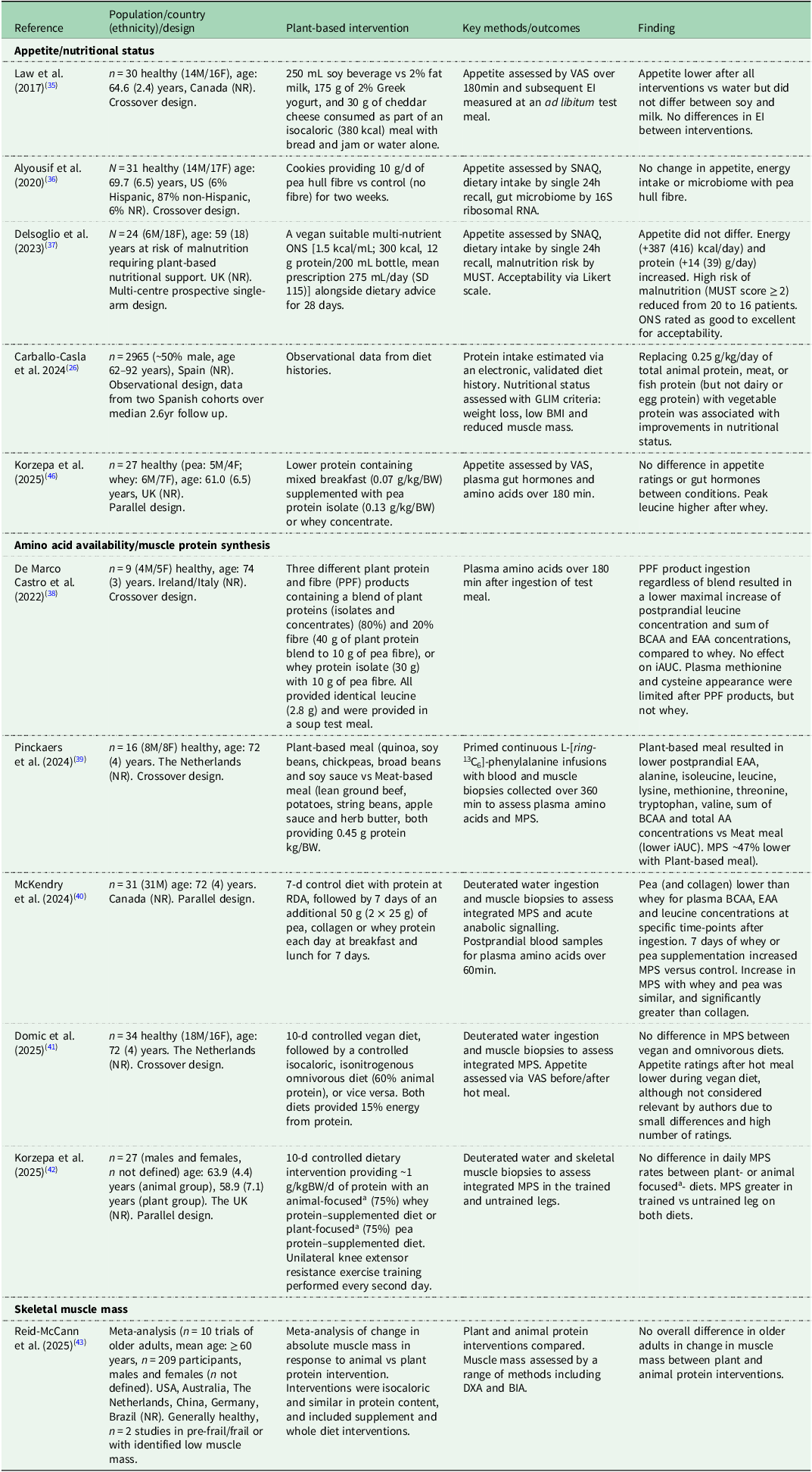
Evidence regarding the effects of plant-based products on other key aspects related to undernutrition in older adults, including the effects on appetite/nutritional status(Reference Carballo-Casla, Sotos-Prieto and García-Esquinas26,Reference Law, Lee and Vien35–Reference Delsoglio, Griffen and Syed37) , amino acid availability/MPS(Reference De Marco Castro, Valli and Buffière38–Reference Korzepa, Quinlan and Marshall42) and skeletal muscle mass(Reference Reid-McCann, Brennan and Ward43) is reviewed below. An overview of studies (and meta-analysis(Reference Reid-McCann, Brennan and Ward43) where available) assessing these aspects and their key findings is provided in Table 2.
Summary of studies (or meta-analyses where available) investigating the impact of plant-based products/diets on appetite and nutritional status, amino acid availability, muscle protein synthesis and skeletal muscle mass in older adults

AA, amino acids; BCAA, branched chain amino acids; BIA, bioelectrical impedance analysis; EAA, essential amino acids; EI, energy intake; DXA, dual x-ray absorptiometry; GLIM, Global Leadership Initiative on Malnutrition; iAUC, incremental area under the curve; MPS, muscle protein synthesis; NR, not reported; ONS, oral nutritional supplement; PPF, plant protein fibre; MUST, Malnutrition Universal Screening Tool; SNAQ, simplified nutritional appetite questionnaire; VAS, visual analogue scale; vs, versus.
a Animal-focused refers to 75% protein coming from animal sources and 25% from plant sources. Plant-focused refers to 75% coming from plant sources and 25% from animal sources.
Effects on appetite and nutritional status
As adequate energy and protein intake are key components of strategies aiming to prevent and/or treat undernutrition(Reference Cederholm, Barazzoni and Austin7), it is critical to understand how increasing consumption of plant-based products affects appetite and overall nutritional status. As poor appetite is a key risk factor for undernutrition(Reference Fielding, Landi and Smoyer44,Reference Van Der Pols-Vijlbrief, Wijnhoven and Schaap45) , any negative impact of plant-based products on appetite could have a negative impact on overall nutritional status.
In terms of acute effects of plant protein on appetite and energy intake, the limited evidence to date in older adults suggests no difference compared to animal-based protein sources(Reference Law, Lee and Vien35,Reference Korzepa, Marshall and Rogers46) . In a systematic review and meta-analysis examining the effects of protein supplementation on appetite and energy intake in healthy older adults, we previously found that protein supplementation (through supplements or whole foods) was effective in increasing protein intake without compromising overall energy intake(Reference Ben-Harchache, Roche and Corish47). One study in the review included plant protein and demonstrated no significant difference in the effect of a soy versus milk drink on appetite and energy intake(Reference Law, Lee and Vien35). More recently, others have similarly shown no significant differences in the effect of whey or pea protein on postprandial appetite or appetite-related gut hormones in older adults(Reference Korzepa, Marshall and Rogers46).
Few studies have examined the longer-term effects of consumption of plant-based products on appetite and energy intake in older adults. This knowledge is important to understand the long-term impact on overall nutritional status. However, one single-arm pilot study investigated the effect of a vegan-suitable multi-nutrient ready to drink oral nutritional supplement (ONS) for 28 days, alongside dietary advice, on appetite and nutritional status in adults (n = 24, including older adults, mean (SD) age: 59 (18) years) at risk of disease-related malnutrition requiring plant-based nutrition support(Reference Delsoglio, Griffen and Syed37). Compliance was excellent during the trial (mean (standard deviation (SD)) 94 (16) %), overall daily protein and energy intake increased (by 387 (416) kcal), appetite assessed by Simplified Nutritional Appetite Questionnaire was maintained and risk of malnutrition was reduced (Malnutrition Universal Screening Tool (MUST) score decreased from 20 to 16 patients). Although further studies are needed, these findings indicate positive effects of plant-based ONS on nutritional status in adults at risk of undernutrition.
Elsewhere, replacing 0.25 g/kg/day of total animal protein, meat or fish protein (but not protein from dairy or egg) with vegetable protein was associated with improvements in nutritional status assessed using the GLIM phenotypic criteria at baseline and after 2.6 years in a large study of close to 3000 older adults(Reference Carballo-Casla, Sotos-Prieto and García-Esquinas26). These findings highlight the potential for increasing the proportion of plant-based foods within the diet to improve nutritional status in older adults. However, the animal-protein source that is being replaced should be considered as some sources are more beneficial for nutritional status than others.
Alongside protein, the effects of other nutrients such as dietary fibre that are higher in plant-based products and the food matrix as a whole on appetite and energy intake should be considered. Although fibre is often associated with greater satiety, a systematic review involving 38 different fibre sources found that most isolated fibres did not acutely suppress appetite or energy intake in the general population(Reference Clark and Slavin48). In community-dwelling older adults specifically, a randomised controlled crossover study demonstrated that two weeks of pea hull fibre supplementation did not alter appetite compared to the control condition(Reference Alyousif, Mendoza and Auger36). The authors concluded that pea hull fibre may therefore be appropriate for older adults at risk of undernutrition. The effect of plant protein sources on appetite, given differences in digestibility and amino acid availability compared to animal protein sources, also warrants further investigation. As greater postprandial plasma amino acids have been associated with secretion of anorexigenic gut hormones and greater satiety(Reference Hall, Millward and Long49,Reference Horner, Hopkins and Finlayson50) , this mechanism could favour greater appetite suppression with animal-based protein sources. Therefore, a variety of mechanisms impacting appetite, depending on the food matrix, need to be considered. Overall, the current evidence suggests that plant-based protein or fibre supplements do not negatively impact appetite and energy intake in older adults. Furthermore, plant-based ONS or replacing a proportion of animal-based protein sources with plant-based sources have been shown to have a positive effect on energy intake and improving nutritional status.
Effects on amino acid availability, muscle protein synthesis and muscle mass
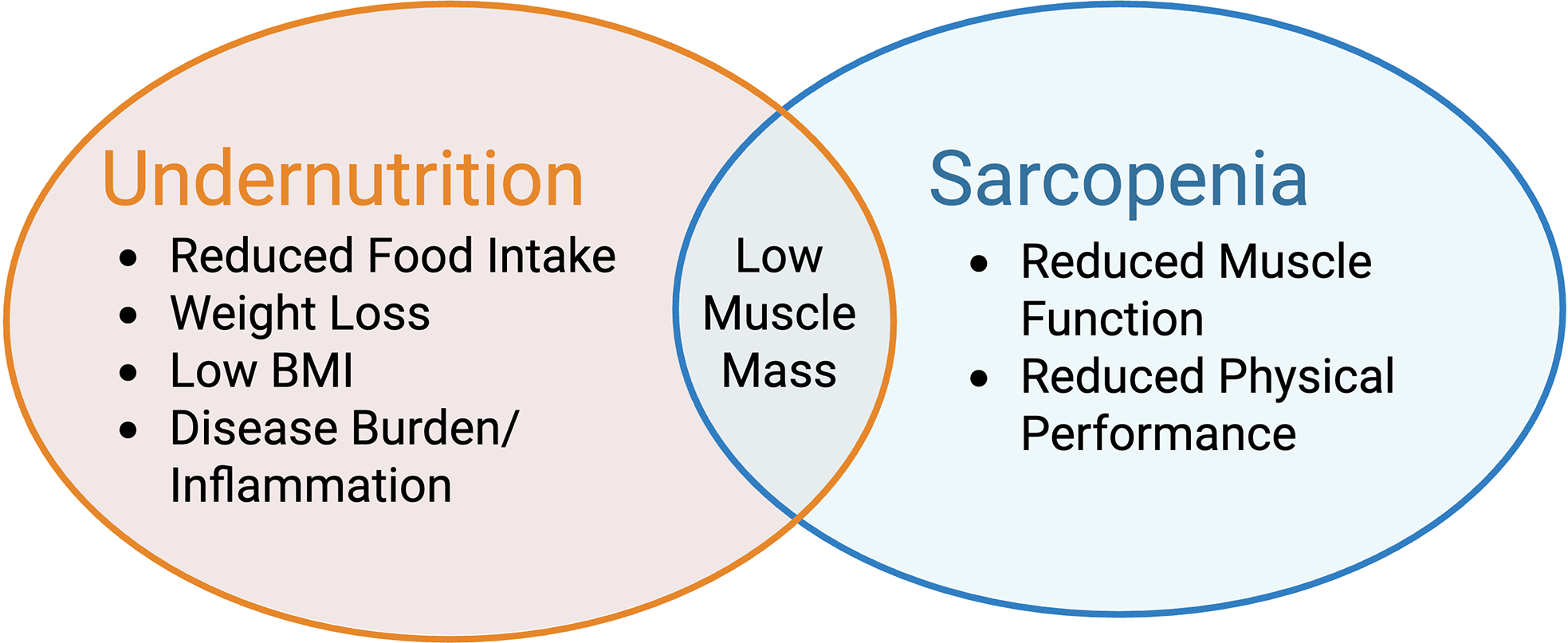
Although undernutrition and sarcopenia are distinct, they also overlap to some extent(Reference Cederholm, Jensen and Correia51–Reference Sayer and Cruz-Jentoft53) (Figure 2). Therefore, when targeting prevention or treatment of undernutrition, it is important to consider the effects that plant-based products have on nutritional status, as well as on muscle mass (alongside other health effects).
The overlap in undernutrition (synonym for malnutrition) and sarcopenia, as described by the Global Leadership Initiative on Malnutrition (GLIM)(Reference Cederholm, Jensen and Correia51) and European Working Group on Sarcopenia in Older People (EWGSOP2)(Reference Cruz-Jentoft, Bahat and Bauer52) definitions respectively. Adapted from Sayer & Cruz-Jentoft(Reference Sayer and Cruz-Jentoft53). Created in BioRender. Horner, K. (2026) https://BioRender.com/swdmty4.

Acute amino acid availability and muscle protein synthesis response
Postprandial amino acid availability is often studied as traditionally it has been thought to modulate postprandial MPS(Reference Witard, Prokopidis and Deane54,Reference Horstman and Huppertz55) . Acute studies consistently show that amino acid availability is reduced after ingestion of plant-based products (protein supplements(Reference De Marco Castro, Valli and Buffière38,Reference McKendry, Lowisz and Nanthakumar40,Reference Korzepa, Marshall and Rogers46) or foods(Reference Pinckaers, Domić and Petrick39)) compared to animal-based products in older adults (Table 2). For example, when plant protein sources in different blends (designed to provide identical amounts of leucine to whey) were combined with pea fibre, the maximal postprandial increase in leucine and sum of branched chain amino acid concentrations was shown to be lower than whey in older adults(Reference De Marco Castro, Valli and Buffière38). This could be due to differences in gastric emptying rate as the overall amount of protein provided with the plant protein fibre blend was greater than with whey in order to match the amount of leucine provided. Additional potential mechanisms include the presence of anti-nutritional factors or greater splanchnic extraction. Interestingly, all amino acids increased following ingestion of the plant protein and fibre blends except for methionine and cysteine, despite similar or higher amounts of these amino acids being present in the product provided(Reference De Marco Castro, Valli and Buffière38).
Although, it is important to acknowledge that postprandial amino acid availability does not necessarily translate to differences in MPS (including after ingestion of plant-based foods)(Reference Witard, Prokopidis and Deane54), a recent study in older adults documented both reduced amino acid availability and a reduced MPS response to a plant- versus animal-based meal in older adults(Reference Pinckaers, Domić and Petrick39). Pinckaers et al(Reference Pinckaers, Domić and Petrick39) demonstrated that the plasma essential amino acid, leucine and methionine response to a plant-based meal (containing soybean, chickpea and quinoa) was reduced compared to a meat-based meal (containing beef, beans, potato and apple sauce) providing identical protein in 16 older men and women. In addition, the acute MPS response (0–360 min fractional synthetic rate) was 48% lower following ingestion of the plant-based meal. This acute study therefore suggests reduced anabolic potential from the plant-based meal compared to animal-based meal in older adults.
Longer-term effects on muscle protein synthesis and skeletal muscle mass
Although acute responses to plant-based products are of interest, the longer terms effects of consumption of plant-based products on MPS and skeletal muscle mass in older adults are critical to consider, as these will ultimately impact risk of undernutrition and sarcopenia. This has been more recently investigated in several studies in older adults using deuterated water and skeletal muscle biopsies to assess daily MPS rates in response to pea protein supplementation(Reference McKendry, Lowisz and Nanthakumar40), a vegan diet(Reference Domić, Pinckaers and Grootswagers41) and a plant-focused (75% plant: 25% animal) diet(Reference Korzepa, Quinlan and Marshall42) compared to animal food/diet conditions over 7 to 10 days. In a randomised controlled trial in older men, McKendry et al.(Reference McKendry, Lowisz and Nanthakumar40) demonstrated a greater integrated myofibrillar protein synthesis response with 7 days of pea or whey protein supplementation (50 g/day above recommended daily allowance (RDA)) compared to the control diet providing protein at the RDA. The increase in MPS response to whey and pea supplementation conditions was similar, and significantly greater than the response to a third condition involving collagen supplementation.
Elsewhere, Domic et al.(Reference Domić, Pinckaers and Grootswagers41) undertook a randomised cross-over trial in 38 active older adults, wherein participants were prescribed either a well-balanced vegan diet or an omnivore diet for 10 days. The findings demonstrated no difference in the daily mixed MPS rates between the two diets over the 10-day period. Similar findings have been demonstrated when comparing a predominantly plant versus predominantly animal-based diet(Reference Korzepa, Quinlan and Marshall42). Korzepa et al.(Reference Korzepa, Quinlan and Marshall42) investigated the MPS response over 10 days to a plant focused diet (75% plant: 25% animal) incorporating pea protein supplementation compared to an animal focused diet (25% plant: 75% animal) incorporating whey protein in middle to older aged adults while undertaking resistance training. A significant increase in MPS was found with resistance training, but again no differences were observed between plant- and animal-focused conditions(Reference Korzepa, Quinlan and Marshall42). Collectively, these findings suggest no long-term differences in the MPS response between various plant- and animal-based food/diet conditions in older adults. Nonetheless, it is possible the inclusion of some animal-based products may have had a protective effect in the latter study.
With regard to skeletal muscle mass, the effects of animal versus plant protein was recently investigated in a systematic review and meta-analysis in younger and older adults(Reference Reid-McCann, Brennan and Ward43). When including older adults only, the meta-analysis of findings from ten studies demonstrated no difference in changes in muscle mass between plant and animal protein conditions. However, only two studies included older adults identified as more vulnerable; one study in pre-frail/frail(Reference Roschel, Hayashi and Fernandes56) and one in participants with identified low muscle mass(Reference Li, Meng and Wu57). Although neither study showed a significant difference in change in muscle mass, further research is warranted in older adults with clinically significant low muscle mass to compare the effects of plant and animal protein supplementation on muscle mass and related outcomes.
In summary, these findings suggest long-term MPS and skeletal muscle mass responses are not different following consumption of animal- versus plant-based protein, food and/or diets in older adults. The findings contrast with evidence from acute studies demonstrating a blunted amino acid and MPS response immediately following ingestion. This could be for several reasons including that the supplements were incorporated into the diet alongside other foods including some animal-based foods in two studies(Reference McKendry, Lowisz and Nanthakumar40,Reference Korzepa, Quinlan and Marshall42) , the difference between measuring daily MPS rates compared to the response to a single meal over a short time and higher levels of physical activity of participants meaning that the difference in diet or protein composition may have less of a role(Reference Domić, Pinckaers and Grootswagers41).
Acceptability of plant-based products and long-term adherence in older adults
To address undernutrition, it is also important to establish if plant-based products will be consumed in the longer term. Nutritional supplementation is considered an important strategy for addressing undernutrition in older adults(Reference Volkert, Beck and Cederholm58); however, adherence to supplementation can be low particularly in those with or at risk of undernutrition(Reference Gosney59,Reference Lester, Kleijn and Cornacchia60) . In relation to food choice generally in older adults, health and taste are two important considerations(Reference Kamphuis, de Bekker-Grob and van Lenthe61) and the need for food products with improved sensory properties and sensory evaluation of food products by older adults has been identified(Reference Maitre, Symoneaux and Sulmont-Rossé62,Reference Methven, Jiménez-Pranteda and Lawlor63) .
With regard to plant-based protein foods, barriers to their consumption identified from focus groups and semi-structured interviews conducted in Canadian older adults were lack of motivation and knowledge, perceived difficulty digesting and perceived not liking the taste(Reference Drolet-Labelle, Laurin and Bédard64). In contrast, facilitators identified included providing more knowledge about plant proteins and advantages were noted as health and environmental benefits and taste(Reference Drolet-Labelle, Laurin and Bédard64).
In a consumer survey of acceptance of alternative protein sources by over 1800 older Europeans, the majority (∼60%) rated plant protein as either acceptable or very acceptable with similar responses as for meat(Reference Grasso, Hung and Olthof65). Others have investigated food preferences in older adults (n = 349, aged 65–101 years) in nursing/residential care homes, hospitals or at home receiving home care using a computer-based forced-choice food preference assessment(Reference Van Der Meij, Wijnhoven and Lee66). Older adults with poor appetite had a preference for variation including colour variation, solid texture and non-dairy, high-fibre foods. These findings suggest potential for acceptance of plant-based products in older adults; however, the sensory acceptability of plant-based products in general warrants further investigation.
Methodological considerations and future directions regarding plant-based products for addressing undernutrition
Although significant advances have been made in recent years, several methodological aspects warrant consideration and further investigation to better understand the effects of greater consumption of plant-based products in older adults.
Type of plant-based product/diet, other nutrients and mechanisms
One key aspect is that all plant-based products or diets should not be categorised under one heading. Some plant-based foods may be highly processed and high in saturated fat, added sugars or include other ingredients that may not be nutritionally beneficial. In contrast, other plant-based foods may provide several nutritional benefits. For example, in an analysis of 1800 Spanish older adults, those following healthy plant-based diets were found to be at reduced risk of frailty, while older adults following unhealthy plant-based diets had a greater risk of frailty(Reference Maroto-Rodriguez, Delgado-Velandia and Ortolá67). Elsewhere, in healthy Chinese older adults (n = 2888), vegetarians were found to have lower odds of achieving healthy ageing compared to omnivores (defined as survival to ≥80 years old with no major chronic disease, impairment of physical function, cognitive function or mental health)(Reference Jigeer, Wang and Lv68). However, when diet quality was considered, vegetarians with a higher diet quality did not differ to omnivores in relation to overall healthy ageing or individual components.
Alongside protein, consideration also needs to be given to other nutrients and non-nutrients in plant-based foods and effects on appetite and overall nutritional status. However, the current literature examining the effects on appetite and nutritional status is limited, and the reviewed studies to date have compared for example a soy-based drink, pea protein, pea fibre, or plant-based ONS on appetite(Reference Law, Lee and Vien35–Reference Delsoglio, Griffen and Syed37,Reference Korzepa, Marshall and Rogers46) . Alongside protein, dietary fibre is another nutrient that is important for older adults but recommended intakes are often not met, including in those with poor appetite(Reference Van Der Meij, Wijnhoven and Lee66,69–Reference Morris, Cater and Green71) . One benefit of plant proteins in whole foods such as cereals and legumes is that dietary fibre is also increased(Reference Mudryj, Yu and Hartman72). However, this could potentially raise concerns of greater satiety for those at risk of undernutrition. In addition, without extraction, an overall greater volume of food will be needed to provide adequate protein compared to animal-based products. Furthermore, as noted previously, some plant-based whole foods are high in anti-nutritional factors that can negatively impact digestibility and absorption(Reference Young and Pellett16). In contrast, there is also evidence from cell and animal models that suggests that insoluble fibre may enhance de novo amino acid biosynthesis via alterations in the gut microbiome, which would support combining plant protein with fibre to enhance amino acid availability(Reference Martin, Ecklu-Mensah and Ha24,Reference Prokopidis, Chambers and Ni Lochlainn25) . Therefore, the effects of different plant-based food matrices, and combinations of nutrients warrants further investigation.
The effects of greater intake of plant-based foods on the gut microbiome in older adults is an important aspect for further study given evidence of differences with plant-based diets in the general population(Reference Fackelmann, Manghi and Carlino73), and evidence of disturbances of the gut microbiota in hospitalised older adults with undernutrition(Reference Muñoz-Fernandez, Garcez and Alencar74). The authors of the latter study identified that the gut microbiota may be a ‘missing piece’ contributing to the high prevalence of hospital undernutrition. Overall, the effects of whole foods versus supplemental forms of plant protein and the presence or not of other nutrients/ingredients on appetite, nutritional status and related outcomes including the gut microbiome is a key consideration that warrants further investigation.
In the APPETITE multi-centre trial we recently examined the effects of supplementation with a blend of plant protein and pea fibre product (involving mainly plant protein isolates) over 12 weeks on appetite and nutritional status in older adults(Reference Horner, Mullen and Quinn75), with results currently being analysed. The products were provided in powder form in sachets designed to be incorporated into foods or drinks and were given to participants alongside personalised dietary advice. The findings from this trial will provide new insights on the impact of this form of supplementation on appetite, nutritional status and related health outcomes in community-dwelling older adults and contribute to the prevention of undernutrition. The effects of other plant-based products, combinations of nutrients, food matrices and combinations of supplements warrant further investigation.
Effects on other outcomes, interactions with physical activity and longer duration studies
Although the focus of this review was on undernutrition, it is also important to consider other outcomes that may be impacted by increasing intake of plant-based products in older adults. For example, several observational studies have investigated associations between plant and animal protein intakes and changes in physical function. A recent study in Dutch older adults showed no association between the dietary plant to animal protein intake ratio and gait speed over a 3 year follow up, suggesting that a more sustainable diet involving higher plant protein intake may not compromise physical function(Reference Huijgen, Wijnhoven and Visser76). However, this could be impacted by differences in the habitual diet of the population studied or other individual differences, with some studies showing positive associations with higher plant protein intake(Reference Li, Lu and Leung77,Reference Chan, Leung and Woo78) and others with higher animal protein intake(Reference Li, Lu and Leung77,Reference Yuan, Pickering and Bradlee79) .
Consideration also needs to be given to the interaction of plant-based products with other interventions to address undernutrition or risk factors associated with undernutrition such as physical activity. In some(Reference Korzepa, Quinlan and Marshall42), but not all, studies(Reference McKendry, Lowisz and Nanthakumar40,Reference Domić, Pinckaers and Grootswagers41) examining the effects of plant-based products on MPS and muscle mass, participants were undertaking structured exercise. It is possible that protein source may be less important when older adults are physically active, therefore, this warrants consideration and further investigation.
It should be acknowledged that in the literature examining effects of plant-based diets on MPS(Reference McKendry, Lowisz and Nanthakumar40–Reference Korzepa, Quinlan and Marshall42), these diets were provided in controlled conditions and were designed to provide specific quantities of protein in a well-balanced manner. Therefore, without careful planning, it is possible that findings in a free-living context may be different. The effects of increased intake of plant-based products on nutritional status, skeletal muscle mass and adherence in a free-living setting should be examined.
The longer-term adherence to greater intake of plant-based foods, and impact on nutritional status and related health outcomes also warrants further research. The evidence to date regarding effects on appetite, nutritional status and MPS is limited to shorter-term studies. Therefore, longer duration studies (e.g. ≥6 months) and studies investigating nutritional outcomes in older adults habitually eating plant-based diets are needed to examine effects in the longer term.
Treatment of undernutrition and population diversity
Further studies are also needed in more vulnerable groups of older adults, including those with undernutrition. In a prospective case control study of Chinese older adults(Reference Li, Wang and Lv80), when individuals had a BMI < 18.5kg/m2, a vegetarian or vegan diet was associated with a lower likelihood of becoming a centenarian. However, this association was not observed in those who were pesco- or ovo-lacto-vegetarians, or in those with a BMI ≥ 18.5kg/m2. This suggests that a diet incorporating both plant- and animal-derived food is important for longevity in underweight Chinese adults over 80 years old(Reference Li, Wang and Lv80).
With regard to nutritional outcomes, there is some evidence, as discussed previously, that a plant-based ONS can increase overall energy intake and improve nutritional status in adults (including older adults) at risk of disease-related malnutrition(Reference Delsoglio, Griffen and Syed37), and of studies showing no difference in muscle mass changes with animal versus plant protein supplementation in frail older adults or those with low muscle mass(Reference Roschel, Hayashi and Fernandes56,Reference Li, Meng and Wu57) ; however, the majority of studies have included community-dwelling older adults more generally. While these studies provide important information for the use of plant-based products to prevent undernutrition, much more research is needed on the use of plant-based products in the treatment of undernutrition. This is particularly important to understand when individuals may not be able to meet energy and protein requirements, when dietary fortification, ONS or other strategies may be necessary.
Differences depending on the population studied must also be considered as findings could differ based on several characteristics such as habitual diet, ethnicity or sex. For example, most of the available evidence for this review was from studies that were conducted in Western Europe, Canada and the USA (as shown in Table 2). As cultural factors can influence dietary patterns, and staple foods and the availability of fortified products can differ between countries, this is an important consideration when generalizing the current evidence. Furthermore, although most studies included both males and females, sex differences were only examined in two studies included in Table 2. One study reported no difference in the appetite response to soy compared to other dairy products between males and females(Reference Law, Lee and Vien35). Elsewhere, Carballo-Casla et al.(Reference Carballo-Casla, Sotos-Prieto and García-Esquinas26) reported that, among other factors, being female was associated with both higher animal and vegetable protein intakes in a large sample of Spanish older adults. Overall, further studies are needed in a variety of populations to understand the impact of increasing intake of plant-based products for addressing undernutrition in older adults more broadly.
Conclusions
In summary, the current evidence base, albeit limited, suggests no significant differences when comparing effects of plant to animal-based products/diets on a range of outcomes including appetite, nutritional status, longer-term MPS and muscle mass in older adults. Furthermore, there is evidence of positive effects of improvements in nutritional status and in MPS following plant protein supplementation compared to before supplementation or lower protein intakes. In addition, some findings in older adults indicate nutrient adequacy can be met by increasing intake of plant-based proteins above currently observed intakes(Reference Fouillet, Huneau and Perraud14). Therefore, greater intake of certain plant-based products (taking on board the range of key considerations outlined) may be an important strategy to enhance sustainability of food systems and assist in meeting nutritional requirements to prevent undernutrition in older adults. This should be considered alongside acknowledging the importance of animal protein sources in providing a range of essential nutrients, including among others, some B vitamins, vitamin D, calcium, iron, zinc and long-chain polyunsaturated fatty acids(69,81) . Further research is needed in several areas, including investigating the effects of greater intake of plant-based products, particularly in undernourished individuals, for the treatment of undernutrition.
Acknowledgements
The authors extend appreciation to the Nutrition Society for inviting the present review as part of the symposium focused on ‘Dietary components for human and planetary health’ at the Nutrition Society Conference, Loughborough, UK, July 2025.
Author contributions
Katy M. Horner wrote the review article. All authors contributed to reviewing and editing and approved the final version of the manuscript submitted for publication.
Financial support
The authors acknowledge support from the European Joint Programming Initiative ‘A Healthy Diet for a Healthy Life’ (JPI HDHL) and the ERA-NET Cofund ERA-HDHL (GA N° 696295 of the EU Horizon 2020 Research and Innovation Programme) project APPETITE, funded in Ireland by the Health Research Board.
Competing interests
The authors declare that there are no conflicts of interest.

 Open access

