Introduction
Schistosomiasis is an acute and chronic parasitic infection that is caused by trematode worms of the Schistosoma genus (World Health Organization, 2016). Six species are responsible for infections in humans in 78 countries in Africa, the Americas, the Middle East and Southeast Asia (Colley et al. Reference Colley, Bustinduy, Secor and King2014; World Health Organization, 2015). In the Americas, the only species that is found in endemic areas in four countries (Brazil, Venezuela, Suriname and St. Lucia) is Schistosoma mansoni (Pan American Health Organization, 2014). Schistosomiasis is a neglected tropical disease that occurs among the poorest populations, especially in places without access to safe drinking water and poor sanitary conditions (World Health Organization, 2016). An estimated 230 million people are infected with Schistosoma spp worldwide (Colley et al. Reference Colley, Bustinduy, Secor and King2014), and 206·5 million people required preventive treatment for schistosomiasis in 2016 (World Health Organization, 2016). In the Americas, an estimated 25 million people live in risk areas, and 1–3 million people are infected, especially in Brazil and Venezuela (Pan American Health Organization, 2009).
Children and adolescents represent populations who are at the greatest risk. Chronic infection can result in anaemia, intestinal and liver fibrosis, splenomegaly and neurological complications (Gryseels et al. Reference Gryseels, Polman, Clerinx and Kestens2006; Colley et al. Reference Colley, Bustinduy, Secor and King2014; Pan American Health Organization, 2014). In addition to illness, the risk of death by schistosomiasis is a reality, with estimates ranging widely between 20 000 and 200 000 deaths per year (World Health Organization, 2016). In Brazil, the endemic and focal areas comprise 19 states, and in the period of 1990–2010 there was an average of 1567 hospitalizations and 527 deaths annually (Ministério da Saúde, 2012). At the national level, the historical average prevalence from 1990 to 2010 was 8%, but the spatial distribution of schistosomiasis in endemic areas is not homogeneous (Ministério da Saúde, 2012).
To eliminate neglected diseases and other poverty-related infections, including schistosomiasis, the Pan American Health Organization/World Health Organization continuously calls for afflicted countries to identify gaps in epidemiological information and prioritize geographical areas for intervention (Pan American Health Organization, 2009). Providing a global view of the occurrence of this disease has become a high priority. To our knowledge, this is the first systematic review of Brazilian data. We performed a systematic review and meta-analysis on the prevalence and factors associated with Schistosoma mansoni infection in Brazil from 2000 to 2016.
Methods
Literature and search strategy
The research was performed according to the Preferred Reporting Items for Systematic Reviews and Meta-Analyses (PRISMA) Statement (Beller et al. Reference Beller, Glasziou, Altman, Hopewell, Bastian, Chalmers, Gotzsche, Lasserson and Tovey2013; Shamseer et al. Reference Shamseer, Moher, Clarke, Ghersi, Liberati, Petticrew, Shekelle and Stewart2015) from October 1, 2012, to August 30, 2013 (S1-Supplementary file). The first stage of the research consisted of an exhaustive search and definition of MeSH terms by three researchers (ACBSF, KRC, RP, Group 1) that were then validated by an expert (JJVT). The MeSH terms were then validated by a specialist in systematic review studies (JJVT) (S2-Supplementary file).
Importantly, the descriptors were defined independently by researchers and always validated by consensus. The second stage was carried out to search the abstracts of the following databases for Group 1 researchers: PubMed, Web of Science and Latin American and Caribbean Health Literature in Health Sciences (LILACS). The descriptors were divided into two blocks – Block 1 (Schistosoma mansoni) and Block 2 (prevalence or incidence) – to ensure greater accuracy. We then combined the two blocks to provide the largest number of abstracts. For PubMed, we used MeSH terms Block 1 ‘Schistosoma mansoni’[Mesh] AND Block 2 ‘Prevalence’[Mesh] OR ‘Incidence’[Mesh]. For Web of Science, we used a title search. For LILACS, the research was carried out with the same descriptors of the other databases, but in Portuguese, providing total reproducibility. Block 1 Schistosoma Mansoni [Descritor de assunto] AND Block 2 Prevalência [Descritor de assunto] OR incidência [Descritor de assunto] to ensure greater accuracy. We then combined the two blocks to provide the largest number of abstracts.
Study selection criteria
Inclusion and exclusion criteria were established in the third stage. We included studies that reported the prevalence and risk factors about S. mansoni, original articles with abstracts available in English, Spanish, or Portuguese language and published from January 1, 2000, to December 30, 2016 (S3-Supplementary file). Abstracts identified in the three databases were selected by researchers of Group 1 according to the structure of each database. The following, the full-text articles were retrieved in PDF format and reanalysed to ensure the appropriateness of their inclusion in the sample. In the fourth stage, the selected articles were organized and structured into three blocks of random articles and redistributed to researchers from Group 1 for validation. When certain articles were in doubt about their inclusion, the final analysis was resolved by consensus among the researchers. Publications that consisted of comments, reviews, editorials, letters, case reports, interviews, news, guidelines, errata and studies that contained date S. mansoni, but not to describe prevalence measures, were excluded from the study (S4-Supplementary file).
Quality assessment of the search
To provide a better sense of the literature search (fifth stage), all of the reference lists of the original articles that were included in the systematic review were manually screened by Group 1. This step of the study was highly relevant because it allowed the identification of publications that were not found in the database searches according to the descriptors and predefined search strategies. The STROBE Statement was used to assess the risk of bias and methodological aspects of the selected publications, referring to the 22 items (STROBE checklist) (Bastuji-Garin et al. Reference Bastuji-Garin, Sbidian, Gaudy-Marqueste, Ferrat, Roujeau, Richard and Canoui-Poitrine2013), according to the established cut (⩾75%, <75%), respectively, high quality and low quality (von Elm et al. Reference von Elm, Altman, Egger, Pocock, Gøtzsche and Vandenbroucke2008).
Data extraction
The sixth stage consisted of structuring the format of the tables by two researchers (MTGC, JJVT) to identify findings of the articles. To reduce potential bias among researchers, we used a standardized instrument. Researchers in group 1, also participated by providing suggestions for defining the structure of the tables. The following information was included in the tables: reference, setting, type of study, technique, mean age or range (years), statistical analysis, population or sample size, prevalence (%), time scale and a brief conclusion. In the seventh stage, four judges (ACBSF, KRC, RP, GANM, Group 2) independently validated the publications and extracted the most relevant features of the selected publications. All of the information in each publication was validated by peer researchers, and several meetings were held for this stage.
Data synthesis and statistical analysis
The meta-analysis was performed using the Stata program (9.0, Stata Corporation, College Station, TX, USA). Odds Ratio (OR) pooled with 95% confidence interval (CI) was used for evaluation of the publications. The subgroup was analysed according to information; two periods about the prevalence of S mansoni, before the intervention and after the intervention of the prevalence periods. The measures of the estimated effect of prevalence were presented to generate the effect measures to elaborate the forest plot (prevalence before/post prevalence). The statistical heterogeneity of two studies was performed according to Cochran's Q statistical test (P < 0·10) as indicative of significance. For publication bias, we used the Begg's (Begg and Mazumdar, Reference Begg and Mazumdar1994) and Egger's (Egger et al. Reference Egger, Davey Smith, Schneider and Minder1997) method, with significance P < 0·05. The inconsistency of the publications was rated by the Higgins and Thompson I 2 statistic following the 50% or higher criteria as significant (Higgins et al. Reference Higgins, Thompson, Deeks and Altman2003). The meta-analysis was developed using the DerSimonian-Laird random-effects model to determine the weight of each study (DerSimonian and Laird, Reference DerSimonian and Laird1986).
Results
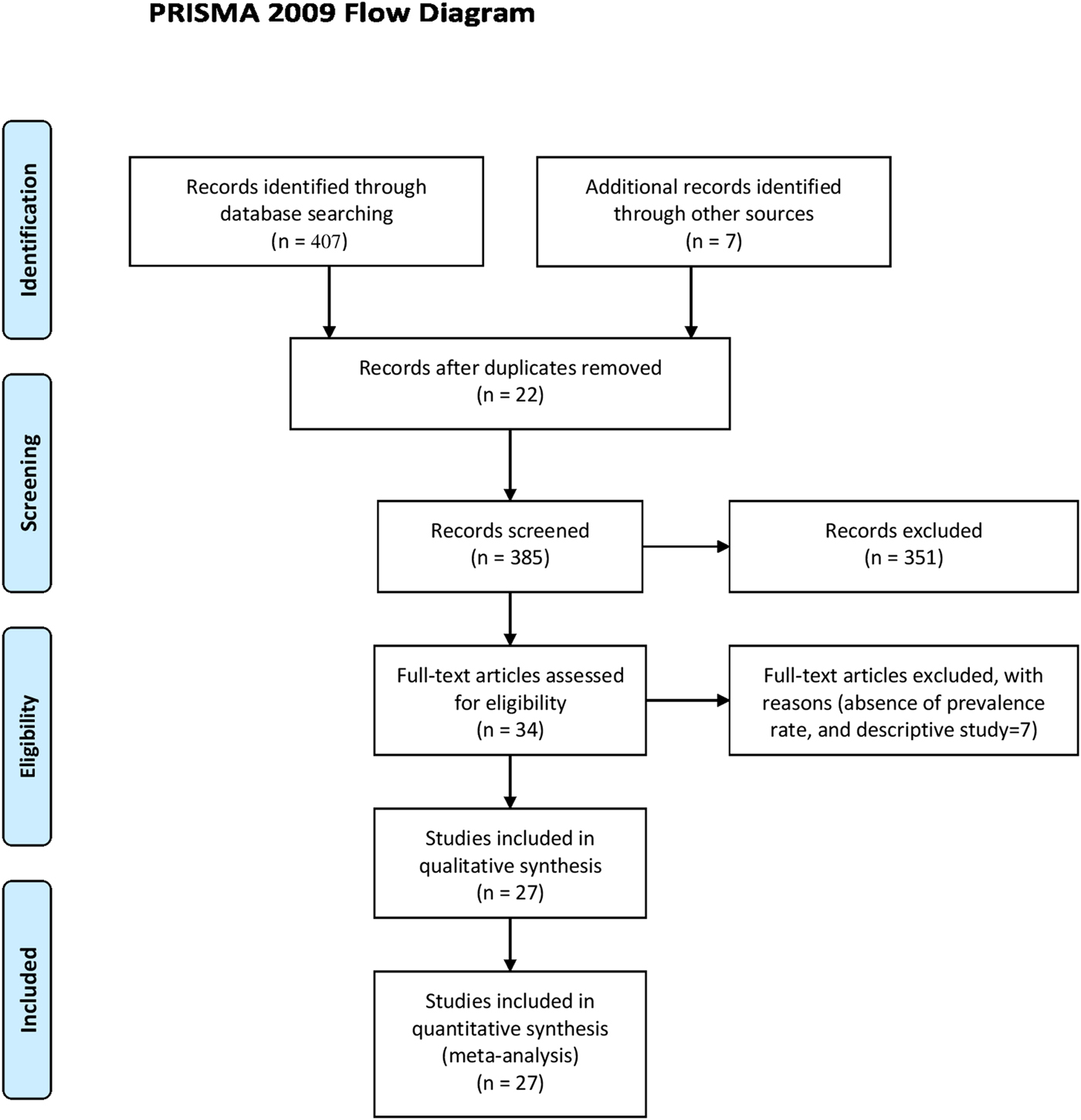
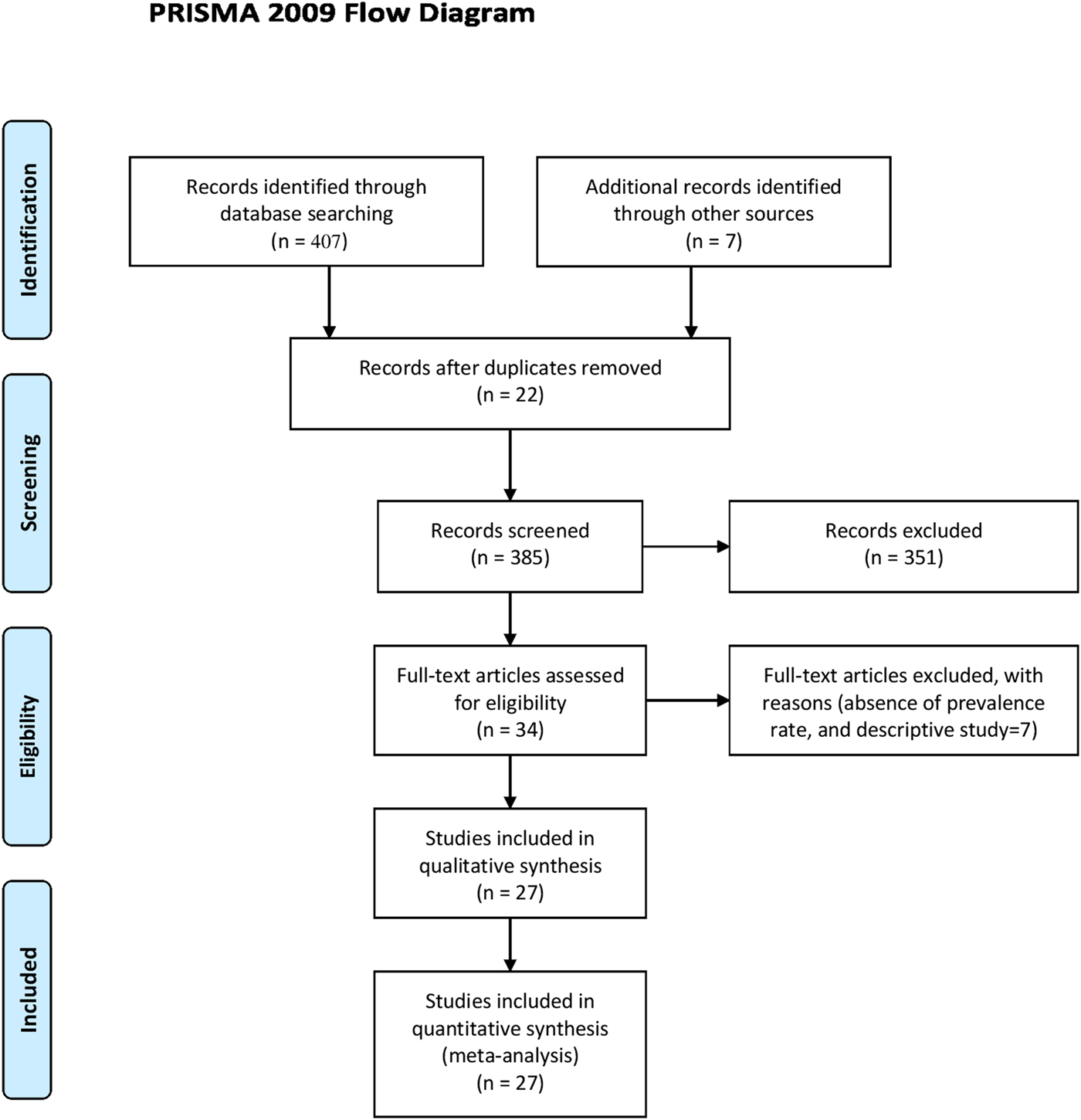
Of the 407 scientific articles screened, 385 met the inclusion criteria according to keywords. After analysing the titles and abstracts, 351 articles were excluded because they did not comply with the objectives or inclusion criteria. The full texts of the remaining potentially relevant articles were reviewed in depth; of the 34 articles evaluated for eligibility, 27 were included in the final analysis (Fig. 1).
Flow diagram of epidemiologic studies on Schistosoma mansoni for the systematic review and meta-analysis.
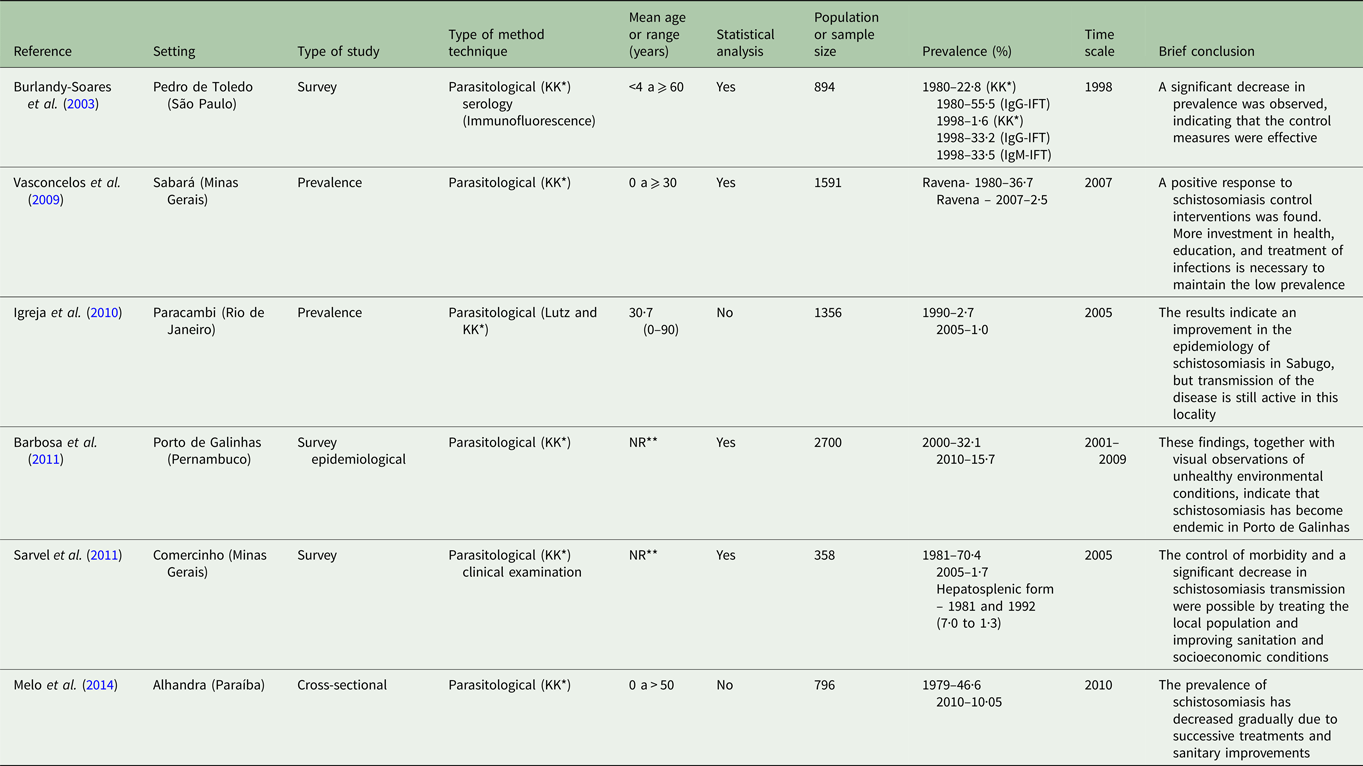
The 27 remaining studies were then divided into four distinct subgroups: (1) analysis of prevalence in different stages of implementation of control programs (Burlandy-Soares et al. Reference Burlandy-Soares, de Souza Dias, Kanamura, de Oliveira and Ciaravolo2003; Vasconcelos et al. Reference Vasconcelos, Cardoso, Quirino, Massara, Amaral, Cordeiro and Carvalho Odos2009; Igreja et al. Reference Igreja, Gusmao, Barreto, Paulino, da Silva, Seck, Goncalves and Soares2010; Barbosa et al. Reference Barbosa, Leal-Neto, Gomes, Araujo and Domingues2011; Sarvel et al. Reference Sarvel, Oliveira, Silva, Lima and Katz2011; Melo et al. Reference Melo, Costa, Conceicao and Coura2014), (2) comparison of the prevalence of S. mansoni using different methods of laboratory diagnosis (Teles et al. Reference Teles, Ferreira, de Carvalho, Zacharias and Magalhaes2003; Mendes et al. Reference Mendes, Teixeira, Pereira and Dias2005; Enk et al. Reference Enk, Lima, Drummond, Schall and Coelho2008; Siqueira et al. Reference Siqueira, Coelho, Oliveira, Massara, Carneiro, Lima and Enk2011; Espirito-Santo et al. Reference Espirito-Santo, Alvarado-Mora, Dias-Neto, Botelho-Lima, Moreira, Amorim, Pinto, Heath, Castilho, Goncalves, Luna, Carrilho, Pinho and Gryschek2014a, Reference Espirito-Santo, Sanchez, Sanchez, Alvarado-Mora, Castilho, Goncalves, Luna and Gryschekb), (3) evaluation of the prevalence of S. mansoni and predictors associated with infection (Bina and Prata, Reference Bina and Prata2003; Massara et al. Reference Massara, Peixoto, Barros Hda, Enk, Carvalho Odos and Schall2004; Couto, Reference Couto2005; Goncalves et al. Reference Goncalves, Barreto, Maldonado, Maione, Rey and Soares Mda2005; Gazzinelli et al. Reference Gazzinelli, Velasquez-Melendez, Crawford, LoVerde, Correa-Oliveira and Kloos2006; Enk et al. Reference Enk, Lima, Barros Hda, Massara, Coelho and Schall2010; Barbosa et al. Reference Barbosa, Silva, Reis, Azevedo, Costa, Blank, Reis and Blanton2013; Gomes et al. Reference Gomes, Leal-Neto, de Oliveira, Campos, Souza-Santos and Barbosa2014; Blanton et al. Reference Blanton, Barbosa, Reis, Carmo, Dos Santos, Costa, Aminu, Blank, Reis, Guimaraes, Silva and Reis2015) and (4) analysis of the prevalence of S. mansoni among schoolchildren (Rocha et al. Reference Rocha, Silva, Peixoto, Caldeira, Firmo, Carvalho and Katz2000; Barbosa et al. Reference Barbosa, Favre, Wanderley, Callou and Pieri2006; Brito et al. Reference Brito, Barreto, Silva Rde, Assis, Reis, Parraga and Blanton2006; Guimaraes and Tavares-Neto, Reference Guimaraes and Tavares-Neto2006; Massara et al. Reference Massara, Peixoto, Enk, da Silva Barros, dos Santos Carvalho, Sakurai and Schall2006; Palmeira et al. Reference Palmeira, Carvalho, Rodrigues and Couto2010).
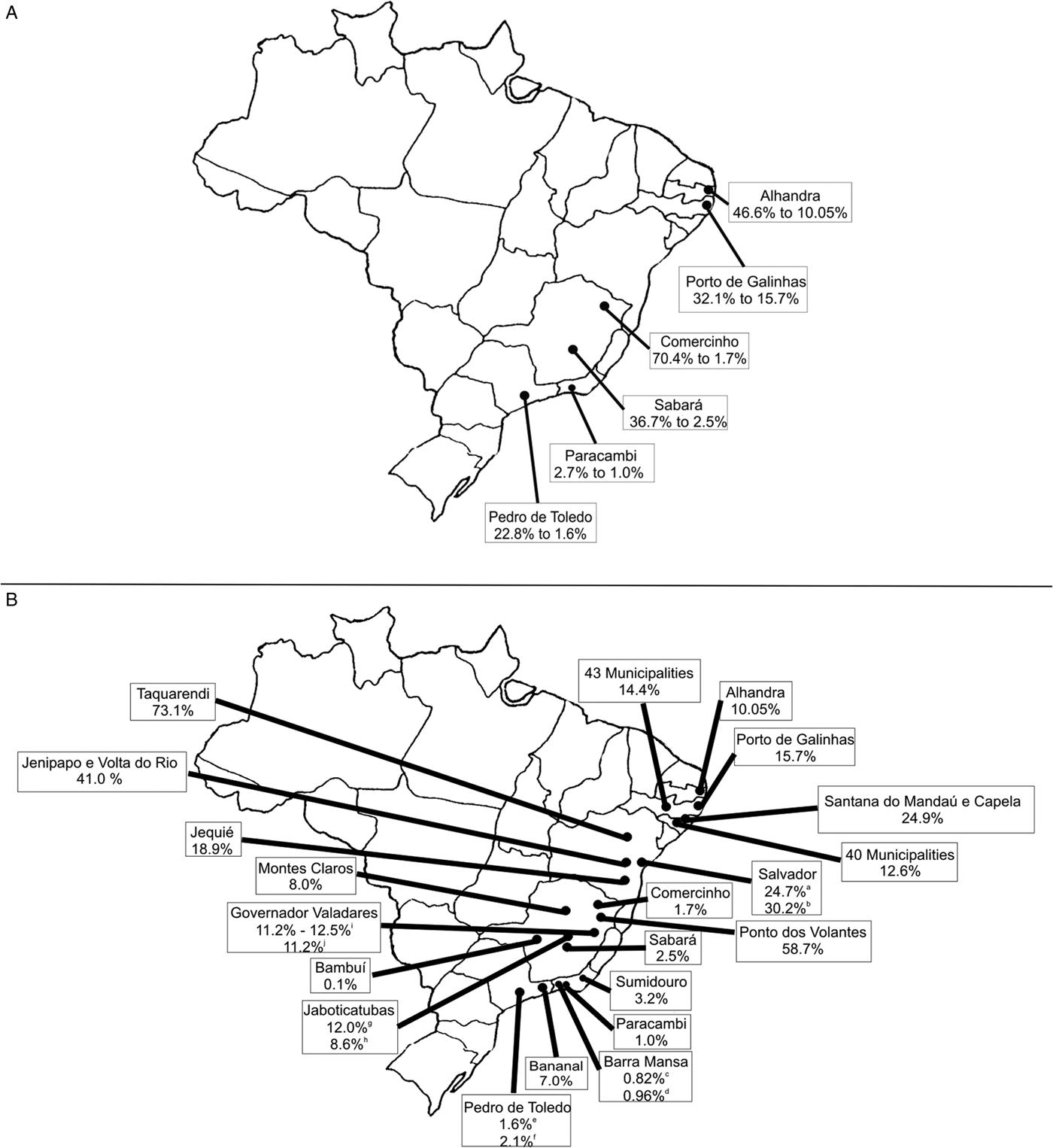
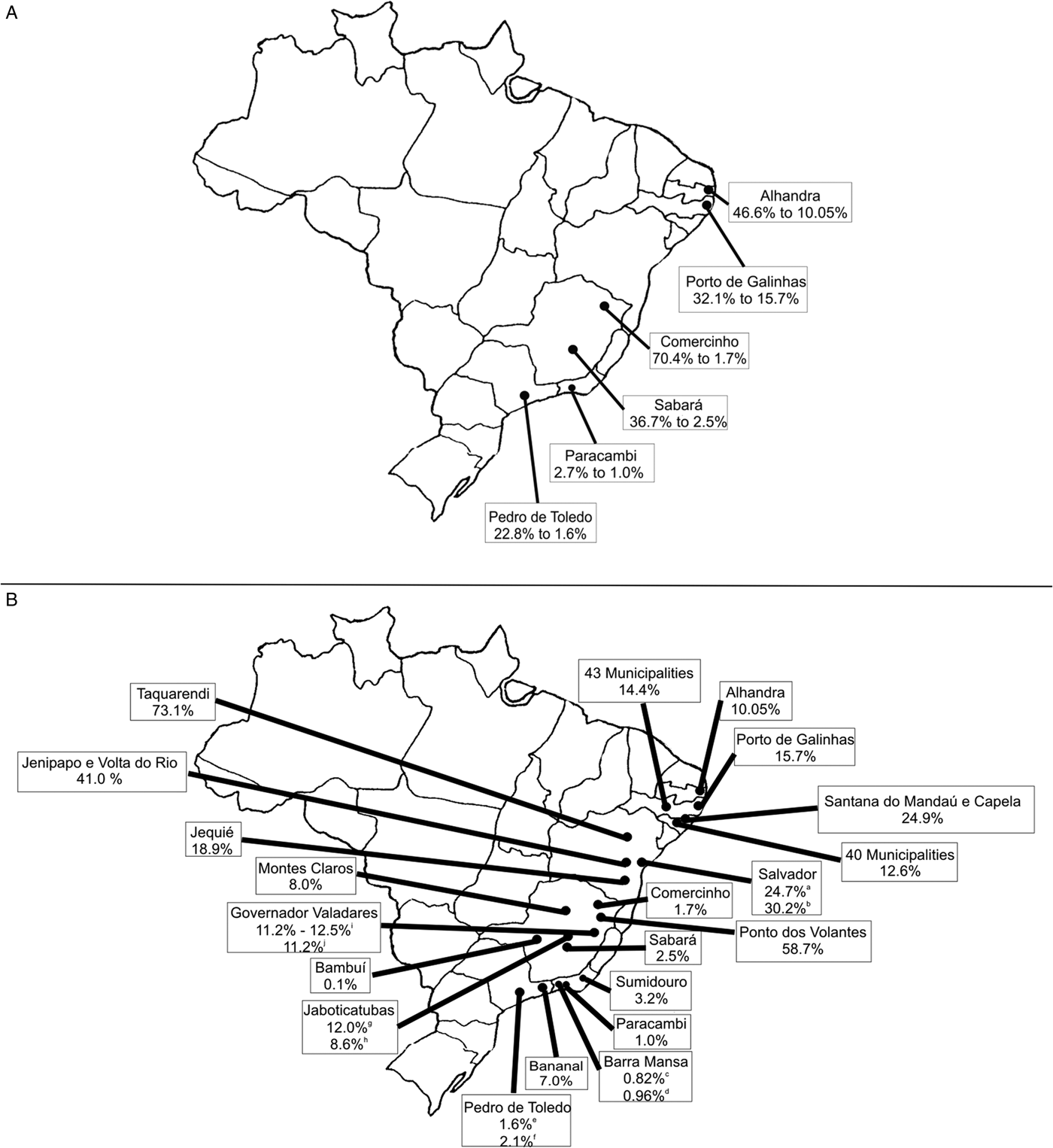
Six studies that examined prevalence before and after the implementation of control programs evaluated five Brazilian states. Two of these six studies focused on Minas Gerais (Vasconcelos et al. Reference Vasconcelos, Cardoso, Quirino, Massara, Amaral, Cordeiro and Carvalho Odos2009; Sarvel et al. Reference Sarvel, Oliveira, Silva, Lima and Katz2011). Three studies were survey-type studies (Burlandy-Soares et al. Reference Burlandy-Soares, de Souza Dias, Kanamura, de Oliveira and Ciaravolo2003; Barbosa et al. Reference Barbosa, Leal-Neto, Gomes, Araujo and Domingues2011; Sarvel et al. Reference Sarvel, Oliveira, Silva, Lima and Katz2011). Two were prevalence-type studies (Vasconcelos et al. Reference Vasconcelos, Cardoso, Quirino, Massara, Amaral, Cordeiro and Carvalho Odos2009; Igreja et al. Reference Igreja, Gusmao, Barreto, Paulino, da Silva, Seck, Goncalves and Soares2010), and one was a cross-sectional study (Melo et al. Reference Melo, Costa, Conceicao and Coura2014). The Kato-Katz technique was used either alone or combined with other methods for laboratory diagnosis. As for the age group, only four publications reported the minimum and maximum age of the population, 0–90 years old (Burlandy-Soares et al. Reference Burlandy-Soares, de Souza Dias, Kanamura, de Oliveira and Ciaravolo2003; Vasconcelos et al. Reference Vasconcelos, Cardoso, Quirino, Massara, Amaral, Cordeiro and Carvalho Odos2009; Igreja et al. Reference Igreja, Gusmao, Barreto, Paulino, da Silva, Seck, Goncalves and Soares2010; Melo et al. Reference Melo, Costa, Conceicao and Coura2014). Four of the six studies performed statistical analyses (Burlandy-Soares et al. Reference Burlandy-Soares, de Souza Dias, Kanamura, de Oliveira and Ciaravolo2003; Vasconcelos et al. Reference Vasconcelos, Cardoso, Quirino, Massara, Amaral, Cordeiro and Carvalho Odos2009; Barbosa et al. Reference Barbosa, Leal-Neto, Gomes, Araujo and Domingues2011; Sarvel et al. Reference Sarvel, Oliveira, Silva, Lima and Katz2011). The overall population of the six studies included 7695 individuals. The prevalence before and after the implementation of control programs ranged from 2·7 to 70·4% and 1·0 to 15·7%, respectively based on Kato-Katz technique (Fig. 2A). Only one study performed an immunological analysis, and the reported prevalence was 55·5% before and 33·2% after implementation of disease control programs (Burlandy-Soares et al. Reference Burlandy-Soares, de Souza Dias, Kanamura, de Oliveira and Ciaravolo2003) (Table 1).
Epidemiologic studies on Schistosoma mansoni developed in seven states of Brazil, 2000–2015. (A) Rates of the prevalence of six studies on Schistosoma mansoni infection in two periods, before and after implementation of control programs in Brazil, according to region. (B) Prevalence rate of each study and the pooled prevalence of Schistosoma mansoni in 27 epidemiological studies developed in Brazil, according to region. aBlanton at al. (Reference Blanton, Barbosa, Reis, Carmo, Dos Santos, Costa, Aminu, Blank, Reis, Guimaraes, Silva and Reis2015). bGuimaraes and Tavares-Neto (Reference Guimaraes and Tavares-Neto2006). cEspirito-Santo et al. (Reference Espirito-Santo, Alvarado-Mora, Dias-Neto, Botelho-Lima, Moreira, Amorim, Pinto, Heath, Castilho, Goncalves, Luna, Carrilho, Pinho and Gryschek2014a). dEspirito-Santo et al. (Reference Espirito-Santo, Sanchez, Sanchez, Alvarado-Mora, Castilho, Goncalves, Luna and Gryschek2014b). eBurlandy-Soares et al. (Reference Burlandy-Soares, de Souza Dias, Kanamura, de Oliveira and Ciaravolo2003). fMendes et al. (Reference Mendes, Teixeira, Pereira and Dias2005). gMassara et al. (Reference Massara, Peixoto, Barros Hda, Enk, Carvalho Odos and Schall2004). hMassara et al. (Reference Massara, Peixoto, Enk, da Silva Barros, dos Santos Carvalho, Sakurai and Schall2006). iEnk et al. (Reference Enk, Lima, Drummond, Schall and Coelho2008). jEnk et al. (Reference Enk, Lima, Barros Hda, Massara, Coelho and Schall2010).
Prevalence of Schistosoma mansoni infection before and after implementation of control programs
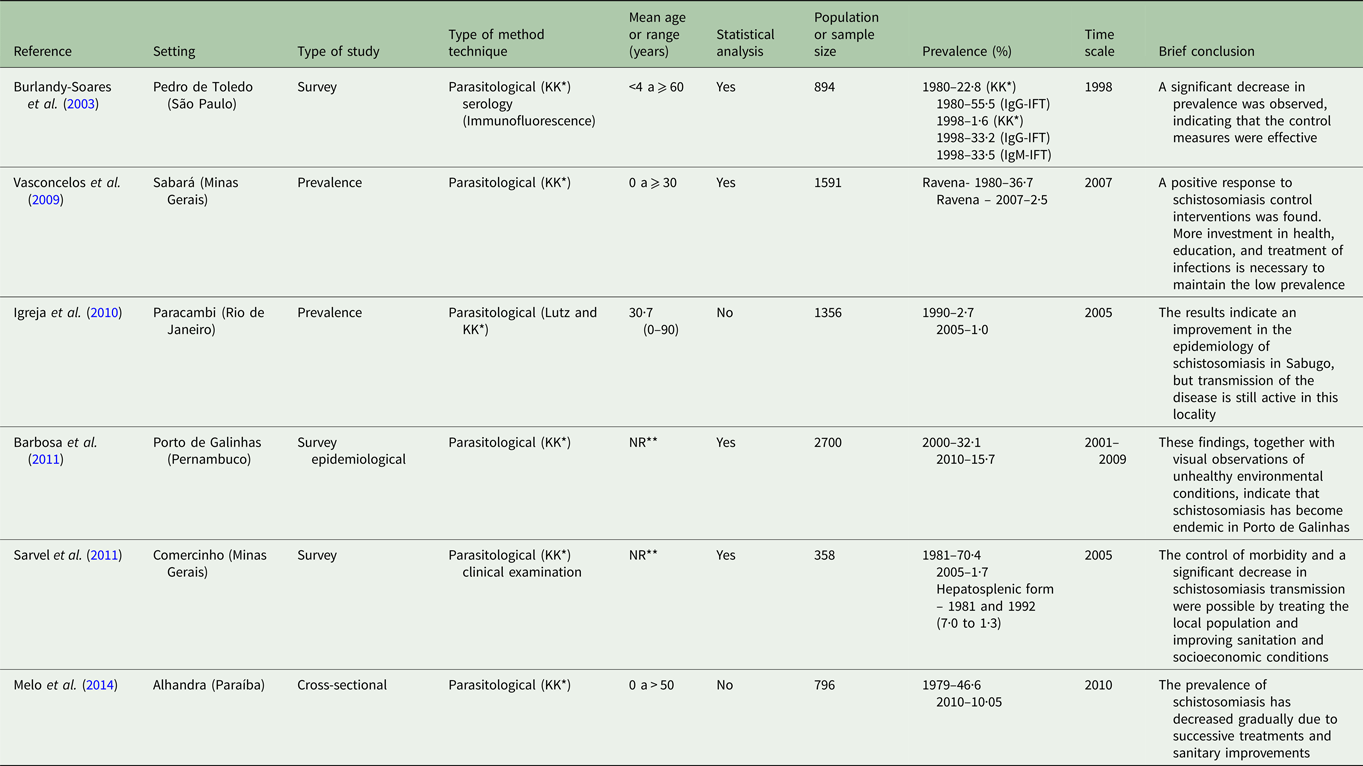
*KK, Kato-Katz; **NR, not reported.
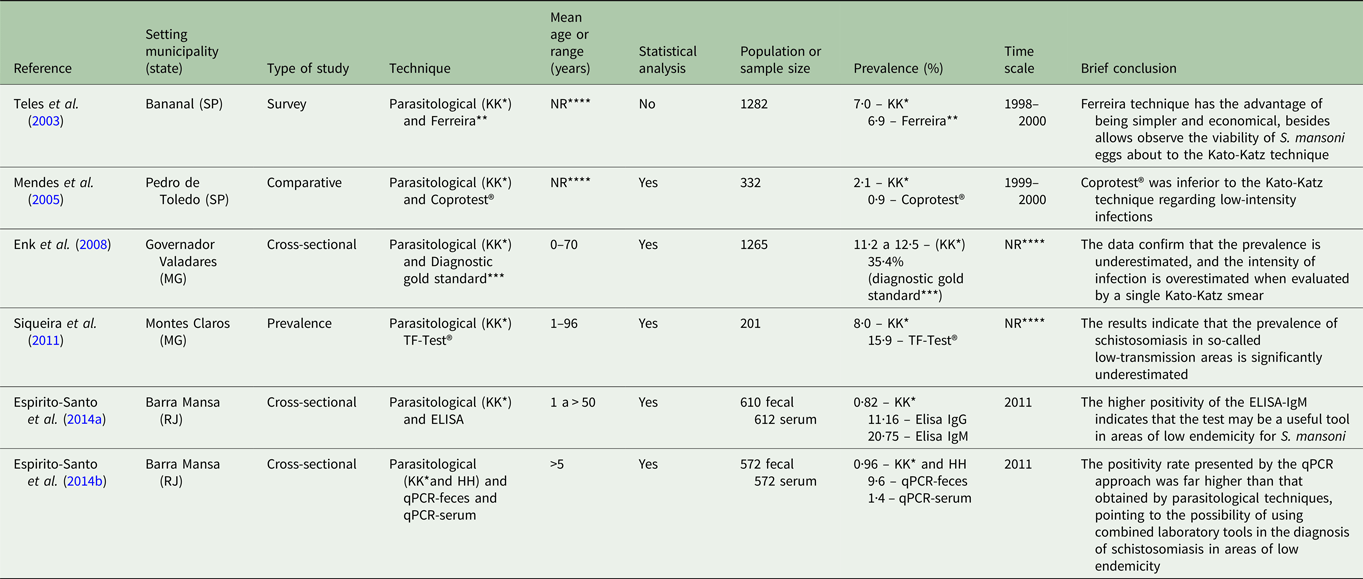
Six studies compared the prevalence of S. mansoni using different laboratory diagnostic methods, two of which focused on the state of Minas Gerais (Enk et al. Reference Enk, Lima, Drummond, Schall and Coelho2008; Siqueira et al. Reference Siqueira, Coelho, Oliveira, Massara, Carneiro, Lima and Enk2011), and two focused on São Paulo (Teles et al. Reference Teles, Ferreira, de Carvalho, Zacharias and Magalhaes2003; Mendes et al. Reference Mendes, Teixeira, Pereira and Dias2005), and two on the state of Rio de Janeiro. The population sample of these studies was 4262 individuals, ranging in age from 0 to 96 years. Five of these six studies performed statistical analyses (Mendes et al. Reference Mendes, Teixeira, Pereira and Dias2005; Enk et al. Reference Enk, Lima, Drummond, Schall and Coelho2008; Siqueira et al. Reference Siqueira, Coelho, Oliveira, Massara, Carneiro, Lima and Enk2011; Espirito-Santo et al. Reference Espirito-Santo, Alvarado-Mora, Dias-Neto, Botelho-Lima, Moreira, Amorim, Pinto, Heath, Castilho, Goncalves, Luna, Carrilho, Pinho and Gryschek2014a, Reference Espirito-Santo, Sanchez, Sanchez, Alvarado-Mora, Castilho, Goncalves, Luna and Gryschekb). Prevalence of schistosomiasis ranged from 0·82 to 12·5% and 0·9 to 35·4% in diagnostics based on Kato-Katz technique and other methods, respectively (Teles et al. Reference Teles, Ferreira, de Carvalho, Zacharias and Magalhaes2003; Mendes et al. Reference Mendes, Teixeira, Pereira and Dias2005; Enk et al. Reference Enk, Lima, Drummond, Schall and Coelho2008; Siqueira et al. Reference Siqueira, Coelho, Oliveira, Massara, Carneiro, Lima and Enk2011; Espirito-Santo et al. Reference Espirito-Santo, Alvarado-Mora, Dias-Neto, Botelho-Lima, Moreira, Amorim, Pinto, Heath, Castilho, Goncalves, Luna, Carrilho, Pinho and Gryschek2014a, Reference Espirito-Santo, Sanchez, Sanchez, Alvarado-Mora, Castilho, Goncalves, Luna and Gryschekb) (Table 2).
Comparison of prevalence of Schistosoma mansoni infection detected by different methods of laboratory diagnosis
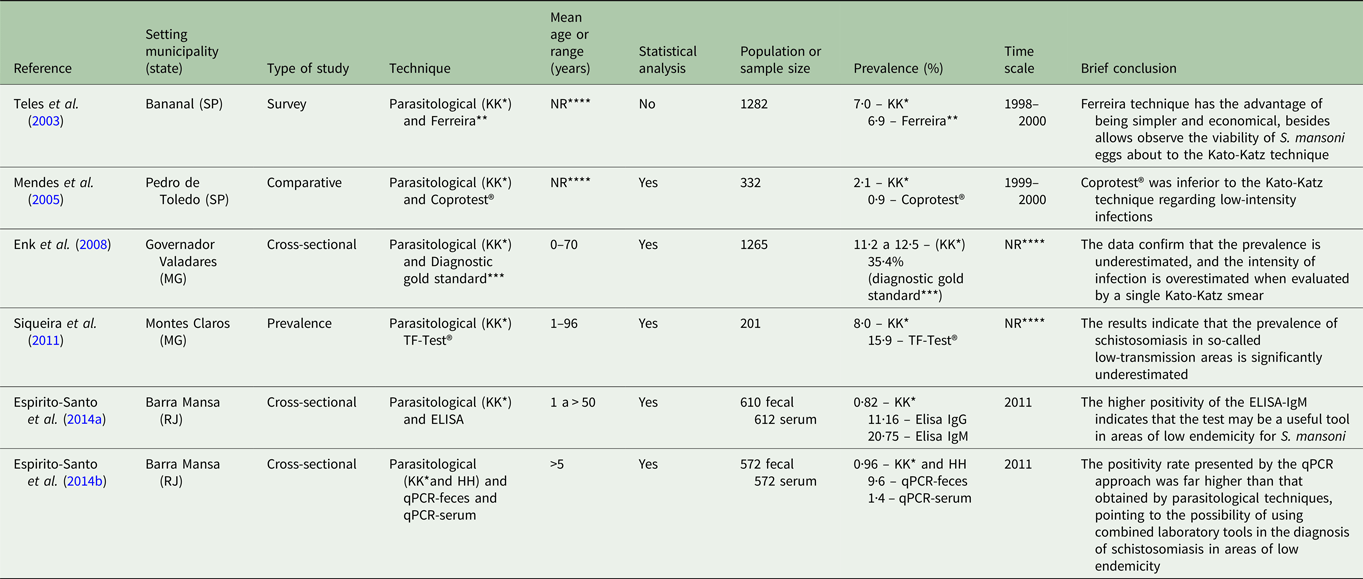
*KK: Kato-Katz; **Ferreira: technique compression feces without sieving and measuring; ***Diagnostic gold standard: combination of six KK smears and formol ether centrifugation; **** NR: not reported.
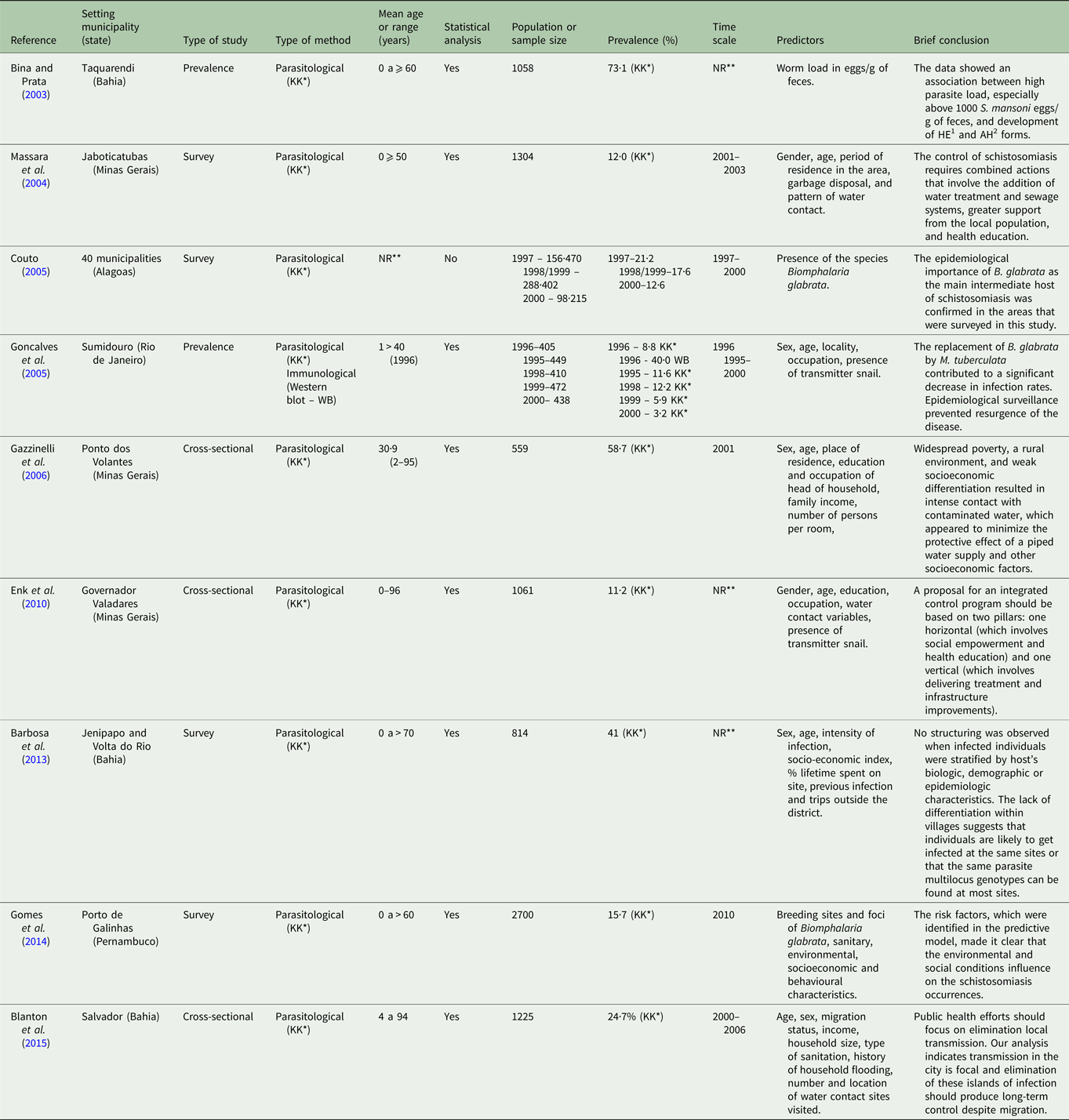
Of the nine articles that evaluated the prevalence and predictors associated with S. mansoni infection, the largest concentration of publications occurred in the state of Minas Gerais (Massara et al. Reference Massara, Peixoto, Barros Hda, Enk, Carvalho Odos and Schall2004; Gazzinelli et al. Reference Gazzinelli, Velasquez-Melendez, Crawford, LoVerde, Correa-Oliveira and Kloos2006; Enk et al. Reference Enk, Lima, Barros Hda, Massara, Coelho and Schall2010) and state of Bahia (Bina and Prata, Reference Bina and Prata2003; Barbosa et al. Reference Barbosa, Silva, Reis, Azevedo, Costa, Blank, Reis and Blanton2013; Blanton et al. Reference Blanton, Barbosa, Reis, Carmo, Dos Santos, Costa, Aminu, Blank, Reis, Guimaraes, Silva and Reis2015). The types of studies were distributed among surveys (four of nine) (Massara et al. Reference Massara, Peixoto, Barros Hda, Enk, Carvalho Odos and Schall2004; Couto, Reference Couto2005; Barbosa et al. Reference Barbosa, Silva, Reis, Azevedo, Costa, Blank, Reis and Blanton2013; Gomes et al. Reference Gomes, Leal-Neto, de Oliveira, Campos, Souza-Santos and Barbosa2014) cross-sectional studies (three of nine) (Gazzinelli et al. Reference Gazzinelli, Velasquez-Melendez, Crawford, LoVerde, Correa-Oliveira and Kloos2006; Enk et al. Reference Enk, Lima, Barros Hda, Massara, Coelho and Schall2010; Blanton et al. Reference Blanton, Barbosa, Reis, Carmo, Dos Santos, Costa, Aminu, Blank, Reis, Guimaraes, Silva and Reis2015), and prevalence studies (two of nine) (Bina and Prata, Reference Bina and Prata2003; Goncalves et al. Reference Goncalves, Barreto, Maldonado, Maione, Rey and Soares Mda2005). The age range of these nine studies was 0–96 years old. The sample population included 553 982 individuals. The Kato-Katz technique for laboratory analysis was performed in all nine studies, for which the prevalence was 3·2–73·1%. Only one study used both the Kato-Katz technique and a serological method, and the prevalence was 40% (Goncalves et al. Reference Goncalves, Barreto, Maldonado, Maione, Rey and Soares Mda2005). The main variables that were associated with schistosomiasis were gender, age, socioeconomic status, education level, occupation, income and environmental contact with water that had the presence of the intermediate host snail (Table 3).
Prevalence of Schistosoma mansoni infection and predictors associated with infection
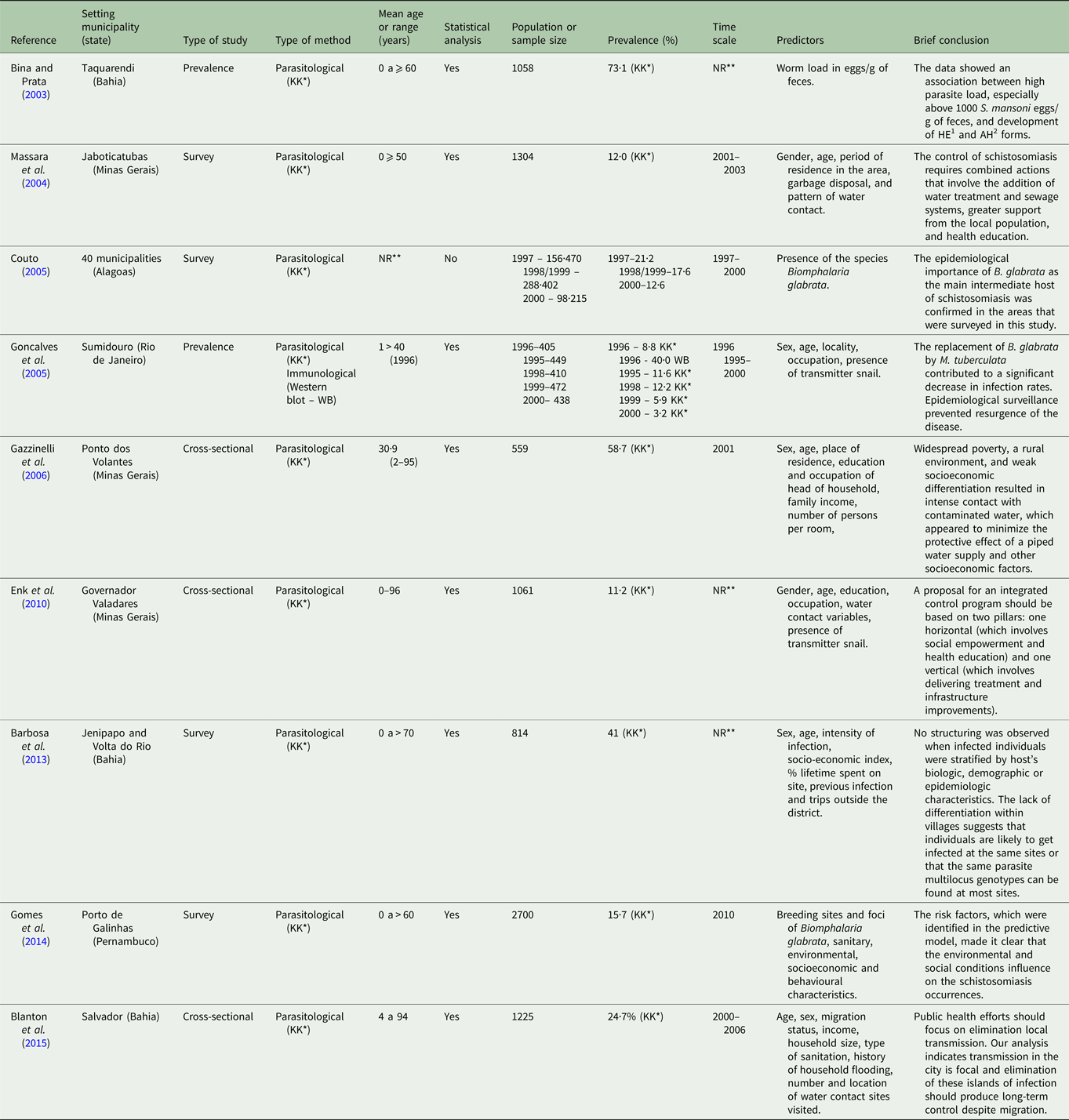
*KK: Kato-Katz; **NR: not reported; 1HE: hepatosplenic form; 2AH: advanced hepatointestinal form.
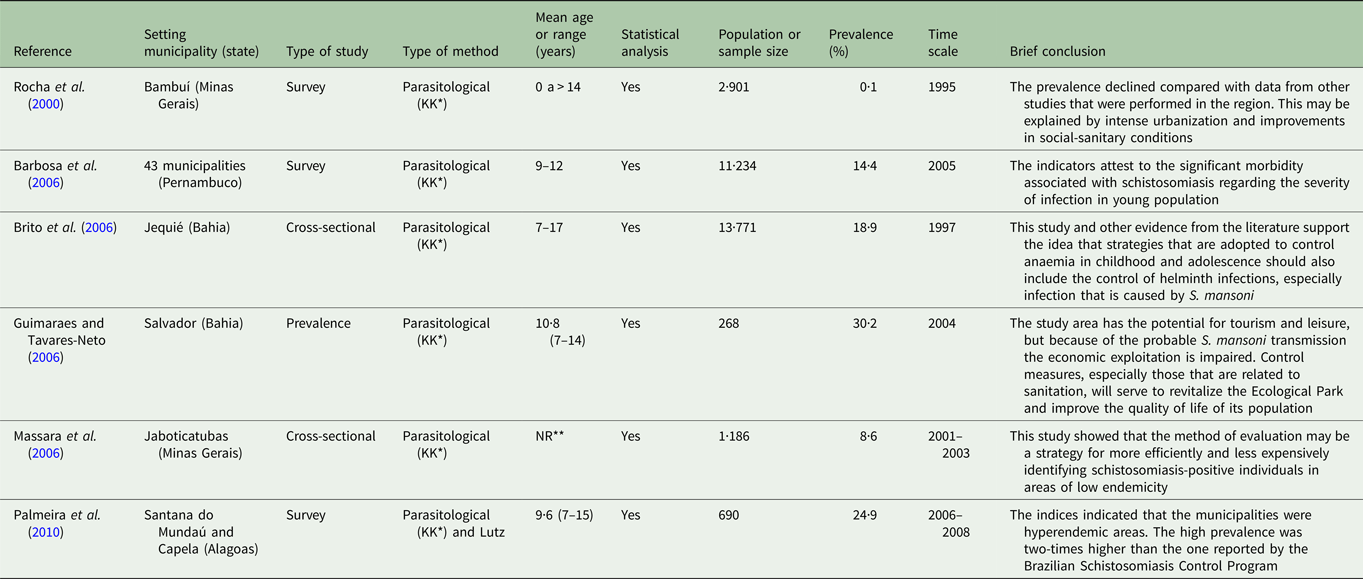
From 1995 to 2008, six studies assessed the prevalence of schistosomiasis in 30 050 schoolchildren. Four of these six studies were performed in northeastern Brazil (Barbosa et al. Reference Barbosa, Favre, Wanderley, Callou and Pieri2006; Brito et al. Reference Brito, Barreto, Silva Rde, Assis, Reis, Parraga and Blanton2006; Guimaraes and Tavares-Neto, Reference Guimaraes and Tavares-Neto2006; Palmeira et al. Reference Palmeira, Carvalho, Rodrigues and Couto2010). Of the six studies, three were survey studies (Rocha et al. Reference Rocha, Silva, Peixoto, Caldeira, Firmo, Carvalho and Katz2000; Barbosa et al. Reference Barbosa, Favre, Wanderley, Callou and Pieri2006; Palmeira et al. Reference Palmeira, Carvalho, Rodrigues and Couto2010). The Kato-Katz technique was used for laboratory diagnosis, for which the prevalence ranged from 0·1 to 30·2%. The age of the population sample ranged from 0 to 17 years. All six studies performed statistical analyses (Table 4). In our systematic review, only eight studies reporting individual bias (Goncalves et al. Reference Goncalves, Barreto, Maldonado, Maione, Rey and Soares Mda2005; Mendes et al. Reference Mendes, Teixeira, Pereira and Dias2005; Brito et al. Reference Brito, Barreto, Silva Rde, Assis, Reis, Parraga and Blanton2006; Massara et al. Reference Massara, Peixoto, Enk, da Silva Barros, dos Santos Carvalho, Sakurai and Schall2006; Vasconcelos et al. Reference Vasconcelos, Cardoso, Quirino, Massara, Amaral, Cordeiro and Carvalho Odos2009; Enk et al. Reference Enk, Lima, Barros Hda, Massara, Coelho and Schall2010; Igreja et al. Reference Igreja, Gusmao, Barreto, Paulino, da Silva, Seck, Goncalves and Soares2010; Palmeira et al. Reference Palmeira, Carvalho, Rodrigues and Couto2010).
Prevalence of Schistosoma mansoni infection in schoolchildren
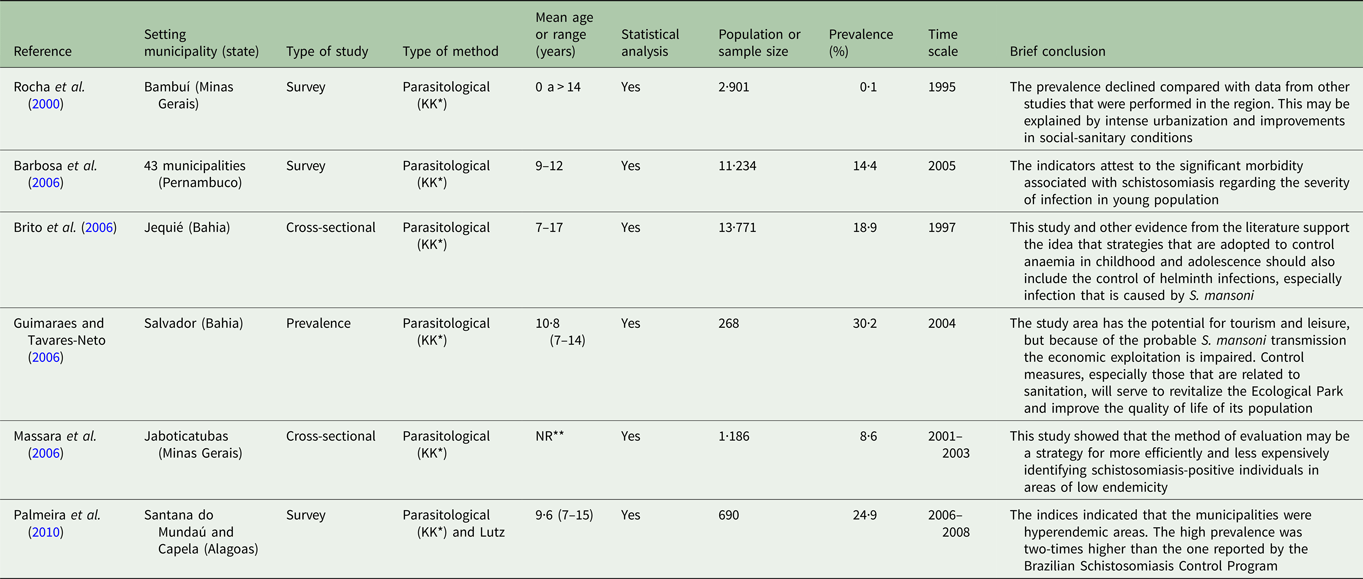
*KK: Kato-Katz; **NR: not reported.
Overall analysis and publications bias
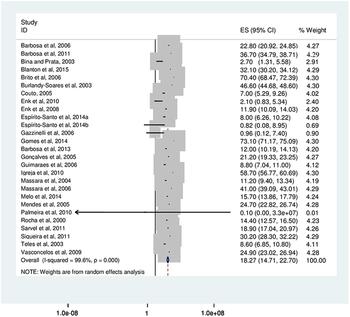
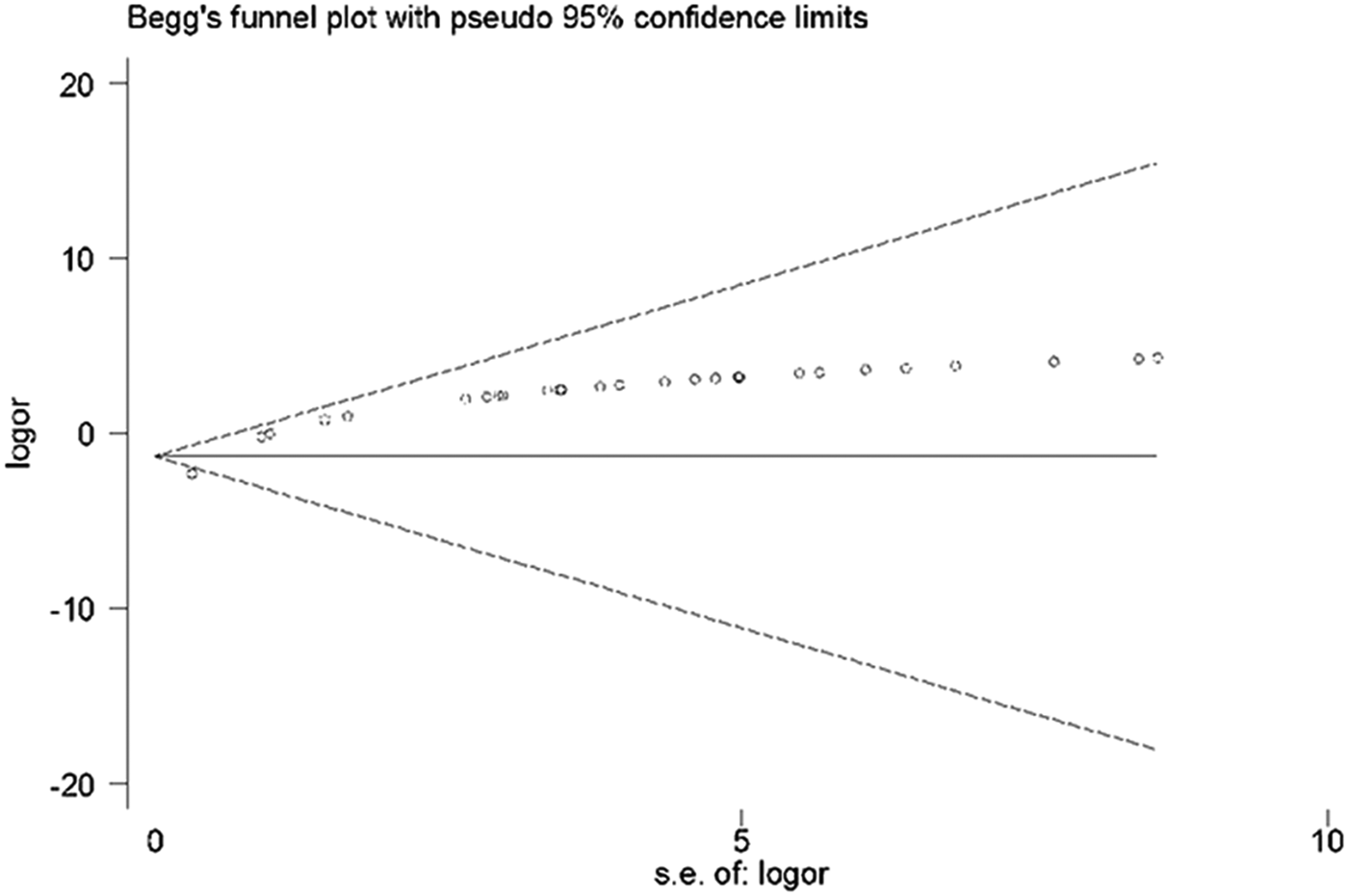
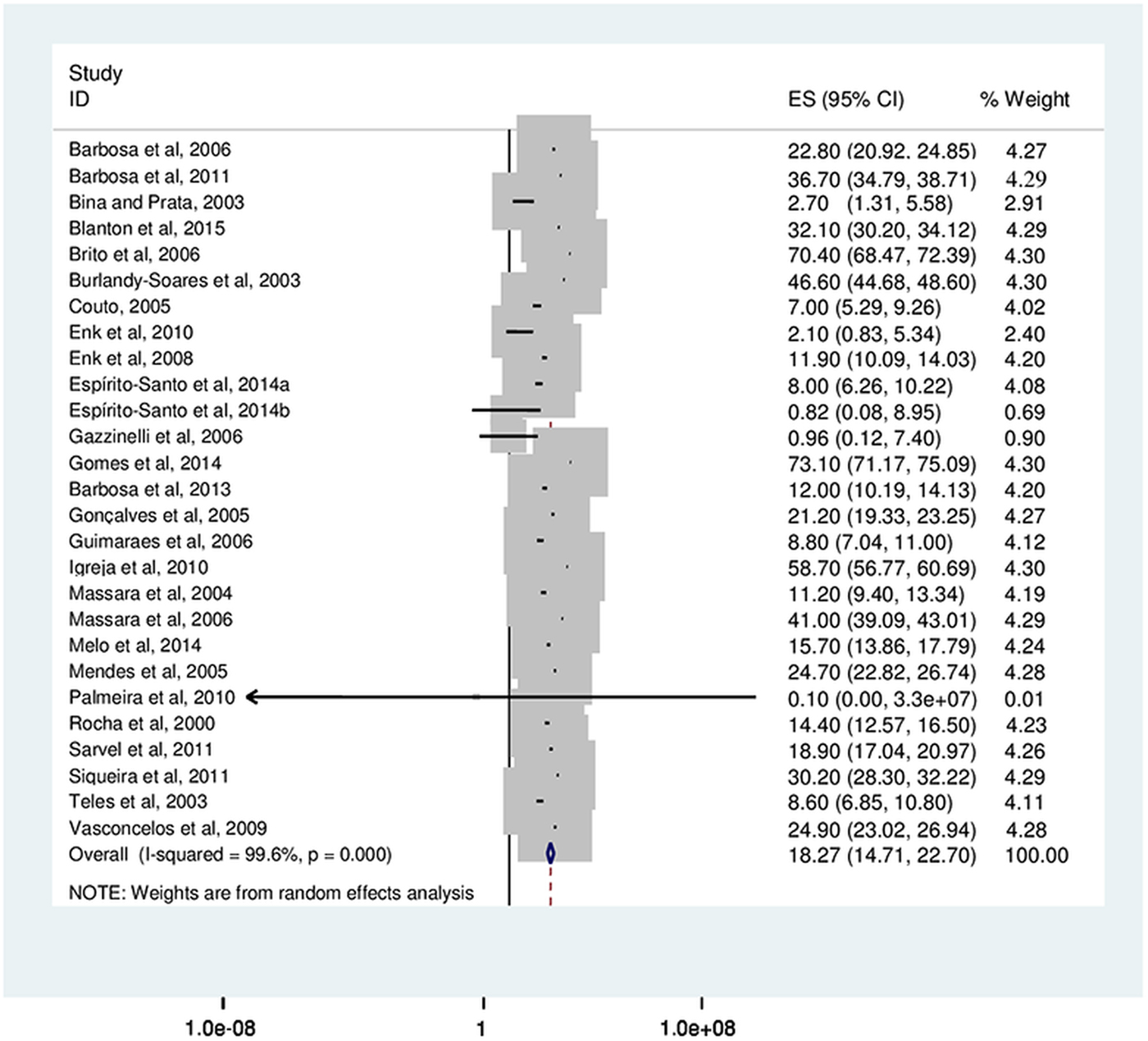
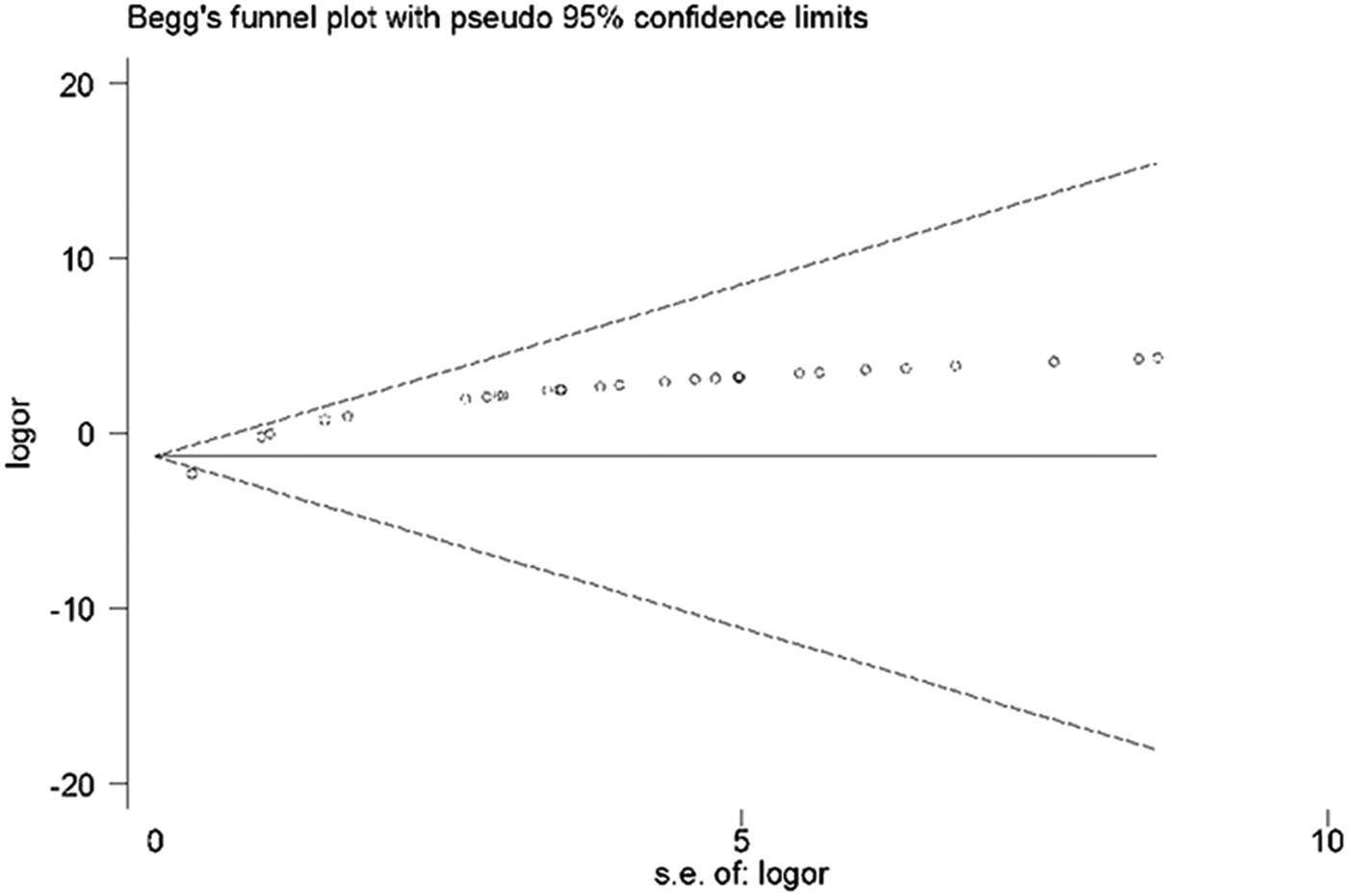
The meta-analysis of the 27 publications totalled 207 603 patients, with an estimated prevalence of 0·10 (0·00–3·3e + 0·7) to 70·40% (68·47–72·39), the weight of the studies ranging from 0·01 to 4·30 and pooled prevalence of 18·27 (14·71–22·700) (Fig. 2B, Fig. 3, S5-Supplementary file). The heterogeneity revealed statistical test Chi-square (P < 0·001) and I 2 statistic test showed consistent heterogeneity of publications (I 2 = 99·6%). The Egger weighted regression test (P < 0·001) and Begg's rank-correlation test (P < 0·001) demonstrated the presence of publication bias (Fig. 4).
Forest plot of the prevalence rate of Schistosoma mansoni in 27 epidemiological studies and the pooled prevalence, according to random effects analysis (ES, effect size estimate); IC, interval confidence.
Begg's funnel plot for assessing publication bias in meta-analysis of 27 epidemiological studies of Schistosoma Mansoni developed in Brazil. The funnel graph shows the effect measure (Odds Ratio) and standard error (s.e.) for each study.
Subgroup analysis and publications bias
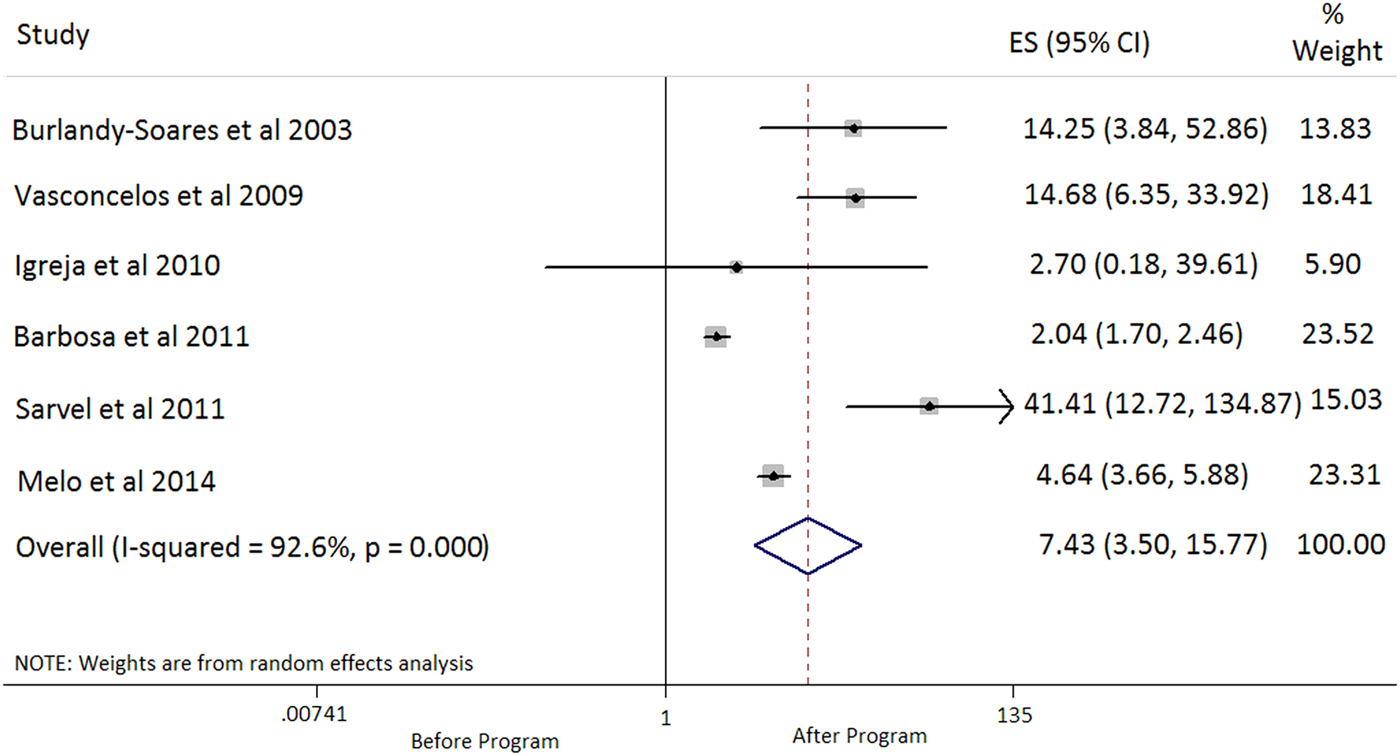
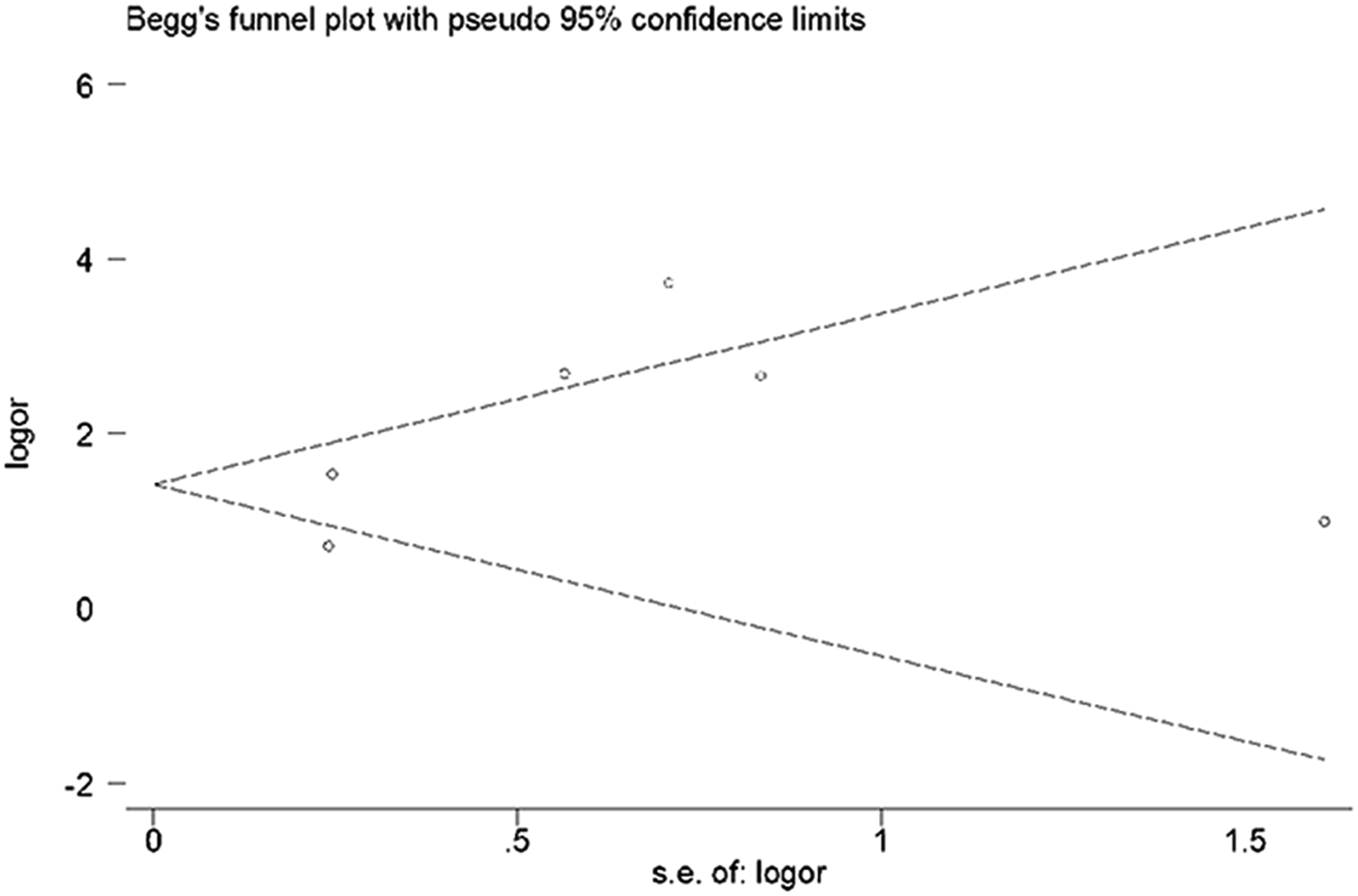
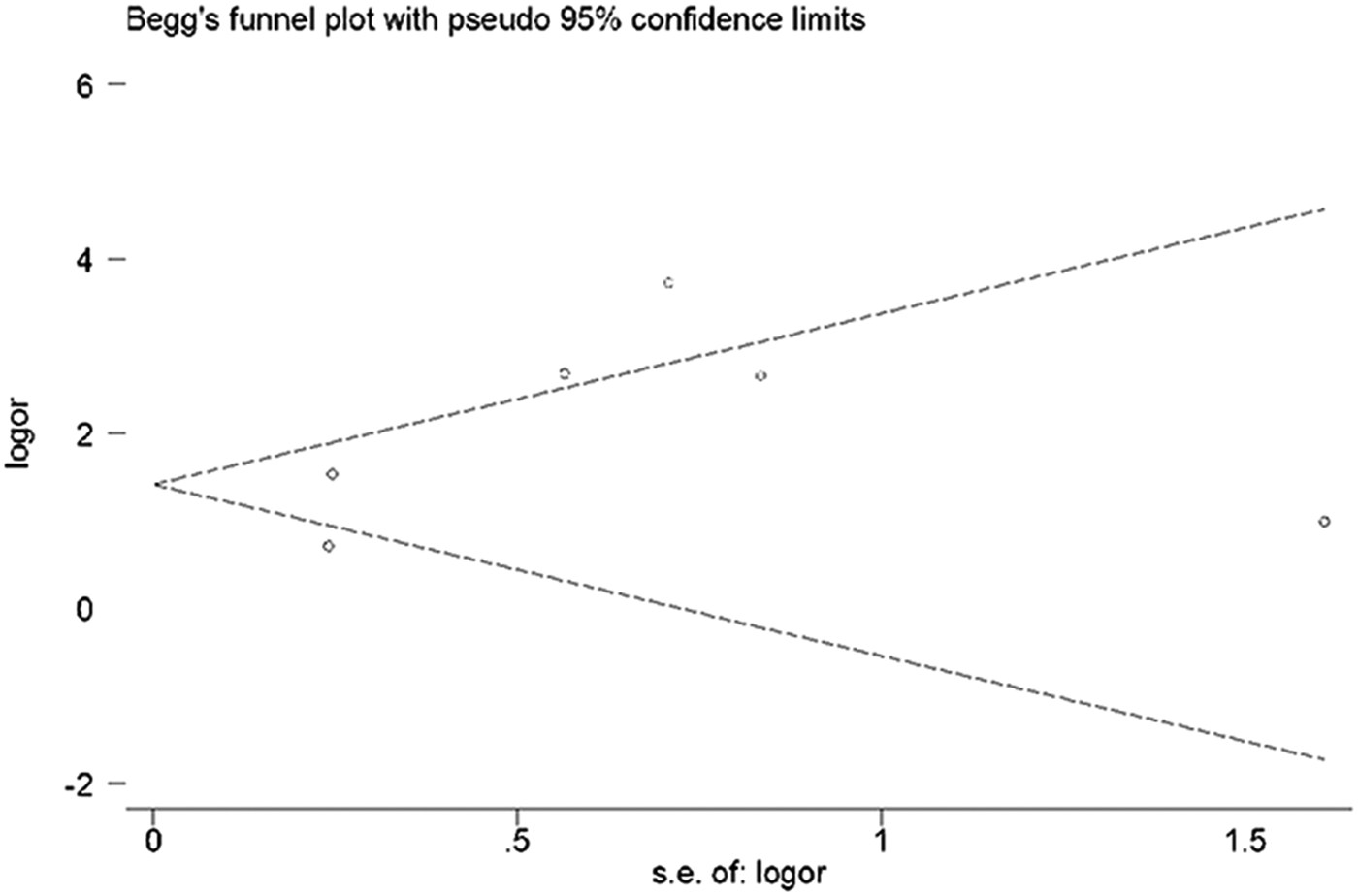
In the subgroup analysis, the OR variation was 2·0 (1·7–2·5) to 41·4 (12·8–134·9), weight from 5·9 to 23·5, with high heterogeneity (I 2 = 92·6) among the six selected studies The pooled prevalence showed significant reduction between the two periods (before and after the implementation of control programs) (7·43 CI 95% 3·50–15·77, P < 0·001) (Fig. 5, S6-Supplementary file). The Begg's test (P = 0·573) and Egger's test (P = 0·175) did not show publication bias, com asymmetry for the funnel plot (Fig. 6).
Forest plot of the prevalence rate of six studies on Schistosoma mansoni infection in two periods, before and after implementation of control programs in Brazil.

Begg's funnel plot for assessing publication bias in meta-analysis of six studies on Schistosoma mansoni infection in two periods, before and after implementation of control programs in Brazil.
Publications and STROBE statement
Of the 27 publications included in the systematic review, only three (11·1%) reported and used the STROBE Statement. The 22 items STROBE checklist showed that 57·3% of the 27 publications presented a wide range of requirements (14·8 to 100·0%). Specific topics, such as biases and limitations in individual studies, presented the same absolute frequency and percentages of publications (9/33·3%). Data missing items and sensitivity analyses were described in very few studies (4/14·8%; 7/25·9%, respectively). Main results occurred in (13/48·11%), and interpretation in (16/59·3%) of papers. All publications were validated by two independent researchers (JJVT, TSS), showing a 90·7% agreement for STROBE Statement (S7-Supplementary file).
Discussion
In this systematic review, we analysed studies of the prevalence of S. mansoni and factors associated with the infection in different research areas of Brazil. Our findings suggest a positive response to control programs, although such programs have had different results. In all of the studies that examined prevalence after the implementation of monitoring programs, a decrease in disease transmission was observed. However, despite the improvement in the epidemiological situation, the transmission of remained active in all of the locations analysed. Because of the complex dynamics of disease transmission and its close relationship to environmental variables and poverty rates, even relatively low levels of prevalence are worrisome without the necessary investments in control measures and constant vigilance (Kloos et al. Reference Kloos, Correa-Oliveira, Oliveira Quites, Caetano Souza and Gazzinelli2008; Scholte et al. Reference Scholte, Gosoniu, Malone, Chammartin, Utzinger and Vounatsou2014). Considering the persistent economic inequality in various regions of Brazil and internal migration, there is always the possibility of the reemergence of the disease. Various population movements in Brazil seems to have affected the transmission, propagation and control of schistosomiasis (Kloos et al. Reference Kloos, Correa-Oliveira, dos Reis, Rodrigues, Monteiro and Gazzinelli2010).
In an era of globalization and intense migration, diseases that occur in certain tropical regions or in marginalized and disadvantaged communities tend not to remain static. It is imperative to recognize the international trend in disease transmission that is a direct consequence of globalization (Bandara et al. Reference Bandara, Ananda, Wickramage, Berger and Agampodi2014).
Studies that compared the prevalence of infection based on different laboratory diagnostic methods reported divergent results, except in one study that showed a concordance of results (Teles et al. Reference Teles, Ferreira, de Carvalho, Zacharias and Magalhaes2003). The WHO recommends the quantitative Kato-Katz technique (World Health Organization, 2016), whereby the eggs of S. mansoni can be accurately counted in a certain amount of stool, thus allowing estimations of the intensity of infection. For epidemiological purposes, quantification is important when assessing the intensity of disease transmission, risk of morbidity, and need for control measures and evaluating their impact (Gryseels, Reference Gryseels2012). However, this technique has limitations in detecting light parasitic loads or infections in the initial or final stage (Doenhoff et al. Reference Doenhoff, Chiodini and Hamilton2004; Colley et al. Reference Colley, Bustinduy, Secor and King2014). Other techniques, such as serological methods that are used to detect antibodies or antigens or DNA detection of the parasite by polymerase chain reaction, may have higher sensitivity for diagnosis in certain stages of the disease. Unfortunately, such techniques are often associated with logistical difficulties in epidemiological studies or are relatively onerous (Gryseels, Reference Gryseels2012). Therefore, depending on the level of endemicity of a target population and the stage of infection, individual diagnostic methods have their own merits and limitations, and no single method can provide an accurate diagnosis under all circumstances (van Lieshout et al. Reference van Lieshout, Polderman and Deelder2000; Doenhoff et al. Reference Doenhoff, Chiodini and Hamilton2004). This may be one reason why prevalence is often underestimated and may explain the divergent results of the studies analysed (Mendes et al. Reference Mendes, Teixeira, Pereira and Dias2005; Enk et al. Reference Enk, Lima, Drummond, Schall and Coelho2008; Siqueira et al. Reference Siqueira, Coelho, Oliveira, Massara, Carneiro, Lima and Enk2011). Researchers called attention to the fact that the estimated number of S. mansoni carriers in Brazil cannot represent the reality (Katz and Peixoto, Reference Katz and Peixoto2000). Using new mapping tools based on detection of worm antigens (circulating cathodic antigen – CCA; circulating anodic antigen – CAA) in areas of low prevalence has demonstrated that more people harbour adult worms that are regularly excreting eggs at a level detectable by the usual stool assay (Kato-Katz) (Colley et al. Reference Colley, Andros and Campbel2017).
Multiple factors that are related to the transmission of schistosomiasis are part of a complex biological, environmental and social system that interacts with and influences the ongoing search for homeostasis (Raso et al. Reference Raso, Matthys, N'Goran, Tanner, Vounatsou and Utzinger2005; Kloos et al. Reference Kloos, Correa-Oliveira, Oliveira Quites, Caetano Souza and Gazzinelli2008; Fonseca et al. Reference Fonseca, Freitas, Dutra, Guimaraes and Carvalho2014). Studying these factors is crucial for accurately estimating the epidemiology of the disease (Colley et al. Reference Colley, Bustinduy, Secor and King2014). Among the studies that explored sex and age, significant associations or higher prevalences were found for males aged 10–30 years (Massara et al. Reference Massara, Peixoto, Barros Hda, Enk, Carvalho Odos and Schall2004; Gazzinelli et al. Reference Gazzinelli, Velasquez-Melendez, Crawford, LoVerde, Correa-Oliveira and Kloos2006; Enk et al. Reference Enk, Lima, Barros Hda, Massara, Coelho and Schall2010). These findings have been corroborated by other studies that also found an association between S. mansoni infection and the male gender (Blanton et al. Reference Blanton, Barbosa, Reis, Carmo, Dos Santos, Costa, Aminu, Blank, Reis, Guimaraes, Silva and Reis2015; Rollemberg et al. Reference Rollemberg, Silva, Rollemberg, Amorim, Lessa, Santos, Souza, Melo, Almeida, Silva, Werneck, Santos, Almeida and Jesus2015). A study conducted in Pernambuco, Brazil, reported that men were 70% more likely than women to become infected, and young adults aged 20–39 years accounted for almost half of the reported cases in this locality and had a nearly three-times higher risk of schistosomiasis (Gomes et al. Reference Gomes, Leal-Neto, de Oliveira, Campos, Souza-Santos and Barbosa2014). Young adult males may likely be the ones who are most infected because of leisure or work activities that involve the aquatic collection, thus increasing the risk of contracting the infection. Some habits and behavioural patterns that are particular to males may also increase the risk of infection (Resendes et al. Reference Resendes, Souza-Santos and Barbosa2005).
Some studies emphasize that, factors as education level, occupation of the head of household, family income, the number of persons per room in the household and waste disposal were significant predictors of schistosomiasis (Massara et al. Reference Massara, Peixoto, Barros Hda, Enk, Carvalho Odos and Schall2004; Gazzinelli et al. Reference Gazzinelli, Velasquez-Melendez, Crawford, LoVerde, Correa-Oliveira and Kloos2006). These findings differ from Enk et al. (Reference Enk, Lima, Barros Hda, Massara, Coelho and Schall2010), who found no statistically significant relationship between these variables and infection. Variables that reflect sanitation and human development indices, and environmental variables (i.e., vegetation, temperature, precipitation and topography) were important in explaining the spread of the disease and determining the conditions that are favourable for disease development in Minas Gerais (Fonseca et al. Reference Fonseca, Freitas, Dutra, Guimaraes and Carvalho2014).
Studies that evaluated contact of the population with contaminated water reported an association between this variable and infection, and the strongest risk was found for people who engaged in water-related leisure activities (Gazzinelli et al. Reference Gazzinelli, Velasquez-Melendez, Crawford, LoVerde, Correa-Oliveira and Kloos2006; Enk et al. Reference Enk, Lima, Barros Hda, Massara, Coelho and Schall2010). Regarding the presence of the intermediate host snail in the environments studied, successful breeding of the snail was associated with the high prevalence of infection (Couto, Reference Couto2005; Goncalves et al. Reference Goncalves, Barreto, Maldonado, Maione, Rey and Soares Mda2005; Enk et al. Reference Enk, Lima, Barros Hda, Massara, Coelho and Schall2010;). The transmission of S. mansoni requires contamination of surface water by excreta, specific freshwater snails as intermediate hosts and human water contact. Thus the higher the probability of Biomphalaria snail presence, the higher the risk of schistosomiasis. A statistically significant association was shown with the presence of intermediate host snails and the risk of S. mansoni (Scholte et al. Reference Scholte, Gosoniu, Malone, Chammartin, Utzinger and Vounatsou2014).
The only study that examined the relationship between parasite load and severe forms of the disease found an association between the development of advanced hepatosplenic and hepato-intestinal forms with higher parasitic loads (over 1000 eggs g feces−1) (Bina and Prata, Reference Bina and Prata2003).
Schistosoma mansoni tends to produce more severe infections and consequently higher morbidity in younger populations (Colley et al. Reference Colley, Bustinduy, Secor and King2014). The lack of adequate hygiene and certain leisure activities of school-age children, such as swimming or fishing in contaminated waters, make them especially vulnerable to infection (World Health Organization, 2015). Recreational activities, such as aquatic collection, are also associated with higher risk, including reinfection (Pan American Health Organization, 2014). In the present systematic review, only one study reported a low prevalence among students (0·1%). This previous study also included data from the same region from prior years, and the prevalence was also low. Some hypotheses may explain this fact, such as intense urbanization and improvements in the social and health conditions of the municipality (Rocha et al. Reference Rocha, Silva, Peixoto, Caldeira, Firmo, Carvalho and Katz2000). The other studies reported a prevalence that ranged from 8·6 to 30·2% (Massara et al. Reference Massara, Peixoto, Barros Hda, Enk, Carvalho Odos and Schall2004; Barbosa et al. Reference Barbosa, Favre, Wanderley, Callou and Pieri2006; Brito et al. Reference Brito, Barreto, Silva Rde, Assis, Reis, Parraga and Blanton2006; Guimaraes and Tavares-Neto, Reference Guimaraes and Tavares-Neto2006; Palmeira et al. Reference Palmeira, Carvalho, Rodrigues and Couto2010), and 80% of these studies were conducted in northeastern Brazil. This region has environmental conditions that favour the existence of the intermediate host, Biomphalaria glabrata, in addition to inadequate housing and sanitation (Resendes et al. Reference Resendes, Souza-Santos and Barbosa2005). The analysis of trends in schistosomiasis-related mortality in Brazil between 2000 and 2011 showed that residents of the northeast region had the highest mortality rates (1·19 deaths per 100 000 inhabitants) (Martins-Melo et al. Reference Martins-Melo, Pinheiro, Ramos, Alencar, Bezerra and Heukelbach2014). Another recent study that was conducted in the same region showed that the prevalence and intensity of S. mansoni infection were highest in the 11- to 15-year-old age group. The number of aquatic collections visited was a risk factor, whereas the lack of contact with water was negatively associated with infection (Blanton et al. Reference Blanton, Barbosa, Reis, Carmo, Dos Santos, Costa, Aminu, Blank, Reis, Guimaraes, Silva and Reis2015).
Relationships between socioeconomic and environmental factors, the distribution of intermediate hosts, and the risk of transmission of the disease have been observed in studies in both Brazil and other endemic countries (Steinmann et al. Reference Steinmann, Keiser, Bos, Tanner and Utzinger2006; Brooker, Reference Brooker2007; Guimaraes et al. Reference Guimaraes, Freitas, Dutra, Moura, Amaral, Drummond, Scholte and Carvalho2008; Kloos et al. Reference Kloos, Correa-Oliveira, Oliveira Quites, Caetano Souza and Gazzinelli2008; Schur et al. Reference Schur, Hurlimann, Stensgaard, Chimfwembe, Mushinge, Simoonga, Kabatereine, Kristensen, Utzinger and Vounatsou2013; Jejaw et al. Reference Jejaw, Zemene, Alemu and Mengistie2015). This reinforces the need to strengthen control measures in existing and emerging transmission areas to mitigate severe forms of the disease and consequent deaths. Resolution 65·21 of the World Health Assembly calls on all countries to intensify schistosomiasis control measures and strengthen the surveillance of disease transmission (World Health Assembly, 2012).
The meta-analysis showed prevalence rates greater than 18% for S. mansoni, although the study presented high heterogeneity, the analytical tests showed the presence of bias publication. For the subgroup analysis, after the implementation of the control programs, there was evidence for a highly significant reduction of prevalence rates, with high heterogeneity and absence of bias publication.
The publications evaluated for this systematic review and meta-analysis did not allow us to identify adequate discussions about the limitations and biases in the selected individual studies. Our study showed a concordance of 57% of the STROBE statement, corroborating with several studies that used the same statement, obtaining agreement from 38 to 58% (Parsons et al. Reference Parsons, Hiskens, Price, Achten and Costa2011; Bastuji-Garin et al. Reference Bastuji-Garin, Sbidian, Gaudy-Marqueste, Ferrat, Roujeau, Richard and Canoui-Poitrine2013; Sorensen et al. Reference Sorensen, Wojahn, Manske and Calfee2013). STROBE Statement allows better visualization by applying the 22 items of the checklist. Thus, in a study with result generalizations, confusion and distortions, it is possible to obtain more transparency of this information, which will result in the improvement of long-term studies’ methodology (Bartlett et al. Reference Bartlett, Sterne and Egger2002; von Elm et al. Reference von Elm, Altman, Egger, Pocock, Gøtzsche and Vandenbroucke2008). The non-use of essential instruments in epidemiological studies can compromise the findings of studies, make the external validity unfeasible, and reduce the accuracy of the findings. On the other hand, the STROBE Checklist recommendations are frequently used inappropriately in systematic reviews and meta-analyses as an instrument to assess the methodological quality of observational studies (da Costa et al. Reference da Costa, Cevallos, Altman, Rutjes and Egger2011). The intention of the STROBE statement is only to provide guidance on how to report observational research well: these recommendations are not prescriptions for designing or conducting studies (von Elm et al. Reference von Elm, Altman, Egger, Pocock, Gotzsche and Vandenbroucke2014). We hope that the recommendations on STROBE statement may encourage researchers in observational epidemiological studies to make use of these valuable tools to provide more legitimate and accurate evidence.
Conclusion and future direction
The meta-analysis summarized a high prevalence rate pooled for S. mansoni. On the other hand, the analysis of the subgroup showed a highly significant reduction of the prevalence rate after control measures. Multicentre studies with clinical, epidemiological and laboratory approach involving larger samples and multicentric character should be performed for greater clarity of the problem.
The present systematic review identified a wide range of prevalence of S. mansoni infection in Brazil from 2000 to 2012. The data showed evidence of the very heterogeneous distribution of the disease in Brazil, reflecting persistent socioeconomic differences. Schoolchildren are especially vulnerable, and a large proportion of the studies reported a high prevalence of infection in this population. The main factors that were associated with schistosomiasis in the period studied form an epidemiological scenario that clearly demonstrates the influence of environmental and social factors on the occurrence of the disease. Despite scientific advances in recent years, disease control programs need to increase their coverage and intensify measures mainly in endemic areas to reduce transmission and avoid the occurrence of severe forms of the disease and consequent deaths. However, a definitive solution to the problem of schistosomiasis can only be achieved by eliminating the primary underlying cause, namely poverty.
Strengths and limitations of the study
The quality and accuracy of the research to provide results with greater robustness was carried out considering the several researchers involved and the numerous meetings for consensus validation of the findings. The extraction of the primary results of the selected publications was organized and described in four tables. Several limitations were identified in the study. Among the 27 articles in the systematic review, only eight reported limitations in their studies. This information is worrying since it is a way of establishing validity and the scientific rigor of the findings. Another limitation was the inclusion of only three databases with a selection of publications in English, Spanish and Portuguese. It is important to highlight the high heterogeneity between the studies and the presence of publication bias for the grouped prevalence of S. Mansoni. But also relevant was the use of the random effects model that makes it possible to minimize the effects of heterogeneity variability. The observational publications analysed showed that confounding and limitations presented suboptimal, slightly higher than 50% of the STROBE Checklist. Using the STROBE Statement in observational epidemiological publications is imperative. New studies should be developed in this subject, for validation and confirmation of findings.
Supplementary material
The supplementary material for this article can be found at https://doi.org/10.1017/S0031182017002268
Acknowledgements
None.
Financial support
This research received no specific grant from any funding agency, commercial or not-for-profit sectors.
Conflict of interest
The authors declare that they have no conflict of interest.