1. Introduction
Brain–Machine Interfaces (BMIs) provide a direct communication pathway between the human brain and external devices, bypassing neuromuscular channels. They have been widely applied in assistive technologies [Reference Grigorescu, Lüth, Fragkopoulos, Cyriacks and Gräser1], neuro-rehabilitation [Reference Dindorf and Wos2], and human–robot collaboration (HRC) [Reference Kandemir and Kose3], enabling users to control robotic systems through neural activity alone [Reference Yu, Wu, Ma, Xu, Li, Qu, Song, Wang, Zhao and Shi4]. Despite these advances, achieving precise and intuitive control of robotic manipulators using non-invasive EEG remains highly challenging due to the non-stationary nature of EEG, neural decoding delays, and the dynamic nature of robotic systems [Reference Rashid, Sulaiman, Abdul Majeed, Musa, Nasir, Bari and Khatun5]. A key challenge in BMI-driven robotics is determining how control authority should be shared between the human and the robot, particularly when neural signals are low-rate, noisy, and uncertain. EEG-based BMI research has progressed from early single-modality systems for tasks such as cursor control [Reference Hosni, Shedeed, Mabrouk and Tolba6], wheelchair navigation [Reference Xiong, Ma and Li7], and robotic manipulation [Reference Arulkumaran, Di Vincenzo, Dossa, Akiyama, Ogawa Lillrank, Sato, Tomeoka and Sasai8] to more sophisticated paradigms addressing continuous and reliable control. Motor imagery (MI) [Reference Sun, Zhao, Zhang, Bai and Li9] modulates mu/beta rhythms but requires extensive training; steady-state visual evoked potentials (SSVEP) [Reference Diez, Mut, Laciar and Perona10] provide fast, high-accuracy command selection; auditory steady-state responses (ASSR) [Reference Arulkumaran, Di Vincenzo, Dossa, Akiyama, Ogawa Lillrank, Sato, Tomeoka and Sasai8] support non-visual operation; and event-related potentials (ERPs) such as P300 and ErrP [Reference Isayed11] offer discrete and adaptive control signals. While each paradigm offers unique advantages, limitations in accuracy, robustness, and adaptability have motivated the development of hybrid and multi-modal BMIs. However, even with advances in multi-modal neural decoding, many BMI–robot systems use open-loop or simple proportional/PID controllers, limiting motion accuracy and stability. In contrast, Model Predictive Control (MPC) has demonstrated strong potential in robotics, offering predictive, constraint-aware control suitable for systems with uncertainty and delay. Its ability to optimize motion under position, velocity, and safety constraints makes MPC particularly relevant for BMI-driven robotic manipulators, yet nonlinear MPC within hybrid audio–visual BMI frameworks remains largely unexplored. To address these gaps, this work proposes a hierarchical, hybrid audio–visual BMI framework for trajectory tracking of a UR5 robotic manipulator as shown in Figure 1. Three stimulation frequencies correspond to distinct manipulation tasks, executed under open-loop, non-linear PID, and non-linear MPC control. The PID controller is included solely to benchmark the proposed MPC approach against a conventional nonlinear feedback baseline. This work is not limited to integrating multiple BMI modalities with a robotic controller; rather, it proposes a hierarchical human–robot shared-control architecture that separates intention generation, supervisory feedback, and motion execution into distinct control layers. In the proposed framework, discrete task-level intent is decoded from EEG signals using hybrid SSVEP–ASSR paradigms, while trajectory generation and constraint-aware motion execution are handled autonomously by a nonlinear model predictive controller. Error-related potentials act as a supervisory cognitive feedback channel, allowing the human operator to intervene when execution does not match intention. This layered architecture shifts the role of the human from continuous low-level control to high-level decision-making and supervision, reducing cognitive workload while maintaining human authority and safety. From a human–robot collaboration perspective, the system can therefore be interpreted as a supervisory shared-autonomy framework in which the human provides task intent and corrective feedback, while the robot maintains internal predictive models for safe trajectory execution. This conceptual separation between intention, prediction, and supervision represents the main contribution of this work beyond system integration.
Experimental setup showing the human operator with an EEG cap using the SSVEP/ASSR-based GUI, where the controller mediates the commands to execute the three tasks on the UR5 robot arm.

Figure 1. Long description
One photo and one diagram. The photo shows a human operator wearing an EEG cap, facing a screen displaying visual and audio stimuli. The operator uses a brain-computer interface (BCI) to control a robotic arm. The diagram below the photo shows three tasks performed by the robotic arm. Panel A: The robotic arm approaches a task area. Panel B: The robotic arm interacts with an object in the task area. Panel C: The robotic arm completes the task. The robotic arm is positioned on a table with various tools and equipment.
The major contributions of the paper are as follows:
-
1. Unified hierarchical shared-control architecture: A unified multi-modal supervisory human–robot framework that bridges asynchronous, high-level neural intention decoding with continuous, low-level robotic control. Unlike conventional master–slave architectures, the proposed framework establishes a closed-loop interaction between human cognitive intent, real-time safety monitoring, and trajectory optimization.
-
2. Interlocking multi-paradigm BMI strategy: A real-time, switchable BMI framework that coordinates distinct neural paradigms (SSVEP and ASSR) for multi-option discrete task selection. By employing feature-level fusion through FBCCA within individual modalities, without requiring physical audio–visual perceptual fusion, the framework mitigates sensory fatigue while achieving average classification accuracies of 93.5% for SSVEP and 87.5% for ASSR across participants and maintaining reliable online operation.
-
3. Closed-loop ErrP cognitive supervision: An online reactive safety layer that translates binary cognitive mismatch signals into immediate velocity suppression, rather than utilizing error-related potentials (ErrP) solely for passive monitoring. This mechanism provides a human-in-the-loop safety intervention capable of reducing the impact of tracking errors and user dissatisfaction within the control loop.
-
4. Constraint-aware NMPC trajectory execution: A nonlinear model predictive control (NMPC) framework integrated for the execution of BMI-driven commands while enforcing nonlinear velocity and joint-safety constraints relevant to shared-control operation. Experimental results indicate that the framework accommodates abrupt neural-command transitions while maintaining a maximum velocity of 0.25 m/s and tracking errors within the range of 0.043 m – 0.137 m.
-
5. Hardware validation and system-level feasibility demonstration: Experimental validation of the complete end-to-end framework on a physical 6-DOF UR5 manipulator, achieving task completion times between 7.3 s and 7.5 s. Results from this pilot study demonstrate the practical feasibility of the proposed system and its consistent execution under the tested conditions, while motivating future investigations with larger participant cohorts for broader statistical validation.
The remainder of this paper is organized as follows: Section 2 reviews related work on multi-modal BMIs and robotic control. Section 3 presents the proposed hybrid BMI framework and control architecture. Section 4 details signal pre-processing and feature extraction, while Section 5 describes the human–robot collaboration task design. Section 6 formulates the control strategy, followed by Section 7 on the experimental setup and Section 8 on the results. Section 9 addresses the limitations, followed by a discussion in Section 10. Finally, Section 11 concludes the paper with key findings and future directions.
2. Related work
Recent work has investigated intelligent, adaptive control frameworks that integrate learning-based decision-making for safe human–robot collaboration. For example, Ref. [Reference Jayesh, Altnji, Thiyagarajan, Nanda, Biswas and Chowdhury12] combined Artificial Potential Fields with deep Q-networks for human-aware task planning, enabling dynamic obstacle avoidance and cooperative motion planning, and motivating predictive, context-aware strategies such as MPC in BMI-driven robotics. Similarly, Ref. [Reference Rao and Chowdhury13] developed an audio-aware mobile robot navigation system that exploits environmental sounds for improved decision-making in complex indoor environments. While these approaches rely on external auditory perception, the present work advances auditory integration to the neuro-physiological level by decoding ASSR from EEG for direct robot trajectory control.
SSVEP and ASSR-based BMI for robot control: SSVEP-based BMIs enable fast, high-SNR decoding with intuitive frequency command mapping, and advances in CCA/FBCCA, TRCA, dynamic windows, and LED paradigms [Reference Wong, Wang, Rosa, Chen, Jung, Hu and Wan14] have supported robust online control of robotic arms and mobile platforms. Hybrid SSVEP-EOG systems and SSVEP-driven manipulators demonstrate reliable multi-DOF control. ASSR provides a complementary, eyes-free auditory channel via phase-locked neural responses, reducing visual fatigue. Although standalone ASSR-based robot control remains limited, recent studies validate ASSR paradigms and hybrid audio–visual systems where ASSR serves as a supplementary command source [Reference Wang15].
Hybrid SSVEP and ASSR multi-modal BMI: To mitigate limitations of single-modality BMIs, hybrid systems combining SSVEP with EOG, P300, MI [Reference Tian, Xu, Han, Du, Li, Chen, Xie, Wang, Jiang, Guo, Zhang and Wu16], or auditory steady-state inputs have gained momentum. These approaches improve information transfer rates, robustness, and flexibility, for example, by using SSVEP for mode selection and another modality for trajectory parameters. Recent surveys outline hybrid BMI taxonomies, design challenges, and trends toward adaptive and asynchronous interfaces for assistive robotics [Reference Zhu17]. Although, high SSVEP classification accuracies have been reported in laboratory-based BMI studies, most prior work emphasizes standalone decoding performance rather than integration within safety-constrained robotic control frameworks, often relying on open-loop or simple feedback strategies. Moreover, many BMI-driven robotic systems adopt single-modality or continuous neural control approaches, with limited exploration of discrete shared-control architectures that separate intention decoding from autonomous trajectory generation under model-based predictive control. While ErrP has been investigated for corrective feedback, its integration as a real-time supervisory signal within NMPC-based robotic manipulation remains limited.
Error-related potentials (ErrP) as closed-loop corrective feedback: ErrPs allow online detection of perceived control errors, enabling corrective actions or adaptive relearning [Reference Fidêncio and Klaes18]. When integrated with SSVEP or ASSR decoding, ErrP-based veto or correction improves system reliability, though real-time single-trial classification remains challenging. Ongoing research focuses on generic classifiers, online adaptation, and combining ErrP with reinforcement learning [Reference Salazar-Gomez, DelPreto, Gil, Guenther and Rus19], highlighting its importance for safety and user trust.
Controller implementations for robotic manipulators: Many BMI–robot systems still rely on open-loop mappings or simple feedback controllers [Reference Zeng, Mohammad, Madrigal, Axinte and Keedwell20], whereas model-based methods, particularly MPC, offer predictive control, constraint handling, and optimal input generation. MPC and NMPC have been extensively applied to trajectory tracking and safe human–robot collaboration [Reference Rubagotti, Raimondo, Ferrara and Magni21], with recent work emphasizing real-time feasibility and safety constraints. For instance, [Reference Mirzaeinejad and Shafei22] developed closed-form, prediction-based trajectory tracking controllers for non-holonomic wheeled mobile robots using a recursive Gibbs-Appell formulation, achieving tracking performance comparable to sliding-mode control without requiring online optimization, illustrating the trade-off between computational efficiency and the predictive, constraint-handling capability offered by online NMPC. Studies on UR-series manipulators show MPC consistently outperforming PID in tracking accuracy and constraint satisfaction. Advanced variants, including scenario-based MPC and chance-constrained formulations, provide stronger safety guarantees, which are especially critical for BMI-driven control under decoding uncertainty, delays, and workspace limitations. Recent developments in safety-critical predictive control further strengthen this direction. For instance, [Reference Li, Bi, Li and Gan23] proposed a safety-aware MPC framework for human-in-the-loop intelligent transportation systems, emphasizing constraint tightening and predictive safety margins under uncertain human behavior. Similarly, [Reference Abdelhamid and Mohamed24] developed a human-centered model predictive control architecture incorporating adaptive constraint handling and shared autonomy principles. These works demonstrate how predictive control can formally guarantee safety in collaborative human–machine systems. However, unlike these approaches, which assume continuous human input or behavioral modeling, the present work integrates discrete EEG-decoded task intent with nonlinear MPC while explicitly accounting for neural decoding uncertainty and ErrP-based supervisory correction. This distinguishes the proposed architecture from purely continuous shared-control MPC frameworks. Recent studies have explored advanced control and intelligent optimization frameworks for complex nonlinear systems [Reference Abdelhamid and Mohamed24–Reference Salari, Mirzaeinejad and Mahani28]. These approaches emphasize robustness, adaptability, and optimization under uncertainty. However, they do not consider the integration of neural intention decoding or human-in-the-loop supervision, which is central to BMI-driven robotic systems.
Shared autonomy perspective in EEG–robot interaction: EEG-driven robotic systems can be broadly categorized into (i) continuous neural control architectures, (ii) shared-control frameworks with blended autonomy, and (iii) supervisory discrete-intent paradigms. As discussed in recent human–robot collaboration studies [Reference Li, Bi, Li and Gan23], shared autonomy systems benefit from clearly structured role allocation between human intent generation and autonomous trajectory optimization. The proposed framework adopts this third category, namely a discrete-intent supervisory architecture. Here, the user specifies task-level intent via hybrid SSVEP–ASSR decoding, while the NMPC controller autonomously generates safe trajectories subject to dynamic and workspace constraints. ErrP signals act as a high-level corrective supervisory channel, allowing the human to intervene when perceived execution errors occur. This architecture reduces cognitive demand compared to continuous control while preserving user authority and maintaining formal safety guarantees. As summarized in Table I, prior studies typically address neural decoding (SSVEP, hybrid BMI, or ErrP correction) and predictive control separately. As discussed in the human–robot collaboration studies [Reference Salari, Mirzaeinejad and Mahani28], shared autonomy systems benefit from clearly structured role allocation between human intent generation and autonomous trajectory optimization. Recent safety-critical MPC frameworks in human–machine systems [Reference Li, Bi, Li and Gan23, Reference Li, Li and del Millán29] provide strong theoretical guarantees but do not incorporate EEG-based intention decoding. Conversely, most BMI–robot systems rely on open-loop mappings or low-level feedback controllers without formal constraint-aware predictive control. The proposed framework bridges this gap by integrating hybrid EEG decoding, ErrP-based supervisory feedback, and nonlinear MPC-based constraint-aware trajectory generation within a unified real-time architecture.
3. System architecture
The proposed system architecture integrates EEG-based intention decoding with a constraint-aware robotic execution layer, as illustrated in Figure 2. EEG signals are acquired using either a visual (SSVEP) or auditory (ASSR) stimuli paradigm, which are operated as switchable, mutually exclusive channels for discrete task selection. The proposed framework incorporates two interconnected feedback loops: a control-theoretic loop at the robotic level through NMPC and a human-in-the-loop cognitive feedback mechanism via ErrP signals, enabling supervisory correction of unintended actions.
Comparison of representative BMI–robot control frameworks.

Table I Long description
The table compares different BMI-robot control frameworks across several studies. It has six rows and six columns. The columns are labeled Study, Modality, Hybrid, ErrP, MPC, Safety, and Real time. The row labels are Güneşyü & Akin, Zhu et al., Chen et al., Wang et al., MPC-based HRI, and Proposed work. Each row lists the modality used and whether the framework includes hybrid features, ErrP, MPC, safety considerations, and real-time operation. For example, the study by Güneşyü & Akin uses SSVEP modality, does not include hybrid features, ErrP, or MPC, has limited safety, and operates in real-time. The proposed work uses SSVEP + ASSR + ErrP modality, includes hybrid features, ErrP, NMPC, has safety constraints, and operates in real-time.
Hybrid BMI-NMPC architecture integrating EEG processing, feature extraction, ErrP detection, and robot control.

Following signal pre-processing, feature extraction and classification are performed within the active modality to identify the user-selected command frequency, which is mapped to predefined robotic tasks with offline-generated reference trajectories. ErrP are processed in parallel as a supervisory safety signal; upon detection of execution mismatch or user dissatisfaction, ErrP activation triggers immediate velocity suppression within the control layer. Robot motion execution is governed by a NMPC framework that enforces velocity and safety constraints during trajectory tracking. The NMPC operates independently of the EEG decoding rate, ensuring safe and consistent execution under low-rate and uncertain BMI inputs.
4. Signal pre-processing and feature extraction
The proposed BMI framework uses three modalities of EEG signals, each with a specific role:
-
• SSVEP (12, 15, 18) Hz for decoding visual intention,
-
• ASSR (35, 40, 42) Hz for auditory-based task selection,
-
• ErrP (1–10) Hz for implicit error-related feedback during human–robot collaboration.
EEG signals have very small amplitudes (
 $1$
–
 $100\,\mu$
V), are highly non-stationary, and are easily affected by eye movements, muscle activity, and environmental noise. For this reason, a dedicated pre-processing and feature extraction pipeline is implemented as shown in Algorithm 1 to obtain reliable and robust features for real-time decoding. A detailed step-by-step implementation of the pipeline is provided in the Supplementary Material Section 1.
NOTE: All feature fusion described in this section is performed within a single active modality. The SSVEP and ASSR paradigms are used separately, depending on the task, and no simultaneous audio–visual perceptual fusion is applied.
Let
 $X_{\mathrm{EEG}} \in \mathbb{R}^{C \times T}$
denote the multichannel EEG signal, where
 $C$
is the number of EEG channels and
 $T$
is the number of time samples within a processing window. Similarly,
 $X_{\mathrm{EOG}} \in \mathbb{R}^{C_e \times T}$
represents the EOG recordings used for artifact removal. The sampling frequency is denoted by
 $f_s$
. After pre-processing, feature vectors are extracted for steady-state response detection and error-related potential identification. The SSVEP/ASSR feature vector is denoted by
 $\mathbf{f}_{SS}$
and the ErrP feature vector is denoted by
 $\mathbf{f}_{ErrP}$
. The final outputs of the pipeline are the estimated stimulus frequency
 $\hat {f}$
and the ErrP detection decision
 $d_{\mathrm{ErrP}} \in \{0,1\}$
.
4.1. Pre-processing
4.1.1. Filtering and re-referencing
To remove baseline drift, muscle activity, and line noise, the raw EEG signal
 $x(t)$
was band-pass filtered between (1–45) Hz and notch-filtered at 50 Hz:
 \begin{equation} x_{f}(t) = \left ( H_{bp}(1,45)\cdot H_{\mathrm{notch}}(50) \right ) \ast x(t), \end{equation}
where
 $x(t)$
is the raw EEG signal,
 $x_f(t)$
is the filtered signal,
 $H_{bp}$
and
 $H_{\mathrm{notch}}$
denote the band-pass and notch filters, respectively, and
 $\ast$
denotes convolution. All filtering was performed at a sampling rate of 256 Hz. The selected frequency range preserves low-frequency ErrP components as well as frequency-tagged SSVEP and ASSR responses (12 Hz–42 Hz), while suppressing slow drifts and electromyographic noise. The 50 Hz notch filter removes power-line interference common in laboratory environments. The raw EEG signal contains neural activity of interest along with unwanted artifacts such as slow baseline drifts, high-frequency muscle (EMG) noise, and power-line interference. Band-pass filtering between (1–45) Hz preserves the physiologically relevant components for ErrP (low frequencies) as well as SSVEP and ASSR responses (12 Hz–42 Hz), while suppressing slow drifts and high-frequency noise [Reference Diez, Mut, Laciar and Perona10, Reference Wang15, Reference Salazar-Gomez, DelPreto, Gil, Guenther and Rus19]. The 50 Hz notch filter specifically removes line interference common in laboratory environments. This pre-processing ensures that subsequent feature extraction and decoding operate on clean, physiologically meaningful signals, improving both reliability and interpretability of the neural measurements. Representative examples of raw and filtered signals are shown in Figure 3, with modality-specific responses illustrated in Figure 4(a)–(b).
EEG pre-processing and feature extraction pipeline

Algorithm 1: Long description
A textbox containing a step-by-step process for EEG signal processing and feature extraction. The process includes pre-processing steps such as applying band-pass filtering, notch filtering, Common Average Referencing, artifact removal using EOG regression, Independent Component Analysis, and obtaining a cleaned EEG signal. It then describes feature extraction for SSVEP and ASSR, including computing various features and forming a steady-state feature vector. The process also includes estimating stimulus frequency and ErrP feature extraction, forming an ErrP feature vector, and applying adaptive thresholding or classification to obtain a detection decision.
Representative EEG signals before and after filtering (1–45) Hz, for ErrP (fronto-central), ASSR (temporal), and SSVEP (occipital) modalities. Right: scalp topographies show modality-specific spatial localization.

4.1.2. Common average referencing (CAR)
To reduce global noise and emphasize local neural activity, Common Average Referencing (CAR) was applied after filtering:
 \begin{equation} x_i^{\mathrm{CAR}}(t) = x_i(t) - \frac {1}{N}\sum _{j=1}^{N} x_j(t), \end{equation}
where
 $x_i(t)$
is the filtered EEG signal from channel
 $i$
,
 $x_i^{\mathrm{CAR}}(t)$
is the re-referenced signal,
 $N$
is the total number of EEG channels, and
 $\frac {1}{N}\sum _{j=1}^{N} x_j(t)$
represents the average signal across all channels at time
 $t$
. This re-referencing reduces global or common-mode noise shared across electrodes and emphasizes spatially localized neural activity. By subtracting the average signal across all channels, CAR improves the signal-to-noise ratio of the EEG and enhances the stability of subsequent analyses, such as ICA and feature extraction, ensuring that extracted components more accurately reflect cortical activity rather than widespread artifacts. CAR was applied prior to Independent Component Analysis (ICA) to improve the stability of component decomposition and reduce common-mode noise across electrodes.
(a) SSVEP responses (12,15,18) Hz with the power spectra and PSD; (b) ASSR responses (35,40,42) Hz with spectral comparison.

Figure 4. Long description
Panel A: Three line graphs show SSVEP responses at 12 Hz, 15 Hz, and 18 Hz with amplitude on the vertical axis and time in seconds on the horizontal axis. Below each line graph, a power spectrum graph displays power spectral density (PSD) with frequency in Hertz on the horizontal axis and PSD in microvolts squared per Hertz on the vertical axis. Each power spectrum includes a signal-to-noise ratio (SNR) and phase-locking value (PLV). Panel B: Three line graphs show ASSR responses at 35 Hz, 40 Hz, and 42 Hz with amplitude on the vertical axis and time in seconds on the horizontal axis. Below each line graph, a power spectrum graph displays PSD with frequency in Hertz on the horizontal axis and PSD in microvolts squared per Hertz on the vertical axis. Each power spectrum includes an SNR and PLV. The bottom row features two multi-frequency PSD comparison line graphs. The left graph compares SSVEP frequencies (12 Hz, 15 Hz, 18 Hz) with PSD on the vertical axis and frequency in Hertz on the horizontal axis. The right graph compares ASSR frequencies (35 Hz, 40 Hz, 42 Hz) with PSD on the vertical axis and frequency in Hertz on the horizontal axis.
4.1.3. Artifact reduction
EEG recordings are commonly affected by eye movements, blinks, and muscle activity. To reduce these artifacts, a two-stage cleaning procedure was applied using EOG regression followed by ICA [Reference Zhu17].
EOG regression. Ocular artifacts were attenuated by regressing out EOG contributions from the EEG:
 \begin{align} X_{\mathrm{EEG}}^{\mathrm{clean}} = X_{\mathrm{EEG}} - W X_{\mathrm{EOG}}, \qquad W = X_{\mathrm{EEG}} X_{\mathrm{EOG}}^\top (X_{\mathrm{EOG}} X_{\mathrm{EOG}}^\top )^{-1}. \end{align}
where
 $X_{\mathrm{EEG}} \in \mathbb{R}^{C \times T}$
is the EEG data matrix with
 $C$
channels and
 $T$
time samples,
 $X_{\mathrm{EOG}} \in \mathbb{R}^{C_e \times T}$
is the EOG signal matrix,
 $W \in \mathbb{R}^{C \times C_e}$
is the regression coefficient matrix, and
 $X_{\mathrm{EEG}}^{\mathrm{clean}}$
is the EEG signal after removal of ocular artifact components. This step reduces blink and saccade-related activity by removing their linear projection from each EEG channel.
Independent component analysis (ICA). Residual ocular and muscular artifacts were further removed using ICA, which decomposes the EEG into statistically independent components:
 \begin{equation} X = AS, \end{equation}
where
 $X \in \mathbb{R}^{C \times T}$
is the observed EEG data matrix,
 $A \in \mathbb{R}^{C \times C}$
is the mixing matrix, and
 $S \in \mathbb{R}^{C \times T}$
contains the independent source components. The independent components were estimated using the unmixing matrix
 $W_{\mathrm{ICA}}$
:
 \begin{equation} S = W_{\mathrm{ICA}} X. \end{equation}
Artifact-related components corresponding to eye blinks, eye movements, and muscle activity were identified based on their temporal and spatial characteristics and removed. The cleaned EEG signal was then reconstructed as
 \begin{equation} X_{\mathrm{clean}} = A S_{\mathrm{clean}}. \end{equation}
EOG regression and ICA serve complementary roles in artifact removal. EOG regression specifically targets ocular artifacts by estimating and subtracting the linear contribution of eye blinks and saccades from each EEG channel, thereby reducing their impact while preserving underlying neural signals. ICA further decomposes the EEG into statistically independent components, allowing residual ocular and muscular artifacts to be identified and removed based on their characteristic spatial and temporal patterns. This two-step approach enhances the signal-to-noise ratio of the EEG, ensuring that subsequent feature extraction and decoding rely on physiologically meaningful neural activity rather than contaminating artifacts. Further details on filter implementation, ICA configuration, and artifact rejection criteria are provided in Supplementary Section 1.
4.2. SSVEP and ASSR feature extraction
Let
 $X \in \mathbb{R}^{N \times T}$
denote the multichannel EEG signal, where
 $N$
is the number of EEG channels and
 $T$
is the number of time samples in the analysis window. The sampling frequency is denoted by
 $F_s$
. The stimulus frequency is denoted by
 $f$
, and
 $H$
represents the number of harmonics used in reference signal construction. Filter-bank decomposition produces
 $K$
sub-band signals
 $X_k$
. Covariance matrices are denoted by
 $C$
, and
 $\bar {C}_f$
represents the class-mean covariance matrix for frequency
 $f$
. The symbols
 $\alpha , \beta , \gamma , \delta$
denote weighting exponents used in multi-cue fusion.
4.2.1. Power spectral density (PSD)
Spectral features were computed to capture periodic brain responses associated with SSVEP and ASSR stimulation. The power spectral density (PSD) for each channel
 $i$
was estimated as:
 \begin{equation} P_i(f) = \frac {1}{T F_s} \left | \sum _{n=0}^{T-1} x_i[n] e^{-j 2 \pi f n / F_s} \right |^2, \end{equation}
which quantifies the signal power at frequency
 $f$
over a finite analysis window where
 $x_i[n]$
is the EEG signal from channel
 $i$
,
 $T$
is the number of samples,
 $F_s$
is the sampling frequency,
 $f$
is frequency, and
 $P_i(f)$
is the power spectral density of channel
 $i$
. The stimulus-related spectral power was then aggregated across channels and a narrow frequency window
 $\Delta f$
:
 \begin{equation} P(f) = \sum _{i=1}^{N} \sum _{f' \in [f-\Delta f, \, f+\Delta f]} P_i(f'). \end{equation}
where
 $N$
is the number of EEG channels and
 $\Delta f$
is the frequency window around the stimulus frequency. To improve robustness against background noise, the normalized signal-to-noise ratio (SNR) was computed as:
 \begin{equation} \mathrm{SNR}(f) = \frac {P(f)}{\frac {1}{|\mathcal{N}(f)|} \sum _{f' \in \mathcal{N}(f)} P(f')}, \end{equation}
which emphasizes narrowband stimulus-locked spectral peaks relative to neighboring frequencies. where
 $\mathcal{N}(f)$
denotes the set of neighboring frequencies used to estimate background noise power. Spectral analysis captures the periodic neural responses elicited by SSVEP and ASSR stimulation. The PSD quantifies the power of each EEG channel at specific frequencies, allowing identification of stimulus-locked responses. Aggregating power across channels and a narrow frequency window emphasizes signals coherent with the stimulation while reducing the influence of unrelated background activity. Normalizing by the power of neighboring frequencies further enhances the signal-to-noise ratio, making the detection of stimulus-specific spectral peaks more robust against spontaneous EEG fluctuations and environmental noise. This approach ensures that the extracted spectral features reliably reflect the neural activity associated with the intended stimuli.
4.2.2. Canonical correlation analysis (CCA)
Canonical Correlation Analysis (CCA) identifies linear combinations of EEG channels that are maximally correlated with frequency-specific reference signals. By exploiting the phase-locked relationship between the brain’s response and the stimulus, CCA effectively enhances stimulus-related neural activity while suppressing unrelated background signals. Including multiple harmonics allows the method to capture nonlinear neural responses that often appear in SSVEP and ASSR paradigms. The stimulus frequency corresponding to the highest canonical correlation is selected as the decoded target, providing a robust and physiologically grounded measure of user intention. It exploits the phase-locked relationship between multi-channel EEG signals
 $X$
and frequency-specific reference sinusoids
 $Y_f$
:
 \begin{equation} \begin{aligned} Y_f(t) = \begin{bmatrix} {\sin}(2\pi f t) & {\cos}(2\pi f t) & \ \ \cdots \\ {\sin}(2\pi H f t) & \ \ {\cos}(2\pi H f t) \end{bmatrix} \end{aligned} \end{equation}
where harmonics are included to capture nonlinear neural responses, where
 $H$
is the number of harmonics and
 $Y_f(t)$
is the reference signal matrix corresponding to stimulus frequency
 $f$
.
Spatial filters
 $w_x$
and
 $w_y$
are obtained by maximizing the canonical correlation:
 \begin{equation} \rho (X, Y_f) = \max _{w_x, w_y} \frac {\operatorname {cov}{(w_x^\top X, w_y^\top Y_f)}}{\sqrt {\operatorname {var}{(w_x^\top X)}\operatorname {var}{(w_y^\top Y_f)}}}. \end{equation}
where
 $w_x$
and
 $w_y$
are spatial filters and
 $\rho$
is the canonical correlation coefficient. The frequency yielding the highest correlation indicates the stimulus-locked neural response.
4.2.3. Filter-bank CCA (FBCCA)
To enhance discrimination between closely spaced stimulus frequencies, EEG signals were decomposed into multiple sub-bands
 $X_k$
[Reference Niu, Zhai and Xia35], and CCA was applied independently to each band:
 \begin{equation} \tilde {\rho }_f = \sum _{k=1}^{K} w(k) (\rho _k^f)^2. \end{equation}
where
 $X_k$
is the EEG signal in the
 $k$
-th sub-band,
 $K$
is the number of sub-bands,
 $\rho _k^f$
is the CCA correlation for sub-band
 $k$
at frequency
 $f$
, and
 $w(k)$
is the sub-band weighting function. This formulation integrates information from fundamental and harmonic frequency components.
4.2.4. Multi-cue fusion
The multi-cue fusion framework integrates complementary information from temporal (canonical correlation), spectral (PSD/SNR), and spatial (Riemannian covariance) domains. The MEC criterion evaluates how well each frequency-specific reference subspace explains the observed EEG, emphasizing stimulus-locked activity. The Riemannian spatial cue captures inter-channel dependencies and provides robustness against noise, electrode shifts, and inter-subject variability by comparing covariance matrices on the manifold of symmetric positive definite matrices. Combining these cues with normalized spectral power via weighted exponents produces a unified decision score, enhancing detection reliability across varying signal-to-noise conditions. This integrative approach ensures that the decoded frequency robustly reflects the user’s neural intent even under realistic EEG variability.
MEC (minimum energy combination). The MEC criterion evaluates the energy of EEG projections onto frequency-specific reference subspaces:
 \begin{equation} E_k^{\, f} = \| P_{Y_f} X_k \|_F^2, \quad w_{\mathrm{MEC}}^{\, f} = \frac {\sum _k E_k^{\, f}}{\max _f \sum _k E_k^{\, f}}. \end{equation}
This cue favors frequencies whose modeled responses best explain the observed EEG activity.
Riemannian covariance (spatial cue) [Reference Li, Bi and Yi34]. Spatial dependencies between EEG channels were characterized using covariance matrices on the Riemannian manifold of symmetric positive definite (SPD) matrices [Reference Chevallier, Kalunga, Barthélémy and Monacelli36]:
 \begin{equation} \begin{split} C &= \frac {1}{T-1}(X - \bar {X})(X - \bar {X})^\top , \\ d_R(C_1, C_2) &= \left \| \log \!\left (C_1^{-1/2} C_2 C_1^{-1/2}\right ) \right \|_F, \\ s_f &= \exp \!\left (-\gamma d_R^2(C, \bar {C}_f)\right ). \end{split} \end{equation}
where
 $C$
is the covariance matrix of EEG signals,
 $\bar {X}$
is the channel mean,
 $d_R(\cdot ,\cdot )$
is the Riemannian distance between covariance matrices,
 $\log (\! \cdot \!)$
denotes the matrix logarithm, and
 $\gamma$
is a scaling parameter. This geometric framework provides robustness to noise, electrode shifts, and inter-subject variability. The Riemannian distance matrix representing inter-condition separability on the SPD manifold is shown in Fig. 1 in the supplementary material.
4.2.5. Final decision rule
Temporal, spectral, and spatial cues were combined into a unified decision score:
 \begin{equation} S_f = \frac {(\tilde \rho _f^\alpha )(w_{\mathrm{MEC}}^{\, f}{}^\beta )(s_f^\gamma )(\mathrm{SNR}(f)^\delta )}{\sum _j (\tilde \rho _j^\alpha )(w_{\mathrm{MEC}}^j{}^\beta )(s_j^\gamma )(\mathrm{SNR}(\, j)^\delta )}, \quad \hat f = \arg \max _f S_f. \end{equation}
This fusion balances complementary cues to improve detection robustness across SNR conditions.
Additional implementation details, parameter settings, and supplementary figures illustrating Riemannian distance structures and filter-bank responses are provided in the Supplementary Material Section 1.
4.3. ErrP processing pipeline
Error-related potentials (ErrPs) are low-frequency event-related responses reflecting the neural evaluation of erroneous or unexpected outcomes, most prominently expressed through the N200 and P300 components [Reference Cruz, Pires and Nunes37]. The framework employs a fully analytic and interpretable ErrP detection pipeline designed for real-time operation with minimal computational overhead. Representative ErrP waveforms are shown in Figure 5.
ErrP components across fronto-central channels highlighting ERN and Pe windows.

4.3.1. Time–frequency features
The time–frequency representation captures transient low-frequency dynamics associated with error-related potentials, while band-specific energy highlights task-relevant spectral modulations. The N200 and P300 ERP components provide robust markers of error processing, and their amplitude contrast serves as a discriminative feature for ErrP detection. Template correlation compares single-trial responses against a subject-specific canonical waveform to quantify similarity with prototypical error responses. By fusing multiple complementary cues, including temporal, spectral, and ERP-based features into a unified ErrP score, the framework enhances detection robustness under realistic EEG variability. Adaptive thresholding allows the system to account for non-stationary signal properties, supporting real-time, calibration-free detection that can respond immediately to user errors during robot interaction. Let
 $x[n]$
denote the preprocessed EEG signal for a single channel within an analysis window of length
 $T$
samples, and
 $F_s$
denote the sampling frequency. Time indices are denoted by
 $t$
and frequency by
 $f$
. The symbols
 $A_{N200}$
and
 $A_{P300}$
represent ERP component amplitudes computed over predefined temporal windows. The variable
 $r$
denotes template correlation, and
 $S_{\mathrm{ErrP}}$
represents the fused ErrP detection score. To capture transient low-frequency dynamics associated with ErrPs, a short-time Fourier transform (STFT) was applied:
 \begin{equation} S(t, \, f) = \sum _{n=0}^{T-1} x[n]\, w(t-n) e^{-j 2\pi f n / F_s}. \end{equation}
where
 $w(\! \cdot \!)$
is a window function,
 $S(t, \, f)$
is the time–frequency representation, and
 $T$
is the window length. Band-specific energy was computed as:
 \begin{equation} E_{[f_1, \, f_2]}(t) = \sum _{f=f_1}^{f_2} |S(t, \, f)|^2, \end{equation}
capturing task-relevant spectral modulations. where
 $E_{[f_1, \, f_2]}(t)$
represents the spectral energy within the frequency band
 $[f_1, \, f_2]$
.
4.3.2. ERP component features
Discriminative ErrP features were extracted from the N200 and P300 components:
 \begin{align} A_{N200} &= \frac {1}{t_2 - t_1} \sum _{n=t_1}^{t_2} x[n], \end{align}
 \begin{align} A_{P300} &= \frac {1}{t_4 - t_3} \sum _{n=t_3}^{t_4} x[n]. \\[10pt] \nonumber \end{align}
where
 $[t_1,t_2]$
and
 $[t_3,t_4]$
denote the temporal windows corresponding to the N200 and P300 components, respectively. The amplitude contrast
 $(A_{P300}-A_{N200})$
provides a robust marker of error processing.
4.3.3. Template correlation
Single-trial EEG responses were compared against a subject-specific ErrP template using Pearson correlation:
 \begin{equation} r = \mathrm{corr}(X_{\mathrm{ErrP}}, \bar X_{\mathrm{ErrP}}). \end{equation}
where
 $X_{\mathrm{ErrP}}$
is the single-trial EEG segment and
 $\bar X_{\mathrm{ErrP}}$
is the subject-specific ErrP template.
4.3.4. ErrP score fusion
Multiple complementary cues were combined into a unified ErrP score:
 \begin{equation} S_{\mathrm{ErrP}} = \alpha r + \beta (A_{P300}-A_{N200}) + \gamma \frac {E_\theta }{E_\delta + 1}. \end{equation}
where
 $\alpha , \beta ,$
and
 $\gamma$
are weighting coefficients, and
 $E_\theta$
and
 $E_\delta$
denote spectral energy in the theta and delta bands, respectively.
4.3.5. Adaptive thresholding
To enable online detection under non-stationary conditions, an adaptive threshold was defined as:
 \begin{equation} \tau _t = \mu _S(t-L \, : \, t) + \kappa \sigma _S(t-L \, : \, t), \end{equation}
and an ErrP was detected whenever
 $S_{\mathrm{ErrP}} \gt \tau _t$
where
 $\mu _S$
and
 $\sigma _S$
are the mean and standard deviation of the ErrP score over a sliding window of length
 $L$
, and
 $\kappa$
is a sensitivity parameter. The choice of a training-free ErrP detection strategy was intentional to minimize calibration effort and improve real-time deployability in human–robot collaboration scenarios. Detailed parameter settings, temporal windows, frequency bands, template construction, and thresholding parameters are provided in the Supplementary Material Section 1 due to space constraints.
4.4. Frequency-to-task mapping
Detected SSVEP or ASSR frequencies are mapped to robot actions through a fixed one-to-one correspondence between the stimulation frequency and a predefined manipulation task. Each frequency selection acts as a discrete trigger that initiates execution of an associated offline-generated reference trajectory. The mapping is fixed across subjects and sessions, and only one task can be triggered at a time.
5. Human–robot interaction task design
Manipulation tasks were executed using a UR5 robotic manipulator. For each task, reproducible reference trajectories were generated offline using task-space planning combined with inverse kinematics, ensuring consistency across experimental conditions.
The selected tasks correspond to those defined in the
 $\mathrm{Robothon}^{\circledR }$
2023 competition task board [Reference So, Sarabakha, Wu, Culha, Abu-Dakka and Haddadin38]:
-
• Task 1: Moving a slider along a socket,
-
• Task 2: Opening a box lid,
-
• Task 3: Picking and placing a probe.
All reference trajectories are generated offline before the experiment and remain fixed during execution.
5.1. Task-space trajectory specification
Table II lists the variables and symbols used throughout this work. These include task-space and joint-space quantities, trajectory interpolation functions, kinematic Jacobians, and the associated operators used in the trajectory optimization and inverse kinematics procedures.
As summarized in Algorithm2 and Figure 6, the end-effector trajectory
 $x_{\mathrm{des}}(t) = [p_{\mathrm{des}}(t),\, R_{\mathrm{des}}(t)]^\top$
,
 $t\in [0,T]$
, is generated from waypoints
 $\{(\tau _i,p_i,q_i)\}_{i=0}^M$
.
Positions are obtained via a
 $\mathcal{C}^2$
cubic spline, and orientations are interpolated using Slerp. The cubic position spline was constructed with clamped boundary conditions, enforcing zero initial and terminal velocities and accelerations. This guarantees a
 $\mathcal{C}^2$
continuous trajectory suitable for smooth robot motion. Linear and angular velocities and accelerations
 $(v_{\mathrm{des}},\omega _{\mathrm{des}},a_{\mathrm{des}})$
follow analytically from these interpolants. Given the joint configuration
 $q(t)$
, forward kinematics provide
 $x(t)=f(q(t))$
, and the geometric Jacobian
 $J(q)$
maps joint to Cartesian velocities. The desired twist is
 $\xi _{\mathrm{des}}=[v_{\mathrm{des}},\omega _{\mathrm{des}}]^\top$
, and the corresponding joint velocities and accelerations are obtained via the (damped) least-squares pseudo-inverse:
 \begin{align*} \dot q_{\mathrm{ref}} = J^\dagger \xi _{\mathrm{des}}, \qquad \ddot q_{\mathrm{ref}} = J^\dagger (\dot {\xi }_{\mathrm{des}} - \dot J\,\dot q_{\mathrm{ref}}), \end{align*}
where damping is applied near singularities, and
 $z(t)$
may encode secondary objectives such as joint-limit avoidance.
Summary of variables used in task-space to joint-space trajectory generation.

Table II Long description
Panel A: Table with symbols and descriptions. Symbols include variables for time, position, orientation, and trajectory parameters. Descriptions provide details on each symbol’s role in task-space to joint-space trajectory generation. Panel B: Continues with additional symbols and descriptions, covering kinematic Jacobians and operators used in trajectory optimization and inverse kinematics.
The resulting reference trajectory is
 \begin{equation} \mathcal{T}_{\mathrm{ref}} = \{ q_{\mathrm{ref}}(t),\,\dot {q}_{\mathrm{ref}}(t),\,\ddot {q}_{\mathrm{ref}}(t) \mid t\in [0,T] \}, \end{equation}
computed under UR5 joint constraints.
Once generated,
 $\mathcal{T}_{\mathrm{ref}}$
can be executed using different control schemes. These reference trajectories serve as fixed motion plans that are executed by the robot controller once triggered by a discrete BMI command. The complete task-space-to-joint-space trajectory generation algorithm and the corresponding trajectory illustration are presented in the Supplementary Material section 2.
Offline task-space to joint-space trajectory generation (overview)

Algorithm 2: Long description
Panel A: The algorithm begins by interpolating end-effector positions using C2 cubic splines and orientations using spherical linear interpolation. Panel B: For each time step, the desired pose and its derivatives are evaluated, and the desired Cartesian twist is computed. Panel C: The task-space motion is mapped to joint space using inverse kinematics with damping, enforcing joint limits and kinematic feasibility. Panel D: The resulting joint positions, velocities, and accelerations are stored and returned as the joint-space reference trajectory.
Schematic of the trajectory generator module.

6. Control strategy for task execution
6.1. Open-loop control
Each detected SSVEP/ASSR frequency selects a discrete task whose joint-space trajectory
 $\{\mathbf{q}_{\mathrm{ref},k}\}_{k=0}^{N}$
is precomputed offline via inverse kinematics. The robot executes this plan in open loop at period
 $T_s$
by applying successive joint setpoints:
 \begin{align*} \mathbf{q}_{\mathrm{cmd},k} = \mathbf{q}_{\mathrm{ref},k}, \qquad \mathbf{q}_{\mathrm{ref},k+1} = \mathbf{q}_{\mathrm{ref},k} + \Delta \mathbf{q}_{\mathrm{ref},k}, \end{align*}
where
 $\Delta \mathbf{q}_{\mathrm{ref},k}=\mathbf{q}_{\mathrm{ref},k+1}-\mathbf{q}_{\mathrm{ref},k}$
.
No feedback correction is applied, so this baseline is limited by decoding latency, noise, and discretizations.
6.2. Nonlinear PID control
To track the precomputed joint-space reference trajectories, a joint-wise nonlinear PID controller was implemented in discrete time with sampling period
 $T_s$
. The controller outputs desired joint velocity commands, which are sent to the UR5 robot via the RTDE speedJ interface. Let
 $\mathbf q = [q_1,\dots ,q_6]^\top$
denote the joint configuration, with forward kinematics
 $\mathbf x = f(\mathbf q)$
and Jacobian
 $J(\mathbf q)$
. The joint-space tracking error is defined as
 \begin{equation} \mathbf e(t) = \mathbf q_{\mathrm{des}}(t) - \mathbf q(t), \end{equation}
which the controller drives toward zero while respecting actuator limits. A per-joint nonlinear PID structure with adaptive proportional scaling, filtered derivative action, integral anti-windup, and velocity feedforward was employed. The resulting discrete-time control law is
 \begin{equation} \mathbf u_k = \operatorname {sat}\!\left ( \mathbf K_{p}^{\mathrm{ad}}(\mathbf e_k)\circ \mathbf e_k + K_i\,\mathbf I_k + K_d\,\mathbf D_k + K_f\,\dot {\mathbf q}_{\mathrm{des},k} \right ), \end{equation}
where
 $\mathbf I_k$
and
 $\mathbf D_k$
denote the integral and filtered derivative terms, respectively, and
 $\operatorname {sat}(\! \cdot \!)$
enforces joint-wise velocity limits [Reference Su, Duan and Zheng39]. The adaptive proportional gain improves responsiveness across varying error magnitudes, while feedforward compensation enhances tracking during fast motions. Controller gains were initialized using Ziegler-Nichols step-response tuning and subsequently refined experimentally to achieve critically damped joint responses while respecting actuator limits. Derivative action was low-pass filtered for noise suppression, integral action was bounded to prevent windup, and a velocity feedforward term improved tracking during fast motions. Detailed discrete-time formulations, gain tuning, saturation bounds, and implementation specifics are provided in the Supplementary Material Section 2. The PID controller, tuned as described in Supplementary File S2, serves as a baseline to benchmark the proposed control strategy. While effective in basic tracking tasks, its performance is limited under dynamic or uncertain conditions, highlighting the advantages of the hybrid/BMI-informed controller.
6.3. Proposed MPC controller
Building on predictive-control approaches [Reference Kalaycioglu and de Ruiter40], we propose a NMPC for the 6-DOF UR5 manipulator, incorporating human-in-the-loop safety via ErrP signals. ErrPs act as supervisory cues that adapt the NMPC cost, promoting safe and smooth behavior without explicit stop commands, as shown in Algorithm3. The system architecture is illustrated in Figure 7.
Task-space NMPC with ErrP adaptation

Algorithm 3: Long description
The textbox outlines an algorithm for task-space Nonlinear Model Predictive Control (NMPC) with Error Potential (ErrP) adaptation. It specifies the required inputs such as desired trajectory, joint limits, velocity limits, control limits, prediction horizon, and weight matrices. The algorithm ensures control input and predicted joint states by initializing joint configuration, measuring joint state and end-effector position, computing task-space tracking error, detecting ErrP signal, updating NMPC weights, formulating NMPC optimization, solving the optimization to obtain the optimal control sequence, and applying the first optimal control input. This process is repeated for each timestep.
Proposed MPC-based safe control architecture for human–robot collaboration.

Figure 7. Long description
A diagram of a control architecture for human-robot interaction using model predictive control. The diagram includes several key components: ErrP Signal, Desired Trajectory, Forward Kinematics, Error Computation, NMPC Objective Function, Constraints, Mapping, and a robotic arm. The ErrP Signal provides feedback to the system. The Desired Trajectory is processed through Forward Kinematics to compute the error. This error is then used in the NMPC Objective Function, which includes a Prediction Model and constraints. The output is mapped to joint space velocity and sent to the robotic arm. Measured data is fed back into the system to complete the loop.
System model. The NMPC state is defined as
 $x_k = q_k \in \mathbb{R}^6$
, with task-space velocity input
 $u_k \in \mathbb{R}^3$
. The joint configuration at discrete time
 $k$
is
 \begin{equation} q_k = [q_{1,k},\dots ,q_{6,k}]^\top \in \mathbb{R}^6, \end{equation}
with task-space position
 \begin{equation} p_k = f(q_k) \in \mathbb{R}^3, \end{equation}
and tracking error
 \begin{equation} e_k = p_{\mathrm{des},k} - p_k. \end{equation}
Modeling assumption and rationale. The NMPC formulation adopts a velocity-level kinematic model of the UR5 manipulator, which is appropriate for task-space control at moderate speeds and widely used in real-time industrial robot control. This choice is motivated by the hierarchical control architecture of such systems, where low-level joint servo controllers operate at high frequency and internally compensate for dynamic effects such as gravity, friction, and inertia [Reference Siciliano and Khatib41, Reference Spong, Hutchinson and Vidyasagar42]. Accordingly, the NMPC layer generates motion references, while the embedded controller ensures dynamic stabilization. Using a kinematic model reflects a complexity-feasibility trade-off. Incorporating full rigid-body dynamics into the NMPC prediction model would significantly increase computational burden and may compromise real-time performance required for human–robot collaboration. Since the proposed framework operates under safety-constrained velocities and smooth motion profiles, dynamic nonlinearities are limited. Neglecting explicit dynamics may introduce prediction errors under aggressive motions. However, these effects are mitigated by (i) embedded joint-level compensation and (ii) the receding-horizon NMPC structure, which continuously corrects model mismatch using measured state feedback [Reference Su, Duan and Zheng39]. This approach preserves stable and accurate trajectory tracking within the considered collaborative operating regime.
Prediction model. The control input is task-space velocity
 $u_k \in \mathbb{R}^3$
, mapped to joint velocities via the Jacobian pseudo-inverse:
 \begin{equation} \dot {q}_k = J^\dagger (q_k) u_k. \end{equation}
Here,
 $J^\dagger (\! \cdot \!)$
denotes a damped least-squares pseudo-inverse to ensure numerical stability near kinematic singularities. Joint states are propagated using a fourth-order Runge-Kutta discretizations:
 \begin{equation} q_{k+1} = q_k + \Phi (q_k,u_k,\Delta t). \end{equation}
ErrPs are modeled as a binary supervisory signal:
 \begin{equation} \xi _k = \begin{cases} 1, & \mathrm{if an ErrP is detected at time } k,\\ 0, & \mathrm{otherwise}. \end{cases} \end{equation}
Adaptive NMPC cost. At each timestep, the NMPC solves for
 $U=\{u_0,\dots ,u_{N-1}\}$
by minimizing
 \begin{equation} J = \sum _{k=0}^{N-1} \Big (e_k^\top Q_k e_k + u_k^\top R_k u_k + \epsilon _k^\top D \epsilon _k \Big ) + e_N^\top Q_f e_N , \end{equation}
where
 $\epsilon _k$
are slack variables for soft constraints. Unlike hard emergency stops, this mechanism yields a gradual reduction in motion through increased control penalties, preserving optimization feasibility and closed-loop continuity. The weights are adapted based on ErrP detection:
 \begin{equation} Q_k = Q_0 + \xi _k Q_{\mathrm{ErrP}}, \quad R_k = R_0 + \xi _k R_{\mathrm{ErrP}}. \end{equation}
When
 $\xi _k=1$
, increased control penalties reduce tracking aggressiveness, biasing the optimizer towards the minimal task-space velocities. Sustained ErrPs naturally lead to
 $u_k\approx 0$
, achieving a safe stop.
Constraints. Physical and safety limits are enforced:
 \begin{equation} q_{\min } \le q_k \le q_{\max }, \quad \dot q_{\min } \le \dot q_k \le \dot q_{\max }, \quad u_{\min } \le u_k \le u_{\max }. \end{equation}
ErrP activation encourages conservative, constraint-consistent behavior in shared human–robot workspaces. ErrP detection acts as a discrete human safety veto rather than a continuous control input. Upon detection at time
 $k$
, the signal does not overwrite the control command; it adaptively modifies the NMPC cost via weight scheduling, biasing the optimizer toward conservative solutions while preserving feasibility. A qualitative comparison of the proposed approach with alternative control strategies is provided in Table III, highlighting the trade-offs between model fidelity, computational complexity, and real-time applicability.
The comparison in Table III is based on commonly reported characteristics of control approaches in robotic systems. In particular, dynamic NMPC is known for high modeling fidelity but increased computational cost [Reference Chemori, Kouki and Bouani43], while PID controllers offer simplicity but lack predictive and constraint-handling capabilities. Linear MPC methods require model linearization, which may reduce accuracy under nonlinear conditions [Reference Li, Zhang, Wang and Xie44].
6.4. Performance evaluation
The performance of the proposed NMPC controller for the BMI-driven UR5 robot was evaluated against two baseline configurations: open-loop execution and a conventional nonlinear PID controller. The open-loop setup executes planned trajectories without feedback and serves to assess intrinsic planning and execution accuracy in the presence of modeling errors and disturbances. The nonlinear PID controller represents a standard feedback baseline commonly used in industrial manipulators and is implemented solely to benchmark closed-loop tracking performance. The proposed NMPC is evaluated as the primary control strategy, leveraging predictive modeling, explicit constraint handling, and ErrP-based cost adaptation to enable safe and adaptive human–robot interaction.
Comparison of control approaches for robotic manipulation.

Table III Long description
A table comparing different control methods for robotic manipulation. The table has five rows and six columns. The columns are labeled Method, Acc., Cost, Constraint handling, Real time, and Remarks. The rows are labeled PID, Linear MPC, Dynamic NMPC, and Kin. NMPC (Proposed). Row 1: PID, Low, Low, No, High, Simple, no prediction. Row 2: Linear MPC, Medium, Medium, Yes, Medium, Needs linearization. Row 3: Dynamic NMPC, High, High, Yes, Low, Accurate, expensive. Row 4: Kin. NMPC (Proposed), Medium–High, Medium, Yes, High, Real-time trade-off.
7. Experimental setup
The proposed NMPC-based human–robot interaction (HRI) framework was validated through simulation and real-world experiments. The system integrates BMI-driven task selection, trajectory planning, and adaptive robot control for safe and reproducible manipulation. Two healthy right-handed adults (
 $n = 2$
) with normal or corrected vision participated after providing informed consent and reported no neurological or musculoskeletal disorders. Three tasks were evaluated (Figure 8) (1) sliding an object along a socket, (2) opening a box lid, and (3) picking and placing a probe. Each task was repeated five times per participant under three control strategies – open-loop, nonlinear PID, and NMPC – to enable quantitative comparison. EEG was recorded using a 16-channel OpenBCI cap (256 Hz, 10–20 system, AFz ground, Cz reference) with impedance below 10 k
 $\Omega$
. Channels were selected to capture SSVEP (O1, O2, Oz), ASSR (T7, T8), and ErrP (FCz, Cz) activity. Signals were streamed in real time via the Lab Streaming Layer (LSL).
Illustration of real-time brain–machine interface (BMI)-based robotic manipulation tasks. Each row represents a different task executed through EEG-based control: (a) slider movement, (b) box opening, and (c) probe placement. The sequence highlights the robot’s actions from the initial home position to task completion, demonstrating precise BMI-driven control over the robotic arm and gripper.

Figure 8. Long description
The image contains three rows of photos, each depicting a different task performed by a robotic arm controlled via a brain-machine interface. Each row shows a sequence of actions from the initial home position to task completion. Panel A: The first row shows the robotic arm moving a slider along a socket. The sequence includes the gripper closing, starting to move the slider, and completing the movement. Panel B: The second row illustrates the robotic arm approaching a box, holding the lid, opening the box, and completing the task. Panel C: The third row demonstrates the robotic arm approaching a probe, picking it up, placing it, and completing the task. Each sequence highlights the precise control achieved through the brain-machine interface.
(a) Human operator with EEG cap using the SSVEP/ASSR-based GUI, task board, and the UR5 robot; (b) Blender-based simulation environment in an HRI setup; (c) Real-time experimental execution and corresponding PyBullet simulation of BMI-controlled robotic tasks, demonstrating consistent task performance between the physical robot (top) and the virtual environment (bottom).

A GUI as shown in fig. 3 in section 3 in supplementary material, allowed switching between SSVEP and ASSR paradigms, displaying the respective stimulus frequencies. A Python script performed real-time filtering, feature extraction, and classification, with detected frequencies triggering predefined UR5 trajectories
 $\mathcal{T}_{\mathrm{ref}}$
. In SSVEP experiments (Figure 9 (a), participants sat 50 cm from a flickering display and fixated on the target stimulus for (2–5) s. Three circular markers flickered at 12, 15, and 18 Hz, mapped respectively to slider motion, box opening, and probe placement. In ASSR experiments, amplitude-modulated tones blue (35, 40, 42) Hz; carriers: (500, 700, 900) Hz were delivered binaurally at 65 dB SPL in a sound-attenuated room. Although multiple carrier frequencies were used in stimulus generation, ASSR decoding was performed solely based on EEG responses at the modulation frequency, as carrier frequencies are not represented in scalp EEG. The same task mapping was used for both modalities. Non-harmonic frequencies minimized interference and motion artifacts. Each trial consisted of 2–5 s stimulation followed by 2–3 s rest, with randomized task order to avoid learning effects. The UR5 was controlled via TCP/IP (198.160.100.100) for real-time trajectory execution. The proposed NMPC runs with a prediction horizon of
 $N=10$
and a control timestep
 $\Delta t = 50$
ms (20 Hz control frequency), solved using CasADi + IPOPT. On an AMD Ryzen 9 7900 12-core processor with 32 GB RAM, the average solve time is 6.4 ms, and the worst-case solve time is 11.8 ms, remaining well below the control period and ensuring real-time feasibility. Solve times remain well below the control period, ensuring real-time feasibility.
7.1. Simulation environment
Before real-world deployment, the framework was first validated in simulation. The UR5 robot was modeled using its URDF description in PyBullet for physics-based control evaluation and in Blender for high-fidelity visualization of human–robot interaction. As shown in Figure 9 (b), human operators were represented by articulated digital avatars, with the corresponding PyBullet simulation illustrated in Figure 9 (c).
8. Results
8.1. ErrP-based intervention analysis
Figure 10 (a) illustrates the task-space velocity response of the NMPC controller with and without ErrP supervision. In the absence of ErrP modulation, the controller follows the nominal cost function and maintains the planned trajectory. Upon detection of an ErrP event, the adaptive cost formulation increases the control penalty weight, resulting in a smooth and constraint-compliant deceleration rather than an abrupt stop. This demonstrates that ErrP signals effectively bias the optimizer toward conservative motion while preserving the feasibility of the predictive control problem. Figure 10 (b) shows the temporal evolution of the ErrP classifier confidence. A distinct drop in classifier probability coincides with the onset of the induced error event. Despite inherent EEG noise, the classifier consistently detects error occurrences with sufficient temporal resolution to influence the predictive control layer in real time. The system-level impact of ErrP supervision is quantified in Figure 10 (c), which compares BMI task success rates with and without corrective intervention. When ErrP supervision is enabled, erroneous selections are detected early, and execution is safely interrupted, preventing incorrect task completion. This results in a measurable improvement in overall task reliability.
(a) Task-space end-effector velocity shows smooth, constraint-respecting deceleration following ErrP detection. (b) The ErrP classifier confidence drops sharply at the detection instant, validating reliable neural error recognition. (c) Incorporating ErrP-based adaptation significantly improves overall BMI task success rate.

Figure 10. Long description
Panel A: A line graph shows task-space velocity response to error-related potential detection. The x-axis represents time in seconds, and the y-axis represents end-effector velocity in meters per second. Two lines are plotted: one for non-linear model predictive control without error-related potential and one with error-related potential. A vertical dashed line indicates the point of error-related potential detection, followed by a smooth deceleration in the velocity response. Panel B: A line graph illustrates classifier confidence over time. The x-axis represents time in seconds, and the y-axis represents classifier confidence. A solid line shows noisy classifier confidence, and a vertical dashed line marks the instant of error-related potential detection, where confidence drops sharply. Panel C: A bar graph compares the impact of error-related potential correction on task success rate. The x-axis has two categories: without error-related potential and with error-related potential. The y-axis represents the task success rate. The bar for without error-related potential is shorter, indicating a lower success rate, while the bar for with error-related potential is taller, indicating a higher success rate.
8.2. Controller performance
Table IV and Figure 11 shows that the MPC controller consistently achieved the lowest RMSE and fastest task completion compared to open-loop and PID control, as also illustrated in Figures 12 and 13. The Root Mean Square Error (RMSE) was computed as:
 \begin{equation} \mathrm{RMSE} = \sqrt {\frac {1}{N} \sum _{i=1}^{N} \left ( x_i^{\mathrm{desired}} - x_i^{\mathrm{actual}} \right )^2} \end{equation}
Task performance comparison: completion time and tracking RMSE.

Table IV Long description
A table with three rows and seven columns comparing task performance across different control strategies. The columns are labeled ‘Task’, ‘Completion time (s) Open-loop’, ‘Completion time (s) PID’, ‘Completion time (s) MPC’, ‘Tracking RMSE (m) Open-loop’, ‘Tracking RMSE (m) PID’, and ‘Tracking RMSE (m) MPC’. The rows are labeled ‘T1’, ‘T2’, and ‘T3’. Row 1: T1, 10.5, 8.9, 7.3, 0.145, 0.082, 0.043. Row 2: T2, 10.7, 9.0, 7.2, 0.140, 0.150, 0.137. Row 3: T3, 11.2, 9.4, 7.7, 0.160, 0.081, 0.041.
Performance evaluation across control strategies, showing RMSE error plots alongside task completion time.

Real-time experimental results showing robot performance across three tasks. From left to right: Task 1, Task 2, and Task 3, each including the trajectory plot.

where
 $x_i^{\mathrm{desired}}$
and
 $x_i^{\mathrm{actual}}$
denote the desired and measured positions at sample
 $i$
, and
 $N$
is the total number of samples. Across all three tasks, NMPC consistently achieved the lowest tracking errors and fastest completion times. For instance, in Task 1, NMPC reduced RMSE to 0.043 m compared to 0.145 m under open-loop control and 0.082 m under PID control. Similarly, completion times decreased from approximately 10.5 s (open-loop) and 9.0 s (PID) to 7.3 s under NMPC. In addition to improved accuracy and speed, NMPC demonstrated lower variability across trials, as reflected by smaller standard deviations in both completion time and RMSE. This indicates enhanced stability and repeatability compared to open-loop and PID control. The generated velocity profiles were maintained within a conservative limit of 2.5 cm/s, consistent with safety-oriented design practices inspired by ISO 15066. This contributes to smooth and controlled interaction during human–robot operation, as shown in Figure 13.
At the joint level, Figure 14 in the main manuscript and Fig. 4 in the supplementary material further demonstrate the corrective influence of ErrP modulation. Without ErrP intervention, joint velocities exhibit sustained oscillations and higher control effort. In contrast, ErrP-triggered adaptation produces rapid damping of joint motion and smoother, bounded control inputs following the intervention time. This confirms that ErrP acts as a high-level supervisory signal that reduces control aggressiveness while enhancing stability and safety. Overall, these results validate the integration of neuro-physiological error detection within the NMPC framework, enabling real-time human-in-the-loop correction without compromising constraint satisfaction or system stability.
Table V, Figures 15 and 16 summarizes the mean
 $\pm$
SD across subjects, where S1 is for Subject 1,and S2 corresponds to Subject 2, with detailed per-trial results provided in the Supplementary Material. Across all tasks (T1–T3), NMPC consistently achieved the lowest RMSE and shortest completion times for both subjects.
Performance comparison across tasks (Mean
 $\pm$
SD).

Table V Long description
A table comparing performance metrics across different tasks and controllers. The table has 3 rows and 5 columns. Column headers are Task, Controller, S1 time (s), S2 time (s), S1 RMSE (m), and S2 RMSE (m). Row 1: Task T1, Controller Open-loop, S1 time 10.6 ± 0.4, S2 time 10.5 ± 0.2, S1 RMSE 0.145 ± 0.006, S2 RMSE 0.145 ± 0.003. Row 2: Task T1, Controller PID, S1 time 9.1 ± 0.4, S2 time 8.9 ± 0.2, S1 RMSE 0.082 ± 0.005, S2 RMSE 0.082 ± 0.002. Row 3: Task T1, Controller NMPC, S1 time 7.4 ± 0.3, S2 time 7.3 ± 0.2, S1 RMSE 0.043 ± 0.002, S2 RMSE 0.043 ± 0.003. Row 4: Task T2, Controller Open-loop, S1 time 10.7 ± 0.4, S2 time 10.6 ± 0.2, S1 RMSE 0.141 ± 0.005, S2 RMSE 0.140 ± 0.002. Row 5: Task T2, Controller PID, S1 time 9.7 ± 0.3, S2 time 9.3 ± 0.2, S1 RMSE 0.151 ± 0.005, S2 RMSE 0.150 ± 0.002. Row 6: Task T2, Controller NMPC, S1 time 7.4 ± 0.3, S2 time 7.2 ± 0.2, S1 RMSE 0.138 ± 0.003, S2 RMSE 0.137 ± 0.001. Row 7: Task T3, Controller Open-loop, S1 time 11.4 ± 0.5, S2 time 11.3 ± 0.3, S1 RMSE 0.161 ± 0.006, S2 RMSE 0.160 ± 0.003. Row 8: Task T3, Controller PID, S1 time 9.7 ± 0.4, S2 time 9.6 ± 0.2, S1 RMSE 0.082 ± 0.003, S2 RMSE 0.081 ± 0.002. Row 9: Task T3, Controller NMPC, S1 time 7.7 ± 0.4, S2 time 7.7 ± 0.2, S1 RMSE 0.041 ± 0.001, S2 RMSE 0.041 ± 0.002.
(a) Trajectory tracking error over time for Tasks 1–3 comparing MPC and PID. MPC achieves lower error and faster task completion. (b) Linear and angular velocities under MPC with indicated safety zones (safe, caution, danger).

Joint-level response with and without ErrP-based NMPC intervention.

Figure 14. Long description
Panel A: The line graph shows the velocity of Joint 4 over time, with the x-axis labeled from 0 to 5 and the y-axis labeled from -2 to 2 radians per second. The blue line represents data without ErrP, and the red line represents data with ErrP. ErrP detection is marked around the 2-second mark. Panel B: The line graph shows the control input of Joint 4 over time, with the x-axis labeled from 0 to 5 and the y-axis labeled from -5 to 5 radians per second squared. The blue line represents data without ErrP, and the red line represents data with ErrP. ErrP detection is marked around the 2-second mark. Panel C: The line graph shows the velocity of Joint 5 over time, with the x-axis labeled from 0 to 5 and the y-axis labeled from -2 to 2 radians per second. The blue line represents data without ErrP, and the red line represents data with ErrP. ErrP detection is marked around the 2-second mark. Panel D: The line graph shows the control input of Joint 5 over time, with the x-axis labeled from 0 to 5 and the y-axis labeled from -5 to 5 radians per second squared. The blue line represents data without ErrP, and the red line represents data with ErrP. ErrP detection is marked around the 2-second mark. Panel E: The line graph shows the velocity of Joint 6 over time, with the x-axis labeled from 0 to 5 and the y-axis labeled from -2 to 2 radians per second. The blue line represents data without ErrP, and the red line represents data with ErrP. ErrP detection is marked around the 2-second mark. Panel F: The line graph shows the control input of Joint 6 over time, with the x-axis labeled from 0 to 5 and the y-axis labeled from -5 to 5 radians per second squared. The blue line represents data without ErrP, and the red line represents data with ErrP. ErrP detection is marked around the 2-second mark.
Position RMSE (mean
 $\pm$
SD) for Tasks 1–3 across both subjects under open-loop, PID, and NMPC control.

The NMPC objective decreases by approximately two orders of magnitude before converging to a bounded steady-state region across the evaluated tasks and EEG-driven reference updates. As shown in Table VI, the solver requires an average computation time of
 $6.4\,\mathrm{ms}$
, with a worst-case execution time of
 $11.8\,\mathrm{ms}$
, demonstrating real-time feasibility under a
 $50\,\mathrm{ms}$
control period. The optimization exhibited consistent convergence throughout the conducted experiments, with approximately
 $16$
IPOPT iterations per step and no observed divergence or infeasibility. Warm-start initialization reduces the average IPOPT iteration count from 22.6 to 15.5 iterations per step (approximately 30%). Figure 17 summarizes the computational performance of the NMPC controller. (a) The NMPC objective decreases from its initial value and converges to a bounded steady-state region. (b) The solver achieves a mean computation time of
 $6.4\,\mathrm{ms}$
and a worst-case computation time of
 $11.8\,\mathrm{ms}$
, remaining well below the
 $50\,\mathrm{ms}$
control period. (c) Warm-start initialization reduces the average IPOPT iteration count from
 $22.6$
to
 $15.5$
iterations per step (approximately
 $30\%$
). (d) Following ErrP-triggered reference updates, the tracking cost exhibits transient increases before returning to its nominal operating region, indicating stable closed-loop behavior under changing references.
NMPC computational performance statistics.

Table VI Long description
A table with eight rows and two columns. The columns are labeled Metric and Value. The rows are as follows: Row 1: Metric, Control period; Value, 50 ms. Row 2: Metric, Mean solver time; Value, 6.4 ms. Row 3: Metric, Median solver time; Value, 6.2 ms. Row 4: Metric, Standard deviation; Value, 1.3 ms. Row 5: Metric, 95th percentile solver time; Value, 9.5 ms. Row 6: Metric, Worst-case solver time; Value, 11.8 ms. Row 7: Metric, Average IPOPT iterations (cold start); Value, 22.6. Row 8: Metric, Average IPOPT iterations (warm start); Value, 15.5. Row 9: Metric, Warm-start iteration reduction; Value, 30 percent. Row 10: Metric, Real-time margin; Value, 76.4 percent.
Task completion time (mean
 $\pm$
SD) for Tasks 1–3 across both subjects under open-loop, PID, and NMPC control.

Computational performance of the BCI-driven NMPC controller. (A) Cost convergence to steady-state. (B) Solver computation time distribution (mean
 $6.4\,\mathrm{ms}$
, worst-case
 $11.8\,\mathrm{ms}$
). (C) Warm- versus cold-start IPOPT iterations. (D) Tracking cost under ErrP-triggered reference updates, showing transient increases followed by convergence toward the nominal operating region.

8.3. Task success rate analysis
Task Success Rate (TSR) was defined as the ratio of successfully completed tasks to the total number of attempted tasks:
 \begin{equation} \mathrm{TSR} = \frac {N_{\mathrm{success}}}{N_{\mathrm{total}}}, \end{equation}
where
 $N_{\mathrm{success}}$
is the number of successfully executed tasks and
 $N_{\mathrm{total}}$
is the total number of attempted tasks. A trial was considered successful if the robot reached the predefined target pose within the allowed task duration while maintaining stable execution under safety constraints.
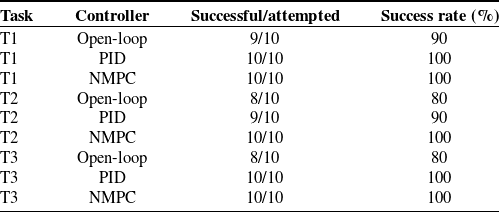
Across all tasks (30 trials per controller), NMPC successfully completed all trials, achieving a 100% success rate as shown in Table VII.
Impact of errP supervision on task success: Without ErrP supervision, erroneous BMI selections propagated to the control layer, leading to incorrect task executions and yielding a TSR of 0.73. When ErrP-based intervention was enabled, detected error events triggered a smooth, constraint-compliant deceleration within the NMPC framework, effectively interrupting incorrect executions before task completion. As illustrated in Figure 10 (c), this increased the TSR to 0.91. This corresponds to an 18% relative improvement in task reliability, demonstrating that the integration of neuro-physiological error detection significantly enhances overall system robustness by preventing the propagation of incorrect BMI commands.
Task success rate across controllers.

Table VII Long description
A table with four columns and nine rows. The columns are labeled Task, Controller, Successful/attempted, and Success rate (%). The rows are grouped by tasks (T1, T2, T3) and controllers (Open-loop, PID, NMPC). Row 1: T1, Open-loop, 9/10, 90 percent. Row 2: T1, PID, 10/10, 100 percent. Row 3: T1, NMPC, 10/10, 100 percent. Row 4: T2, Open-loop, 8/10, 80 percent. Row 5: T2, PID, 9/10, 90 percent. Row 6: T2, NMPC, 10/10, 100 percent. Row 7: T3, Open-loop, 8/10, 80 percent. Row 8: T3, PID, 10/10, 100 percent. Row 9: T3, NMPC, 10/10, 100 percent.
Classification accuracy and information transfer rate – SSVEP vs ASSR.

Table VIII Long description
A table comparing classification accuracy and information transfer rate for SSVEP and ASSR methods. The table has four rows and four columns. Column headers are SSVEP Acc. (%), SSVEP ITR (bits/min), ASSR Acc. (%), and ASSR ITR (bits/min). Row labels are Method, Raw CCA, Adaptive filter bank + CCA, MEC + Riemannian fusion, and FBCCA fusion (Final). Row 1: Method, SSVEP Acc. (%), SSVEP ITR (bits/min), ASSR Acc. (%), ASSR ITR (bits/min). Row 2: Raw CCA, 86.7 ± 3.5, 31.0 ± 3.8, 78.2 ± 4.0, 25.5 ± 3.1. Row 3: Adaptive filter bank + CCA, 90.4 ± 2.9, 35.2 ± 3.5, 82.0 ± 3.5, 27.4 ± 2.9. Row 4: MEC + Riemannian fusion, 92.0 ± 2.6, 37.0 ± 3.6, 85.0 ± 3.0, 29.1 ± 3.3. Row 5: FBCCA fusion (Final), 93.5 ± 2.4, 39.5 ± 3.7, 87.5 ± 2.8, 31.8 ± 3.0.
8.4. BMI performance
Classification accuracy measures the percentage of correct predictions over all trials:
 \begin{equation} \mathrm{Accuracy}(\%) = \frac {\mathrm{Number of correctly classified trials}}{\mathrm{Total number of trials}} \times 100 \end{equation}
Information transfer rate (ITR) was computed using the standard BMI formula:
 \begin{equation} ITR = \frac {60}{T} \left [ \log _2 N + P \cdot \log _2 P + (1-P) \cdot \log _2 \frac {1-P}{N-1} \right ] \end{equation}
where
 $N$
is the number of stimuli,
 $P$
is the classification accuracy, and
 $T$
is the time per trial in seconds.
Comparison of classification accuracy (left panel) and information transfer rate (right panel) for SSVEP and ASSR paradigms across CCA-based decoding methods: Raw CCA, Adaptive CCA, MEC-Riemannian CCA fusion, and FBCCA fusion.

Results in Table VIII and Figure 18 summarizes the averaged performance across participants for both SSVEP and ASSR paradigms. SSVEP decoding consistently outperformed ASSR across all evaluated methods. The proposed FBCCA Fusion approach achieved the highest performance, reaching a peak accuracy of 93.5% for SSVEP and 87.5% for ASSR signals.
In terms of communication efficiency, SSVEP achieved a maximum ITR of 39.5 bits/min, compared to 31.8 bits/min for ASSR, indicating superior information transfer capability. A clear monotonic improvement trend is observed from Raw CCA to FBCCA Fusion for both paradigms. This progression is accompanied by reduced standard deviation values, suggesting improved robustness and decoding consistency. Detailed per-subject performance metrics, including precision and recall, are provided in Supplementary Tables.
8.5. System latency analysis
Figure 19 summarizes the measured end-to-end system latency, decomposed into EEG acquisition, signal processing, control computation, and robot actuation. The dominant contribution arises from the EEG stimulation and analysis window required for reliable SSVEP/ASSR decoding, while computational components, including feature extraction and NMPC optimization, exhibit low and consistent execution times. ErrP detection introduces an additional event-triggered delay that is only incurred during corrective actions. Overall, the results demonstrate that the proposed BMI–robot control framework operates within bounded and predictable latency, supporting real-time human-in-the-loop manipulation. The total end-to-end latency is modeled as the sum of sequential subsystem delays:
 \begin{equation} T_{\mathrm{latency}} = T_{\mathrm{EEG}} + T_{\mathrm{processing}} + T_{\mathrm{control}} + T_{\mathrm{actuation}}. \end{equation}
Due to space limitations, the detailed latency timeline, component-wise derivation, statistical analysis, and additional results are provided in the Supplementary Material Section 3.
Component-wise latency distributions of the BMI–robot control pipeline, including EEG acquisition, feature extraction, ErrP detection, NMPC computation, and robot actuation.

Statistical analysis: Controller performance (RMSE and task completion time) was statistically compared across NMPC, PID, and Open-loop control using paired t-tests. To evaluate controller performance, statistical comparisons were conducted between NMPC, PID, and open-loop control across all tasks. Performance metrics (RMSE and task completion time) were analyzed using paired t-tests. For paired observations
 $x_i$
and
 $y_i$
, the paired t-statistic was computed as
 \begin{align*} t = \frac {\bar {d}}{s_d / \sqrt {n}}, \end{align*}
where
 $\bar {d}$
is the mean of the paired differences,
 $s_d$
is the standard deviation of the paired differences, and
 $n$
is the number of paired observations. The magnitude of the effect was further quantified using Cohen’s
 $d$
, defined as
 \begin{align*} d = \frac {\bar {d}}{s_d}. \end{align*}
Statistical significance was assessed at
 $\alpha = 0.05$
. Because the study involved two participants (
 $n = 2$
) with five trials per task, statistical power is limited. Therefore, inferential statistics are reported to indicate trends rather than to establish population-level generalizability. Full statistical results (t-values, p-values, and effect sizes for all tasks) are provided in Supplementary. BMI decoding performance (accuracy, precision, recall, and information transfer rate) is reported as mean and standard deviation per subject in Supplementary Tables. Due to the limited number of participants (n = 2), inferential statistical testing across subjects was not considered statistically reliable. Therefore, comparisons among decoding methods are presented descriptively, and improvements are interpreted as consistent performance trends rather than population-level statistical conclusions.
9. Limitations
The present study was conducted with only two participants, which limits the statistical power and generalization of the reported findings. The results should therefore be interpreted as a proof-of-concept validation of the proposed integrated EEG robot control framework rather than as evidence of population-level performance. Inter-subject variability is well known in EEG-based brain–machine interface systems, and larger-scale studies are required to assess robustness across diverse users and recording conditions. Future work will include systematic evaluation with a significantly larger participant cohort, quantitative statistical analysis, and user-centered performance metrics to validate the scalability and practical applicability of the proposed framework.
Additionally, the present evaluation was conducted using predefined tasks within a controlled laboratory environment, enabling systematic assessment of the framework’s safety, real-time performance, and BMI-driven adaptation under repeatable conditions. While these experiments establish proof-of-concept feasibility, they do not fully capture the complexity of real-world human–robot collaboration settings. In particular, practical deployment may involve variable task sequences, unstructured human motion, dynamic obstacles, shared workspaces, and changing environmental conditions that were beyond the scope of the current study. To address this limitation, future work will focus on extending the framework to more realistic collaborative scenarios involving continuous human–robot interaction, online task adaptation, dynamic environment changes, and multi-user evaluations. Such studies will enable a more comprehensive assessment of robustness, safety, workload, and operational effectiveness under less structured conditions, thereby providing stronger evidence of the framework’s broader applicability.
10. Discussion
10.1. Influence of design parameters
The performance of the proposed framework is influenced by key design parameters, including EEG decoding window length, NMPC prediction horizon, cost function weights, and velocity constraints. These parameters define important trade-offs between responsiveness, tracking accuracy, smoothness, and computational efficiency. In particular, longer EEG windows improve robustness to noise but introduce additional latency, while extended NMPC horizons enhance foresight and trajectory optimality at the cost of increased computational load. Sensitivity to parameter tuning is primarily observed in the balance between responsiveness and smooth control behavior, highlighting the importance of appropriate parameter selection. Nevertheless, the system remains stable under moderate variations of these parameters.
10.2. Robustness, stability, and adaptability
The proposed framework demonstrates robustness under EEG variability, external disturbances, and communication delays through temporal processing in decoding and constraint-aware NMPC optimization. Adaptability is achieved via the receding-horizon formulation of NMPC and the integration of ErrP-based supervisory feedback, enabling real-time correction and re-optimization under changing task conditions or decoding uncertainties. The stability of the closed-loop system under parameter variations and uncertainties is an important consideration. Variations in NMPC tuning parameters, EEG decoding noise, or model mismatch may lead to degraded tracking performance or oscillatory responses if not properly addressed. However, the framework mitigates these risks through continuous re-optimization of control inputs based on updated state feedback. In addition, explicit constraints on control inputs, joint limits, and velocities ensure bounded system behavior and prevent unstable or unsafe actions. The inclusion of ErrP-based supervisory feedback further enhances stability by enabling real-time detection and correction of unintended actions caused by decoding errors. As a result, the system maintains stable operation under practical levels of uncertainty.
10.3. Fault tolerance and real-time considerations
The framework also addresses practical fault conditions such as EEG noise, actuator disturbances, and communication latency. While systematic fault-injection testing is beyond the scope of this work, the system incorporates multiple mechanisms that improve resilience under such conditions. The receding-horizon NMPC formulation allows continuous re-optimization in the presence of disturbances, while constraint enforcement ensures bounded and safe behavior. Real-time deployment challenges, including computational load and signal processing latency, are addressed through the use of a kinematic NMPC formulation, conservative constraints, and discrete task-level control. The observed latency (approximately 2 s) reflects a trade-off between robustness and responsiveness and is suitable for discrete task execution. However, further optimization will be required for high-speed or continuous-control applications.
10.4. Safety considerations
While the proposed framework incorporates supervisory safety mechanisms and conservative velocity limits, it does not claim full compliance with ISO 15066 standards. Safety is primarily ensured through bounded velocity, constraint-aware NMPC control, and ErrP-based real-time intervention. However, force-level safety validation, contact modeling, and biomechanical risk assessment are beyond the scope of this study. Future work will focus on integrating force sensing and formal safety validation to achieve standard-compliant human–robot interaction.
10.5. Comparison with existing work
The achieved SSVEP classification accuracy of 93.5% is comparable to prior laboratory-based studies, such as Zhu et al. (2020), which reported an accuracy of 92.09% with 15 subjects under controlled conditions. Similarly, hybrid BMI approaches combining multiple EEG modalities have demonstrated improved robustness and flexibility in intention decoding [Reference Diez, Mut, Laciar and Perona10, Reference Spüler45]. However, most existing studies evaluate decoding performance in offline or semi-controlled environments without integration into closed-loop robotic systems. In contrast, the present work evaluates neural decoding within a real-time human–robot interaction framework, where decoding errors directly affect task execution. The integration of ErrP-based feedback enables online detection and correction of unintended actions, improving interaction reliability [Reference Spüler45, Reference Ferrez and del R. Millan46]. From a control perspective, MPC has been widely used for robotic trajectory tracking due to its ability to explicitly handle system constraints and predict future behavior [Reference Li, Zhang, Wang and Xie47, Reference Galati and Mantriota48]. Compared to classical controllers such as PID, MPC provides improved performance in nonlinear and constrained systems. The proposed framework employs a kinematic NMPC formulation to balance computational efficiency and control performance, enabling real-time implementation under uncertain neural inputs. Overall, the contribution lies in the integration of hybrid EEG decoding, predictive constraint-aware control, and cognitive feedback within a unified closed-loop system, rather than improving isolated component-level performance.
10.6. Human–robot interaction insights
From a human–robot interaction perspective, the shared-autonomy framework reduces cognitive load by separating high-level intention selection from low-level trajectory execution. The integration of ErrP signals further enhances safety and usability by enabling implicit corrective feedback without requiring additional user commands. The use of discrete neural inputs reflects the limited bandwidth and variability of non-invasive EEG signals, making the system more robust and practical for real-world applications. The combination of predictive control and cognitive feedback supports adaptive autonomy, improving both reliability and user experience in collaborative robotic tasks.
10.7. Summary
The proposed framework demonstrates a closed-loop EEG-based shared-control system integrating SSVEP/ASSR-based intention decoding, ErrP-based supervisory feedback, and NMPC-based robotic execution. The results from the pilot study confirm that reliable task-level control of a UR5 manipulator can be achieved under real-time constraints using this hierarchical architecture. A key feature of the framework is the hierarchical separation of decision-making and control, which improves safety and interpretability in human-in-the-loop operation. From a control perspective, NMPC enables constraint-aware trajectory execution under kinematic limits while maintaining real-time performance through appropriate horizon and sampling-time selection. Although the present evaluation is limited to predefined tasks in a controlled laboratory environment, the proposed architecture is designed to support more complex collaborative settings. Future research will therefore investigate deployment in dynamic and less structured human–robot collaboration scenarios, including adaptive task execution, unstructured human behavior, dynamic obstacles, and shared workspaces. These studies will be accompanied by larger-scale user evaluations and quantitative assessments of robustness, safety, cognitive workload, and long-term usability. Overall, the present results provide an initial validation of integrating EEG decoding, supervisory neural feedback, and optimization-based control within a unified BMI framework, while establishing a foundation for future real-world collaborative applications.
11. Conclusion and future work
This study presented a hybrid audio–visual brain–machine interface (BMI) framework for trajectory control of a UR5 robotic manipulator, integrating multi-modal EEG decoding with a safety-aware NMPC strategy. The system combined visual SSVEP and ASSR for user intention decoding, while ErrP enabled real-time corrective supervision. Comparative evaluation against open-loop and nonlinear PID control demonstrated that the proposed nonlinear MPC approach achieved smoother end-effector motion, lower RMSE values (0.043, 0.137, 0.041 m), and faster task completion times (7.3 s –7.5 s) under a strict velocity constraint of 2.5 cm/s. The hybrid BMI achieved classification accuracies of 93.5% (SSVEP) and 87.5% (ASSR) using FBCCA-based fusion, supporting reliable integration of multi-modal EEG decoding within predictive robotic control. Also, rather than just improving standalone accuracy, it maintains reliable SSVEP decoding (93.5%) within a closed-loop, safety-aware framework with ErrP supervision. The approach reduces cognitive load by separating intention from control, while ErrP enables implicit error correction. A 2 s latency balances robustness and responsiveness, suitable for discrete tasks. Future work will focus on expanding the experimental study to a larger pool of participants to assess statistical robustness and generalizability. In addition, learning-based extensions of MPC will be explored for adaptive policy generation. The framework will also be extended to shared workspace environments to enable safe and efficient human–robot collaboration.
Supplementary material
The supplementary material for this article can be found at https://doi.org/10.1017/S0263574726104020.
Data availability statement
The original contributions presented in the study are included in the article and the supplementary material; further inquiries can be directed to the corresponding author.
Acknowledgements
The authors wish to acknowledge the Department of Design and Manufacturing, Indian Institute of Science, for providing the necessary facilities and resources. Gratitude is also extended to my colleagues Kalaivanan K, Sushmitha S, Jogesh S Nanda, and Pranav Nair for their valuable assistance and support throughout the project. The authors gratefully acknowledge the support of the Robotics and Autonomous Systems group @ Brunel University and the Robert Bosch Centre for Cyber Physical Systems @IISc Bangalore. We would like to thank Mr. Yu She, Mr. Mark Plecnik, Mr. Roel Pieters, Mr. G. Pisanelli, and Mr. Xuesu Xiao for key discussions on the robot CAE, hri dynamics design, controller and motion planning improvements of the robot. We would like to acknowledge useful suggestions and feed- back of the project given by Mr. G. Herzinger and Ms. Barbara Schilling (TU Munich) and Ms. Averil Horton (Brunel).
Author contributions
Aditi Pandey (AP), Abhra Roy Chowdhury (ARC):- AP and ARC contributed to conceptualization. AP contributed to data collection. AP and ARC contributed to formal analysis. ARC contributed to funding acquisition. AP and ARC contributed to the investigation. AP and ARC contributed to the methodology. ARC contributed to project administration and contributed resources. ARC contributed to supervision. AP and ARC contributed to validation. AP and ARC contributed to the manuscript draft. AP and ARC contributed to manuscript review and editing.
Funding statement
This work is supported jointly by the CORE grant CRG2021006698 under the Department of Science and Technology (DST), Government of India, and the Indo-UK Brunel Fellowship Academy (IKB) Grant in the digital manufacturing project.
Competing interests
The authors declare that the research was conducted in the absence of any commercial or financial relationships that could be construed as a potential conflict of interest.
Ethical standards
All authors and subjects declare their consent to participate and to publish the article and their full approval and consent to this article.
Consent for publication
All authors declare their consent to participate and to publish the article and their full approval and consent to this article.
Materials availability
Not applicable.
Code availability
The algorithms and code used in this study are available from the corresponding author upon reasonable request. Comprehensive details of the mathematical formulations, algorithmic procedures, and implementation methodology are provided within the manuscript to facilitate reproducibility of the reported results.

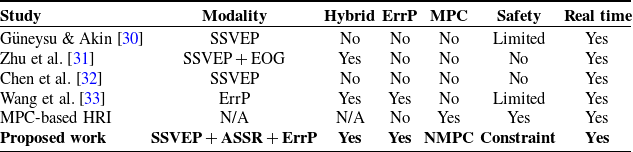

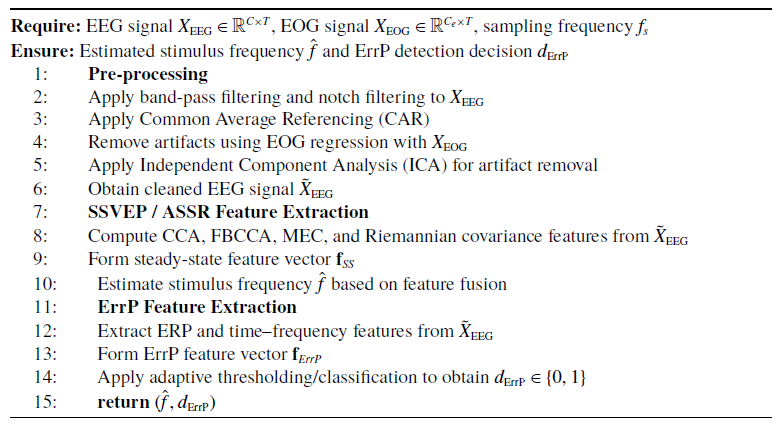


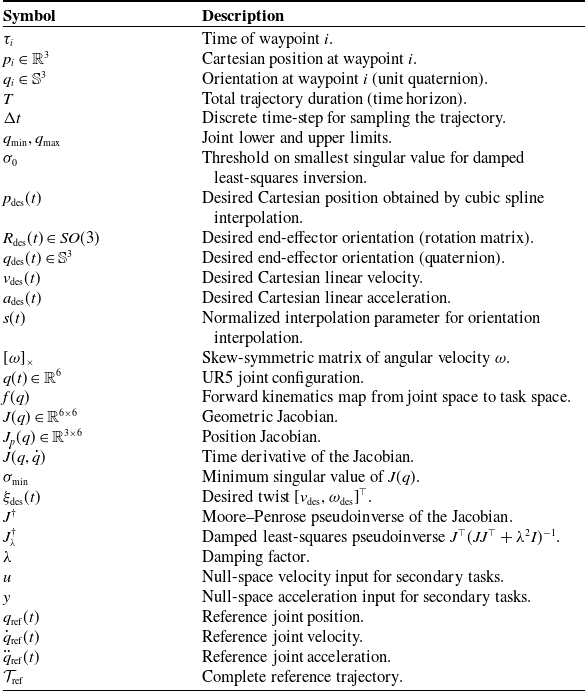
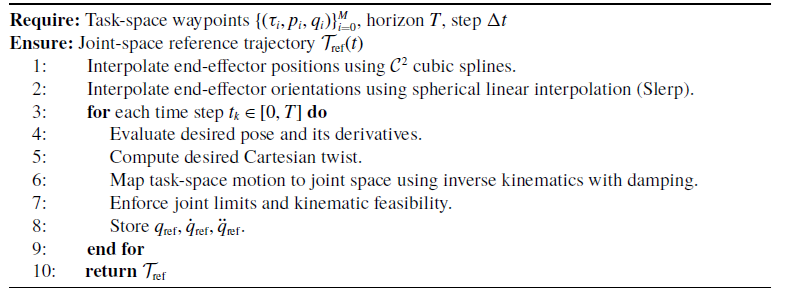

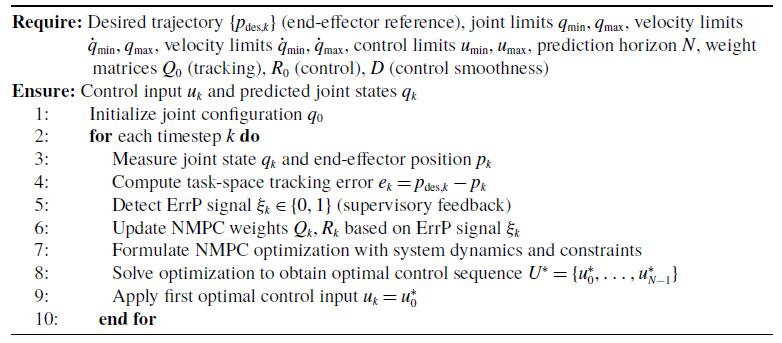

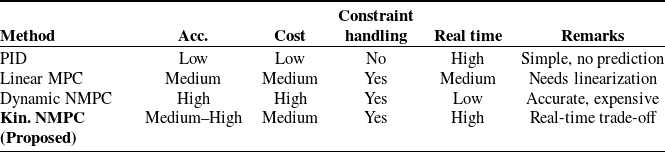





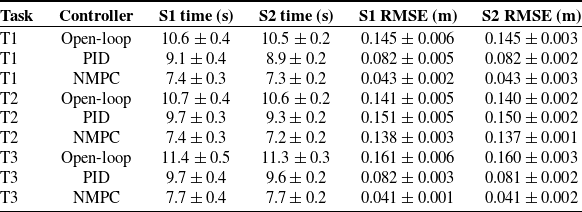
 ±


 ±
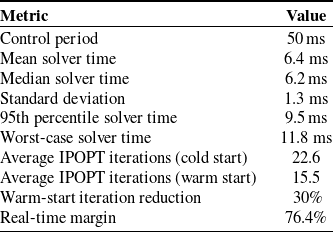

 ±

 6.4ms
 11.8ms