


Introduction
Background
In developed countries, regulatory agencies frequently use the monetary value of preventing a fatality (VPF) approach to assess benefits of new environmental, health, and safety regulations (Viscusi and Aldy, Reference Viscusi and Aldy2003). The VPF can be applied in cost–benefit analysis (CBA) to determine the most efficient use of resources. CBA is currently recommended by the government in the United Kingdom (UK) for economic appraisals (HM Treasury, 2005), with the notable exception of healthcare where benefits are expressed in terms of health improvements rather than in monetary terms. CBA is based on neoclassical welfare economics and evaluates whether the sum of the benefits to those who gain from a resource allocation decision exceeds the sum of the costs to those who lose from that allocation (Arrow et al., Reference Arrow, Cropper, Eads, Hahn, Lave, Noll, Portney, Russell, Schmalensee, Smith and Stavins1996).
Over the last few decades, major developments have occurred in the theory and practice of estimating the VPF. The theoretical approach to value the risk of death, originally developed by Drèze (1962), Jones-Lee (1974), and Weinstein et al. (1980), asserts that the trade-off between wealth and the risk of death can be described by the marginal rate of substitution between wealth and risk, which then indicates an individual's willingness to pay for a change in the risk of death. Hammitt (2000) explains the estimation of the VPF according to the following simple one-period model of preferences for wealth and risk of death. Assume that an individual's welfare can be represented by

where p is the individual's chance of dying during the current period and u a(w) and u d(w) represent his utility as a function of wealth conditional on surviving and dying, respectively. Then the individual's VPF (or marginal rate of substitution between p and w) can be derived by differentiating the equation, while holding utility constant, to obtain

The numerator is the difference between utility if the individual survives or dies in the current period and the denominator is the expected marginal utility of wealth, that is the utility associated with additional wealth conditional on surviving and dying, weighted by the probabilities of these events. Assuming that life is preferred to death and that greater wealth is preferred to less, both the numerator and denominator are positive, and the VPF will be greater than zero.
Estimating the VPF
A number of regulatory agencies have adopted this general approach in quantifying the value of preventing deaths from government interventions. In the UK, the Department for Transport has more recently advocated a value of £1.4 millionFootnote 1 per life saved from safer means of transportation (Department for Transport, 2007). This value has been used by the Home Office, Health and Safety Executive, Environment Agency, Food Standards Agency and other government bodies. However, the VPF varies widely internationally, e.g. the US Environmental Protection Agency (1997) use a value of £4.2 million for air quality regulations, whereas the European Union (2001) recommends a value of £0.9 million. Broadly speaking, the VPF has been estimated by one of two preference-based methods.
The first method uses a revealed preferences (RP) approach to value the risk of death by estimating the compensating differentials for on-the-job risk exposure in labour markets (Blomquist, Reference Blomquist2004; Kniesner and Viscusi, Reference Kniesner and Leeth2005; Kniesner et al., Reference Kniesner and Viscusi2006). Alternatively, the VPF can be based on price–risk trade-offs in product markets, such as for automobiles and fire alarms (Viscusi and Aldy, Reference Viscusi and Aldy2003). A meta-analysis of 197 VPF estimates based on RP reported a mean value of £7.4 million from preventing a fatality internationally, with a standard deviation of £3.8 million (Kochi et al., Reference Kochi, Hubbell and Kramer2006). These figures vary widely with Kniesner and Leeth (1991), for example, estimating a value of £0.5 million, and Arabsheibani and Marin (2000) report a value of £64.0 million. The wide variation in VPF values is to some extent explained by two fundamental problems relating to the RP methodology. First, the method crucially depends on the ability to disentangle the risk-related wage differentials from the many other factors that determine wage rates. Second, RP is based on the assumption that individuals are well-informed about the risks they face in the workplace and that there is perfect labour mobility.
The second method for estimating the VPF relies on stated preferences (SP). Here, a hypothetical market is constructed and respondents are asked contingent valuation (CV) questions about their willingness to pay (WTP) for a given risk reduction or their willingness to accept (WTA) a given risk increase. The meta-analysis by Kochi et al. (2006) report a mean VPF figure from CV studies at around £2.2 million internationally with a standard deviation of £1.0 million (Kochi et al., Reference Kochi, Hubbell and Kramer2006), which are both lower than the values reported in RP studies.
The advantage of CV questions is the ability to directly infer the relevant trade-off between wealth and risk and to tailor the study design to elicit exactly the information that is required (Chilton et al., 2004). CV has gained credibility with the recommendation from the Blue Ribbon panel of experts and the UK government (Arrow et al., 1993; HM Treasury, 2003). The method is increasingly considered for valuation of health and health care interventions (Smith and Richardson, 2005; Smith 2006), where non-monetary valuation methods so far have prevailed (Dolan, Reference Dolan, Culyer and Newhouse2000).
The VPF can be used to estimate the value of a life year (VOLY) and the value of a quality-adjusted life year (QALY), the latter a product of a quality of life score (on a scale between 0 for death and 1 for full health) and the number of remaining life years. QALYs are frequently used as a measure of benefit in cost-effectiveness analyses (CEA) in healthcare (Dickie and List, Reference Dickie and List2006), and the National Institute for Health and Clinical Excellence (NICE) in the UK prioritize health care resources on the basis of cost per QALY gained estimates. Although no explicit threshold exists for cost-effective technologies, NICE generally recommends funding interventions with a cost per QALY gained less than £30,000. Interestingly, NICE is currently considering ways of attaching an explicit monetary value to a QALY, which, in principle, will allow an ‘exchange rate’ to be established between the benefits from interventions in health care and interventions elsewhere in the public sector.
Aims of the paper
This paper considers the factors that affect the VPF, theoretically and empirically, and considers their implications for the VOLY and QALY. It also provides an alternative methodology to elicit the VPF. Indeed, the validity and policy legitimacy of the VPF crucially hinge upon the type of factors that influence the values estimated. The VPF should differ according to a number of factors that theoretically matter for lives saved and it should not differ by theoretically irrelevant factors. To provide an account of the evidence in this regard, we conducted a literature review in EconLit and EconPapers using search terms of ‘value of a statistical life’ and ‘value of a prevented fatality’. This generated around 90 papers. We also reviewed papers from the grey literature, which were identified by searching websites of key researchers in the area. Finally, we use this summary of the literature to reflect on the use of the VPF in policy decision making, including health care resource allocation. For example, much discussion relating to NICE in recent years has focused on the appropriateness of the thresholds applied, yet no study has so far seriously examined the empirical basis for such a threshold.
The paper is organized as follows. In section 2, we consider the evidence on the factors that theoretically should affect the VPF, namely baseline and background risk,Footnote 2 wealth, age, and latency of the risk. In section 3, we consider theoretically irrelevant factors. In particular, economic theory predicts that, for marginal changes in risk of death or injury, WTP and WTA should produce broadly similar results, the VPF should not vary to any great extent by the precise magnitude of risk change, and the VPF should not differ according to the specific type of death. In addition, individual preferences should be insensitive to changes in question framing, and responses to CV questions should be unaffected by such factors as the elicitation method. In section 4, we then consider the ways in which monetary values can be established for life years and the extent to which current evidence supports the current unofficial thresholds applied in healthcare decision making. Finally, in section 5, we consider the general robustness of VPF estimates and suggest that monetary values estimated from subjective well-being equations might offer an alternative way forward.
Four theoretically relevant factors
The literature identifies four important factors that affect the VPF: baseline and background risk, wealth, age, and latency of the risk. We consider each of these factors in turn, and the evidence relating to them.
Baseline and background risk
In theory, the VPF should increase with higher baseline risk (the risk of a specific adverse event), as the opportunity cost of spending money decreases the higher the risk of death, i.e. when the risk of dying now is high for some specific reason, the opportunity cost of spending money is low as the individual may not be able to spend his wealth later. Due to the low opportunity costs of spending money, an individual is willing to spend money on an intervention that reduces this risk. However, the exact relationship between baseline risk and VPF has not been yet established (Jones-Lee, Reference Jones-Lee1974; Weinstein et al., Reference Weinstein, Shepard and Pliskin1980; Pratt and Zeckhauser, Reference Pratt and Zeckhauser1996; Hammit, Reference Hammitt2000; Pearce, Reference Pearce2000). The VPF may also be affected by the existing background risks (the risks of adverse events more generally) (Eeckhoudt and Hammitt, Reference Arabsheibani and Marin2001). When the background risk of death is substantial, the WTP for an intervention that reduces this risk may be lower given the overall poor chances of survival. However, the effect of an increase in both baseline risks and background risks is uncertain.
Alberini and Chiabai (2007b) suggest that the WTP actually decreases with higher baseline risk, although the study did not disentangle the effect of background risks. Krupnick et al. (2002) showed that individuals’ WTP does not vary considerably with physical health, yet they find individuals diagnosed with cancer to have a WTP of £410 for a 5 in 1,000 risk reduction compared with £280 for the same risk reduction among individuals without a diagnosis of cancer.
Wealth
An individual's WTP is strongly related to her ability to pay, so poorer people inevitably have a lower VPF than higher income individuals (Viscusi and Aldy, Reference Viscusi and Aldy2003; Ho and Nielsen, Reference Ho and Nielsen2007). The evidence from compensating-wage-differential studies suggests an income elasticity around 0.5–0.6 (Lui et al., Reference Liu, Hammitt and Liu1997; Mrozek and Taylor, Reference Mrozek and Taylor2002; Viscusi and Aldy Reference Viscusi and Aldy2003). This implies that WTP increases with greater wealth, yet at less than a proportional rate. CV studies on the income elasticity of WTP for a reduction in the risk of dying report fairly comparable results (Jones-Lee et al., Reference Kahneman, Slovic and Tversky1995; Mitchell and Carson, Reference Mitchell and Carson1986; Miller, Reference Miller and Guria2000; Corso et al.; Reference Clark and Oswald2001), although some studies suggest a lower elasticity of around 0.25 (Persson et al., Reference Persson and Cedervall2001; Carlsson et al., Reference Carlsson, Johansson-Stenman and Martinsson2004), and in two studies an elasticity greater than 1.0 (Hammitt et al., Reference Hammitt, Liu and Liu2003; Hammitt and Zhou, Reference Hammitt and Zhou2006). However, difficulties in isolating a pure wealth effect from other confounding effects, such as the availability of healthcare, mean that these various estimates should be treated with caution (Hammitt and Zhou, Reference Hammitt and Zhou2006).
Additionally, recent work by Kaplow (2005) points to an inconsistency between relative risk aversion exhibited by individuals in financial markets and the income elasticity of VPF typically studied in labour and product markets. The relative risk aversion is directly linked to individuals’ income elasticity of VPF, and Kaplow illustrates how the estimates of income elasticity of VPF should be approximately the same size (or higher) as the coefficients of relative risk aversion. Estimates of the coefficients of relative risk aversion in financial markets suggests values in the range of 2–10, which is substantially higher than the income elasticities of 0.5 to 0.6 identified by Viscusi and Aldy (2003) in their latest review of the literature.
Age
There is no unequivocal theoretical argument for the effect of age on the VPF (Evans and Smith, Reference Evans and Smith2006). On the one hand, the VPF may decrease with higher age since there are fewer years to benefit from any reduction in the risk of death. On the other hand, the VPF may also increase with higher age, as the opportunity cost of spending money decreases over time given this risk reduction (Pearce et al., Reference Pearce, Atkinson and Mourato2006). Life-cycle models, such as those by Shepard and Zeckhauser (1982) and Rosen (1988), showed that the age effect is in fact highly complex across the entire life span and that theory does not necessarily support the assumption currently used by the European Union (2001) of a declining VPF with age.
Most evidence suggests that there is an ‘inverted U’ shaped relationship between WTP and age (Rosen, Reference Rosen1988; Jones-Lee, Reference Jones-Lee1989; Miller and Guria, Reference Miller1991; Cropper et al., Reference Cropper, Aydede and Portney1994; Kidholm, Reference Kidholm, Schwab Christie and Soguel1995; Persson et al., Reference Pearce and Ulph1995; Desaigues and Rabl, Reference Desaigues, Rabl, Schwab Christie and Soguel1995; Dillingham et al., Reference Dillingham, Miller and Levy1996; Carthy et al., Reference Carthy, Chilton, Covey, Hopkins, Jones-Lee, Loomes, Pidgeon and Spencer1999; Hammitt and Graham, Reference Hammitt and Graham1999; Aldy and Viscusi, Reference Aldy and Viscusi2004; Chilton et al., Reference Chilton, Covey, Jones-Lee, Loomes and Metcalf2004). For example, Krupnick et al. (Reference Krupnick, Alberini, Cropper, Simon, O'Brien, Goeree and Heintzelman2002) find that the WTP for a 5 in 1,000 risk reduction is £280 among 40–60 year-olds, £320 among 60–70 year-olds, and £200 among individuals over the age of 70 (also see Alberini et al., Reference Alberini, Cropper, Krupnick and Simon2004; Smith et al., Reference Smith, Evans, Kim and Taylor2004). It should be noted, however, that Persson and Cedervall (1991), Johannesson and Johansson (1996) and Pearce et al. (1999) reported no age effect at all.
Latency
The effect of latency in the risk of death on the VPF is a relatively new research area stimulated by the many public policies proposing investments with long-term effects. Hammitt and Liu (2004) argue that the effect of latency on the WTP should depend on how the rate of substitution between investment in preventive health measures and the risk of death changes over time, i.e. investments in interventions that reduce the risk of death in the future. If the substitution rate increases over time, the WTP to reduce a latent risk will exceed the WTP for an equally large reduction in current risk. They also suggest that an individual's WTP to reduce a latent risk depends on the individual's future WTP to reduce future risk.
Krupnick et al. (Reference Krupnick, Alberini, Cropper, Simon, O'Brien, Goeree and Heintzelman2002), Alberini et al. (Reference Alberini, Cropper, Krupnick and Simon2004; Reference Alberini, Cropper, Krupnick and Simon2006b), and Itaoka et al. (2005) asked individuals to state their annual WTP over a ten-year period for a change in risk that would occur when they were between 70 and 80 years old. These studies suggest that time would have a negative effect on the VPF, reducing its value by as much as 40% to 75%. This finding may result from the fact that people to some extent discount the future. Hammitt and Liu (2004) illustrated this effect in their study of cancer patients, where they found the VPF for the immediate risk of lung and liver cancer to be £1.69 million and £0.80 million, respectively, compared with £1.27 million and £0.56 million for latent lung and liver cancer.
Recently, there has been increased research in the importance of discount rates, which examine people's choices between money and future risk reductions. It has been argued that if society is not impartial with respect to current and future generations, then some discounting will clearly be called for, even with future safety effects valued in terms of the current value of statistical life (Jones-Lee and Loomes, Reference Jones-Lee, Loomes and Philips1995). When combining older and newer estimates, the estimated discount rate ranges between 0.3% and 14% (Horowitz and Carson, Reference Horowitz and Carson1990; Moore and Viscusi, Reference Moore and Viscusi1990; Johannesson and Johansson, Reference Johannesson and Johansson1996; Hammitt and Liu, Reference Alberini and Chiabai2004; Alberini et al., Reference Alberini, Cropper, Krupnick and Simon2006a; Itaoka et al., Reference Itaoka, Krupnick, Akai, Alberini, Cropper and Simon2005; Alberini and Chiabai, Reference Alberini and Chiabai2007a). Alberini and Chiabai (Reference Alberini and Chiabai2007a) argue that this range is generally lower than the discount rates people usually require in ‘money now versus money later’ tradeoffs.
Four theoretically irrelevant factors
In theory, the VPF should be unaffected by the way in which the value is elicited. In particular, the VPF should not differ according to the method of elicitation (WTP or WTA setting), the precise magnitude of the marginal change in risk, the specific type of death, or the way the question is framed and presented.
WTP versus WTA
The change in welfare from an intervention can be measured by estimating the compensating variation or the equivalent variation. The compensating variation measures the amount of money that would return the respondent to the original level of utility should the intervention take place. The equivalent variation measures the amount of money that will change the utility of the respondent to the level that would be achieved by the intervention without the intervention actually taking place. The direction of payment (i.e. WTP versus WTA) depends on whether a welfare gain or loss has occurred. These two values can diverge given wealth effects but for marginal changes in the risk of death wealth effects are not large, so, in line with economic theory, these values should not diverge significantly from one another (Guria et al., Reference Guria, Jones-Lee, Leung, Loomes and Keall2005).
Evidence, however, shows that WTA values are typically two to eight times higher than WTP values (Knetsch and Sinden, Reference Knetsch and Sinden1984; Brookshire and Coursey, Reference Brookshire and Coursey1987; Coursey et al., Reference Coursey, Hovis and Schulze1987; Duboug et al., Reference Dubourg, Jones-Lee and Loomes1997; Horowitz and McConnell, Reference Horowitz and Carson2002). In a direct comparison of WTP and WTA within the same VPF study, Guria et al. (1999) presented results on the WTP for a 20% lower risk of death or injury on the roads and a WTA a 20% increase in the same risk in an attempt to reduce any biases from cognitive difficulties in valuing a small relative risk change. They found a median WTP estimate of £90 and a median WTA estimate of £730. In a meta-analysis, Kochi et al. (2006) demonstrated that wage-risk values are more than three times larger than the values from CV studies, and part of this difference could be explained by the former being largely WTA-based estimates, whilst CV studies, following the NOAA guidelines (Arrow et al., Reference Arrow, Cropper, Eads, Hahn, Lave, Noll, Portney, Russell, Schmalensee, Smith and Stavins1993), are usually WTP-based.
There are two main reasons for the WTP–WTA discrepancy. The first is substitution effects that predict a greater discrepancy make it harder to substitute the good being valued (Hanemann, Reference Hanemann1991). However, even when there are many substitution possibilities (e.g. chocolate bars in Kahneman et al., Reference Kahneman, Knetsch and Thaler1990), the WTA is significantly higher than WTP values, suggesting other reasons for this discrepancy. The second reason is endowment effects, which state that individuals are generally loss averse and tend to value goods more highly once they own them (Tversky and Kahneman, Reference Mrozek and Taylor1991). Whilst this is clearly a plausible and psychologically meaningful reason for the disparity, it plays no part in standard economic theory.
The size of the risk change
For marginal changes in risk, economic theory suggests that the relationship between WTP and risk change should be roughly proportional. This means that the VPF will remain generally invariant to the precise magnitude of marginal changes in the risk of death, yet sensitive to absolute changes in the risk. However, evidence from CV studies suggests that responses are highly insensitive to the absolute change in the level of risk (Jones-Lee et al., Reference Jones-Lee1995; Dubourg et al., Reference Dubourg, Jones-Lee and Loomes1997; Beattie et al., Reference Beattie, Covey, Dolan, Hopkins, Jones-Lee, Loomes, Pidgeon, Robinsion and Spencer1998; Carthy et al., Reference Carthy, Chilton, Covey, Hopkins, Jones-Lee, Loomes, Pidgeon and Spencer1999; Hammitt and Zhou, Reference Hammitt and Zhou2006). Eom (Reference Eom1994), Lin and Milon (Reference Lin, Milon and Caswell1995), and Kochi et al. (Reference Kochi, Hubbell and Kramer2006), for instance, all found the underlying WTP values to be the same regardless of changes in the magnitude of risk. Beattie et al. (Reference Beattie, Covey, Dolan, Hopkins, Jones-Lee, Loomes, Pidgeon, Robinsion and Spencer1998) demonstrated that the VPF for five road traffic accidents was £8.4 million, while the VPF for 15 road traffic accidents was £3.45 million. Interestingly, Corso et al. (Reference Corso, Hammitt and Graham2001) have shown that visual aids within the elicitation procedure can reduce this insensitivity to the magnitude of risk, and Bateman and Brouwer (Reference Bateman and Jones2006) believe that using dichotomous choice elicitation formats will reduce this insensitivity.
These results indicate a very serious problem in estimating the VPF, as they suggest it is possible to generate almost any value based on the size of risk reduction presented to respondents. They also suggest that respondents are not reporting properties of pre-existing preference ordering but rather arrive at responses by some form of mental processing that does not properly take into account the trade-off between risk and compensation.
Type of death
In principle, a death is a death and it should not matter whether the risk of death relates to a car accident or to cancer. There may, of course, be differences in the process of dying but these should be captured by differences in the morbidity loss and not the mortality loss. This additional premium for fear etc. is distributed across the population differently to how the risk of death itself is distributed and the losses associated with these different outcomes should be kept separate from one another (Adler, Reference Adler2003). In other words, the VPF itself remains independent of context but the overall loss in welfare can depend on context.
However, Sunstein (1997) has argued that people are willing to pay a premium to avoid ‘bad deaths’, such as those which are dreaded (e.g. cancer), uncontrollable, involuntarily incurred and inequitably distributed (see also the seminal work in this area by Slovic, Reference Slovic, Fischhoff, Lichtenstein, Schwing and Albers Jnr1987). In particular, individuals appear willing to tolerate higher risks from activities perceived as being beneficial to the individual, while factors such as lack of control and catastrophic potential can significantly increase individuals’ perceived risk and willingness to pay (Slovic et al., Reference Slovic1980). For example, Carlsson et al. (Reference Carlsson, Johansson-Stenman and Martinsson2004) found that air transportation safety is valued more highly than safety on the road, in that the VPF from air traffic accidents is larger than the VPF relating to road traffic accidents. They argue that even if income is controlled for, there is still a discrepancy between the two which is likely to be caused by the mental suffering of imagining an airplane disaster.
Chilton et al. (Reference Chilton, Covey, Jones-Lee, Loomes and Metcalf2006) empirically showed that the VPF is affected not only by the baseline risk but also dread risk. They use the term ‘dread’ to refer to a number of factors besides the risk of death, such as the degree of voluntariness and control over the cause of death, anticipation of the degree of pain and the suffering preceding death. They find dread risks constitute a significant proportion of the VPF. For example, the VPF from road accidents is estimated at £1.49 million with £0.26 million relating to dread risks, while the VPF relating to railway accidents is £1.45 million with £1.42 million constituting dread risks.
Irrelevant cues
According to Sugden (2005), irrelevant cues exist when respondents are unduly influenced by the elicitation procedure in reporting pre-existing, context-independent preferences. There has been much discussion in the literature about the potential sources of bias in CV studies (Arrow et al., Reference Arrow, Cropper, Eads, Hahn, Lave, Noll, Portney, Russell, Schmalensee, Smith and Stavins1993; Carson, Reference Carson1997; Carson et al., Reference Carson, Flores and Meade2001), and one of them is the elicitation method. Bateman and Jones (2003) have argued that the actual payment mechanisms in CV studies eliciting an individual's WTP, such as open-ended, iterative bidding, dichotomous choice, and payment card mechanisms, reveal regular differences in estimated VPFs. For example, studies by Kealy and Turner (1993), Kriström (1993), Boyle et al. (1996), and Ryan et al. (2004) indicate that these methods elicit highly varying WTP estimates.
Consequently, the appropriate elicitation method is a regular source of debate (Smith, 2003). While there is agreement that the open-ended method is not appropriate (Arrow et al., Reference Arrow, Solow, Leamer, Radner and Schuman1993; Donaldson et al., Reference Donaldson, Thomas and Torgenson1997), the dichotomous choice and payment card methods have both proved popular (Bateman et al., Reference Bateman and Jones2002; Smith, Reference Smith2003, Reference Smith2006). Dichotomous choice methods have been widely used in environmental and health economics and were recommended by the NOAA panel (Arrow et al., Reference Alberini, Cropper, Krupnick and Simon1993), and the payment card method appears to have increased in prominence in over the last ten years or so (Bateman et al., Reference Bateman and Jones2002; Smith, Reference Smith and Richardson2006).
Other potential biases include start-point bias, which occurs when the starting point of a question, such as the initial bid applied within an iterative bidding exercise, influences the stated monetary values (Herriges and Shogren, Reference Herriges and Shogren1996). Order effects can occur when individuals’ responses are affected by the order of the questions in a CV study (Stewart et al., Reference Stewart, O'Shea, Donaldson and Shackley2002). Range bias can occur when respondents are sensitive to the choice and the positioning of values within a given payment scale (Whynes et al., Reference Whynes, Wolstenhulme and Frew2004). Both Dubourg et al. (Reference Dubourg, Jones-Lee and Loomes1997) and Bateman et al. (Reference Bateman, Covey and Loomes2005) have demonstrated that the higher the range provided by the payment card and random card sorting, the higher the WTP for the risk reduction, and hence the higher the VPF.
Estimating the value of a life year or a quality-adjusted life year
The VPF can be decomposed into a value of a life year (VOLY) and a quality-adjusted life year (QALY) when appropriate data for quality of life adjustment exists. The relationship between lives and life years, quality-adjusted or not, is far from determined (HM Treasury, 2005; Kenkel, Reference Kenkel2006). A linear relationship is clearly the simplest and involves dividing the VPF by a person's life expectancy (Hirth et al., Reference Alberini and Chiabai2000). Alternatively, the VOLY can be estimated as an annuity by applying discounting to the residual life expectancy of the individuals affected by the intervention (Pearce, Reference Hirth, Chernew, Miller, Fendrick and Weissert2000). From this, if individuals use a constant discount rate, the monetary value of a VOLY should theoretically increase with age.
However, with wealth effects and mental accounting constraints (Jones-Lee et al., Reference Jones-Lee and Loomes1995; Carthy et al., Reference Carthy, Chilton, Covey, Hopkins, Jones-Lee, Loomes, Pidgeon and Spencer1999), there are many possible relationships between the VPF and the VOLY. Mason et al. (2004) examined whether being alive per se affected the VPF and the extent to which the VPF varied by age. They suggest that an individual's WTP for a reduction in the risk of death depends on remaining life expectancy, which would imply a reduction in the value of each additional life year by approximately 50–75% compared with the simple linear case. Loomes (2002) suggests that a ‘love-of-life’ element may explain why the VPF does not diminish completely as people approach the end of their life.
The various approaches to establishing a VOLY can also be used to identify the value of a QALY (Tolley et al., Reference Tolley, Kenkel and Fabian1994; Hirth et al., Reference Hirth, Chernew, Miller, Fendrick and Weissert2000). For instance, Mason et al. (2004) used general population values of health states, described in terms of the EQ-5D (Dolan, Reference Johannesson and Johansson1997), to apply a quality of life weight to the probability of each potential year of life. Clearly, the QALY value will be greater than the VOLY value, since the VPF is divided by the product of an individual's life expectancy and a health state value that is less than 1. Mason et al. (2004) demonstrated that a QALY is roughly 1.2 times the value of a VOLY, which equates to a value between £49,000 and £69,000 when discounted at the pure rate of time preference of 1.5% (the undiscounted figures were between £37,000 and £55,000). These values are similar to earlier results presented in the literature (Johannesson and Meltzer, Reference Johannesson and Meltzer1998; Abelson, Reference Abelson2003). In a meta-analysis of CV studies, Hirth et al. (2000) found a median value of £111,000 for a QALY. In the current debate about the appropriateness of the threshold used by NICE, it is noteworthy that all of these indirect estimates are significantly higher than the threshold currently inferred from recent decisions by NICE.
While most estimates of a VOLY derive indirectly from estimates of the VPF, some CV studies have tried to estimate a VOLY directly. Johannesson and Johansson (1996) applied a single bounded dichotomous choice CV elicitation format to elicit values for an increase in life expectancy from 10 to 11 years for individuals aged 75 as a result of an improvement in medical treatment. Using a sample of adults aged 18 to 69, they found the VOLY to be £1,160 based on nonparametric regression and £460 from logistic regression resulting in an estimate of the VPF between £92,000 and £253,000. To arrive at an estimate of a VOLY, Morris and Hammitt (2004) examined the WTP for a hypothetical pneumonia vaccine, where half of the sample valued a vaccine benefit in terms of a gain in life expectancy and the other half valued an equivalent benefit in terms of a reduction in the average annual probability of death. The VOLY estimates varied between £242 and £508.
Chilton et al. (2004) examined the VOLY for immediate deaths (defined as a death resulting from poor health) and chronic effects (defined as reduced life expectancy due to long-term exposure in normal health) with benefits of one, three and six month increases in life expectancy. Interestingly, they found severe insensitivity to the scope of benefits; the VOLY implied by WTP for one month was greater than the VOLY implied by three month WTP and the VOLY implied by the six month WTP. The one month extra VOLYs for normal and poor health were £29,300 and £7,700 respectively. Using the former to estimate a VPF, produces a figure close to that proposed by the UK DfT.
The insensitivity to the size of the benefits was also demonstrated by Hammar and Johansson-Stenman (2004) who estimated a VOLY for a sample of smokers from Sweden. The smokers were asked to place a value on newly developed cigarettes with (1) no adverse health effects and (2) 50% less adverse health effects compared with normal cigarettes. They found the WTP for cigarettes with 50% less adverse health effects to be nine-tenths of the WTP for cigarettes with no adverse health effects, irrespective of the method of elicitation (dichotomous choice and open-ended questions). They estimated that given that someone loses 0.00042 years per packet of cigarettes consumed, the VOLY would be £2,900 according to the dichotomous choice method and £1,800 when using open-ended questions. Therefore, it is clear that these direct methods would provide QALY estimates below the current NICE threshold.
Discussion
The theory and measurement of the VPF has developed greatly since the 1970s and many regulatory agencies now use the VPF in CBA for various public interventions and investments. The European Organisation for the Safety of Air Navigation, for instance, now requires the use of CBA in all investment decisions on new safety schemes (EUROCONTROL, 2005). By publishing a specific set of standard inputs for CBA, they expect greater comparability between economic evaluations, and hence consistency in resource allocation. The VPF recommended in that document has an upper limit of £1.7 million; a figure equivalent to that applied by the US Federal Aviation Administration.
The UK Department for Transport (DfT) publish annually their economic evaluations of the benefits of preventing road traffic accidents and casualties, including the value per life saved from safer means of transportation. While their cost–benefit evaluations are based on the VPF, there are instances where new safety measures, such as train protection warning systems, are still implemented even though the cost per fatality avoided is well in excess of published VPF estimates. The DfT values are also used by local authorities in prioritizing local safety schemes, such as traffic calming.
In health care, it has been inferred from recent decisions by NICE that the agency apply values of a QALY around £30,000. While acknowledging this unofficial threshold, the Chair of NICE also admits that it is arbitrary and linked more to affordability than any underlying evidence on the value of a QALY (Rumbelow and Miles, Reference Rumbelow and Miles2007). Evidence derived indirectly by estimates of VPF suggests that this threshold could be higher; between £49,000 to £69,000 by estimates of Mason et al. (2004) or even as high as £111,000 (Hirth et al., Reference Hirth, Chernew, Miller, Fendrick and Weissert2000), while estimates derived directly for a VOLY suggest a threshold significantly lower than £30,000. Interestingly, NICE does appear willing to apply different thresholds for different diseases as evident from recent decisions on new oncology drugs (NICE Guidance 116, 2007; NICE Guidance 93, 2005). Such differentiation is in line with the UK Health and Safety Executive applying a higher value per life saved for cancer treatment compared with other government interventions (HSE, 2001).
In estimating the VPF, the use of the CV method has resulted in more informed and consistent resource allocation decisions for prevention of health hazards. However, use of the VPF is still not a straightforward matter in this context. For instance, it is not clear how the VPF should vary according to theoretically important factors based on the empirical evidence available today. Generally speaking, evidence supports theory in how wealth should have a positive effect on the VPF and how latency should have a negative effect. While theory does not give a clear-cut prediction as to how the VPF varies with age, empirically the VPF decreases with higher age, yet this seems only to be the case after the age of 70. The VPF should increase as baseline risk increases and decrease as background risk increases (Chilton et al., Reference Chilton, Covey, Jones-Lee, Loomes and Metcalf2006), although further studies are needed to partition these two effects. While a uniform VPF across the public sector may not be wholly desirable (Sunstein, Reference Sunstein2004), it would be helpful if there were clear guidance on the relevance of the different factors in the contexts in which the VPF is applied.
On the basis of the evidence currently available, risks borne disproportionately by higher income groups (e.g. the risk of death from flying) may be valued more highly than risks borne by lower income groups (e.g. the risk of air pollution by proximity of low income neighbourhoods to industrial areas) if the VPF is allowed to differ by the wealth of the affected groups. Similarly, the VPF applied to risks affecting those of working age might be higher than that used in contexts where the at-risk population is made up of a higher proportion of pensioners. Such application of the VPF values raises a number of important normative issues and policy-makers may quite legitimately consider that the VPF should not be allowed to differ by wealth or age.
More problematic from a positive point of view is the insensitivity of the VPF to factors that should matter and the sensitivity to factors that should not be important. The insensitivity to the magnitude of the risk change in CV studies, and hence the variability in VPF according to risk change is a particularly pervasive problem that researchers have yet to overcome. This problem is of fundamental importance for both the internal and external validity of the VPF. For example, Chilton et al. (2004) go to great lengths to reduce possible biases in responses but gross insensitivity to the scope of benefits still remains. This makes the VPF highly dependent on the risk changes being valued. For policy purposes, it might be argued that the true risks should be used in any valuation study, but these may be so small that respondents do not understand them fully or they lead to particular biases. For example, Kahneman and Tversky (1979) and Kahneman et al. (1982) provide strong evidence that people systematically overweight very small probabilities.
It may be possible to generate more robust WTP estimates, such as by mitigating the problem of the hypothetical nature of stated preferences (Cummings et al., Reference Cummings, Harrison and Rutström1995; List, Reference List2001). Nevertheless, insensitivity to scope and many of the other anomalies in CV studies can be attributed to differences between the logic of preferences and the logic of attitudes, i.e. responses may reveal attitudes rather than preferences (Kahneman and Sugden, Reference Kahneman and Sugden2005). For instance, in a classic study, Desvousges et al. (1993) found that values to prevent the drowning of 2,000 birds and 200,000 birds were very similar, suggesting that the responses were driven in large part by attitudes to saving birds and much less so by the number of birds saved.
It has been found that these emotive reactions are susceptible to framing and focusing effects (Loewenstein and O'Donoghue, Reference Alberini, Cropper, Krupnick and Simon2004). These emotive reactions are different to tastes in that they are more likely to have direct hedonic consequences, more likely to be stimulated by external circumstances, more volatile, and reliant on different neuro-physiological mechanisms (Loewenstein, Reference Loewenstein, Hsee, Weber and Welch1996). Emotive reactions are prominent when analysing risk since they are sensitive to the vividness of associated imagery, proximity in time, and a variety of other variables that play a minimal role in cognitive evaluations (Loewenstein et al., Reference Loewenstein and O'Donoghue2001). It has also been found that individuals are less sensitive to changes in probability when valuing the chance to receive emotional outcomes, e.g. kisses, as opposed to monetary outcomes (Rottenstreich and Hsee, Reference Rottenstreich and Hsee2001). As such, these factors may be partly responsible for the premium attached to deaths in some contexts e.g. during a pandemic (Gyrd-Hansen et al., Reference Gyrd-Hansen, Halvoresen and Kristiansen2008) but not others, e.g. road deaths. The degree to which the VPF should vary across such contexts and according to the expression of such attitudes and emotions is a largely unresolved area of normative debate (see Sunstein, Reference Sunstein1997; and Viscusi, Reference Viscusi1998).
The preference-based approach stipulates that utility can be inferred from choices. Ultimately, however, CV responses cannot avoid some kind of focusing effect (Kahneman and Sugden, Reference Kahneman and Sugden2005), and CV questions necessarily draw respondents’ attention to what is being valued, in a way that may not reflect the true underlying utility of the good in question (Dolan and Kahneman, Reference Dolan and Kahneman2008).
With these arguments in mind, is it possible to generate more meaningful and robust estimates of health and risk than those derived from either revealed or stated preferences? We suggest that a possible, but under researched, alternative approach is to focus on people's experiences, or subjective well-being (SWB), rather than on their preferences (Kahneman et al., Reference Kahneman, Krueger, Schkade, Schwarz and Stone1997; Dolan et al., 2008). By SWB, we mean a global assessment of their life, such as happiness of life satisfaction (Dolan, Reference Desaigues, Rabl, Schwab Christie and Soguel2008). There have also been other constructions of SWB, such as moment-to-moment utility (Kahneman et al., 2004), but economists have used global assessments more often.
One reason for the increased interest in SWB is the not wholly unrealistic assumption that each of us has a good idea about the degree to which we are satisfied with our life (Frey and Stutzer, Reference Frey and Stutzer2002). Within economics, SWB has become popular for two main reasons: (i) it allows new ways of testing the basic assumptions of the economic approach, for example whether people actually maximize utility as defined by SWB; and (ii) the increasing availability of panel data that allows us to control for individual heterogeneity and begin to make inferences about causality. Since the seminal work of Easterlin (1974), there has been an increasing literature examining cross-country differences in SWB (Di Tella et al., Reference Di Tella, MacCulloch and Oswald2001; Alesina et al., Reference Alesina, Di Tella and MacCulloch2004; Blanchflower and Oswald, 2004), and how SWB can be used to value life events, such as unemployment (Clark and Oswald, Reference Clark and Oswald2002) and noise pollution (van Praag and Baarsma, Reference van Praag and Ferrer-i-Carbonell2005). It is possible that SWB is a robust measure of underlying well-being, and it is correlated with actual behaviour (Di Tella et al., Reference Di Tella, MacCulloch and Oswald2003; Bray and Gunnell, Reference Bray and Gunnell2006) and physiological outcomes (Steptoe et al., Reference Steptoe, Wardle and Marmot2005; Blanchflower and Oswald, Reference Blanchflower and Oswald2008).
The basic idea is to directly measure the utility associated with changes in non-market goods, such as health (Dolan and Kahneman, Reference Dolan and Kahneman2008). In order to value a health state, we need to firstly specify the SWB function, which is usually given byFootnote 3

where v is the individual's subjective well-being (on a bounded ordinal scale), y is individual or household income, and H is the health state (Blanchflower and Oswald, Reference Aldy and Viscusi2004). The u(y, H) function is the respondents’ true utility, which is only observable by the individual. Therefore, h[.] is a non-continuous non-differentiable function that maps actual well-being to subjective well-being. The error term, ɛ, captures the fact that individuals do not accurately map true utility (u) on to well-being (v).
In order to estimate a function such as (3), we can use an ordinary least squares (OLS), ordered logit or ordered probit regression (van Praag and Ferrer-i-Carbonell, Reference van Praag and Ferrer-i-Carbonell2004; Ferrer-i-Carbonell and Frijters, 2005)

where SWBi is individual i's SWB, yi is household income, Hi is the health state, X are the personal and social characteristics, and ɛi is the standard error term. By using the estimated coefficients for the health state ( ) and household income (
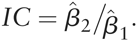
 ), it is possible to calculate the income compensation (IC) for the health state. Alternatively the implicit utility-constant trade-offs between health and income can be calculated.
The IC is defined as the decrease in income necessary to hold utility constant if an individual has better health (over another individual who has poor health)
It may not be possible to generate a VPF directly using ICs, yet it should be possible to estimate a VOLY/QALY from existing data on SWB and then work backwards to the VPF (Kenkel, Reference Bateman, Covey and Loomes2006). To illustrate this, we draw on recent work by Oswald and Powdthavee (2008) using the British Household Panel Survey (BHPS), which is an annual survey of around 10,000 people that gathers information on SWB as well as data on health and income and many other characteristics. Let us suppose that a change in health leads to an average half-point change in SWB on a 1–7 scale, and, from Oswald and Powdthavee (2008), that an increase in income of £1 increases SWB by 1.05 × 10⁻⁵ on the same scale, then controlling for other factors and assuming linearity of income on happiness, a well-being adjusted life year (WALY) can be obtained. If the average age of the sample was 40 years old and life expectancy was 75, the VPF predicted from the WALY would be around £1.6 million.Footnote 4 This figure is based on the assumption that the health state has the same per annum, and causal, marginal effect on SWB.
As a future research agenda, existing datasets, such as the BHPS, could be used to estimate precisely the kinds of relationships and income compensations mentioned above. If we are to express QALYs in monetary terms, we need to estimate a robust income coefficient by determining the most appropriate utility function. This is far from being a straightforward issue, but data of this kind could be used to provide an alternative basis for judging the appropriateness of NICE's unofficial VPF threshold. SWB can avoid many of the problems inherent in individual preferences, particularly those that are elicited in unfamiliar contexts, and it avoids the focusing effect since respondents are not asked to attribute anything to their experienced utility (the estimated ‘SWB function’ does this). While the approach is still very much in its infancy in terms of methodology and economic appraisals (Dolan 2008), it provides at least another way of estimating values for health and safety that have proved so far very elusive.
 and where r is the discount rate (e.g. 0.3% from Pearce and Ulph, 1995), and n is expected life years remaining (e.g. 35).


