Introduction
The history of vestibular medicine with evolution of knowledge is as fascinating as the science itself. Like all other scientific disciplines, this evolution has spread over millennia from ancient civilisations to the modern day, spearheaded by some brilliant scientific minds.
The earliest known reference to vertigo appeared in the Ebers papyrus (1500 BC).Reference Ch1 The sensation of disorientation in space was then described by scientists of the ancient world refined by the Arabic school in medieval times.Reference Huppert and Brandt2 During the Renaissance, vertigo as a malady was alluded to in different medical treatises. Erasmus Darwin and Moritz Romberg were the early pioneers to ascribe vertigo to a neurogenic cause in the 19th century.Reference Huppert and Brandt2
Dissection of animal ears led to Galen describing the inner ear as a labyrinth.Reference Siegel3 With Andreas Vesalius and his monumental De Humanis Corporis Fabrica (1543) during the Renaissance emerged the scientific study of human anatomy. Focused elaboration of inner-ear anatomy was achieved by scientists such as Gabriel Fallopio, Jospeh Guichard du Verney, Antonio Scarpa and Domenico Cotugno.Reference Wiest4 Descriptions of the structures of the labyrinth became more refined with advances in the microscope in the post-Renaissance period, when the bony and membranous labyrinth and the peri and endo lymphatic spaces were demarcated.
Up to this point in the evolution of vestibular sciences, there was little idea as to what this very intricate maze of organs in the inner-ear labyrinth did. The stage was set for the quest to understand the functioning of the vestibular system or its physiology.
Since the dawn of civilisation, humans have tried to explain the existence of the forces in the natural world that they live in. Whilst science attempted to rationalise creation with physical and objective quantification based on sensory observations, philosophy was abstract, attempting to explain creation independent of these observations and believing in the existence of a preformed or ‘a priori’ natural world.Reference BonJour5 This natural philosophy was guided by spirituality and religion, including in the Renaissance. Science therefore was bound by this philosophical domain, and whenever it attempted to challenge traditional philosophy, conflict ensued, for example the story of Galileo Galilei.
The Romantic and the post-Romantic periods following the Renaissance in the 18th and 19th centuries ushered in a rebellion against traditionalism and the rule of religious philosophy. This allowed science to develop explanations that would challenge age-old notions. It ushered in a golden era of understanding science.Reference Peplow6 This was indispensable to continue scientific activities in a new light independent of the rigidity and dogma of traditional philosophy. Vestibular physiology was born during these times.
This paper was conceived by neurotologists and academics with a special interest in the history of vestibular medicine hailing from five countries. It discusses these pivotal moments of 19th-century vestibular sciences aiming to resurrect the giants whose work formed the very basis of what vestibular medicine is today. This is the first paper that systematically summarises the history of vestibular physiology from its birth to its logical evolution. It highlights a largely forgotten aspect of the science, discussing how new concepts challenged traditional ideas that were prevalent contemporaneously and catapulted the science to the modern age. We believe that to move forward in the present, we should know the history of pioneer vestibular physiologists, deriving inspiration from their brilliant scientific minds.
Methods
Search engines and scholarly databases, including Google, PubMed, Scopus, Elsevier, Science Direct, Google Scholar, Wellcome Collection, Internet Archive and the individual search facilities provided by journals on the history of medicine, were searched using the keywords semicircular canals, inner ear, vertigo, physiology and history of medicine. Once information on pioneer vestibular physiologists had been obtained, the search was further refined with the keywords Flourens, Goltz, Hogyes, Breuer, Mach, Crum Brown, Ewald, caloric pioneers, Meniere and de Cyon. Original articles in French and German were translated by two of the authors who speak the languages.
Results and discussion
The birth of vestibular physiology
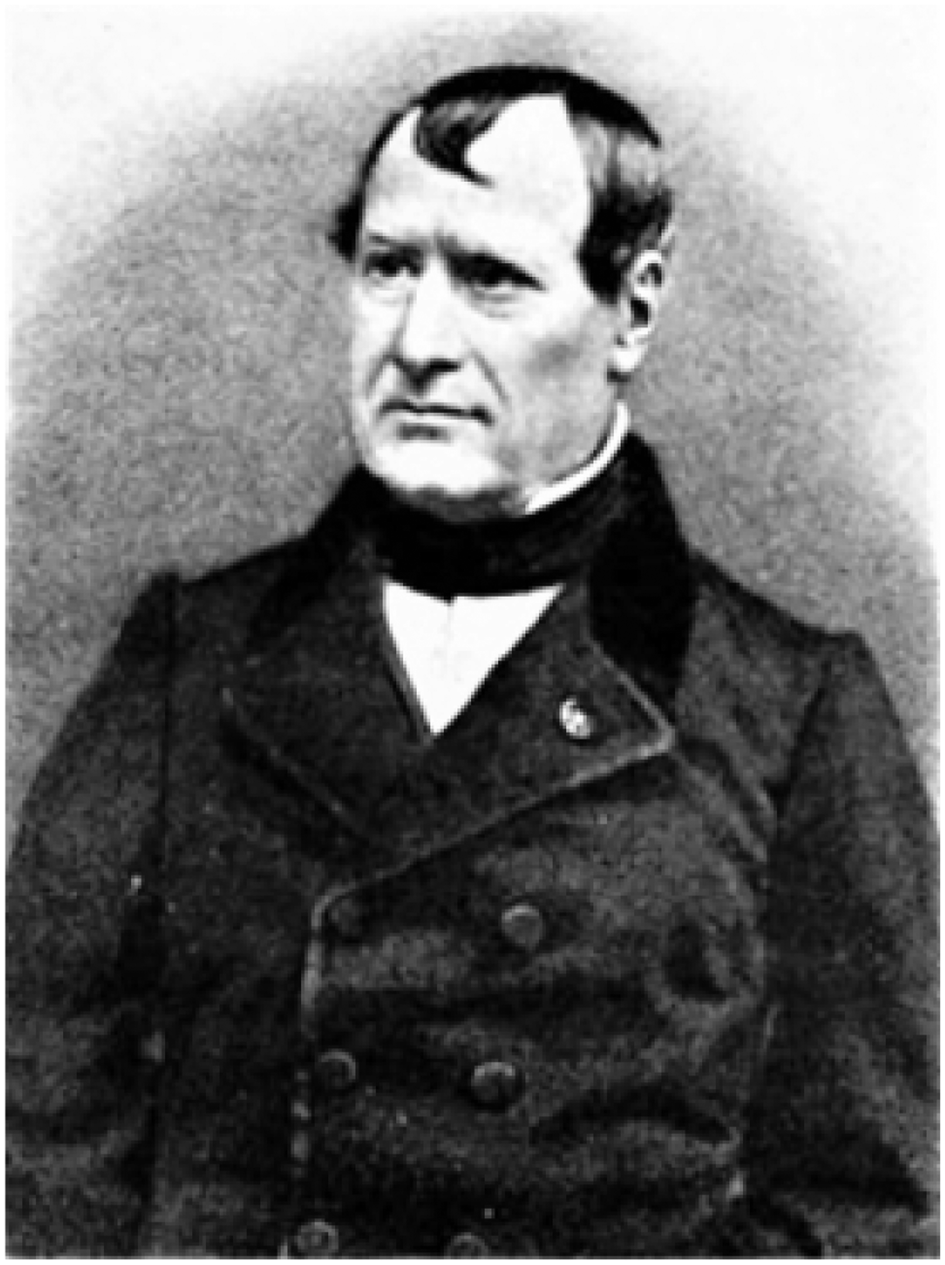
Marie Jean Pierre Flourens (1794–1867, Paris; Figure 1) was the father of experimental neuroscience. In 1817, he started a series of experiments on pigeons in which he selectively destroyed the cochlea and the semicircular canals, and came on a seminal observation, which he published in 1842. When the cochleae were destroyed, the birds lost their hearing but when the canals were destroyed, hearing was preserved but the birds stumbled and lost their balance. When, on one side, the canal system was ablated, the birds fell on the side of the lesion whilst when both sides were destroyed, the birds lost their balance completely. In addition, he observed that the birds’ heads bobbed side to side and up and down depending on horizontal or vertical canal ablations, respectively, with extreme agitation of the eyes.Reference Flourens7
Marie Jean Pierre Flourens (1794–1867), the father of vestibular physiology. https://commons.wikimedia.org/wiki/File:Pierre_flourens.jpeg, accessed 09.08.2023 09.30AM, work in public domain without copyright restrictions.

Flourens’ ground-breaking experiments established for the first time in history that the semicircular canals were responsible for balance and that they generated eye movements to perform this activity. However, rather than the canals as a sensory organ of balance, he inferred that the cerebellum sent signals to the canals that then acted to generate the head and the eye movements through a set of nerves, i.e. a motor action.Reference Wiest4
Science only evolves with replication of experimental observations and constructive discourse based on counter arguments. It was therefore no wonder that, following Flourens’ revolutionary concept of attributing a key survival sense like balance to a tiny structure in the inner ear, there would be challenges and attempts to replicate his observations. One relevant and valid argument was that, during ablation experiments, it was almost impossible to prevent a brain injury and therefore the loss of balance could have been due to a brain injury. Subsequent researchers made great efforts to solve this problem. Johann Czermak (1828–1873, Leipzig), Johann Harless (1773–1853, Bonn), Edmé Vulpian (1826–1887, Paris), Heinrich Curschmann (1846–1910, Leipzig) and P. Lowenberg (19th century, Paris) all replicated Flourens’ experiments successfully, while Jakob Böttcher (1831–1889, Tartu) and Arnold Berthold (1803–1861, Groningen) observed differently and argued that the brain injury contributed to the loss of balance as much as the canals.Reference Burnett8,Reference Berthold9 In fact, these researchers were dubbed the ‘most brilliant’ by Burnett in 1884Reference Burnett8 (the first otologist who reviewed the works of the initial pioneers of vestibular physiology), all inspired by Flourens. Now that the canals were identified as substrates for orientation in space and balance, the question was how this was achieved.
Role of the fluids in the labyrinth to explain balance and the vestibulo-ocular reflex
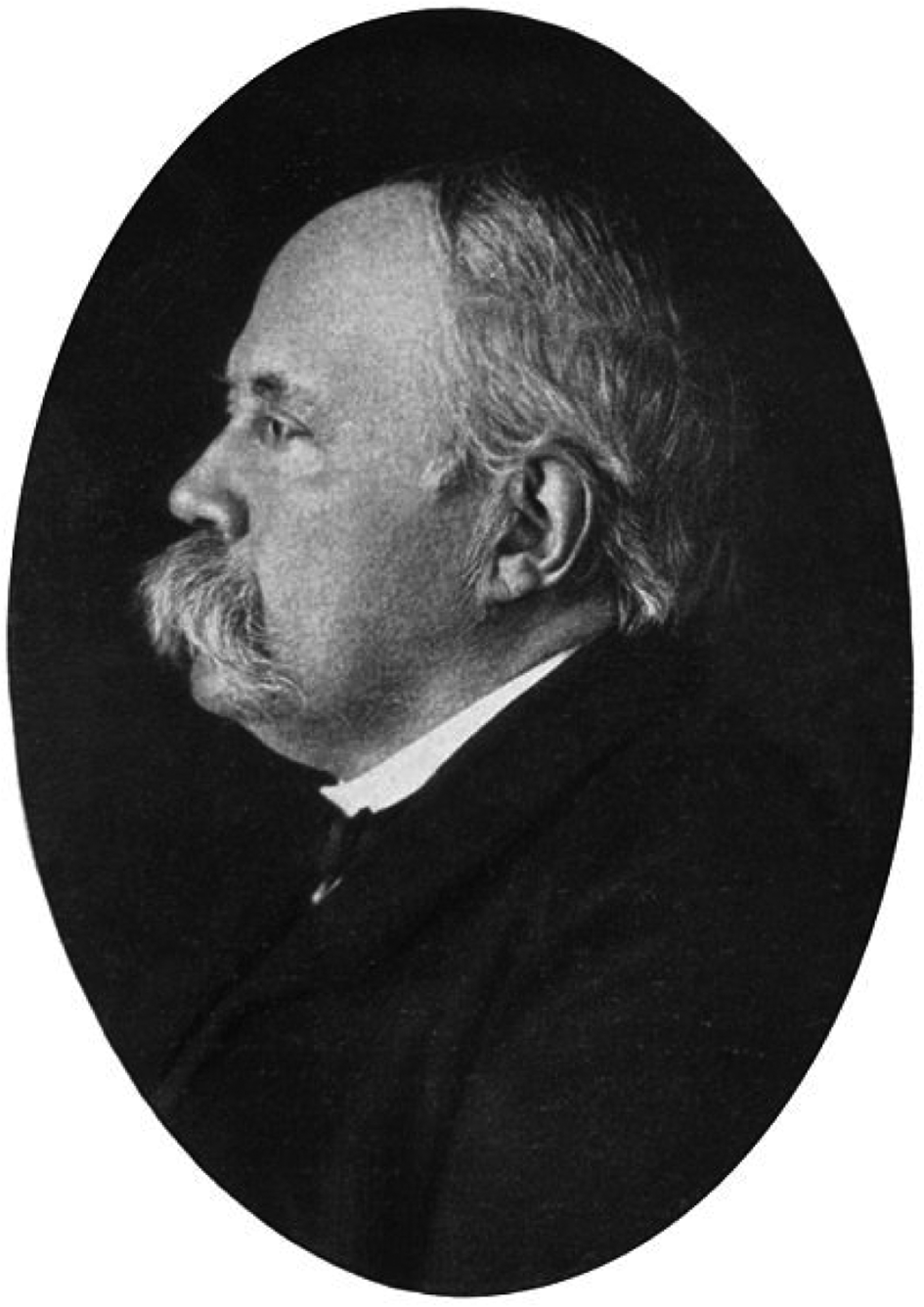
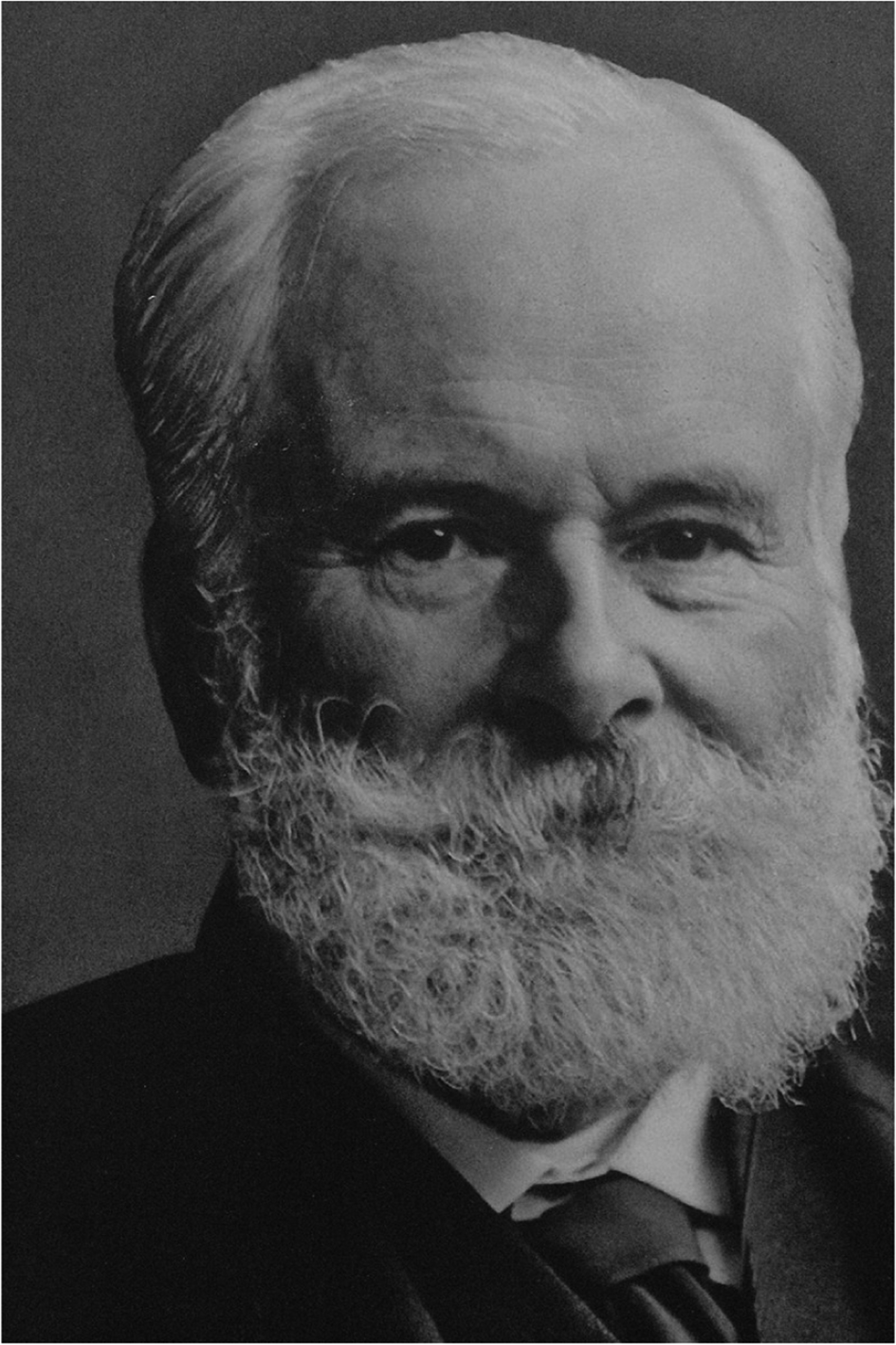
Friedrich Goltz (1834–1902, Halle and Strasbourg; Figure 2), following Flourens’ example, undertook research in explaining balance with experiments in animals. He replicated Flourens’ observations and was convinced that the semicircular canals were key to resolve sensation in space and provide balance, and that this was achieved by canal input to the brain by a series of ‘conductive nerves’ originating in the semicircular canal. Thus, in 1870, he was the first scientist in history to attribute a sensory role to the semicircular canals.Reference Goltz10
Friedrich Goltz (1834–1902), the first to identify a sensory role of the semicircular canals. https://commons.wikimedia.org/wiki/File:Goltz.jpg, accessed 09.08.2023 09.32 AM, work in public domain without copyright restrictions.

Goltz also astutely observed that there were three elements to maintain equilibrium: (1) a central organ; (2) a peripheral sensory organ; and (3) motor nerves from the brain to muscles in the periphery to provide the equilibrium. This phenomenal observation resonates to this day, explaining the vestibular reflexes and their role on effector organs. Goltz then proposed that the fluid in the semicircular canals by their weight displaced the cupula, the so-called hydrostatic theory.Reference Goltz10 This was subsequently not substantiated by the later pioneers, but nevertheless it suggested the role of the fluids in the labyrinth in maintaining balance.
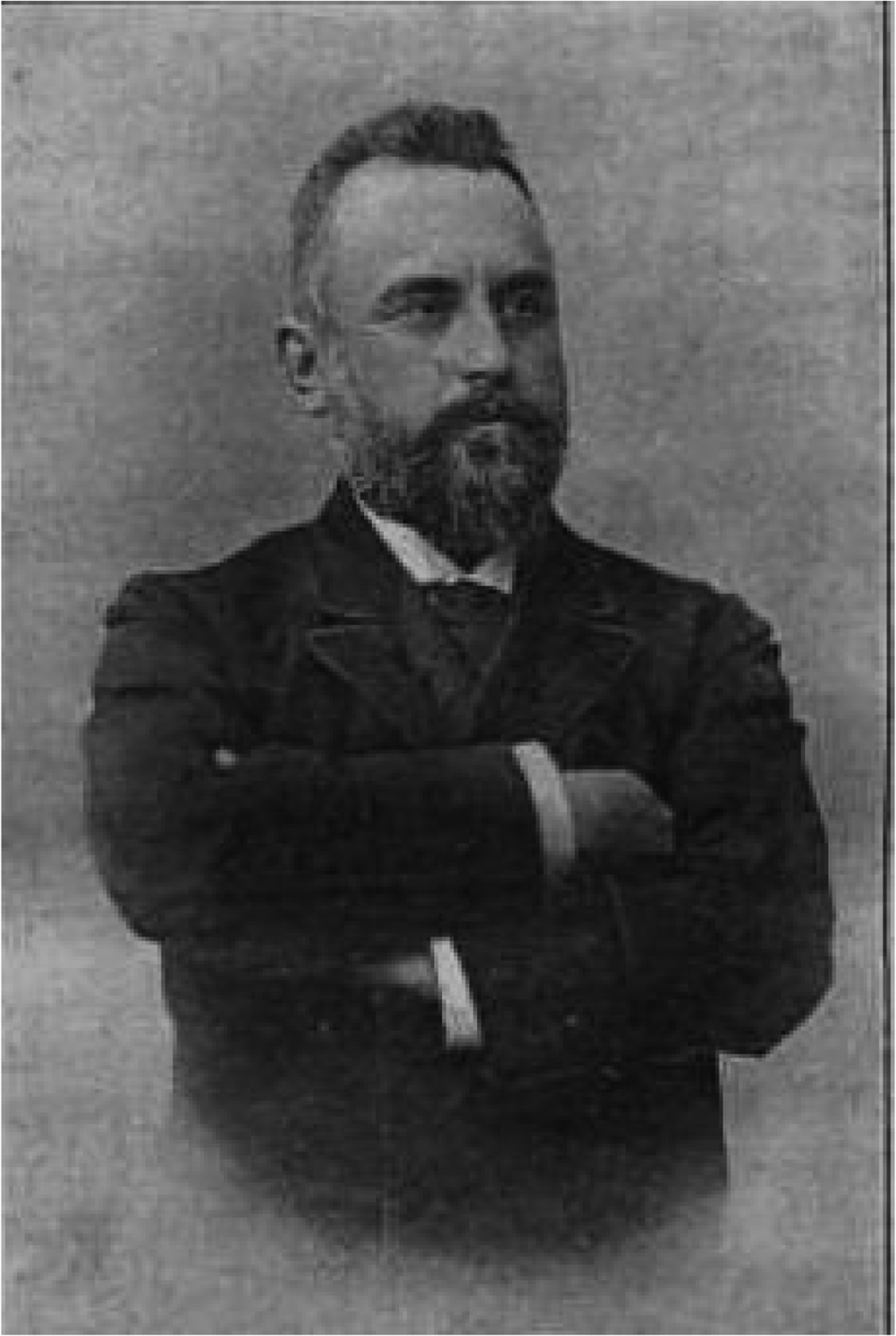
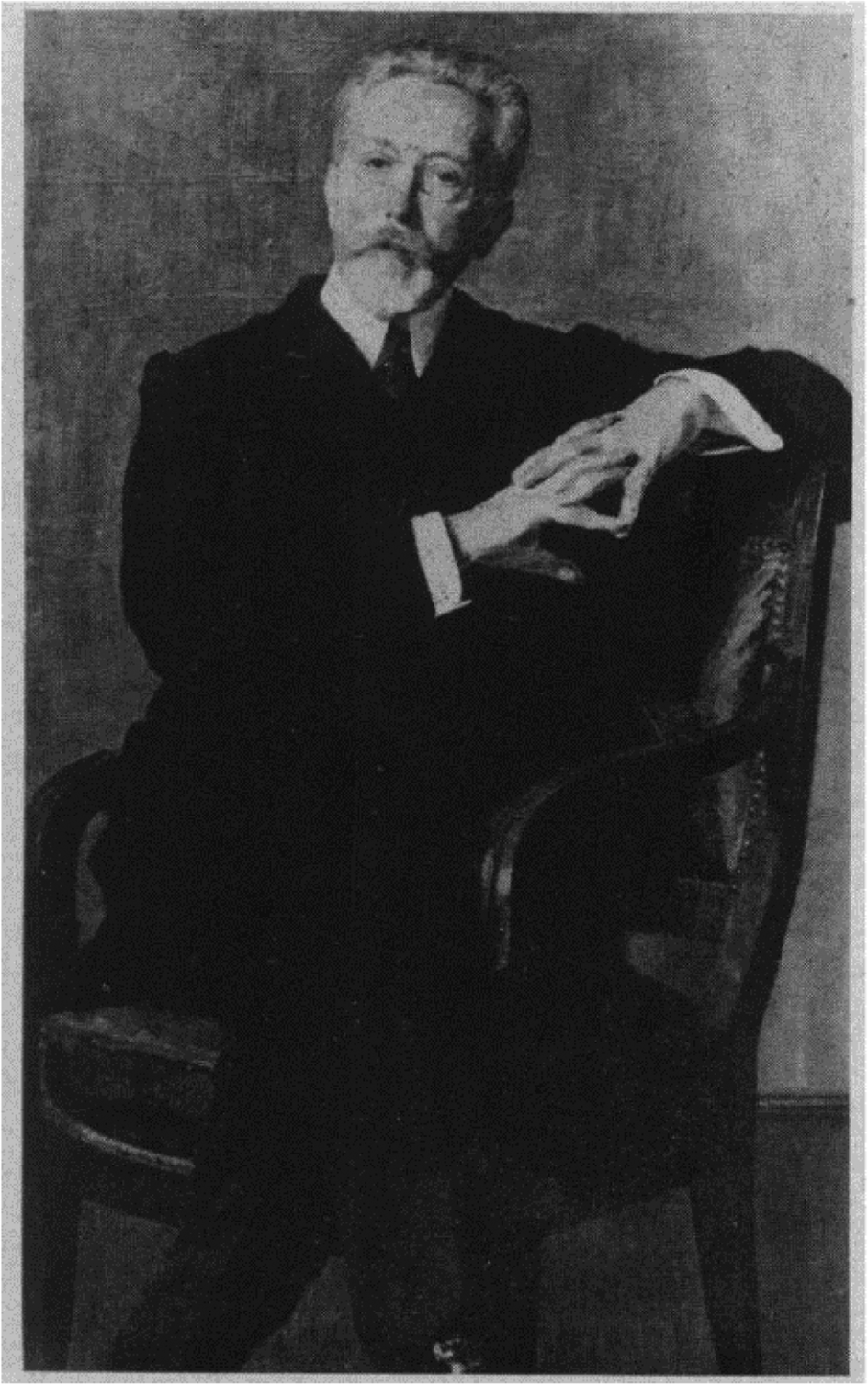
Endre Hogyes (1847–1906, Cluj and Budapest; Figure 3) was a physician and a physiologist. Using rotating rabbits on a three-axis turntable devised by himself, he recorded the eye movements in the normal steady state and then after selectively destroying different parts of the brain and the ears to determine the difference in those eye movements.Reference Tamás and Mudry11 He concluded that the eye movements had their stimulation and excitatory arms in the right or the left labyrinthine or acoustic nerve whilst the central brain effector sites were in the nuclei of the III, IV and VI nerves.Reference Hogyes12 His observations confirmed Goltz's theory that maintenance of equilibrium was an interplay between the periphery and the centre. He was the first to identify the vestibulo-ocular reflex.
Endre Hogyes (1847–1906), the first to identify the vestibulo-ocular reflex. https://commons.wikimedia.org/wiki/File:H%C5%91gyes_Endre.jpg, accessed 09.08.2023 09.34 AM, work in public domain without copyright restrictions.

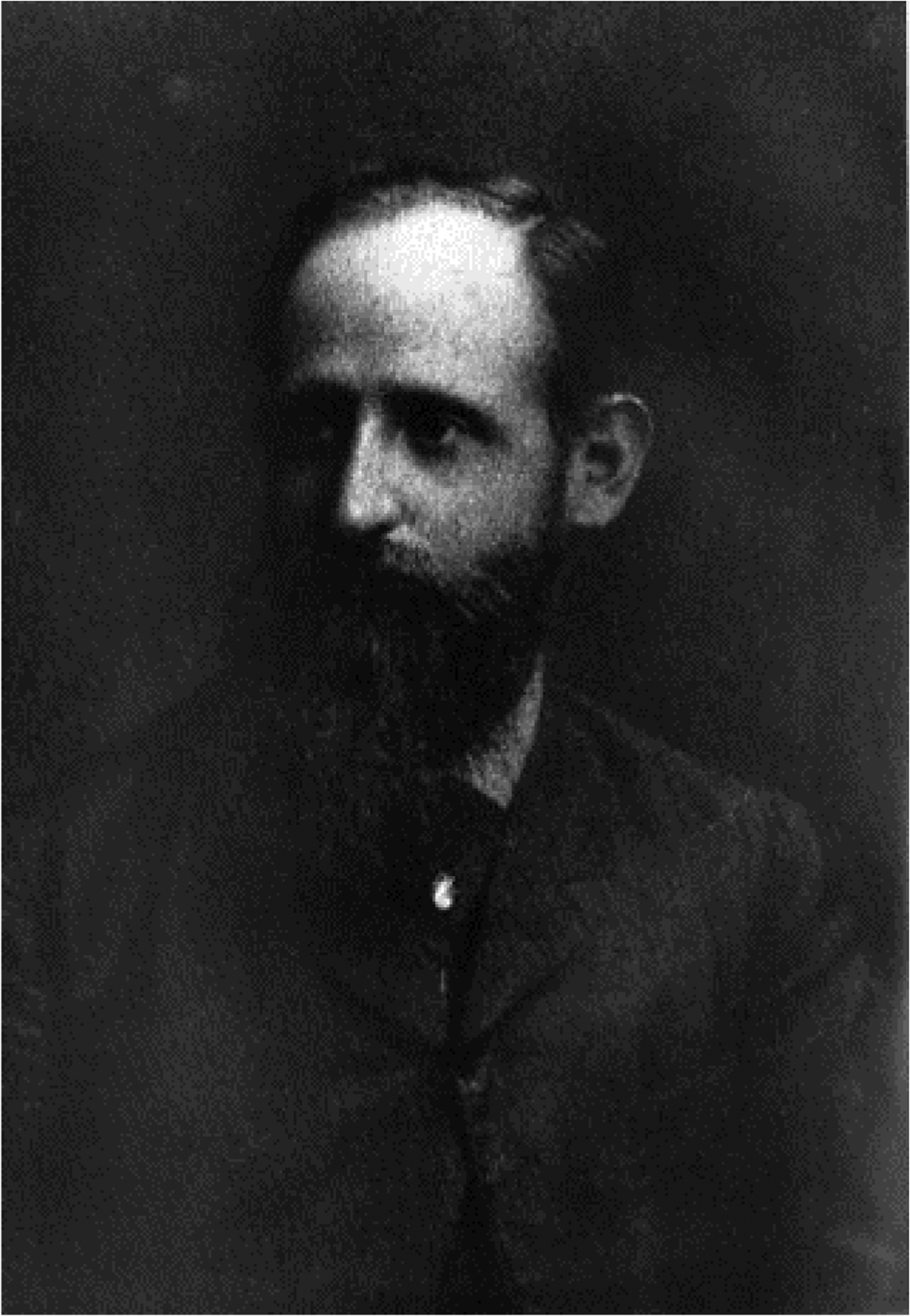
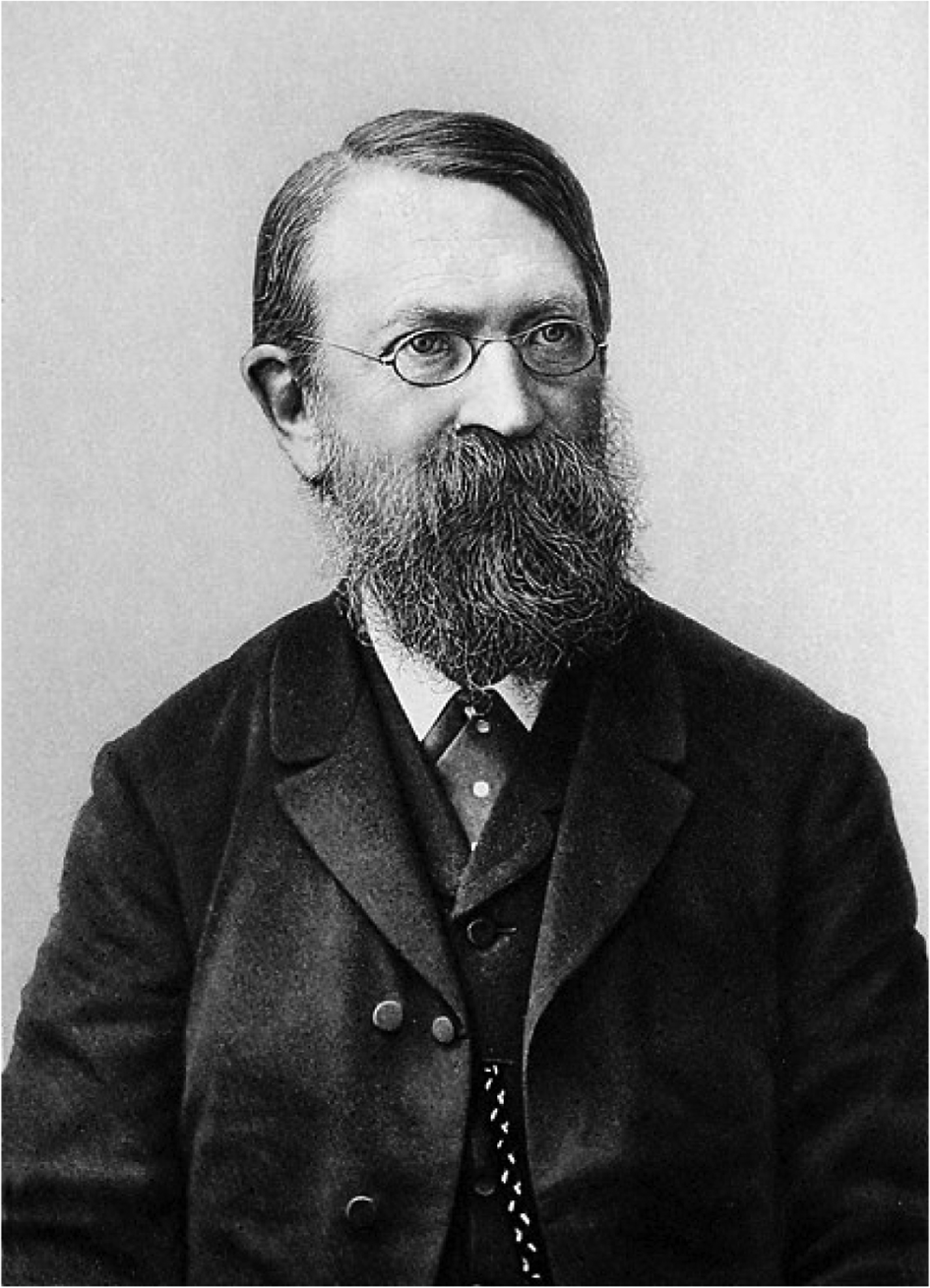
Joseph Breuer (1842–1925, Vienna; Figure 4) was a practicing physician researcher with a keen interest in psychoanalysis and in the physiology of the inner ear that served balance function. He replicated Flourens’ original observations with meticulous dissections and histological preparations sparing the peri-canal areas, and concluded that the semicircular canals were the crucial sensors for resolving space by a series of experimentations in birds. With human experiments, he observed objectively for the first time that the response to head movements was a nystagmus with a slow and a quick phase that lasted as long as there was acceleration of the movement but ceased when the velocity became constant.
Joseph Breuer (1842–1925), the first to identify the role of cupular deflection by endolymphatic fluid. https://commons.wikimedia.org/wiki/File:Jozef_Breuer,_1877.jpg, accessed 09.08.2023 09.36 AM, work in public domain without copyright restrictions.

In 1874, Breuer published a comprehensive treatise that proposed a radically new revolutionary theory of how the canals actually responded to motion.Reference Breuer13 He postulated that the endolymph in the canals responded to movements in the head by deflecting the cupula in the canals along their respective planes with a shearing force. The cupulae contained fine hair cells that then moved proportional to the movement of the cupulae. This was called the hydrodynamic theory of canal function. It challenged Goltz's hydrostatic theory and holds good to this day, explaining the different functions and pathologies of the canals.
Ten years later, when it was proposed that spatial orientation was lost underwater, Breuer correctly identified that the utricle and the saccule also possessed fine sensory epithelial hair cells that responded to linear acceleration in a similar way as the canals did to angular acceleration, and contributed to perception of the earth's subjective visual vertical.Reference Breuer14,Reference Wiest and Baloh15 It can therefore be seen that the principles of vestibular organ function were laid down much earlier, before they were systematically codified in the 20th century.
Ernst Mach (1838–1916, Vienna and Graz; Figure 5) was a physicist who was widely regarded as the father of modern scientific empiricism.Reference Feuer and Mach16 His ground-breaking research in fluid mechanics and sound has made him immortal in the annals of science. Working completely independently from Breuer, he performed a series of experiments with human volunteers in a specially made rotating chair to investigate balance. This was due to his curious mind trying to seek an answer to his own experience that he felt whilst in a railway carriage as it was negotiating a bend.Reference Wiest and Baloh15
Ernst Mach (1838–1916), the first to identify the role of cupular deflection by endolymphatic fluid. https://commons.wikimedia.org/wiki/File:Ernst_Mach_01.jpg, accessed 09.08.2023 09.38 AM, work in public domain without copyright restrictions.

He observed that after rotating the subjects in the chair, there was a perception of subjective rotation that agreed with Breuer's observation, i.e. to acceleration only.Reference Mach17 He meticulously recorded eye movements generated by rotation with a retinal afterimage caught with an incandescent light.Reference Wiest and Baloh15 He also postulated that linear acceleration was sensed by the maculae. He published his findings a year after Breuer, in 1875, suggesting that semicircular canals were responsible for generating this perception. Unlike Breuer, he believed that the forces generated as a result of rotation led to a pressure difference in the cupula rather than free endolymphatic fluid movement.
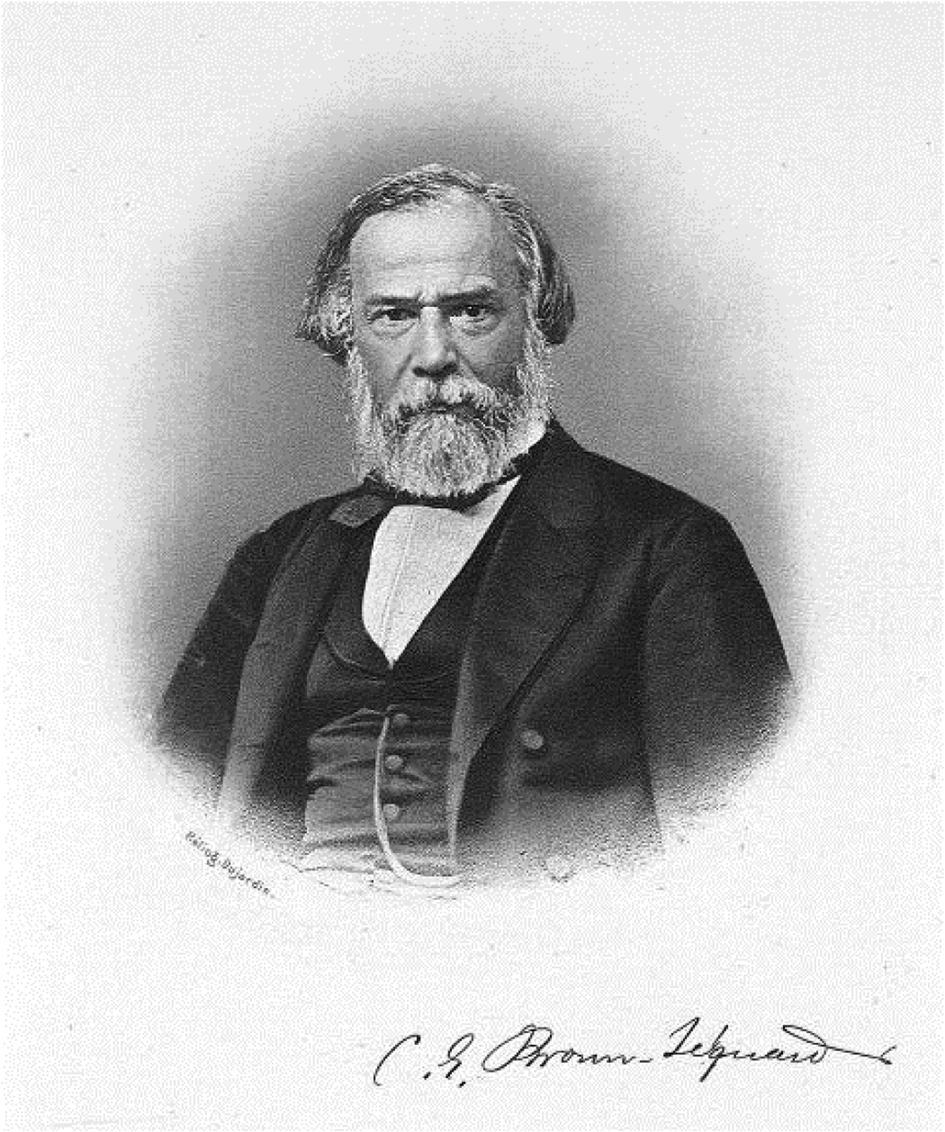
Alexander Crum Brown (1838–1922, Edinburgh; Figure 6), a chemist credited with several discoveries in chemistry, also ventured into the fascinating domain of understanding the sense of rotation and orientation in space. He operated entirely within his own country and his deliberations were published only three times from 1874 in local journals.Reference Dasgupta, Mandala and Guneri18 Like Mach, he rotated human subjects in a chair and recorded subjective sensations and eye movements, arriving at his own inferences independent of Mach and Breuer.
Alexander Crum Brown (1838–1922), the first to identify the role of cupular deflection by endolymphatic fluid and pairing of canals for vestibular sensation. https://commons.wikimedia.org/wiki/File:Alexander_Crum_Brown_c.1900.jpg, accessed 09.08.2023 09.40 AM, work in public domain without copyright restrictions.

Crum Brown's conclusions were similar to those of Mach, i.e. that the semicircular canals perceived angular rotation, and to Goltz's original proposition of the three elements responsible for maintaining equilibrium. He believed that there was a cupular deflection, likely as a result of fluid movement in the inner ears. He stumbled across two key observations that endure to this day: (1) that the sense of rotation is determined by a reciprocal stimulation of the canals where the two lateral semicircular canals are paired together as the right anterior and the left posterior, and the left anterior and the right posterior semicircular canals; and (2) that removal of visual fixation by blindfolding subjects during rotation and changed their perceptions of rotation.Reference Brown19
The Breuer, Mach and Crum Brown theories of semicircular canal cupular mechanics as a result of rotation and fluid deflection are known as the Mach–Breuer–Crum Brown hypothesis.
Ernst Ewald (1855–1921, Strasbourg; Figure 7) was a physician working under the tutelage of Friedrich Goltz, who inspired him to delve into the intricacies of semicircular canal function. When he joined Goltz as faculty in 1880, he embarked on a series of experiments with pigeons. By that time, the hydrodynamic theory of cupular deflection in semicircular canals was being discussed. He devised a novel apparatus called ‘Ewald's hammer’ with which he was able to work out the endolymphatic flow in the canal by observing eye movements as a result of the fluid movement. Thus were born Ewald's laws, a pivotal and cornerstone vestibular discovery that can be applied to this day to explain various vestibular pathologies and nystagmus derived as a result of vestibular canal stimulation.Reference Megighian and Reggiani20,Reference Ewald21
Ernst Ewald (1855–1921) discovered Ewald Laws explaining semicircular canal stimulation and inhibition. https://dizziness-and-balance.com/people/ewald.html, accessed 09.08.2023 09.40 AM, permission allowed by author of webpage given in https://dizziness-and-balance.com/legal/quoting.html.

Caloric stimulation and the vestibular organ, an important discovery
Robert Bárány (1876–1936, Vienna and Uppsala) magnanimously acknowledged the pioneers before him in his Nobel Prize acceptance lecture in 1916, and accurately quantified the caloric reaction, ushering in a new tool for vestibular management that has stood the test of time.Reference Bárány22
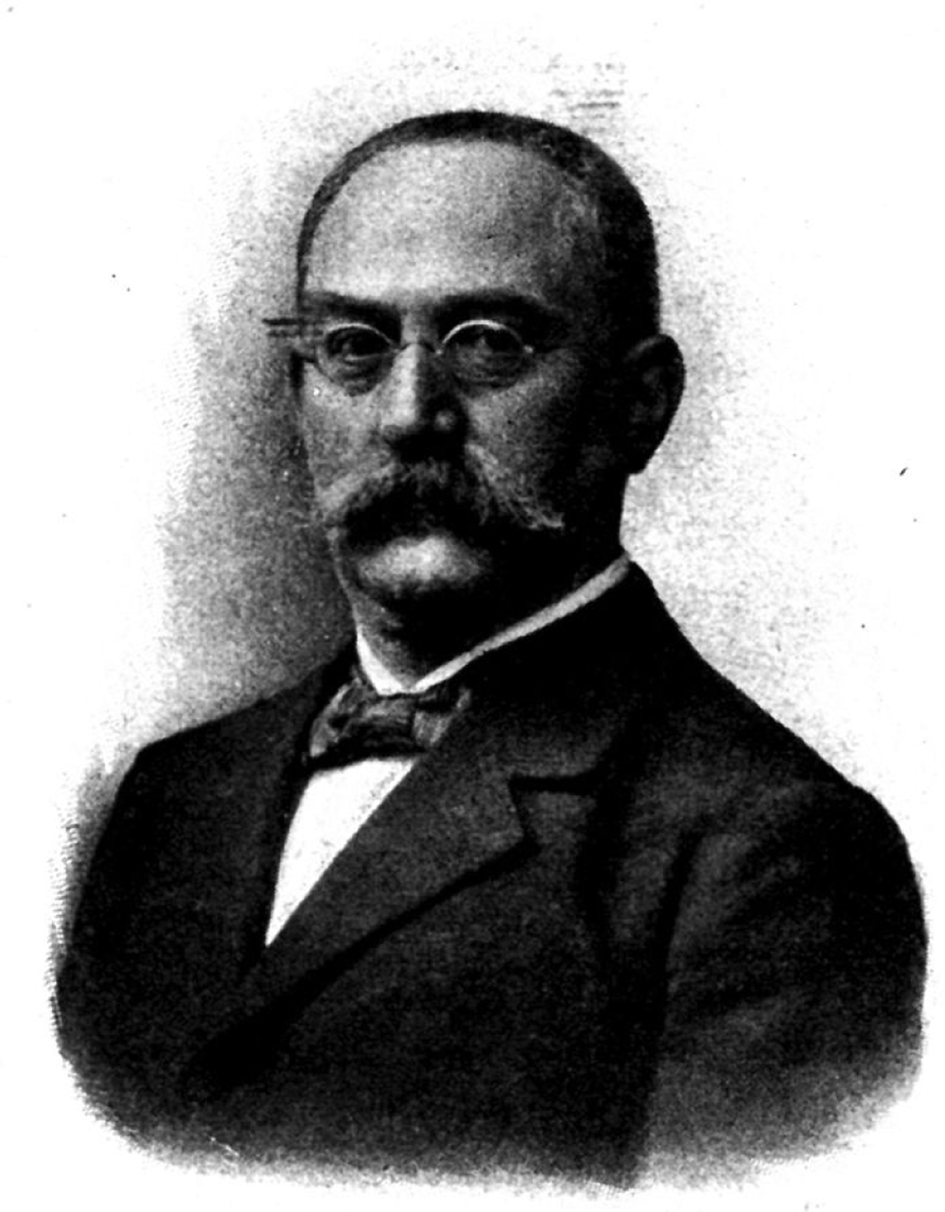
However, the credit for the first allusion to a caloric phenomenon should go to Charles Edourad Brown Sequard (1817–1894, Paris and Richmond; Figure 8), a neurologist. He was inspired by Flourens and briefly explored the vestibular system, where he stumbled on the curious observation that cold water generated vertigo. He attributed this sensation to the auditory nerve.23 This was subsequently followed up by A. Bornhardt (late 19th century, St Petersburg), who accurately described irritant and paralytic nystagmus following application of hot and cold temperatures, respectively, in the ear canal.Reference Dasgupta, Mandala, Vanspauwen and Guneri24,Reference Bornhardt25 Benno Baginsky (1848–1919, Berlin; Figure 9) not only replicated Bornhardt's observed nystagmus but also quantified the exact optimal temperature, fluid and pressure that were comfortable to the subject and elicited a clinical response, paving the way for the eventual methodology of the caloric test.Reference Dasgupta, Mandala, Vanspauwen and Guneri24,Reference Baginsky26
Charles Edourad Brown Sequard (1817–1894), the first to identify the caloric phenomenon. https://commons.wikimedia.org/wiki/File:Charles-%C3%89douard_Brown-S%C3%A9quard.jpg, accessed 09.08.2023 09.42 AM, work in public domain without copyright restrictions.

Benno Baginsky (1848–1919), the first to describe eye movements in variable caloric stimulation. https://commons.wikimedia.org/wiki/File:Benno_baginsky.jpg, accessed 09.08.2023 09.44 AM, work in public domain without copyright restrictions.

Challenging traditional thoughts
We now briefly discuss two pioneers whose contributions to vestibular physiology were pivotal moments in the history of the science. They both challenged traditionally held ideas: one in the scientific knowledge domain and one in the traditional philosophy domain.
Prospere Ménière (1799–1862, Paris; Figure 10), whilst working in the Institute of Deaf Mutes, was undoubtedly exposed to vertigo accompanying deafness that shaped his ideas of attributing vertigo to the inner ear. Up to his time, vertigo was considered to be due to cerebral congestion and apoplexy that could be treated by bloodletting, as postulated by the ancient medical texts propounded by Hippocrates and Galen.Reference Baloh27
• Although vestibular anatomy was known from ancient times to the Renaissance, vestibular physiology was unknown until the 19th century
• Pioneer scientists Flourens, Goltz, Hogyes, Breuer, Mach, Crum Brown, Brown Sequard, Baginsky, Ménière and de Cyon explained vestibular organ function, the fluid mechanics in the system and disease correlates in the 19th century
• The seminal discoveries of these pioneers are discussed and for the first time they are debated in the context of the times in which they were living
• An insight into to how these pioneers challenged the traditional philosophical ‘a priori’ concept of space is provided, resurrecting this largely forgotten aspect of vestibular science, which prepared the science for the modern scientific age
Prospere Ménière (1799–1862), the first to attribute vertigo to a disease of the inner-ear labyrinth. https://commons.wikimedia.org/wiki/File:Prosper_Meniere_2.jpg, accessed 09.08.2023 09.46 AM, work in public domain without copyright restrictions.

Ménière was the first in history to propose that an inner-ear disease can lead to vertigo by observing the classical spells of a triad: vertigo, hearing loss and tinnitus in the same subjects.Reference Ménière28 He was inspired by Flourens’ experiments, but Goltz was a few years away. The scientific world was aware that the canals participated in balance, but a pathological correlate was yet to emerge. In his landmark publication in 1862, Ménière shattered age-old concepts with his ideas, which were considered heretical. His deliberations shook the very pillars of traditional scientific thought, and he was initially rejected. Disillusioned, he died just a year later.Reference Baloh29 We may consider him to be the Galileo of vestibular physiology, a man far ahead of his time.
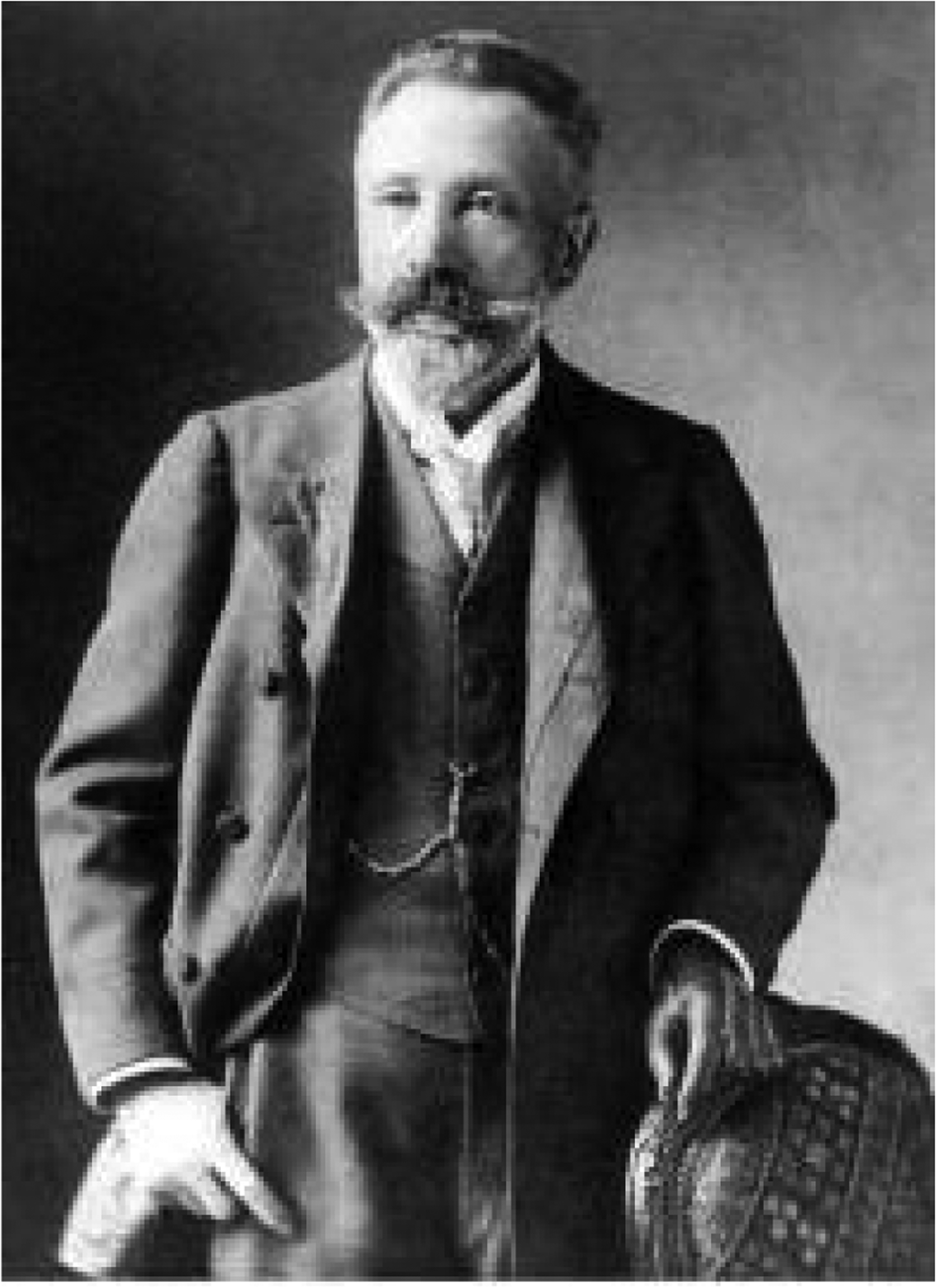
Elias de Cyon (1843–1912, Paris; Figure 11) was a Russian émigré who replicated Flourens’ experiments with rabbits and concluded that the semicrcular canals participated in perceiving the sense of rotation in an 1877 publication.Reference Ribot30 His experiments were conducted by sectioning the acoustic nerves coming from the six canals that generated the same vertiginous sensation as healthy subjects in the Mach, Breuer and Crum Brown experiments did.Reference De Cyon31 In other words, it was impossible for de Cyon to infer that inner-ear fluid movements or the hydrostatic theory was tenable here as nerve section should lead to cessation of such movements induced nerve signal. This led to acrimony between him and Breuer.Reference Wiest and Baloh15 Now we know that both were correct.
Elias de Cyon (1843–1912), the first to challenge the Kantian philosophy of ‘a priori’ space replacing it with a physical attribute in the ears. https://commons.wikimedia.org/wiki/File:Ilya_Cyon.jpg, accessed 09.08.2023 09.48 AM, work in public domain without copyright restrictions.

At the time of this tidal wave of exploring vestibular physiology, space was defined to the academic and the general world as an abstract ‘a priori’ sensation that was unconsciously built into the human being according to the traditional philosophy enunciated by the influential German philosopher Immanuel Kant.Reference Aniak, Zalta and Nodelman32 All scientists deliberated within this philosophy and their deliberations did not venture outside its realms, but not de Cyon. He openly challenged this a priori concept of space and contended that space was not an abstract entity but very much an interplay of an inherent semicrcular canal system that with the brain leads to the eventual perception of space.Reference De Cyon33 De Cyon went on to state that his theory also established the traditional Euclidean geometry of three-dimensional space.Reference De Cyon33 His theory created significant controversy not only in the scientific world but also in philosophical debates. It catapulted vestibular science to the world of logical positivism based on verification theories that characterised scientific thought in the modern era to bring science closer to the general audience.Reference Creath, Zalta and Nodelman34
Conclusions
The 19th century was a golden era of discoveries of vestibular function. These groundbreaking discoveries set basic principles, preparing the way for further research in the modern era. There were replications of observations, arguments and counter arguments to establish scientific rationale. The debates and discussions clearly established the vestibular system as a key organ to sense space, providing balance to humans. They also challenged traditional thoughts that remain a largely forgotten aspect in history.
Competing interests
None declared