Introduction
The oldest civilisation on the face of the Earth can be traced to India, home to the largest democracy of our times. Fast forward five millenia, a young nation at 78 places the aortic cross clamp most of others on a per diem basis.
Somewhere in between, Donald Nixon Ross, who has been interred in this great Hall of Fame, Reference Somerville1 opined that “it is rare to know of surgeons who can perform an operation better and often, seamless than its namesake, and among the few there are, Sampath Kumar is one.”
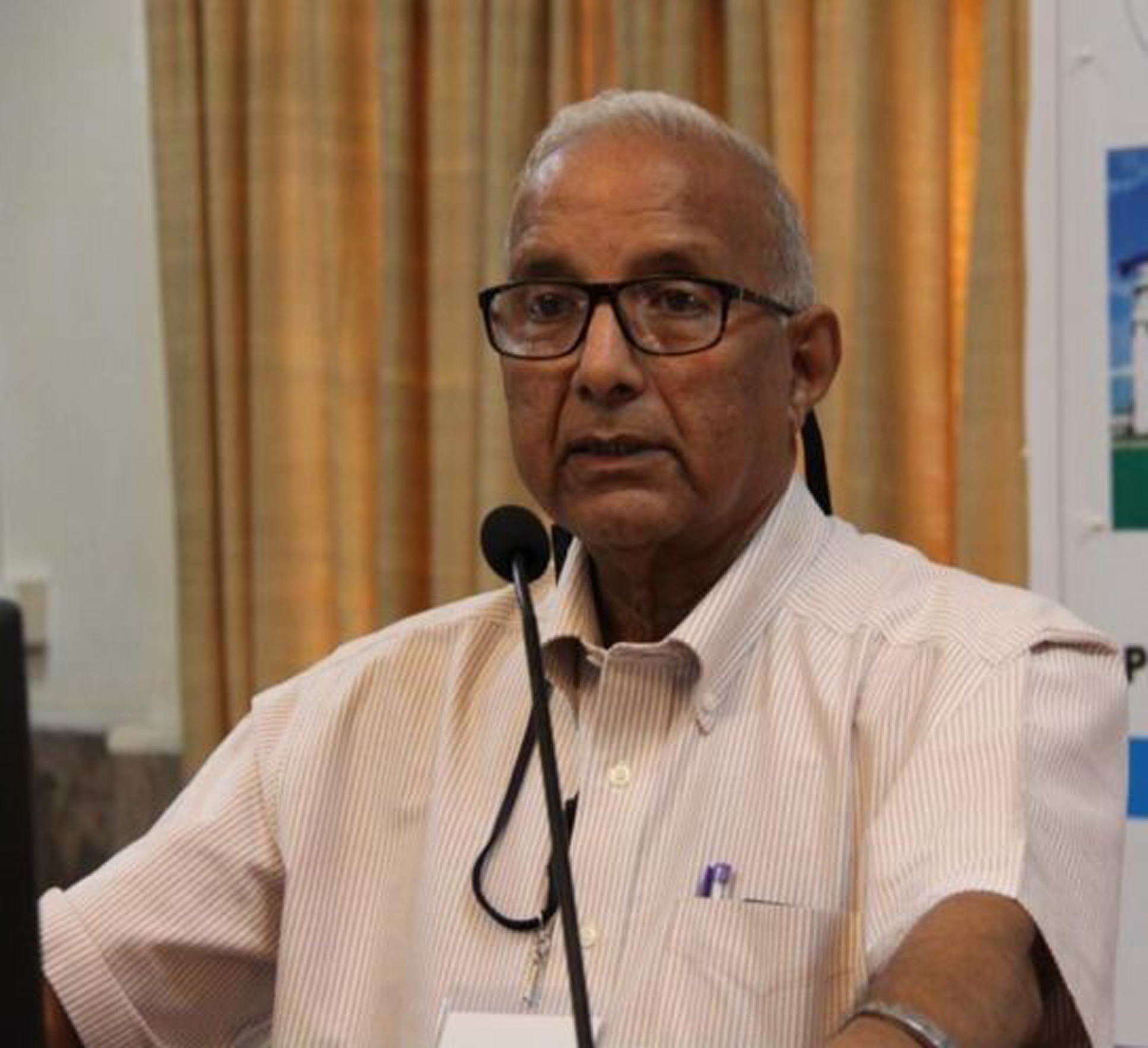
It gives us great pleasure to introduce, at the time of his induction into the Paediatric Cardiology Hall of Fame, one of the finest humans our profession is privileged to have—Professor Arkalgud Sampath Kumar (Figure 1). Kumar has earned the peerage accorded to few surgeons in our milieu for his lifelong commitment to patient care, teaching, research, and innovation—making him the definition of a quadruple threat in academic surgery.
Arkalgud Sampath Kumar.

Coming from Professor Anderson, we deem it an honour to present this character sketch of this gentleman surgeon and mentor, who has the rare distinction of expanding the horizons of paediatric cardiovascular surgical care in the public, private, and philanthropic institutions, among others, through this encomium.
Early life and studentship
Arkalgud Sampath Kumar’s birth was apace with the full moon night of the Karaga festival, celebrated to honour Draupadi, a mythological character from the world’s oldest scripture—the Mahabharat. He was born a baby-boomer on April 15, 1946, in Bangalore, India.
Bangalore is among India’s major urban agglomerations. It is known for introducing hydroelectricity in the eastern hemisphere, the Bangalore torpedoes used in the D-Day bombings by the Allied forces and contemporaneously for its robust role in the global information technology chain-link today.
Born the eleventh child among nine boys and four girls, Kumar was raised in a culturally orthodox, middle-class household settled in the heritage suburb of Basavanagudi in South Bangalore. His father was a noted public servant and administrator, known for his immaculate integrity and administrative efficiency, and his mother was a devout homemaker who held the fort tight and stable in an era that saw the birth of a young nation. Notwithstanding an austere living, the parents made it a priority to ingrain the value of merit and diligence in each child of theirs so that they could each receive a sound university education, which each did.
Kumar schooled at some of the finest institutions of Bangalore. He decided to pursue medicine at his mother’s imploring weekly blessings. In 1963, he was admitted to study medicine at one of the most promising programmes across the country, the prestigious Bangalore Medical College.
During his first year as an undergraduate medical student, his very first patient was, by serendipity, his elder sister, who was suffering from gestational diabetes. Kumar was entrusted with the role of administering insulin and tending to his sister and her newborn alongside his classes by the Professor of Medicine. This experience had a lasting impact on his mind—in caring for patients as an unbiased, compassionate and honest individual—and thus began his long sojourn with clinical medicine.
Apprenticeship
In 1967, as a third-year medical student, Kumar rotated through the thoracic surgery service of Professor Gerald “Gerry” Mascarenhas at the Shanthabai Devarao Shivaram Tuberculosis Sanatorium in Bangalore. Gerry Mascarenhas was a pioneer in his own right, having established one of the earlier busy thoracic programmes in the developing world. Recognising the scholarship in Kumar, Mascarenhas invited him to scrub with him for a closed mitral commissurotomy. After the stenotic mitral valve was opened, Kumar was asked to feel the heart. Amidst a concoction of anxiety and trepidation, Kumar felt the absence of the diastolic thrill! An opportunity as rare as this for medical students sealed Kumar’s passion for his first love—cardiac surgery.
In 1968, Kumar found his most consequential mentor in a rather unique setting. As a volunteer in the annual surgical meeting, Kumar was offered the opportunity to man one exhibit consisting of contemporary mechanical valves and a pump oxygenator. Amidst the thousands of visitors was a tall gentleman with a stern demeanour who introduced himself as “Dr Gopinath from Delhi.” Following Kumar’s presentation, the visitor enquired about the rather young presenter. Surprised to be shaking hands with a medical student speaking about heart valves and disc oxygenators, he hid his surprise by giving Kumar a pat on the back.
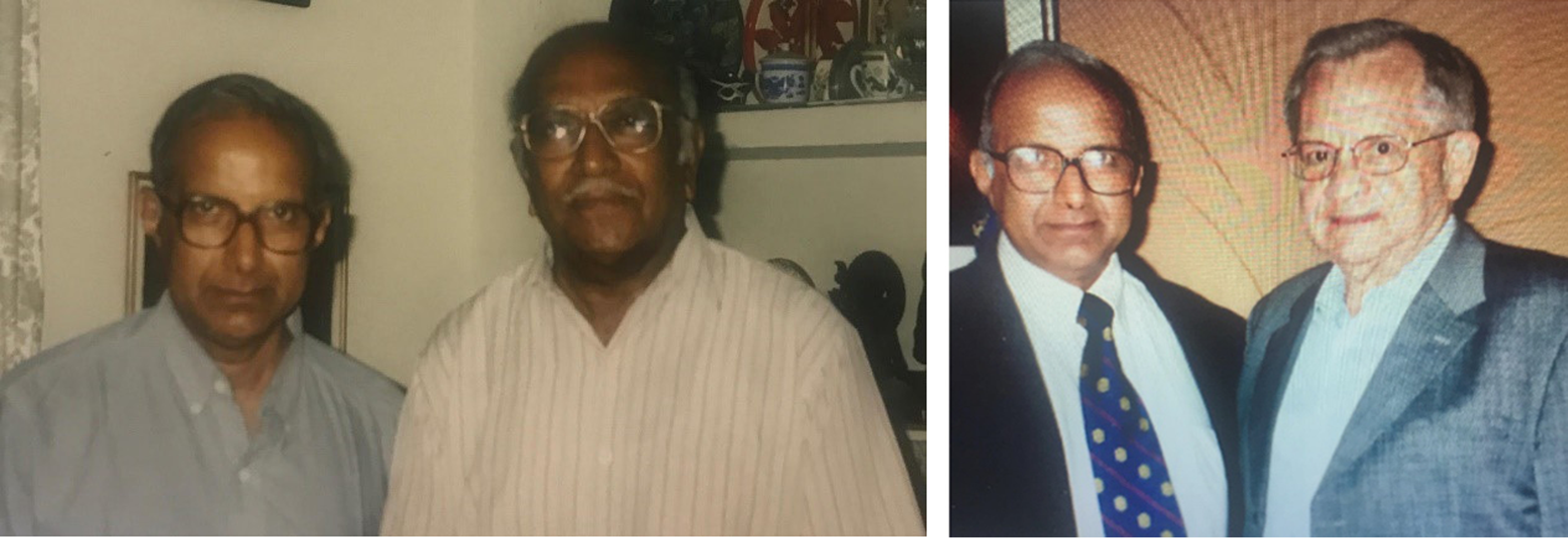
Kumar was simply unaware of this gentleman at the time. The visitor was Professor Nagarur Gopinath (Figure 2), the tallest of the pioneers of cardiac surgery in India. A student of Reeve H. Betts and C. Walton Lillehei, Gopinath, performed the first open-heart operation with a pump-oxygenator in India in 1961 (which was also perhaps the first in the eastern hemisphere). Gopinath would go on to play a pivotal role in Kumar’s life as his mentor. This “pat” for Kumar was to be the first brush of his lifelong association with Gopinath.
Kumar with his mentors, Nagarur Gopinath (left) and Dudley Wenner Johnson (right).

Life as a Surgeon
By the end of 1967, Kumar had participated in closed heart surgeries with Gerry Mascarenhas as a surgical intern. He had assisted lung resections, ligations of persistent ductus, and closed mitral commissurotomies. Alongside experiencing the joy of surgery, he was also developing an understanding of the challenges that a developing nation faced in catering cardiac care to its masses.
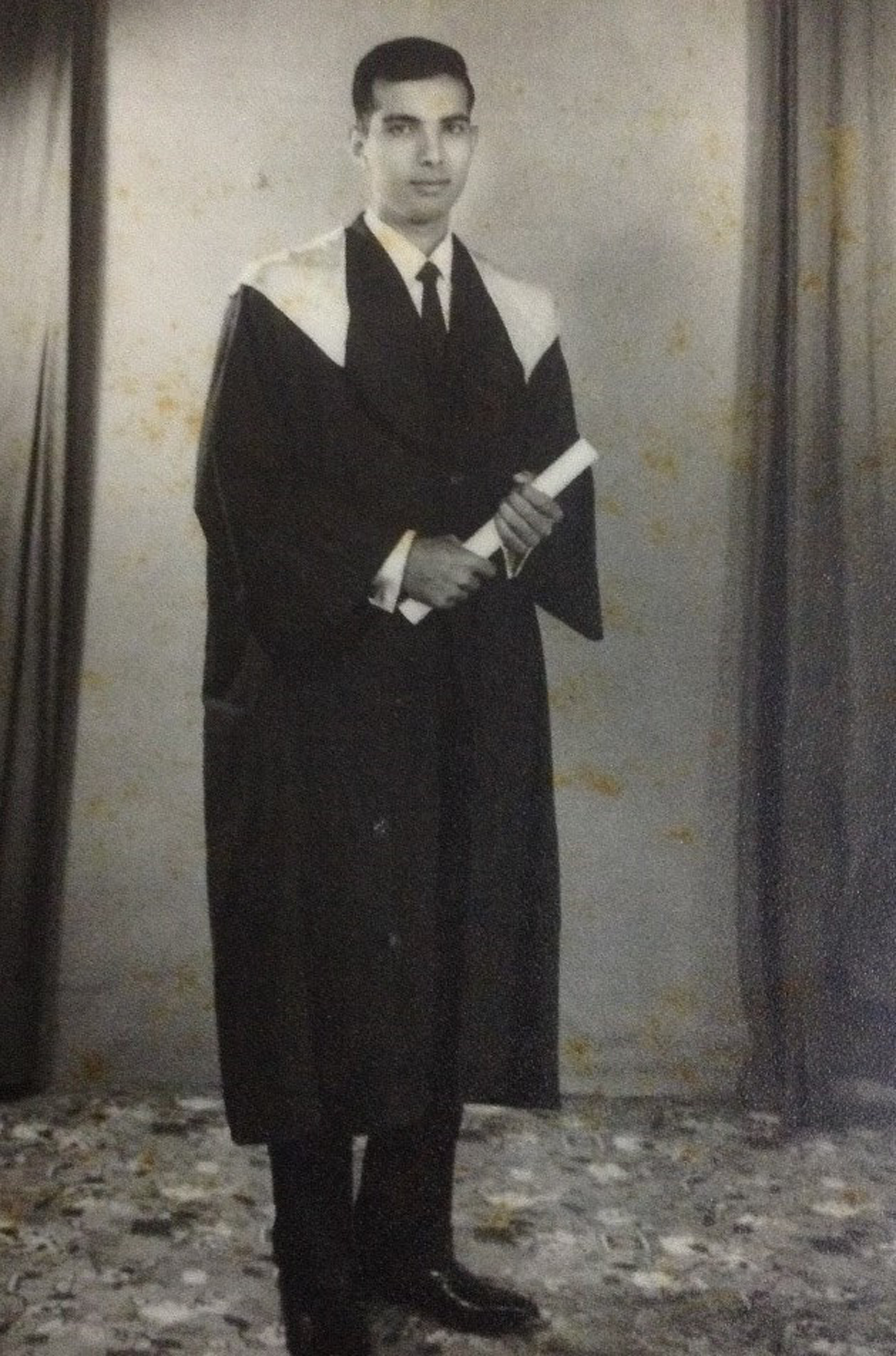
In December 1969, Kumar received his medical degree after five years of study and a one-year apprenticeship as an intern in the affiliated hospitals of Bangalore (Figure 3).
Kumar pictured on the day of his graduation (1969, Bangalore).

Following his internship, Kumar applied to the All India Institute of Medical Sciences (AIIMS), India’s premier institute for medical education in the capital city of New Delhi, for residency training in general surgery. The programme of four years consisted of one year of housemanship followed by three years of training in the surgical disciplines. The logistical delay in Kumar’s arrival in Delhi resulted in the occupancy of all houseman posts except ophthalmology and cardiothoracic surgery. The serendipitous opportunity made the decision obvious, and thus began Kumar’s long association with cardiothoracic surgery and the AIIMS, as the youngest member of Professor Gopinath’s department—an association that would last for forty years.
Working with early models of extracorporeal circulation, without myocardial protection, inadequate diagnostics, and unexpected surprises on the table made cardiovascular surgery an arduous task, especially in the developing world amidst settings with limited resources. Yet, Professor Gopinath’s unit was persisting with rugged determination and purposeful tenacity in the face of bleak outcomes and high mortality. The houseman in this arrangement was the lowest rung of the ladder on whom the department relied the most. As goes the adage “the strongest portion of a chain is its weakest link,” it was the houseman’s solemn responsus in holding up the sails of the unit. Operative opportunities were limited to the housemen, such as Kumar, who were outstanding—meaning out of the theatre! Housemen were not allowed inside the cardiac theatre and could only watch the terse outcomes in the operating room from the enclosure upstairs in the old-styled operation “theatres.” Notwithstanding the lack of operative opportunities, Professor Gopinath’s unit made it a priority to make housemen compassionate and competent doctors by imparting patient skills and diagnostic abilities in them all in this one year.
In 1970, Kumar moved to his parent department of surgery as a resident. He was mentored by some of the brightest minds in surgery of the time, including Professors B.N.B. Rao, Atm Prakash, I.K. Dhawan, and M.M. Kapur. The programme was rigorous from a clinical and academic standpoint, with holistic training in basic science research amidst a busy clinical schedule. Professor Kapur played an influential part in mentoring Kumar and steering him towards academic surgery. Under his guidance, Kumar was assigned a research topic to study the distribution and metabolism of oestradiol 17-beta in neoplastic mammary tissues. Reference Murugesan, Srivastava, Kumar, Kapur and Laumas2 The days were longer and tiresome here, yet there was this satisfaction of having the opportunity to operate with encouraging mentors and independently in a graduated fashion.
Surgical leadership was ingrained in Kumar early on as a surgical resident. In 1972, Kapur was given charge of an additional unit in another public hospital across the street. Seeing no way out of this conundrum, Kapur offered Kumar the responsibility of operating in the second unit until alternate arrangements could be made. Having been closely mentored by Kapur, who was now comfortable with his mentee’s clinical judgement and surgical prowess, this unique opportunity gave Kumar independence, experience, and, most of all, administrative experience during his senior residency. With experience and confidence under his belt, Kumar gave his boards the next year and completed his residency in general surgery.
In 1974, Kumar joined the two-year cardiothoracic residency programme at AIIMS as a registrar. His mentors included Professors Gopinath—the chairman, Janak R. Talwar, Ivatury M. Rao, P. Venugopal, and Somnath Prusty. Residency in cardiac surgery at the AIIMS was conceived with the intent of bringing out the best in every trainee. The days were gruelling, tough and fierce as the programme sought to “baptise by fire” and asked for the “blood, sweat and tears” of the trainees—a tradition that has kept up with times. Although Kumar trained in all aspects of thoracic and cardiovascular surgery, he eagerly cherished the opportunity to brush shoulders with Professor Gopinath in pericardiectomies (for tuberculous and calcific constrictive pericarditis), closed mitral commissurotomies, Waldhausen’s coarctation repairs, Blalock-Thomas-Taussig shunts and intracardiac repairs for Fallot’s tetralogy.
The vast majority of patients at the AIIMS who suffered from rheumatic and congenital heart defects were shaping Kumar’s mind to work in these specialities. Surgeons had little choice but to implant mechanical valves in patients with rheumatic valvulitis, most of whom were young children and adolescents. The feeling of helplessness, guilt, and frustration sunk in the face of destitution. Constantly perturbed by what he saw—death in most patients and morbidity in the few survivors beset by mechanical valves—Kumar and his senior colleague Ivatury Rao, under the direction of Professor Gopinath, had begun experimenting with homograft valve replacement around 1975.
In 1976, Kumar took his boards in cardiothoracic surgery, which included a practical exam—an uncanny feature by today’s standards. Shortly thereafter, Professor Gopinath invited Kumar to join his faculty—a second pat.
An offer to join the faculty of cardiothoracic surgery at AIIMS was rare, for most graduates trained here were largely sent on deputation from the state medical services so that they could come back to establish local cardiac surgical programmes or were intentionally selected and trained for the same cause. Kumar was mentored by Professor Gopinath to take up academic and research work, as he continued his advanced training in the department. Among his earliest interests was the assessment of outcomes in patients receiving the Björk-Shiley valve. Reference Venugopal, Kaul and Iyer3 In the setting of lifelong dependence on prophylactic anticoagulation, prothrombin testing, and primary healthcare for thrombolysis, all of which were scant, Kumar began his quest for alternate valve substitutes that were affordable for the masses.
Despite good outcomes in adults for acquired and congenital defects, Professor Gopinath’s unit was struggling to make progress with paediatric cardiac surgery. The causes were multifactorial: absence of a paediatric cardiopulmonary bypass setup (adult components were scaled down to make ends meet), absence of myocardial protection, and the technical difficulty faced by trained surgeons to replicate results in a resource-constrained environment. This was further skewed by the social milieu of malnourishment and late presentation in infants and children. Even operations done on total circulatory arrest to minimise the deleterious effects of prolonged exposure to a disjointed extracorporeal system had similar results. Senior members of the team who were specifically trained in congenital heart surgery abroad were compelled to undergo supplementary training to reform outcomes. Operating on children under 5 kilograms was considered a futile attempt, notwithstanding refinements in technique or skill hitherto.
His third pat from Professor Gopinath came in 1976, when a 3-month-old infant diagnosed with severe isolated pulmonary stenosis and an intact septum was referred for surgery. Kumar under Gopinath’s guidance performed an open pulmonary valvotomy under hypothermia and inflow occlusion—a safe alternate to cardiopulmonary bypass. The unit hit success for the first time in paediatric cardiac surgery with a surviving paediatric patient. This technique was employed as a routine until reasonably safer extracorporeal oxygenators arrived with the surgeons sent abroad.
Just as Kumar was about to realise his interest in paediatric cardiac surgery, fate had other plans. Dudley Wenner Johnson (Figure 2), the father of modern coronary artery bypass and a good friend of Professor Gopinath, visited Delhi in 1978. During this visit he extended an invitation for fellowship in aortocoronary surgery to Gopinath, should any of his students be interested. With a rising incidence of coronary artery disease and considerable difficulty in achieving success with coronary bypass by two faculty trained earlier at prestigious institutes in the United States and New Zealand, Gopinath was eager to revive the coronary programme. He chose his newest faculty to train under Johnson with hopes of revitalising the programme.
So, in October of the following year, Kumar landed in a frosty Milwaukee to train in coronary and aortic surgery with Johnson’s Milwaukee Heart Associates for a year. He spent one eventful year chiefly under Johnson and his associates Alan Shore and Laxman Kamath at Mount Sinai & St Luke’s hospitals, acquiring Johnson’s skill and ingenious techniques, including coronary artery bypass under fibrillatory arrest with intermittent cross clamping and blood infusion via bypass grafts for myocardial protection. Johnson was an early proponent of myocardial protection and recognised this as an indispensable component for myocardial recovery. The techniques of extended atheromatous endarterectomy and sequential grafting of the diseased coronaries, pioneered by Johnson, were additional skills that Kumar acquired under Johnson’s tutelage. Reference Kamath, Schmidt and Pedraza4
In addition to joining the home team’s research in understanding flow dynamics and patency in bypassed grafts and endarterectomised grafted coronaries, in an unexpected turn of events, Kumar was introduced to Alain Carpentier’s “French Correction.” The exposure to mitral valve repair under Kamath was perhaps to become the turning point in Kumar’s career. He not only assisted Johnson but was also given the opportunity to operate under his mentored supervision on several patients. By the end of his fellowship, Kumar was trained not just in coronary artery bypass but also in valve and aortic surgery.
Kumar returned home in September 1980 and was shortly thereafter promoted to an Assistant Professor in the unit. He established the first comprehensive coronary programme in the region with his cardiology colleague S.C. Manchanda shortly after his return. Reference Venugopal, Das and Iyer5 He started performing mitral and aortic valve repairs on a routine basis with Professor Gopinath’s encouragement and support.
As a junior surgeon, Kumar was eager to help patients with rheumatic mitral valve disease, most of whom were adolescents and young adults. Chordal preservation was deemed to be an excellent concept in theory but not practised. Most surgeons, with no exception to his senior colleagues, were enamoured by Denton Cooley’s philosophy of a quick operation without myocardial protection. Chordal preservation in such a setting was everything but a necessity.
Having seen the results of good myocardial protection during his fellowship, Kumar wanted to extend its use for all cases which drew significant resistance from colleagues, who were simply not aware of its advantages. With his mentor Gopinath’s backing, they were successful in bringing about two major changes in the unit’s practice: the routine use of cardioplegia and the total chordal preservation in mitral valve replacement. He practised aggressive debulking of the calcific mitral valve apparatus, Reference Kumar6 characteristic of rheumatic mitral stenosis—to preserve the entire chordal apparatus in all patients undergoing valve replacement. Reference Wasir, Choudhary and Airan7,Reference Kumar8 Notwithstanding improvements in early outcomes of valve replacements with preserved ventricular function secondary to annulo-ventricular concordance, Kumar spared no effort in taking an aggressive approach to repairing valves, both mitral and aortic, irrespective of being strafe by rheumatic pathology. Reference Kumar and Gundane9–Reference Kumar and Rao14 He adopted a gung-ho strategy to repair the incompetent atrioventricular valves in primary and functional aetiologies and the aortic valve, so much so that colleagues joked that he was bordering on obsession! This led to the development of a robust valve repair programme Reference Kumar, Rao and Saxena15 with a broad referral base of paediatric cardiologists who could now admit younger patients for valve repair, who were otherwise discharged in concern for the dismal quality of life with a mechanical prosthesis. Reference Talwar, Rajesh and Subramanian16
The experience and understanding of myocardial preservation and protection seemingly gave Kumar an edge in optimising outcomes. Starting with simple cases, his valve repair experience broadened to include paediatric patients with Shone’s complex, Reference Kumar17 atrioventricular septal defects, and isolated clefts in leaflets. Reference Mohanty, Choudhary and Ramamurthy18 His extensive experience with aortic surgery and mitral valve surgery translated to success in aortic valve repair for patients with secondary regurgitation in the presence of a ventricular septal defect.
Surgical achievements and innovations
Sampath Kumar is a frugal innovator, and his contributions to congenital heart surgery are phenomenal because they mirror what M.K. Gandhi said in his book My Experiments with Truth. That “a man is but the product of his thoughts. What he thinks, he becomes” is evident in this context, for Kumar’s contributions which are a great asset to cardiovascular surgery remain the by-product of his upbringing, experiences and the circumstances that shaped his mindset.
His contributions span the development of procedures and modifications which are the result of necessity, few fortuitous and most stemming from innate innovation.
Early in his practice, Kumar developed a durable and low-cost annuloplasty technique with a C-shaped annuloplasty ring made of low-porosity Teflon. Reference Kumar, Kumar and Shrivastava19 This design being economical, durable, and hand-made in the operating room once the size of the annulus is discerned by a valve sizer has been taught, demonstrated, and widely disseminated. It has emerged as a popular technique with good long-term outcomes in the operation rooms of Southeast Asia today, for patients who cannot afford branded annuloplasty rings.
Another ingenious contribution of Kumar is the description of the technique of chordal transfer. Reference Kumar, Bhan and Kumar20 This cost-effective and durable technique uses chordal transposition in patients with mitral and tricuspid regurgitation. When a flail segment of the mitral leaflet is excised, the respective primary cords are then transposed to another leaflet segment with the intention of restoring annulo-papillary continuity and redistributing leaflet stress. This has positive implications for a large number of patients who cannot afford artificial chordal sutures.
In patients, including children with rheumatic mitral regurgitation, Kumar described the novel concept of chordal shortening at the leaflet level. Reference Murala and Kumar21 Kumar’s technique derives its novelty from its simplicity in measuring redundant chordal length and fixing it cranially at the leaflet level, which holds scope for re-augmentation and is comparatively less tedious than doing so at the ventricular nadir, i.e., the level of the papillary muscles.
The “Peeling technique” Reference Kumar and Rao22 has saved the valves of numerous children afflicted by rheumatic pathology by restoring pliability to their valve leaflets. Stiffening and thickening of valve leaflets are characteristic in patients with longstanding rheumatic heart disease. In 1995, Kumar described the technique of shaving the fibrous segment of the valve and therein peeling it off the free edge from the atrial surface and ventricular surface when necessary. The dissection is akin to an endarterectomy and has been demonstrated in toto as well as in segments. In what may seem to be a fibrotic valve with restricted leaflet motion, such a technique would enable surgeons to restore mobility.
These three techniques have had a major impact on paediatric valve surgery in the developing world, where units in limited-resource settings are constrained by options for their patients.
Kumar was among the earliest surgeons to recognise the seriousness of patient-prosthesis mismatch and, to this end, establish a protocol to address the issue of small roots disproportionate to patients’ metabolic measures. Reference Choudhary, Mathur and Venugopal23 Kumar demonstrated valve replacements in small roots without pledgetted sutures and an aggressive practice of aortic root enlargement in the posterior and anterior sinuses. With time, he began receiving referrals of symptomatic, operated aortic valve patients implanted with mismatching prostheses. Reference Kumar24 While attempts were made to restore the root, Kumar took this issue to commercial valve manufacturers that resulted in several surgeons desisting from the liberal use of 17 mm valves in South Asia.
By 1985, a robust congenital programme that was capable of addressing patients from infancy to adulthood was established at the AIIMS.
The social stigma looming over operated patients in the developing world is largely attributed to doubts over their survival and scars acquired at surgery, especially for girls and young women. It often translated in later years with difficulty in finding suitable employment, education, and marriage. Mundane and regressive in thought as it may sound, it continues to remain a harsh social reality in this part of the world. Kumar employed right thoracotomies in younger patients Reference Kumar, Prasad, Rai and Saxena25,Reference Rao and Kumar26 to deal with this issue. It became a routine for valve repairs, repairs of common congenital defects such as atrial, ventricular Reference Kumar27 and milder forms of atrioventricular septal defects, and more complex repairs such as partially anomalous pulmonary venous drainage and resection of endomyocardial fibroelastosis in children and younger adults, though this approach. Kumar also described a technique Reference Kumar, Dharmapuram and Girotra28 with his colleague Rajesh Sharma to repair simpler forms of totally anomalous pulmonary venous drainage with a modification to Paul Ebert’s approach and the Taussig manoeuvre, where the heart is pushed into the left pleural cavity to facilitate the posterior left atrial-common venous chamber anastomosis through a right thoracotomy.
The Ross procedures have remained the hallmark of Kumar’s achievements and many contributions. In a thirty-year association with the Ross switches, Reference Kumar, Rao and Dharmapuram29–Reference Kumar35 Kumar has been at the forefront of disseminating skill and safety and defining the contemporary indications of the operations described by Donald Ross. Reference Ross36 Bleeding from the posterior anastomosis is a complication in all aortic surgeries, and the Ross procedure is no stranger to this nightmare. Kumar described Reference Kumar, Rao and Trehan37 the incorporation of a simple and elegant solution with the placement of pledgetted sutures through the aortic root across the septum and through the outflow component of the right ventricular supraventricular crest through which a piece of glutaraldehyde-treated pericardium is buttressed with a longitudinal piece of thymus making a layer of excellent haemostasis. The sutures for the pulmonary homograft are then taken through this very neo-posterior 40% of the right ventricular outflow tract.
This came with expertise accrued in utilising homografts for right ventricular outflow tract reconstructions and aortic valve replacement with aortic Reference Kumar, Rao and Sharma38,Reference Choudhary, Talwar and Kumar39 and pulmonary homografts. Reference Talwar, Mohapatra and Saxena40 For nearly a decade, Kumar collaborated with his colleagues in the forensic department to retrieve autopsied hearts. Homografts retrieved thereunder were antibiotic sterilised and stored in the refrigerators in the operating room, providing a shelf life of forty days. By 1993, Kumar had worked hard to gather resources to put together a comprehensive valve bank with cryopreservation—the first of its kind in India. Reference Choudhary, Shrivastava and Chander41
The availability of the frozen homografts improved and extended the shelf life up to five years—a timeframe allowing numerous patients to benefit from this modality. Kumar personally retrieved hearts and dissected the grafts for nearly a decade, during which time he taught students intracardiac anatomy with gross dissection. The responsibility was further passed on to junior faculty members and is today Reference Choudhary, Bansal and Kumar42 done by registrars. The bank preserved aortic, pulmonary, and mitral homografts, pericardium, great vessels, and branches. Patients with cyanotic conditions such as tetralogy of Fallot with pulmonary atresia or absent pulmonary valve and those with double outlet right ventricle and transposition, who were candidates for the Rastelli operation, collectively benefitted from the homografts for right ventricular outflow tract reconstruction. The original application of the Rastelli operation was extended to all forms of outflow tract defects.
The homograft bank also preserved the pericardium and segments of the aorta and saphenous veins. Blalock-Thomas-Taussig shunts for infants and children with restricted pulmonary blood flow and diminutive pulmonary vasculature growth were performed with homograft saphenous veins and subclavian artery stumps, depending on the size of the shunt necessary. Patients with functionally univentricular hearts admitted for a staged Fontan-Kreutzer operation benefitted from the valved homograft conduits, a technique Kumar pioneered with his colleague Balram Airan. Homograft aorta was used in grown-up patients for reconstruction of long-segment aortic coarctation and interruption. In later years, patients undergoing more complex reoperations for reconstruction of the right ventricular outflow have benefitted from the resources the bank had to offer. In addition, patients with congenital and acquired dysplastic aortic valve disease have benefitted from the replacement of their aortic valves with homografts, as did those with annular aortic ectasia and dilated roots. The modified Bentall operation Reference Choudhary, Talwar and Kumar39 was performed with homografts employing the scallop sub-coronary technique, which, as an alternative valve substitute, remains of significance in the contemporary socio-economic milieu of patients in the developing world, who could not afford lifelong anticoagulation or its sequelae.
When India’s first successful heart transplant was achieved at AIIMS in August 1994, Kumar expanded the application of homografts with domino transplantation and homovital valve replacement. Reference Mehrotra, Srivastava and Airan43 Hearts with ischaemic cardiomyopathy, pulmonary artery hypertension and non-valvar causes and had near-normal functioning semilunar valves, ascertained with echocardiography before the transplantation, were explanted and implanted in a third patient or stored.
Kumar utilised this approach to facilitate replacement of diseased mitral valves with homograft mitral replacement Reference Kumar and Trehan44 as well as the Ross-II operation. Reference Kumar, Anil Kumar and Chander45 Kumar’s modification to the Ross-II operation with the placement of the autograft in a tripartite Teflon collar, stitched at a supra-annular level with the graft turned upside down. Reference Kumar, Choudhary and Mathur46,Reference Kumar, Choudhary and Agarwal47 The placement of the autograft above the annulus in a large, roomy left atrium allows complete chordal preservation and obviates any left ventricular outflow tract obstruction. This alternate to the Top-Hat rigid stent permits expansion in growing hearts. Reference Kumar, Talwar and Gupta48
Kumar developed the technique of closing simple intracardiac defects with a patch of free wall of the autologous right atrium. Reference Kumar49 In the case of left-right shunts, the portion of the right atrium free wall between the right atrial terminal crista and the appendage is unusually dilated secondary to volume overloading. The concept behind this approach was supported by the observation that the reduction of atrial volume subsequent to defect closure would leave behind a saggy and large atrial free wall, which could instead be used. In addition, it would reduce the size of the atrium and not hamper with the atrial conduction arrangement, along the internodal (namely, the Wenkebach and Thorel) pathways. Kumar and his colleagues Reference Kumar, Choudhary and Ray50,Reference Talwar, Choudhary and Mathur51 found out that the autologous atrial patch retains its conduction properties and facilitates interatrial conduction through the primum septum that was once incomplete.
Sampath Kumar described two novel techniques in the total correction for tetralogy of Fallot. The first is the infundibular sparing resection of outflow-tract muscle. The outcomes in adult patients with iatrogenic pulmonary insufficiency following trans-annular augmentation, are discouraging due to the onset of volume overloading secondary to neo-pulmonary insufficiency in an already pressure-overloaded right heart. The technique of concentric resection of outflow tract muscle whilst retaining the infundibular integrity was demonstrated by Kumar through the trans-atrial approach.
Another significant contribution to surgery on the outflow tracts was the description of the repair through the great vessels. Kumar described the relief of right ventricular outflow obstruction as well as closure of the subaortic ventricular septal defect (and its variants) through an aortotomy. Reference Kumar, Talwar and Velayoudam52 That the aorta is malposed, large and oversees the right ventricle through the ventricular septal defect allows an unprecedented view of the right ventricle and its outflow. The inner heart curve (supraventricular crest) is well defined with an inferior-oblique view; margins of the ventricular septal defect are pristine, and the left ventricular outflow is also well seen. This novel technique was developed when he resorted to an aortotomy to view the subaortic defect better. This concept has been extended to tetralogy of Fallot and its extreme variants, as well as double outlet right ventricles and Taussig-Bing type and antero-posterior variants of transposition. Separation of the vessels at the transverse sinus to place the cross clamp is adequate to mobilise the trunks to make the necessary standard aortotomy.
The concept of the trans-aortic approach for the repair of intracardiac repair was extended in another setting—double valve replacements. Reference Abraham, Joshi and Kumar53 This alternate involves a slight modification to the placement of the mitral valve through the aorta. The mitral annulus is pulled “inwards,” and the sutures to the posterior annulus are tied towards the atrial surface; the medial/anterior sutures are tied facing the ventricle, with total chordal preservation.
Other contributions
Throughout his career, Kumar has championed the cause of patient safety in routine practice. There are three instances that come to our mind, exemplifying his just contributions to the welfare and safety of patients.
The issue of leaving the pericardium open is taken for granted during primary surgery; however, it comes back to haunt the surgeon during reoperation. It poses a grave risk to patient safety and outcome, even in simple operations, and complicates any reoperation. Kumar disseminated the need to close the pericardium, at least over the great vessels and conus in all operations, to several hundreds of surgeons over time. He emphasised the importance of one suture and two minutes to extend the life of a patient over two surgeries!
Kumar has preached and practised himself the concepts of conservation of blood and antibiotic usage in all open heart surgeries. As with homografts, he worked to expand the boundaries of methods of blood conservation Reference Bisoi, Srivastava and Tripathy54 and judicious use of blood products in patients undergoing cardiovascular surgery, including autologous blood collection for patients with religious beliefs stipulating concerns with homologous blood donation. This practise was implemented with indigenously developed techniques, including autologous predonation, retrograde autologous priming for cardiopulmonary bypass, strategic timing of heparinisation and reversal for the development of clots around the mediastinum, and a judicious guideline for the conservative use of blood products. He has demonstrated novel techniques of achieving haemostasis by utilising fresh autologous blood clots and sparing the thymus gland in children. Reference Reddy, Talwar and Velayoudam55 The use of high-tensile braided sutures instead of sternal wires and the technique of interlocking sternotomy Reference Joshi, Abraham and Kumar56 to promulgate better sternal adherence, healing, and low morbidity were reintroduced to obviate deep-sternal infections at the AIIMS.
To his credit, Kumar was among the earliest of surgeons to introduce normothermic cardiopulmonary bypass in children. Reference Chauhan, Ramesh and Saxena57 Additionally, to address coagulopathies such as heparin-induced thrombocytopaenia and thrombosis or disseminated intravascular coagulation, pre-emptive preoperative coagulation profiling was protocolised especially in paediatric patients—which was absent at the time in this part of the world. Following dramatic improvements in the conduct of cardiopulmonary bypass, patients were subjected to cold heart-warm body perfusion at near-normal physiological conditions to obviate end-organ injury and coagulation derailment and reduce pump run time.
Air embolism secondary to technical malfunction is an unheard consequence in cardiovascular surgery today. Siphon aspiration of air into the arterial circuit through unfastened connections in the extracorporeal circuit, between the oxygenator and the patient is the most common cause of air embolism. It was a common occurrence at least three decades ago. Drawing on his personal experience, Kumar described a mechanism Reference Kumar, Jayalaxmi and Kale58 to prevent this, which led to the development of an innovative one-way valve mechanism for placement between the circuit and the auxiliary ports to prevent aspiration of air into the circuit. This mechanism was shared with the industry and thereby incorporated by large-scale manufacturers across the world over time. By the beginning of this millennia, such a deleterious accident was completely abolished in the millions of heart surgeries that have since been carried across the globe.
Administrative achievements
Kumar was a tough administrator in every responsibility he manned and did not suffer fools gladly, expecting high standards of performance from himself included. His administrative achievements can be broadly categorised to official and clinical engagements as each encompassed positive changes in the lives of patients and their caregivers. At every stage of his administrative career, he has pushed hard to bring change, transparency, and efficiency to make patients’ safety, equity, and rights the core focus in clinical administration. His actions and thoughts have made him the maverick of patients’ welfare.
He pushed hard for reform in patient safety and equity, through some not-so-well-known landmark achievements including the establishment of a poor patients’ fund, regularisation of surgical purchase policy, refund policy for patients, and the globalisation of Asia’s first comprehensive cardiothoracic sciences centre at the AIIMS. Also as mentioned, he worked to establish the homograft valve bank. This continues to flourish three decades later and is among the standalone resources available in Asia.
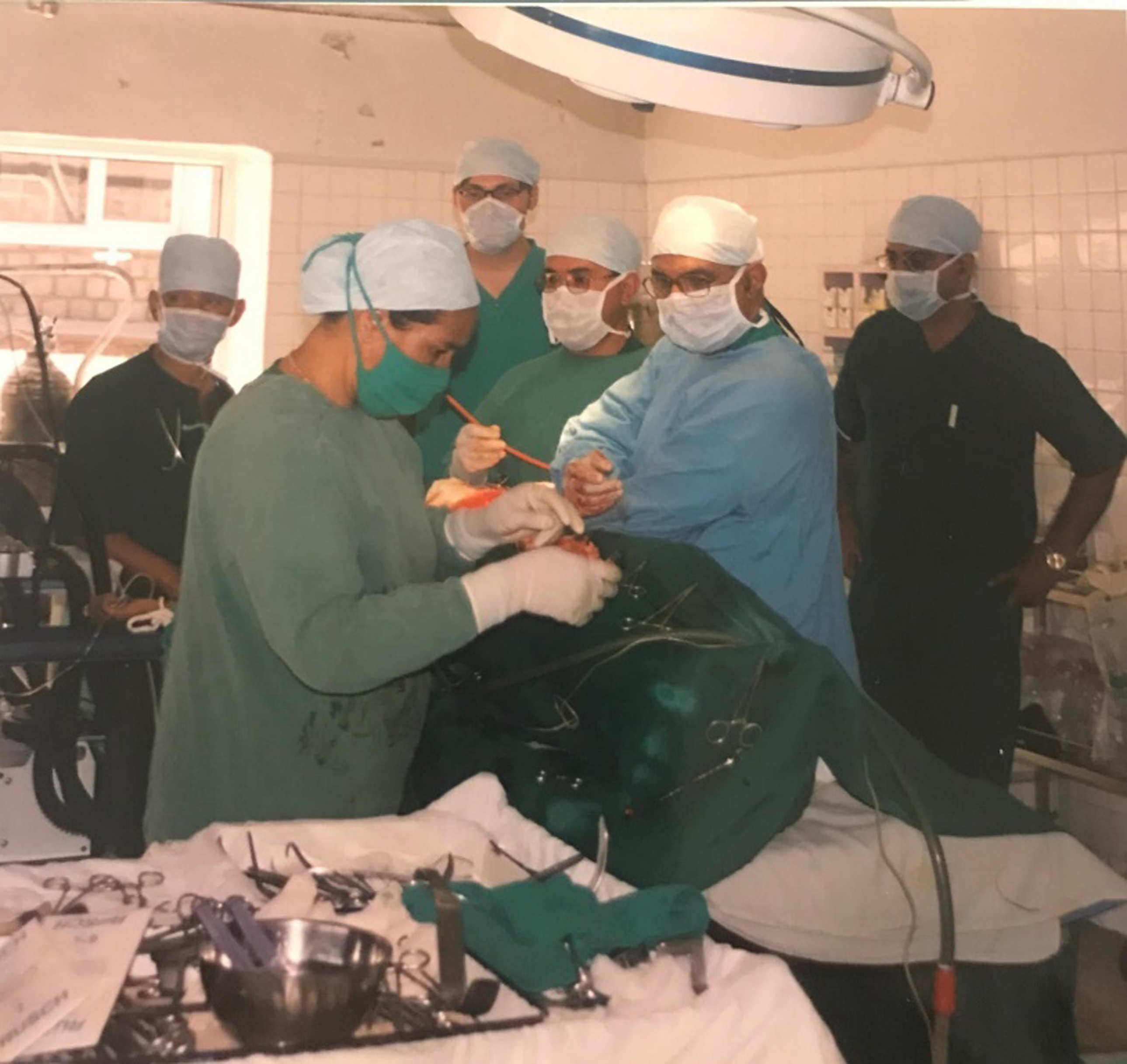
Among Kumar’s major achievements remains taking cardiac surgery to the high rises (Figure 8). Among the earliest attempts globally, Kumar in 1996 led a team that performed cardiovascular surgery at an altitude of 3500 m (above Mean Sea Level) at the Sonam Norbu Memorial Hospital in Ladakh. Reference Kumar, Mishra and Dorjey59 The beautiful picturesque Ladakh province in North India is home to many patients with unresolved congenital defects, which persist owing to high-altitude hypoxia. The lack of resources and funds here compelled patients to travel far to New Delhi for cardiac surgery, with financial support from the local Buddhist monastery. His frequent interactions with the patients from this region turned into an indelible bond in little time with the indigenous patients and their culture. Beginning with an invitation from the head of the monastery to visit Ladakh, his renewed interest in the welfare of this indentured population brought him back on an annual basis. Over the visits that followed, Kumar mobilised resources to equip the local Sonam Norbu Memorial Hospital for diagnostics and primary healthcare. With a smidgen of help thereafter, the relationship has grown over the years between Kumar and his patients, beyond measure. To this day, he remains the only surgeon to have performed any form of cardiovascular surgery in a high-altitude primary healthcare setup. Hundreds of patients have benefitted by his altruism, which has also translated into the local surgeons performing simple thoracic procedures with safe outcomes.
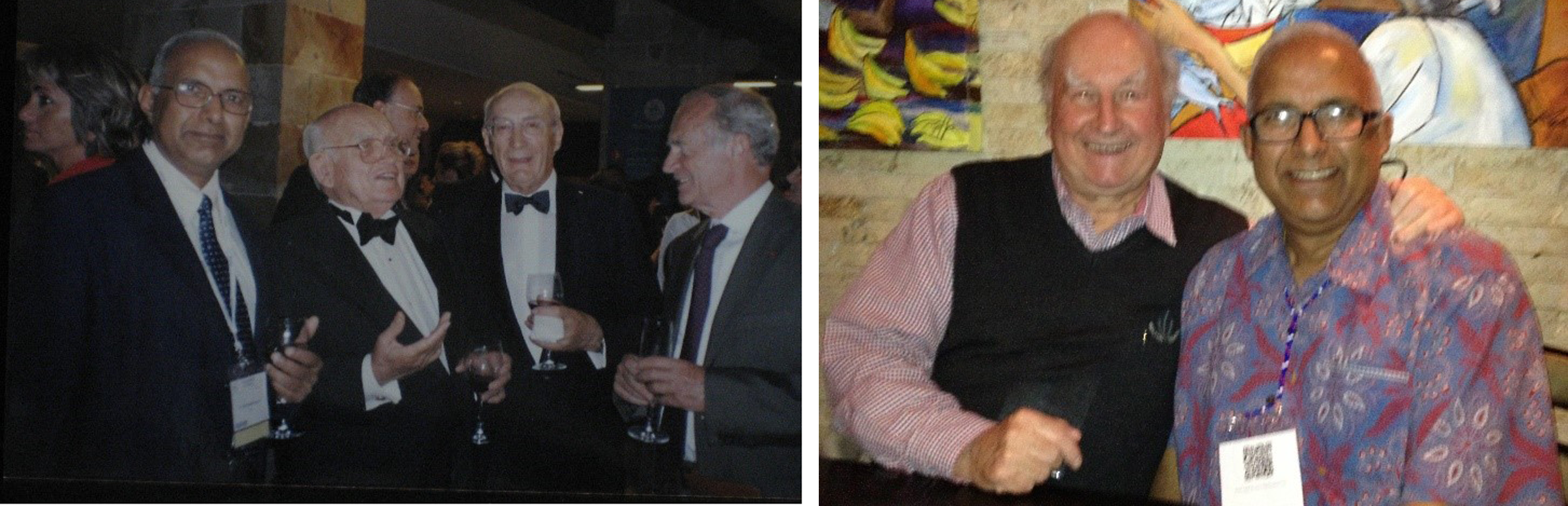
Kumar’s cherished friends. Donald Ross, Francis Fontan and Alain Carpentier (left) and Robert Anderson (right).

Between 2006 and 2009, Kumar served as the Chief of the Cardiothoracic Sciences Center at the AIIMS. He enacted numerous decisions to herald in good clinical, financial and administrative practises that resulted in implementation of efficient practises in patient admissions, clinical safety, surgical discipline and financial transparency. Influenced by his training in the United States, he introduced the virtues and discipline brought about by an early start in surgery. Kumar, the oldest surgeon in the unit was the earliest to make the incision—at 7 AM! Junior colleagues started their cases with a spell of surprise and inspiration, with Kumar’s first case of the day being wheeled out as theirs were wheeled in.
During this tenure, he also brought about several reforms in surgical education, the most prominent of which remains the introduction of thoracic surgery training in the cardiothoracic residency programme, as he firmly believed that a cardiothoracic surgeon was incomplete without basic thoracic surgical education. He also created opportunities for numerous local and foreign surgeons desirous of acquiring advanced training in congenital heart surgery.
The Indian Association of Cardiovascular-Thoracic Surgeons invited Kumar to take charge of its official journal—the Indian Journal of Thoracic and Cardiovascular Surgery—in 2000. The journal was in a tardy state over the last decade consequent to a blasé leadership. Kumar’s primary challenges had lay in restoring functionality, regaining the trust of readers, contributors, and sustain performance integrity cum credibility. The task began with finding a publisher. His conscience was determined to overturn the reputation of the publication to befit its parent organisation—the second oldest thoracic surgical fraternity in the world, after the American Association for Thoracic Surgery. This was made possible with his wide outreach and network built over time with colleagues and friends the world over. Articles were invited from across the globe, a stringent double-blinded peer review process was instituted to ascertain quality, and an editorial board was established constituting inspired and driven subject matter experts. Within a span of four years, he had managed to change the fortunes of this sunken ship; quarterly issues were published! Despite domestic internet connectivity still in its infancy, Kumar realised the power of the internet and ensured that the journal was available in electronic format by 2005. Indexing in online search engines and repositories, quality metrics audits, and online submission with Editorial Manager followed suit. While the journal was reclaiming its lost value as a reflection of Indian and Southeast Asian cardiothoracic research, it was transformed into a profit-making asset. At the end of eleven long years and remarkable strides, Kumar stepped down as the longest-serving editor of the journal, having been re-elected thrice, handing over the reigns to the senior author of the encomium (Iyer).
Noting his track record with the Indian Journal, the Asian Society for Cardiovascular & Thoracic Surgery invited Kumar to pilot the Asian Cardiovascular & Thoracic Annals in 2011. The challenges at the Asian journal were distinct; it represented a diverse practice from countries with heterogeneous healthcare patterns and varied practice patterns among surgeon members. The Asian Journal became the first among thoracic surgical publications to constitute an ethnically diverse and inclusive group of experts on its editorial board. Kumar made it his priority to maximise technology to aid authors and reviewers as well as fish out unethical and dubious research. Alongside Andrew Wechsler, Alec Patterson and Thomas Ferguson, Kumar worked with the Commission on Publication Ethics (COPE) to establish sustainable and universal ethical practice guidelines in cardiothoracic surgical publication and research. This framework was adopted and is today the edifice upon which the standards of ethical surgical research and research ethics are practised and enunciated. The establishment of stringent ethical review and mechanisms to detect publication fraud are vital contributions that will go a long way in upkeeping accountability and audit in ethical research. After a decade in this assignment, Kumar stepped down as editor and now holds the position of editor emeritus.
Retirement
Kumar retired as Chairman of Cardiovascular & Thoracic Surgery and Chief of the Cardiothoracic Sciences Center at the AIIMS towards the end of September 2009. His philosophy of “retired, but not tired” led to his appointment as Professor of Cardiovascular Surgery at the Max Pushpanjali-Crosslay Hospital in Ghaziabad, where he spent considerable time teaching and mentoring several young surgeons keen to learn congenital heart surgery and valve repair during his tenure here.
It is worth noting Kumar’s escapades in philanthropic surgery at this point, albeit it started well before his retirement. The Sathya Sai Institutes of Higher Medical Sciences were established to provide pro bono cardiac surgeries for patients from all walks of life. The hospitals in Puttaparthy and Bangalore were established through philanthropic efforts by common men and women united by a common cause. The hospitals sought the help of the AIIMS cardiovascular surgical team to initiate the programme in 1992, which led to Kumar’s deputation here on several occasions. Like his Ladakh experience, the Sathya Sai visits remain a major milestone for initiation and performing several pro bono surgeries for children with congenital heart disease.
Following his retirement from AIIMS, Kumar remained committed to the cause of furthering access to cardiovascular surgery. He was instrumental in furthering the coverage of universal care for cardiothoracic diseases in children with the establishment of paediatric cardiovascular surgical services in centres across India through the Sathya Sai Sanjeevani programme. The three new Sanjeevani centres were established under Kumar’s mentorship to focus on surgical care and research dedicated to congenital cardiovascular sciences. Collectively, the five hospitals under the Sathya Sai mission have benefitted from Kumar’s commitment to universal healthcare. Put together, the five centres handle nearly an eighth of the surgical caseload in India. This gives Kumar the rare privilege of being one among the few surgeons involved in the surgical care of children at public, private, and philanthropic institutes during his lifetime.
In addition to his editorial escapades, Kumar has enjoyed success as an author, historian, and innovator. He has published five books, which are on techniques in valve surgery, the history of cardiac surgery, musings on a career in cardiovascular surgery, and patient’s rights, with the last two in their reprised editions. The surgical videos and simulation softwares he has produced for young surgeons remain popular. The proceedings from the sale of his videos were bequeathed to the Indian Journal for the establishment of an educational fund that has grown as a charitable arm of the Indian Association of Cardiovascular-Thoracic Surgeons.
His work in patients’ rights has been recognised globally, giving him the rare privilege among a select few surgeons to oversee the production of guidelines and policy statements in cardiovascular surgery for patients, which has been undertaken by the Society for Thoracic Surgeons. Kumar has travelled extensively to demonstrate his ingenious techniques and share his insights with his professional colleagues across the world. He now jokes that his flying miles are nowhere close to rival the cumulative patient-years in survival of his patients!
The Teacher
Arkalgud Sampath Kumar has played a pivotal role and has been a profound influence in the lives of several young cardiac surgeons. His belief in being able to achieve outstanding surgical excellence by practising the philosophy of caring for patients with empathy, respect, and reception sums up his motivation as a clinician. That cardiac surgeons can be gentle, respectful, and grounded as individuals instead of being fancifully arrogant and haughty through their careers to beseech surgical excellence can be learnt from Kumar’s career. Whether it is to watch Kumar perform a total correction for tetralogy or a valve repair, the finesse, patience and speed can only be matched by the seamless landing of the F-18 on the Nimitz.
Kumar has mentored over one hundred and twenty cardiac surgeons–of whom a large majority took an interest to paediatric surgery, including both senior authors. Of them, 67 are programme directors around the world. Noting his effortlessness at teaching, Professors Gopinath and Venugopal entrusted resident training on Kumar. By this logic, most freshers began their rotations in Kumar’s theatre, as they embarked on their chirurgical baptismal sojourn. This put him in the unique position of having the ability to shape their characters and minds towards ethical care of patients and mould in the right perspectives for a career of good clinical practice, all of which he did by imbibing the rightful virtues and chipping away blemishes. For the personalised mentorship and the active interest he took in their personal development and growth, his students respect him immensely as a father figure and continue to make him proud along these tenets (Figure 7).
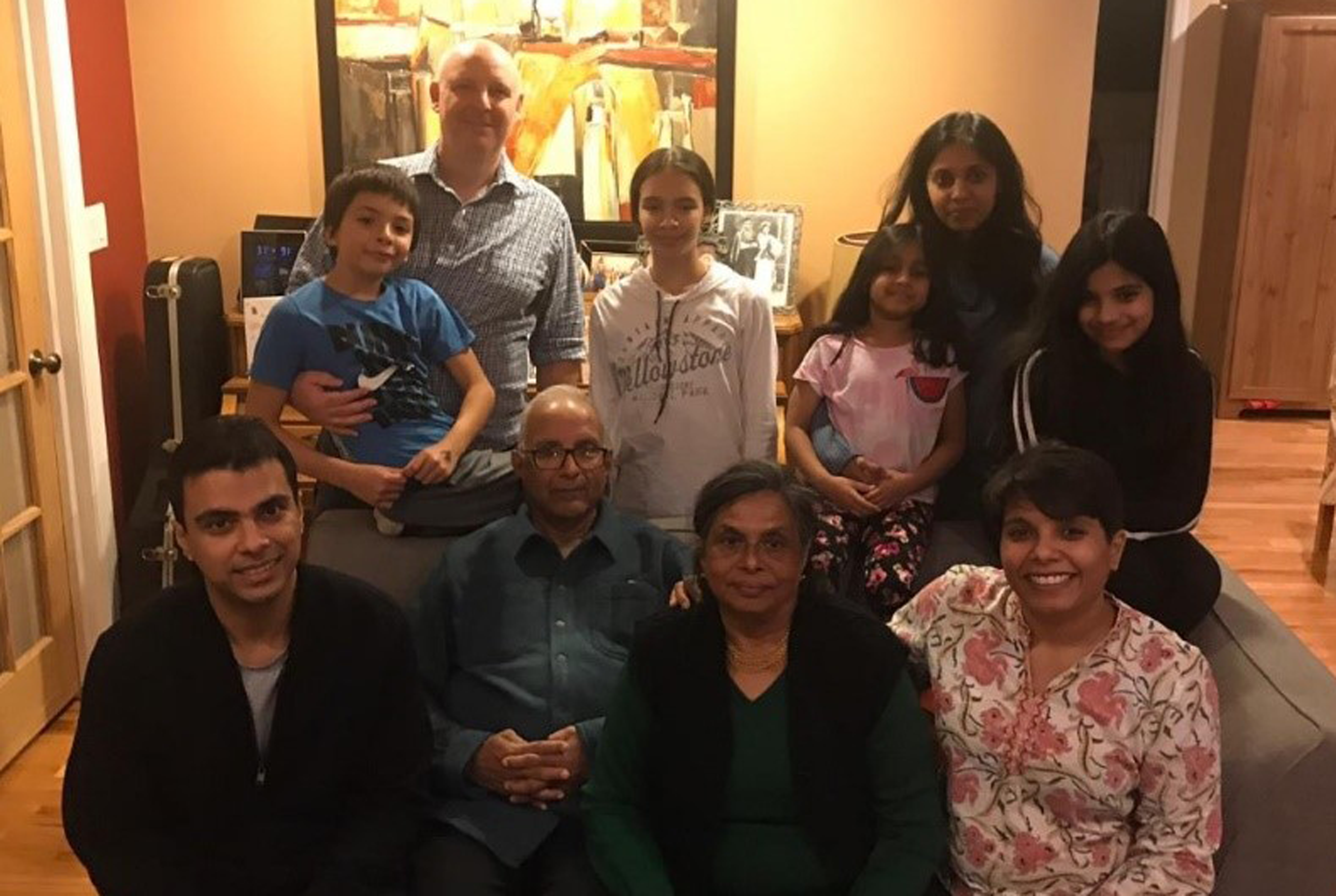
Kumar and his wife Pamela with their children and grandchildren.

Kumar’s stint as a mentor is not just limited to cardiovascular surgery. From his time at the AIIMS as a resident in surgery to his retirement as Chief, Kumar took an active interest in moulding young and fresh minds. He saw it pertinent to encourage, educate, and motivate the doctors of tomorrow in aspects of compassionate and ethical care of patients and motivated several bubbling minds at the AIIMS on the basis of their passion instead of qualification. He encouraged undergraduate students, general surgery residents, and cardiothoracic surgery registrars and involved them in clinical and research work, several of whom went on to excel in a new calling encompassing clinical, basic sciences, and cardiothoracic research. Several undergraduates returned to complete their cardiovascular surgical training under him. At the time of his retirement from AIIMS, every surgical colleague had been mentored or taught as a resident under Kumar.
His surgical mentorship remains distinct and is testified by balancing patients’ safety and upskilling mentees. Kumar adopted a very methodical and outcome-based training strategy that was built on achieving competence, skill, and comprehensive working knowledge. As a trainee would recall, Kumar remained adamant on being present in theatre for the induction of anaesthesia in all his elective cases, which today highlights his personal commitment and closure to patient safety. While it was deemed as being adamant or not trusting his trainees, almost every trainee in Kumar’s theatre went on bypass for the first time, as they would also perform their first congenital and valve repairs under Kumar’s tutelage. This reflects on his commitment to achieving training competency whilst upholding safety standards.
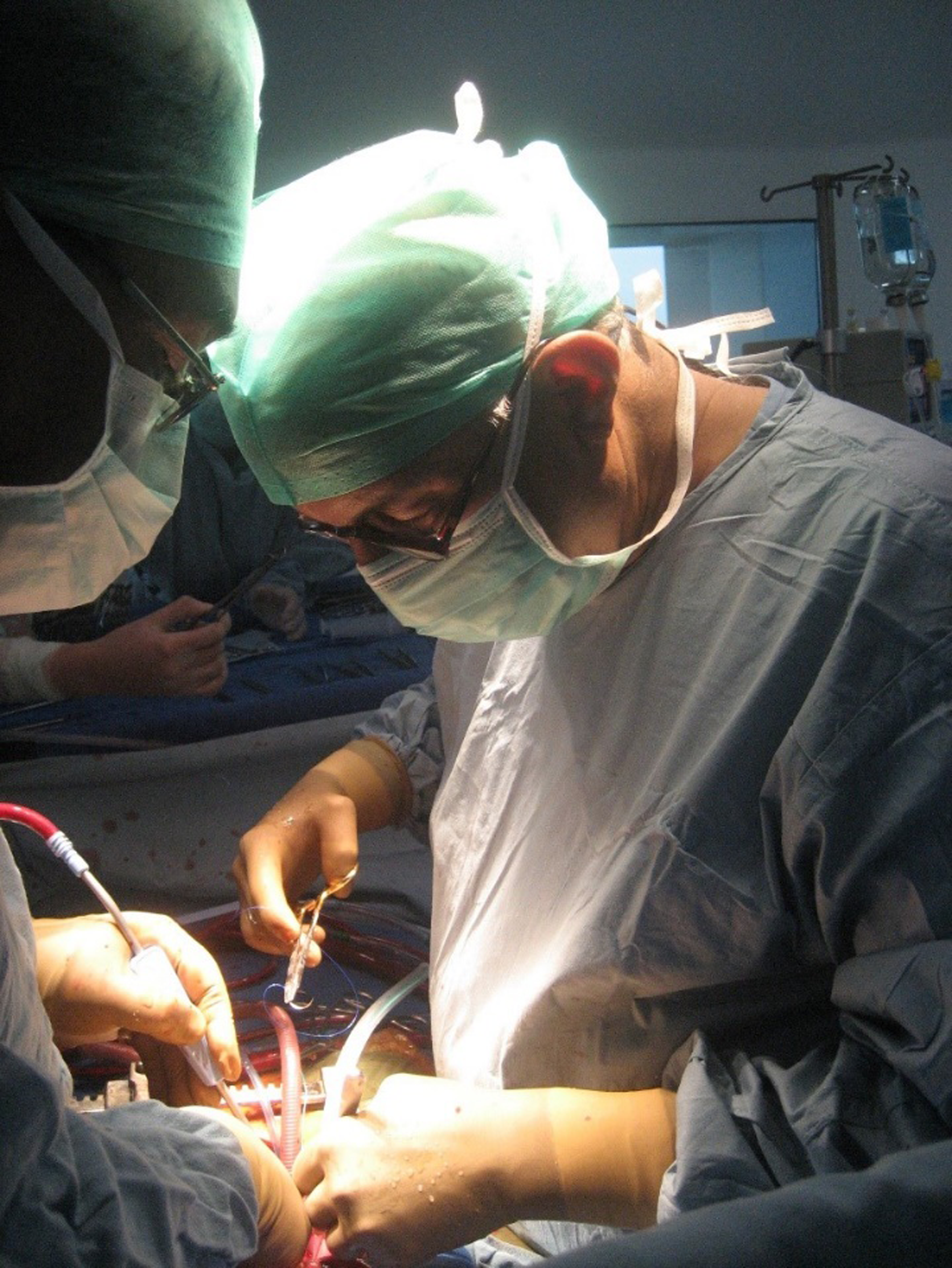
Kumar cherished assisting his junior trainees and colleagues, deriving joy at their growth. He has hand-held, stood shoulder-to-shoulder to teach operative techniques, share surgical pearls and often mitigated trouble in a senior colleagues’ theatre. He has influenced the way several paediatric cardiac surgeons think with his brilliant and oft impromptu thought process in the operating room. Besides his numerous on table innovations already listed, his understanding of complex physiological interactions and imagination in surgery have left spectators speechless, as they thought through their minds repeatedly. A more interesting facet of Kumar’s surgical dexterity is in his ability to operate without surgical loupes or a headlight! (Figure 6)
Professor Kumar pictured as he performs a Ross operation. Note the absence of surgical loupes and headlight!.

Kumar exemplifies compassion to his trainees and patients, alike with support, encouragement, and assurance. His wide network and friendships with international colleagues enabled him to send several of his trainees abroad for fellowship training, just as his mentor, Professor Gopinath, did. The teachings of this master teacher and surgical technician remain a valuable spiritual guide for his surgical trainees. Virtues he has exuded by example continue to inspire and remind us of the values of collegiality, bonhomie, and mutual respect in teamwork. Kumar has taught us that it is alright to agree to disagree with respect on patients’ safety and interests. Compassion, respect, and cognisance are penultimate in serving patients just as patience and empathy are to their kin, and can be achieved when mutual understanding between care givers is realised as a cause in unison.
Such lessons and several other personal glimpses help us to forgive, forget, and forge ahead in life. The determination, grit, and strength evident from Kumar’s life enriches this mission and reminds us that we are privileged to be in a profession that is noble and carries potential beyond measure! The who’s who of congenital heart surgery from the eastern hemisphere proudly cherish their pedagogy and association with Kumar. They include six presidents of the IACTS, two Evarts Graham fellows and sixty-seven programme directors.
The authors of this encomium to Kumar are his mentees representing either end of Kumar’s timeline as a mentor and teacher; Iyer and Mohanty were Kumar’s registrars at the AIIMS, and Doddamane a medical student is his youngest trainee in cardiovascular surgery albeit there has existed a serendipitous lifelong mutual association in bloodline. This brings together nearly a century of collective remembrance and gratitude. It has been a profound honour and a true privilege for us to have had the opportunity to be mentored by Kumar. Kumar’s ingenious contributions to paediatric cardiac surgery, expansion of application in cardiovascular care and, most importantly, valuing those who make us doctors and offer the very rare privilege of holding their hearts in our hands will continue to serve as an exemplary model of rectitude for the present and several future generations of paediatric cardiac surgeons.
The inner man
Although the domestic community adores him much today, it was preceded by a lifelong baptism with fire, with a sound share of dissuasion from seniors in the community, including his own senior colleagues for his unflinching stand and uncompromising standards and concern for his patients. That said, recognition has serendipitously come deservingly to Kumar, largely from acceptance and credit of the international community.
Kumar is a member of over 40 professional societies, the most notable being the Ross Society. He has been awarded a doctorate, over a dozen orations and national honours for his contributions to this profession. The American Association for Thoracic Surgery (AATS) bestowed their Career Achievement Award in 2012 on Kumar, for his lifelong contributions to valvular heart surgery. The IACTS in 2014 honoured him with their highest honour, the Lifetime Achievement Award, for his continued pioneering services to the advancement of cardiovascular surgery, research, and patient care.
To hallow, the venerable Hall of Fame consecrates Kumar’s contributions to paediatric cardiovascular sciences. Kumar has also served as Honorary Professor at several teaching hospitals in the People’s Republic of China where he has demonstrated his innovative procedures and trained numerous surgeons before the onset of the pandemic. He was recently appointed Emeritus Professor at his alma mater, the All India Institute of Medical Sciences—a recognition rendered only once before, to Professor Gopinath.
Knowing the man, we foresee that his pride swells truly from the smiles on postcards and Christmas greetings he gets from his patients over materialistic honours.
Kumar is equally proud of his family (Figure 5). He is married to his lovely wife for 47 years, Pamela D’Souza, who is a retired professor of Ophthalmology. Dr D’Souza has devoted her professional career to the cause of helping countless children with congenital cataract and strabismus. Pam and Sam, as the couple are fondly termed by close friends and family, are the proud parents of two children, Ratna and Ananth. Ratna is a successful business administrator and Ananth a talented architect, both of whom have flourished in their careers of choice. Kumar is a hands-on grandfather to his four doting grandchildren, Anjali, Aidan, Kavya, and Yalini, who share his interest in history and culture.
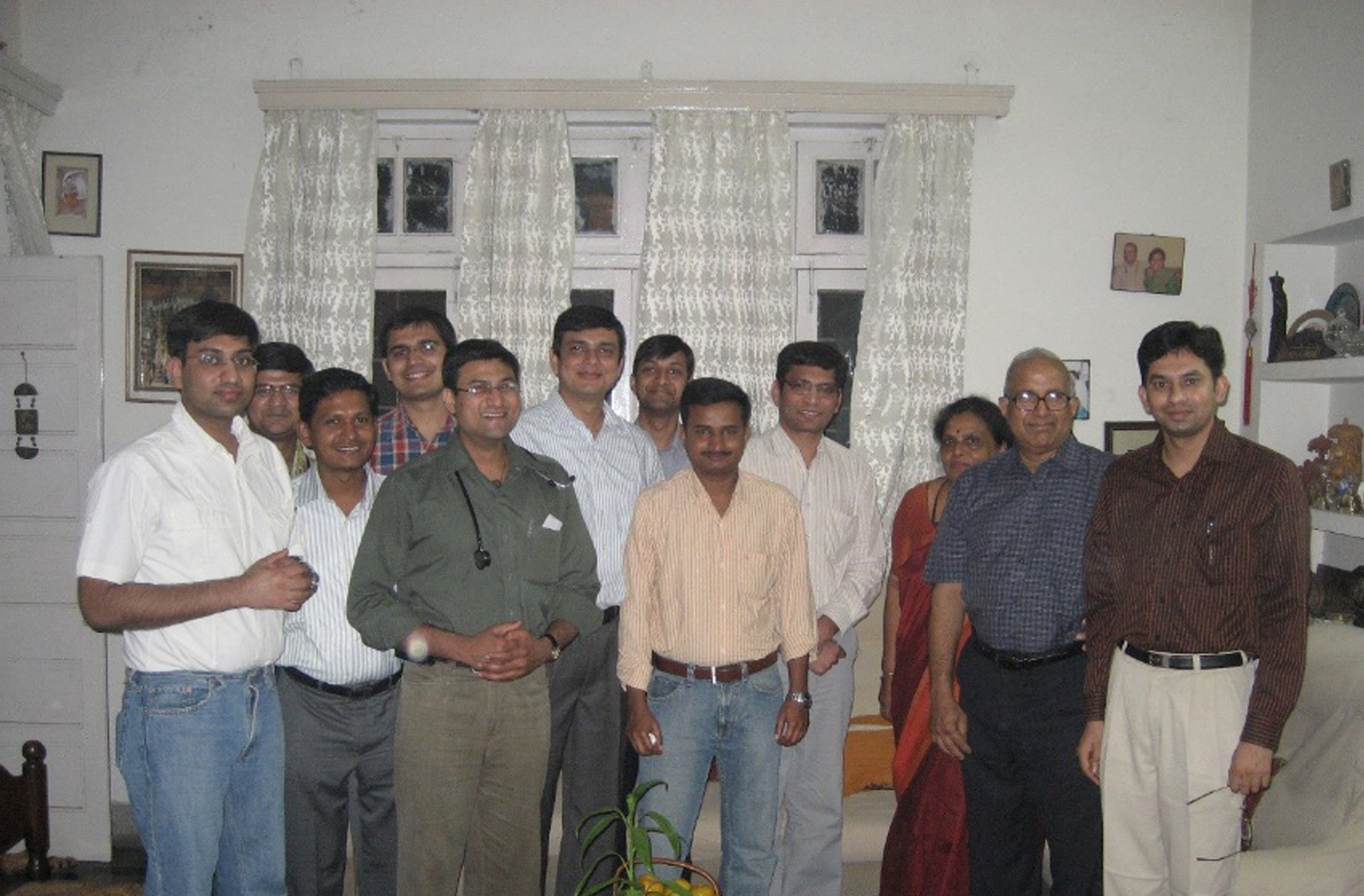
Professor Kumar and his wife Professor Pamela hosted the annual dosa party at their residence for their residents. Interpersonal collegiality, respect and personal support in professional mentorship exemplify the all-round mentorship Kumar provided his trainees.

To us, Kumar has remained the same tech-savvy and ever-indulging aficionado of technology. Reference Kumar, Mishra and Dorjey59 He was among the earliest customers of the internet in Delhi and is much up to date with software and upgrades, keeping his tech engineers on their heels, albeit not at the pace he cycles every morning! He is active in collaborating and inspiring motivated young minds on contemporaneous issues in device development and cardiothoracic surgical patient safety. Kumar played an integral part in the roll-out of the widely popular Masterclass Webinar programme of the Indian Association of Cardiovascular-Thoracic Surgeons, co-curated by the authors. The accomplishment of the Masterclass programme centred around the success and contributions of Professor Robert Anderson’s Bootcamps in Cardiac Morphology.
With the pandemic seemingly becoming an inseparable part of our lives, Kumar remains actively involved in teaching and surgical mentorship and has intensified his efforts on the bench with two projects that are very dear to him and hold potential in alleviating the suffering of congenital patients. The first is a de novo heart valve prosthesis which looks absolutely promising with a novel design that obviates two major strictures in valve technology—the need for lifelong anticoagulation and structural deterioration. An indigenous intracorporeal bio-pump for patients with functionally univentricular hearts is also in the works.
Pam and Sam are wonderful hosts to many of us, who have had the honour of receiving their hospitality (Figure 9). The connoisseur couple pair up to delight their guests with edible consumables and eternal warmth. As the warm December evening is interspersed by the northern breeze, the sun sets over the clouds of Delhi just as the hypothalamus is aroused by the mixture of scents from a menu of sumptuous delicacies, including the delicious Christmas plum cake, mouth-watering sourdough breads, and the couple’s home-brewed wine to engage the olfaction and gustation nerves. This is complemented by the mix and match of a wonderful recitation on the piano and aplenty of humour and hale-hearty conversations with the warmth of the company of an unassuming couple who have done much for scores of thousands of children during their lifetimes. Could the New Delhi Christmas fiesta get warmer than this? Of course, it remains a hallmark of what a well-spent life is all about.
Kumar performing cardiac surgery at the Sonam Norbu Memorial Hospital in Ladakh, situated at 12,000 feet where temperatures can plummet to as extreme as –25 °C.

With his rightful and most-deserving induction to the Hall of Fame, Kumar joins the likes of Francis Fontan Reference Doddamane and Kumar60 and Donald Ross (Figure 4), who could not be prouder in welcoming their protégé to these portals for his contributions to paediatric cardiology & cardiovascular surgery, aside from their shared interests evidenced by their excellence in the vinous Hall of Fame!
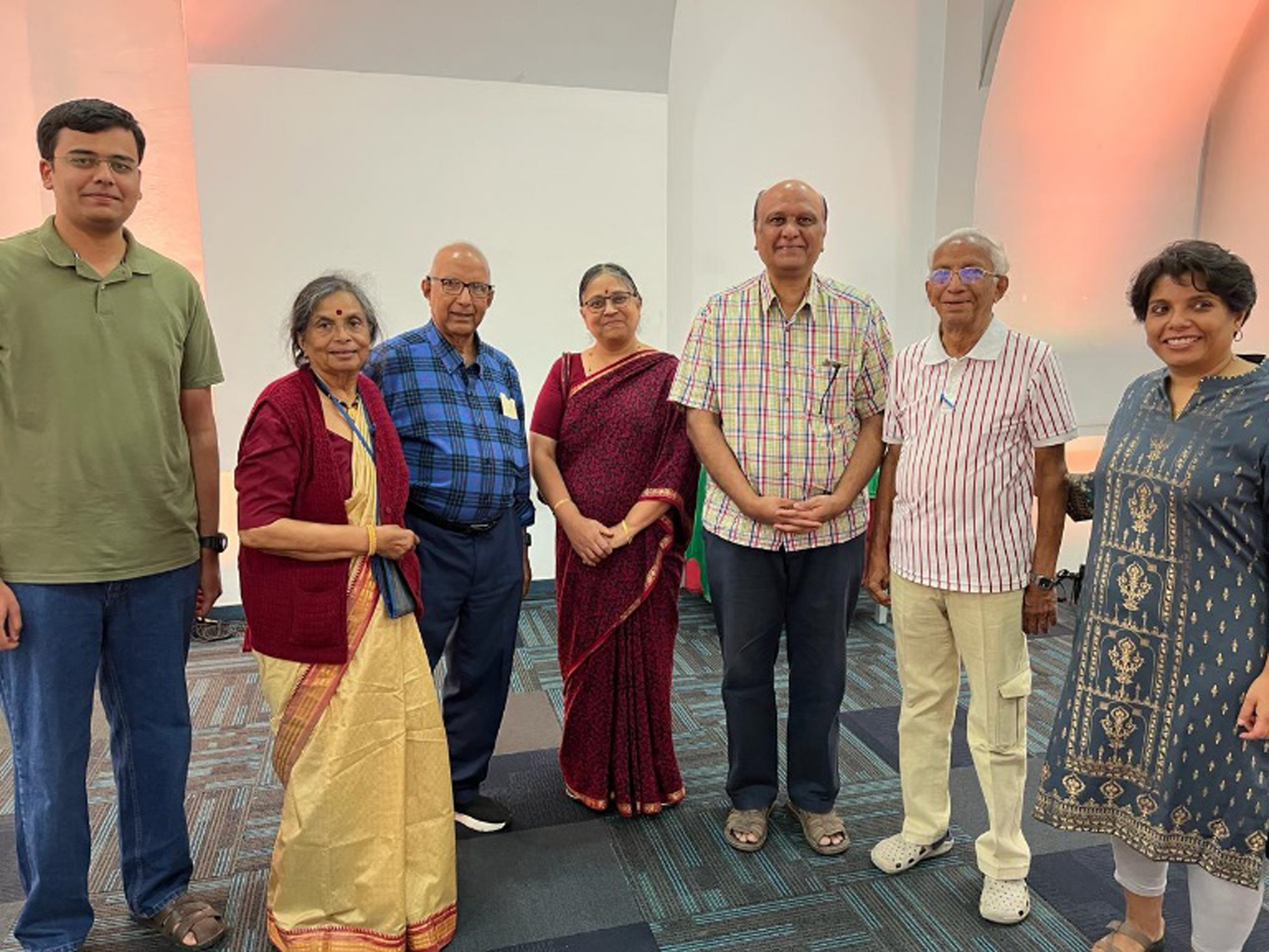
The author (Doddamane) with Kumar and family.

Published Works
The published works of Sampath Kumar currently number 249. The items listed here are the ones selected by Kumar as being of particular scientific importance.
-
1. Kumar AS, Dogra TD, Chandra J, et al. Distribution and severity of coronary atherosclerotic lesions. J Forensic Med Toxicology. 1984; 1: 1-9.
-
2. Kumar AS, Malhotra A, Gopinath N. Critical evaluation of intermittent ischaemic arrest for coronary bypass surgery. Ind J Med Res. 1985; 82: 51-55.
-
3. Chopra P, Wanniang J, Kumar AS. Immunohistochemical and histochemical profile of Aschoff bodies in rheumatic carditis in excised left atrial appendages: an immunoperoxidase study in fresh and paraffin-embedded tissue. Int J Cardiol. 1992; 34: 199-207.
-
4. Kumar AS. Primary malignant mesothelioma of the pericardium. Tex Heart Inst J. 1994; 21(4): 324.
-
5. Deshpande A, Kumar AS, Chopra P. Recurrent, biatrial, familial cardiac myxomas. Int J Cardiol. 1994; 47: 71-73.
-
6. Kumar AS, Chander H, Trehan H. Surgical technique of multiple valve replacement with biological valves: a new option. J Heart Valve Dis. 1995; 4: 45-46.
-
7. Choudhary SK, Airan B, Sharma R, et al. Sinus of Valsalva aneurysms: a 20 years’ experience. J Card Surg. 1997; 12: 300-08.
-
8. Kumar AS. Capital punishment and medical science. J Ind Law Inst. 1997; 30: 386-91.
-
9. Choudhary SK, Mathur A, Chander H, et al. Aortic valve replacement with biological substitute. J Card Surg. 1998; 13: 1-8.
-
10. Kumar AS, Choudhary SK, Talwar S, et al. Fate of mild aortic valve disease after mitral valve intervention. J Thorac Cardiovasc Surg. 2001; 122: 583-86.
-
11. Choudhary SK, Dhareshwar J, Govil A, et al. Open mitral commissurotomy in the current era: indications, technique and results. Ann Thorac Surg. 2003; 75: 41-46.
-
12. Joshi R, Abraham S, Kumar AS. New approach for complete endocardectomy in left ventricular endomyocardial fibrosis. J Thorac Cardiovasc Surg. 2003; 125: 40-42.
-
13. Kumar AS, Dhareshwar J, Airan B, et al. Redo mitral valve surgery-a long term experience. J Card Surg. 2004; 19: 303-07.
-
14. Kumar AS, Pal H. Digital video recording of cardiac surgical procedure. Ann Thorac Surg. 2004; 77: 1063-65.
-
15. Talwar S, Kapoor CK, Velayoudam D, et al. Anticoagulation protocol and early prosthetic valve thrombosis. Ind Heart J. 2004; 56: 225-28.
-
16. Talwar S, Jayanthkumar HV, Sharma S, et al. Quadri valvular rheumatic heart disease. Int J Cardiol. 2006; 106(1): 117-18.
-
17. Kumar AS. Normal coronary artery dimensions in Indians. Ind J Thorac Cardiovasc Surg. 2006; 22: 159-64.
-
18. Talwar S, Mathur A, Choudhar SK, et al. Aortic valve replacement with mitral valve repair compared with combined aortic and mitral valve replacement. Ann Thorac Surg. 2007; 84: 1219-25.
-
19. Kumar AS, Devagourou V. Mechanical valves: current perspective. Ind Heart J. 2007; 59(6): 440-42.
-
20. Takkenberg JJ, Rajamannan NM, Rosenhek R, Kumar AS, Carapetics JR, Yacoub MH. The need for a global perspective on heart valve disease epidemiology. The SHVD working group on epidemiology on heart valve disease founding statement. J Heart Valve Dis. 2008; 84: 1219-25.
-
21. Durante-Mangoni E, Bradley S, Selton-Suty C, et al. Current features of infective endocarditis in elderly patients: results of the International Collaboration on Endocarditis-Prospective Cohort Study. Arch Intern Med. 2008; 168(19): 2095-103.
-
22. Benito N, Miro JM, Lazzari E, et al. Health care-associated native valve endocarditis: importance of non-nosocomial acquisition. Ann Intern Med. 2009; 150: 586-94.
-
23. Murdoch DR, Corey GR, Hoen B, et al. Clonical presentation, etiology, and outcome of infective endocarditis in the 21st century: the International Collaboration on Endocarditis-Prospective Cohort Study. Arch Intern Med. 2009; 169(5): 463-73.
-
24. Chu VH, Miro JM, Hoen B, et al. Coagulase-negative staphylococcal prosthetic valve endocarditis-acontemporary update based on the International Collaboration on Endocarditis: prospective cohort study. Heart. 2009; 95(7): 570-6.
-
25. Kumar AS. Intraoperative transesophageal echocardiography (ITEE) in mitral valve surgery. Ind J Thorac Cardiovasc Surg. 2009; 25: 107-111.
-
26. Talwar S, Sandeep JA, Choudhary SK, et al. Effect of preoperative administration of allopurinol in patients undergoing surgery for valvular heart diseases. Eur J Cardiothorac Surg. 2010; 38: 86-90.
-
27. Gupta A, Gharde P, Kumar AS. Anterior mitral leaflet length: predictor for mitral valve repair in a rheumatic population. Ann Thorac Surg. 2010; 90(6): 1930-3.
-
28. Talwar S, Malankar D, Garg S, et al. Aortic valve replacement with biological substitutes in children. Asian Cardiovasc Thorac Ann. 2012; 20(5): 518-24.
-
29. Kumar AS. Prisoners on death row. Ann Thorac Surg. 2013; 95(2): 770.
-
30. Kumar AS, Saxena A. Intraoperative transesophageal echocardiography (ITEE) in aortic valve surgery. Ind Heart J. 2000; 52: 50-54.
-
31. Mathir A, Airan B, Bhan A, et al. Non-myxomatous cardiac tumors: twenty-year experience. Ind Heart J. 2000; 52: 319-23.
-
32. Joshi NC, Kumar AS. Coronary perfusion cannula. Ind J Thorac Cardiovasc Surg. 2000; 16: 129.
-
33. Sharma AK, Sharma PK, Jain A, et al. Posterior mitral leaflet patch for ASD closure. Ind J Thorac Cardiovasc Surg. 2012; 28: 205-06.
-
34. Kumar AS. Unfair discrimination. Ann Thorac Surg. 2024; 118(2): 523.
-
35. Kumar AS. Enlarging the surgeon’s mind in aortic stenosis. Asian Cardiovasc Thorac Ann. 2024; 32(8-9): 441-42.