Introduction
The term ‘astrobiology’ gained popularity as a research field in 1998, when NASA renamed and restructured its former exobiology programme to encompass the study of life on Earth, broadening its scope to study the origin, evolution, distribution and future of life on Earth and elsewhere in the Universe (Blumberg Reference Blumberg2003).
The topics involved in this research field, such as the existence of extraterrestrial life, however, were not created by astrobiology at the end of 20th century, but have been, in fact, subjects of human inquiry for thousands of years (Dick Reference Dick1982, Reference Dick1996; Crowe Reference Crowe1986; Guthke Reference Guthke1990).
The term astrobiology, for example, was already used before, having its first known occurrence in 1941, according to Blumberg, first director of NAI (Blumberg Reference Blumberg2003). This author also cites a book of the Brazilian biologist Flávio Augusto Pereira (b. 1926) as one of the first registered uses of the word astrobiology, in 1958 (Pereira Reference Pereira1958).
After the creation of the astrobiology programme and its virtual institute, the NASA Astrobiology Institute (NAI), its scientific goals have been published in summarized versions every 5 years in what is called the Astrobiology Roadmap, with the most relevant scientific questions to be addressed in the following period (Marais et al. Reference Marais2008). This roadmap reflects NAI and NASA priorities, being used as a guideline for a good coordination between the normally distant areas and groups of research.
Brazil does not have a long tradition in astrobiology, in the frame of NASA's current definition, but Brazilian researchers have been accumulating important advances in particular scientific areas related to its main themes, without a central coordination. A few areas, such as planetary exploration, which is vital for the American astrobiology programme, remain still incipient in the Brazilian scientific community, because of the requirement of large and long-term governmental investments in space research. However, this situation is on the verge of change, due to the increasing economic power of the country, and the clear intention of diversifying national priorities, including the development of a sustained civil space exploration programme.
In the last decade, the Brazilian scientific community increased significantly, as well as the impact of its scientific production. The same trend can be observed in astrobiology itself: the number of researchers working in related topics and the number of human resources formed has increased, which has been followed by increasingly larger funding designated to astrobiology-related research projects, enough to allow the country to start making cutting-edge science.
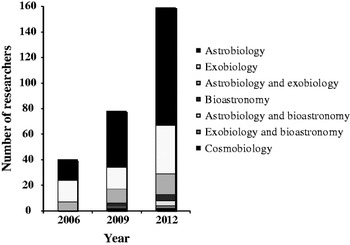
In order to estimate how many researchers are interested in astrobiology in Brazil, surveys were conducted using the search tools of a national scientific curriculum database called Lattes platform (Lane Reference Lane2010), with the keywords ‘astrobiologia’, ‘exobiologia’, ‘bioastronomia’ and ‘cosmobiologia’, as single terms or in pairs. Those keywords are the most common terms in Portuguese found in the literature to be linked to modern astrobiology and reflect the interest of the Brazilian researchers in the field. The term extremophile was not used due to the large number of occurrences in other contexts, such as biotechnological applications. The results are shown in Fig. 1.
Evolution of the use of astrobiology-related keywords by the Brazilian scientific community in the Lattes platform in the past 6 years (Lattes platform, available at http://lattes.cnpq.br, accessed in February, 2012).

According to Fig. 1, the number of Brazilian researchers, students and technicians with registered activities in astrobiology-related subjects is roughly doubling every 3 years. Up to 2012, the total number of PhDs was 74.
These keywords are not always directly related to the main research field of the individual, but may also be part of the complementary formation, participation in schools, outreach activities and others. Thus, it is not possible to directly conclude that the number of researchers working with astrobiology is doubling in the surveyed time, but it becomes clear that the field is becoming more popular among the scientific community. It also represents the potential for the development and the establishment of astrobiology research and education in Brazil.
The most frequent keywords appearing in the curricula are the Portuguese counterparts for ‘astrobiology’, followed by ‘exobiology’, ‘bioastronomy’ and ‘cosmobiology’. ‘Cosmobiology’ was not found in any combination with the other ones among the surveyed curricula, probably denoting a decrease in its use.
Concerning all the topics related to astrobiology, the country has a great potential to contribute to this science in general. Nevertheless, it is undeniable that, due to its natural heritage, Brazil has the potential to contribute much more on some specific topics, such as the exploration of indigenous biodiversity and the unveiling of the relations with planetary changes and the future of life.
In this context, this work aims to be a historical record of the early works on scientific research and outreach in astrobiology in Brazil, as well as to present the vision being built by Brazilian astrobiologists for the development and maturing of the field in the coming years. It is known that astrobiology has a broad scope (Chela-Flores Reference Chela-Flores2001) and several research areas can be classified as part of its main topic, so the authors have made an effort to not forget any initiative, gathering the most important events to the establishment of the field, but this is still a work to be completed in the future.
Early history of astrobiology in Brazil
As already mentioned, the first known record of the study of astrobiology in Brazil is attributed to Flávio Augusto Pereira, who published a book called ‘Introdução à Astrobiologia’ (in English, ‘Introduction to Astrobiology’), in 1958 (Pereira Reference Pereira1958). This publication does not contain results of original research; instead, it is a compilation, under his point of view, of what was available at the time on this subject. It was a pioneer work in outreach in Brazil, dealing with a subject that had and still has a high impact on the society.
Pereira obtained his degree in Natural Sciences from Universidade de São Paulo (Brazil) a few years earlier, and taught biology in high school for many years. He was also the chair of the Scientific Council of the so-called Brazilian Interplanetary Society, dedicated to studies of life beyond Earth.
That period, marked with the launch of the Sputnik satellite in 1957 by the former Soviet Union, was characterized by the fascination that many people had with Mars and by studies that described signs of life on that planet. Not that the interest was new, it had only been refreshed by the space race. Since 1877, when the Italian astronomer Giovanni Schiaparelli (1835–1910) observed on Mars structures described as channels, taken as artificial by several people and supposed to be built by a civilization to transport water in that dry planet, Mars became the centre of attention of people interested in finding extraterrestrial life. In 1915, another Italian astronomer, Vicenzo Cerulli (1859–1927) concluded that those channels were just geological formations and not signs of civilizations (Crowe Reference Crowe1986; Dick Reference Dick1996; Dick & Strick Reference Dick and Strick2004). Despite that, a strong fascination with the red planet continued during the first half of 20th century.
In this context, Pereira wrote this introductory book, with some basic concepts of astrobiology that are still valid today, such as the Solar ecosphere, now renamed Solar habitable zone (Kasting et al. Reference Kasting1993; Kasting Reference Kasting2010). The book also included discussions on relevant scientific questions as the origin of life and the Urey–Miller experiment (Miller Reference Miller1953), evolutionism and some possible resistant forms of life capable of surviving in extreme environments, such as lichens, at that time classified as plants. He also reviewed some existing astrobiology-related books that he classified in scientific and pseudo-scientific literature. Some topics that were on the focus of attention at that time, but nowadays have lost their original importance, were also discussed in the book, such as astrobotanics. This branch of scientific investigation was developed after the observation of colour patterns in Mars, which were attributed to vegetation (Slipher Reference Slipher1962), and it is now considered one of the precursors of the modern astrobiology (Omarov & Tashenov Reference Omarov, Tashenov, Hoover, Rozanov and Paepe2005).
His definition of astrobiology (Pereira Reference Pereira1958) can be synthesized by the following ideas: ‘By analogy with astrophysics, astrobiology must be set as the application of our knowledge of living organisms to planets favoured astronomically and geologically by conditions that are compatible with life’ (Page 21). He also argued that extraterrestrial life should follow the same rules that life on Earth, as explained by: ‘Astronomy is universal. The mineralogy, universal, Physics, ditto. Chemistry, ibid. Biology will not be, I repeat, the first human science to flee of the natural contingency’. (Page 22)
His description of astrobiology does not exactly match its modern conception, but is still coherent with it. In special, he had already realized that understanding life on Earth was fundamental to envision and search for extraterrestrial life.
In addition, he argued that life is a cosmic imperative, a matter still under debate nowadays (De Duve Reference De Duve1995; de Duve Reference de Duve2011), which means that it should necessarily exist in several places beyond Earth and should follow the same rules. As such, he writes: ‘This is the central idea of astrobiology: life does not constitute a unique fact, singular, isolated in time and space. (…) Where it can arise, it will arise. It will arise and will follow, by epigenesis, the evolution according to some fundamental rules, regulations and patterns studied and suggested by biology’ (Page 25).
In this introduction to astrobiology and also in other works, focusing on Mars, on planetary atmospheres and on the possibility of extraterrestrial life (Pereira Reference Pereira1946), he wrote several pages discussing intelligent life beyond Earth and discussing how it should look like. Although this was a large part of his published works, it was made mostly on the basis of revisions of the literature and knowledge produced in other countries, reflecting the worldwide interest in extraterrestrial life.
Nowadays, Pereira is better known for his works in ufology in Brazil. During the 1960s and the 1970s, he was in charge of investigations of UFO sightings for the Brazilian government, which was concerned with the national security implications of this issue. The assembled documentation allowed him to publish books and to write several articles on the subject in magazines and newspapers all over the country (Pereira Reference Pereira1966).
The fact that Pereira became a researcher in ufology does not detract from his merit as an important person for the beginning of astrobiology in Brazil, due to his important and pioneer outreach work in this field. It is worth remembering that, at that time, the separation between ufology and scientific research in extraterrestrial life was not so clear. Even for the international scientific community, the search for extraterrestrial life was frequently associated with the search for intelligent extraterrestrial life. A known example is the American astronomer Josef Allen Hynek (1910–1986), professor at the Ohio State University and Smithsonian Astrophysical Observatory, among others. At first, Hynek was sceptical about UFO phenomena, but changed his mind and started to develop several studies about the theme (Hynek Reference Hynek1972). At that time, many of the astronomical and geophysical threats for life were not fully recognized, or the implications of the Fermi paradox (Webb Reference Webb2002) so, this widespread interest in intelligent extraterrestrial beings is not so difficult to understand.
Although the work of Pereira concerned public outreach and not the results of ongoing research, the solid scientific background together with the enthusiasm for astrobiology and astronomy of his books contributed to the promotion of the scientific literacy in Brazil. After him, there are not many records of works specifically on the subject, neither on research nor on outreach, for several years. On the other hand, his action as chair of the Brazilian Interplanetary Society was extremely important for the Brazilian development, since he directly acted to convince the government about the importance of having a space agency. In fact, the society established what would become the future Brazilian Space Agency (Barcelos Reference Barcelos2001).
In the 1990s, not exactly astrobiology, but exobiology, started being studied again, now from a historical point of view. The historian Eduardo Dorneles Barcelos (1962–2003) dedicated his master studies and his PhD thesis to the understanding of how the concepts and the search for extraterrestrial life were developed during the 20th century in several countries, being advised by Professor Shozo Motoyama, a distinguished researcher in History of Science at Universidade de São Paulo.
During his master studies (finished in 1991), he focused on the period from 1959 to 1990, with special attention to the NASA exobiology programme and to the Search for ExtraTerrestrial Intelligence (SETI) project.
His PhD thesis was focused on the early studies of extraterrestrial life and intelligence, addressing the period between 1920 and 1959. That work was later converted into a successful book entitled ‘Telegrams to Mars – The Scientific Search of Extraterrestrial Life and Intelligence’ (Barcelos Reference Barcelos2001), again one of the few recorded Brazilian works on the subject at that time.
Another known pioneer of exobiology is Professor Jorge A. Quillfeldt, professor at the Department of Biophysics of Universidade Federal do Rio Grande do Sul (UFRGS), in the South of the country. Working with psychobiology and neuropharmacology, Quillfeldt is an enthusiast of the exobiology and astrobiology programmes and a renowned science popularizer. In 1982, he started an outreach course promoted by the Astronomical Society of Rio Grande do Sul (SARG) that 20 years later would become one of the first undergraduate disciplines in astrobiology.
So, these first works in astrobiology or exobiology were mainly on history and public outreach. Original scientific research in astrobiology would come later.
History of Brazilian research in topics related to astrobiology
Astrobiology is presently envisioned not as a new discipline, but as a research field where specialists of different areas can interact. Its greatest strength is probably the capacity to foster these collaborations and exchange of ideas. According to Des Marais and co-workers (Marais et al. Reference Marais2008), astrobiology has a multidisciplinary content at the same time it needs an interdisciplinary effort for its execution and, as a consequence, a good interaction between specialists of different research areas is fundamental for its functioning. A common language is essential for this goal, allowing broad and complex problems to be attacked by different fronts, in a coordinated way.
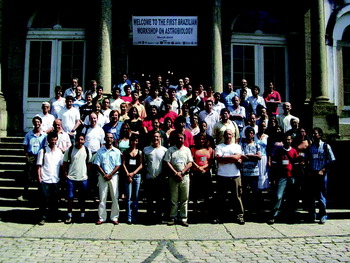
This was the great contribution to the Brazilian scientific community promoted by the First Brazilian Workshop on Astrobiology (BWA) in 2006, an event of fundamental importance to its development in the coming years. This meeting was organized by Amancio Friaça (Department of Astronomy, Universidade de São Paulo), Carlos Alexandre Wuensche (Division of Astrophysics, National Institute of Space Research), Claudia Lage (Department of Biophysics, Universidade Federal do Rio de Janeiro), Gustavo F. Porto de Mello (Valongo Observatory, Universidade Federal do Rio de Janeiro) and Vivian H. Pellizari (Oceanographic Institute, Universidade de São Paulo). The scientific committee was composed of Adriana Valio (Center of Radioastronomy and Astrophysics, Universidade Presbiteriana Mackenzie), Cezar Sá (Institute of Biological Sciences, Universidade de Brasilia), Eduardo Janot-Pacheco (Department of Astronomy, Universidade de São Paulo), Jaime Fernando V. da Rocha (Institute of Physics, Universidade Estadual do Rio de Janeiro), Jorge E. Horvath (Department of Astronomy, Universidade de São Paulo) and Waldenor Cruz (Institute of Biological Sciences, Universidade de Brasilia), and was held on 20–21 March 2006 in the city of Rio de Janeiro, with 104 participants from 23 different institutions of the country (from at least seven different States) and three others from Latin America, receiving a total of 60 abstracts (Wuensche Reference Wuensche2006). Professors David Catling (at that time at University of Bristol) and Janet Siefert (Rice University) were international invited lecturers.
This event was organized as a demand of the scientific community at that time and allowed the interaction of professional scientists and graduate students from different areas who were working or interested in starting a career in the various topics related to astrobiology. The works presented at the workshop covered areas such as: astronomy, biology, physics, chemistry, geology and planetary sciences. The discussion sessions at the end of each period were used as opportunities for the exchange of expertise between specialists and a start of the essential cross and interdisciplinary collaborations. The official photo of the attendees is shown in Fig. 2.
Official photo of the First Brazilian Workshop on Astrobiology, 20–21 March 2006, Rio de Janeiro–RJ, Brazil.

The Brazilian scientific production related to astrobiology was being carried, up to that moment, by individual efforts of isolated researchers. Although most of them had not dealt directly with astrobiology in their careers, they can now be considered the pioneers of this area in Brazil, since they have consolidated the field and have contributed to the formation of new students, many of them who continued working with astrobiology. However, it is always a challenge to determine who is responsible for the first scientific works in any research field, in most cases not being a single person, and that is also what has happened on topics related to astrobiology in Brazil. The presented list does not have the intention of being complete, but aims to highlight some of the characters who, themselves or their research groups, contributed to form the current national scientific scenario on this field.
The name of Professor Ricardo C. Ferreira (retired Professor at the Department of Chemistry of the Universidade Federal de Pernambuco – UFPE – in the northeast of the country) has indubitably a great importance in the beginning of studies related to biogenesis and origin of life. Ferreira concluded his undergraduate course in chemistry at the Catholic University of Pernambuco in 1952 and his PhD at the UFPE in 1961, working with the interaction of Hg(II) with purines and pyrimidines.
In the beginning of his scientific career, he worked with the implications of fundamental aspects of chemistry such as acidity, molecular bonds, molecular structure, electronegativity and many others (Ferreira Reference Ferreira1951, Reference Ferreira1953, Reference Ferreira1959). In the decade of 1980s, he started to work with biological systems, being also a pioneer in molecular biology in the country. In the same decade, working with his colleague Constantino Tsallis (Brazilian Center of Physical Researches – CBPF), he started his interest in biogenesis and auto-replication in biological systems (Tsallis & Ferreira Reference Tsallis and Ferreira1983; Ferreira & Tsallis Reference Ferreira and Tsallis1985), having several studies published concerning the origin of life in the following years (Ferreira & Coutinho Reference Ferreira and Coutinho1993; Lins et al. Reference Lins1996; Ferreira & Cavalcanti Reference Ferreira and Cavalcanti1997; Soares et al. Reference Soares1997; Cavalcanti & Ferreira Reference Cavalcanti and Ferreira2001; Cavalcanti et al. Reference Cavalcanti2004).
Ferreira was awarded with several important prizes in the country; participated in councils of many scientific organizations and was visiting professor in many international universities. More than just a pioneer researcher in astrobiology-related themes, he helped to develop science in the country, especially chemistry (Ferreira Reference Ferreira2007; Tsallis Reference Tsallis2008).
In astronomy, Professor Sylvio Ferraz-Melo (Emeritus Professor at the Department of Astronomy – USP) had and still has a fundamental participation in the development of the research in planetary dynamics and exoplanets (Ferraz-Mello Reference Ferraz-Mello1988; Ferraz-Mello et al. Reference Ferraz-Mello1993; Nesvorny & Ferraz-Mello Reference Nesvorny and Ferraz-Mello1997; Michtchenko et al. Reference Michtchenko2002; Beauge et al. Reference Beauge2003, Reference Beauge2006; Leger et al. Reference Leger2009; Deeg et al. Reference Deeg2010). He obtained his degree in physics at USP in 1959 and the PhD at Université de Paris (France) in 1966, working with the movements of Galilean satellites of Jupiter (Ferraz-Mello Reference Ferraz-Mello1964, Reference Ferraz-Mello1966). Ferraz-Mello advised several master and PhD thesis in astronomy and published almost one hundred articles in important journals, helping in the consolidation of the Brazilian astronomy. Due to his numerous important contributions, the International Astronomical Union has given his name to the asteroid 1983XF (5201).
These two researchers were cited here due to their pioneer works in areas important to astrobiology, but surely are not the only ones to have worked with the subject. At the end of the decade of 1990 and the beginning of 2000, science in Brazil was already well consolidated and with a robust financial support, making it internationally competitive. The number of researchers also increased significantly. This effect could also be observed in subjects related to astrobiology and several researchers all over the country started working on it.
Professor Fernando Barros (UFRJ), at Rio de Janeiro, developed important works in the interaction between inorganic surface and biologically important molecules as a way to understand prebiotic chemistry (Tessis et al. Reference Tessis1995; Vieyrao et al. Reference Vieyra1995). In the same direction, Professor Dimas Zaia (Universidade Estadual de Londrina), at Paraná, was also involved with prebiotic chemistry and the conditions for the formation of peptide polymers in the early Earth (Zaia et al. Reference Zaia2002, Reference Zaia2008; Zaia Reference Zaia2003, Reference Zaia2004; Carneiro et al. Reference Carneiro2011) as well as Carol and Kenneth Collins, from Universidade Estadual de Campinas (UNICAMP), working with analytical chemistry and the role of radiation in prebioctic chemistry (Albarran et al. Reference Albarran1993; Collins et al. Reference Collins, Akaboshi, Fujii and Navarro-González2000).
Working with astrochemistry, Brazil has already a well established and important community composed of Arnaldo Naves de Brito (former professor at Universidade de Brasilia and now at UNICAMP), Heloisa Boechat-Roberty (UFRJ), Sergio Pilling (Universidade do Vale do Paraíba – UNIVAP), Diana P.P. Andrade (UNIVAP), Manoel G.P. Homem (Universidade Federal de Santa Catarina – UFSC), Enio Frota da Silveira (Pontíficia Universidade Católida do Rio de Janeiro – PUC RJ) and others, who have developed an extensive work using synchrotron light and other radiation sources to understand chemical reactions on the interstellar medium that could be important to the formation of organic molecules (Ferreira-Rodrigues et al.; Lago et al. Reference Lago2004; Boechat-Roberty et al. Reference Boechat-Roberty2005, Reference Boechat-Roberty2009; Pilling et al. Reference Pilling2006a, Reference Pillingb, Reference Pilling2009; Neves et al. Reference Neves2007; Pilling Reference Pilling2007; Andrade et al. Reference Andrade2009; Ferreira-Rodrigues et al. Reference Ferreira-Rodrigues2011). In astronomy, works in habitability have been developed by Gustavo Porto de Mello (UFRJ) (de Mello et al. Reference de Mello2007; Michtchenko & Porto de Mello Reference Michtchenko and de Mello2009; Ribas et al. Reference Ribas2010), the chemical evolution of the Galaxy has been extensively studied by Walter Maciel, Helio Rocha-Pinto, Amancio Friaça, Roberto D.D. Costa and others (Friaca & Terlevich Reference Friaca and Terlevich1998; Rocha-Pinto et al. Reference Rocha-Pinto2000a, Reference Rocha-Pintob; Maciel et al. Reference Maciel2003) and the evolution of primitive bodies (asteroids and comets), including its chemistry, has been undertaken by Daniella Lazaro, Enos Picazzio and Amaury Almeida (Duffard et al. Reference Duffard2004; Picazzio et al. Reference Picazzio2007).
Luiz Fernando Cappa de Oliveira (Universidade Federal de Juiz de Fora – UFJF) worked with spectroscopic techniques, mainly Raman spectroscopy, in collaboration with Professor Howell G.M. Edwards (University of Bradford – UK), to characterize life in extreme environments, pigments and biosignatures (Edwards et al. Reference Edwards2003, Reference Edwards2004a, Reference Edwardsb; de Oliveira et al. Reference de Oliveira2010).
José Fernando Fontanari (USP at Sao Carlos) introduced the use of computational models to analyse evolution, in a broad sense, focusing also in problems important to the origin and evolution of life (Alves & Fontanari Reference Alves and Fontanari1997; Alves et al. Reference Alves2001; Silvestre & Fontanari Reference Silvestre and Fontanari2005; Fontanari et al. Reference Fontanari2006).
Nelson Schuch and co-workers can also be considered pioneers in exobiology, creating, in the beginning of decade of 2000, the ‘Exobiology and Biosphere Laboratory’ in the South of Brazil, at the National Institute of Space Research at Santa Maria (Rampelotto et al. Reference Rampelotto2007a, Reference Rampelottob). Schuch and his group, in collaboration with Professor Nobuo Munakata (Rikkyo University, Japan) worked with environmental monitoring, dosimetry and cellular damage by solar UV and its implications to the biosphere (Echer et al. Reference Echer and Wilson2003; Guarnieri et al. Reference Guarnieri2004; Schuch et al. Reference Schuch, Heilbronn and DeAngelss2006, Reference Schuch2009; Rampelotto et al. Reference Rampelotto2007a, Reference Rampelottob; da Rosa et al. Reference da Rosa2009; Rampelotto Reference Rampelotto2009a, Reference Rampelottob).
Thomas R. Fairchild, professor at the Institute of Geosciences of USP, has been developing an extensive study of the Brazilian paleobiological record. Former PhD student of J. William Schopf at the University of California at Los Angeles studying stromatolites (Schopf & Fairchil Reference Schopf and Fairchil1973; Fairchild & Schopf Reference Fairchild and Schopf1974), Fairchild has been working with the fossil record, mostly from the Precambrian era, in Brazil and elsewhere (Fairchild & Subacius Reference Fairchild and Subacius1986; Fairchild et al. Reference Fairchild1996; Yamamoto et al. Reference Yamamoto2005).
The potential of the Brazilian microbial diversity and life in extreme environments have been traditionally explored for biotechnological applications (Cruz et al. Reference Cruz1988; Tosi et al. Reference Tosi1993; Almeida & de Franca Reference Almeida and de Franca1999). In 1999, a research group coordinated by Professor Vivian H. Pellizari from the Oceanographic Institute of University of Sao Paulo began to study the microbial diversity in marine and soil samples from Antarctica, as part of the Brazilian Antarctic Program (PROANTAR). Her projects, back on those years, aimed at studying the potential of the indigenous Antarctic micro-organisms to degrade petroleum-derived hydrocarbons (Whyte et al. Reference Whyte2002; Luz et al. Reference Luz2004) and as biological indicators of pollution (Martins et al. Reference Martins2005). A few years later, her projects in Antarctica aimed at studying the microbial diversity in different cold environments, such as marine sea water, marine sediments, lake water, lake sediments, mineral soils, permafrost and glacial ice (Kuhn et al. Reference Kuhn2009; Rodrigues et al. Reference Rodrigues2009; Teixeira et al. Reference Teixeira2010). Her efforts evolved to another project under the PROANTAR programme in 2009, now directly focusing on using the Antarctic environment as an analogue for astrobiological studies, on the first research project in astrobiology up to that moment.
These projects revealed interesting results that had direct implications to astrobiology, attracting interest of specialists from different areas and opening new possibilities of multidisciplinary collaboration.
Present status and future perspectives in astrobiology in Brazil
As already mentioned, the First BWA was important to put together the scientific community and to start real collaborations, facilitating the multidisciplinarity that astrobiological questions demand.
As a consequence of this workshop, a research group in astrobiology, coordinated by Professor Eduardo Janot Pacheco (Department of Astronomy, University of Sao Paulo – USP) and Professor Claudia Lage (Institute of Biophysics, Universidade Federal do Rio de Janeiro – UFRJ), initially constituted by about 20 participants (including researchers and students), has been registered in the database of the National Council for Scientific and Technological Development (CNPq) under the name of Astrobio-Brazil, starting a virtual network of collaboration. This group represented the first step to formalize the area in Brazil, but it did not represent, at the time, an effort to create a physical organization or research centre in astrobiology.
In this meantime, those that could be considered the first PhD thesis in hard sciences in astrobiology were defended. Douglas Galante (USP), in 2009, advised by Professor Jorge E. Horvath, in astronomy (Galante Reference Galante2009), on the study of the biological implications of high energy astrophysical phenomena, and Ivan G. Paulino-Lima (UFRJ), in 2010, advised by Professor Claudia Lage, in biophysics (Paulino-Lima Reference Paulino-Lima2010), in experimental simulation of extraterrestrial environment. Other theses, however, have already been defended before in themes related to astrobiology, such as astrochemistry and prebiotic chemistry, but with different emphasis. Others would come later, as that of Rubens Duarte (USP), in 2010, in biotechnology, advised by Professor Vivian Pellizari, on the study of the microbial ecology of polar environments (Duarte Reference Duarte2010).
The Brazilian community continued to organize itself to produce real collaborations, which resulted, at the end of 2009, in the opening of the first multidisciplinary and open-user laboratory totally dedicated to astrobiology, named AstroLab. Coordinated by Professor Eduardo Janot-Pacheco, with the collaboration of researchers of USP and other universities, it is linked to the Institute of Astronomy, Geophysics and Atmospheric Sciences (IAG) of USP, located at the Abrahão de Moraes Observatory, an astronomy observatory at the city of Valinhos (about 60 km from Sao Paulo), which has around 450 000 m2 of preserved rainforest and a long tradition in education and outreach, in addition to hosting research projects in astronomy, geophysics and meteorology. Its director, Professor Ramachrisna Teixeira (Department of Astronomy, IAG – USP) and the director of IAG, Professor Tércio Ambrizzi (Department of Atmospheric Sciences, IAG – USP) recognized the importance of this effort to the Brazilian science and gave their total institutional support.
The AstroLab was built to work on a tripod of scientific research: (1) Environmental microbiology – to study the Brazilian and other astrobiologically interesting sites, such as Atacama, Antarctica and the deep sea environment, with emphasis on isolating new species of extremophilic micro-organisms; (2) experimental simulations – using advanced simulation chambers and facilities to mimic environmental conditions found on space or other planets, in order to test the biological and chemical response of the micro-organisms collected on the field campaigns and (3) theoretical simulations – every time it is not possible to do simulations in laboratory, to strongly rely on theoretical and numerical calculations. This initial tripod, however, has been expanded due the demand of the scientific community, since other researchers were interested in developing different projects, working with biosignatures, early life on Earth, aerobiology and others.
In 2009, several research projects in astrobiology were approved, providing financial support that allowed the start of operations of AstroLab: Professor Eduardo Janot Pacheco received a funding from CAPES (federal funding agency) for the basic laboratory equipment for the laboratory; Professor Vivian Pellizari approved a project under the Brazilian Antarctica programme (PROANTAR) to study the Antarctic environment as a Martian analogue, allowing the installation of all the microbiology facilities and equipment of AstroLab; Professor Eduardo Janot Pacheco, Professor Claudia Lage and Dr Douglas Galante co-approved a project under the National Institute of Space Sciences, INEspaço (National Council of Research and Development – CNPq), providing the initial funding for the simulation chamber and for the study of the biophysical response of extremophiles under simulated extraterrestrial conditions; Dr Douglas Galante (IAG-USP) was granted a post-doc fellowship by the Sao Paulo Research Foundation – Fapesp, to develop the simulation chamber and to be the operational coordinator of the laboratory. In 2010, Dr Fabio Rodrigues (Institute of Chemistry – USP) was granted a Fapesp post-doc fellowship to develop work in metabolomics and spectroscopic biosignatures, becoming the chemistry coordinator of the laboratory. He was joined, at the same year, by Dr Rubens Duarte (Oceanographic Institute – USP), CNPq post-doc fellow, working with microbial ecology of Antarctic ecossystems, becoming the biology coordinator of AstroLab.
Some of these projects are not fully directed to astrobiology, but are projects with a broader scope, being astrobiology one of several topics. In this context, the project coordinated by Professor Pellizari entitled “The Antarctic Microbial Environment as a Model for Studies on Astrobiology” (PROANTAR 2009) has been formally the first one in which the central objective was astrobiology, showing that the funding agency CNPq has recognized the theme as a relevant research topic. The project goals could be divided into three parts: (i) the isolation and identification of extremophilic bacteria from Antarctic samples; (ii) screening and characterization of cold-adapted and UV-resistant strains; and (iii) submission of the selected extremophilic strains to extra-terrestrial simulated environments. The team of researchers was formed by Professor Claudia Lage and Professor Eduardo Janot-Pacheco, as well as their graduate students and post-docs. In the international sphere, the project had collaborations with Professor David Gilichinsky (Institute of Physico-chemical and Biological Problems of Soil Science, Russian Academy of Sciences, Russia), Dr Armando Azúa-Bustos (Pontifica Universidad Catolica, Chile) and Dr Ximena Abrevaya (Universidad de Buenos Aires, Argentina). The project is now in its last year and the results will be published later.
In 2011, the AstroLab officially started its partial operations, working with the study of spectroscopic biosignatures, environmental microbiology and paleobiology. The remaining facilities, such as its first simulation chamber, are on its finishing stages and should be open for users in mid-2012.
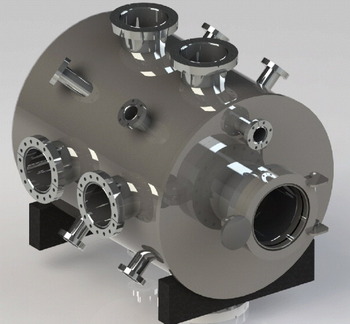
The chamber (Fig. 3) will be able to simulate several environmental parameters, such as pressure, atmospheric composition, radiation, temperature and water content, allowing a large variety of experiments with chemical and biological systems, from the interplanetary vacuum to some planetary surfaces. Designed to allow the use of in situ and real-time measurements using spectroscopic techniques, the chamber was conceived not only to do static simulations, i.e., to achieve a final combination of its parameters, but also to allow dynamic studies of transitional phenomena, thus including time as an additional variable, which is not accessible to many of the other chambers already in operation in the world. This chamber was designed in cooperation with other laboratories, and will be available to the scientific community interested in having access to this type of simulation, including for applied sciences, such as aerospace engineering and material sciences.
3D model of the space and planetary simulation chamber to be installed at AstroLab, without its accessories.

The laboratory was conceived to be an open-user facility, creating a physical place of interaction for the Brazilian and international astrobiological communities. All its facilities are available for researchers interested in conducting projects in astrobiology-related subjects, which includes simulation chambers, sample preparation laboratories and a complete infrastructure, such as lodges for the team of researchers.
In 2010, a new important step for the consolidation of astrobiology in Brazil was taken. It was approved, by the University of Sao Paulo, the creation of a research centre dedicated to astrobiology (Brazilian Astrobiology Research Center/NAP-Astrobio), as an extension of the laboratory, on which it is physically based. This centre, coordinated by Professor Jorge E. Horvath, initially congregated a total of 41 researchers from different departments of the University of Sao Paulo and other universities in Brazil, comprising the fields of astronomy, biology, physics, chemistry, geology, biomedical sciences, oceanography and engineering. With the creation of this centre, astrobiology has shown to be a growing research field in Brazil, with high potential in research, education and outreach. One of its main goals is to foster a stronger collaboration throughout Latin America, in order to establish a virtual network in astrobiology.
The priorities for astrobiology in Brazil, however, are different from those presented by NAI on its roadmap or from European agencies, since the country has a different scientific agenda, as well as different national policies. For instance, Brazil has not so far dedicated much effort in space missions or planetary exploration, but has knowledge and technology to contribute in these areas using laboratory and theoretical simulations to understand how life can survive elsewhere and how it can be found.
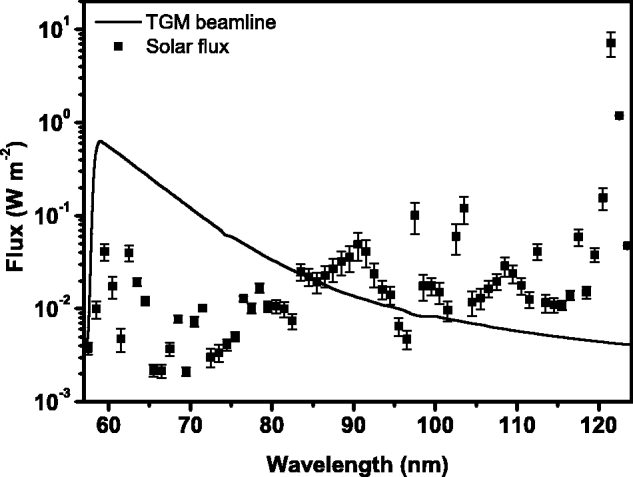
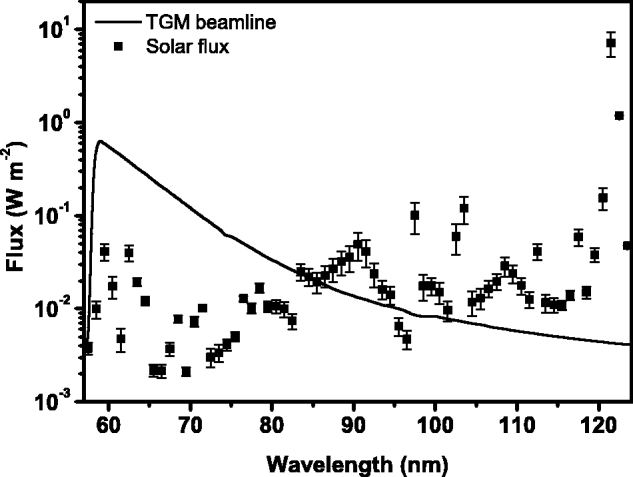
The Brazilian Synchrotron Light Source (LNLS – Campinas), for example, provides access to radiation in the region from vacuum ultraviolet (VUV) to X-rays (10–8000 eV), which can be used to simulate the high energy end of the stellar radiation spectrum that does not reach Earth's surface, but that can be extremely important in the interstellar medium (Fig. 4). Above the energy of a few electron-volts (eV) or below 150 nm, photons can easily ionize molecules, thus promoting ion–neutron and ion–ion reactions, which are known to be extremely important in astrochemical processes, for the formation of more complex, even organic, molecules, essential for the beginning of life (Pilling et al.; Lago et al. Reference Lago2004; Boechat-Roberty et al. Reference Boechat-Roberty2005). The breakdown of larger organic molecules, such as PAHs (polycyclic aromatic hydrocarbons), also take place, resulting in by-products that can also be important precursors of biomolecule. In addition to astrochemistry, the available beamlines are also being used to analyse the survivability of micro-organisms in conditions found in the outer space or in exposed planetary surfaces (Paulino-Lima et al. Reference Paulino-Lima2010, Reference Paulino-Lima2011; Abrevaya et al. Reference Abrevaya2011), and can be used in combination with AstroLab's simulation chamber. This synchrotron facility is open for Brazilian and international users through the submission of research proposals, which are evaluated by merit, originality and feasibility. Financial support is provided for successful proposals, and LNLS provide the necessary facilities for the realization of the projects, such as support laboratories and techniques, support staff (scientific and technical) and lodging in the laboratory campus.
Toroidal grating monochromator – TGM beamline (LNLS) flux in comparison with the Solar one, on the region of vacuum to extreme UV, showing its similarities in intensity.
The country is also participating in different international astronomical consortia that enable the scientists in the country to have access to the best observatories in the world. For example, recently Brazil was accepted as a full member of ESO (European Southern Observatory), opening the possibility of the use of observatories such as VLT, ALMA and the future e-ELT. Through this and other consortia, and by the interest of the national astronomical community, the search for exoplanets, for example, is growing in the country and may be a promising area in the future.
Directly in space exploration, Professor Othon Winter (Universidade Estadual Paulista, campus Guaratingueta) and co-workers are leading in the construction of a Brazilian deep-space probe (ASTER project) (Sukhanov et al. Reference Sukhanov2010), which aims to study a near Earth asteroid (NEO 2001 SN263), carrying with it a package with an astrobiological experiment. This has an historical importance by showing that Brazil can invest in space technology for basic scientific investigation, in addition to telecommunications and remote sensing, areas more developed in the country. Other scientific satellites are in development in Brazil, such as ITASAT (Dos Santos et al. Reference Dos Santos, Laender, Castano, Dayal, Casati and DeOliveira2009), but ASTER will be the first one to carry a full experiment in astrobiology, in addition to exploring a primitive body. In the last few years, the Brazilian Space Agency (AEB) has been restructured and has plans to develop stronger and closer collaborations with universities, giving a chance for new missions and experiments like this to be envisioned.
In addition, Brazil has an enormous biodiversity to be studied and explored. With a total area of about 8.5 million km2 and several different ecosystems (going from the deep sea to aerobiology on Amazonia), the studies in microbial diversity and the response of life to global changes is, perhaps, the most impacting contribution that the country can provide in astrobiology, offering clues to understanding evolution, adaptation processes and the future of life on Earth. Although Brazil has a very mesophilic climate and lacks the conventional extreme environments, its extensive and diverse territory displays a myriad of different habitats that contain interesting characteristics to astrobiology. For example, the hot and dry soils in the Caatinga (deserts and semi-arid areas in the North of the country), regions constantly exposed to high UV radiation, nutrient poor sites (caves and deep oceanic sediments), isolated islands, rich tropical forests and many others. Brazil also has a long tradition in Antarctic research, with the long-run national programme PROANTAR, providing convenient access (logistics, stations, supplies, etc.) to the cold environment, having stations on the Antarctic Peninsula (King George Island, 62oS) and on the continent, at parallel 84°S (recently installed through the National Institute of the Cryosphere), opening the possibility to study the ice shelf, glaciers, Antarctic seafloor, etc. Several works are also being conducted in partnership with researchers from other countries of Latin America, such as Argentina and Chile, to explore other extreme environments on the continent (Atacama, Andes, saline lakes, etc.).
The country also has a great potential to be developed in paleontological studies about the biosphere and climate conditions in early Earth, once 25% of Brazil is constituted by almost unexplored Precambrian geological settings (Schobbenhaus & Brito-Neves Reference Schobbenhaus, Brito-Neves, Schobbenhaus, Vidotti and Alves2003). Throughout the country, there can be found rocks from Paleoarchean (3.6 Ga), 2.1 to 2.4 Ga-old microbialites, the oldest Brazilian fossils (Minas Supergroup, Quadrilátero Ferrífero) (Babinski et al. Reference Babinski1995) and the Ediacaran record, where the first vendobionts and skeletonized animals (Hahn et al. Reference Hahn1982) were reported. Although there are several studies in this direction, due to the large territorial extension, there is still much work to be done and sites to be explored.
Brazilian scientists working abroad or in the country with international collaborations have other important works in topics related to astrobiology that should be mentioned, covering, for example, theoretical ecology (Quental & Marshall Reference Quental and Marshall2009, Reference Quental and Marshall2010; Barnosky et al. Reference Barnosky2011), characterization of carbonaceous meteorites (Huang et al. Reference Huang2005; Pizzarello et al. Reference Pizzarello2008), modelling of Titan's atmosphere (Griffith et al. Reference Griffith2005, Reference Griffith2006), system biology of extremophiles (Vanet al. Reference Van2008; Koide et al. Reference Koide2009a, Reference Koideb), emergence of life (Luisi et al. Reference Luisi2008; de Souza et al. Reference de Souza2009), chirality of life (Gleiser Reference Gleiser2007; Gleiser & Walker Reference Gleiser and Walker2009), atmospheric simulations (Gunnlaugsson et al. Reference Gunnlaugsson2008; Smith et al. Reference Smith2009; Whiteway et al. Reference Whiteway2009) and others.
Astrobiology as a tool for education and outreach
At this moment, there is no undergraduate or graduate career specifically in astrobiology in Brazil, but several universities have disciplines and courses dealing with the topic.
The first occurrence of a course like this was at Universidade do Vale dos Sinos (Unisinos), a catholic university at the south of Brazil, where a discipline called bioastronomy was created in the beginning of 2001 (Leitão da Silva Reference Leitão da Silva2006; IHU 2012). As cited before, in 2002 a discipline in exobiology for undergraduate students in biology was created, coordinated by Professor Quillfeldt (UFRGS) in collaboration with professors from different areas such as biology, physics and geosciences. This course has been focused on students in the 5th semester of biology who have already had the basic concepts of physics, chemistry and geology, addressing the basic concepts of astrobiology, space exploration, extraterrestrial intelligence, scientific fiction and the public perception of the theme (Quillfeldt Reference Quillfeldt2010).
At Paraná, another state from the South of Brazil, Zaia and collaborators have created, in 2003, their first initiative in astrobiology with the course ‘Origins and evolution of the Universe, Earth and life’, constituted of 5 lecturers. The event was repeated in 2004 and, since 2005, it is a formal specialization course with the same name (later, renamed to Astrobiology), with a total of 360 hours (Zaia Reference Zaia2012)
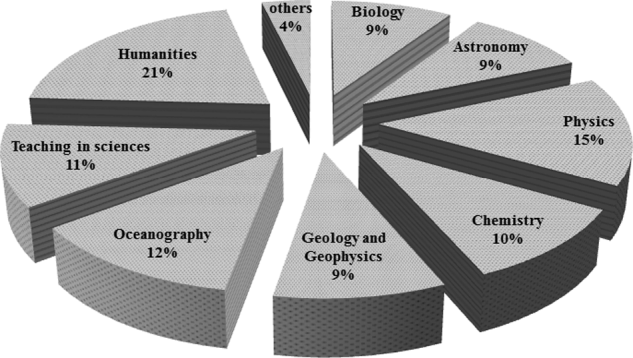
Also in 2003, the Department of Astronomy of the Universidade de São Paulo created an undergraduate discipline called ‘Life in the Cosmic Context’ (discipline code AGA0316), first coordinated by Professor Augusto Daminelli and later coordinated by Professors Amancio Friaça and Eduardo Janot-Pacheco. It addresses the key questions of astrobiology – What is life? Is there life elsewhere in the Universe? What will be the future of life on Earth and elsewhere? (AGA0316 2012), taking into account the more recent results of research in astrophysics, biology, geology, meteorology, chemistry and other sciences. The course is provided by IAG-USP to undergraduate students of science and humanities majors. The fact that a large number of majors are represented in the course illustrates the capacity of astrobiology in integrating several sciences (see Fig. 5). Its underlying questions are explored in the classes by a variety of activities, embedded in the concept of transdisciplinarity. While the course focuses on issues related to the idea of extraterrestrial life, the reflections and works of the students lead them to broaden their conceptions of life and to bridge disciplinary barriers.
The distribution of undergraduate majors of the students attending the course ‘Life in the cosmic context’ in 2009. Total number: 108 students (Friaça Reference Friaça2009).
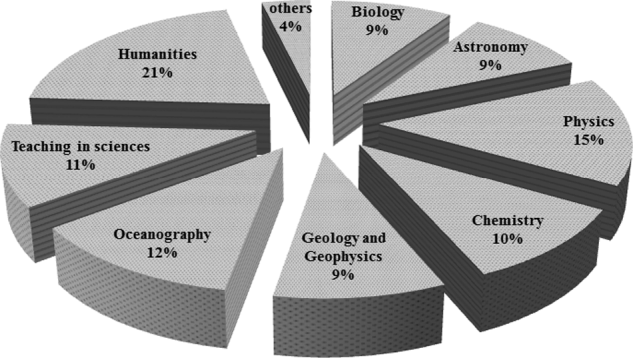
Considering the majors in natural sciences, it can be seen from Fig. 5 that physics students are the majority, accounting for 15% of the total. Oceanography and atmospheric sciences together nearly equal the participation of physics in the composition of the course by academic background. The remaining majors give approximately the same contribution to the distribution. The participation of biology and astronomy does not reflect the importance that these disciplines have for astrobiology because: (a) the size of astronomy student population is small (15 new students each year); and (b) biology students have a very time-consuming curriculum, with little possibility of dedicating one whole afternoon per week attending the course, as required.
It is interesting that humanities constitute a significant fraction of the total population attending the course (21%), comprising history, geography, philosophy, sociology, literature, social communication, economics, management, environmental development and psychology (about 2% of each). This can be justified by the fact that the questions that are asked in an astrobiology course are so broad that they are of interest of essentially every student. For instance the central astrobiological question ‘what is life?’ requires that we investigate the relation between the recognition of life and subjectivity in a rigorous way (Friaça Reference Friaça2010). The item ‘others’ comprises specific undergraduate courses from USP such as molecular sciences and natural history.
In 2009, the course received students from 23 different academic majors, the reason why we considered it as a ‘disciplinary Big Bang’, reflecting the fragmented nature of knowledge nowadays and a desire for integration. Astrobiology is an example of tool to promote a transdisciplinary action in science, which seems necessary to face the urgent problems that we have in contemporary world – the environmental crisis is one of these important issues. Each year, ‘Life in the cosmic context’ celebrates a key event, and, as 2010 was declared by United Nations as the International Year of Biodiversity, in that year, the central theme of the course was Astrobiology and Biodiversity. It was organized the IAG-USP Panel on Astrobiology and Biodiversity (IPAA 2010 2010), called IPAA, in a reference to the IPCC (Intergovernmental Panel on Climatic Change) and the IPBES (Intergovernmental Platform on Biodiversity and Ecosystem Services). During the IPAA 2010, the participants related astrobiological research to the role of biodiversity in maintaining stable states in biospheres and strategies to deal with anthropogenic pressures on the terrestrial system and on possible alien biospheres (IPAA 2010 2010).
Nowadays, several other courses in astrobiology exist in Brazil, like in Universidade Federal do Rio de Janeiro (Valongo Observatory) (SIGA 2012), Universidade do Vale do Paraíba and others.
At the end of 2011, the University of Sao Paulo has organized, with financial support of the Sao Paulo Research Foundation (FAPESP), the first Sao Paulo Advanced School of Astrobiology (SPASA 2011) – Making Connections. More than 120 undergraduate and graduate students and early career researchers attended that school, about 80 with full financial support and others with partial financial support.
The school had the intention to promote the interaction between researchers and students from different research fields, promoting new connections between students, experienced researchers and between the presented research topics, promoting the multidisciplinarity. The school was divided in short-courses, lectures poster sections, focus group and a visit to Brazilian Synchrotron Light Source (Campinas), culminating in a field trip to PETAR, a cave park in Sao Paulo State covered by typical Brazilian forest, Mata Atlântica.
Conclusions
It is clear by the facts here exposed that astrobiology (and some variations such as exobiology) had three main occurrences in Brazil. From 1950s to 2000s this research area was seen as attractive and used for outreach purposes, a phenomenon that started with the space exploration and the first real possibilities of searching for signs of life outside Earth. In parallel, some scientific researches were being conducted since the 1970s, with high impact works, but were mainly not recognized as ‘astrobiology-related topics’ at that period, but represented the foundation of future developments on the field. And, in the 2000s, mainly after 2006, the scientific community started to interact more and to show that the country had good scientists working on those problems. At that time, the organization and consolidation of astrobiology in Brazil as a valid research field started, which can be seen by the quick acceptance of it by the funding agencies and by the scientific community.
Of course, the development of astrobiology in Brazil has not being linear, or planned from beginning. Many of the scientists cited here would not refer to themselves as astrobiologists at their time, but now, in the current scientific paradigm, we can see that many were contributing by making the connections that the modern astrobiology looks for. However, there is still space and necessity for additional historical studies recovering these pioneers in other topics related to astrobiology.
The development of astrobiology in Brazil has been influenced by researches in other countries, and the development of space exploration, but it is finding its own paths, due to the particular interests of the researchers, to the funding opportunities and to the access to laboratory facilities and natural resources for fieldwork. It is our vision that the Brazilian astrobiology programme will grow deeply rooted on the exploration and understanding of the terrestrial biodiversity, especially on the rich biomes present in South America and Antarctica, an endeavour that will require a strong coordination of several national and international research teams, and probably a creation of a Latin American Network of Astrobiology. The current and future experimental facilities available in Brazil, such as the national synchrotron laboratory, including its new third generation ring being built, hold a potential that is still being uncovered by astrobiologists, with the possibility of using cutting-edge techniques, once not of easy access to our researchers. Astrobiology also represents an opportunity to foster the development of a solid and long-lasting scientific space research programme, which can produce social and technological by-products, such as in telecommunication, weather forecast, remote sensing and national security.
Brazil has a promising future in this area, with more students interested in it, researchers building their careers around astrobiological problems, networks of collaborations being formed, and solid funding from different agencies and universities, in a time of national economic prosperity and steady growth. This development will naturally require an increase in the offer of highly qualified human resources, still lacking on the country, for which astrobiology can contribute, by stimulating the young generations to pursue scientific careers, due to its innate public appeal, and may represent a powerful educational tool by its natural multidisciplinary character.
Acknowledgements
The authors would like to thank FAPESP (Sao Paulo Research Foundation), the National Institute of Space Research (INEspaço – MCT/CNPq), the Brazilian Antarctic Program (PROANTAR – CNPq) and Universidade de São Paulo for the financial support of the Brazilian Astrobiology Research Center (NAP-Astrobio). The authors also would like to thank the Brazilian Synchrotron Light Source (LNLS – Campinas) for the use of its facilities (TGM beamline) and to Professor Dimas A. M. Zaia and Professor Jorge A. Quillfeldt for the information given about astrobiology in their institutions.