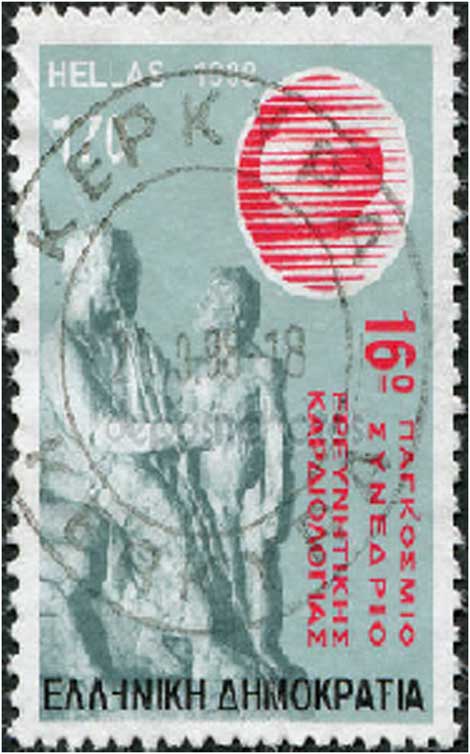
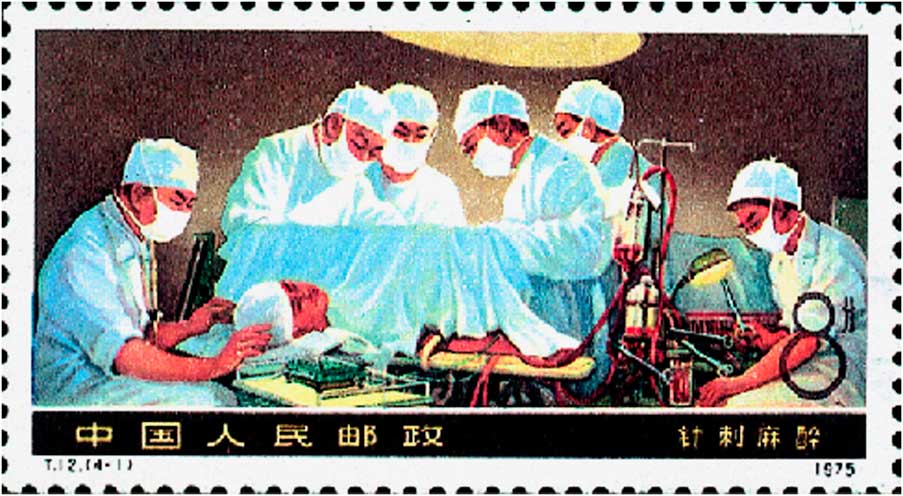
Since ancient Greek times, heart diseases in children and CHD have attracted much interest (Fig 1). Great progress has been made in paediatric cardiology, in both diagnosis of CHD as well as in medical and surgical treatment, especially during the last 50–60 years, championed by many specialists such as pathologists, anatomists, cardiologists, surgeons, radiologists, and physiologists. The advent of cardiac surgical techniques and advances in medical technology are also responsible for this progress.
An antique grec sculpture demonstrating examination of a child heart.

The pioneers
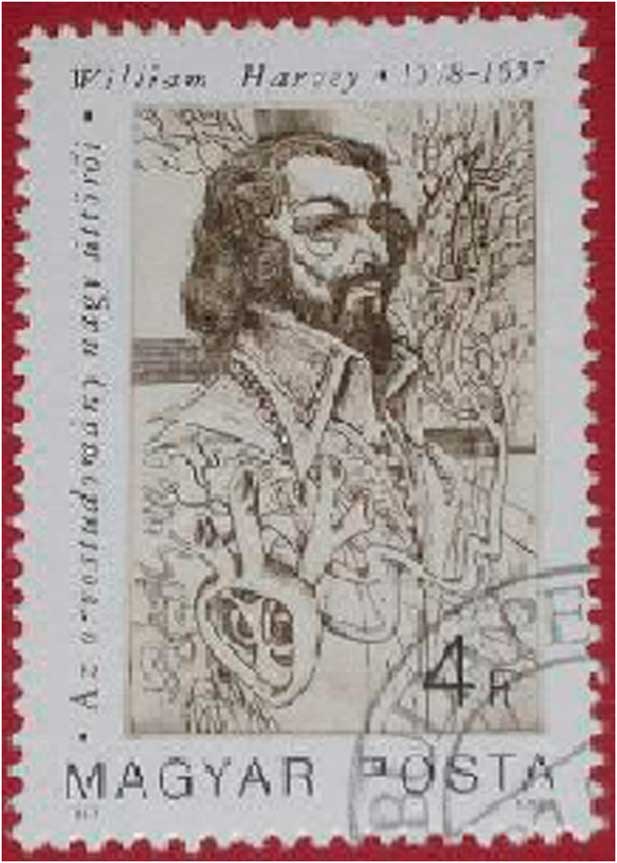
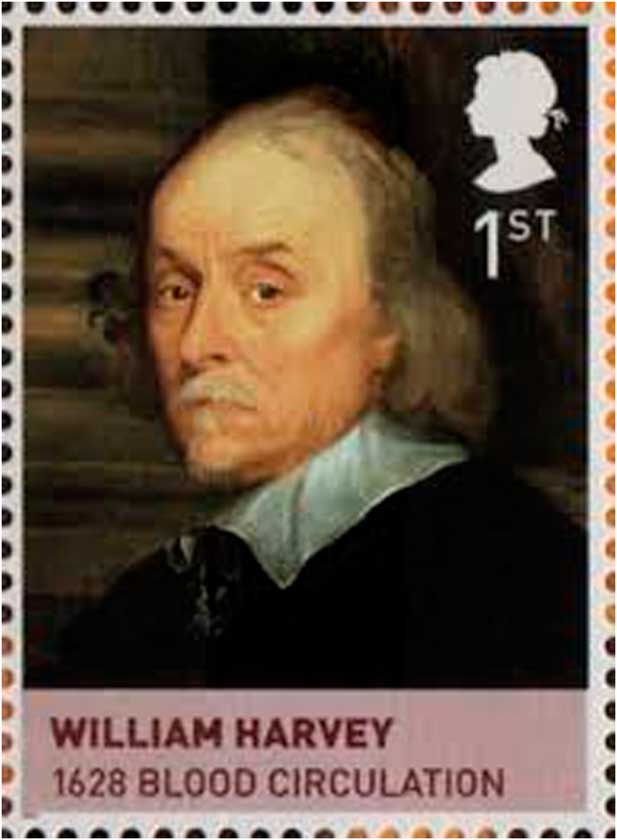
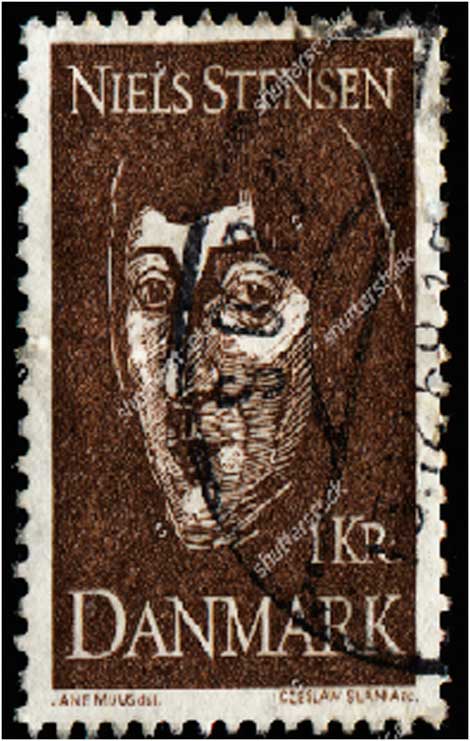
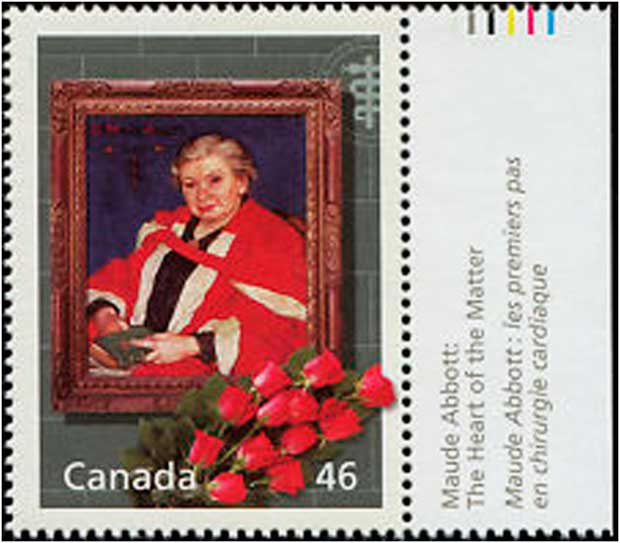
In 1628, in the book titled “De Motu Cordis”, William Harvey from England described for the first time how the two circulations, pulmonary and systemic, work together (Figs 2 and 3).Reference Harvey 1 In 1671, Neils Stenson from Denmark described the cardiac pathology of a stillborn fetus with multiple congenital anomalies, which is now recognised as tetralogy of Fallot (Fig 4),Reference Stenson 2 characterised by the anatomic lesion named after Etienne-Louis Fallot in 1888.Reference Fallot 3 In 1936, Maude Abbott, a Canadian physician and a world-famous expert on CHD, published her atlas and is a pioneer of cardiac surgery and paediatric cardiology (Fig 5).Reference Abbott 4 She illustrated the pathologic findings, circulatory and auscultatory diagrams, chest X-ray, and the electrocardiogram for tetralogy of Fallot.
William Harvey.

William Harvey.

Niels Stensen.

Maude Abbott.

Advances in diagnostic techniques
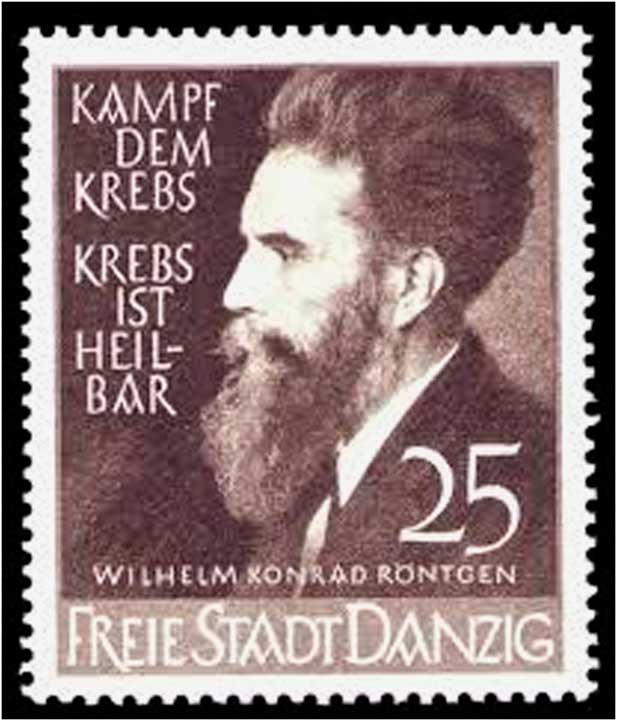
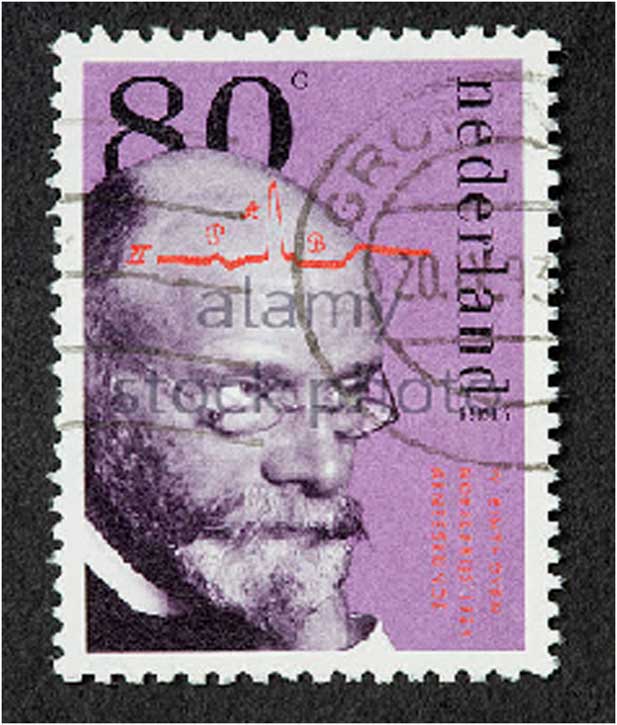
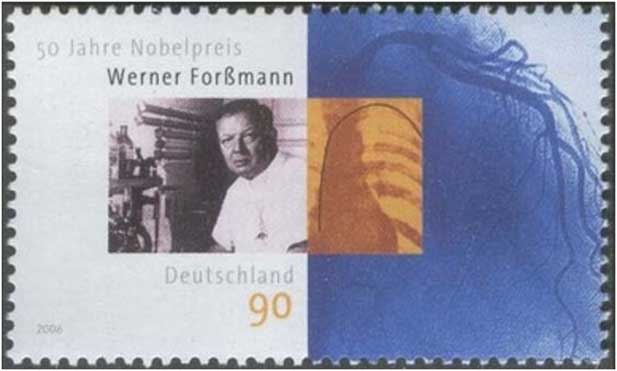
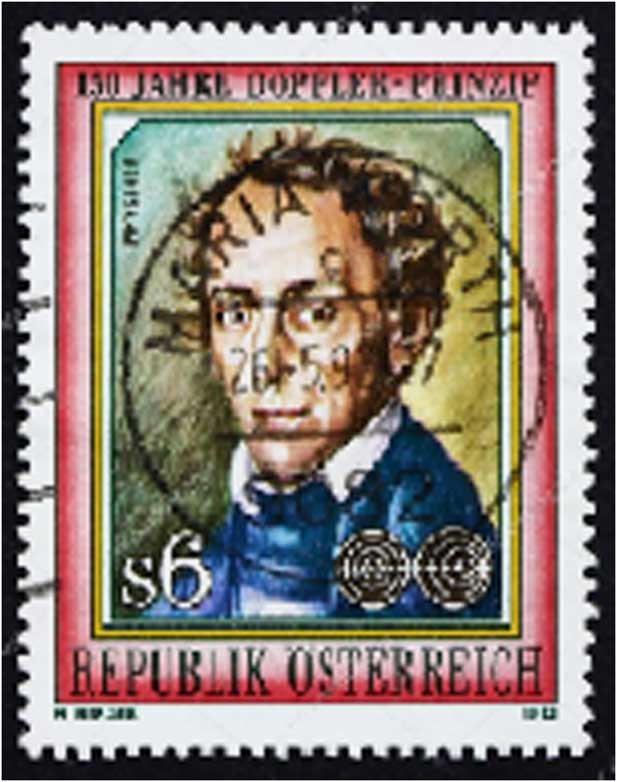
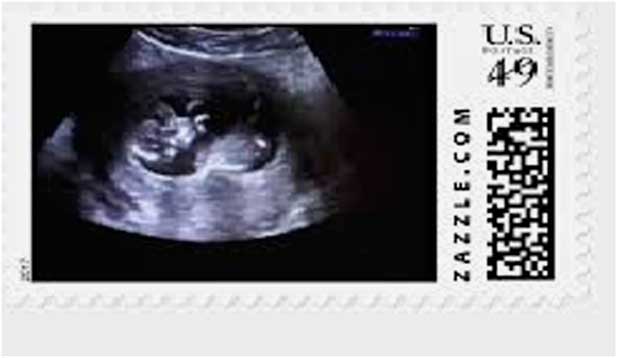
The understanding of the pathophysiology of cardiac defects has been made possible by remarkable advances in accurate diagnostic methods. Wilhelm Conrad Rontgen invented the X-ray, late in the 19th century (Figs 6 and 7).Reference Rontgen 5 In 1902, Einthoven invented electrocardiography (Fig 8).Reference Einthoven 6 In 1929, Forssmann inserted a catheter into a vein of his arm and safely passed it into his heart, thus contributing to the development of cardiac catheterisation and angiography (Fig 9).Reference Forssman 7 With the advent of cardiac surgery, it became essential that correct diagnosis be made preoperatively. In 1954, Edler and Hertz first described the use of reflected ultrasound for imaging of the heart.Reference Edler and Hertz 8 In the late 1970s, M-mode echocardiography became useful to paediatric cardiologists. Two-dimensional echocardiography and color-flow Doppler were developed in the 1980s (Fig 10). During the last 20 years, the development and application of two-dimensional Doppler echocardiography has revolutionised the diagnostic approach and management of CHD. After the development of fetal echocardiography, it was possible to detect CHD during the intrauterine period, at as early as 16 weeks of gestation (Fig 11).
Wilhelm Konrad Rontgen.

Wilhelm Konrad Rontgen.

Willem Einthoven.

Werner Forssmann.

Christian Andreas Doppler.

Fetal echocardiography.

Advances in surgical technologies
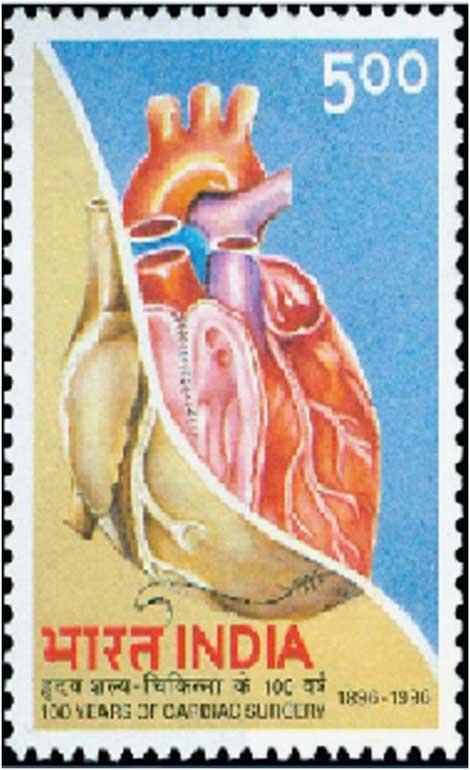
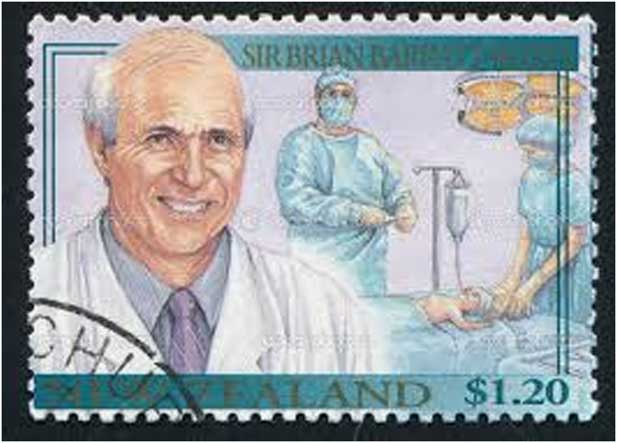
The advances in diagnostic methods were accompanied by similar progress in the surgical treatment and techniques for congenital cardiac defects (Fig 12). In 1944, Alfred Blalock, Vivien Thomas, and Helen Taussig from Johns Hopkins University developed a palliative procedure including an anastomose between the left sub-clavian artery and the pulmonary artery.Reference Blalock and Taussig 9 In 1955, Walton Lillehei and a colleague reported results of the total correction of certain CHD using a human cross-circulation technique for repairing intracardiac lesions.Reference Lillehei, Cohen, Warden and Varco 10 In 1955, John Kirklin at the Mayo Clinic reported the first successful use of mechanical cardiopulmonary bypass (Fig 13).Reference Kirklin, DuShane and Patrick 11 In 1969, Sir Barratt-Boyes from New Zealand developed the technique of profound hypothermia and total circulatory arrest as a practical method for dealing with major corrective surgery in neonates with CHD (Fig 14).Reference Barratt-Boyes, Neutze, Clarkson, Shardey and Brandt 12
Cardiac surgery for congenital heart disease.

Discovery of cardiopulmonary bypass.

Sir Brian Barratt-Boyes.

Advances in surgical methods
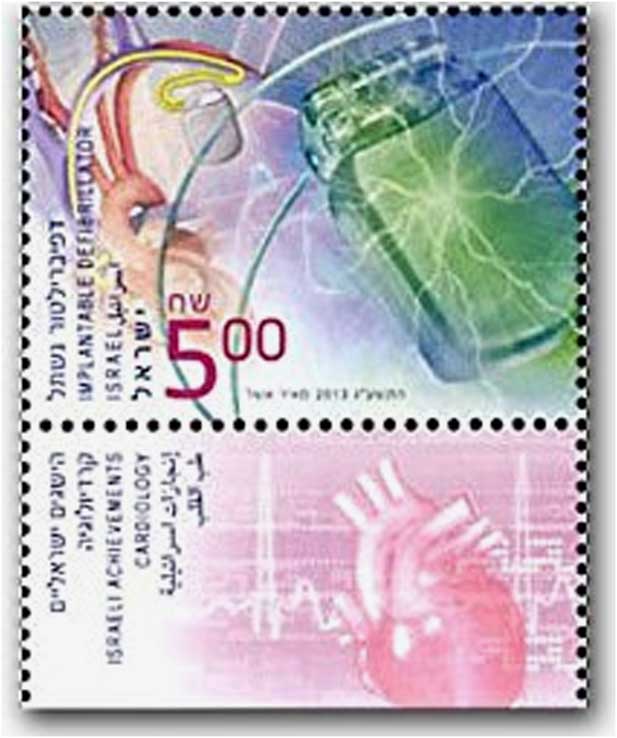
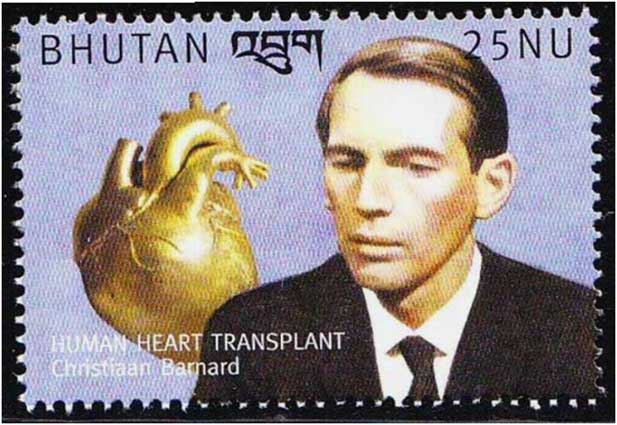
Technological advances ensured the surgical treatment of a number of complex CHD. In 1957, Ake Senning from Sweden, also known for implanting the first permanent cardiac pacemaker in 1958 (Fig 15), and William Thornton Mustard from Canada described a surgical procedure to treat transposition of the great arteries.Reference Senning 13 , Reference Mustard 14 In 1971, François Marie Fontan from France and Guillermo Kreutzer from Argentina described a palliative surgical procedure for children with univentricular hearts.Reference Fontan and Baudet 15 In 1976, Jatene from Brazil performed the first successful arterial switch operation for transposition of the great arteries.Reference Jatene, Fontes and Paulista 16 In 1981, William Norwood developed a procedure for hypoplastic left heart syndrome.Reference Norwood, Lang and Hansen 17 In 1967, Christiaan Barnard from South Africa performed the world’s first human-to-human heart transplant (Fig 16).Reference Barnard 18 In the same year, Adrian Kantrowitz transplanted the heart of a brain-dead infant into another infant. Heart transplantation in infants and children is now accepted therapy for inoperable complex CHD and especially for cardiomyopathies.
Pacemaker implantation.

Christiaan Barnard.

Advances in interventional treatment
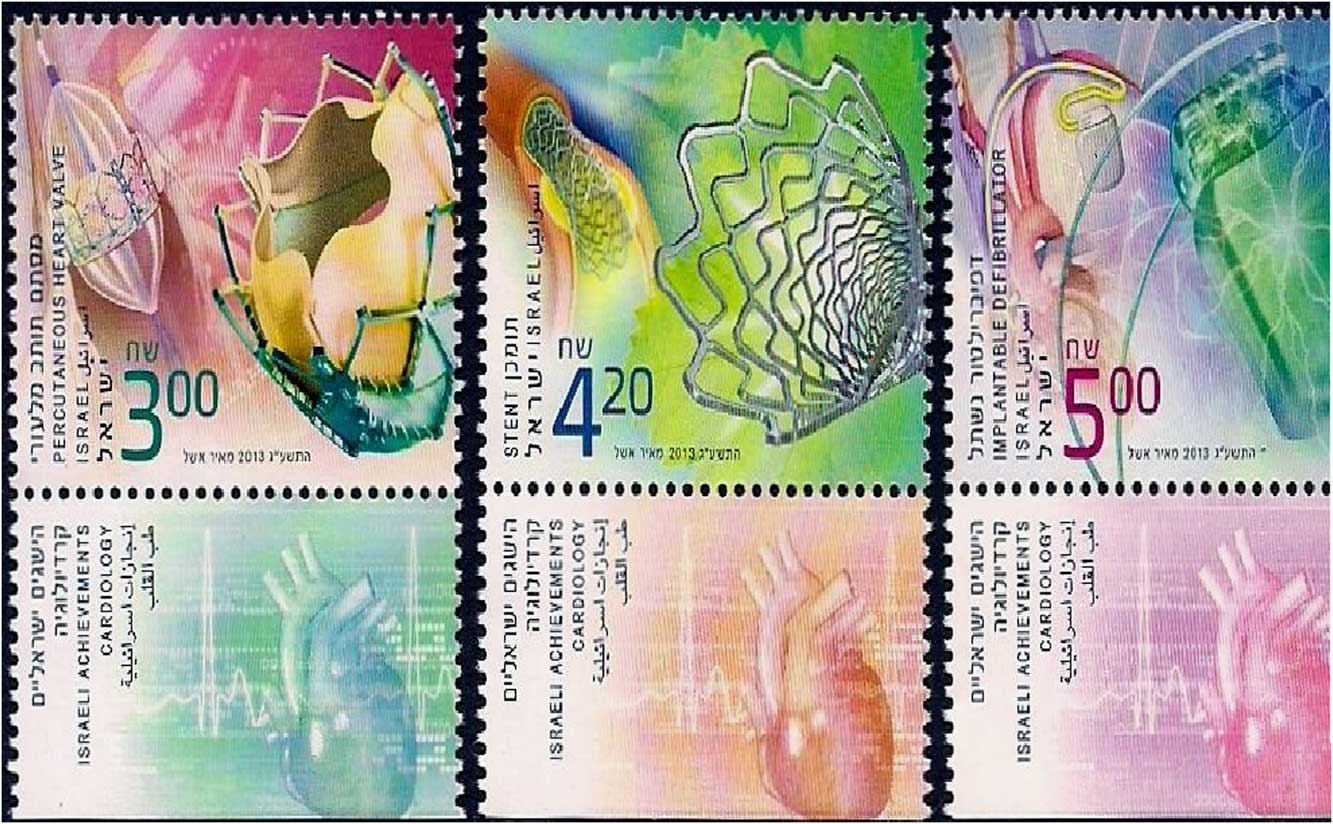
Significant progress has been made in interventional treatment methods as well as in medical and surgical treatment approaches (Fig 17). In 1966, William Rashkind, known as the father of interventional paediatric cardiology, introduced balloon atrial septostomy as a lifesaving palliative procedure for newborns with transposition of the great arteries.Reference Rashkind and Miller 19 The technique of balloon pulmonary valvuloplasty was described initially by Jean Kan.Reference Kan, White, Mitchell and Gardner 20 Balloon coarctation angioplasty has been used for coarctation since 1982, and was first performed by James Lock.Reference Lock, Castaneda-Zuniga, Bass, Foker, Amplatz and Anderson 21 In 1984, the first balloon aortic valvuloplasty was reported by Lababidi et al.Reference Lababidi, Wu and Walls 22
Interventional treatment modalities.

Genetics
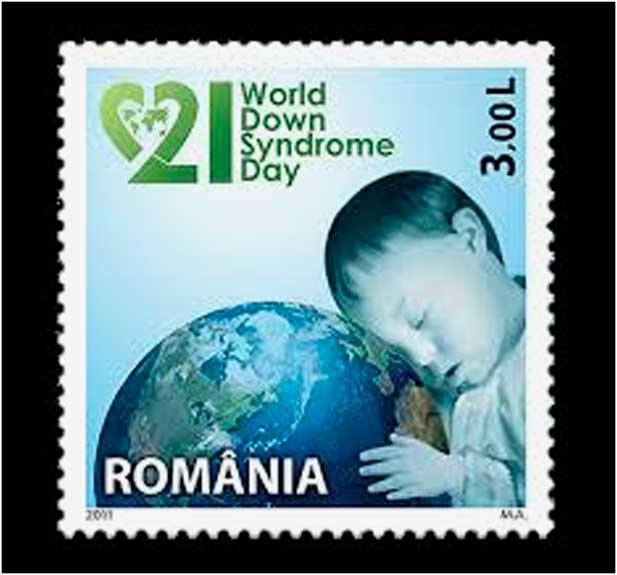
An association of genetic syndromes and chromosomal abnormalities such as Down’s syndrome with CHD has been known since many years. A number of syndromes are recognised to include specific CHD, such as the high incidence of atrioventricular septal defect in patients with Down’s syndrome (Fig 18).
Genetic disorders and Down Syndrome.

Acquired heart diseases
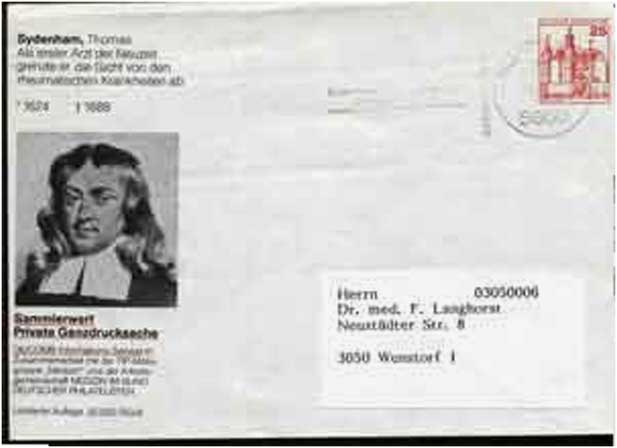
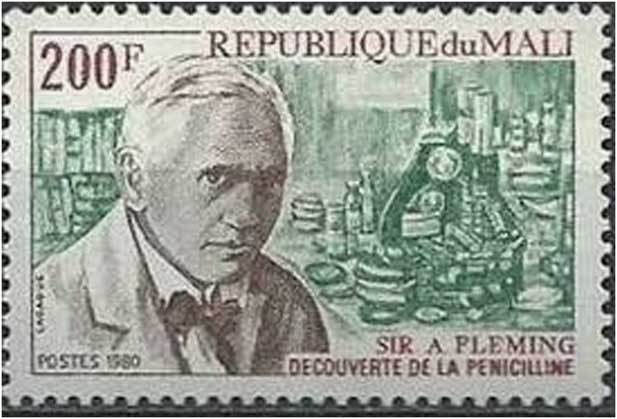
In addition to CHD, many studies have been conducted on acquired heart diseases such as rheumatic fever and Kawasaki disease. In 1676, Thomas Sydenham was the first to describe rheumatic fever and chorea (Fig 19). In the middle of the 20th century, the significant role of Group A β-haemolytic Streptococcus in the pathogenesis of rheumatic fever was recognised. The discovery of penicillin by Alexander Fleming from Scotland provided effective treatment of streptococcal infections and the prevention of recurrent attacks of rheumatic fever (Figs 20 and 21).Reference Fleming 23
Thomas Sydenham.

Sir Alexander Fleming.

Sir Alexander Fleming.

Conclusion
In future, it is hoped that many will follow in the footsteps of these scientists and progress considerably in the development of medical, interventional, and surgical techniques and methods, further reducing the morbidity and mortality associated with CHD and acquired heart diseases.
Acknowledgements
None.
Financial Support
This research received no specific grant from any funding agency, commercial or not-for-profit sectors.
Conflict of Interest
None.
Ethical Standards
This article does not contain any studies with human participants or animals performed by any of the authors.