Reminiscences
Still in shock after the fire during the night of September 2, 2018, which destroyed almost 80% of the collections held by the National Museum of Rio de Janeiro, I was contacted by a journalist from BBC Brazil. It was then Monday, the morning after the tragedy. Researchers from various departments of the museum were assembled in the gardens of Quinta da Boa Vista, facing the charred skeleton of the building that once housed more than 20 million items, comprising the largest natural history collection in Brazil and one of the five largest in the world. I felt that I was witnessing scenes following a mass extinction.
Colleagues who had rushed to the museum during the fire described the deafening noise of successive huge explosions that were heard as flames furiously consumed the building. As I listened to their words, discrete columns of gray smoke rose out of the roofless palace toward the sky. The scene reminded me of the Baniwa version of the Jurupari legend, a famous Amazonian mythological theme.
This indigenous group, inhabitants of the northwestern Brazilian Amazon, say that Jurupari—the being who created all things and whose body contained everything that would become what we call nature—died in flames after bequeathing to humans the ritual knowledge necessary for our reproduction. The fire that consumed Jurupari was accompanied by a thunderous noise, the condensed sound of the beings that inhabited his body. After the fire, the world then shrank, losing the dimensions acquired after the hero's passage on the earth.
Our world too had suddenly shrunk. In our case, the sound of the explosions was caused by tons of alcohol and other flammable substances used in the conservation of animal and plant specimens then found in the museum. Absorbed by this image, I heard journalist Mariana Schreiber explain that my colleague, Professor Carlos Fausto, had told her that I might have images of some of the indigenous ethnographic objects from the National Museum's collections (about 13,000 items recently inventoried by Professor Edmundo Pereira). Nearly all of these objects disappeared at some point during the four-hour conflagration that devoured the vast collection of the museum before our incredulous eyes. The tragedy was broadcast live. And because the vast majority of objects from the ethnographic collection were made of organic materials—plant fibers, animal feathers, and the like—it was clear from the beginning that virtually nothing would survive such an event.
Schreiber wanted to illustrate a story of the many dimensions of the irreparable losses suffered by the Department of Anthropology. She wanted to see some objects from the earlier Munduruku and Karajá feather collections, both of them from the nineteenth century; or from the largest and most sophisticated collection of Ka'apor body adornments, dating from the 1920s; or perhaps from the early twentieth-century Kadiweu and Shipibo-Konibo pottery collections. Some of these collections were virtually without parallel in other museums in the world, given the time period during which they were collected.
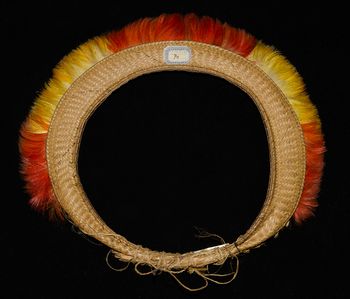
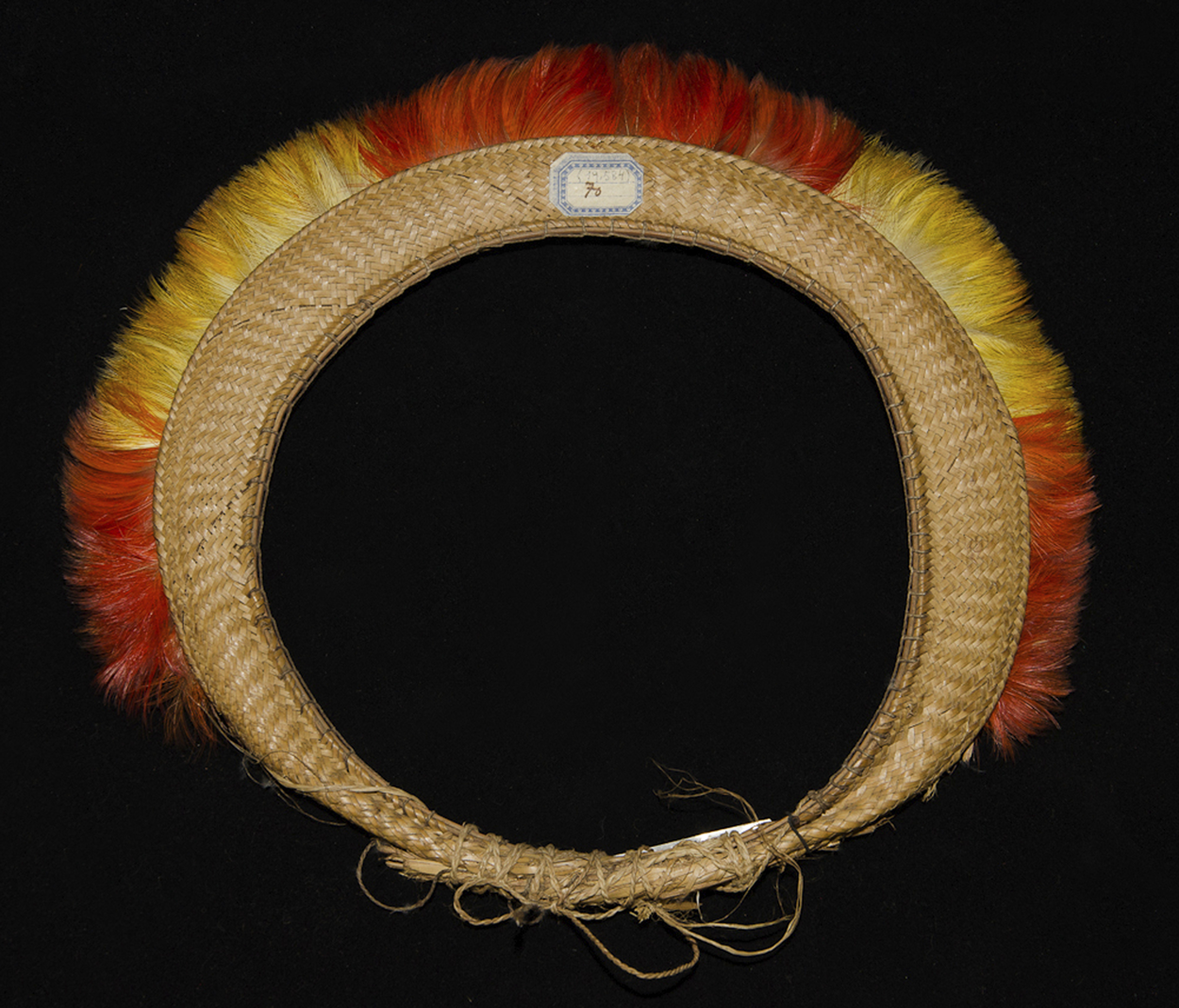
But as I heard the journalist's request, I wondered whether images of a few indigenous artifacts could convey the sense of absolute devastation we were experiencing, barely 12 hours after the onset of the fire. Would an ethnographic object, belonging to peoples who seldom, if ever, frequented the news and whose extermination has long been a goal of various Portuguese and Brazilian government administrations, have the capacity to translate for the public the true dimensions of the tragedy that we, who had known those collections, had witnessed? How could an indigenous adornment, like the one presented in Figure 1—however beautiful and exotic it may seem—communicate the value or, rather, the impossibility of setting any concrete value on this loss, something that the press and other interested people insisted on asking us to do in the aftermath of the fire?
Adornment. Curt Nimuendaju Collection, 1924. National Museum Collection no. 19584 (photograph by the author). (Color online)
The text published by BBC Brazil one week after the fire ended up focusing on the archaeological collections (see Schreiber Reference Schreiber2018). Items found in middens (sambaquis), such as zoolites, bones, and other testimonies of indigenous life before European arrival, had become, as the news article discussed, lacunae in a history, of which the inherent imperviousness to being known—because of the lack of metal tools or large stone constructions—was suddenly increased by our negligence, as a nation, toward our own history (Fausto Reference Fausto2020).
Nevertheless, the story published on September 9 fell on barren ground. The tragedy that had annihilated testimonies of 200 years of science and memory in Brazil—and hundreds of years of work yet to be undertaken—would be quickly overshadowed by an episode that proved decisive for the immediate political future of the country. Only a few days after the fire, on September 6, the day before Brazil's Independence Day, the now-president and then-presidential candidate Jair Bolsonaro suffered a near-fatal attempt on his life while campaigning. Instantly, the press shifted its entire attention to this event. And we started to become accustomed to—or anesthetized by—absurd facts in the news.
Nonetheless, as museum professionals, our continuing public commitment to knowledge production means that we deal with stories that unfold in different temporalities from those of newspapers. We must confront the memory of what we lost, and therefore, we face the immense task of telling the public what we know about the connections between those collections and the past, present, and future of science and knowledge. A small part of these stories is presented in this article.
Before proceeding, I wish to explain the overtly personal tone I take here. I resort to an “I” that is not usually included in scientific accounts in order to place readers in the position of those researchers whose professional lives are linked to the collections of the National Museum of Rio de Janeiro. This approach aspires to communicate better the particular nature of our work. It also suggests the limited knowledge of any individual researcher in the face of the monumental natural history and anthropological collections held by the museum. These collections were only ever knowable through the collective work of generations of researchers. Moreover, for this reason, what I know about them amounts to only a tiny fraction of what we lost.
A Baniwa Feather Adornment
During my years at the National Museum, my research interest was directed to a significant part of the ethnographic objects in its collections: around 1,200 objects collected among indigenous peoples of the Upper Rio Negro (URN), located in the northwest of the Brazilian Amazon, throughout the nineteenth and twentieth centuries. This has been my research field since 2010 in this same institution, and I am still researching the subject today as a postdoctoral researcher, after spending 10 years as a researcher in the graduate program of the museum.
One of the objects I selected on that Monday afternoon after the fire was the headdress of the Baniwa people, collected by Curt Nimuendajú (Figure 1). This diadem had always seemed to me a kind of feather jewelry. It was a superbly handcrafted object with a frame woven from very slender strips of arumã—a plant from the genus Ischnosiphon, belonging to the Marantaceae family (Shepard et al. Reference Shepard, da Silva, Brazão, van der Veld and Ricardo2004:132)—measuring about a millimeter in thickness. Anyone who has ever tried to peel arumã, cut it into strips, and weave it would appreciate that the skill involved in the weaving of the frame verges on the state of the art of what can be done with this plant. The red and yellow toucan feathers, arranged in alternating blocks, trembling with the slightest movement and placed transversally on the dancer's head, also always caught my attention, especially because this block pattern is not so commonly found in the feather diadems contained in other collections from this region.Footnote 1 The feathers are usually arranged in bands that parallel the woven frame: red below, yellow above.
This adornment was acquired at a time when the value of an artifact was determined by the trade-off between its cultural exemplarity and its signs of actual usage. The piece is a perfect example of such a balance. A Baniwa man had probably used it on numerous occasions while dancing, the artifact worn slightly tilted from nape to forehead, the dancer playing pan flutes and wearing a dried fruit rattle tied to his right ankle. One day—encountering a foreigner who wanted to acquire his headdress in exchange for an industrialized item that came from a distant city downriver—he made the deal. The collector would later sell the piece to the National Museum, where it was accessioned in 1928.
The date of this latter negotiation is known because we possessed an inventory book in the Ethnology and Ethnography Sector (SEE) where the artifact was housed for more than 90 years. This inventory was a management tool recording more than 40,000 objects held in the collection. The high figure reflects the period during which the archaeological, ethnographic, and antique collections were inscribed in a single inventory, a practice that ceased in the 1940s.
This management tool was inaugurated in 1906, building on previous inventory books, such as the first museum inventory from 1838 and the inventory for the Ethnographic Exhibition of 1882 (Veloso Junior Reference Veloso Júnior2019:74–75). Over its first 30 years of existence, the anthropological catalogue comprised 33,000 entries from three fields: physical anthropology, cultural anthropology (ethnographic objects), and antiquity (objects from Egypt and the Mediterranean area). The antique collections were entered in a specific inventory from 1910 on. The physical collections had a similar fate from 1943 on, as did the archaeological collections in the following years (Veloso Junior Reference Veloso Júnior2019:72).
I recall being mesmerized by the speed of the fire as it spread through the building that Sunday night, sweeping through our ethnographic collection, the 22 inventory books, and all the metal shelves and plastic separators that housed the objects. The SEE collection resided two floors above one of our classrooms and the renowned Francisca Keller Library, which was filled with thousands of anthropological books and continually updated with new releases. The flames quickly spread over the sides of the central buildings that surround the inner courtyard of the museum and reached the laboratory where I worked, destroying our video-editing computer stations, our audiovisual recording equipment, and some rare private publications.
Curt Nimuendajú
The splendid Baniwa diadem described in the previous section is also a pointer to one of the most notable losses to occur that Sunday, at least for anthropology and for the indigenous peoples of Brazil. Arriving from Germany at the beginning of the twentieth century, the man who collected this object, Curt Nimuendajú, was one of the founders and shapers of anthropology in Brazil. As a representative of the German anthropological tradition, which encompassed explorer-researchers closely connected to the Ethnological Museum of Berlin, he was among the first to introduce rigorous ethnographic methods into South American anthropology, even before the publication of the so-called founding monographs of the discipline, such as Bronislaw Malinowski's Argonauts of the Western Pacific.
Nimuendajú stands in a distinct position as compared to other representatives of this tradition, such as Karl von den Steinen, Paul Ehrenreich, Herrmann Meyer, Theodor Koch-Grünberg, Max Schmidt, Wilhelm Kissenberth, and Fritz Krause (for more information on the German tradition, see Fischer and Kraus [Reference Fischer and Kraus2015], Fischer et al. [Reference Fischer, Bolz and Kamel2007], Penny [Reference Penny2002], and Petschelies [Reference Petschelies2019], among others). He moved to Brazil and collaborated with many museums and indigenous agencies in the country until his death among the Tikuna people of the Amazon in 1945 (for an overview of his career, see Arnaud [Reference Arnaud1983–1984], Born [Reference Born2007], Dungs [Reference Dungs1991], Schaden [Reference Schaden1968, Reference Schaden1973], Welper [Reference Welper2002, Reference Welper2013, Reference Welper2018], and Welper and Barbosa [Reference Welper and Barbosa2013]).
Nimuendajú's extraordinary legacy encompassed the fields of linguistics, archaeology, and museum curation and drew on a broad ethnographic experience that covered 45 peoples from all regions of Brazil. To comprehend this legacy, it suffices to recall that Nimuendajú's collections housed in the National Museum contained about 3,000 objects, or around 7% of the more than 40,000 objects inventoried in the institution after 1906 (Veloso Junior Reference Veloso Júnior2019:80). On Nimuendajú's activity as a collector, see Linné (Reference Linné1928), Nimuendajú (Reference Nimuendajú2004), Schröder (Reference Schröder2012), and Welper (Reference Welper2002), among others.
The museum also housed Nimuendajú's large collection of unpublished personal papers. These documents were kept within the walls of the Indigenous Languages Research Center (CELIN), located next to the ethnographic collection sector, on the third floor of the central building of the National Museum.
In addition to the original version of the famous “Ethno-Historical Map of Brazil and Adjacent Regions,” hand drawn by Nimuendajú—which at the time of its publication was the first modern visual overview of the historical and contemporary territorial occupation of South America by indigenous peoples—CELIN also housed Nimuendajú's travel notebooks, fieldwork notes, photographs, illustrations, and his precious correspondence with major figures of lowland South American anthropology during the first half of the twentieth century. The feeling of overwhelming and irreparable loss resulting from the destruction of these precious documents is only attenuated by the fact that researchers like Elena Welper, trained at the Graduate Program in Social Anthropology (PPGAS/MN), had, through long-term tireless effort, digitized a large proportion of Nimuendajú's priceless papers, some of which were recently published (Welper Reference Welper2019).
While he was in the URN area on a three-month trip in 1927, Nimuendajú recorded his expedition in a travel notebook. These notes were later transformed into a report describing the dire circumstances in which he found the indigenous peoples of the region; they were haunted and subjugated by international rubber-extracting companies that plagued the western reaches of the Amazon at the beginning of the twentieth century, in one of the bloodiest episodes of modern capitalism. Nimuendajú had expected to find the indigenous population in the situation described about 25 years earlier by Theodor Koch-Grünberg, but what he encountered were emptied villages and frightened people running away after his arrival (Nimuendajú Reference Nimuendajú1950:132–133, 176–177).
Nimuendajú's report was delivered to the authority responsible at the time, the Indian Protection Service. Nimuendajú had worked for the Indigenous Protection Service (SPI) between 1911 and 1915, soon after its creation in 1910, and later between 1921 and 1922. Nimuendajú's report was part of a short-term assignment with the SPI, intended to support the installation of SPI posts in the Upper Rio Negro (Welper Reference Welper2002:66). The text remained unpublished until the 1950s, when it was made public by the International Society of Americanists (Nimuendajú Reference Nimuendajú1950). It may be considered, avant la lettre, an example of what would later become a hallmark of Brazilian anthropology: the combination of knowledge production with broader social and political commitments to indigenous peoples.
Later, anthropological projects connected to museums (and here I am also referring to the Archaeology and Ethnology Museum of the University of São Paulo, the Indian Museum [FUNAI], and the Emilio Goeldi Museum)—such as those of Lux Vidal with the Xikrin-Kayapó, Dominique Gallois with the Wajãpi, João Pacheco de Oliveira and Jussara Gruberg with the Ticuna, Sonia Dorta and Luís Donizete Grupioni with the Bororo, Lucia Hussak Van Velthem with the Wayana-Apalai, Berta Ribeiro with the Desana from the Upper Rio Negro, and Bruna Franchetto and Carlos Fausto with the Kuikuro from the Upper Xingu River (to only mention a few)—would follow the paths opened by Nimuendajú, linking anthropology to ethnographic museums in a scientific approach deeply committed to the consolidation of democracy in the country.
Connecting Collections
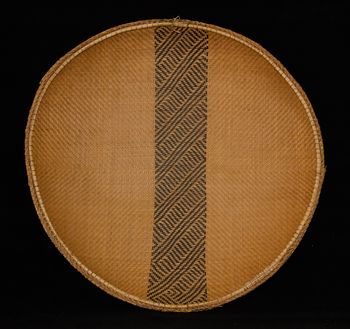
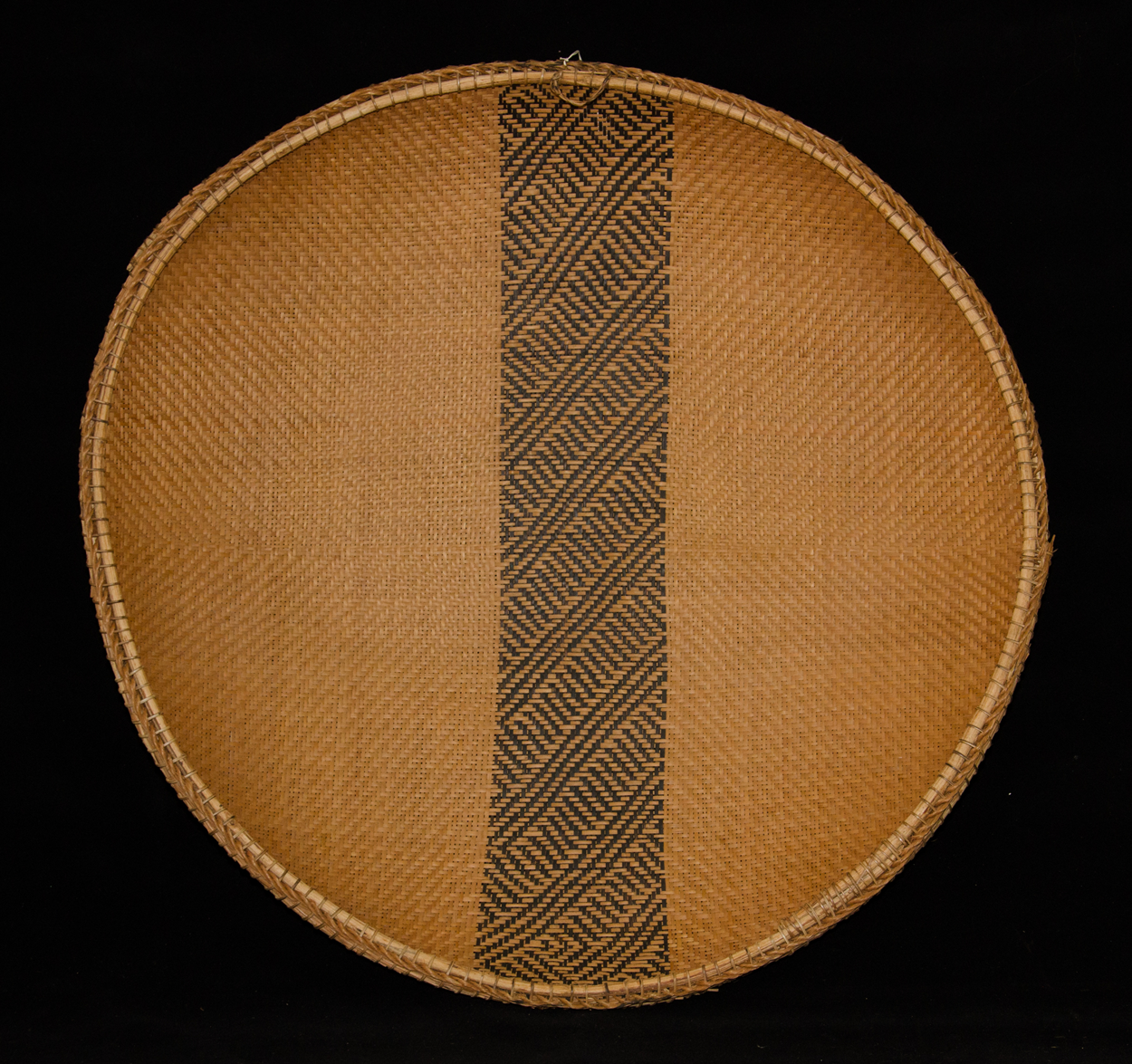
The woven basket in Figure 2 is another image I selected on that Monday afternoon. It was collected by anthropologist Berta Ribeiro in the late 1970s, among the Desana from the Upper Rio Uaupés, one of the major tributaries of the Rio Negro.
Desana woven basket. Berta Ribeiro Collection. National Museum Collection no. 40173 (photograph by the author). (Color online)
The Ribeiro collection deposited in the National Museum was quite different from those acquired throughout the nineteenth and early twentieth centuries. Adornments, such as those collected by Nimuendajú and found in large numbers throughout most of the nineteenth century, were no longer common in the region in the 1980s.
As so often happens, these distinct scientific endeavors are deeply interconnected, and Nimuendajú's report helps us understand Ribeiro's collection. In a very sad scene presented at the end of his notes, Nimuendajú introduces what would be the new world of the Rio Negro indigenous peoples throughout most of the twentieth century:
Before noon we reached the village of Urubúquara . . . . It is composed of two houses built in a civilized style, a maloca, a small chapel, and a small house for lodging the priest who sometimes visits this village. I surprised the natives precisely at the beginning of a caxiri festivity . . . . Remaining at the door, I asked them . . . not to interrupt the ceremony. Shyly and submissively, the tuxauas approached me to apologize; it would be the last time they celebrated a caxiri party in the old style; it was the farewell to their parents’ customs. As soon as it was finished, they would destroy their dancing adornments and try to build, instead of the maloca, tidy houses, as the government had ordered them through the mouth of “João Padre” [Nimuendajú Reference Nimuendajú1950:156; translation by author].
The end of the malocas and the ceremonial caxiri festivities—and, with them, the end of ceremonial adornments—was imposed on the indigenous population as a condition for them to benefit from the minimal state of peace that the presence of the Salesian missionaries brought to a region devastated by the rubber economy (see Barham and Coomes Reference Barham and Coomes1994; Taussig Reference Taussig1987; Weinstein Reference Weinstein1983; see also a recent work by Lucas [Reference Lucas2019] on the Amazon rubber economy). When compared to the present-day threats that continue to erode indigenous social autonomy, this episode makes clear how long these populations have been forced to choose (literally) either the cross or the sword (see Cabalzar Reference Cabalzar and Wright1999; Chernela Reference Chernela and Balée1998).
According to both his account and the inventory books of the National Museum, Nimuendajú's feather collection did not contain any objects that “João Padre” had ordered to be destroyed. The concurrent presence of clerics and scientists in this area recalls the old chestnut that the military is the first to “open” indigenous areas, followed by missionaries, and, finally, anthropologists—when the ground has already been cleared by the others. In their wake, we find museum collections. Museums receive the spoils of war, as in the classic examples of the British Museum or the French Louvre. And they receive the spoils of conversion, as in the collections stored in Manaus by the Indian Museum of the Helping Sisters, where we find dozens and dozens of storage boxes containing adornments that once belonged to indigenous groups of the Rio Negro—some of them probably brought by “João Padre” himself.Footnote 2 Still other institutions have heterogeneous collections, the result of both (internal) colonialism and scientific research, like most of the collections of the National Museum. But although the background presence of museums once again implies the convergence of the military, missionaries, and anthropologists, this does not allow us to conflate the objectives and the methods employed by these different groups of outsiders. Whereas the military and missionaries seek to intervene in all aspects of indigenous life, anthropologists have over time used their scientific institutions as spaces for promoting non-Western knowledge in the public sphere. In the best cases, we have also been able to enhance respect for indigenous rights. Of course, some exceptions bring military personnel and missionaries closer to anthropologists, and vice versa. As a rule, however, these groups are focused on completely different endeavors.
In this story, anthropologist Berta Ribeiro is one of us who proves the rule. When she arrived at the Upper Rio Negro, the indigenous peoples of the region had been living under Salesian control for 60 years. Committed to an ethnography told through artifacts, Ribeiro's collection presented a material testimony to the new world forged out of this encounter.
Ribeiro obtained several artifacts (bought or exchanged) at the Salesian Mission of Iauaretê— the strategic base of her work—because the mission was located at the time in a convergence zone between the Içana River basin, where Arawak populations live, and the Uaupés River basin, occupied by Eastern Tukano populations. Some of these items were purchased from an establishment that was a mixture of a trading post and general store, maintained by the Salesians for buying from and selling to the indigenous population (Ribeiro Reference Ribeiro1980:345–372, Reference Ribeiro1995:27).
This is a rather curious story. Over the course of time, acting as the sole institutional agency for indigenous affairs in the region, the clerics established extensive commerce with the local population, acquiring traditional objects produced by them and offering, in exchange, industrialized goods brought from abroad. This institutionalized trading became a clerical version of the barracão—a commercial warehouse in the hands of the so-called regatões (river traders), such as the old rubber bosses who ruled the Amazonian extractive economy, in which labor and raw materials were unevenly and forcedly exchanged for industrialized objects.
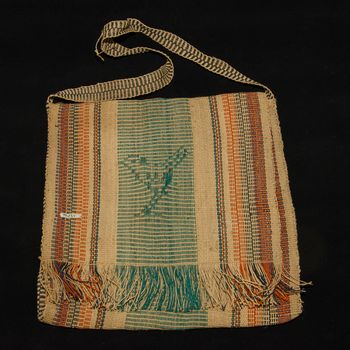
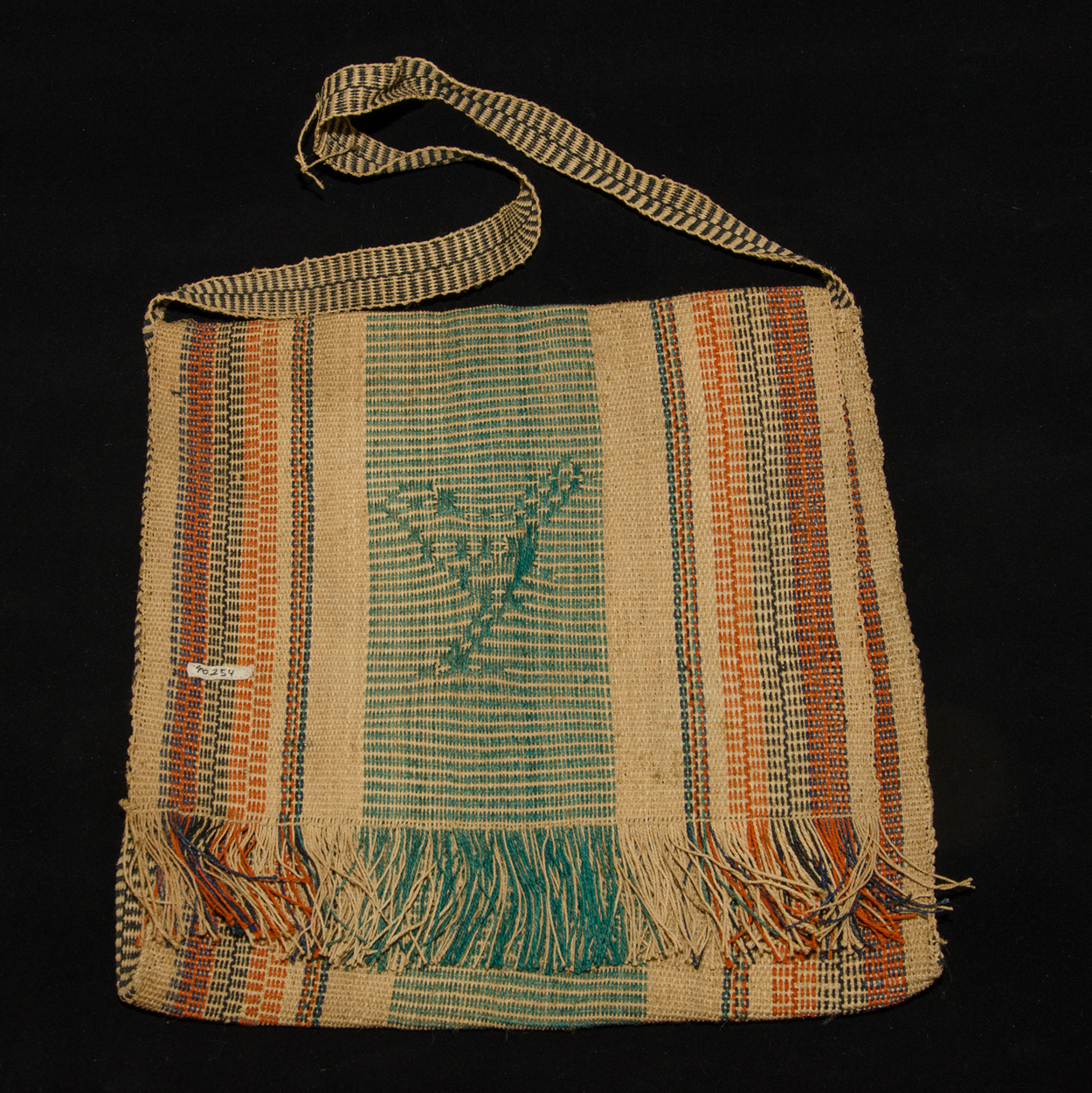
Figure 3 shows an object that embodies part of this story: a tucum palm purse made on a loom by pupils from the Salesian Mission of Iauaretê. In other words, this is a product of Salesian design and technique manufactured by indigenous labor. In this sense, the object testifies to the economic relations and religious conversions in which indigenous populations and their clerics were enmeshed over an extended period.
Tucum purse made on a loom. Students of the Salesian Mission of Iauaretê. National Museum Collection no. 40254. Berta Ribeiro Collection (photograph by the author). (Color online)
During my fieldwork (2011–2014), I collected many stories on economic relations between Salesians and indigenous people from Hohodeni (Baniwa), men and women who studied and traded at the Iauaretê mission. To provide a sense of the scale of this trading, one of my interlocutors, Albino Fontes, recounted that he had purchased a plot of land to build his house in São Gabriel da Cachoeira, the nearest Brazilian city to the Upper Rio Negro indigenous territory, after selling around 2,000 basketry items to the Salesians and other traders in the late 1980s. Other interlocutors recalled the intense production of bark panels and adorned basketry at their time at the Iauaretê mission. People also remarked on the traders’ interests in selling indigenous crafts in Colombian and Venezuelan cities. This labor structure was, nonetheless, connected to previous exploitive systems (Chernela Reference Chernela and Balée1998:324ff.). These abusive economic relations led the Salesians to being condemned for violating “laws and agreements on ethnocide and racial discrimination against the 20,000 Indians of the Rio Negro watershed” (Chernela Reference Chernela and Balée1998:313).
Ribeiro's collection included other material products of these social relations, such as baskets woven in a traditional style but adorned with figurative feather mosaics designed by missionaries, representing Amazonian animals and plants. Bark panels were also painted with the same kind of graphic inspiration. These objects were flown out of the Rio Negro area directly to the tourist art market where they were highly valued until the 1980s (Ribeiro Reference Ribeiro1980:345–372; Beto Ricardo, personal communication 2011).
The interconnections between the collections of Nimuendajú and Ribeiro illustrate a key virtue of an extensive ethnographic archive such as that of the National Museum: its large temporal coverage. When we have the results of 200 years of collecting activities available for research, we can undertake analyses backward and forward—from the trajectory of the scientific collecting activity to the history of the objects and peoples with whom we have been studying. Losing this temporal depth is certainly one of the most tragic consequences of the destruction of the National Museum's collections.
Ribeiro's work is not limited to documentation of Upper Rio Negro history. Her collaboration with the Desana clan headed by Feliciano Lana resulted in collections, papers, and books, as well as one of the first books authored by indigenous intellectuals in Brazil: Antes o Mundo Não Existia (Once the World Was Not There), written by Tõrãmü Kēhíri and Umusĩ Pãrõkumu (Reference Kêhíri and Pãrõkumu1980), with illustrations by two other Desana contributors, Luiz and Feliciano Lana. The publication was the first of the Narradores Indígenas (Indigenous Storytellers) collection, an important series dedicated to the traditional oral literature of the region's peoples, which has run to 10 subsequent volumes and continues to be published up to the present (see Andrello [Reference Andrello2010] and Hugh-Jones [Reference Hugh-Jones2010] for an overview of the collection).
Ribeiro's work as a collector should also be remembered for her meticulous attention to the written documentation for each object. As an example, we can take the object pictured in Figure 2. From Ribeiro's records, we learn that this is not merely a “Uanana basket”—a label that subsumes the object to a generic ethnic identity. According to her, the object was made by Joanico Sobré, an indigenous man who, at the time of its acquisition, was 60 years old and lived in the Uanana community of Jacaré, located on the Upper Uaupés.
Such detailed records were not common at this time in the museum books, the exceptions being Heloísa Fenelon's records, which preceded Ribeiro's. In her entries, Ribeiro carefully recorded each characteristic of the objects she acquired: the physical constitution of the artifact, its producer, the place of collection, ethnic connections, techniques, purchase prices, and so on. By accurately recording the data on their origin, she described these objects as unique works. The fire has brought into sharp focus this kind of singularity, now that these objects have vanished from the face of the earth forever. Ribeiro's data constitute a set of clues to be followed in the study of these collections, carefully assembled with the express purpose of benefiting future research.Footnote 3
Finally, it is worth noting that Ribeiro herself was among the most dedicated researchers of the National Museum's collection, and her contribution to the curation of these objects was greater than generally stated. She made extensive use of the objects in the museum collection to create a foundational reference work in the field of Amazonian indigenous material culture: the Dicionário do Artesanato Indígena (Dictionary of Indigenous Craftwork; Ribeiro Reference Ribeiro1988). Although today we do not have a digitized collection—the result of the preceding years of underinvestment in the National Museum collections—we do have, thanks to Ribeiro's tireless work, the detailed illustrations of her Dicionário, providing clear testimony of the unique richness of the ethnographic collections that were once housed on the second floor of the central building of the Quinta da Boa Vista Palace.
Long-Term Partners
In addition to Nimuendajú and Ribeiro, many other contributors, professional or not, collaborated in the creation of the Rio Negro collection at the National Museum. There were the contributions of Dom Pedro II, the former emperor of Brazil, and Count Ermanno Stradelli, an Italian nobleman who, together with Maximiano Roberto, a Baré man, made the first record of the Legend of Jurupari referenced at the beginning of this article (Andrello Reference Andrello2010; Stradelli Reference Stradelli1964 [1896]). There were also contributions from Ladislau Netto, a botanist who was director of the National Museum at the end of the Brazilian imperial period, as well as objects from the Rondon Commission, an historic mission launched at the beginning of the republican era when a new national government replaced the old imperial Portuguese government in Brazil. Rondon was an iconic figure as a military officer of indigenous descent who opened up the then-unknown lands of central and northern Brazil for administration by the state. He was in the Rio Negro area shortly before Nimuendajú, in 1924. Marechal Cândido Rondon's collections comprised about 10% of all objects cataloged in the SEE (Veloso Junior Reference Veloso Júnior2019:80). The audiovisual records of the commission, which were pioneering in the ethnographic field (Caiuby Novaes et al. Reference Caiuby Novaes, Teodoro da Cunha and Henley2017), fortunately can be found at the Indian Museum (FUNAI).
The SEE collections also included the large collection amassed by Jaramillo Taylor, about whom we know little, save that he donated more than 780 artifacts from the indigenous populations of the Negro, Branco, Japurá, Solimões, Juruá, and Madeira Rivers. José Cândido de Mello Carvalho—also a former museum director and naturalist—contributed, in addition to objects, a report of his 1949 journey to the region, published among the Occasional Papers of the National Museum (Mello Carvalho Reference Mello Carvalho1952). The writer Gastão Cruls, a novelist who focused on Amazonian life and visited the region in the 1940s and 1950s, also donated objects to SEE, as did the anthropologist Eduardo Galvão, whose professional life was also linked to the Goeldi Museum in Belém. To this already long list, we could also add other collections registered in the name of nobles and clerics during the nineteenth century, as well as some in the name of military officers throughout the nineteenth century and later.
The existence of so many collections and collectors reveals a long tradition of knowledge production fostered by the National Museum in collaboration with indigenous peoples of the Rio Negro. The ethnographic research carried out in the Graduate Program in Social Anthropology (created in 1968) also adds to this tradition. Even when they were not centered on the analysis or collection of objects, many of these studies strengthened the bonds between the museum and the peoples from the region. My own research, which culminated in a PhD in 2015, continued this tradition, in that I proposed to bring together the archival and textual research characteristics of the research carried out by the museum.
Steps toward Collaborative Research
When I arrived in the Upper Rio Negro in 2011, I explained to the Baniwa of Ucuqui-Cachoeira my desire to collaborate with the community while I was conducting fieldwork there. The significance of our collaboration became apparent to me when the women of the group asked me for help in reviving the production of their traditional ceramics, with the goal of creating an alternative source of income. At that time, I had access to the collections of the Indian Museum (FUNAI) and also those of the National Museum.
I photographed the Baniwa collections held by these institutions and took the images with me to the field, aiming to discuss them with Baniwa people. As I became more involved in this project and read about similar work being done in the United States, Europe, and Brazil, I decided to embrace this idea as the center of my ethnographical endeavor.Footnote 4 This led me to photograph everything I could find in the Rio Negro collections, whether produced by the Baniwa or not—from ceramics to baskets, musical instruments, feather adornments, and many other kinds of objects. This was the beginning of a long-term collaborative engagement with the Baniwa people in a project that was not restricted to the collections of the National Museum but also included the Indian Museum (FUNAI), the Archaeological and Ethnological Museum (USP), and the Goeldi Museum, aiming to produce a broad overview of the object system within this region and beyond (Costa Oliveira Reference Costa Oliveira2015, Reference Costa Oliveira2017).
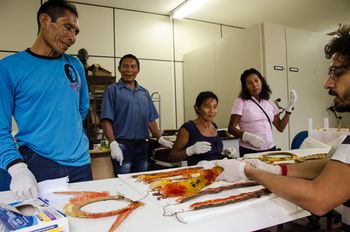
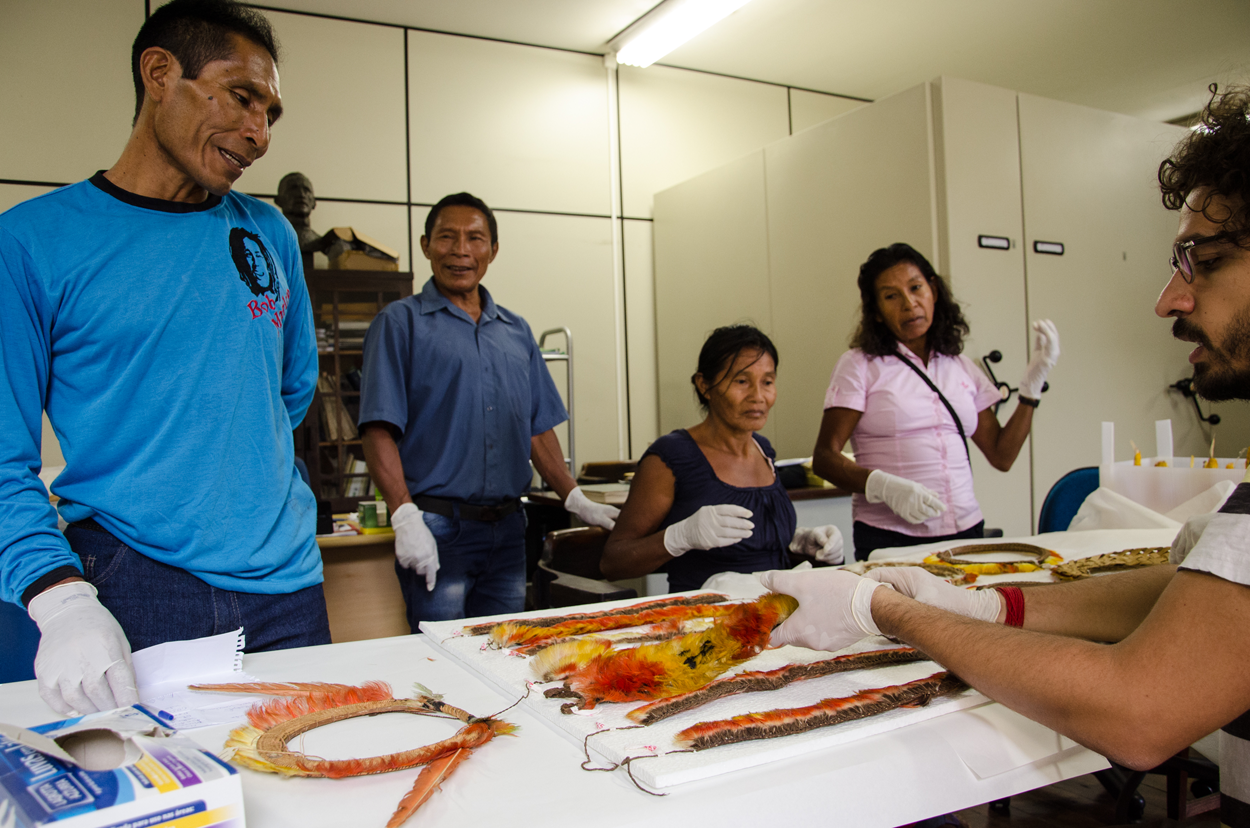
In 2014, thanks to support from the Indian Museum (FUNAI), I was able to bring a Baniwa group to visit its and the National Museum collections, both located in Rio de Janeiro. In the former we found, for instance, the amazing ceramic pieces collected by Gastão Cruls and Eduardo Galvão. In the latter, to the evident delight of the Baniwa visitors, we found the best, most varied, and sophisticated feather ornaments ever collected in that region (Figure 4).
A group of Baniwa visitors to the National Museum collection in 2014. Prodocult Baniwa/Museu do Índio Archives (photograph by André Baniwa). (Color online)
The generation of indigenous people with whom I have worked were children during the time of the Salesian internships and spent long periods in the boarding schools of the region. Few of them had any direct contact at home with the kind of pieces found in these collections. Although many ceremonial adornments were lost during colonial and missionary times, in specific events still remembered by the generations of today, the disappearance of pottery involved a gradual process of abandonment. Over the course of the twentieth century, the Baniwa ceased to produce their own objects for processing and serving food as they became increasingly involved in extractive labor, an activity often remunerated through industrialized goods. Additionally, because of the effects of religious conversion, objects of ceremonial use—not only the adornments but also the decorated pottery used to serve ceremonial beverages—also fell into disuse. Only a few women retained partial knowledge of the production of these objects, learned from their grandmothers and other older women.
As the contact with these artifacts helped the Baniwa women access the knowledge of their ancestors, presented in nonverbal ways in the very materiality of the objects (Lemonnier Reference Lemonnier2012), it became clear that these artifacts are materialized forms of knowledge. This premise has important consequences for the current restitution debate—underlying a demand that has become increasingly prevalent in the necessary decolonization of ethnographic museums (see, for example, Macdonald Reference MacDonald1998; Onciul Reference Onciul2015; Saar and Savoy Reference Saar and Savoy2018). The return considered in our project involves providing conditions for the effective reappropriation of the knowledge embedded and embodied in the artifacts. Along these lines, we recognized the existence of a long tradition of interchanges that can be continually renewed, rather than ended, by the physical devolution of artifacts, a cycle of exchanges opened up within the historical acquisition. As the Indian Museum (FUNAI) acquired part of the pottery produced by the Baniwa ceramists, the new collections were the outcomes of processes of knowledge exchange, rather than the commoditization of traditional artifacts, in which the museum was a central place for joint knowledge production.
Morphological Inquiries
When we consider the entire ethnographic collection of the National Museum, we can note that the quality of the archival information about the artifacts progressively increases over the years. Older objects are often identified in summary form rather than detailed records. Yet these records improve with time, until we find works such as those by Ribeiro, mentioned earlier. In the early years of the collection, it was common to find objects described as belonging, for instance, to the “Indians of Brazil,” which is certainly an empty designation. In such cases, working in partnership with indigenous peoples has opened up the field to new findings about old collections.
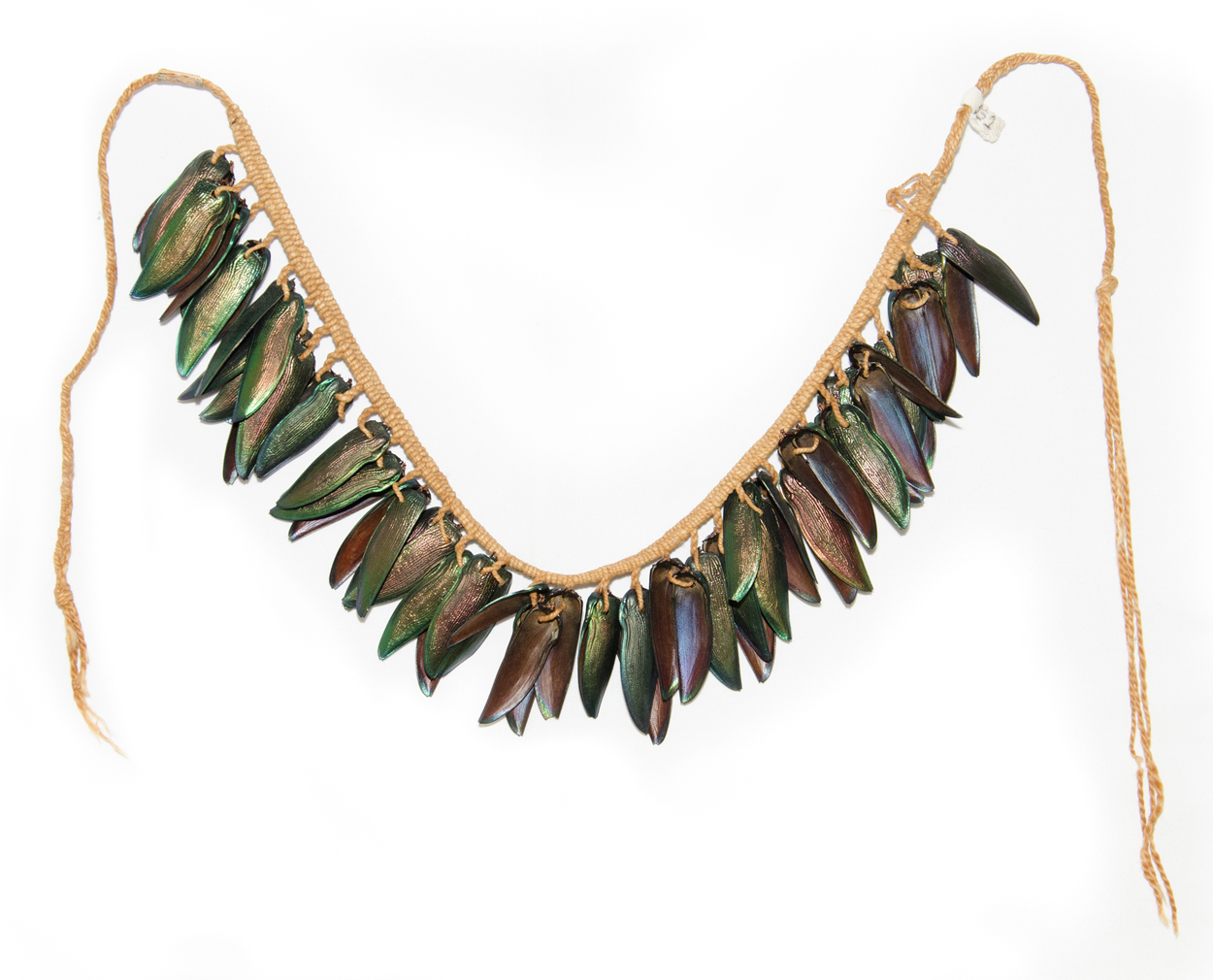
The object shown in Figure 5, a “necklace of beetle wings from the Uaupés Indians”—who lived in a region that is currently home to more than 15 ethnic groups—provides a good illustration of how present-day indigenous knowledge can improve our existing information about objects collected in previous eras. This object is one of the oldest I photographed in the National Museum during my PhD research. Its inventory number was 532—far distant from the number 19,584 that registered the adornment collected by Nimuendajú or the number 40,173 assigned to the woven basket collected by Ribeiro. This object was probably part of the first set of artifacts deposited at the National Museum, around the time of its inauguration in the year 1818. It might have been an heirloom from a collector's cabinet, a gift received by the royal family, or even part of the spoils of a war campaign from the Upper Rio Negro. The records of this object lacked any collector identification, given that there was no acquisition or purchasing information—which greatly restricts the possibilities for discovering further findings in relation to documental archives, even if we still had access to the documentation held by the National Museum's Memory and Archive Section (SEMEAR), where documents related to these collections and others had been located before the fire.
“Collar de eleytros dos índios do Uaupés.” National Museum Collection no. 532. Collector not identified (photograph by the author). (Color online)
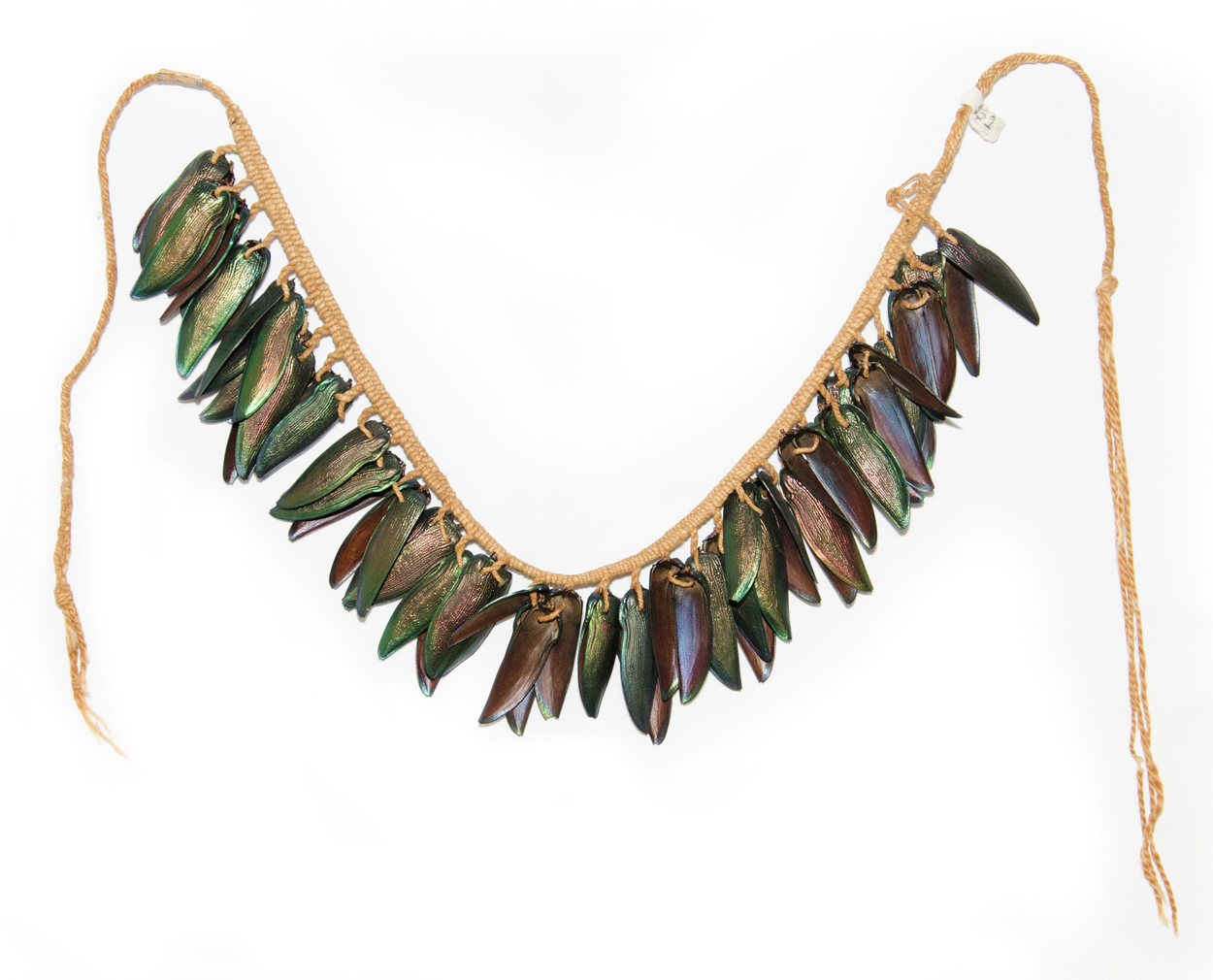
Nonetheless, we can obtain some data through a morphological-comparative analysis carried out in partnership with indigenous interlocutors. In this case, the weaving technique used to make the string, together with the way in which the beetle wings are tied to the piece, can be studied in detail. These techniques are akin to those used to make the ankle rattles worn in ritual festivities all over the Rio Negro and known to the Baniwa by the name wadzaapa.
This similarity prompts a question: Was this object an ornament, as indicated in the inventory book, or rather some kind of percussion instrument, as its design suggests? In addition to the use of a fabrication technique characteristic of the ankle rattles, the fact that the beetle wings produce a high-pitched rattling sound when they are percussed also hinted at such a possibility.
This hypothesis, based on the morphology of the object, was later confirmed by an elderly Tuyuka expert. During a workshop on Upper Rio Negro objects held at the Ethnological Museum of Berlin in October 2018, this man, Guiré Tenorio, described a similar artifact from the Berlin collection midway between the two descriptions of this kind of object we possessed at that moment. The artifact is an ornament, as the inventory book stated. But it does not adorn a human body. Instead it is employed to adorn a flute usually made out of deer or jaguar bones. When the beetle wing ornament is attached to the cylindrical flute, the ceremonial performer can operate the assembly as a rattle, as our morphological analyses had suggested.
The Baniwa also mentioned that the beetle wings that hung from the braided strings forming the structure of this artifact belonged to species not found in the URN region. According to them, these insects were native to the Rio Branco, one of the most southern tributaries of the Rio Negro, whose mouth lies between the municipalities of Barcelos and Manaus, near the village of Moura, an important regional trading post during the colonial period. The Rio Branco, a river that rises in the Brazilian state of Roraima near the Venezuelan border, was an important trade route between the multiethnic systems of the Rio Negro and the Guiana Shield, inhabited by peoples like the Macuxi, Wapixana, and Yekuana. According to reports from the colonial era, some objects important in interethnic trade arrived from there, such as firearms and dogs coming from Guyana (see Koch-Grünberg Reference Koch-Grünberg2005 [1909]:233). These commodities had probably traveled via the networks already formed by the existing trade routes between the two regions, through which artifacts and raw materials, such as the beetles' wings shown in Figure 5, had passed, according to the research on their provenance.
If the analysis of a simple object opens up so many research possibilities, we can only speculate about the potential of the approximately 1,200 artifacts collected from the Upper Rio Negro region and formerly stored at the National Museum. A lifetime's work. We can also imagine what we might have learned from collaboratively analyzing the material composition of these objects: more than 100 of plant origin, about 40 of animal origin, and so many others of mineral origin (see Costa Oliveira Reference Costa Oliveira2015:255).
It is somewhat dizzying to extend this reasoning to all the materials and techniques we will no longer know or analyze, present in thousands of pieces that can no longer be studied. If one of the indelible characteristics of the past is to possess lacunae, the loss of the collections of the National Museum is equivalent to the sudden creation of huge chasms where we once had promising clues for a more comprehensive understanding of the history, sociology, and ecology related to the objects. An incalculable setback.
The Aftermath
It is hard to find a non-melancholic tone to conclude this text. Perhaps the only way to do so is to highlight the work still to be done. It is clear that, given the new ways of collecting, archiving, producing, and reproducing knowledge, what will rise up from the ashes of the National Museum will not be another collection of 20 million physical items. Something different has to be constituted after the fire. Instead we must explore the possibilities for digitally connecting world natural history collections, which means creating and adopting international standards for digital data structuring. Countless materials exist that have been digitized by researchers who have worked with the National Museum collections. These can be cross-referenced with other sets of information present in publications and in primary sources from other collections. There are also collections held by other institutions, obtained in similar circumstances—perhaps by the same researchers or that resulted from exchanges between our museums—which can help us fill the gaps opened after the losses of that Sunday. This material could all be stored in a virtual database to be created for this express purpose.
Such an approach does not mean ceasing to compile new physical collections. On the contrary, they will remain the soul of our institutions. But it does mean envisioning natural history museums as a broader community. Undoubtedly, this is one thing that became clear from this calamity. Given the scale of the losses, we could say without fear of exaggeration that they were experienced by the whole of humanity. In this sense, we need to collectively consider the challenges of exploring and preserving natural history collections. How can we ensure, for example, that the so-called Global South maintains the minimal conditions needed to preserve and research the collections in their possession? The answers range from the promotion of the conservation industry linked to the production of knowledge and the preservation of natural and cultural specimens, to technology transfer processes and special customs policies to foster the use of the best conservation materials available. None of this can be done without a huge collective effort.
If we accept that the devastation caused by the fire is inescapable, we must also remember that defeat and destruction inevitably also present us with the possibility of starting over and being creative. The history of Jurupari, cited in the opening to this text, perhaps provides a way to explain the kind of creativity I have in mind.
The narrative tells us that, after being burned in the fire by men, the hero's body reappeared transformed. From the ashes, a palm tree sprouted and grew upward, uniting heaven and earth. Felled, its trunk cut into sections of different sizes, the palm was transformed into Upper Rio Negro ceremonial flutes—the famous Jurupari instruments still found in the region today. The power of the hero's body was then turned into new powerful beings, about 20 pairs of flutes named after mythical animals. The animal flutes were then taken from men by the primordial women and carried away in the four cardinal directions, generating a new cycle of expansion and creation of the world.
Allegories such as the Jurupari theme frequently offer up vivid and powerful images that wordy sociological treatises cannot match. Perhaps, like the primordial Baniwa beings, the enormous potential of the museum collections could never be completely destroyed, not even by fire. Less than an esoteric way to apportion blame—given that a museum does not burn in just four hours without a confluence between authorities with a predatory national project, scientists unqualified for public management, and a broad disconnection between civil society and knowledge production in the country—this allegory can help us formulate an image that allows us to persevere in the face of the incomprehensible.
In this sense, one aspect of the history can be highlighted: the potential to let other groups appropriate previously constituted powers and transform them. Brazilian university institutions are themselves undergoing processes of change. In the Graduate Program in Social Anthropology within the National Museum, for example, 25% of graduate students have entered through affirmative actions that, over the past 10 years, have broadened access to university courses for Afro-descendants and indigenous people. We find ourselves, therefore, living in a moment when representatives of indigenous and other excluded communities can help reconstruct the museum as scientists; that is, crossing the divide that previously separated indigenous communities and researchers. This is no small thing considering the recent history of democracy in Brazil. And it is no accident that some of these students come from the Rio Negro, because, as we have seen, we have a long history of interactions to honor with them. We must place our greatest hopes in the relations that enabled us to build up the collections of the National Museum before their destruction. These relations still persist, and the maintenance of these engagements, on new creative bases, will allow us to build new collections that will develop into new chapters of a history that has been unfolding over the 200 years of the existence of the museum, helping us fill the empty halls that survived the fire. This tragedy offers us such a possibility.
Acknowledgments
I want to thank the agencies that have fostered the research on which this article was based. First of all, the Coordenação de Aperfeiçoamento de Pessoal de Nível Superior (CAPES), to which I was linked by a PNPD research grant from May 2015 until September 2019. I also thank CAPES and the Alexander von Humboldt Foundation for my current postdoctoral fellowship at the Ethnologisches Museum–Staatliche Museen zu Berlin. I also acknowledge the reviewers, editors, and colleagues who read the multiple versions of this manuscript, especially my colleagues and friends Andrea Scholz, who reminded me of the Guiré story recounted earlier, and Carlos Fausto for the first reading of this article. Many thanks also to the colleagues from the Smithsonian to whom I presented these ideas during a brief visit to Washington, DC, in March 2019, and to the research program sponsored by the U.S. State Department, the U.S. Embassy in Brazil, and the Brazil-U.S. Fulbright Commission that invited me to this research stay. Thanks Joshua Bell and Igor Kropinik for the warm welcome. In Washington, DC, while at the National Museum of Natural History, I engaged in stimulating conversations on the topic discussed here, the conclusions of which have been incorporated into this text (especially, the section titled “Aftermath”). I also thank Emi Ireland, Phil Tajitsu Nash, and David Rodgers for their revisions of the progressive versions of the English text. Any inaccuracies and mistakes are, of course, my own responsibility.
Data Availability Statement
The fieldwork was carried out in 11 months, between 2011 and 2014. Later, collaborative research on the URN ethnographic collections was conducted at the Berlin Ethnological Museum in September 2018. The artifacts presented in this paper were consumed by the fire of the National Museum of the Federal University of Rio de Janeiro in 2018. I had photographed some of these artifacts and copied part of the inventory books, keeping them among my private research files. I had also provided copies of this material to the curators of the ethnographic collections of the National Museum at the time of my research. They should be accessible consulting the Ethnology and Ethnography Section (SEE) of the museum. A large digital archive of and on Nimuendajú's work can be found online at the Biblioteca Curt Nimuendaju (http://www.etnolinguistica.org). The site contains a digitized version of Nimuendajú's (Reference Nimuendajú1980) map. Printed versions of this map can also be found at the Brazilian Institute of Geography and Statistics, the Goeldi Museum in Belém/Pará, and other research institutions. The hand-drawn original was lost in the September 2018 fire.