


Introduction
The recently published National Institute for Health and Care Excellence (NICE) guidelines for harmful gambling recommend group cognitive behavioural therapy as an effective treatment (NICE, 2025). This reflects the promising evidence base for the use of cognitive behavioural therapy (CBT) for the treatment of harmful gambling. CBT has been found to significantly improve gambling severity (Pfund et al., Reference Pfund, Forman, Whalen, Zech, Ginley, Peter, McAfee and Whelan2023) and to be effective in both group (Ede et al., Reference Ede, Omeje, Ncheke, Agah, Chinweuba and Amoke2020; Harris and Mazmanian, Reference Harris and Mazmanian2016; McIntosh et al., Reference McIntosh, Crino and O’Neill2016) and individual formats (Myrseth et al., Reference Myrseth, Molde, Støylen, Johnsen, Holsten and Pallesen2011; Thomas et al., Reference Thomas, Jackson, Browning, Feldman, Radermacher, Enticott, Anderson, Godbee, Adamopoulos and Merkouris2015).
Evidence of improvements include the severity of gambling problems as rated by diagnostic criteria; reduced money spent on gambling; lower frequency of gambling and less time spent gambling (Carlbring et al., Reference Carlbring, Jonsson, Josephson and Forsberg2010; Dowling et al., Reference Dowling, Smith and Thomas2007, McIntosh et al., Reference McIntosh, Crino and O’Neill2016). In terms of understanding the effective elements of treatment, one meta-analysis indicated that CBT is effective in reducing gambling cognitions and increasing coping and self-efficacy (Free et al., Reference Free, Smith, Ginley, Whelan and Pfund2024). Studies also indicate that CBT is effective in reducing the illusion of control (Larimer et al., Reference Larimer, Neighbors, Lostutter, Whiteside, Cronce, Kaysen and Walker2012); reducing gambling urges and increasing self-efficacy (Ladouceur et al., Reference Ladouceur, Sylvain, Boutin, Lachance, Doucet, Leblond and Jacques2001; Marceaux and Melville, Reference Marceaux and Melville2011). In terms of secondary outcomes, CBT has been effective in reducing symptoms of anxiety and depression (Nilsson et al., Reference Nilsson, Magnusson, Carlbring, Andersson and Hellner2020) and improving quality of life (Oei et al., Reference Oei, Raylu and Lai2018), although not in all studies (Casey et al., Reference Casey, Oei, Raylu, Horrigan, Day, Ireland and Clough2017). Whilst other approaches evidence similar efficacy to CBT (e.g. Carlbring et al., Reference Carlbring, Jonsson, Josephson and Forsberg2010; Marceaux and Melville, Reference Marceaux and Melville2011), the most common techniques described in the literature for gambling harms are relapse prevention (60.2%), cognitive restructuring (52.3%), behavioural substitution (44.3%), and stimulus control (37.5%), which are theoretically driven by CBT (Rodda et al., Reference Rodda, Merkouris, Abraham, Hodgins, Cowlishaw and Dowling2018). It has been suggested that an effective treatment dose is 6–8 sessions, whilst acknowledging high drop-out rates (Pfund et al., Reference Pfund, Peter, Whelan, Meyers, Ginley and Relyea2020).
Although CBT is evidently effective for the treatment of harmful gambling, there is a scarcity of high-quality evidence that demonstrates that it is more effective than other therapies; nor can most studies identify the effective mechanisms of change. One difficulty with the current evidence base is that the efficacy of treatment is measured inconsistently, which makes it difficult to draw meaningful comparisons. A review by Pickering et al. (Reference Pickering, Keen, Entwistle and Blaszczynski2018) identified 62 different outcome measures across 34 studies investigating outcomes for the treatment of gambling addiction. Most included time spent gambling or the number of times they gambled, the amount of money spent on gambling, and a measure of psychological functioning via self-report questionnaires or DSM criteria. Only a third of studies provided an operational definition of recovery. Pickering et al. (Reference Pickering, Keen, Entwistle and Blaszczynski2018) state that where the definition of recovery had been explained, it was usually related to abstaining from gambling or no longer meeting the DSM criteria. Only two of the 34 studies measured patient treatment goals as outcome measures, which highlights a lack of research into what is important for treatment participants. In a later qualitative study, most of a sample of 32 participants who had sought help for gambling harm reported that abstinence from gambling is essential to recovery (Pickering et al., Reference Pickering, Spoelma, Dawyczyk, Gainsbury and Blaszczynski2020).
While randomised controlled trials signify good quality research, the conditions of many of these studies limit the ecological validity of the results. For example, where participants were excluded from trials if they were experiencing suicidal ideation (Smith et al., Reference Smith, Battersby, Harvey, Pols and Ladouceur2015) or had a recent or current substance use disorder (Grant and Chamberlain, Reference Grant and Chamberlain2020). This is particularly problematic in practice because gambling disorder (as described in the DSM; American Psychiatric Association, 2013) is known to be co-morbid with suicidal ideation/previous suicidal attempts (Petry and Kiluk, Reference Petry and Kiluk2002) and has high co-morbidity with other substance misuse difficulties (Grant and Chamberlain, Reference Grant and Chamberlain2015). There are reciprocal relationships between gambling harms and mental health conditions whereby gambling harm can precede a deterioration in mental health as well as existing mental health diagnoses being a predictor of experiencing significant gambling harm (Sharma and Weinstein, Reference Sharma and Weinstein2025). Furthermore, whilst randomised control trials allow policy makers to see what treatment works best on average, they do not provide detailed analysis of the impact of treatment on help-seeking individuals (Morley, Reference Morley2018). Help-seeking is low among individuals experiencing gambling harm, with estimates of one in 25 at moderate risk gamblers seeking help and one in five disordered gamblers seeking help (Bijker et al., Reference Bijker, Booth, Merkouris, Dowling and Rodda2022). There is also evidence of high drop-out rates in this population (Pfund et al., Reference Pfund, Peter, McAfee, Ginley, Whelan and Meyers2021). Of those that accessed therapy in the National Gambling Treatment Service, 28.3% dropped out before treatment is due to end (GambleAware, 2025). This highlights that only a small proportion of individuals experiencing gambling harm receive an effective treatment in practice. As studies often only report outcomes for participants who have completed treatment, a considerable proportion of people who are harmed by gambling are not represented in the evidence base.
This study offers a novel approach to evaluating treatment outcomes for individuals experiencing gambling harm. We aimed to address the limitations of existing literature through use of a single-case methodology that would include: a representative sample of treatment seekers; identification of what treatment goals are important to participants; measurement of progress towards them; and opportunity to evaluate the process of and mechanisms of change. This could add value to the evidence base through developing a clearer picture of what aspects of recovery are important to treatment seekers, and whether and how group CBT facilitates this recovery.
Method
Treatment
The Northern Gambling Service (NGS) is a specialist gambling addiction service offering treatment to people living in the north of England. The service receives approximately 1400 referrals per year, the majority of which are self-referrals. The treatment pathway begins with an assessment of gambling harms. Some service users then participate in motivational interviewing sessions (influenced by Miller and Rollnick, Reference Miller and Rollnick2013) and/or a ‘network session’ (influenced by Social Behaviour and Network Therapy; Copello et al., Reference Copello, Orford, Hodgson, Tober and Barrett2002.) This is followed by attendance at the CBT group for gambling harm, in line with NICE guidance. In a minority of cases, service users are offered the same CBT intervention 1:1 with a therapist, due to for example, language barriers or self-reported anxiety about groups.
Study participants attended an online 9-week CBT group, led by a psychologist or CBT therapist. This began with an introduction by a peer mentor with lived experience of gambling harms. This was followed by sessions that firstly focused on behavioural intervention. Participants were introduced to stimulus control methods, such as gambling self-exclusion schemes, and other methods intended to break habitual cycles. Gambling was described as a conditioned behaviour and participants were encouraged to track non-gambling behaviours and introduce rewards for these. Alternative pleasant activities were encouraged to promote opportunity for other forms of positive reinforcement. Cognitive methods, introduced later, included strategies to reduce and challenge urges through distraction, relaxation, mindfulness and urge-surfing. Participants were then supported to identify and challenge gambling-related cognitions, such as the likelihood of winning and beliefs about control. Participants identified triggers to gambling and developed strategies to manage these through functional analysis and problem solving. Relapse prevention approaches focused on understanding and normalising the cycle of behaviour change and developing crisis plans for lapses and relapses.
Recruitment
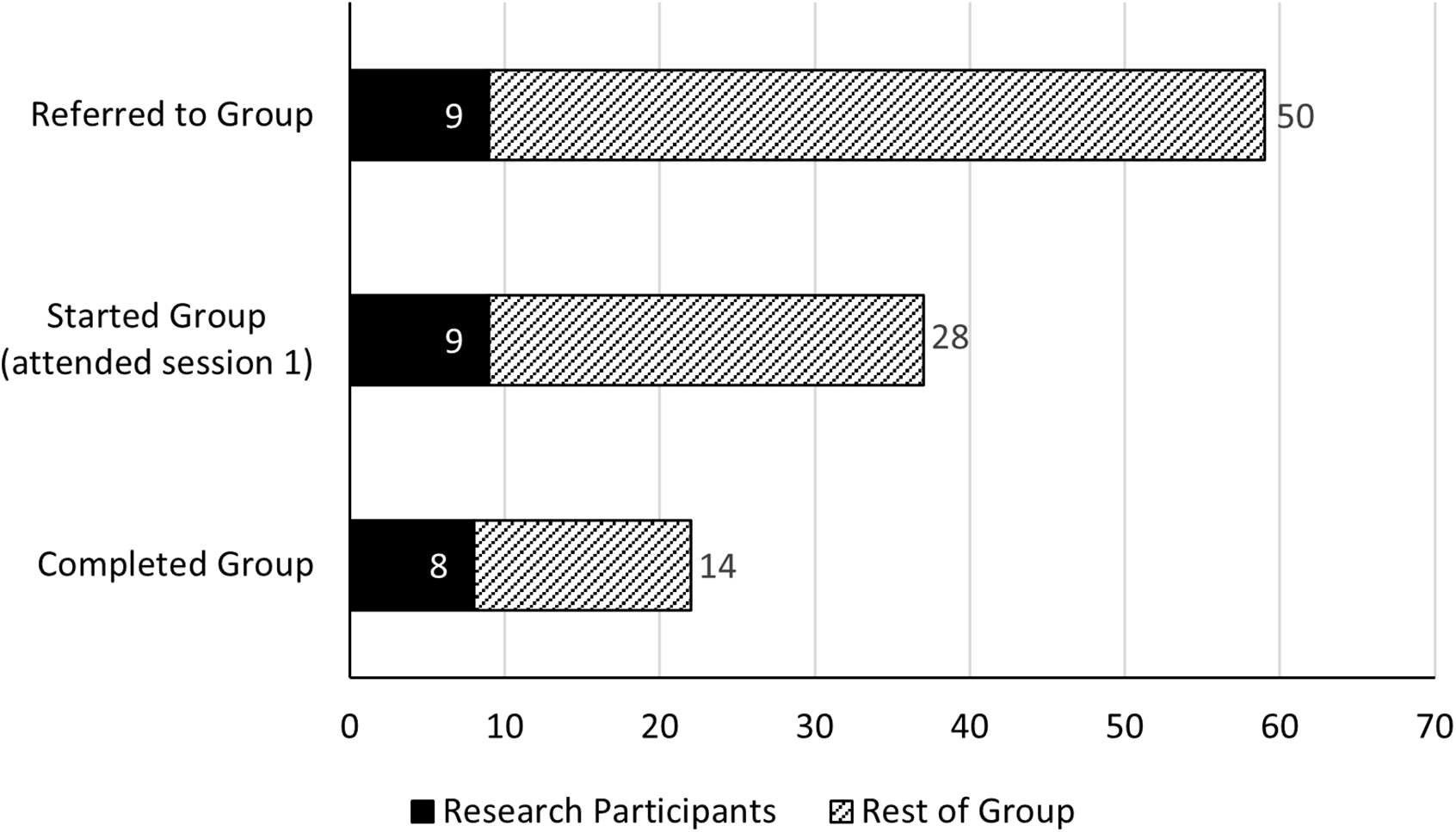
Participants were recruited from those referred to the CBT group during the study. Inclusion criteria were broad, therefore no-one due to commence the group was excluded. Those eligible for the group treatment were considered to have the necessary language and cognitive skills to provide informed consent. Clinicians were provided with information so that they could introduce the study to service users referred to the CBT group. Those who expressed interest in the study were provided with an information sheet detailing full details of the study before providing consent. See Fig. 1 for details of the recruitment process. Clinicians were asked to offer study participation to everyone referred to the group, therefore 33 people not being invited was unexpected. Unfortunately, no information was collected about reasons for not discussing the study with service users.
Flow chart of the recruitment process.

Procedure
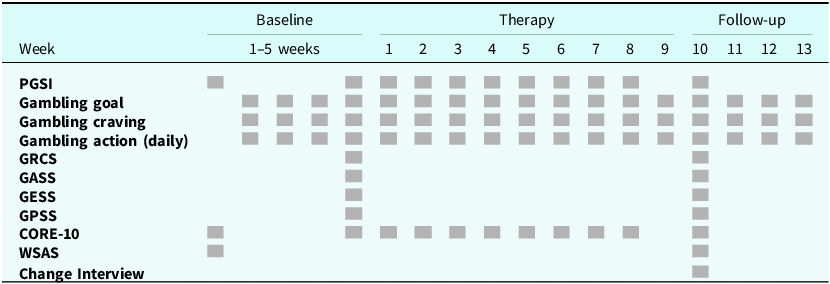
Outcome measure questionnaires were distributed digitally, and participants completed these independently. See Table 1 for the measurement schedule. The baseline length varied across participants due to uncontrollable time scales between assessment and starting a CBT group. The NGS commenced a CBT group once per month and so baseline length could vary between 1 day and 4 weeks. The treatment phase (i.e. group attendance) was 9 weeks and the follow-up phase was a minimum of 4 weeks. Participants were asked to complete the measures independently and outside of the group.
Measurement schedule

Table 1. Long description
A table outlining a measurement schedule for a study with baseline, therapy, and follow-up phases. The table has 13 columns and 8 rows. The columns are labeled as follows: Baseline (1-5 weeks), Therapy (weeks 1 to 9), and Follow-up (weeks 10 to 13). The rows are labeled with different measures: PGSI, Gambling goal, Gambling craving, Gambling action (daily), GRCS, GASS, GESS, GPSS, CORE-10, WSAS, and Change Interview. Each row indicates the weeks during which each measure is taken. The table does not provide specific values or trends but outlines the schedule for when each measure is to be completed.
Measures
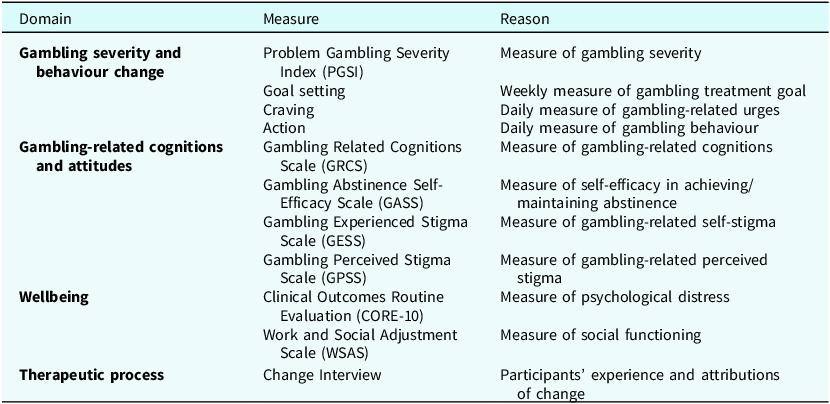
In line with the aim to measure change that was meaningful to participants and to explore potential mechanisms of change, a range of idiographic and standardised measures were used (see Table 2).
Measures and rationale

Table 2. Long description
A table with four columns and eleven rows. The columns are labeled Domain, Measure, and Reason. The table compares various measures used to assess different domains related to gambling and wellbeing. Row 1: Gambling severity and behaviour change, Problem Gambling Severity Index (PGSI), Measure of gambling severity. Row 2: Gambling severity and behaviour change, Goal setting, Weekly measure of gambling treatment goal. Row 3: Gambling severity and behaviour change, Craving, Daily measure of gambling-related urges. Row 4: Gambling severity and behaviour change, Action, Daily measure of gambling behaviour. Row 5: Gambling-related cognitions and attitudes, Gambling Related Cognitions Scale (GRCS), Measure of gambling-related cognitions. Row 6: Gambling-related cognitions and attitudes, Gambling Abstinence Self-Efficacy Scale (GASS), Measure of self-efficacy in achieving/maintaining abstinence. Row 7: Gambling-related cognitions and attitudes, Gambling Experienced Stigma Scale (GESS), Measure of gambling-related self-stigma. Row 8: Gambling-related cognitions and attitudes, Gambling Perceived Stigma Scale (GPSS), Measure of gambling-related perceived stigma. Row 9: Wellbeing, Clinical Outcomes Routine Evaluation (CORE-10), Measure of psychological distress. Row 10: Wellbeing, Work and Social Adjustment Scale (WSAS), Measure of social functioning. Row 11: Therapeutic process, Change Interview, Participants experience and attributions of change.
Treatment goals
A measure of progress in relation to individuals’ goals was completed weekly. Prior to and during treatment, participants were asked, ‘In relation to your gambling, what do you want to achieve from the programme?’, with response via a free text box. A prompt indicated that this goal could change over treatment and that they may have already achieved it. Participants were asked to rate how confident and how close they felt to achieving this goal on a scale from 0 (not at all), to 10 (completely confident/achieved). In the follow-up phase, the wording was, ‘In relation to your gambling, what do you want to achieve in your recovery?’. This measure was sent on the day after the group, which for consistency was maintained during baseline and follow-up phases.
Gambling severity and behaviour change
Problem Gambling Severity Index (PGSI; Holtgraves, Reference Holtgraves2008)
The PGSI is a brief, 9-item, self-reported measure of the presence and severity of symptoms of gambling addiction in a 12-month period. This measure was designed as a screening tool, but has frequently been used in research as an outcome measure. A score of 0–2 indicates low risk of harm; scores of 3–7 indicate a moderate risk; and scores greater than 8 (up to the maximum of 24) indicates that the person has experienced adverse effects of gambling and possible loss of control. The reliable change index criterion (RCI) for this measure is 7 and clinically significant improvement is indicated by a post-treatment score of 7 or below (see Table S1 in the Supplementary material for details of all reported RCI values).
Gambling urges and behaviour
To monitor gambling behaviour a short, daily survey was created that asked participants to rate the extent of their urge to gamble (on a scale of 0–10) with a yes/no question that asked whether they had gambled within the past 24 hours.
Gambling-related cognitions and attitudes
It was hypothesised that attending the CBT group would lead to change in attitudes, so the following gambling-related cognitive measures were administered. Measures of stigma were included following consultation with previous treatment completers who identified improvements in self-stigma as an important outcome in their experience of treatment.
Gambling Related Cognition Scale (Raylu and Oei, Reference Oei, Raylu and Lai2004)
This measures participants’ endorsement of distortions related to gambling, including illusion of control, interpretative bias, predictive control, gambling-related expectancies and perceived inability to stop gambling. Respondents are asked to indicate the extent to which they agree with 23 cognitions using a 7-point Likert scale. A higher total score indicates a higher endorsement of gambling-related cognitions and the reliable change index for this measure is 16.36.
Gambling Abstinence Self-Efficacy Scale (Hodgins et al., Reference Rodda, Merkouris, Abraham, Hodgins, Cowlishaw and Dowling2004)
This measures self-efficacy in relation to maintaining abstinence across situations. Respondents are asked to rate how confident they feel in abstaining in each of 21 situations on a scale of 0–5 where 0 is ‘not at all confident’ and 5 is ‘extremely confident’. The reliable change index is 17.5 and clinically significant improvements are indicated by post-treatment scores above 57.1.
Gambling Experienced Stigma Scale (GESS; Donaldson et al., Reference Donaldson, Langham, Best and Browne2015)
This is a measure of self-stigma in relation to gambling, where respondents rate 18 items on a 4-point Likert scale. The GESS is a uni-dimensional scale where a higher total score indicates greater endorsement of stigmatised views towards themselves and the reliable change index criterion for this measure is 7.92.
Gambling Perceived Stigma Scale (GPSS; Donaldson et al., Reference Donaldson, Langham, Best and Browne2015)
This measures how people who gamble think they are perceived by others, by rating 36 items on a 4-point Likert scale. The measure consists of two subscales. The Ostracism subscale is concerned with the view that others would avoid and distrust a gambler. The Contempt subscale relates to the view that others would make negative judgement of the personal or psychological deficits of a gambler. High scores on this measure indicate a greater perception of stigmatised views towards gamblers. The reliable change index criteria for subscales on this measure are Ostracism = 4.10 and Contempt = 4.61.
Wellbeing
Clinical Outcomes in Routine Evaluation-10 (CORE-10; Barkham et al., Reference Barkham, Bewick, Mullin, Gilbody, Connell, Cahill, Mellor-Clark, Richards, Unsworth and Evans2013)
The CORE-10 measures psychological distress. Scores of 10 or below are subclinical and scores greater than 25 indicate severe psychological distress. The reliable change index is 6 and clinically significant change is indicated by a post-treatment score of 10 or below.
Work and Social Adjustment Scale (WSAS, Mundt et al., Reference Mundt, Marks, Shear and Greist2002)
The WSAS rates functional impairment. Scores less than 10 indicate low impairment and scores greater than 20 indicate severe impairment. The reliable change index criterion for this measure is 8 and the clinically significant change criterion is 9.
Perceptions of change
Change Interview (Elliott, Reference Elliott1999)
This is a structured interview used to obtain participants’ observation of changes and how these have occurred. This allows for reflection on the process of change and enables the exploration of non-therapeutic reasons for change. In the interview, participants were shown their questionnaire data and invited to comment on reasons for any change in scores. Change Interviews were conducted individually with participants following their final treatment session.
Ethical considerations
Participants provided fully informed consent for the study and write-up. They were made aware that they could end involvement in the study at any time without impacting their treatment. Daily and weekly questionnaires had the potential to be burdensome, so measures were designed to be brief and efficient and service-users were consulted to help select the measures. This consultation also indicated that that rewards or payment for research participation could be a potential trigger for further engagement with gambling products, so this was not offered.
NHS ethical approval was sought. London Riverside Research Ethics Committee approved this study (REF: 22/PR/0962). The authors have abided by the Ethical Principles of Psychologists and Code of Conduct as set out by the BABCP and BPS.
Analysis
For standardised measures, pre- and post-intervention score changes were analysed using the reliable change index (RCI; Jacobson and Truax, Reference Jacobson and Truax1991) and clinically significant criteria (CSC). The cut-offs used are presented in the Supplementary material (see Table S1).
Data were plotted on x–y plots for all measures. For weekly and daily ratings of gambling urges, behaviours and gambling goals, change was assessed through visual analysis. The displays were developed in accordance with guidance from Morley (Reference Morley2018), and are included in the Results section for transparency. The phases of the study (baseline, treatment and follow-up) are indicated by markers. Visual analysis focused on observing any trends and changes over time, particularly noting whether changes occurred across the CBT group sessions.
Data from the Change Interviews were not rich enough to conduct a thematic analysis. Therefore, qualitative data from Change Interviews were analysed by reviewing the interview audio recordings for each participant before noting salient points relevant to the following questions:
-
• What changes were observed?
-
• What did the participant attribute change to?
-
• What did the participant find useful/unhelpful in the CBT group?
-
• What explanations did participants give in response to seeing their outcome data?
Results
Participant characteristics
Participants consented to referral information, including demographic information and gambling severity, being used for the purposes of this study. There were two female and six male participants, aged between 32 and 59 years. One participant gambled online, three in betting premises and four a combination of both. Five participants gambled on slots and gaming machines, four participants gambled on sports, and one participant gambled on horse racing. National figures from the National Gambling Treatment Service (NGTS) report those seeking help are most commonly gambling online (72.4%), and the most common types of gambling are online slots (46%) and online sports (15.3%; GambleAware, 2025). Gambling severity indicated by the DSM criteria for gambling disorder (DSM-5; American Psychological Association, 2013) indicated that six participants were classed as severe, with one participant rated moderate and one participant rated mild. Data for treatment completers at the NGTS shows that 87.5% are classed as severe at referral (GambleAware, 2025). The average length of time gambling was 24 years, and participants had debts ranging from £0 to £20,000. Four participants had self-exclusion measures in place, three had partial measures, and one participant had no form of self-exclusion in place. Six had attended treatment previously (third sector = 4, NGS = 2). Unexpectedly, four participants were abstinent at entry to the service and four participants were engaged in gambling.
Participants rated their levels of motivation at referral and all eight rated 10/10 for how important it is to change and how much better their life would be if they changed. In terms of how ready they felt to change, all rated 10/10 except one participant with a rating of 8/10. Ratings of how confident participants were in their ability to change showed greater variation (6–10).
Across the sample, the period between consenting to take part in the study and the start of the CBT group (i.e. the length of the baseline) ranged from 1 to 35 days (mean = 11.25). Follow-up lengths ranged from 2 to 5 weeks (mean = 4). Three participants attended all treatment sessions. Two participants missed the session on challenging gambling thinking, two participants missed the session covering lapses, and one participant missed the session covering stimulus control and decisional balance.
The research sample appeared particularly engaged in treatment at the NGS, as there was a lower rate of drop-out for participants in comparison with service users not enrolled in the study (see Fig. 2). Eight of the nine people recruited to the study completed the group, where NGTS figures report 28.3% drop-out from treatment (GambleAware, 2025).
Proportion of group referrals, starters and completers for research participants and the rest of the group members.

Participants completed daily measures at a rate of between 69 and 98% (mean = 87%) and weekly measures at a rate of 64–100% (mean = 82%). Six of the eight participants completed the change interview.
Treatment goals
Participants’ goals all referenced abstinence from gambling, with three participants using the same wording in each weekly entry. This theme of abstinence was consistent throughout each phase, meaning there were no observable shifts in goals across the study period. Participants described abstinence using various terms, e.g. P1 ‘gambling free’, P6 ‘quit gambling’, and P5 ‘stop gambling completely’.
Treatment outcomes
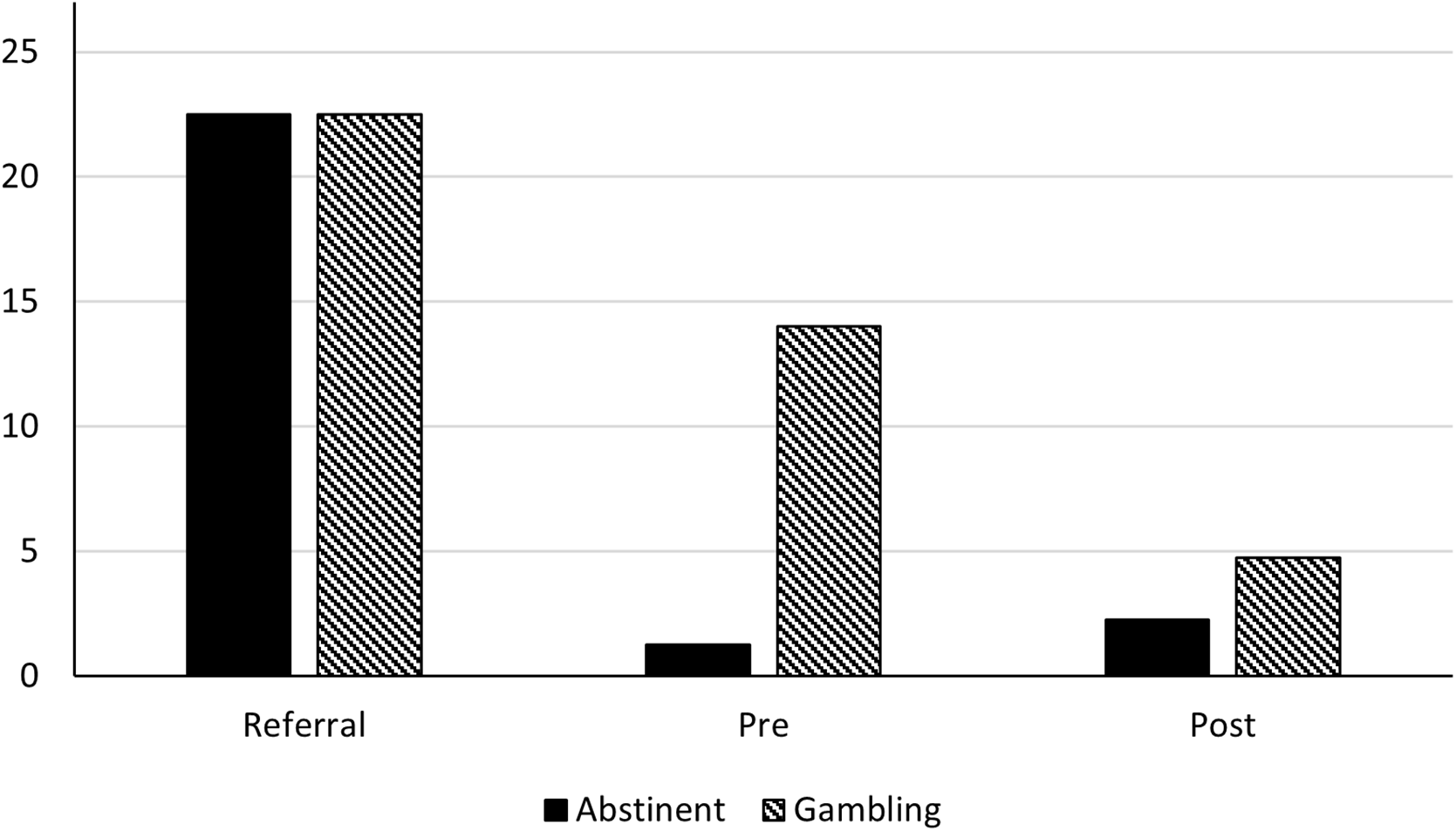
Results will be presented for gambling outcomes, including behavioural and cognitive measures, followed by wellbeing outcomes and Change Interview results. Relevant information from Change Interview data will be provided alongside quantitative data. In line with a single-case experimental design, the intention behind this methodology is to develop rich information to help explain therapeutic change for each participant. Due to the observation that half of the sample were already abstinent, average PGSI results are displayed to highlight the context of treatment as abstinence maintenance or gambling recovery (Fig. 3). This was considered relevant given that the CBT programme assumed that all participants are actively gambling and/or are experiencing urges. Participants 1–4 are abstinent and participants 5–8 were gambling pre-treatment.
Average PGSI scores for gambling and abstinent groups.

Gambling outcomes
Gambling severity and behaviour change
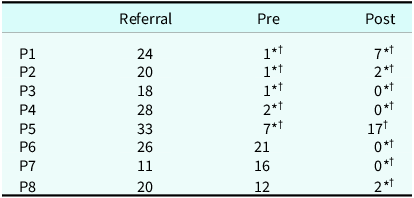
All participants had PGSI scores at referral that were considerably higher than the threshold of 8, which indicates adverse consequences of gambling and possible loss of control. Reliable improvements in gambling severity as measured by the PGSI were achieved prior to the CBT group for six of the eight participants (see Table 3). Expressed as averages, participants who were abstinent had high scores at referral, but low pre-treatment scores that increased slightly post-treatment; participants who were gambling at referral had scores that decreased pre-treatment and reduced further post-treatment (Fig. 3). All participants had a reduction in gambling severity from referral to post-treatment as measured by the PGSI.
PGSI scores

Table 3. Long description
A table with three columns labeled Referral, Pre, and Post, and eight rows labeled P1 to P8. The table shows PGSI scores for participants at different stages. Row 1: P1, Referral 24, Pre 1, Post 7. Row 2: P2, Referral 20, Pre 1, Post 2. Row 3: P3, Referral 18, Pre 1, Post 0. Row 4: P4, Referral 28, Pre 2, Post 0. Row 5: P5, Referral 33, Pre 7, Post 17. Row 6: P6, Referral 26, Pre 21, Post 0. Row 7: P7, Referral 11, Pre 16, Post 0. Row 8: P8, Referral 20, Pre 12, Post 2.
*Reliable improvement compared with referral; †clinical improvement compared with referral.
Gambling urges and behaviour
Individual graphs demonstrating weekly goal achievement ratings (participants’ perception of their confidence in and closeness to achieving their treatment goals) are presented alongside their daily intensity ratings of urges and presence of gambling behaviour in Figs 4 and 5.
Gambling goal achievement and confidence in achieving goal alongside gambling urges and behaviours for participants abstinent pre-treatment P1 (upper left), P2 (upper right), P3 (lower left), P4 (lower right).

Gambling goal achievement and confidence in achieving goal alongside gambling urges and behaviours for participants gambling pre-treatment; P5 (upper left), P6 (upper right), P7 (lower left), P8 (lower right).

Figure 5. Long description
Panel A: A line graph shows weekly ratings of confidence and achieved goals over 14 weeks divided into baseline, treatment, and follow-up phases. The x-axis represents weeks and phases, while the y-axis represents the weekly rating. Confidence ratings increase steadily during the treatment phase and maintain during follow-up. Achieved goals also show an upward trend. Panel B: Another line graph depicts similar data for a different individual, with both confidence and achieved goals increasing during treatment and follow-up. Panel C: A scatter plot shows daily ratings of urge to gamble and whether gambling occurred in the last 24 hours over 17 weeks. The x-axis represents weeks and phases, and the y-axis represents daily ratings. Urge ratings fluctuate during the baseline phase and decrease during treatment and follow-up. Gambling occurrences are marked with crosses, which diminish during treatment. Panel D: A similar scatter plot for another individual shows a reduction in urge ratings and gambling occurrences during the treatment phase. Panel E: A line graph shows weekly ratings of confidence and achieved goals over 20 weeks for another individual. Both metrics improve during the treatment phase and are maintained during follow-up. Panel F: A scatter plot shows daily ratings of urge to gamble and gambling occurrences over 17 weeks for another individual. Urge ratings and gambling occurrences decrease during the treatment phase.
Participants who were abstinent at referral (see Fig. 4) overall had higher confidence in their ability to achieve abstinence and rated themselves closer to achieving abstinence, and this was mostly consistent across treatment phases. Urge ratings were also consistently low across the treatment phases and these four participants did not experience relapses in gambling behaviour during the follow-up phase. It was noted that although they had been abstinent throughout the study, most participants did not rate that they had fully achieved their goal of abstinence.
Participants who were gambling at referral (see Fig. 5) had greater fluctuations in their goal achievement ratings and intensity of urges, and these four participants all gambled at some point during treatment. Participants who were gambling during the baseline phase experienced a reduction in gambling urges during the CBT group and all achieved a period of abstinence of at least 5 weeks. It was observed that confidence in achieving recovery goals and closeness to achieving recovery goals were negatively correlated with intensity of gambling urges and episodes of gambling behaviour. Two of these participants experienced a gambling relapse during the follow-up period.
Gambling-related cognitions and attitudes
Gambling Related Cognition Scale
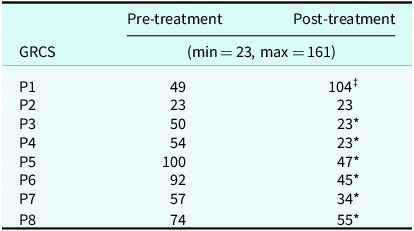
Baseline scores on the GCRS were high before treatment, including for those participants who were abstinent. Six of the eight participants showed reliable improvement in gambling-related cognitions (see Table 4). One participant made no change due to remaining at the minimum possible score pre- and post-treatment. One participant’s scores indicated a reliable deterioration in gambling-related cognitions, although this was not consistent with their other measures and information gathered during their change interview. The other three participants who were abstinent pre-treatment achieved the minimum score post-treatment indicating a complete lack of endorsement of gambling related cognitions.
Gambling-related cognitions scores

Table 4. Long description
The table presents pre-treatment and post-treatment scores on the GCRS for eight participants. It has 8 rows and 3 columns. The columns are labeled GRCS, Pre-treatment, and Post-treatment. The GRCS column lists participants P1 through P8. The Pre-treatment column shows scores ranging from 23 to 100. The Post-treatment column shows scores ranging from 23 to 104, with some scores marked with symbols. Row 1: P1, Pre-treatment: 49, Post-treatment: 104. Row 2: P2, Pre-treatment: 23, Post-treatment: 23. Row 3: P3, Pre-treatment: 50, Post-treatment: 23. Row 4: P4, Pre-treatment: 54, Post-treatment: 23. Row 5: P5, Pre-treatment: 100, Post-treatment: 47. Row 6: P6, Pre-treatment: 92, Post-treatment: 45. Row 7: P7, Pre-treatment: 57, Post-treatment: 34. Row 8: P8, Pre-treatment: 74, Post-treatment: 55.
*Reliable improvement; ‡reliable deterioration.
Gambling abstinence self-efficacy
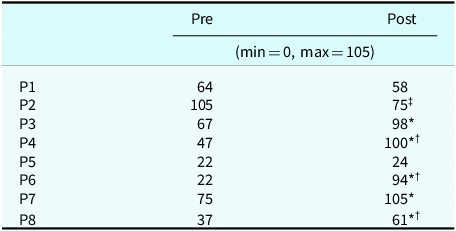
Five of the eight participants had improvements in abstinence self-efficacy post-treatment and all except one finished treatment with high levels of confidence in their ability to achieve or maintain abstinence (see Table 5). One abstinent participant’s scores indicated a reliable deterioration, indicating that after treatment they felt less confident in maintaining abstinence although this remained within a subclinical level. Given some relapses during the follow-up period, it appears that for some participants the improvement in self-efficacy was insufficient to effectively mitigate risk of relapse.
Gambling abstinence self-efficacy scores

Table 5. Long description
The table has two columns labeled Pre and Post, with scores ranging from 0 to 105. It includes data for eight participants labeled P1 to P8. Row-wise data: Row 1: P1, Pre: 64, Post: 58. Row 2: P2, Pre: 105, Post: 75. Row 3: P3, Pre: 67, Post: 98. Row 4: P4, Pre: 47, Post: 100. Row 5: P5, Pre: 22, Post: 24. Row 6: P6, Pre: 22, Post: 94. Row 7: P7, Pre: 75, Post: 105. Row 8: P8, Pre: 37, Post: 61. Some post-treatment scores have annotations like an upward arrow, a star, or both.
*Reliable improvement compared with baseline; ‡reliable deterioration compared with baseline; †clinical improvement compared with baseline.
Gambling Experienced Stigma Scale and Gambling Perceived Stigma Scale
In consideration of pre-treatment status as gambling or abstinent, it was noted that scores on these measures for both pre-treatment and post-treatment were lower on average for the participants who were abstinent than those who were gambling pre-treatment. Progress as measured by experience of and perception of stigma had mixed outcomes with most participants making no reliable improvements. On the measure of experienced stigma (GESS), two participants reliably improved and two participants reliably deteriorated. On the measure of perceived contempt (GPSS-C), two participants made reliable improvements post-treatment, and the remaining participants made no reliable changes. On the measure of perceived ostracism (GPSS-O), there were no reliable improvements whilst two participants’ scores deteriorated at a reliable level.
Wellbeing outcomes
Clinical Outcomes in Routine Evaluation-10 (CORE-10)
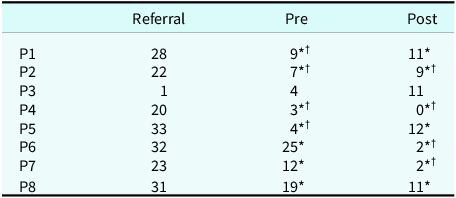
Seven of the eight participants had moderate to severe levels of psychological distress at referral. These participants made statistically significant improvements at pre-treatment which were maintained post-treatment (see Table 6). Post-treatment scores indicated that four of the eight participants were experiencing sub-clinical levels of distress. It is of note that P3’s scores increased; however, they explained during the Change Interview that this was due to work stress and not related to gambling.
CORE-10 scores

Table 6. Long description
A table with three columns labeled Referral, Pre, and Post, and eight rows labeled P1 to P8. The table shows the psychological distress scores of participants at different stages. Row 1: P1, Referral: 28, Pre: 9, Post: 11. Row 2: P2, Referral: 22, Pre: 7, Post: 9. Row 3: P3, Referral: 1, Pre: 4, Post: 11. Row 4: P4, Referral: 20, Pre: 3, Post: 0. Row 5: P5, Referral: 33, Pre: 4, Post: 12. Row 6: P6, Referral: 32, Pre: 25, Post: 2. Row 7: P7, Referral: 23, Pre: 12, Post: 2. Row 8: P8, Referral: 31, Pre: 19, Post: 11.
*Reliable improvement compared with referral; †clinical improvement compared with referral.
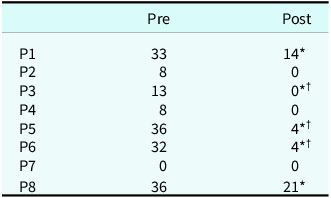
Work and Social Adjustment Scale
All participants made improvements as measured by the WSAS, except for one participant who remained at the minimum score throughout the study (see Table 7).
Work and Social Adjustment Scores

Table 7. Long description
A table comparing pre and post scores for work and social adjustment. The table has 2 columns and 8 rows. The columns are labeled Pre and Post. The rows are labeled P1 through P8. Row 1: P1, Pre: 33, Post: 14. Row 2: P2, Pre: 8, Post: 0. Row 3: P3, Pre: 13, Post: 0. Row 4: P4, Pre: 8, Post: 0. Row 5: P5, Pre: 36, Post: 4. Row 6: P6, Pre: 32, Post: 4. Row 7: P7, Pre: 0, Post: 0. Row 8: P8, Pre: 36, Post: 21. The table includes annotations indicating reliable improvement and clinical improvement compared with referral.
*Reliable improvement compared with referral; †clinical improvement compared with referral.
Perceptions of change
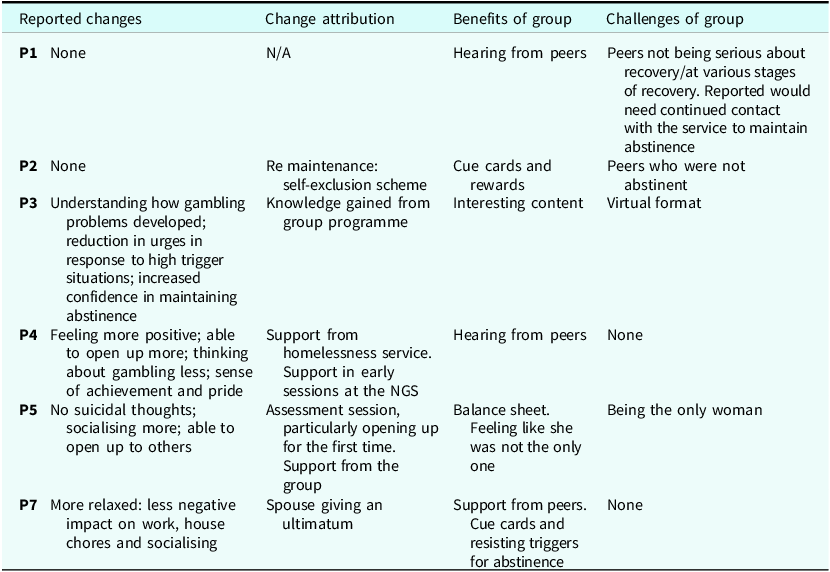
Change Interview
The Change Interview data from the six participants who contributed is presented as a summary table (see Table 8). Both specific gambling changes and general wellbeing improvements were identified; these were attributed to a range of treatment and non-treatment factors. The impact of group treatment was clear, with both positive and negative elements described. Some specific content (e.g. cue cards) from the programme was named as useful in bringing about change.
Change Interview summary

Table 8. Long description
A table summarizing changes, attributions, benefits, and challenges reported by participants. The table has four columns: Reported changes, Change attribution, Benefits of group, and Challenges of group. It contains seven rows labeled P1 to P7. Row 1: P1, None, N/A, Hearing from peers, Peers not being serious about recovery/at various stages of recovery. Reported would need continued contact with the service to maintain abstinence. Row 2: P2, None, Re maintenance: self-exclusion scheme, Cue cards and rewards, Peers who were not abstinent. Row 3: P3, Understanding how gambling problems developed; reduction in urges in response to high trigger situations; increased confidence in maintaining abstinence, Knowledge gained from group programme, Interesting content, Virtual format. Row 4: P4, Feeling more positive; able to open up more; thinking about gambling less; sense of achievement and pride, Support from homelessness service. Support in early sessions at the NGS, Hearing from peers, None. Row 5: P5, No suicidal thoughts; socialising more; able to open up to others, Assessment session, particularly opening up for the first time. Support from the group, Balance sheet. Feeling like she was not the only one, Being the only woman. Row 6: P7, More relaxed: less negative impact on work, house chores and socialising, Spouse giving an ultimatum, Support from peers. Cue cards and resisting triggers for abstinence, None.
Discussion
This single-case series study set out to identify goals that were important to treatment seekers and to observe the therapeutic impact of a group CBT programme. There was evidence of improvements in gambling severity and wellbeing across participants over the study period. However, there were surprising findings in that all participants’ goals only centred on abstinence, and considerable therapeutic change occurred outside of the intervention window.
It was anticipated that participants would report varied goals and that these may have changed throughout treatment. It was notable that whilst most achieved abstinence for at least a month, most participants did not rate their goal as achieved during the study. This is likely related to the fluctuations observed in both gambling urges and participants’ sense of confidence in achieving their goals. Some participants shared their view that abstinence could never be considered fully achieved because there is the potential for relapse, implying that continued abstinence would be effortful. If abstinence does not equate to recovery for individuals with gambling problems, then other common measures of reduction in gambling severity (e.g. reduced spending, reduced time spent gambling) may not either.
For half of the participants, abstinence occurred before treatment started and reliable improvements in gambling severity were achieved prior to the CBT group for six of the eight participants. The observation that some participants had stopped gambling before starting a formal intervention suggests the potential merit of assessment and motivational interviewing in facilitating behaviour change within a broader context of readiness to change (see below). This mirrors findings within the brief intervention literature (Carlbring et al., Reference Carlbring, Jonsson, Josephson and Forsberg2010; Larimer et al., Reference Larimer, Neighbors, Lostutter, Whiteside, Cronce, Kaysen and Walker2012; Petry et al., Reference Petry, Weinstock, Ledgerwood and Morasco2008; Quilty et al., Reference Quilty, Wardell, Thiruchselvam, Keough and Hendershot2019; Toneatto, Reference Toneatto2016). It is commonly noted in this research that brief interventions may raise awareness of gambling harm, challenge perceived norms and increase the participants’ desire to reduce gambling. Furthermore, studies in the wider therapeutic literature suggest that initial therapy contact (Aafjes-van Doorn and Sweeney, Reference Aafjes-van Doorn and Sweeney2019) and the process of assessment (Poston and Hanson, Reference Poston and Hanson2010) lead to positive change. It is of note that Pfund et al. (Reference Pfund, Forman, Whalen, Zech, Ginley, Peter, McAfee and Whelan2023) concluded from a meta-analysis that post-treatment CBT outcomes had a smaller or comparable effect than motivational interviewing in comparison with motivational interviewing in terms of gambling frequency and intensity (Yakovenko et al., Reference Yakovenko, Quigley, Hemmelgarn, Hodgins and Ronksley2015). Although there are few studies directly comparing CBT and motivational interviewing, this offers some indication of the merit of brief interventions.
The Stages of Change Model (Prochaska and DiClemente, Reference Prochaska and DiClemente1983) could explain that individuals within the preparation stage of change, recognising the need to change and beginning to act, might refer themselves to a service for support. The act of booking an appointment is a commitment that could help shift people into the action stage of change, through promoting hope that change is possible and an expectation of accountability. In this way, individuals may begin to alter their behaviour in advance of receiving treatment. It appears clear that the referral and assessment process has an impact on the effectiveness of treatment for participants; however, fully understanding this process requires further exploration.
Whilst some improvements seem to relate to circumstances within the referral and assessment process, findings indicated that the CBT programme was effective in reducing gambling behaviour for those who were gambling, and participants who were abstinent at entry maintained this throughout the programme. Participants who were gambling during the baseline phase experienced a reduction in gambling urges during the CBT group. Regardless of whether participants demonstrated positive behaviour changes during treatment, all participants reported that the CBT group was effective, and all reported high levels of satisfaction, indicating that they experienced it as useful. Some participants reported that their changes in gambling behaviour, and non-gambling specific behaviour, could not have happened without the support of the group.
Most participants made a reliable reduction in unhelpful cognitions following treatment, consistent with previous studies of CBT (Casey et al., Reference Casey, Oei, Raylu, Horrigan, Day, Ireland and Clough2017; Dunsmuir et al., Reference Dunsmuir, Smith, Fairweather-Schmidt, Riley and Battersby2018). Baseline scores on the GCRS were high before treatment, including for those participants who were abstinent at baseline, and scores post-treatment appeared to be consistent with those of participants in the Oei and Gordon (Reference Oei and Gordon2008) study who had been abstinent for 12 months. Given that the current sample were more recently abstinent and had high GCRS baseline scores, gambling-related cognitions seem addressed well by the intervention.
The impact of treatment on gambling abstinence self-efficacy varied, making interpretation of the impact of treatment difficult. In contrast, there was no evidence that the CBT group improved perceived or experienced stigma. This was surprising due to the inclusion of stigma measures being informed by consultation with previous treatment completers. Lack of improvement in self-stigma has been found in individuals with substance-use problems (Kulesza et al., Reference Kulesza, Ramsey, Brown and Larimer2014), and mental illness (Link et al., Reference Link, Yang, Phelan and Collins2004), or both (Link et al., Reference Link, Struening, Rahav, Phelan and Nuttbrock1997), as in the current study, despite improvements in symptoms. Participants in this study stated that hearing from peers was beneficial in enabling them to feel like ‘they are not the only one’. This process of normalisation should help to reduce stigma; furthermore participants reported having a positive self-image after treatment. It is possible that the self-stigma measures used within this research did not effectively capture these improvements in self-esteem. Alternatively, given that experiences of stigma are shaped by the individual’s environment, there is potentially limited scope for the CBT group to create any substantial change in this area.
All participants showed reduced distress following treatment and these findings are consistent with previous literature about improvements in psychotherapy for gambling addiction (Carlbring et al., Reference Carlbring, Jonsson, Josephson and Forsberg2010; Casey et al., Reference Casey, Oei, Raylu, Horrigan, Day, Ireland and Clough2017; Nilsson et al., Reference Nilsson, Magnusson, Carlbring, Andersson and Hellner2020; Oei et al., Reference Oei, Raylu and Lai2018). However, most participants in the current study showed a reliably significant change in their CORE-10 score before the CBT group started. It is notable that reductions in distress and improvements in social functioning were observed even for participants who were reporting continued gambling urges at the end of treatment. This indicates that the CBT group had a particularly positive effect on wellbeing for those gambling at the beginning of treatment and may be effective at maintaining wellbeing for those already abstinent.
Clinical implications
Participants’ focus on and concerns regarding sustained abstinence suggest that services and clinicians need to engage in nuanced measurement of change to ensure our treatments are effective from services users’ perspectives.
As a whole, the treatment helped participants to improve in their gambling severity and associated difficulties. Although not all improvements were directly attributable to the CBT group, this is promising evidence that NHS services can help treatment seekers in their recovery. The referral process and early contact had a significant impact on treatment outcomes, perhaps due to discussions with staff that foster hope and motivation. Given that there are high rates of drop-out in this population, clinicians should be especially mindful of the valuable impact of early interactions with those seeking treatment for gambling harm.
The difference in recovery trajectories for participants who were gambling before treatment and those who were already abstinent indicates that service users potentially have two different treatment goals, i.e. achieving or maintaining abstinence. Some abstinent participants expressed that their motivation for pursuing treatment was due to a reduction in confidence following a relapse, or experiences that made them concerned about relapse. It may be useful to consider the treatment needs of these service users, in that they could benefit most from specific cognitive approaches or relapse prevention. Of relevance are comments made by two abstinent participants about the challenges of group treatment where other participants were at an earlier stage of their recovery.
The findings indicated that group treatment did not improve perceived stigma or self-stigma. It has been recommended that psychoeducation, cognitive restructuring of stigmatised beliefs, and raising awareness of stigma and the impact of stigma, has promising outcomes in reducing self-stigma in stigmatised conditions (MacInnes and Lewis, Reference MacInnes and Lewis2008; Mittal et al., Reference Mittal, Sullivan, Chekuri, Allee and Corrigan2012) and greater improvements when combined with CBT in comparison with CBT alone (Young, Reference Young2016). Therefore, treatment for gambling harm could incorporate features that directly target stigma.
It was not possible within this study to identify a specific mechanism of change within the CBT programme, due to considerable changes prior to the programme and limited scope to identify further changes during treatment phase using the measurements chosen. All participants reported benefiting from the programme, although most attributed the changes they had observed within themselves to variables outside of the treatment as well as benefits of the early engagement with the service. However, there was clear evidence of improvements in gambling-related cognitions, which suggests the cognitive element of the CBT had a positive effect. The benefits of the specific features of the group that were identified by participants (peer support, balance sheet, cue cards), should encourage continuation of these approaches and suggests it could be beneficial to include within other treatments.
Limitations
Broad inclusion criteria were used in order to recruit an accurate representation of service users; however, the sample appeared not to be typical of the service users referred to the CBT group: 8/9 participants completed the group compared with only 37.2% of those referred. Participants had high levels of motivation at referral and engagement with the treatment, which are likely to have positively impacted their recovery trajectory. It is not clear how this bias in sampling could have been avoided, but it does mean that the findings may only apply to service users with high levels of motivation.
An unforeseen difficulty in addressing the research questions was participants’ high levels of abstinence at baseline. The study had been designed with a baseline phase to attempt to establish pre-treatment changes; however, for most participants this occurred too late to capture any patterns in early changes. Furthermore, due to some short waits for treatment, most baseline phases were much shorter than anticipated. In hindsight, the study would have benefited from more frequent measurement during the pre-treatment phase, including more frequent administration of gambling and wellbeing measures. Given that abstinence occurred prior to referral for many participants, this is likely to be a difficult process to capture within future research.
Single-case design allows for a focus on measures that are meaningful to participants. However, the measure identifying treatment goals may have limited scope in identifying a broad range of recovery goals. The wording of this measure as ‘in relation to gambling’ could have discouraged participants from naming goals that related to wellbeing, societal participation and personal transformation, which are incorporated in the definition of recovery (UK Drug Policy Commission, 2008). Future studies could explore a broader range of valued outcomes.
The inclusion of a follow-up period allowed fluctuations in gambling behaviour post-treatment to be observed. However, this was a relatively short period that did not allow for the observation of maintenance in the longer term.
Conclusion
Treatment within the gambling clinic helped participants improve in reducing gambling severity and associated difficulties, but not all improvements could be attributed to the CBT programme. Treatment-seekers pursue abstinence from gambling as their treatment goal, but recovery appears to continue beyond achieving abstinence, indicating that perceived confidence in sustaining abstinence long-term is important for recovery. Although the mechanisms of change were not identified in this research, there is evidently value in using single-case methodology to further explore treatment outcomes.
Key practice points
-
(1) CBT delivered in the NHS is effective in reducing gambling behaviour and improving wellbeing.
-
(2) Abstinence is the priority goal for service users and should be a key outcome measured in practice and future research.
-
(3) Individuals who were abstinent prior to active treatment had a different recovery trajectory than those who were gambling, potentially highlighting differing treatment needs.
Supplementary material
The supplementary material for this article can be found at https://doi.org/10.1017/S1754470X26100798
Data availability statement
The data that support the findings of this study are not available due to consent not being obtained from participants for use of data for this purpose.
Acknowledgements
None.
Author contributions
Rebecca Louise Dalby: Conceptualization-Equal, Data curation-Lead, Formal analysis-Lead, Investigation-Lead, Methodology-Equal, Project administration-Lead, Writing - original draft-Lead, Writing - review & editing-Equal; Ciara Masterson: Conceptualization-Equal, Formal analysis-Equal, Methodology-Equal, Supervision-Lead, Writing - original draft-Equal, Writing - review & editing-Equal; Matthew Gaskell: Conceptualization-Supporting, Methodology-Supporting, Supervision-Supporting, Writing - review & editing-Supporting.
Financial support
This research received no specific grant from any funding agency, commercial or not-for-profit sectors.
Competing interests
The authors declare none.
Ethical standards
The authors have abided by the Ethical Principles of Psychologists and Code of Conduct as set out by the BPS. NHS ethical approval was provided by London Riverside Research Ethics Committee (REF: 22/PR/0962).





 Open access


Comments
No Comments have been published for this article.