Implications
Because feed costs contribute to up to 60% of dairy production costs, improving the efficiency of feed conversion to milk can have a significant impact on the profitability of dairy production. This review summarises several approaches for estimating feed efficiency in dairy cattle and describes an estimate of net feed efficiency, called residual feed intake (RFI), and challenges associated with its use to improve feed efficiency of growing heifers and lactating cows. The benefits of selection for improved RFI and possibilities for genetic improvement among commercial dairy herds also are discussed.
Introduction
Improving production efficiency has always been a goal of animal agriculture to ensure an abundant food and fibre supply, and to maintain producer profitability. In recent decades, the concept of sustainable agriculture emerged, which includes the additional goals of safeguarding natural resources, promoting a clean environment and improving both producer and animal well-being. Within the dairy cattle sector, enormous gains have been made in farm operations, herd management and animal nutrition, health and genetics since the commercialisation of milk production in the late 19th century to increase efficiency of production. Such improvements have allowed for a two-fold increase in total global milk production in the last 50 years alone and have consistently placed whole fresh cow milk among the first- or second-ranked agricultural commodity in the world for production value during the last decade (Food and Agriculture Organization of the United Nations (FAOSTAT), 2013). Furthermore, greater production per cow has reduced the number of animals required to produce the same quantity of milk, which translates into savings in feed costs, reduces natural resource use and decreases the overall carbon footprint of dairy production (see review by Capper et al., Reference Capper, Cady and Bauman2009). Despite this progress, advances in dairy science must continue to meet the food demands of a growing world population, to minimise the negative impacts of increased milk production on animal health and well-being, to enhance environmental stewardship and to sustain producer profitability.
One of the greatest threats to producer profitability is the cost of feeding animals, which accounts for 40% to 60% of total production costs (Bach, Reference Bach2012; US Department of Agriculture-Economic Research Service, 2013). Although this figure is similar to the proportion of feed costs associated with production of poultry (Donohue and Cunningham, Reference Donohue and Cunningham2009), swine and beef cattle (USDA-ERS, 2013), dairy production requires an extended initial time (∼2 to 2.5 years) and resource investment for heifer rearing before achieving a salable milk product. Furthermore, cows during their typical 60-day dry period contribute to feed costs but do not contribute to farm income. In fact, based on the population structure of a typical US confinement dairy operation (Schutz, Reference Schutz2002) and estimated daily feed consumption rates of each age group (Wattiaux, Reference Wattiaux2011), it is estimated that about 23% to 28% of the total dry matter intake (DMI) of the herd is by animals in a non-lactating state. Therefore, substantial opportunities exist to save on feed costs during these non-productive periods through better herd management and by maintaining only the most efficient animals in the herd. However, tools are needed to assist producers in identifying heifers in the herd that are most efficient at converting feed into growth and that do not exhibit compromised milk production or fertility as mature cows. In addition, they need means to identify cows with the greatest efficiency of conversion of feed into milk production that also can maintain sufficient body condition to support fertility and desirable energy balance. Genetic improvement for feed efficiency under either scenario offers a tremendous cost-savings potential for the dairy producer.
Means to improve feed efficiency among poultry, swine and beef cattle have been well investigated and traditionally have focused on feed conversion ratio (feed intake/weight gain), or more recently, on improved net feed efficiency (also known as residual feed intake, or RFI; Emmerson, Reference Emmerson1997; Johnson et al., Reference Johnson, Chewning and Nugent1999; Hocking, Reference Hocking2010; Crews and Carstens, Reference Crews and Carstens2012; Do et al., Reference Do, Strathe, Jensen, Mark and Kadarmideen2013; Saintilan et al., Reference Saintilan, Mérour, Brossard, Tribout, Dourmad, Sellier, Bidanel, van Milgen and Gilbert2013). However, research focusing specifically on feed efficiency of dairy cattle is less prevalent and only recently has appeared consistently in the scientific literature (Berry, Reference Berry2009). One reason for the lag is that dairy cows present an additional challenge in estimating net feed efficiency because of the large fluctuations in their energy balance that occur throughout the annual lactation cycle, particularly the contribution of energy mobilised from body fat during early lactation. As a result, much debate persists on how best to evaluate feed efficiency in lactating cows and how to make genetic progress in efficiency-related traits among dairy cattle populations without negatively impacting other traits such as energy balance (Pryce et al., Reference Pryce, Wales, de Haas, Veerkamp and Hayes2014b).
Therefore, this review focuses on the opportunities and challenges for improving feed efficiency in dairy herds, including the most common approaches for its estimation, some of their limitations and the potential implications of genetic selection for greater efficiency. Areas requiring additional investigation are discussed.
Estimates of feed efficiency in dairy cattle
Gross feed efficiency (GFE)
Multiple terms have been used to define feed efficiency in lactating dairy cows, the simplest of which is GFE, expressed as the ratio of milk output to feed input (or vise versa). Total milk output typically is normalised to milk components such as solids- or energy-corrected milk yield and feed input is expressed either as DMI or energy intake. Alternatively, the efficiency of specific dietary nutrients may be evaluated, such as CP efficiency calculated as milk protein yield per quantity of CP intake. These expressions of GFE in dairy cows correspond to the feed conversion ratio used in meat-producing animals, and are desirable because they are easy to measure and are conceptually uncomplicated. Gross efficiency traits also are moderately heritable, depending on the stage of lactation evaluated, with estimates ranging from 0.14 to 0.37 (Van Arendonk et al., Reference Van Arendonk, Nieuwhof, Vos and Korver1991; Vallimont et al., Reference Vallimont, Dechow, Daubert, Dekleva, Blum, Barlieb, Liu, Varga, Heinrichs and Baumrucker2011; Spurlock et al., Reference Spurlock, Dekkers, Fernando, Koltes and Wolc2012).
Use of GFE as a selection criterion, however, has many limitations (reviewed by Connor et al., Reference Connor, Hutchison, Olson and Norman2012b). For instance, selection for greater milk output increases the cow’s energy requirement, which cannot be met solely by increased feed intake, resulting in mobilisation of her body tissue to support the increased energy demand of lactation. This phenomenon contributes to strong undesirable genetic correlations between GFE and body condition score, energy balance and days open (Van Arendonk et al., Reference Van Arendonk, Nieuwhof, Vos and Korver1991; Vallimont et al., Reference Vallimont, Dechow, Daubert, Dekleva, Blum, Barlieb, Liu, Varga, Heinrichs and Baumrucker2011 and Reference Vallimont, Dechow, Daubert, Dekleva, Blum, Liu, Varga, Heinrichs and Baumrucker2013; Spurlock et al., Reference Spurlock, Dekkers, Fernando, Koltes and Wolc2012). Selection for traits based on a ratio of two component traits also can result in unpredictable outcomes (Gunsett, Reference Gunsett1984). In addition, GFE (expressed as milk output over feed input) has a strong positive genetic correlation with milk yield (Oldenbroek, Reference Oldenbroek1989; Prendiville et al., Reference Prendiville, Pierce and Buckley2009; Spurlock et al., Reference Spurlock, Dekkers, Fernando, Koltes and Wolc2012), which is already a primary target of genetic improvement. Therefore, as improvements continue to be made in milk yield among dairy cattle populations, corresponding gains in GFE should also be achieved, without the added burden of measuring feed intake of individual cows.
Recently, Spurlock et al. (Reference Spurlock, Dekkers, Fernando, Koltes and Wolc2012) evaluated various relationships between GFE (measured as total energy-corrected milk yield divided by the total DMI) and energy balance in lactating Holsteins assessed monthly through 150 days of lactation. The authors confirmed a strong negative genetic correlation between GFE estimated during the first 74 or 150 days of lactation and energy balance, which was anticipated based on previous reports of large negative genetic correlations between GFE and body condition score and BW among commercial Holstein herds throughout lactation (Vallimont et al., Reference Vallimont, Dechow, Daubert, Dekleva, Blum, Barlieb, Liu, Varga, Heinrichs and Baumrucker2011). These negative correlations suggest that improvements in GFE cannot be made without concurrently selecting for cows that exhibit lower (or negative) energy balance and body condition during lactation, which has implications for negatively impacting multiple health and fitness traits, including fertility (De Vries et al., Reference De Vries, Van Der Beek, Kaal-Lansbergen, Ouweltjes and Wilmink1999; Collard et al., Reference Collard, Boettcher, Dekkers, Petitclerc and Schaeffer2000).
Of interest, the study by Spurlock et al. (Reference Spurlock, Dekkers, Fernando, Koltes and Wolc2012) also indicated that GFE evaluated in mid lactation (days 75 through 150 days in milk) was not genetically correlated significantly with energy balance during the first month of lactation (although associated standard errors were large). This is important because milk production is increasing at the fastest rate during the first month of lactation and it is during this period that the cow is at greatest risk of metabolic imbalance (Goff and Horst, Reference Goff and Horst1997). Net energy balance begins to increase thereafter (Bauman and Currie, Reference Bauman and Currie1980; Banos et al., Reference Banos, Coffey and Brotherstone2005), suggesting that selection for improved GFE specifically during mid-lactation may be possible without substantial negative consequences on energy balance of lactating dairy cows. Therefore, stage of lactation in which GFE is measured and the impacts of selection for improved GFE on other traits must be considered to avoid negative consequences of selection on traits including energy balance, health and fertility.
Income over feed cost (IOFC)
Another term used to assess and define feed efficiency of dairy herds examines efficiency directly from a profitability standpoint and is referred to as income over feed cost, also called return over feed (ROF). It is calculated as the difference between the total revenue obtained from the sale of milk during a selected time interval and the feed costs associated with its production. It is a useful tool from a herd management perspective to monitor dairy producer profitability and like GFE, is a concept that is easy to explain and comprehend by the user. However, because this profit indicator is dependent upon fluctuating milk prices and the cost of feed ingredients, it can be difficult to calculate, particularly for individual cows wherein individual cow feed intakes are required to obtain accurate IOFC estimates. Likely because of these difficulties, only one study to date (Zamini et al., Reference Zamani, Miraei-Ashtiani, Naserian, Nikkhan and Moradi-Shahrbabak2005) reports relationships between individual cow IOFC measures and other economically important traits. Zamini et al. (Reference Zamani, Miraei-Ashtiani, Naserian, Nikkhan and Moradi-Shahrbabak2005) estimated the heritability of IOFC to be 0.22±0.02 and reported positive genetic correlations between IOFC and fat-corrected milk yield (0.46), and milk fat (0.84), protein (0.73) and solids not fat (0.27) yield, but no correlation with BW (0.00) based on an evaluation of 906 lactating Holsteins. However, this was an abbreviated report and standard errors associated with each coefficient were not provided. Based on these findings, it would appear that IOFC is heritable and that selection for IOFC could be used to improve profitability without increasing cow size, which elevates her maintenance requirements and feed costs. Furthermore, favourable correlations exist between IOFC and milk and its component yields.
More recently, two models were published for estimating breeding values for ROF in Canadian Holsteins, and the heritability of ROF was estimated to range from 0.08 to 0.31, depending on the model used and cow parity (Bohmanova et al., Reference Bohmanova, Miglior, Jamrozik, Van Doormaal, Hand and Lazenby2010). Although ROF was shown to be heritable and to have a breeding value with desirable correlations with breeding values for several reproductive and type traits, the authors recommended against direct genetic selection for ROF to increase producer profitability because ROF is an index based solely on profits from milk and its component yields adjusted for associated feed costs. Therefore, ROF does not account for other important factors contributing to profitability and may be less reliable than more comprehensive profitability indices, such as the Canadian Lifetime Profit Index, which incorporates production components, and durability-, fertility- and health-related traits (Canadian Dairy Network, 2014).
Veerkamp (Reference Veerkamp1998) suggested that feed intake and BW, or indirect indicators of these traits such as conformation traits, could be used in a selection index to increase economic efficiency of milk production. Likewise, other selection indices to improve economic efficiency of milk production are described and reviewed by VanRaden (Reference VanRaden2004) and Shook (Reference Shook2006), and therefore, will not be discussed here. The greatest challenges in using such indices are in determining which traits to include in the index and how to weight them in order to maximise economic gain and prevent ‘double counting’ of feed costs associated with each trait included in the index (Veerkamp, Reference Veerkamp1998).
RFI
A more common measure of feed efficiency in dairy cattle evaluated in the recent literature is RFI, which differs from GFE in that it is designed to estimate net feed efficiency or metabolic efficiency of the cow. It is calculated as the difference between the actual feed intake (or energy intake) of the cow and her predicted feed intake (or energy intake), based on a mathematical model that takes into account her energy costs for body maintenance and production over a particular production period. This approach is based on regression models developed by Koch et al. (Reference Koch, Swiger, Chambers and Gregory1963) for determining efficiency of feed use for weight gain during a standardised growth trial in growing beef cattle.
In growing dairy heifers, RFI is calculated in the same manner as for growing beef animals wherein the regression model for predicted feed intake includes her mid-test metabolic BW (BW raised to the 0.75 power) and rate of BW gain during a controlled feeding trial typically of at least 56 days in duration (Williams et al., Reference Williams, Pryce, Grainger, Wales, Linden, Porker and Hayes2011; Waghorn et al., Reference Waghorn, Macdonald, Williams, Davis and Spelman2012; Lin et al., Reference Lin, Macleod and Pryce2013). For lactating dairy cows, however, determination of RFI is much more complicated. It is calculated as the difference between a cow’s actual feed intake measured during an extended controlled evaluation period (or multiple shorter periods) during her lactation and her predicted feed intake needed to support body maintenance, milk production and possibly pregnancy (depending on when RFI is evaluated during the production cycle). Predicted feed intake typically is determined from the sample population using a regression model including variables of BW change, average metabolic BW, solids- or energy-corrected milk yield and occasionally, body condition score. Although less common, predicted intake also may be estimated from table values such as those from the National Research Council (NRC) (2001); however, in growing beef cattle, this approach has produced RFI values that are phenotypically correlated with BW and average daily gain (Arthur et al., Reference Arthur, Renand and Krauss2001; Smith et al., Reference Smith, Davis and Loerch2010).
Because RFI represents a difference between actual feed intake and predicted intake required to support maintenance and production, a low or negative RFI value is desirable, which can be a point of confusion and limit its acceptance among dairy producers as a target for genetic improvement. Furthermore, because RFI is derived from mathematical models, it is more complicated to calculate than GFE or IOFC, and requires a cohort of animals from which to derive predicted intake values, unless table values are used. As previously mentioned, use of table values may result in RFI estimates that are not phenotypically independent of BW and growth traits (Arthur et al., Reference Arthur, Renand and Krauss2001; Smith et al., Reference Smith, Davis and Loerch2010).
Multiple studies have evaluated the heritability of RFI in small populations of dairy cows in both grazing and confinement production systems at various points during the 305-day lactation period. Reported heritability estimates generally are low to moderate, with estimates ranging from 0.01 to 0.40 among lactating cows (de Haas et al., Reference de Haas, Windig, Calus, Dijkstra, de Haan, Bannink and Veerkamp2011; Connor et al., Reference Connor, Hutchison and Norman2012a and Reference Connor, Hutchison, Norman, Olson, Van Tassell, Leith and Baldwin2013) and 0.22 to 0.40 among growing heifers (Pryce et al., Reference Pryce, Arias, Bowman, Davis, Macdonald, Waghorn, Wales, Williams, Spelman and Hayes2012; Lin et al., Reference Lin, Macleod and Pryce2013). In addition, genetic variation in RFI within dairy herds has been demonstrated (Williams et al., Reference Williams, Pryce, Grainger, Wales, Linden, Porker and Hayes2011; Berry and Crowley, Reference Berry and Crowley2013; Vallimont et al., Reference Vallimont, Dechow, Daubert, Dekleva, Blum, Liu, Varga, Heinrichs and Baumrucker2013). Therefore, improvements in RFI should be possible through selection; however, potential for correlated antagonistic responses to selection among other economically important traits of dairy cattle is of concern. Because of the large numbers of animals required, few studies to date have evaluated genetic correlations between RFI in lactating cows and other production traits of interest with sufficient numbers of animals to obtain reliable estimates, which are greatly needed in order to understand correlated responses to selection. Many studies also report only phenotypic correlations between RFI and various traits of growing and lactating dairy cattle, which provide only an estimate of genetic correlation.
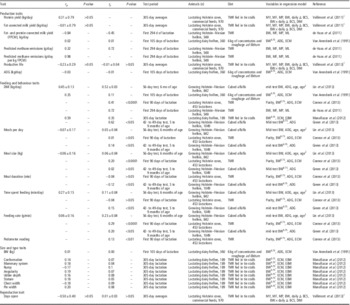
Table 1 summarises genetic and phenotypic correlations between RFI and various production, behaviour, fertility and conformation traits reported for growing and lactating dairy cattle under different dietary and management conditions. It should be noted that not all correlations are statistically significant or do not include associated P-values or standard errors. Correlations with large standard errors where reported should be interpreted with caution. Definitions of RFI across studies also may differ slightly, depending on the variables included in the regression model to estimate predicted feed intake, and duration of test periods vary by study.
Genetic (r g ) and phenotypic (r p ) correlations (±s.e.) reported between RFI and production, feeding and behaviour, type and reproductive traits in growing and lactating dairy cattle managed under various conditions

1 Measures of RFI were based on infrequent measures of feed intake using relatively imprecise methods.
TMR=total mixed ration; MY=milk yield; MF=milk fat yield; MP=milk protein yield; BCS=body condition score; DIM=days in milk; FPCM=fat- and protein-corrected milk yield; ADG=average daily gain; ML=milk lactose yield; ECM=energy-corrected milk yield; DMI=dry matter intake; EBW=empty body weight; RFI=residual feed intake.
In general, genetic correlations presented in Table 1 suggest no undesirable relationships detected between RFI and fat-corrected milk yield, productive life or feeding behaviours, and desirable relationships between RFI and predicted methane production in lactating cows, and between RFI and DMI particularly in growing heifers. Genetic correlations between RFI and conformation traits appear to be small and variable in direction. Finally, although not statistically significant, genetic correlations reported between RFI and milk protein yield and days open indicate possible antagonistic relationships between the traits. In support of an unfavourable relationship between RFI and fertility measures, Vallimont et al. (Reference Vallimont, Dechow, Daubert, Dekleva, Blum, Liu, Varga, Heinrichs and Baumrucker2013) did detect a positive reliability-adjusted correlation between sire expected breeding value (EBV) for RFI and predicted transmitting ability (PTA) for daughter pregnancy rate (r=0.22; P<0.05), meaning that selection for greater feed efficiency (lower RFI) is associated with reduced PTA for daughter pregnancy rate. Likewise, statistically significant positive correlations were detected between EBV for RFI based on NRC values to predict feed intake (which did not account for body condition score) and PTA for cow conception rate (r=0.22) and heifer conception rate (r=0.44; Vallimont et al., Reference Vallimont, Dechow, Daubert, Dekleva, Blum, Liu, Varga, Heinrichs and Baumrucker2013).
Clearly, additional research is needed on large populations of growing heifers and lactating cows managed under standardised conditions using consistent models for estimating predicted feed intake in order to determine the relationships between RFI and other traits. Furthermore, determination of genetic and phenotypic relationships between RFI measured during growth, lactation and non-lactating (dry) periods of dairy production over multiple lactation cycles is needed in order to integrate RFI measures into a selection index for improved lifetime efficiency of the dairy cow. Significant financial investments have been made in the last few years by the United States (US Department of Agriculture-funded $5 million multistate project to Michigan State University in 2011), New Zealand and Australia (DairyNZ, 2013) to investigate the utility of RFI to estimate and improve feed efficiency of dairy cattle.
Residual solids production (RSP)
Similar to RFI, Coleman et al. (Reference Coleman, Berry, Pierce, Brennan and Horan2010) proposed an alternative approach to estimating feed efficiency in lactating cows called residual solids production that estimates differences among cows in actual v. predicted milk solids production for a given DMI, body size and body condition. Using this approach, milk solids yield is regressed on cow DMI, metabolic BW, change in BW and body condition score. A positive RSP is indicative of greater efficiency and is desirable, which is more easily understood by producers than a negative value, as with RFI. In addition, because DMI is included in the regression model, differences in RSP are independent of feed intake, which may be beneficial in terms of increasing milk yield and milk components yield without negatively impacting energy balance, particularly in early lactation. As evidence of this, Coleman et al. (Reference Coleman, Berry, Pierce, Brennan and Horan2010) demonstrated that greater RSP in early lactation was associated with increased pregnancy rate and cow survival. In addition, RSP was more repeatable over multiple lactations than RFI in Holstein–Friesians on pasture, with a maximum heritability of 0.33, although Connor et al. (Reference Connor, Hutchison, Norman, Olson, Van Tassell, Leith and Baldwin2013) reported a repeatability of 0.56 for RFI across lactations in Holsteins fed a total mixed ration. Overall, the results of Coleman et al. (Reference Coleman, Berry, Pierce, Brennan and Horan2010) suggest that RSP is superior to RFI as a selection criterion to improve feed efficiency in lactating dairy cattle, but genetic correlations between RSP and other production traits have yet to be investigated.
Benefits of selection for improved efficiency as RFI
Reduced feed costs
As mentioned previously, growing heifers and dry cows often comprise at least 25% of the typical dairy herd. Because they are not producing milk, they do not contribute directly to producer income and have a large impact on IOFC of the herd. Thus, even small reductions in feed intake per animal during the growth or dry periods could improve producer profitability, assuming no associated declines occur in subsequent feed intake capacity, cow fertility or lactation performance. For example, Holstein–Friesian heifers in New Zealand and Australia fed a forage-based diet that were in the bottom 10% of the sample population for RFI (most efficient) consumed 15% to 20% less feed (P<0.001) relative to heifers in the top 10% for RFI (least efficient; Williams et al., Reference Williams, Pryce, Grainger, Wales, Linden, Porker and Hayes2011; Waghorn et al., Reference Waghorn, Macdonald, Williams, Davis and Spelman2012). These differences are similar to differences in DMI of 12% to 13% (P<0.001) reported in low v. high RFI groups of growing Angus–Hereford steers (Cruz et al., Reference Cruz, Rodríguez-Sánchez, Oltjen and Sainz2010). The same dairy heifers showed no differences in feed intake, milk or milk components yield, change in BW or body condition score when evaluated during days 75 to 195 of their first lactation (Macdonald et al., Reference Macdonald, Pryce, Spelman, Davis, Wales, Waghorn, Williams, Marett and Hayes2014), suggesting considerable savings can be achieved in feed costs by maintaining only the most feed-efficient growing heifers in the herd, with no negative consequences on future lactation performance. However, additional research is needed in other dairy cattle populations and under different management conditions to confirm these findings, as well as to assess potential associated impacts on reproductive traits. Because feed intakes and body condition scores did not differ during mid lactation between the divergent groups of lactating heifers, significant negative impacts of selection for reduced RFI during growth on fertility are not anticipated. Furthermore, research in growing beef heifers indicated that selection for reduced RFI should have no negative impacts on heifer or cow fertility, but may delay the time of sexual maturity (Basarab et al., Reference Basarab, Colazo, Ambrose, Novak, McCartney and Baron2011; Crowley et al., Reference Crowley, Evans, Mc Hugh, Kenny, McGee, Crews and Berry2011; Shaffer et al., Reference Shaffer, Turk, Wagner and Felton2011).
To date, no studies have evaluated RFI in dairy cows during the dry period or the relationship between RFI during growth or lactation and subsequent feed intake, BW or body condition during the dry period. However, RFI in beef heifers during growth was found to have a positive phenotypic correlation (r p ; P<0.05) with forage DMI (r p =0.38) and RFI (r p =0.42) during pregnancy (Hafla et al., Reference Hafla, Carstens, Forbes, Tedeschi, Bailey, Walter and Johnson2013), and a positive correlation with DMI (r p =0.21; P<0.07) during the subsequent lactation (Black et al., Reference Black, Bischoff, Mercadante, Marquezini, Dilorenzo, Chase, Coleman, Maddock and Lamb2013). Thus, RFI appears to be repeatable over different stages of the production cycle of beef cattle and similar relationships may exist among dairy cattle. Differences in feed intake have been demonstrated among lactating dairy cows divergent for RFI and suggest that opportunities exist to substantially reduce feed costs by selecting cows in the herd that exhibit lower RFI during lactation. For instance, Connor et al. (Reference Connor, Hutchison, Norman, Olson, Van Tassell, Leith and Baldwin2013) found that lactating Holstein cows with the lowest RFI relative to the herd average (>0.5 s.d. below the mean) had DMI that were 15% lower (P<0.0001) than intakes of cows with the highest RFI (>0.5 s.d. above the mean). The cows in their study were of mixed parities, evaluated for RFI during the first 90 days of lactation and fed a total mixed ration. Similarly, Coleman et al. (Reference Coleman, Berry, Pierce, Brennan and Horan2010) observed Holstein–Friesian cows of mixed parities with low RFI and fed pasture exhibited DMI between days 21 and 288 of lactation that were 5% less (P<0.1) than cows with high RFI. Their results suggest that differences in feed intake between high and low RFI cows under grazing conditions may not be as large as in cows managed in confinement systems, and that reducing RFI may provide a smaller benefit for lowering feed costs (or increasing stocking densities) in pasture-based dairy production systems. Alternatively, because the n-alkane method was used in their study to measure DMI, differences between groups might have been more difficult to detect.
Most recently, Hietala et al. (Reference Hietala, Wolfová, Wolf, Kantanen and Juga2014) published the first economic analysis of the benefits of including RFI in the breeding goal of Finnish cattle. Their analysis demonstrated that under 2011 economic conditions, the benefits of improving RFI are relatively small compared with the gains in improving 305-day milk yield, milk fat and protein percentages or calving interval. However, their results indicated that improving RFI in lactating cows carries similar economic benefits to productive life and has greater economic weight than reducing the incidence of clinical mastitis. Economic weight of improving RFI in breeding heifers (180 days of age to calving) was equal to that of reducing calf mortality in rearing and was slightly greater than the economic benefit of improving somatic cell score. Hietala et al. (Reference Hietala, Wolfová, Wolf, Kantanen and Juga2014) suggested that the economic value of improving RFI is likely to increase in the near future as greater emphasis is placed on reducing the negative environmental impacts associated with dairy production. In addition, evaluations are needed to determine the ratio between the economic benefits of improving RFI and the costs associated with its estimation among dairy herds.
Reduced GHG emissions and environmental impacts
In 2011, agriculture contributed to 8% of total GHG emissions in the United States, much of which was in the forms of methane and nitrous oxide related to dairy and beef cattle production (US Environmental Protection Agency, 2013). Specifically, enteric fermentation and manure, primarily from dairy and beef cattle, generated over 96% of the methane emissions from agriculture, whereas soil and manure management were the greatest contributors to agricultural nitrous oxide emissions. A life-cycle analysis (LCA) of fluid milk production among US dairy farms identified feed production, enteric methane and manure as the three largest contributors to GHG emissions in US dairy production (Thoma et al., Reference Thoma, Popp, Shonnard, Nutter, Matlock, Ulrich, Kellogg, Kim, Neiderman, Kemper, Adomd and East2013), and LCA based on a simulated non-grazing dairy production system typical of Eastern Canada identified the primary sources of GHG emissions during the dairy production cycle as enteric methane (48%), nitrous oxide from soil/crop production (28%), and manure methane and nitrous oxide (15%; Mc Geough et al., Reference Mc Geough, Little, Janzen, McAllister, McGinn and Beauchemin2012). Bell et al. (Reference Bell, Wall, Russell, Simm and Stott2012) used LCA in a Scottish herd to identify superior strategies to mitigate GHG emissions in dairy production and found that improving feed efficiency of dairy cattle is a reliable means to reduce GHG emissions per unit of milk production, as well as average GHG emissions of dairy herds. In their models, improving feed efficiency had a greater impact on reducing average herd GHG emissions than increasing energy-corrected milk yield, reducing the calving interval or reducing involuntary culling.
It appears that selection for lower RFI (improved feed efficiency) has the potential to reduce the three most significant sources of GHG emissions (feed production, enteric methane and manure) on dairy farms, primarily due to its relationship with DMI. First, cattle with lower RFI exhibit lower DMI than contemporaries at the same level of production (Williams et al., Reference Williams, Pryce, Grainger, Wales, Linden, Porker and Hayes2011; Waghorn et al., Reference Waghorn, Macdonald, Williams, Davis and Spelman2012; Connor et al., Reference Connor, Hutchison, Norman, Olson, Van Tassell, Leith and Baldwin2013). Selection for lower RFI should reduce feed production requirements in confinement dairy systems or permit increased stocking density in grazing systems. Based on models developed by Little et al. (Reference Little, Linderman, Maclean and Janzen2008), selection for reduced RFI over a 25-year period in beef cattle production could reduce the total farm area required to support animal production by 13% and reduce the carbon footprint by 14% (Basarab et al., Reference Basarab, Beauchemin, Baron, Ominski, Guan, Miller and Crowley2013). Although similar models for the effects of reducing RFI in dairy cattle have not been evaluated, a model evaluating improvements in GFE measured as reduced feed intake for the same level of energy-corrected milk yield indicated that improving GFE by one phenotypic standard deviation should reduce land use required for feed production by 6.7% per cow (or 4.2% for one genetic standard deviation; Bell et al., Reference Bell, Wall, Russell, Simm and Stott2012). Therefore, anticipated reductions in feed intake associated with long-term selection for improved RFI in dairy cattle suggest that a substantial decrease in GHG emissions associated with feed production for dairy cattle could be achieved as well.
Second, it has been demonstrated that enteric methane emissions are positively associated with feed intake in both dairy and beef cattle managed under different dietary regimens (Grainger et al., Reference Grainger, Clarke, McGinn, Auldist, Beauchemin, Hannah, Waghorn, Clark and Eckard2007). Generally, as feed intake increases, additional substrate is available for rumen fermentation and methane production (Basarab et al., Reference Basarab, Beauchemin, Baron, Ominski, Guan, Miller and Crowley2013). Hence, selection for lower RFI should permit significant reductions in methane emissions by decreasing average DMI of the herd. Indeed, research indicates that growing beef steers with low RFI have at least 25% lower methane emissions compared with steers exhibiting high RFI (Nkrumah et al., Reference Nkrumah, Okine, Mathison, Schmid, Li, Basarab, Price, Wang and Moore2006; Hegarty et al., Reference Hegarty, Goopy, Herd and McCorkell2007), and similar relationships would be anticipated among growing dairy cattle. Furthermore, de Haas et al. (Reference de Haas, Windig, Calus, Dijkstra, de Haan, Bannink and Veerkamp2011) reported strong positive genetic correlations between RFI and estimates of methane emissions in lactating cattle (Table 1), indicating that reductions in methane emissions should result from selection for lower RFI (greater feed efficiency). The results of de Haas et al. (Reference de Haas, Windig, Calus, Dijkstra, de Haan, Bannink and Veerkamp2011) suggested that traditional selection for reduced RFI could decrease grams of methane emitted per kg of fat- and protein-corrected milk produced by 26% over a 10-year selection period.
Finally, low RFI in cattle potentially is associated with decreased manure output per animal relative to cattle with high RFI due in part to reduced DMI (Basarab et al., Reference Basarab, Beauchemin, Baron, Ominski, Guan, Miller and Crowley2013; Berry and Crowley, Reference Berry and Crowley2013). Therefore, the release of methane and nitrous oxide into the atmosphere from manure management should be reduced by improving feed efficiency among dairy herds. Rius et al. (Reference Rius, Kittelmann, Macdonald, Waghorn, Janssen and Sikkema2012) also reported a decrease in faecal nitrogen output and increase in apparent nitrogen digestibility in pasture-fed dairy cows in early lactation that were divergently selected on the basis of RFI during growth as heifers, suggesting that selection for lower RFI may also decrease nitrogen losses to the environment. Research is needed to determine whether these relationships between RFI and nitrogen metabolism persist under various diets and management conditions.
Evaluating feed efficiency in commercial dairy operations
Automated feed intake measurement
Given the potential benefits of improving feed efficiency among dairy herds, practical and cost-effective means to evaluate feed efficiency among commercial production herds are needed. Presently, the greatest obstacle to assessing feed efficiency, regardless of whether estimated as GFE, IOFC, RFI or RSP, is the measurement of individual animal feed intakes. Automated feed monitoring systems using radio-frequency identification to track and record intakes of individual cows as they visit the feed bunk are commercially available for confinement systems, but their use in dairy cattle generally has been limited to smaller research herds or to growing heifers where monitoring is accomplished as in feedlots for growing beef cattle. Use of automated feed monitoring systems in larger groups of lactating cows is greatly hindered by the limited feeding capacity of the automated feed bunks, meaning that significantly fewer cows can be fed from a single bunk relative to growing cattle to accommodate substantially greater intakes of lactating cows. In addition, a fresh and constant feed supply must be available to lactating cows to prevent declines in DMI and associated declines in milk yield, further reducing the number of animals that can be assigned per feed bunk and increasing the cost of intake measurement.
In grazing systems, monitoring of feed intake is inherently difficult and requires use of indigestible markers and representative samples of the pasture to calculate DMI. To overcome this, researchers in New Zealand and Australia have used automated feed bunks to successfully deliver a forage-based diet consisting of cubed alfalfa and/or dried pasture to obtain RFI estimates for growing and lactating dairy heifers, which should provide more representative estimates of feed efficiency under grazing conditions than RFI estimates generated from feeding trials using concentrate diets (Williams et al., Reference Williams, Pryce, Grainger, Wales, Linden, Porker and Hayes2011; Waghorn et al., Reference Waghorn, Macdonald, Williams, Davis and Spelman2012; Lin et al., Reference Lin, Macleod and Pryce2013; Macdonald et al., Reference Macdonald, Pryce, Spelman, Davis, Wales, Waghorn, Williams, Marett and Hayes2014). The practicality of such feed intake measurement in large commercial operations, however, remains problematic.
Selection for correlated traits
As an alternative to direct measurement of feed intake or feed efficiency, use of other traits to serve as indirect indicators has been suggested, such as use of linear type traits that are genetically correlated with RFI (Berry, Reference Berry2009) or other measures that can be used to predict intake (Berry and Crowley, Reference Berry and Crowley2013). For example, a selection index based on the combination of four readily available traits including milk yield, BW, chest width and stature was found to explain nearly 90% of the genetic variation in feed intake of mature lactating cows (Berry and Crowley, Reference Berry and Crowley2013). This suggests that genetic improvement in feed intake, or even feed efficiency, may be possible through selection for related traits, without direct measurement of feed intake among lactating herds. However, genetic correlations between indicator traits and the target trait are often weak, resulting in only small improvements to the target trait despite intensive selection for the indicator traits. Thus, a large-scale evaluation of relationships between selected indicator traits and efficiency traits is needed to verify their utility in improving feed efficiency across dairy cattle populations.
There also is evidence to suggest that estimates of feed efficiency obtained during heifer growth are correlated sufficiently to RFI measured during lactation to serve as a more practical selection target to improve feed efficiency in commercial dairy herds. For instance, strong positive genetic correlations (r g ) were observed between both GFE (energy intake/weight gain; r g =0.87) and RFI (r g =0.58) measured in heifers from 44 to 60 weeks of age (fed a roughage diet) with RFI assessed in heifers during the first 105 days of lactation (fed roughage supplemented with concentrate; Nieuwhof et al., Reference Nieuwhof, van Arendonk, Vos and Korver1992). Similarly, studies conducted in both New Zealand and Australia on growing heifers indicated that heifers divergent for RFI during growth also exhibit divergent RFI during their first lactation (Macdonald et al., Reference Macdonald, Pryce, Spelman, Davis, Wales, Waghorn, Williams, Marett and Hayes2014). In both populations of heifers used in the study of Macdonald et al. (Reference Macdonald, Pryce, Spelman, Davis, Wales, Waghorn, Williams, Marett and Hayes2014), heifers were fed a cubed alfalfa hay during growth and a 50 : 50 mixture of cubed alfalfa and ryegrass pasture hay during lactation. Results of these studies provide evidence that substantial opportunity exists to indirectly select for greater feed efficiency during lactation in large commercial cow herds using GFE or RFI assessed during heifer growth. As standardised methods for evaluating RFI in large populations of growing beef cattle are well established, similar growth trials for dairy heifers should be relatively easy to implement. However, whether similar relationships exist between efficiency measures during growth and lactation in dairy heifers fed higher concentrate diets (e.g. total mixed ration) remains unknown. Trials to address this question are being conducted at the US Department of Agriculture, Beltsville Agricultural Research Center in Beltsville, MD, USA, although the practicality of large-scale evaluation of RFI among dairy heifers in commercial operations remains in question.
Biological and genetic markers for feed efficiency
An even more desirable and practical approach to identify superior animals for feed conversion efficiency among commercial populations would be the use of biological or genetic markers to rapidly screen large numbers of animals from an easily acquired sample such as milk or blood. For instance, markers including IR thermography (Montanholi et al., Reference Montanholi, Swanson, Palme, Schenkel, McBride, Lu and Miller2010); plasma concentrations of IGF-1 (Moore et al., Reference Moore, Johnston, Graser and Herd2005), non-esterified fatty acids and β-hydroxybutyrate (Kelly et al., Reference Kelly, McGee, Crews, Fahey, Wylie and Kenny2010); genetic variants of candidate genes (Al-Husseini et al., Reference Al-Husseini, Gondro, Quinn, Herd, Gibson and Chen2013; Trujillo et al., Reference Trujillo, Casal, Peñagaricano, Carriquiry and Chilibroste2013); and specific single nucleotide polymorphism (SNP) haplotypes have been shown to be associated with RFI in growing beef cattle (Barendse et al., Reference Barendse, Reverter, Bunch, Harrison, Barris and Thomas2007). Few indicators have been evaluated in dairy cattle, although recent studies testing both biological and genetic markers provide promise for the development of screening tools for feed efficiency in growing heifers or lactating cows.
First, blood plasma and milk metabolic profiles determined by nuclear magnetic resonance (NMR) spectroscopy were used by Maher et al. (Reference Maher, Hayes, Cocks, Marett, Wales and Rochfort2013) to evaluate relationships between NMR profiles of lactating Holstein cows and RFI and other production traits. The authors found that certain metabolites in blood plasma and milk are correlated to milk quality. Although their study found no specific relationships between metabolic profiles and RFI, the results suggest that development of biomarkers for this complex trait may be possible with additional investigation.
An alternative approach is to develop a unique set of informative SNP markers that are strongly linked to RFI measures and can be used to identify genetically superior animals for lower metabolic efficiency. For instance, using a panel of 625 000 SNP markers, Pryce et al. (Reference Pryce, Arias, Bowman, Davis, Macdonald, Waghorn, Wales, Williams, Spelman and Hayes2012) performed a genome-wide association study in Holstein–Friesian heifers from New Zealand and Australia and identified two quantitative trait loci (QTL) for RFI during growth in the 25- and 36-Mb regions of bovine chromosome 14. The 25-Mb region covers a cluster of genes including PLAG1, CHCHD7 and RDHE2, which appear to regulate stature in dairy cattle, and the 36-Mb region is near NCOA2, a gene participating in the regulation of lipid metabolism (Pryce et al., Reference Pryce, Arias, Bowman, Davis, Macdonald, Waghorn, Wales, Williams, Spelman and Hayes2012). Notably, regions of chromosome 14 previously were shown to be associated with RFI in growing beef cattle (Nkrumah et al., Reference Nkrumah, Sherman, Li, Marques, Crews, Bartusiak, Murdoch, Wang, Basarab and Moore2007). Furthermore, Yao et al. (Reference Yao, Spurlock, Armentano, Page, VandeHaar, Bickhart and Weigel2013) innovatively applied a bioinformatic approach called random forests (a machine-learning algorithm) to identify a group of 188 SNP markers from over 42 000 SNP across the bovine genome that were significantly associated with RFI in Holstein cows between 50 and 150 days of lactation. Corroborating the importance of these identified SNP, 38 of the SNP fell within QTL identified for RFI during growth in feedlot-tested beef cattle (Sherman et al., Reference Sherman, Nkrumah, Li, Bartusiak, Murdoch and Moore2009) and two SNP matched those identified in a genome-wide association study of RFI during growth in Angus steers (Rolf et al., Reference Rolf, Taylor, Schnabel, McKay, McClure, Northcutt, Kerley and Weaber2012), suggesting that similar genes may regulate feed efficiency across cattle breeds.
However, relationships across breeds and different management conditions do not always agree as an evaluation of 138 SNP markers identified by Barendse et al. (Reference Barendse, Reverter, Bunch, Harrison, Barris and Thomas2007) as being associated with RFI in growing beef cattle breeds showed no association with RFI in growing Holstein–Friesian heifers (Littlejohn et al., Reference Littlejohn, Grala, Sanders, Walker, Waghorn, Macdonald, Spelman, Davis and Snell2012). Overall, SNP markers associated with RFI during growth and lactation of dairy cattle have been identified, and selection using these markers may be useful for improving feed efficiency of dairy cattle, depending on the amount of genetic variation in feed efficiency that each SNP explains (Goddard, Reference Goddard2009). Further refinement of these regions of the bovine genome should provide insight into underlying physiological mechanisms controlling feed efficiency. A greater challenge, however, exists in how to incorporate markers of improved RFI into a selection index that enables genetic gain in feed efficiency while still maintaining genetic progress in production traits. Difficulties in including RFI in the breeding goal are discussed in greater detail by Berry and Crowley (Reference Berry and Crowley2013).
Genomic selection
If proven to have sufficient accuracy, genomic selection provides the most practical approach to improve feed efficiency among commercial dairy herds because it eliminates the need to collect phenotypes on each animal in the target population as is required to make genetic progress using traditional selection. Genomic selection consists of estimating the cumulative effects of a large number of genetic markers positioned across the genome on the trait of interest (e.g. RFI) using genotypes and phenotypes obtained from a reference population, then developing a prediction equation that estimates breeding values for the trait in the target population using only their marker genotypes (Meuwissen et al., Reference Meuwissen, Hayes and Goddard2001). These estimated breeding values based on genotypes are called genomic estimated breeding values (GEBV) and models suggest accuracies of GEBV can be as great as 0.85 (Meuwissen et al., Reference Meuwissen, Hayes and Goddard2001). The accuracy of the GEBV is affected by the heritability of the trait, the effective population size and the number of informative genetic markers (Pryce et al., Reference Pryce, Arias, Bowman, Davis, Macdonald, Waghorn, Wales, Williams, Spelman and Hayes2012). In addition, reference populations should be large, representing diverse target populations from various environmental conditions to better predict the effects of gene by environment interactions on selection (Boichard and Brochard, Reference Boichard and Brochard2012). Detailed reviews of genomic selection and its applications in dairy populations can be found in Goddard and Hayes (Reference Goddard and Hayes2007), Hayes et al. (Reference Hayes, Bowman, Chamberlain and Goddard2009 and Reference Hayes, Lewin and Goddard2013), VanRaden et al. (Reference VanRaden, Van Tassell, Wiggans, Sonstegard, Schnabel, Taylor and Schenkel2009) and Pryce et al. (Reference Pryce, Wales, de Haas, Veerkamp and Hayes2014b).
The accuracy of GEBV for RFI during growth (RFIgrowth) was estimated using two populations of growing Holstein heifers from New Zealand and Australia (n=1782) fed a cubed alfalfa diet and a panel of 624 930 SNP (Pryce et al., Reference Pryce, Arias, Bowman, Davis, Macdonald, Waghorn, Wales, Williams, Spelman and Hayes2012). The average accuracy was low and ranged from 0.31 in New Zealand to 0.37 in Australia, and varied slightly depending on the statistical model used for its estimation. To estimate the ability of the GEBV for RFIgrowth to predict RFI in lactating cows (RFIlact), a study was conducted whereby the 624 930 SNP evaluated by Pryce et al. (Reference Pryce, Arias, Bowman, Davis, Macdonald, Waghorn, Wales, Williams, Spelman and Hayes2012) were imputed from SNP50 beadchip (Illumina, Inc., San Diego, CA, USA) genotypes obtained from 3359 Holstein–Friesian cows from commercial herds in New Zealand (Davis et al., Reference Davis, Macdonald, Waghorn and Spelman2014). The GEBV for RFIgrowth were calculated and cows ranking among the top (n=99) and bottom (n=98) 10% for GEBV were then purchased and evaluated for RFIlact over a 35-day period during the mid to late stages of their fourth or fifth lactation in which the cows were fed a cubed ration comprising dried grass and lucerne. Actual measurements of RFIlact from the top and bottom efficiency groups based on GEBV for RFIgrowth were consistently and significantly divergent (P<0.01) with average differences in RFIlact of 0.67 kg of dry matter per day. This indicates that GEBV based on RFI measurements from growing heifers may be useful in predicting RFI of lactating cows. It should be noted that a small but statistically significant decline in mean milk protein percentage was observed in the low RFIgrowth group relative to the high RFIgrowth group of cows.
In a similar study, Pryce et al. (Reference Pryce, Gonzalez-Recio, Thornhill, Marett, Wales, Coffey, de Haas, Veerkamp and Hayes2014a) used low-density (SNP50) genotypes of 78 Australian multiparous Holstein cows to impute 609 321 SNP that were previously used to genotype a reference population of growing heifers (Pryce et al., Reference Pryce, Arias, Bowman, Davis, Macdonald, Waghorn, Wales, Williams, Spelman and Hayes2012). The imputed SNP of the lactating cows were used to estimate their GEBV for RFIgrowth. Then the cows were evaluated for actual RFIlact in a 28-day feeding trial starting, on average, at 181 days of lactation to validate the GEBV. The lactating cows were fed a diet consisting primarily of cubed alfalfa hay, which was similar to the diet fed to the reference population of heifers to estimate GEBV for RFIgrowth. The accuracy of the GEBV was 0.27, suggesting that genomic selection for improved RFI in lactating cows is feasible using GEBV derived from RFI estimates obtained from a reference population of growing heifers fed similar diets.
Greater accuracy of GEBV for RFI should be possible by increasing the size of reference populations, which may be accomplished by combining large data sets from multiple dairy populations located throughout the world (Banos et al., Reference Banos, Coffey, Veerkamp, Berry and Wall2012). The Global Dry Matter Initiative, led by Dr Roel Veerkamp of Wageningen UR Livestock Research, is an example of such an effort and has begun to combine feed intake data sets from over 10 countries and 15 institutions (Veerkamp, Reference Veerkamp2013; Berry et al., Reference Berry, Coffey, Pryce, de Haas, Løvendahl, Krattenmacher, Crowley, Wang, Spurlock, Weigel, Macdonald and Veerkamp2014). To ensure accuracy over time, however, continuous collection of RFI phenotypes from a reference population that is representative of the current breeding stock will be required to reevaluate individual SNP effects on GEBV, which represents a future challenge for the dairy industry and the dairy research community.
Mechanisms contributing to differences in RFI among dairy cattle
As feed efficiency is a highly complex trait, a large number of factors will contribute to its variation among dairy cattle. For example, research in beef cattle divergently selected for RFI suggests that variation in RFI is influenced heavily by protein turnover, stress and metabolism of tissues, and to a lesser extent by factors such as physical activity, feeding patterns, heat increment of feeding and body composition; although, much of the variation remains unexplained (Richardson and Herd, Reference Richardson and Herd2004). For more extensive reviews of the biological and genetic bases of RFI in beef cattle, the reader is referred to Herd et al. (Reference Herd, Oddy and Richardson2004), Herd and Arthur (Reference Herd and Arthur2009) and Moore et al. (Reference Moore, Mujibi and Sherman2009).
To date, investigations into biological mechanisms contributing to variation in feed efficiency among dairy cattle are not extensive. Factors including differences in rumen microbial populations (Rius et al., Reference Rius, Kittelmann, Macdonald, Waghorn, Janssen and Sikkema2012), feeding behaviour (Williams et al., Reference Williams, Pryce, Grainger, Wales, Linden, Porker and Hayes2011; Connor et al., Reference Connor, Hutchison, Norman, Olson, Van Tassell, Leith and Baldwin2013; Green et al., Reference Green, Jago, Macdonald and Waghorn2013), physical activity (Connor et al., Reference Connor, Hutchison, Norman, Olson, Van Tassell, Leith and Baldwin2013) and variation in gene copy numbers (Hou et al., Reference Hou, Bickhart, Chung, Hutchison, Norman, Connor and Liu2012) between dairy cattle that are divergent for RFI have been examined, which are described below.
Rumen microbial populations
Because ruminants derive most of their dietary energy required for body maintenance, growth, lactation and body condition from volatile fatty acids produced during microbial fermentation of carbohydrates in the rumen, the populations of microbes present in the rumen are central to the regulation of multiple processes that ultimately affect feed efficiency of dairy cattle. Indeed, the contribution of the rumen microbiome has been the focus of several studies in the differential expression of RFI during growth of beef cattle (Guan et al., Reference Guan, Nkrumah, Basarab and Moore2009; Hernandez-Sanabria et al., Reference Hernandez-Sanabria, Guan, Goonewardene, Li, Mujibi, Stothard, Moore and Leon-Quintero2010 and Reference Hernandez-Sanabria, Goonewardene, Wang, Durunna, Moore and Guan2012; Zhou et al., Reference Zhou, Hernandez-Sanabria and Guan2010; Carberry et al., Reference Carberry, Kenny, Han, McCabe and Waters2012). Results of these studies indicate that specific rumen bacterial and volatile fatty acid profiles differ between high and low RFI cattle, but these relationships are influenced by diet. Therefore, rumen microbial profiles may contribute to variation in RFI and may be a potential method to identify more feed-efficient animals.
Despite relationships detected between RFI and rumen microbial populations in beef cattle, one study of lactating dairy cows divergently selected on the basis of RFI as growing heifers found that although cows in the low RFI group (more efficient) exhibited greater digestibilities of organic matter, dry matter and nitrogen compared with cows in the high RFI group (less efficient), their rumen microbial populations were similar (Rius et al., Reference Rius, Kittelmann, Macdonald, Waghorn, Janssen and Sikkema2012). Failure to detect a relationship may have been due to the large separation in time at which the microbial profiles and RFI were assessed. Clearly, additional research is needed in this area and will be a focus of the RuminOmics project (www.ruminomics.eu) funded in 2012 by the European Commission’s Seventh Framework Programme for Research and Technological Development. This consortium comprised 11 institutional partners from eight countries and will evaluate the relationships among the genetics and nutrition of the dairy cow, her rumen microbial populations and expression of feed efficiency during lactation. This multidisciplinary approach promises to provide significant insight into complex biological mechanisms affecting feed efficiency and provide novel information regarding the extent to which manipulation of the rumen microbiome via diet and/or animal genetics to improve feed efficiency of dairy cattle populations is feasible.
Feeding behaviour and physical activity
Richardson and Herd (Reference Richardson and Herd2004) suggested that feeding patterns of beef cattle likely contribute to ∼2% of the variation in RFI. In fact, multiple studies report positive phenotypic correlations between RFI measured during growth and feeding rate (quantity of feed consumed per unit of time), number of meals consumed per day and time spent feeding each day by beef cattle (reviewed by Basarab et al., Reference Basarab, Beauchemin, Baron, Ominski, Guan, Miller and Crowley2013), indicating that the most efficient animals ate at a slower rate, ate less often and spent less time feeding each day compared with the least efficient animals. Likewise, similar feeding trials conducted in growing Holstein–Friesian heifers in both New Zealand and Australia found that the most efficient heifers (lowest 10% for RFI) ate at a slower rate relative to the most inefficient heifers (highest 10% for RFI; Williams et al., Reference Williams, Pryce, Grainger, Wales, Linden, Porker and Hayes2011; Green et al., Reference Green, Jago, Macdonald and Waghorn2013), and efficient heifers in the New Zealand study ate fewer meals and spent less time feeding each day compared to inefficient heifers. These findings support the concept that feeding behaviour may influence feed efficiency in both growing beef and dairy cattle.
Because lactating dairy cows typically spend an average of 4.4 h (range 1.4 to 8.1) per day feeding in confinement operations and twice that under grazing conditions (Cook, Reference Cook2008), energy expenditure due to standing during feeding bouts could be quite substantial. Furthermore, increased feeding time leaves less time available for resting and ruminating, which could negatively affect milk production (Grant, Reference Grant2009). Lastly, increased passage rate of feed is associated with a decrease in its digestibility, indicating that a faster rate of feed consumption could negatively affect feed digestibility. Therefore, similar to findings in growing beef cattle, feeding behaviours could greatly influence the conversion efficiency of feed to milk in lactating cows and contribute to variation in RFI. Consistent with this, Connor et al. (Reference Connor, Hutchison, Norman, Olson, Van Tassell, Leith and Baldwin2013) reported that low RFI was strongly associated (P<0.0001) with less time feeding and a slower feeding rate in Holstein cows evaluated in early lactation and fed a total mixed ration. Connor et al. (Reference Connor, Hutchison, Norman, Olson, Van Tassell, Leith and Baldwin2013) also evaluated the relationship between cow activity, measured by electronic pedometers and RFI but found no significant difference between high and low RFI cows in pedometer readings. Overall, because data on dairy cattle are limited, additional research is needed to determine how much feeding behaviour and physical activity contribute to variation in RFI within dairy populations.
Gene copy number variation (CNV)
CNVs are segments of DNA greater than 50 nucleotides in length that exhibit an increased or decreased number of copies from one individual to another (Mills et al., Reference Mills, Walter, Stewart, Handsaker, Chen, Alkan, Abyzov, Yoon, Ye, Cheetham, Chinwalla, Conrad, Fu, Grubert, Hajirasouliha, Hormozdiari, Iakoucheva, Iqbal, Kang, Kidd, Konkel, Korn, Khurana, Kural, Lam, Leng, Li, Li, Lin, Luo, Mu, Nemesh, Peckham, Rausch, Scally, Shi, Stromberg, Stütz, Urban, Walker, Wu, Zhang, Zhang, Batzer, Ding, Marth, McVean, Sebat, Snyder, Wang, Ye, Eichler, Gerstein, Hurles, Lee, McCarroll and Korbel2011). These structural variations contribute to differences among cattle breeds and affect gene expression, multiple dairy production traits and complex traits including disease susceptibility and parasite resistance (Liu and Bickhart, Reference Liu and Bickhart2012). Thus, to gain a better understanding of the genetic basis of variation in RFI, Hou et al. (Reference Hou, Bickhart, Chung, Hutchison, Norman, Connor and Liu2012) identified and compared CNV regions between lactating Holstein cows with low v. high EBV for RFI. The genes associated with the CNV regions were then assembled into functional pathways and networks using specialised computing software to gain insight into biological mechanisms contributing to observed differences in RFI. Of interest, Hou et al. (Reference Hou, Bickhart, Chung, Hutchison, Norman, Connor and Liu2012) found that among cows with extremely low EBV for RFI (efficient), CNV regions overlapped genes that primarily participate in inflammation and immunity, whereas among cows with extremely high EBV for RFI (inefficient), there were unique CNV regions that overlapped with genes enriched for functions in cell proliferation and organ and bone development.
Based on these findings, Hou et al. (Reference Hou, Bickhart, Chung, Hutchison, Norman, Connor and Liu2012) suggested that differences in immune function, such as superior surveillance or ability to elicit an immune response to infection, may contribute to greater net efficiency of dairy cattle. Alternatively, among inefficient cows, genetic differences promoting greater organ and bone development may raise overall animal maintenance costs and reduce their net efficiency. To investigate these hypotheses, the same research group currently is evaluating the phenotypic correlation between neutrophil phagocytosis (a measurement of innate immunity to defend against invading pathogens) and lymphocyte proliferation in response to pokeweed mitogen (to assess cell-mediated immunity) of dairy cattle with RFI measured during early lactation. In addition, they are comparing body composition, organ weights and hepatic mitochondrial activity of dairy cows divergently selected for RFI during early lactation. Preliminary results from these studies suggest that reduced RFI is associated with increased lymphocyte proliferation, reduced weight of liver, rumen and small intestine, and shorter small intestinal length (Connor et al., unpublished). These investigations should improve our understanding of the biological basis of variation in RFI among lactating cows and help to predict the consequences of selection for improved feed efficiency using RFI.
Conclusions
Although feed costs contribute to up to 60% of total dairy production costs, selection for greater feed efficiency among growing and lactating dairy cattle certainly is possible to enhance the profitability of dairy production. Estimates of feed efficiency for dairy cattle have been calculated in a number of ways, but presently, an increasing number of studies are evaluating the use of RFI and its relationship to other dairy production traits. Current challenges in using RFI as a tool to improve feed efficiency among commercial dairy cattle populations include limited availability of individual feed intake data due to costs associated with its collection, obtaining more accurate estimates of the genetic correlations between RFI and other economically important traits, determining which variables should be included in a standardised regression model for predicting feed intake of lactating cows across dairy cattle populations, and understanding the physiological basis of RFI to better predict the consequences of selection for greater feed efficiency. Because evaluation of RFI is not practical in most commercial dairy operations, possibilities exist for establishing specialised testing stations to measure RFI during growth (or possibly during key stages of lactation) in dairy heifers to predict feed efficiency during lactation as mature cows. Alternatively, genomic selection for reduced RFI in dairy cattle may be possible with the development of appropriate reference populations, and if the accuracy of genomic selection for improved RFI can be increased.
Acknowledgements
Mention of trade names or commercial products in this article is solely for the purpose of providing specific information and does not imply recommendation or endorsement by the US Department of Agriculture (USDA). The USDA is an equal opportunity provider and employer.