Catheterization is one of the most difficult procedures that a small child can go through. The procedure requires the need for the patient to stay calm in a frustrating environment, and hence the patient needs to be fully relaxed during the procedure. For this purpose, administration of sedation and analgesia has become a standard practice in many institutions. The term “procedural sedation and analgesia” has been recognized by the Joint Commission on Accreditation of Health Care Organizations.1 Such sedation and analgesia requires careful titration of the active agents to prevent life-threatening side effects, such as respiratory depression. One of the new techniques available for monitoring is the bispectral index, which has been investigated during sedation and analgesia as well as in clinical situations.Reference Levine2
There is a wide variation on the choice of drugs used for sedating children. Midazolam and ketamine are amongst those most commonly used. Midazolam is a short-acting benzodiazepine, and provides sedation without analgesia. It also provides anxiolysis and amnesia. Ketamine is a phencyclidine derivative that induces rapid sedation, analgesia and amnesia. In contrast to benzodiazepines and narcotics, protective airway reflexes are maintained during sedation with ketamine, with minimal cardiovascular and respiratory side effects.Reference Krauss and Green3
During cardiac catheterization, the child may appear deeply sedated in correlation with the scale of sedation, and may move after insertion of a needle in the groin due to a response to a painful stimulus received at the level of the spinal cord.Reference Agrawal, Feldman, Krauss and Waltzman4 Catheterization, therefore, is a procedure where assessment cannot be performed with current validated sedation scales, such as the Observer’s Assessment of Alertness and Sedation, or the University of Michigan sedation scale.Reference Malviya, Voepel-Lewis, Tait, Merkel, Tremper and Naughton5, Reference McDermott, VanSickle, Motas and Friesen6 The modified Ramsay Sedation Scale, nonetheless, has been reported to be valuable in assessing children undergoing cardiac catheterization.Reference Overly, Wright, Connor, Jay and Linakis7, Reference Akin, Esmaoglu, Guler, Demircioglu, Narin and Boyaci8
Bispectral analysis is a relatively new noninvasive technology that can be used to assess the level of sedation. It is based on the principle that the wave forms of the electroencephalogram change with the level of alertness. Using information available on these principles, a numeric value, known as the bispectral index, and ranging from 0 to 100, has been developed for adults. Thus far, the same values are used for children. The index is defined as a proprietary nonlinear single variable that is based on a large volume of clinical data correlating behavioural and electroencephalographic assessments. In recent studies, monitoring during procedural sedation and analgesia in children has shown good correlation with clinical scores of sedation in paediatric intensive care units and in oral surgical procedures.Reference Overly, Wright, Connor, Jay and Linakis7, Reference Aneja, Heard, Fletcher and Heard9–Reference Triltsch, Nestmann and Orawa11 Changes in the scores have been associated both with the administration of sedatives and the dose given. As larger doses are given, the scores decrease. As the sedative wears off, the score increases.Reference Miner, Fringer, Siegel, Gaetz, Ling and Biros12–Reference Johansen and Sebel14 Data showing lack of correlation between the bispectral index and unconsciousness when ketamine is used alone, or in combination with propofol, have also been reported,Reference Sakai, Edmonds and Tsueda15–Reference Parker, Mahan, Giugliano and Parker17 but to our knowledge there is no data available on the use of the index when midazolam is used in combination with ketamine in children.
In our study, therefore, we aimed to use the index when monitoring the use of sedatives. We did not seek to establish a correlation between scores in the index and levels of sedation for any particular age group. The sedative wears off quickly in children, so the doses need to be administered frequently. This increases the risk of side effects due to possible accumulation of the drugs and their metabolites. Rather, we used the index as a guide to titrating the doses of the sedative, other studies having used this method.Reference Miner, Fringer, Siegel, Gaetz, Ling and Biros12–Reference Johansen and Sebel14 Depending on age, doses of medications, and the need for additional doses may vary.Reference Friedberg16, Reference Cheuk, Wong and Ma18 Because of this, scores in the index may not reflect correct values for children, but may be helpful during titration of sedatives such as midazolam and ketamine. Thus, our goal was to investigate whether the bispectral index can be used to monitor children of certain ages for titration of sedatives during cardiac catheterization.
Methods
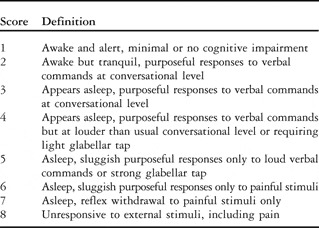
Over a period of 18 months, we conducted a prospective, randomized, clinical trial having obtained institutional review approval and verbal informed parental consent. We enrolled 126 patients fulfilling the first and second physical states established by the American Society of Anesthesiologists, the patients being aged from 4 months to 15 years. All were scheduled for cardiac catheterization under sedation. The criterions for exclusion included those with acute or chronic alteration in mental state, such as mental retardation, dementia, or head trauma, and those who were deaf. It is known that scores within the bispectral index may not be reliable in patients with neurologic disease.Reference Kissin19 All patients were randomly assigned into two groups depending on protocol numbers. Those with even numbers received bispectral index monitoring. In all, 66 patients received sedatives without monitoring, while 60 patients were monitored using the index. The collected data included heart rate, systolic arterial pressure, respiratory rate, saturations of oxygen, and when appropriate, the bispectral index. We collected scores for sedation using the Ramsay scale at baseline, after induction, and every 15 minutes thereafter. We recorded the total amount of sedatives in mg per kg per hr, as well as awakening times and adverse effects, using the 8-point Modified Ramsay Sedation Scale to determine sedation and analgesia every 15 minutes (Table 1). During procedural sedation and analgesia, the sedative agents were titrated to maintain a depression of consciousness of the child so that he or she cannot be easily aroused, but responded purposefully to a painful stimulus, this being represented by scores from 3 to 7 on the Ramsay Sedation Scale. The anaesthesiologist also recorded the values within the bispectral index every 15 minutes, and administered the sedatives depending on the values of the index, maintaining scores between 60 to 85 in those undergoing bispectral monitoring.Reference Bahn and Holt20 The monitor (Aspect Medical Systems, Newton, MA, USA) acquires the signals from a single, self-adhesive forehead probe and offers a single number ranging from 0 to 100, representing an integrated measure of cerebral electrical activity. The depth of sedation is scored at zero for coma or absence of brain electrical activity, from zero to 40 to represent a deep hypnotic state, from 40 to 60 during general anaesthesia, from 60 to 90 for deep to light sedation, and from 90 to 100 when awake. It has been shown that the visual analogue for pain and recall were significantly different for scores greater or less than 85.Reference Miner, Fringer, Siegel, Gaetz, Ling and Biros12, Reference Bahn and Holt20
Modified Ramsay Sedation Scale.

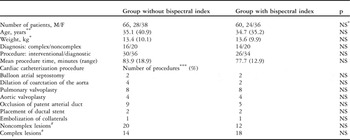
The demographic data, cardiac diagnoses, and types of intervention are summarized in Table 2. All patients were fasted for 4 to 6 hours before the procedure, and were premedicated on the ward 30 to 45 minutes before the procedure. In all procedures, midazolam at 0.15 mg per kg was administered with atropine at 0.02 mg per kg given intramuscularly as a premedication. Before the start of the procedure, an intravenous line was placed, and an infusion of onethird saline solution was started in all patients. The femoral cutaneous area was anaesthetized with local anaesthetic. Patients were fully monitored and observed by an anaesthesiologist trained in advanced paediatric life support during the procedure, and in the recovery room until the patients were fully awake. Patients with severe hypoxia prior to the initiation of the procedure received oxygen via nasal cannulas. Oxygen was also used for patients undergoing interventional procedures. We recorded any changes in saturation of oxygen by more than 5% from the initial value, along with changes of more than 20% in systolic arterial pressure and heart rate. Tachycardia was defined as a heart rate faster than 160 beats per minute in children below 1 year, faster than 140 beats per minute in children aged from 1 to 6 years, and faster than 120 beats per minute in children above 6 years.
In both groups, midazolam was given at 0.1 mg per kg, with repeat bolus doses of 0.05 mg per kg every 10 to 20 minutes if necessary. Depending on the level within the Ramsay scale, ketamine was added at the dose of 1 mg per kg, and repeated at the dose of 0.5 mg per kg or 1 mg per kg as necessary. The same dosing was used in both groups. In general, children weighing up to 20 kg received 0.1 mg per kg midazolam up to a maximum dose of 2 mg, and then followed by an initial dose of 1.0 mg per kg ketamine. The maximum total dose for midazolam was 0.3 mg per kg, whereas, for ketamine it was 6 mg per kg.Reference Parker, Mahan, Giugliano and Parker17 We administered additional doses in patients with bispectral index values increasing above 85 for more than 1 minute.
Recovery from sedation, as measured by level of awareness, and/or response to verbal stimulus, was assessed with the Steward scoring system at 15, 30, and 45 minutes after the completion of the procedure.Reference Steward21
Statistical analysis of the data was performed using SPSS software (version 13.0; SPSS, Inc., Chicago, IL, USA). The differences between the groups were explored with Student’s t test. Incidences in the groups were determined by Chi-square and Fisher’s exact test. The results are presented as mean and standard deviations. A probability value of p less than 0.05 was considered significant.
Results
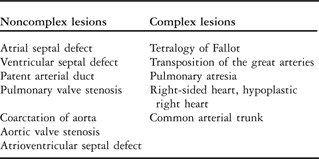
There were 126 patients, 52 males and 74 females, with a mean age of 34.9 months, with standard deviation of 38.1 months, and a range from 4 days to 15 years. The mean weight was 13.5 kg, with standard deviation of 10.1 kg, and a range from 2.1 to 52 kg. Of the 126 patients, 54 were undergoing interventional and 72 diagnostic prtocedures. In the first group of 66 patients, sedatives were administered without use of the bispectral index monitor, while the other 60 patients received sedatives with bispectral monitoring. The demographic data, cardiac diagnoses, and types of intervention are summarized in Table 2 and 3. There were no statistically significant differences between the two groups regarding the age, weight, complexity of disease, the type of procedure, or the mean duration of the procedure. None of the patients died.
Demographic data and cardiac procedures.

*NS: not significant.
**Data represented as mean (standard deviation).
***Data presented as percent number of patients.
#Explanation of noncomplex and complex lesions are in Table 3.
Differential diagnoses.

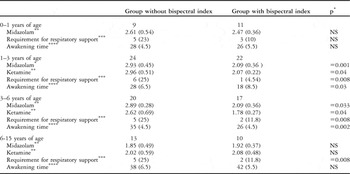
Age-related subdivision of groups provided information regarding the total amount of midazolam and ketamine used in each group, and the effects of this distribution with or without the use of the bispectral index (Table 4). The small infants, aged between 4 and 12 months, received only intravenous doses of midazolam, the amount used not being statistically different in the 2 groups. Nor were significant differences seen regarding respiratory support, adverse effects, and awakening times. In those aged from 1 to 3 years, lower doses of midazolam, at 2.09 mg per kg per hr, with standard deviation of 0.36, and of ketamine, at 2.07 with deviation of 0.22, were used in those undergoing monitoring when compared to those not being monitored, the values being 2.93 with deviation of 0.45, and 2.96 with deviation of 0.51, respectively. These differences proved statistically significant (p = 0.001 and p = 0.04). For those aged from 3 to 6 years, use of midazolam, at 2.09 with deviation of 0.36, and ketamine at 1.78 with deviation of 0.27, was again less in those undergoing bispectral monitoring compared to those not being monitored, when the values were 2.89 with deviation of 0.28, and 2.62 with deviation of 0.69, respectively. These differences were again significant (p equals to 0.033, and p equals to 0.04). The requirements for respiratory support, adverse effects, and awakening times were significantly lower in those aged from 1 to 6 years who were undergoing monitoring (p less than 0.05). No significant difference regarding doses of midazolam were found for those aged from 4 months to 1 year, or for doses of midazolam and ketamine between the ages of 6 and 15 years.
Comparison of doses of midazolam and ketamine in age-related groups and effects on awakening time.

*p less than 0.05: statistically significant, NS: not significant.
**Data represented as mg per kg per hr and values are mean and standard deviation in paranthesis.
***Data represented as number and percent of patients in paranthesis.
****Data represented as number and percent of patients in paranthesis, as per modified Steward Scale.21
Ketamine was used quickly by children aged between 1 and 6 years, additional sedative doses being needed more frequently at these ages, at intervals from 5 to 10 minutes. This was thought to be the reason for better titration when using the monitor in children of these ages. In those aged from 6 to 15 years, use of ketamine increased the scores for the index, with comparisons failing to show any significant difference in does of midazolam or ketamine. Younger children, however, required higher doses (p equals to 0.0.2 for midazolam, p less than 0.001 for ketamine) between the ages of 1 and 6 years. (Table 4).
Scores for the index ranged from 40 to 98, with a mean of 82.4 and standard deviation of 9.1, and interquartile range from 72 to 94, and a median of 78. Ramsay sedation scale scores ranged from 1 to 8, with a mean of 4.2, standard deviation of 1.6, and median of 4. The correlation between the scores for the bispectral index and the Ramsay scale was not statistically calculated. Instead, we used the data from the study by Agrawal et al.Reference Agrawal, Feldman, Krauss and Waltzman4 as guidance when correlating titration of the doses of midazolam and ketamine.
After awakening, the small infants aged from 4 months to 1 year were scored with the Steward system, given a minimum score of 6 and higher, for their behavioural and motor assessment. No statistically significant differences were found between the two groups. For those aged from 1 to 3, and 3 to 6 years, however, the awakening times were different, being 28 with deviation of 6.5, and 35 with deviation of 4.5 for those not undergoing monitoring versus 18, with deviation of 8.5, and 26 wit deviation of 4.5, respectively. These differences are again statistically significant (p equals to 0.03 and p equals to 0.02, respectively). There was no statistically significant difference for those aged from 6 to 15 years (Table 4).
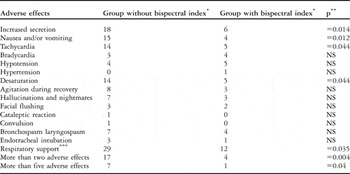
The frequency of various adverse effects is shown in Table 5. In both groups, respiratory related complications were the most commonly seen, in 35% in those not monitored versus 17% for those using the monitor. Oxygen was required in 24% of the procedures undertaken without monitoring as opposed to 10% in those in whom the monitor was used. Desaturation of more than 5 point decrease from baseline occurred in 3 patients not being monitored, as opposed to only 1 patient in whom the monitor was used. Bronchial spasm, and/or laryngospasm, was seen in 11 patients, of whom only 3 required intubation. Supporting drugs, such as atropine, epinephrine, propranolol, and adenosine, were required in 10 patients aged from 1 to 6 years who were not monitored, as opposed to 6 of those using the monitor (p equals to 0.04 and p equals to 0.002, respectively, – Table 5). Oxygen supplementation was significantly higher in those not using the monitor, being needed in 16 as opposed to 6 patients (p equals to 0.035 – Table 5). Respiratory support, including ventilation via a mask, was needed less frequently in the monitored patients, 13 as opposed to 35 (p equals to 0.035). The incidence of increased amount of secretions, nausea and/or vomiting, tachycardia, and desaturation was also lower in the monitored patients (Table 5).
Adverse effects of sedation with or without bispectral index.

*Data as presented as percent of patients.
**p less than 0.05,statistically significant, NS: not significant.
***Respiratory support includes: endotracheal intubation, oxygen via mask, mechanical ventilation for short period of time.
Heart rates were similar before the procedures in both groups, but after the procedure the heart rate was higher in infants and toddlers receiving doses of ketamine (p greater than 0.05). The mean arterial blood pressure and changes in heart rate before or after the procedures showed no differences between the groups.
Discussion
Difficulties exist in interpreting the values obtained using the bispectral monitor in infants and children. Validation of the bispectral index monitor in children, therefore, should be a priority before other studies are performed to determine the clinical usefulness of this device for this age group. The validity of the monitor in assessing sedation in children, however, has been established in several recent studies.Reference Levine2–Reference Overly, Wright, Connor, Jay and Linakis7 Denman et al.Reference Denman, Swanson, Rosow, Ezbicki, Connors and Rosow22 have listed the problems of validating the index in infants and children. These include the absence of a “gold standard” for sedation or sleep, and difficulties in distinguishing purposeful actions from nonspecific startle responses. The index has been shown to be useful tool when assessing midazolam-induced sedation in adults during regional administration of anaesthesia.Reference Liu13 With increasing sedation, there was a progressive decrease in the bispectral index. Similarly, bispectral index increased with recovery from the sedative effects of midazolam. This finding correlates with other results.Reference Miner, Fringer, Siegel, Gaetz, Ling and Biros12, Reference Glass, Bloom, Kearse, Rosow, Sebel and Manberg23 Bispectral encephalographic analysis has also been studied in children to determine its use as a measure of the depth of sedation, with good correlation reported in several clinical settings.Reference Overly, Wright, Connor, Jay and Linakis7, Reference Morse, Kaizu, Sano and Kanri10, Reference Triltsch, Nestmann and Orawa11 Indeed, the monitor was recently used to assess dosage of ketamine during cardiac catheterization in children.Reference Tosun, Akin, Guler, Esmaoglu and Boyaci24
Our aim was to use the monitor to titrate the use of sedatives, and we did not seek to correlate the scores obtained and the level of sedation for any age group. Sedation wears off quickly in children, so doses need to be administered frequently, increasing the risk of side effects due to possible accumulation of the drugs and their metabolites. Using the index, we achieved a statistically significant reduction in the total dose of midazolam and ketamine in those aged between 1 and 6 years (Table 4).
We also found monitoring to be valuable in those aged from 6 to 12 years, albeit not finding any statistically significant differences in the values of the index. It is possible that use of ketamine interferes with values more in those in this age range, or it could be that the requirements of the doses were different than for those aged from 1 to 6 years. Our findings also confirm the statement of Agrawal and colleagues,Reference Agrawal, Feldman, Krauss and Waltzman4 namely that there is a correlation in children with the findings using the scores in the modified Ramsay scales.
Several scales have been studied for grading sedation in paediatric intensive care units.Reference Aneja, Heard, Fletcher and Heard9, Reference Triltsch, Nestmann and Orawa11 We chose to use the modified Ramsay scale, albeit that this is difficult in the setting of cardiac catheterization, where there is need for periods of strict motionless. It was difficult to access responses to light touch and verbal commands every five minutes. Ongoing assessment of the depth of sedation is important for early identification of the progression into deep sedation and the potential loss of protective reflexes. During the procedure, continuous pulse oximetry, and assessment of vital signs may facilitate safe monitoring. Most of the pharmacologic agents used for procedural sedation in children including midazolam and ketamine may produce respiratory depression and hypotension. The study by Morse et al.Reference Morse, Kaizu, Sano and Kanri10 suggested that bispectral index values would not provide any additional benefit in monitoring depth of sedation during oral surgery in adults. In our study, however, monitoring unequivocally aided in titrating the doses of midazolam and ketamine in those aged from 1 to 6 years. Ketamine wears off rapidly at these ages, increasing the value of the bispectral index.
The monitor is not yet validated for those aged less than 12 months, possibly due to incomplete cerebral maturation resulting in different electroencephalographic patterns. The sedative also wears off quickly at this age, and our observations suggest that the monitor can be used effectively. Our study is limited, nonetheless, as we were not able to perform a study where the anaesthesiologist was blinded to the use of the bispectral index.
The use of high doses of midazolam alone is associated with a high incidence of respiratory depression. Ketamine is a dissociative analgesic, having properties of cortical and limbic dissociation, bronchodilation and airway patency relative to benzodiazepines. The use of midazolam with ketamine has been reported to prevent dysphoric reactions, the total need of ketamine use, and less risk of respiratory depression. Also midazolam has been shown to abate ketamine associated cardiovascular effects.Reference Jobeir, Galal, Bulbul, Solymar, Darwish and Schmaltz25 Comparison of adverse effects related to these sedative agents by evaluation of patients of different ages are comparable to the previous studies on use of midazolam and/or ketamine in cardiac catheterization.Reference Tosun, Akin, Guler, Esmaoglu and Boyaci24–Reference Auden, Sobczyk, Solinger and Goldsmith27
Our study has shown that monitoring using the bispectral index can be a valuable tool for achieving optimal sedation in cardiac procedures. The current values for the index, nonetheless, are collected from adults. If the index is to be used routinely in children, it is necessary to create a new scale for more accurate application of this valuable and safe instrument.
Grant support: Support was provided solely from institutional sources.