Leishmaniasis
Leishmaniasis is a disease caused by protozoans of the sub-family Leishmaniinae (Jirků et al. Reference Jirků, Yurchenko, Lukeš and Maslov2012; Espinosa et al. Reference Espinosa, Serrano, Camargo, Teixeira and Shaw2016). Those parasites are transmitted by the bite of infected female sand flies from the genus Phlebotomus in the Old World and Lutzomyia in the New World (Young and Duncan, Reference Young and Duncan1994). The protozoan is able to infect rodents, marsupials, canids, hyraxes, edentates and primates (Grimaldi et al. Reference Grimaldi, Tesh and McMahon-Pratt1989; Akhoundi et al. Reference Akhoundi, Kuhls, Cannet, Votýpka and Marty2016). According to the World Health Organization, leishmaniasis is one of the six most important neglected diseases (de Guerra et al. Reference de Guerra, das Barbosa, de Loureiro, Coelho, Rosa and de Coelho2007). In Brazil, most cases are due to Leishmania braziliensis (tegumentary leishmaniasis) and Leishmania infantum (visceral leishmaniasis).
Leishmania enriettii and Leishmania (Mundinia) subgenus
Among the 50 species of Leishmania reported, approximately 20 are infectious to humans (Akhoundi et al. Reference Akhoundi, Kuhls, Cannet, Votýpka and Marty2016). One of the Leishmania species that is non-infective to humans is Leishmania (Mundinia) enriettii (Muniz and Medina, Reference Muniz and Medina1948; Machado et al. Reference Machado, Milder, Pacheco, Silva, Braga and Lainson1994; Lainson, Reference Lainson1997), whose vertebrate host is guinea pig Cavia porcellus (Rodentia: Cavida). The subgenus L. (Mundinia) has been recently established to accommodate those members formerly included within the L. enriettii complex (Espinosa et al. Reference Espinosa, Serrano, Camargo, Teixeira and Shaw2016; Paranaíba et al. Reference Paranaíba, Pinheiro, Torrecilhas, Macedo, Menezes-Neto, Tafuri and Soares2017). The subgenus was inspired by Mun (Muniz) and din (Medina) to pay tribute to the researchers that reported this parasite.
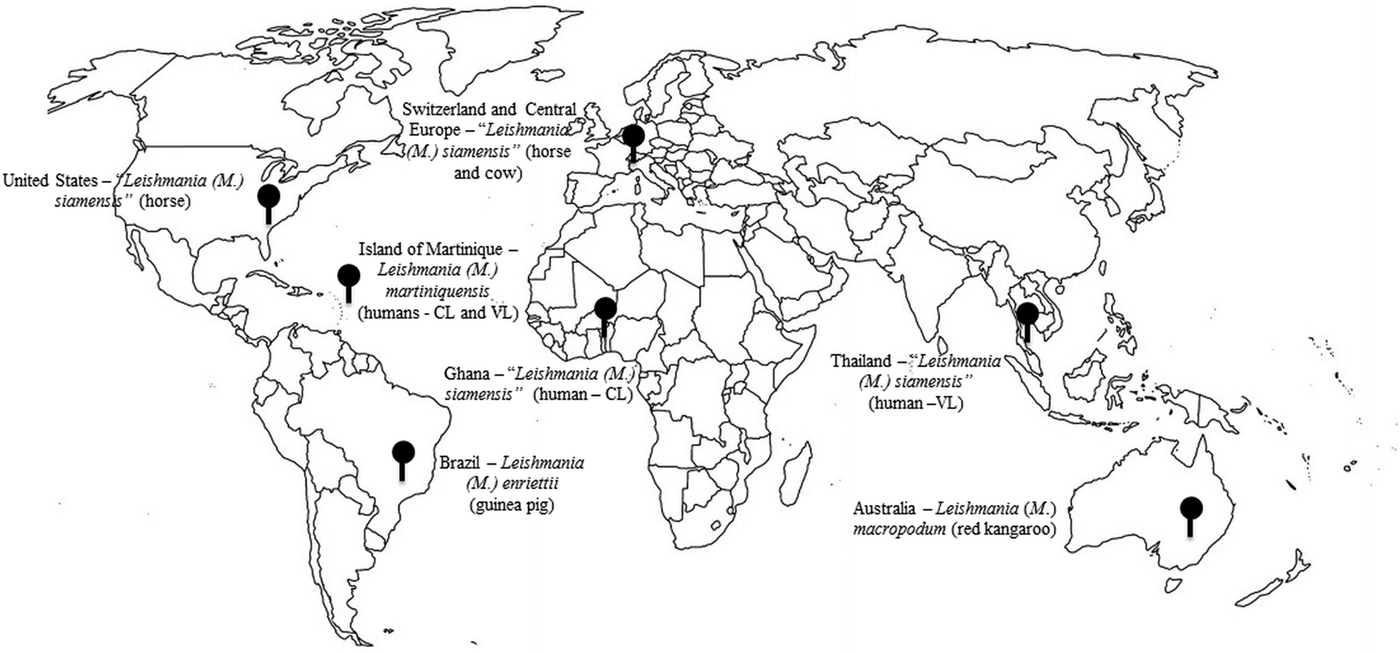
No autochthonous cutaneous leishmaniasis (CL) cases were reported in Australia until 2003. However, strong evidence of Leishmania infecting red kangaroos (Macropus rufus) was provided later (Rose et al. Reference Rose, Curtis, Baldwin, Mathis, Kumar, Sakthianandeswaren, Spurck, Low Choy and Handman2004; Dougall et al. Reference Dougall, Shilton, Low Choy, Alexander and Walton2009, Reference Dougall, Alexander, Holt, Harris, Sultan, Bates, Rose and Walton2011). Recently, the name Leishmania (M.) macropodum was formally defined (Barratt et al. Reference Barratt, Kaufer, Peters, Craig, Lawrence, Roberts and Ellis2017) and the informal name Leishmania ‘australiensis’ was discontinued to avoid usage of a nomen nudum (Australian Government, 2016). Besides the Australian isolate, other species and/or putative members of the L. (Mundinia) subgenus were reported in several parts of the world. Those included Leishmania martiniquensis in Martinica and Thailand (Boisseau-Garsaud et al. Reference Boisseau-Garsaud, Cales-Quist, Desbois, Jouannelle, Jouannelle, Pratlong and Dedet2000; Desbois et al. Reference Desbois, Pratlong, Quist and Dedet2014; Pothirat et al. Reference Pothirat, Tantiworawit, Chaiwarith, Jariyapan, Wannasan, Siriyasatien and Bates2014; Liautaud et al. Reference Liautaud, Vignier, Miossec, Plumelle, Kone, Delta, Ravel, Cabié and Desbois2015) and different isolates of ‘Leishmania siamensis’ in Thailand (Bualert et al. Reference Bualert, Charungkiattikul, Thongsuksai, Mungthin, Siripattanapipong, Khositnithikul and Leelayoova2012; Kanjanopas et al. Reference Kanjanopas, Siripattanapipong, Ninsaeng, Hitakarun, Jitkaew, Kaewtaphaya and Leelayoova2013; Chusri et al. Reference Chusri, Thammapalo, Silpapojakul and Siriyasatien2014), United States of America (Reuss et al. Reference Reuss, Dunbar, Calderwood Mays, Owen, Mallicote, Archer and Wellehan2012), Ghana (Kwakye-Nuako et al. Reference Kwakye-Nuako, Mosore, Duplessis, Bates, Puplampu, Mensah-Attipoe and Bates2015) and Central Europe (Muller et al. Reference Muller, Welle, Lobsiger, Stoffel, Boghenbor, Hilbe and Von Bomhard2009; Lobsiger et al. Reference Lobsiger, Muller, Schweizer, Frey, Wiederkehr, Zumkehr and Gottstein2010) (Fig. 1). Since ‘L. siamensis’ is not a taxonomically valid name, it should be used between quotation marks (Barratt et al. Reference Barratt, Kaufer, Peters, Craig, Lawrence, Roberts and Ellis2017; Cotton, Reference Cotton2017; Steverding, Reference Steverding2017). Based on the available literature, more studies are still needed to ascertain their current taxonomic status of those species/isolates using molecular approaches. This subject also opens the possibility of epidemiological studies in order to identify possible vectors and hosts.
Distributions and hosts of Leishmania species from the L. (Mundinia) subgenus. Legend: CL, cutaneous leishmaniasis; VL, visceral leishmaniasis.

Histopathology, glycoconjugates and innate immunity
The first histopathological description of L. enriettii lesion was reported soon after its discovery in guinea pigs. It is characterized by highly infected macrophages bearing a chronic inflammatory infiltrate, a profile very similar to other dermotropic Leishmania species (Medina, Reference Medina2001). For this reason, L. enriettii has been successfully used as a CL model but it may vary depending on the host.
Similar to guinea pigs, hamsters may also develop and heal lesions. Nevertheless, those were not ulcerative and/or metastatic (Belehu and Turk, Reference Belehu and Turk1976). In red kangaroos, although a histopathological description was provided, it is still unknown if the lesions spontaneously healed in those hosts (Rose et al. Reference Rose, Curtis, Baldwin, Mathis, Kumar, Sakthianandeswaren, Spurck, Low Choy and Handman2004). Several studies of histopathological lesions caused by L. enriettii in guinea pigs were proposed (Paranaíba et al. Reference Paranaíba, de Assis, Nogueira, Torrecilhas, Campos, de Silveira, Martins-Filho, Pessoa, Campos, Parreiras, Melo, de Gontijo and Soares2015; Seblova et al. Reference Seblova, Sadlova, Vojtkova, Votypka, Carpenter, Bates and Volf2015). Depending on the strain, the lesions can appear between the third and sixth week and disappear between the 10th and the 14th week (Lobato Paraense, Reference Lobato Paraense1953; Bryceson et al. Reference Bryceson, Bray and Dumonde1974; Medina, Reference Medina2001). However, those papers did not use salivary gland extract (SGE) together with parasite inoculum to mimic natural transmission. Recently, two strains (L88 and Cobaia) of L. enriettii isolated in different years (1945 and 1985) exhibited different degrees of immunopathology in the guinea pigs. L88 strain was able to cause ulcerated lesions and those were exacerbated in the presence of SGE (Paranaíba et al. Reference Paranaíba, de Assis, Nogueira, Torrecilhas, Campos, de Silveira, Martins-Filho, Pessoa, Campos, Parreiras, Melo, de Gontijo and Soares2015). However, a missing step in the histopathology of L. enriettii is to compare different strains in the presence/absence of SGE.
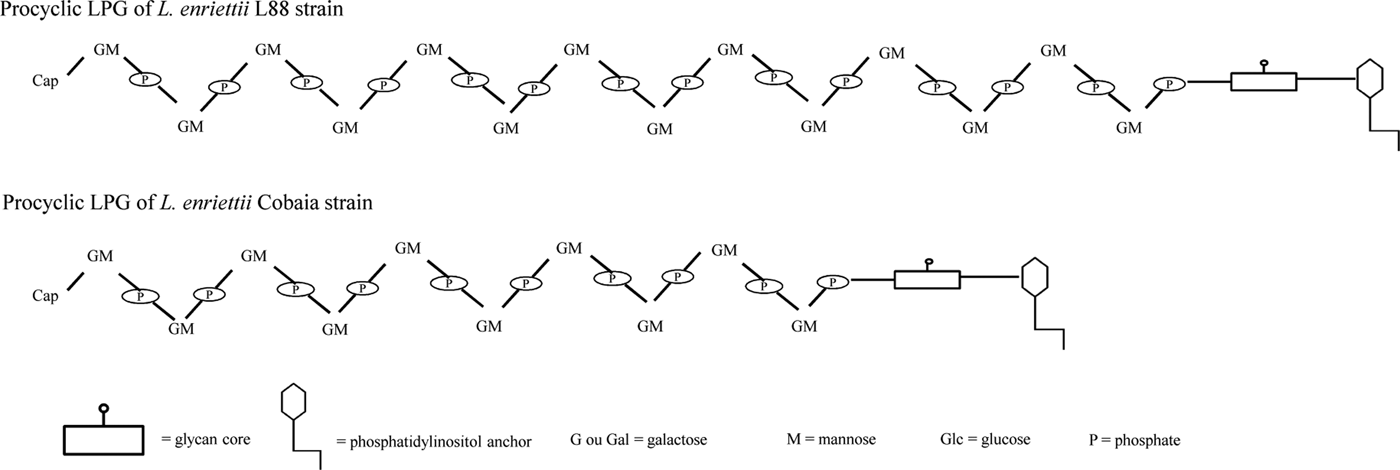
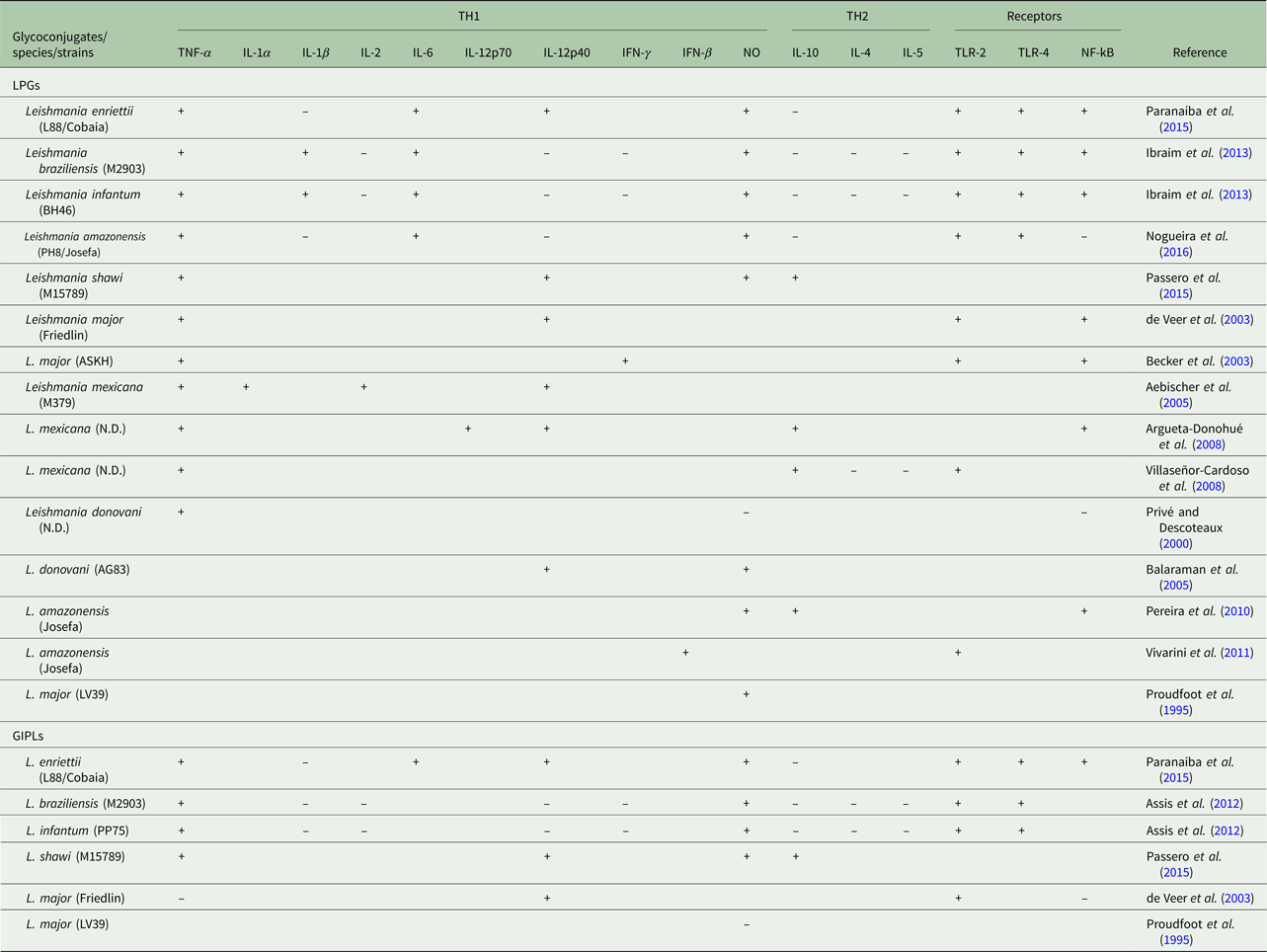
Glycoconjugates of Leishmania are very important during the interaction of parasite and host. Lipophosphoglycan (LPG) and glycoinositolphospholipids (GIPLs) have been demonstrated to have an important role in the interaction with sand flies and the innate immune system (Assis et al. Reference Assis, Ibraim, Noronha, Turco and Soares2012; de Assis et al. Reference de Assis, Ibraim, Nogueira, Soares and Turco2012; Ibraim et al. Reference Ibraim, de Assis, Pessoa, Campos, Melo, Turco and Soares2013). The LPGs of L88 and Cobaia strains of L. enriettii were devoid of side-chains in their repeat units, similar to those found in L. braziliensis (Soares et al. Reference Soares, Cardoso, Barron, Araújo, Pimenta and Turco2005), Leishmania donovani (Sudan) (Sacks et al. Reference Sacks, Pimenta, McConville, Schneider and Turco1995), L. infantum type I (Coelho-Finamore et al. Reference Coelho-Finamore, Freitas, Assis, Melo, Novozhilova, Secundino, Pimenta, Turco and Soares2011) and Leishmania shawi (Passero et al. Reference Passero, Assis, da Silva, Nogueira, Macedo, Pessoa, Campos, Laurenti and Soares2015) (Fig. 2). Although the LPGs of both strains were similar, their GIPLs were polymorphic (Paranaíba et al. Reference Paranaíba, de Assis, Nogueira, Torrecilhas, Campos, de Silveira, Martins-Filho, Pessoa, Campos, Parreiras, Melo, de Gontijo and Soares2015). Further studies are still necessary to define the biochemical structure for L. enriettii GIPLs. Different from most Leishmania species, LPG and GIPLs from L. enriettii were very pro-inflammatory triggering the production of nitric oxide (NO) and pro-inflammatory cytokines [tumour necrosis factor (TNF)-α, interleukin (IL)-6 and IL-12p40] in murine macrophages via TLR2/TLR4. Those properties varied intraspecifically where LPGs and GIPLs of L88 strain were more pro-inflammatory than those from Cobaia strain reflecting their immunopathology properties in vivo. L88 strain was able to cause ulcerative lesions, whereas Cobaia strain only developed a protuberance (Paranaíba et al. Reference Paranaíba, de Assis, Nogueira, Torrecilhas, Campos, de Silveira, Martins-Filho, Pessoa, Campos, Parreiras, Melo, de Gontijo and Soares2015).
Schematic diagram of lipophosphoglycan repeat units from L eishmania enriettii strains. The repeat units are 6-Gal(β1,4)Man(α1)-PO4.

In Table 1, it is possible to comparatively evaluate several innate immune components involved in LPG and GIPLs activation by different Leishmania species. The higher pro-inflammatory activity of L. enriettii glycoconjugates may be important not only for the severity of the lesions in guinea pigs, but also for the activation of the immune system and subsequent healing. Most of those mechanisms are still unknown probably due to the lack of studies and the low veterinary importance of those animals.
Innate immune components involved in LPG and GIPLs activation by different Leishmania species

N.D., strain not determined.
Leishmania enriettii as a model for chemotherapeutic studies and molecular biology
Guinea pigs have the ability to spontaneously cure cutaneous lesions caused by L. enriettii. For this reason, chemotherapeutic tests with this parasite are very scarce and only few reports were available in the literature. This scenario is completely different from that of Leishmania amazonensis, another dermotropic species. This anergic species, commonly associated with treatment failure and natural drug resistance, is the most used model for in vitro chemotherapeutic studies (Rocha et al. Reference Rocha, Corrêa, Melo, Beverley, Martins-Filho, Madureira and Soares2013).
In 1961, L. enriettii-infected animals treated with Glucantime® exhibited a lesion regression. In spite of that, no effect was observed after in vivo treatment with Pentostam®, fuadin, tartar emetic and hydroxy-stilbamidine (Ercoli and Fink, Reference Ercoli and Fink1962). Further, in vivo tests in C. porcellus and in vitro studies in macrophages infected with L. enriettii did not respond to treatment with furazolidone and nitrofurazone (Neal et al. Reference Neal, van Bueren and Hooper1988). On the other hand, levamisole-treated guinea pigs developed less severe lesions and metastases (Rezai et al. Reference Rezai, Behbehani, Gettner and Ardehali1988). Aside from that, Glucantime® and Amphotericin B remain the first/second-line drugs for leishmaniasis treatment in different parts of the world. Occurrences of CL in kangaroos as an opportunistic agent (Dougall et al. Reference Dougall, Alexander, Holt, Harris, Sultan, Bates, Rose and Walton2011) highlights the importance of more studies in order to determine their role as hosts and perhaps to stimulate in vivo chemotherapeutic protocols for those and other animals.
Alike other Leishmania species, L. enriettii has been used as a model for molecular biology studies not only for developing transfection protocols but also for understanding multidrug resistance (MDR). Its LeMDR1 gene is an ABCB-type transporter having high similarity to mammalian phosphoglycan protein P and involved in vinblastine resistance (Chow et al. Reference Chow, Wong, Ullman and Wirth1993). Resistance against this drug was demonstrated by many molecular approaches suggesting that accumulation inside intracellular compartments and further exocytosis was one of the mechanisms (Dodge et al. Reference Dodge, Waller, Chow, Zaman, Cotton, McConville and Wirth2004). Later, vinblastine resistance mechanism was shown to be iron-dependent (Wong and Chow, Reference Wong and Chow2006). More recently, synthetic flavonoid dimers were tested against pentamidin and sodium stibogluconate-resistant strains of L. enriettii. Some of those compounds, known to inhibit ATP-binding cassettes transporters, were able to reverse MDR in those parasites (Wong et al. Reference Wong, Chan, Burkett, Zhao, Chai, Sun, Chan and Chow2007).
Some reports have looked at differentially expressed genes in L. enriettii in the two stages as a means to understand parasite developmental biology. During Leishmania life cycle, parasite alternates from a promastigote form in the sand fly to an amastigote form in the vertebrate host. Among several morphological changes, differentially expressed proteins are also observed such as tubulin. This protein is very important for flagellum assembly, a structure absent/unapparent in the amastigotes and their genes are tandemly arranged in the genome (Landfear et al. Reference Landfear, McMahon-Pratt and Wirth1983). Although α- and β-tubulin genes are equally arranged in both forms, their mRNA expression levels are higher in the promastigote stage (Landfear and Wirth, Reference Landfear and Wirth1985). Besides those studies on tubulins, two publications also reported on membrane glucose transporters. Glucose is a very important carbohydrate for trypanosomatids and its uptake occurs not only extracellularly, but also from the cytosol to the glycosome. They are also a family of tandem repeated genes, whose mRNAs were almost exclusively expressed in the insect's promastigotes encoding for two isoforms (iso-1 and iso-2) (Stack et al. Reference Stack, Stein and Landfear1990; Langford et al. Reference Langford, Little, Kavanaugh and Landfear1994). Later on, with the development of more advanced molecular protocols, alike other Leishmania species, L. enriettii was also used for transient and stable transfections with different genes (Laban and Wirth, Reference Laban and Wirth1989; Laban et al. Reference Laban, Tobin, Curotto de Lafaille and Wirth1990; Tobin et al. Reference Tobin, Laban and Wirth1991). Those results were published in outstanding journals and were landmarks for standardizing those protocols in other Leishmania/trypanosomatid species. Although L. enriettii was used with the model for molecular biology studies, a lot is still to be accomplished, especially regarding virulence and target genes for parasite typing.
Leishmania enriettii: the Leishmania RNA virus and extracellular vesicles
The first report of viruses or virus-like particles (VLPs) uncovered in protozoans of the sub-family Leishmaniinae (Jirků et al. Reference Jirků, Yurchenko, Lukeš and Maslov2012; Espinosa et al. Reference Espinosa, Serrano, Camargo, Teixeira and Shaw2016) have been found in the promastigotes of Leishmania hertigi species in culture. The VLPs were immediately observed in the cytoplasm of these parasites when examined by the electronic microscope, particles were spherical with 55–60 diameter (Molyneux, Reference Molyneux1974).
The Leishmania RNA virus (LRV) (Totiviridae) was reported to infect Leishmania species from subgenera Viannia (LRV1) and Leishmania (LRV2). LRV1 is a double-stranded RNA (dsRNA) virus first described in Leishmania guyanensis strains from the Amazon region (Guilbride et al. Reference Guilbride, Myler and Stuart1992). The molecular structure of the LRV2 virus is different from LRV1 (Scheffter et al. Reference Scheffter, Ro, Chung and Patterson1995). Many studies have found a correlation between LRV1 and severity of pathology, a mechanism dependent on TLR3 activation by the viral dsRNA (Ives et al. Reference Ives, Ronet, Prevel, Ruzzante, Fuertes-Marraco, Schutz, Zangger, Revaz-Breton, Lye, Hickerson, Beverley, Acha-Orbea, Launois, Fasel and Masina2011). More recently, the finding of LRV was expanded in other Latin American countries including Bolivia, Peru and French Guiana (Adaui et al. Reference Adaui, Lye, Akopyants, Zimic, Llanos-Cuentas, Garcia, Maes, De Doncker, Dobson, Arevalo, Dujardin and Beverley2016; Ginouvès et al. Reference Ginouvès, Simon, Bourreau, Lacoste, Ronet, Couppié and Nacher2016; Macedo et al. Reference Macedo, Menezes-Neto, Rugani, Silva, Melo, Lye, Beverley, Gontijo and Soares2016), confirming that biogeographically this virus seems confined to the northern regions of South America. The presence of LRV1-infected strains was already detected in a biopsy from patients with CL from Caratinga, Minas Gerais state, Brazil (Ogg et al. Reference Ogg, Carrion, de Botelho, Mayrink, Correa-Oliveira and Patterson2003). However, a presence of LVR1 in parasites isolated from patients was not detected in Minas Gerais state and other regions of Brazil, suggesting that the frequency of LRV1 in L. braziliensis strains seems to be very low in these localities (Pereira et al. Reference Pereira, Maretti-Mira, Rodrigues, Lima, de Oliveira-neto, Cupolillo, Pirmez and de Oliveira2013; Macedo et al. Reference Macedo, Menezes-Neto, Rugani, Silva, Melo, Lye, Beverley, Gontijo and Soares2016). Regarding the L. (Mundinia) subgenus, the occurrence of LRV1/2 is a promising field for future investigations.
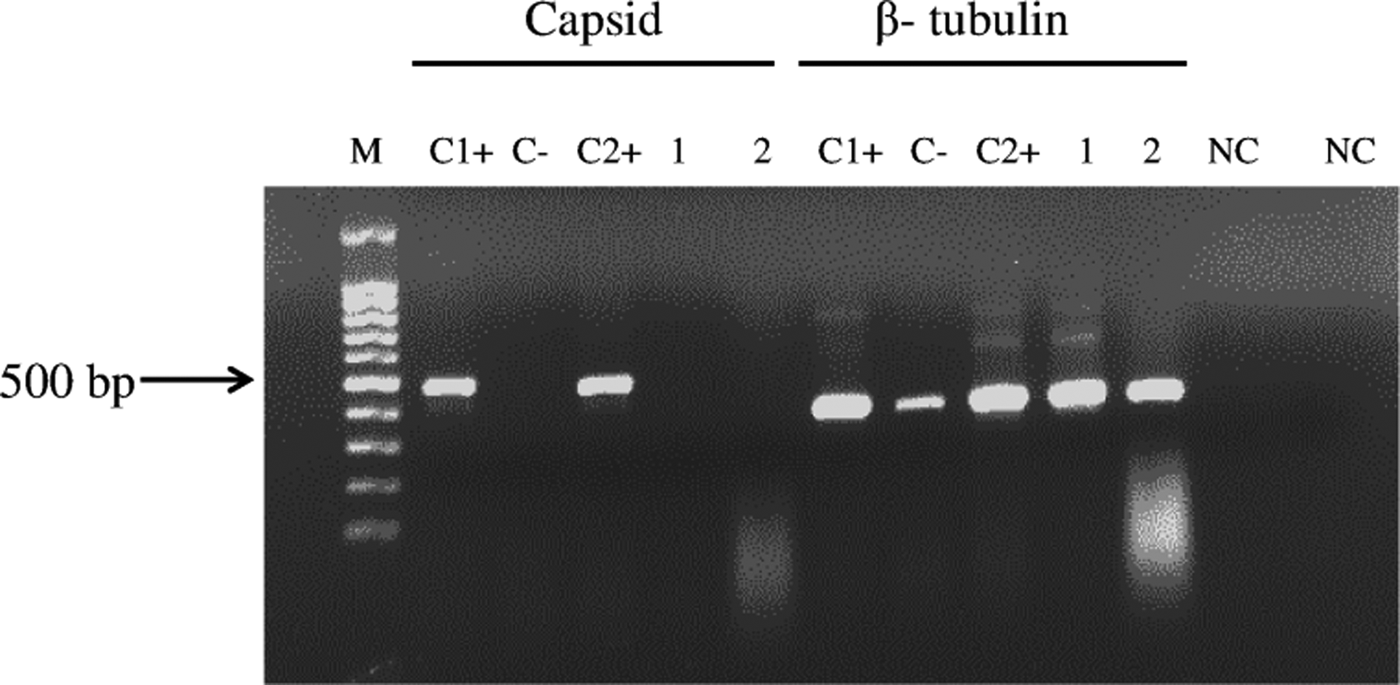
In this context, previous studies showed that L88 strain of L. enriettii caused more severe lesion than Cobaia strain (Paranaíba et al. Reference Paranaíba, de Assis, Nogueira, Torrecilhas, Campos, de Silveira, Martins-Filho, Pessoa, Campos, Parreiras, Melo, de Gontijo and Soares2015). However, no information on LRV1/LRV2 on L. enriettii was available at that time. A capsid PCR using primers for LRV1/LRV2 (Macedo et al. Reference Macedo, Menezes-Neto, Rugani, Silva, Melo, Lye, Beverley, Gontijo and Soares2016) did not detect the virus in both L. enriettii strains (Fig. 3). Those data reinforced the role of the glycoconjugates in the severity of the pathology and perhaps are strain-specific. Those data are in accordance with previous published papers showing that LRV1 prevalence is higher in the Amazon and Northern parts of South America (Cantanhêde et al. Reference Cantanhêde, da Silva Júnior, Ito, Felipin, Nicolete, Salcedo, Porrozzi, Cupolillo and de Ferreira2015; Ito et al. Reference Ito, Catanhêde, Katsuragawa, Silva Junior, Camargo, de Mattos and Vilallobos-Salcedo2015; Adaui et al. Reference Adaui, Lye, Akopyants, Zimic, Llanos-Cuentas, Garcia, Maes, De Doncker, Dobson, Arevalo, Dujardin and Beverley2016; Ginouvès et al. Reference Ginouvès, Simon, Bourreau, Lacoste, Ronet, Couppié and Nacher2016), whereas in the Southeast its finding is rare (Pereira et al. Reference Pereira, Maretti-Mira, Rodrigues, Lima, de Oliveira-neto, Cupolillo, Pirmez and de Oliveira2013; Macedo et al. Reference Macedo, Menezes-Neto, Rugani, Silva, Melo, Lye, Beverley, Gontijo and Soares2016).
LRV1/LRV2 absence in two L eishmania enriettii strains (L88 and Cobaia). Legend: M, molecular marker; C1+, LVR1-positive control (L eishmania guyanensis reference strain M4147); C−, LRV1-negative control (L eishmania braziliensis reference strain M2903); C2+, LVR2-positive control (L eishmania major reference strain ASKH); lane 1, strain L88; lane 2, strain Cobaia; NC, negative controls (capsid and β-tubulin).

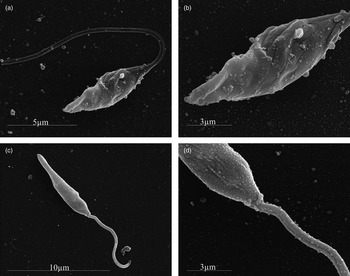
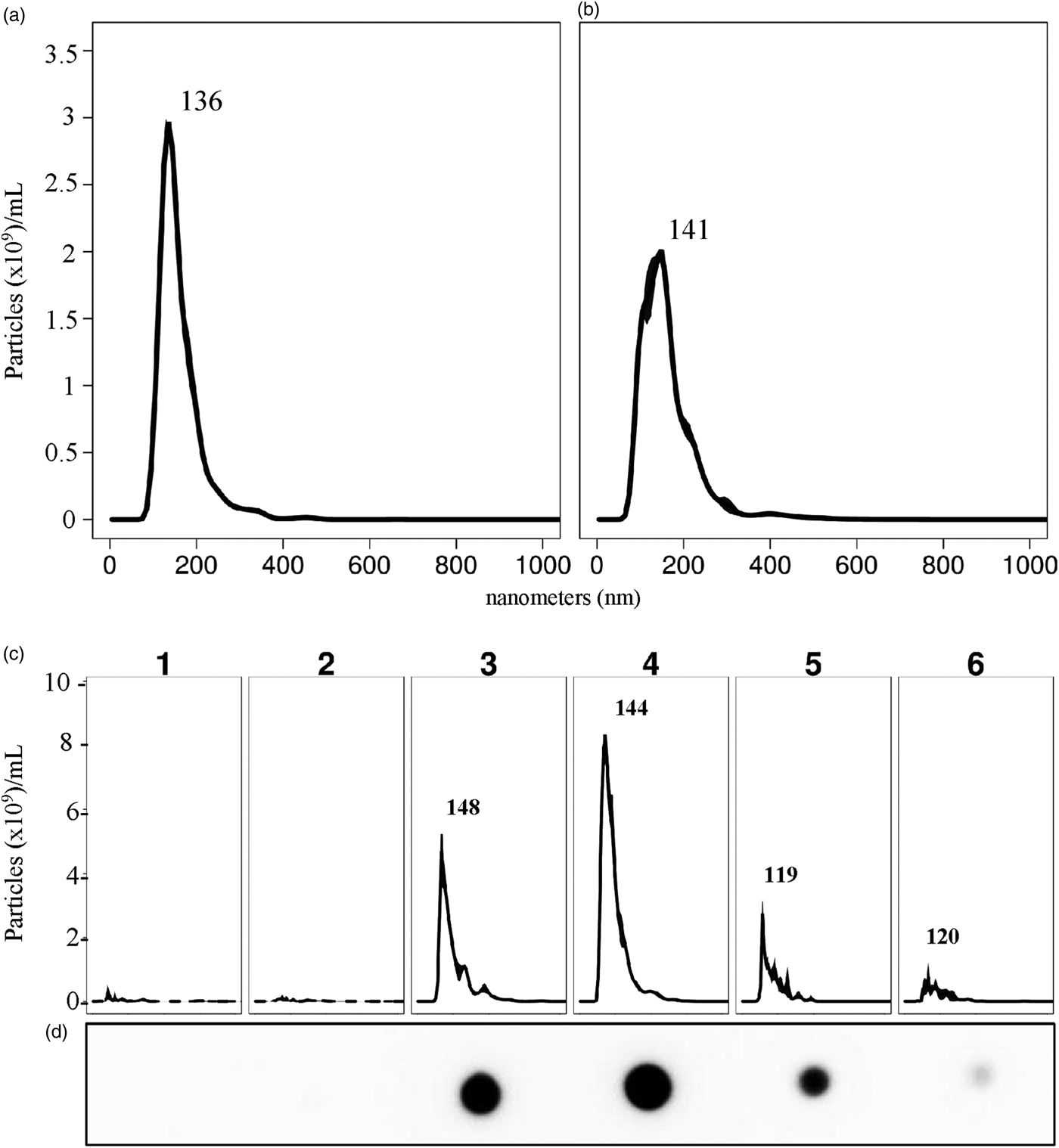
Another unknown aspect of the host–parasite interaction in L. enriettii is the release of extracellular vesicles (EVs) by the parasite. The first report on EVs in Leishmania was in L. donovani (Silverman et al. Reference Silverman, Clos, Horakova, Wang, Wiesgigl, Kelly and Reiner2010). In this species, those vesicles abrogated immune response favouring parasite development by several mechanisms. A recent study has determined the role of EVs during the interaction between L. infantum and the sand fly Lutzomyia longipalpis (Atayde et al. Reference Atayde, Suau, Townsend, Hassani, Kamhawi and Olivier2015). EVs have been the focus of great interest not only in Leishmania but also in other pathogens [reviewed by (Marcilla et al. Reference Marcilla, Martin-Jaular, Trelis, De Menezes-neto, Osuna, Bernal, Fernandez-becerra, Almeida and Portillo2014; Campos et al. Reference Campos, Soares, Ribeiro, Andrade, Batista and Torrecilhas2015; Szempruch et al. Reference Szempruch, Dennison, Kieft, Harrington and Hajduk2016)]. EVs have importance not only in intercellular communication but also during the host–parasite interaction not only in Leishmania but also in other parasites (Szempruch et al. Reference Szempruch, Dennison, Kieft, Harrington and Hajduk2016). For example, Trichomonas vaginalis EVs are determinant for tissue tropism and attachment, whereas in Trypanosoma brucei they confer resistance to trypanosome lytic factors (Stephens and Hajduk, Reference Stephens and Hajduk2011; Twu et al. Reference Twu, de Miguel, Lustig, Stevens, Vashisht, Wohlschlegel and Johnson2013). In Trypanosoma cruzi, EVs were determinant during the invasion, adhesion and modulation of the immune system (Trocoli Torrecilhas et al. Reference Trocoli Torrecilhas, Tonelli, Pavanelli, da Silva, Schumacher, de Souza and Manso Alves2009; Torrecilhas et al. Reference Torrecilhas, Schumacher, Alves and Colli2012; Nogueira et al. Reference Nogueira, Ribeiro, Silveira, Campos, Martins-Filho, Bela, Campos, Pessoa, Colli, Alves, Soares and Torrecilhas2015). However, it is still unknown if these subcellular structures were present in L. enriettii strains. The basic vesiculation protocol was performed and both strains (L88 and Cobaia) shed vesicles, as demonstrated by scanning electron microscope (SEM) analysis (Fig. 4). Nanoparticle tracking analysis (NTA) quantitatively confirmed SEM studies (Fig. 5a and b). The EVs released by L88 and Cobaia strains had similar size distributions with modal sizes of 136 (±1·5) nm and 141 (±5·4) nm, respectively. After normalization by cultured parasite concentrations, a slightly higher amount of EVs was observed for the Cobaia strain. EVs from the Cobaia strain were isolated by size exclusion chromatography and fractions were analysed by NTA and dot-blot for the detection of gp63 (Fig. 5c and d). The gp63 glycoprotein is a virulence factor found in Leishmania-derived EVs resulting in some of their immunomodulatory properties (Hassani et al. Reference Hassani, Shio, Martel, Faubert and Olivier2014). Therefore, the detection of gp63 in the same fractions in which particles were detected by NTA, not only corroborates their vesicular nature but also suggests that L. enriettii EVs are likely to be involved in the immunomodulation of host cells. However, more studies are necessary to qualitatively compare the EVs contents, not only their surface antigens, but also their miRNA cargo. Those features could help to understand the differences in the immunopathology of both strains.
Extracellular vesicles release by L eishmania enriettii strains (L88 and Cobaia strain). Scanning electron microscopy (SEM) of parasite membrane shedding after incubation in culture medium (a–d, bars: 3–10 µm). (a, b) L. enriettii L88 strain, (c, d) L. enriettii Cobaia strain. Magnification: (a) 26 468; (b) 50 000; (c) 15 276 and (d) 50 000.

Nanoparticle tracking analysis (NTA) and dot-blot from L eishmania enriettii strains (L88 and Cobaia). (a) NTA analysis from EVs released by L88 and (b) Cobaia strains (c); size exclusion chromatoghraphy (SEC) of EVs from Cobaia strain, and (d) gp63 detection of EV-containing fractions probed with mAb anti-gp63 (1:500).

Concluding remarks
Many aspects of L. enriettii and the other newly members of the L. (Mundinia) subgenus are still unknown. This comprehensive review aimed to explore and update most of the knowledge of those protozoans. Regarding L. martiniquensis and ‘L. siamensis’, many studies are still needed to address their current taxonomical status and to determine many epidemiological aspects, such as vertebrate and invertebrate hosts. In the case of L. enriettii from Brazil, there is still a lack of information on the wild reservoir and confirmation of the sand fly vector. Finally, we preliminary demonstrated the release of EVs by L. enriettii and demonstrate the absence of LRV1 and LRV2 in those strains. Those data reinforce the need for more studies in order to understand the complexity of factors involved in the immunopathology of this species in the host–parasite interface.
Acknowledgements
Authors are from the Universidade Federal de Minas Gerais (UFMG), Universidade Federal de São Paulo (UNIFESP) and Centro de Pesquisas René Rachou/FIOCRUZ. They are responsible for all technological and scientific support for the development of this work.
Financial support
R.P.S. and W.L.T. are supported by Conselho Nacional de Pesquisa e Desenvolvimento (CNPq), and Fundação de Amparo a Pesquisa do Estado de Minas Gerais (305065/2016-5; APQ01378-12; PPM-00102-16). L.J.P. is supported by Coordenação de Aperfeiçoamento de Pessoal de Nível Superior (CAPES). L.F.P. is supported by FAPEMIG. A.C.T. is supported by Fundação de Amparo a Pesquisa do Estado de São Paulo (FAPESP 2016-01917-3).