In 1909, Zhou Yiqing 周毅卿, a graduate student who studied at Leipzig University, recalled “small artistic figurines which depict typical features of Chinese life” in a study of local businesses in his hometown. Zhou suggested that these small artistic figurines, made in Ningbo, “correspond to the ‘souvenirs’ favored in Germany and are bought in China especially often by foreigners.”Footnote 1 This article examines the makers, buyers, and collectors of these figurines, revealing a dialectic process between carving and collecting. Through these transnational transactions, knowledge about “China” was co-produced.
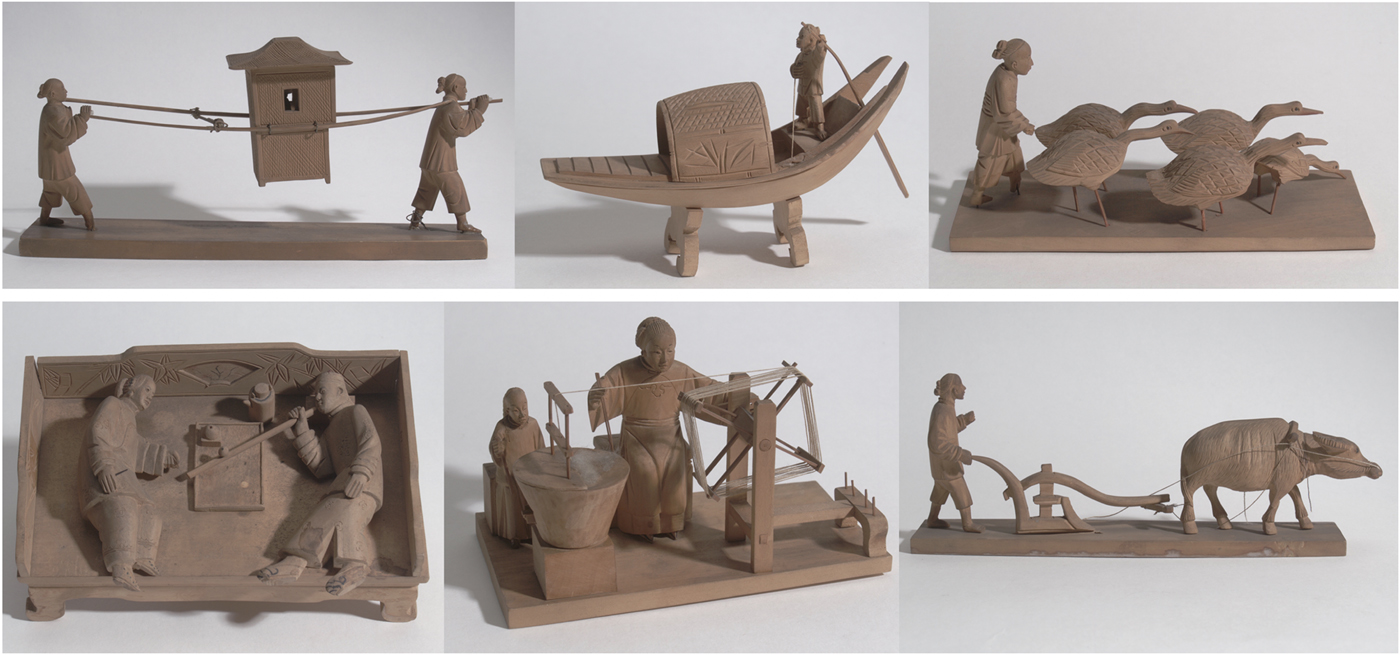
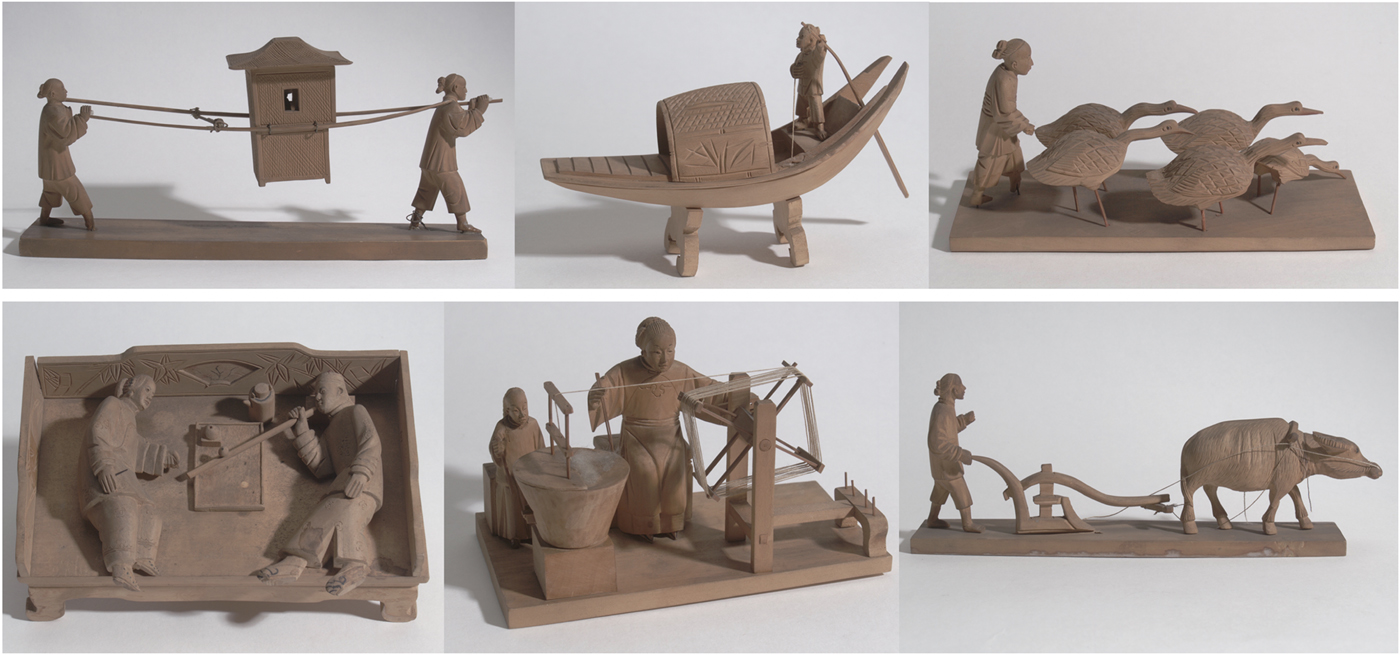
In the late nineteenth century, miniature wooden figures constituted one of the three major wooden products in Ningbo, a treaty port on the southeastern coast of the empire.Footnote 2 They were indeed a popular genre of souvenirs among Western travelers to the Far East.Footnote 3 Less than three and a half inches tall, many of these figures depict bucolic everyday life in rural China: men and women are shown carrying sedan chairs or opium pipes, paddling sampans, spinning cotton and embroidering silk, herding flocks of geese and cormorants, and riding water buffaloes (Figure 1). Others inhabit grisly tableaux of torture and punishment in the mortal or the netherworld, sometimes replicating the lurid imagery of early Chinese photography. Originating in the Ningbo treaty-port culture of late imperial times, these whitewood figurines (baimu xiaojian 白木小件) resumed production in rural Ninghai County near Ningbo in the early years of the People's Republic of China (PRC), and they were marketed overseas to both capitalist and socialist countries from the late 1950s to early 1980s.
Scenes of everyday life from AMNH collections. Upper left to right: 70/1686, 70.2/808, 70/4616. Bottom left to right: 70/1690, 70/4609, 70.0/929. Courtesy of the Division of Anthropology, American Museum of Natural History.
This article traces both the making and circulation of these figurines, and in so doing, uncovers an untapped corner in modern Chinese history. With the political regime changing from an imperial state to a nation state, the local carving practice continued at its own rhythm—a rhythm affected, but not wholly determined, by larger historical movements. My goal is to capture the agency of ephemeral and less-documented historical actors like craftsmen and objects, and to integrate collection and production in the social lives of objects by highlighting such historical forces as tourist collection and export trade in the making of Chinese craft.Footnote 4 Ningbo whitewood figurines are sites of contact between Chinese carvers and foreign buyers as well as between Western collectors and museums. Although they are of meager monetary value as individual objects, taken together the figurines reveal a network of global exchange and trade of considerable importance to the local economy and society. Furthermore, these figurines and their stories powerfully engender a public perception of China, challenging the Eurocentric idea and the colonial discourse about a “changeless” and “unspeakable” Other. To the contrary, this article argues that these “others” were “makers of change, of demand and of historicity.”Footnote 5 The figurine craftsmen of Ningbo are shown to be innovative, entrepreneurial, and adaptable to changing markets and political situations. With local materials and woodworking skills, they carved and fashioned a hybrid China that bears unquestionable Chineseness in the eyes of Western collectors and museum-goers, though these figurines are unfamiliar to many Chinese museum professionals and experts today.Footnote 6
Following the historical tempo of objects as well as the clustering of available sources, this article is structured primarily by theme and loosely by time into seven sections: Traveling and Collecting in China's Treaty Ports, Ningbo Carvers and Their Woodworking Tradition, Imitating the Tradition and Circulating beyond Treaty Ports, Punishment and Torture before 1949, Collectivization of Craft in the 1950s, Prosperity as Export Handicraft in the 1960s and 1970s, and Decline in the late 1970s and 1980s. As the article develops and moves from the earlier period to that of the PRC, the sources shift gradually from texts (museum records, travel literature, newspaper, archival documents) and objects towards the life experience and memory of a Ninghai figurine carver, Xu Yongshui 徐永水 (1939–2018), who provided precious information on the industry of the craft during my two visits in 2015 and 2016.
A research internship with Dr. Laurel Kendall at the American Museum of Natural History (AMNH) brought these whitewood figurines into my life for the first time. Although Ningbo is my hometown, they were strangers to me at our first encounter. Against a mystified concept that objects speak to holders and beholders, I learned that it requires effortful practice to read objects in order to generate meanings for scholarly analysis. Hands that made objects are no easier to read than those that wrote down texts, and these should be seen as two different taxonomies of knowledge.Footnote 7 Frequent visits to the storage room enabled me to become familiar with the colors, materials, size and shape, carving, and decorative details of these figurines, which laid the foundation for my grouping of 353 tableaux of figurines from ten different collections. Characterized by meticulous observation—partly captured by camera and partly recorded in regular descriptive reports, the internship experience turned out to be invaluable training.
This research also benefited from the openness and interdisciplinarity of Chinese craft studies, which allowed me to bring in knowledge from multiple disciplines and evidence of various kinds. It crystalizes insights from anthropologists, historians, and art historians, not to mention local scholars and artisans in Ninghai. With an endeavor to show how different sources—linguistic, visual, and material—could inform layers of history, the article argues that material analysis should be embraced by historians of politics, trade, and other areas, and not just those interested in “material cultures.” No single source enables us to grasp a full picture of the past; they all have their contexts and thus limitations. Whether or not we attempt to reach out to different sources determines our research scope and the kind of history we can discover.
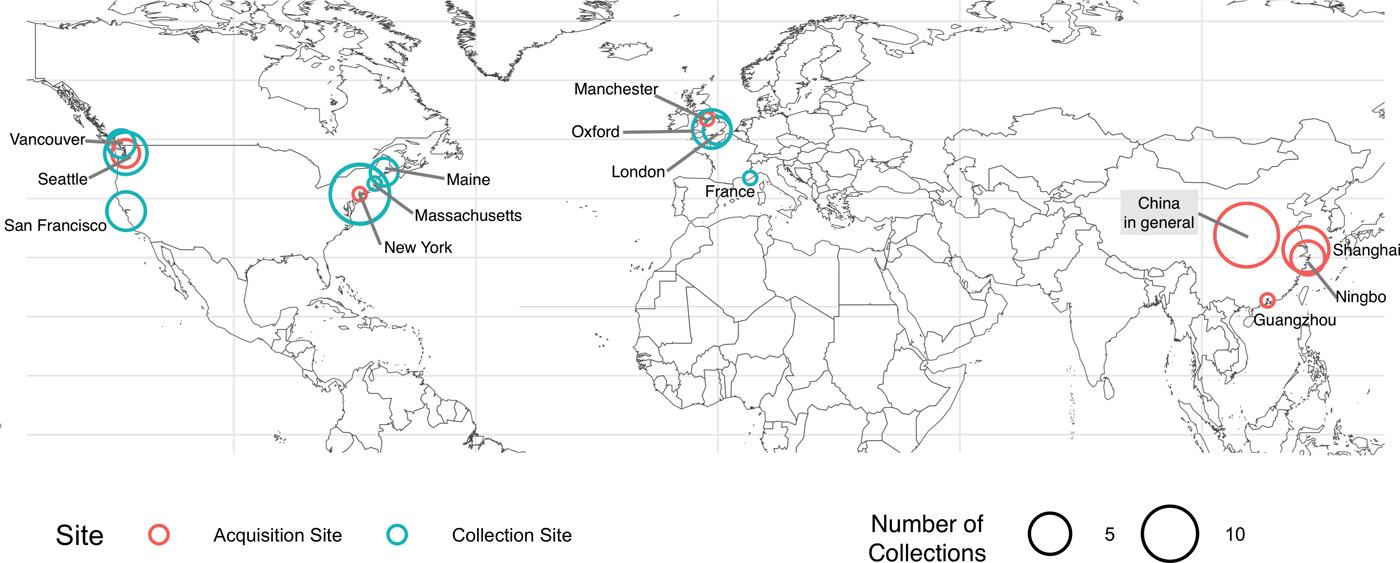
Map of acquisition and collection based on nine museum collections and one private collection. The site of acquisition refers to the original purchase of the figurines while the site of collection refers to where figurines are located now, either in museums or private hands. As the map shows, Seattle, New York, and Manchester became the sites of acquisition within foreign resale markets, in the twentieth century. “China in general” refers to the collections without a specific acquisition location indicated in the museum archive. The size of the circle represents the number of collections relatively. The collection dataset and plotted map by the author, 2019; “World Borders Dataset,” Thematic Mapping, last modified August 23, 2019, http://thematicmapping.org/downloads/world_borders.php

Traveling and Collecting in China's Treaty Ports
My research began with the fifty-two pieces at the AMNH, partly from the famous Laufer collection, and eventually extended to a total of 353 tableaux of figurines from nine museums in North America and Europe, along with the private collection of Admiral Jules Le Bigot.Footnote 8 The sample covers thirty-two tokens collected by twelve men, nine women, five couples and four groups, while two collectors are left unknown. The collections span a wide range of time, from 1896 to 2007: six tokens were collected before 1900; eight were collected in the 1900s, seven from the 1920s to the 1940s, five before 1980, and one in the 1990s; five left no information on the date of the collection.
Collectors constitute a significant part of the narrative of a craft history. They brought their missions, tastes, personal interests, as well as embedded cultural preferences, to the acquisition sites. Missionaries, missionary societies, anthropologists, businessmen, diplomats, Fellows of the Royal Geographical Society, and members of the Explorers Club appear in the museum accession records as major donors of the whitewood figurines.Footnote 9 It is not surprising that missionaries are prominent among the earliest museum donors, given the fervor of missionary interests in China since the beginning of the treaty port era.Footnote 10 The missionary vision to evangelize China called for a deeper and more thorough understanding of every aspect of people's life.Footnote 11 Those objects from the mission fields were used by missionaries to convey life in distant places in the hope of garnering both recruits and material support. And thus, miniatures and models were explicitly requested for the missionary exhibitions in the late nineteenth and early twentieth centuries.Footnote 12 Missionaries contributed to the University of Oxford's Pitt Rivers Museum, the British Museum, the University of Washington's Burke Museum, the Museum of Anthropology at the University of British Columbia, the Brooklyn Children's Museum, and the AMNH. Sinologists and anthropologists such as Berthold Laufer (1874–1934) and Erna Gunther (1896–1982) also collected wooden figurines for museums. Influenced by the eminent anthropologist Franz Boas (1858–1942), they, too, collected the figurines for future exhibitions. But their objective was different from that of the missionaries: they sought to represent the sophisticated production, technology, religious life, and art of pre-modern China to the American public.Footnote 13
Other treaty port figures such as businessmen and diplomats received wooden figurines as gifts. Notable among these is A. W. Bash, who went to China in 1896 for the American China Development Company, aspiring to negotiate concessions; his daughter, Clementine, who gave her father's figurines to the Burke Museum, returned to China as a medical missionary.Footnote 14 James Wheeler Davidson was US Consul-general at Shanghai in 1905, a Fellow of the Royal Geographical Society, and a member of the Royal Asiatic society and the Explorers’ Club.Footnote 15 One of his children recalled whitewood figurines being made for his father when the family lived in Shanghai, but it is unclear whether this was Davidson's own commission or a gift from his Chinese or foreign associates.Footnote 16 Admiral Jules le Bigot's collection was a typical treaty port story: students of the Tushanwan 土山湾 vocational school in Xujiahui, Shanghai, carved the set of fine wooden figurines as a gift for placing the settlement under French protection during the second Sino-Japanese War (1937–1945).Footnote 17
Although the figurines in the sample are by no means representative of every aspect of Chinese collecting history, they shed new light on a particular part of Ningbo's crafts and a unique group of collectors. Information on museum donors, though usually brief, represents a fraction of those who bought whitewood figurines, a self-selected group or their family members who would have considered a museum an appropriate repository for a China curio or who had been commissioned to buy objects for a museum. Among the world-travelers of the nineteenth and early twentieth centuries, sailors are significantly absent from the sample despite their reputation as avid souvenir hunters in all ports. The only figure gifted by the descendants of a Penobscot sea captain evokes similar stories from museum visitors.Footnote 18 One recalled that her great-uncle was stationed as a marine in China around the time of the Boxer Rebellion (1899–1901) when he purchased similar figurines as souvenirs.Footnote 19
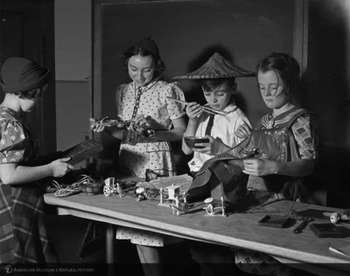
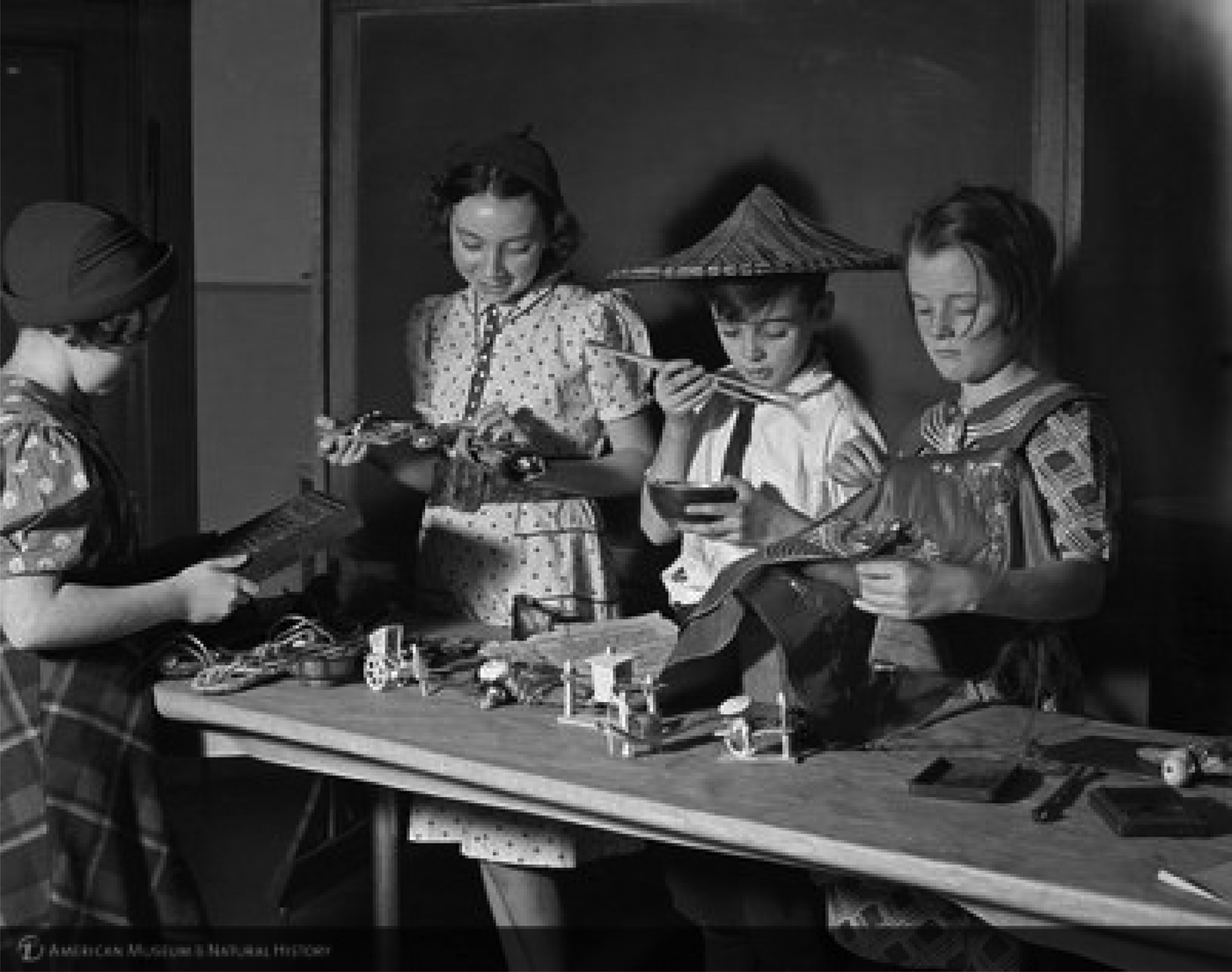
While female donors are “often lost to time or subsumed by their husbands” in museum records,Footnote 20 the sample showcases that women had an active presence in the consuming and collecting of whitewood figurines. For instance, Mrs. James Burns, a member of the Chiropean, a Brooklyn-based women's club, donated two pieces to the Brooklyn Children's Museum in 1942. Erna Gunther and Mrs. L. Olden Paris often picked up objects in local thrift stores and later donated their pieces to the Burke Museum in Seattle.Footnote 21 Mrs. Kate Bailey's piece came from her aunt Lizzie, who worked with the China Inland Mission throughout her life. Their higher education or missionary experience explains only in part the rationale behind collecting wooden figurines. These cute miniature figures were perceived as perfect toys for children. One child who visited the Brooklyn Children's Museum in 1919 remarked that whitewood figurines are “so tiny and dear you'd like to pat ’em.”Footnote 22 To the female collectors, those figurines also served as vivid pedagogical tools for museums. In 1937, AMNH invited a group of children (one donning a cone-shaped hat known as douli 斗笠) to play with those figurines to learn about Chinese culture (Figure 3).
Children learning about Chinese culture during Exhibition Hall Talk at AMNH, 1937 (287913). Courtesy of American Museum of Natural History Library.
More than half of the museum collections do not record the specific locale where the wooden figurines were originally collected. To detect why the wooden figurines crowding the vaults of Euro-American museums today are more likely to have originated in Ningbo, rather than other Chinese port cities such as Shanghai (see Figure 3), we need to look at both textual and material evidence in personal accounts of the time as well as the objects themselves. As a main node in the waterborne network, Ningbo connects not only northern and southern China, but also countries like Japan.Footnote 23 As one of the first five treaty ports opened after the First Opium War in 1842, its nodal status might have been obscured after the wide use of steamships in the mid-nineteenth century and due to its small number of foreign residents.Footnote 24 But people who traveled to Shanghai or other ports would still visit Ningbo and stay for one or two days.Footnote 25 Among the reasons for their visit, was surely the prominence of Ningbo handicrafts; as a hub of artisanal production, Ningbo attracted collectors both at home and abroad, especially those interested in woodworking, from at least the late nineteenth century.
Ningbo Carvers and Their Woodworking Tradition
A craft history would be incomplete without the craftspeople. Like Ningbo merchants and bankers who traveled on well-developed regional networks, handicraft as a mobile enterprise inspired craftsmen from peripheral villages to seek their fortunes in larger cities.Footnote 26 As Edward C. Day (1890–1971) observed, Ningbo carpenters and cabinetmakers “have a high reputation wherever they go, and they are found in almost any city of China” while some even traveled far to Southeast Asia.Footnote 27 From the mid-Qing, Ningbo carvers sold their wares in Shanghai and eventually in other Chinese treaty ports like Canton (Guangzhou) or overseas ports,Footnote 28 participating in the mobile practice of “business by the water” (luohe shengyi 落河生意).Footnote 29 Master carver Xu Yongshui recalls hearing stories of artisans who went down to the wharfs, transporting their wares in carry-pole baskets, and assailed the disembarking travelers with their limited vocabulary of foreign words.Footnote 30
Local scholars believe that carvers from rural Ninghai were the “first” to sell their work in the Ningbo harbor.Footnote 31 While furniture producers often formed complex business partnerships, whitewood figurine carvers seem to have been independent producers with simple household workshops or itinerants who carried their tools from place to place.Footnote 32 One Ninghai carver who moved to the Ningbo port is Sun Yusheng 孙余生. In the second half of the eighteenth century, Sun already owned a woodcarving workshop located next to the back gate of the customs office at the North Riverbank, bringing him great commercial opportunities with foreigners like sailors, businessmen, and missionaries.Footnote 33 Some Ninghai carvers moved farther, to Shanghai, the home of a large number of wooden figurine carvers in the second half of the nineteenth century.Footnote 34 Bao Hongtai 鲍鸿泰 opened his own workshop in Shanghai while his Ninghai-born apprentice Gu Hongzhong 顾鸿章 traveled even farther, to India and Southeast Asian countries such as Burma, where he made a fortune with his woodcarving skills and learnt to conduct a jewelry business.Footnote 35 In the 1910s, Gu started his own business in the Philippines by importing whitewood figurines and embroidered lotus shoes made in Ninghai.Footnote 36 Others active during the Republican Period, such as the two-brother team Hua Renshou 华仁寿 and Hua Rongshou 华荣寿 did not leave Ninghai, but their wooden figurines and boats were said to have been exported to Southeast Asia.Footnote 37 Although details about the business operations are scant, one can recognize from the many examples of successful transitions from craftsman to craftsman-as-businessman a fierce entrepreneurship among the Ninghai carvers.Footnote 38
As Ningbo carvers sought better business chances with their skills, the figurines they made became popular in other treaty-port tourist markets out of Ningbo. Hong Kong-based scholar James Dyer Ball (1847–1919) commented in 1900, “The white-wood carved work of Ningpo is much admired … little models of boats, carts, figures of men and animals, and many other objects are produced in it.”Footnote 39 A few travel books gave descriptions of those beautiful wooden Chinese figures and guides to where to buy them.Footnote 40 Travel-guide-writer and photographer Charles E. Darwent (1858–1924) did not splash much ink on such familiar Chinese antiquities as porcelains or inlaid work in the section on Chinese Curios; instead, he provided meticulous details about the availability of wooden figurines: “Beautiful models of everything Chinese done in white-wood may be bought in the shops of Ningpo wood-carvers on Broadway before you come to the bridge across the Hongkew Creek—models of sampans, junks, irrigation machines, wheelbarrows, etc., along with cleverly done groups from Chinese life, such as people eating, opium smoking, threshing wheat, etc.”Footnote 41
Even though travelers could find Ningbo wooden figurines in Shanghai curio shops, in the 1920s Edward Day advised travelers disembarking in Shanghai to visit Ningbo, a hundred miles to the south:
A few minutes’ walk from the Bund will bring the visitor to the shops of the wood-carvers directly back of the Chinese post office … Inside each shop, sitting at a bench on which is arranged a great array of chisels, will be found from one to five men at work … While one person does the carving, another who is deft with the brush will add a touch of color to the finished models, a touch of red on the lips, a tinge of green to the buttons, a dash of red and green to the sides of ladies’ heads to suggest flowers stuck in the hair, and a dab of black and white to the eyes on the hulls of the boats.”Footnote 42
Ephemeral and sparse as “evidence on the organizations of units of production” often is,Footnote 43 Day's description is a precious record of the division of labor among artisans and the workshop environment in which most whitewood figurines might once have been made.
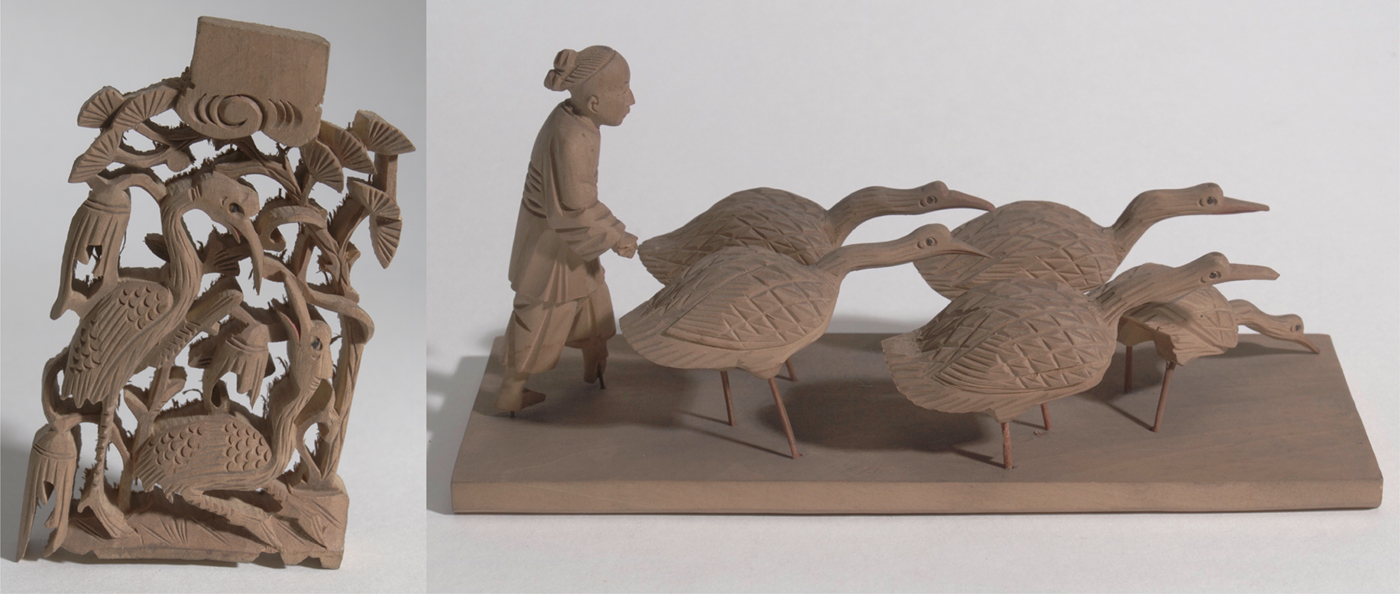
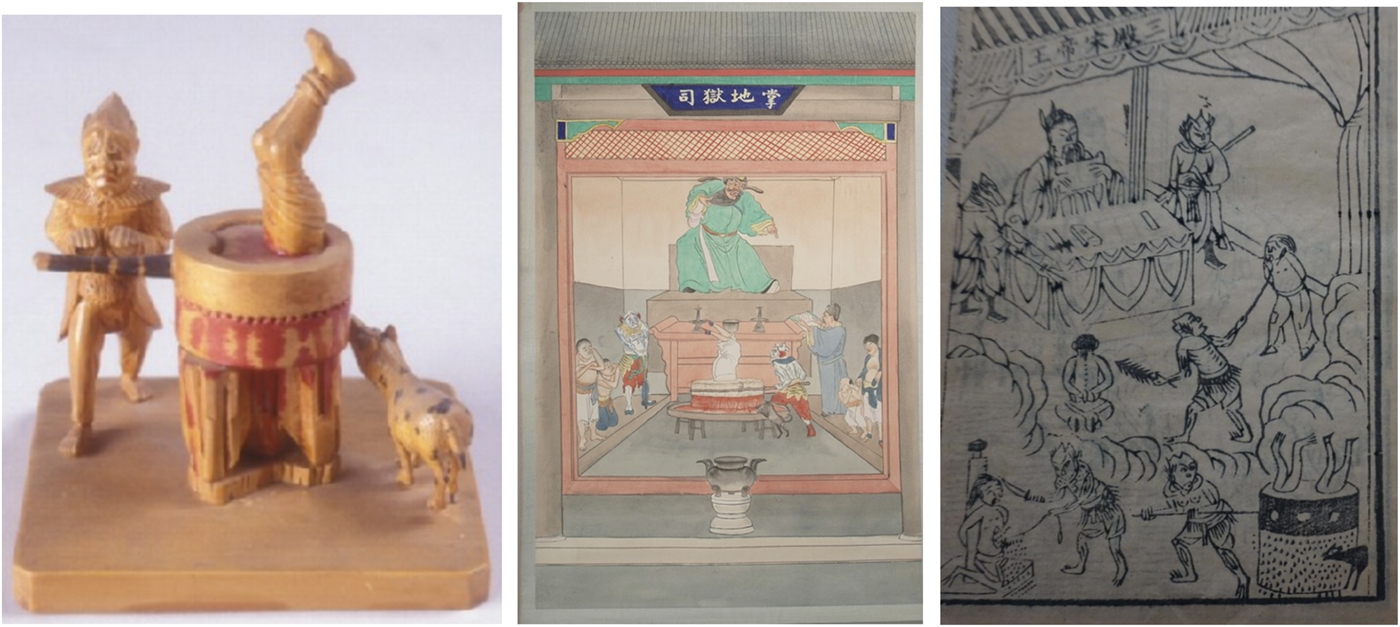
The marketability of the figurines is rooted in the Ningbo craftsmen's skills and the training they received. Many pre-1949 figurine carvers learnt how to do traditional decorative carving (diaohua 雕花, literally carving patterns), an important skill for furniture-making and sedan chair carving for which Ningbo was famous. Hence, early whitewood figurines bear some similar kinds of techniques that are specific to the local woodworking tradition. The most likely antecedents come from Ningbo-style furniture (Ning-shi jiaju 宁式家具) carved from softwood and found in modest homes.Footnote 44 Beds and standing chests are decorated with delicately carved three-dimensional motifs called jizi 吉子 in a flexible wooden frame or jiziban 吉子板 as a part of the joinery system.Footnote 45 An explicit use of the joinery system in the furniture making is possible due to Ningbo-specific joinery technique known as kaotou 拷头: wood pieces are adjoined seamlessly with mortise and tenon carved respectively at two ends of a section.Footnote 46 With such joinery technique, Ningbo craftsmen could make use of small pieces of local softwood which are receptive to decorative carving but useless in Canton-style or Beijing-style furniture traditions where hardwood is prized.Footnote 47 Borrowing popular motifs from paintings and woodblock prints, these small carvings were once painstakingly designed and executed by craftsmen, for their quality determined the quality of the entire piece.Footnote 48 Though the jizi are not free-standing, and their three-dimensional depth-of-field is necessarily shallow, they are approximately the same size as whitewood figurines and the carved animals or human figures they display have the same black eyes and red mouths and lips, painted with similar pigments (Figure 4), evoking Edward Day's description of painting in the figurine workshop. Even though exact correlations between cultural symbolism and craft elements are uncertain, the potential connections are worth observing. For instance, some whitewood figurines of torture and punishment would not be auspicious imagery for a marriage bed, whereas local customs, such as the quotidian scenes of farming and sericulture, are represented on the jizi of the bed.
(left) Bed ornament (jizi) collected by Laufer in Ningbo in 1902 (70/4708); (right) Model, women tending geese from Laufer's Ningbo collection (70/4616). Both courtesy of the Division of Anthropology, American Museum of Natural History.

Ningbo carvers brought techniques from the local carving tradition to a mode of efficient production of figurines as souvenirs, thus creating new tastes and new demands. Using their artisanal and entrepreneurial skills, they brought about a successful case of product innovation. It was their way of situating themselves in the changing social and political circumstances to ensure a viable livelihood without sacrificing tradition.Footnote 49 However, a material analysis of figurines uncovers a more versatile and robust market: wooden figurines being imitated and circulated beyond treaty ports.
Imitating the Tradition and Circulating beyond Treaty Ports
In the history of craft, the changes in carving styles and the circulation of objects are as significant as events in social and political history. The stylistic changes that happened to wooden figurines might not have been captured in writing but they are incised in the very materiality of each object and recorded in their life trajectories.
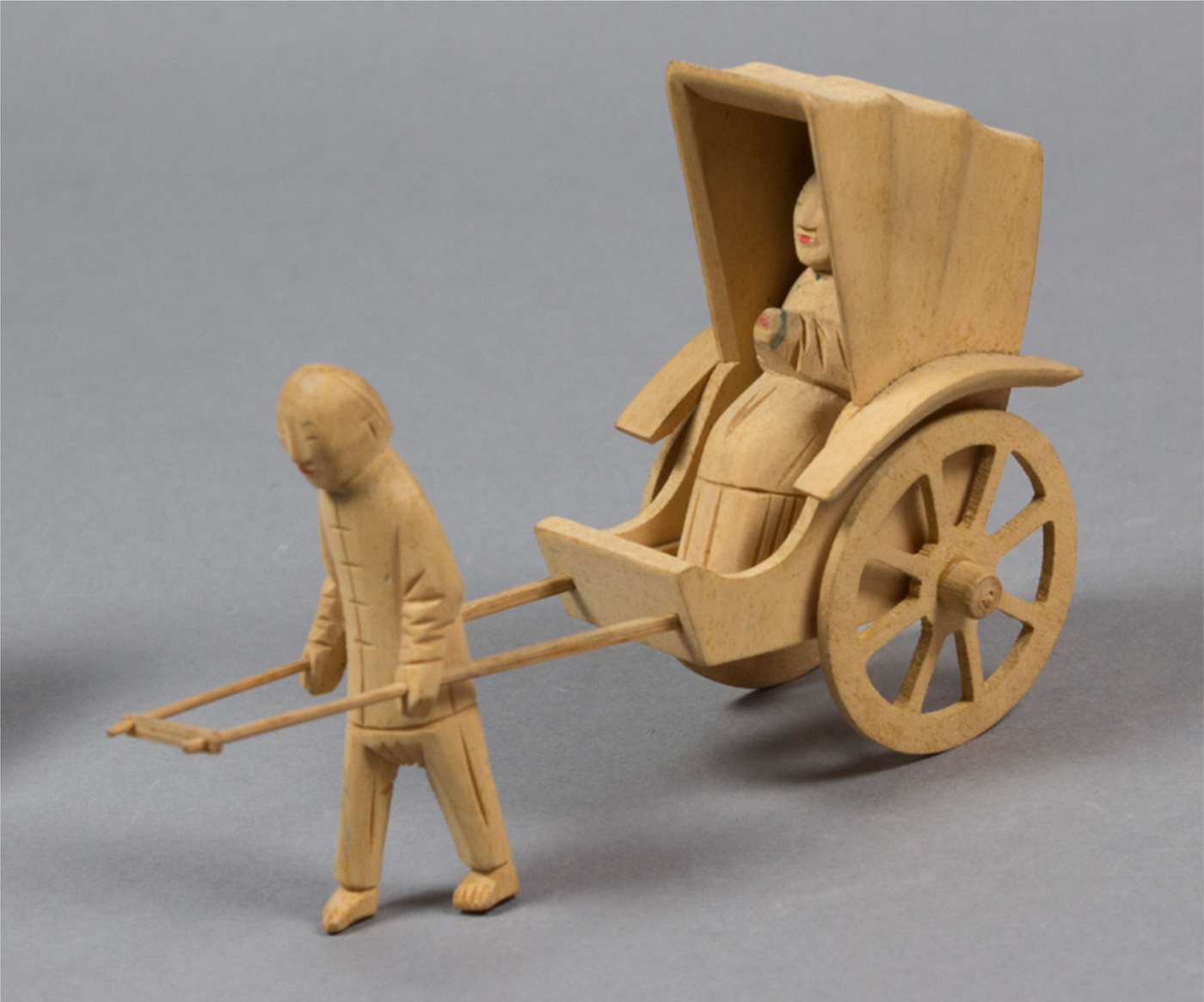
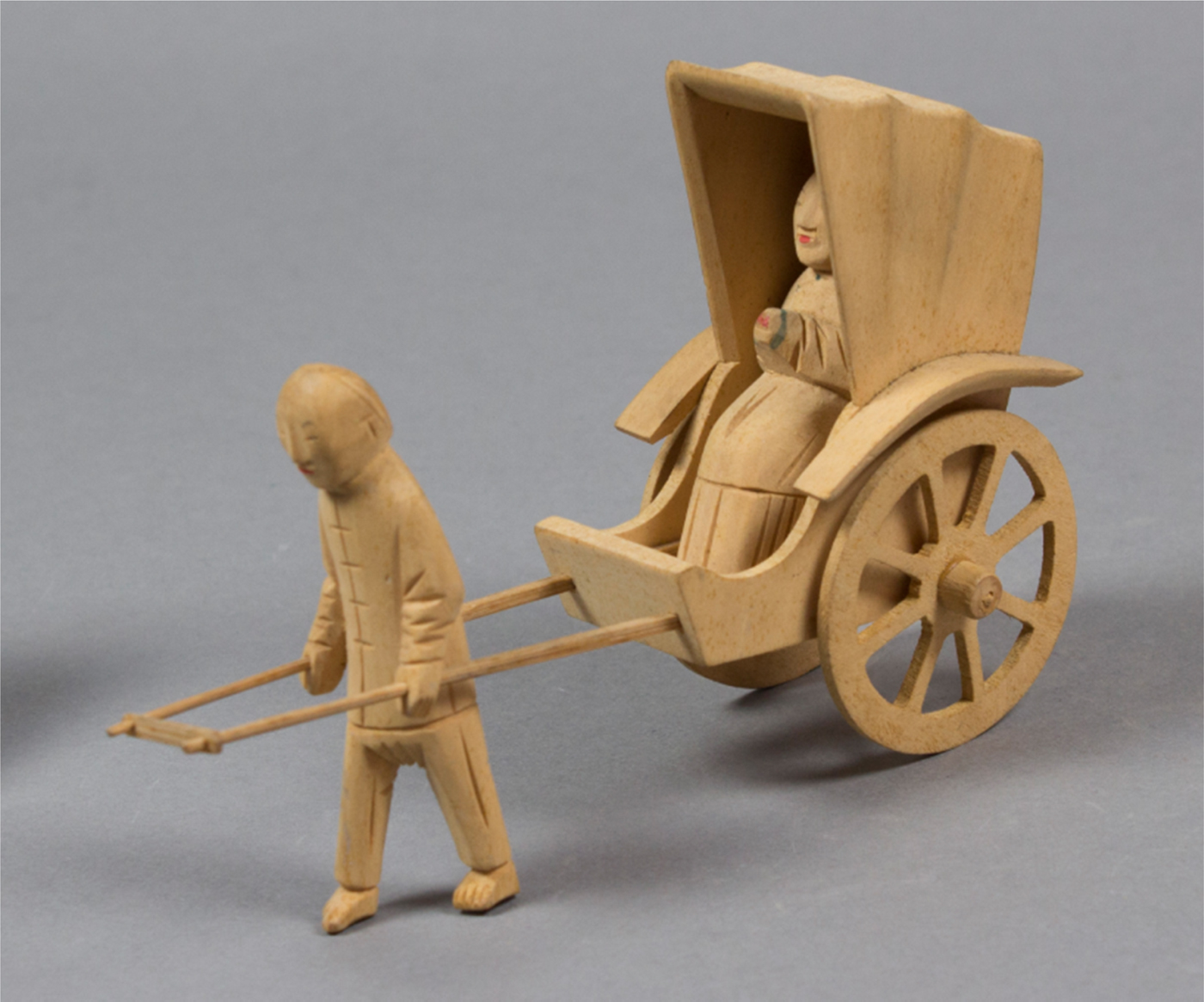
In the Ningbo woodcarving tradition, different lines of master–apprentice transmission, each passing on its distinct carving styles and techniques, probably account for variations in choices of wood, motifs, details, and overall style in figurines collected during the late imperial and early Republican periods. Sometimes an unbalanced level of skill is evident in one tableau: for example a finely-carved jinrikisha with two coarsely rendered figures (Figure 5). Such a combination might be explained by the highly specialized woodcarving practice in the region: artisans trained to make furniture (e.g. cabinets, tables and chairs) did not necessarily excel at carving figures and animals which were often the expertise of joiners and figure carvers.Footnote 50
A fine jinrikisha and two coarse figures (9-17296). Courtesy of the Phoebe A. Hearst Museum of Anthropology and Regents of the University of California.
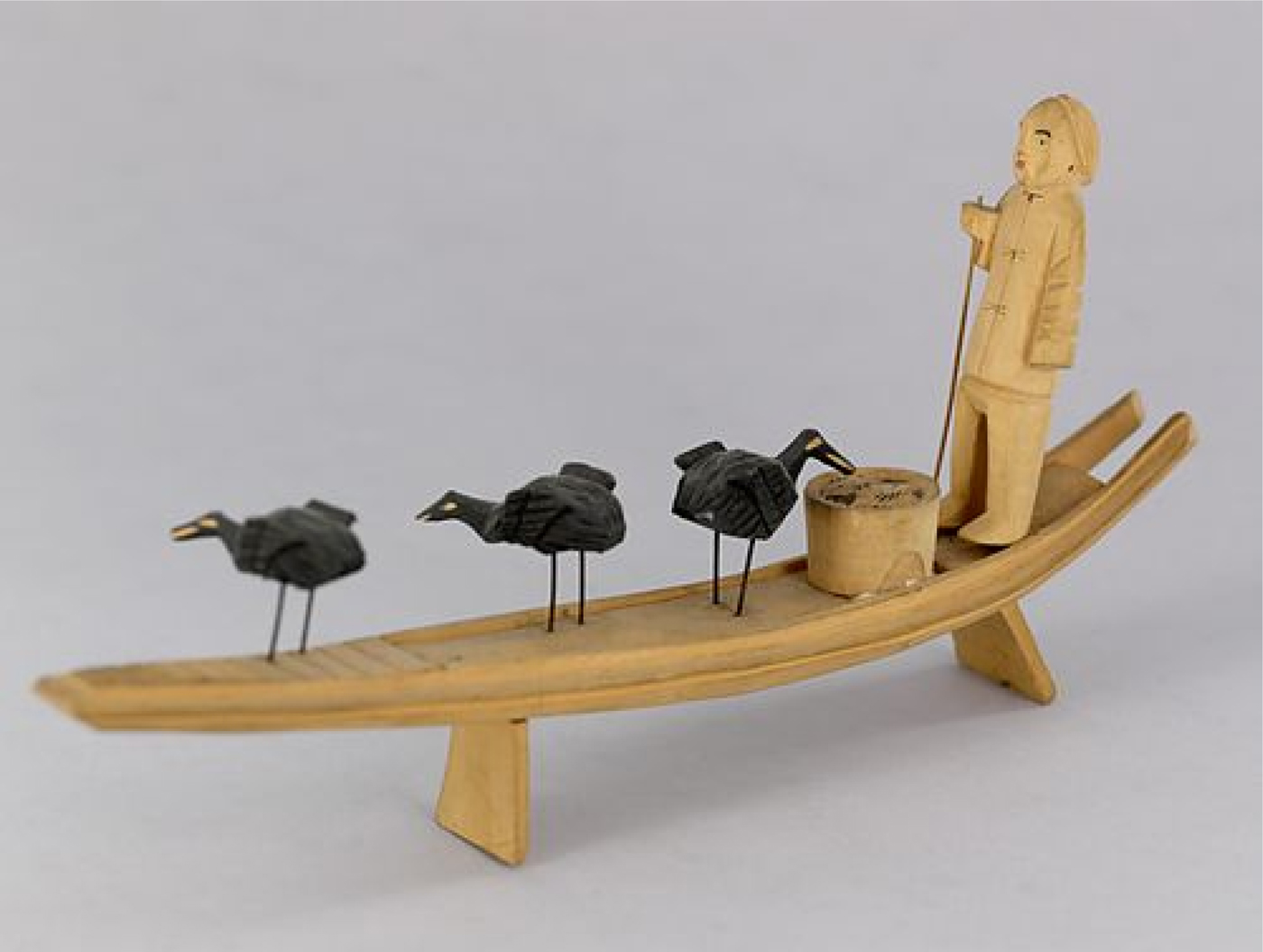
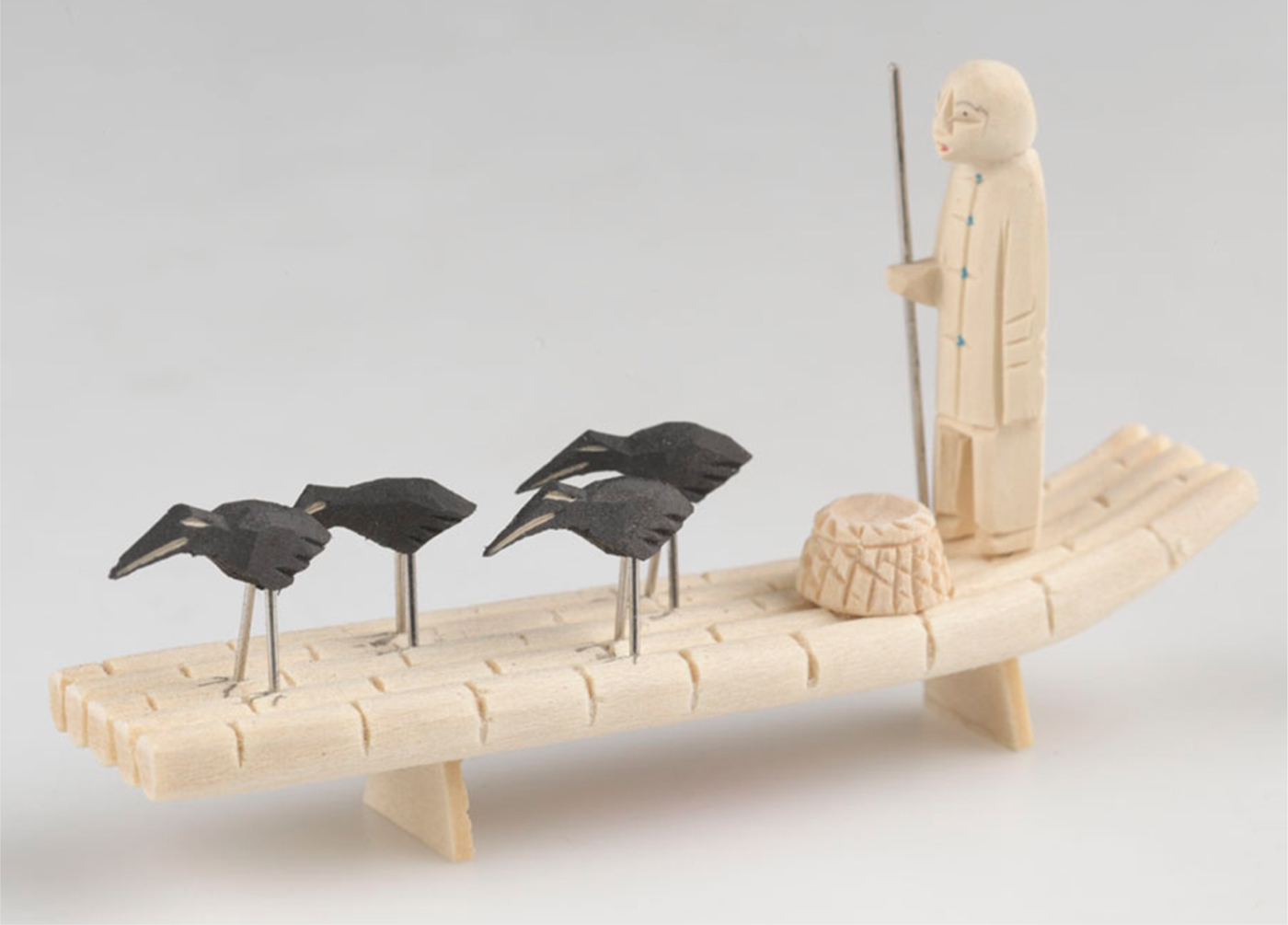
Another group of whitewood figurines seems to take a rather different path from the Ningbo furniture carving tradition, with an overall impression of being more abstract and cartoonish. Comparing the fisherman and cormorants collected by Berthold Laufer in the early 1900s (Figure 6) with those carved by Master Xu Yongshui after 1949 (Figure 8), the distinction is clear: the late imperial carving style is more lifelike, resembles woodblock prints and has more details in dress, gesture, facial expression and hairstyle. According to Master Xu, the distinction lies in carving techniques.Footnote 51 More curvy lines carried by traditional figurines and more straight lines in abstract ones are the result of different movements of the arm and tools. Wielding the chisel in only one direction in the interest of speed, the artisan left out many details like the hair bun, ears and arm gestures. A small number of early samples show the coexistence of two carving styles during the early Republican Period (Figure 7).Footnote 52 Though it would be hard to know whether abstract figurines were sold more cheaply, the straighter carving definitely makes both the carving and training processes less time-consuming, which were applied later by the cooperative workshop in the People's Republic of China. Be it detailed or abstract, both carving styles attract Western collectors, for the image they carved bears unmistakable Chineseness. And thus, no museums in the West failed to identify those wooden figurines as Chinese.
The fisherman and cormorants collected by Berthold Laufer (70/4606). Courtesy of the Division of Anthropology, American Museum of Natural History.

The fisherman and cormorants collected by Edith Sibley and Reverend W. E. Sibley in the 1920s (946/13). Courtesy of the Museum of Anthropology at UBC, photo by Kyla Bailey.
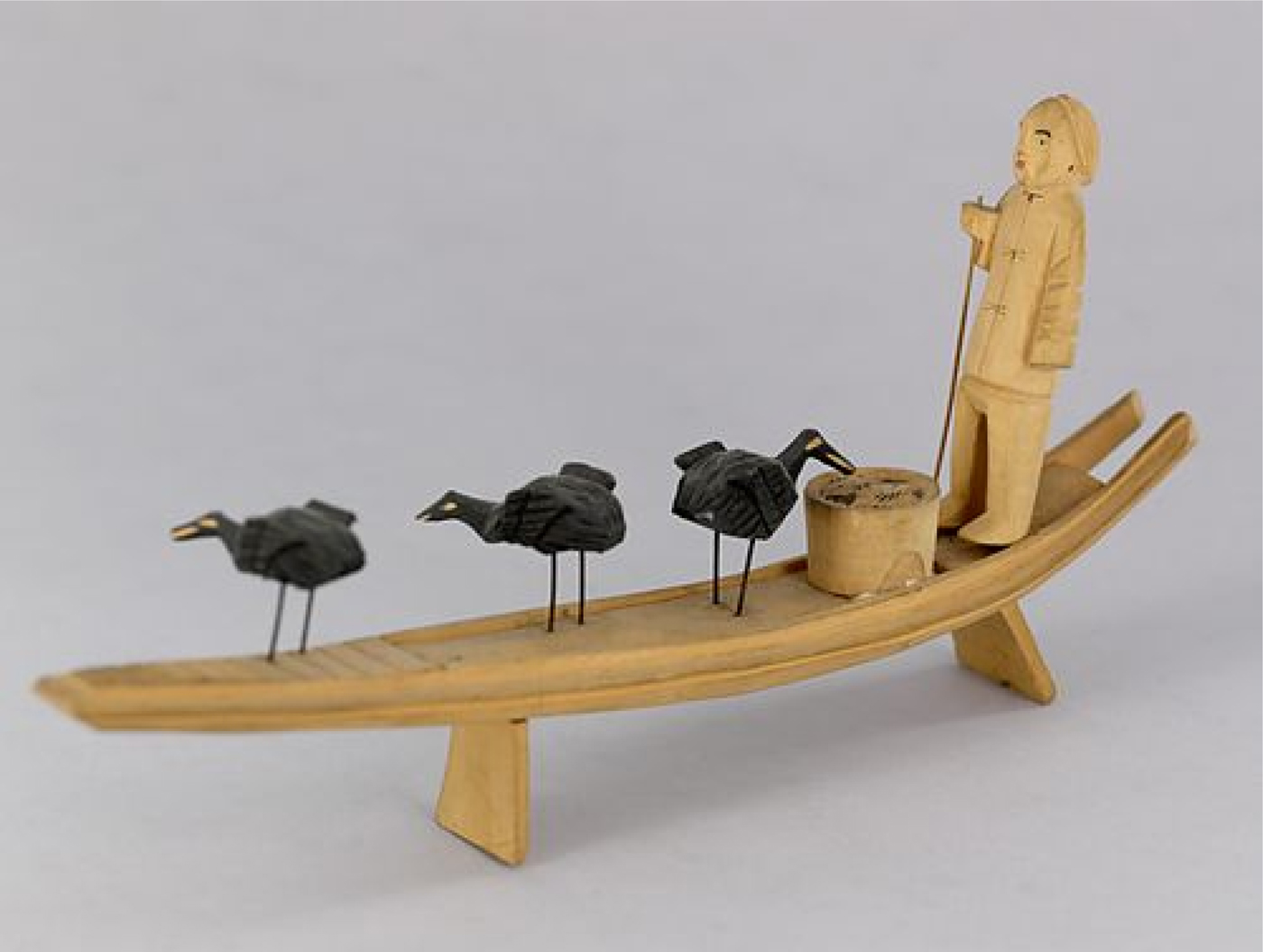
The fisherman and cormorants carved by Xu Yongshui and collected by the author in 2015 (70.3/7868). Courtesy of the Division of Anthropology, American Museum of Natural History.

The popularity and marketability of whitewood figurines might have attracted imitation by craftsmen beyond the Ningbo area and those without traditional woodcarving training. For instance, some figurines were carved in a rather rough manner, and sometimes painted with pigments to add liveliness, such as the four figurines with grey body parts collected by James Page Dowden before the 1920s.Footnote 53 Photographs of the 1915 Panama-Pacific International Exposition capture the original instances of incorporating wooden figurines to enliven pagoda models to resemble a temple fair.Footnote 54 From what can be made out from these old photographs, the figurines were carved in a coarse rendering and some were painted in bright colors. While the pagoda models were carved in a vocational school in the Tushanwan missionary orphanage in the Xujiahui Catholic Settlement, south of Shanghai, it is unclear whether the figurines were carved by the same hands and with pagoda leftovers. But those figurine props did not receive enough attention after the exposition to warrant inclusion in later photos from the Field Museum collection.Footnote 55 Whether Tushanwan profited by carving miniature figurines is unclear, but the private collection given to Admiral Jules Le Bigot as gift in 1937 evidenced that the traditional Ningbo figurine carving was taught and practiced in the vocational workshop. Different from the coarse figurines exhibited in the 1915 exposition, the figurines made in 1937 present excellent details and superb carving skills.
Wooden figurines were to be found in US museums as early as the 1910s. For instance, the Brooklyn Children's Museum published an article in 1919 to introduce twelve Chinese miniature models from a collector by the name of Clinton A. Bergstresser: “They are of fine, white wood like orangewood or our own basswood and were purchased in a Chinese shop in Ningpo, China, which is devoted to the sale of handmade models in wood.”Footnote 56 Later, along with more travelers coming back to the West, thrift shops or flea markets became another contact zone beyond China for collectors to encounter whitewood figurines. In 1940, the Brooklyn Children's Museum purchased one piece at Woolworth's, a five-and-dime store in New York. In the 1990s, Martin Petch found a piece of an imprisoned figurine in a torture cage in a junk shop in Manchester and bought it as a present for his sister Alison Petch, who was the Registrar for the Pitt Rivers Museum, University of Oxford.Footnote 57 As recently as 2016, I came across a tableau of two figurines riding a wheelbarrow at the flea market near the American Museum of Natural History. More figurines scattered in the thrift market might be waiting for hands to pick them up. If it happens to be a tableau of beheading or a prisoner in cage as Martin Petch encountered in the Manchester junk shop, it might well be made before 1949, for the production of such figures belongs to a world before the era of the new socialist regime.
Punishment and Torture before 1949
Some figurines transcended the change in political regimes while others did not. As many figurines of the everyday survived after 1949, a group of popular images no longer seem to be carved afterwards. Less salutary as they are, eighty of the figurines portray scenes of judgment, punishment, torture, or execution. Thomas Taylor Meadows's (1815–1868) The Chinese and Their Rebellions, published in 1856, is probably one of the best-known works on Chinese bodies and punishment of the treaty port era. Meadows's personal account of the Taiping Rebellion (1850–1864) was colored with blood and executions.Footnote 58 However, Westerners’ interest in Chinese corporal punishment predated the treaty ports. Early in the seventeenth century, Europeans already had a strong curiosity in the Chinese “exotic corporality” and “graphic violence” that portrayed the cruel and ostentatiously sadistic “Oriental despots.”Footnote 59 An eager market for the mingled sensuous pleasure and pain projected onto the exotic body stimulated the publications illustrated with prisoners and victims, as in Johannes Nieuhof's famous account of his mission to the Qing court first published in 1665 and George Henry Mason's The Punishment of China of 1801.Footnote 60 Missionaries were enthusiastic collectors of those punished and tortured bodies, as they sought to evangelize Chinese with the help of the local belief system.
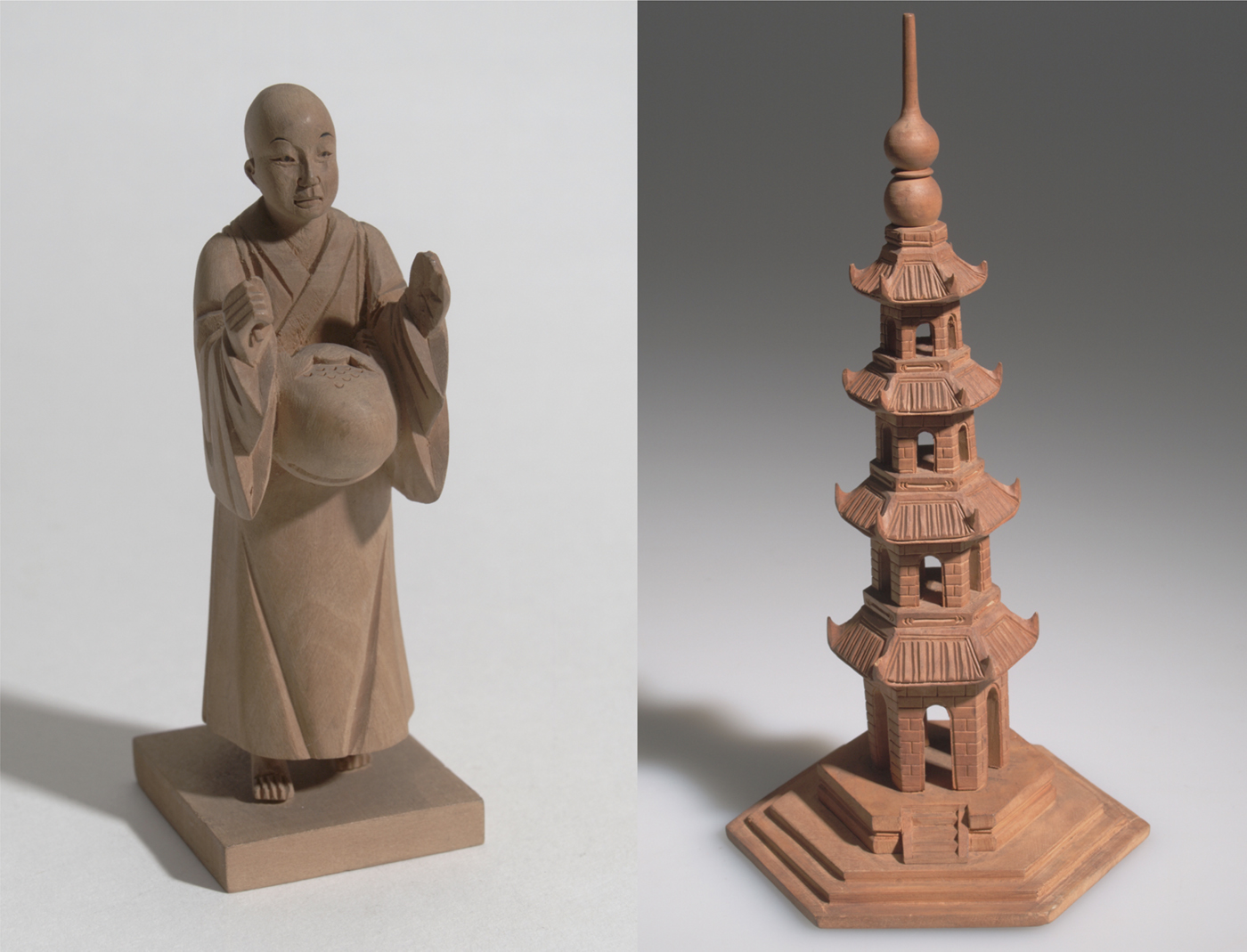
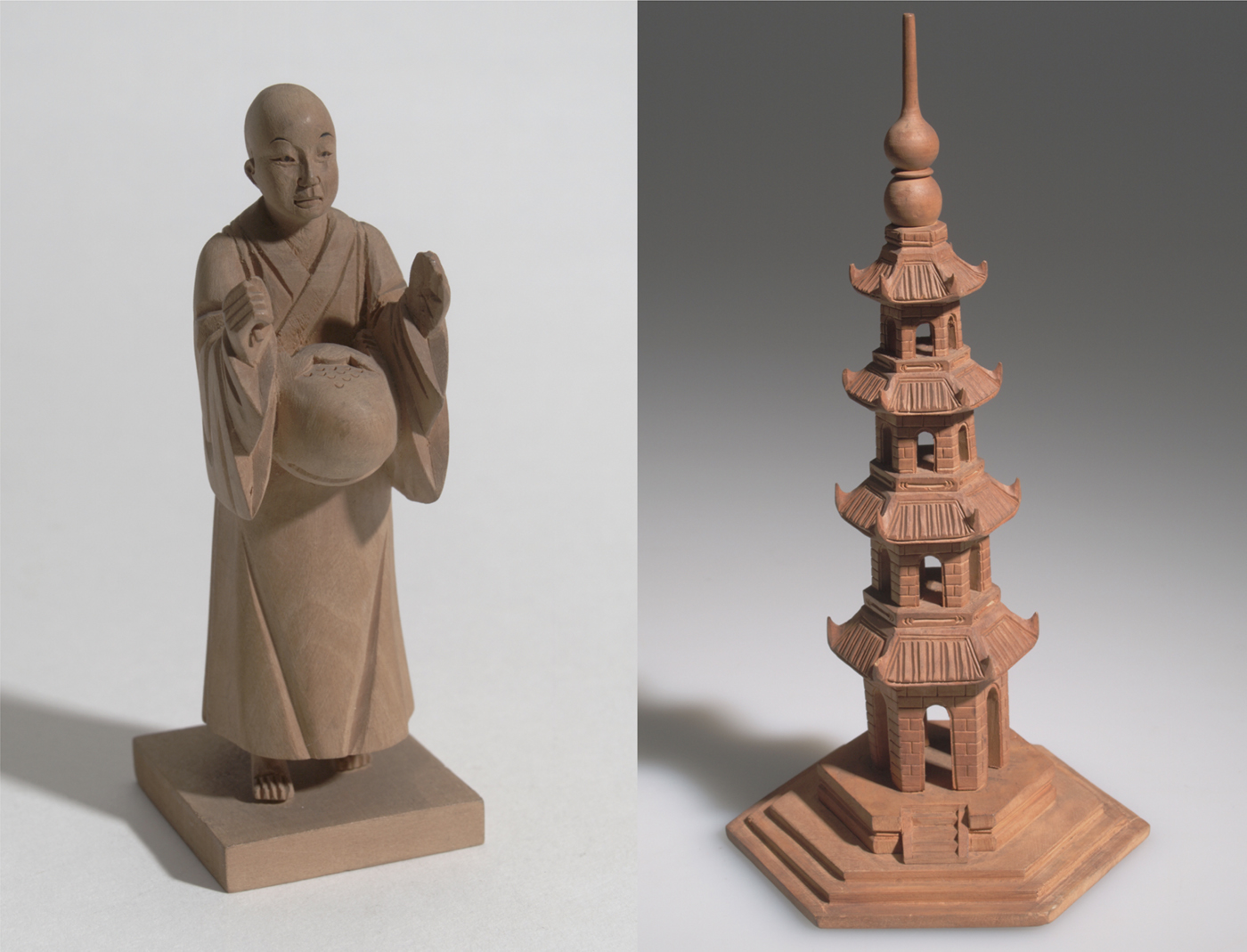
However, it was not only the Westerners’ gaze that falls upon Chinese bodies and punishment. There exists a prevailing connection between religion and art in China (or at least in Ningbo), as local son Zhou Yiqing pointed out. Religious influences permeated all artistic trades: the whole development was “supported strongly by the institution of Chinese monasteries,” similar to the circumstances in medieval Europe.Footnote 61 In favor of the “manifold deep-seated religious interests in temple artifacts,” woodcarvers made many cheap yet attractive objects out of religious motifs, which were popular among the Chinese public, especially during temple fairs.Footnote 62 Such religious powers were evident in monks, who “have exerted a lasting influence on the development of East Asian art” in general and on woodcarving in particular.Footnote 63 Monks and pagodas (Figure 9) constitute an interesting genre of depiction in wooden figurine carving and survived into the People's Republic of China.
(left): A begging monk from Laufer's collection (70/4600); (right): A pagoda for Missionary's Exhibition in 1900 (70/1677). Courtesy of the Division of Anthropology, American Museum of Natural History.
In fact, Ningbo enjoyed a long and rich history of producing images of punishment and torture in different media. Many iconographies of judgment and punishment that reached Korea, Japan, and Vietnam produced in this area date back to the thirteenth century.Footnote 64 A local workshop of Lu Xinzhong mass-produced sets of paintings on the ten kings of hell.Footnote 65 Artisans divided the composition of the painting into segments and assembled different units based on certain rules (“modular production” in Ledderose's words), which allowed buyers from various social classes to customize the product according to price.Footnote 66 These religious paintings were one of the early export products from the Ningbo area.
As commercial handicrafts, those tiny wooden people emerge from a dialogic process; such factors as Western consumers’ tastes for China and chinoiserie, not to mention production costs and availability of materials, interact with each other and alter the appearance of the figurines. Ningbo craftsmen were known for their adaptability to the market. Though it is possible that whitewood figurine carvers mimicked other popular souvenirs like Canton export paintings of Chinese people and early photographs, changing temporal and spatial scopes reveal a larger pool of visual prototypes from which Ningbo carvers might have drawn. In fact, many prototypes echo an earlier visual lexicon of China that was created and circulated in the early modern period in the form of woodblock printed illustrations, encyclopedias for daily life (leishu类书), and vernacular and religious paintings.Footnote 67 Such hell scenes as grinding people in the mill and sawing people in half resemble those depicted in nineteenth-century religious paintings and morality books (Figure 10).Footnote 68
(left) Grinding a person in the mill (5-14136). Courtesy of the Burke Museum of Natural History and Culture; (center) Grinding a person depicted in the religious painting (70/13330). Courtesy of the Division of Anthropology, American Museum of Natural History; (right) Yu li chao zhuan玉历钞传 collected by Berthold Laufer. Photo by the author, 2016.

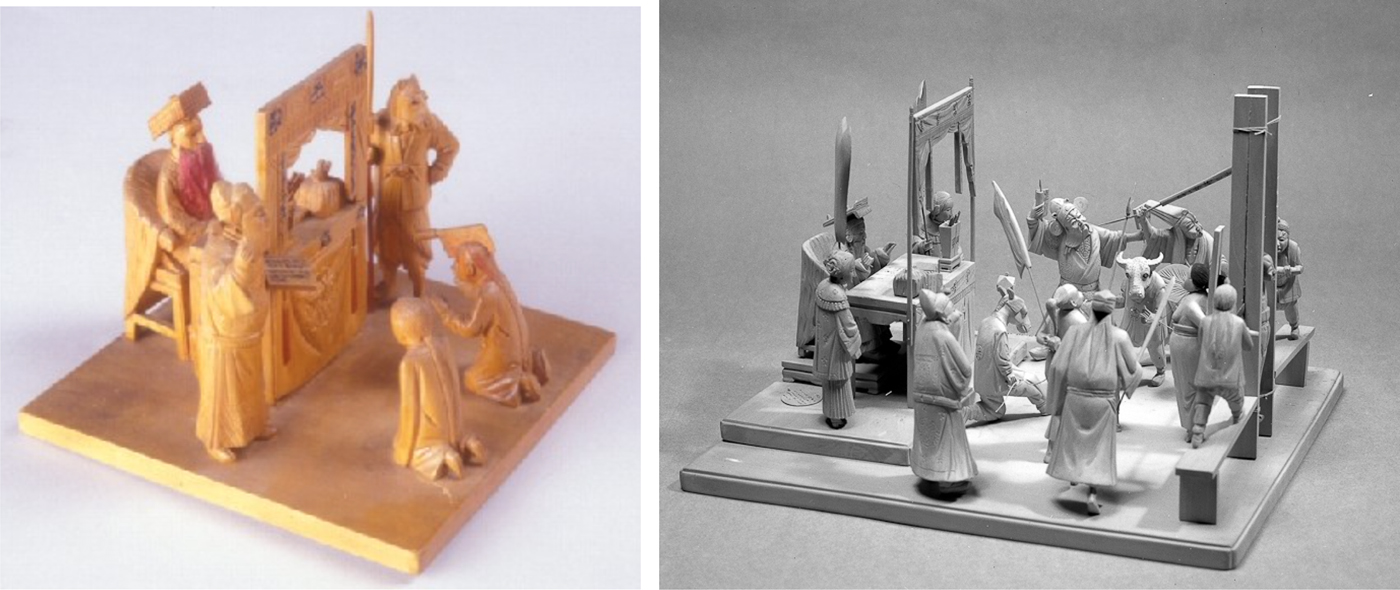
As a part of popular culture in late imperial China, morality books (shanshu 善书) spread widely in modern Republican prisons, and they were used as a study tool to “teach people to do good and avoid evil.”Footnote 69 A tableau of wooden figurines collected by Walter Hiltner (Figure 11 left), who worked as a missionary in Ningbo in the 1920s, depicts the very details of the hell scene: the central figure is the judge seated in a round-backed armchair behind a working desk; to his right a clerk in an official's hat holds a record of good and bad deeds; on the left stands a hybrid demon with a horse head; in the front two attendants kneel down bowing their heads and waiting to be judged. People caught in hell could have committed any crime, but this set of figurines deals with a case of manslaughter: a kitchen knife was cut half way into the head of the figure kneeling down on the right.
(left) A judgment in the Fifth Palace (5-14127). Courtesy of the Burke Museum of Natural History and Culture; (right) Taoist hell collected in 1897 (1897.59.1). Courtesy of Pitt Rivers Museum, University of Oxford.

The grouping of whitewood figurines by motifs showcases what were the popular images among Western collectors; however, it belies the fact that there are no two identical pieces for any single motif. The uniqueness embedded in each piece lies not only in the fact that they were handcrafted, but also in the enactment of carving: small changes such as the clerk and the hybrid demon were changed into two ladies by the sides of the hell king (Figure 11 right); new elements such as inscriptions were added to signify the locale of the prisoner stocked in a cangue.Footnote 70 We probably would never know whether it was the craftsmen's initial idea to incorporate the hell paintings and morality books into his carving, or if it is those collectors like Walter Hiltner who came up with this idea. Or it might be a dialectic process: Hiltner expressed his interest while craftsmen materialized his interest with traditional motifs and carving skills.
Carving and collecting as a dialectic process was possible before the founding of the PRC, for the figurines collected before 1949 were in most cases purchased by foreigners during their visit in China. They had a chance to meet carvers in person while carvers also had opportunities to talk directly to them. However, the production of wooden figurines continued beyond the treaty port period into a time when foreign travelers were no longer a significant presence in China's port cities. Though the latter's interest in consuming “real” Chinese life did not recede, carvers now needed to cope with new social and political circumstances.
Collectivization of Craft in the 1950s
Right after 1949, the Chinese communist government started to promote cooperativization of the business sector: allocating resources, organizing the production, and controlling consumption and product exchange.Footnote 71 Later, in 1955, the state organized a conference known as the Fifth National Handicraft Production Cooperative Conference, which called for “the intensification of the pace to cooperatize hand crafts, and insisted on the simultaneous achievement of cooperatives in hand crafts, agriculture, and what remained of capitalist industry and commerce.”Footnote 72 One of the products of the conference was a nationally-distributed official document, “Talks on Cooperatives of the Handicraft Industry,” which outlines the fundamental problem of handicraftsmen in the eyes of the socialist state: they were laborers who owned their private means of production, which was capitalistic.Footnote 73 The solution was to construct a collective production relation through the cooperative movement, a long historical process starting with a nation-wide survey after the founding of the PRC and followed with frequent meetings held especially in 1953 and 1954 at various administrative levels—from the national to provinces and major cities.Footnote 74
In response to state initiatives, a small number of senior wooden carvers in Ninghai County, which was still part of the Ningbo municipal area at that time, established the Ninghai Whitewood Figurines Group (Ninghai baimu xiaojian zu 宁海白木小件组) in 1956. This group did not belong to a single individual but was a collective property.Footnote 75 According to Master Xu Yongshui: “In the first three months, there were only five to six old men (sixty to eighty years old) in the workshop, all with some woodcarving experience. But the Shanghai Import and Export Company of Arts and Crafts received increasing orders from the foreign market.”Footnote 76
Faced with increasing orders from the foreign market, it became an urgent task to train more young hands and to standardize the production process. However, when the Ninghai Whitewood Figurine Group was first established, some old carvers in their seventies and eighties like Xun Zhongze 汛忠泽 made some samples in a traditional carving style (benbang 本邦). But Master Xu recalls that those samples were carved in such awkward proportions that they did not resemble anything in real life.Footnote 77 Although those carvers were trained in furniture carving, the carving industry was so developed and specialized that carvers exceling in carving flowers and birds did not necessarily know how to carve figures. Their semi-traditional carving style also required more time in training and actual execution, which would be unfit to fulfill the foreign orders. In this situation, the Ninghai carvers decided to switch to a more abstract style, which was called a borrowed school of carving style (hongbang 红帮).Footnote 78 Emerging early in the 1920s, this borrowed school of straighter carving became the official style of Ninghai whitewood figurines. Characterized by “having a head without hair, face without ears, hands without fingers,”Footnote 79 these simplified figures are carved by applying one straight slash of the knife from head to toe.Footnote 80 Because of that, it only took six months to a year to train the young to carve wooden figurines while the apprenticeship of furniture carving usually took three years.Footnote 81
Prosperity as Export Handicraft in the 1960s and 1970s
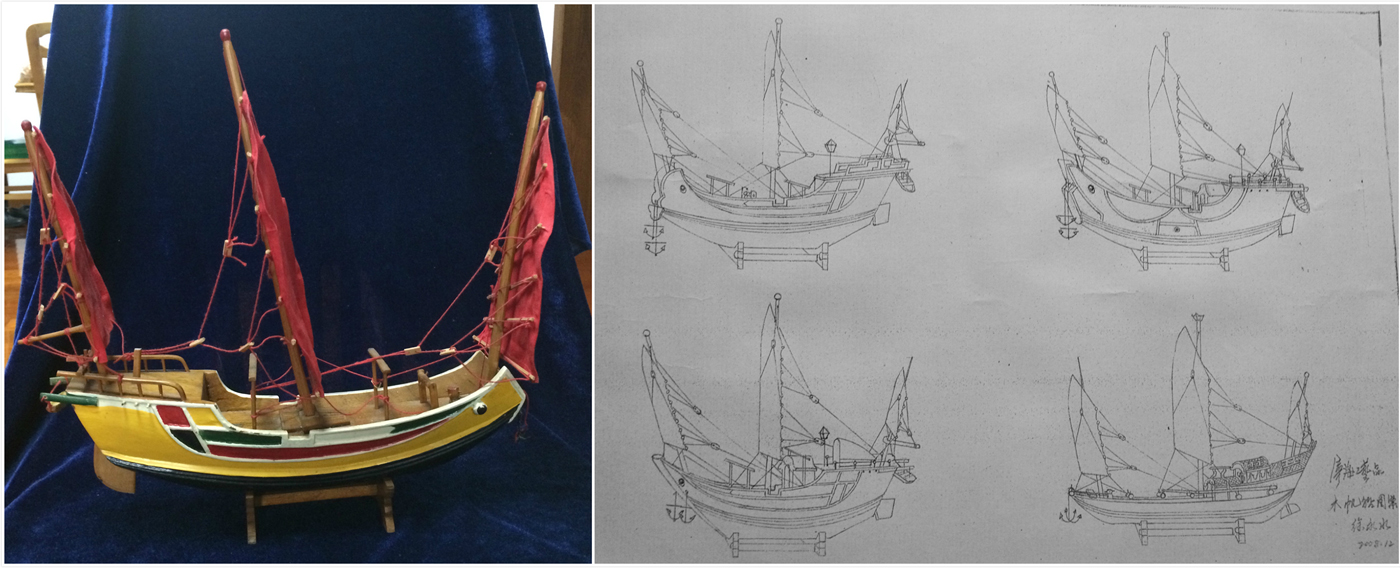
In the early 1960s, the workshop recruited over forty people and became the largest handicraft workshop in town.Footnote 82 The name of the workshop was also changed to the Arts and Crafts Factory of Chengguan Town, in Ninghai County. As Master Xu recalls, “My master Wang Dawai 王大外 was over fifty years old at that time. Three to five people were responsible for carving the larger wooden boats while the rest carved small wooden figures.”Footnote 83 It seems natural for the cooperative workshop to carry over a combined carving of wooden figurines and relatively large wooden boats in one workshop. As mentioned in the Hua brothers’ practice during the Republican Period and evidenced by Edward Day's observation in the Ningbo port before 1925,Footnote 84 those wooden boats are larger in size, painted with eyes at the prow and mimicking Ningbo sailing junks, another pervasive object in Western museum collections. Though it is unclear whether the collocation attempted to diversify the business or had practical concerns like utilizing the leftover timber, the later PRC cooperative factory followed the combination of these two products (Figure 12).Footnote 85
(left) A sailing junk made in Ninghai; (right) a drawing on sailing junks by Master Xu in 2008. Both photos by the author, 2015.

A report from the Shanghai Import and Export Company shows its scale of production in 1963.Footnote 86 In that year alone, the workshop exported altogether 5294 dozen (63,528 pieces) figurines, yielding a revenue of 4395 USD. The entire revenue was over three times more than any other toys in total. These figurines were exported to various countries and areas: France (1300 dozen), Holland (1000 dozen), Britain (1100 dozen), Singapore (600 dozen), Belgium (120 dozen), Sweden (50 dozen), Australia (30 dozen), West Germany (10 dozen), Hong Kong (12 dozen), Japan (200 dozen) and other non-capitalist countries in Asia and Africa (872 dozen).
In a workshop of forty people, with five responsible for large wooden boats, it means each of the figurine carvers had to make at least 1815 pieces a year (or six figurines a day if they worked six days a week) in order to fulfill those foreign orders.Footnote 87 However, the workload in the workshop was not divided equally. To guarantee the production, the workshop decided to manage quality control and distribute earnings by a traditional work mode, in which an individual carried out “all the stages to produce a piece … from start to finish.”Footnote 88 In his 1909 study of local businesses, Zhou Yiqing observed that the handicraft piecework—earnings based on the number and quality of the pieces made—has been most effective for craftsmen, including woodcarvers and carpenters.Footnote 89 The reason for adopting the piecework mode in Master Xu's mind is obvious: some carvers worked better and faster than others.Footnote 90 Each carver was responsible for making a full set—a dozen wooden figurines, for that was how wooden figurines were packaged, sold to the Shanghai Import and Export Company of Arts and Crafts, transported abroad and sold again.Footnote 91 Master Xu recalled his experience once as a manager in the factory, responsible for quality control: “It was only after I checked their carvings lined up on the table that the wooden figurines could be packed up. Cormorants were difficult for some people. The cormorants they carved were too large and without any shape. I told them, ‘those cormorants are going to sink the boat!’”Footnote 92
As male “unskillfulness” was mocked by Master Xu, he considered the polishing work by Master Wang Dawai's daughter, the only female known to be involved in the wooden figurine making, as “auxiliary” because “it required no technical skills.”Footnote 93 It is not uncommon that female labor is regarded as less skilled than male artisans, in the household and in workshops, not only in China but in other Asian countries like India as well.Footnote 94 Even in the socialist regime, woodcarving was still a male-dominated niche. For the majority of females whose fathers were carvers, they would not have been trained in the same apprenticeship as their male counterparts, and thus were only responsible for such supplementary work as polishing. However, polishing is important for wooden figurine carving. Largely left unpainted and unvarnished, the wooden surface needs to be polished so as to enhance smoothness both for eyes and hands. The female labor might not require “entitled” training, but considering the size of the miniature tableaux, erasing the traces of the carving chisels and wiping off the sawdust was not a trivial task.
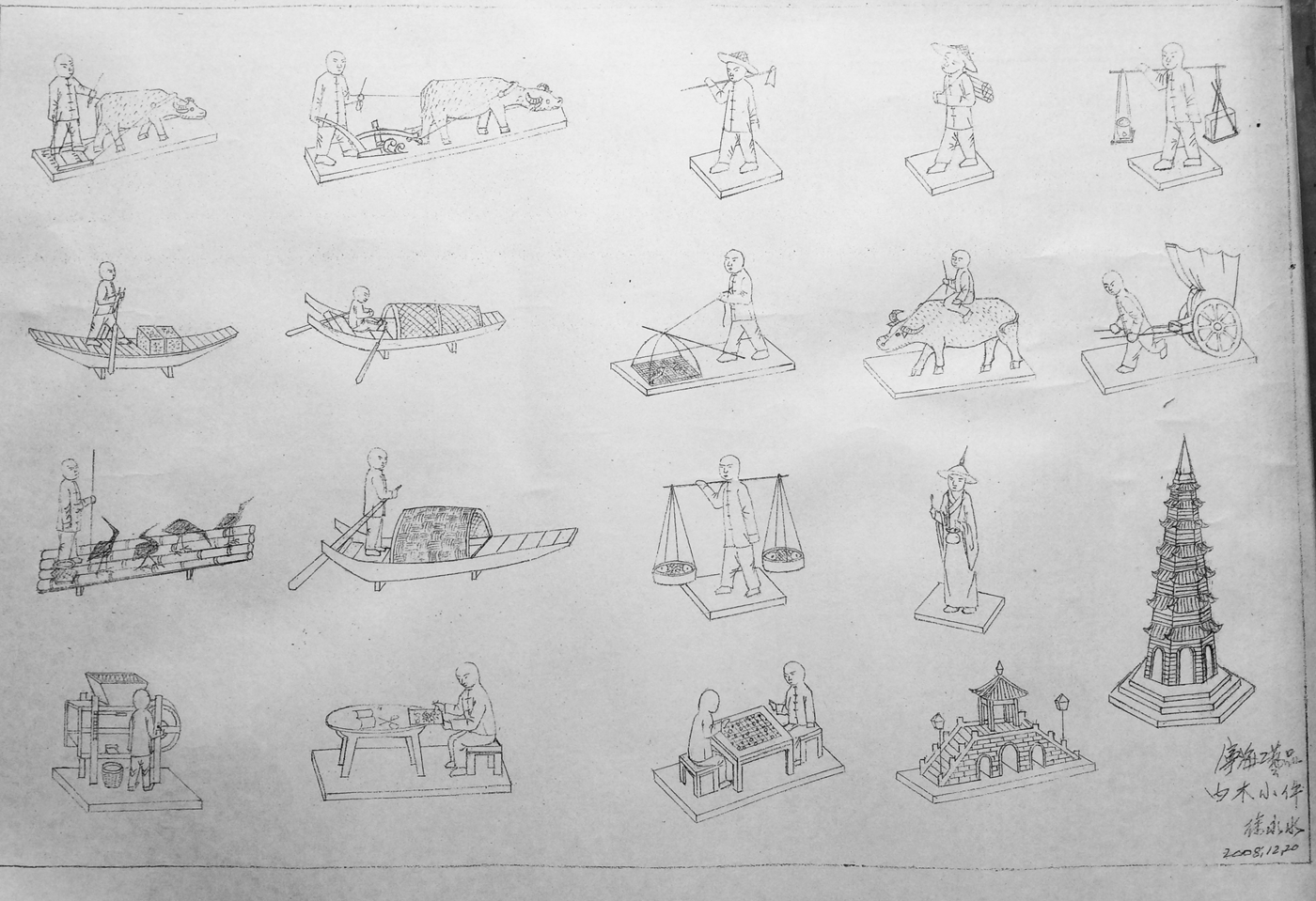
Whatever his assessment of female skills, Xu Yongshui was unquestionably competent as a carver and was considered a leader in the industry. In the early 1970s, he was appointed the head of the factory. Afterwards, he made routine trips to Shanghai with samples to promote the figurines (Figure 13).Footnote 95 Because his passion and personality won him a good relationship with sales representatives at the Shanghai Import and Export Company of Arts and Crafts, those sales representatives always took his advice and chose the groups of figurines that were popular in the West but relatively easy to make for the carvers and less costly in raw materials for the factory. His work earned him a big salary of 98 RMB per month, which was higher than that of a local county official (usually 50 to 60 RMB).Footnote 96
Xu Yongshui drew these whitewood figurines in 2008. On each package of the export figurines there would have a label of some drawings to attract foreign customers. Photo by the author, 2015.

Even during the Cultural Revolution (1966–1976), production of wooden figurines never stopped. The conventional view of the Cultural Revolution is that a huge number of woodcarvings and statues were demolished and many traditional handicraft factories were closed down as they represented the “four olds:” obsolete ideas, cultures, customs, and habits.Footnote 97 Traditional craft and designs were usually considered “unsavory historical figures from China's past” or “China's wealth of ‘feudal superstition’” and, therefore, many traditional carvings were vandalized and defaced.Footnote 98 However, Master Xu revealed a different situation for whitewood figurines: “My factory kept working as usual during the Cultural Revolution. We never stopped, because wooden figurines depict the common people, not those feudalistic figures like kings and emperors.”Footnote 99 Xu was only partially right, for pre-1949 wooden figurines depicted feudalistic scenes, such as opium smoking, torture, and punishment. But what mattered in the PRC was how the carvers narrated or labeled wooden figurines. Rather than depicting feudalistic scenes, wooden figurines now came to represent commoners exclusively, such as farmers, handicraftsmen, and boatmen in the new nation state. Thanks to their exclusively defined association with commoners, figurine carvers had a relatively easy time during the Cultural Revolution and the factory kept receiving a large number of orders from abroad, in line with the state's five-year plans on export trades.Footnote 100 In September 1972, the Ninghai Whitewood Small Pieces Cooperative expanded again. It moved into a more spacious venue and developed into the Arts and Crafts Factory of Ninghai County.Footnote 101
Decline in the late 1970s and 1980s
By the end of the 1970s, the production of wooden figurines had shrunk to 1000 pieces a month. Two different explanations have been given from two different voices. First is the official account. A government investigation published in 1986 regarding the traditional crafts in Zhejiang Province attributes the decline to the product itself: unique yet out of date.Footnote 102 Although China went through the reform and opening-up since 1978, the making of wooden figurines was still a collectively owned business. In contrast to machine-made plastic toys, the hand-made wooden figurines were costly to produce. Since the woodworkers were unable to generate enough profit to develop the factory into an independent business, it failed to get enough attention from the sales department of the government in the era of market reforms.Footnote 103 In the early 1990s, the factory turned to manufacturing plastics instead of wooden figurines. Those figurines thereafter faded from people's memories.
However, the official report did not seem to provide a full account of the decline. To begin with, the handmade wooden figurines’ lack of competitiveness in the Western market was questionable. A group of five people from the Small Special Craft and Souvenir Investigation and Trade Group of the Shanghai Import and Export Company of Arts and Crafts visited France, Italy, and West Germany from December 8, 1981 to February 26, 1982.Footnote 104 Their investigation of European importers, local Christmas fairs and department stores concluded that Europe was a promising market for crafts and souvenirs, shown by the fact such as France alone imported small wooden products with a total value over 36,000,000 USD in 1980. Therefore, the report suggested that the scale of crafts production should be enlarged: since the production of small special crafts was labor-intensive and China did not lack labor forces, foreign revenues could be easily made with a small amount of raw materials either by hand or by simple machines. Based on the report, whether crafts were handmade or machine-made did not seem to pose an obstacle. If it was not the means of production that mattered, what would be the possible cause behind of decline of the Ninghai wooden figurines?
Master Xu attributed the recession differently. He recalled the decline as closely associated with the dearth of a local tree known as the white tea tree. Woodcarving would be impossible without its raw material, wood. Whether a carved product is appealing enough to hold and caress depends in large part on the materiality of timber. Not every kind of timber is appropriate for carving miniature figurines. The wood has to be soft enough for details to be easily carved and the texture of the timber should look pretty even without varnishing. The choice of wood also has its economic considerations so that the end product could sell at an accessible price. In the late imperial period, woodcarvers in Ningbo would collect scraps left over from furniture making at a very cheap price to manufacture toys.Footnote 105 But it seems unlikely for the scraps of precious and expensive hardwood like sandalwood to be used to carve cheap wooden figurines. Unless some customer commissioned a set at a high price, it takes too much effort to carve tiny details into hardwood.
Three major types of wood were used to carve whitewood figurines in the Ninghai factory: Chinese white poplar (Populus tomentosa Carr), gingko (Ginko biloba), and white tea tree (Euonymus maackii Rupr.), all local softwood.Footnote 106 White poplar and gingko trees are common wood for carving. While Ningbo-grown white poplar is said to be softer and whiter than Chinese boxwood,Footnote 107 gingko wood is one of the main materials for Ningbo woodcarving. Known for its soft and delicate structure as well as clear and straight grain with luster on the surface, its color grows dark naturally after being exposed to air and touched by hands.Footnote 108
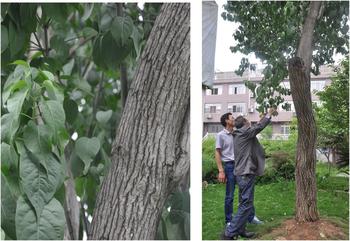
What Master Xu referred to specifically is the third kind of wood, known by local carvers as white tea tree. However, the white tea tree is not commonly perceived as a carving material, and the name itself is misleading, for it has nothing to do with white tea. Rather, it is local nomenclature used by figurine carvers for the wood whose official Chinese name is Simian Wood (simian mu 丝绵木; Figure 14 left). Ningbo provides an ideal habitat for the white tea tree, for it likes to grow in the shade near small bamboos. Its grain is fine and delicate while its structure is firm yet soft enough to engrave details. In the past, local people would use this wood to carve personal seals. After 1956, white tea wood became a major timber for wooden figurine carving in the cooperative workshop.
(left) The Simian tree rescued by Master Xu; (right) Master Xu Yongshui (in jacket) showing the height of the rescued Simian tree to the author's father. Both photos by the author, 2015.

However, during the Great Leap Forward (1958–1962) and the Cultural Revolution (1966–1976), supervision over forest resources was loose in Ninghai, which led to a large number of trees being felled in the first three decades of the PRC for industrial development.Footnote 109 As timber grows slowly and usually takes decades to mature, it would eventually lead to deforestation if trees were solely cut down while sprouts were not planted in time. As a rule that prevails to this day, the success or failure of wood carvers “depends on the favorable or unfavorable harvest” of the timber each year.Footnote 110 In the life experience of Master Xu, such a shortage of timber materials accounts for why the factory stopped producing wooden figurines in the 1980s and switched to manufacturing plastics in the early 1990s. When I visited Master Xu in the summer of 2015, he showed me a white tea tree he rescued in a nearby neighborhood. Without being cut and used as timber, the tree has grown much larger and taller than anyone would have expected (Figure 14 right).
After more than two decades, whitewood figurines appeared on the list of the cultural heritage of Ningbo municipality in 2014.Footnote 111 But just as the 1986 investigation report had pointed out, it is extremely hard for whitewood figurines as a cultural heritage to scale up from the municipal level to the provincial level without adequate attention from Chinese specialists.Footnote 112 In fact, as a quintessential export product, whitewood figurines have never caught enough attention in China. They represent Chinese life in Western eyes, but as a form of craft, they are foreign to many Chinese specialists and museum professionals in the present.
Conclusions
The article tells a transnational history as well as a craft history of Ningbo whitewood figurines that were carved and circulated from the treaty port era in the late imperial period, through the Republican period to the PRC, or from the second half of the nineteenth century to the late 1980s. What we see is the continuity of carving practice and mass production through this tumultuous century-and-a-half. As such the craftsmen are shown to be innovative and adaptable to changing circumstances. Distinct from—and yet still intertwined with—political history, craft history proceeds at its own rhythm. It is a dialectic history involving various historical actors and their actions, such as carving and collecting. Contrary to conventional material cultural studies, which pay more attention to consumption, this article has sought to shed light on the story of making, reintroducing the knowledge, values, and perspectives of craftsmen into the narratives of China's transitions to modernity. In this sense, craft history is a history of ordinary people and their lives, which are not solely marked by historical events or divided by political regimes. For elderly carvers living through the early PRC period, their childhood beginning in late imperial years and adulthood spanning the Republican years are as important as their late years in the new nation-state. They learnt their skills and developed them to make a living; their body might have deteriorated as time progressed but their memory about their craft and their life has not simply dissipated but also accumulated with age.
Ningbo whitewood figurines are different from other Chinese decorative art familiar to Euro-American viewers such as scholar's rocks or porcelain vases. Most of the figurines, even when they do not depict scenes of torture and punishment, lack auspicious associations and would not be displayed as decorations in Chinese homes of the period. Carved of local materials and with local woodworking techniques, Ningbo whitewood figurines were produced primarily as export souvenirs by entrepreneurial craftsmen targeting foreign buyers. Although they bear unquestionable “Chineseness” to generations of non-Chinese collectors and museum-goers, in a strict sense they are not “authentically Chinese” in the practice of Chinese connoisseurship and museology.
By illuminating the local carving traditions and indigenous visual lexicons, this article does not aim to simply refute Orientalist-essentialist ideas by providing counter evidence. What the article aims to do is to blur the lines and complicate the arguments by uncovering what has been done to Ningbo whitewood wooden figurines and showing the traces of individual historical actors, their taste and skills, their embedded cultural preferences and traditions, as well as their roles as makers, consumers, collectors, and donors. Various factors and contexts shape the kind of material cultures we see and experience, not to mention the kind of craft history that historians are able to write about.
Acknowledgements
As no research is a solitary practice, I have received considerable help and support from numerous museum professionals, scholars and local correspondents, family members and friends: just to name a few, Katherine Skaggs, Ira Jacknis, Leslie M. Freund, Linda Waterfield, Rebecca Andrews, Ashley Verplank, Nancy Bruegeman, Meghan O'Brien Backhouse, Barry Landua, Cipperly A. Good, Sandra Vanderwarf, Allison Galland, Alexandra Green, Sushma Jansari, Kendra Meyer; Zhou Yi, Chai Xuanhua, Qiu Yanping; Chen Jiayi, Zhou Zhenru, Hou Jue, An Jianghong, Zou Yifan, Wang Shunqi, Tao Jin, Zhao Andong and Yang Qiming. I want to thank Adam Nilsen and Katie Fleming at the Phoebe A. Hearst Museum of Anthropology for an invitation to give a talk, in December 2018, from which I restructured the entire paper. Special thanks are owed to the editor of the essay Dorothy Ko for her meticulous editing and insightful comments, Vimalin Rujivacharakul for her constructive feedback, my advisor Jacob Eyferth for sharing thoughts and materials on historical contexts, my friend Charlotte Silverman for sharpening my ideas and proofreading my drafts, and my MA thesis advisor Laurel Kendall for her inspiration and care through and beyond the research. Last but not least, I am heavily indebted to Master Xu Yongshui for every bit of memory he recalled and skills he demonstrated during my visits, before his passing in 2018. I hope this article can be a tribute to his words and work.