




No CrossRef data available.
Article contents
- Extract
- Nominating Committee Offers Slate for 2005–2006: Officers and Council Members
- Continuing Officers and Council
- 2005 APSA Annual Meeting
- Elinor Ostrom to Deliver Madison Lecture
- Highlights from the April 2005 Council Meeting
- NCAPSA Hosts Annual Spring Meeting
- News and Notes
- Political Science & Politics Preview, October 2005
- Washington Insider
- APSA Task Force on Difference and Inequality in the Developing World Sponsors Conference
Extract
The Association's 2005 Nominating Committee convened at the nationaloffice and agreed upon the following slate of officers and Councilmembers. Members of the Association will have an opportunity to meetthe nominees at the 2005 Annual Meeting in Washington, D.C.Elections will be held at the Business Meeting on Saturday,September 3. The Annual Meeting Final Program will have the roomlocation for each event. Procedures for nominations from the floorare set down in Article V (1,2) of the APSA Constitution.
Information
- Type
- ASSOCIATION NEWS
- Information
- Copyright
- © 2005 The American Political Science Association
Nominating Committee Offers Slate for 2005–2006: Officers and Council Members
The Association's 2005 Nominating Committee convened at the national office and agreed upon the following slate of officers and Council members. Members of the Association will have an opportunity to meet the nominees at the 2005 Annual Meeting in Washington, D.C. Elections will be held at the Business Meeting on Saturday, September 3. The Annual Meeting Final Program will have the room location for each event. Procedures for nominations from the floor are set down in Article V (1,2) of the APSA Constitution.
Serving on the 2005 Nominating Committee were: Karen Remmer (Chair), Duke University; Stephen Holmes, New York University; Margaret Keck, Johns Hopkins University; Edmond Keller, University of California, Los Angeles; Mathew McCubbins, University of California, San Diego; and Gary Segura, University of Iowa.
President-Elect 2005–2006: Robert Axelrod, University of Michigan
Robert Axelrod is the Arthur W. Bromage Distinguished University Professor of Political Science and Public Policy at the University of Michigan. He has appointments in the department of political science and the Gerald R. Ford School of Public Policy. Prior to coming to Michigan he taught at the University of California, Berkeley (1968–1974). He holds a B.A. in mathematics from the University of Chicago (1964), and a Ph.D. in political science from Yale (1969).

He is best known for his interdisciplinary work on the evolution of cooperation that has been cited in over three thousand articles. His current research interests include complexity theory (especially agent-based modeling) and international security. Axelrod has been elected to the National Academy of Sciences, the American Academy of Arts and Sciences, and the Council on Foreign Relations. Among his honors are a five-year MacArthur Prize Fellowship, the Newcomb Cleveland Prize of the American Association for the Advancement of Sciences for an outstanding contribution to science, and the National Academy of Sciences Award for Behavioral Research Relevant to the Prevention of Nuclear War.
Recently, Axelrod has consulted and lectured on promoting cooperation and harnessing complexity for the United Nations, the World Bank, the U.S. Department of Defense, and various organizations serving health care professionals, business leaders, and K–12 educators.
Axelrod's contributions to APSA include service as a member of the Council, as Secretary, and as Vice President.
Vice President 2005–2006: Gary Cox, University of California, San Diego
Gary W. Cox is Distinguished Professor of Political Science at the University of California, San Diego. Prior to coming to UCSD, he taught at the University of Texas at Austin (1982–1984, 1986–1987) and Washington University in St Louis (1984–1986). He holds a B.S. in history (1978) and a Ph.D. in social science (1982) from the California Institute of Technology.

In addition to numerous articles in the areas of legislative and electoral politics, Cox is author of The Efficient Secret (winner of the 1983 Samuel H. Beer dissertation prize and the 2003 George H. Hallett Award), coauthor of Legislative Leviathan (winner of the 1993 Richard F. Fenno Prize), author of Making Votes Count (winner of the 1998 Woodrow Wilson Foundation Award, Luebbert Prize, and Best Book in Political Economy Award), and coauthor of Elbridge Gerry's Salamander. His latest book, Setting the Agenda, will be out in September 2005. A former Guggenheim Fellow, Cox was elected to the American Academy of Arts and Sciences in 1996 and received the William H. Riker Prize in 2004.
Cox's professional activities include service as a member of the Board of Overseers of the National Election Study, as a consultant to the Comparative Study of Electoral Systems project, as a member of the APSA Council, as a Section Chair for the APSA Annual Meeting, and as a member of the Executive Committee for the Legislative Studies Section of APSA, among other things. He currently chairs the department of political science at UCSD.
Vice President 2005–2006: David Laitin, Stanford University
David Laitin received his foundational education in political science as the roommate of Peter Katzenstein at Swarthmore College. He received his Ph.D. at the University of California, Berkeley, working under the direction of Ernst Haas and Hanna Pitkin. His principal field is comparative politics and he has conducted field research in Somalia, Yorubaland, Catalonia, and Estonia, working on issues of language and religion, and how these cultural phenomena link nation to state. His books include Politics, Language and Thought: The Somali Experience; Hegemony and Culture: Politics and Religious Change Among the Yoruba; and Identity in Formation: The Russian-Speaking Populations in the Near Abroad. Most recently, in collaboration with James Fearon, he has published two papers in the American Political Science Review on ethnicity, ethnic cooperation, and the sources of civil war. For the APSA, he has served on the Council, and its executive committee; as president of the Comparative Politics Section; and is currently serving on the APSA Taskforce on Political Violence and Terrorism. He has taught at the University of California, San Diego, the University of Chicago, and is currently the Watkins Professor of Political Science at Stanford University.

Vice President 2005–2006: Katherine Tate, University of California, Irvine
Katherine Tate is professor of political science at the University of California, Irvine, where she also holds a courtesy appointment in African American Studies. Prior to her appointment at UC Irvine in 1997, she held faculty appointments at Ohio State University and Harvard University. Her 1989 Ph.D. in political science is from the University of Michigan. She received her bachelor's degree in political science with honors from the University of Chicago.

Tate is the author and co-author of three books: Black Faces in the Mirror: African Americans and Their Representatives in the U.S. Congress (Princeton University Press, 2003); From Protest to Politics: The New Black Voters in American Elections (Harvard University Press and the Russell Sage Foundation, 1994); and African Americans and the American Political System, 4E (co-authored with Lucius J. Barker and Mack H. Jones; Prentice Hall, 1999). Black Faces in the Mirror received a number of book awards. It was named an outstanding title in 2003 by Choice magazine; the winner of APSA's Race, Ethnicity, and Politics Section 2004 best book award on race and representation; the recipient of the 2004 V. O. Key Jr. book award from the Southern Political Science Association; and the co-winner of the National Conference of Black Political Scientists' 2005 W.E.B. Du Bois book award. From Protest to Politics was the co-winner of the SPSA's 1994 V. O. Key, Jr. book award and NCOBPS' 1995 Outstanding Book Award.
Tate is the principal investigator of the 1996 National Black Election Study and the co-principal investigator of the 1988 National Black Election Study. She is also co-principal investigator of a 2003 NSF-funded survey of Blacks regarding their opinions on reparations for American slavery and the Bush administration.
Tate was twice the co-recipient of APSA's Women Caucus Mentor Award in 2002 and 1996. In 2003, she was the co-recipient of APSA's Latino Caucus Adaliza Sosa-Riddell award for exemplary mentoring to Latino/a students and faculty. In 2004 she was made an honorary member of UC Irvine's Golden Key International Honour Society. Tate was a fellow at the Center for Advanced Study in the Behavioral Sciences. She has served on a variety of APSA committees, and was an APSA Council Member from 2000–2002.
As an officer of the council, Tate will help advance the interests of underrepresented voices in the Association, notably females and minorities, as well as promote methodological pluralism.
Secretary 2005–2006: Dvora Yanow, California State University, Hayward
Dvora Yanow is professor in the department of public affairs and administration, California State University, Hayward, where she is also founding co-chair and member of the Executive Committee of the Center for Jewish Studies. Visiting appointments include Shenyang's North East University and Goteborg and Leiden universities. She received her Ph.D. in planning, policy, and organizational studies from MIT's department of urban studies and planning. She has worked as a community organizer, department head, and agency acting-director in a government corporation in Israel and as an administrative researcher for the dean of the Harvard Graduate School of Education, where she earned an Ed.M.

Her academic work is shaped by an overall interest in the communication of meaning in organizational and policy settings. She teaches in three areas, public policy analysis, organizational studies, and interpretive research methods, “applying” Continental social philosophy in all three.
She is the author of How Does a Policy Mean? Interpreting Policy and Organizational Actions (1996); Conducting Interpretive Policy Analysis (2000); Constructing American “Race” and “Ethnicity”: Category-making in Public Policy and Administration (2003, awarded the inaugural “Best Book” prize, Section on Public Administration Research, ASPA); and co-editor of Knowing in Organizations: A Practice-based Approach (2003) and Interpretation and Method: Interpretive Research Methods and the Interpretive Turn (with Peregrine Schwartz-Shea; forthcoming). Her co-authored article “Culture and Organizational Learning” was recognized as the best contribution to the Journal of Management Inquiry in its first two years of publication. Other articles appear in various public policy, public administration, and organizational studies journals.
Yanow has served on several APSA committees, participated in the Workshop on Women in the Profession (2004), and participates in Perestroika discussions. At the Western, she created and co-chaired the new Interpretation and Methods Section, served as Local Arrangements Chair (2004–2005), and has been a member of the Executive Council, president of the Women's Caucus, and chair or member of several committees.
As a program evaluator, her most recent work evaluated the impact of the Pew Fellowships in the Arts. As a contributing editor to the quarterly Judaism she has published essays interpreting Biblical texts (inventing a sister for the medieval commentator Rashi) and observing Dutch anti-Semitism. She studies violin/fiddle and hand percussion, folk dances, sings, and grows tomatoes. Yanow brings her academic background in career theory, professional education, and organizations to the Council, and is focused on the role of a professional association in today's academic climate. Additional information available at www.isis.csuhayward.edu/dbsw/publicadmin/dyanow/index.htm
Treasurer 2005–2007: Tony Affigne, Providence College
Tony Affigne is professor and chair of political science, and faculty associate in Black studies, at Providence College. He holds a Ph.D. from Brown University and an M.P.A. from the University of Rhode Island. Affigne was co-founder of the APSA Section on Race, Ethnicity and Politics, co-founder of the Latino Political Science Caucus, and member of APSA's Committee on the Status of Latinas y Latinos. He currently serves on the APSA Council, chairs the APSA Latino Fund selection committee, and is a member of the Ralph J. Bunche Award Committee. He has twice served on APSA's Program Committee, for the Section on Ecological and Transformational Politics and the Section on Race, Ethnicity and Politics. He has been active in the National Conference of Black Political Scientists and the Western, Midwest, and Northeastern Political Science Associations.

Affigne works at a small college where undergraduate education is paramount, and he teaches courses in American and comparative politics, Black studies, Latino studies, and environmental studies. His research is in the same areas. For the lead article in Amerasia Journal's special edition on Asians in the Americas (2002), Affigne and co-author Pei-te Lien showed how racial regimes across the hemisphere manifest similar systems of social and economic marginalization. In September 2000 he organized a 21-author Symposium on Latino Politics in the United States, published in PS: Political Science and Politics, profiling work on Latino participation, social movements, immigration, public policy, gender, and identity. For Race and Politics (Jennings, ed., Verso, 1997), Affigne's turnout analysis for Atlanta's 1990s electorate showed profound linkage failure, disconnecting Black elites from much of the Black electorate, and from other communities of color. Affigne's current research compares racial regimes in postcolonial societies, asking how similar racial orders can persist in otherwise dissimilar cultures, and exploring intersections of patriarchy and racialism. His previous work on the impacts of ecological crisis, tracing Chernobyl's political reverberations, was published in Green Politics One (Rüdig, ed., Edinburgh, 1990). He later served as associate editor for the International Encyclopedia of Environmental Politics (Frankland and Barry, eds., Routledge, 2002).
Active in Providence's local community and political life, in 1986 Affigne was the first-ever Latino candidate for governor of Rhode Island, has been board member for statewide Latino political organizations, served on public commissions for housing, special education, desegregation, and community development, and helped found the state and national Green Parties in 1992 (Rhode Island) and 2001 (United States).
Council 2005–2007: Catherine Boone, University of Texas at Austin
Catherine Boone is associate professor of government at University of Texas at Austin, where she has taught since 1987. She received her B.A. in political science with a minor in economics at University of California, San Diego, and her Ph.D in Political Science from MIT. She has held visiting appointments as Fulbright professor at Beijing Foreign Studies University, visiting professor at the Centro de Investigacion y Docencia Economicas (CIDE) in Mexico City, Fulbright researcher at the Centre Ivoirien de Recherche Economique et Sociale in CÔte d'Ivoire, and researcher at the Ecole Supérieure de Gestion des Entreprises (ESCE) in Dakar, Senegal. She was a fellow of the Harvard Academy of International and Area Studies from 1990–1992.

Boone's research lies in the areas of Comparative Politics and Political Economy, and focuses on questions of state formation and economic change in the late-developing world. Her work on Africa has dealt with the substantive problems of regime consolidation, economic liberalization, struggles over land tenure regimes, and the politics of the HIV/AIDS crisis. She is author of Merchant Capital and the Roots of State Power in Senegal (Cambridge, 1992), which was a finalist for the African Studies Association's Herskovitz book award, and Political Topographies of the African State: Territorial Authority and Institutional Choice (Cambridge, 2003), which was a finalist for APSA's Gregory Leubbert Award and for the Herskovitz Award. Her articles have appeared in Comparative Politics, Comparative Political Studies, Journal of Commonwealth and Comparative Politics, World Development, Journal of Development Studies, African Studies Review, and other comparative politics venues.
She has served on the Executive Committee of the Comparative Politics Section and the board of the African Politics Conference Group, an APSA related group. She is a board member of the West Africa Research Association, member of the SSRC's Africa Regional Advisory Panel, and member of the national program committee (2004) for the African Studies Association.
Boone is committed to promoting research agendas that integrate studies of developing countries with studies of the West, and that remain open to critical social-science perspectives on questions of democracy, capitalism, and globalization. She believes that continuing internationalization of the discipline—and of APSA itself—promotes these ends. If elected, Boone hopes to reinforce the Association's role in promoting work that crosses boundaries between the subfields of political science, and in sustaining the vibrancy of methodological and political pluralism within the discipline.
Council 2005–2007: Janet Box-Steffensmeier, Ohio State University
Janet M. Box-Steffensmeier is the Vernal Riffe Professor of Political Science, director of the program in statistics and methodology, and courtesy faculty of sociology at the Ohio State University. She holds a B.A. in mathematics and political science from Coe College (1988) and a Ph.D. in political science from the University of Texas at Austin (1993).

Box-Steffensmeier's primary focus is American politics, though her work in methodology has moved her into international relations and public policy as well. She is the coauthor of Event History Modeling: A Guide for Social Scientists (Cambridge University Press, 2004). In progress is a coedited volume with Henry Brady and David Collier, Oxford Handbook of Political Methodology, which offers commentary not just on where the field has been in the realms of quantitative and qualitative methodology, but positive suggestions about where it ought to be heading by being inclusive of alternative methodologies.
She is an executive committee member of the APSA organized section on Legislative Studies, past executive committee member of the Elections, Public Opinion, and Voting Behavior Section and president-elect of the Political Methodology Section, as well as past office holder for this section. She is a council member and past program co-chair of the Midwest Political Science Association. Previous APSA responsibilities include serving on the Annual Meeting Committee and Technology Ad-hoc Committee. In 2004, she became the coeditor of the Legislatures and Parliaments Series for Ohio State University (with David Canon). She has recently served on the editorial boards of the American Political Science Review, American Journal of Political Science, Journal of Politics, Electoral Studies, Legislative Studies Quarterly, Political Analysis, and Women and Politics. She will be serving as an associate editor for the American Journal of Political Science starting in 2006.
Her awards include the Emerging Scholar Award given by the Elections, Public Opinion, and Voting Behavior Section of the APSA (2001) and the Gosnell Award for best work in political methodology on two occasions (1994, 2002). She has received the Excellence in Mentorship Award from the Women's Caucus in Political Science, Mortar Board Recognition for Outstanding Teaching, and Honorable Mention for the Rowman & Littlefield Award for Innovative Teaching in Political Science (with John Freeman).
Council 2005–2007: Donald P. Green, Yale University
Donald Green is the A. Whitney Griswold Professor of Political Science at Yale University, where he has taught since 1989. He is also director of the Institution for Social and Policy Studies at Yale. He holds a B.A. in political science and history from the University of California, Los Angeles (1983) and a Ph.D. in political science from the University of California, Berkeley (1988).
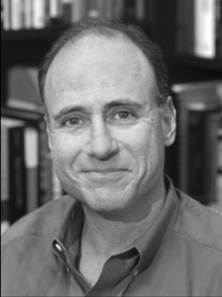
His scholarship covers a broad array of topics, such as campaign finance, party identification, rational action, voter turnout, and prejudice. His three books are Pathologies of Rational Choice Theory: A Critique of Applications in Political Science (Yale University Press, 1994) co-authored with Ian Shapiro, Partisan Hearts and Minds: Political Parties and the Social Identities of Voters (Yale University Press, 2002) co-authored with Bradley Palmquist and Eric Schickler, and Get Out The Vote! How to Increase Voter Turnout (Brookings Institution Press, 2004) co-authored with Alan Gerber. Outside of political science, he is known for his psychological research on the measurement of mood and his sociological research on the causes of racially-motivated crime. Green has been elected fellow of the American Academy of Arts and Sciences.
He currently serves on the editorial board of two political science journals and has served on the committee charged with selecting the first editor of Perspectives on Politics. For the past four summers, he has taught workshops for students and faculty interested in the design and analysis of field experiments.
Council 2005–2007: Bryan D. Jones, University of Washington
Bryan D. Jones is the Donald R. Matthews Distinguished Professor of American Politics and director of the Center for American Politics and Public Policy at the University of Washington. He received his Ph.D. from the University of Texas in 1970, and has taught at the University of Houston, Wayne State University (department chair 1981–1985), and Texas A&M University (department head 1985–1992). He joined the faculty at the University of Washington in 1996.

Jones' scholarly interests focus on American public policy processes. His research concentrates on macro-level agenda-setting processes in American national political institutions and their connections to individual level micro-foundations. Organizations, including governments, are information-processing entities. Human cognitive factors bear on individual level decision-making. These cognitive boundaries must be reflected in formal organizations, which are, after all, creations of the human mind. So any theory involving organizations must involve some attention to the “raw material.”
Associated with this substantive interest has been a continuing dedication to better measurement of policy processes. This began in the 1970s with the assessment of urban service distribution and continues today with the Policy Agendas Project. The latter project is an ambitious attempt to assess various aspects of policy change promulgated by the U.S. government since World War II; Jones supervises this project in association with Frank Baumgartner and John Wilkerson. See www.policyagendas.org for the results.
Jones' more recent books include Politics and the Architecture of Choice (Chicago University Press, 2001), winner of the APSA Political Psychology Section Robert Lane Award, Reconceiving Decision-Making in Democratic Politics (Chicago University Press, 1994), winner of the Lane Award and Governance's Charles Levine Award, The Politics of Attention (co-authored with Frank Baumgartner; Chicago University Press, 2005) and Agendas and Instability in American Politics (co-authored with Frank Baumgartner; Chicago University Press, 1993). The latter book won the 2001 Aaron Wildavsky Award, awarded by APSA's Public Policy Section.
Jones has received National Science Foundation Grants totaling more than $1,750,000 from several different directorates, and has published articles in the American Political Science Review, Journal of Politics, American Journal of Political Science, and many other professional journals. He has served on the editorial boards of the American Journal of Political Science, Journal of Politics, Economic Development Quarterly, Governance, Political Psychology, and State and Local Government Review. He has served as vice president of the Midwest Political Science Association and president of the APSA's Organized Section on Urban Politics.
Council 2005–2007: Michael Jones-Correa, Cornell University
Michael Jones-Correa is associate professor of government at Cornell University. Before arriving at Cornell, he taught at Harvard University as an assistant and associate professor of government. Along the way he has been a visiting fellow at the Woodrow Wilson Center for International Scholars and a visiting scholar at the Russell Sage Foundation. He received his B.A. in political science from Rice University, and his Ph.D. in politics from Princeton University.

Jones-Correa's research and teaching interests include, among other things, immigrant political incorporation, minority politics and inter-ethnic relations in the United States, and urban and suburban politics. He is the author of Between Two Nations: The Political Predicament of Latinos in New York City (Cornell, 1998), which received an award for best book on ethnic politics from the Race and Ethnic Politics section of the APSA in 1998, and the editor of Governing American Cities: Inter-Ethnic Coalitions, Competition and Conflict (Russell Sage Foundation, 2001). Jones-Correa has also written more than two dozen articles and book chapters on, among other things, the diffusion of racial restrictive covenants, religion and political participation, Latino identity and politics, the role of gender in shaping immigrant politics, dual nationality, immigrant naturalization and voting, and Hispanics as a foreign policy lobby.
In addition to his research and teaching, Jones-Correa has been active in the profession. He has served as program chair for sections at the APSA and MPSA meetings, as co-chair of the APSA's Committee on the Status of Latinos in the Profession, and as a member of the James Madison Award Committee, the Executive Council for the Urban Politics section, and the Executive Committee of the Race and Ethnicity section. Jones-Correa has served as well on the editorial advisory board of Urban Affairs Review, and on the Committee on the Redesign of the U.S. Naturalization Test, National Research Council, National Academies of Science.
Council 2005–2007: Jack Levy, Rutgers University
Jack S. Levy is Board of Governors' Professor of Political Science at Rutgers University. He received a Ph.D. from the University of Wisconsin, held regular positions at the University of Texas-Austin and the University of Minnesota, and visiting/adjunct positions at Tulane, Stanford, Harvard, Yale, Columbia, and NYU.

Levy's research interests focus on the causes of war, foreign policy decision-making, and methodology. Much of his work has analyzed the impact on the outbreak of war on the balance of power, power transitions, preventive logic, polarity, alliances, economic rivalries, diversionary motivations, domestic political oppositions, organizational routines, historical learning, crisis mismanagement, and misperceptions. He has applied prospect theory to foreign policy, and written about qualitative methods, philosophy of science, and philosophy of history.
He is author of War in the Modern Great Power System, 1495–1975, and coeditor (with David Wetzel and Robert Jervis) of Systems, Stability, and Statecraft: Essays on the International History of Modern Europe by Paul W. Schroeder. Levy's articles have appeared in the American Journal of Political Science, British Journal of Political Science, International Historical Review, International Interactions, International Organization, International Security, International Studies Quarterly, International Studies Review, Journal of Conflict Resolution, Journal of Interdisciplinary History, Journal of Peace Research, Political Psychology, Security Studies, Synthese, World Politics, and other journals. He is currently working on coauthored book projects on causal explanation, the evolution of war, the causes of interstate and intrastate war, and the balance of power, and on article-length studies of preventive war; appeasement, politically-motivated opposition to war, prospect theory, and time horizons and discounting.
Levy received APSA's Helen Dwight Reid Award for the best dissertation in International Relations, and the Distinguished Scholar Award from the Foreign Policy Analysis Section of the International Studies Association (2000). He has served APSA as program chair for the Conflict Processes section, chair of that section's Lifetime Achievement Award committee, program chair and then president of the International History and Politics section, and (currently) member of the Task Force on Political Violence. He was vice president of the International Studies Association and chair of the ISA section on the Scientific Study of International Processes. He served on the councils of the International Society for Political Psychology and the Peace Science Society, and on the editorial boards of the American Political Science Review, International History Review, International Studies Quarterly, International Studies Review Journal of Politics, Mershon International Studies Review, Political Psychology, and World Politics.
Council 2005–2007: Pei-te Lien, University of Utah
Pei-te Lien is associate professor of political science and ethnic studies at the University of Utah. A native of Taiwan, she received a B.A. degree in English from the National Taiwan University, and holds an M.A. in mass communications and journalism and a Ph.D. in political science from the University of Florida. She has been teaching at Utah since her graduation. Lien's research addresses empirical questions regarding the intersectionality of race, gender, ethnicity, and class by comparing the political experiences of Asian Americans to other major American racial and ethnic groups.

Lien is the author of The Making of Asian America Through Political Participation (Temple University Press, 2001), which received the 2002 best book award on political participation, voting, elections, and political behavior from APSA's Division on Race, Ethnicity, and Politics. Her latest book, The Politics of Asian Americas: Diversity and Community (Routledge, 2004), is based on her U.S. National Science Foundation-sponsored Pilot National Asian American Political Survey (SES-9973435). Coauthored with M. Margaret Conway and Janelle Wong, this book is “perhaps the most significant contribution to date on the topic of Asian American politics in the United States” and “destined to become the most widely-cited work on the subject.” The dataset is now archived by the ICPSR as Study No. 3832.
Lien has also published nearly 40 scholarly articles and essays and is the recipient of several major research grants and prestigious awards. One of her current projects is a cross-campus and multiracial collaborative research project, funded by the Ford Foundation, that studies the trajectories and leadership roles of the nation's male and female nonwhite elected officials. She is on the editorial boards of the Journal of Asian American Studies, Asian American Policy Review, and the Journal of Women, Politics & Policy. She also serves on the national advisory boards of several major survey research projects.
Lien is the founding co-chair and is on the Executive Committee of the APSA Asian Pacific American Caucus. She is a founding member of the APSA Committee on the Status of Asian Americans. In addition, she has participated actively, often as an organizer, in other professional and community-based organizations that address the problems of racial and ethnic inequality in the American context. At APSA, she co-chaired the 2002 conference program for the Division of Race, Ethnicity, and Politics and has been on several award committees at both the national and regional levels.
Council 2005–2007: Andrea Y. Simpson, University of Richmond
Andrea Y. Simpson is a native of Memphis, Tennessee and graduated from Rhodes College in 1976. Upon graduation, she pursued a career in advertising, marketing, and public relations. In 1989, after completing a Master's in Public Administration at the University of Virginia, she began the doctoral program in political science at Emory University. In 1993, she began her academic career as a professor at the University of Washington in Seattle. During her tenure there, she completed two postdoctoral fellowships—The Chancellor's Postdoctoral Fellowship at the University of California, Berkeley and a Rockefeller Foundation Fellowship at the Center for Research on Women, (the CROW Center), at the University of Memphis. At UC-Berkeley, she completed her first book, The Tie that Binds (New York University Press, 1998), named the “Best Book of 1998 on Racial Identity” by the Race, Ethnicity, and Politics section of the APSA. Simpson received tenure at the University of Washington in December 2000. After 11 years of service at the University of Washington, Simpson is now an associate professor at the University of Richmond in Virginia. She is currently completing a project that examines the effects of gender, race, and class on political mobilization within the environmental justice movement. A book manuscript is forthcoming from Oxford University Press.

A member of APSA for over 12 years, Simpson has served as president of the Race, Ethnicity, and Politics Section and as a member of the Publications Committee. She also served on the Executive Council of the Western Political Science Association. Simpson considers her mentorship of young scholars of color and women a significant part of her contribution to the profession. She supports the expansion of the discipline to embrace critical analyses and research on the interaction of race, ethnicity, sex, and gender in fostering political agency, participation, and activism. Toward that end, she served for two years running as the Gender and Politics section chair for the National Conference of Black Political Scientists as well as the 2004 co-program chair. If elected to the Executive Council, Simpson hopes to continue to foster the inclusion of what some consider marginal areas of inquiry in the discipline as well as help to expand and develop programs that yield intellectual and professional benefits for all graduate students and junior scholars.
Continuing Officers and Council
President 2005–2006: Ira Katznelson, Columbia University
Ira Katznelson is Ruggles Professor of Political Science and History at Columbia University, where he received his B.A. in 1966 and first taught after completing his Ph.D. in History at Cambridge University in 1969. Before returning to Columbia in 1994, he was a member of the departments of political science at the University of Chicago (where he was chair) and the New School for Social Research (where he was dean of the graduate faculty). In the 2003–2004 academic year, he has been acting vice president for arts and sciences and dean of the faculty at Columbia University.

His scholarship at the boundary of political science and history on the liberal state, race, cities, inequality, social knowledge, and institutions primarily has been concerned with the United States, but is indebted, and seeks to contribute to, the discipline's other subfields. Katznelson has recently finished When Affirmative Action Was White (forthcoming, Norton Publishers 2005), and is completing a collection of essays on modern social knowledge and a volume on the role of the South in shaping the New Deal. His other books include Black Men, White Cities (Oxford University Press, 1973), City Trenches (Pantheon Books, 1981), Schooling for All (with Margaret Weir, Basic Books, 1985), Marxism and the City (Oxford University Press, 1992), Liberalism's Crooked Circle (Princeton University Press, 1996), which won the Michael Harrington and Lionel Trilling Book Awards, and Desolation and Enlightenment: Political Knowledge after Total War, Totalitarianism, and the Holocaust (Columbia University Press, 2003). He also has co-edited Working Class Formation (with Aristide Zolberg, Princeton University Press, 1986), Paths of Emancipation: Jews, States, and Citizenship (with Pierre Birnbaum, Princeton University Press, 1995), and Shaped by War and Trade: International Influences on American Political Development (with Martin Shefter, Princeton University Press, 2002).
In 1970, he was the founding editor of Politics and Society, on whose editorial board he continues to serve. With Martin Shefter and Theda Skocpol, he has edited “Princeton Studies in American Politics: Historical, International, and Comparative Perspectives.” With Helen Milner, he co-chaired the APSA 2000 Program Committee and edited Political Science: The State of the Discipline, Centennial Edition (Norton Publishers, 2002). He has also served as president of the Politics and History Section of APSA, president of the Social Science History Association, and chair of the Russell Sage Foundation Board of Trustees. He has been a Guggenheim Fellow, and is a fellow of the American Academy of Arts and Sciences and a member of the American Philosophical Society.
Treasurer 2004–2006: Henry Brady, University of California, Berkeley
Henry Brady is the Class of 1941 Monroe Deutsch Professor of Political Science and Public Policy at the University of California, Berkeley with appointments in the department of political science and the Goldman school of Public Policy. His scholarly interests include electoral politics and political participation, social welfare policy, political polling and policy-oriented surveys, statistical methodology, and the use of computers in management of social programs.

Brady has worked for the federal Office of Management and Budget and other organizations in Washington, D.C. Brady is the principal investigator for the California Work Pays Demonstration Project, which is developing and archiving public databases on California's welfare program. He is past president of the Political Methodology Group of the American Political Science Association, 2003 Annual Meeting Co-Chair, associate editor of Perspectives on Politics, and director of the University of California Data Archive and Technical Assistance Program, which provides academic researchers, state agencies, and others with technical assistance on computerized data including the census and sample surveys. He is co-author, with Sidney Verba and Kay Schlozman, of Voice and Equality: Civic Voluntarism in American Politics (Harvard University Press, 1995), editor of Rethinking Social Inquiry: Diverse Tools Shared Standards (Roman and Littlefield, September 2004), and has written on political participation and elections in America, Canada, Estonia, and Russia.
Council 2004–2006: Lisa Anderson, Columbia University
Lisa Anderson is professor of political science and, since 1997, dean of the School of International and Public Affairs at Columbia University. She has taught at Columbia since 1986, serving as director of the Middle East Institute (1990–1993) and chair of the Political Science department (1993–1997). Before coming to Columbia, she taught in the Government and Social Studies Departments at Harvard University. She received her B.A. from Sarah Lawrence College, an M.A.L.D. from the Fletcher School of Law and Diplomacy at Tufts University, and both a certificate in Middle East studies and Ph.D. in political science from Columbia.
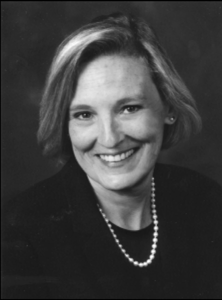
In addition to managing a school of over 1,000 public policy masters' and doctoral students from over 100 different countries, Anderson retains an active research portfolio. Her research interests lie at the convergence of international relations and comparative politics, particularly as they illuminate politics in the Middle East and North Africa, and at the intersection of scholarship and public policy around the world. She is working on a book on the fortunes of liberalism in the Middle East as well as developing several projects reflecting on both the rapid globalization of social science and the changing audiences for social science research at the beginning of the twenty-first century. Her most recent book is Pursuing Truth, Exercising Power: Social Science and Public Policy in the Twenty-first Century (2003). Her other publications include the edited volume, Transitions to Democracy (1999); the co-edited volume, Origins of Arab Nationalism (with Rashid Khalidi and others, 1991); The State and Social Transformation in Tunisia and Libya, 1830–1980 (1986), and numerous articles, many book chapters and much newspaper commentary.
She has served on the selection committee of APSA's Gabriel Almond Award in Comparative Politics, on the editorial committees of Comparative Politics and Ethics and International Affairs, and as a member of the Committee on Studies, Council on Foreign Relations. In 2001 she was elected president of the Middle East Studies Association of North America and served her term in 2003. She is currently chair of the board of directors of the Social Science Research Council and member of the boards of directors of the Carnegie Council on Ethics and International Affairs and of Human Rights Watch. In 2002 she was awarded an honorary doctorate by Monmouth University.
Council 2004–2006: Andrew Aoki, Augsburg College
Andrew L. Aoki is associate professor and chair of the political science department, and also a member of the urban studies program at Augsburg College (Minneapolis). He received his B.A. from the University of Oregon, and M.A. and Ph.D. from the University of Wisconsin-Madison.

His current research focuses on the politics of immigration. He is working with three colleagues on a manuscript which examines the ways that the new immigration is transforming American racial politics, and also on an Asian American politics textbook. He has published works on Asian American politics, immigration, and multiculturalism, and is a co-editor of the Encyclopedia of Minorities in American Politics.
He is currently co-president of the APSA organized section on Race, Ethnicity, and Politics (REP), and has served as the REP co-program chair, and on the REP best book committee. He was a co-founder and one of the initial co-chairs of the Asian Pacific American Caucus (APAC), an APSA related group, and is currently the APAC electronic discussion list moderator. He is also currently a member of the APSA Committee on the Status of Asian Pacific Americans in the Profession.
As a council member, his interests would include seeing that APSA continues its efforts to respond to the full range of its diverse membership, including faculty at small teaching schools, who often seem to exist on the margins of APSA.
Council 2004–2006: Pradeep Chhibber, University of California, Berkeley
Pradeep Chhibber is associate professor of political science and the Indo-American Community Chair in India Studies at the University of California, Berkeley. Prior to coming to Berkeley, Pradeep taught at Ohio State University and the University of Michigan. He has a B.A. in economics and M. Phil. in political science from the University of Delhi and a Ph.D. in political science from UCLA in 1991. He is currently the chair of the political science department at Berkeley.
Pradeep's research centers on political parties and the politics of India. He is the author of The Formation of National Party Systems: Federalism and Party Competition in Canada, Great Britain, India and the United States (with Ken Kollman, forthcoming 2004, Princeton University Press) and Democracy without Associations: Transformation of the Party System and Social Cleavages in India (1999, University of Michigan Press) which was awarded the Leon Epstein Prize by the Political Parties and Organizations section of the APSA for 2000. His articles have appeared in a variety of area studies, development, economics, and political science journals.
Pradeep has been active in the profession, serving on the Political Organization and Parties Board and the executive committee of the Comparative Politics Section of the APSA.
Council 2004–2006: Neta Crawford, Brown University and University of Massachusetts, Amherst
I am an associate professor (research) of international studies at Brown University and associate professor of political science at the University of Massacusetts, Amherst. I am currently on the editorial board and executive committee of the American Political Science Review. I am also on the Committee on Slavery and Justice at Brown which seeks to examines the university's relationship to slavery and the slave trade.

My research interests include international relations theory, normative theory, foreign policy decisionmaking, African foreign and military policy, sanctions, peace movements, discourse ethics, research design, utopian science fiction, and emotion. I have a Ph.D. in political science from MIT and a bachelor of arts from Brown University. At Brown my independent concentration was “The War System and Alternatives to Militarism.” I wrote my senior thesis on the genesis and effects of military rule in Ghana from 1960–1984.
I am the author recently of Argument and Change in World Politics: Ethics, Decolonization, Humanitarian Intervention (Cambridge University Press, 2002) which was a co-winner of the 2003 APSA International History and Politics section Jervis and Schroeder Award for best book. I am co-editor of How Sanctions Work: Lessons from South Africa (MacMillan, 1999). My articles have been published in books and journals such as International Organization, Security Studies, Perspectives on Politics, International Security, Ethics & International Affairs, Press/Politics, Africa Today and, most recently, Qualitative Methods.
I do some community and professional service related to my research interests. For example, I am a member of the advisory board of the Project on Defense Alternatives, based in Cambridge, MA. In 2000, I co-organized a research meeting in South Africa for the SSRC of young African and N. American scholars of security so that both sides could get to know each other, and hopefully stimulate each other's research. I have appeared on radio and TV and written op-eds on U.S. foreign policy and international relations for newspapers including the Boston Globe, Newsday (Long Island), The Christian Science Monitor, and the LA Times.
I became a political scientist because I am interested in making the world a better place. Of course, APSA is not the “world” but only a small part of it. I would view my participation in the council, if elected, as part of the larger ongoing effort to make APSA better—more inclusive, relevant, effective, and engaged in contemporary problems facing political scientists and the world.
Council 2004–2006: James Gibson, Washington University, St. Louis
James L. Gibson earned his B.A. in political science from Emory University in 1972 (with highest honors, and membership in Phi Beta Kappa), and his Ph.D. in 1975, from the University of Iowa. After teaching at the University of Wisconsin, Milwaukee, and the University of Houston, Gibson became the Sidney W. Souers Professor of Government at Washington University in St. Louis in 1999.

Gibson became president of the Midwest Political Science Association in 1998 1999, has served on various APSA committees, and has been active in the Association's Centennial Campaign. He is also the recipient of several research awards, including the APSA's Burdette Pi Sigma Alpha Award and the Eulau Award, and awards from three Organized Sections: Political Organizations/Parties, Comparative Politics, and Law and Politics. The International Society of Political Psychology recently recognized his Overcoming Intolerance in South Africa (with Amanda Gouws) with the Alexander L. George Award for the best book published in political psychology. Gibson spent 2001 2002 as a visiting scholar at the Russell Sage Foundation.
Gibson has long been actively involved in the affairs of the National Science Foundation. He was a member of the first formal committee to call for a separate social sciences directorate, and then served on the Advisory Committee for the Directorate for Social, Behavioral and Economic Sciences from 1992 until 1998.
Gibson has published approximately 100 refereed articles. About one-third of these have appeared in the American Political Science Review, the American Journal of Political Science, or the Journal of Politics. He has also published five books, with his Overcoming Intolerance in South Africa: Experiments in Democratic Persuasion (with Amanda Gouws) published in 2003 (Cambridge University Press), and his Overcoming Apartheid: Can Truth Reconcile a Divided Nation? published in 2004 (Russell Sage Foundation).
Gibson has eclectic research interests, but his recent work focuses on mass psychology and behavior and democratization in the United States, Europe, and Africa. He is interested in understanding how and why ordinary people think the way they do about political issues (especially political tolerance and issues of justice) and how such thinking translates into public policy and democratic reform. In addition to his continuing research on democratization in Russia and truth, justice, and reconciliation in South Africa, Gibson is working on a new study of the problem of historical injustices and “land reconciliation” in South Africa, and is beginning a new project on public reactions to the Greensboro (North Carolina) Truth and Reconciliation Commission.
Council 2004–2006: Rogers Smith, University of Pennsylvania
Rogers M. Smith is the Christopher H. Browne Distinguished Professor and Chair of Political Science at the University of Pennsylvania. He has been active in the Perestroika movement in political science in order to assist in the further development of a substantively rich, methodologically pluralist discipline and a fully representative, responsive American Political Science Association, served by officers selected through competitive elections.

Smith teaches American constitutional law and American political thought, with special interests in issues of citizenship and racial, gender, and class inequalities. He has published over 90 essays in academic journals, edited volumes and public interest publications, including the American Political Science Review, the Western Political Quarterly, Studies in American Political Development, Daedalus, Social Research, Yale Law Journal, the American Prospect, the Nation, and others. He is author or co-author of five books: Stories of Peoplehood: The Politics and Morals of Political Memberships (Cambridge University Press, 2003); The Unsteady March: The Rise and Decline of Racial Equality in America (with Philip A. Klinkner, 1999); Civic Ideals: Conflicting Visions of Citizenship in U.S. History (1997); Citizenship without Consent: The Illegal Alien in the American Polity (with Peter H. Schuck, 1985); and Liberalism and American Constitutional Law (1985, rev. ed.1990).
Civic Ideals received six “best book” awards from divisions of the American Political Science Association, the Organization of American Historians, the Social Science History Association, and the Association of American Publishers. It was also a Finalist for the 1998 Pulitzer Prize in History. The Unsteady March received the 2000 Horace Mann Bond Book Award of the W. E. B. Du Bois Institute, Harvard University.
Formerly the Alfred Cowles Professor of Government at Yale University, where he taught from 1980 to 2001, Smith also received a Yale College Prize for Distinguished Teaching in the Social Sciences in 1984. He received a Carnegie Corporation of New York “Scholar's Grant” in 2001–2003 to research a book to be entitled Civic Horizons: Achieving Democratic Citizenship in Modern America. He was a Phi Beta Kappa Visiting Scholar in 2002–2003 and was recently elected a Fellow of the American Academy of Arts and Sciences.
Council 2004–2006: Aili Tripp, University of Wisconsin, Madison
Aili Mari Tripp is associate dean of international studies at the University of Wisconsin-Madison, director of the Women's Studies Research Center, and professor of political science and women's studies. Tripp received her B.A. and M.A. from the University of Chicago and her Ph.D. from Northwestern University in 1990. She worked for two years as a program officer at the John D. and Catherine T. MacArthur Foundation until 1992, when she joined the faculty at the University of Wisconsin-Madison.

Her publications include Changing the Rules: The Politics of Liberalization and the Urban Informal Economy in Tanzania (1997) and Women and Politics in Uganda (2000). The latter book was co-winner of APSA's 2001 Victoria Schuck Award and a 2001 Choice Outstanding Academic Titles Award. Tripp edited Sub-Saharan Africa: The Greenwood Encyclopedia of Women's Issues Worldwide (2003), and co-edited The Women's Movement in Uganda: History, Challenges and Prospects (2002), and What Went Right in Tanzania? People's Responses to Directed Development (1996). She has published many articles and book chapters on women and politics in Africa; societal responses to economic reform in Africa; and the political impact of transformations of associational life in Africa.
Tripp has won numerous awards, including grants from the Rockefeller Foundation, Social Science Research Council, American Council of Learned Societies, MacArthur Foundation, American Association of University Women, United Nations World Institute for Development Economics Research, the United States Information Agency, and the American Scandinavian Foundation. She has served on the Executive Board of the African Studies Association and the Tanzanian Studies Association, on APSA's Gabriel A. Almond Award Committee, and is a member of the APSA Women's Caucus.
Tripp is co-editor of the University of Wisconsin Press series, Women in Africa and the Diaspora, and is member of several editorial boards, including Politics & Gender Journal, African Studies Quarterly, Africa Contemporary Record, and a Lynne Rienner book series, Challenge and Change in African Politics.
Having lived in Tanzania between 1960 and 1974, she returned to East Africa in 1987 and since that time has carried out extensive fieldwork in Tanzania and Uganda on a regular basis. Her research has involved close and varied collaborations with African scholars. In her scholarship, she has sought to recognize those aspects of African realities that are part of global trends, identify those distinct to Africa, and bring African and global women's experiences more into the field of vision of political scientists in the U.S. Her homepage can be found at www.polisci.wisc.edu/~tripp.
Council 2004–2006: David Vogel, University of California, Berkeley
David Vogel is professor in the department of political science and the Haas School of Business at the University of California, Berkeley. He received his Ph.D. from the department of politics at Princeton University and has taught at Berkeley since 1973. Vogel's research focuses on business-government relations, business political activity, and government regulation. He has made contributions to the fields of American politics, comparative politics, and international political economy.

Vogel's books include Lobbying the Corporation: Citizen Challenges to Business Authority (Basic Books, 1978); National Styles of Regulation: Environmental Policy in Great Britain and the United States (Cornell, 1986); Fluctuating Fortunes: The Political Power of Business in America (Basic Books, 1989); Trading Up: Consumer and Environmental Regulation in a Global Economy (Harvard 1995); Kindred Strangers: The Uneasy Relationship Between Business and Politics in America (Princeton, 1996); and Benefits or Barriers? Regulation in Transatlantic Trade (Brookings, 1998). He is also co-editor (with Robert Kagan) of The Dynamics of Regulatory Change: How Globalization Affects National Regulatory Policies (UC Press, 2004). Vogel has also published more than 50 scholarly articles and essays.
He is currently working with Chris Ansell on an edited volume on food safety regulation in Europe as a case-study of contested governance, (MIT Press, forthcoming), and a monograph comparing changes in risk regulation in the United States and the European Union. Vogel is also writing a study of the potential and limitations of corporate social responsibility.
He has served on the editorial boards of the Journal of Policy History, Political Research Quarterly, Business and Politics, Business Ethics Quarterly, and the Journal of Public Affairs. Since 1982, he has edited the California Management Review.
Vogel has served on six award committees for the APSA and the History and Politics Section and as program co-chair for the History and Politics Section.
He has held the Jean Monnet Chair and the BP Chair in Transatlantic Relations at the European University Institute and been a visiting professor at INSEAD, Sciences Po, the Bren School of Environmental Management, and the Hebrew University.
2005 APSA Annual Meeting
APSA is excited to enter its next 100 years of Annual Meetings with the 101st Annual Meeting in Washington D.C. As the heart of the political pulse in the United States, there is no more appropriate location from which to step off.
The 101st APSA Annual meting will be held from September 1–4, 2005. The Omni Shoreham, the Marriott Wardman Park, and the Hilton Washington, will host participants attending the conference. The hotels are located in the lively Woodley Park neighborhood, within walking distance to the National Zoo, Rock Creek Park, and a wide array of restaurants. The hotels are only minutes away from the sights and sounds of the Washington Mall. Washington boasts an easily accessible metro rail system, beautiful monuments, including the recently opened World War II memorial and National Museum of the American Indian, numerous other museums, a vibrant night life, and even baseball!
The 101st Annual Meeting Committee is co-chaired by James Johnson, University of Rochester, Jack Knight, Washington University, and Susan Stokes, University of Chicago, along with chairs of 46 program divisions. Panels and plenary sessions will address the idea of “Mobilizing Democracy.” Considering the recent events in international relations and politics, this theme is more important than ever before. The plenary sessions will address the discipline's commitment to evaluating foreign policy in regards to nation building, as well as to assessing and nurturing democracy within our borders.
More than 700 sessions will be held over the four-day meeting. Washington 2005 offers something for all political scientists, be it the job service, participation in a panel or roundtable, or networking. We look forward to seeing you in September!

Elinor Ostrom to Deliver Madison Lecture
Elinor Ostrom has been named winner of the 2005 James Madison Award and will deliver the James Madison Lecture at the APSA 2005 Annual Meeting in Washington, D.C. The award recognizes an American political scientist who has made a distinguished scholarly contribution to political science. The award, given triennially, is one of the Association's highest honors.
Ostrom is currently Arthur F. Bentley Professor of Political Science; Co-Director, Workshop in Political Theory and Policy Analysis; Co-Director, Center for the Study of Institutions, Population, and Environmental Change; and professor, School of Public and Environmental Affairs, all at Indiana University, Bloomington.
Ostom has authored or co-authored several books, including: Understanding Institutional Diversity (2005); The Samaritans' Dilemma (2005); The Commons in the New Millennium: Challenges and Adaptations (2003); Foundations of Social Capital (2003); Trust and Reciprocity: Interdisciplinary Lessons from Experimental Research (2003); Governing the Commons: The Evolution of Institutions for Collective Action (1990).
The Madison Award was first given in 1978. Past winners include Robert Dahl, Gabriel Almond, Herbert Simon, E. Pendleton Herring, James Q. Wilson, Sidney Verba, Phillip Converse, Kenneth N. Waltz, and David Mayhew.

Highlights from the April 2005 Council Meeting
The APSA Council met April 9, 2005 at the Midwest Political Science Association's Annual Meeting in Chicago, Illinois. The following are highlights from the meeting:
- Council unanimously approved the proposed 2006 budget and voted to accept the audit for FY'04. The Council also acted to form an audit committee consisting of the Treasurer, one member of the Council at large, and one member of the Trust and Development Board. The audit committee will oversee APSA's engagement of an auditor, receive reports from the auditor, afford “whistle-blower” protections for staff relating to financial matters, and assure APSA has appropriate procedures and standards for internal accounting and financial controls. This action was taken to comply with anticipated legislation calling for such committees in non-profits and was not in response to any deficiencies within APSA at this time.
- Council accepted the report on APSA membership levels and requested additional information at the next Council meeting about the Association's membership coverage of all political scientists in the U.S. and about the graduate school subsidy. In addition, Council decided to form a working group on political scientist membership from outside academia.
- APSR Editor Lee Sigelman and Perspectives on Politics Editor Jennifer Hochschild reported on the current state of their journals. Council discussed the selection of the new Perspectives on Politics editor, as well as the new book review editor.
- 2005 Annual Meeting Program Co-chair, Jim Johnson, reported on the events for this year's meeting in Washington, D.C. Council approved the 2006 Annual Meeting division chairs with the customary proviso that chairs have the ability to change and add names as necessary. Council also agreed to a strategic review of the Annual Meeting pending the receipt of a full proposal from the Annual Meeting Committee at the next meeting. In addition, Council reviewed the 2006 Annual Meeting location in light of ongoing labor actions and authorized the Administrative Committee to make decisions relevant to the location of the meeting. Council also acknowledged that proposals related to the site of the Annual Meeting in light of state government actions regarding limitations on marriage rights had been received and were under consideration by APSA committees.
- Council unanimously approved the recommendation from the Teaching and Learning Committee and the Rules Committee to remove Chapter VI from the By-laws on Principles and Guidelines for Educational Programs and Activities. These guidelines were drafted in the late 1970s and are no longer needed in the Association for our educational programs.
- In reference to the Business Meeting Rules and the format of the ballot, Council agreed to maintain the current way of listing nominator names on the ballot, but advised the Nominating Committee in the election agent's statement to describe the process and the breadth of the endorsements it receives for the candidates it puts forward.
- Vice presidents Robert Axelrod and John Garcia summarized the findings of their report regarding Single Transferable Vote and highlighted the subsequent recommendations. Council approved with one abstention the report and all of its recommendations. The recommendation to amend the section of the Business Meeting Rules regarding the order of candidate names on the ballot has been implemented.
- A Council working group was created to assess and develop guidelines for public presence outreach by the Council, following the recent D.C. Council meeting.
- Council reaffirmed its commitment to mentoring and opted to transfer oversight of the mentoring program from the Mentoring Task Force, whose term has expired, to the status committees. Staff members were asked to report at the next Council meeting on ways to monitor the status of the mentoring program.
- Council recognized the concerns of the International Committee with respect to international memberships and urged the Association to proceed with the new Non-OECD membership category, but asked the Association to track the success of the initiative in order to assess whether or not the rate is too high.
- Council unanimously approved the recipients of this year's small research grants. They authorized the Administrative Committee to approve the list in the future in order to facilitate timing of the approvals. Council also advised the Departmental Services Committee to review whether eligibility for the program should be limited to institutions offering no Ph.D. degree or departments not offering the degree, suggesting a solution might be to limit eligibility to those members who are not part of a “doctoral” faculty.
NCAPSA Hosts Annual Spring Meeting
The National Capital Area Political Science Association (NCAPSA) hosted its annual spring Meeting on April 21, 2005, at the Helen Dwight Reid Foundation in Washington, D.C. The Honorable Lee Hamilton, former U.S. Representative and current president and director of the Woodrow Wilson International Center for Scholars, was keynote speaker. Recently having served as vice chair of the National Commission on Terrorist Attacks, Hamilton spoke to the group about the Commission's report and strategies for protecting the United States against future terrorist attacks. The meeting also featured a discussion panel for graduate students preparing to make the move to academic positions. The panel, moderated by Lee Sigelman, George Washington University, offered area students suggestions on how to get the most out of their dissertation research. Other panel members included Maryann Barakso, American University; Sarah Brewer, Women and Politics Institute, American University; and Jerry Mayer, School of Public Policy, George Mason University. NCAPSA members also elected new officers, including Michael Fauntroy, George Mason University, as the new president, and presented the Pi Sigma Alpha Award to Ronald Walters, University of Maryland, in recognition of his distinguished public service.
News and Notes
Jim Johnson to Edit Perspectives
A political theorist, Jim Johnson is author or co-author of numerous papers in books and refereed journals. He served on the faculty at Northwestern University prior to joining the University of Rochester department of political science in 1991. He was visiting scholar at the Russell Sage Foundation (2002–2003) and recently was awarded a Goergen Award for Distinguished Achievement and Artistry in Undergraduate Teaching (2003) by the University of Rochester. Johnson has served on the editorial board of the American Journal of Political Science and is currently on the editorial board of the American Political Science Review. He also currently is co-editor of the Journal of Theoretical Politics and assistant editor of Common Knowledge, an interdisciplinary journal of social science and the humanities.
More on Johnson's plans for Perspectives and on the journal's new book review editor will run in the October issue of PS.
Jessica Jones Irons Executive Director of NHA
The National Humanaties Alliance (NHA) Board was unanimous in selecting Jessica Jones Irons Executive Director, citing especially Jessica's leadership and effective advocacy on behalf of the humanities as Interim Director. Founded in 1981, the NHA is a non-profit organization to advance national humanities policy in the areas research, education, and public programs.
Ralph Bunche Summer Institute Names 2005 Class
The American Political Science Association is pleased to announce the class for the 2005 Ralph Bunche Summer Institute (RBSI). The Institute is in its 19th year of operation and will again be hosted by Duke University. The Selection Committee for the 2005 class included Paula McClain, director of RBSI, and other members of Duke University faculty: Scott deMarchi, Kerry Haynie, and John Transue. Twenty-five outstanding students, representing diverse institutions all over the country, will participate in this summer's program, scheduled for June 6–July 8. They are:
Amir T. Ayres, Rutgers University
Chole D. Caraballo, Haverford College
Erica Childs, Wilberforce University
Shalai Marie Coakley, Winthrop University
Randall Coleman, University of Maryland, College Park
Karen Ellis, William Paterson University
Aza E. Gray, University of Hartford
Justin Hall, Andrews University
Quinae G. McCommons, Miles College
Erin K. Melton, Lincoln University
DeReall R. Moore, Texas Christian University
Jonathan A. Patterson, Hawaii Pacific University
William Reese, Northeastern University
Camila Rivero, Purdue University
Jatia Ruggles, Virginia Commonwealth University
Ruben D. Sanchez, Tufts University
Jessica Sims, Butler University, Indianapolis
Melissa Swaby, Hartwick College
Dianna A. Vazquez, University of Hartford
Robert Walsh, Texas A&M University
Candis Watts, Duke University
Erica Williams, Lamar University
Shaun N. Williams-Wyche, Southern Methodist University
Christopher Wilson, Pennsylvania State University
Reymundo Zambrano, Marquette University
Gibson, O'Halloran, and Epstein Receive 2005 Decade of Behavior Research Award
On May 23, 2005 APSA members, James Louis Gibson, Sharyn O'Halloran, and David Epstein were honored with the 2005 Decade of Behavior Research Award in recognition of their research on democracy issues which has profoundly impacted the public's understanding of behavioral and social science principles as well as the use of social and behavioral science knowledge in policy settings. The award ceremony took place during the Decade of Behavior Symposium on Capitol Hill entitled “The State of Democracy: Engaging a Changing Citizenry” in which award recipients discussed their research and its impact before Congressional representatives and their staff.
James Louis Gibson, Washington University, St. Louis, received the award for his research on political tolerance and the support for civil liberties in the U.S., the Soviet Union, and South Africa. Gibson's empirical examination is hailed as providing important insight into how democracy functions by revealing how individuals, political leaders, and public policies are influenced when freedom is in jeopardy. Gibson's symposium presentation, “Becoming Democratic: Learning to Embrace Democracy,” focused on how citizens in former dictatorships come to embrace the principal institutions and processes of democratic governance.
Sharyn O'Halloran and David Epstein, Columbia University, received the award for their joint research on the impact of racial redistricting on the democratic process. Their research has offered profound empirical and theoretical insights and has been cited in recent Supreme Court decisions concerning the Voting Rights Act. O'Halloran and Epstein's symposium presentation focused on redistricting issues and the question of how minorities can effectively participate in a majoritarian system.
Gibson, O'Halloran, and Epstein were joined by three other award recipients: Judith Torney-Purta nominated by the American Psychological Association; William Clark nominated by the Association of American Geographers; and Kathleen Hall Jamieson nominated by the National Communication Association.
The Decade of Behavior (2000–2010) is a multidisciplinary initiative to focus the talents, energy, and creativity of the behavioral and social sciences on meeting many of society's most significant challenges. These include improving education and health care; enhancing safety in homes and communities; actively addressing the needs of an aging population; and helping to curb drug abuse, crime, high risk behaviors, poverty, racism, and cynicism toward government. The goal of this effort is to highlight how insight into behavior will help meet these national challenges, and behavioral and social scientists are encouraged to bring their research results forward to help inform the public and the public policy process about the Decade's five major themes: Improving health; Increasing safety; Improving education; Increasing prosperity; and Promoting democracy.
APSA Names 2005 Small Research Grant Recipients
APSA is pleased to announce the recipients of the 2005 Small Research Grant Program. This year, awards averaging $1,636 went to 11 scholars. The Small Research Grant Program supports research in all fields of political science, and are designed to support the research of political scientists who are not employed at Ph.D.-granting institutions. For more information on the program and application procedures, please visit the APSA web site at www.apsanet.org/section_509.cfm.
Holly Brasher, University of Alabama at Birmingham “The Motivation for Congressional Hearings” Brasher will focus on how issues become the subject of hearings and whether or not these hearings then actually result in legislation. Brasher considers the influences of mass media, constituents, the president, congressional party, and interest organizations as possible factors that influence agenda setting and outcomes and will use the grant to discover motivations for congressional hearings.
Lisa Conant, University of Denver “Patrolling the Boundaries: Courts, Democracy, and Citizenship” Citizenship in European democracies is in flux as alien rights approximate those of national citizens and welfare-state reforms restrict social rights for everyone. Conant proposes that courts may contribute to these changes by patrolling who enjoys rights traditionally available to nationals alone and will use the grant to investigate whether courts have pushed social rights in a contractual direction.
Robert Turner, Skidmore College “The Political Economy of Trophy Industrial Recruitment Projects” Turner will use the grant to examine the economic and political impact of so-called trophy industrial recruitment projects, major economic development projects that generate hundreds of million in new capital investment and thousands of new jobs. Turner proposes that while incentives have little effect on a firm's business in the long term, incentives are good political strategies for governors seeking to improve economic conditions and political support in the short term.
Candace A. Archer and Glen Biglaiser, Bowling Green State University “Sovereign Bond Ratings and Democracy: The Effects of Regime Type in the Developing World” As co-authors, Archer and Biglaiser ask, “What is the effect of regime type on sovereign bond ratings?” Controlling for economic determinants as well as for the risk of bond defaults, Archer and Biglaiser will use the grant to explore—through multivariate analysis—the effects of different types of regimes on the creditworthiness of approximately 50 developing countries from 1987 to 2003.
Melinda Adams, James Madison University “Gender Equity and the African Union: The Role of Regional Women's Networks” The African Union has achieved gender parity in its Commission, stipulated that delegations to the Pan-African Parliament must include at least one woman, and passed a Protocol on the Rights of Women in Africa. Adams argues that these gains were not handed to women and will use the grant to find out why African women's networks specifically were more effective and successful in incorporating gender issues in the African Union.
David Weinstein, Wake Forest University “Exile and Interpretation: Popper's Re-invention of the History of European Political Thought” Weinstein will explore systematically the interconnections between Popper's exile, anti-totalitarianism, ambivalent Jewish identity, anti-historicism, interpretive methodology, and construction of political theory's canon. Weinstein will use the grant to travel to Vienna to the Popper Archives at the Popper Institute.
Joseph Gershtenson, Eastern Kentucky University “Polarization in American Politics: The Case of the States” American politics has become increasingly polarized in recent decades. In Congress, this is typified by higher occurrences of party voting, higher rates of party unity, ideological distinctiveness of the two parties' members, and ideological cohesion within the parties. Gershtenson will obtain roll call voting data from 1954 to 2004 for the Kentucky General Assembly, in hopes of shedding light on our understanding of the nationalization of politics, the operations of state governments, and of citizen assessments of state governments.
Janice Bially Mattern, Lehigh University “Understanding Transnational Crime Organizations: Criminal Identity and ′Outlaw Ethics' in the Global Underworld” Bially Mattern will undertake computer-aided discourse analysis to determine whether and to what extent a collective criminal identity and shared outlaw ethics suffuse criminals' shared understandings of the purpose of their collective transnational association and activities. Specifically, Bially Mattern will use the grant to improve upon extant theories of transnational crime organizations and their role in world politics.
Stephen Samuel Smith, Winthrop University “Desegregation, Descriptive Representation, and School Board Electoral Structures in South Carolina” Recent case studies found that the switch from a system in which all school board members were elected at-large to one in which majorities are elected from single-member districts (SMDs) led to an increase in black descriptive representation and facilitated the boards' pursuit of desegregation. Smith will investigate whether similar relationships among SMDs, black descriptive representation, and school desegregation can be observed throughout South Carolina.
A. Trevor Thrall, University of Michigan, Dearborn “War, News, and Public Opinion” The drop in public support for President George W. Bush's handling of the war in Iraq represents the steepest decline in approval during a major U.S. military operation in history. It also represents a challenge to the field of political communication, which has long held that during war presidents enjoy an unparalleled ability to shape the news and thus to influence public opinion. Thrall will use the grant to test major theories offered by the “news that matters” and the “real world cues” traditions against the case in Iraq.
Donald M. Rodgers, Austin College “Possible Social Identities and the Pro-Independence Ideology in Taiwan: The Case of the Action for a Taiwanese Constitution” This study focuses on The Action for a Taiwanese Constitution, a group that actively lobbies for the creation of a new, uniquely Taiwanese Constitution. In part, the study seeks to explain the formation and promotion of the group's ideology in the face of daunting opposition. Rodgers will use the grant to travel to Taipei to conduct interviews and gather data.
Political Science & Politics Preview, October 2005
Here's a preview of some of the articles that will be published in the October issue of PS: Political Science and Politics:
Symposium
Changing Meanings and Practices of Citizenship—Comparative Perspectives Rogers M. Smith, Seyla Benhabib, Aihwa Ong, Riva Katoryano, Martin Heisler, and Others
Features
Measuring Ideas More Effectively: An Analysis of Bush and Kerry's National Security Speeches Cheryl Schonhardt-Bailey
Voter Turnout in Undergraduate Student Government Elections Kimberly M. Lewis and Tom W. Rice
Vindicating Anthony Downs A Wuffle and Mark Gray
The Profession
Re-Gaining the Student's Perspective in the Classroom: A Sabbatical Adventure Staci L. Beavers
A Graduate Student's Guide to Publishing Scholarly Journal Articles Donna Lee Van Cott
The Teacher
Lessons from the Collective Action Game Edward L. Lascher, Jr.
Don't Argue, Reflect! Reflections on Introducing Reflective Writing into Political Science Courses Jim Josefson
Twelve Easy Steps to Becoming an Effective Teaching Assistant Derek A. Webb
Democratic Action Research (DARE) and Large Scale Simulations: Teaching Political Literacy and Civic Engagement at Pace University's Presidential Convention, 2004 Christopher Malone and Gregory Julian
Washington Insider
FY2006 Budget Proposal Calls for Reduced Spending
Facing calls for budget restraint increasing in both their volume and consistency, the Administration must now deal with a significant budget of its own making. Believing their tax cuts sacrosanct, the Administration's budget proposal turns to programmatic cuts. Using a Program Assessment Review Tool (PART), the Bush Administration “recommends significant spending reductions or outright elimination of programs that are falling short” of their intended results. President Bush's $2.5 trillion FY2006 budget proposal calls for elimination of 99 programs, 48 of them in the Department of Education, and for significant funding reductions in 55 others.
Total discretionary spending is set to increase in FY2006 by 2.1%, which is close to the predicted inflation level. However, that increase belongs almost exclusively to spending on defense and homeland security. Non-defense, non-homeland security spending would decrease by about 1%. Though this budget does include funding for the wars in Iraq and Afghanistan, it does not include the costs of overhauling the Social Security system, the Administration's most grandiose second-term agenda item. As for specifics, the overall NSF budget will increase $132 billion (+2%), NIH funding will increase less than 1%, and NEH funding is frozen. For a full detail of the proposed FY2006 budgets for social and behavioral sciences, visit COSSA's excellent summart at http://www.cossa.org/volume24/24.4.pdf.
Pell Grant's Effectiveness Impossible to Gauge
The federal government cannot gauge the effectiveness of the popular Pell Grant program, the Government Accounting Office (GAO) recently stated after studying 12 federal programs that directed their benefits exclusively toward low-income individuals and families.The GAO was “unable to estimate an enrollment rate for the Pell Grant program because of concerns about the reliability…of data on the family income of students who did not apply for federal financial assitance.” It recommended that the U.S. Education Department study the development of a reliable measurement to gauge the grants' effectiveness.
Senate Launches Cultural Caucus
After years of planning, and at the urging of Americans for the Arts (AftA) and the National Assembly of State Arts Agencies, the Senate Cultural Caucus has launched. On April 14th, a letter circulated in the Senate by Senators Norm Coleman (R-MN), Mike Enzi (R-WY), James Jeffords (I-VT),and Edward Kennedy (D-MA) urged their colleagues to join the caucus, which seeks “to bring focus to the arts and humanities and the positive impact they have on our daily lives.” The caucus leadership hopes that it “will highlight the work that our federal cultural agencies…are doing in all fifty states.” At this point, the new caucus does not appear to have a specific position regarding appropriations related issues; rather, it exists primarily to inform senators about and highlight the work of the humanities. To find out more about the caucus, and to find out how to contact your senator about joining, visit http://www.capwiz.com/artsusa/issues/alert/?alertid=7443321&type=TA.
Meanwhile, over in the House, the Congressional Arts Caucus co-chairs circulated a letter to all House members asking them support an increase of $15 million for the NEA. Such an increase would bring NEA funding to $136.3 million for FY06.
Sources for this column include the National Coordinating Committee for the Promotion of History's NCC Washington Update, the Chronicle of Higher Education, and the Consortium of Social Science Associations' Washington Update.
APSA Task Force on Difference and Inequality in the Developing World Sponsors Conference
At a conference on “Difference and Inequality in Developing Societies: Trajectories of Change and Social Consequences” held at the University of Virginia from April 21–23, members of the APSA Task Force on Difference and Inequality in the Developing World highlighted how the emergence of new forms of inequality and the exacerbation of existing inequalities have diminished the capacity of people to achieve economic, social, and psychological security and to exercise their democratic rights.
Important changes taking place in the global economy exacerbate economic inequalities and promote new forms of inequality. Robert H. Wade documented that contrary to the expectations of proponents of globalization, economic growth has dramatically declined in developing countries during the era of globalization. Median per capita GDP growth rates dropped from 2.4% from 1965–1979 to 0% from 1980–1998. During the same period, inter-country disparities, excluding the exceptional case of China, have steadily increased. Leslie Elliott Armijo and John Echeverri-Gent pointed out that financial liberalization had increased economic instability by increasing the frequency of economic crises in developing countries. They argued that the development of international markets for financial transactions and services shifts risks from investors in developed countries to individuals and institutions in developing countries.
New forms of inequalities are emerging within developing countries, though their causes differ across regions. Evelyne Huber's analysis of Latin America highlights how curtailment of public sector employment and the expansion of the informal sector have made Latin America one of the most unequal regions of the world. Analyses of China and India by Marc Blecher and Aseema Sinha, respectively, show how reforms in these immense, rapidly growing countries have enhanced spatial inequalities because growth has been concentrated in dynamic, richer regions while other—usually rural hinterland—poorer regions are left behind. Simultaneously, economic disparities within cities have become worse. Kiren Chaudhry demonstrates how integration to the global economy, both by creating boom and bust cycles and through international migration, has not only increased levels of inequality and absolute poverty in the Middle East and North Africa, but also has dramatically aggravated economic insecurity.
Economic insecurity has been joined by political insecurity in the developing world, with the latter reflecting the cumulative stresses of unequal economic change, the declining capacity of states to provide public goods, and the costs of internal wars. Susan Woodward reports that violent conflict is increasingly a result of intrastate rather than interstate war. More and more it is concentrated in poor countries where it contributes to a vicious cycle of impoverishment that increases the divide between rich and poor countries. Peace-making after internal wars was the concern of Valerie Bunce and Bronwyn Leebaw, both of whom highlighted limitations on the ability of international interventions to promote democracy and transitional justice.
Susanne Rudolph and Kiren Chaudhry point out that in addition to economic change, other forces deprive marginalized populations of meaningful social and psychological location. Among these forces are the massive voluntary and forced transnational migration that is part of the globalization of labor; the accompanying loss of civic membership and citizen rights for millions of uprooted migrants or minorities targeted in ethnic conflict and civil war; and the threat to meaningful group identity—religious, cultural-linguistic, gender—that flows from ethnic conflict. John Harbeson's study of democratization in Africa points toward a widely shared conclusion: the liberal presumption that economic and political needs are the same for everyone ignores those peoples whose circumstances deny that presumed reality. More generally, the conference participants called for careful reconsideration of the conventional connections between politics and social disparities. Their work highlights the importance of examining new forms of inequality and insecurity and the subjective processes that construct their meaning and ultimately shape political outcomes.
The Task Force on Difference and Inequality in the Developing World was appointed by Susanne Rudolph during her term as APSA president in 2003–2004. It has a two-year mandate to assemble what the discipline of political science knows about key questions related to the issues of global difference and inequality and find ways by which that scholarship might shape discourse in the public sphere and be used by policy makers. The Task Force on Difference and Inequality in the Developing World will issue its report at the upcoming APSA Annual Meeting. Papers from the conference can be downloaded from www.apsanet.org/section 569.cfm.


Top photo: (L to R) John Gerring, Boston University; John Echeverri-Gent, University of Virginia; Susanne Rudolph, University of Chicago. Bottom photo: (L to R, at table) John Echeverri-Gent, University of Virginia; John Harbeson, CUNY; Leslie Elliott Armijo, Reed College; Layna Mosely, University of North Carolina; Dale Murphy, Georgetown University.
 You have Access