Introduction
The management of haemorrhage is becoming increasingly complex, with the availability of novel anticoagulant agents and polypharmacy increasing in prevalence in an ageing population. As a result, care practitioners involved in the management of epistaxis require a specific understanding of the management of the haematological factors that may complicate treatment. For example, there is an association between patients taking antiplatelet or anticoagulant medication and epistaxis in terms of both frequency and severity.Reference Rainsbury and Molony 1 , Reference Goddard and Reiter 2 The risk of receiving a blood transfusion when presenting with epistaxis varies from 3.7 to 23 per cent.Reference Murer, Ahmad, Roth, Holzmann and Soyka 3 , Reference Pollice and Yoder 4 The use of antifibrinolytics is commonplace in major haemorrhage due to trauma, to minimise blood loss and transfusion requirements, which could be relevant to epistaxis.
This systematic review aimed to explore the literature to establish the evidence base for haematological management specific to epistaxis and, where lacking, to suggest generic published guidance. The systematic review has been split into six distinct reviews of: warfarin, direct oral anticoagulants, heparin, antiplatelet agents, transfusion practice and tranexamic acid. Given the potential for overlap between this systematic review and another that covers initial assessment,Reference Khan, Conroy, Ubayasiri, Constable, Smith and Williams 5 this document focuses solely on management strategies rather than identifying haematological risk factors and prognostic associations.
Aims
This systematic review aimed to address the following key clinical questions that were identified, which relate to haematology in the management of epistaxis: (1) how should warfarin be managed during treatment for epistaxis?; (2) how should novel oral anticoagulants be managed?; (3) how should heparin-based anticoagulation be managed?; (4) how should antiplatelet therapy be managed?; (5) when should patients be transfused blood products?; and (6) when and how should tranexamic acid be used in epistaxis management?.
Materials and methods
This work forms part of a set of systematic reviews designed to summarise the literature prior to the generation of a UK national management guideline for epistaxis. This review addresses two of the originally identified research domains: the management of anticoagulation, and other haematological factors affecting outcome. A common methodology has been used in all reviews and is described in the first of the publications.Reference Khan, Conroy, Ubayasiri, Constable, Smith and Williams 5 Studies were only included if they primarily involved patients aged 16 years and above who were treated for epistaxis within a hospital environment. Search strategies for the two domains were kept separate, but the evidence was assessed together given the significant overlap. The search strategy can be found in the online supplementary material that accompanies this issue. The findings for the six distinct reviews are presented separately.
Warfarin
Warfarin is a commonly used coumarin derivative that antagonises the production of vitamin K dependent clotting factors (II, VII, IX, X). It is used in the treatment and prevention of venous and arterial thromboembolic events, including atrial fibrillation, deep vein thrombosis, pulmonary embolism and following metallic valve insertion. It has a half-life of 36–42 hours, which means that therapeutic anticoagulation takes several days of treatment to establish, and several days off treatment to subside.Reference Daniels 6 Prothrombin complex concentrate is recommended if urgent reversal is required, or fresh frozen plasma if this is not available.Reference Keeling, Baglin, Tait, Watson, Perry and Baglin 7
Observational studies have identified a correlation between warfarin use and epistaxis severity, such as a longer in-patient stay and re-admission for bleeding. In two studies, which included control groups, the increased severity reported may have been largely associated with patients who were over anticoagulated, with international normalised ratio (INR) results above the therapeutic range.Reference Denholm, Maynard and Watson 8 , Reference Smith, Siddiq, Dyer, Rainsbury and Kim 9
The generic management of patients anticoagulated with warfarin and presenting with bleeding episodes is well established.Reference Keeling, Baglin, Tait, Watson, Perry and Baglin 7
Results
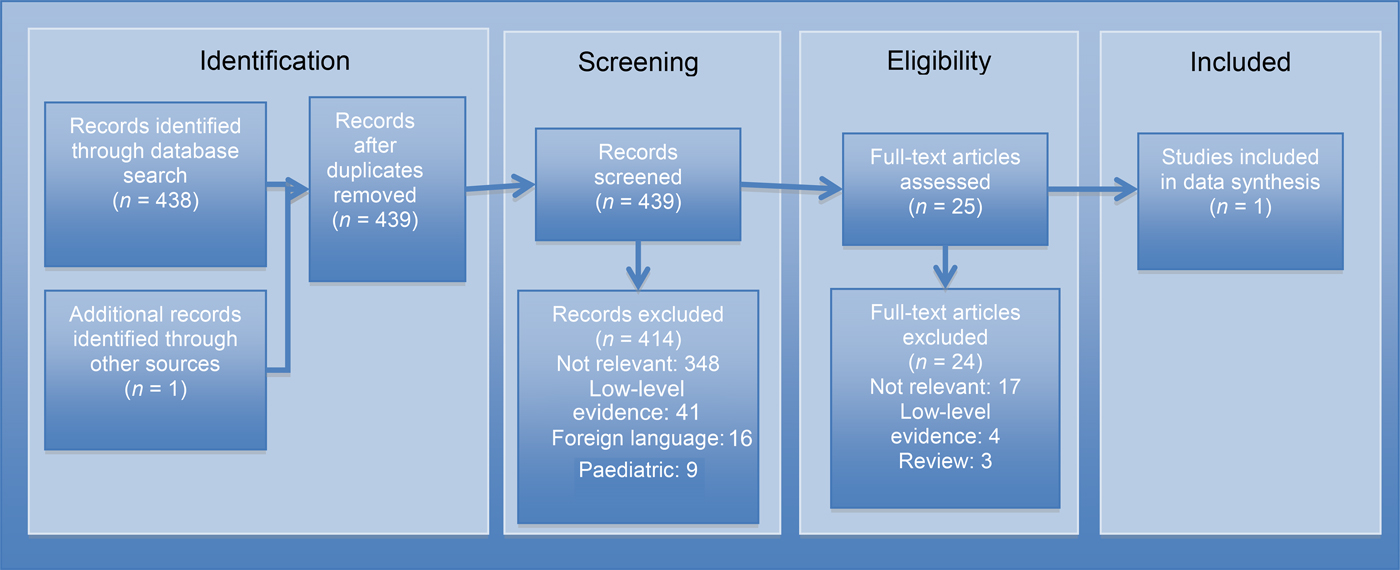
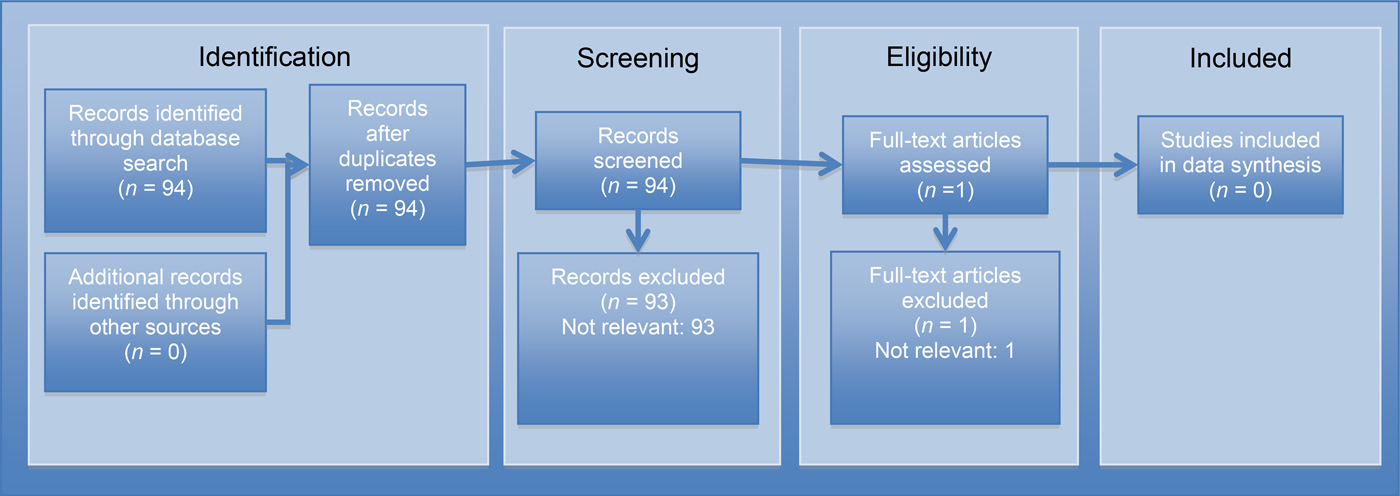
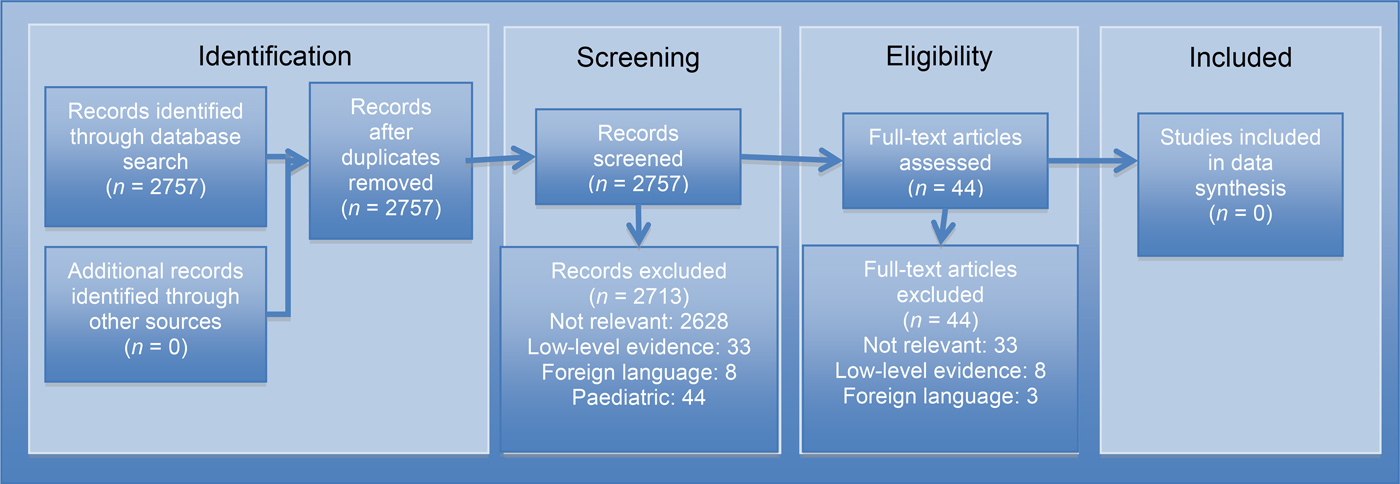
Only one study was included for analysis in the warfarin review (Appendix I). Figure 1 illustrates the search and article selection process.
Preferred Reporting Items for Systematic Reviews and Meta-Analyses (‘PRISMA’) diagram for the warfarin review, mapping the number of records identified, included and excluded during different review phases.

Summary of evidence
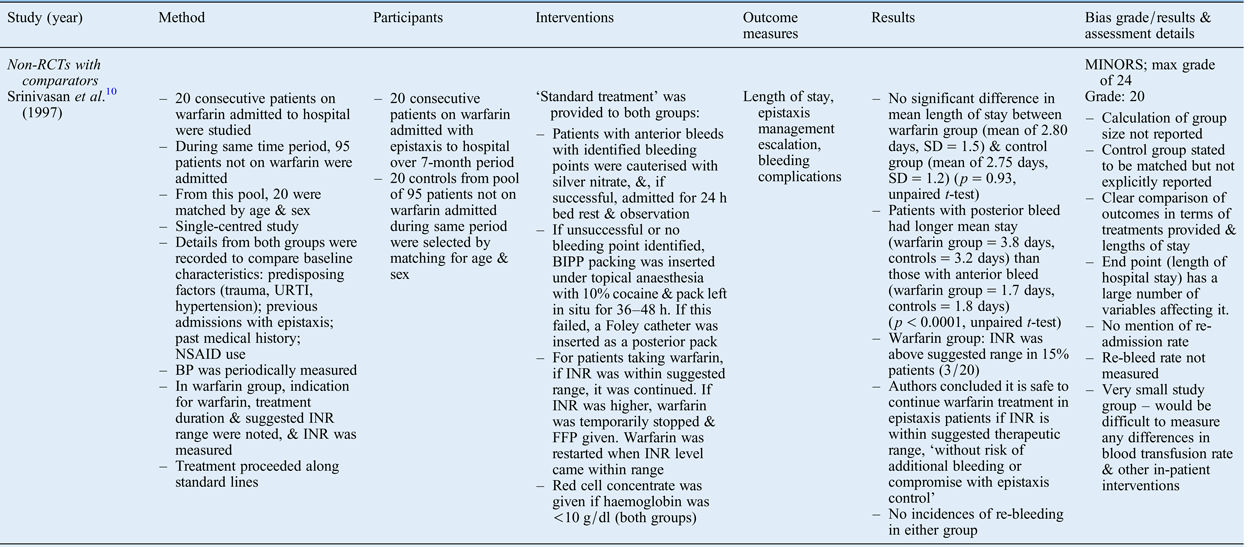
There were no randomised control studies identified that met the inclusion criteria. There was one interventional study, which aimed to identify if continuing warfarin influenced outcome.Reference Srinivasan, Patel, John and Worsley 10 Twenty consecutively admitted patients with epistaxis who were on warfarin continued their anticoagulant if the INR was within the therapeutic range. If the INR was high, warfarin was temporarily discontinued and fresh frozen plasma given. Warfarin was recommenced once the INR returned to within the therapeutic range. This group was matched for age and sex with 20 patients from a pool of 95 consecutively admitted epistaxis patients not on anticoagulation therapy. Patients were transfused blood if their haemoglobin dropped below 10 g/dl in both groups.
There was no significant difference in mean length of stay between the warfarin group (mean of 2.8 days, standard deviation (SD) = 1.5) and the control group (mean of 2.75 days, SD = 1.25) (p = 0.93). Only 15 per cent of patients on warfarin had an INR above the therapeutic range.
Limitations
The above study was small, with only 20 patients in each arm. Baseline characteristics of the control group compared to those on warfarin were not reported, and length of stay outcomes would be expected to be influenced by variables other than treatment with warfarin. The incidence of re-bleeding was not stated.
Conclusions
The practice of temporarily discontinuing warfarin and/or reversing its effect in epistaxis cases is not evidence based. The above study suggests that this may not be necessary in all cases. Srinivasan et al. concluded that if the INR was within the therapeutic range, continuing anticoagulation was ‘without risk of additional bleeding or compromise with epistaxis control’.Reference Srinivasan, Patel, John and Worsley 10 Since performing this literature search, a further study has supported this finding, concluding that warfarin can be continued in patients whose INR is within range.Reference Bola, Marsh, Braggins, Potter and Hickey 11
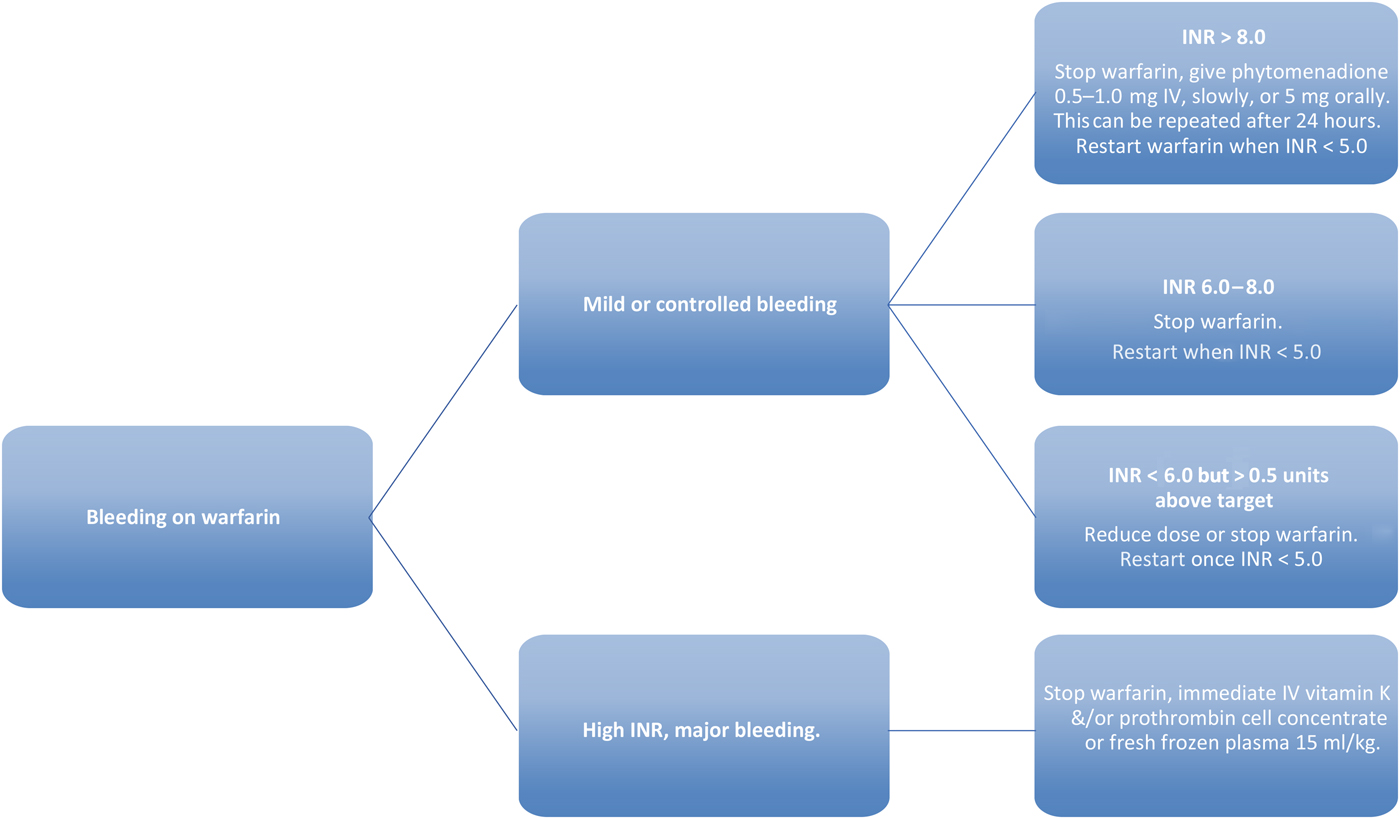
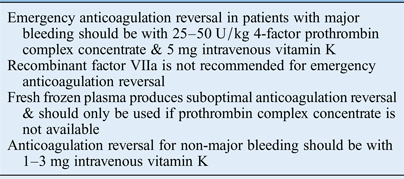
Several national organisations have published guidance on the management of bleeding in patients on warfarin.Reference Keeling, Baglin, Tait, Watson, Perry and Baglin 7 , 12 These guidelines (Table I, Figure 2) are readily available, commonly incorporated into local hospital guidelines, and can be used for patients with epistaxis. The limited evidence available would support continuing warfarin in patients with epistaxis when the INR is within the therapeutic range, making a careful assessment of the underlying thrombotic and bleeding risks before anticoagulation is discontinued or reversed.
Adaptation of National Institute for Health and Care Excellence guidelines on bleeding management in patients on warfarin. 12 INR = international normalised ratio; IV = intravenously

Emergency management of major bleeding in patients anticoagulated with warfarin*

* The British Committee for Standards in Haematology guidelines on oral anticoagulation with warfarin (fourth edition)Reference Keeling, Baglin, Tait, Watson, Perry and Baglin 7
Direct oral anticoagulants
Direct oral anticoagulants are relatively new drugs, but their use is increasing, largely because of the lack of monitoring required.Reference Burnett, Mahan, Vazquez, Oertel, Garcia and Ansell 13 The half-life of direct oral anticoagulants in patients with normal renal function is much shorter than warfarin, and estimated to be between 8 and 14 hours. Full anticoagulation occurs within 4 hours of ingestion, and takes 24–48 hours to subside after the last dose.Reference Daniels 6 , 14 , Reference Keeling, Tait and Watson 15 The management of bleeding in patients on these drugs is not well established. Novel agents to reverse direct oral anticoagulants are emerging. Idarucizumab has recently been licensed to reverse dabigatran in life-threatening haemorrhage. At present, there are no agents available to reverse other direct oral anticoagulants.Reference Keeling, Tait and Watson 15 , Reference Makris, Van Veen, Tait, Mumford and Laffan 16
Within this systematic review, we have focused on dabigatran, a direct thrombin inhibitor, and rivaroxaban and apixaban, which are factor Xa inhibitors. Observational studies have identified a high risk of receiving a blood transfusion following invasive procedures with use of dabigatran.Reference Callejo, Martínez, González, Beneyto, Sanz and Algarra 17 , Reference Pahs, Beavers and Schuler 18
Results and summary of evidence
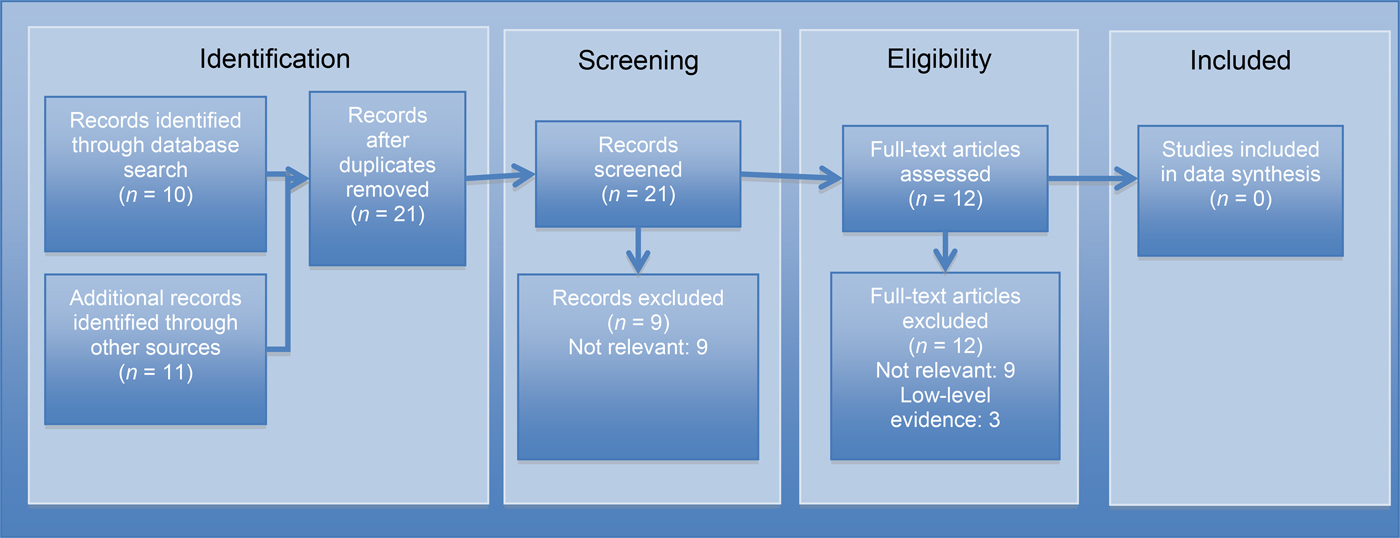
No studies were identified which met the inclusion criteria and were relevant to the specific management of direct oral anticoagulants in epistaxis. Figure 3 illustrates the search and article selection process.
Preferred Reporting Items for Systematic Reviews and Meta-Analyses (‘PRISMA’) diagram for the direct oral anticoagulant review, mapping the number of records identified, included and excluded during different review phases.

Conclusions
There is currently no evidence to define a specific treatment strategy for patients with epistaxis who are on direct oral anticoagulants. Management should follow generic bleeding guidance in patients taking these drugs. Given the short half-life and rapid time to full anticoagulation, management of significant bleeding should include stopping the offending drug in most cases, in addition to general haemostatic measures. In the case of major, life-threatening bleeding with dabigatran, idarucizumab use should be considered in discussion with local haematology services.
Heparins and other parenteral anticoagulant agents
The use of heparins (unfractionated heparin and low molecular weight heparin) is commonplace amongst patients admitted to hospital, for the prophylaxis or treatment of thrombotic events. Unfractionated heparin acts via an antithrombin III dependent mechanism to inactivate thrombin (factor IIa) and factor Xa, and has a half-life of 45–90 minutes at therapeutic concentration. Low molecular weight heparin has a similar mechanism of action, but with a greater ratio of factor Xa to IIa inhibition and a longer half-life of approximately 4 hours.Reference Makris, Van Veen, Tait, Mumford and Laffan 16 Their differing pharmacokinetic properties mean unfractionated heparin usually requires continuous systemic intravenous (IV) administration, whereas low molecular weight heparin is administered predominately via the subcutaneous route on an intermittent dosing schedule. Other parenteral anticoagulant agents such as danaparoid, fondaparinux, argatroban and bivalirudin are primarily used when heparin is contraindicated.
Results and summary of evidence
No studies were identified which met the inclusion criteria and were relevant to the management of heparins and other parenteral anticoagulant agents in epistaxis. Figure 4 illustrates the search and article selection process.
Preferred Reporting Items for Systematic Reviews and Meta-Analyses (‘PRISMA’) diagram for the heparins review, mapping the number of records identified, included and excluded during different review phases.

Conclusions
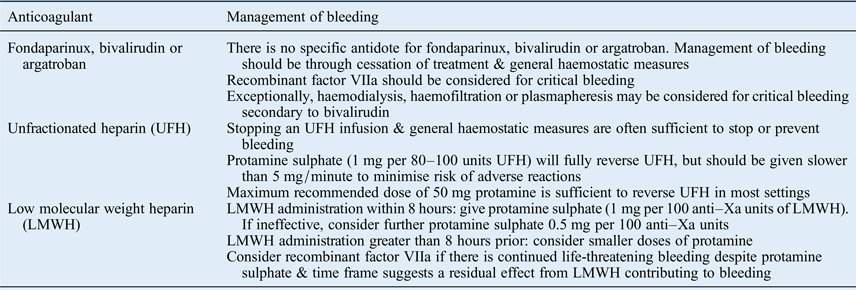
In patients with epistaxis, generic guidance should be followed for the management of bleeding in relation to these drugs. Most hospitals have guidelines for the management of unfractionated heparin and low molecular weight heparin. Recommendations for the management of bleeding associated with other parenteral anticoagulant agents are provided in British Committee for Standards in Haematology guidance (Table II).Reference Makris, Van Veen, Tait, Mumford and Laffan 16
Management of bleeding in patients anticoagulated with heparins and other parenteral anticoagulants*

* The British Committee for Standards in Haematology guidelines on the management of bleeding in patients on antithrombotic agentsReference Makris, Van Veen, Tait, Mumford and Laffan 16
Antiplatelet agents
Aspirin (cyclo-oxygenase inhibitor) and clopidogrel (adenosine diphosphate antagonist) are antiplatelet agents commonly used in the UK. Both drugs irreversibly inhibit platelet function, and 5–7 days off treatment is required to restore effectiveness. 12 , Reference Makris, Van Veen, Tait, Mumford and Laffan 16 Observational studies demonstrate an association between antiplatelet agent use and both the frequency and severity of epistaxis in patients taking these drugs.Reference Rainsbury and Molony 1 , Reference Tay, McMahon, Evans and MacDonald 19 , Reference Soyka, Rufibach, Huber and Holzmann 20
Results
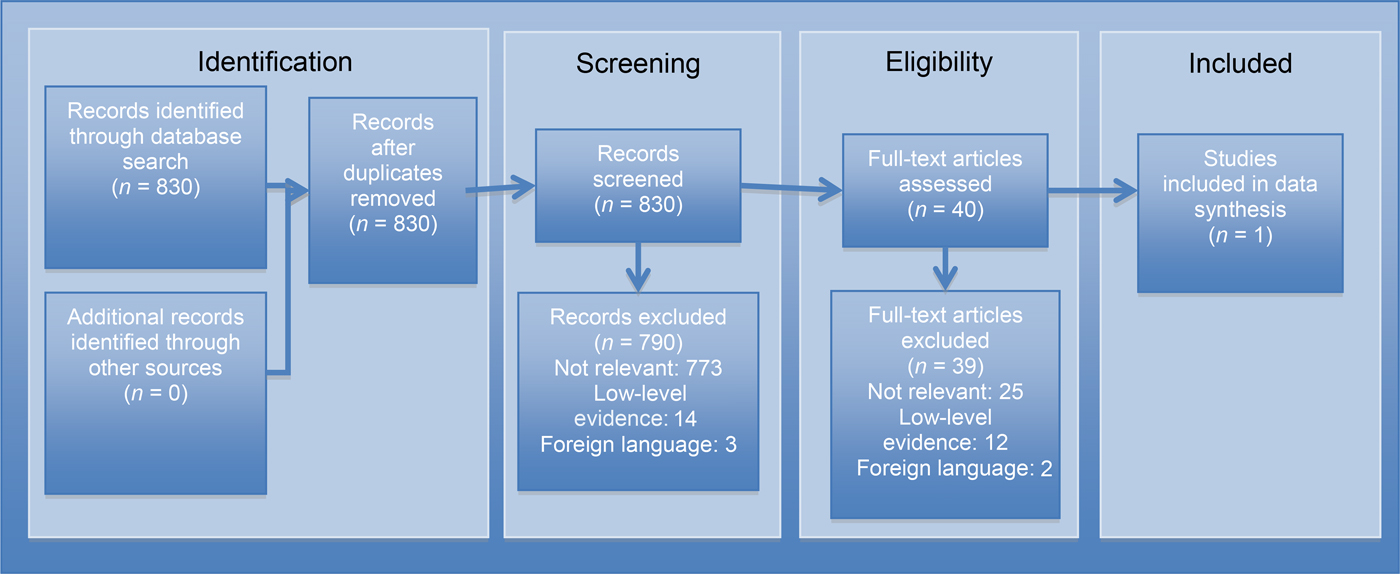
Only one study could be included for analysis in the antiplatelet agent review (Appendix II). Figure 5 illustrates the search and article selection process. No randomised controlled trials were identified.
Preferred Reporting Items for Systematic Reviews and Meta-Analyses (‘PRISMA’) diagram for the antiplatelet review, mapping the number of records identified, included and excluded during different review phases.

Summary of evidence
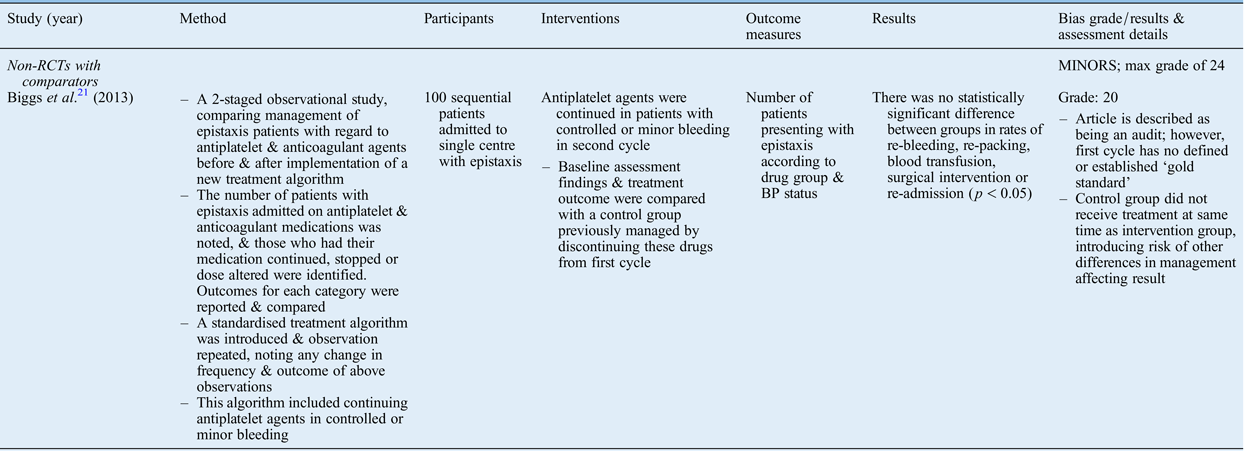
An interventional study compared outcomes in patients who discontinued antiplatelet agents with those who continued.Reference Biggs, Baruah, Mainwaring, Harries and Salib 21 Antiplatelet agents were continued in patients with controlled or minor bleeding, and baseline assessment and treatment outcome were compared with a retrospective control group managed by discontinuing these drugs. There was no statistically significant difference between the groups in rates of re-bleeding, re-packing, blood transfusion, surgical intervention or re-admission (p < 0.05).
Limitations
The above study was described as an audit by the authors; however, there was no established ‘gold standard’ for management. The control group did not receive treatment at the same time as the intervention group, introducing the risk of other differences in management affecting the result.
Conclusions
High-quality evidence for or against stopping antiplatelet medication in patients presenting with epistaxis is lacking. There may be significant morbidity associated with withholding these drugs (e.g. post-cardiac stenting), and generic guidance for bleeding associated with these drugs should be followed.Reference Keeling, Tait and Watson 15 , Reference Estcourt, Birchall, Allard, Bassey, Hersey and Kerr 22 Continuing antiplatelet agents in patients with controlled or non-severe bleeding should be considered. This approach is supported by the irreversible effect of these agents on platelets, with discontinuation unlikely to influence the acute event. Recent UK National Blood Transfusion Committee guidelines recommend the consideration of platelet transfusion only in those on antiplatelet medication with critical bleeding. 23
Tranexamic acid
Tranexamic acid is an antifibrinolytic agent which acts on plasminogen and is used to reduce blood loss. It is effective if given within the initial 3 hours of haemorrhage.Reference Napolitano, Cohen, Cotton, Schreiber and Moore 24 The Clinical Randomization of an Antifibrinolytic in Significant Hemorrhage (‘CRASH-2’) study established the evidence base for use in major trauma,Reference Roberts, Shakur, Coats, Hunt, Balogun and Barnetson 25 and the World Maternal Antifibrinolytic (‘WOMAN’) trial established the evidence base for use in major obstetric haemorrhage. 26 It is also recommended to minimise bleeding peri-operatively, 27 and is frequently used in menorrhagia. It is commonly used to treat epistaxis both systemically and topically.
Results
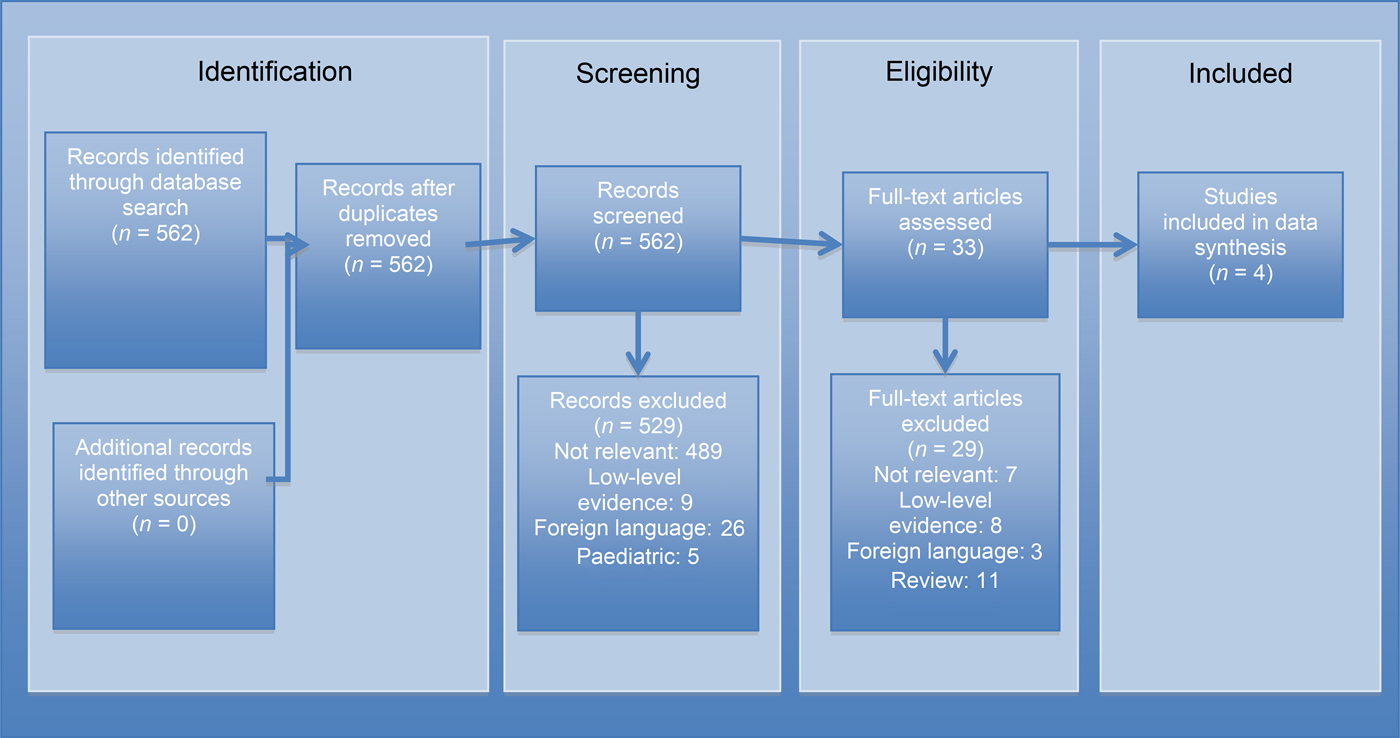
Four studies could be included for analysis in the tranexamic acid review (Appendix III). Figure 6 illustrates the search and article selection process. Four randomised controlled trials were identified, two using topical tranexamic acidReference Tibbelin, Aust, Bende, Holgersson, Petruson and Rundcrantz 28 , Reference Zahed, Moharamzadeh, Alizadeharasi, Ghasemi and Saeedi 29 and two using oral tranexamic acid.Reference Petruson 30 , Reference White and O'Reilly 31
Preferred Reporting Items for Systematic Reviews and Meta-Analyses (‘PRISMA’) diagram for the tranexamic acid review, mapping the number of records identified, included and excluded during different review phases.

Summary of evidence
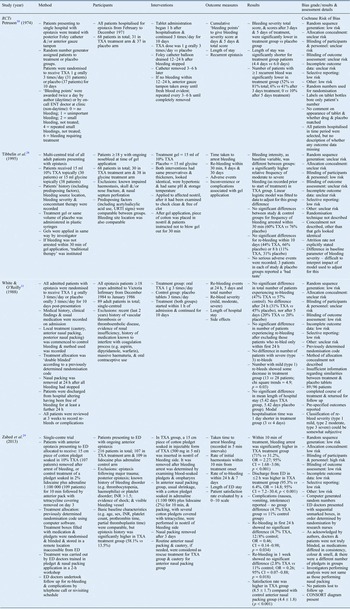
Petruson studied all patients admitted to a single-centre hospital with epistaxis and treated with a posterior Foley catheter or anterior gauze pack from February to December 1971.Reference Petruson 30 Patients were randomised to receive tranexamic acid 1 g orally, three times a day (31 patients) or placebo (37 patients) for 10 days. Bleeding severity, length of stay (4.4 days vs 6 days) and bleeding recurrence (52 per cent vs 81 per cent) were significantly lower in the tranexamic acid treatment group.
White and O'Reilly identified 89 adult patients presenting to one hospital with epistaxis from December 1984 to January 1986.Reference White and O'Reilly 31 The patients were randomised to receive treatment with tranexamic acid 1 g orally, three times a day, or oral placebo three times a day for 10 days. There was no significant difference in re-bleed rate between the treatment (47 per cent) and placebo (57 per cent) arms overall, or at 24 hours or 5 days. There was no significant reduction in length of stay.
Tibbelin et al. conducted a multicentre trial, randomising adult patients presenting with epistaxis to receive either 15 ml 10 per cent tranexamic acid topically (30 patients) or 15 ml glycine topically (38 patients).Reference Tibbelin, Aust, Bende, Holgersson, Petruson and Rundcrantz 28 There was no significant difference between the two groups in the primary outcome measures: frequency of bleeding that was arrested within 30 minutes (60 per cent in the tranexamic acid group vs 76 per cent in the placebo group), and re-bleeding within 8 days (44 per cent in the tranexamic acid group vs 66 per cent in the placebo group) and 30 days.
Zahed et al. studied patients presenting to a single-centre emergency department with spontaneous anterior epistaxis.Reference Zahed, Moharamzadeh, Alizadeharasi, Ghasemi and Saeedi 29 The patients in the study group (n = 107) had a 15 cm piece of cotton pledget soaked in 10 per cent tranexamic acid placed in the nasal cavity, which was removed after the arrest of bleeding. The control group received the usual treatment of a pledget soaked in 2 per cent lidocaine plus adrenaline 1:100 000 (109 patients) for 10 minutes, followed by the placement of an anterior nasal pack with tetracycline coating, which was removed on day 3. The results showed a significant increase in bleeding arrest in the tranexamic acid group (71 per cent vs 31.2 per cent; odds ratio = 2.27, p < 0.001) and earlier discharge from the emergency department. There was no significant difference in re-bleeding rate between the two groups at 24 hours or 7 days.
Limitations
Assessment of bias highlighted a lack of disclosure of randomisation method in Tibbelin and colleagues’ trial.Reference Tibbelin, Aust, Bende, Holgersson, Petruson and Rundcrantz 28 Concealment and blinding were not well described in the trials by Tibbelin et al.,Reference Tibbelin, Aust, Bende, Holgersson, Petruson and Rundcrantz 28 Petruson,Reference Petruson 30 or White and O'Reilly.Reference White and O'Reilly 31 Moreover, Zahed et al. acknowledged that the tranexamic acid and placebo treatments had different appearances.Reference Zahed, Moharamzadeh, Alizadeharasi, Ghasemi and Saeedi 29 Patient exclusion criteria differed between the trials, and none were mentioned in Petruson's study.Reference Petruson 30 Comparison of baseline characteristics between tranexamic acid and placebo groups were not stated in the studies by Petruson,Reference Petruson 30 or White and O'Reilly.Reference White and O'Reilly 31 The baseline characteristics of the two groups in Zahed and colleagues’ study were comparable, apart from a previous history of epistaxis, which was significantly higher in the tranexamic acid group (58 per cent in the tranexamic acid group vs 13.5 per cent in the placebo group).Reference Zahed, Moharamzadeh, Alizadeharasi, Ghasemi and Saeedi 29 Tibbelin and colleagues recognised that the baseline bleeding severity was higher in the tranexamic acid group compared to the placebo group.Reference Tibbelin, Aust, Bende, Holgersson, Petruson and Rundcrantz 28 Correction with a linear logistic model was applied, but it is unclear whether this will have eliminated all confounding factors. Both oral tranexamic acid trialsReference Petruson 30 , Reference White and O'Reilly 31 contained low case numbers.
Conclusions
The limited number of included studies involved different patient populations, and all studies had significant threats to validity. This may explain the lack of consensus on the value of either oral or topical tranexamic acid in the management of epistaxis. Further studies are needed. Until there is clear evidence for tranexamic acid use in epistaxis, more general recommendations for its use in bleeding should be followed. As an example, the National Institute for Health and Care Excellence (NICE) clinical guideline (on blood transfusion, ‘NG24’) 27 suggests considering the use of tranexamic acid in adults undergoing surgery if they are expected to have at least moderate blood loss (greater than 500 ml).
Transfusion of blood and blood products
The requirement for transfusion of blood components has recently been reviewed by NICE 27 and the National Blood Transfusion Committee. 23 The evidence supports limiting red cell transfusions, and using a haemoglobin threshold of 70 g/l for most patients and clinical situations. Additional recommendations are made for the transfusion of platelets, fresh frozen plasma and cryoprecipitate. Advice specifically for major haemorrhage is covered in the British Committee for Standards in Haematology guideline: a practical guide for the haematological management of major haemorrhage.Reference Hunt, Allard, Keeling, Norfolk, Stanworth and Pendry 32 Observational studies relating to transfusion in epistaxis have considered risk factors, the length of hospital stay, and the incidence and volume of blood transfused.
Summary of evidence
No randomised controlled trials or interventional studies were identified that were relevant to the specific management of blood transfusion in epistaxis. Figure 7 illustrates the search and article selection process.
Preferred Reporting Items for Systematic Reviews and Meta-Analyses (‘PRISMA’) diagram for the transfusion review, mapping the number of records identified, included and excluded during different review phases.

Conclusions
Hospitals should have generic guidance for the transfusion management of patients with bleeding, based on national recommendations, and these should be followed for patients with epistaxis. To facilitate the appropriate use of blood by busy clinicians, a blood component smart phone application has been developed which contains National Blood Transfusion Committee recommendations. 33
Summary conclusion
There is little published evidence addressing haematological factors that may complicate epistaxis treatment. However, the management of major bleeding and transfusion practice is well documented in national guidance from multiple sources. These guidelines include advice on anticoagulants, antiplatelet agents and tranexamic acid. In the absence of specific evidence, these guidelines should be applied in the management of epistaxis. There is a need for further research, and in particular studies examining the role of early intervention with topical or systemic tranexamic acid in epistaxis management.
Acknowledgement
This review was part of an epistaxis management evidence appraisal and guideline development process funded by ENT-UK. The funding body had no influence over content.
Summary of studies included in warfarin review

Summary of studies included in antiplatelet agents review

Summary of studies included in tranexamic acid review