





Impact statement
This research provides a practical and conceptual foundation for using waste as a design resource in biodesign. It introduces a Map of Practices and a Decision-Making Tool that can help designers, educators and students navigate how waste can be transformed into new materials, products and systems. Drawing on nearly a decade of Biodesign Challenge projects, it translates experimental practices into accessible frameworks for learning and application, supporting education, research and design practice by making complex material and biological processes more understandable and actionable and by promoting more resource-conscious approaches to design and innovation.
Introduction
Waste has become one of the defining material and socio-ecological challenges of contemporary production and consumption systems. Its generation is deeply entangled with industrialization, urbanization and accelerated material throughput, resulting in increasing volumes of discarded matter across human-made and natural environments.
In waste management, waste is typically categorized by source, composition, toxicity, biodegradability, recoverability and treatment pathways (EPA 2020; European Commission 2014; Kaza et al. Reference Kaza, Yao, Bhada-Tata and Van Woerden2018). However, waste is not a neutral technical category; it is embedded in complex material and ecological systems. Biological perspectives frame it as part of continuous metabolic and decomposition cycles, where by-products become conditions for new life. Volk (Reference Volk and Schneider2004) describes Earth as a “waste world” in which organismal outputs sustain other forms of life, while Sheldrake (Reference Sheldrake2021, Reference Sheldrake2025) highlights decomposition as foundational to all production. Tsing (Reference Tsing2015) shows how life persists in disturbed landscapes through multispecies entanglements, and Hird (Reference Hird2016) conceptualizes waste as a materially world-making, relational process across environmental systems. Together, these perspectives reposition waste as heterogeneous, persistent and systemically embedded across ecological, technological and socio-economic domains.
In response to the growing social, economic and environmental consequences of waste generation, sustainability-oriented policy frameworks and regulatory directives increasingly call for transitions away from linear production and consumption systems toward more circular and regenerative models. Leading policies such as the European Commission´s Circular Economy Action Plan (2020) position waste prevention, material recovery and circular resource flows as central sustainability objectives through directives as the Waste Framework Directive (2008) the Ecodesign for Sustainable Products Regulation (2024), the Right to Repair Directive (2024) and the Single Use Plastics Directive (2019). These frameworks promote systemic transformations involving the conception, manufacturing, distribution, use and end-of-life of products and materials, requiring industries and institutions to reconsider how waste is generated and addressed throughout material lifecycles.
Within these transitions, design occupies a strategic role because decisions made during the earliest stages of a project directly influence the generation, circulation and persistence of waste (European Commission n.d.). Processes of ideation, manufacturing planning, material selection and product specification shape not only the functionality and aesthetics of designed artifacts, but also their environmental implications and end-of-life trajectories. Choices regarding material composition, sourcing, assembly, durability, repairability and biodegradability determine how products participate in systems of extraction, consumption and disposal. Consequently, waste cannot be understood solely as a post-consumer management issue; rather, it is shaped in part during the design process itself. This situates design not only as a contributor to waste generation but also as a strategic site for intervention in the transition toward more sustainable material systems (Ellen MacArthur Foundation 2019).
Materials design, a relatively new design paradigm that combines perspectives from environmental science, industrial ecology, materials science and engineering, gives designers agency to propose materials of their own invention (Rognoli et al. Reference Rognoli, Bianchini, Maffei and Karana2015). Within this field, there has been growing interest in waste valorization, particularly in converting residual streams into new materials and feedstocks (Treggiden Reference Treggiden2020; Wallach Reference Wallach2025). The environmental impacts of different waste streams, together with their chemical and physical heterogeneity, position them as both constraints and opportunities for material innovation. Materials design literature has developed several conceptual and methodological approaches for engaging waste as a material resource. Waste-derived materials have been described through multiple conceptual lenses, including “Materials from waste” (Duarte et al. 2020), materials of the “kingdom recuperavit” (Garcia et al. Reference Garcia, Rognoli and Karana2017), “upcycled and recycled circular materials” (Squatrito and Ferrara Reference Squatrito and Ferrara2023), “wasted materials” and “zero-waste materials” (Cleries and Rognoli Reference Clèries, Rognoli, Cleries, Rognoli, Solanki and Llorach2021). Complementing these conceptualizations, design methodologies have emerged that incorporate or prioritize waste within material development processes, such as “Material-Driven Design” (Karana et al. Reference Karana, Barati, Rognoli and Zeeuw van der Laan2015), “DIY Materials” (Rognoli et al. Reference Rognoli, Bianchini, Maffei and Karana2015), “Design Out Waste” (Kottaridu and Bofylatos Reference Kottaridou and Bofylatos2019), “Repurpose-Driven Design” (van Vorsselen et al. Reference van Vorsselen, de Leede, Oskam and Snäll2024) and “Waste-Driven Design” (Crippa et al. Reference Crippa, Digiorgio Giannitto, Di Prete and Villa2025). Together, these approaches frame waste as both a technical input and a generative design condition, shaping how materials are conceptualized, developed and evaluated.
In parallel with these developments, biodesign has emerged as an influential paradigm within design disciplines for rethinking the relationships among materials, technologies and living systems. Although the term “biodesign” is used across disciplines such as synthetic biology, biomedical sciences and design – with often divergent meanings – within design research, it has been widely understood as the designing of, with or from biology (Ginsberg and Chieza Reference Ginsberg and Chieza2018). Designer-led biodesign integrates biological knowledge, technological processes and speculative or applied design practices to develop new forms of materials, products, systems and interactions. Over the past decade, multiple frameworks have sought to conceptualize the methods, outcomes and relational dimensions of the field, including contributions by Collet (Reference Collet2013, Reference Collet2020), Esat and Ahmed (Reference Esat and Ahmed-Kristensen2018), Paoliello and Bandoni (Reference Paoliello and Bandoni2024) and Dade-Robertson and Zhang (Reference Dade-Robertson and Zhang2024). Among the most widely explored outcomes of biodesign are materials, conceptualized through frameworks such as “Growing Design” (Camere and Karana Reference Camere and Karana2017), the “4 Lenses of Biodesign” (Vuylsteke et al. Reference Vuylsteke, Detand and Ostuzzi2023), “Healing Materialities” (Pollini and Rognoli Reference Pollini and Rognoli2024) and the “Biomaterials Innovation Map” (Biofabricate & Fashion for Good 2020). These frameworks classify biomaterials according to dimensions such as fabrication processes (e.g., bioassembled materials), material origins (e.g., biobased materials), end-of-life characteristics (e.g., biodegradable materials) and functionalities (e.g., bioreceptive materials).
However, the extent to which waste is explicitly addressed within biodesign conceptualizations remains uneven. Existing frameworks frequently acknowledge waste when it is organic, biodegradable or biobased, particularly in projects focused on living systems or renewable feedstocks. In contrast, difficult-to-manage waste streams – such as mixed, synthetic, composite or non-degradable materials – remain comparatively underrepresented. This tendency may partially reflect the relative newness of biodesign as an emerging field, particularly within educational and experimental contexts where accessible and biologically compatible materials are often prioritized. Nevertheless, it also reveals how certain understandings of biology and sustainability can narrow the scope of engagement with waste in design practice. Furthermore, biodesign has only recently begun to incorporate “unmaking” frameworks and philosophies that engage with processes such as biodegradation, remediation, decomposition and waste management (Song et al. Reference Song, Sabie, Jackson, Lindström, Paulos, Ståhl and Wakkary2025), which have received less attention compared to generative ones associated with growth, cultivation, fabrication and regeneration. Recent contributions have begun to challenge these limitations. Elsacker et al.’s (Reference Elsacker, Saluena Martin, Sangosanya, Verstuyft, Van Wylick and Peeters2026) “Taxonomy of Fungal Engineered Living Materials” recognizes the inclusion of abiotic polymeric and inorganic scaffolds within fungal bioassembly processes, while Bell et al.’s (Reference Bell, Campo Woytuk, Søndergaard and Alistar2024) “Biodegradation as a More-than-Human Unmaking” situates biodegradation and bioremediation practices within biology-informed design. Together, these contributions suggest the need for broader conceptual and methodological frameworks capable of integrating more diverse forms of waste and practices for its unmaking into biodesign.
This reveals two interrelated gaps in the literature. First, there is limited conceptual work explicitly integrating waste and waste-derived materials into biodesign frameworks and biomaterial classifications. Second, there is insufficient methodological research examining how engagement with waste interacts with technological choices, biological systems, material strategies and outcome ideation throughout the stages of a biodesign project. In particular, little attention has been given to how waste influences decisions regarding biological systems, fabrication processes, material sourcing and design intentions during project development. As a result, the ways in which waste operates as a driver, constraint, material input, remediation target or conceptual framework within biodesign remain underexamined. In view of this, this study poses the following research question: how does biodesign engage with waste and how do different forms of waste engagement shape material and technological practices within biodesign projects?
To address this question, this study examines how waste and its material dimension have been approached and operationalized within contemporary biodesign practice. Through analysis of a large corpus of projects, it identifies recurring practices at the intersections of waste, biotechnology and materials design, with particular attention to how engagement with waste shapes problem framing, technological integration and project outcomes throughout the design process. The analysis is structured around five analytical categories – Context, Waste, Technology, Applicability and Impact – which together enable the examination of how projects strategically approach waste problems, integrate biological and technological systems and envision material applications with environmental and/or social implications. Central to this analysis is the distinction among preventive, remediative and behavioral approaches to waste and the extent to which waste serves as a primary driver of material innovation rather than merely a secondary resource input. The culmination of this work is twofold: first, the development of a conceptual framework or “Map of Practices” that characterizes the intersections among waste, biology and materials design; and second, the proposal of a practical decision-making tool to support practitioners working with waste. Together, these contributions aim to provide both an analytical understanding of current practices and a foundation for expanding engagement with waste in biodesign.
The body of work selected for this investigation is the Biodesign Challenge (BDC), an international educational and research initiative established in 2016 alongside the broader consolidation of biotechnology-informed design practices. The BDC convenes undergraduate university students, educators and institutions across disciplines to develop experimental projects at the intersection of biology, technology and design. Operating through a distributed academic structure, participating institutions integrate biodesign projects into coursework and research programs throughout the academic year. Student teams develop proposals through iterative design and research processes, often with support from external mentors, and present their work at the annual Biodesign Summit. Projects undergo multiple stages of evaluation based on criteria including conceptual development, contextual awareness and critical reflection, competing for the overall winner prize and dedicated awards. Over time, the initiative has generated a publicly accessible archive documenting a decade of student-led biodesign experimentation across diverse institutional and cultural contexts.
The BDC was selected because it offers a particularly valuable context for examining how emerging biodesign practices engage with waste during early-stage experimentation. Unlike iGEM, a similar competition, which centers on synthetic biology and frequently instrumentalizes design within scientific research frameworks (iGEM, n.d.), the BDC positions biodesign itself as the primary disciplinary orientation, using biotechnology as a creative and exploratory medium within arts and design education (Biodesign Challenge n.d.; Grushkin Reference Grushkin2021). In contrast to industry-oriented platforms such as Biofabricate´s BioFab Fair, which emphasize commercialization and technological implementation, the BDC captures exploratory design processes before consolidation into industrial or disciplinary specialization. This pedagogical and experimental character makes the BDC particularly relevant for understanding how emerging frameworks, values and material practices surrounding waste are currently being formed within biodesign. Rather than representing the entirety of biodesign practice, the BDC provides insight into how future-oriented approaches to waste, biology and materials are being imagined, tested and incorporated in an evolving field.
Following the introduction of the research objective, its relevance, the study population and the rationale for its selection, Section Introduction will outline the methodological approach, data treatment and analytical structure adopted in this study. Section Methodology will first present the map of practices situated at the intersection of waste, biotechnology and materials design and subsequently use this framework to discuss the patterns identified across categories in relation to waste engagement, technological application and design outcomes. Section Findings: practices at the intersection will introduce the decision-making tool for waste-driven biodesign and demonstrate its application through examples drawn from the Biodesign Challenge project database. Section A decision-making tool for waste-driven biodesign will discuss the limitations of the study and propose future research directions. Finally, Section Limitations and future directions will present the main conclusions derived from the research.
Methodology
Data sourcing
The database of biodesign projects was obtained from the Biodesign Challenge website in January 2026. The database initially included 778 entries (rows) and the following fields (columns): project name, project description, authors, school, year, project outcomes (referred to as contest recognition in this research), tags, project link, video link and post-challenge notes (referred to as beyond-contest impact or growth evidence in this research). The language of the database was English.
The database was contrasted with the information from the website’s yearly archive, adding 9 missing projects and 89 projects from the Biodesign Sprints (2021, 2022 and 2025), which followed the same evaluation criteria as the annual challenges. 33 Projects with no descriptions were removed to compile a final sample size (n) of 843 projects (Table 1). Video content accompanying the projects was not included in the analysis. The field “post-challenge notes” was supplemented with information on follow-ups beyond the contest, drawn from the website’s “Alumni” and “Year in Review” sections. The field “country” was added to match schools’ locations. The database structure used for analysis was an Excel spreadsheet.
Distribution of the 843 projects within the 10 editions of the Biodesign Challenge between 2016 and 2025 and the three Biodesign Sprints. Contest themes and the top 5 countries having more than 1 participation each year

Table 1. Long description
Distribution of the 843 biodesign projects within the 10 editions of the Biodesign Challenge 2016-2025, and the Biodesign Sprints (2021, 2022 and 2025). Additionally Contest theme per year and the top 5 countries having more than 1 participation each year.
Data analysis
Content analysis was the research methodology used to analyze, categorize and quantify database information to identify patterns, themes and trends meaningful for the understanding of biodesign practices at the intersection of waste, biotechnology and materials design (Krippendorff Reference Krippendorff2018). Three levels of analysis were applied to the data. First, qualitative analysis was conducted on each project description – the unit of analysis in this study – extracting textual data in the form of codes or keywords. These keywords were then grouped into categories and subcategories, which emerged inductively from the data and deductively, informed by the literature on biodesign and waste management. This process was iterative, as selected labels did not always adequately capture the meanings expressed in the project descriptions, prompting refinement and reconceptualization. When keywords relevant to a given category were absent or ambiguous, they were marked as “not specified” (n.s). Coding was conducted by the principal author; no intercoder agreement procedures were applied. After the coding scheme was consolidated, a coding book containing categorized keywords was compiled and can be made available upon request (see Data Availability Statement).
The 5 main data categories and respective subcategories emerging from the first level of analysis (Figure 1) served the following functions: the Contextual data category provided information about the project’s context, revealing when was the project proposed (subcategory “year”), if the project was formulated responding to any contest theme (subcategory “contest theme”) and the country of origin of the university or team (subcategory “geographic region”). The Waste engagement data category, first of all, indicated whether the project engaged with waste. For projects engaging with waste, this category revealed information about when waste was approached (subcategory “approach”), how waste was approached (subcategory “strategy”), what waste stream was addressed (subcategory “waste stream addressed”) and what waste stream was used as input when applicable (subcategory “waste used as input”). The Technological data category provided information on biodesign methods and technology use, revealing technological choices (subcategory “technology used”) and the involvement of living systems (subcategory “use of living systems”). The Applicability data category provided information about project output, revealing if the project was proposed as feasible (subcategory “feasibility”), versus speculation or biodesign fiction (Camere and Karana Reference Camere and Karana2018); what type of outcome was proposed (subcategory “application type”) and its intended field of application (subcategory “application field”). The Impact data category provided evidence of the project’s relevance within and beyond the contest. Impact within the contest (subcategory “contest relevancy”) was evidenced by having received contest recognitions of any kind, like the overall prize, runner-up mention, top finalist mention or outstanding awards. Impact outside the contest (subcategory “beyond-contest relevancy”) was evidenced by projects with follow-up notes documenting growth through entrepreneurial activities or dissemination of the work in exhibitions, conferences and publications.
Categories and subcategories of information retrieved and used for each level of analysis.

On a second level of analysis, data subcategories from “Waste engagement data,” “Technological data” and “Applicability data” were used as filters to classify, characterize and quantify subsets of projects operating at the intersection of waste, biotechnology and materials design. A Map of practices was proposed to classify these projects and will be used to present the findings (Section Methodology) on how waste engagement shapes technological choices and project outcomes, as well as the distribution of the projects.
At a third level of analysis, insights from the aforementioned subsets of projects on the integration of waste, technology and project outcomes in biodesign were used to outline a decision-making tool for practitioners working with waste. The three main categories of analysis were turned into stages of inquiry within the design process. The findings for each category of analysis were integrated into “Compasses” that guide each stage of the inquiry. This tool will be presented in Section Findings: practices at the intersection, “A decision-making tool for waste-driven biodesign.” Since it was generated inductively from the results and its use has not been tested or validated through a dedicated biodesign exercise, its components will be illustrated using examples from the BDC database.
Findings: practices at the intersection
This section will present the data retrieved during the “waste,” “technology” and “applicability” analysis; its categorization and its correlation, to build an understanding of how technology, materials design and waste interact and influence each other in the biodesign project. The results will be presented using the Map of practices at the intersection of waste, biotechnology and materials design (Figure 2a), a project classification scheme determined by the level of integration of the analysis components within the projects. This map consists of 3 spheres that intersect, creating 3 partial intersections and 1 total intersection. The first sphere includes projects with material outcomes, classified as Material biodesign. The second sphere includes projects that use living systems, classified as Biodesign using living systems. The third sphere includes projects engaging waste as a driver or as a system input, classified as Waste-driven biodesign. In the 3 partially intersecting areas, projects having material outcomes and using living systems but not engaging waste are grouped as Material biodesign using living systems; projects engaging waste and having material outcomes but not using living systems are grouped as Waste-driven materials biodesign; and projects engaging waste and using living systems but not having material outcomes are grouped as Waste-driven biodesign using living systems. The total intersection of the three spheres includes only those projects that engage with waste, use living systems and have material outcomes and was named “Waste-driven materials biodesign using living systems.” Distribution of projects in each category will be detailed (Figure 2b), discussing the findings for each group in relation to Impact data and Contextual data, to disclose eventual correlations between the type of project, project impact and contest theme.
(a) Map of practices at the intersection of waste, biotechnology and materials design. (b) distribution of BDC projects along the Map of practices.

Figure 2. Long description
This group of images both display 3 venn diagrams that intersect each other creating the different groupings explained in the main text. The first figure contains the names of the groups, and the second figure details how many projects are inside each group.
I. Biodesign and materials design: material biodesign
Biodesign projects whose intended applications were materials or that included materials development to achieve products were grouped, from an applicability perspective, into Material biodesign . 38% of the database, or 329 out of 843 projects, fall under this category, evidencing the relevance of materials design in biodesign. Most Material biodesign projects were presented as feasible; only 8 out of 329 were presented as biodesign fiction. These materials were proposed for many fields of application, the most frequent being product design (f = 79), textiles & wearables (f = 46) and architecture & construction. Common technologies used in this field were biobased manufacturing (f = 44), bioassembly (f = 22), biosensing (f = 10), biosynthesis (f = 10) and bioengineering (f = 6).
Material biodesign projects had a significant impact in the contest, representing 47% of projects with contest recognition (44 out of 119). Beyond the contest, too, representing 41% of projects with growth evidence (11 out of 27 projects).
II. Biodesign and living systems: biodesign using living systems
Projects declaring the use of living systems were grouped through the technological perspective into Biodesign using living systems . Despite the use of living organisms being a fundamental aspect of the most-cited definitions and frameworks of biology-informed design, as detailed in the introduction, only 342 of 843 projects, or 39% of the BDC database, reported using them in their project descriptions. The lack of this information may be due to the analysis being conducted solely on the textual descriptions of the projects and omitting the videos, which contain much more information, and to the competition not requiring a specific project description format that requires stating biotechnologies or the use of living organisms.
The technologies used were not always explicitly stated in the project descriptions. When possible, they were inferred from the description of the outputs (for example, bioassembly was assigned to mycelium and bacterial cellulose materials) or from the description of the methods (for example, bioconversion was assigned to the process to obtain fuels or fertilizers by the action of organisms). A synthesis of technologies used in biodesign using living systems is presented in Table 2. The most frequently used technologies were bioassembly (f = 30), bioengineering (f = 27), biodegradation (f = 22), biosensing (f = 14) and biosynthesis (f = 12). Technology use was not detected in 168 of 342 projects.
Technologies used, domains of living systems involved and species with at least two uses in projects classified as biodesign using living systems

Table 2. Long description
Technologies used, domains of living systems involved, and species with at least two uses in projects classified as biodesign using living systems.
“Living systems type” was specified or detected in 301 of 342 projects that stated the use of living systems. Expressed living system types were synthesized into 8 categories (Table 2): animals, plants, fungi, algae, bacteria & archaea, viruses, microbes/microorganisms and consortia. “Microorganisms” or “microbes” were used in 7 projects to refer to nonspecific organism domains at the microscale. The category “consortia” was created to group 37 projects that used symbiotic organisms such as lichens or SCOBY or that worked with “microbiomes,” “microbiota,” “biota” or explicit combinations of organisms from different kingdoms to perform specific tasks. The living system type was not detectable in 41 of 342 projects. The most used living systems types were fungi (f = 88), bacteria & archaea (f = 75) and plants (f = 50). The species name was stated in 74 out of 342 projects involving living organisms. Among the wide variety of species used, Bacillus s.p., Pseudomonas s.p. and Geobacter s.p. were more frequent in the database, suggesting their popularity in biodesign practices at the university level.
The impact analysis of projects that fit within biodesign using living systems speaks about their contribution to innovation within the Contest and in real-life scenarios. Metrics on contest relevance showed that 60 of 119 projects with contest recognition and 10 of 15 overall winners (51% and 67%, respectively) used living systems. Post-contest trajectory metrics showed that 16 of 27 projects in the contest with evidence of growth used living systems (∼60%). Regarding feasibility in the presentation of the projects, although most projects were presented as feasible (f = 312), 30 were presented as biodesign fiction, making biodesign using living systems the category with the most room for speculative design.
III. Biodesign and waste: waste-driven biodesign
Projects that exhibited any form of engagement with waste were classified as Waste-driven biodesign . Of 843 projects in the database, 297, 40%, engaged with waste (Figure 3a). Waste was engaged in two ways: as a driver, meaning that solving a waste issue was the justification of the project or both as a driver and as material input, meaning that waste’s materiality was engaged or input into the explored design solution. All projects that input waste were waste-driven, but not all waste-driven projects input waste. 149 out of 297 projects driven by waste used waste as a material input (50%). The input waste was used as a “secondary raw material” and/or as a “feedstock” for biological processes. When waste was used as a secondary raw material, it was used directly in the design process. When it was used as feedstock, it was fed into a biological process. 96 projects used waste as a secondary raw material, 24 projects used waste as a feedstock, 6 projects used waste as both a feedstock and a secondary raw material, and 23 projects did not specify how they used the input waste.
Project distribution according to waste engagement.

Types of wastes stated or implied in the descriptions were grouped into 4 major waste stream categories (Figure 3):
-
– Degradable waste stream: included all types of waste that could be decomposed and reintegrated into new biological cycles: food waste, biological waste or waste coming from bodies, biodegradable plastics, biodegradable construction materials, organic agricultural waste, excess biomass waste like forestry waste and invasive species, some organic compounds like VOCs and some greenhouse gases like methane. This was the most-addressed waste stream in the database (f = 129) and the most-used as input (f = 125).
-
– Non-degradable waste stream: included all types of waste listed in the database, regardless of organic composition, that were not degradable in a human’s life span. Wastes included in this category were heavy metals, regular plastics, e-waste, radioactive waste, oil spills, greenhouse gases and mineral waste. This was the second-most-addressed waste stream in the database (f = 127) and the second-most-used as input (f = 13).
-
– Mixed waste stream: included waste composed of degradable and non-degradable components. Wastes included in this category were non-differentiated textile waste, construction waste, landfill waste, water pollution and air pollution. This was the third-most-addressed waste stream in the database (f = 36) and the least used as input (f = 8).
-
– Non-specific waste: waste described as non-specific for any of the previous 3 groups, for example, referred to as “waste in general” or “waste” as a general term. 8 projects worked with non-specific waste streams.
Waste-driven projects aimed to address waste in 2 critical moments of its lifecycle using 3 identified approaches, each characterized by a set of strategies (Figure 4). Strategies were at the core of “how” to solve a waste issue, influencing technology use and outcome exploration and influenced by the nature of the waste stream addressed and by the intention to use waste as input rather than just as a driver. The approaches and strategies are described below, detailing the correlation between these aspects:
-
– Preventive approach: addressed waste before its generation, preventing it from existing, and included one main strategy:
-
– Prevention: aimed at preventing materials and products with linear lifecycles or polluting processes by the creation of drop-ins, replacements or better versions. The most addressed waste stream using prevention was the non-degradable(f = 73), followed by the mixed (f = 6) and the degradable (f = 2). Waste was used as input to create a drop-in, replacement or better version in 20 of 82 projects. Only the degradable waste stream was used as input. Most common technologies used in this strategy were biobased manufacturing (f = 17) and bioassembly (f = 6). Technology use was not reported in 42 out of 82 projects in this category. The most common frequent outcome in projects driven by this strategy was Materials (f = 75).
-
-
– Remediative approach: addressed waste after its generation and included the following strategies:
-
– Sorting: attempted to separate or adequately relocate waste as the early stage to subsequent application of other remediative strategies. Only one project used this strategy to address mixed waste via a sorting program. No sorting technology was specified.
-
– Waste valorization: proposed waste as a source of secondary materials and/or feedstocks or as a resource to be reused. Choosing this strategy did not always entail incorporating waste as material input. For example, the proposal of wastestream databases to facilitate remediation and/or repurposing of waste and the proposal of consulting services to help companies use their waste as a resource involved a waste valorization strategy, but waste was not used to develop the database or provide the consulting service. The most addressed waste stream using waste valorization was the degradable (f = 95), followed by the mixed and the non-degradable, both with a frequency of 6. Most common technologies used in this strategy were biobased manufacturing (f = 13), bioassembly (f = 4) and bioconversion (f = 4). Technology use was not reported in 73 out of 109 projects in this category. The most common frequent outcomes in projects implementing this strategy were materials (f = 89), products (f = 27), processes (f = 9) and programs (f = 5).
-
– Remediation: involved “detecting,” “converting,” capturing (“bioaccumulating,” “trapping”) and/or cleaning (“purify,” “filter”) a waste stream. The most addressed waste stream using remediation was the non-degradable(f = 37), followed by the degradable (f = 20) and the mixed (f = 17). Most common technologies used in this strategy were biodegradation (f = 10), bioremediation using plants or other organisms (f = 10) and bioconversion (f = 5). Technology use was not reported in 18 out of 77 projects in this category. The most common frequent outcomes in projects implementing this strategy were products (f = 38), processes (f = 34), materials (f = 4) and programs (f = 4).
-
– Regenerative design: combined waste valorization and remediation strategies to address waste. Project descriptions included “treatment,” “bioremediation,” “purifying,” “detoxifying,” “decomposing,” “removing from the environment” or “capturing” a pollutant; while at the same time “biosynthesizing from,” “converting into,” “utilizing,” “transforming into,” “using as viable resource” and “making from” it. All of these projects used waste as material input, specifically as feedstock for biological processes mediated by living systems. Consequently, the use of living systems in them was constant, spanning biotechnologies related to biodegradation, such as mycoremediation and bioconversion and generative technologies, such as biosynthesis and bioassembly. The modal input waste stream in this strategy was radically different from other strategies to address waste, where degradable waste was the predominant input: 8 out of 14 projects used mixed and non-degradable waste streams in their design process. Their outcomes were either process-based, resulting in energy (f = 6) or material-based, resulting in materials (f = 7).
-
-
– Behavioral approach: addressed waste by acting on the stakeholders involved at any point in its lifecycle. Strategies deployed in this approach were:
-
– Zero-waste: aimed to rule out the creation of waste, influencing design and production methods, proposing a smart or novel use of resources required for manufacturing. 1 project in the database structured its proposal around this strategy, targeting degradable waste and designing an application for the food industry.
-
– Raise awareness: aimed at informing stakeholders about waste in order to drive action. 7 projects in the database structured their proposal around this strategy, targeting all waste streams (f = 2) equally. The technology used was detected in only 2 projects that implemented biobased manufacturing and gamification. The outcomes of this strategy included programs applicable to industry and the materials economy, waste management, education & activism and the arts.
-
– Provocation: aimed to critically inspire reflection and eventually drive action. 3 projects in the database structured their proposals around this strategy, designing performative critiques of waste consumption, the management of invasive species and survival in polluted environments. Technology use was only detected in one project, which used biodeterring or the use of biological mechanisms, to dissuade or eradicate other biological agents (invasive species) causing ecosystem imbalance.
-
Strategies identified within approaches to waste. 0.7% of the projects (2 projects) did not specify any approach to waste in their description, despite engaging with waste. Waste valorization, prevention and remediation were the most used strategies in projects addressing waste.

Feasibility in real-life contexts was preferred for 288 waste-driven projects, presented or framed as feasible, versus 9 projects presented as biodesign fiction. The impact of waste-driven biodesign projects is as follows: within the contest, 53 of 119 projects with any contest recognition and 12 of 15 overall winners were waste-driven (∼45% and 80%, respectively). Beyond the contest, these waste-driven projects represent one-third of the projects with growth evidence (33.3%). Two patterns can be observed when correlating impactful projects with strategies they use to address waste and waste streams addressed: (1) the remediative approach is the most common approach to waste in the projects with more impact. This demonstrates how the pressing need to mitigate environmental damage caused by waste drives creative responses and innovation in biodesign. (2) Projects that address non-degradable waste streams have more impact within the contest, while projects that address degradable waste streams have more impact beyond the contest. We interpret this as evidence that creativity and innovation coming from science and from design do not always align with scalability in real-life contexts: despite the world urgently demanding solutions for recalcitrant waste streams like plastics and persistent chemicals, industry and the materials economy are more ready to transition production to the biobased and towards the biodegradable, than to develop models for profiting from bioremediation and to industrialize entirely new recycling processes that recover materials from hard-to-manage wastes (Maine and Garnsey Reference Maine and Garnsey2007; Maine and Seegopaul Reference Maine and Seegopaul2016).
IV. First intersection: material biodesign using living systems
The first intersection included those projects using living systems and having material outcomes but not driven by waste. 75 projects – or materials – were at this intersection between Material biodesign and Biodesign using living systems, named Material biodesign using living systems .
The most frequently used technologies for creating these materials were bioassembly (f = 6), biosynthesis (f = 6) and biobased manufacturing (f = 4). Most of these materials fall under the category “Engineered Living Materials” (Elsacker et al. Reference Elsacker, Saluena Martin, Sangosanya, Verstuyft, Van Wylick and Peeters2026; Srubar Reference Srubar2021). In 52 projects, the use of technology was not detected. The most commonly used type of living system was fungi (f = 20), followed by consortia (f = 14) and bacteria (f = 24). In 12 projects, the type of living systems was not detected. Projects in this category were presented mostly as feasible; only 4 projects out of 75 were presented as biodesign fiction. The impact of these projects within and beyond the contest was low: 17 out of 119 projects with contest recognition were biodesigned materials using living systems (14%). Beyond the contest, 15% of projects that registered evidence of growth (4 out of 27).
V. Second intersection: waste-driven biodesign using living systems
The second intersection included projects that used living systems and engaged with waste but did not have material outcomes. These 61 projects were grouped under Waste-driven biodesign using living systems and accounted for 20.5% of all waste-driven projects.
The predominant waste stream addressed by these waste-driven projects was the non-degradable (f = 25), followed by the degradable (f = 19) and the mixed (f = 16). Waste was not only a driver but also an input into the process in 17 projects. The waste stream most used as input was the degradable (f = 10), followed by the non-degradable (f = 5) and the mixed (f = 2). When waste was only a driver, the most frequent strategy was remediation (f = 44), followed by waste valorization (f = 8) and regenerative design (f = 6). When waste was used as input, frequent strategies were waste valorization (f = 8), regenerative design (f = 6) and remediation (f = 3). An interesting pattern correlating waste stream engagement, strategy and technology use emerges from this analysis, and it is that the use of living systems affects the modal pattern of the waste streams targeted and input: when living systems are not involved, the degradable waste stream is the most targeted and/or used as a resource, as seen in Waste-driven biodesign. When living systems are involved, strategies such as remediation, regenerative design and waste valorization, mediated by living organisms, are used to integrate difficult waste streams, such as non-degradable or mixed waste, into circular material flows. This suggests that the use of living organisms and their associated biotechnologies boosts and enables the integration of non-degradable and mixed waste streams into biodesign. Without living organisms, it is difficult to address these wastes once they exist or from a remediative approach. Not producing them or addressing them through a preventive approach, therefore becomes the most reasonable choice in waste-driven biodesign that does not use living systems. Instead, the involvement of living systems expands the technological possibilities for transforming and valorizing waste.
Common living systems involved in Waste-driven biodesign using living systems were fungi (f = 19), bacteria (f = 15) and algae (f = 13). The technologies most employed when waste was just a driver were biodegradation (f = 14), bioengineering (f = 9) and bioconversion (f = 7). When waste was also used as input, the technologies most employed were bioconversion (f = 15), biodegradation (f = 3) and bioassembly (f = 2).
The 3 most common application types in Waste-driven biodesign using living systems were processes (f = 39), products or artifacts (f = 26) and programs (f = 4). The 3 most common application fields were environmental management (f = 21), waste management (f = 16) and electronics and technology (f = 5). 5 projects were presented as biodesign fiction, and the remaining 56 were presented as feasible. Waste-driven projects using living systems accounted for 13% of projects with contest recognition (15 out of 119) and one-third of the contest’s overall winners (5 out of 15). Beyond the contest, they accounted for 7.5% of projects with evidence of growth (2 out of 27).
VI. Third intersection: Waste-driven material biodesign and Materials from waste
The third intersection included a total of 180 projects driven by waste and having material outcomes, grouped as Waste-driven material biodesign . In 60 of these projects, waste was only a driver; therefore, the resulting materials, mostly achieved via biobased manufacturing (f = 14) and bioassembly (f = 7), came from new resources. 23 of these 60 materials were achieved using living systems, 11 were created not using living systems, and in 26 cases, the use of living systems was not detected.
120 projects in Waste-driven material biodesign were not only driven by waste but also incorporated it as an input to obtain Materials from waste . These 120 projects – or materials from waste – represent 36% of all materials in the database and 40% of the outcomes of waste-driven biodesign. These materials emerge from addressing strategies such as waste valorization (f = 109), regenerative design (f = 8), remediation (f = 2) and raising awareness (f = 1). In 27 out of 120 cases, the use of living systems was stated. In 68 cases, the use of living systems was not evident in the project description. 25 cases did not use living systems. Regardless of the use of living systems, waste valorization was always the most used strategy. When materials from waste were produced using living systems, the most common technologies were bioassembly (f = 11), bioremediation (f = 5) and biosynthesis (f = 2), often in combination with biobased manufacturing. When materials from waste were achieved without living systems, technologies used were biobased manufacturing (f = 11), bioprinting (f = 1), mechanical processing (f = 1) and design for disassembly (f = 1). The waste stream most frequently used in their design process was degradable, followed by non-degradable and mixed. Waste was used more frequently as a secondary raw material (f = 94) and less frequently as a feedstock (f = 9). In 14 projects, the use of waste as a raw material or feedstock was not detected. The impact analysis of materials from waste revealed that, within the contest, 20 out of 119 projects were awarded any recognition (17%) and 4 out of 15 were overall winners (27%). Beyond the contest, in 6 of 27 projects with evidence of growth (22.2%), the project´s outcome was a material made from waste.
VII. Total intersection: waste-driven materials biodesign using living systems
The total intersection of Waste-driven biodesign, Materials biodesign and Biodesign using living systems comprises 27 projects that engage with waste, involve living systems and produce material outcomes, grouped under the class Waste-driven materials biodesign using living systems . These projects represent 23% of waste materials, 9% of waste-driven projects, 8.2% of material biodesign projects and 3.2% of the total projects in the database.
In these projects, using waste as input was constant, but the driver to approach waste varied. 3 of these projects aimed to prevent the existence of non-degradable waste by proposing a degradable alternative made from organic waste. The remaining 24 projects were driven by the remediation of a waste stream. The 3 preventive projects and 16 of the remediative projects used waste valorization strategies to develop materials. 1 project used remediation strategy to create a material from waste that performed remediation and 7 projects used regenerative design, creating materials from the byproducts of bioremediated waste. Modal patterns on the waste stream used as input show that degradable waste was the most used waste stream in these materials, following similar patterns of waste stream addressed and used in the database.
The most frequently used technologies in this category were bioassembly (f = 10) and biobased manufacturing (f = 3). Biosynthesis, bioengineering, bioprinting, bioconversion, mycoremediation and biodegradation were also used, each occurring fewer than 2 times. The most used domains of living systems were fungi (f = 13), consortia (f = 12) and bacteria (f = 5); organisms known for their use in biofabricated materials (Camere and Karana Reference Camere and Karana2018) and in environmental remediation (Maglione et al. Reference Maglione, Zinno, Tropea, Mussagy, Dufossé, Giuffrida and Mondello2024; Rafeeq et al. Reference Rafeeq, Afsheen, Rafique, Arshad, Intisar, Hussain, Bilal and Iqbal2023).
All of these projects were presented as feasible, except for one, which was presented as a biodesign fiction. 4 projects in this area received any kind of contest recognition (amongst 119 with contest recognition), and only 1 was an overall winner. 4 projects registered growth evidence, among 27 projects with growth evidence in the database.
Synthesis and discussion
Overall, the analysis of waste engagement reveals that biodesign engages with waste through three main orientations: preventive, remediative and behavioral. While preventive and remediative approaches, following a more traditional waste management logic, act directly upon waste through strategies of reduction, transformation, degradation or valorization; behavioral approaches can intervene on the human and non-human actors involved in waste systems before or after waste generation. Expanding the visibility and exploration of behavioral strategies for addressing waste within biodesign could represent a significant opportunity for the field to engage more deeply with behavioral and systemic transformations (Tang and Zhang Reference Tang and Zhang2025) integrating more-than-human design perspectives centered on awareness, participation, care and environmental interaction (Giaccardi Reference Giaccardi and Wiltse2020).
The behavioral component surfaced in the analysis of technological strategies, as well. Beyond technologies oriented toward “making” and “unmaking,” the analysis identified a third operational dimension associated with “activating.” Technologies in waste-driven biodesign mobilizing organisms’ catabolic capacities for degradation, decomposition or remediation – including biosorption, bioaccumulation, bioleaching, biocatalysis and bioconversion – could be positioned toward the unmaking axis. Conversely, technologies associated with making – such as biosynthesis, fermentation, bioassembly, biomineralization and bioluminescence – relying on anabolic and generative capacities to produce materials, structures or functionalities could be positioned towards the “making” axis. Subsequently, technologies not acting primarily upon waste itself, but rather activating behaviors or interactions among the human and non-human agents involved in waste systems – such as biosensing, biodeterrence and bioreceptivity – could be positioned in the “activating” axis. And centered along these three axes would be technologies that redefine or expand organismal capacities across constructive, deconstructive and behavioral dimensions, such as synthetic biology approaches such as recombinant DNA, gene editing, gene cloning, DNA encoding, etc.
The analysis on applicability revealed that project outcomes operate across multiple scales, scopes and value-delivery models. Outcomes ranged from DIY experimentation to industrial-scale production, from locally situated interventions to globally scalable systems and from socially oriented initiatives to economically driven value propositions. These dimensions appeared strongly influenced by the scale, localization and complexity of the waste streams involved. Large-volume industrial wastes were more frequently associated with scalable or industrial outcomes, whereas localized waste streams often generated community-centered or context-specific interventions. This observation was reinforced through a conversation with representatives of the BDC while the research was underway, Michael Ballange (program director) and Paul Rubbery (executive director), who described two recurring framings of waste within projects: waste as a local phenomenon, described more in terms of its affections to a community or “waste is bad, lets do something about it”; and waste at a global scale, as an underutilized resource with potential for value generation or “waste is useful, lets get value out of it.”
Patterns across waste stream integration further revealed a distinction between waste used as a conceptual driver and waste used as a material input. Hard-to-manage waste streams – including mixed, persistent or non-degradable waste – were more commonly mobilized as conceptual drivers for projects, whereas organic and degradable waste streams predominated as material inputs in fabrication processes. Temporal analysis showed that degradable waste streams have consistently dominated waste-driven biodesign practices, particularly in projects involving material production. However, the relevance of non-degradable waste streams as conceptual drivers has increased in recent years, surpassing degradable waste streams in some periods (Figure 5a). This suggests a growing interest in addressing more complex and recalcitrant forms of waste, even if their integration into material systems remains limited (Figure 5b and c).
(a) Waste streams addressed in Waste-driven biodesign projects over time. (b) Waste streams used as input in Waste-driven biodesign projects over time. (c) Waste streams input into Materials from waste over time.

Figure 5. Long description
This group is made of 3 line graphs that show the waste streams addressed in Waste-driven biodesign projects over time, the waste streams used as input in Waste-driven biodesign projects over time, and the waste streams input into Materials from waste over time.
With this in mind, one of the most notable approaches identified in the database is the group of projects categorized by strategy under Regenerative Design. Although relatively infrequent within the corpus (f = 9), these projects appear particularly promising due to their high level of systemic integration and transformative potential. They are characterized by engaging complex waste streams – especially mixed and non-degradable waste – not only as conceptual drivers but also as material inputs that are removed from the environment and revalorized through biological processes. A defining feature of these projects is the simultaneous integration of “making” and “unmaking” processes. All projects in this category incorporated living systems capable of bioconverting waste into useful feedstocks, which were subsequently synthesized into new compounds or materials, as detailed in Section Methodology (regenerative design strategy within Waste-driven biodesign). Their outcomes frequently consisted of advanced functional materials or cleaner production processes with potential for industrial-scale application. In this sense, these projects demonstrate biodesign’s capacity to operate through the same systemic simultaneity observed in natural ecosystems, where processes of formation and decomposition are inseparable. This category also shows strong potential for the application of synthetic biology and “activating” technologies capable of expanding organisms’ abilities to simultaneously remediate and transform recalcitrant waste streams. While the technological, biological and infrastructural complexity involved likely explains the low frequency of these projects, their potential environmental, social and economic value is considerable. Consequently, regenerative design emerges as a high-complexity, high-reward area within waste-driven biodesign, suggesting pathways toward more systemic transformations in the production and maintenance of material culture. These projects align closely with Regenerative Design and Healing Materialities frameworks by reinserting waste streams into cyclical ecological processes that simultaneously restore, transform and generate value (Mang and Reed Reference Mang and Reed2017; Pollini and Rognoli Reference Pollini and Rognoli2024).
Finally, the analysis identified four classes of material across the corpus: (1) Biodesigned materials, coming from all projects in the database with material outcome; (2) Biodesigned materials using living systems; (3) Materials from waste or those materials created using waste as input and (4) Materials from waste using living systems. Temporal analysis indicates growing interest in material design practices across biodesign (Figure 6). However, as the complexity of integrating waste streams and living systems increases, materials from waste using living systems remain comparatively underexplored despite their potential to address waste and material production simultaneously. This suggests that the integration of waste valorization and biological systems within materials design remains an emerging and technically demanding area of practice, but one with significant transformative potential.
Occurrence over time of the 4 classes of materials detected in the intersections of waste, biotechnology and Materials Design.

A decision-making tool for waste-driven biodesign
This study examined how biodesigners engaged waste as a driver and as a material input by analyzing 843 student-led projects (2016–2025) from the Biodesign Challenge. It mapped the projects across the Map of practices at the intersection of waste, biotechnology and materials design, identifying how these three dimensions correlate with and shape one another in the biodesign process. In this section, we build on those findings to propose a decision-making tool to support biodesign practitioners and facilitators in the early stages of biodesign projects, aimed at solving waste-related problems. In the tool, the findings are turned into parameters to be considered in the problem framing, technological selection and outcome positioning stages of a waste-driven biodesign project. The aim of the tool is to facilitate the identification and visualization of design considerations, constraints and opportunities to transform linear waste into a circular resource.
Figure 7 synthesizes the overall architecture and schematic logic of the Waste-Driven Biodesign Decision-Making Tool . The infinity loop represents the flow of waste from linear to circular across the Waste-driven biodesign project stages, restating the iterative, regenerative and interconnected nature of this practice. The words “origin,” “approach,” “biotechnology,” “outcome” and “circularity,” written over the loop, are the overarching elements that need to be accounted for in the design process. Each color area of the loop is associated with a stage in the design process: the green area (origin and approach) is related to problem definition, the blue area (biotechnology) to technology implementation and the purple area (outcome and circularity) to outcome exploration. Biotechnology at the center of the loop acts as the transformative bridge between waste and outcomes, implying that biotechnology is the enabling mechanism that converts waste streams into valuable resources, materials or regenerative processes. Accompanying the infinity loop, there are three Inquiry Compasses that support each design stage. Together, they structure the design workflow both temporally and conceptually, facilitating the identification and correlation of parameters relevant to the design exercise.
Waste-driven biodesign decision-making tool and the 3 inquiry compasses supporting each design stage: (I) The waste inquiry compass. (II) The technology inquiry compass. (III) The outcome inquiry compass.

I. Problem definition: waste inquiry compass
The first inquiry compass (Figure 7a), the Waste Inquiry Compass, allows the practitioner to articulate a definition of the problem around 3 design parameters: the nature of waste, the approach to waste and the strategy to address waste. Nature of waste pertains to its materiality, its scale and its complexity. Materiality of waste is given by its origin and refers to the waste’s material type, chemical composition and degradability. The scale of waste is also determined by its origin and influences the amount and availability of waste, the levels of stakeholder integration and sourcing logistics. Waste complexity depends on its nature and scale and can be given by social factors (e.g., regulations), environmental factors (e.g., toxicity) and economic factors (e.g., market dynamics affecting accessibility). The Approach and Strategy to address waste will be influenced by the nature of waste and will result in the selection of an approach from the approaches previously identified in this study (preventive, remediative, behavioral) and of an addressing strategy (prevention, sorting, waste as resource, regenerative design, remediation, zero waste, raise of awareness and provocation).
II. Technology implementation: technology inquiry compass
The second inquiry compass (Figure 7b) helps practitioners in the selection of technologies and/or biotechnologies that could be used for addressing the waste stream within the strategic approach of their interest, by integrating 3 parameters: waste engagement, living systems integration and technology drivers. Waste engagement can be just as a driver, as input–feedstock or as input–secondary raw material. Living systems integration indicates whether living systems will be integrated into the process. If living systems are integrated, it includes stating their domain. Technology driver defines the intended effect of technology (see discussion of the findings section), opening the possibility to involve “making,” “unmaking” or “activating” technologies, classified according to their capacity to perform synthesis or break-down on waste (Bell et al. Reference Bell, Campo Woytuk, Søndergaard and Alistar2024; Song et al. Reference Song, Sabie, Jackson, Lindström, Paulos, Ståhl and Wakkary2025) or to activate behaviors in waste stakeholders. In synthesis, by associating waste engagement, living-organisms integration and technological-intention parameters, the Technology Inquiry Compass helps define and instrumentalize strategic biotechnologies to achieve design intentions.
III. Outcome positioning: outcome inquiry compass
The third inquiry compass (Figure 7c) guides the practitioner in the theoretical exploration of outcomes by integrating 3 parameters: area of impact, scale and circularity path. Areas of impact can be as diverse as design disciplines, ranging from materials to products, artifacts, processes, architectural objects, programs, services, etc. and are usable in many application fields, for instance, those found in this study. Scale aims to bring up considerations on scale spanning from the scale of the waste stream, to the scale of the beneficiaries (individuals, local communities or society at a global level) and to the scale of reproducibility of a solution (from DIY to industrial). Circularity raises considerations for both anticipating how the proposed outcome will circulate in the resource economy and assessing how the proposed solution helps reintegrate a waste stream into circular resource flows. By contemplating the possible types and areas of application of outcomes through perspectives on scale and circularity, the Outcome inquiry compass supports reflection on how waste transformations may translate into material products, systems or interventions within broader socio-economic contexts.
This final component of inquiry connects the design problem and the technology strategy to scales of impact, social value and sustainability. In this way, the integration of the three compasses reveals relationships among design parameters in a waste-driven project and equips the practitioner with a broader picture of the many possible directions the design process could take.
Operating the tool
The waste-driven biodesign decision framework operationalizes the study’s empirical findings by translating observed patterns of practice into a structured method for navigating the intersection of waste, biology and material design. Since the tool is in its early stages of development and has not yet been validated through implementation in a dedicated biodesign project, its use will be demonstrated using projects from the Biodesign Challenge.
The projects Mykos, Brave Crocodiles, Mirage and Textile Processing were selected as demonstrators because they collectively represent the diversity of waste engagements identified throughout the analysis. The selection sought to include projects addressing different natures of waste streams, as well as projects exemplifying the three approaches to waste observed in the database: preventive, remediative and behavioral. The chosen cases also illustrate different ways in which waste operates within biodesign projects, either as a conceptual driver, as a material input or as both. In addition, the projects correspond to the four categories proposed within waste-driven biodesign – Waste-driven Biodesign, Waste-driven Biodesign using Living Systems, Materials from Waste and Waste-driven Materials Biodesign using Living Systems – allowing the decision-making framework to be demonstrated across the spectrum of practices identified in the study. Finally, the selected projects exemplify how the scale and complexity of waste streams relate to the scale and applicability of project outcomes, ranging from localized interventions to industrially oriented material and process systems. Together, these cases provide a representative basis for illustrating how the proposed tool can support navigation across different waste-driven biodesign scenarios. Each project will be presented below, accompanied by its respective figure illustrating the use of the tool and the operationalization of the research results:
Project #799, Mykos, presented by students from the University of California Davis in collaboration with students from Yunnan Arts University in 2025 (Figure 8a), is a project at the total intersection of waste, materials design and use of living systems. Classified as “Waste-driven materials biodesign using living systems,” the project proposes developing building materials from spent mushroom substrate, engaging the local knowledge and community in the development of the first structural-mycelium-brick village. Figure 8 shows the design parameters along the 3 inquiry compasses:
Decision-making tool illustrated through the Mykos project.

Figure 8. Long description
Infographic presenting the break down of the design process of Mykos (2025) project by the University of California, Davis and Yunnan Arts University. First, the Waste Inquiry Compass identifies targeting of biodegradable mushroom industry waste and use of waste valorization strategy. Second, the Technology Inquiry Compass identifies use of fungi, living systems integration, and bio-based manufacturing where waste becomes a resource. Third, the Outcome Inquiry Compass identifies development of biodegradable building materials, and fostering circularity, localized waste use, and scalable impact. The “compass” diagrams visually connect each stage of the process.
Project #376, Brave Crocodiles presented by students from Concordia University in 2021 (Figure 8b), is a project at the intersection of waste and biodesign or in the category “Waste-driven biodesign.” The project proposes building a database to encourage valorization and bioremediation of waste, engaging with waste as a driver but not as a material input; choosing a behavioral strategy that activates stakeholders involved with waste and fosters the circular economy at different levels. Figure 9 shows Brave Crocodile´s design parameters along the 3 inquiry compasses:
Decision-making tool illustrated through the Brave Crocodiles project.

Figure 9. Long description
Infographic presenting the break down of the design process of Brave Crocodiles (2021) project by Concordia University. First, the Waste Inquiry Compass identifies the targeting of diverse, non-specific waste streams and the use of raising awareness strategy to address waste. Second, the Technology Inquiry Compass identifies no living systems integration and emphasis on database design rather than waste as a technological input. Third, the Outcome Inquiry Compass identifies outcomes that support the circular economy through a service program, with local application and potential for global scalability. The “compass” diagrams illustrate the relationships between waste, technology, and outcomes.
Project #652, Mirage presented by students from The Design Village in 2024, is a project at the intersection of waste and materials design, using waste as input and responding to the category “Materials from waste.” The project proposes repurposing slurries from the marble industry in Kishangarh, Rajasthan, reintegrating the waste into its context of emergence, transformed into a passive-cooling architectural element. The project privileges local manufacturing, stimulating the local economy. Figure 10 shows Mirage´s design parameters along the 3 inquiry compasses:
Decision-making tool illustrated through the Mirage project.

Figure 10. Long description
Infographic presenting the break down of the design process of Mirage (2024) project by The Design Village India. First, the Waste Inquiry Compass identifies focus on inorganic marble slurry waste and use of waste valorization strategy. Second, the Technology Inquiry Compass identifies no living systems integration and use of biomimetic design and material repurposing rather than biological processes. Third, the Outcome Inquiry Compass identifies lifecycle extension, material reusability, local sourcing and use, and potential for global scalability. The “compass” diagrams illustrate the relationships between waste, technology, and outcomes.
Project #6, Textile Processing presented by students from the Fashion Institute of Technology in 2016, a project at the intersection of waste and living systems, responding to the category “waste-driven biodesign using living systems,” proposes a process that prevents polluting effluents from the scouring of cotton in the textile industry. The solution is achieved through bioengineering for enzyme production, developing a process that can benefit the textile industry globally. Figure 11 illustrates Textile Processing´s design process along the 3 inquiry compasses:
Decision-making tool illustrated through the Textile Processing project.

Figure 11. Long description
Infographic presenting the break down of the design process of “Textile Processing” (2016) project by Fashion Institute of Technology. First, the Waste Inquiry Compass identifies a polluting waste problem addressed via preventive approach. Second, the Technology Inquiry Compass identifies the integration of bacteria and archea through bioengineering to address this waste issue. Third, the Outcome Inquiry Compass identifies an industrially scalable, process-based outcome targeting pollution reduction. The “compass” diagrams illustrate the relationships between waste, technology, and outcomes.
To conclude this section, it is important to note that the tool is not prescriptive but exploratory. It is intended to support project formulation, comparison across approaches and reflection on alternative design trajectories. It aims to support informed matching between available resources, biological capabilities and material or socio-environmental objectives and implications.
Limitations and future directions
The findings of this study should be interpreted in light of limitations related to corpus scope, data interpretation and analytical framing. First, the analysis is based on student-led projects developed within the Biodesign Challenge between 2016 and 2025. The analysis addresses design intentions and experimental directions as much as fully realized projects. Therefore, the results may not fully capture approaches developed in professional, industrial, community-based or independent research biodesign settings.
Second, the study relies on partial project documentation (project descriptions). The level of technical detail, methodological transparency and outcome reporting varies across projects, which affects the depth and consistency of comparative analysis. In some cases, key aspects of biological processes, materiality of the outcomes or development pathways were not fully documented.
Third, the assessment of impact within and beyond the contest is constrained by the availability of publicly accessible information. While indications of continuation, translation or broader influence were identified where possible, the study does not provide a comprehensive longitudinal evaluation of project outcomes. Impact metrics derived from contest recognition and post-challenge follow-up documentation may reflect both institutional reporting practices and project trajectories. Consequently, impact indicators should be interpreted as measures of documented recognition and publicly traceable growth rather than comprehensive measures of long-term project influence.
These limitations do not diminish the value of the corpus as a site of emerging experimentation; rather, they define the interpretive boundaries within which the findings should be understood. At the same time, they point directly to areas where further research is needed:
First, the proposed conceptual framing of biodesign practices requires validation across academic, industry and business levels. Examining whether the identified patterns persist beyond educational settings will clarify the framework’s broader applicability and relevance to professional practice.
Second, the decision-making tool should be validated through applied experimentation. Future work may involve implementing the method within a waste-driven biodesign project to assess its usability, analytical clarity and capacity to inform material development outcomes.
Third, further investigation of how waste-driven biodesign evolves beyond experimental or educational contexts, particularly regarding implementation, scaling and integration into existing material systems, given the challenges of working with waste, such as supply chain reliability and predictability, being waste a context-dependent source of raw materials.
Future research may also benefit from comparative analysis across institutional and geographic contexts to examine how waste is historically situated and unevenly distributed. For instance, investigating waste through the lens of colonial material flows (Liboiron Reference Liboiron2018; Wilkes and Hird Reference Wilkes and Hird2019) may reveal how local waste management practices, regulatory environments, cultural attitudes, funding structures, curricular models and pedagogies, working-place infrastructure and industry partnerships shape the development of waste-driven biodesign practices.
Conclusion
To respond to the question of how biodesign engages with waste, this study conducted a structured analysis of early-stage biodesign practices at the intersection of waste, materials design and living systems, highlighting the mutual relevance of biodesign and waste for materials innovation and conceptualizing Waste-driven biodesign as a bridge between materials-from-waste design research and biology-informed material design research.
843 student-led biodesign projects, representing early-stage explorations in the field, were categorized using the Map of practices at the intersection of waste, biotechnology and materials design . This framework was developed to identify and structure correlations between waste types, technological strategies and project outcomes within emerging biodesign practice.
Additionally, the findings from this analysis were integrated as design parameters into a Decision-making tool for waste-driven biodesign aimed at supporting practitioners in early-stage concept development. The tool facilitates informed decision-making along the problem definition, technology implementation and outcome positioning phases of the design process, providing practitioners with a broader perspective on possible choices related to strategic approaches to waste streams, technology and outcomes.
Overall, by documenting and synthesizing emerging approaches, this research expanded the understanding of how biodesign practices engage creatively with available and abundant resources like waste while pursuing systemic transformations of ecological realities shaped by anthropocentric systems, where both human and non-human communities must live with and adapt to ubiquitous, excessive and pervasive material residues. Bringing these efforts into analytical focus, the research seeks to contribute to the continued development of biodesign as a field capable of reshaping how material resources are interpreted, valued and transformed in response to pressing socio-ecological conditions.
Data availability statement
Database, statistical data, coding schemes and other supporting evidence are available for consultation upon request.
Acknowledgements
The authors express gratitude to Michael Ballange and Paul Rubbery from the Biodesign Challenge who provided more information on the database and facilitated an enriching conversation on biodesign projects and waste.
Artificial Intelligence from OpenAI, Google and Grammarly was used to refine initial drafts of sections and to suggest better syntaxes given that the authors are not English language natives. Bert Vuylsteke’s Biodesign Toolkit ChatGPT bot was used to test understandings of the proposed categories in the analysis, in the intersectional practices map and in the decision-making tool.
Author contributions
Conceptualization, data curation, formal analysis, methodology and data visualization: A.R. Funding acquisition: E.C. Writing – original draft: A.R. Writing – review & editing: E.C. All authors approved the final submitted draft.
Financial support
This work was supported by the Fondazione CRT Cassa di Risparmio di Torino [P.iva/CF:06655250014].
Competing interests
The authors declare that they have no known competing financial interests or personal relationships that could have appeared to influence the work reported in this paper.
Ethical standards
The research meets all ethical guidelines, including adherence to the legal requirements of the study country.
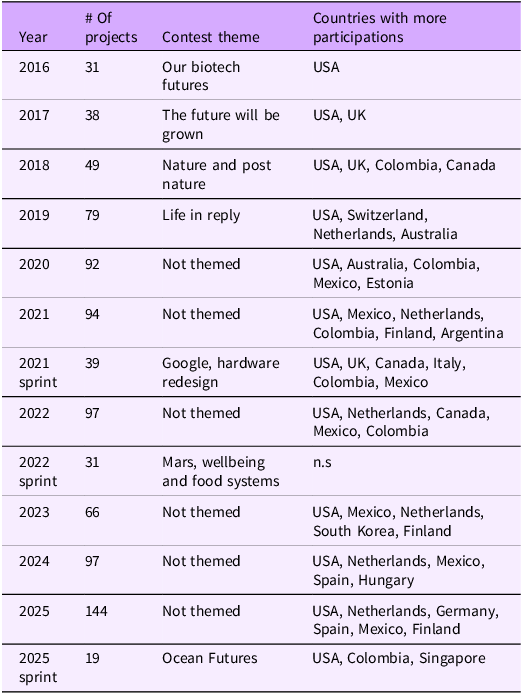
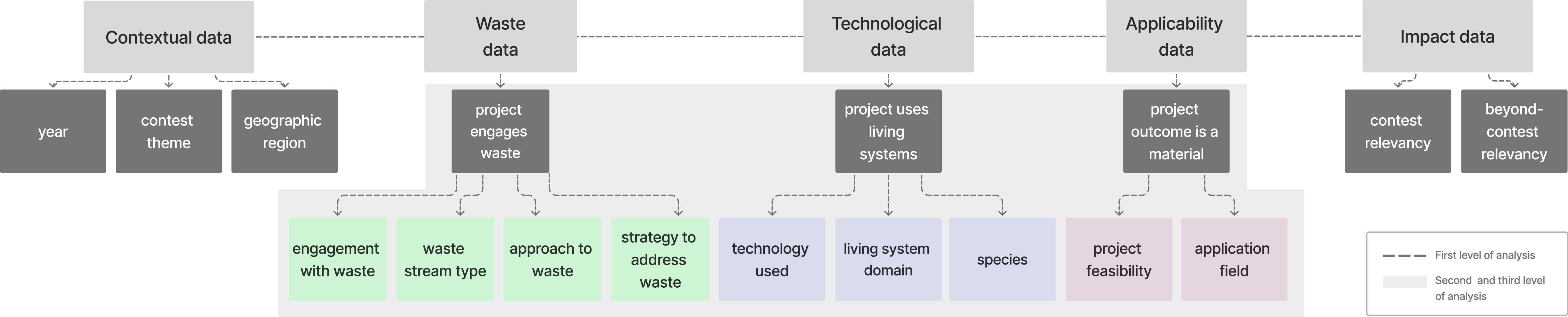
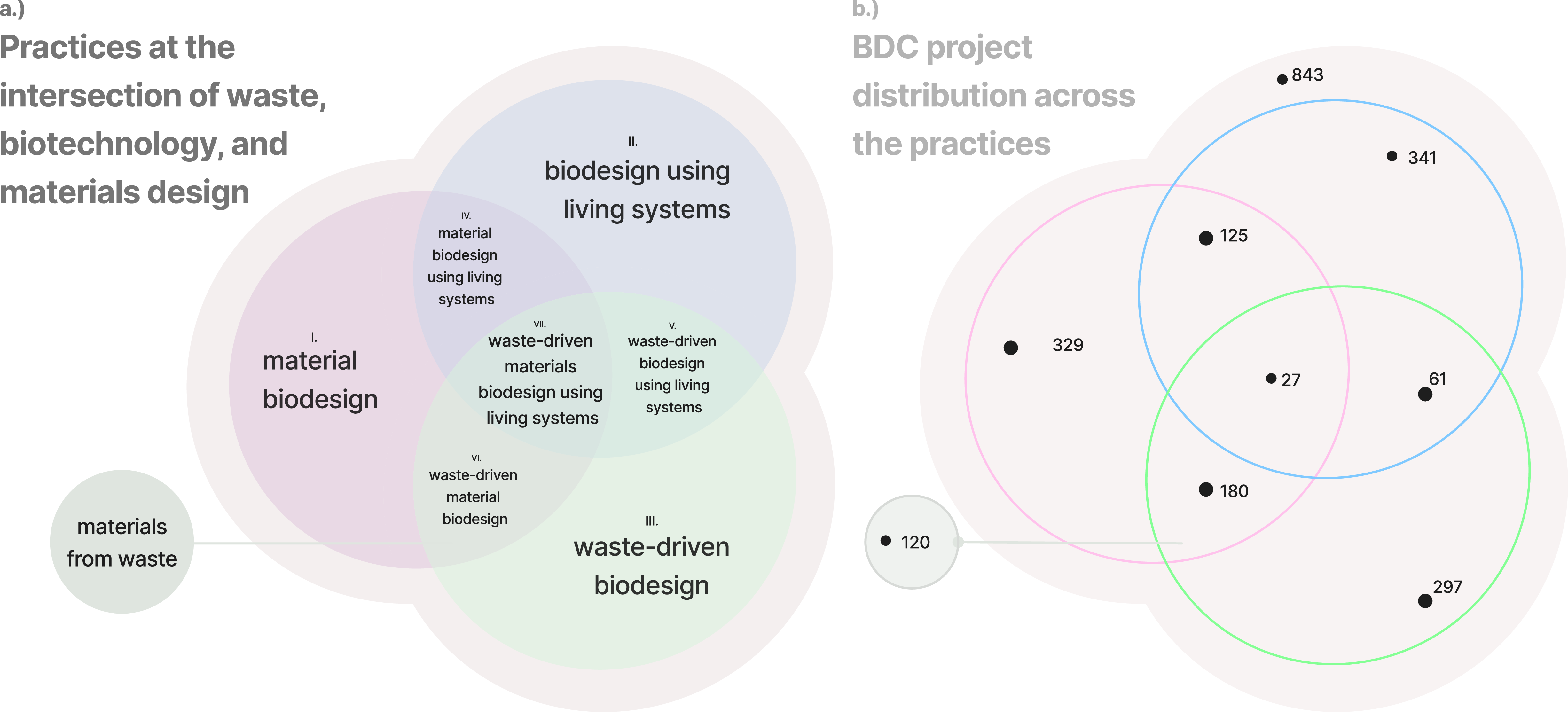
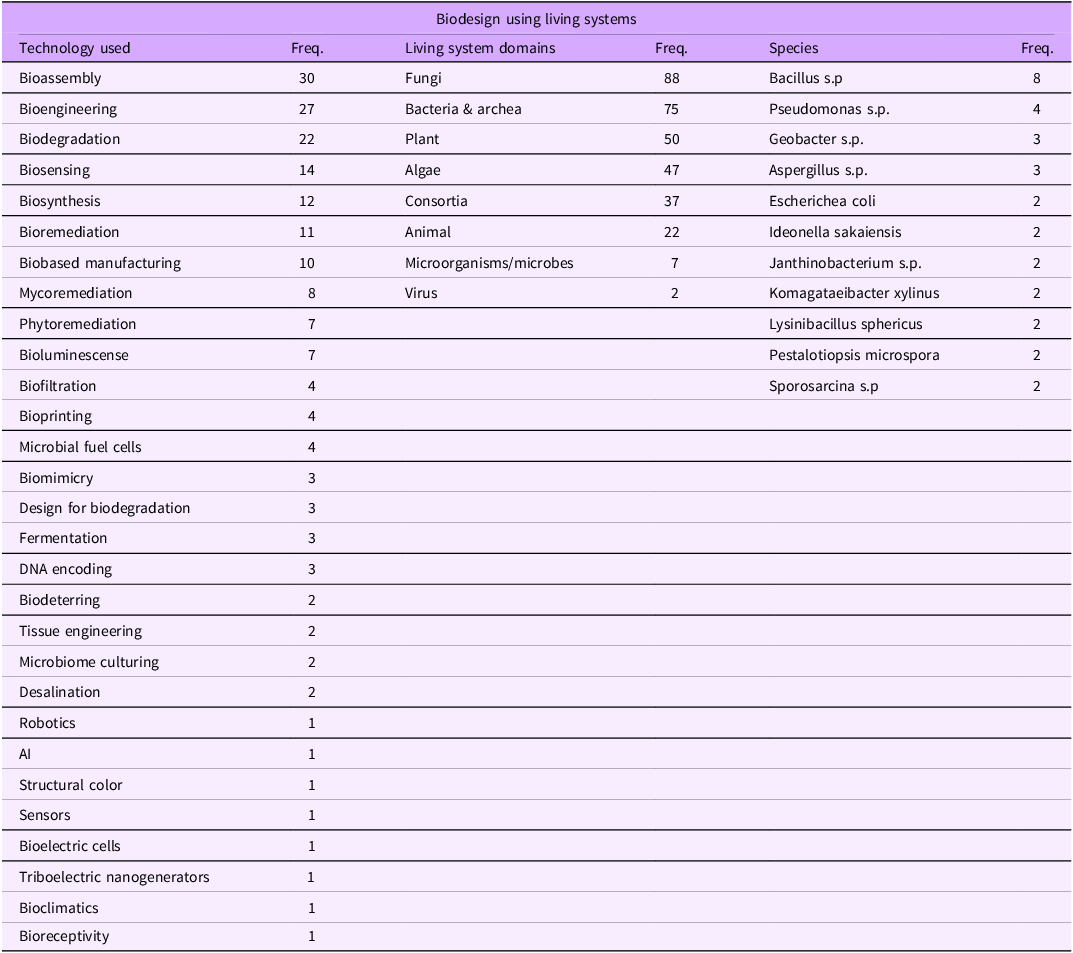
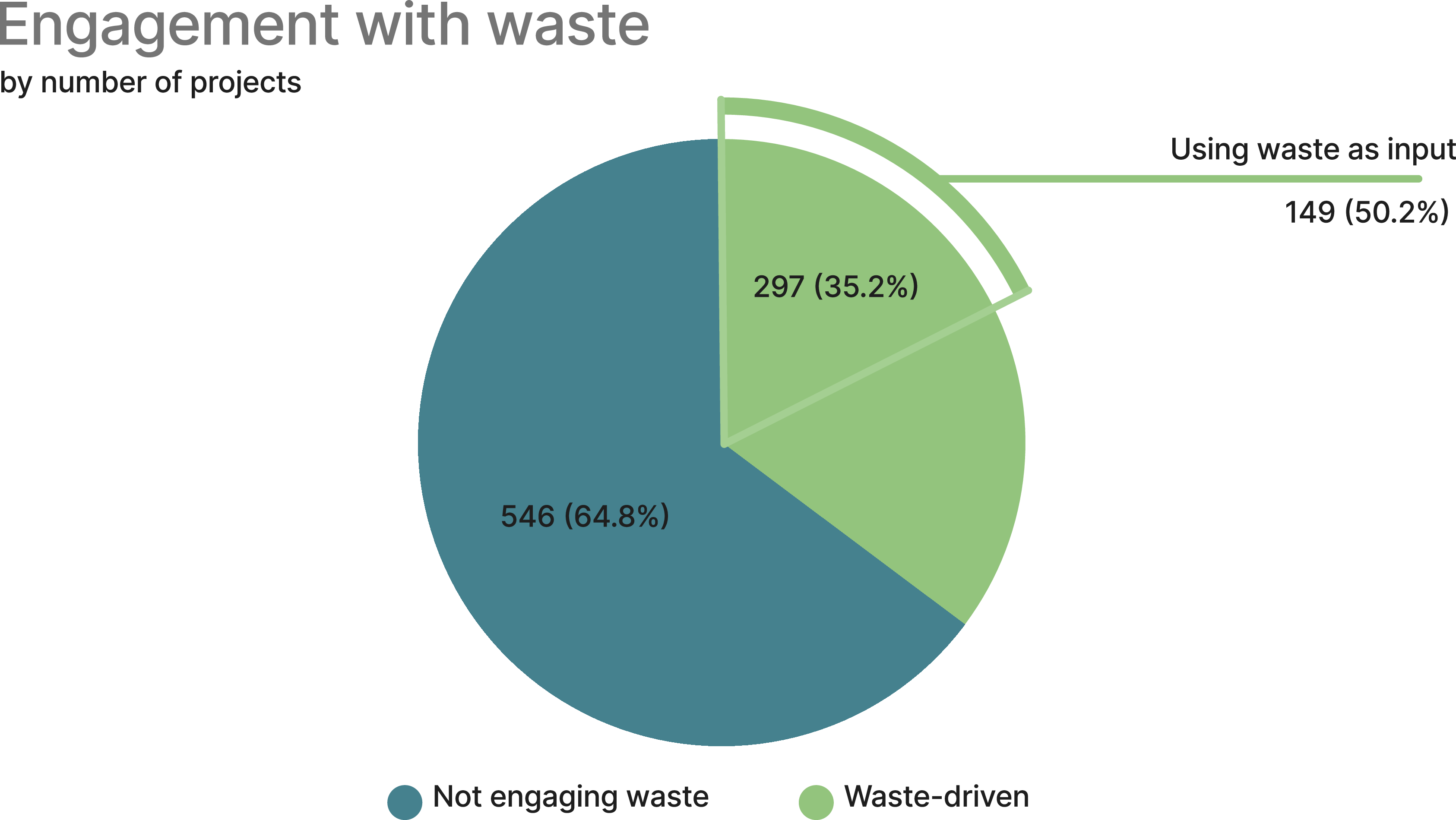
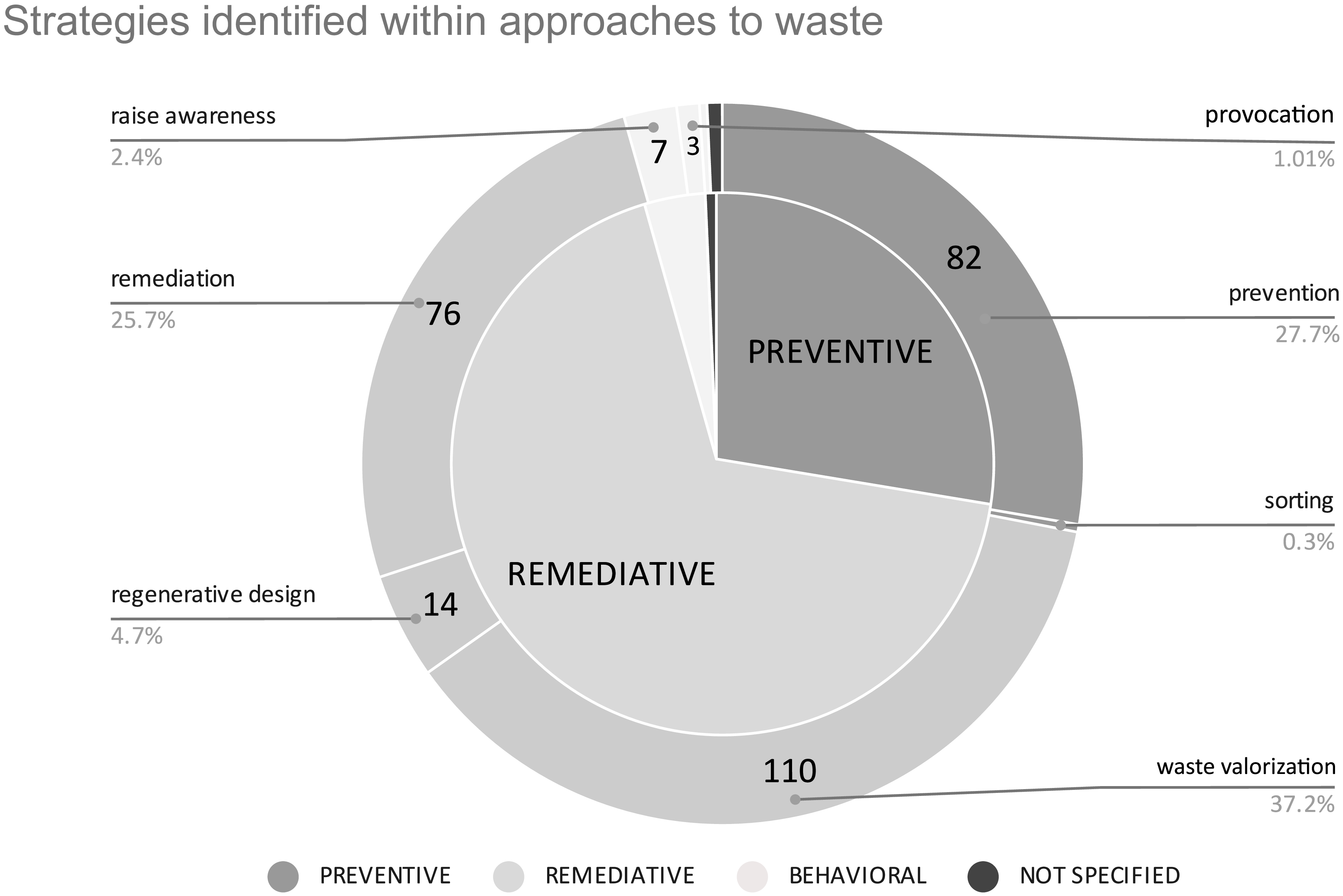
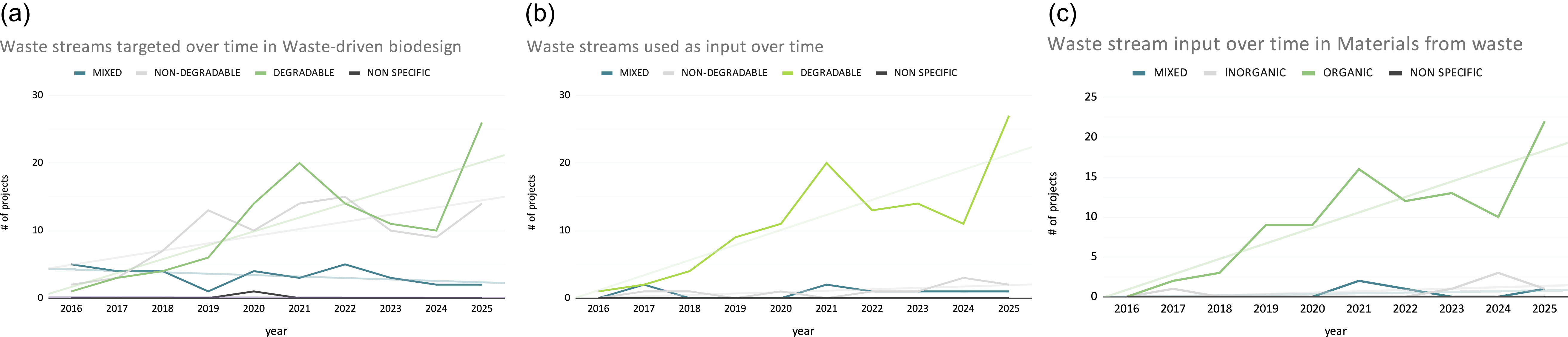
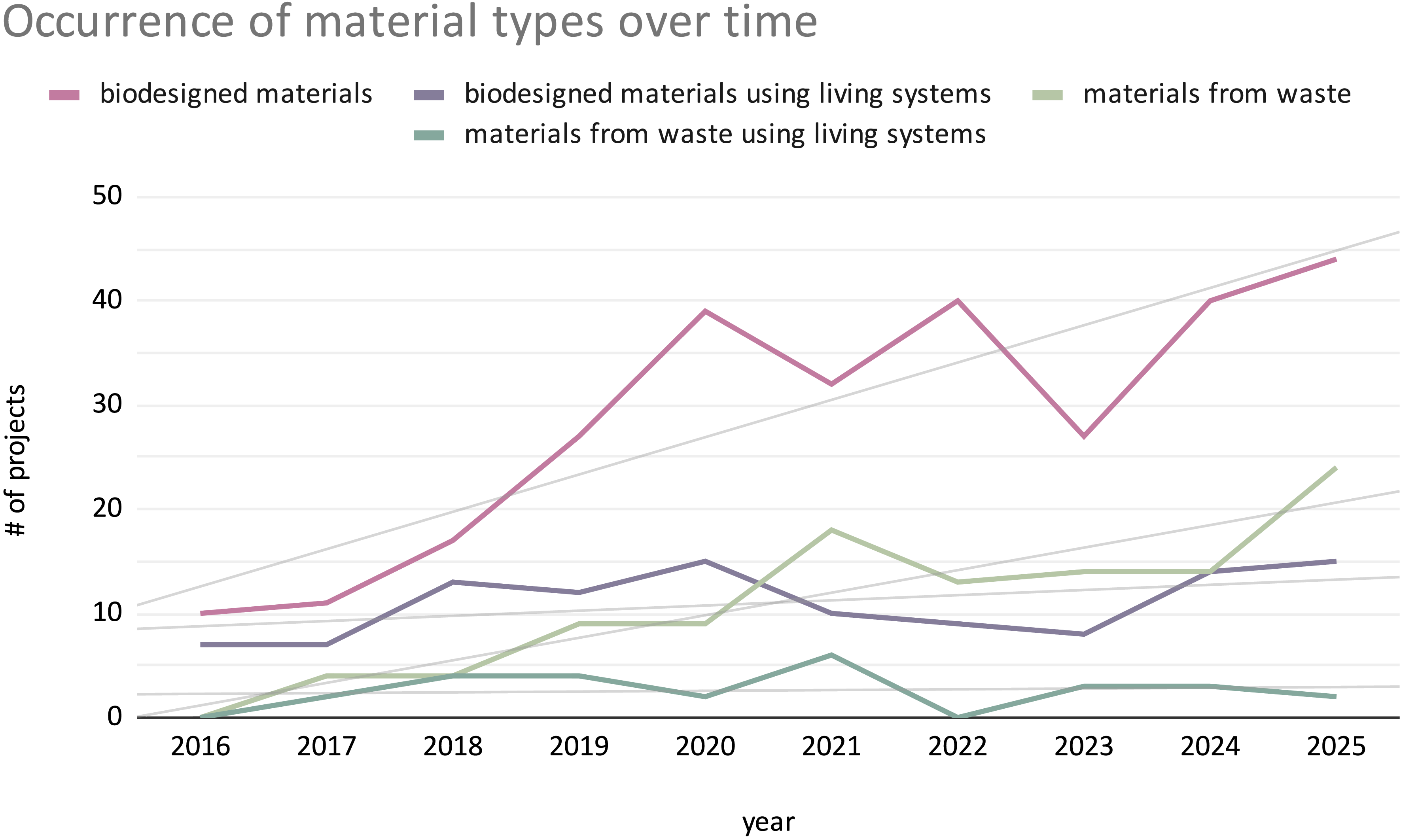
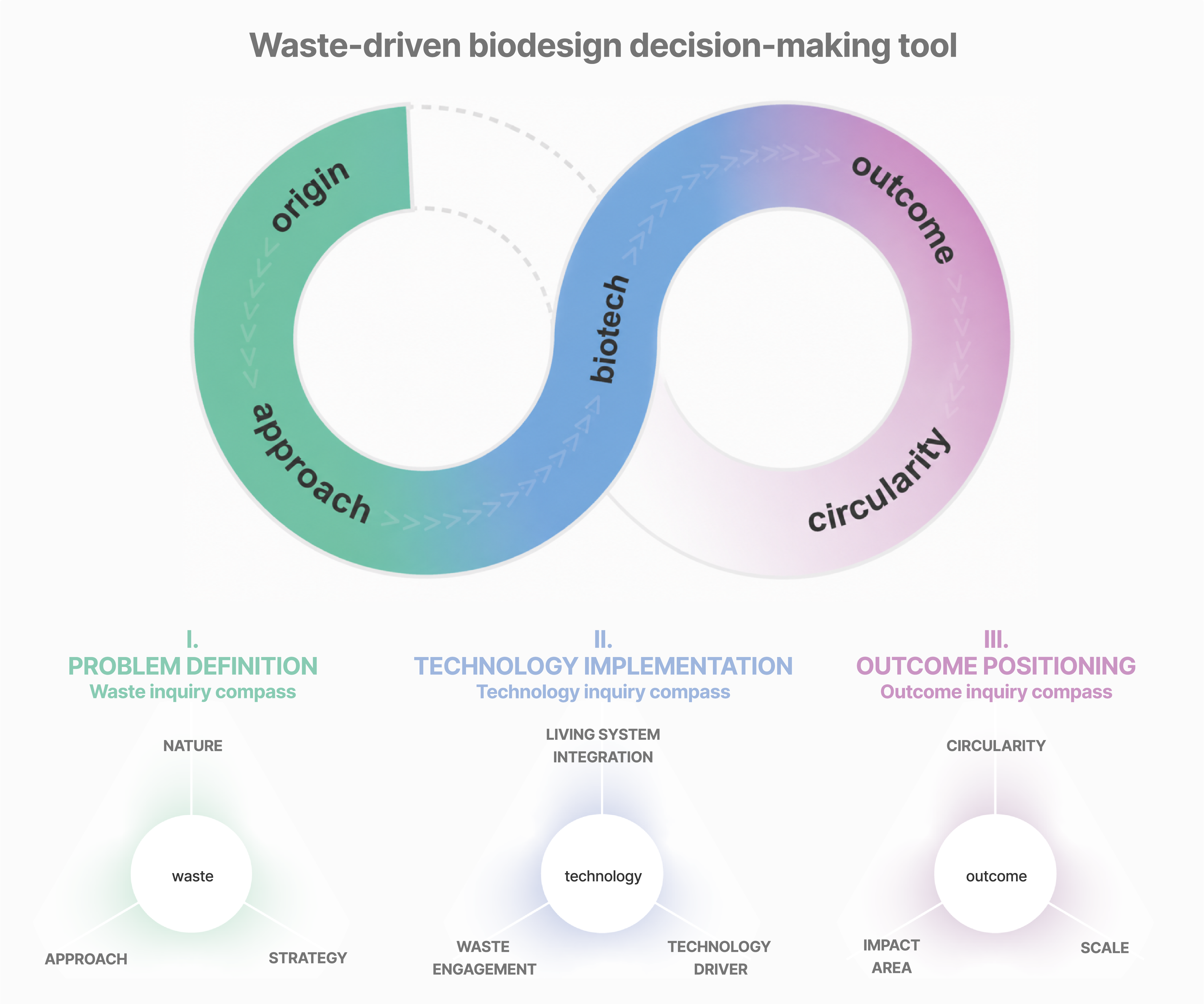
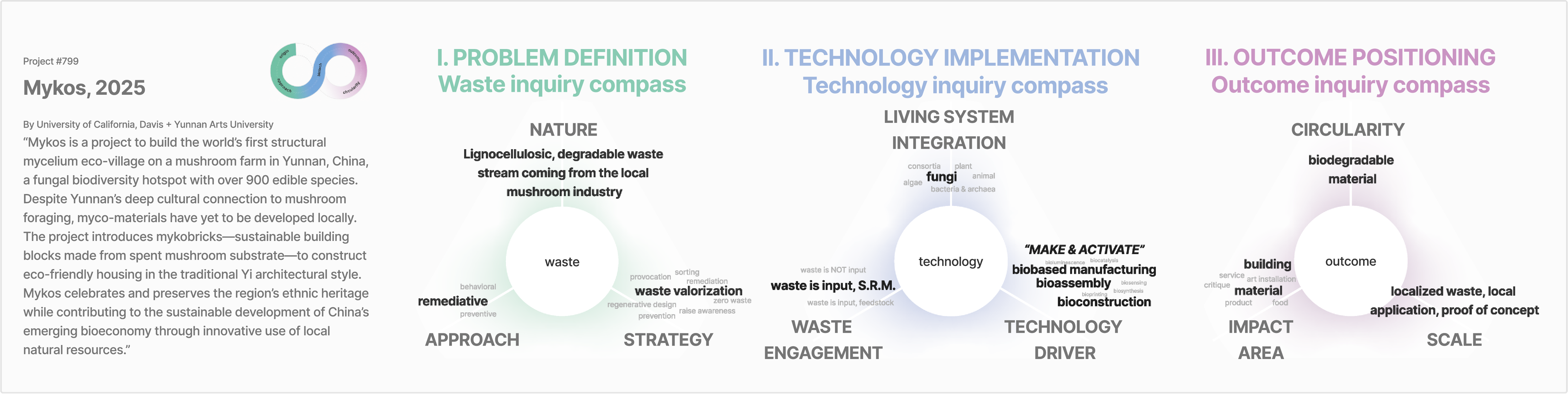
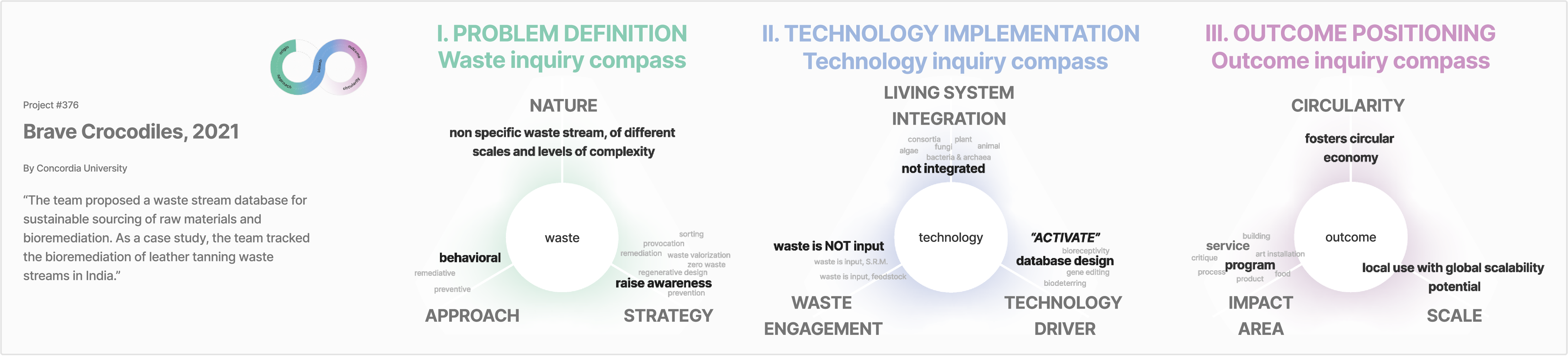
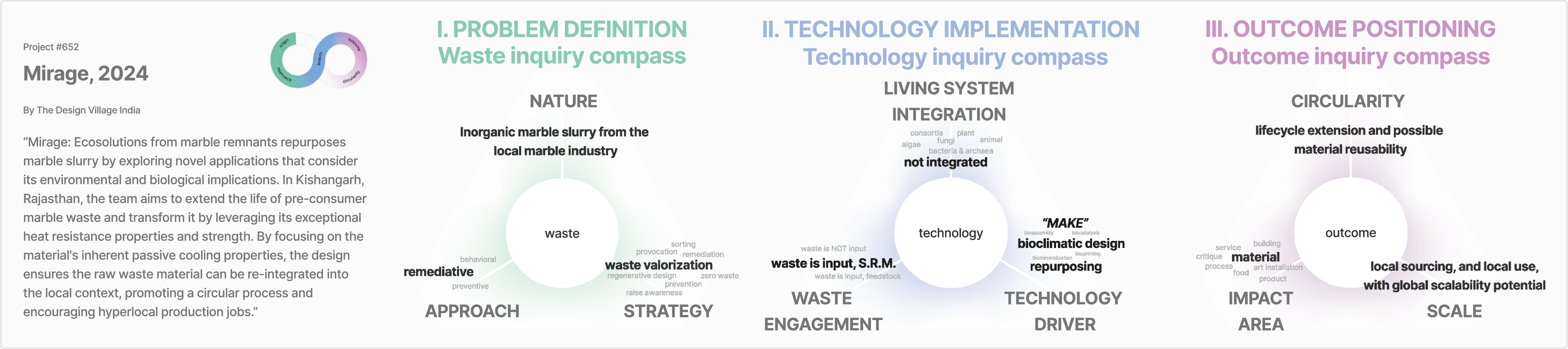
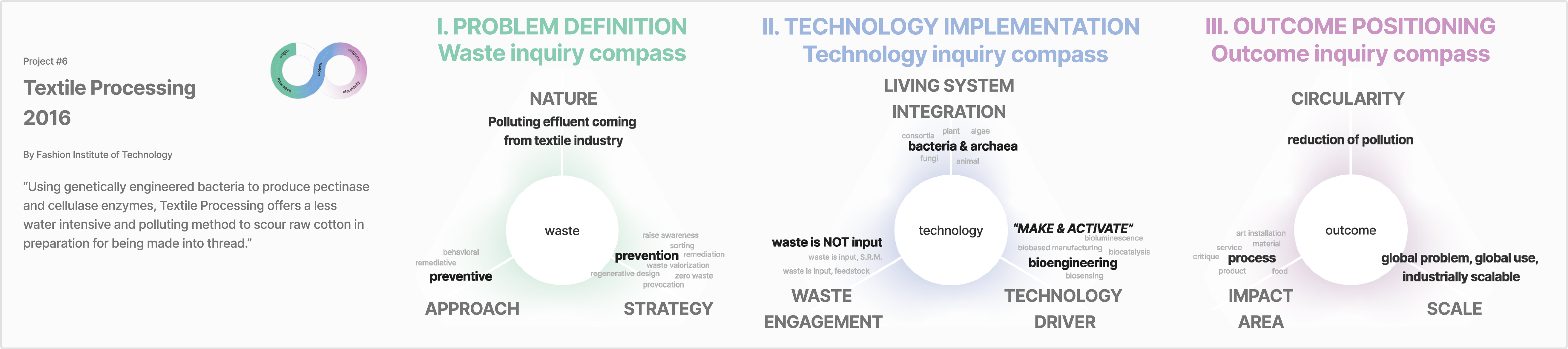

 Open access

