




No CrossRef data available.
Article contents
Acquired resistance to berenil in a cloned isolate of Trypanosoma evansi is associated with upregulation of a novel gene, TeDR40
Published online by Cambridge University Press: 25 August 2005
Abstract
Drug resistance is now a severe and increasing problem in trypanosomes, but molecular details of mechanisms of resistance are only beginning to unveil. There is urgent need to clearly elucidate the different mechanisms of drug resistance in trypanosomes in order to circumvent existing resistance problems and avoid emergence of resistance to the next generation drugs. In this study, we cloned and characterized a novel gene, TeDR40, whose expression is associated with resistance to berenil in Trypanosoma evansi. Expression analysis showed that the gene was at least 1000-fold upregulated in resistant parasites and the encoded protein appeared to have a ubiquitous cellular localization. To investigate the association of TeDR40 with berenil-resistance, we genetically modified wild-type berenil-sensitive T. evansi for inducible over-expression of the TeDR40 gene. Induction of over-expression of TeDR40 in T. evansi led to decreased (P<0·01) sensitivity to berenil. Our findings indicate a possible correlation between over-expression of a novel gene, TeDR40, and reduced sensitivity to berenil in an in vitro-cultured clonal line of T. evansi.
Information
- Type
- Research Article
- Information
- Copyright
- © 2005 Cambridge University Press
INTRODUCTION
Control of Trypanosoma evansi infections is by use of chemotherapeutic agents since vaccine development efforts are hampered by the parasites' expression of variant surface glycoproteins, while vector control is unsustainable. The commonly used drug is berenil, which is a diamidine-based drug like pentamidine (for treatment of human sleeping sickness). The other important drugs on the market are isometamidium and homidium. However, resistance (whose mechanisms are not well understood) to these drugs is now a severe and increasing problem (Anene, Onah and Nawa, 2001; Geerts et al. 2001). Despite the fact that it was in trypanosomes that the phenomenon of drug resistance was first discovered (Ehrlich, 1907), and while for many bacteria and cancer cells drug resistance is understood today in molecular detail, mechanisms of resistance in trypanosomes are only beginning to unveil.
Two possible mechanisms of resistance to trypanocides have been reported in laboratory studies of Trypanosoma brucei and include loss of drug uptake and active drug extrusion or sequestration of drug-thiol conjugates (Carter, Berger and Fairlamb, 1995; Maser and Kaminsky, 1998; Shahi, Krauth-Siegel and Clayton, 2002). Berenil has been shown to be accumulated predominantly through the purine transporter (TbAT1) in T. brucei (De Koning et al. 2004). Loss of TbAT1 gene activity in T. brucei and its analogue, TevAT1, in T. evansi have been shown to confer resistance to berenil (Matovu et al. 2003; Witola et al. 2004).
Different resistance mechanisms are not mutually exclusive and drug resistance is often multifactorial. Different resistance mechanisms can complement each other and can jointly give rise to a high level of resistance. In this regard, there is urgent need to clearly elucidate the different mechanisms of drug resistance in trypanosomes. This will be crucial in circumventing existing resistance problems and avoiding the emergence of resistance to the next generation drugs. Here, we report on the cloning and characterization of a novel gene, TeDR40, whose expression was found to be highly upregulated in berenil-resistant T. evansi. We over-expressed the gene in an isogenic clone of wild-type T. evansi and found a possible correlation between TeDR40 expression with reduced sensitivity to berenil.
MATERIALS AND METHODS
Trypanosomes and culture
The experiments were carried out on a clone of T. evansi isolated from beef cattle in Thailand. A clone of the original wild-type population was established by using soft agarose gel as previously described (Carruthers and Cross, 1992). T. evansi were grown axenically in HMI-9 medium containing 20% (v/v) horse serum as described elsewhere (Hirumi and Hirumi, 1989).
Drugs and induction of drug resistance in vitro
Berenil by Hoechst AG, Germany, was purchased commercially from Thailand. Isometamidium chloride (Samorin) by Merial, France, was obtained commercially from Zambia. Pentamidine isethionate was obtained from Sigma. Suramin by Bayer AG, Germany, and quinapyramine (antrycide) by ICI Ltd, UK, were kind gifts from Dr Zhou Jinlin of the Shanghai Institute of Domestic Animal Parasitology. Prior to use, all drugs were dissolved in sterile distilled water, filtered through a 0·22 μm filter, and used once on the day of the experiment. Diminazene aceturate was present as 44·5% of berenil and concentrations of the drug were calculated on this basis. To determine the IC50 for each drug, triplicate assays containing 2-fold dilution series of the drug were prepared in 24-well tissue-culture plates with 1×10⁵ trypanosomes/ml in a total culture volume per well of 2 ml. Controls were set by adding an equal volume of sterile distilled water to that of the drug added to the test samples. The cultures were incubated at 37 °C in 5% CO2 atmosphere and after 40 h, the extent of cell proliferation was determined by counting the trypanosomes by the haemocytometer method. The IC50 and IC100 of a drug corresponded to concentrations of the drug provoking 50% and 100%, respectively, inhibition of cell proliferation compared with the untreated cells after 40 h.
To induce resistance to berenil, the original sensitive wild-type clone was initially cultured in medium containing berenil at a concentration (1 ng/ml) lower than the IC50 until the parasites started propagating as well as those in culture without any drug. The drug concentration was then gradually increased over a period of 6 months to attain a concentration of 6·2 μg/ml.
cDNA subtraction of differentially expressed genes in berenil-resistant and sensitive T. evansi
Poly (A)+ RNA was extracted from mid-log phase culture of wild-type berenil-sensitive and berenil-resistant clones of T. evansi using the QuickPrep micro mRNA Purification Kit (Amersham Biosciences). The Clontech PCR-Select cDNA Subtraction Kit (BD Biosciences Clontech) was used to select for differentially expressed mRNAs between the wild-type berenil-sensitive and the berenil-resistant clones of T. evansi following the manufacturer's protocol. Both reverse and forward subtractions were performed in which the cDNA samples from wild-type and berenil-resistant parasites were interchangeably used as tester and driver (i.e., tester as driver, driver as tester). The differentially expressed cDNA fragments were electrophoresed on 1·5% agarose, phenol extracted and cloned in pGEMT-Easy vector (Promega). The vector inserts were sequenced by the dye terminator method on an automated CEQ2000 DNA Analysis System (Beckman Coulter). DNA sequence analysis was done using the GENETYX-MAC ver.10.1 program.
3′-Rapid amplification of cDNA end (RACE)
Based on the obtained sequence from the differentially expressed cDNA fragments, the 3′-RACE gene specific primers for primary and nested PCR were designed. The 3′-RACE was performed on Poly (A)+ RNA (from berenil-resistant trypanosomes) using the BD SMART™ RACE cDNA Amplification Kit (BD Biosciences). The PCR product was cloned in pGEMT-Easy vector and sequenced on both strands.
PCR amplification and cloning of the full-length cDNA for the TeDR40 gene
To amplify the full-length cDNA, the reverse primer, 5′-TCACTGCGGGTGAGTCGGTCATG-3′, from the 3′-end terminal of the sequence obtained from the 3′-RACE, and the forward primer, 5′-TATTATTAGAACAGTTT CTGTACTATATTG-3′, from the Universal Splice Leader sequence were used. Poly (A)+ RNA obtained from the berenil-resistant T. evansi was reverse-transcribed and the product used as template for PCR amplification of the full-length cDNA of the TeDR40 gene. The PCR products were electrophoresed on a 1·5% agarose gel, phenol extracted, cloned in pGEMT-Easy vector and sequenced on both strands.
Southern blot analysis of TeDR40 gene copy number
Wild-type and berenil-resistant T. evansi total genomic DNA (2·5 μg) was digested with restriction enzymes XhoI, SpeI and BamHI, fractionated on 1% agarose gel, and blotted onto a Hybond N membrane (Amersham) by the capillary transfer method (Sambrook, Fritsch and Maniatis, 1989). The DNA probe (full ORF of the TeDR40 gene) was labelled using the AlkPhos Direct labelling kit (Amersham Pharmacia Biotech) and hybridization performed following the manufacturer's instructions. Chemiluminescent signal generation and detection was conducted using the CDP-Star detection reagent (Amersham Life Science), and the blot exposed to a Kodak film.
Northern blotting analysis of TeDR40 gene expression
Total RNA was extracted by the TRIZOL reagent (Invitrogen) and 10 μg fractionated on 2·2 M formaldehyde 1·2% agarose gel and transferred to a Hybond-N nylon membrane (Amersham Life Science, UK). The full ORF DNA fragment of the TeDR40 was radio-isotope labelled with [α−32P]-dCTP using the Multi-prime DNA Labeling Systems Kit (Amersham International plc, UK) and used as probe. The blotted membrane was hybridized using the ultra-sensitive hybridization buffer (Ambion, USA) overnight at 42 °C and washed in 1×SSC, 0·1% SDS for 15 min and later in 0·1×SSC, 0·1% SDS for 15 min at 42 °C. The membrane was exposed to a Kodak autoradiography film for 3 days and developed. The blot was later stripped in 500 ml of 50% (v/v) formamide, 0·1×SSC solution at 68 °C for 1·5 h and probed for actin gene mRNA using a 921 bp DNA fragment (701–1620 bp) of actin gene coding region (Accession no. M20310).
Real-time PCR analysis of TeDR40 mRNA levels
Total RNA extracted by the TRIZOL reagent was treated with DNaseI (Invitrogen) to remove any contaminating genomic DNA and 3 μg reverse transcribed. Equal amounts of the cDNA were used to determine the concentration of TeDR40 and actin gene mRNA by real-time PCR. Serial dilutions of recombinant pGEMT-Easy plasmids carrying TeDR40 full-length cDNA and a 921 bp fragment of the actin gene coding region, respectively, were prepared in the range 1·500–0·187 ng/μl and used as quantification standards.
A 3′-end 281 bp and a 230 bp fragment from the coding regions of TeDR40 and actin gene, respectively, were amplified. Thermal cycling was performed using a Light-Cycler™ (Roche Diagnostics, Mannheim, Germany) with the fast start SYBR Green I reaction Kit according to the manufacturer's protocol. Briefly, 1 μg of cDNA sample was added to a reaction mixture (1·6 μl of MgCl2, 3 mM; 2 μl of Fast Start Master SYBR; 0·5 μl of primer mix, 2·5 pmol each primer; and real-time PCR water to make up the total volume to 20 μl). The cycling conditions were an initial denaturation for 10 min at 95 °C, followed by 40 cycles of 95 °C for 10 sec, 65 °C for 5 sec, 72 °C for 10 sec and a final cooling to 40 °C. mRNA levels were worked out based on the standard curve established using the Light-Cycler Software. The relative concentration of mRNA was worked out by dividing the TeDR40 mRNA value by that of the actin mRNA from the same sample to correct for loading.
In vitro expression of recombinant TeDR40
The full ORF of the TeDR40 gene was PCR generated from genomic DNA of berenil-resistant T. evansi using forward primer, 5′-CCATGGCTCGAACGCACCACCGCCTAC-3′, (with the added NcoI site underlined and the start codon in bold and underlined, while the ‘CT’ in bold was introduced for in-frame cloning at the NcoI site of the pET-32a (+) vector) and reverse primer, 5′-GGATCCTCACTGCGGGT GAGTCGGTCATG-3′ (with added BamHI site underlined). The fragment was cloned in pGEMT vector and excised with NcoI/BamHI and sub-cloned at the NcoI/BamHI site of the pET-32a (+) expression vector (Novagen). The resulting recombinant plasmid was transformed and amplified in E. coli DH5α (Promega), extracted by the Qiagen Plasmid Mini Kit and transformed into AD494 (DE3) pLysS protein expression E. coli. For induction of recombinant TeDR40 (rTeDR40) expression, IPTG to a final concentration of 1 mM was added, and expression done for 3 h at 37 °C. The control protein, a 20 kDa histidine-tagged thioredoxin (Trx), was expressed in E. coli containing the pET32a (+). Recombinant polypeptides were purified by Ni affinity chromatography according to the manufacturer's (Novagen) instructions.
Generation of polyclonal antibodies
Eight male BALB/c mice aged 6 weeks were used for immunization. Of the 8 mice, 4 were immunized with the control protein Trx and the other 4 with the rTeDR40. The proteins were homogenized with equal volumes of complete Freund's adjuvant (DIFCO, USA) for the initial injection, and incomplete Freund's adjuvant for the booster injections given twice at 2-week intervals. At each inoculation, each mouse received a total of 100 μg protein. Immune reactivity was initially assessed on immunoblots of the Trx and rTeDR40 ten days after the second booster injection, using pooled sera of blood collected from the tail vein. Sera were eventually extracted from blood collected by cardiac puncture.
SDS-PAGE, Western blotting and immunofluorescence
Sodium dodecyl sulfate-polyacrylamide gel electrophoresis (SDS-PAGE) under reducing conditions was performed as described elsewhere (Laemmli, 1970). For Western blotting, whole cell lysates of trypanosomes were electrophoresed and transferred to Immobilon Transfer membranes (Millipore) and blocked with 3% skim milk in PBS with 0·05% Tween 20. The membranes were incubated in primary antibody and positive signals were detected with peroxidase-conjugated goat anti-mouse IgG. The antibodies were used at 1[ratio ]200 dilution and 1[ratio ]1000 dilution for the primary and secondary antibody, respectively.
For immunolocalization of the TeDR40 protein in T. evansi, 1×10⁶ cells were washed in PBS, air-dried on to poly-L-lysine-coated glass slides and fixed with methanol. The slides were immersed in acetone at −20 °C for 20 min and air-dried. Samples were incubated with the primary polyclonal antibody diluted (1[ratio ]100) in 1% (w/v) skim milk in PBS at 37 °C in a humidified incubator for 1 h. After 3 washes with PBS, glass slides were re-incubated with FITC-conjugated goat anti-mouse IgG, at 1[ratio ]250 dilution in 1% skim milk in PBS and later washed 3 times with PBS. Excess buffer was removed and 90% glycerol solution in PBS was applied as mounting solution and cover-slips added and the slides observed under a digitalized fluorescence microscope (Olympus).
Plasmid constructs and generation of transgenic cell lines
Plasmids used to establish transgenic cell lines for induced over-expression of the TeDR40 gene, pLEW-13, pLEW-29 and pLEW-82, were generated in the laboratory of Dr G. A. M. Cross (Rockefeller University, NY, USA) (Wirtz et al. 1999) and were a kind gift from the same laboratory. Berenil-sensitive wild-type T. evansi, clone TeBS1, was used and establishment of the cell line bearing pLEW13 and pLEW-29 (TeBS1-29-13) was done as previously described (Wirtz et al. 1999; Witola et al. 2004). To establish a cell line for stable, tightly regulated inducible expression of the TeDR40 gene, the full ORF of the gene was PCR-generated with forward and reverse primers bearing added HindIII and BamHI sites, respectively, for cloning at the HindIII/BamHI site of the pLEW-82 plasmid. The PCR fragment was first cloned in pGEMT vector, then excised by dual HindIII/BamHI digestion, and subcloned in the pLEW-82 plasmid at the HindIII/BamHI site. The recombinant plasmid was linearized with NotI and electroporated into the TeBS1-29-13 cell line. Selection was done with G418, hygromycin and phleomycin at concentrations of 2·5 μg/ml, 5 μg/ml and 2·5 μg/ml, respectively. Stable transformants were established after 2 weeks of continuous culture under triple drug selection, and the cell line designated TeBS1-82-29-13 and clones of the TeBS1-82-29-13 cell line established by limiting dilution.
Over-expression of TeDR40 and trypanocides assays
Transgenic clone TeBS1-82-29-13 parasites were grown in HMI-9 medium with triple drug selection to mid-log phase. The cells were then passaged into fresh HMI-9 medium (5 ml) without triple drug selection, to a final cell density of 1×10⁴/ml. The wild-type clone TeBS1 was also cultured in fresh 5 ml medium to a final concentration of 1×10⁴/ml. Triplicate samples were set. For induction of over-expression of TeDR40 gene, one set of transgenic parasites was cultured in medium containing 10 μg/ml tetracycline. The cultures were incubated at 37 °C with 5% CO2 atmosphere for 16 h, after which cell density was re-established by haemocytometer, adjusted to 5×10⁴/ml with fresh medium and a trypanocide added at a pre-determined concentration and incubated further. Cell counts were performed at time-intervals using the haemocytometer method, by counting the number of live (longiform and motile) parasites, with a light microscope.
Cloning and sequence analysis of the adenosine transporter-1 (TevAT1) gene
The full ORF of the TevAT1 gene was cloned and sequenced for analysis from the TeBS1 and TeBR1 clones of T. evansi as described elsewhere (Witola et al. 2004).
Statistical analysis
C-Stat for Windows version 1.0 (Student's t-test) software was used to determine the statistical significance (P<0·01) of the results.
RESULTS
Drug sensitivity tests and induction of in vitro drug resistance
To ascertain the level of sensitivity of the wild-type T. evansi clone (herein designated TeBS1) to trypanocides, drug sensitivity assays were conducted in vitro and the established mean IC50 values for the drugs tested were 3·6 ng/ml for berenil; 2·8 ng/ml for pentamidine; 5·1 ng/ml for isometamidium; 89·2 ng/ml for suramin and 9·3 ng/ml for antrycide. The TeBS1 clone was induced to acquire resistance to berenil up to an IC50 of 6·2 μg/ml which was 1722-fold higher than the IC50 of the wild-type berenil sensitive clone TeBS1. The berenil-resistant clone is herein designated TeBR1 and had become cross-resistant to pentamidine with an IC50 of 62·5 ng/ml (22-fold higher than the wild-type IC50). However, the clone was still highly sensitive to isometamidium chloride, suramin and antrycide. The berenil sensitivity profiles of the T. evansi clones used in this study are shown in Table 2.
Cloning and sequence analysis of the up-regulated cDNA from berenil-resistant T. evansi
To identify genes that are differentially expressed in berenil-resistant compared to the berenil-sensitive T. evansi, subtracted berenil-resistant and sensitive cDNA libraries were generated. The berenil-resistant parasites were found to have upregulated mRNA as could be observed from the nested PCR products of forward subtraction (in which the cDNA from berenil-resistant parasites was used as the tester sample) resolved on agarose gel (data not shown). Reverse subtraction did not yield any differentially expressed cDNAs. Several bands ranging in size from 0·25 to 1 kb were obtained from the forward subtraction, but upon cloning and sequencing, most of them were found to be of the same, but truncated sequence. The longest sequence was used for further analysis and amplification of the 3′-end of the cDNA. From the 3′-end sequence, the reverse primer was designed and when used in combination with the universal splice leader sequence primer, a full-length cDNA, 1069 bp long (with an ORF of 873 bp), was PCR generated from total cDNA of berenil-resistant parasites (Fig. 1) and is herein designated TeDR40. The ORF codes for a protein of 291 amino acids with a predicted molecular size of 30·4 kDa. By using PSORT (prediction of protein localization site), the deduced polypeptide appears to have a possible 19 amino acid N-terminal signal peptide and to be an extracellular protein (cell surface protein), but did not show C-terminal signal peptide. Moreover, both ‘big-PI Predictor’ and DGPI protein analysis programs indicated that the TeDR40 protein is not GPI-anchored.

Fig. 1. Nucleotide sequence of the cloned cDNA for the Trypanosoma evansi TeDR40 gene and its deduced amino acid sequence. The predicted N-terminal signal sequence is underlined while the start codon is in bold and the stop codon is indicated by an asterisk. The GenBank/EMBL/DDBJ Accession number for the TeDR40 nucleotide sequence is AB194956.
There was no significant homology to any reported nucleotide sequences in the databases. However, at amino acid sequence level the TeDR40 showed low similarity to sequences of the variant surface glycoproteins of T. evansi (Accession no. AAK49475; 24% amino acid similarity [AAS] and Accession no. AAS66653; 22% AAS) and to several variant surface glycoprotein sequences of T. brucei with AAS ranging from 22 to 25%. In the case of unrelated organisms, the amino acid sequence had 24% similarity to the multi-drug resistance efflux pump of Burkholderia cepacia strain R18194 (Accession no. ZP-00212788). On Southern blot analysis of the cloned gene, typically, equal numbers of bands were detectable per restriction enzyme used in both the berenil-resistant and sensitive clones, implying that the gene is of equal copy number in both clones (Fig. 2).

Fig. 2. Southern blot analysis of the TeDR40 gene in wild-type berenil-sensitive (lanes 1, 3 and 5) and berenil-resistant Trypanosoma evansi (lanes 2, 4 and 6). Digestion was performed on 2·5 μg genomic DNA per lane with XhoI (lane 1–2), SpeI (lanes 3 and 4) and BamHI (lanes 5 and 6).
mRNA expression analysis of the TeDR40 gene
To validate the differential expression of the cloned gene, total RNA extracted from the wild-type berenil-sensitive, transgenic uninduced, transgenic tetracycline-induced and the berenil-resistant clones of T. evansi were subjected to quantitative expression analysis by real-time PCR and Northern blot hybridization. Real-time PCR analysis showed that the gene was at least 1000-fold up-regulated in the berenil-resistant compared to the berenil-sensitive parasites (Table 1). Consistent with the real-time PCR results, Northern blot analysis showed a very prominent signal at about 1 kb in the berenil-resistant parasites' samples, but there was hardly any detectable signal in the wild-type T. evansi sample lane (Fig. 3). The tetracycline-induced transgenic cells also showed a signal (but of lower intensity than that of the berenil-resistant clone), while the un-induced transgenic clone hardly showed any signal (Fig. 3). By real-time PCR analysis, the transgenic clone induced for over-expression of TeDR40 gene showed 20-fold upregulation of mRNA expression compared to the uninduced transgenic cells (Table 1).
Table 1. Real-time PCR analysis of TeDR40 mRNA levels (mRNA levels are shown as means of triplicate samples with standard deviations in parentheses.)


Fig. 3. Northern blot analysis of the expression of TeDR40 mRNA in wild-type berenil-sensitive Trypanosoma evansi (lane Wt), Uninduced transgenic clone (lane Tet−), tetracycline-induced transgenic clone (lane Tet+) and the berenil-resistant clone (lane Br). The blot was probed with the full length ORF DNA of TeDR40 gene (A) and then stripped and probed with a 921 bp DNA probe for the actin gene (B) to check for loading.
Expression analysis of the recombinant and native TeDR40 protein
In vitro expression of recombinant TeDR40 (rTeDR40) using the pET-32a (+) expression vector and E. coli AD494 (DE3) pLysS produced a protein of about 51 kDa. This was consistent with the expected molecular mass (30·4 kDa) considering that the expression vector produced a recombinant protein fused with Trx of 20 kDa. The column-purified rTeDR40 was used to produce polyclonal antibodies for probing the expression of endogenous TeDR40 protein in T. evansi by Western blotting and immunofluorescence assays. Western blot analysis of whole cell lysates of berenil-resistant and berenil-sensitive parasites depicted an endogenous protein of about 40 kDa detectable only in the berenil resistant parasites (Fig. 4A and B). Transgenic clone over-expressing TeDR40 was also shown to express a 40 kDa protein but the expression level was lower compared to the berenil-resistant T. evansi (Fig. 4 C). This was consistent with the discrepancy observed in the mRNA levels. The endogenously expressed TeDR40, as analysed by immunofluorescence, appeared to have a ubiquitous cellular localization in the berenil-resistant parasites but could not be detected in the wild-type berenil-sensitive parasites (Fig. 5). Transgenic parasites over-expressing TeDR40 also showed ubiquitous localization of the protein but the fluorescence intensity was much weaker when compared to the drug-resistant parasites (Fig. 5), consistent with the Western blot signal difference.

Fig. 4. Western blot analysis of the expression of TeDR40 protein in Trypanosoma evansi. (A) Equal cell counts of berenil-resistant (lane Br) and berenil-sensitive (lane Wt) whole cell lysates were probed with mouse polyclonal antibody against rTeDR40 protein as primary antibody and the specific recognized protein is indicated by the arrow at about 40 kDa. (B) A similar blot was probed with mouse polyclonal antibody against the Trx-fusion protein as control. No 40 kDa band was detectable in either lane Br or Wt. (C) Equal cell count whole cell lysates of genetically modified (clone TeBS1-82-29-13) uninduced (lane Tet−), induced (lane Tet+) and berenil-resistant T. evansi (lane Br), were probed with polyclonal antibody against rTeDR40 protein. The specific recognized 40 kDa protein band is indicated by the arrow. In all panels the non-specific band at 58·6 kDa served as a check for loading.

Fig. 5. Immunofluorescence localization of the TeDR40 protein in Trypanosoma evansi. Upper and lower panels of column 1 show the fluorescence image and merged images, respectively, of berenil-resistant T. evansi probed with the anti-TeDR40 polyclonal antibody. Upper and lower panels of column 2 show the fluorescence and merged images, respectively, of genetically modified (clone TeBS1-82-29-13) T. evansi, 16 h post-induction of over-expression of TeDR40, probed with anti-TeDR40. Upper panel of column 3 show the merged image of berenil-sensitive wild-type T. evansi probed with the anti-rTeDR40 polyclonal antibody. Lower panel of column 3 show the berenil-resistant T. evansi probed with the polyclonal antibody against control Trx-fusion protein.
Over-expression of TeDR40 and trypanocide assays
Over-expression of TeDR40 upon induction of transgenic cells with 10 μg/ml tetracycline was confirmed by real-time PCR, Northern and Western blotting as described above. To determine the effect of over-expression of TeDR40 on the parasites' sensitivity to berenil, transgenic cells (berenil-sensitive) were induced to over-express the gene for 16 h in order for significant amounts of the protein to be expressed before addition of the trypanocide. Upon addition of berenil at 10 ng/ml (2·8-fold higher than the IC50), a significant (P<0·05) difference in cell counts between the induced and the uninduced transgenic trypanosomes, was first evident after 24 h (Fig. 6). The induced transgenic parasites' cultures had about 1·5-fold more live cells than the uninduced transgenic cells and the wild-type cells. Cell counts done at 36 h and onwards post-addition of berenil, depicted even more significant (P<0·01) difference between the induced and uninduced cells as well as the wild-type cells (Fig. 6). At 36, 60 and 80 h post-addition of berenil, induced transgenic parasite cultures had about 2-fold, 5·3-fold and 3·2-fold, respectively, more cells than the uninduced cells (Fig. 6). However, wild-type, induced and uninduced transgenic cells cultured without trypanocide were found to propagate at the same rate throughout (data not shown). The mean berenil IC50s and IC100s of the tetracycline induced and uninduced transgenic cells are shown in Table 2. There was no significant difference in sensitivity to pentamidine isethionate between the cells induced to over-express the TeDR40 protein, the uninduced and the wild-type cells. However, the clone of T. evansi that was resistant to berenil (IC50=6·2 μg/ml) was found to be cross-resistant to pentamidine isethionate with an IC50 which was 25-fold higher than that of the wild-type (IC50=2·5 ng/ml).

Fig. 6. Analysis of the sensitivity of wild-type and transgenic Trypanosoma evansi to berenil. Wild-type T. evansi (grey-shaded columns), uninduced transgenic cells (unshaded columns) and induced (to over-express TeDR40) transgenic cells (black columns) were incubated in the presence of 10 ng/ml berenil. Mean cell counts for 6 independent experiments were plotted (with S.D. error bars) against time after addition of berenil. Statistical significance levels of the difference between the induced and uninduced cells are shown as single (P<0·05) or double (P<0·01) asterisks.

Sequence analysis of the TevAT1 genes
The full ORF of the TevAT1 gene cloned from the berenil-sensitive, when compared to that of the berenil-resistant T. evansi, showed 98% and 73% homology at nucleotide and amino acid levels, respectively. Some mutations observed led to amino acid substitutions while nucleotide deletions and additions that were observed led to frame-shifts in the ORF that resulted in changes in the subsequent codons (Fig. 7). The amino acid sequence of the berenil-resistant parasites differed significantly from that of the wild-type berenil-sensitive parasites. Nevertheless, both sequences were observed to be different from that of the TbAT1 gene sequence (Accession no. AF152369) of T. brucei, and therefore, the mutations that have been reported to lead to diamidine resistance in TbAT1 are likely to be different from those observed in TevAT1.

Fig. 7. The deduced amino acid sequence comparison of the Trypanosoma brucei adenosine transporter 1 gene (GenBank Accession no. AF152369) and the T. evansi adenosine transporter 1 genes of the clones for T. evansi used in the present study. Tbr is the sequence for T. brucei; TeBS1 and TeBR1 are the sequences for the berenil-sensitive and berenil-resistant T. evansi clones, respectively.
DISCUSSION
The wild-type clone of T. evansi (TeBS1) used to generate transgenic parasites for over-expression of TeDR40 as well as for in vitro induction of berenil-resistance, was highly sensitive to all the trypanocides used in this study, as could be deduced from the IC50 values obtained. Nevertheless, berenil-resistant field isolates of T. evansi have been documented and attributed to widespread use of the drug (Zhang, Giroud and Baltz, 1993; Ross and Barns, 1996). Most recent reports on mechanisms associated with resistance to trypanocides have revealed that genetic mechanisms leading to either loss of gene function through mutations (Matovu et al. 2001) or specific gene expression up-regulation leading to active drug extrusion (Shahi et al. 2002) might play significant roles. One approach to understanding the molecular mechanisms of trypanosomal drug resistance would, therefore, be by cloning and functional characterization of genes that are differentially expressed between the drug-resistant and the sensitive clones.
We have cloned a gene that was found to be highly upregulated in berenil-resistant T. evansi by using the cDNA subtraction technique. Subtractive hybridization is a powerful technique that enables the comparison of two populations of mRNA and obtaining of clones of mRNA that are in one population and not in the other (Gurskaya et al. 1996; Diatchenko, Chenchik and Siebert, 1998). Since the berenil-resistant clone was originally from the wild-type berenil-sensitive clone, and the two clones were continuously propagated under the same in vitro culture conditions, the stimulant for the upregulation of the TeDR40 gene could largely be attributed to berenil.
We show that, by Southern blot analysis, the TeDR40 gene is of equal copy number in both the berenil-resistant and sensitive clones, implying that the upregulation of the gene expression is not gene amplification based. Gene amplification as a response to drug pressure, frequently observed in Leishmania spp. (Beverley et al. 1984; White et al. 1988), has only been reported once in T. brucei spp. (Wilson et al. 1994). At nucleotide sequence level, the gene had no homology to any trypanosome gene sequences reported in the databases. However, at amino acid sequence level, low similarity (22–25%) to some variant surface glycoproteins (VSG) of both T. evansi and T. brucei was observed. The sequence of TeDR40 did not appear to have a C-terminal signal sequence, which in all VSGs is replaced by a glycosylphosphatidylinositol (GPI) anchor in a rapid post-translational transamidation reaction (Pays et al. 1990; Benghezal et al. 1996; Meyer et al. 2000; Sharma et al. 2000; Fraering et al. 2001; Ohishi, Inoue and Kinoshita, 2001; Vidugiriene et al. 2001). In many eukaryotes and in particular protozoa, cell surface proteins, including receptors, adhesion molecules, differentiation antigens and enzymes are attached to the lipid bilayer via a GPI anchor (Cross, 1990; Englund, 1993; Ferguson, 1999), whose structure was first determined for the VSG of T. brucei (Ferguson, 1999). Therefore, based on the immunofluorescence results, TeDR40 can be considered to have a ubiquitous cytosol localization. The TeDR40 gene's deduced amino acid sequence similarity to VGSs could imply that it has an evolutionary history similar to that of the serum resistance antigen (SRA) gene, that when overexpressed in T. brucei rhodesiense, confers resistance to human serum's lytic factor (De Greef et al. 1989; De Greef & Hamers, 1994). This situation depicts two independently selected evolutionary VSG derivatives, TeDR40 and SRA, that serve novel roles in T. evansi and T. b. rhodesiense, respectively.
Upregulated expression of the TeDR40 gene in berenil-resistant T. evansi was validated by real-time PCR, Northern blotting and Western blotting analyses. The results indicated dramatic upregulation of the gene expression in the resistant parasites, but the gene was almost quiescent in the drug-sensitive parasites. This points to the idea that expression of the TeDR40 gene in T. evansi is under some form of regulatory mechanism at the transcription level. Regulated gene transcription of VSGs in T. brucei at the promoter level has been shown to be life-cycle stage-specific (Pays et al. 1990; Graham, 1995; Vanhamme and Pays, 1995). Post-transcriptional mechanisms of controlling gene expression have also been reported in T. brucei and associated with differences in trans-splicing efficiency and the presence of the 3′-untranslated regions affecting the steady-state levels of mRNAs (Roditi, 1996).
Induced over-expression of the TeDR40 gene in transgenic berenil-sensitive T. evansi led to a reduced level of sensitivity to berenil trypanocidal effects. However, the level of resistance provoked by induced over-expression in transgenic cells was minimal compared to the level of resistance depicted by the T. evansi parasites that had up-regulated TeDR40 gene. As could be deduced from the expression analysis of the TeDR40 mRNA and protein levels, induced transgenic cells could only over-express the gene at 20-fold above baseline, while the cells with the upregulated gene expressed at about 1000-fold above baseline. This difference in the gene expression could be correlated with the differences depicted in the level of resistance to berenil between the wild-type berenil-resistant cells and the induced transgenic cells.
Nevertheless, sequence analysis of the TevAT1 gene for the berenil-resistant clone (TeBR1) compared to the berenil-sensitive clone (TeBS1) showed differences in homology at nucleotide and amino acid levels. Mutations in the adenosine transporter-1 gene of T. brucei have been associated with development of diamidine resistance (Matovu et al. 2001). In this situation, it can be speculated that during the sequential selection for berenil resistance, the increase in expression of the TeDR40 gene gave rise to a protein product that yielded low levels of berenil resistance in the early stages of selection. However, as berenil doses increased further, mutations in the TevAT1 gene accumulated, rendering this gene non-functional which led to high levels of resistance. This might likely contribute to the large difference in the level of resistance obtained by induction of over-expression of the TeDR40 gene in transgenic TeBS1 clone compared to the diamidine-resistant TeBR1 clone. Further, the inability of the plasmid constructs to over-express the TeDR40 gene at higher (>20-fold) levels could also have an effect on the seemingly low level of resistance to berenil in induced transgenic cells compared to the TeBR1 clone. The plasmid constructs used in our study were specifically designed for T. brucei and contain T. brucei RNA-processing signals, which could affect the efficiency of the plasmids in T. evansi.
Over-expression of TeDR40 did not lead to any resistance to pentamidine in T. evansi, despite the fact that cells that were found to have an up-regulated TeDR40 gene were highly resistant to pentamidine. Trypanocidal diamidines, including berenil and pentamidine, are taken up by trypanosomes through the P2 transporter (Barret et al. 1995; Carter et al. 1995; De Koning and Jarvis, 1999; De Koning, 2001). However, only berenil has been shown to be predominantly accumulated by the P2 transporter (De Koning et al. 2004) while pentamidine has been shown to have two additional specific transporters, HAPT1 and LAPT1 (De Koning, 2001), which could have an effect on the amount of drug taken up by the parasites. Over-expression of TeDR40 did not show any effect on the trypanocidal activity of other drugs tested (isometamidium, suramin and antrycide) and the same drugs were shown not to be cross-resistant to berenil. It would be interesting to analyse the expression of TeDR40 in field isolates of T. evansi that are naturally resistant to optimum chemotherapeutic dosages of berenil.
This study was supported by a research fellowship to W. H. W. from the Ministry of Education, Science and Culture of Japan. We are grateful to Professor Ken Katakura for critical reading of the manuscript and our sincere thanks go to Dr N. Sarataphan for the help with the field isolate of T. evansi used in this study.
References
REFERENCES
Anene, B. M.,
Onah, D. N. and
Nawa, Y. (
2001).
Drug resistance in pathogenic African trypanosomes: what hopes for the future?
Veterinary Parasitology
96,
83–100.Google Scholar
Barret, M. P.,
Zhang, Z. Q.,
Denise, H.,
Giroud, C. and
Baltz, T. (
1995).
A diamidine-resistant Trypanosoma equiperdum clone contains a P2 purine transporter with reduced substrate affinity.
Molecular and Biochemical Parasitology
73,
223–229.CrossRefGoogle Scholar
Benghezal, M.,
Benachour, A.,
Rusconi, S.,
Aebi, M. and
Conzelmann, A. (
1996).
Yeast Gpi8p is essential for GPI anchor attachment onto proteins.
European Molecular Biology Organization Journal
15,
6575–6583.Google Scholar
Beverley, S. M.,
Coderre, J. A.,
Santi, D. V. and
Schimke, R. T. (
1984).
Unstable DNA amplifications in methotrexate-resistant Leishmania consist of extrachromosomal circles which relocalize during stabilization.
Cell
38,
431–439.CrossRefGoogle Scholar
Carruthers, V. B. and
Cross, G. A. M. (
1992).
High-efficiency clonal growth of bloodstream and insect-form Trypanosoma brucei on agarose plates.
Proceedings of the National Academy of Sciences, USA
89,
8818–8821.CrossRefGoogle Scholar
Carter, N. S.,
Berger, B. J. and
Fairlamb, A. H. (
1995).
Uptake of diamidine drugs by the P2 nucleoside transporter in melarsen-sensitive and -resistant Trypanosoma brucei brucei.
Journal of Biological Chemistry
270,
28153–28157.Google Scholar
Cross, G. A. M. (
1990).
Glycolipid anchoring of plasma membrane proteins.
Annual Reviews of Cell Biology
6,
1–39.CrossRefGoogle Scholar
De Greef, C. and
Hamers, R. (
1994).
The serum resistance-associated (SRA) gene of Trypanosoma brucei rhodesiense encodes a variant surface glycoprotein-like protein.
Molecular and Biochemical Parasitology
68,
277–284.CrossRefGoogle Scholar
De Greef, C.,
Imberechts, H.,
Matthyssens, G.,
Van Meirvenne, N. and
Hamers, R. (
1989).
A gene expressed only in serum-resistant variants of Trypanosoma brucei rhodesiense.
Molecular and Biochemical Parasitology
36,
169–176.CrossRefGoogle Scholar
De Koning, H. P.,
Anderson, L. F.,
Stewart, M.,
Burchmore, R. J. S.,
Wallace, L. J. M. and
Barret, M. P. (
2004).
The trypanocide diminazene aceturate is accumulated predominantly through the TbAT1 purine transporter: additional insights on diamidine resistance in African trypanosomes.
Antimicrobial Agents and Chemotherapy
48,
1515–1519.CrossRefGoogle Scholar
De Koning, H. P. and
Jarvis, S. M. (
1999).
Adenosine transporters in bloodstream forms of Trypanosoma brucei brucei: substrate recognition motifs and affinity for trypanocidal drugs.
Molecular Pharmacology
56,
1162–1170.CrossRefGoogle Scholar
De Koning, H. P. (
2001).
Uptake of pentamidine in Trypanosoma brucei is mediated by three distinct transporters: implications for cross-resistance with arsenicals.
Molecular Pharmacology
59,
586–592.CrossRefGoogle Scholar
Diatchenko, L.,
Chenchik, A. and
Siebert, P. (
1998).
Suppression subtractive hybridization: A method for generating subtracted cDNA libraries starting from poly (A)+ or total RNA. In
RT-PCR Methods for Gene Cloning and Analysis (
ed. Siebert, P. and Larrick, J.), pp.
213–239.
BioTechniques Books,
MA,
USA.
Ehrlich, P. (
1907).
Chemotherapeutische Trypanosomen-Studien.
Berliner klinische Wochenschrift
11,
310–314.Google Scholar
Englund, P. T. (
1993).
The structure and biosynthesis of glycosylphosphatidylinositol protein anchors.
Annual Reviews of Biochemistry
62,
121–138.CrossRefGoogle Scholar
Ferguson, M. A. J. (
1999).
The structure, biosynthesis and functions of glycosylphosphatidylinositol anchors, and the contributions of trypanosome research.
Journal of Cell Science
112,
2799–2809.Google Scholar
Fraering, P.,
Imhof, I.,
Meyer, U.,
Strub, J. M.,
van Dorsselaer, A.,
Vionnet, C. and
Conzelmann, A. (
2001).
The GPI transamidase complex of Saccharomyces cerevisiae contains Gaa1p, Gpi8p and Gpi16p.
Molecular Biology of the Cell
12,
3295–3306.CrossRefGoogle Scholar
Geerts, S.,
Holmes, P. H.,
Diall, O. and
Eisler, M. C. (
2001).
African bovine trypanosomiasis: the problem of drug resistance.
Trends in Parasitology
17,
25–28.CrossRefGoogle Scholar
Graham, S. V. (
1995).
Mechanisms of stage-regulated gene expression in kinetoplastida.
Parasitology Today
11,
217–223.CrossRefGoogle Scholar
Gurskaya, N. G.,
Diatchenko, L.,
Chenchik, A.,
Siebert, P. D.,
Khaspekov, G. L.,
Lukyanov, K. A.,
Vagner, L. L.,
Ermolaeva, O. D.,
Lukyanov, S. A. and
Sverdlov, E. D. (
1996).
Equalizing cDNA subtraction based on selective suppression of polymerase chain reaction: Cloning of Jurkat cell transcripts induced by phytohemaglutinin and phorbol 12-myristate 13-acetate.
Analytical Biochemistry
240,
90–97.CrossRefGoogle Scholar
Hirumi, H. and
Hirumi, K. (
1989).
Continuous cultivation of Trypanosoma brucei bloodstream forms in a medium containing a low concentration of serum protein without feeder cell layers.
Journal of Parasitology
75,
985–989.CrossRefGoogle Scholar
Laemmli, U. K. (
1970).
Cleavage of the structural proteins during the assembly of the head of bacteriophage T4.
Nature, London
227,
680–685.CrossRefGoogle Scholar
Maser, P. and
Kaminsky, R. (
1998).
Identification of three ABC transporter genes in Trypanosoma brucei spp.
Parasitology Research
84,
106–111.Google Scholar
Matovu, E.,
Geiser, F.,
Schneider, V.,
Maser, P.,
Enyaru, J. C. K.,
Kaminsky, R.,
Gallati, S. and
Seebeck, T. (
2001).
Genetic variants of the TbAT1 adenosine transporter from African trypanosomes in relapse infections following melarsoprol therapy.
Molecular and Biochemical Parasitology
117,
73–81.CrossRefGoogle Scholar
Matovu, E.,
Stewart, M. L.,
Geiser, F.,
Brun, R.,
Maser, P.,
Wallace, L. J. M.,
Burchmore, R. J.,
Enyaru, J. C. K.,
Barret, M. P.,
Kaminsky, R.,
Seebeck, T. and
De Koning, H. P. (
2003).
Mechanisms of arsenical and diamidine uptake and resistance in Trypanosoma brucei.
Eukaryotic Cell
2,
1003–1008.CrossRefGoogle Scholar
Meyer, U.,
Benghezal, M.,
Imhof, I. and
Conzelmann, A. (
2000).
Active site determination of Gpi8p, a caspase-related enzyme required for glycosylphosphatidylinositol anchor addition to proteins.
Biochemistry
39,
3461–3471.CrossRefGoogle Scholar
Ohishi, K.,
Inoue, N. and
Kinoshita, T. (
2001).
PIG-S and PIG-T, essential for GPI anchor attachment to proteins, form a complex with GAA1 and GPI8.
European Molecular Biology Organization Journal
20,
4088–4098.CrossRefGoogle Scholar
Pays, E.,
Coquelet, H.,
Tebabi, P.,
Pays, A.,
Jefferies, D.,
Steinert, M.,
Koening, E.,
Williams, R. O. and
Roditi, I. (
1990).
Trypanosoma brucei: constitutive activity of the VSG and procyclin gene promoters.
European Molecular Biology Organization Journal
9,
3145–3151.Google Scholar
Ross, C. A. and
Barns, A. M. (
1996).
Alteration to one of the adenosine transporters is associated with resistance to Cymelarsen in Trypanosoma evansi.
Parasitology Research
82,
183–188.CrossRefGoogle Scholar
Sambrook, J.,
Fritsch, E. F. and
Maniatis, T. (
1989).
Molecular Cloning: a Laboratory Manual, 2nd Edn.
Cold Spring Harbor Laboratory,
Cold Spring Harbor, NY.
Shahi, S. K.,
Krauth-Siegel, R. L. and
Clayton, C. E. (
2002).
Overexpression of putative thiol conjugate transporter TbMRPA causes melarsoprol resistance in Trypanosoma brucei.
Molecular Microbiology
43,
1129–1138.CrossRefGoogle Scholar
Sharma, D. K.,
Hilley, J. D.,
Bangs, J. D.,
Coombs, G. H.,
Mottram, J. C. and
Menon, A. K. (
2000).
Soluble GP18 restores glycosylphosphatidylinositol anchoring in a trypanosome cell-free system depleted of lumenal endoplasmic reticulum proteins.
The Biochemical Journal
351,
717–722.CrossRefGoogle Scholar
Vanhamme, L. and
Pays, E. (
1995).
Control of gene expression in trypanosomes.
Microbiological Reviews
59,
223–240.Google Scholar
Vidugiriene, J.,
Vainauskas, S.,
Johnson, A. E. and
Menon, A. K. (
2001).
Endoplasmic reticulum proteins involved in glycosylphosphatidylinositol-anchor attachment: photocrosslinking studies in a cell-free system.
European Journal of Biochemistry
268,
2290–2300.CrossRefGoogle Scholar
White, T. C.,
Fase-Fowler, F.,
van Luenen, H.,
Calafat, J. and
Borst, P. (
1988).
The H circles of Leishmania tarentolae are a unique amplifiable system of oligomeric DNAs associated with drug resistance.
Journal of Biological Chemistry
263,
16977–16983.Google Scholar
Wilson, K.,
Berens, R. L.,
Sifri, C. D. and
Ullman, B. (
1994).
Amplification of the inosinate dehydrogenase gene in Trypanosoma brucei gambiense due to an increase in chromosome copy number.
Journal of Biological Chemistry
269,
28979–28987.Google Scholar
Wirtz, E.,
Leal, S.,
Ochatt, C. and
Cross, G. A. M. (
1999).
A tightly regulated inducible expression system for conditional gene knock-outs and dominant-negative genetics in Trypanosoma brucei.
Molecular and Biochemical Parasitology
99,
89–101.CrossRefGoogle Scholar
Witola, W. H.,
Inoue, N.,
Ohashi, K. and
Onuma, M. (
2004).
RNA-interference silencing of the adenosine transporter-1 gene in Trypanosoma evansi confers resistance to diminazene aceturate.
Experimental Parasitology
107,
47–57.CrossRefGoogle Scholar
Zhang, Z. Q.,
Giroud, C. and
Baltz, T. (
1993).
Trypanosoma evansi: in vivo and in vitro determination of trypanocide resistance profiles.
Experimental Parasitology
77,
387–394.CrossRefGoogle Scholar
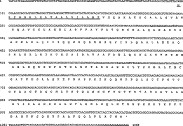
Fig. 1. Nucleotide sequence of the cloned cDNA for the Trypanosoma evansi TeDR40 gene and its deduced amino acid sequence. The predicted N-terminal signal sequence is underlined while the start codon is in bold and the stop codon is indicated by an asterisk. The GenBank/EMBL/DDBJ Accession number for the TeDR40 nucleotide sequence is AB194956.
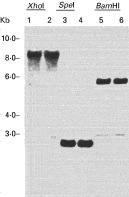
Fig. 2. Southern blot analysis of the TeDR40 gene in wild-type berenil-sensitive (lanes 1, 3 and 5) and berenil-resistant Trypanosoma evansi (lanes 2, 4 and 6). Digestion was performed on 2·5 μg genomic DNA per lane with XhoI (lane 1–2), SpeI (lanes 3 and 4) and BamHI (lanes 5 and 6).

Table 1. Real-time PCR analysis of TeDR40 mRNA levels
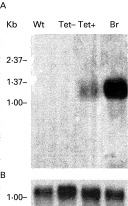
Fig. 3. Northern blot analysis of the expression of TeDR40 mRNA in wild-type berenil-sensitive Trypanosoma evansi (lane Wt), Uninduced transgenic clone (lane Tet−), tetracycline-induced transgenic clone (lane Tet+) and the berenil-resistant clone (lane Br). The blot was probed with the full length ORF DNA of TeDR40 gene (A) and then stripped and probed with a 921 bp DNA probe for the actin gene (B) to check for loading.
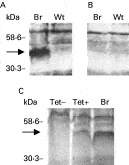
Fig. 4. Western blot analysis of the expression of TeDR40 protein in Trypanosoma evansi. (A) Equal cell counts of berenil-resistant (lane Br) and berenil-sensitive (lane Wt) whole cell lysates were probed with mouse polyclonal antibody against rTeDR40 protein as primary antibody and the specific recognized protein is indicated by the arrow at about 40 kDa. (B) A similar blot was probed with mouse polyclonal antibody against the Trx-fusion protein as control. No 40 kDa band was detectable in either lane Br or Wt. (C) Equal cell count whole cell lysates of genetically modified (clone TeBS1-82-29-13) uninduced (lane Tet−), induced (lane Tet+) and berenil-resistant T. evansi (lane Br), were probed with polyclonal antibody against rTeDR40 protein. The specific recognized 40 kDa protein band is indicated by the arrow. In all panels the non-specific band at 58·6 kDa served as a check for loading.

Fig. 5. Immunofluorescence localization of the TeDR40 protein in Trypanosoma evansi. Upper and lower panels of column 1 show the fluorescence image and merged images, respectively, of berenil-resistant T. evansi probed with the anti-TeDR40 polyclonal antibody. Upper and lower panels of column 2 show the fluorescence and merged images, respectively, of genetically modified (clone TeBS1-82-29-13) T. evansi, 16 h post-induction of over-expression of TeDR40, probed with anti-TeDR40. Upper panel of column 3 show the merged image of berenil-sensitive wild-type T. evansi probed with the anti-rTeDR40 polyclonal antibody. Lower panel of column 3 show the berenil-resistant T. evansi probed with the polyclonal antibody against control Trx-fusion protein.

Fig. 6. Analysis of the sensitivity of wild-type and transgenic Trypanosoma evansi to berenil. Wild-type T. evansi (grey-shaded columns), uninduced transgenic cells (unshaded columns) and induced (to over-express TeDR40) transgenic cells (black columns) were incubated in the presence of 10 ng/ml berenil. Mean cell counts for 6 independent experiments were plotted (with S.D. error bars) against time after addition of berenil. Statistical significance levels of the difference between the induced and uninduced cells are shown as single (P<0·05) or double (P<0·01) asterisks.
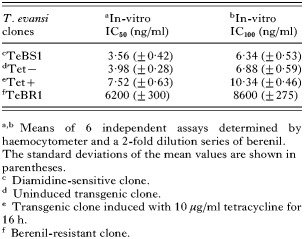
Table 2. Berenil sensitivity profiles of the Trypanosoma evansi clones used in the study
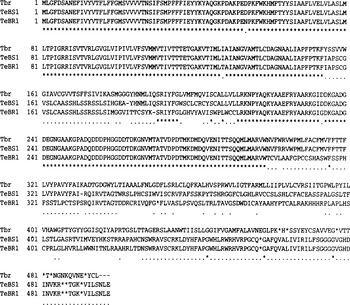
Fig. 7. The deduced amino acid sequence comparison of the Trypanosoma brucei adenosine transporter 1 gene (GenBank Accession no. AF152369) and the T. evansi adenosine transporter 1 genes of the clones for T. evansi used in the present study. Tbr is the sequence for T. brucei; TeBS1 and TeBR1 are the sequences for the berenil-sensitive and berenil-resistant T. evansi clones, respectively.
 You have
Access
- 12
- Cited by