

In reviewing the recent literature on the neural underpinnings of multilingualism in the context of a volume on applied linguistics, we must first consider the meaning of the term multilingualism relative to the term bilingualism. While some scholars distinguish the two terms, using multilingualism to refer to the ability to understand and speak several languages (e.g., Diamond, Reference Diamond2010), others use the term multilingualism more generally to refer to the use of more than one language (e.g., Cenoz, Hufeisen, & Jessner, Reference Cenoz, Hufeisen, Jessner, Cenoz, Hufeisen and Jessner2003b). Thus, the term bilingual is often used synonymously with multilingual.
As Cenoz et al. (Reference Cenoz, Hufeisen, Jessner, Cenoz, Hufeisen and Jessner2003b) pointed out, the ability to use three or more languages must result in somewhat different brain networks from those in individuals able to speak only two. However, whereas there has been substantial research on bilingualism and the brain since the late 1970s, there has been markedly less explicitly focused on multilingualism and the brain. A new field is developing to study multilingualism proper (e.g., the International Conference on Third Language Acquisition and Multilingualism, the International Association of Multilingualism, and the International Journal of Multilingualism), and several books devoted to multilingualism have been published (Aronin & Hufeisen, Reference Aronin and Hufeisen2009; Cenoz, Hufeisen, & Jessner, Reference Cenoz, Hufeisen and Jessner2003a; De Angelis & Dewaele, Reference De Angelis and Dewaele2011; De Groot, Reference De Groot2011; Hammarberg, Reference Hammarberg2009; Wei & Moyer, Reference Wei and Moyer2008).
More confounding, even today, most neurolinguistic studies that purport to report on bilingualism do not indicate whether the participants may in fact be multilinguals. In a few cases where the authors have noted that multilinguals were included (e.g., Lehtonen et al., Reference Lehtonen, Hultén, Rodríguez-Fornells, Cunillera, Tuomainen and Laine2012; Parker Jones et al., Reference Parker Jones, Green, Grogan, Pliatsikas, Filippopolitis, Ali and Price2012), bilinguals and multilinguals were grouped together and called “bilinguals” throughout. Some studies, while including multilingual participants, focus only on their linguistic abilities in two languages, which are not necessarily the first two languages learned (Hahne & Friederici, Reference Hahne and Friederici2001; Halsband, Reference Halsband2006). For the sake of this review, then, we employ the term multilinguals in a general context. When a study provides us the information to distinguish whether participants were multilinguals or bilinguals, however, we will systematically use the terms to distinguish those who know only two languages from those who know three or more. However, as it is still unclear in exactly what ways multilinguals differ from bilinguals, our review of the literature investigating multilinguals will include strictly bilingual studies when pertinent, and we will use the term bilingual for the participants in those studies when that is what the authors use. Additionally, note that the term L2 (second language) in this chapter should be interpreted as any language learned after the first one (including L3, etc., in multilinguals) as it is often unclear whether the nonnative language in a given study is, in fact, the second language learned or, possibly, a later one.
The standard techniques for studying brain organization for language include deductions linking damaged brain regions and language behavior in individuals with aphasia and instrumental study of brain structure and function in individuals without aphasia. Goral and Conner take the first approach in their chapter in this volume, so we focus on the second in this chapter. Primarily of interest for our purposes are the imaging techniques that permit visualization of regions of interest that are involved (or not) in a given language task. These include magnetic resonance imaging (MRI), positron emission tomography (PET), functional MRI (fMRI), and electrocortical stimulation mapping (ESM). More recent are techniques like diffusion tensor imaging (DTI) that permit researchers to envision the networks that until recently have generally been identified as regions in neurolinguistic literature.
We also include the more temporally precise techniques that indicate temporal trajectories of the brain's electrical activity after a stimulus, such as event-related potentials (ERPs) and magnetoencephalography (MEG), the latter permitting both localization and temporal mapping.
LANGUAGE REPRESENTATION IN THE BRAINS OF MULTILINGUALS
The core question that has intrigued researchers on multilingualism for many years is how the brain can accommodate more than one linguistic system effectively. A fundamental issue is whether the brain uses the same processing mechanisms for all languages or whether they are processed in integrated fashion or partly independently. Using a variety of neuroimaging techniques, researchers have been able to compare neural activity of participants performing the same task in more than one language. The main research questions revolve around a set of macro-scale investigations: (a) Are multiple languages processed in different ways by the brain, or is there a common mechanism that supports all languages learned? (b) If differences in brain activation are found, where are these differences localized, and what accounts for them? (c) Is language lateralized to the same degree in multilinguals as in monolinguals, or do multilinguals process language more bilaterally?
Lateral Dominance
The issue of language laterality in multilinguals has been debated in the field for decades. Several hypotheses about L2 learning have proposed increased right-hemisphere involvement in multilinguals relative to monolinguals (Albert & Obler, Reference Albert and Obler1978; Galloway Reference Galloway1982; Genesee, Reference Genesee1982). Nevertheless, tests of laterality in multilinguals have remained inconclusive on this issue. Multilingual participants, similar to monolinguals, typically show left-hemisphere lateralization for all languages, yet the strength of that laterality can appear to be weaker in multilingual than monolingual participants (e.g., Badzakova-Trajkov, Kirk, & Waldie, Reference Badzakova-Trajkov, Kirk and Waldie2008; Moreno, Bialystok, Wodniecka, & Alain, Reference Moreno, Bialystok, Wodniecka and Alain2010; Park, Badzakova-Trajkov, & Waldie, Reference Park, Badzakova-Trajkov and Waldie2012; Proverbio, Adorni, & Zani, Reference Proverbio, Adorni and Zani2007; Proverbio, Čok, & Zani, Reference Proverbio, Čok and Zani2002). In some studies of multilinguals, the right hemisphere appears to be more involved during L2 processing compared to L1 (first language) processing (e.g., Ding et al., Reference Ding, Perry, Peng, Ma, Li, Xu and Yang2003; Ibrahim, Israeli, & Eviatar, Reference Ibrahim, Israeli and Eviatar2010; Pillai et al., Reference Pillai, Araque, Allison, Sethuraman, Loring, Thiruvaiyaru and Lavin2003; Proverbio, Leoni, & Zani, Reference Proverbio, Leoni and Zani2004; Sussman, Franklin, & Simon, Reference Sussman, Franklin and Simon1982).
Linguistic distance and language-specific characteristics, nonnative status, type of language task, and age of L2 acquisition all appear to modulate the degree of lateralization in multilinguals. With respect to the linguistic distance between multilinguals’ languages, D'Anselmo, Reiterer, Zuccarini, Tommasi, and Brancucci (Reference D'Anselmo, Reiterer, Zuccarini, Tommasi and Brancucci2013) reported that bilinguals with arguably more similar languages (German and English) exhibited a greater left-hemisphere advantage in the L2 compared to the L1, while bilinguals with less similar languages (Italian and English) showed no differences in degree of laterality between L1 and L2. Early exposure to two languages may influence lateralization patterns when the languages are differently structured as well. When tested in English, highly proficient Hebrew-English bilinguals who learned both languages very early showed a left-hemisphere advantage for a semantic task in which Hebrew monolinguals also show a left-hemisphere advantage, but for which English monolinguals have shown a right-hemisphere advantage (Metuki, Sinkevich, & Lavidor, Reference Metuki, Sinkevich and Lavidor2013). Metuki et al. suggested that language-specific characteristics of Hebrew, which influence lateralization of semantic processing in Hebrew, influenced the way the bilingual participants processed the task in English. Workman, Brookman, Mayer, Rees, and Bellin (Reference Workman, Brookman, Mayer, Rees and Bellin2000) attributed laterality differences in multilinguals to language-specific effects, showing a greater left-hemisphere asymmetry to Welsh words than English words, despite whether the participants were dominant in Welsh or English. However, this explanation does not square with the results from Grossi, Savill, Thomas, and Thierry (Reference Grossi, Savill, Thomas and Thierry2010), who, also studying Welsh-English bilinguals, found that greater left-hemisphere asymmetry was associated with more L2 experience, not with properties of the two languages.
Additional studies have found that the age of L2 acquisition modulates laterality indices in bilinguals, though not always in the same way, with early bilinguals sometimes showing more right-hemisphere involvement (Hull & Vaid, Reference Hull and Vaid2006; Proverbio et al., Reference Proverbio, Adorni and Zani2007) and late bilinguals sometimes showing this pattern (Patkowski, Reference Patkowski2003; Sussman et al., Reference Sussman, Franklin and Simon1982). A study by Zou et al. (Reference Zou, Abutalebi, Zinszer, Yan, Shu, Peng and Ding2012) suggests that the acquisition of a second language may in fact increase right-hemisphere involvement during L1 processing. They found that Chinese spoken-sign bimodal bilinguals demonstrated greater right-hemisphere involvement in their L1 compared to monolinguals. There may also be laterality differences in how different aspects of language are processed. Pillai et al. (Reference Pillai, Araque, Allison, Sethuraman, Loring, Thiruvaiyaru and Lavin2003) observed greater right-hemisphere involvement for L2 phonological tasks, but not for semantic tasks in participants’ L2 or for either of the tasks in the L1.
Moreover, the diverse set of factors that affect lateral dominance are not mutually exclusive. Ibrahim and Eviatar (Reference Ibrahim and Eviatar2009) tested language laterality in Arabic-Hebrew-English trilinguals and found evidence for three different factors affecting lateralization during reading: a general bias for the brain to process language in the left hemisphere, specific demands made by a particular language, and language experience.
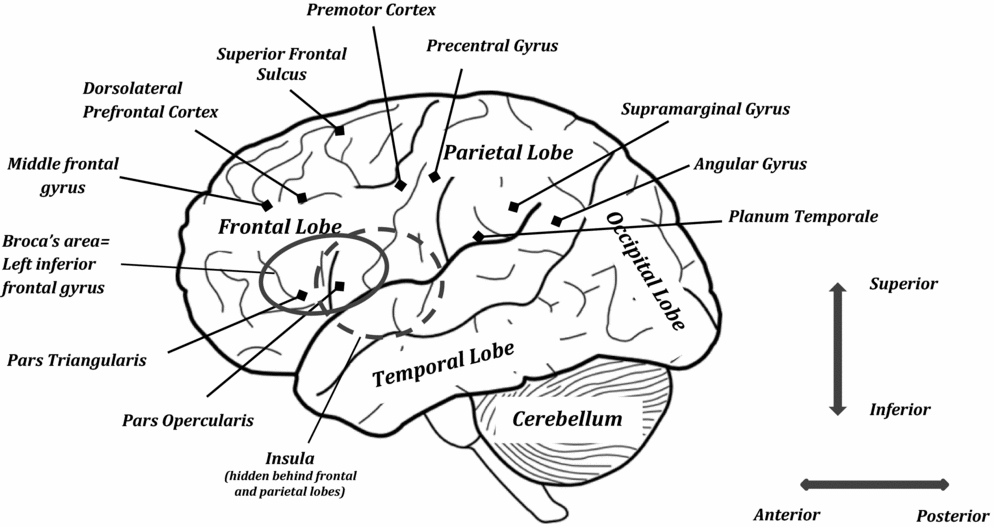
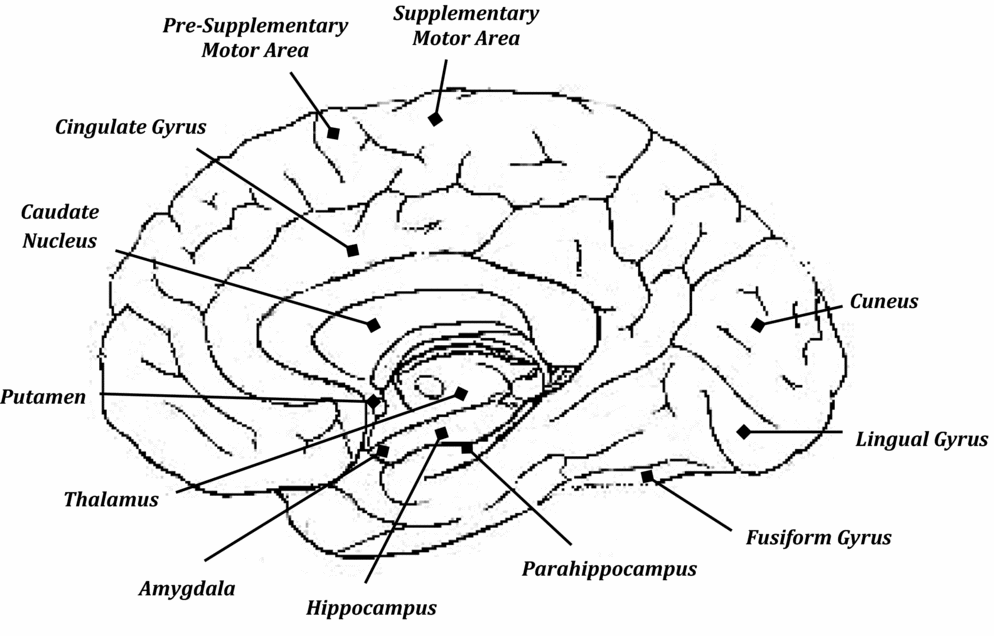
Clearly, the issue of language laterality in bilinguals is still unresolved. Similarly, the question of whether the brain processes subsequently learned languages in the same areas of the brain as the native language has fueled a large number of studies with evidence supporting both sides of the issue. Many have shown largely overlapping patterns of cortical activation when a bilingual performs a task in both languages (Chee, Caplan et al., Reference Chee, Caplan, Soon, Sriram, Tan, Thiel and Weekes1999; Chee, Tan, & Thiel, Reference Chee, Caplan, Soon, Sriram, Tan, Thiel and Weekes1999; Illes et al., Reference Illes, Francis, Desmond, Gabrieli, Glover, Poldrack and Wagner1999; Klein, Milner, Zatorre, Meyer, & Evans, Reference Klein, Milner, Zatorre, Meyer and Evans1995; Klein, Milner, Zatorre, Zhao, & Nikelski, Reference Klein, Milner, Zatorre, Zhao and Nikelski1999; Klein, Zatorre, Milner, Meyer, & Evans, Reference Klein, Zatorre, Milner, Meyer and Evans1994; Klein et al., Reference Klein, Zatorre, Chen, Milner, Crane, Belin and Bouffard2006; Perani et al., Reference Perani, Paulesu, Sebastián-Gallés, Dupoux, Dehaene, Bettinardi and Mehler1998; Pillai et al., Reference Pillai, Allison, Sethuraman, Araque, Thiruvaiyaru, Ison and Lavin2004; Xue, Dong, Jin, & Chen, Reference Xue, Dong, Jin and Chen2004; Yokoyama et al., Reference Yokoyama, Okamoto, Miyamoto, Yoshimoto, Iwata, Jeong and Kawashima2006). However, differences have also been found, such as differences in the total amount of cortical activation in the brain, with the L2 showing a greater amount of activation than the L1 (Chee, Hon, Lee, & Soon, Reference Chee, Hon, Lee and Soon2001; Halsband, Reference Halsband2006; Kim et al., Reference Kim, Kim, Lee, Lee, Lee and Kwon2002; Luke, Liu, Wai, Wan, & Tan, Reference Luke, Liu, Wai, Wan and Tan2002; Yetkin, Yetkin, Haughton, & Cox, Reference Yetkin, Yetkin, Haughton and Cox1996), as well as L1 activation in specific areas not found to be active when the L2 is being used (Dehaene et al., Reference Dehaene, Dupoux, Mehler, Cohen, Paulesu, Perani and Le Bihan1997; Halsband, Krause, Sipilä, Teräs, & Laihinen, Reference Halsband, Krause, Sipilä, Teräs and Laihinen2002; Perani et al., Reference Perani, Dehaene, Grassi, Cohen, Cappa, Dupoux and Mehler1996). These findings have led researchers to conclude that the same brain areas used for L1 processing are also used for L2 processing, but increased intensity of activation and the recruitment of some additional areas, such as the prefrontal region, are indicative of greater difficulty, along with the need for increased cognitive resources and control, when using an L2 (Abutalebi, Reference Abutalebi2008). (See Figures 1 and 2).
The outside surface of the left hemisphere.

The inside surface of the right hemisphere.
Studies focusing on multilingualism have largely confirmed these results. Vingerhoets et al. (Reference Vingerhoets, Van Borsel, Tesink, van den Noort, Deblaere, Seurinck and Achten2003) conducted three language tasks: word fluency, picture naming, and reading comprehension in a group of Dutch-French-English multilinguals, and found that overall the three languages engaged the same cortical areas, but that the participants’ less proficient L2s recruited additional brain areas not activated during the L1 tasks. Two other studies involving multilingual participants found similar results (Briellmann et al., Reference Briellmann, Saling, Connell, Waites, Abbott and Jackson2004; Videsott et al., Reference Videsott, Herrnberger, Hoenig, Schilly, Grothe, Wiater and Kiefer2010).
While at the macro level it appears that the brain utilizes many of the same neural resources for both the native language and later-learned languages, it is still unclear whether the brain processes these languages in the same way or not. Researchers have begun to focus in on the subtle differences among multilinguals’ languages, often comparing their performance with that of monolinguals. One of the strongest arguments in favor of at least partially separate processing mechanisms comes from studies using electrocortical stimulation mapping (ESM; also called direct cortical stimulation). This method consists of applying small voltages of electrical current directly to the surface of the cortex while the participant is performing a language task in order to ascertain whether that segment of cortex (as small as 1 mm2) is functionally relevant in linguistic activities. This procedure is often done before cortical resectioning (such as for relief from otherwise untreatable epileptic seizures) to ensure that the brain areas underlying linguistic functions remain intact after the surgery (Hamberger, Reference Hamberger2007). While the majority of the studies using this technique with bilingual and multilingual patients show that stimulation of a language area affects both or all languages, some studies demonstrate that certain cortical areas only cause a disruption in one language (Borius, Giussani, Draper, & Roux, Reference Borius, Giussani, Draper and Roux2012; Lubrano, Prod'homme, Démonet, & Köpke, Reference Lubrano, Prod'homme, Démonet and Köpke2012; Lucas, McKhann, & Ojemann, Reference Lucas, McKhann and Ojemann2004; Ojemann & Whitaker, Reference Ojemann and Whitaker1978; Roux & Tremoulet, Reference Roux and Tremoulet2002; Roux et al., Reference Roux, Lubrano, Lauwers-Cances, Tremoulet, Mascott and Demonet2004; Serafini, Gururangan, Friedman, & Haglund, Reference Serafini, Gururangan, Friedman and Haglund2008; Walker, Quiñones-Hinojosa, & Berger, Reference Walker, Quiñones-Hinojosa and Berger2004). Using electrocorticography (ECoG), a more advanced technique with better spatial resolution, to study the cortical surface of the same type of patients, Cervenka, Boatman-Reich, Ward, Franaszczuk, and Crone (Reference Cervenka, Boatman-Reich, Ward, Franaszczuk and Crone2011) found language-specific sites that were not identified during ESM. This raises the question of whether standard technological methods are sensitive enough to detect small differences between neuronal groups employed in processing different languages.
Additional evidence for the existence of distinct processing mechanisms for multilinguals’ languages has come from studies taking a more fine-grained perspective on the effects of L2 proficiency level and the age of acquisition of L2.
Effects of Age of L2 Acquisition and Proficiency
While age of acquiring a second language has an extended history in psycholinguistic and neurolinguistic study of bilingualism, proficiency achieved in the L2 has more recently become of interest. Of course the two are often linked, but in the instance of non-simultaneous bilinguals L2 learners, they can also dissociate.
L2 Proficiency
Researchers who have carefully controlled for the level of L2 proficiency in their participants have found a high degree of overlapping activation for L1 and L2 in high-proficiency bilinguals (Bai, Shi, Jiang, He, & Weng, Reference Bai, Shi, Jiang, He and Weng2011; Chee, Caplan et al., Reference Chee, Tan and Thiel1999; Chee et al., Reference Chee, Hon, Lee and Soon2001; De Bleser et al., Reference De Bleser, Dupont, Postler, Bormans, Speelman, Mortelmans and Debrock2003; Elston-Güttler & Friederici, Reference Elston-Güttler and Friederici2007; Gandour et al., Reference Gandour, Tong, Talavage, Wong, Dzemidzic, Xu and Lowe2007; Hasegawa, Carpenter, & Just, Reference Hasegawa, Carpenter and Just2002; Illes et al., Reference Illes, Francis, Desmond, Gabrieli, Glover, Poldrack and Wagner1999; Klein et al., Reference Klein, Milner, Zatorre, Zhao and Nikelski1999; Kotz, Holcomb, & Osterhout, Reference Kotz, Holcomb and Osterhout2008; Leonard et al., Reference Leonard, Torres, Travis, Brown, Hagler, Dale and Halgren2011; Perani et al., Reference Perani, Paulesu, Sebastián-Gallés, Dupoux, Dehaene, Bettinardi and Mehler1998; Rossi, Gugler, Friederici, & Hahne, Reference Rossi, Gugler, Friederici and Hahne2006; Suh et al., Reference Suh, Yoon, Lee, Chun, Cho and Park2007; Yokoyama et al., Reference Yokoyama, Okamoto, Miyamoto, Yoshimoto, Iwata, Jeong and Kawashima2006) and a lesser degree of overlap for low-proficiency bilinguals (Golestani et al., Reference Golestani, Alario, Meriaux, Le Bihan, Dahaene and Pallier2006; A. Hernandez, Dapretto, & Bookheimer, Reference Hernandez, Dapretto, Mazziotta and Bookheimer2001; Perani et al., Reference Perani, Dehaene, Grassi, Cohen, Cappa, Dupoux and Mehler1996; Sebastian, Laird, & Kiran, Reference Sebastian, Laird and Kiran2011). Studies comparing activation patterns from the languages of multilinguals have also confirmed that proficiency plays a substantial role in how the brain processes later-learned languages. (Abutalebi et al., Reference Abutalebi, Della Rosa, Green, Hernández, Scifo, Keim and Costa2012; Briellmann et al., Reference Briellmann, Saling, Connell, Waites, Abbott and Jackson2004; Klein, Reference Klein2003; Vingerhoets et al., Reference Vingerhoets, Van Borsel, Tesink, van den Noort, Deblaere, Seurinck and Achten2003).
Brain activation patterns for multilinguals with a lower level of proficiency in their nonnative language tend to be more extensive spatially and/or more intense than those with higher proficiency. In such participants, several studies have found additional activated areas during L2 processing in prefrontal regions (Right hemisphere: Kim et al., Reference Kim, Kim, Lee, Lee, Lee and Kwon2002; Marian, Spivey, & Hirsch, Reference Marian, Spivey and Hirsch2003; Wartenburger et al., Reference Wartenburger, Heekeren, Abutalebi, Cappa, Villringer and Perani2003. Left hemisphere: Golestani et al., Reference Golestani, Alario, Meriaux, Le Bihan, Dahaene and Pallier2006; Liu, Hu, Guo, & Peng, Reference Liu, Hu, Guo and Peng2010; Marian et al., Reference Marian, Spivey and Hirsch2003; Tatsuno & Sakai, Reference Tatsuno and Sakai2005; Videsott et al., Reference Videsott, Herrnberger, Hoenig, Schilly, Grothe, Wiater and Kiefer2010; Vingerhoets et al., Reference Vingerhoets, Van Borsel, Tesink, van den Noort, Deblaere, Seurinck and Achten2003; Wartenburger et al., Reference Wartenburger, Heekeren, Abutalebi, Cappa, Villringer and Perani2003; Yetkin et al., Reference Yetkin, Yetkin, Haughton and Cox1996. Bilateral: Chee et al., Reference Chee, Hon, Lee and Soon2001), in the left temporal lobe (Kim et al., Reference Kim, Kim, Lee, Lee, Lee and Kwon2002), the cerebellum (Golestani et al., Reference Golestani, Alario, Meriaux, Le Bihan, Dahaene and Pallier2006; Liu et al., Reference Liu, Hu, Guo and Peng2010; Videsott et al., Reference Videsott, Herrnberger, Hoenig, Schilly, Grothe, Wiater and Kiefer2010; Vingerhoets et al., Reference Vingerhoets, Van Borsel, Tesink, van den Noort, Deblaere, Seurinck and Achten2003), supplementary motor areas (Liu et al., Reference Liu, Hu, Guo and Peng2010), parietal cortex (Golestani et al., Reference Golestani, Alario, Meriaux, Le Bihan, Dahaene and Pallier2006), the basal ganglia bilaterally (Abutalebi et al., Reference Abutalebi, Della Rosa, Green, Hernández, Scifo, Keim and Costa2012; Liu et al., Reference Liu, Hu, Guo and Peng2010), and more overall right-hemisphere involvement (Park et al., Reference Park, Badzakova-Trajkov and Waldie2012; Pillai et al., Reference Pillai, Allison, Sethuraman, Araque, Thiruvaiyaru, Ison and Lavin2004). In a meta-analysis using activation likelihood estimation, Sebastian et al. (Reference Sebastian, Laird and Kiran2011) concluded that highly proficient bilinguals show similar activation patterns in both languages, while low-medium proficient bilinguals showed smaller, more widely distributed activation clusters when performing a language task in the L2 compared to the L1. Indefrey (Reference Indefrey2006) proposed that the increased activation in the low-medium proficiency group indicates the less automatic and more effortful processing required when bilinguals perform a language task in their nonnative, less proficient, language.
In studies using event-related potentials (ERPs), differences between high- and low-proficiency bilinguals can be seen in the presence or absence of certain ERP components or in the latency and amplitude of these components. Rossi et al. (Reference Rossi, Gugler, Friederici and Hahne2006) found that their highly proficient bilingual participants showed brain responses to syntactic violations similar to those of native-speaker monolinguals. These responses consisted of an early left anterior negativity (ELAN) and a late positive response (P600). The low-proficiency participants, by contrast, showed no sign of the ELAN and their P600 response was substantially more delayed.
It is not always the case, however, that L2 processing elicits greater cortical activation than L1. A limited number of studies have found more activation in the native language condition for less proficient bilinguals in the left inferior parieto-occipital area, the temporal poles bilaterally, the left inferior frontal gyrus (Perani et al., Reference Perani, Dehaene, Grassi, Cohen, Cappa, Dupoux and Mehler1996), other left temporal regions (Park et al., Reference Park, Badzakova-Trajkov and Waldie2012), and in the basal ganglia (Liu et al., Reference Liu, Hu, Guo and Peng2010).
A broad look at these studies, then, makes it apparent that at a lower level of L2 proficiency, the brain processes the L2 differently from the first, but that as proficiency in that language increases, these differences may disappear. Green (Reference Green, Van Hout, Hulk, Kuiken and Towell2003) described this as the Convergence Hypothesis. A recent series of longitudinal studies described in McLaughlin et al. (Reference McLaughlin, Tanner, Pitkänen, Frenck-Mestre, Inoue, Valentine and Osterhout2010) provide support for this hypothesis. McLaughlin et al. investigated native English learners of French at three stages of L2 acquisition: after 4, 16, and 26 weeks of instruction. They recorded ERPs while the participants completed a grammaticality judgment task that took advantage of two verb agreement rules in French: one that has an equivalent rule in English (subject-verb agreement), and the other that has no English equivalent (number agreement between definite article and noun). Results showed that ERP responses to subject-verb agreement violations changed throughout the three testing sessions, becoming more native-like by the last session, while ERP responses to number-agreement violations showed no change over the three testing sessions and did not differ from responses to correct (well-formed) sentences. This result also supports the Competition Model of second language acquisition (A. Hernandez, Li, & MacWhinney, Reference Hernandez, Li and MacWhinney2005; MacWhinney, Reference MacWhinney, Kroll and de Groot2004), which proposes that early in L2 learning, transfer effects from L1 support learning of shared syntactic features faster than disparate features.
Age of Acquisition
A major problem with the Convergence Hypothesis is the fact that most bilinguals never attain native-like linguistic competence in the L2 (Hyltenstam & Abrahamsson, Reference Hyltenstam and Abrahamsson2000), a feat that is especially hard for individuals who begin acquiring the new language after puberty. In fact, a large body of evidence has shown that the age at which L2 acquisition starts may be just as important as proficiency achieved. When proficiency level is kept constant, age of L2 acquisition seems to have an independent effect on brain activation patterns. Similar to what has been found for multilinguals with low proficiency, those who acquired a second language later in life tend to show a greater amount of activation for the later-learned language than individuals who acquired multiple languages early. When comparing activation patterns of the L1 and L2 of late bilinguals, differences have been found in a variety of different brain areas. The L1 has shown greater activation than L2 in Broca's area (Golestani et al., Reference Golestani, Alario, Meriaux, Le Bihan, Dahaene and Pallier2006; Halsband, Reference Halsband2006; Suh et al., Reference Suh, Yoon, Lee, Chun, Cho and Park2007) and the cerebellum (Halsband, Reference Halsband2006), whereas the late-acquired L2 has elicited greater activation in the angular and supramarginal gyri (Halsband, Reference Halsband2006), the superior frontal sulcus (Gandour et al., Reference Gandour, Tong, Talavage, Wong, Dzemidzic, Xu and Lowe2007), the right middle frontal gyrus (Park et al., Reference Park, Badzakova-Trajkov and Waldie2012), the putamen (Klein et al., Reference Klein, Zatorre, Milner, Meyer and Evans1994), the left cerebellum (Park et al., Reference Park, Badzakova-Trajkov and Waldie2012), and the insula bilaterally (Gandour et al., Reference Gandour, Tong, Talavage, Wong, Dzemidzic, Xu and Lowe2007). In addition, comparisons of early and late L2 acquirers matched for proficiency have found increased activation in Broca's area (A. Hernandez, Hofmann, & Kotz, Reference Hernandez, Hofmann and Kotz2007) and larger ERP responses (Ortiz-Mantilla, Choudhury, Alvarez, & Benasich, Reference Ortiz-Mantilla, Choudhury, Alvarez and Benasich2010) for late L2 learners compared to early L2 acquirers. These results are consistent with neuroimaging research during naming tasks showing that later-learned words in the native language show increased neural activity compared to early learned words, in particular in regions involving auditory-phonological processing and articulatory motor planning (A. Hernandez & Fiebach, Reference Hernandez and Fiebach2006).
Attempts to determine whether age of L2 acquisition or L2 proficiency plays a bigger role in adult language processes have also been inconclusive. This is often due to the fact that age of L2 acquisition and L2 proficiency are highly correlated in multilingual individuals, making it difficult to determine what the contribution of each of those factors is (Perani et al., Reference Perani, Paulesu, Sebastián-Gallés, Dupoux, Dehaene, Bettinardi and Mehler1998). Interestingly, however, several studies have found that the type of linguistic task appears to interact with the factors age of L2 acquisition and L2 proficiency. For example, in highly proficient multilinguals, cortical activation for processing semantic information seems to be highly similar for both the native and nonnative languages, whereas more variability is seen when individuals process syntactic information in those languages (Hahne & Friederici, Reference Hahne and Friederici2001; Rüschemeyer, Fiebach, Kempe, & Friederici, Reference Rüschemeyer, Fiebach, Kempe and Friederici2005; Wartenburger et al., Reference Wartenburger, Heekeren, Abutalebi, Cappa, Villringer and Perani2003; Weber-Fox & Neville, Reference Weber-Fox and Neville1996). These studies suggest that the brain areas underlying the processing of semantic information can accommodate L2 more readily than those areas involved in syntactic processing.
Since early acquisition of a second language appears to have a significant effect on how both languages are processed by the brain, an interesting question is how early bilingualism or multilingualism might affect the the brain's processing of later-learned languages. Bloch et al. (Reference Bloch, Kaiser, Kuenzli, Zappatore, Haller, Franceschini and Nitsch2009) tested a group of multilingual speakers using fMRI, grouping them by their age of L2 acquisition: simultaneous and covert simultaneous bilinguals (L1 and L2 were both learned from birth); sequential, early exposure (1–5 years); and sequential, late exposure (after 9 years of age). All of the participants were also proficient in a third, later-learned language. The amount of variability in the cortical activation patterns of all three languages was much lower for the participants who were exposed to the L2 early, while the sequential, late multilinguals showed a greater amount of variability in the activation patterns of the three languages tested.
This result supports the findings of a few other studies showing that bilinguals who acquire a second language after having been monolingual for a certain period of time have more similarities with monolinguals than with bilinguals who acquired both languages early in life. For instance, Weiss and Dempsey (Reference Weiss and Dempsey2008) found that late L2 acquirers were better able to discriminate speech in their L1 in a noisy environment than early L2 acquirers. Proverbio et al. (Reference Proverbio, Adorni and Zani2007) also found that the multilinguals in their study, who had acquired their L2 relatively late (at a mean age of 9.6 years), performed comparably to monolinguals on a semantic judgment task, while the bilingual participants, who had acquired both languages from birth, had much longer response times on the task. Additionally, Peltola, Tamminen, Toivonen, Kujala, and Näätänen (Reference Peltola, Tamminen, Toivonen, Kujala and Näätänen2012) found that their adult balanced bilinguals (those who had learned both languages from birth and continued to have high proficiency in both languages) were less consistent than dominant bilinguals (those who learned the L2 later and remained dominant in the L1) at categorizing vowel sounds in both languages and showed a longer MMN (mismatch negativity) latency during ERP recording. They concluded that balanced bilinguals have a single, inseparable language system, while dominant bilinguals are able to selectively inhibit their languages. Based on these studies, it appears that growing up bilingual or multilingual from the first years of life creates a neural organization for language that is quite different from that of monolinguals, and different as well from that of highly proficient multilinguals who were monolinguals early in life.
As to explicit study of differences between bilinguals and multilinguals, three studies suggest that the number of languages spoken by an individual may indeed have an effect on brain processes. Proverbio et al. (Reference Proverbio, Leoni and Zani2004) reported that as the number of languages spoken by their multilingual participants increased, so did the reaction times on their semantic plausibility task. However, they were unable to determine if this factor had any effect on the ERP data due to the small number of participants in each group (they divided their participants into groups by the number of languages spoken). Kavé, Eyal, Shorek, and Cohen-Mansfield (Reference Kavé, Eyal, Shorek and Cohen-Mansfield2008) reported that normal older adults—even illiterates—have progressively higher scores on their cognitive screening task the more languages they know. Parker Jones et al. (Reference Parker Jones, Green, Grogan, Pliatsikas, Filippopolitis, Ali and Price2012) reported the most specific difference between bilinguals and speakers of more than two languages: they found greater activation in the pars triangularis and anterior insula during picture naming and word reading for those who spoke three or more languages compared to those who spoke only two languages.
Several explanations have been proposed for the increased activation in L2 compared to L1. These proposals include the idea that a greater amount of cognitive control is required to inhibit the L1 during L2 processing (e.g., Abutalebi, Reference Abutalebi2008), greater cognitive computational load due to a lack of automaticity during L2 tasks (e.g., Hasegawa et al., Reference Hasegawa, Carpenter and Just2002; Parker Jones et al., Reference Parker Jones, Green, Grogan, Pliatsikas, Filippopolitis, Ali and Price2012), and the need for greater motor-sensory control during L2 production (Simmonds, Wise, & Leech, Reference Simmonds, Wise and Leech2011). Most of the studies presented here cannot conclusively differentiate among these hypotheses to determine the source of the greater neural activity in an L2. Indeed, these proposals are not mutually exclusive. As well, one may conclude that language processing in general, and in a second language in particular, is a dynamic and complex process with many factors contributing to its operations.
Thus, research on the representation of multiple languages in the brain has shown that while the brain typically recruits classic left-hemisphere peri-Sylvian language areas for later-learned languages, additional brain areas or networks may be needed to handle the unique issues involved in L2 processing resulting from a lower proficiency level and/or a later age at which the language was learned. While still inconclusive, there is also some research showing differences between bilinguals and multilinguals. Further research in this area will no doubt elucidate more precisely how the number of languages spoken affects the language organization of these individuals and whether these differences are greater for certain linguistic tasks over others.
STRUCTURAL BRAIN CONSEQUENCES OF MULTILINGUALISM
To this point, we have spoken of functional brain-imaging studies that show differences in the activation of particular brain areas during language processing between multilinguals and monolinguals, as that is what the majority of sources cited here have studied via neuroimaging. A smaller set of studies focuses on structural changes presumably brought about by bilingualism and multilingualism that are measurable via neuroimaging. As with the functional brain-imaging studies, the findings of structural studies have not yielded consistent results, however. The measures in this research are of both cortical (gray matter) and subcortical (white matter) density; the assumption is that greater density in a given regions reflects the greater development of neuronal networks.
Differences in gray matter density between monolinguals and multilinguals have been found in a variety of brain regions. Mechelli et al. (Reference Mechelli, Crinion, Noppeney, O'Doherty, Ashburner, Frackowiak and Price2004) reported that the left posterior supramarginal gyrus exhibited higher gray matter density for bilinguals compared to monolinguals. Moreover, this measure correlated positively with vocabulary knowledge and negatively with age of L2 acquisition. The right-hemisphere homologue also evidenced increased gray matter density, but in this case for multilinguals compared to bilinguals (Grogan et al., Reference Grogan, Parker Jones, Ali, Crinion, Orabona, Mechias and Price2012). Moreover, in this study, gray matter density in the left pars opercularis correlated positively with lexical efficiency in the L2 and negatively with age of L2 acquisition, but only in the bilingual (not in the multilingual) group. Abutalebi et al. (Reference Abutalebi, Della Rosa, Gonzaga, Keim, Costa and Perani2013) indicated that the left putamen exhibited increased gray matter density in multilinguals compared to monolinguals. Interestingly, they also found increased activation during fMRI measurements in this same area for those multilinguals who were not highly proficient in the nonnative language. Based on the putamen's purported role in articulation, this increased activation and structural density might indicate the greater articulatory repertoire that multilinguals must master. Additionally, increased gray matter density in the left inferior frontal gyrus correlated with increased L2 proficiency among foreign exchange students after 5 months studying abroad (Stein et al., Reference Stein, Federspiel, Koenig, Wirth, Strik, Wiest and Dierks2012).
White matter density has been shown to differ for multilinguals compared to monolinguals and may also differ between groups of bilinguals with different ages of L2 acquisition. Golestani and Pallier (Reference Golestani and Pallier2007) found increased white matter density in the left insula and bilateral inferior parietal cortices for those multilinguals who were better at imitating foreign speech sounds. Mohades et al. (Reference Mohades, Struys, van Schuerbeek, Mondt, van de Craen and Luypaert2012) investigated the density of white matter fiber tracts, which connect various regions of the brain, allowing for efficient communication among these regions. Their participants who had learned two languages from birth (simultaneous bilinguals) showed increased density in the left inferior occipitofrontal fasciculus compared to bilinguals who learned the L2 after the age of 3 (sequential bilinguals) and to monolingual speakers. This white matter fiber bundle connects the frontal inferolateral and dorsolateral frontal cortex with the occipital lobe and the posterior temporal lobe. In this study, another white matter tract, which connects the anterior part of the corpus callosum to the orbital lobe, showed lower white matter density in simultaneous bilinguals compared to monolinguals (with sequential bilinguals intermediate to the two).
The recent direction in multilingual research toward investigating morphological differences between the brains of multilinguals and monolinguals is an exciting one. While there is a lack of agreement regarding which specific regions of the brain show structural changes, the fact that differences are measured is consistent with the claims made in the next section that the experience of managing multiple languages induces plasticity in both the child and adult brain.
MULTILINGUALISM AND COGNITION
In the literature on the cognitive consequences of bilingualism, there has been a substantial discussion of the advantages and disadvantages of bilingualism since the second half of the 20th century starting with, for example, Peal and Lambert (Reference Peal and Lambert1962) and Cummins (Reference Cummins1973). Some of these studies showed bilingual advantages across a number of cognitive abilities (e.g., nonverbal intelligence tasks in Peal and Lambert, Reference Peal and Lambert1962). As Bialystok, Craik, Green, and Gollan (Reference Bialystok, Craik, Green and Gollan2009) pointed out, such findings are consistent with the hypothesis that language and cognition may not be processed separately in the brain; instead they interact with and facilitate each other. In a series of studies, Bialystok and her colleagues have found that bilingualism appears to be associated with more effective cognitive control, particularly with executive control and those executive function (EF) abilities associated with the frontal lobe that are engaged in planning, attending, set-switching, monitoring, and decision making (Bialystok, Reference Bialystok2001; Bialystok, Craik, Klein, & Viswanathan, Reference Bialystok, Craik, Klein and Viswanathan2004; Bialystok, Craik, & Luk, Reference Bialystok and Craik2008). Among the EF abilities that have been studied, the control mechanisms seem to distinguish bilinguals from monolinguals; however, working memory—considered by some to be one of the EFs—does not. This bilingual advantage has been found in children (Bialystok & Feng, Reference Bialystok and Feng2009; Bialystok & Viswanathan, Reference Bialystok, Craik, Green and Gollan2009), young adults (Bialystok & Craik, Reference Bialystok and Craik2008; Costa, Hernández, & Sebastián-Gallés, Reference Costa, Hernández and Sebastián-Gallés2008), and older adults (Bialystok et al., Reference Bialystok, Craik, Klein and Viswanathan2004; Bialystok, Craik, & Ryan, Reference Bialystok, Craik and Ryan2006; Gollan, Sandoval, & Salmon, Reference Gollan, Sandoval and Salmon2011).
In recent decades, a growing body of brain-related bilingualism research has narrowed in on the cognitive control functions that are typically associated with the frontal lobes of the brain, particularly executive control, inhibitory control, and working memory. Before turning to the brain-imaging studies of these processes in bilinguals and multilinguals, we remind readers of the behavioral data that led to the neuroimaging studies. First we consider the cognitive control tasks, for which bilingual advantages are regularly found. We then turn to language switching mechanisms and the neural basis of language control followed by studies on working memory, where they are not found.
Cognitive Control Tasks
One might expect the mechanisms of cognitive control in bilinguals and multilinguals to differ considerably from those in monolinguals, in that bilinguals and multilinguals always need to control two or more linguistic systems in the brain according to the given linguistic circumstances. They must inhibit speaking one language if their interlocutors do not speak it, or perhaps switch to it for any of a number of reasons if they do. In order to successfully carry out these language-switching activities, Bialystok and her colleagues have argued, bilinguals are likely to employ nonlinguistic cognitive functions that facilitate this process, such as executive and inhibitory control. Using a variety of cognitive tasks, including a flanker task (Costa et al., Reference Costa, Hernández and Sebastián-Gallés2008; Yang, Shih, & Lust, Reference Yang, Shih and Lust2005), the Simon task (Bialystok et al., Reference Bialystok, Craik, Klein and Viswanathan2004), a Stroop task (Bialystok et al., Reference Bialystok, Craik and Luk2008) and an attention task (Colzato et al., Reference Colzato, Bajo, van den Wildenberg, Paolieri, Nieuwenhuis, La Heij and Hommel2008; M. Hernández, Costa, & Humphreys, Reference Hernández, Costa and Humphreys2012), a series of studies has demonstrated that both bilingual children and adults outperform their monolingual counterparts on EF tasks. For example, bilingual children develop executive control—but not representational processes like encoding problems or making inferences—earlier than their monolingual peers (Bialystok, Reference Bialystok2001). Of course two bilinguals with equivalent proficiency in both languages can still differ in terms of their performance on cognitive tasks and, as a consequence on language tasks, due to their different levels of underlying cognitive abilities per se.
In adults, Bialystok and her colleagues have employed the Simon task, in which participants have to press one of two buttons or withhold a response, in the face of competing visual stimuli (Bialystok et al., Reference Bialystok, Craik, Klein and Viswanathan2004). Their young adult bilinguals outperformed monolinguals on the Simon task initially, but through practice the monolingual group also reached the level of the bilingual group. Moreover, older adult bilinguals outperformed age-matched adult monolinguals, consistent with the hypothesis that the lifelong experience of managing two languages effectively reduces the age-related decline in inhibitory control on the Simon task. Gollan et al. (Reference Gollan, Sandoval and Salmon2011) also added support to the proposal of a bilingual advantage in older adults in relation to more efficient language control. Their older adult bilinguals demonstrated a strong association between performance on an executive control task and the number of cross-language intrusion errors made during a lexical production task with better EF ability correlating with fewer intrusions, while the younger bilinguals did not show this relationship. The cognitive control benefits of bilingualism thus extend from childhood throughout the life span, but the specifics of what the bilingual advantage is may change over time. Indeed, speaking multiple languages has been associated with later onset of Alzheimer's disease as well as other dementias relative to monolinguals (Bialystok, Craik, & Freedman, Reference Bialystok, Craik and Freedman2007). However, other studies reported that older multilinguals show no protective effects against cognitive decline (Crane et al., Reference Crane, Gruhl, Erosheva, Gibbons, McCurry, Phoads and White2010; Kousaie & Phillips, Reference Kousaie and Phillips2012).
When cognitive benefits are seen in bilinguals and multilinguals, they have been explained by their lifelong experiences in controlling language switching because representations of more than one language in the brain compete for selection (e.g., Green, Reference Green1998). Precisely how language-switching mechanisms modulate bilingual or multilingual cognitive systems requires further investigation.
Switching Costs in Multilinguals
A number of studies on inhibitory control have examined switch cost in order to understand the mechanisms of language switching in bilinguals and multilinguals and how inhibitory control plays a role in this process (e.g., Costa & Santesteban, Reference Costa and Santesteban2004; A. Hernandez, Dapretto, Mazziotta, & Bookheimer, Reference Hernandez, Dapretto and Bookheimer2001; Philipp, Gade, & Koch, Reference Philipp, Gade and Koch2007; Wodniecka, Bobb, Kroll, & Green, Reference Wodniecka, Bobb, Kroll and Green2005). Studies that investigated this switch cost measured how fast individuals could inhibit the unwanted language and select the target language in naming objects or digits where the participants could sequentially or randomly use either of the languages. The time required for switching between languages in these tasks reflects how efficiently individuals can control their language switching (for a detailed review, see Abutalebi & Green, Reference Abutalebi and Green2008).
The overall finding of switch cost is that it may require a longer amount of time to switch back into a more dominant language (e.g., L1) than back to a less dominant language (e.g., L2 or later-learned one). In other words, multilinguals must put more effort into inhibition for a more dominant language in order to use a less dominant one than vice versa (Abutalebi & Green, Reference Abutalebi and Green2008). Some behavioral studies have provided evidence for this asymmetry in switch cost among multilinguals’ languages. Philipp et al. (Reference Philipp, Gade and Koch2007) employed stimuli from three languages for a task of language switching between pairs of languages (i.e., L1 and L2, L1 and L3, and L2 and L3). The comparisons among these language pairs demonstrated that the switch cost was greater from L1 than from the other two later acquired languages, consistent with previous findings. However, the switch cost was found to be greater from L3 than from L2, which suggests that language dominance might not fully account for all types of asymmetry in switch cost (Abutalebi & Green, Reference Abutalebi and Green2008).
Further evidence of an interaction between proficiency and switch cost comes from Marian, Blumfield, Mizrahi, Kania, and Cordes (Reference Marian, Blumenfeld, Mizrahi, Kania and Cordes2012), who found that trilinguals’ performance on the Stroop task decreased for participants’ lower-proficiency languages. Moreover, the trilinguals performed less accurately and slower when speaking in the less dominant language for stimuli written in the dominant language, which needs to be suppressed in the incongruent condition of a Stroop test. This supports Green (Reference Green1998) in relation to L1, which is the language that most resists being inhibited. Confirming the interaction of switch cost with proficiency, we note that switch cost tends to disappear when multilinguals’ languages are balanced in terms of proficiency and usage (e.g., Costa et al., Reference Costa, Hernández and Sebastián-Gallés2008; Costa & Santesteban, Reference Costa and Santesteban2004; Costa, Santesteban, & Ivanova, Reference Costa, Santesteban and Ivanova2006).
In line with the role of inhibitory control and asymmetry in language switching, Costa et al. (Reference Costa, Hernández and Sebastián-Gallés2008) asked whether the fact that bilinguals and multilinguals use inhibitory control throughout their lives results in enhancing other general-purpose attentional mechanisms. By comparing the performance of bilinguals and monolinguals on various attentional tasks, they found that bilinguals outperformed the control group on the attentional network task (a flanker task), showing more efficient and faster performance. Costa et al. (Reference Costa, Hernández and Sebastián-Gallés2008) credited bilingualism with resulting in superior selective attention (see also Carlson & Meltzoff, Reference Carlson and Meltzoff2008, for similar results in children). Recently, Videsott, Della Rosa, Wiater, Franceschini, and Abutalebi (Reference Videsott, Della Rosa, Wiater, Franceschini and Abutalebi2012) also reported that attentional mechanisms interact with language proficiency in multilingual children and suggested that the level of proficiency modulates cognitive ability in multilinguals, such that more proficient multilingual speakers more rapidly and accurately control attention toward a given target stimulus in an attention task.
However, there are studies that do not find cognitive differences between bilinguals and monolinguals where the previous studies would have predicted they should be found. Prior and MacWhinney (Reference Prior and MacWhinney2010), for example, found that bilinguals did not demonstrate smaller mixing-cost and speed advantages, and M. Hernández, Martin, Barceló, and Costa (Reference Hernández, Martin, Barceló and Costa2013) reported only partial support, when switching cues were implicit but not explicit. Such conflicting results may derive from different characteristics of the participant groups employed across studies. These include L1 and L2 proficiency levels, language use patterns, age of acquisition, and the degree of grammatical and lexical similarity across language pairs (see also Proverbio et al., Reference Proverbio, Leoni and Zani2004).
The review of the literature on language switching suggests that not only language dominance but also language proficiency seem to have an impact on switching costs in bilinguals and multilinguals. In particular, multiple language users outperform monolinguals in inhibition and attention tasks. However, it is still unclear whether it is language dominance (i.e., relative proficiency) or absolute proficiency that has the primary impact on language switching. Moreover, the behavioral studies reviewed here were restricted to language production data that were based on response-time measures. Thus we turn to studies of brain processes during language switching.
Neural Basis of Language Control
Abutalebi and Green (Reference Abutalebi and Green2008) reminded us that various levels of neural networks engage in selectively attending to one language, inhibiting another, and carrying out comprehension processes. Thus we expect to see diverse mechanisms in the separate systems contributing to multilingual control studied via ERPs and fMRI techniques. An ERP study (Moreno et al., Reference Moreno, Bialystok, Wodniecka and Alain2010) with young adult participants showed differing patterns in conflict resolution mechanisms between monolinguals and bilinguals. Moreno et al. found that while monolinguals and bilinguals (in their L2) did not differ in accuracy on a grammaticality judgment task, the bilinguals showed a smaller amplitude of the P600, a syntax-related ERP component, than that of the monolinguals. Moreno et al. argued that these results suggest that bilinguals are able to more efficiently deal with the processing demands of the task through their superior conflict resolution mechanisms. However, as the semantically anomalous condition (rather than the syntactically incorrect condition) should produce the most conflict for the participants, it is difficult to see how the bilinguals are, in fact, evidencing superior EF abilities relative to the monolinguals. In fact, in the semantically anomalous condition, the bilinguals produced a greater N400 response than the monolinguals, which could indicate a larger number of neurons firing, or simply greater temporal synchrony among the neurons generating the response (Kutas & Federmeier, Reference Kutas and Federmeier2011). It is unclear, in sum, whether this response provides evidence of conflict resolution skills.
ERP techniques have also been used to evaluate whether the mechanisms for switching cost in bilinguals differ according to whether the switching direction is forward (from L1 to L2) or backward (from L2 to L1; Proverbio et al., Reference Proverbio, Leoni and Zani2004; Misra, Guo, Bobb, & Kroll, Reference Misra, Guo, Bobb and Kroll2012). With simultaneous interpreters, who are considered to have relatively better language control ability than monolinguals, Proverbio et al. (Reference Proverbio, Leoni and Zani2004) found that the switching cost from L2 to L1 was smaller than that from L1 to L2. The ERP recordings showed that the switching cost interacted not with their L2 proficiency but with the age of acquisition of L2; of course, the simultaneous interpreters were highly proficient in both languages so finding correlations with proficiency was less likely. Studies by Misra et al. (Reference Misra, Guo, Bobb and Kroll2012) also reported an unequal switching cost between L1 and L2 in noninterpreter bilinguals: slower L1 naming under mixed conditions than in blocked conditions and slower L1 naming than L2 naming in the mixed condition. The findings in Proverbio et al. (Reference Proverbio, Leoni and Zani2004) and Misra et al. together appear to indicate different degrees of inhibitory control engaged during L1 and L2 processing.
Recent neuroimaging studies, as well, have explored the neural correlates in bilingual language-switching processes. Dorsolateral prefrontal cortex has been one of the major brain regions pertaining to language control in bilinguals (Abutalebi & Green, Reference Abutalebi and Green2007). Some early fMRI studies found increasing activation in dorsolateral prefrontal cortex for the switching condition compared to the baseline conditions in bilinguals (A. Hernandez et al., Reference Hernandez, Dapretto, Mazziotta and Bookheimer2001; Chee, Soon, & Lee, Reference Chee, Soon and Lee2003). In a series of ERP and fMRI studies, Rodriguez-Fornells and colleagues also found that bilinguals activated the anterior and middle prefrontal regions (Brodmann areas 45 and 9) during a selection task (Rodriguez-Fornells, Rotte, Heinze, Nösselt, & Münte, Reference Rodriguez-Fornells, Rotte, Heinze, Nösselt and Münte2002) and a go/no-go inhibition task (Rodriguez-Fornells et al., Reference Rodriguez-Fornells, van der Lugt, Rotte, Britti, Heinze and Münte2005). Similar results were also found in several recent studies (A. Hernandez, Reference Hernandez2009; Mestres-Missé, Turner, & Friederici, Reference Mestres-Missé, Turner and Friederici2012; Wang, Kuhl, Chen, & Dong, Reference Wang, Kuhl, Chen and Dong2009).
Other studies have reported additional neural circuits that are not traditionally associated with language but, rather, with general cognitive control, such as the basal ganglia for direct control of inhibition (Abutalebi & Green, Reference Abutalebi and Green2007), the hippocampus for memory, the amygdala for emotion and for somatosensory processing, and the posterior cingulate for self-awareness (A. Hernandez, Reference Hernandez2009), and the anterior cingulate cortex (ACC) for attention shifting in response to rule switching, object switching, and task switching (see Abutalebi & Green, Reference Abutalebi and Green2008, for a review). Activation in the ACC and the left caudate was found during sentence translation in bilinguals by Lehtonen et al. (Reference Lehtonen, Laine, Niemi, Thomson, Vorobyev and Hughdal2005), who suggested that these regions subserve inhibition of previously active representations in such a task. Recently, Abutalebi et al. (Reference Abutalebi, Della Rosa, Green, Hernández, Scifo, Keim and Costa2012) conducted a functional and structural neuroimaging study that suggests that the ACC is responsible for conflict monitoring. In this study bilinguals showed less activity and greater gray matter volume in the ACC, outperforming monolinguals in conflict monitoring. Abutalebi et al. (Reference Abutalebi, Della Rosa, Green, Hernández, Scifo, Keim and Costa2012) argued that ACC thus is linked to bilinguals’ more efficient control of cognitive conflict and attributed bilinguals’ enhanced cognitive resolution abilities to their constant practice of inhibiting the nontarget language.
In terms of inhibitory control, a recent fMRI study by Luk, Anderson, Craik, Grady, and Bialystok (Reference Luk, Anderson, Craik, Grady and Bialystok2010) suggests that two types of inhibition may modulate language control in bilinguals. Using the flanker task and go/no-go trials to elicit suppression of interference and response inhibition, respectively, Luk et al. found that the neural correlates for suppressing interference differed between bilinguals and monolinguals, whereas response inhibition did not distinguish the groups. They concluded that networks for cognitive control of inhibition are specially tuned in bilinguals. By contrast, another recent fMRI study (Guo, Liu, Misra, & Kroll, Reference Guo, Liu, Misra and Kroll2011) distinguished two different types of inhibition: local and global. They found the cortical versus subcortical distinction accounts for local versus global inhibition: the ACC and pre-supplementary motor area (pre-SMA) for local inhibition and the dorsal left frontal gyrus and parietal cortex for global inhibition.
Switching direction has also been linked to specific neural correlates. Wang, Xue, Chen, Xue, and Dong (Reference Wang, Xue, Chen, Xue and Dong2007) observed activation in the left ACC and medial prefrontal areas for forward switching (L1 to L2), whereas greater activation in the right parahippocampus, left cerebellum, and thalamus was associated with backward switching (L2 to L1). However, these findings differ from those of Garbin et al. (Reference Garbin, Costa, Sanjuan, Forn, Rodriguez-Pujadas, Ventura and Avila2011). Using a picture-naming task, Garbin et al. found that the left caudate and pre-SMA/ACC were associated with language switching. More interestingly, the activation of the left caudate was greater for forward switching and the pre-SMA/ACC for backward switching. We suspect that this discrepancy results from differences in participant selection for the two studies with regard to proficiency levels and age of L2 acquisition. Whereas the participants were low-proficient, late bilinguals in Wang et al. (Reference Wang, Xue, Chen, Xue and Dong2007), Garbin et al. employed high-proficient, early bilinguals. Although more investigation is necessary for explaining the role of each activated region, these studies suggest that the ACC is one of the crucial regions involved in language switching in either direction.
Despite a general consensus that bilingual language control involves cognitive control, it is still unclear whether language control is completely dependent on the domain-general cognitive control system. Recently, Calabria, Hernández, Branzi, and Costa (Reference Calabria, Hernández, Branzi and Costa2012) conducted a behavioral study that provides evidence that language control in highly proficient, early bilinguals is not completely dependent on the domain-general cognitive control system. Consistent with Calabria et al. (Reference Calabria, Hernández, Branzi and Costa2012), Magezi, Khateb, Mouthon, Spierer, and Annoni (Reference Magezi, Khateb, Mouthon, Spierer and Annoni2012) also found evidence for a partly independent language control mechanism: The behavioral data revealed switch-cost differences between language and task selection, with the ERP results also suggesting that language selection and task selection processes do not reflect the same brain activity.
In summary, the evidence obtained from fMRI studies seems to suggest a common control system or network for L1 and L2. In both L1 and L2, bilinguals recruit the prefrontal cortex and the inferior parietal lobe for EFs including inhibitory control (A. Hernandez, Reference Hernandez2009; Mestres-Missé et al., Reference Mestres-Missé, Turner and Friederici2012; Wang et al., Reference Wang, Kuhl, Chen and Dong2009). Both the ACC and the left caudate appear to be involved in bilinguals’ language switching. These findings suggest that language switching is accomplished through a combination of intertwined activities in multiple brain regions that subserve not only language processing and production but also inhibition, attention, and executive control (Abutalebi & Green, Reference Abutalebi and Green2008). Since studies also report somewhat independent neural correlates for L1 and L2 with respect to language switching, it will be useful to clarify the extent to which operation of the language-switching mechanism is influenced by the direction of switching. Furthermore, neuroimaging data have suggested that different neural networks are involved in bilinguals as compared to monolinguals, and this is assumed to result from their ongoing experience of using multiple languages. As to the questions of switch cost in speakers of more than two languages, what few studies there are show inconsistent patterns of switch cost in trilinguals. It remains unclear whether the inconsistencies can be accounted for by language dominance, proficiency, and/or other factors.
Working Memory and Multilingualism
Another important cognitive ability, particularly for syntactic processing, is working memory (WM), which some cognitive scientists see as part of the set of EFs, and others see as independent. Most of the current WM theories originate from the model of WM established by Baddeley and Hitch (Reference Baddeley, Hitch and Bower1974), in which they defined WM as a specialized memory system where small amounts of information can be simultaneously stored and processed for a brief period of time during the performance of a task (Baddeley & Hitch, Reference Baddeley, Hitch and Bower1974; Waters & Caplan, Reference Waters and Caplan2004). WM has been understood to play a crucial role in language processing, and studies have shown that L2 language comprehension can be significantly affected by WM capacity limitations (Baddeley, Papagno, & Vallar, Reference Baddeley, Papagno and Vallar1988; Hummel, Reference Hummel and Fabbro2002).
Whereas most studies of cognitive control reviewed above show multilinguals to have advantages, and despite the obvious role of WM in language processing, studies have found mixed results on the relationship between WM and bilingual language processing. Some studies show superior performance on WM tasks for bilinguals and multilinguals compared to monolinguals (Bialystok et al., Reference Bialystok, Craik, Klein and Viswanathan2004; Köpke & Signorelli, Reference Köpke and Signorelli2012; Signorelli, Haarmann, & Obler, Reference Signorelli, Haarmann and Obler2012; Signorelli & Obler, Reference Signorelli, Obler, Altarriba and Isurin2013), while others have found no differences between the groups (Bialystok et al., Reference Bialystok, Craik and Luk2008; Feng, Reference Feng2008; Mizera, Reference Mizera2006; Pascale & Abreu, Reference Pascale and Abreu2011). The key to understanding these disparate findings may lie in a recent study by Morales, Calvo, and Bialystok (Reference Morales, Calvo and Bialystok2012). They reported an advantage for bilingual children in WM compared with monolinguals. However, this advantage was found primarily in a Simon-type task that required more demanding EFs, namely inhibition. Thus the results of these studies suggest that the cognitive advantages of multilingualism manifest differently for WM and other types of cognitive abilities, such as EF. As well, we note, WM may operate differently for perceptive and productive language tasks. Research exploring this issue should clarify the role of WM in multilingual individuals by teasing out the unique components of WM from EFs more generally and investigating the ways in which using multiple languages leads the language users to superior processing and storing of information compared to monolinguals.
A handful of studies have measured brain activation to explore the neural bases of WM in bilinguals. Using PET, Kim et al. (Reference Kim, Kim, Lee, Lee, Lee and Kwon2002) found that the right anterior dorsolateral prefrontal cortex and the left superior temporal gyrus were associated with WM for L1, whereas the posterior portion of the same dorsolateral prefrontal area and the left inferior temporal gyrus were activated for L2-related WM. These findings appear to propose two distinctive WM systems for L1 and L2.
In another PET study by Rinne et al. (Reference Rinne, Tommola, Laine, Krause, Schmidt, Kaasinen and Sunnari2000), Finnish-English bilingual professional interpreters recruited the left frontal lobe when interpreting into L1, whereas interpreting into L2 involved a greater left-sided area of frontotemporal lobe. This is consistent with Ardila's (Reference Ardila2003) assertion that the direction of interpreting between languages matters for brain activation for lexical retrieval, semantic processing, and verbal WM. The more widespread brain involvement for L2 may also indicate less efficient L2 verbal processing with regard to WM due to its greater workload and the complexity of understanding the L2 compared to L1. A relatively recent MEG study (Halsband, Reference Halsband2006) investigated verbal memory processing, examining whether encoding and retrieving some lists of word pairs in two languages is processed by a shared or separate neural system. With Finnish-English adult late bilinguals, they found that the precuneus was consistently activated for both languages during a memory retrieval task. By contrast, greater activation was found in Broca's area and in the cerebellum as well as in the angular and supramarginal gyri for English (L2),
In summary, many studies have reported bilingual advantages in that speaking two or more languages from an early age can enhance bilinguals’ various cognitive abilities (Bialystok et al., Reference Bialystok, Craik, Klein and Viswanathan2004; Moreno et al., Reference Moreno, Bialystok, Wodniecka and Alain2010). However, these enhanced cognitive abilities in bilinguals are not always seen for WM abilities (Pascale & Abreu, Reference Pascale and Abreu2011). The literature shows mixed results with regard to a bilingual advantage over monolinguals for WM. More future research seems necessary to shed light on whether lifelong experience speaking multiple languages leads bilinguals to possess a more advanced WM system compared with monolinguals. In terms of brain regions subserving WM processes in bilinguals, neuroimaging studies suggest that the dorsolateral prefrontal area plays a crucial role in the WM network. However, researchers found differential or additional involvement of the brain for WM associated with L1 and L2 processing. We note here that the role of the dorsolateral prefrontal area in WM may suggest that WM is not a completely separate process from other EFs given that this region has also been linked to inhibition and attention. Nonetheless, there has been a tendency for EFs and WM to be studied separately, and few researchers have examined how these two types of cognitive ability directly interact and influence each other.
Bilingual and Multilingual Disadvantages
In the past decade, a number of researchers have found that multilinguals exhibit certain disadvantages relative to monolinguals during lexical retrieval, even in their native language, despite the substantial advantages in EF that have been reported. We review those here, since they are for the most part response-time findings, and these must have neural correlates, even if they have not been studied to date. For example, during picture-naming tasks, reaction times for L1 naming are slower for bilinguals, both for those living in the L2 environment (Gollan, Montoya, Cera, & Sandoval, Reference Gollan, Montoya, Cera and Sandoval2008; Rodriguez-Fornells et al., Reference Rodriguez-Fornells, van der Lugt, Rotte, Britti, Heinze and Münte2005) and even for those residing in the L1 environment (Ivanova & Costa, Reference Ivanova and Costa2008; Sadat, Martin, Alario, & Costa, Reference Sadat, Martin, Alario and Costa2012). Other tasks that have demonstrated longer response times in bilinguals or multilinguals are verbal fluency tasks (producing as many exemplars as possible within a given semantic category, such as animals, or with a given first letter; Sandoval, Gollan, Ferreira, & Salmon, Reference Sandoval, Gollan, Ferreira and Salmon2010) and semantic decision tasks (Proverbio et al., Reference Proverbio, Leoni and Zani2004, Reference Proverbio, Adorni and Zani2007). Sandoval et al. found bilinguals took significantly longer than monolinguals to produce the first word in verbal fluency tasks. As well, Sadat et al. (Reference Sadat, Martin, Alario and Costa2012) found longer articulatory durations for bilinguals compared to monolinguals in a noun phrase production task.
Several researchers have cited cross-language interference as a possible source of the disadvantages (Gollan, Montoya, & Werner, Reference Gollan, Montoya and Werner2002; Rosselli et al., Reference Rosselli, Ardilla, Arujo, Weekes, Caracciolo, Padilla and Ostrosky-Solis2000; Sandoval et al., Reference Sandoval, Gollan, Ferreira and Salmon2010). The authors support this claim by the fact that bilinguals show poorer performance on semantic fluency tasks whereas sometimes no difference between bilinguals and monolinguals is found on letter fluency tasks (Gollan et al., Reference Gollan, Montoya and Werner2002; Rosselli et al., Reference Rosselli, Ardilla, Arujo, Weekes, Caracciolo, Padilla and Ostrosky-Solis2000; however, see Sandoval et al., Reference Sandoval, Gollan, Ferreira and Salmon2010). Gollan et al. (Reference Gollan, Montoya, Cera and Sandoval2008) proposed an alternative explanation, the weaker links hypothesis. This hypothesis states that the bilingual disadvantage for lexical retrieval is due to the fact that each individual lexical item is used less frequently by a bilingual than the monolingual speaker of the same language; thus the lexical items within a language are less strongly connected in bilinguals than in monolinguals. Gollan and colleagues found support for this hypothesis in that bilinguals responded more slowly than the monolinguals particularly for low-frequency words compared to high-frequency ones and were slower when naming in their nondominant language than in their dominant language. They also found that these frequency effects were attenuated in older participants, lending support to the claim that frequency counts in the lexicon of bilinguals may be lower, causing the slightly slowed lexical retrieval.
Two neuroimaging studies have found support for the idea that bilinguals and monolinguals may, in fact, be processing their native language differently during lexical retrieval, although the studies identify different brain regions distinguishing the groups. Park et al. (Reference Park, Badzakova-Trajkov and Waldie2012) found greater activation in the bilingual participants for both L1 and L2 compared to monolinguals during a lexical decision task. When Park et al. compared L1 processing, bilinguals showed greater activation in the left middle and superior occipital gyri, lingual and fusiform gyri, the cuneus, and the right middle occipital gyrus, while monolinguals showed greater activation than the bilinguals in the right supramarginal gyrus. However, given that the groups had different L1s (English in the monolingual group and Macedonian in the bilingual group) and that the bilinguals had been living in their L2 environment for many years, there may be additional factors causing these differences, such as L1 attrition in the bilinguals. Similarly, Parker Jones et al. (Reference Parker Jones, Green, Grogan, Pliatsikas, Filippopolitis, Ali and Price2012) identified five left-hemisphere brain regions that showed greater activity for bilinguals than monolinguals in both of their languages, namely, the dorsal precentral gyrus, pars triangularis, pars opercularis, superior temporal gyrus, and planum temporale. Task differences may account for why these two studies identified different brain regions, as Park et al. used a lexical decision task, while Parker Jones et al. employed picture-naming and word-reading tasks, though this will have to be resolved through additional studies in this area. Differences have also been found in the topography of ERP responses, with bilinguals exhibiting a distinct pattern from that of monolinguals (Proverbio et al., Reference Proverbio, Čok and Zani2002). The authors found long-lasting negative peaks (N2 and N4) for semantic errors over the right hemisphere in monolinguals, whereas the responses for semantic errors were found over the left hemisphere in bilinguals. These participants were highly proficient in both languages and had learned both languages from birth. Nevertheless, the data strongly suggest the two groups were recruiting different networks of neurons to perform this task.
Additional evidence that bilinguals are processing even their L1 differently from monolinguals comes from Martin et al. (Reference Martin, Costa, Dering, Hoshino, Wu and Thierry2012), who conducted a go/no-go word length task and measured ERP responses. They have proposed that one consequence of bilinguals’ slower lexical retrieval is that they automatically process semantic information, even when it is not required or efficient for them to do so. Participants were instructed to ignore all real English words, but to respond to all pseudowords, determining whether or not they were more than five letters long. Despite the fact that no access of semantic information of the real words was necessary or helpful on this task, the researchers found that bilinguals processed the semantics of the English words, as evidenced by a modulation of the N400 component for primed words, while the monolinguals showed no difference between primed and unprimed words. In fact, while monolinguals showed processing differences between words and pseudowords (as seen in the amplitude of the N2 component), bilinguals showed no difference between words and pseudowords in the same time window. The researchers suggested that lexical decision in bilinguals may have been delayed, overlapping with the stage of semantic analysis. Similarly, in a study by Moreno et al. (Reference Moreno, Bialystok, Wodniecka and Alain2010), bilinguals showed evidence of unnecessary semantic processing during a grammaticality judgment task, which was not found in the monolingual group.
As these studies indicate, native language processing may change in fundamental ways as a result of the acquisition of additional languages. In contrast to the popular view that bilinguals simply add a L2 repertoire to their original one, Grosjean (Reference Grosjean1985, Reference Grosjean, Bolton and Kachru2006) emphasized that bilingualism is fundamentally different from monolingualism and indeed causes a restructuring of the speaker's linguistic system as a whole. This view, that a speaker's linguistic system encompasses all languages known and is an ever-changing entity, is a crucial aspect of the dynamic systems theory (De Bot, Lowie, & Verspoor, Reference De Bot, Lowie and Verspoor2007), which posits that language development is a dynamic system, comprising a set of variables that interact with each other and continue changing throughout one's life. This approach differs from the linear, additive approach to language development which has prevailed in linguistic theories. The dynamic systems theory can accommodate both the advantages and disadvantages that we reviewed above and provide a way of explaining the unique characteristics of processing mechanisms individual multilinguals’ brains develop for language. The idea that multilinguals have a single linguistic system involving multiple linguistic repertoires is supported by studies of cross-linguistic interference, namely those that have found that bilinguals tend to merge or resolve differences in their two languages by forming a set of intermediate representations that appear dissimilar from the representations of monolinguals of either language. This has been shown in terms of lexical category boundaries (Ameel, Malt, Storms, & Van Assche, Reference Ameel, Malt, Storms and Van Assche2009; Pavlenko & Malt, Reference Pavlenko and Malt2011), use and interpretation of grammatical subjects (Gürel & Yilmaz, Reference Gürel and Yilmaz2011; Tsimpli, Sorace, Heycock, & Fillaci, Reference Tsimpli, Sorace, Heycock and Fillaci2004), phonetic production (Zampini & Green, Reference Zampini, Green and Nicol2001), color perception (Athanasopoulos, Dering, Wiggett, Kuipers, & Thierry, Reference Athanasopoulos, Dering, Wiggett, Kuipers and Thierry2010), and the way speakers describe motion events (Brown & Gullberg, Reference Brown and Gullberg2010, Reference Brown and Gullberg2013; Bylund, Reference Bylund and Pavlenko2011).
In sum, in order to understand the findings of both advantages and disadvantages in multilingual speakers, one must consider the linguistic system as a whole and how the effective management of more than one language affects all aspects of cognition, both linguistic and nonlinguistic.
LANGUAGE LEARNING AND TALENT
Two longitudinal studies of foreign language learning provide insights into which parts of the brain are involved in the acquisition of a nonfirst language. Sakai, Miura, Narafu, and Muraishi (Reference Sakai, Miura, Narafu and Muraishi2004) observed increased functional activation in a large area of the left inferior frontal gyrus and dorsolateral prefrontal cortex, as well as the left angular and supramarginal gyri and the right cerebellum after participants had studied the past tense conjugation of regular and irregular English verbs for two months. However, only the activation increase in the left inferior frontal gyrus correlated with behavioral test scores, suggesting that this area is most crucially involved in successful mastery of verb tense. A study of structural brain changes in L2 acquisition extended the functional results seen in Sakai et al. (Reference Sakai, Miura, Narafu and Muraishi2004) by finding that increased gray matter density in the left inferior frontal gyrus correlated with increased L2 proficiency, in this study tested via both syntactic and semantic knowledge (Stein et al., Reference Stein, Federspiel, Koenig, Wirth, Strik, Wiest and Dierks2012). In an fMRI study, too, Golestani et al. (Reference Golestani, Alario, Meriaux, Le Bihan, Dahaene and Pallier2006) found that less proficient bilinguals showed greater separation in the activation patterns for L1 and L2 in the left inferior frontal gyrus compared to more proficient bilinguals. These studies suggest that the left inferior frontal region may reorganize as L2 proficiency increases.
A series of ERP studies described by McLaughlin et al. (Reference McLaughlin, Tanner, Pitkänen, Frenck-Mestre, Inoue, Valentine and Osterhout2010) show a time course progression of different neural responses in the process of acquisition. In their study investigating subject-verb agreement violations and number-agreement violations in L2 French, they found distinct patterns in the waveform as the learners’ proficiency increased. While native speakers’ responses showed a clear P600 component to both types of syntactic violation, this was not found in the L2 learners when they were first tested after 4 weeks of instruction. Instead, a small, but reliable N400 effect was observed, which usually indexes processing of semantic information or semantic violations. In the second testing session, the researchers discovered that about half of the participants still showed an N400 effect while the other half showed a small P600 effect. By the final testing session, most students were demonstrating a reliable P600 effect to the subject-verb agreement violations in French. McLaughlin et al. suggested that at early stages, learners may be exploiting probabilistic dependencies between the subject pronoun and the verb suffix, processing these as lexical chunks rather than inflectional elements and eventually learning to apply morphosyntactic rules the way native speakers do. They suggested that the variability seen in Session 2 in their study is due to individual differences in rates of acquisition.
While there are a few early behavioral studies of talented L2 learners (e.g., Schneiderman & Desmarais, Reference Schneiderman, Desmarais, Obler and Fein1988; Novoa, Fein, & Obler, Reference Novoa, Fein, Obler, Obler and Fein1988), we know of only four (Amunts, Schleicher, & Zilles, Reference Amunts, Schleicher and Zilles2004; Golestani & Pallier, Reference Golestani and Pallier2007; Reiterer et al., Reference Reiterer, Hu, Erb, Rota, Nardo, Grodd and Ackermann2011; Wong, Perrachione, & Parrish, Reference Wong, Perrachione and Parrish2007) that investigated the brains of individuals with exceptionally good linguistic ability. Amunts et al. (Reference Amunts, Schleicher and Zilles2004) found post mortem cytoarchitectonic differences, compared to the brains of 11 control participants, in Broca's area and its right-hemisphere homologue in a diplomat (E.K.) who was reported to be highly proficient in more than 60 languages. The maximal difference appeared in the right Brodmann's areas (BA) 44 and 45, comprising the left inferior frontal gyrus. This research sheds light on the neural wiring of exceptional language learners, as it specifically focuses on language performance, the particular brain regions associated with language, and the structural parameters that could illuminate the differences between E.K.'s brain and those of controls.
A few recent studies have also found that language learners with better foreign accent abilities have structurally different brains from those of less proficient foreign accent learners. Reiterer et al. (Reference Reiterer, Hu, Erb, Rota, Nardo, Grodd and Ackermann2011) endeavored to examine the precise interaction between the behavioral, neurofunctional (fMRI), and neuroanatomical (VBM [voxel-based morphometry]) levels in order to find the mechanisms of individual differences in speech imitation aptitude. Participants who were more talented at imitating foreign speech sounds showed greater gray matter volume in the left premotor cortex (BA 6), the left inferior frontal gryus (BA 44, 45, and 47), and the left inferior parietal area (supramarginal gyrus, BA 40). Functional activation of these same areas, by contrast, was greater for the low ability group than the high ability group, which suggests the low performers put greater effort into performing the task.
Golestani and Pallier (Reference Golestani and Pallier2007) also compared multilinguals who were better or poorer at imitating foreign speech sounds, focusing on white matter density. Participants who were better imitators demonstrated greater white matter density in the left insula and the inferior parietal cortices bilaterally compared to those who were poor imitators of these sounds. In addition, Wong et al. (Reference Wong, Perrachione and Parrish2007) offered a training program for English speakers to discriminate pitch in foreign speech sounds. Their more successful learners not only showed more activation before training in the superior temporal lobe, namely in Heschl's gyrus; they also showed more post-training activation in this area. By contrast, the less successful learners demonstrated a more diffuse network of activation in the right superior temporal and right inferior frontal lobes as well as prefrontal and medial frontal areas after training as compared to their before-training performance.
Such studies are particularly important. Whereas Birdsong (Reference Birdsong2006) argued that earlier L2 learning is better for obtaining a good accent in the new language, some researchers in the field of brain and language have proposed that individual differences in learning new foreign language materials may arise from underlying functional neuroanatomical differences (e.g., Obler & Fein, Reference Obler and Fein1988). Indeed, Sakai et al. (Reference Sakai, Miura, Narafu and Muraishi2004) found a highly significant correlation between Japanese-speaking twins in their activation increases in the left inferior frontal gyrus after English past tense training. However, given that all of the participants in Reiterer et al. (Reference Reiterer, Hu, Erb, Rota, Nardo, Grodd and Ackermann2011) had foreign language study experience in college, they might have encountered sound articulation and discrimination as part of their studies. This may indicate that they are better at foreign sound discrimination relative to the average L2 learner, and thus a future study with a group who can better represent normal L2 language learners would provide a more comprehensive understanding of how learning new speech sounds is associated with properties of certain brain structures and new tasks. Neuroimaging studies on L2 acquisition and the role of talent in language learning are still sparse and warrant additional studies to provide a more complete understanding of which areas of the brain are utilized in language learning, whether this varies according to what aspect of language one is focusing on (e.g., grammar, lexicon, pronunciation) and what factors contribute to the rapid acquisition of a foreign language. In addition to behavioral experiments, data obtained from neuroanatomical and functional analyses can complement each other and yield more extensive explanation of the interrelations among brain structure, brain function, and language learning.
CONCLUSION
While it is clear that numerous brain regions have been reported to distinguish bilinguals and/or multilinguals from monolinguals, our understanding of these differences is in its earliest stages. Most language processing, in all three groups, is dominated by the traditional, peri-Sylvian language areas of the left hemisphere. However, within those language areas, regions of overlap are great, as seen with coarse-grained measures, while differential regions for L2 and L1 can be seen with finer-grained measures. As well, there is some—but not complete—agreement that there is greater activation for the L2 than the L1 on a number of tasks. Cognitive control processes and the expected frontal-system regions that underlie them are implicated on a number of tasks that bilinguals quite consistently outperform monolinguals on. Likewise, in some studies, WM tasks have been found to engage greater activation in both left and right hemispheres for L2, suggesting more effortful L2 processing. However, the mechanisms used for WM may differ from those used for EF for the later-learned languages, in particular when taking the types of tasks into consideration.
It may be expected that studies of relatively finer-grained regions will continue as the developing technologies permit, and networks, rather than regions per se will be explored via such techniques as diffusion tensor imaging (DTI) and resting-state MRI. Much work remains to discover the task factors, individual-difference factors, and language-pair factors that account for discrepant findings in the literature. As well, systematic studies that distinguish brain activation in otherwise matched groups of bilinguals, trilinguals, quadrilinguals, and so on, would be highly desirable to determine the extent to which the number—and types—of languages speakers know may result in different findings between speakers of more than two languages and mere bilinguals. Needless to say, multilinguals and bilinguals should not be included as an undifferentiated participant group under the heading of “bilinguals” just because they can be tested in the same two languages! By the time we have the tools to fully understand how language is organized in the brains of monolinguals, we should be able to understand the ways in which languages are organized in those who speak multiple languages.