Democratic peace theory—the claim that democracies rarely fight one another because they share common norms of live-and-let-live and domestic institutions that constrain the recourse to war—is probably the most powerful liberal contribution to the debate on the causes of war and peace.1
If the theory is correct, it has important implications for both the study and the practice of international politics. Within the academy it undermines both the realist claim that states are condemned to exist in a constant state of security competition and its assertion that the structure of the international system, rather than state type, should be central to our understanding of state behavior. In practical terms democratic peace theory provides the intellectual justification for the belief that spreading democracy abroad will perform the dual task of enhancing American national security and promoting world peace.
In this article I offer an assessment of democratic peace theory. Specifically, I examine the causal logics that underpin the theory to determine whether they offer compelling explanations for why democracies do not fight one another.A theory is comprised of a hypothesis stipulating an association between an independent and a dependent variable and a causal logic that explains the connection between those two variables. To test a theory fully, we should determine whether there is support for the hypothesis, that is, whether there is a correlation between the independent and the dependent variables and whether there is a causal relationship between them.2
An evaluation of democratic peace theory, then, rests on answering two questions. First, do the data support the claim that democracies rarely fight each other? Second, is there a compelling explanation for why this should be the case?
Democratic peace theorists have discovered a powerful empirical generalization: Democracies rarely go to war or engage in militarized disputes with one another. Although there have been several attempts to challenge these findings (e.g., Farber and Gowa 1997; Layne 1994; Spiro 1994), the correlations remain robust (e.g., Maoz 1998; Oneal and Russett 1999; Ray 1995; Russett 1993; Weart 1998). Nevertheless, some scholars argue that while there is certainly peace among democracies, it may be caused by factors other than the democratic nature of those states (Farber and Gowa 1997; Gartzke 1998; Layne 1994). Farber and Gowa (1997), for example, suggest that the Cold War largely explains the democratic peace finding. In essence, they are raising doubts about whether there is a convincing causal logic that explains how democracies interact with each other in ways that lead to peace. To resolve this debate, we must take the next step in the testing process: determining the persuasiveness of the various causal logics offered by democratic peace theorists.
A causal logic is a statement about how an independent variable exerts a causal effect on a dependent variable. It elaborates a specific chain of causal mechanisms that connects these variables and takes the following form: A (the independent variable) causes B (the dependent variable) because A causes x, which causes y, which causes B (see, e.g., Elster 1989, 3–10). In the case at hand, democratic peace theorists maintain that democracy has various effects, such as support for peaceful norms of conflict resolution, which, in turn, increase the prospect for peace.
I adopt two strategies for testing the persuasiveness of the causal logics that underpin democratic peace theory. First, I take each logic at face value and ask whether the hypothesized causal mechanisms operate as stipulated by the theory's proponents (George and McKeown 1985, 34–41; King, Keohane, and Verba 1994, 226–28; Van Evera 1997, 64–66). In other words, does the available evidence support the claims that A causes x, that x causes y, and that y causes B? If it does, then the theory must be considered compelling because, as mentioned above, it is widely agreed that there is strong correlational support for its main hypothesis. If not, there is good reason to be skeptical of the theory.
Second, I use the logics to generate additional testable propositions about the effects of democracy on state behavior. If we accept that A does cause x, that x causes y, and that y causes B, then logical deduction can yield other propositions that should also be true. These too can be checked against the historical record, and the theory will be strengthened or weakened to the extent that they find empirical support. Before performing these tests, however, a brief summary of the causal logics is in order.
CAUSAL LOGICS
Normative Logic
Proponents of the normative logic argue that one important effect of democracy is to socialize political elites to act on the basis of democratic norms whenever possible. In essence, these norms mandate nonviolent conflict resolution and negotiation in a spirit of live-and-let-live.3
Strictly speaking, liberal and democratic norms are not equivalent and may be contradictory. With some notable exceptions, however, democratic peace theorists have tended to equate the two. I therefore use the terms “liberal state,” “democracy,” and “liberal democracy” interchangeably throughout my discussion of the normative logic to mean states based on both liberal and democratic norms. On liberal theory and norms see Doyle 1997, 4–7, and Owen 1997, 32–37. On democratic theory and norms as defined by democratic peace theorists see Dixon 1994, 15–16; Russett 1993, 31; and Weart 1998, 59–61.
Because democratic leaders are committed to these norms they try, as far as possible, to adopt them in the international arena. This in turn means that democracies both trust and respect one another when a conflict of interest arises between them. Sentiments of respect derive from a conviction that the other state adheres to the same norms and is therefore just and worthy of accommodation. Trust derives from the expectation that the other party to the dispute is also inclined to respect a fellow democracy and will be proscribed normatively from resorting to force. Together these two causal mechanisms—
norm externalization and mutual
trust and respect—make up the normative logic and explain why democracies rarely fight one another (e.g.,
Dixon 1994, 16–18;
Russett 1993, 31–35;
Weart 1998, 77–78, 87–93) (
Fig. 1).
While mutual trust and respect generally ensure that conflicts of interest between democracies are resolved amicably, there will be some situations in which ostensibly democratic states do not perceive each other to be democratic and therefore fight one another. In particular, a democracy may not be recognized as such if it is in the early stages of democratization or if it does not meet the criteria that policymakers in another state have adopted to define democracy (e.g., Russett 1993, 34–35; Weart 1998, 90–92, 132–34).
This logic also explains why democracies have often been prepared to go to war with nondemocracies. Simply put, nondemocracies are neither trusted nor respected. They are not respected because their domestic systems are considered unjust, and they are not trusted because neither do they respect the freedom of self-governing individuals, nor are they socialized to resolve conflicts non-violently. Large-scale violence may therefore occur for one of two reasons. First, democracies may not respect nondemocracies because they are considered to be in a state of war against their own citizens. War may therefore be permissible to free the people from authoritarian rule and introduce human rights or representative government. Second, because democracies are inclined toward peaceful conflict resolution, nondemocracies may be tempted to try and extract concessions from them by attacking or threatening to use force during a crisis. In such circumstances democracies may either have to defend themselves from attack or launch preemptive strikes (e.g., Doyle 1997, 30–43; Russett 1993, 32–35).
Institutional Logic
According to the institutional logic, democratic institutions and processes make leaders accountable to a wide range of social groups that may, in a variety of circumstances, oppose war. Accountability derives from the fact that political elites want to remain in office, that there are opposition parties ready to capitalize on unpopular policies, and that there are regular opportunities for democratic publics to remove elites who have not acted in their best interests. Moreover, several features of democracies, such as freedom of speech and open political processes, make it fairly easy for voters to rate a government's performance. In short, monitoring and sanctioning democratic leaders is a relatively straightforward matter (e.g., Lake 1992, 25–26; Owen 1997, 41–43; Russett 1993, 38–40).
Because they are conscious of their accountability, democratic leaders will only engage in large-scale violence if there is broad popular support for their actions. This support is essential both because they may be removed from office for engaging in an unpopular war and because society as a whole, or subsets of it, can be expected to oppose costly or losing wars. There are several social groups that may need to be mobilized to support a war including the general public, those groups that benefit from an open international economy, opposition political parties, and liberal opinion leaders. The idea that publics generally oppose wars because of the costs they impose can be traced back to Kant's Perpetual Peace and continues to inform democratic peace theorists today (Doyle 1997, 24–25; Russett 1993, 38–39). Another established intellectual tradition argues that economic interdependence creates interest groups that are opposed to war because it imposes costs by disrupting international trade and investment (Doyle 1997, 26–27). Still other scholars have argued that opposition parties can choose to support a government if it is carrying out a popular policy or to oppose it for initiating domestically unpopular policies (Schultz 1998, 831–32). Finally, Owen has focused on the role of liberal opinion leaders in foreign policy decisions. These elites oppose violence against states they consider to be liberal and can expect the general public to share their views in times of crisis (Owen 1997, 19, 37–39, 45–47; see also Mintz and Geva 1993). In short, domestic groups may oppose war because it is costly, because they can gain politically from doing so, or simply because they deem it morally unacceptable.
Five causal mechanisms, and therefore five variants of the institutional logic, flow from elite accountability and the need to mobilize social groups for war. Each outlines a different path to peace between democracies. Two of them claim that democracies will often be unwilling to resort to force in an international crisis. According to the public constraint mechanism, this reluctance arises because leaders respond to the general public's aversion to war. The group constraint mechanism is similar; democratic leaders carry out the wishes of antiwar groups. In a crisis involving two democracies, then, the leaders of both states are constrained from engaging in large-scale violence, perceive their counterparts to be similarly constrained, and will be inclined to come to an agreement short of war (e.g., Bueno de Mesquita and Lalman 1992, 155–58; Russett 1993, 38–40).4
It may not be necessary for two states to perceive each other to be constrained. The fact that they are both constrained may in itself be sufficient to ensure that war does not break out.
Two other causal mechanisms focus on the claim that democracies are slow to use force. The slow mobilization mechanism holds that democracies cannot mobilize quickly because persuading the public and potential antiwar groups to support military action is a long and complex process. The surprise attack mechanism shares this insight but also notes that mobilization takes place in the public domain, thereby precluding the possibility of a surprise attack by a democracy. In purely democratic crises, then, both sides will have the time to come to a mutually acceptable agreement and be able to negotiate in good faith without fearing attack (e.g., Russett 1993, 38–40).
Finally, the information mechanism suggests that democracies provide information that can avert wars. Because democratic elites are accountable to their citizens and can expect opposition parties to oppose unpopular policies, they will be cautious about deciding to escalate a crisis or commit the country to war. Indeed, they will only select themselves into conflicts if they place a high value on the outcome of those conflicts, if they expect escalation to be popular at home, if there is a good chance that they will emerge victorious, and if they are prepared to fight hard. This sends a clear signal to other parties: If a democracy escalates or stands firm, it is highly resolved. In democratic crises, then, both states will have good information about the resolve of the other party, will be unlikely to misrepresent their own resolve, and will therefore be able to reach a negotiated solution rather than incur the risks and costs associated with the use of force (Bueno de Mesquita et al. 1999, 802–03; Schultz 1998, 840–41; see also Reiter and Stam 1998 and Fearon 1994).
These mechanisms also explain why democracies will often fight nondemocracies even as they remain at peace with one another. Nondemocratic leaders cannot be easily sanctioned or monitored and consequently do not need to enlist broad support when deciding to go to war. This means that they are, in general, more likely to act aggressively by either initiating military hostilities or exploiting the inherent restraint of democracies by pressing for concessions during a crisis. Alternatively, they may be unable to signal their true level of resolve. Wars between democracies and nondemocracies can therefore occur for three reasons. First, democracies may have to defend themselves from the predatory actions of nondemocracies. Second, they may have to preempt nondemocracies that could become aggressive in the future or attack rather than give in to unacceptable negotiating demands during a crisis. Third, they may decide to fight nondemocracies in the mistaken belief that peaceful bargains are not available (e.g., Bueno de Mesquita and Lalman 1992, 158–60; Lake 1992, 26–30; Russett 1993, 39–40).
FLAWS IN THE NORMATIVE LOGIC
The causal mechanisms that comprise the normative logic do not appear to operate as stipulated. The available evidence suggests that, contrary to the claims of democratic peace theorists, democracies do not reliably externalize their domestic norms of conflict resolution, nor do they generally treat each other with trust and respect when their interests clash. Moreover, existing attempts to repair the logic are unconvincing.
Norm Externalization
The historical record indicates that democracies have often failed to adopt their internal norms of conflict resolution in an international context. This claim rests, first, on determining what democratic norms say about the international use of force and, second, on establishing whether democracies have generally adhered to these prescriptions.
Liberal democratic norms narrowly circumscribe the range of situations in which democracies can justify the use of force. As Doyle (1997, 25) notes, “Liberal wars are only fought for popular, liberal purposes.” This does not mean that they will go to war less often than other kinds of states; it only means that there are fewer reasons available to them for waging war.
Democracies are certainly justified in fighting wars of self-defense. Locke ([1690] 1988), for example, argues that states, like men in the state of nature, have a right to destroy those who violate their rights to life, liberty, and property (269–72). There is considerable disagreement among liberal theorists regarding precisely what kinds of action constitute self-defense, but repulsing an invasion, preempting an impending military attack, and fighting in the face of unreasonable demands all plausibly fall under this heading. Waging war when the other party has not engaged in threatening behavior does not. In short, democracies should only go to war when “their safety and security are seriously endangered by the expansionist policies of outlaw states” (Rawls 1999, 90–91).
Another justification for the use of force is intervention in the affairs of other states or peoples, either to prevent blatant human rights violations or to bring about conditions in which liberal values can take root. For Rawls (1999, 81), as for many liberals, human rights violators are “to be condemned and in grave cases may be subjected to forceful sanctions and even to intervention” (see also Doyle 1997, 31–32, and Owen 1997, 34–35). Mill ([1859] (1984)) extends the scope of intervention, arguing that “barbarous” nations can be conquered to civilize them for their own benefit (see also Mehta 1990). However, if external rule does not ensure freedom and equality, it will be as illiberal as the system it seeks to replace. Consequently, intervention can only be justified if it is likely to “promote the development of conditions in which appropriate principles of justice can be satisfied” (Beitz 1979, 90).
The imperialism of Europe's great powers between 1815 and 1975 provides good evidence that liberal democracies have often waged war for reasons other than self-defense and the inculcation of liberal values. Although there were only a handful of liberal democracies in the international system during this period, they were involved in 66 of the 108 wars listed in the Correlates of War (COW) dataset of extrasystemic wars (Singer and Small 1994). Of these 66 wars, 33 were “imperial,” fought against previously independent peoples, and 33 were “colonial,” waged against existing colonies.
It is hard to justify the “imperial” wars in terms of self-defense. Several cases are clear-cut: The democracy faced no immediate threat and conquered simply for profit or to expand its sphere of influence. A second set of cases includes wars waged as a result of imperial competition: Liberal democracies conquered non-European peoples in order to create buffer states against other empires or to establish control over them before another imperial power could move in. Thus Britain tried to conquer Afghanistan (1838) in order to create a buffer state against Russia, and France invaded Tunisia (1881) for fear of an eventual Italian occupation. Some commentators describe these wars as defensive because they aimed to secure sources of overseas wealth, thereby enhancing national power at the expense of other European powers. There are three reasons to dispute this assessment. First, these wars were often preventive rather than defensive: Russia had made no move to occupy Afghanistan and Italy had taken no action in Tunisia. A war designed to avert possible action in the future, but for which there is no current evidence, is not defensive. Second, there was frequently a liberal alternative to war. Rather than impose authoritarian rule, liberal great powers could have offered non-European peoples military assistance in case of attack or simply deterred other imperial powers. Finally, a substantial number of the preventive occupations were a product of competition between Britain and France, two liberal democracies that should have trusted one another and negotiated in good faith without compromising the rights of non-Europeans if democratic peace theory is correct.
A third set of cases includes wars waged directly against non-Europeans whose territory bordered the European empires. Because non-Europeans sometimes initiated these wars contemporaries tended to justify them as defensive wars of “pacification” to protect existing imperial possessions. Again, there are good reasons to doubt the claim that such wars were defensive. In the first place, non-Europeans often attacked to prevent further encroachment on their lands; it was they and not the Europeans that were fighting in self-defense. Moreover, there is considerable evidence that the imperial powers often provoked the attacks or acted preventively and exploited local instabilities as a pretext for imposing control on the periphery of their empires (Table 1).
Nor were any of the extrasystemic wars fought to prevent egregious abuses of human rights or with the express purpose of replacing autocratic rule with a more liberal alternative. The “colonial” wars, by definition, were conflicts in which imperial powers sought to perpetuate or reimpose autocratic rule. The “imperial” wars simply replaced illiberal indigenous government with authoritarian rule. When imperial rule was not imposed directly, the European powers supported local elites but retained strict control over their actions, thereby underwriting unjust political systems and effectively implementing external rule. In short, despite protestations that they were bearing the “white man's burden,” there is little evidence that liberal states' use of force was motivated by respect for human rights or that imperial conquest enhanced the rights of non-Europeans.5
An analysis of decolonization is beyond the scope of this paper, but some preliminary comments are in order. According to Russett (1993, 35), decolonization came about at least in part because Western forms of self-rule took root in the colonies and the European powers therefore “lost confidence in their normative right to rule.” The evidence suggests otherwise. Of the 67 states that gained their independence between 1950 and 1980, 50 had autocratic governments (Przeworski et al. 2000, 59–69).
There are, then, several examples of liberal states violating liberal norms in their conduct of foreign policy and therefore the claim that liberal states generally externalize their internal norms of conflict resolution is open to question.
Proponents of the democratic peace have downplayed the importance of these findings in three ways. First, they have restated their argument and claimed that democracies remain at peace because they trust and respect one other and fight nondemocracies because they neither trust nor respect them. As Doyle (1997, 32) notes, “Extreme lack of public respect or trust is one of the major features that distinguishes relations between liberal and nonliberal societies from relations among liberal societies.” According to this restatement, we should not be surprised to observe European democracies fighting non-Europeans and the normative logic can therefore accommodate the imperial evidence. This alternative presentation of the logic is, however, ad hoc. A more satisfying logic, and the one put forward by most democratic peace theorists, is more complex: Democracies rarely fight each other because they trust and respect one another, and they are able to do so because they know that their democratic counterparts will act on the basis of democratic norms, that is, they will only fight in self-defense or to democratize others. The key to this logic is that democracies must reliably externalize democratic norms. If they do, then trust and respect will prevail; if they do not, then we cannot be confident that peace will obtain between them. The history of imperialism suggests that they do not and therefore casts doubt on the normative logic's explanatory power.
Second, democratic peace theorists have claimed that Britain, France, and the United States were not sufficiently liberal in the period under review and thus cannot be expected to reliably externalize their internal norms (e.g., Rawls 1999, 53–54). If this claim is true, the normative logic cannot tell us a great deal about international politics. Britain, France, and the United States are generally considered to be classic liberal democracies; if they cannot be expected to behave in a liberal fashion, then few, if any, states can.
Finally, democratic peace theorists assert that they do not claim that liberal norms are the sole determinant of decisions for war; factors such as power and contiguity matter as well (e.g., Russett 1995). This defense would be convincing if I were claiming that liberal norms were not the only factors that went into decision making or that they were not as important in the decision making process as other factors. However, the claim made here is quite different: Liberal states have consistently violated liberal norms when deciding to go to war. It is not that liberal norms only matter a little; they have often made no difference at all.
In sum, there are good reasons to believe that one of the normative logic's key causal mechanisms does not operate as advertised. Liberal democratic great powers have frequently violated liberal norms in their decisions for war, thereby casting doubt on the claim that democracies generally externalize their internal norms of conflict resolution.
Trust and Respect
The available evidence suggests that democracies do not have a powerful inclination to treat each other with trust and respect when their interests clash. Instead, they tend to act like any other pair of states, bargaining hard, issuing threats, and, if they believe it is warranted, using military force.
Cold War Interventions.
American interventions to destabilize fellow democracies in the developing world provide good evidence that democracies do not always treat each other with trust and respect when they have a conflict of interest. In each case, Washington's commitment to containing the spread of communism overwhelmed any respect for fellow democracies. Although none of the target states had turned to communism or joined the communist bloc, and were led by what were at most left-leaning democratically elected governments, American officials chose neither to trust nor to respect them, preferring to destabilize them by force and replace them with autocratic (but anticommunist) regimes rather than negotiate with them in good faith or secure their support by diplomatic means (Table 2).
Three features of these cases deserve emphasis. First, all the regimes that the United States sought to undermine were democratic. In the cases of Guatemala, British Guyana, Brazil, and Chile democratic processes were fairly well established. Iran, Indonesia, and Nicaragua were fledgling democracies but Mossadeq, Sukarno, and the Sandinistas could legitimately claim to be the first proponents of democracy in their respective countries. Every government with the exception of the Sandinistas was replaced by a succession of American-backed dictatorial regimes.
Second, in each case the clash of interests between Washington and the target governments was not particularly severe. These should, then, be easy cases for democratic peace theory since trust and respect are most likely to be determinative when the dispute is minor. None of the target governments were communist, and although some of them pursued leftist policies there was no indication that they intended to impose a communist model or that they were actively courting the Soviet Union. In spite of the limited scope of disagreement, respect for democratic forms of government was consistently subordinated to an expanded conception of national security.
Third, there is good evidence that support for democracy was often sacrificed in the name of American economic interests. At least some of the impetus for intervention in Iran came in response to the nationalization of the oil industry, the United Fruit Company pressed for action in Guatemala, International Telephone and Telegraph urged successive administrations to intervene in Brazil and Chile, and Allende's efforts to nationalize the copper industry fueled demands that the Nixon administration destabilize his government.
In sum, the record of American interventions in the developing world suggests that democratic trust and respect has often been subordinated to security and economic interests.
Democratic peace theorists generally agree that these interventions are examples of a democracy using force against other democracies, but they offer two reasons why covert interventions should not count against the normative logic. The first reason is that the target states were not democratic enough to be trusted and respected (Forsythe 1992; Russett 1993, 120–24). This claim is not entirely convincing. Although the target states may not have been fully democratic, they were more democratic than the regimes that preceded and succeeded them and were democratizing further. Indeed, in every case American action brought more autocratic regimes to power.
The second reason is that these interventions were covert, a fact believed by democratic peace theorists to reveal the strength of their normative argument. It was precisely because these states were democratic that successive administrations had to act covertly rather than openly initiate military operations. Knowing that their actions were illegitimate, and fearing a public backlash, American officials decided on covert action (Forsythe 1992; Russett 1993, 120–24). This defense fails to address some important issues. To begin with, it ignores the fact that American public officials, that is, the individuals that democratic peace theory claims are most likely to abide by liberal norms, showed no respect for fellow democracies. Democratic peace theorists will respond that the logic holds, however, because these officials were restrained from using open and massive force by the liberal attitudes of the mass public. This is a debatable assertion; after all, officials may have opted for covert and limited force for a variety of reasons other than public opinion, such as operational costs and the expected international reaction. Simply because the use of force was covert and limited, this does not mean that its nature was determined by public opinion.
But even if it is true that officials adopted a covert policy to shield themselves from a potential public backlash, the logic still has a crucial weakness: The fact remains that the United States did not treat fellow democracies with trust or respect. Ultimately, the logic stands or falls by its predictive power, that is, whether democracies treat each other with respect. If they do, it is powerful; if they do not, it is weakened. It does not matter why they do not treat each other with respect, nor does it matter if some or all of the population wants to treat the other state with respect; all that matters is whether respect is extended. To put it another way, we can come up with several reasons to explain why respect is not extended, and we can always find social groups that oppose the use of military force against another democracy, but whenever we find several examples of a democracy using military force against other democracies, the trust and respect mechanism, and therefore the normative logic, fails an important test.6
We cannot conclusively reject the trust and respect mechanism on the basis of these cases since the United States may have been significantly more likely to intervene covertly against nondemocracies during the Cold War. Creating a comprehensive dataset of covert interventions to test this claim is, however, unlikely to be a simple task. Moreover, a chi-square test indicates that we would have to find in excess of 30 American covert interventions against nondemocracies before we could claim that it was significantly more likely to intervene covertly against nondemocracies than democracies (p<.05). This calculation rests on (a) the fact that there were 1,682 years of democracy and 3,007 years of nondemocracy between 1950 and 1990 (Przeworski et al. 2000, 29); (b) the fact that there were eight covert interventions against democracies in this period; and (c) the assumption that the United States had the capacity to intervene anywhere in the world in any given year.
Great Powers.
Layne (1994) and Rock (1997) have found further evidence that democracies do not treat each other with trust and respect in their analyses of diplomatic crises involving Britain, France, Germany, and the United States. Layne examines four prominent cases in which rival democracies almost went to war with one another and asks whether the crises were resolved because of mutual trust and respect. His conclusion offers scant support for the normative logic: “In each of these crises, at least one of the democratic states involved was prepared to go to war…. In each of the four crises, war was avoided not because of the ‘live and let live’ spirit of peaceful dispute resolution at democratic peace theory's core, but because of realist factors” (Layne 1994, 38).7
Layne 1997 examines three further cases and comes to the same conclusion.
Similarly, Rock finds little evidence that shared liberal values helped resolve any of the crises between Britain and the United States in the nineteenth century. In addition, his analyses of the turn-of-the-century “great rapprochement” and naval arms control during the 1920s show that even in cases where liberal states resolved potentially divisive issues in a spirit of accommodation, shared liberal values had only a limited effect. In both cases peace was overdetermined and “liberal values and democratic institutions were not the only factors inclining Britain and the United States toward peace, and perhaps not even the dominant ones” (Rock 1997, 146).8
Rock's analysis of the naval arms control agreements of the 1920s misses an important critique of the normative logic. It is not clear, if we accept the logic, why the United States should be so concerned about a naval alliance between democratic Britain and a democratizing Japan. See, for example, P. Kennedy 1983, 267–98.
In sum, the trust and respect mechanism does not appear to work as specified. Shared democratic values provide no guarantee that states will both trust and respect one another. Instead, and contrary to the normative logic's claims, when serious conflicts of interest arise between democracies there is little evidence that they will be inclined to accommodate each other's demands or refrain from engaging in hard line policies.
Repaired Normative Logic
Given that democracies have not treated each other as the normative logic predicts, democratic peace theorists have tried to repair the logic by introducing a new causal factor: perceptions. In the revised version of the logic, democracies will only trust and respect one another if they consider each other to be democratic. This adjustment can only improve the logic's explanatory power if we can predict how democracies will categorize other states with a high level of confidence and if this categorization is relatively stable. The available evidence suggests, however, that policymakers' personal beliefs and party affiliations, or strategic interest, often preclude coherent, accurate, and stable assessments of regime type, thereby lessening our confidence that joint democracy enables democracies to remain at peace.
Elusive Consensus.
There is rarely agreement, even among well-informed policymakers, about the democratic status of a foreign power and we are, therefore, unlikely to be able to predict how democracies will classify other states' regime type with a high level of confidence.9
Hartz (1955) argues that although America is a thoroughly liberal state, there have always been violent disagreements about the meaning of liberalism.
has examined the views of liberal elites in 10 war-threatening crises involving the United States and another state between 1794 and 1898. In six of the cases, the major political parties in the United States disagreed about the liberal status of France, Britain, Chile, and Spain. In three other cases, these disagreements extended both across and within parties. In only one case, the Spanish American Crisis, was there a consensus within the American elite regarding the liberal status of the foreign power (
Table 3).
In sum, the evidence from Owen's cases suggests that we are unlikely to be able to predict how states will perceive one another's regime type: Opinion is almost always divided, even for cases that look easy to outside observers. This being the case, the repaired normative logic can only tell us if liberal states will view each other as such after the fact: If they treat each other with trust and respect, then they must have viewed each other as liberal; if they do not, then they must have viewed each other as illiberal.
In these circumstances, the only way to create a more determinate logic is to predict whose opinions will win out in the domestic political game. If, for example, we can predict that doves, republicans, or business interests will generally get their way, then we may be able to predict policy outcomes. Such predictions have, however, eluded democratic peace theorists (see Autocratic Restraint, below).
Inaccurate Assessment.
Democracies will also often simply get another state's regime type wrong, thereby lessening our confidence that objectively democratic states will not fight one another. In five of the nine cases where Owen evaluates how other states perceived America, foreign liberal elites either classified the United States as illiberal or were unsure as to its status. In 1873, Spanish liberals, most of whom identified with the Spanish Republican party, disagreed over the status of the United States. All Chilean elites and all Spanish elites, regardless of their party affiliation, regarded the United States as illiberal in the 1890s. Finally, British opinion leaders, who had agreed that the United States was liberal for over a century, were divided over its liberal status in 1895–96. The paradigmatic liberal state was, then, often perceived as anything but. Even more surprising is the fact that as the nineteenth century wore on, and the United States became more liberal by most objective standards, other states increasingly viewed it as illiberal.
Regime Type Redefined.
Not only are perceptions of other regimes often contested or inaccurate, but they are also subject to redefinition, and this redefinition does not always reflect the actual democratic attributes of those states. Oren (1995) conducts an in depth study of the United States' changing relationship with Imperial Germany prior to World War I and finds that American opinion leaders stopped defining Germany as a democracy as the two countries' strategic relationship began to deteriorate. This observation leads him to conclude that democracy is not a determinant as much as it is a product of America's foreign relations: “The reason we do not to fight ‘our kind’ is not that ‘likeness’ has a great effect on war propensity, but rather that we from time to time subtly redefine our kind to keep our self image consistent with our friends' attributes and inconsistent with those of our adversaries” (Oren 1995, 147). In other words, contrary to the expectations of the normative logic, perception of regime type is an outcome rather than a causal factor.
Liberal states appear especially prone to this practice of reinterpreting who should be trusted and respected. In the nineteenth century, non-European peoples could be put under autocratic imperial rule for their own good. In the early twentieth century, as Oren has noted, the bar was raised higher and Imperial Germany was judged worthy of neither trust nor respect. By the end of the century, even liberal democratic Japan could not count on unquestioning American friendship. In each case, prestige, security concerns, or economic interests shaped perceptions of regime type.10
Oren notes that American perceptions of the democratic nature of Japan and the Soviet Union in the twentieth century have tended to reflect their behavior rather than their domestic institutions and values. Similarly, Blank (2000) argues that strategic factors influenced British and American perceptions of each other's liberal status in the nineteenth century.
These examples raise serious problems for any causal logic based on perceptions. Discerning whether perceptions matter inevitably becomes a question of sifting through the statements of policymakers and opinion leaders during a crisis or war. At the same time, public figures will try to distinguish their own state from the enemy in these situations, both for their own cognitive consistency and to rally the public. Since people in the modern world generally identify themselves as members of a nation state, these distinctions will tend to focus on political structures. Scholars will therefore always be able to find “evidence” that the other state was not perceived to be sufficiently “democratic” as leaders go about demonizing the enemy. I am not arguing that this represents a misreading of the evidence—perceptions of another state are bound to change in crisis situations—I am only suggesting that these perceptions are caused by factors other than the objective nature of foreign regimes.
In sum, proponents of the normative logic have done little to strengthen their case by introducing perceptions as an independent variable. Often states do not have a unified perception of the liberal attributes of a foreign power and it is therefore difficult to argue that perceptions of regime type affect policy. Moreover, these perceptions may change independently of the objective nature of the other regime, suggesting that it is entirely possible for liberal states to fight one another.
FLAWS IN THE INSTITUTIONAL LOGIC
The causal mechanisms that make up the institutional logic do not appear to operate as stipulated. There are good reasons to believe that accountability, a mechanism common to all five variants of the institutional logic, does not affect democratic leaders any more than it affects their autocratic counterparts. Nor does the available evidence support the claims of the institutional logic's other causal mechanisms. Pacific publics and antiwar groups rarely constrain policymakers' decisions for war, democracies are neither slow to mobilize nor incapable of launching surprise attacks, and open political competition provides no guarantee that a state will be able to reveal its level of resolve in a crisis.
Accountability
Each variant of the institutional logic rests on the claim that democratic institutions make leaders accountable to various groups that may, for one reason or another, oppose the use of force. I do not dispute this claim but, instead, question whether democratic leaders are more accountable than their autocratic counterparts. Since we know that democracies do not fight one another and autocracies do fight one another, democrats must be more accountable than autocrats if accountability is a key mechanism in explaining the separate peace between democracies. On the other hand, if autocrats and democrats are equally accountable or autocrats are more accountable than democrats, then there are good reasons to believe that accountability does not exert the effect that democratic peace theorists have suggested.11
Following Goemans (2000a) I assume that a leader's accountability is determined by the consequences as well as the probability of losing office for adopting an unpopular policy. This being the case, there is no a priori reason to believe that a leader who is likely to lose office for fighting a losing or costly war, but unlikely to be exiled, imprisoned, or killed in the process, should feel more accountable for his policy choices than a leader who is unlikely to lose office but can expect to be punished severely in the unlikely event that he is in fact removed.
Therefore, determining whether autocrats or democrats are more accountable and, consequently, more cautious about going to war rests on answering three questions: Are losing democrats or losing autocrats more likely to be removed from power? Are losing democrats or losing autocrats more likely to be punished severely? and Are democrats or autocrats more likely to be removed and/or punished for involvement in costly wars, regardless of the outcome?
To answer these questions I have used a modified version of Goemans's (2000b) dataset. Our analyses differ in one fundamental respect: While he counts the removal of leaders by foreign powers as examples of punishment, I do not. This decision is theoretically informed. The purpose of the analysis is to determine whether leaders' decisions for war are affected by their domestic accountability, that is, if there is something about the domestic structure of states that affects their chances of being punished. Punishment by foreign powers offers no evidence for or against the claim that democrats or dictators have a higher or lower expectation of being punished by their citizens for unpopular policies, and these cases are therefore excluded. I have also made two minor changes to the data that do not affect the results: I have added 19 wars that appear in the COW dataset but not in Goemans's dataset and coded 11 regimes that Goemans excludes.12
Nondemocracies: Mecklenburg–Schwerin, Hesse Grand Ducal, Hesse Electoral, and Hanover in the Seven Weeks War; Germany in the Franco-Prussian War; Greece in the war of 1919 with Turkey; Ethiopia, Bulgaria, and Italy in World War II; and Cyprus in 1974. Democracy: Israel in 1948.
The results appear in
Table 4.
Although democratic losers are two times more likely to be removed from power than autocratic losers, this evidence is not strong. This is because there are only four cases of democratic losers in the entire dataset, making it impossible to draw any firm conclusions about the likelihood that losing democrats will be removed. Prime Minister Menzies of Australia, for example, resigned early in the Vietnam War, but his resignation may have had more to do with the fact that he was in his seventies than the expectation of defeat in South East Asia a decade later. If this case is recoded, as it probably should be, democratic losers have only been removed from power 50% of the time and the distinction between democrats and autocrats is small.
Losing autocrats are more likely to suffer severe punishment than their democratic counterparts. None of the four losing democrats was punished, whereas 29% of autocratic losers were imprisoned, exiled, or killed. Thus, while democratic and autocratic losers have similar chances of being removed from office, autocrats seem to be more likely to suffer severe punishment in addition to removal.
The evidence from costly wars, regardless of whether the leader was on the winning or losing side, confirms these findings. Costly wars are defined as wars in which a state suffered one battle fatality per 2,000 population, as the United States did in World War I.13
The results do not change with alternative definitions of costly wars (one fatality per 1,000 population and one fatality per 500 population).
Historically, autocrats have been more likely both to lose office and to be punished severely if they become involved in a costly war. Autocrats have been removed 35% of the time and punished 27% of the time, while democrats have only been removed 27% of the time and punished 7% of the time.
14 Proponents could still interpret the evidence as supporting democratic peace theory. The very fact that democratic leaders rarely lose wars suggests that they know that they will be punished for losing wars and therefore only select themselves into wars they can win. There are good reasons to dispute this selection effects argument. Desch (2002) estimates the probability that a state will start a war, then win it, and finds that democracy has one of the smallest effects of any variable. Stam (1996) reaches a similar conclusion. Reiter and Stam (2002) find that democracies are more likely to win wars they initiate but do not report the relative effect of democracy compared to other variables. Desch also notes that if democratic leaders are more selective about choosing wars, and only start easy ones, then they should engage in fewer wars than autocratic leaders since war is inherently risky and few wars are sure bets. The evidence, however, suggests that democracies are just as war prone as other types of states. It is also worth noting that if democrats are more selective about the wars they get involved in, then we should see them engage in fewer costly wars since they know that costly wars threaten their incumbencies. However, there is little difference between the propensity for democracies and that for autocracies to incur high costs. Democracies incur high costs in 34% of cases, while autocracies do so 42% of the time.
In short, there is little evidence that democratic leaders face greater expected costs from fighting losing or costly wars and are therefore more accountable than their autocratic counterparts. This being the case, there is good reason to doubt each variant of the institutional logic.
Public Constraint
Pacific public opinion does not appear to place a fundamental constraint on the willingness of democracies to go to war. If it did, then democracies would be more peaceful in their relations with all types of states, not just other democracies. However, instead of being more peaceful, on average democracies are just as likely to go to war as nondemocracies (Farber and Gowa 1995).
There are three reasons why publics are unlikely to constrain democratic war proneness. First, the costs of war typically fall on a small subset of the population that will likely be unwilling to protest government policy. Excluding the two World Wars, democratic fatalities in war have exceeded 0.1% of the population in only 6% of cases. In 60% of cases, losses represented less than 0.01% of the population or one in 10,000 people. Most democratic citizens, then, will never be personally affected by war or know anyone affected by military conflict. Adding the many militarized disputes involving democracies strengthens this finding. Both the United States and Britain have suffered fewer than 100 battle casualties in approximately 97% of the militarized disputes in which they have been involved (Singer and Small 1994). Moreover, modern democracies have tended to have professional standing armies. Members of the military, then, join the armed forces voluntarily, accepting that they may die in the service of their countries. This in turn means that their families and friends, that is, those who are most likely to suffer the costs of war, are unlikely to speak out against a government that chooses to go to war or are at least less likely to do so than are the families and friends of conscripts. In short, the general public has little at stake in most wars and those most likely to suffer the costs of war have few incentives to organize dissent.
Second, any public aversion to incurring the costs of war may be overwhelmed by the effects of nationalism. In addition to the growth of democracy, one of the most striking features of the modern period is that people have come to identify themselves, above all, with the nation state. This identification has been so powerful that ordinary citizens have repeatedly demonstrated a willingness to fight and die for the continued existence of their state and the security of their co-nationals. There are, then, good reasons to believe that if the national interest is thought to be at stake, as it is in most interstate conflicts, calculations of costs will not figure prominently in the public's decision process.
Third, democratic leaders are as likely to lead as to follow public opinion. Since nationalism imbues people with a powerful spirit of self-sacrifice, it is actively cultivated by political elites in the knowledge that only highly motivated armies and productive societies will prevail in modern warfare (e.g., Posen 1993). Democratically elected leaders are likely to be well placed to cultivate nationalism, especially because their governments are often perceived as more representative and legitimate than authoritarian regimes. Any call to defend or spread “our way of life,” for example, is likely to have a strong resonance in democratic polities, and indeed the historical record suggests that wars have often given democratic leaders considerable freedom of action, allowing them to drum up nationalistic fervor, shape public opinion, and suppress dissent despite the obligation to allow free and open discussion.
Events in the United States during both World Wars highlight the strength of nationalism and the ability of democratic elites to fan its flames. Kennedy (1980, 46) notes that during the First World War, President Wilson lacked “the disciplinary force of quick coming crisis or imminent peril of physical harm” but turned successfully to “the deliberate mobilization of emotions and ideas.” At the same time his administration turned a blind eye to, or actively encouraged, the deliberate subversion of antiwar groups within the United States. The Roosevelt administration was equally successful at generating prowar sentiment during World War II. Early in the war the president spoke for the nation in asserting that the German firebombing of population centers had “shocked the conscience of humanity,” and yet, remarkably, there was no sustained protest in the United States against the bombing of Japanese cities that killed almost a million civilians a few years later. This abrupt transformation, notes Dower (1986), was made possible by a massive propaganda campaign, condoned by the political elite, describing the Japanese as subhuman and untrustworthy “others.” In stark contrast, America's allies were forgiven all their faults “Russian Communists were transformed into agrarian reformers, Stalin into Uncle Joe…” (Ambrose 1997, 150).
Sentiments like these are not aroused only in the victims of aggression. Although Lord Aberdeen's government was reluctant to go to war with Russia over the Crimea in 1854, “There was no doubt whatever about the enthusiasm of British public opinion, as expressed by every conduit open to it.” The protests of Cobden and Bright, leaders of the British Peace Movement, “were howled down in the House of Commons, in the Press, and at meeting after public meeting…. [They] were thus the first liberal leaders, and by no means the last, to discover that peace and democracy do not go hand in hand; that public opinion is not an infallible specific against war; and that ‘the people,’ for whatever reasons, can be very bellicose indeed.” The next generation of pacifists, the opponents of the Boer War, “were vilified in the popular press, had their meetings broken up, [and] were subjected to physical attack” (Howard 1978, 45–46, 68).
These are not isolated examples. The world's most militarily active democracies—Britain, France, India, Israel, and the United States—have gone to war 30 times since 1815. In 15 cases, they were the victims of attack and therefore we should not be surprised that publics reacted in a nationalistic fashion or were persuaded to support decisions for war. There are, however, 15 other cases in which one could plausibly argue that it was not obvious to the public that war was in the national interest because there was no immediate threat to the homeland or vital national assets. In 12 of these cases, the outbreak of war was greeted by a spontaneous and powerful nationalistic response or, in the absence of such a reaction, policymaking elites successfully persuaded a previously unengaged public to acquiesce to, and in some cases support, the use of force. In only three cases—the French and British attack on Egypt (1956) and the Israeli attack on Lebanon (1982)—did publics not spontaneously support the war and remain opposed to it despite policymaking elites' best efforts to influence their opinions.15
Democratic victims: the United States in World War II; Israel in the Palestine War, War of Attrition, and Yom Kippur War; Britain in both World Wars and the Falklands War; France in both World Wars; India in the Sino-Indian, Second Kashmiri, and Bangladesh Wars; and Britain, France, and the United States in the Boxer Rebellion. Wars supported by public or to which public acquiesced even though they were not clearly in the national interest: the United States in the Mexican–American, Spanish–American, Korean, Vietnam, and Gulf Wars and World War I; Israel in the Sinai and Six Day Wars; Britain in the Crimean and Anglo-Persian Wars; France in the Roman Republic and Sino-French Wars. I only consider the major protagonists in any given war and, therefore, exclude cases like Britain's decision to support the United States in the Gulf War. Also, I only consider public opinion early in a war since it is presumably this initial reaction that concerns policymakers the most.
Democratic peace theorists could still claim that these examples do not invalidate the public constraint mechanism because there are many more examples where democracies have not escalated a crisis or have pulled back from the brink because leaders anticipated public opposition. These nonevents are difficult to observe but if there are a lot of them, then 12 examples of public constraints not operating do not provide conclusive proof that the mechanism generally fails to operate. Proponents of the democratic peace have not, however, uncovered a large number of such non-events.
One way to try and rescue the public constraint mechanism would be to combine constraints with respect for fellow democratic polities (e.g., Mintz and Geva 1993). This new argument would hold that democracies have formed a separate and joint peace because democratic citizens are only averse to costs in their relations with other democracies. There are, however, several cases that belie this claim.16
Britain and France over Belgium (1830–32), the Near East (1838–41), Tahiti and Tangier (1844), and Fashoda (1898); Britain and the United States in the Oregon Crisis (1845–46), the Trent Affair (1861), and the Venezuelan Crisis (1895–96); Britain and the Boers in the Boer War (1899–1902); France and Germany in the Ruhr Crisis (1923); arguably France, Britain, and Germany before World War I; Peru and Ecuador in the Amazon in the 1980s and 1990s; and India and Pakistan over Kashmir in the 1990s. See Howard 1978; Layne 1994, 1997; and Rock 1997.
There are, then, good reasons to believe that pacific public opinion does not significantly reduce the likelihood that democracies will go to war. In the majority of cases, the public is likely to be unaffected by war and therefore adopt a permissive attitude towards the use of force. Moreover, in those cases where the national interest or honor is at stake, democratic publics are as likely as any other to disregard the costs of war and democratic leaders have considerable opportunities both to encourage and to exploit nationalistic fervor.
Group Constraint
There are two problems with the group constraint mechanism. First, there is little evidence for the claim that antiwar groups will, more often than not, capture the democratic policymaking process. Second, if the mechanism is to explain why democracies do not fight one another but also account for wars in other kinds of dyads, then group constraints must be weaker in autocracies than democracies, but this does not appear to be the case.
Capturing the State.
States are “representative institution[s] constantly subject to capture and recapture, construction and reconstruction by coalitions of societal actors” (Moravcsik 1997, 518). Moreover, they are imperfect representative institutions, more likely to represent those groups that are better organized and have more at stake in a given issue. Based on this insight, there is no reason to believe that pacific interest groups will generally win out over prowar groups. While liberal elites, for example, may be well organized and have a powerful incentive to avoid war with other democracies, other more bellicose actors such as the military industrial complex are likely to have just as much at stake and be equally proficient at furthering their own interests.
Indeed, the historical record suggests that proponents of foreign aggression can often prevail in domestic debates. Owen (1997) examines four cases of the United States going to war in the nineteenth century. In three of his cases, one of the two major political parties was opposed to war but failed to avert it. In the fourth case, the antiwar group was smaller and also lost out to the prowar group. Similarly, Snyder (1991) finds that both Britain and the United States have adopted aggressive foreign policies in the past as prowar groups have effectively captured the state. Britain's expansionist policy in the middle of the nineteenth century owed much to the fact that imperialist groups were able to influence policymaking: “Imperial ideologists were able to have a large impact because of their apparent monopoly on expertise and effective organization, and because of the ambivalent interest of the audience.” In the American case, despite a Cold War consensus against involvement in “high-cost, low benefit endeavors,” the United States became involved in both Korea and Vietnam as a result of coalitional logrolling (Snyder 1991, 206, 209).17
Snyder argues that democracies are moderate overexpanders rather than extreme overexpanders because open debate encourages quick learning. The fact remains, however, that while they may be smart about their overexpansion, they are still prone to it.
In sum, there are good reasons to believe that pacific interest groups may not generally influence the foreign policies of democratic states.
Autocratic Constraint.
Autocratic leaders typically represent themselves or narrow selectorates and these groups have powerful incentives to avoid war.
The first reason for avoiding war is that wars cost money and solving the problem of war finance ultimately poses a threat to an autocrat's hold on power. The argument here is straightforward. The costs of war have risen exponentially since the middle of the nineteenth century and governments have had to figure out how to meet these costs. Although the money can theoretically be raised with or without the consent of those from whom it is demanded, in practice “non-consensual sources of revenue have generally proved less elastic than taxation based on consent.” Participation in war has, therefore, tended to go hand in hand with expansion of the franchise (Ferguson 2001, 32–33, 77, 80; see also Freeman and Snidal 1982). This being the case, autocrats have a powerful incentive not to go to war for fear of triggering social and political changes that may destroy them.
The nature of civil military relations in civilian-led authoritarian states provides another incentive for ruling groups to avoid war. Since civilian control of the military is often more tenuous in autocracies than in democracies, nonmilitary leaders of autocratic states have a powerful incentive to maintain weak militaries for fear of domestic coups. The problem, from a foreign policy standpoint, is that states with weak militaries are vulnerable to foreign aggression. Thus an absolute ruler faces a “dual problem” according to Gordon Tullock (1987, 37): “[H]e may be overthrown by his neighbor's armies, or by the armies he organizes to defend him against his neighbors.” Because they recognize this problem, civilian authoritarian leaders will generally prefer to avoid rather than wage war.
A different set of factors can inhibit the war proneness of military dictators. First, since they must devote considerable time and energy to repressing popular dissent at home, they have fewer military resources to devote to external wars. Second, because the military is used for internal repression it is unlikely to have a great deal of societal support and will be ill equipped to deal with external enemies. Third, leaders who assume control of the army run the risk of being held personally responsible for any subsequent failures and may not be prepared to take that risk. Finally, time spent organizing military campaigns is time away from other governmental duties on which a dictator's tenure also depends (Andreski 1980; Tullock 1987, 37; see also Dassel 1997).
In sum, it is not clear that states behave as the group constraint mechanism suggests. Although democracies and autocracies have selectorates of differing size and allow social groups different levels of access to the policymaking process, they may nevertheless adopt similar policies. Not only are democratic governments able to resist the influence of antiwar groups, but they are in fact subject to capture by prowar groups. Autocracies, on the other hand, often represent groups that have a vested interest in avoiding foreign wars (see, e.g., Peceny, Beer, and Sanchez-Terry 2002).
Slow Mobilization
The historical record offers scant support for the claim that the complexity of mobilizing diverse groups in democracies slows decisions to use force.
American presidents have often circumvented or ignored checks and balances, thereby speeding up the war decision process.18
The focus here is on American foreign policy. Other democratically elected leaders have adopted similar tactics to initiate military action with only minimal legislative input. This paragraph relies on Reveley 1981, 135–69, and Rourke 1993, 63–106.
The United States has taken military action abroad more than 200 times during its history, but only five of these actions were wars declared by Congress, and most were authorized unilaterally by the president (
Rourke 1993, 11). Circumventing the democratic process has taken several forms. Some presidents have simply claimed that matters of national security are more important than observing the constitution. Jefferson was the first to assert that obeying the constitution was the mark of a good president, but that “the law of necessity, of self preservation, of saving our country when in danger, are of the higher obligation” (75). Another common tactic has been to redefine the action as anything but a war, thereby obviating the need for consultation or debate. Washington added hot pursuit and preemption to the president's prerogatives, Jackson popularized reprisals, and Wilson unilaterally authorized interventions, most notably in Russia after World War I. Alternatively, presidents have used their powers to put troops in harm's way in order to precipitate wider conflicts. Both Polk's actions prior to the Mexican American War and Roosevelt's tactics prior to America's official entry into World War II fit this pattern. Finally, incumbents of the White House have often simply ignored Congress. Truman ordered forces into Korea without even asking Congress for retroactive support, and at the height of the “Imperial Presidency,” Nixon rejected the need for congressional authority when he invaded Cambodia.
While efforts have been made to ensure that choices for war and peace are subject to open debate—notably with the passage of the War Powers Resolution (1972)—checks and balances have generally failed to operate and there have been frequent violations of the spirit if not the letter of the Resolution (Rourke 1993, 119–38). The Gulf War provides a recent example. Bush administration officials decided to launch Operation Desert Shield without consulting Congress and repeatedly put off a congressional vote fearing that it might go against them. The decision for Desert Storm was also made unilaterally. Bush argued that he did not need a congressional resolution and was determined to avoid asking for authorization lest this imply that the Executive did not have the final say on matters of war. His reaction to Congress's authorization of the use of force is instructive: “In truth, even had Congress not passed the resolution I would have acted and ordered our troops into combat. I know it would have caused an outcry, but it was the right thing to do. I was comfortable in my own mind that I had constitutional authority. It had to be done” (Bush and Scowcroft 1998, 446).
In sum, the slow mobilization mechanism does not appear to function as claimed. Democratic leaders frequently decide that protecting what they deem to be the national interest requires swift and decisive action. When they believe such situations have arisen they have been able and willing simply to bypass the democratic imperative of open debate and consensus decision making.
Surprise Attack
Democracies are no less capable of carrying out surprise attacks than other kinds of states.19
A surprise attack is an attack against a target that is not prepared for it due to mistaken estimates of whether, when, where, and how the enemy will strike (Betts 1982, 11).
The main reason for this is that an attacker's regime type is largely unrelated to the success or failure of an attack. “Analysis of surprise attacks,” notes Kam (
1988, 37), “suggests that the intelligence community seldom fails to anticipate them owing to a lack of relevant information. In most cases the victim possesses an abundance of information indicating the imminence of the attack.” Instead, the common wisdom holds that attacks achieve surprise because defenders cannot identify the relevant signals amidst the “noise,” and because of cognitive or organizational shortcomings (
Betts 1982, 87–149;
Kam 1988, 7–212). In short, regardless of whether attackers are democratic or autocratic, they do not appear to be able to keep their attacks secret; attacks achieve surprise because defenders are poor at evaluating information.
Even if we accept that the achievement of surprise is a function of the transparency of the attacker, there is little historical support for the claim that democracies are less able to conceal their intentions or impending actions. There have been approximately 10 cases of surprise attack since the beginning of World War II.20
I have compiled the following list using Betts (1982) and Kam (1988): Germany's attack in Western Europe (1940); Germany's attack on the Soviet Union (1941); Japan's attack on Pearl Harbor (1941); North Korea's attack on South Korea (1950); China's entry into the Korean War (1950); Israel, Britain, and France's attack on Egypt (1956); China's attack on India (1962); Israel's attack on Egypt (1967); the Soviet attack on Czechoslovakia (1968); and the Arab attack on Israel (1973). I have excluded cases of surprise attack in the context of an ongoing war based on the assumption that, regardless of their regime type, once they are in a war states will enforce secrecy and try to achieve surprise as a matter of military necessity. There are, of course, several instances of democracies achieving surprise during wars. These include the British bombing of the Italian fleet in Taranto (1941), the D-day landings (1944), and the American assault at Inchon (1950).
Two of these attacks, the British–French–Israeli coalition's attack on Egypt (1956) and the Israeli initiation of the Six Day War (1967), were carried out by democracies. There are not enough cases to make any statistical claims but we should note that democracies have made up approximately one third of state-years since 1939, and therefore, one would expect on the basis of chance alone to see three surprise attacks by democracies in this period. Therefore, democracies do not appear to be less likely than nondemocracies to launch surprise attacks.
Israel, France, and Britain planned the Suez War of 1956 in such secrecy that even Eisenhower was surprised by the attack when it came (Betts 1982, 63–65).21
The fact that three democratic governments were involved in successful collusion is especially powerful evidence of the ability of democracies to maintain secrecy.
Dayan, the Israeli Chief of Staff, engaged in a successful campaign of deliberate deception leading outside observers to believe that any attack would merely be an extended reprisal campaign. Meanwhile, the relevant decision makers in Britain justified secrecy in stark terms: “It is never agreeable to have to refuse, in the national interest, information to the House of Commons. But it has to be done from time to time” (
Lloyd 1978, 250). If democratic government officials believe that the national interest is at stake, they will sacrifice disclosure to military necessity. Similarly, Israel achieved surprise through deception in launching the Six Day War (1967). Dayan, then the defense minister, publicly stated that Israel was in no position to reply to the blockade of the Strait of Tiran, that the Israeli army could not remain mobilized for an extended period, that the army could fight successfully after suffering a first strike, and that diplomacy must be given a chance, all in a successful attempt to lull the Arabs into a false sense of security. Only 38 hours later Israel attacked (
Betts 1982, 65–68;
Van Evera 1999, 66–67). Nor does the ability of democratic governments to maintain secrecy appear to be restricted to extreme cases of surprise attack. The United States kept its decisions for war from the British before the War of 1812, Lord Grey did not publicize his agreement to defend French Channel ports prior to World War I, and Roosevelt did not reveal his agreements with Churchill prior to World War II.
Democratic politics are typically marked by the open discussion of differing opinions in multiple public forums, but this characterization does not appear to hold when democratic leaders perceive a threat to the national interest. In such circumstances the requirement for transparency and consensus can be decisively subordinated to the twin requirements of military success: secrecy and speed.
Information
The available evidence suggests that democracies cannot clearly reveal their levels of resolve in a crisis. There are two reasons for this. First, democratic processes and institutions often reveal so much information that it is difficult for opposing states to interpret it. Second, open domestic political competition does not ensure that states will reveal their private information.
Transparency may contribute little to peace because a lot of information is not always good information. Simply because democracies provide a substantial amount of information about their intentions from a variety of sources does not mean that their opponents will focus on the appropriate information or that the information will be interpreted correctly. In a crisis with a democracy, the other state will receive signals not only from the democracy's appointed negotiators but also from opposition parties, interest groups, public opinion, and the media. Deciding which signal is truly representative is a difficult task. Moreover, individuals faced with an overwhelming amount of information are likely to resort to mental shortcuts based on existing views of the adversary or analogous situations in the past to make sense of it. Information contradicting the accepted wisdom is likely to be ignored and confirmatory evidence will be highlighted. Additional information may, then, have a limited impact on perceptions (e.g., Jervis 1976). In short, the mistake has been to equate plentiful information with perfect information. If the information is plentiful, there is no reason to believe that states will come to a mutually acceptable agreement. On the other hand, if the information is perfect, then states may avoid war.
There is good evidence for these claims. Bernard Finel and Kristin Lord (1999) have highlighted the negative effects of transparency in seven case studies of interstate crises between 1812 and 1969. They find that open political systems do indeed provide a great deal of information, but its sheer volume either has confused those who observe it or has merely served to reinforce their prior misperceptions. In 1967, for example, Nasser was “overwhelmed by the ‘noise’ of Israeli domestic politics” and “had enough information to see whatever he wanted and confirm existing misperceptions about Israeli intentions” (Finel and Lord 1999, 334–35). Democracies may not be better at signaling their intentions, and even if they are, these intentions may be prone to misperception.
In response, proponents of the informational story argue that it is the signal sent by opposition parties that provides the most credible evidence of a state's intent: If they support the administration, then the state is committed, otherwise it is not (Schultz 2001, 95–97). There are two problems with this argument. First, there is powerful support for the claim that the general public and opposition generally “rally round the flag” and support governments during crises. Kenneth Waltz neatly summarizes this finding: “The first effect of an international crisis is to increase the President's popular standing. One may wonder if this is so only when the response of the President is firm or he otherwise gives the impression of being able to deal with the situation effectively…. It is, in fact, not necessary to add such qualifications to the statement” (Waltz 1967, 272).22
On the rally effect see Mueller 1970. Rourke (1993) argues that the extension of the President's power over decisions to use force has owed as much to Congress's willingness to defer to him during international crises as to his seizure of such powers.
Indeed, Schultz notes that democratic governments that have issued deterrent threats have received opposition support 84% of the time (
Schultz 2001, 167). Moreover, democratic leaders can lead rather than follow public opinion during international crises by controlling what information reaches the public and by exploiting the media. Reaching high office in a democracy rests, to a large degree, on persuading voters, and one would therefore expect democratic government officials to be especially adept at shaping public opinion. What this means is that democracies may often not be able to signal their private information. Since publics and oppositions generally rally to the government's side or are persuaded to support the administration during crises, and hostile states know this to be the case, opposition support is not an informative signal.
Second, in the few cases where opposition parties have spoken out against military action, democratic governments have been prepared to take action nonetheless. In other words, when opposition statements should lead us to expect that a government would not be resolved on war, they have instead been prepared to escalate disputes. Examples are not hard to find: (1) The Federalists opposed war with Britain in 1812, but Madison went to war nonetheless; (2) Truman went to war in Korea despite the protests of Senate Republicans; (3) the British Labour Party publicly opposed action against Egypt in 1956, but the Eden government plotted and executed an attack on Egypt with the governments of France and Israel; and (4) several Democrats publicly opposed the Gulf War in 1990–91, but the Bush administration was determined to act. In short, there does not appear to be a strong correlation between declarations by opposition parties and decisions to avoid war.23
Kirschner (2000) suggests that even if all parties know each others' private information, there are still good reasons to expect them to go to war.
In sum, the purported informational properties of democratic institutions are unlikely to improve the prospects for peace. It is not clear that democracies can reveal private information or that it will be interpreted correctly, and even in cases where signaling and interpretation are accurate there are reasons to doubt that this will remove the cause of war.
CONCLUSION
The causal logics that underpin democratic peace theory cannot explain why democracies remain at peace with one another because the mechanisms that make up these logics do not operate as stipulated by the theory's proponents. In the case of the normative logic, liberal democracies do not reliably externalize their domestic norms of conflict resolution and do not treat one another with trust and respect when their interests clash. Similarly, in the case of the institutional logic, democratic leaders are not especially accountable to peace-loving publics or pacific interest groups, democracies are not particularly slow to mobilize or incapable of surprise attack, and open political competition offers no guarantee that a democracy will reveal private information about its level of resolve. In view of these findings there are good reasons to doubt that joint democracy causes peace.
Democratic peace theorists could counter this claim by pointing out that even in the absence of a good explanation for the democratic peace, the fact remains that democracies have rarely fought one another. In addition to casting doubt on existing explanations for the democratic peace, then, a comprehensive critique should also offer a positive account of the finding.
One potential explanation is that the democratic peace is in fact an imperial peace based on American power. This claim rests on two observations. First, the democratic peace is essentially a post-World War II phenomenon restricted to the Americas and Western Europe. Second, the United States has been the dominant power in both these regions since World War II and has placed an overriding emphasis on regional peace.
There are three reasons we should expect democratic peace theory's empirical claims to hold only in the post-1945 period. First, as even proponents of the democratic peace have admitted, there were few democracies in the international system prior to 1945 and even fewer that were in a position to fight one another. Since 1945, however, both the number of democracies in the international system and the number that have had an opportunity to fight one another have grown markedly (e.g., Russett 1993, 20). Second, while members of double democratic dyads were not significantly less likely to fight one another than members of other types of dyads prior to World War II, they have been significantly more peaceful since then (e.g., Farber and Gowa 1997). Third, the farther back we go in history the harder it is to find a consensus among both scholars and policymakers on what states qualify as democracies. Depending on whose criteria we use, there may have been no democratic wars prior to 1945, or there may have been several (see, e.g., Layne 1994; Ray 1995; Russett 1993; Spiro 1994). Since then, however, we can be fairly certain that democracies have hardly fought each other at all.
Most of the purely democratic dyads since World War II can be found in the Americas and Western Europe. My analysis includes all pairs of democracies directly or indirectly contiguous to one another or separated by less than 150 miles of water between 1950 and 1990 (Przeworski et al. 2000; Schafer 1993). This yields 2,427 double democratic dyads, of which 1,306 (54%) were comprised of two European states, 465 (19%) were comprised of two American states, and 418 (17%) comprised one American state and one European state. In short, 90% of purely democratic dyads have been confined to two geographic regions, the Americas and Western Europe.
American preponderance has underpinned, and continues to underpin stability and peace in both of these regions. In the Americas the United States has successfully adopted a two-pronged strategy of driving out the European colonial powers and selectively intervening either to ensure that regional conflicts do not escalate to the level of serious military conflict or to install regimes that are sympathetic to its interests. The result has been a region in which most states are prepared to toe the American line and none have pretensions to alter the status quo. In Europe, the experience of both World Wars persuaded American policymakers that U.S. interests lay in preventing the continent ever returning to the security competition that had plagued it since the Napoleonic Wars. Major initiatives including the Marshall Plan, the North Atlantic Treaty, European integration, and the forward deployment of American troops on German soil should all be viewed from this perspective. Each was designed either to protect the European powers from one another or to constrain their ability to act as sovereign states, thereby preventing a return to multipolarity and eliminating the security dilemma as a factor in European politics. These objectives continue to provide the basis for Washington's European policy today and explain its continued attachment to NATO and its support for the eastward expansion of the European Union. In sum, the United States has been by far the most dominant state in both the Americas and Western Europe since World War II and has been committed, above all, to ensuring that both regions remain at peace.24
The American preponderance argument may also account for other findings in the democratic peace research program including the fact that democracies are more likely to trade with each other, that they are more likely to ally with each other, and that they are more likely to enter wars on behalf of fellow democracies.
Evaluating whether the democratic peace finding is caused by democracy or by some other factor such as American preponderance has implications far beyond the academy. If peace and security are indeed a consequence of shared democracy, then international democratization should continue to lie at the heart of American grand strategy. But if, as I have suggested, democracy does not cause peace, then American policymakers are expending valuable resources on a policy that, while morally praiseworthy, does not make America more secure.



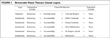
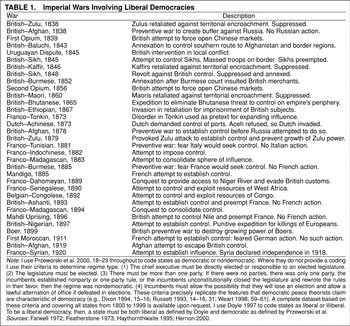
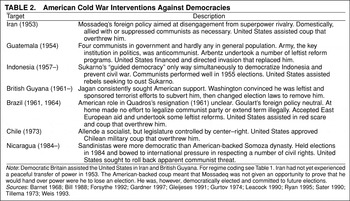
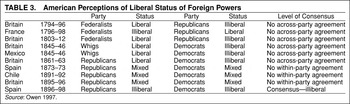
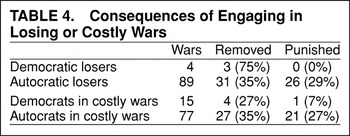



Comments
No Comments have been published for this article.