

While the previous chapter focused on the pre-existing conditions and pressures that helped determine the impact of hazards, this chapter looks at societal responses to hazards – active decisions, policies, and adaptations aimed at enhancing the resilience and reducing the vulnerability of societies or groups. This covers interventions as varied as adaptations of land use or building styles to environmental conditions, physical protection against hazards, the use of warning or prediction systems, measures to contain the spread of disease, or the distribution of disaster relief. The distinction between the initial shock, on the one hand, and its eventual impact, on the other, implies that all such measures can be seen as forms of disaster prevention: even when the shock itself cannot be avoided, it may well be possible to prevent it from developing into a disaster. That is why we refrain here from distinguishing between ‘structural’ measures that modify the event and ‘non-structural’ ones that modify human vulnerability.Footnote 1 Instead, in this chapter we discuss three important general aspects of responses to shocks: the relationship between top-down and bottom-up initiatives, learning from experience and the application of ‘expert’ knowledge, and the constraints on active responses to hazards – especially via the unequal application of power and wealth.
5.1 Top-Down and Bottom-Up Responses
Previously we discussed the increasing involvement of the state in disaster management since the early-modern era, and subsequently we pointed to the importance of collective action: formal or informal cooperation and coordination at the local level.Footnote 2 In terms of this distinction, responses can be arranged between two extremes. At one end of the scale are top-down interventions imposed by a government or elite, requiring substantial investments and making use of advanced technological knowledge. At the other are bottom-up initiatives that rely on local resources and know-how. In many cases elements of both are present: that is to say, even top-down initiatives are not entirely ‘imposed’ but simultaneously require acceptance and implementation at ‘street level’ too.
While the technological advances of the modern era have stimulated the use of top-down interventions, it would be a mistake to think they were absent earlier. A prominent case is the sophisticated ‘ever-normal’ granary system established in Qing China, intended to stabilize grain prices and provide a safeguard against famine. Although the system built on some of its predecessors, it was greatly expanded and refined in the late seventeenth and early eighteenth centuries, reaching its greatest complexity in the middle decades of the latter. By then, granaries had been established in all main population centers. In order to keep reserves in these granaries at stable (‘ever-normal’) levels, they were regularly restocked through purchase, tribute, or private contributions in exchange for titles of honor. Transport – mainly by river or canal – was organized from granaries in regions with a surplus to meet shortages elsewhere in the empire. In years of poor harvests, grain was distributed at reduced prices to the entire population; stocks were also used to minimize seasonal price fluctuations. All of this required very substantial financial resources and bureaucratic efforts by the state.Footnote 3 It is estimated that in dearth years granary distribution would feed around 5 percent of the population of any province for two months, while the total costs of the granary system amounted to 0.5 to 2 percent of the state’s annual revenues.Footnote 4
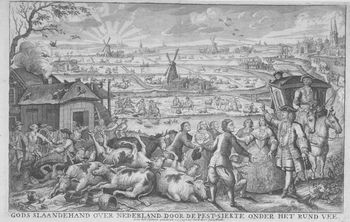
In situations where state power was not as strong, top-down intervention might take a somewhat different shape. In the late twelfth century, the urban authorities of Verona, in Northern Italy, tried to prevent a recurrence of the famine of 1178 by actively increasing the area of land under cultivation in the surrounding countryside. Marshlands were granted to wealthy citizens who started reclamation projects, whereas more arid land, after an irrigation canal had been dug, was divided into farms onto which a community of peasant families was settled.Footnote 5 In the first case, then, the Chinese authorities simply had the power and resources to coerce implementation of the necessary prevention measures, whereas in the second case, Italian city-states still had to make some concessions to get the process under way. In fact, it was often the case that even when ambitious authorities did initiate top-down preventive measures, they still had to fall back on local knowledge and networks. For example, in the late-eighteenth-century Southern Low Countries, the government imposed a series of drastic measures to contain recurrent outbreaks of the rinderpest, including the compulsory slaughter of all cattle on farms where the disease was identified (Figure 5.1). The policy was carried out despite resistance by the farmers, but in order to achieve this process of ‘stamping out’ the authorities had to rely on the ability of experienced local lay veterinary healers present in every community to diagnose the disease.Footnote 6
Engraving showing the drastic measures imposed by the Dutch government in 1745 to contain the rinderpest – the compulsory slaughter of all cattle on farms where the disease was discovered – and the resisting farmers. Caption: Gods slaandehand over nederland door de pest-siekte onder het rund vee naa het leeven getekent en gegraveert door Jan Smit (1745).
However, disaster management specialists have argued that while top-down interventions may protect lives and livelihoods, they may also generate or exacerbate vulnerability.Footnote 7 The first phase of the Greater Dhaka Flood Protection Project carried out in the 1990s is a good example. This large-scale engineering project, aimed at preventing the flooding of this area of Bangladesh, turned out to have many unexpected side-effects in the areas just outside the embankments. There, the inflow of polluted water forced many residents to abandon agriculture, resulting in a decline of average income. In addition, serious problems emerged with waste disposal, water quality, and sewerage, posing risks for public health.Footnote 8
Accordingly, bottom-up measures may be more attuned to local needs: agricultural systems, settlement location, and construction methods were often adapted to the natural environment in order to minimize risks. In the Campine region of the Southern Low Countries, located in the European sand-belt region, sand drifts have long posed a serious threat to farms, fields, and villages. Yet in the late Middle Ages the inhabitants alleviated ecological degradation through different prevention techniques. A framework of collective resource management and property rights stimulated members to plant shrubs and trees and restrict harmful practices such as peat extraction and mowing. Inhabitants had the capacity to do this, since powerful elites were not present to violate, obstruct, or ignore communal regulations, and inhabitants also had the incentive, since their welfare was intrinsically embedded within the sustainability of the socio-ecological system. However, prevention strategies of this type require a thorough understanding of local conditions. If change happened very quickly or if the area was settled by newcomers from other agricultural regions, preventative measures might not develop. In the early Middle Ages the Campine region did witness the destruction of settlements by sand storms, for newly arrived settlers reclaiming the land were unaware of the risks of deforestation and large open fields in this environment, setting irreversible sand storms in motion.Footnote 9
Epidemic disease was one threat that clearly brought about a series of complex prevention strategies in the pre-modern period – especially those introduced by urban governments. Although contagion was often seen in a context of divine punishment, pre-modern European and Middle Eastern societies did understand contagion – viewed through the lens of miasmatic theory, for instance.Footnote 10 Accordingly, plagues and other diseases fashioned the need for urban governments to impose various kinds of practical regulations and restrictions, many of which still feel remarkably familiar to anyone living through present-day outbreaks of epidemic diseases such as the 2019–20 coronavirus disease COVID-19. Some of the earliest plague ordinances can be found in the fourteenth century, though they increased in frequency from the fifteenth century onwards, and some have been described as particularly successful – the rapid response by the Neapolitan government in the 1690s kept plague in Apulia restricted to just ten agro-towns,Footnote 11 while Ragusa (Dubrovnik) was already plague-free during the early stages of the sixteenth century – a public health success story.Footnote 12 Most ordinances were concerned with the same things, even if they had local variations: (i) isolation of the sick or suspected sick in their houses, (ii) maintaining hygiene in public spaces, (iii) the regulation of trade, and (iv) supervision and social control. In connection with this, some scholars have argued that the fear of epidemic outbreaks was instrumentalized by ‘elites’ or ‘authorities’ as an ‘excuse’ for implementing order.Footnote 13 In pre-modern Europe, social control is said to have taken the form of heavy impositions on certain vulnerable groups: beggars and vagrants, prostitutes, foreigners and outsiders, and the general poor. In some cases, straightforward persecution took place, as was the case with the carefully orchestrated pogroms against Jewish populations during outbreaks of plague in the later Middle Ages.Footnote 14 As well as offering the blueprint for social behavior, authorities also developed systems to enforce compliance – often through onerous punishments, usually of a financial nature.Footnote 15
As mentioned above, however, top-down authoritarian attempts to implement behavioral patterns that reduced the likelihood of an epidemic disease, or restricted its spread once in motion, could not really work without cooperation from below. Evidence from pre-modern Europe suggests that these kinds of impositions were rarely accepted automatically. In fact, rather than being a suitable vehicle for overly draconian measures and social control, plague epidemics in particular became a context for those lower down the social hierarchy to vent their frustrations and fears, if not in the same politically charged manner as seen in the nineteenth- and twentieth-century cholera outbreaks.Footnote 16 More often this was only in a passive way via a refusal to cooperate with the authorities, but on occasion it included more assertive and direct action leading to conflict. Examples of this kind of failure to do the authority’s bidding included the rejection of supervised and restricted burial practices. Instead, family, friends, and neighbors continued to carry and transport infected bodies – despite dangers to themselves – and often erupted in violent protest when prevented from doing so.Footnote 17 Frequently, we find people refusing to pay fines for contravening regulations and rejecting orders to move from their homes to isolated quarantines. Given that communal suspicions and distrust of the decisions and actions of ‘elites,’ ‘authorities,’ ‘experts,’ or ‘outsiders’ are seen even today in the wake of serious epidemics, with the case of the 2013–15 Ebola outbreak in West Africa as an obvious example, leading to violent resistance and outcry at the local level,Footnote 18 the need to engage local communities and respect cultural contexts when developing epidemic prevention and containment strategies is something that runs very deep across different societies, but also goes far back in time.
5.2 Experience, Memory, Knowledge, and Experts
5.2.1 Memory and Learning from Experience
The belief that it is possible to learn from disasters is a vital element in the disaster cycle. Memory and learning from past experiences affect both vulnerability and resilience. Anticipating recurrent hazardous events may trigger investments in infrastructural works, changes in societal structures and reorganization of institutions to prevent a future hazard from unfolding into a disaster, thus reducing vulnerability. When eradicating the hazard or shock altogether is not possible, learning and memory can help to mitigate the effects of the shock and enable a much faster recovery or adaptation. This influences resilience as well. Memory and learning can take place on various levels. Governments and other policy makers can draw conclusions from what went wrong – especially in present-day situations, they can frequently avail themselves of the results of official investigations – in order to take technical and managerial measures, but memory and learning are just as much a matter of common people applying practical knowledge in day-to-day-life, individually and collectively.
Reactions to famines in late-twentieth-century Africa provide an example of the former situation, where changes of government policies occurred on the basis of experiences during earlier disasters. In Ethiopia and Sudan national authorities and NGOs drew lessons from the terrible famines of the 1970s and 1980s to prevent a recurrence during the droughts of the mid-1990s. Projects introducing technological innovations in agriculture were initiated, and both countries – Ethiopia in the late 1970s and Sudan in the mid-1980s – established agencies that were given the task of setting up and maintaining early-warning systems and establishing national cereal reserves. In cooperation with NGOs, food-for-work programs were initiated to provide food rations to hundreds of thousands of households in return for labor, and food aid from abroad increased substantially. Health services and sanitation were improved.Footnote 19 Policies were successful in the sense that the threat of famine was addressed more effectively and quickly in 1994 than in earlier decades.Footnote 20
But while resilience has improved, vulnerability remains: famine is still a very real risk in parts of Africa. Although the governments of Ethiopia and Sudan also tried to redirect agricultural policies towards national self-sufficiency, in this respect they were much less successful.Footnote 21 In addition, social and political factors affect vulnerability through the marginalization of social or ethnic groups and the recurrent armed conflicts that exacerbate the effects of droughts. In some cases famine is even used as a deliberate strategy in those conflicts. As the authors of a recent report on African famines over the last three decades conclude, learning lessons is one thing, but actually translating them into action is another. Early-warning systems, for instance, have little effect if the warnings are not followed by ‘early action.’ When learning takes the form of adjustments in government policies, the political will to act upon the insights gained from experience is decisive.Footnote 22
Political will does not carry the same weight in situations where learning is a bottom-up process. A good example is the culture of coping with hurricanes or typhoons in the Philippines, which has already been discussed above.Footnote 23 The impact of the recurring typhoons was actively mitigated through preventive building methods and infrastructural works, but also through the mental acceptance of risk and a strong sense of solidarity. Since everybody was susceptible to risk, relief systems and redistributive mechanisms were immediately put in motion to help neighbors and community members who had been struck during a hazardous event. These informal networks were eventually adopted by the Spanish rulers of the islands in the form of fraternities called cofradías.Footnote 24 Collective action mechanisms and the culture they supported secured continuity in the face of risk and helped prevent most hazards from turning into true disasters.
A disaster memory often requires decades or even centuries to develop and relies upon a certain level of demographic stability. Only when communities can get acquainted with an environment and its hazards can traditional environmental knowledge be formed, which is the basis of a culture of coping. This is not evident in more mobile or rapidly changing societies. In New Orleans, for example, traditional environmental knowledge was continuously lost. The French and English settlers did not inherit or appropriate elements of environmental knowledge from local communities. Strategic interests induced the colonizers to locate their settlement in a vulnerable zone. Most of the city was surrounded by water, and drainage issues were a significant problem. But, on arrival, the settlers were unaware of the recurrent hurricanes. This was demonstrated by the unforeseen and hence disastrous hurricane and inundation in 1722 within four years of the foundation of the city. Unlike other settlements in the Americas that proved to be ill-located, New Orleans was not relocated or deserted for a more suitable site. The plain of Manchac was deemed an ‘indispensable necessity’ for the new colonial powers. Moreover, in New Orleans successive colonial powers followed each other at relatively high speed. By the second half of the eighteenth century, when local environmental knowledge had been developed, the colony had been given to the Spanish and the process had to start again. Distrust of French settlers and fear of slave revolts in the wake of hurricanes prevented an efficient response to the disasters. As a result a culture of coping did not develop despite the repetitive character and nature of the environmental hazards.Footnote 25
Finally, lessons from the past do not automatically stick forever: experience and knowledge may fade when they are not maintained. Such instances of forgetting or ‘de-learning’ can be triggered by a reduced frequency of shocks, either because of changes in the natural environment or, ironically, as a result of effective disaster prevention. This may give rise to a false sense of security, similar to the ‘levee effect’ discussed above,Footnote 26 in turn leading to the erosion of the institutional framework required to maintain expertise and ensure its transfer to the next generation. The outbreak of the plague in Surat (Western India) in 1994, for instance, took place almost thirty years after the last case of plague in the region and more than sixty years after the last major epidemic.Footnote 27 The outbreak was caused by a combination of factors. These included, among others, unhygienic living conditions in the city’s crowded slums, but also the abandonment of plague monitoring schemes due to budget cuts, related in turn to the austerity measures imposed in order to ward off a national debt crisis. These schemes were easy targets in a situation in which the immediate threat of the disease seemed no longer present.Footnote 28
5.2.2 The ‘Rule of Experts’
“Don’t find a fault. Find a remedy.” This quote from Henry Ford included in the 2006 Bipartisan Katrina Report, ‘A Failure of Initiative,’ reflects how present-day governments and societies aim to deal with disaster.Footnote 29 The remedy usually suggested is technological and those suggesting it are usually ‘experts,’ that is, scientists and engineers. This dependence on experts and their mastering of techniques and technology to deal with and adapt to hazards and disasters is, however, not self-evident and can be better understood by tracing the historical roots of this phenomenon and its evolution throughout time.
The rise of experts as a separate social group with a separate kind of ‘expert knowledge’ is usually situated at the end of the sixteenth century and the beginning of the seventeenth, and is often considered a crucial feature of the modernist interaction with nature.Footnote 30 As argued by Eric Ash, the meaning of the concept ‘expertise’ in late-sixteenth-century England gradually shifted from practical experience in a certain field to insight in more abstract, mathematical models. When it came to navigation, for example, in the early sixteenth century expertise was seen as belonging to well-versed seamen, who had elaborate experience of finding their way on the ocean. At the end of the same century, navigational expertise was expressed in complex mathematical models, in the new genre of ‘navigational handbooks.’Footnote 31
The new, late-sixteenth-century definition of expertise heralded the emergence of a new social group, the ‘experts,’ who used this new idea of expertise to establish their own position. Their ally in this pursuit was the emerging early-modern state, which legitimized their expertise and used experts for its own gain: as mediators and project coordinators they allowed the state to expand its scope and undertake projects in more distant parts of the realm. Experts and the state thus co-evolved.
In the modern era, the rise of the nation state and the advance of technology and science gave the rule of experts a dominance it had not previously possessed. In the middle of the nineteenth century ‘social engineering’ and techno-politics flourished, as the new nation states left behind their laissez-faire social policies – inspired by the Neo-Malthusian idea that demographic checks were necessary – opting instead for a new focus on proactively developing social measures. This development was not restricted to the Western world: it can also be observed in other parts of the globe colonized by European powers.Footnote 32 In older studies the increased state intervention and its heavy use of science and technology have often been seen as a story of progress, and of the success of modernity.Footnote 33 This is not without reason, for state-sponsored technological innovation based on scientific expertise did sometimes indeed contribute to a reduction of disaster vulnerability. Some of the most spectacular examples can be found in the battle against infectious diseases in European cities in the second half of the nineteenth century. By the 1860s it had become clear that diseases such as cholera were spread by contaminated water and that the existing water wells and sewers were to blame for the spread. It was physician John Snow who discovered in 1854 that cholera was conveyed by water and that the pandemic of London was linked with one very particular pump in Broad Street. The ground water of the well in Broad Street was contaminated by the water seeping from the different cesspools in the area. As a result, urban as well as national governments in Europe and America became convinced that sanitary reform was urgently needed. In England Sir Edwin Chadwick, who led the Poor Law Commission, urged a complete reconstruction of the poor neighborhoods and advised a sanitary reform, whereby sewers and piped water supplies were provided in all English towns for all social classes. Soon, similar measures were taken in towns and cities in other European countries, with very favorable results.Footnote 34
The rule of experts, however, also has a reverse side: states may use their social policies to control the lives and bodies of their subjects – biopolitics as Foucault would have called this. Chadwick, in his famous 1842 report on Sanitation, was very explicit in his – in hindsight very Foucauldian – ambitions: implementing centralized sewer systems and piped water networks would mean that more poor people would be healthy and could earn a decent living through working.Footnote 35 Nineteenth-century state intervention in other social domains bears witness to a similar approach. Hunger, for example, became a ‘social problem,’ and practitioners in the emerging fields of nutrition and domestic science helped craft a response to this problem. The introduction of British school meals, offered to those children who failed to develop according to scientific benchmarks, is a clear case in the battle against hunger, influenced by this cooperation between state and science.Footnote 36
There is a vast literature on how the combination of state control and the rule of experts disrupted normal routines in socio-environmental systems, often with devastating results. The irrigation agriculture in the Egyptian Nile Delta offers a famous example of a highly complex socio-environmental system, the maintenance of which was largely devolved to individual village communities, at least from the Mamluk period onwards. From the late eighteenth century onwards massive public dam and canal building – such as the reconstruction of the Ashrafiyya/Mahmudiyya Canal, linking Alexandria to the main Nile branches in 1816–19 – required a forced mobilization of thousands of peasant laborers, not only resulting in a high number of casualties among the workforce, but also disconnecting peasants from their homes and traditional knowledge of their environment. These grand projects would not have been possible without the combination of a new type of ruler, in this case, khedive Mehmet Ali, ‘the father of modern Egypt’ (1805–48), and a new type of expert, personalized by Rohidin, an Ottoman engineer from Istanbul and founder of the Egyptian School of Engineering in 1816.Footnote 37 According to Alan Mikhail, these public dam-building projects, from the Mahmudiyya Canal to the Aswan High Dam in the 1950s and 1960s, not only constituted a complete make-over of both the environment and the rural society of the Nile Valley, but also increased the vulnerability to natural hazards, which came in the form of salinization, shrinkage of the Delta, siltation of the irrigation network, and evaporation of water.Footnote 38
The Foucauldian perspective, in which expertise and technology are used by states and their expert-allies to control people, often by controlling nature, also emphasizes how this led to an increased vulnerability among the ‘powerless.’ Through their impact on the environment, technological systems help to produce and reproduce social inequalities and power relations. In risk-prone regions, the use of capital-intensive technology to counter hazards such as flooding or earthquakes usually privileges the wealthier districts, either directly or indirectly, as the real estate market will push poorer people towards the least protected areas.Footnote 39
What is more, technology in itself may also lead to hazard and disaster, as in the case of ‘technological lock-in.’ The choice for a specific type of technology creates a certain path-dependency and can create its own vulnerabilities. A clear example of technological lock-in is the case of Dutch flood safety. When the Dutch started draining their wetlands around the year 1000, they set in motion a process that was hard to stop. The land subsided when it had been drained, so dikes (seawalls and river embankments) had to be built. Owing to the lack of flooding, the deposition of sediments decreased, meaning dikes had to be raised even more, and so on, and so on. The confidence of the Dutch in this type of technological solution is large – especially after the Delta Works, following the 1953 floods, which kept Dutch feet dry for over sixty years. The chances of failure seem slim (standards are set at once every 10,000 years in densely populated areas and once every 4000 years in less densely populated districts), but this ignores the fact that the calculations of flood safety levels are highly uncertain and that if flooding happened the consequences would be disastrous, as millions of people currently live below sea level. The impact of climate change accelerates the process of falling land levels and a need for rising levees, which in the long run seems untenable. Thus “the Netherlands truly finds itself in a lock-in because there is no question the entire population in low-lying areas can move elsewhere.”Footnote 40 However, during the last couple of years the ‘accommodation paradigm’ (i.e. leaving space for water) has been slowly gaining ground, indicating that political and economic choices might indeed provide a way out of technological lock-ins.
5.3 Constraints on Disaster Responses
5.3.1 Inequalities in Power and Property
Previously, inequality has been discussed as one of the pre-existing conditions that help determine the impact of hazards.Footnote 41 Inequalities in wealth, resources, and power are also among the factors that may constrain the ability of societies to respond. Coping strategies for the ‘common good’ were sometimes blocked or hindered, if they conflicted with the goals and desires of those with more resources or wielding more power, and on occasion the responses that were allowed to be enacted benefited only a small elite group rather than society at large.Footnote 42 It is clear that one society’s capacity to respond to a hazard under conditions of plantation slavery was different from another society’s response capacity under conditions of feudalism, and this again was different from the range of responses available to people in peasant societies or free market-oriented democracies.
In some cases, inequalities in power and property could represent conditions that enhanced responses to hazards – or at least the speed, intensity, and completeness with which they could be implemented. For example, in medieval Europe powerful manorial lords were often influential in laying out open fields, even if this still required negotiation with tenant communities. In an open field both demesne and tenant lands were fragmented, mixed, and distributed in the fields. Such spatial spreading of exposure to the elements was an important feature of risk limitation in medieval agriculture.Footnote 43 Likewise, powerful urban lords in Northern Italy incentivized (or coerced) rural communities to maintain water defenses in the light of flood risks. These were occasions when elite goals happened to coincide with broader communal ones: manorial demesnes also benefited from the sub-division of plots, while those water defenses allowed wealthy investors to reclaim more land for capital-intensive farming.Footnote 44 The same could be said of the process of incastellamento in tenth- and eleventh-century Western Europe. Concentration of inhabitants into fortified villages helped protect ordinary people from the hazards of violence, and yet the seigneurial lords who initiated this benefited from collecting a labor force large enough to colonize new areas, and crystallize and secure territorial power.Footnote 45
More often, however, the application of inequitable power or control over resources led to situations where coercive strategies could be employed to stop adaptive responses that were intended to prevent or mitigate hazards. In medieval and early-modern Leiden, for example, tenants and the town council both had interests in maintaining good-quality public health infrastructure, and the disposal of waste into communal cesspits. This was a system that was still in balance in the sixteenth century, but by the seventeenth century it had been replaced by a system of sewers that simply led to the flushing of waste into the city canals, and was likely responsible for terrible epidemic outbreaks that occurred throughout the 1600s. Residents’ needs for adequate hygiene provision – with frequent complaints made to the town council – conflicted with the needs of landlords who wanted to keep their costs down (by not maintaining expensive cesspits), and the needs of landlords in an increasingly inequitable city were privileged and protected by an urban council that wanted to expand its housing base to attract migrant workers for the textile industries.Footnote 46
Colonialism was, almost by definition, characterized by unequal power relations and forms of coercion. How this could result in constraints on the response to hazards is demonstrated in early-twentieth-century Malawi, at the time the British protectorate Nyasaland. Here, from the late nineteenth century onwards, a dual agricultural system developed: in the commercial sector cash crops, intended for export, were produced on large estates established on alienated land, whereas traditional subsistence agriculture was relegated to the increasingly congested but less fertile lands reserved for the native population. By the 1940s many smallholders combined wage labor in the commercial sector or in the emerging industries of South Africa, Southern Rhodesia, and neighboring Northern Rhodesia with subsistence agriculture on their own small plots of land.Footnote 47 Increasingly they focused on maize instead of sorghum or cassava. Maize yields a high caloric value per unit of land or labor, but is also very sensitive to water deprivation.Footnote 48As the dependency on maize increased, so did vulnerability to drought. Although the drought-induced famine of 1949 was a minor one in numbers of victims, the fact that it occurred nevertheless demonstrates the narrowing of traditional coping mechanisms under colonial rule. Moreover, the consequences were long-lasting: in combination with other factors, the lack of diversification in agriculture gave rise to another famine in 2001–02.Footnote 49
Although low levels of inequality do not guarantee an adequate response to hazards, they do offer advantages. In more equitable societies both assets and risks are more evenly distributed. This balancing removes an important source of conflict when it comes to responding to hazards, for it is more likely that responses that benefit elites also benefit others. Moreover, in economically equitable societies political power tends to be shared by a larger group: these societies are usually characterized by collective-choice arrangements that impose restrictions on short-term rent seeking and prioritize sustainable solutions. With their emphasis on local, bottom-up governance and rules design, they also promote flexibility and adaptability.
Flexibility or the opportunity to adapt is a recurring trope in the literature on the resilience of communities. The idea that societies where resources and power are more equally divided are better at adapting is often implicitly present within the literature on ‘institutional resilience,’ with its emphasis on local, bottom-up governance and rules design.Footnote 50 Likewise, anthropologists and historians have pointed to the fact that institutions are not necessarily efficient and are often very much steered by those in power. Ensminger, for example, focusing on the Orma people in twentieth-century Kenya, pointed to the fact that new institutions evolved very much according to the needs of those with the highest bargaining power and most resources.Footnote 51 Similarly, work on the Kafue floodplains in Zambia showed how, in the transition from colonial rule to independence, the former local common pool institutions were eroded and altered by being incorporated into a new state structure. Yet, tribal leaders and absentee herd owners were able to steer the new entitlement rules in such a way as to benefit their particular interests, for instance by imposing open access rules without any limit on their use of the common, while disregarding the social and environmental costs of these choices.Footnote 52
By implication, the power balance within a community and the position of the elite relative to other groups – which is linked to economic (in)equality, but in a more nuanced way – played a part in securing or hindering resilience. This is noticeable, for example, in the way poor relief strengthened resilience in different types of communities during periods of grain crisis in the pre-industrial Low Countries. Poor relief played an important part in helping the poorest cope in two different peasant regions. In Inland Flanders, where small, proto-industrial peasants lived in a co-dependency with large tenant farmers, the local elite (that is, these large farmers) decided to invest in relief as it was clearly in their interest to maintain this system of reciprocal – though unequal – exchange, where peasants traded their labor for grain and credit. Their efforts, however, were limited: the main aim was to enhance the status of the donors and maintain a labor force sufficient to meet demand.Footnote 53 In the Campine area, a communal peasant-dominated region, where independent peasants governed the villages, a more elaborate and inclusive relief system was in place, as vulnerability was much more equally divided among the people of this region and even local elites were not protected from the risks imposed by natural hazards or infirmity.Footnote 54
The role of elites is also stressed by Di Tullio in the context of resilience to warfare for fifteenth- and sixteenth-century Lombardy in Italy. The Geradadda communities were able to reproduce their social network and contain inequality, thanks to their communal assets, the credit-related opportunities provided by lay confraternities, and the role the elite played in enabling this. Di Tullio sees cooperation among different social groups as quintessential and claims that “reciprocity came before equality”; collective assets were essential to all social groups.Footnote 55 The suggestion that we have to look beyond mere economic equality has also been made by de Keyzer in her work on sand drifts in the pre-industrial Campine area in the Low Countries. By combining historical source material with OSL dating, she found that the late-medieval Campine village societies were entirely capable of mitigating the effects of sand drifts on the common heath lands that were essential to the economic viability of this region. This resilience can be explained by the fact that all interest groups there (small peasants, village elites, tenant farmers, and lords) relied to some extent on the survival of these commons, thus creating firm incentives for protecting them. Their strong property rights and the powerful grip of the village community on the government of these commons were essential as well.Footnote 56
Institutional resilience – that is, the ability to adapt institutions to changing circumstances – therefore has a nuanced relationship with equality. The literature points firmly to the importance of bottom-up control and collective arrangements, but whether this constellation worked was strongly dependent on the socio-economic context. It is noticeable that a balance of power and shared interests between the social elite and other social groups seem to have been essential in creating flexible institutions that strengthened resilience.
5.3.2 Institutional Rigidity and Path Dependency
Institutional rigidity and the entrenchment of norms, practices, beliefs, and values that shape vulnerability, adaptation, and resilience can act as constraints on responses to hazards – in some cases even pre-determining their outcomes.Footnote 57 A common cause of rigidity is path-dependent processes. These processes typically take root during the ‘critical junctures’ or key moments in time at which institutions are (trans)formed, after which certain directions of change are established and others are foreclosed in a way that shapes developments over long time spans.Footnote 58 Importantly for hazard and disaster response, as institutional arrangements become ‘locked in’ they become much more difficult to change – in a similar way to technological lock-ins – even if they make people more vulnerable and lead to negative disaster management outcomes.Footnote 59
A classic example of institutional rigidity and path dependency is found in former colonial contexts. In these settings, the imposition of colonial rule upon indigenous governance structures was a common critical juncture at which institutions were typically transplanted from the colonizer to the colonized, invariably acting in the interests of the former. Upon independence, however, many post-colonial nations did not simply disband their colonial institutions, but rather these became the new apparatus of the post-colonial state, with inherent colonial legacies in their functioning and even in ideology. Macro- and micro-level studies on Latin America have thus shown that the persistence of deep-rooted inequality embedded within colonial institutions constrains the use of resources and thus perpetuates unequal developmental outcomes in the present.Footnote 60 Just as many post-colonial nations had continuities from the colonial past in their dominant forms of economic activity, then, it follows that there are also legacies in responses to threats to those activities – as has been shown in governmental drought and famine relief intervention methods in sub-Saharan African nations,Footnote 61 and in hurricane response in the Southern United States.Footnote 62
Historians have also shown that institutional rigidity may be influenced by cultural and religious perceptions as much as by political responses – or may even be determined by a hybrid of the two. In pre-colonial societies across much of sub-Saharan Africa, for example, the coming of rain was linked to helpful intervention by ancestral spirits in the heavens – a belief system which spurred ‘rainmaking’ rituals in times of drought. As some of these societies evolved into more centralized state structures (a pre-colonial critical juncture), links between rainfall and ancestral spirits became tied to the political leadership, who were believed to have the ability to intercede directly with the heavens and bring rain.Footnote 63 Ultimately, the entrenchment of these links between institutions and the environment could – and, according to some, did – have negative consequences for the fate of the political leadership or even state structures as a whole in times of protracted environmental stress, or could lead to blame and scapegoating of marginalized or minority groups.Footnote 64
In turn, colonial actors brought their own perceptions and usually attempted to marginalize indigenous belief systems, although the extent to which they succeeded in doing so was context-dependent. In the Southern African case, even during the seventeenth-century high water mark of Portuguese power, indigenous beliefs and perceptions concerning rainfall were disparaged but did not disappear – an outcome that likely had as much to do with the weaknesses of the Portuguese as with the deep-rooted nature of indigenous norms that had built up over several centuries. In other cases, however, we observe that it was the perceptions of the colonists that were remarkable for their change rather than their rigidity. For example, in Jamaica it has been shown that while the English imported their puritan ‘wrath of God’ perceptions of extreme weather events to the Caribbean, this religious perception waned over time as new environmental knowledge was acquired through repeated encounters with hurricanes.Footnote 65 That is to say, environmental hazards themselves acted as a partial trigger for (informal) institutional adaptation rather than rigidity, creating new constraints and opportunities for responses to hazards.
The above paragraphs therefore show a double perspective on institutional rigidity, change, and path dependency. On the one hand, political and cultural factors seemingly unrelated to hazards had significant effects on the ability of institutions and societies to cope with such hazards through enforcing rigidity or enacting change. Yet on the other, recurring extreme events themselves could also act to influence institutional change and to overcome rigidities. A challenge for research into institutional rigidity and path dependency, therefore, is to identify potential patterns in its possible causes – in other words: what are the mechanisms by which path-dependent processes come into being or are broken? As we argue throughout this book, this necessitates a move away from the event-based focus of many studies on historical disasters.


 Open access