




No CrossRef data available.
Article contents
- Abstract
- The BPD Diagnosis and Emotion Dysregulation as a Symptom of BPD
- Definition of Emotion Regulation
- Importance of Effective Emotion Regulation
- Studies of Affect and Affective Reactivity in BPD
- Studies of Attention in BPD
- Neurophysiology of Cognitive Control of Emotion
- Neurophysiology of “Automatic” Emotion Regulation
- Structural Imaging Studies in BPD
- Resting Functional Neuroimaging Studies in BPD
- Task-Related Functional Imaging Studies in BPD
- Genetics and Emotion Dysregulation
- Toward a Developmental Theory of Emotion Dysregulation
- References
Emotion dysregulation and the development of borderline personality disorder
Published online by Cambridge University Press: 12 December 2005
Article contents
- Abstract
- The BPD Diagnosis and Emotion Dysregulation as a Symptom of BPD
- Definition of Emotion Regulation
- Importance of Effective Emotion Regulation
- Studies of Affect and Affective Reactivity in BPD
- Studies of Attention in BPD
- Neurophysiology of Cognitive Control of Emotion
- Neurophysiology of “Automatic” Emotion Regulation
- Structural Imaging Studies in BPD
- Resting Functional Neuroimaging Studies in BPD
- Task-Related Functional Imaging Studies in BPD
- Genetics and Emotion Dysregulation
- Toward a Developmental Theory of Emotion Dysregulation
- References
Abstract
We review the role of emotion regulation in borderline personality disorder (BPD). We briefly discuss the historical development of BPD as a disorder where emotional regulation plays a key role. We review the concept of emotion regulation in general and explore both one-factor and two-factor models of emotion regulation. We discuss cognitive and attentional aspects of emotion regulation, and explore these regulatory controls as operating as both voluntary as well as automatic processes. We then turn to other neurophysiological models of emotion regulation in general and examine how those models, both neurophysiologically and neuroanatomically, are expressed in individuals with BPD. We examine how neuroimaging, both anatomical and functional, reveals the roles that various neuroanatomical structures play in the regulation of emotion in BPD. We conclude by creating a neurodevelopmental model that describes how a complex matrix involving the interplay of constitutional/biological predispositions with environmental stressors as well as with parental effectiveness in response to the child's emotion expression can impact key aspects of adult cognitive, affective, interpersonal, and behavioral functioning that culminate in a diagnosis of BPD.
Information
- Type
- Research Article
- Information
- Copyright
- © 2005 Cambridge University Press
Why, then, 'tis none to you; for there is nothing either good or bad, but thinking makes it so: to me it is a prison.
Act 2, Scene 2, Hamlet, William Shakespeare
That dysregulation of emotion is a core feature of borderline personality disorder (BPD) appears to be a given. In a three-part review of BPD in 2002, the third and final part put forth the idea that emotional lability or emotion dysregulation was one of the two major endophenotypes of BPD (Siever, Torgersen, Gunderson, Livesley, & Kendler, 2002), the other being impulsive aggression. This idea of dysregulation of emotions as a prime driver or underlying constitutional predisposition for some of the symptoms found in BPD has been presented by others as well. Linehan describes deficiencies in emotion regulation (along with a nonvalidating early environment and low distress tolerance with the subsequent development of poor coping skills) as setting the stage for the development of borderline symptoms, especially, but not exclusively, with respect to the clinical presentation of parasuicidal behavior (Linehan, 1987, 1993). In Zanarini, Frankenburg, Hennen, and Silk's (2003) 6-year follow-along study of BPD, 90% of the BPD group endorsed affective instability at baseline, in contrast to endorsement by 30.6% of the comparison cohort with other personality disorders. Fifty percent of the BPD group continued to endorse this symptom after 6 years. Sanislow, Grilo, Morey, Bender, Skodol, and Gunderson (2002), working in the Collaborative Longitudinal Personality Disorders Study, found, by employing factor analysis, that three factors emerged in BPD (although the results can also be interpreted as representing a single factor for the disorder): disturbed relatedness, behavioral dysregulation (impulsivity), and affective dysregulation. Koenigsberg et al. (2002) explored the clinical nature of affective instability in 42 patients with BPD and found, when comparing them to 110 patients with other personality disorders, that patients with BPD showed greater lability between the states of anger and anxiety, depression and anxiety, and within the various clinical manifestations of anxiety. However, the BPD cohort did not reveal greater lability between depression and elation. Nonetheless, on subjective ratings, the BPD subjects did not experience greater intensity of affects than did the comparison group. In the classic article by Siever and Davis on the biology of personality disorders (Siever & Davis, 1991), affective instability is listed as one of the four dimensions of psychopathology that can be viewed as cutting across, from a biological point of view, a number of personality disorders. Siever and Davis point out that affective instability is very closely related to BPD (and perhaps histrionic personality disorder as well), and they suggest that defects in the cholinergic and adrenergic systems may be important underlying neuroregulatory mechanisms that play a key role in the development of this affective instability.
Although Siever and Davis's (1991) work was very important in pointing out that there may be significant biological underpinnings to many of the personality disorders, their initial hypothesis appears today to lack precision. More recent work by Depue and Lenzenweger (2001, 2005) suggests that the neurobehavioral and neurobiological systems that underlie many of the dimensions of behavior (and psychopathology) are the result of complex interactions of multiple systems. It is this interaction among neurotransmitters (and the underlying behavioral systems), and no single neurotransmitter, that leads to the differing phenotypic presentations of behavior among patients with personality disorders (Depue & Lenzenweger, 2001, 2005).
Although some may argue that the idea of considering specific symptoms of BPD is inherently open to criticism because all symptoms found in BPD and other personality disorders are really just differing expressions of interactions of consistent neurobehavioral systems (Depue & Lenzenweger, 2001, 2005), for our purposes here we will consider emotion regulation as a somewhat separate system. We “isolate” this system to review what is known about this aspect of behavior and to look at how this aspect of behavior, particularly when it is pathological in its regulation, may play a developmental role in BPD.
There are many researchers who do isolate the emotional regulation system and consider its dysfunction as a core component of BPD (Corrigan, Davidson, & Heard, 2000; Herpertz, Kunert, Schwenger, & Sass, 1999; Linehan, 1993; Silk, 2000; Stiglmayr, Shapiro, Stieglitz, Limberger, & Bohus, 2001). The inability to sustain positive affect coupled with the pervasive and unremitting distress as experienced by patients with BPD can become a veritable prison to those with the disorder and often as well to those who attempt to treat or help an individual with BPD. However, the nature of this particular dysfunction in BPD remains a curious phenomenon because individuals with BPD are quite able in a number of instances to utilize emotion regulatory mechanisms effectively. Specifically, individuals with BPD can proficiently intensify the valence and arousal of negative stimuli as well as prolong the duration of the effect of the stimulus. In addition, they are able to suppress the intensity, valence, and duration of a potentially positive stimulus. Thus, they demonstrate an operative, albeit baneful, capacity to alter the emotional tenor of a stimulus. However, over the long run, these strategies are short acting, inconsistent with the goals of the individual, and disruptive to effective interpersonal functioning, most probably because patients with BPD have a greater tendency to experience emotions with negative valence than to experience and recall emotions of neutral and or positive valence (Donegan et al., 2003; Korfine & Hooley, 2000; Kurtz & Morey, 1998). Consequently, although patients with BPD do reveal the ability to regulate or change their emotions, the particular ways in which they frequently utilize these coping mechanisms are not consistent with some accepted definitions of emotion regulation.
In reviewing the concept of emotion regulation in BPD, we will not cover the broader definition of emotion regulation, but we will try to focus on those aspects of emotion regulation that lead to what we identify as symptoms within the criteria set of BPD. Thus, taking BPD as our focus, this paper will explore various definitions and understandings of emotion dysregulation, its cognitive aspects, its possible development and role within the familial (broadly speaking) context, as well as some of the more recent neuroimaging work that may shed some light on this particular aspect of BPD. It will also propose a nascent theory of the role of emotion regulation, particularly as it develops during childhood, in the development of BPD.
The BPD Diagnosis and Emotion Dysregulation as a Symptom of BPD
The types of patients that were classified as falling into the borderline category initially were not considered to have a disorder related to mood instability or affective dyscontrol. Early descriptions of patients who were labeled borderline focused primarily on disturbed, even if they were transient, cognitive processes (Deutsch, 1943; Frosch, 1964; Knight, 1953; Zilboorg, 1941), and many of those who were then called borderline were later to be viewed as fitting more appropriately into what we currently call schizotypal personality disorder (Spitzer, Endicott, & Gibbon, 1979). Although there certainly were mood changes associated with these cognitive fluctuations that included transient psychotic episodes, these patients were primarily described as falling somewhere within the schizophrenic, or at least the psychotic, spectrum (Deutsch, 1943; Hoch & Polatin, 1949; Knight 1953; Stern, 1938). It was 1947 when Schmideberg (1947) first suggested that a disturbed regulation in affect might be a major aspect of these “borderline” patients. She proposed that these patients had an emotional instability that was essentially a stable aspect of their personality functioning, but at least 20 years were to pass before the emotional lability, instability, or dysregulation aspect of these patients' clinical presentation and behavior was to take hold as a central idea within the borderline concept. Of course, at this time, BPD was not even considered a legitimate diagnostic entity.
When Gunderson and Singer (1975) suggested a set of six criteria that they gleaned from a review of the literature of the various “definitions” of borderline over the years be included in a diagnostic entity called BPD, the idea of affective and interpersonal fluctuations of mood and behavior began to be seen as one of the central concepts underlying the diagnosis. However, it was not until 1980 and the publication of the DSM-III that BPD achieved the status of being an official diagnosis (American Psychiatric Association, 1980). Affective instability as defined by “marked shifts from normal mood to depression, irritability, or anxiety, usually lasting a few hours and only rarely more than a few days, with a return to normal mood” (American Psychiatric Association, 1980, p. 323) was listed as one of the eight criteria in the DSM-III definition of BPD. That specific criterion has withstood changes in DSM-III-R as well as in DSM-IV, and it currently appears as “affective instability due to a marked reactivity of mood (e.g., intense episodic dysphoria, irritability, or anxiety usually lasting a few hours and only rarely more than a few days)” (American Psychiatric Association, 2000, p. 710) in DSM-IV-TR. Other DSM-IV BPD criteria that also fall under a broad definition of affective instability or emotion dysregulation or that may be considered a byproduct of an inability to control or master affective responses and the behavior attached to them could include six of the nine DSM-IV-TR BPD criteria. In addition to affective instability, frantic efforts to avoid real or imagined abandonment, unstable, and intense interpersonal relationships, identity disturbance, impulsivity, recurrent suicidal behaviors, or gestures or threats, and inappropriate and intense anger or inability in controlling one's anger could all be seen as relating in some way to an inability to regulate affect and the behavioral expression of that affect.
The emotional instability criterion as part of BPD has not been extensively studied, but is considered by many to be a hallmark of the BPD diagnosis. It is thought to be (especially if one considers anger to be representative of emotional or affective lability) a prime instigator of transference–countertransference issues in patients with BPD (Gunderson, 1984; Gabbard & Wilkinson, 1994) and, as suggested above, it can be viewed as contributing to the impulsivity, anger, interpersonal relationship dysfunction, self-image, and parasuicidal behavior found in some people with BPD.
Definition of Emotion Regulation
Two-factor models
Although emotion dysregulation is clearly a symptom and may be behind a number of symptoms in the clinical presentation of BPD, the mechanism of this disruption remains undefined because the delineation of the concept of emotion regulation is not clearly agreed upon. Thus, the particular disruption or set of disruptions remains unclear from a physiological and psychological perspective. In general, the process of emotion regulation is viewed as providing individuals with the equipment to respond flexibly to the demands of their environment (Campos, Campos, & Barrett, 1989; Cole, Michel, & Teti, 1994; Thompson, 1994). However, responding to the demands of the environment may really be only one side of the coin, because the regulation of emotion can be conceptualized as having both adaptive and maladaptive aspects. There are other controversial issues that surround the concept of emotion dysregulation. Two primary issues are (a) whether emotion and emotion regulation occur in a sequential manner, with the functional goal of the regulation to alter somehow the emotional response to the experienced emotion, that is, whether the emotion and the response to the emotion are linked, or whether these two entities are each singly determined; and (b) whether these processes are under the control of the individual or operate in a more automatic and involuntary manner.
In a review of the processes and mechanisms implicated in emotion regulation, Thompson (1994) defined emotion regulation as “the extrinsic and intrinsic processes responsible for monitoring, evaluating, and modifying emotional reactions, especially their intensive and temporal features, to accomplish one's goals” (Thompson, 1994, pp. 27–28). If we accept this functionalistic definition, we are allowing that individuals with BPD do indeed demonstrate quite effective emotion regulation skills. For instance, if one's goal is to alleviate a state of numbness and emptiness, creating physical pain by cutting or burning oneself is certainly an efficient technique.
Although many theorists emphasize the disorganizing and stressful aspects of emotion, Thompson's model additionally accentuates the perspective that emotion has adaptive and synthesizing qualities. Other writers underscore this as well (see Barrett & Campos, 1987; Malatesta, 1990). In Thompson's view, emotion can both enhance or undermine effective functioning, and he views emotion regulation processes to be important “as they enlist emotion to support adaptive, organized behavioral strategies” (Thompson, 1994, p. 25). Thompson's view of emotion regulation is primarily a functional view because he depicts the role of effective emotion regulation as allowing emotional responses to be “flexible (rather than stereotypical), situationally responsive (rather than rigid), and performance enhancing (rather than over- or underarousing), and must change quickly and effectively to adapt to changing conditions if they are to support organized, constructive functioning in higher organisms” (Thompson, 1994, p. 26).
Thompson's (1994) description of the development of emotion regulation emphasizes the role of multiple pathways that consist of external agents that are in place to manage the emotions of children as well as the child's own developing capacity to self-regulate. What becomes critical to the development of emotion regulation in Thompson's view is the emerging of the child more and more into a social context. Caregivers help the child manage emotional experience by a number of different mechanisms including direct intervention to relieve distress (Gekoski, Rovee–Collier, & Carulli–Rabinowitz, 1983; Lamb & Malkin, 1986); modeling and selective reinforcement of positive emotion expression (Malatesta–Magai, 1991); induction as well as modification of emotion through affective contagion, empathy, and social referencing (Thompson, 1987); verbal instruction about emotion and emotion regulation strategies (Dunn & Brown, 1991; Miller & Sperry, 1987); and the control of opportunities for emotional arousal through environmental organization. It is clear that the central role of the caretaker in the modeling and initiation of emotion regulation capacity can result in a variety of potential mishaps, some certainly more damaging than others. However, by ascribing the environmental facet of emotion dysregulation to a narrow and specific feature, such as trauma or emotional invalidation, (which is often done in some theories of BPD), we may be losing both the complexity of as well as the subtleties involved in the evolution of the dysfunction.
Thompson (1994) describes seven processes/mechanisms implicated in the development of emotion regulation in children (see Table 1).
Thompson's processes involved in the development of emotion regulation

Thompson's (1994) view is primarily a two-factor theory of emotion wherein it is assumed that there are two phenomena: one involving a set of processes related to emotion and the generation of emotion, and the other involving a different set of processes that manage (or do not manage) the emotion (Campos, Frankel, & Camras, 2004). The theory suggests that the process of the management of an emotional response is distinct from the response itself. Most, if not all, of the processes involved here are voluntary. For example, he writes that “attention processes” are the first regulatory mechanisms observed, and an example of its simplest form is the redirection of gaze. Less consideration is given to automatic regulatory processes of attention, for example, that lead to disregarding task-irrelevant emotional stimuli. “Construals” or “interpretations” arrive at later stages of development and are learned cognitive techniques that we can observe to develop efficacy over time. Another cognitive strategy is “encoding of internal emotion cues” where one reframes what one is experiencing physiologically. The last three processes in Table 1 implicate some degree of environmental control that may or may not be available. However, the first box in Table 1, described as “neurophysiological constituents,” may not fall into Thompson's two phenomena or two-factor categorization. Thompson states that these neurophysiological constituents, for example, neuroregulatory functions of the hypothalamus–pituitary–adrenal (HPA) axis, prefrontal cortex (PFC), or other brain regions and circuits, provide the basis for more complex forms of emotion management in later years.
Many of the emotion regulation processes described by Thompson seem to be disrupted in BPD. There is certainly evidence to support abnormal neurophysiological constituents in BPD, and many of these neurophysiological constituents involve neural regions and processes that are implicated in emotion dysregulation (e.g., amygdala, orbitofrontal cortex [OFC], the HPA axis). Processes of attention and executive functioning have been shown to be disrupted in BPD (Lenzenweger, Clarkin, Fertuck, & Kernberg, 2004; MacCoon & Newman, 2005; Monarch, Saykin, & Flashman, 2004; Posner et al., 2002), although the role of these factors in the disruption in emotion regulation is only beginning to be understood. Cognitive–behavioral treatments of BPD (e.g., dialectical behavior therapy) target these voluntary processes with structured interventions because it is thought that individuals with BPD are impaired in their ability to utilize these self-regulatory processes (Linehan, 1993).
Another theorist who has written extensively about emotion regulation is James Gross. He (1998a, 1998b) has observed that emotion can be regulated either by manipulating the input to the system (antecedent-focused emotion regulation) or by manipulating its output (response-focused emotion regulation). Gross defines emotion regulation as a heterogeneous set of processes by which individuals influence, consciously and voluntarily, which emotions they have, when they will have them, and how they experience and express these emotions (Gross, 1999). He writes that these processes can include decreasing, maintaining, or increasing both negative and positive emotions by using various cognitive processes such as rationalization, reappraisal, and suppression. As Table 2 depicts, Gross describes five different subtypes of emotion regulation, with each subtype organized within one of the categories of either antecedent- or response-focused regulation (see Table 2).
Gross' types and subtypes of emotion regulation

These subtypes are all effortful and voluntary and are, in many respects, similar to the processes described by Thompson (1994). In contrast to Thompson's model, however, Gross' depiction of emotion regulation does not include any emotive or regulatory processes that may preexist or simultaneously exist with the emotional process. His model provides relevant detail to the subtypes of “cognitive change” and “response modulation,” and posits that both occur after the presentation of an emotional stimulus. Cognitive change comprises several tactics, regarded as adaptive, that are familiar to cognitive therapists (i.e., “positive interpretation,” “downward social comparison,” “cognitive reframing,” and “reappraisal”). Some are described in more psychodynamic terms, and are considered to be less adaptive (i.e., “denial”, “isolation,” “intellectualization”). Response-modulation is differentiated from cognitive change in that it is concerned with an actual change in behavior. Again, these can be adaptive (e.g., exercise) or maladaptive (e.g., substance use, self-harm). Regardless of the level of adaptability, all are considered types of emotion regulation.
A main posit of Gross' position is that strong emotions may at times be unwelcome, and at these times, individuals seek to manage their emotions (Gross, 1998a). Gross maintains that antecedent-focused emotion regulation, specifically reappraisal, is the most physiologically beneficial. This is based on several studies of physiology and self-report (Gross, 1998a; Gross & Levenson, 1993, 1997). These researchers found that, in general, when subjects were instructed to inhibit facial expressiveness while watching disgusting film clips (a form of response modulation), this inhibition led to increases in skin conductance and finger pulse amplitude. This suggests that suppression of negative emotion leads to increased physiological arousal. Gross (1998a) also studied the effects of reappraisal (a form of cognitive change) where subjects were asked to remain detached from the emotional material. They found that reappraisal led to decreases in emotional expressiveness but not to increased sympathetic arousal. Therefore, Gross argued that reappraisal may be less costly in terms of long-term physical health than suppressing or inhibiting emotional expression.
This distinction between response modulation and reappraisal appears relevant in BPD because it appears that much of the emotion regulation strategies that are employed by those with BPD fall under the heading of response modulation. Response modulation strategies may be more or less effective particularly when the emotional response has intensified to what is experienced as an unmanageable level. Even if the person is able to employ an effective response modulation strategy in that the strategy is able to reduce the intensity of the negative emotion, the consequences of some these behaviors (e.g., substance use, self-harm) are dysregulating in and of themselves. Although cognitive change and attentional deployment can modulate emotional input into the system, they also occur simultaneous with or after the presentation of an affective stimulus. These latter processes, as with response modulation, are difficult for individuals with BPD to employ successfully when they are severely distressed. The problem with patients with BPD then may be that by the time they consider employing techniques to reduce emotional input or reaction they are too distressed to utilize them or utilization is much less effective than if the techniques were employed earlier. The question needs to be asked whether there is an earlier point of intervention that would improve the success of these regulatory attempts. It appears that current treatments, somatic and cognitive, have not been as successful at determining that point as one would wish.
Therefore, viewing regulation primarily as an aftereffect of exposure to an emotional cue may obscure the quintessential nature of emotion dysregulation observed in BPD. One needs also to consider an essential aspect of effective emotion regulation to be protecting one's self against the onslaught of intense negative emotions in the first place. However, in BPD research, much of the emphasis has been on the role of emotion regulation as a tool to manage an emotional response rather than as a process that exists before and/or during an emotional response. Much of the first-line treatment of BPD is necessarily focused on choosing other, less-lethal, means of responding to the perceived noxious environment. By eliminating the pervasive chaos created by the dangerous and ineffective methods of emotion regulation (e.g., “coping” by self-harm, anger outbursts, etc.), it is a believed that a more paradigmatic course of therapy (and life) can progress. In following this sequence of thinking, we have perhaps led the proverbial horse to water, and we even suspect that he is able to drink. However, we remain unclear as to his motivation to drink or why he would not drink in the first place before we went to all this trouble! Put more succinctly, the specific dysfunction in emotion regulation that we see in BPD remains unclear and undefined, and, at this stage, the data fail to form a coherent model. Although we have a point of intervention (i.e., the teaching of emotion and behavioral regulation skills as we do in DBT; Linehan, 1993), it often feels as if we are attempting to throw toward some target in the dark as our target is unknown, unclear, or unseen.
Both Thompson and Gross largely endorse a two-factor theory of emotion. In a recent review, Campos and colleagues (2004), suggest that the two-factor approach makes intuitive sense as it follows common lore. That is, we experience intense emotion, and then we attempt to reduce our emotion by using different techniques. For example we “count to ten,” “curb our wrath,” “sleep on it,” “let it go.” We “do” these things in an effort to manage or reduce the intensity of our emotion. Campos and colleagues propose that a corollary of this is the belief that there are “good” (e.g., happiness, joy) and “bad” (e.g., anger, sadness) emotions, and that the implicit goal of emotion regulation is to enhance the good emotions and attenuate the bad emotions. Although this is intuitively reasonable and consistent with proponents of “positive psychology” (see Lazarus, 2003), Campos and colleagues maintain that this approach is not appropriate for understanding the functions and mechanisms of emotion regulation.
One-factor models
Campos and colleagues (2004) suggest that emotion and emotion regulation are concurrent, coterminous processes, and they provide a “one-factor” alternative to Thompson and Gross. They define emotion regulation as “the modification of any process in the system that generates emotion or its manifestation in behavior. The processes that modify emotions come from the same set of processes as the ones that are involved in emotion in the first place. Regulation takes place at all levels of the emotion process, at all times the emotion is activated, and is evident before an emotion is manifested” (Campos et al., 2004, p. 380). They base this model on the writings of Barrett and Campos (1987), Frankel (1999, 2002), Frijda (1986), and Lazarus (1991). These authors do not present emotion and emotion regulation as being separate or that emotion precedes emotion regulation. Rather, they view emotion and emotion regulation as cojoined processes that reflect attempts by the person to adapt to exogenous situations. These authors do acknowledge that, although there are examples of the two-step process of emotion regulation, these are less frequent than the one-step process of simultaneous emotion/emotion regulation. According to the authors, this one-factor alternative model has four qualities: (a) it is more integrative; (b) it allows one to account for context and how a bad emotion can be good in a certain context and vice versa; (c) it allows for social, cultural, and historical influences; and (d) it provides novel heuristic principles that can inform our understanding of the process of emotion development. Table 3 presents a summary of Campos et al.'s (2004) model.
Campos et al.'s aspects/characteristics of emotion regulation

As in the two-factor theories of emotion, there are ways that this model is applicable to the understanding of emotion dysregulation and BPD. Recent evidence indicates that there are (a) both structural and functional abnormalities in resting neural function in BPD (see neuroimaging section), (b) alterations in HPA axis function in BPD (Lieb et al., 2004), and (c) other neurophysiological factors that would influence a tonic inhibition or disinhibition prior to the experience or expression of the emotion (for review, see Schmahl, McGlashan, & Bremner, 2002). Although not explicitly tested, clinical studies of BPD indicate a lack of tolerance of emotion that is likely related to a poor assessment of one's abilities to deal with an affectively arousing stimulus. In BPD, there is often intense affective arousal related to the possibility of an emotional stimulus occurring, that is, a “preappraisal” process that appears to be at work. This is seen in a variety of ways, most notably in the symptom of fear of abandonment where the individual anticipates a person's departure and may then, in anticipation, experience the complete affective arousal as well as the intolerance of that arousal. Further, individuals with BPD are impaired in their ability to choose adaptive environments where they will have their emotional needs met and experience positive affect (Linehan, 1993). The latter part of Campos et al.'s model (bottom half of Table 3) is also relevant to understanding emotion dysregulation in BPD as these processes have been observed to be disrupted. Goals are unsettled, likely as a result of identity disturbance; hedonics are not defined, perhaps through a similar mechanism; emotional communication is often exaggerated or inappropriate (Zanarini & Frankenburg, 1994); and past experiences are often characterized by invalidating parent–child interactions and poor socialization experiences (Zanarini et al., 2000).
All three models (Thompson, Gross, Campos et al.) as presented can apply to our understanding of the development of emotion dysregulation in BPD, but each emphasizes different aspects of the emotion–emotion regulation process. The strength of both Thompson's and Gross's models is the fine-grained description of various voluntary, controlled strategies for regulating an emotional response. However, in BPD, emotional disruptions appear to be disordered from the very beginning of the generation of the emotion, and the one-factor model may be a more useful one to consider in these people.
Importance of Effective Emotion Regulation
The benefits of effective emotion regulation are not only linked to a decreased vulnerability to the development and maintenance of psychopathology, but there are data that suggest that effective emotion regulation promotes both mental and physical stability as well as improvement in overall functioning (Charney, 2004). Individuals who display resilience to stress exhibit personality traits that contribute to or facilitate effective emotion regulation. These individuals are characterized by an optimistic outlook, the perception that they have control over life events, an active coping style in confronting a stressor, a positive self-concept, a sense of meaning or purpose in life, altruism, and an acceptance of social support (Aldwin, Levenson, & Spiro, 1994; Bremner et al., 2004; Charney, 2004). In short, resilient individuals not only recover from a stressful event; they have the potential to transform their interpretation of the event and view it is an opportunity for personal growth (Charney, 2004).
In contrast, the persistent dysregulation of emotional responses to stress and negative affect that leads to a feeling of chronic stress and vulnerability, also contributes to chronic anxiety, hypervigilance, fear, intrusive memories, learned helplessness and hopelessness, and increased risk for hypertension and cardiovascular disease (Aldwin et al., 1994; Bremner et al., 2004; Charney, 2004). Similar symptoms have been found in various stress-induced psychiatric disorders in addition to BPD, such as posttraumatic stress disorder (PTSD), obsessive–compulsive disorder, and depression (Bremner et al., 2004; Shearin & Linehan, 1994).
Despite these discussions of models of emotion and emotion regulation and despite research that attempts to explore the role of emotion regulation in BPD, there are arguments made as to whether emotion and emotion regulation are useful, well-defined and well-informed scientific constructs (Cole, Martin, & Dennis, 2004). Regardless of the above arguments, there are also claims that the ability to regulate one's emotions is so central to development that it impacts one's ability to organize a whole series of internal processes, which in turn, facilitates aspects of cognition and learning, attention, identity, and social interaction and behavior (Cole et al., 1994). We do not enter into these discussions but proceed in this paper on the premise that emotion both has to be regulated and also has regulatory activity (Cole et al., 2004), and we explore these issues as they pertain to individuals with the diagnosis of BPD. Thus, we examine the role of emotion and emotion regulation in affect and in attention in BPD. We will then look at some of the neurophysiology and neuroanatomy of emotion and turn to how these findings inform our understanding of emotion in BPD. After reviewing what is known about emotion and emotion regulation or response in BPD, we propose a theory of emotion regulation in the development of BPD.
Studies of Affect and Affective Reactivity in BPD
It has been hypothesized that the affective reactivity that we observe in BPD is due to a acute sensitivity to emotional stimuli (mainly negative stimuli) that is characterized by heightened emotional intensity and a slow return to baseline after emotional arousal (Linehan, 1993). Self-report studies have found that individuals with BPD, in contrast to controls, are more emotionally unstable (Stein, 1996), less emotionally aware (Levine, Marziali, & Hood, 1997), have more intense negative responses to standardized everyday life events (Levine et al., 1997), are more likely to have trait negative affect (Trull, 2001), and experience more negative affect (Brown, Comtois, & Linehan, 2002; Yen et al., 2002). A laboratory study by Korfine and Hooley showed that patients with BPD compared to controls have a tendency to continue to remember words that had been classified as “borderline” words even when they were instructed to forget them. This suggested an affective bias in patients with BPD in remembering more negatively salient words and perhaps more negative memories (Korfine & Hooley, 2000). These findings are consistent with the hypothesis that individuals with BPD are more affectively reactive (and maybe more cognitively attached) to negative stimuli.
On the other hand, there are also findings that indicate that individuals with BPD do not demonstrate an increased sensitivity to emotional stimuli. Individuals with BPD do not show greater Stroop interference to negative emotional words, including BPD-specific emotional words (Arntz, Appels, & Sieswerda, 2000). Herpertz and colleagues (1999) found that when presented with unpleasant, pleasant, and neutral stimuli, BPD participants, in contrast to a healthy control group, did not demonstrate increased reactivity in self-reported emotion or in their electrophysiological reaction. Herpertz et al.'s results in the BPD cohort were similar to the control group, and these results suggest that the primary impairment in BPD may be an inability to successfully regulate affective response even when the initial affective response is not measurably exaggerated. Thus, patients with BPD may initially react no differently from other groups, but the ability to turn down, turn off, or decrease the initial response may be impaired. This type of impairment is likely linked to compromised function in neural regions that are implicated in the automatic and controlled processes of emotion regulation, for example, the amygdala, hippocampus, and PFC. The neurophysiology of emotion regulation will be discussed later in this manuscript.
Studies of Attention in BPD
If we are to pursue Herpertz et al.'s (1999) idea that the problem in BPD may not be in the generation of the original emotion but in the regulatory response to the emotion, then we need to explore what other processes might be involved in the disordered regulation. Attention may be one of those processes. Disruption of the regulatory mechanisms of attention has been put forth as a possible component of the more readily observable disordered regulatory mechanisms of emotion in BPD (MacCoon & Newman, 2005; Posner et al., 2002). The dissociation of emotion from attention is arbitrary at best, and it has not found empirical support. Although some processes of cognition and emotion appear to be driven by different neurophysiological mechanisms (Yamasaki, LaBar, & McCarthy, 2002), other processes appear to share similar regions, such as the anterior cingulate cortex (ACC). Furthermore, recent functional magnetic resonance imaging (fMRI) data indicate that attention and emotion are intrinsically linked in that brain regions that respond to emotional faces do so only when sufficient attentional resources are available to process the stimuli (Pessoa, Kastner, & Ungerleider, 2002). This implicates the attentional system as an integral component in emotional response. Therefore, understanding the role of dysregulated attentional processes is relevant to our understanding of the development of emotion dysregulation.
In a study that examined attentional mechanisms in BPD (Posner et al., 2002), participants completed the attention network task, which is a reaction-time task created to assess the efficiency of three attentional control networks (Fan, McCandliss, Sommer, Raz, & Posner, 2002). Results indicated an absence of group differences in overall reaction time, error rate, alerting, or orienting network scores. The only significant between-group difference was found in the ability to successfully negotiate attentional conflict. The BPD group was impaired in this task, relative to an average control group but not a temperament-matched control group. The authors concluded that in BPD there is a general disruption in cognitive control and a specific disruption in conflict resolution.
An essential part of the neurophysiology of conflict and conflict resolution is the ACC (Bush, Luu, & Posner, 2000; Pardo, Pardo, Janer, & Raichle, 1990; van Veen, Cohen, Botvinick, Stenger, & Carter, 2001). There is evidence that this region of the brain begins to develop at an early age, that is, between ages 2 and 7 (Gerardi–Caulton, 2000; Rueda et al., 2004). There is a conspicuous increase in the ability to regulate both cognition and emotion during this developmental period (Posner et al., 2002). These developmental processes have some implication with respect to the development of BPD, for this is also a period when it is likely that abusive or invalidating events would have a more profound impact on the developing attentional system (Kernberg, Weiner, & Bardenstein, 2000; Posner et al., 2002; Zanarini, Frankenburg, et al., 2000). The mechanisms of how this attentional dysregulation intersects with emotional dysregulation as well as some of the more extreme examples of attentional difficulty, as manifested in behavior such as dissociation, remain to be explored (Zanarini, Ruser, Frankenburg, Hennen, & Gunderson, 2000).
Additional data that support a deficit in attentional regulation in BPD are reported by MacCoon and Newman (2005). These researchers have developed a self-regulatory model (Newman & Wallace, 1993; Patterson & Newman, 1993), and they performed two experiments that demonstrate that individuals with BPD exhibit a tendency to focus on dominant stimuli accompanied by a failure to process nondominant, but relevant, cues (i.e., set-dependent restricted gating; MacCoon, Wallace, & Newman, 2004). Their model defines self-regulation as context-appropriate balanced attention between dominant and nondominant networks. These authors suggest that networks can be activated automatically by relevant cues, and that an individual's behavioral responses are largely dictated by the most activated (i.e., the dominant) network. Using this model, MacCoon et al. (2004) propose that many of the symptoms associated with BPD may be related to set-dependent restricted gating, because they found that individuals with BPD hyperfocus on stimuli consistent with their dominant network, such as cues associated with intense negative affect. (This reinforces the idea discussed above that patients with BPD tend preferentially to recall and hold onto memories or words with a negative valence.) Conversely, people with BPD are less able to attend to task-relevant but nonemotional stimuli. Therefore, contextual cues are not utilized fully in BPD; and they are often ignored in the presence of more salient (and often more negative) emotional cues. The processing of contextual cues is associated with hippocampal function, and the hippocampus has been implicated in the pathophysiology of BPD (see discussion below).
Neurophysiology of Cognitive Control of Emotion
The successful regulation of emotion relies on the ability to cognitively control emotion. As evidenced by the emotional regulation models described above in this paper, the cognitive control of emotion is only one domain of emotion regulation. However, our neurophysiological discussion will largely focus on this domain, as this type of regulation strategy has been the most thoroughly studied to date.
Several neuroimaging studies have examined cognitively controlled processes of emotion regulation, and some of these (Ochsner, Bunge, Gross, & Gabrieli, 2002; Ochsner et al., 2004; Schaefer, Jackson, Davidson, Aguirre, Kimberg, & Thompson–Schill, 2002) have used experimental methods based on those of Jackson, Malmstadt, Larson, and Davidson (2000). In the Jackson et al. experiment, healthy participants viewed a series of unpleasant and neutral pictures selected from the International Affective Picture System (Lang, Bradley, & Cuthbert, 1995). The participants were instructed to either “maintain,” “suppress,” or “enhance” their emotional response during the viewing of the unpleasant pictures (see Jackson et al., 2000, for detailed methods). During this viewing, participants received an audio startle probe. Past research indicates that the response of the orbicularis oculi muscle (below the eye) to an auditory startle probe is increased when an individual is presented with an unpleasant foreground stimulus and attenuated when an individual is presented with a pleasant foreground stimulus (Sutton, Davidson, & Donzella, 1997; Vrana, Spence, & Lang, 1988). Jackson et al. (2000) found that the magnitude of the startle response was significantly increased during the enhance, relative to the maintain, condition, and significantly attenuated during the suppress, relative to the maintain, condition. These results indicate that healthy participants were able to successfully regulate their affect as measured by the emotional-modulated startle response.
The instructions that Ochsner and colleagues (2002) used in their recent fMRI study were slightly different from the Jackson model in that they asked healthy participants to either “attend” or “reappraise” their emotional responses to unpleasant visual stimuli. Participants were instructed to reappraise by generating an interpretation or a story about the unpleasant picture that would explain apparently negative events in a less aversive manner. The example they give is that of a woman depicted crying outside of a church who could be described as attending a wedding instead of a funeral. However, the pictures used in this study were not as ambiguous as their provided example. Instead, they were pictures of human injury, mutilations, and surgery. Therefore, it is questionable how relevant reappraisal, as defined in this study, is to this type of regulatory challenge. When participants were asked to regulate (reappraise) emotional reactions to highly negative scenes, regions that demonstrated greater activation included the dorsal and ventral regions of the PFC and the dorsal medial PFC. They also examined correlations between self-reported negative affect and brain activity and reported that reappraisal success (less negative affect) was associated with greater activation in the ACC and the supramarginal gyrus. In addition they reported that the amygdala demonstrated greater responsivity on the attend rather than the reappraise trials. A later study by Ochsner and colleagues (2004) is distinguished from previous studies in that participants were asked both to decrease and increase experienced unpleasant affect. They instructed participants to modulate their negative emotion either by focusing internally on the self-relevance of aversive scenes or by focusing externally on alternative meanings for pictured actions and their situational contexts. The results indicated that both increasing and decreasing negative emotion recruited prefrontal and ACC regions implicated in cognitive control, and that amygdala activation was consistent with the regulatory goal. Greater amygdala activation was present during the trials when participants were increasing their negative response, and lesser amygdala activation was present during the trials when participants were decreasing their negative response.
Other fMRI studies further implicate the role of the PFC and the amygdala in the cognitive control of emotion. A study by Schaefer et al. (2002) also examined voluntary emotion regulation. They instructed participants to either simply view unpleasant pictures or to maintain their negative affect in response to them for a longer period of time. Their region of interest amygdala analysis revealed a time series for amygdala response that had a steeper amplitude and longer duration for the unpleasant maintain condition. In a similar voluntary emotion regulation study, Levesque and colleagues (2003) asked participants either simply to view sad film clips or to suppress their emotional response. For the suppress condition, participants were instructed to distance themselves from the stimuli, that is, become a detached observer. Results from the suppress condition indicate two significant loci of activation: the dorsolateral PFC (DLPFC) and the OFC.
We know relatively less about the neurophysiology of more automatic forms of emotion regulation than we do about more effortful cognitive control of emotion. The conceptualization of emotion regulation utilized in the above studies is consistent with the two-factor model of emotion regulation. The emotion and the regulation of emotion are regarded as separate and distinct, and the regulation of emotion is voluntary and effortful. However, there is some agreement that both levels of information processing, automatic and controlled, seem to govern the generation and regulation of emotions (Davidson & Irwin, 1999; Jackson et al., 2000; Ochsner et al., 2002; Ochsner & Barrett, 2001; Ochsner & Gross, 2004). Automatic forms of emotion regulation are more consistent with the one-factor model of emotion regulation (Campos et al., 2004). In particular, the initial appraisal of emotional information (involving both attention to and interpretation of emotional cues) is viewed as an essential precursor to emotional responding (Dodge, 1991), and perhaps an incorrect initial appraisal may relate to emotional dysregulation in borderline individuals. A number of theorists have proposed that borderline individuals may appraise emotional information differently than others (Lenzenweger et al., 2004; Linehan, 1993; Noy, 1982). This initial appraisal can be thought of as relating largely to attentional mechanisms.
Neurophysiology of “Automatic” Emotion Regulation
Because all emotion regulation is not necessarily under cognitive control, we turn to consideration of the neurophysiology of automatic emotion regulation. Although there is evidence that lateral ventral, dorsomedial, and dorsolateral regions of the PFC are involved in the execution of cognitive effortful emotion regulatory strategies, there is also support that some of these structures, particularly the amygdala and the ACC, are implicated in the automatic regulation of emotion. Some of these will be reviewed below. To study this automatic emotion processing, some studies have used paradigms similar to traditional cognitive Stroop and “flanker” paradigms. In these variations on the Stroop paradigms, a cognitive “distractor” is replaced with an emotional distractor, thus altering the nature of the task. The emotional counting Stroop task fMRI paradigm has been demonstrated to recruit the ACC due to the need to resolve conflict to successfully complete the task (Whalen, Bush, et al., 1998). This task is loosely based on the emotional Stroop where emotion words (typically negative) are included and slow the participant's reaction time.
There are fMRI studies that have examined automatic emotion regulation processes and found not only significant activation in the ACC (Bishop, Duncan, Brett, & Lawrence, 2004; Vuilleumier, Armony, Driver, & Dolan, 2001) but involvement of the amygdala as well. In these paradigms, participants performed a matching task for pairs of stimuli at a prespecified location while task-irrelevant stimuli were simultaneously presented at other locations. Vuilleumier et al. (2001) reported that the fusiform cortex was modulated by selective attention to faces, and the amygdala was activated by the presence of fearful, versus neutral, faces. This amygdala activation was robust whether attention was directed at the fearful faces or directed away from the fearful faces. Bishop, Duncan, and Lawrence (2004) found similar results regarding the amygdala. The Vuilleumier study also reported ACC activation (posterior) that was associated with response to fearful faces when these appeared at task-relevant, versus irrelevant, locations. In an effort to recruit the ACC, Bishop, Duncan, Brett, and Lawrence (2004), added an infrequency manipulation, as conflicting stimuli are especially salient when they occur infrequently (Logan & Zbrodoff, 1979; Tzelgov, Henik, & Berger, 1992). They reported significant activation in the rostral ACC to threat-related versus neutral distractor trials during the infrequent condition. In addition, they found that heightened anxiety (in a healthy group) was associated with reduced rostral ACC activity across all trial types, and heightened state anxiety was associated with reduced lateral PFC recruitment during the initial trials when context was being established. The authors suggest that there are distinct roles for the rostral ACC and the lateral PFC in the processing of task-irrelevant threat-related stimuli, and that these roles appear to be disrupted by the presence of anxiety.
Several neuroimaging studies have reported that the amygdala is activated even when unpleasant stimuli are masked and participants appear to be unaware of their presentation (Morris et al., 1998; Whalen et al., 2004; Whalen, Rauch, Etcoff, McInerney, Lee, & Jenike, 1998). Although these studies were not designed to specifically test “automatic” emotion regulation, they can inform our knowledge of the neurophysiology of these processes. Of primary interest to our discussion is the apparent automatic ignition of the amygdala when confronted with unpleasant stimuli. These affectively salient stimuli are relevant to the amygdala as attention is required to determine if the stimuli have significance to the individual and if so, to establish a call for further neurophysiological processing (Whalen, Rauch, et al., 1998). Of additional interest is the role of the PFC in the regulation of this neural excitation.
In sum, existing work suggests that lateral ventral, dorsomedial, and dorsolateral regions of PFC are involved in the execution of cognitive effortful emotion regulatory strategies, while the amygdala reflects the downstream output of this prefrontal circuitry (Davidson, Putnam, & Larson, 2000). Furthermore, it appears that some of these same regions are implicated in the automatic regulation of emotion, that is, the amygdala and the ACC. The amygdala and OFC perform a rapid detection, recognition, and interpretation of emotionally relevant environmental cues, and retrieve and generate a simple response, that is, approach or avoidance (Davidson, Irwin, Anderle, & Kalin, 2003; Ochsner & Gross, 2004). This initial, automatic process serves as a template for cycles of monitoring, evaluating, regulating, and generating more complex responses. The more complex responses are governed by higher order processes, which are receptive to cognitive control. The medial and lateral PFCs function to monitor and evaluate ongoing changes in the internal and external environment and retrieve and generate a response from working memory (Miller & Cohen, 2001; Ochsner & Gross, 2004). The ACC monitors these processes and evaluates the need for the management of conflict (Davidson et al., 2003; Ochsner & Gross, 2004).
We review these regions in some detail because it appears that these regions are critically involved in the expression and modulation of emotion. This then leads to the hypothesis that dysfunction in these regions may underlie some of the psychopathological symptoms seen in patients with BPD (Juengling et al., 2003). The functions of these regions can be explicitly tied to some of the indicators of emotion dysregulation that have been observed in BPD (see Figure 1). In particular, disrupted amygdala function is implicated in the dysregulation of negative affect related to the initial appraisal of a stimulus; disrupted OFC function could be linked to impulsivity; and disrupted hippocampal function could impact the observed difficulty in ignoring task-irrelevant affective stimuli. Disruption in the function of the ACC involves the disruption of conflict resolution, and disruption of DLPFC function indicates an impaired ability to effectively reevaluate negative stimuli. These dysregulated functions have been observed in BPD, in addition to dysregulated interpersonal and behavioral functioning.

A neurodevelopmental model of borderline personality disorder.
Structural Imaging Studies in BPD
Although we have reviewed the structures in the brain that appear to be involved in both voluntary and automatic activity related to emotion and emotion regulation, we now turn to studies that can give some anatomic support to these areas of dysfunction in patients with BPD. The few volumetric brain imaging studies that have been done in BPD have all found reduced hippocampal and amygdala volumes in contrast to nonpatient control groups (Driessen et al., 2000; Schmahl, Elzinga, Vermetten, Sanislow, McGlashan, & Bremner, 2003; Tebartz van Elst et al., 2003). These range from a 13 to 21% reduction in the hippocampus and an 8 to 25% in the amygdala. One of these studies (Tebartz van Elst et al., 2003) examined regions of the PFC, that is, the left and right OFC, left and right ACC, and the left and right dorsolateral cortex. They found reduced volumes in the left OFC (24%) and right ACC (26%). These results are consistent with results from an earlier study that found a marginally significant reduction in overall frontal lobe volumes in BPD (Lyoo, Han, & Cho, 1998). In addition, Tebartz van Elst et al. (2003) used correlational analyses to examine the relationships between these regions as well as between these regions and self-injurious incidents. They found a negative correlation between the number of self-injurious incidents and bilateral ACC volume. The consistency of the findings of the above studies is notable in that each employed different inclusion and exclusion criteria, including comorbidity and medication status. It should be noted that all of the above studies included only females. Although BPD is more common in females than in males (Links, Steiner, Offord, & Eppel, 1988), recent evidence indicates that the symptom presentation is strikingly similar across gender (M. C. Zanarini, personal communication). Therefore, it would be interesting to determine if male patients with BPD display the same anomalies, because there is some evidence that there may be different patterns of neurofunctioning between males and females (Zubieta et al., 2002).
Many individuals with BPD have a history of childhood trauma, and this environmental stressor along with invalidating parent–child interactions and genetically linked personality styles is one of the factors that has been hypothesized to contribute to a diagnosis of BPD (Zanarini et al., 1997; for review, see Schmahl et al., 2002, and Nigg, Silk, Stavro, & Miller, 2005). Studies in PTSD have been relatively consistent with the neuroimaging data found in BPD. The finding of reduced hippocampal volume is consistent with volumetric studies in PTSD with both combat-related trauma (Bremner et al., 1995; Gurvits et al., 1996) and female survivors of early sexual or physical abuse (Bremner et al., 1997; Stein, Koverola, Hanna, Torchia, & McClarty, 1997). This further supports the conceptualization of BPD as being linked in some patients to early childhood traumatization. Furthermore, smaller hippocampal volumes have also been reported in depression (Bremner, Narayan, Anderson, Staib, Miller, & Charney, 2000; Sheline, Wang, Gado, Csernansky, & Vannier 1996). In contrast, smaller amygdala volumes have not been found in PTSD (Bremner et al., 1997; Gurvits et al., 1996; Lindauer et al., 2004) except in a study of cancer survivors, who presented with intrusive recollections but not with the full spectrum of PTSD symptoms (Matsuoka, Yamawaki, Inagaki, Akechi, & Uchitomi, 2003).
Resting Functional Neuroimaging Studies in BPD
We now review functional neuroimaging in BPD in these regions of interest in emotion and emotion regulation. In contrast to structural neuroimaging studies, resting functional neuroimaging studies, using [18F]-fluorodeoxyglucose positron emission tomography (PET), have not reported disruption in the hippocampus or amygdala in BPD. The one exception to this is a report of significant hypometabolism in the hippocampus (Juengling et al., 2003). This same study reported increased uptake in the ACC (Brodmann area [BA] 32) and the inferior (BA 45) and superior (BA 8 and 10) frontal gyrus (Juengling et al., 2003) in a group of individuals diagnosed with BPD. The most consistent finding in BPD is hypometabolism in the OFC (BAs 9, 10, and 11; De la Fuente et al., 1997; Soloff, Meltzer, Greer, Constantine, & Kelly 2000; Soloff, Meltzer, Becker, Greer, Kelly, & Constantine, 2003). This is consistent with data that indicates that the OFC is intrinsically involved in the regulation of emotion and stress responses due to its role in impulse control and in the inhibition of responses to external stimuli (for review, see Davidson et al., 2000).
Impulsivity and suicidal behavior, symptoms/behaviors that are all too frequently found in BPD, are both associated with indices of diminished central serotonergic function (Coccaro, Astill, Herbert, & Schut, 1990; Oquendo & Mann, 2000; Siever et al., 2002; Stanley & Mann, 1984). Certainly the behaviors of aggression, impulsivity, and impulsive aggression can be viewed as a manifestation of disordered emotion regulation, and for that reason, we briefly examine functional neuroimaging studies that relate to serotonergic activity in patients with BPD. This increase in impulsivity and suicidality is thought to be largely due to a reduction in serotonin transporter binding in the ventral PFC (Arango, Underwood, Gubbi, & Mann, 1995). Impulsive aggressive personality disordered patients have been shown to have decreased relative glucose metabolism in the OFC and ACC compared with healthy controls (New et al., 2002; Siever et al., 1999; Soloff et al., 2003). In response to a fenfluramine challenge, a challenge that results in release of prolactin, a process that is mediated by serotonergic mechanisms, control participants, relative to BPD participants, exhibited greater uptake of FDG in regions of the orbital and medial PFC (BA 10), left middle, and superior temporal gyri (BA 22–23), left parietal lobe (BA 40), and the left caudate body (Soloff et al., 2000). This suggests that there is less serotonergic activity in those regions in patients with BPD. Another study from this group found that a BPD sample exhibited diminished prolactin response to a fenfluramine challenge and that impulsivity and aggression each predicted the prolactin responses (Soloff et al., 2003). It is important to note, however, that the latter study found these effects only in males with BPD. New et al. (2004) treated a group of patients with the selective serotonin reuptake inhibitor, fluoxetine, and reported that 12 weeks posttreatment, these BPD patients demonstrated significant increases in metabolic rate in the OFC (BAs 11 and 12). This group also demonstrated a significant decrease in self-reported aggression posttreatment.
These data lend support to the hypothesis of diminished serotonergic function in BPD, and the main locale for this decreased serotonergic function may be the OFC. These studies suggest that serotonin-rich orbitofrontal and adjacent regions may exert an inhibitory influence on aggression as well as on impulsivity (New et al., 2002; Siever et al., 1999; Soloff et al., 2003). Because BPD is often characterized by impulsivity and aggression (toward self and others), it is likely that these serotonin-mediated behavioral mechanisms may not only be implicated in BPD but may also play a role in what is viewed as emotion dysregulation in BPD.
Task-Related Functional Imaging Studies in BPD
Task-related emotional fMRI studies in BPD have found disrupted function in the same regions implicated in both resting structural and functional studies. These areas include the amygdala, the ventral PFC, and the DLPFC. Herpertz and colleagues (2001) used fMRI to compare healthy controls and BPD participants as they viewed emotionally aversive and neutral pictures. They found that the BPD participants, in contrast to the control group, had greater BOLD signal in the amygdala bilaterally after subtracting activity during the neutral condition from the activity recorded during the aversive condition. This difference was significant even with a small sample size of six in each group. Using a fixed effects analysis, they reported areas of activation in the right frontal inferior gyrus (BA 47) and in the left medial frontal gyrus (BA 10). Both groups reported statistically equivalent levels of affect and arousal. It is notable that in this study, BPD participants had no comorbid Axis I or Axis II diagnoses. Another study that utilized passive viewing of emotional stimuli found increased task-related amygdala activity (Donegan et al., 2003). This study utilized neutral, sad, fearful, and happy facial expressions and specifically examined amygdala function with a region of interest analysis. The results indicated that in contrast to a healthy control group, a group of BPD patients showed significantly greater left amygdala activation to the neutral, sad, and fearful faces. Another study using PET found that while listening to scripts describing neutral and personal abandonment events, the BPD group, when compared with the control group, revealed increases in metabolism in DLPFC and decreases in the ACC during the listening to personal memories of abandonment events (Schmahl et al., 2003).
In sum, structural, resting functional, and task-related functional neuroimaging in BPD implicate a network consisting of disrupted amygdala and PFC function, in particular regions in the ACC, DLPFC, OFC, and ventral medial PFC. During passive viewing of stimuli, the amygdala and ventral regions of the PFC displayed abnormal function (Donegan et al., 2003; Herpertz et al., 2001); and during a salient aversive stimulus (personal scripts of abandonment), regions associated with emotion regulation, that is, the DLPFC and the ACC, became activated. This is consistent with recent reviews that have detailed a neural circuit including several regions of the PFC, OFC, ACC, amygdala, hippocampus, hypothalamus, insular cortex, ventral striatum, and other interconnected structures as being implicated in various aspects of emotion and emotional reactivity (Davidson et al., 2000; Davidson & Irwin, 1999; Rolls, 1996).
Genetics and Emotion Dysregulation
Although the genetics of BPD or emotion dysregulation are not the purpose of this paper, a brief review of some salient studies might help us to appreciate how to build a better model of the development of emotion dysregulation. Auerbach and colleagues (1999) showed that infants with a specific genetic combination revealed negative emotionality and distress but only when certain polymorphisms existed in both of the genes. The genes in question were the dopamine D4 exon III repeat (D4DR), which has been linked to novelty seeking, and the serotonin promoter transporter region (5-HTTLPR), which has been linked to both harm avoidance and neuroticism. This same gene, 5-HTTLPR, which is known to regulate certain aspects of serotonin neurotransmission, also shows a variation of expression in rhesus monkeys that is dependent upon the rearing of the monkeys. Those monkeys who were peer-reared and who possessed the l/s allele revealed low levels of the serotonin metabolite (5-HIAA) in the cerebrospinal fluid (CSF), while those who possessed the l/l allele, whether peer or parent-reared and those peer-reared with the l/s polymorphism had normal levels of CSF 5-HIAA (Bennett et al., 2002). It is important to note that there are many studies in both humans and primates that reveal a correlation between low CSF 5-HIAA levels and suicidal behavior (Asberg, 1997), and we have above described a number of imaging studies that reveal decreased serotonin activity in frontocortical regions. Finally, in a study by Caspi et al. (2002), people who have high levels of monoamine oxidase A (MAOA) appear to be more resilient to the effects of early childhood maltreatment than people who have low levels of MAOA. Those people with low MAOA and maltreatment showed much higher levels of conduct disorder, disposition toward violence, antisocial traits, and imprisonment than people with high levels of MAOA exposed to similar degrees of severity of early childhood maltreatment. It may be that this genetic predisposition to a particular temperament as well as compromised neurophysiological function could combine with abuse and/or an inflexible environment to create a vulnerability to emotion dysregulation. The development of this is discussed in the following section.
Toward a Developmental Theory of Emotion Dysregulation
All the studies reviewed here suggest that any developmental theory of emotion dysregulation is complex and must take into account many factors. As Cicchetti, Ganiban, and Barnett (1991) write, the organizational approach to development is not linear but rather moves in a less predictable pattern where interactions between individuals and their environment determine the twists and turns of emotional development. It must start, of course, with the idea of genetic predisposition. This predisposition, however, can take on many forms. The predisposition may result in an overexpression of emotion or in a poor ability to respond to an emotion. It may lie in an innate inability to form a proper preappraisal of a given emotion or in a lack of attention to that emotion because of preexisting trauma or other factors that lead to persistent anxiety that distracts from the ability to attend and (pre)appraise properly. It may involve the malfunction or perhaps malformation of specific brain regions or areas, particularly those involving the PFC, ACC, and amygdala. It is important that any theory of emotion regulation must also take into account the impact of the environment, both in terms of the type and quality of parenting to which the vulnerable person was exposed as well as to the type and quality of stressful life experiences that could increase the individual's vulnerability to expression of the dysregulation. Certainly the more vulnerable the individual is because of genetic loading or environmental experiences, then the more dependent the individual will need to be on having experienced positive corrective emotional and empathic responses from caretakers (Paris, 1999; Rutter, 2002). These are primary etiologic factors and are depicted in the first level (I) of the development model of emotion regulation in Figure 1.
Kopp (1989) describes a process at this level where the infant initially copes with intense negative affect by using behaviors such as eye closing and head aversion that essentially remove the stimulus, and thus, its effects. Kopp refers to these as “preadapted action systems.” The infant eventually learns more adaptive strategies that involve interactions with the caregiver. It is essential, according to Kopp, that these new strategies be learned with the infant in a relatively low state of arousal as high arousal impedes the learning of new associations. When in a high arousal state, an infant will more likely revert to earlier, less adaptive strategies (e.g., avoidance). We see a process such as this in adults with BPD who, when in a state of intense distress, revert to more primitive and less adaptive strategies. Kopp and others (Cole et al., 1994) suggest that the development of emotion regulation begins with these interactions between infant and caregiver.
However, we know that it may begin even prior to that time in that the infant is born with a set of constitutionally predetermined tendencies toward some level of emotional expressiveness (Figure 1, level I, biological predisposition). This expressiveness can range from severe inhibition to very high levels of emotional reactivity and hyperresponsivity to the environment. The predispositions can probably take the form of different neurotransmitter concentrations or subtle or not so subtle differences from the norm in key cerebral structures or pathways between structures (Depue & Lenzenweger, 2005). It is in the face of these constitutional predispositions toward emotional expression that infant–caregiver interactions come into play. If the infant is born with moderate levels of emotion expression and controls over those expressions, which probably are automatic at this point, then the role of the caregiver at this juncture is probably one where a decent range of flexibility of temperament in the caregivers may be permissible. However, the more extreme in overexpression (hyperreactivity) or underexpression (apathy or inhibition) the constitutionally predetermined affect of the infant is, the greater the demand for more attention from the caregiver (Figure 1, level I, environment unable to adequately cope). These more “extreme” infants need a greater degree of flexibility in the caregiver, a flexibility that needs to be both more precise and perhaps more creative than with the infant whose constitutional expression of emotion is midrange. The caretaker of the midrange infant has a much greater chance for effective “good enough mothering” (Mahler, 1972; Winnicott, 1960) than the caretaker of the more extreme infant.
As the regulation of emotion is initially assumed by the caregiver, given the infants constitutional predisposition, the infant–caregiver match is important so that the infant is not repeatedly overwhelmed by his or her own emotions. If he/she is frequently in a state of high emotional arousal, he/she will fail to develop more effective and interpersonally relevant emotion regulation strategies. Failure to help the infant master these emotions can lead to a series of difficulties, including explicit adult psychopathology that stems from the lack of integrated emotional regulation system. (Figure 1, level 2, increased “emotionality” and decreased environmental support). Emotions that are contextually inappropriate or intense can overwhelm the ability to attend to one's other emotions and to the world and then repeatedly interfere with or impose themselves into the middle of social interactions (Figure 1, level 2, lack of development of adequate emotion regulation abilities). Such behaviors appear to be reasonably normal within the stage of “toddlerhood,” where control struggles and temper tantrums can repeatedly erupt regardless of the social situation. Attention is immediately drawn to the toddler, or at least to the toddler's emotions; but fortunately over time, the toddler learns to channel his/her more vehement emotional demands into socially conscious verbal requests. As the toddler's emotion regulation skills develop, he/she also learns the ability to delay gratification and the belief that the environment will eventually calm him/her even if he/she is not completely satisfied or gratified. This is especially true if in the early years of his/her life he/she was able to receive (and appreciate the receiving of) soothing techniques from his/her givers of care. The toddler builds on the experience that the environment can soothe and pacify rather than deny and frustrate (Winnicott, 1960). Individuals with BPD, in many circumstances, seem to act like unmodified toddler, with emotions that erupt suddenly, that seem oblivious to the social context in which they are expressed, and that demand attention and response from those in the person's immediate social environment. The cognitive context for this emotional response is the belief that the world will not or cannot satisfy him/her, and this is often related to previous learning experiences (Zanarini & Frankenburg, 1994; Figure 1, level II).
As the child develops beyond needing the caregiver to soothe and assist in self-regulation, he/she gathers an “increasing capacity for voluntary or effortful forms of control” (Rothbart & Bates, 1998; Rothbart, Posner, & Boylan, 1990). His/her underlying motivational tendencies affect this process and impact upon the child's own cognitive representations of events in the world as being potentially rewarding or dangerous (Derryberry & Rothbart, 1997; Nigg, Lohr, Westen, Gold, & Silk, 1992). If the world is viewed as rewarding and soothing, then further development and identity differentiation can proceed. However, if the world is experienced as malevolent or the caregiving inadequate to sufficiently contain disorganizing or disorienting emotions and anxiety, then this can lead to more developmental sequela. This coupled with an aversive environmental context (inadequate support and/or presence of stressor or trauma) can continue to impede the development of normal regulatory abilities and skills. A traumatic event, such as sexual abuse, can dramatically impact this developmental course and may affect brain structures. Episodes that occur during vulnerable periods, for example during the period before age 7, may play a significant role in contributing to attentional problems and/or the inability to resolve conflict. (Figure 1, level III, continued compromise of neurophysiological function). These deficits can lead to further emotion dysregulation and intolerance of, as well as a lack of, an ability to appreciate, ambivalent interpersonal and emotional situations. A number of studies reveal increasing borderline symptomatology with an increasing level of severity of abuse, especially sexual abuse (Silk, Lee, Hill, & Lohr, 1995; Zanarini et al., 2002). Yet, we also know that not all people who experience abuse develop psychopathology (Browne & Finkelhor, 1986; Malinovsky–Rummell & Hansen, 1993). Then we go full circle, because one major factor that may determine whether the abuse will produce symptoms of psychopathology may be the primary etiologic factor, including predispositions that regulate either or both neurotransmitter and neurofunctional activity. Another factor will be the response from the parents or other caretakers that the victim received at the time of or shortly after the abuse (Nigg et al., 1991; Silk, Nigg, Westen, & Lohr, 1997; Zanarini et al., 2000). Another factor may be the length or persistence of the abuse, and another still may be the nature and the security of the attachment bond that had been formed between the abused child and parental figures prior to the abuse (Ainsworth, Bell, & Stayton, 1971; Diamond & Doane, 1994). Thus, any developmental or comprehensive theory as to the development of the clinical expression of emotion dysregulation must take all these factors into account. There will not be a simple path to emotion dysregulation even if there is a genetic or an anatomic predisposition to emotionality.
Although the focus of this paper is emotional dysregulation, it is clear that this type of primary deficit impacts the regulation of other parallel domains. In fact, it may be illusive to even separate these other regulatory domains due to the interplay and overlap between them. However, on an observational level, we can identify various domains that are affected by the lack of effective emotion regulation skills. These include cognitive/affective, social/interpersonal, behavioral, and the neurophysiological function (Figure 1, level III). Not only do these regulatory domains influence the direction of each other, but also there is a constant interaction between these domains, environmental events, and context, and the changing or static temperament of the individual. Dimensionality of this type is difficult to depict on paper, so our model in Figure 1 may mistakenly appear linear or longitudinal. In fact, our hope is to portray a system that is conditional and comutual, and thus the model allows for interventions that can take the form of psychotherapy, somatic treatments, positive interpersonal events, and/or behavioral change.
The lower levels of this model depict indicators of dysregulation that include specific deficits or consequences of living with the experience of emotional dysregulation. These indicators are also symptoms that have been observed in BPD. (Figure 1, level IV). Although not an exhaustive list, these indicators include many of the types and processes of emotion regulation depicted by Thompson (1994), Gross (1999), and Campos et al. (2004; see Tables 1, 2 and 3). Dysregulation of the behavioral domain would include ineffective response modulation, which is exhibited in BPD by the use of illicit substances and alcohol, and self-harm to change one's experience of emotion or self. Dysregulation of the social and interpersonal domain includes impairment in emotional communication involving the inability to accurately portray one's authentic feelings to another and can take the form of inappropriate, angry demands. The result of this, of course, is social isolation and/or limited access to effective social support. The cognitive and affective domains are linked due to difficulty in separating these processes (see discussion above). An indicator of dysregulation in this domain is the inability to manage or control feelings of intense negative affect; this is likely related to the initial appraisal of a stimulus as being potentially threatening to oneself, and thus is understood as ambiguous and requiring further processing. Our developmental model links this indicator to disruption in amygdala and OFC function (Figure 1, level IV-A). Another indicator of dysregulation in this domain is the inability to ignore task-irrelevant affective stimuli. This can be viewed as an impairment in attention as has been demonstrated by MacCoon and Newman's work (2005). This is related to disruption in hippocampal function because intact hippocampal function is needed to provide the contextual information necessary to comprehend the relevance and importance of salient stimuli (Figure 1, level IV-B). Another indicator of cognitive/affective dysregulation is in the loss of the ability to cognitively reevaluate stimuli. This is consistent with Gross's (1999) concept of reappraisal and neuroimaging studies indicate that the DLPFC is strongly implicated in this facility. Related to this is the ability to resolve conflict, which is necessary to facilitate emotional functioning. This type of regulation is considered to be more “automatic” (in contrast to cognitive reevaluation), and is related to intact functioning of the ACC (Figure 1, level IV-C).
The neuroanatomical regions that are depicted in this model have been implicated in studies of emotion regulation using healthy participants. It is not surprising that neuroimaging studies in BPD, functional and structural, have found that these same regions demonstrate compromised function or volume. Although we cannot yet determine the causal relationships between these neurofunctional and affective/cognitive impairments, these links strengthen the historical argument that BPD is largely characterized as a disorder of dysregulation. This dysregulation encompasses several domains, including neurophysiological, cognitive/affective, social/interpersonal, behavioral, and identity. Although identity is not explicitly portrayed as a domain of dysregulation in our model, in essence, it may be the most profound and damaging result of a chronic state of emotional dysregulation. As emotional experience constitutes the most fundamental part of our selves, it is impossible to know who we are if we cannot identify our feelings, figure out what triggers them, and learn how to modify them to achieve our goals. This enduring frustration, which stems from this primary experience of dysregulation, is an integral part of the experience of BPD.
References
REFERENCES
Ainsworth, M. D.,
Bell, S. M., &
Stayton, D. J.
(1971).
Individual differences in strange situation behaviour of one-year
olds. In
H. R. Schaeffer (Ed.),
The origins of human social relations (pp.
17–57).
London:
Academic Press.
Aldwin, C. M.,
Levenson, M. R., &
Spiro, A.
(1994).
Vulnerability and resilience to combat exposure: Can stress have
lifelong effects?
Psychology and Aging
9,
34–44.Google Scholar
American Psychiatric Association.
(1980).
Diagnostic and statistical manual of mental disorders
(3rd ed.).
Washington, DC:
Author.
American Psychiatric Association.
(2000).
Diagnostic and statistical manual of mental disorders
(4th ed., text revision).
Washington, DC:
Author.
Arango, V.,
Underwood, M. D.,
Gubbi, A. V., &
Mann, J. J.
(1995).
Localized alterations in pre- and postsynaptic serotonin binding
sites in the ventrolateral prefrontal cortex of suicide victims.
Brain Research
688,
121–133.CrossRefGoogle Scholar
Arntz, A.,
Appels, C., &
Sieswerda, S.
(2000).
Hypervigilance in borderline disorder: A test with the emotional
Stroop paradigm.
Journal of Personality Disorders
14,
366–373.CrossRefGoogle Scholar
Asberg, M.
(1997).
Neurotransmitters and suicidal behavior. The evidence from
cerebrospinal fluid studies.
Annals of the New York Academy of Sciences
836,
158–181.CrossRefGoogle Scholar
Auerbach, J.,
Geller, V.,
Lezer, S.,
Shinwell, E.,
Belmaker, R. H.,
Levine, J., &
Ebstein, R. P.
(1999).
Dopamine D4 receptor (D4DR) and serotonin transporter (5-HTTLPR)
polymorphisms in the determination of temperament in 2-month-old
infants.
Molecular Biology
4,
369–373.Google Scholar
Barrett, K. C., &
Campos, J. J.
(1987).
Perspectives on emotional development II: A functionalists approach
to emotions. In
J. D. Osofsky (Ed.),
Handbook of infant development (pp.
555–578).
Oxford:
Wiley.
Bennett, A. J.,
Lesch, K. P.,
Heils, A.,
Long, J. C.,
Lorenz, J. G.,
Shoaf, S. E.,
et al.
(2002).
Early experience and serotonin transporter gene variation interact
to influence primate CNS function.
Molecular Psychiatry
7,
118–122.CrossRefGoogle Scholar
Bishop, S.,
Duncan, J.,
Brett, M., &
Lawrence, A. D.
(2004).
Prefrontal cortical function and anxiety: Controlling attention to
threat-related stimuli.
Nature Neuroscience
7,
184–188.CrossRefGoogle Scholar
Bishop, S. J.,
Duncan, J., &
Lawrence, A. D.
(2004).
State anxiety modulation of the amygdala response to unattended
threat-related stimuli.
Journal of Neuroscience
24,
10364–10368.Google Scholar
Bremner, J. D.,
Narayan, M.,
Anderson, E. R.,
Staib, L. H.,
Miller, H. L., &
Charney, D. S.
(2000).
Hippocampal volume reduction in major depression.
American Journal of Psychiatry
157,
115–118.CrossRefGoogle Scholar
Bremner, J. D.,
Randall, P.,
Scott, T. M.,
Bronen, R. A.,
Seibyl, J. P.,
Southwick, S. M.,
et al.
(1995).
MRI-based measurement of hippocampal volume in patients with
combat-related posttraumatic stress disorder.
American Journal of Psychiatry
152,
973–981.Google Scholar
Bremner, J. D.,
Randall, P.,
Vermetten, E.,
Staib, L.,
Bronen, R. A.,
Mazure, C.,
et al.
(1997).
Magnetic resonance imaging-based measurement of hippocampal volume
in posttraumatic stress disorder related to childhood physical and sexual
abuse—A preliminary report.
Biological Psychiatry
41,
23–32.CrossRefGoogle Scholar
Bremner, J. D.,
Vermetten, E.,
Vythilingam, M.,
Afzal, N.,
Schmahl, C.,
Elzinga, B.,
et al.
(2004).
Neural correlates of the classic color and emotional Stroop in women
with abuse-related posttraumatic stress disorder.
Biological Psychiatry
55,
612–620.CrossRefGoogle Scholar
Brown, M. Z.,
Comtois, K. A., &
Linehan, M. M.
(2002).
Reasons for suicide attempts and non-suicidal self-injury in women
with borderline personality disorder.
Journal of Abnormal Psychology
111,
198–202.CrossRefGoogle Scholar
Browne, A., &
Finkelhor, D.
(1986).
Impact of child sexual abuse: A review of the literature.
Psychological Bulletin
99,
66–77.CrossRefGoogle Scholar
Bush, G.,
Luu, P., &
Posner, M. I.
(2000).
Cognitive and emotional influences in anterior cingulate
cortex.
Trends in Cognitive Sciences
4,
215–222.CrossRefGoogle Scholar
Campos, J. J.,
Campos, R. G., &
Barrett, K. C.
(1989).
Emergent themes in the study of emotional development and emotion
regulation.
Developmental Psychology
25,
394–402.CrossRefGoogle Scholar
Campos, J. J.,
Frankel, C. B., &
Camras, L.
(2004).
On the nature of emotion regulation.
Child Development
75,
377–394.CrossRefGoogle Scholar
Caspi, A.,
McClay, J.,
Moffitt, T. E.,
Mill, J.,
Martin, J.,
Craig, I. W.,
et al.
(2002).
Role of the genotype in the cycle of violence in maltreated
children.
Science
297,
851–854.CrossRefGoogle Scholar
Charney, D. S.
(2004).
Psychobiological mechanisms of resilience and vulnerability:
Implications for successful adaptation to extreme stress.
The American Journal of Psychiatry
161,
195–216.CrossRefGoogle Scholar
Cicchetti, D.,
Ganiban, J., &
Barnett, D.
(1991).
Contributions from the study of high-risk populations to
understanding the development of emotion regulation. In
J. Garber &
K. A. Dodge (Eds.),
The development of emotion regulation and dysregulation (pp.
15–48).
New York:
Cambridge University Press.
Coccaro, E. F.,
Astill, J. L.,
Herbert, J. L., &
Schut, A. G.
(1990).
Fluoxetine treatment of impulsive aggression in DSM-III-R
personality disorder patients.
Journal of Clinical Psychopharmacology
10,
373–375.Google Scholar
Cole, P. M.,
Martin, S. E., &
Dennis, T. A.
(2004).
Emotion regulation as a scientific construct: Methodological
challenges and directions for child development research.
Child Development
75,
317–333.CrossRefGoogle Scholar
Cole, P. M.,
Michel, M. K., &
Teti, L. O.
(1994).
The development of emotion regulation and dysregulation: A clinical
perspective.
Monographs of the Society for Research in Child Development
59(2–3),
73–100.CrossRefGoogle Scholar
Corrigan, F. M.,
Davidson, A., &
Heard, H.
(2000).
The role of dysregulated amygdalic emotion in borderline personality
disorder.
Medical Hypotheses
54,
574–579.CrossRefGoogle Scholar
Davidson, R., &
Irwin, W.
(1999).
The functional neuroanatomy of emotion and affective style.
Trends in Cognitive Sciences
3,
11–21.CrossRefGoogle Scholar
Davidson, R. J.,
Irwin, W.,
Anderle, M. J., &
Kalin, N. H.
(2003).
The neural substrates of affective processing in depressed patients
treated with venlafaxine.
American Journal of Psychiatry
160,
64–75.CrossRefGoogle Scholar
Davidson, R. J.,
Putnam, K. M., &
Larson, C. L.
(2000).
Dysfunction in the neural circuitry of emotion regulation—A
possible prelude to violence.
Science
289,
591–594.CrossRefGoogle Scholar
De la Fuente, J. M.,
Goldman, S.,
Stanus, E.,
Vizuete, C.,
Morlan, I.,
Bobes, J.,
et al.
(1997).
Brain glucose metabolism in borderline personality disorder.
Journal of Psychiatric Research
31,
531–541.CrossRefGoogle Scholar
Depue, R. A., &
Lenzenweger, M. F.
(2001).
A neurobehavioral dimensional model. In
W. J. Livesley (Ed.),
Handbook of personality disorders. Theory, research, and
treatment (pp.
136–176).
New York:
Guilford Press.
Depue, R. A., &
Lenzenweger, M. F.
(2005).
A neurobehavioral dimensional model of personality
disturbance. In
M. F. Lenzenweger &
J. F. Clarkin (Eds.).
Major theories of personality disorder
(2nd ed., pp.
391–453).
New York:
Guilford Press.
Derryberry, D., &
Rothbart, M. K.
(1997).
Reactive and effortful processes in the organization of
temperament.
Development and Psychopathology
9,
633–652.Google Scholar
Deutsch, H.
(1943).
Some forms of emotional disturbance and their relationship to
schizophrenia.
Psychoanalytic Quarterly
11,
301–321.Google Scholar
Diamond, D., &
Doane, J. A.
(1994).
Disturbed attachment and negative affective style: An
intergenerational spiral.
British Journal of Psychiatry
164,
770–781.CrossRefGoogle Scholar
Dodge, K. A.
(1991).
Emotion and social information processing. In
J. Garber &
K. A. Dodge (Eds.),
Development of emotion regulation and dysregulation.
New York:
Cambridge University Press.
Donegan, N. H.,
Sanislow, C. A.,
Blumberg, H. P.,
Fulbright, R. K.,
Lacadie, C.,
Skudlarski, P.,
et al.
(2003).
Amygdala hyperreactivity in borderline personality disorder:
Implications for emotional dysregulation.
Biological Psychiatry
54,
1284–1293.CrossRefGoogle Scholar
Driessen, M.,
Herrmann, J.,
Stahl, K.,
Zwaan, M.,
Meier, S.,
Hill, A.,
et al.
(2000).
Magnetic resonance imaging volumes of the hippocampus and the
amygdala in women with borderline personality disorder and early
traumatization.
Archives of General Psychiatry
57,
1115–1122.CrossRefGoogle Scholar
Dunn, J., &
Brown, J.
(1991).
Relationships, talk about feelings, and the development of affect
regulations in early childhood. In
J. Garber &
K. A. Dodge (Eds.),
Development of emotion regulation and dysregulation (pp.
89–108).
New York:
Cambridge University Press.
Fan, J.,
McCandliss, B. D.,
Sommer, T.,
Raz, A., &
Posner, M. I.
(2002).
Testing the efficiency and independence of attentional
networks.
Journal of Cognitive Neuroscience
14,
340–347.CrossRefGoogle Scholar
Frankel, C. B.
(1999).
Such order from confusion sprung: Adaptive competence and affect
regulation (emotion, self-regulation, and coping).
Dissertation Abstracts International: Section B: The Sciences &
Engineering, 60,
3000.Google Scholar
Frankel, J.
(2002).
Exploring Ferenczi's concept of identification with the
aggressor: It's role is trauma, everyday life, and the therapeutic
relationship.
Psychoanalytic Dialogues
12,
101–139.CrossRefGoogle Scholar
Frijda, N. H.
(1986).
The emotions.
New York:
Cambridge University Press.
Frosch, J.
(1964).
The psychotic character: Clinical psychiatric considerations.
Psychiatric Quarterly
38,
81–96.CrossRefGoogle Scholar
Gabbard, G. O., &
Wilkinson, S. M.
(1994).
Management of countertransference with borderline patients.
Washington, DC:
American Psychiatric Press.
Gekoski, M. J.,
Rovee–Collier, C. K., &
Carulli–Rabinowitz, V.
(Jul 1983).
A longitudinal analysis of inhibition and infant distress: The
origins of social expectations?
Infant Behavior and Development
6,
339–351.Google Scholar
Gerardi–Caulton, G.
(2000).
Sensitivity to spatial conflict and the development of
self-regulation in children 24–36 months of age.
Developmental Science
3,
397–404.CrossRefGoogle Scholar
Gross, J. J.
(1998a).
The emerging field of emotion regulation: An integrative
review.
Review of General Psychology
2,
271–299.Google Scholar
Gross, J. J.
(1998b).
Antecedent and response-focused emotion regulation: divergent
consequences for experience, expression, and physiology.
Journal of Personality and Social Psychology
74,
224–237.Google Scholar
Gross, J. J.
(1999).
Emotion regulation: Past, present, future.
Cognition and Emotion
13,
551–573.CrossRefGoogle Scholar
Gross, J. J., &
Levenson, R. W.
(1993).
Emotional suppression: Physiology, self-report, and expressive
behavior.
Journal of Personality and Social Psychology
64,
970–986.CrossRefGoogle Scholar
Gross, J. J., &
Levenson, R. W.
(1997).
Hiding feelings: The acute effects of inhibiting negative and
positive emotion.
Journal of Abnormal Psychology
106,
95–103.CrossRefGoogle Scholar
Gunderson, J. G.
(1984).
Borderline personality disorder.
Washington, DC:
American Psychiatric Press.
Gunderson, J. G., &
Singer, M. T.
(1975).
Defining borderline patients: An overview.
American Journal of Psychiatry
132,
1–10.Google Scholar
Gurvits, T. V.,
Shenton, M. E.,
Hokama, H.,
Ohta, H.,
Lasko, N. B.,
Gilbertson, M. W.,
et al.
(1996).
Magnetic resonance imaging study of hippocampal volume in chronic,
combat-related posttraumatic stress disorder.
Biological Psychiatry
40,
1091–1099.CrossRefGoogle Scholar
Herpertz, S. C.,
Dietrich, T. M.,
Wenning, B.,
Krings, T.,
Erberich, S. G.,
Willmes, K.,
et al.
(2001).
Evidence of abnormal amygdala functioning in borderline personality
disorder: A functional MRI study.
Biological Psychiatry
50,
292–298.CrossRefGoogle Scholar
Herpertz, S. C.,
Kunert, H. J.,
Schwenger, U. B., &
Sass, H.
(1999).
Affective responsiveness in borderline personality disorder: A
psychophysiological approach.
American Journal of Psychiatry
156,
1550–1556.CrossRefGoogle Scholar
Hoch, P., &
Polatin, P.
(1949).
Pseudoneurotic forms of schizophrenia.
Psychiatric Quarterly
23,
248–276.CrossRefGoogle Scholar
Jackson, D. C.,
Malmstadt, J. R.,
Larson, C. L., &
Davidson, R. J.
(2000).
Suppression and enhancement of emotional responses to unpleasant
pictures.
Psychophysiology
37,
515–522.CrossRefGoogle Scholar
Juengling, F. D.,
Schmahl, C.,
Hesslinger, B.,
Ebert, D.,
Bremner, J. D.,
Gostomzyk, J.,
et al.
(2003).
Positron emission tomography in female patients with borderline
personality disorder.
Journal of Psychiatric Research
37,
109–115.CrossRefGoogle Scholar
Kernberg, P. F.,
Weiner, A. S., &
Bardenstein, K. K.
(2000).
Personality disorders in children and adolescents.
New York:
Basic Books.
Knight, R.
(1953).
Borderline states.
Bulletin of the Menninger Clinic
17,
1–12.CrossRefGoogle Scholar
Koenigsberg, H. W.,
Harvey, P. D.,
Mitropoulou, V.,
Schmeidler, J.,
New, A. S.,
Goodman, M.,
Silverman, J. M.,
et al.
(2002).
Characterizing affective instability in borderline personality
disorder.
American Journal of Psychiatry
159,
784–788.CrossRefGoogle Scholar
Kopp, C. B.
(1989).
Regulation of distress and negative emotions: A developmental
view.
Developmental Psychology
25,
343–354.CrossRefGoogle Scholar
Korfine, L., &
Hooley, J. M.
(2000).
Directed forgetting of emotional stimuli in borderline personality
disorder.
Journal of Abnormal Psychology
109,
214–221.CrossRefGoogle Scholar
Kurtz, J. E., &
Morey, L. C.
(1998).
Negativism in evaluative judgments of words among depressed
outpatients with borderline personality disorder.
Journal of Personality Disorders
12,
351–361.CrossRefGoogle Scholar
Lamb, M. E., &
Malkin, C. M.
(1986).
The development of social expectations in distress-relieve
sequences: A longitudinal study.
International Journal of Behavioral Development
9,
235–249.CrossRefGoogle Scholar
Lang, P. J.,
Bradley, M. M., &
Cuthbert, B. N.
(1995).
International affective picture system (IAPS): Technical manual and
affective ratings
(Tech. Rep. A-4).
Gainesville, FL:
University of Florida, The Center for Research in
Psychophysiology.
Lazarus, R. S.
(1991).
Cognition and motivation in emotion.
American Psychologist
46,
352–367.CrossRefGoogle Scholar
Lazarus, R. S.
(2003).
Does the positive psychology movement have legs?
Psychological Inquiry
14,
93–109.Google Scholar
Lenzenweger, M. F.,
Clarkin, J. F.,
Fertuck, E. A., &
Kernberg, O. F.
(2004).
Executive neurocognitive functioning and neurobehavioral systems
indicators in borderline personality disorder: A preliminary study.
Journal of Personality Disorders
18,
421–438.CrossRefGoogle Scholar
Levesque, J.,
Eugene, F.,
Joanette, Y.,
Paquette, V.,
Mensour, B.,
Beaudoin, G.,
et al.
(2003).
Neural circuitry underlying voluntary suppression of sadness.
Biological Psychiatry
53,
502–510.CrossRefGoogle Scholar
Levine, D.,
Marziali, E., &
Hood, J.
(1997).
Emotion processing in borderline personality disorders.
Journal of Nervous and Mental Disease
185,
240–246.CrossRefGoogle Scholar
Lieb, K.,
Rexhausen, J. E.,
Kahl, K. G.,
Schweiger, U.,
Philipsen, A.,
Hellhammer, D. H.,
et al.
(2004).
Increased diurnal salivary cortisol in women with borderline
personality disorder.
Journal of Psychiatric Research
38,
559–565.CrossRefGoogle Scholar
Lindauer, R. J.,
Booij, J.,
Habraken, J. B.,
Uylings, H. B.,
Olff, M.,
Carlier, I. V.,
et al.
(2004).
Cerebral blood flow changes during script-driven imagery in police
officers with posttraumatic stress disorder.
Biological Psychiatry
56,
853–861.CrossRefGoogle Scholar
Linehan, M. M.
(1987).
Dialectical behavior therapy: A cognitive behavioral approach to
parasuicide.
Journal of Personality Disorders
1,
328–333.CrossRefGoogle Scholar
Linehan, M. M.
(1993).
Cognitive–behavioral treatment of borderline personality
disorder.
New York:
Guilford Press.
Links, P. S.,
Steiner, M.,
Offord, D. R., &
Eppel, A.
(1988).
Characteristics of borderline personality disorder: A Canadian
study.
Canadian Journal of Psychiatry
33,
336–340.CrossRefGoogle Scholar
Logan, G. D., &
Zbrodoff, N. J.
(1979).
When it helps to be mislead: Facilitative effects of increasing the
frequency of conflicting stimuli in a Stroop-like task.
Memory and Cognition
7,
166–174.CrossRefGoogle Scholar
Lyoo, I. K.,
Han, M. H., &
Cho, D. Y.
(1998).
A brain MRI study in subjects with borderline personality
disorder.
Journal of Affective Disorders
50,
235–243.CrossRefGoogle Scholar
MacCoon, D. G., &
Newman, J. P.
(2005).
Restricted gating in borderline personality disorder: Evidence from
a picture–word Stroop.
Unpublished manuscript.
MacCoon, D. G.,
Wallace, J. F., &
Newman, J. P.
(2004).
Self-regulation: Context-appropriate balanced attention. In
R. F. Baumeister &
K. D. Vohs (Eds.),
Handbook of self-regulation: Research, theory, and
applications.
New York:
Guilford Press.
Mahler, M. S.
(1972).
On the first three subphases of the separation-individuation
process.
International Journal of Psycho-Analysis
53,
333–338.Google Scholar
Malatesta, C. Z.
(1990).
The role of emotions in the development and organization of
personality. In
R. A. Thompson (Ed.),
Nebraska symposium on motivation, 1988: Socioemotional
development (pp.
1–56).
Lincoln, NE:
University of Nebraska Press.
Malatesta–Magai, C.
(1991).
Development of emotion expression during infancy: General course
and patterns of individual difference. In
J. Garber &
K. A. Dodge (Eds.),
Development of emotion regulation and dysregulation (pp.
49–68).
New York:
Cambridge University Press.
Malinovsky–Rummell, R., &
Hansen, D. J.
(1993).
Long-term consequences of physical abuse.
Psychological Bulletin
114,
68–79.CrossRefGoogle Scholar
Matsuoka, Y.,
Yamawaki, S.,
Inagaki, M.,
Akechi, T., &
Uchitomi, Y.
(2003).
A volumetric study of amygdala in cancer survivors with intrusive
recollections.
Biological Psychiatry
54,
736–743.CrossRefGoogle Scholar
Miller, E. K., &
Cohen, J. D.
(2001).
An integrative theory of prefrontal cortex function.
Annual Review of Neuroscience
24,
167–202.CrossRefGoogle Scholar
Miller, P., &
Sperry, L. L.
(1987).
The socialization of anger and aggression.
Merrill–Palmer Quarterly
33,
1–31.Google Scholar
Monarch, E. S.,
Saykin, A. J., &
Flashman, L. A.
(2004).
Neuropsychological impairment in borderline personality
disorder.
Psychiatric Clinics of North America
27,
67–82.CrossRefGoogle Scholar
Morris, J. S.,
Friston, K. J.,
Buchel, C.,
Frith, C. D.,
Young, A. W.,
Calder, A. J.,
et al.
(1998).
A neuromodulatory role for the human amygdala in processing
emotional facial expressions.
Brain,
121(Pt. 1),
47–57.CrossRefGoogle Scholar
New, A. S.,
Buchsbaum, M. S.,
Hazlett, E. A.,
Goodman, M.,
Koenigsberg, H. W.,
Lo, J.,
et al.
(2004).
Fluoxetine increases relative metabolic rate in prefrontal cortex in
impulsive aggression.
Psychopharmacology (Berlin)
176,
451–458.CrossRefGoogle Scholar
New, A. S.,
Hazlett, E. A.,
Buchsbaum, M..,
Goodman, M.,
Reynolds, D.,
Mitropoulou, V.,
et al.
(2002).
Blunted prefrontal cortical 18fluorodeoxyglucose positron emission
tomography response to meta-chlorophenylpiperazine in impulsive
aggression.
Archives of General Psychiatry
59,
621–629.CrossRefGoogle Scholar
Newman, J. P., &
Wallace, J. F.
(1993).
Diverse pathways to deficient self-regulation: Implications for
disinhibitory psychopathology in children.
Clinical Psychology Review
13,
699–720.CrossRefGoogle Scholar
Nigg, J. T.,
Lohr, N. E.,
Westen, D.,
Gold, L. J., &
Silk, K. R.
(1992).
Malevolent object representations in borderline personality disorder
and major depression.
Journal of Abnormal Psychology
101,
61–67.CrossRefGoogle Scholar
Nigg, J. T.,
Silk, K. R.,
Stavro, G., &
Miller, T.
(2005).
Disinhibition and borderline personality disorder.
Development and Psychopathology
17,
1129–1149.CrossRefGoogle Scholar
Nigg, J. T.,
Silk, K. R.,
Westen, D.,
Lohr, N. E.,
Gold, L. J.,
Ogata, S. J.,
et al.
(1991).
Object representations in the early memories of sexually abused
borderline subjects.
American Journal of Psychiatry
148,
864–869.Google Scholar
Noy, S.
(1982).
Division-based psychiatry in intensive war situations: Suggestions
for improvement.
Journal of the Royal Army Medical Corps
128,
105–116.CrossRefGoogle Scholar
Ochsner, K. N., &
Barrett, L. F.
(2001).
A multiprocess perspective on the science of emotion. In
T. J. Mayne &
G. A. Bonanno (Eds.),
Emotions: Current issues and future directions (pp.
38–81).
New York:
Guilford Press.
Ochsner, K. N.,
Bunge, S. A.,
Gross, J. J., &
Gabrieli, J. D.
(2002).
Rethinking feelings: An FMRI study of the cognitive regulation of
emotion.
Journal of Cognitive Neuroscience
14,
1215–1229.CrossRefGoogle Scholar
Ochsner, K. N., &
Gross, J. J.
(2004).
Thinking makes it so: A social cognitive neuroscience approach to
emotion regulation.. In
R. F. Baumeister &
K. D. Vohs (Eds.),
Handbook of self-regulation: Research, theory, and
applications.
New York:
Guilford Press.
Ochsner, K. N.,
Ray, R. D.,
Cooper, J. C.,
Robertson, E. R.,
Chopra, S.,
Gabrieli, J. D.,
et al.
(2004).
For better or for worse: Neural systems supporting the cognitive
down- and up-regulation of negative emotion.
NeuroImage
23,
483–499.CrossRefGoogle Scholar
Oquendo, M. A., &
Mann, J. J.
(2000).
The biology of impulsivity and suicidality.
Psychiatric Clinics of North America
23,
11–25.CrossRefGoogle Scholar
Pardo, J. V.,
Pardo, P. J.,
Janer, K. W., &
Raichle, M. E.
(1990).
The anterior cingulate cortex mediates processing selection in the
Stroop attentional conflict paradigm.
Proceedings of the National Academy of Sciences of the United States
of America
87,
256–259.CrossRefGoogle Scholar
Paris, J.
(1999).
Nature and nurture in psychiatry: A predisposition-stress model of
mental disorders.
Washington, DC:
American Psychiatric Press.
Patterson, C. M., &
Newman, J. P.
(1993).
Reflectivity and learning from aversive events: Toward a
psychological mechanism for the syndromes of disinhibition.
Psychological Review
100,
716–736.CrossRefGoogle Scholar
Pessoa, L.,
Kastner, S., &
Ungerleider, L. G.
(2002).
Attentional control of the processing of neural and emotional
stimuli.
Cognitive Brain Research
15,
31–45.CrossRefGoogle Scholar
Posner, M. I.,
Rothbart, M. K.,
Vizueta, N.,
Levy, K. N.,
Evans, D. E.,
Thomas, K. M.,
et al.
(2002).
Attentional mechanisms of borderline personality disorder.
Proceedings of the National Academy of Sciences of the United States
of America
99,
16366–70163.CrossRefGoogle Scholar
Rolls, E. T.
(1996).
The orbitofrontal cortex.
Philosophical Transactions of the Royal Society of London, Series B:
Biological Sciences,
351,
1433–43;
discussion 1443–1444.Google Scholar
Rothbart, M. K., &
Bates, J. E.
(1998).
Temperament. In
W. Damon &
N. Eisenberg (Eds.),
Handbook of child psychology: Vol. 3. Social, emotional, and
personality development
(5th ed., pp.
105–176).
New York:
Wiley.
Rothbart, M. K.,
Posner, M. I., &
Boylan, A.
(1990).
Regulatory mechanisms in infant development. In
J. T. Enns (Ed.),
The development of attention: Research and theory (pp.
47–66).
New York:
Elsevier Science.
Rueda, M. R.,
Fan, J.,
McCandliss, B. D.,
Halparin, J. D.,
Gruber, D. B.,
Lercari, L. P.,
et al.
(2004).
Development of attentional networks in childhood.
Neuropsychologia
42,
1029–1040.CrossRefGoogle Scholar
Rutter, M.
(2002).
The interplay of nature, nurture, and developmental influences: the
challenge ahead for mental health.
Archives of General Psychiatry
59,
996–1000.CrossRefGoogle Scholar
Sanislow, C. A.,
Grilo, C. M.,
Morey, L. C.,
Bender, D. S.,
Skodol, A. E., &
Gunderson, J. G.
(2002).
Confirmatory factor analysis of DSM-IV borderline
personality criteria: Findings from the Collaborative Longitudinal
Personality Disorders Study.
American Journal of Psychiatry
159,
276–283.Google Scholar
Schaefer, S. M.,
Jackson, D. C.,
Davidson, R. J.,
Aguirre, G. K.,
Kimberg, D. Y., &
Thompson–Schill, S. L.
(2002).
Modulation of amygdala activity by the conscious regulation of
negative emotion.
Journal of Cognitive Neuroscience
14,
913–921.CrossRefGoogle Scholar
Schmahl, C. G.,
Elzinga, B. M.,
Vermetten, E.,
Sanislow, C.,
McGlashan, T. H., &
Bremner, J. D.
(2003).
Neural correlates of memories of abandonment in women with and
without borderline personality disorder.
Biological Psychiatry
54,
142–151.CrossRefGoogle Scholar
Schmahl, C. G.,
McGlashan, T. H., &
Bremner, J. D.
(2002).
Neurobiological correlates of borderline personality
disorder.
Psychopharmacological Bulletin
36,
69–87.Google Scholar
Schmideberg, M.
(1947).
The treatment of psychopaths and borderline patients.
American Journal of Psychotherapy
1,
45–70.Google Scholar
Shearin, E. N., &
Linehan, M. M.
(1994).
Dialectical behavior therapy for borderline personality disorder:
theoretical and empirical foundations.
Acta Psychiatrica Scandanavica Supplementum
379,
61–68.CrossRefGoogle Scholar
Sheline, Y. I.,
Wang, P. W.,
Gado, M. H.,
Csernansky, J. G., &
Vannier, M. W.
(1996).
Hippocampal atrophy in recurrent major depression.
Proceedings of the National Academy of Sciences of the United States
of America
93,
3908–3913.CrossRefGoogle Scholar
Siever, L. J.,
Buchsbaum, M. S.,
New, A. S.,
Spiegel–Cohen, J.,
Wei, T.,
Hazlett, E. A.,
et al.
(1999).
d,l-Fenfluramine response in impulsive personality
disorder assessed with.
Neuropsychopharmacology
20,
413–423.CrossRefGoogle Scholar
Siever, L. J., &
Davis, K. L.
(1991).
Psychobiological perspectives on the personality disorders.
American Journal of Psychiatry
148,
1647–1658.Google Scholar
Siever, L. J.,
Torgersen, S.,
Gunderson, J. G.,
Livesley, W. J., &
Kendler, K. S.
(2002).
The borderline diagnosis III: Identifying endophenotypes for genetic
studies.
Biological Psychiatry
51,
964–968.Google Scholar
Silk, K. R.
(2000).
Overview of biological factors in borderline personality
disorder.
Psychiatric Clinics of North America
23,
61–75.Google Scholar
Silk, K. R.,
Lee, S.,
Hill, E. M., &
Lohr, N. E.
(1995).
Borderline personality disorder and severity of sexual abuse.
American Journal of Psychiatry
152,
1059–1064.Google Scholar
Silk, K. R.,
Nigg, J. T.,
Westen, D., &
Lohr, N. E.
(1997).
Severity of childhood sexual abuse, borderline symptoms, and
familial environment. In
M. Zanarini (Ed.),
The role of sexual abuse in the etiology of borderline personality
disorder (pp.
131–163).
Washington, DC:
American Psychiatric Press.
Soloff, P. H.,
Meltzer, C. C.,
Becker, C.,
Greer, P. J.,
Kelly, T. M., &
Constantine, D.
(2003).
Impulsivity and prefrontal hypometabolism in borderline personality
disorder.
Psychiatry Research
123,
153–163.Google Scholar
Soloff, P. H.,
Meltzer, C. C.,
Greer, P. J.,
Constantine, D., &
Kelly, T. M.
(2000).
A fenfluramine-activated FDG-PET study of borderline personality
disorder.
Biological Psychiatry
47,
540–547.Google Scholar
Spitzer, R. L.,
Endicott, J., &
Gibbon, M.
(1979).
Crossing the border into borderline personality and borderline
schizophrenia. The development of criteria.
Archives of General Psychiatry
36,
17–24.Google Scholar
Stein, K. F.
(1996).
Affect instability in adults with a borderline personality
disorder.
Archives of Psychiatric Nursing
10,
32–40.Google Scholar
Stein, M. B.,
Koverola, C.,
Hanna, C.,
Torchia, M. G., &
McClarty, B.
(1997).
Hippocampal volume in women victimized by childhood sexual
abuse.
Psychological Medicine
27,
951–959.Google Scholar
Stern, A.
(1938).
Psychoanalytic investigation and therapy in the borderline group of
neuroses.
Psychoanalytic Quarterly
7,
467–489.Google Scholar
Stiglmayr, C. E.,
Shapiro, D. A.,
Stieglitz, R. D.,
Limberger, M. F., &
Bohus, M.
(2001).
Experience of aversive tension and dissociation in female patients
with borderline personality disorder—A controlled study.
Journal of Psychiatric Research
35,
111–118.Google Scholar
Sutton, S. K.,
Davidson, R. J., &
Donzella, B.
(1997).
Manipulating affective state using extended picture
presentations.
Psychophysiology
34,
217–226.Google Scholar
Tebartz van Elst, L.,
Hesslinger, B.,
Thiel, T.,
Geiger, E.,
Haegele, K.,
Lemieux, L.,
et al.
(2003).
Frontolimbic brain abnormalities in patients with borderline
personality disorder: A volumetric magnetic resonance imaging
study.
Biological Psychiatry
54,
163–171.Google Scholar
Thompson, R. A.
(1987).
Development of children's inferences of the emotions and
others.
Developmental Psychology
23,
124–131.Google Scholar
Thompson, R. A.
(1994).
Emotion regulation: A theme in search of definition.
Monographs of the Society for Research in Child Development
59(2–3),
25–52.Google Scholar
Trull, T. J.
(2001).
Relationships of borderline features to parental mental illness,
childhood abuse, Axis I disorder, and current functioning.
Journal of Personality Disorders
15,
19–32.Google Scholar
Tzelgov, J.,
Henik, A., &
Berger, J.
(1992).
Controlling Stroop effects by manipulating expectations for color
words.
Memory and Cognition
20,
727–735.Google Scholar
van Veen, V.,
Cohen, J. D.,
Botvinick, M. M.,
Stenger, V. A., &
Carter, C. S.
(2001).
Anterior cingulate cortex, conflict monitoring, and levels of
processing.
NeuroImage
14,
1302–1308.Google Scholar
Vrana, S. R.,
Spence, E. L., &
Lang, P. J.
(1988).
The startle probe response: A new measure of emotion.
Journal of Abnormal Psychology
97,
487–491.Google Scholar
Vuilleumier, P.,
Armony, J. L.,
Driver, J., &
Dolan, R. J.
(2001).
Effects of attention and emotion on face processing in the human
brain: An event-related fMRI study.
Neuron
30,
829–841.Google Scholar
Whalen, P. J.,
Bush, G.,
McNally, R. J.,
Wilhelm, S.,
McInerney, S. C.,
Jenike, M. A.,
et al.
(1998).
The emotional counting Stroop paradigm: A functional magnetic
resonance imaging probe of the anterior cingulate affective
division.
Biological Psychiatry
44,
1219–1228.Google Scholar
Whalen, P. J.,
Kagan, J.,
Cook, R. G.,
Davis, F. C.,
Kim, H.,
Polis, S.,
et al.
(2004).
Human amygdala responsivity to masked fearful eye whites.
Science,
306,
2061.Google Scholar
Whalen, P. J.,
Rauch, S. L.,
Etcoff, N. L.,
McInerney, S. C.,
Lee, M. B., &
Jenike, M. A.
(1998).
Masked presentations of emotional facial expressions modulate
amygdala activity without explicit knowledge.
Journal of Neuroscience
18,
411–418.Google Scholar
Winnicott, D. W.
(1960).
The theory of the parent–infant relationship.
International Journal of Psycho-Analysis
41,
585–595.Google Scholar
Yamasaki, H.,
LaBar, K. S., &
McCarthy, G.
(2002).
Dissociable prefrontal brain systems for attention and
emotion.
Proceedings of the National Academy of Sciences of the United States
of America
99,
11447–11451.Google Scholar
Yen, S.,
Shea, M. T.,
Battle, C. L.,
Johnson, D. M.,
Zlotnick, C.,
Dolan–Sewell, R.,
Skodol, A. E.,
et al.
(2002).
Traumatic exposure and posttraumatic stress disorder in borderline,
schizotypal, avoidant, and obsessive–compulsive personality
disorders: Findings from the collaborative longitudinal personality
disorders study.
Journal of Nervous and Mental Disease
190,
510–518.Google Scholar
Zanarini, M. C., &
Frankenburg, F. R.
(1994).
Emotional hypochondrias, hyperbole, and the borderline
patient.
Journal of Psychotherapy and Research
3,
25–36.Google Scholar
Zanarini, M. C.,
Frankenburg, F. R.,
Hennen, J., &
Silk, K. R.
(2003).
The longitudinal course of borderline psychopathology: A six-year
prospective follow-up of the phenomenology of borderline personality
disorder.
American Journal of Psychiatry
160,
274–283.Google Scholar
Zanarini, M. C.,
Frankenburg, F. R.,
Reich, D. B.,
Marino, M. F.,
Lewis, R. E.,
Williams, A. A.,
et al.
(2000).
Biparental failure in the childhood experiences of borderline
patients.
Journal of Personality Disorders
14,
264–273.Google Scholar
Zanarini, M. C.,
Ruser, T. F.,
Frankenburg, F. R.,
Hennen, J., &
Gunderson, J. G.
(2000).
Risk factors associated with the dissociative experiences of
borderline patients.
Journal of Nervous and Mental Disease
188,
26–30.Google Scholar
Zanarini, M. C.,
Williams, A. A.,
Lewis, R. E.,
Reich, R. B.,
Vera, S. C.,
Marino, M. F.,
et al.
(1997).
Reported pathological childhood experiences associated with the
development of borderline personality disorder.
American Journal of Psychiatry
154,
1101–1106.Google Scholar
Zanarini, M. C.,
Yong, L.,
Frankenburg, F. R.,
Hennen, J.,
Reich, D. B.,
Marino, M. F.,
et al.
(2002).
Severity of reported childhood sexual abuse and its relationship to
severity of borderline psychopathology and psychosocial impairment among
borderline patients.
Journal of Nervous and Mental Disease
190,
381–387.Google Scholar
Zubieta, J. K.,
Smith, Y. R.,
Bueller, J. A.,
Xu, Y.,
Kilbourn, M. R.,
Jewett, D. M.,
et al.
(2002).
Mu-opioid receptor-mediated antinociceptive responses differ in men
and women.
Journal of Neuroscience
22,
5100–5107.Google Scholar
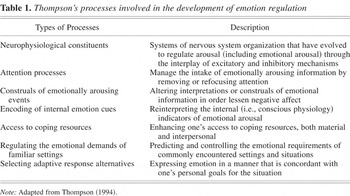
Thompson's processes involved in the development of emotion regulation
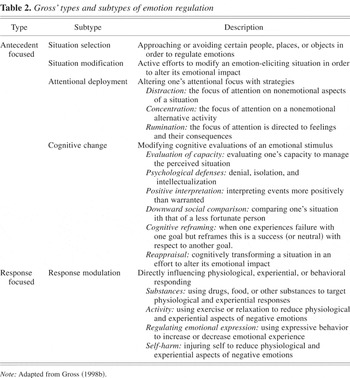
Gross' types and subtypes of emotion regulation
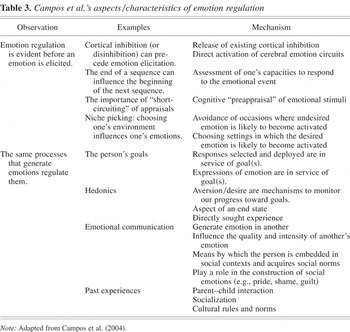
Campos et al.'s aspects/characteristics of emotion regulation
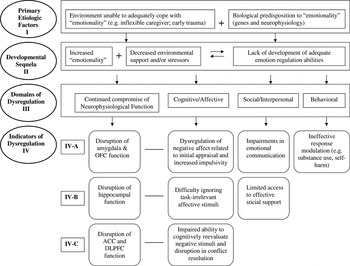
A neurodevelopmental model of borderline personality disorder.
 You have
Access
- 148
- Cited by