Multi-system inflammatory syndrome in children (MIS-C) also referred to as paediatric inflammatory multi-system syndrome temporally associated with SARS-CoV-2 [PIMS-TS] is now a recognised disease entity and the epidemiology, and clinical presentation and diagnosis has been fairly well defined. Reference Riphagen, Gomez, Gonzalez-Martinez, Wilkinson and Theocharis1–Reference Feldstein, Tenforde and Friedman3 With a timely diagnosis and appropriate management, the outcome has generally been good. Reference McArdle, Vito and Patel4,Reference Belay, Abrams and Oster5 The existing data mainly comes from United States of America and Europe and rates appear to vary by race and ethnicity with Black and Hispanic children accounting for a disproportionately high number of cases as compared to Asian and Caucasian children. Reference Riphagen, Gomez, Gonzalez-Martinez, Wilkinson and Theocharis1–Reference Belay, Abrams and Oster5 Initial smaller case series including one from our own hospital, largely reported the most severe end of the spectrum, resulting in a high reported incidence of shock, coronary involvement, myocardial involvement, and respiratory failure. Reference Sadiq, Aziz and Kazmi6–Reference Valverde, Singh and Sanchez-de-Toledo9
There is very little data on the short and medium-term outcome of the disease in general and from middle and low income countries in particular. Reference Farooqi, Chan, Weller and etal10–Reference Davies, du Pré, Lillie and Kanthimathinathan12 We aimed to analyse upto 16-month outcomes in a cohort of paediatric patients with MIS-C with special reference to cardiovascular involvement, treated at a large tertiary care paediatric hospital in Pakistan, a resource-constrained developing country.
Methods
Study design and population
This cohort non-interventional descriptive study included children aged <18 years admitted to the Children’s Hospital Lahore Pakistan, between May, 2020 and April, 2021, fulfilling the World Health Organisation (WHO) diagnostic criteria for MIS-C. The institutional review board of the Children’s Hospital approved the study and an informed consent was taken from the parents.
Procedures
All the children were prospectively reviewed in follow-up by a team of paediatric cardiologists and paediatricians. At initial admission, a recent history of close contact, real-time reverse transcription polymerase chain reaction (RT-PCR) of nasopharyngeal samples and positive serology or a combination of the above was taken as an evidence of a recent COVID infection. The initial serological testing included both IgG and IgM antibodies to the SARS-CoV-2 nucleocapsid protein and, from October, 2020, to the spike protein. As inclusion criteria, all children fulfilled WHO diagnostic criteria for post-COVID MIS-C. Out of these, children fulfilling Kawasaki disease criteria 2005 and 2020 were sub-classified as post-COVID MIS-C overlapping with Kawasaki Disease (MIS-C KD). Reference Kobayashi, Ayusawa and Suzuki13 The remaining children were further subdivided into post-COVID MIS-C with shock (MIS-C shock) or MIS-C without overlapping Kawasaki Disease (MIS-C) depending on the presence or absence of clinically assessed shock at presentation. Patients were managed according to approved hospital clinical management protocols. Demographic profile and clinical course were recorded. Cardiac involvement was assessed using electrocardiogram (ECG), echocardiography and cardiac markers; plasma brain natriuretic peptide (NT-proBNP) and Troponin I. Senior paediatric cardiologists (MS, NH, AUQ) reviewed all echocardiograms. Abnormal echocardiogram results were defined as abnormal ventricular function (systolic function through Simpson’s biplane method, EF < 50% and diastolic function through E/A wave ratio and E wave deceleration time), coronary artery dilatation/aneurysms, pericardial inflammation, significant valvulopathy, or a combination of the above. Boston Children Hospital z score system was used for all echocardiographic measurements. Reference Kosaraju, Goyal and Grigorova14–Reference Colan, Wyman, Mertens, Cohen and Geva16 Coronary artery dilatation/aneurysm were recorded based on surface area adjusted z-scores and classified as per American Heart Association Kawasaki guidelines as small (z score > 2.5–5), medium (z score 5–10), and large or giant (z score > 10, or an absolute dimension >8 mm). Coronary artery dilatation without aneurysm was taken as z score 2–2.5. Immediate outcome was documented as discharged, left against medical advice, or death.
Follow up
After discharge, the cohort was followed up at 1, 3, 6, 12 months and at the last follow-up when patients were specifically called in. Clinical assessment, ECG, and echocardiography was performed at each follow-up and recorded. Follow-up serological assays were not performed.
Statistical analysis
Descriptive statistics were used to summarise key clinical and laboratory features of the cohort. Student t test or Chi- squared test was used as test of significance while comparing the variables in the three subgroups considering p < 0.05 as significant.
Results
Demographic profile and presentation
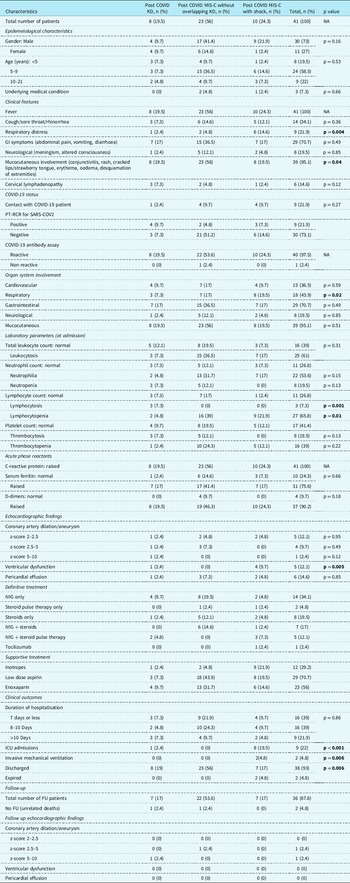
Forty-one patients fulfilling the MIS-C WHO criteria were included in the study. The median age was 7 years (range 0.8–16 years) and majority were males (n = 30, 73%). The number and percentages of subtypes based on underlying similarities were MIS-C (n = 23, 56%), MIS-C KD (n = 8, 19.5%), and MIS-C shock (n = 10, 24.5%). The epidemiological data, clinical features and system involvement, salient laboratory data, key management details, and outcomes are described in Table 1.
Epidemiological data, clinical features, lab data, treatment details and outcomes of children with MIS-C
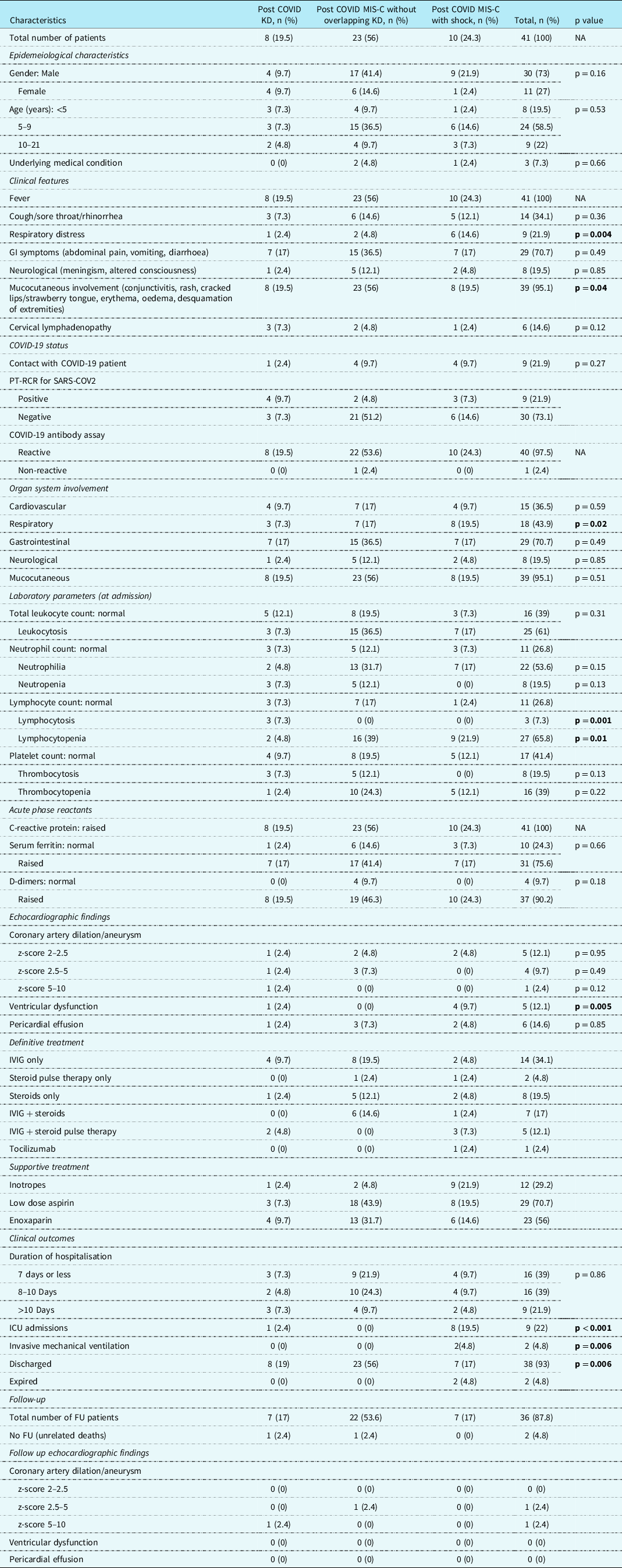
p values which are significant has been shown bold.
Systemic involvement
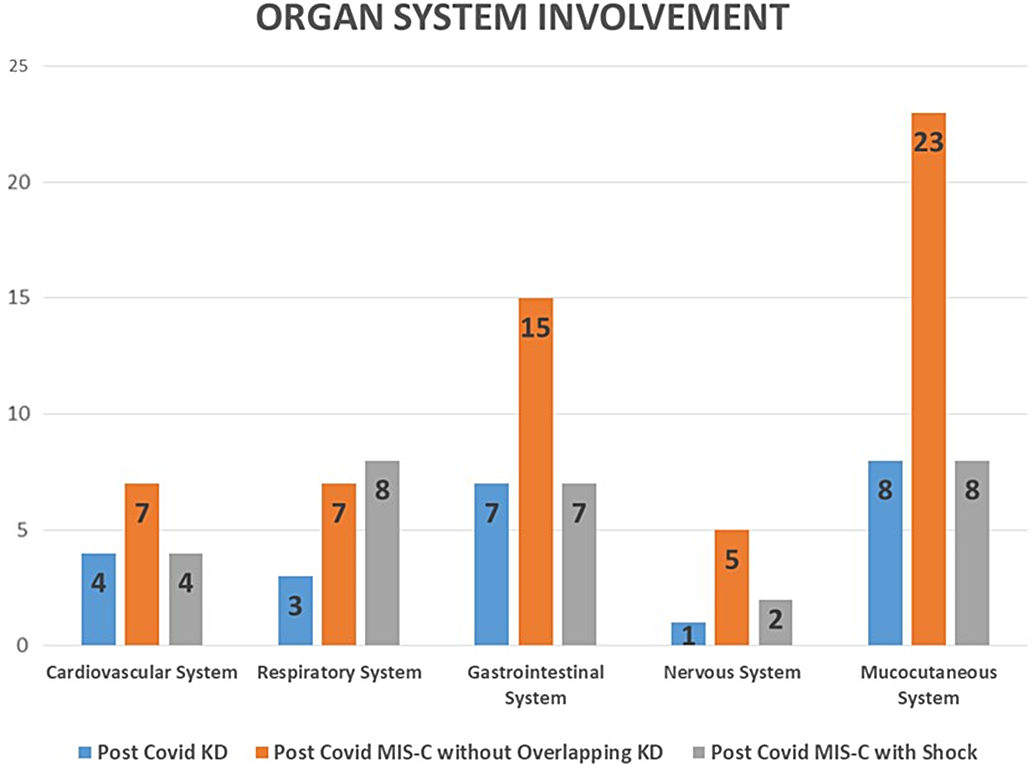
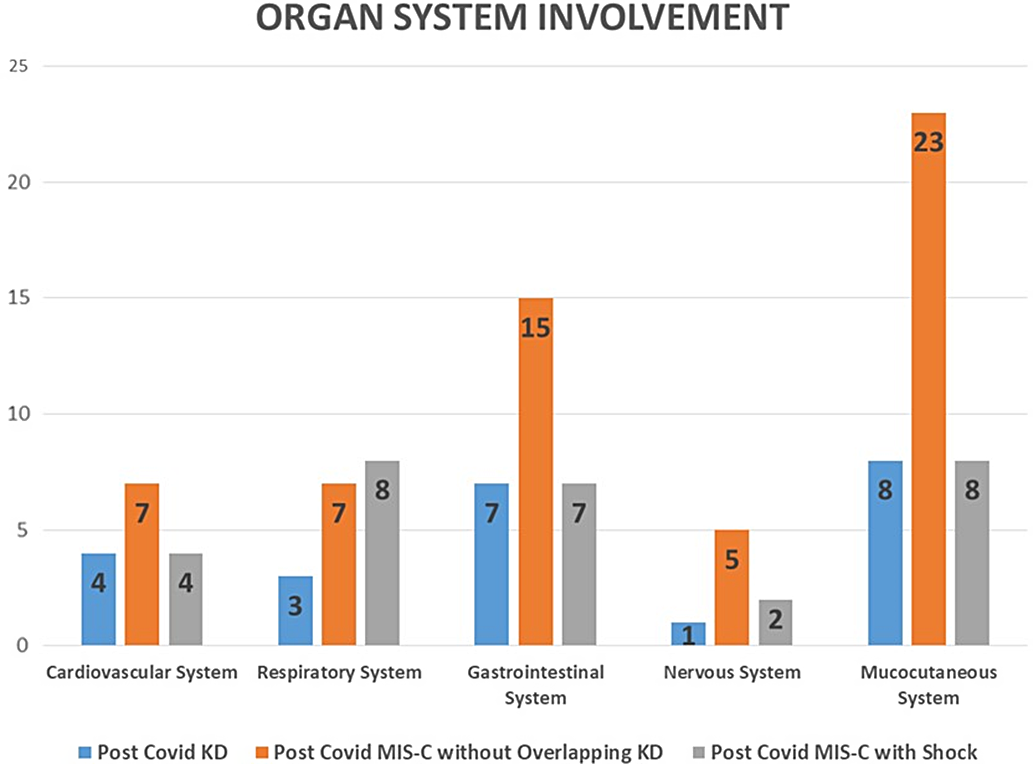
All children had multi-system involvement (2 or more) with 24 children (58.6%) having three or more systems involved. Mucocutaneous involvement was most frequent (n = 39, 95.1%) (Fig 1).
Organ system Involvement in various diagnostic subgroups of patients with MIS-C.
Cardiac involvement
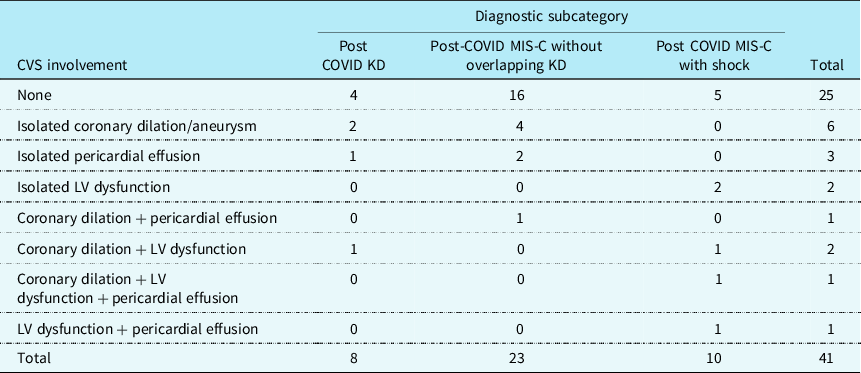
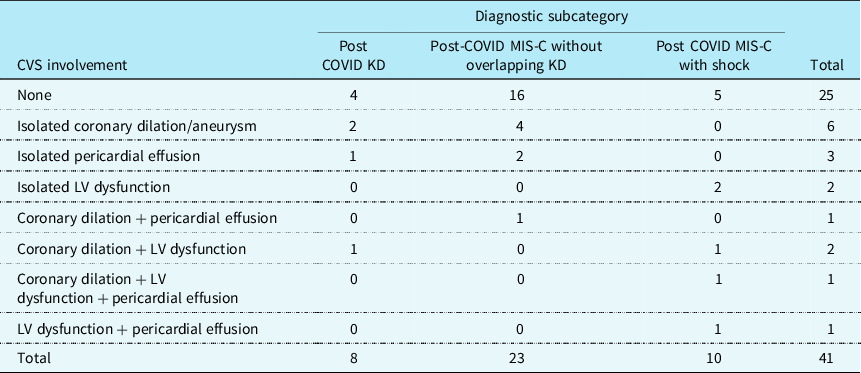
Cardiac involvement was seen in 15 patients (36.5%), [4 with post-COVID Kawasaki Disease, 7 post-COVID MIS-C without overlapping Kawasaki Disease, and 4 post COVID MIS-C with shock]. Impaired LV function was found in five children (12.2%), two had isolated impaired LV function, two with coronary artery dilation, one with pericardial effusion, and one with both pericardial effusion and coronary artery dilatation (Table 2).
Cardiovascular involvement in various diagnostic subcategories
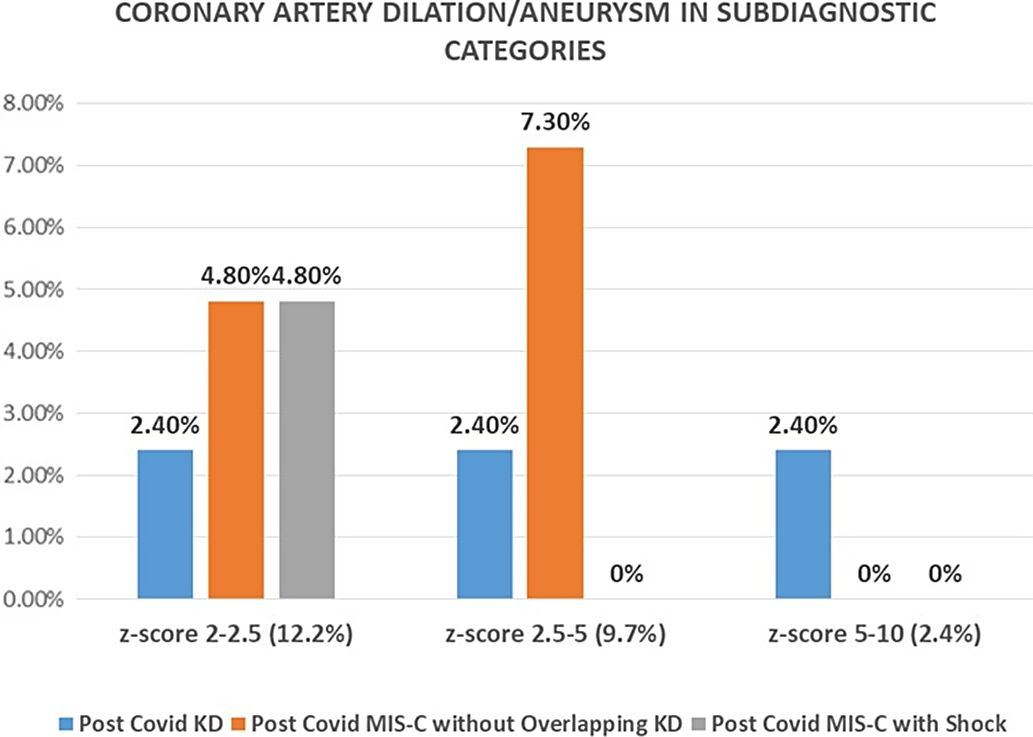
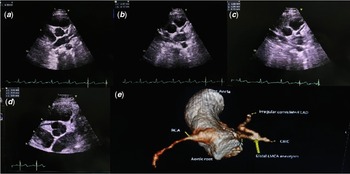
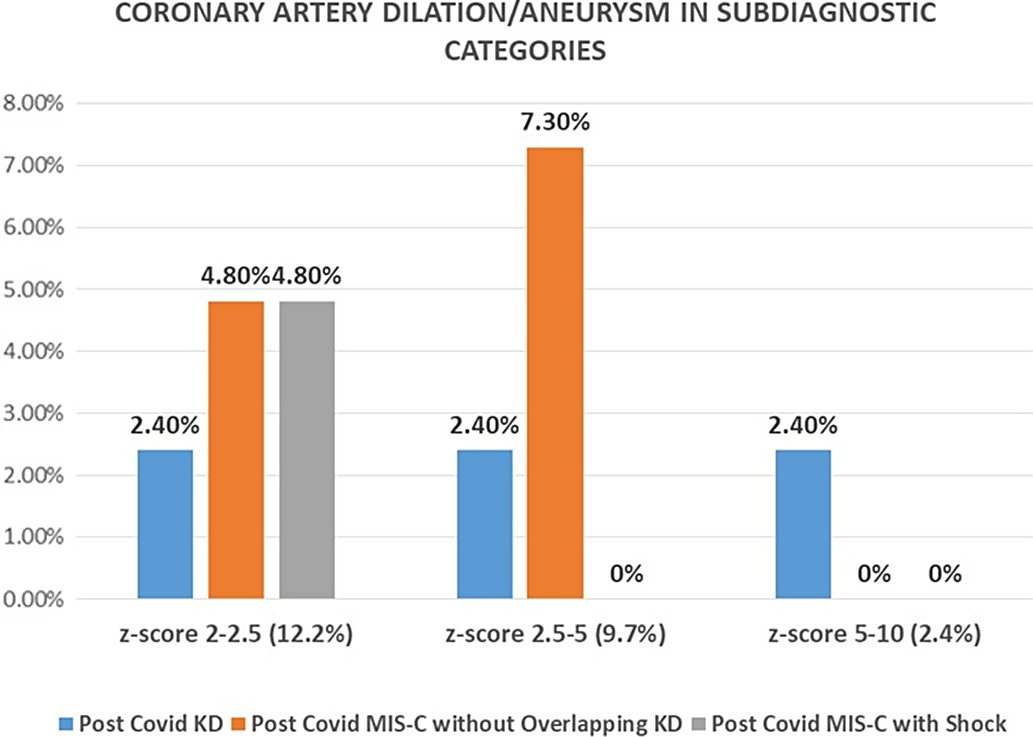
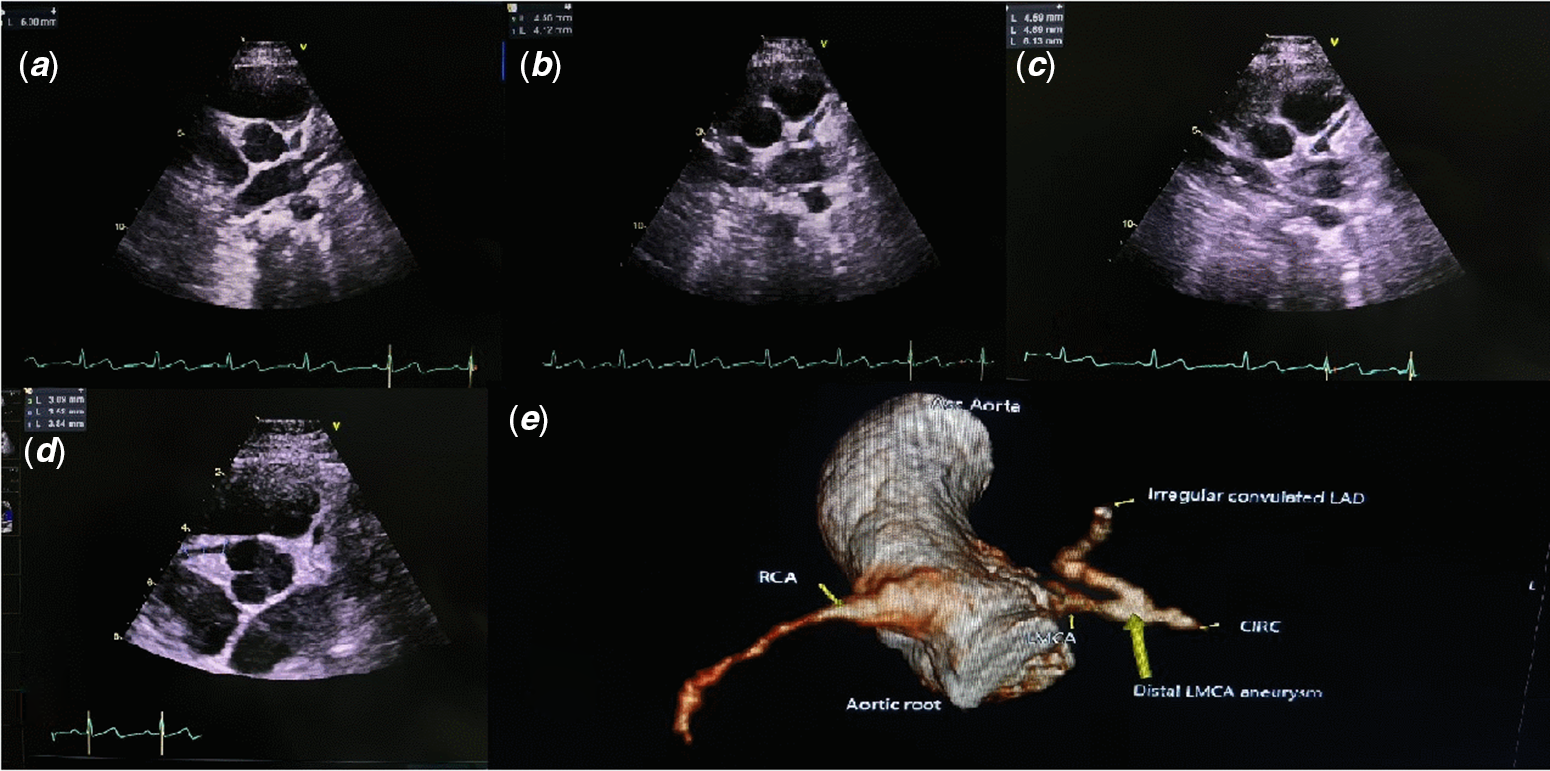
Ten children (20%) had coronary measurements above 2 z-score while 5 of them (10%) had significant coronary dilatation (z score > 2.5) [Fig 2]. One patient had a giant aneurysm of left anterior descending artery at presentation and at the most recent follow-up has persistent distal left main coronary artery aneurysm and irregular, convoluted, dilated left anterior descending, and right coronary arteries (Fig 3). Mild pericardial effusion was found in 6 children (14.6%) with no sign of temponade in any case. No arrhythmia was observed in any case. There was no significant difference among the three groups regarding cardiac abnormalities including coronary dilatation (p = 0.43) or pericardial effusion (p = 0.86). LV dysfunction was significantly common in MIS-C shock group (p = 0.005). Five patients had mild to moderately impaired LV function (Median 51%, range 48–55%). None of the patients had severe LV dysfunction (EF < 45%).
Percentage and z score of coronary artery dilatation/aneurysms in various diagnostic subgroups.
Follow-up echocardiographic and computed tomography (CT) angiographic picture of a patient with coronary artery involvement.
COVID status:
Forty patients (97.6%) had positive COVID antibodies with one having documented history of preceding COVID-19 infection. RT-PCR for SARS-CoV-2 was positive in 9 children (22.5%) and positivity was significantly higher in MIS-C KD group (4/8, 50%) (p = 0.03).
Haematological parameters: Thirty children (73.2%) showed abnormal total leukocyte count while differential leukocyte count was abnormal in 34 children (82.9%). The details of the white blood cell and platelet abnormalities are shown in Table 1.
Acute phase reactants: C-reactive protein was raised in all children while D-dimers level was raised in 37 children (90.2%) and serum ferritin in 31 children (75.6%).
Cardiac markers: NT-ProBNP and Troponin I was done in 35/41 patients and could not be done in six patients due to some logistic reasons. NT-ProBNP was raised in all 35 patients and Troponin I was raised in 25/35 (71.4%) patients. All patients with coronary artery dilation (10/10, 100%) and all patients (5/5, 100%) with LV dysfunction had significantly raised levels of NT-PROBNP and Troponin I.
Management course: Inotropic support was needed in 12 children (29.3%) also mainly from MIS-C shock group (p < 0.001). Only one patient from MIS-C shock group responded to fluid resuscitation alone. Anticoagulation with enoxaparin was done in 23 children (56.1%). Mechanical ventilation was required in 2 children (4.9%), both from MIS-C shock group (p = 0.007). Multivariate followed by univariate analysis showed need for mechanical ventilation was a poor prognostic sign in all patients with MIS-C across all subgroups (p = 0.005).
Anti-inflammatory treatment: 37 (90.2%) children received anti-inflammatory therapy. IVIG was used in 26 (70.3%) children, steroids in 22 (59.4%), and tocilizumab in 1 patient. Out of these, IVIG and steroids combination was used in 12, steroids as stand-alone therapy in 10, and IVIG as stand-alone therapy in 14 children. There was no significant difference in outcome with various anti-inflammatory agents in the three groups in terms of survival (p = 0.51) or duration of hospital stay (p = 0.76).
Hospital stay and outcome: ICU admission was required in nine children (22%), significantly more in MIS-C shock group (p < 0.001). Mean hospital stay was 9.2 + 4.1 (median 10, range 1–19) days with no significant difference among three sub-groups (p = 0.34).
Thirty-eight children (92.7%) were discharged home while one infant with HIV left against medical advises. There were two deaths (4.87%), both in MIS-C shock group, p = 0.007. The first death was a 7-year-old and this was our first patient with MIS-C. There was a delay in making the diagnosis of MIS-C and he died with multi-organ failure. This death has already been reported in our initial report on first eight patients. Reference Belhadjer, Méot and Bajolle7 The second death was also unfortunately a delayed diagnosis and child was shifted to our hospital after having been treated in two other hospitals. This 7-years old, previously healthy boy presented with a 10-day history of high-grade fever, cough, and vomiting for 5 days and respiratory difficulty and diarrhoea for 2 days. Patient was admitted for 5 days in 1 and 2 days in another hospital with a provisional diagnosis of sepsis. COVID RT-PCR was negative but COVID serology turned out to be positive and patient was received at Children Hospital, in severe respiratory distress, shock, and multi-organ dysfunction. He had developed disseminated intravascular coagulation and bled profusely from endotracheal tube as he was intubated on arrival and died within few hours of transfer.
Follow up: Follow-up data at last review was available from 36/38 (94.7%) discharged patients. Two children died after discharge from events unrelated to their current illness. One 2.5-year-old child was well at 1-month follow-up and died 3 months post-discharge after a fall from roof. Another 7-year-old child with cerebral palsy was also well at 1-month follow-up and died of post-aspiration pneumonia few weeks later in another hospital.
On follow-up, all patients were routinely evaluated for their primary complaints and it was found that these complaints had completely resolved. There were no neurological issues or rehospitalizations reported as well. No patient reported any behavioural or psychological issue though formal assessment was not performed.
Cardiac evaluation
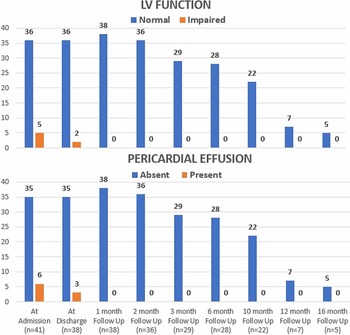
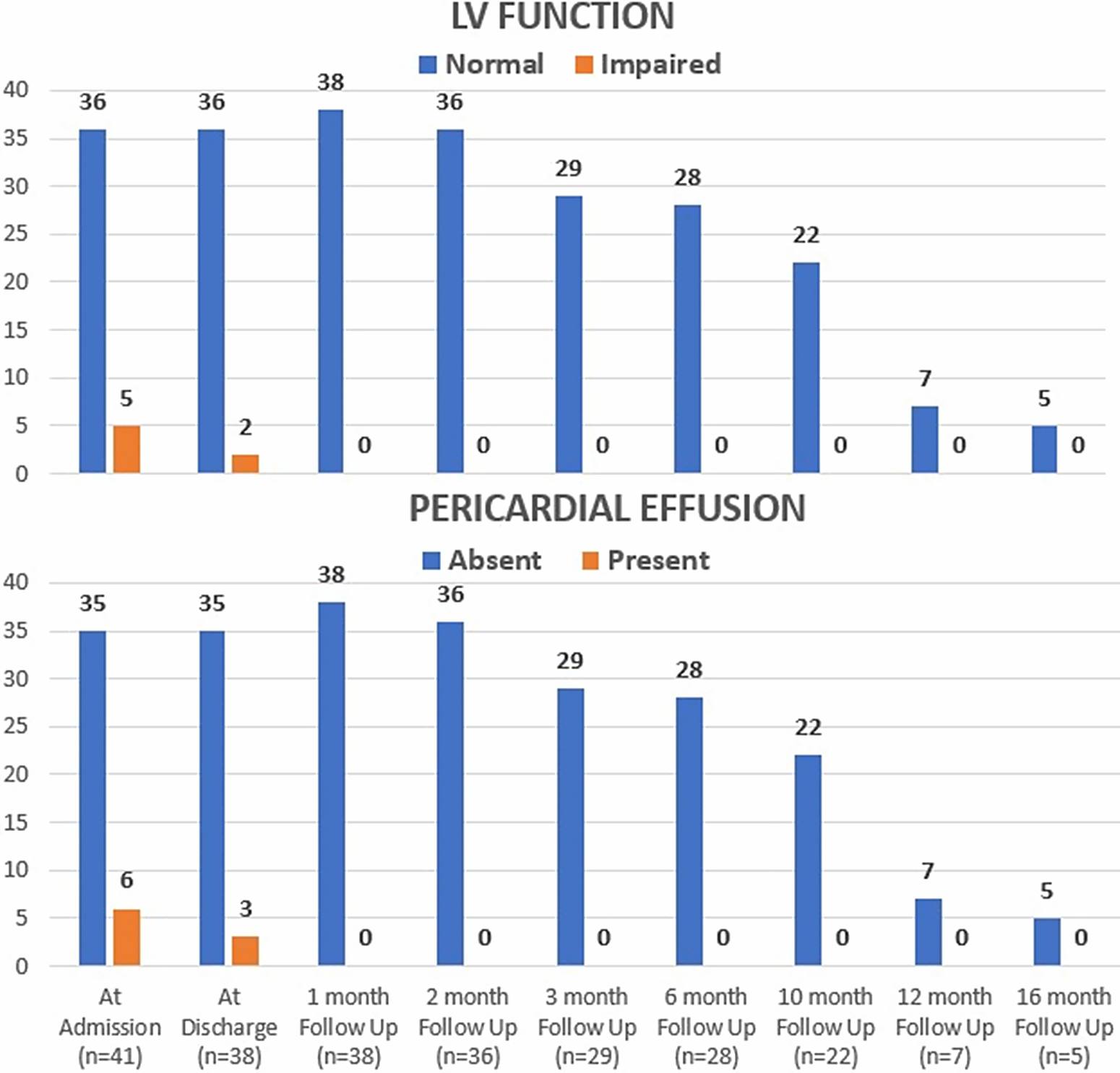
LV function and dimension: LV function at 1 month, 6 months, 1 year, and latest follow-up is shown in Figure 3. At final follow-up, all children had normal LV function. The median LV diastolic dimension (LVDd) was 35 mm (range 24–46 mm) with median z-score −0.75 (range −2.3 to 1.44). Median LV systolic dimension was 21 mm, (range 14–30 mm) with median z-score −0.95, range −2.1 to 1.46). Median ejection fraction was 70%, range 60–82% and median fractional shortening was 38%, range 30–48%. Diastolic function was also normal in all children.
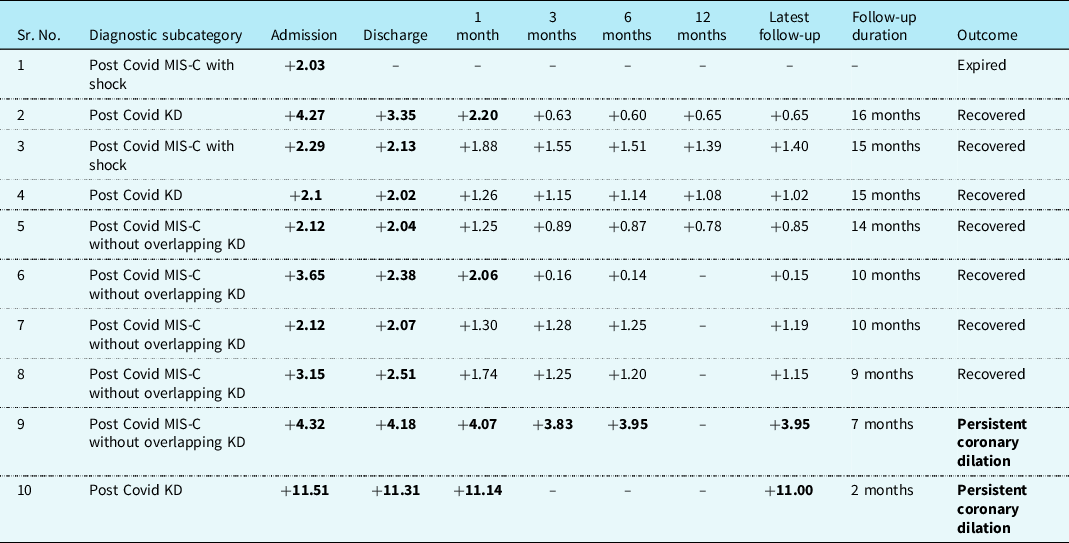
Coronary arteries: Coronary abnormalities at 1, 3, 6, 12 months and last follow-up is shown in Table 3. Persistent coronary artery dilation/aneurysm of z-score 2.5–5 was seen in 1 (2.4%) patient with post-COVID MIS-C at follow-up duration of 7 months and 4 days. Coronary artery dilation/aneurysm of z-score >10 was persistent in 1 patient (2.4%) post-COVID KD, at latest follow-up duration of 2 months. This child has giant artery aneurysm (7.4 mm). Same child had persistent RCA and LAD dilatation. Circumflex arteries were normal in all children at final follow-up.
Follow-up of patients with coronary artery dilation
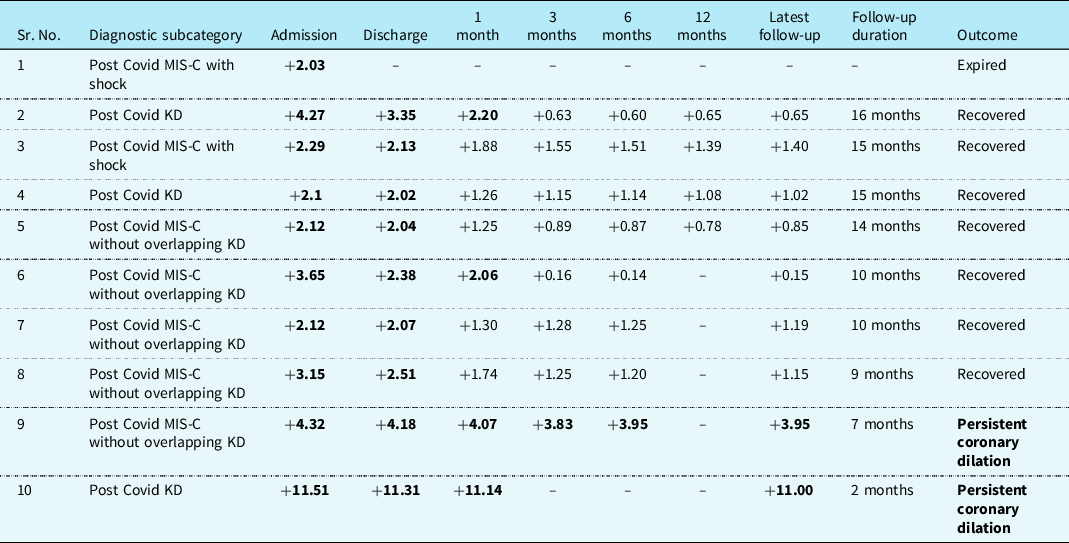
z score of >2 has been shown as bold value.
Pericardial Effusion: Mild pericardial effusions were persistent in three patients at discharge but completely resolved in all patients at 1-month follow-up (Fig 4). At 3, 6, 12 months and the latest follow-up pericardial effusion were not seen in any patient.
Longitudinal follow up of various cardiac manifestations in patients with MIS-C.
ECG abnormalities: ECG abnormalities or arrhythmias were not seen in any patient on serial follow-up.
Discussion
In this study, we report one of the longest (up-to 16 months) follow-ups of children recovering from MIS-C after hospitalisation from a low and middle-income country. The epidemiological characteristics and clinical profile were similar to other single-center and larger studies primarily reported from USA and Europe. Reference Verdoni, Mazza and Gervasoni2–Reference Belay, Abrams and Oster5 The initial studies including the one from our own centre reported upon a high number of patients with cardiac involvement including shock, myocardial dysfunction and coronary artery involvement. Reference Belhadjer, Méot and Bajolle7–Reference Farooqi, Chan, Weller and etal10
The cardiac involvement was seen in 36.5% of children with MIS-C in our series. This is significantly less as compared to the reported incidence of 67–80% from major studies and review articles. Reference Feldstein, Tenforde and Friedman3,Reference McArdle, Vito and Patel4,Reference Wu and Campbell17 One reason could be the fact that the number of children who presented with shock was less as compared to majority of the reported cases from the rest of the world (24.5%). One could argue that in a developing country like Pakistan where health infrastructure is less developed, there is paucity of ICU facilities and the diagnosis of post COVID MIS-C with shock may have not been picked up and some of these children may have not made it to a tertiary care hospital or treated elsewhere with an alternative diagnosis. This argument is strengthened by a high mortality in this subgroup of patients in our series (2/10, 20%). Both children who died in our series were diagnosed late and had already developed multiorgan failure by the time the diagnosis was made. Another reason is the fact that none of our patients had cardiac MR (CMR) and diastolic dysfunction in the presence of a preserved ejection fraction may have been missed in the acute phase. Reference Kobayashi, Dionne and Ferraro18
Another striking feature was the absence of arrhythmia and conduction abnormalities in our series. Arrhythmias and conduction abnormalities as seen on ECG are found in up to 28–67% of MIS-C patients. Reference Valverde, Singh and Sanchez-de-Toledo9,Reference Wu and Campbell17,Reference Dionne and Newburger19–Reference Dionne, Mah and Son21 The most common abnormalities include low QRS amplitude and T-wave abnormalities, prolonged PR interval, heart blocks most common being first-degree heart block (6.3–25%), prolonged QT, QRS prolongation and ST changes. Brady and tachyarrhythmia has also been reported. Reference Regan, OʼByrne and Stewart20 We re-reviewed our ECG data involving independent reviewers and no abnormalities of significance were found except sinus tachycardia. It is hard to give an explanation for such striking absence of ECG abnormalities in our series.
Coronary artery involvement (24.4%) was comparable to the reported prevalence in literature (13–26%). The incidence of coronary artery involvement was high in our initial report of 8 patients as 2/3rd of children showed coronary artery dilatations. Reference Sadiq, Aziz and Kazmi6 As reported in other studies, coronary artery abnormalities were more common in MIS-C and MISC- KD sub-groups with mucocutaneous and conjunctival involvement and male patients. Reference Farooqi, Chan, Weller and etal10 The dilatation however resolved fairly early in majority of our children and only two patients (20%) including one with a giant aneurysm of LAD at presentation has persisted till the latest follow up. Six months follow up study by Capone et al reported a very high (52%) incidence of coronary abnormalities as they included qualitative coronary artery abnormalities such as lack of tapering in addition to dilated or aneurysmal coronary arteries (known to be associated with KD). Reference Capone, Misra and Ganigara11 This finding of lack of tapering resolved in all patients by 6 months with no new development of coronary abnormalities in their series. In the longest follow-up reported in the literature so far by Davies P et al of those patients who presented with aneurysms, 14 of 19 had resolution, and of those who presented with subjectively “bright” coronary arteries, 9 of 10 had resolution and 1 patient progressed to having unresolved coronary artery aneurysms (albeit the latest follow-up echocardiography was 86 days post-admission). Reference Davies, du Pré, Lillie and Kanthimathinathan12 All patients who presented with impaired function without aneurysm recovered by day 74. All six patients (9%) with ongoing echocardiographic abnormalities had aneurysmal changes, with latest echocardiograms between days 86 and 336 post-admission.
Coronary aneurysmal progression despite current standard therapy has recently been reported. Reference Nelson, Mrosak and Hashemi22 Nelson et al has reported upon three patients who developed either primary or worsening dilation after initial treatment with IVIG. Two out of the three patients in their case series received infliximab for progression of coronary involvement, with either stabilisation or improvement on short-term follow-up. None of our patients has shown progression although persistence is seen in two patients.
Another important post-COVID presentation reported in the literature is with acute heart failure and features of acute myocarditis. In our series only five patients had mild to moderately impaired LV function and none had severe LV dysfunction. Low incidence of LV dysfunction in children with MIS-C may indicate the predilection of acute/sub-acute viral myocarditis rather than more common post-viral immune mediated myocarditis in other cardio tropic viruses, hence lesser incidence in MIS-C. Based on clinical presentation, some authors have grouped patients with MIS-C into three categories as KD like illness including KD and atypical KD definition according to AHA (labeled as MIS-C KD) and Non KD like illness, which is subdivided into Toxic Shock syndrome (MIS-C TSS) and Viral Myocarditis (MIS-C VM). Reference Mohsin, Abbas and Chowdhary23 This creates a special situation in countries like Pakistan as viral myocarditis is a common presentation round the year and there would be background cases with myocarditis/dilated cardiomyopathy, which have to be differentiated from post-COVID myocarditis (same as for Kawasaki Disease in countries like Japan where KD is a common presentation round the year). We at our institution have been specifically looking for this group and all children presenting with acute myocarditis in the same period were screened for exposure through history, RT-PCR and COVID-19 antibody testing. Four out of twenty patients admitted with suspected viral myocarditis during the same period of 1 year tested positive for COVID-19 antibodies. These patients however, did not show evidence of raised inflammatory markers on laboratory parameters and are not included in the series. Capone et al reported on the early and 6-months outcomes of 50 children recovering from MIS-C after hospitalisation in the acute phase. Reference Capone, Misra and Ganigara11 A large subset of their MIS-C cohort had LV systolic dysfunction and troponin elevation suggestive of myocyte injury. However, unlike viral myocarditis, most patients demonstrated rapid recovery. Although systolic function resolved, diastolic dysfunction, or impaired relaxation, persisted in a subset of patients. They performed CMRIs during the convalescent phase in 11 patients with reduced LV function and elevated troponin. There was no evidence of persistent oedema or fibrosis indicating myocardial scarring. The CMRIs performed in acutely hospitalised MIS-C patients have found mostly myocardial oedema and have not yet reported on fibrosis in or after the convalescent phase. Reference Theocharis, Wong and Pushparajah24 There are reports of myocarditis following COVID-19 vaccination in paediatric population in particular adolescents. Reference Marshall, Ferguson and Lewis25 The pathophysiology and causal relationship of vaccination to myocarditis is under investigation and has yet to be defined completely.
Limitations
There are several limitations of our single-center case series. Firstly, as we included cases with confirmed SARS-CoV-2 antibody and or CT-PCR, we may have underestimated the incidence of MIS-C in our patient population where there is limited availability of molecular or serological tests. Secondly, this being a relatively small single-center cohort study, omission of three patients from the midterm follow-up is a limitation. The fate of patient who left against medical advise is not known and one child with cerebral palsy who died in another hospital following aspiration may be a late sequelae of COVID-19 MIS-C illness. Reference Theocharis, Wong and Pushparajah24 Thirdly, none of our patients had CMR and diastolic dysfunction in the presence of a preserved ejection fraction may have been missed. Follow-up serological assays were not performed in all patients as per clinical judgment.
Conclusions
Children with MIS-C shock have a high mortality in a resource-constrained setting. Those who survive the initial illness show a clinical recovery within 1 month. On midterm follow-up, ventricular dysfunction recovers completely by 1–3 months and coronary artery dilatation/aneurysm may persist up to 7 months and longer in a small proportion of patients (20%). Longer-term follow-up will define the extended natural history of coronary artery involvement in MIS-C.
Acknowledgements
None.
Financial support
This research received no specific grant from any funding agency, commercial or not-for-profit sectors.
Conflicts of interest
None.