





Introduction
With the rapid development of internet technologies and the widespread use of mobile and other electronic devices, the prevalence of cyberbullying victimization has increased substantially (Iffland, Bartsch, Kley, & Neuner, Reference Iffland, Bartsch, Kley and Neuner2023). Cyberbullying refers to intentional and repeated aggressive behaviors carried out by individuals or groups in online environments through electronic communication channels (e.g., email, Weibo, Xiaohongshu), targeting individuals who have difficulty defending themselves (Smith et al., Reference Smith, Mahdavi, Carvalho, Fisher, Russell and Tippett2008). Cyberbullying victimization occurs when individuals repeatedly experience harm inflicted by others or groups during online or electronic communication via the internet or digital devices (Hu et al., Reference Hu, Fan, Zhang, Xie and Hao2014). Individuals are considered victims of cyberbullying when they perceive the perpetrator’s actions as intentional and experience these actions as harmful (Alipan, Skues, Theiler, & Wise, Reference Alipan, Skues, Theiler and Wise2020). Existing research indicates that cyberbullying victimization is highly prevalent worldwide. For example, prevalence rates have been reported as 57.5% in Spain, 52.2% in Malaysia, 30%–45% in Israel, 15.5%–31.4% in the United States, 14.6% in South Korea, and 13.99% in Canada (Zhu, Huang, Evans, & Zhang, Reference Zhu, Huang, Evans and Zhang2021). Among adults in Asian countries, the probability of experiencing cyberbullying ranges from 8.9% to 30.5% (Wang et al., Reference Wang, Yogeeswaran, Andrews, Hawi and Sibley2019). In China, the prevalence of cyberbullying victimization has been estimated at 44.5% among middle and high school students (Rao et al., Reference Rao, Wang, Pang, Yang, Zhang, Ye, Chen, Wang and Dong2019), 64.3% among university students (Huang, Zhong, Zhang, & Li, Reference Huang, Zhong, Zhang and Li2021), and approximately 23.2% among individuals aged 16–50 years (Li & Peng, Reference Li and Peng2022).
Experiencing cyberbullying may place individuals at heightened risk of suicide. According to General Strain Theory, exposure to stressors and strain often elicits negative emotions such as depression, fear, anger, and hopelessness (Agnew & White, Reference Agnew and White1992). Bullying constitutes a major source of stress for individuals (Wallace, Patchin, & May, Reference Wallace, Patchin and May2005). Accordingly, individuals who experience cyberbullying are more likely to develop negative emotional states—including depression, fear, disgust, and hopelessness—a pattern consistently supported by empirical evidence (Hu et al., Reference Hu, Fan, Zhang, Xie and Hao2014; Liu et al., Reference Liu, Liu, Kang, Han, Liao and Ren2025; Perren, Dooley, Shaw, & Cross, Reference Perren, Dooley, Shaw and Cross2010; Wang, Nansel, & Iannotti, Reference Wang, Nansel and Iannotti2011). Kozlowitz et al. (Reference Kozlowitz, Ribeiro, Sibeoni, Brossard and Chevance2026) further suggest that social adversities (e.g., exposure to violence or verbal abuse) frequently trigger psychological pain. The Three-Step Theory of suicide posits that the combination of hopelessness and psychological pain gives rise to suicidal ideation; when such distress is accompanied by diminished feelings of connectedness, suicidal ideation intensifies, increasing the likelihood of suicide attempts and, ultimately, suicide risk (Klonsky & May, Reference Klonsky and May2015). From this perspective, cyberbullying victimization may elevate suicide risk. A growing body of empirical research supports this association. Prior studies have consistently found that individuals who experience cyberbullying exhibit higher levels of suicide risk (Gini & Espelage, Reference Gini and Espelage2014; Hay, Meldrum, & Mann, Reference Hay, Meldrum and Mann2010; Schenk & Fremouw, Reference Schenk and Fremouw2012; Schneider, O’Donnell, Stueve, & Coulter, Reference Schneider, O’Donnell, Stueve and Coulter2012). Similarly, Shi et al. (Reference Shi, Zhu, Zhang, Wang and Qi2020) reported that cyberbullying victimization increases the likelihood of suicide. In a one-year longitudinal study, Benatov, Brunstein Klomek, and Chen-Gal (Reference Benatov, Brunstein Klomek and Chen-Gal2022) demonstrated that cyberbullying victimization remained a significant predictor of subsequent suicidal ideation even after controlling for baseline suicidal ideation, depression, hostility, and traditional bullying perpetration. Arnon et al. (Reference Arnon, Brunstein Klomek, Visoki, Moore, Argabright, DiDomenico, Benton and Barzilay2022) likewise found that cyberbullying victimization was significantly associated with suicidality after adjusting for demographic factors and multiple environmental risk and protective factors, and that this association remained robust even after further controlling for psychopathological variables.
However, the impact of cyberbullying victimization on suicide risk is not homogeneous. The same bullying experience may be psychologically tolerable for some individuals but potentially devastating or even lethal for others (Dorol-Beauroy-Eustache & Mishara, Reference Dorol-Beauroy-Eustache and Mishara2021; Hay & Meldrum, Reference Hay and Meldrum2010; Kim, Walsh, Pike, & Thompson, Reference Kim, Walsh, Pike and Thompson2020). Although prior research has made important advances in predicting suicide risk, most studies implicitly assume homogeneous effects and primarily focus on average associations, with limited attention to causal inference and effect heterogeneity (John et al., Reference John, Glendenning, Marchant, Montgomery, Stewart, Wood, Lloyd and Hawton2018; Kee, Anwar, & Vranjes, Reference Kee, Anwar and Vranjes2024; Kwan et al., Reference Kwan, Dickson, Richardson, MacDowall, Burchett, Stansfield, Brunton, Sutcliffe and Thomas2020). Consequently, there remains a lack of integrative analytical frameworks that combine causal estimation with heterogeneity analysis to identify the individuals most severely affected by cyberbullying—namely, those who are most vulnerable—and to elucidate the mechanisms underlying such vulnerability. In other words, although the association between cyberbullying victimization and suicide risk has been well established, it remains unclear which victims bear the greatest causal risk and which psychological and linguistic characteristics define vulnerability in naturalistic online environments. Drawing on relevant theories and prior empirical findings, both cyberbullying victimization and suicide risk are closely associated with a range of psychological and linguistic characteristics. These factors may simultaneously influence the treatment variable and the outcome, functioning either as vulnerability amplifiers or as protective buffers in the relationship between cyberbullying victimization and suicide risk. Accordingly, the present study proposes a feature-based vulnerability framework, positing that cyberbullying victimization may induce stress and negative emotions such as hopelessness, thereby increasing suicide risk, and that this risk may be further exacerbated when individuals experience diminished feelings of connectedness; at the same time, the magnitude of this effect is expected to vary across individuals depending on their psychological and linguistic characteristics, with some features intensifying vulnerability and others exerting buffering effects. In the DML-adjusted contrast estimation conducted in this study, these relevant factors are included as covariates to examine their roles in the relationship between cyberbullying victimization and suicide risk–that is, their influence on individual vulnerability.
Moral motivation
Based on moral motivation theory, moral behavior is primarily driven by two fundamental motives: agency and communion (Zhang & Yu, Reference Zhang and Yu2018). Agency emphasizes the pursuit of self-interest, encompassing aspects such as social power, dominance, material resources, and personal achievements, whereas communion focuses on promoting the interests of others, typically reflected in benevolence, interpersonal care, social fairness, and environmental protection (Frimer et al., Reference Frimer, Walker, Dunlop, Lee and Riches2011). Cyberbullying victimization, as a traumatic experience, may undermine individuals’ belief in a just world (Rey, Quintana-Orts, Mérida-López, & Extremera, Reference Rey, Quintana-Orts, Mérida-López and Extremera2020), leading to heightened perceptions of injustice. In such contexts, victims may employ moral disengagement mechanisms—for instance, redefining their own bullying behavior—to alleviate the guilt associated with actions that violate moral standards, thereby increasing the likelihood of engaging in cyberbullying themselves (Dou, Xiang, Sun, & Chen, Reference Dou, Xiang, Sun and Chen2020; Zhao & Yu, Reference Zhao and Yu2021). During this process, individuals may adjust their moral standards, which in turn affects their moral motivations. Indeed, Dou et al. (Reference Dou, Xiang, Sun and Chen2020) found that moral disengagement mediates the relationship between cyberbullying victimization and cyberbullying perpetration. Liu et al. (Reference Liu, Liu, Kang, Han, Liao and Ren2025) further reported that, following experiences of cyberbullying, individuals’ communion motivation significantly increases, reflecting a greater tendency to seek support and understanding in interpersonal relationships. Research indicates that moral motivation is closely associated with psychological well-being. Both agency and communion significantly and positively predict subjective well-being (He, Lv, & Du, Reference He, Lv and Du2019), and individuals high in agency generally exhibit higher life satisfaction (Welzel & Inglehart, Reference Welzel and Inglehart2010). Moreover, moral motivation is positively related to prosocial behavior (Dai & Leung, Reference Dai and Leung2024). Prosocial behavior, in turn, is not only associated with lower suicide risk (Padilla-Walker, Workman, & Archibald, Reference Padilla-Walker, Workman and Archibald2025) but also positively predicts subjective well-being (Wan et al., Reference Wan, Huang, Zhang, Peng, Guo, Wu, Li, Ding and Chen2023). Further evidence demonstrates that social support, happiness, and life satisfaction are all significantly negatively correlated with suicide risk (Jacobs, Kirby, Kramer, & Marlow, Reference Jacobs, Kirby, Kramer and Marlow2025; Ki et al., Reference Ki, Lapierre, Gim, Hwang, Kang, Dargis, Jung, Koh and Mishara2024; Kim et al., Reference Kim, Ha, Yu, Park and Ryu2014; Zarate, Sonn, Fisher, & Stavropoulos, Reference Zarate, Sonn, Fisher and Stavropoulos2022).
Linguistic features
Existing research indicates that individuals at higher suicide risk exhibit distinct linguistic patterns. Specifically, compared with individuals at lower suicide risk, high-risk individuals use first-person singular pronouns more frequently (Berry-Blunt, Holtzman, Donnellan, & Mehl, Reference Berry-Blunt, Holtzman, Donnellan and Mehl2021). Further studies have found that the frequency of first- and second-person pronouns positively predicts suicidal behaviors; moreover, the use of first-person pronouns, negative emotion words (including death-related terms), and negations is associated with both suicidal behaviors and suicidal ideation (Homan et al., Reference Homan, Gabi, Klee, Bachmann, Moser, Duri’, Michel, Bertram, Maatz, Seiler, Stark and Kleim2022). These linguistic features are also observed in specific populations. For instance, within individuals with depression, those at lower suicide risk use fewer first-person singular pronouns and tend to employ leisure-related words, whereas high-risk individuals are more likely to use health-related vocabulary (Li et al., Reference Li, Pan, Yip, Wang, Zhou and Zhu2024). In addition, compared with individuals with no suicide risk, high-risk individuals use first-person pronouns and negations more frequently in their texts (Lao, Lane, & Suominen, Reference Lao, Lane and Suominen2022). High-risk groups also show increased usage of words related to anger, sadness, health, exercise, the future, and death, compared with low-risk groups (Yan et al., Reference Yan, Li, Liu, Li and Yu2024). Other research has indicated that greater use of tentative language is also associated with elevated suicide risk (Li et al., Reference Li, Pan, Yip, Wang, Zhou and Zhu2024). Cyberbullying victimization similarly affects individuals’ language use. Studies have shown that following experiences of cyberbullying, individuals tend to use first-person singular pronouns, future-oriented words, and Certain (e.g., “Certain,” “inevitable,” “guarantee”) more frequently in their microblog posts (Liu et al., Reference Liu, Liu, Kang, Han, Liao and Ren2025). Specifically, first-person singular pronouns reflect self-focus (Berry-Blunt et al., Reference Berry-Blunt, Holtzman, Donnellan and Mehl2021), future-oriented words may indicate concern about the future, and Certain captures perceived uncertainty regarding future outcomes (Liu et al., Reference Liu, Liu, Kang, Han, Liao and Ren2025). Additionally, victims of bullying demonstrate more frequent usage of first-person singular pronouns (“I”), family-related vocabulary, and present-focused words (Garzón-Velandia, Rey-Gómez, Uribe-Moreno, & Velasco-Salamanca, Reference Garzón-Velandia, Rey-Gómez, Uribe-Moreno and Velasco-Salamanca2025).
Big Five personality traits
Research has shown that cyberbullying victimization is closely associated with individuals’ personality traits. Peluchette, Karl, Wood, and Williams (Reference Peluchette, Karl, Wood and Williams2015) found that extraversion and openness are important predictors of cyberbullying victimization. Empirical evidence from Vikhman (Reference Vikhman2023) further indicates that low conscientiousness, high openness, and high neuroticism serve as significant personality predictors of cyberbullying victimization. Similarly, Çelik, Atak, and Erguzen (Reference Çelik, Atak and Erguzen2012) reported that cyberbullying victimization is positively correlated with neuroticism, agreeableness, and extraversion, but negatively correlated with conscientiousness. Liu et al. (Reference Liu, Liu, Kang, Han, Liao and Ren2025) further demonstrated that individuals’ personality traits undergo significant changes following experiences of cyberbullying, characterized by decreases in agreeableness, extraversion, and conscientiousness, alongside an increase in neuroticism. According to the interpersonal theory of suicide, three primary risk factors contribute to suicide: perceived burdensomeness, thwarted belongingness, and acquired ability to commit suicide (Joiner, Reference Joiner2005). Joiner et al. (Reference Joiner, Van Orden, Witte, Selby, Ribeiro, Lewis and Rudd2009) confirmed that perceived burdensomeness and thwarted belongingness constitute critical risk factors for suicide. Regarding personality traits, agreeableness and extraversion negatively predict thwarted belongingness, whereas neuroticism positively predicts both perceived burdensomeness and thwarted belongingness (DeShong et al., Reference DeShong, Tucker, O’Keefe, Mullins-Sweatt and Wingate2015). Consequently, individuals with lower levels of agreeableness and extraversion, coupled with higher levels of neuroticism, may be at elevated risk for suicide. Gao, Qu, and Miao (Reference Gao, Qu and Miao2003) found that individuals with higher introversion tend to adopt less mature coping and defense mechanisms, increasing susceptibility to suicidal ideation. In addition, higher conscientiousness and lower extraversion have been associated with suicide risk (Baertschi, Costanza, Canuto, & Weber, Reference Baertschi, Costanza, Canuto and Weber2018), while low agreeableness and low conscientiousness are significantly linked to suicide rates (Voracek, Reference Voracek2006). A study conducted among Chinese middle school students found that extraversion, agreeableness, conscientiousness, and openness negatively predicted suicidal ideation, whereas neuroticism was positively associated with suicidal ideation (Xu & Yang, Reference Xu and Yang2019).
Negative emotions
Based on general strain theory, individuals experiencing stress and strain are prone to a range of negative emotions, including depression, fear, disgust, and hopelessness (Agnew & White, Reference Agnew and White1992). Among these, exposure to bullying represents a significant source of stress (Wallace et al., Reference Wallace, Patchin and May2005). Consequently, individuals subjected to cyberbullying may experience negative emotions such as depression, fear, disgust, and hopelessness. Peng (Reference Peng2019) reported a significant positive association between cyberbullying victimization and negative emotions. Liu et al. (Reference Liu, Liu, Kang, Han, Liao and Ren2025) further found that following experiences of cyberbullying, victims exhibit significant decreases in positive affect and increases in negative affect. Schneider et al. (Reference Schneider, O’Donnell, Stueve and Coulter2012) noted that higher frequencies of cyberbullying victimization are associated with more severe depressive symptoms. Similarly, Hu et al. (Reference Hu, Fan, Zhang, Xie and Hao2014), using a sample of Chinese adolescents, found a significant positive correlation between cyberbullying and depression, a finding corroborated by multiple foreign studies (Perren et al., Reference Perren, Dooley, Shaw and Cross2010; Wang et al., Reference Wang, Nansel and Iannotti2011). Cyberbullying may also elicit other negative emotions. For instance, adolescents subjected to cyberbullying may exhibit fear (Patchin & Hinduja, Reference Patchin and Hinduja2012). Research has additionally shown a significant positive association between cyberbullying victimization and hopelessness (Chu, Fan, Liu, & Zhou, Reference Chu, Fan, Liu and Zhou2018). Threats of social pollution can elicit disgust (Verdi et al., Reference Verdi, Quach, Singh, Reas and Erickson2021), encompassing behaviors perceived as immoral, unfair, or violating personal boundaries (Chapman & Anderson, Reference Chapman and Anderson2013). Accordingly, cyberbullying, as a morally transgressive form of aggression, may elicit feelings of disgust. Depression has been consistently linked to suicidal ideation and represents a key risk factor for suicide (Chen, Hong, & Yang, Reference Chen, Hong and Yang2010; Li et al., Reference Li, Lei, Zhang, Liu and Tang2014). Hopelessness has also been shown to significantly predict suicide risk (Madsen & Harris, Reference Madsen and Harris2021). Hirsch et al. (Reference Hirsch, Hall, Wise, Brooks, Chang and Sirois2021) further demonstrated that hopelessness mediates the relationship between negative life events and suicidal behavior. Studies among Chinese college students similarly indicate that both depression and hopelessness are positively associated with suicidal ideation (Wu et al., Reference Wu, Chen, Yu, Duan and Jiang2015), which in turn significantly predicts suicidal behavior (Brown, Beck, Steer, & Grisham, Reference Brown, Beck, Steer and Grisham2000). Moreover, depression is positively correlated with suicide attempts (Wu et al., Reference Wu, Wang, Yu, Duan and Wang2020), and among individuals with depression, higher levels of depressive symptoms are associated with greater suicide risk (Zhao, Yin, & Sun, Reference Zhao, Yin and Sun2016). Notably, depression has been identified as a significant mediator in the relationship between cyberbullying victimization and suicide (Bauman, Toomey, & Walker, Reference Bauman, Toomey and Walker2013; Sampasa-Kanyinga, Roumeliotis, & Xu, Reference Sampasa-Kanyinga, Roumeliotis and Xu2014). In addition to depression and hopelessness, other negative emotions are closely linked to suicide risk. Fear has been found to be associated with suicide attempts and self-harm (Mitchell, Jahn, & Cukrowicz, Reference Mitchell, Jahn and Cukrowicz2014). Kneeland et al. (Reference Kneeland, Shanahan, Cunningham, Cwalina and Dixon-Gordon2025), using samples of college students and adults, found that negative emotions moderate the relationship between emotion malleability beliefs and suicidal ideation. Hu, Zhang, Short, and Hu (Reference Hu, Zhang, Short and Hu2024) reported that individuals’ suicide risk is positively associated with experiences of anger and disgust during rest periods. Self-directed disgust has been repeatedly identified as a critical predictor of suicide risk. For example, Schienle, Schwab, Höfler, and Freudenthaler (Reference Schienle, Schwab, Höfler and Freudenthaler2020) found in a cross-sectional study that self-directed disgust is the strongest predictor of suicide risk. Even after controlling for other variables, self-directed disgust remains significantly associated with both suicidal ideation and behaviors (Akram et al., Reference Akram, Allen, Stevenson, Lazarus, Ypsilanti, Ackroyd, Chester, Longden, Peters and Irvine2022).
Satisfaction with life
Previous studies have found a negative association between cyberbullying victimization and life satisfaction (Estévez, Cañas, & Estévez, Reference Estévez, Cañas and Estévez2020). Being bullied can undermine self-esteem (Safa & Ahmed, Reference Safa and Ahmed2025), which is positively associated with life satisfaction (Fekih-Romdhane, Sawma, Obeid, & Hallit, Reference Fekih-Romdhane, Sawma, Obeid and Hallit2023) and can serve as a predictor of individuals’ life satisfaction (Vilca-Pareja, Luque Ruiz, Delgado-Morales, & Medina Zeballos, Reference Vilca-Pareja, Luque Ruiz, Delgado-Morales and Medina Zeballos2022). Therefore, experiencing cyberbullying may lead to a decline in life satisfaction. Ramos Salazar (Reference Ramos Salazar2021) indicated that cyberbullying victimization can predict life satisfaction. The negative relationship between the two variables has been confirmed in multiple studies (Chen, Wang, & Wang, Reference Chen, Wang and Wang2024; Leung, Wong, & Farver, Reference Leung, Wong and Farver2018). Life satisfaction also has long-term effects on suicide risk. A longitudinal study by Koivumaa-Honkanen et al. (Reference Koivumaa-Honkanen, Honkanen, Viinamäki, Heikkilä, Kaprio and Koskenvuo2001) found that low life satisfaction was associated with increased suicide risk 20 years later, with an even stronger association at 10 years. Subsequent studies reported that low life satisfaction was linked to elevated suicidal ideation (Zhang, Liu, & Sun, Reference Zhang, Liu and Sun2017), and suicide attempters exhibited lower life satisfaction (Ram, Koneru, & Gowdappa, Reference Ram, Koneru and Gowdappa2020). Among adolescents, low life satisfaction may influence suicidal ideation among victims of cyberbullying (Chamizo-Nieto & Rey, Reference Chamizo-Nieto and Rey2023). Research on Chinese college students similarly showed that students with suicidal ideation or suicide attempts reported lower life satisfaction compared with those without such experiences, and life satisfaction could predict suicidal ideation (You et al., Reference You, Song, Wu, Qin and Zhou2014). Moreover, the association between life satisfaction and suicide risk is also evident in clinical populations. Heisel and Flett (Reference Heisel and Flett2004), studying psychiatric patients, found that suicidal ideation was significantly associated with life satisfaction, neuroticism, depression, and social hopelessness, and that life purpose mediated the relationship between life satisfaction and suicidal ideation.
Well-being
Cyberbullying victimization is also related to well-being. Due to its anonymity, wide audience, and often repetitive nature, cyberbullying may severely undermine victims’ psychological well-being (Audrin & Blaya, Reference Audrin and Blaya2020). Recent studies indicate that experiencing cyberbullying can predict various subsequent negative psychological outcomes, including negative emotions, impaired interpersonal relationships, and a loss of perceived control, all of which may adversely affect well-being (Chamizo-Nieto & Rey, Reference Chamizo-Nieto and Rey2023; Longobardi, Settanni, Fabris, & Marengo, Reference Longobardi, Settanni, Fabris and Marengo2020). Additionally, being bullied may damage self-esteem (Safa & Ahmed, Reference Safa and Ahmed2025), and previous studies have confirmed that self-esteem is positively associated with subjective well-being (Hamiti, Reference Hamiti2023) and can effectively predict it (Guo, Reference Guo2019). Well-being is negatively associated with suicide risk. Evidence suggests that lower psychological well-being increases the likelihood of engaging in suicidal behaviors (Hojatitabar, Khezeli, & Jamshidi, Reference Hojatitabar, Khezeli and Jamshidi2025). Takwin and Atmini (Reference Takwin and Atmini2018) similarly found a significant negative correlation between psychological well-being and suicidal ideation. Choi et al. (Reference Choi, Sempungu, Kim, Han and Lee2024), studying a Korean adult population, reported that low well-being was associated with suicidal ideation and suicide attempts, with this relationship particularly pronounced among women aged 20–39 and 40–59. Furthermore, existing studies indicate that both well-being and life satisfaction can significantly reduce individuals’ suicidal ideation or behavior (Ki et al., Reference Ki, Lapierre, Gim, Hwang, Kang, Dargis, Jung, Koh and Mishara2024).
Negative self-evaluation
According to the Psychological Mediation Framework (PMF), when individuals experience negative life events or circumstances, their negative attitudes and cognitions may influence psychological functioning or behavior (Chu et al., Reference Chu, Yang, Sun, Jiang and Xie2022). Cyberbullying, as a negative life event, may lead victims to undervalue themselves and engage in negative self-evaluation, which in turn may increase suicide risk. Safa and Ahmed (Reference Safa and Ahmed2025) noted that experiencing bullying can lower self-esteem and contribute to the formation of a negative self-concept. Zhou, Li, Zhu, and Gong (Reference Zhou, Li, Zhu and Gong2023) similarly found that cyberbullying victimization significantly reduces positive self-evaluation. Negative self-evaluation is also associated with suicide risk. Madsen and Harris (Reference Madsen and Harris2021) reported that negative self-evaluation is a significant predictor of suicide risk. Core self-evaluations encompass self-esteem, general self-efficacy, locus of control, and emotional stability (Judge & Bono, Reference Judge and Bono2001). Research indicates that low core self-evaluations are a risk factor for suicidal ideation (Quintana-Orts et al., Reference Quintana-Orts, Mérida-López, Chamizo-Nieto, Extremera and Rey2022; Zou et al., Reference Zou, Song, Tan, Deng, Zhang, Xu, Tao, Tang, Tang, Xiong, Huang, Huang, Li, Yang, Zeng, Liu, Shen, Zhao, Chen and Yin2022) and mediate the relationship between cyberbullying victimization and suicidal ideation (Chu et al., Reference Chu, Yang, Sun, Jiang and Xie2022). Moreover, multiple studies further support the roles of self-esteem and self-efficacy in suicide risk. Jones, Bilge-Johnson, Rabinovitch, and Fishel (Reference Jones, Bilge-Johnson, Rabinovitch and Fishel2014) found that low self-esteem significantly predicts suicidal ideation, while a meta-analysis by Soto-Sanz et al. (Reference Soto-Sanz, Piqueras, Rodríguez-Marín, Pérez-Vázquez, Rodríguez-Jiménez, Castellví, Miranda-Mendizábal, Parés-Badell, Almenara, Jesús Blasco and Cebrià2019) identified low self-esteem as a risk factor for suicide attempts. Denneson et al. (Reference Denneson, Smolenski, Bauer, Dobscha and Bush2019) reported that higher self-efficacy helps mitigate the severity of suicidal ideation.
Hostility
Hostility is also associated with cyberbullying victimization. A longitudinal study indicated that cyberbullying victimization is positively correlated with hostility at baseline and at six-month follow-up (Walters & Espelage, Reference Walters and Espelage2018). Liu et al. (Reference Liu, Liu, Kang, Han, Liao and Ren2025) found that individuals who experience cyberbullying report increased feelings of shame, guilt, anger, and hostility. Research further indicates that hostility is a prominent characteristic of suicide attempters (Weissman, Fox, & Klerman, Reference Weissman, Fox and Klerman1973). Subsequent studies have shown that hostility is positively associated with suicidal ideation, suicide plans, and suicide attempts (Zhang et al., Reference Zhang, Roberts, Liu, Meng, Tang, Sun and Yu2012), and a meta-analysis reported a moderate correlation between hostility and suicidal ideation and behaviors, suggesting it may be a potential risk factor for suicide (Dillon et al., Reference Dillon, Patel, Goodrich, Siegel, LoSavio, Miller, Ponzini, Aurora, Kaplan, Kimbrel and Halverson2025). Additionally, experiencing cyberbullying and exhibiting hostility significantly predict individuals’ risk of suicidality (Liu, Hsiao, Chou, & Yen, Reference Liu, Hsiao, Chou and Yen2021).
These findings suggest that the relationship between cyberbullying victimization and suicide risk is not a simple direct link, but rather is indirectly mediated through hierarchical interactions among multiple psychological characteristics. Although numerous studies have examined the association between cyberbullying victimization and suicide risk, the specific mechanisms through which cyberbullying influences suicidality remain unclear due to the limitations of traditional data collection and analytic methods. Self-report measures have been widely used in previous research. However, assessing suicide risk through questionnaires may increase psychological burden and distress for participants, as they are required to respond to suicide-related items (de Beurs, Ghoncheh, Geraedts, & Kerkhof, Reference de Beurs, Ghoncheh, Geraedts and Kerkhof2016; Li et al., Reference Li, Pan, Yip, Wang, Zhou and Zhu2024). Moreover, a key limitation of self-report methods is their high dependence on participant compliance (Gonyea, Reference Gonyea2005). Data quality may be compromised if participants misinterpret the measurement requirements or provide socially desirable responses, ultimately introducing bias in self-assessments of their own behaviors (Rosenman, Tennekoon, & Hill, Reference Rosenman, Tennekoon and Hill2011). Therefore, there is a need for approaches that assess suicide risk and other psychological traits in naturalistic settings without adversely affecting participants. As one of the most representative social media platforms in China, Sina Weibo allows users to freely and publicly express their opinions and emotions, providing rich textual data that reflect underlying psychological processes (Ye et al., Reference Ye, Xu, Zhu, Liang, Lan and Yu2016). By analyzing Weibo texts, target populations can be identified. For example, Wang and Xian (Reference Wang and Xian2024) identified users with tendencies toward health anxiety through text, and Liu, Li, and Wang (Reference Liu, Li and Wang2021) employed short Weibo texts to infer user gender. Furthermore, individual psychological characteristics can be assessed through dictionary-based or predictive modeling analyses of Weibo texts. Li et al. (Reference Li, Pan, Yip, Wang, Zhou and Zhu2024) used the Chinese Suicide Dictionary (CSD) to evaluate participants’ suicide risk, while Liu et al. (Reference Liu, Liu, Kang, Han, Liao and Ren2025) applied a personality prediction model to estimate individuals’ scores on the Big Five personality traits. Cheng et al. (Reference Cheng, Li, Kwok, Zhu and Yip2017) utilized the Simplified Chinese Version of Linguistic Inquiry and Word Count dictionary (SC-LIWC) to calculate the frequency of psychologically and linguistically meaningful words in Weibo posts, finding significant associations between certain SC-LIWC word categories and suicide risk or emotional distress; individuals with higher levels of depression and anxiety tended to use second-person plural pronouns, suggesting a preference for directly addressing or interacting with groups in posts. Similarly, Yu, Li, and Liu (Reference Yu, Li and Liu2023) applied SC-LIWC and found that anxious individuals are more likely to use negative emotion words (e.g., NegEmo, Sad, Anx, Discrep) on social platforms, consistent with prior research demonstrating a significant positive correlation between negative emotion and anxiety (Flückiger et al., Reference Flückiger, Mahlke, John, Daus, Zinbarg, Allemand and Schürmann-Vengels2025).
Traditional statistical methods, such as interaction term models and ordinary least squares regression (OLS), are limited in their ability to accurately detect and present treatment effect heterogeneity (Cohen, Cohen, West, & Aiken, Reference Cohen, Cohen, West and Aiken2013; Hainmueller, Mummolo, & Xu, Reference Hainmueller, Mummolo and Xu2019; Słoczyński, Reference Słoczyński2022). When the number of potential covariates is large, interaction term models may encounter issues of multiple comparisons and overfitting (Yuksel & Aydede, Reference Yuksel and Aydede2026b). In addition, conventional parametric approaches often perform inadequately when faced with high-dimensional confounders, nonlinear relationships, and complex interactions; model misspecification can lead to bias, limiting the accurate estimation of heterogeneous treatment effects (Yuksel & Aydede, Reference Yuksel and Aydede2026b). Propensity score–oriented heterogeneity analyses, such as the matching–smoothing method, cannot determine the confounding factors that drive treatment effect heterogeneity (Hu, Wu, & Chen, Reference Hu, Wu and Chen2021), and the estimation of propensity scores involves two issues: model uncertainty and coefficient uncertainty (Hu, Reference Hu2017). Although traditional machine learning–based predictive models can improve the accuracy of suicide risk prediction (Jung et al., Reference Jung, Park, Kim, Na, Kim and Kim2019; Su, John, & Lin, Reference Su, John and Lin2023; Wang et al., Reference Wang, Yuan, Zhang, Wang, Gao and Zhao2025), they cannot answer the critical question of whether cyberbullying victimization generates a greater causal risk burden on certain individuals, and if so, for which individuals. To address these limitations, the present study employs double machine learning (DML) to estimate DML-adjusted associations between cyberbullying victimization and CSD-derived suicide-related language score and to explore variation in the context of high-dimensional psychological and linguistic features. DML not only enables estimation of average treatment effects (ATE) (Li et al., Reference Li, Pan, Yip, Wang, Zhou and Zhu2024; Yuksel & Aydede, Reference Yuksel and Aydede2026a) but also reduces overfitting and bias, effectively capturing both linear and nonlinear relationships among variables (Ahrens, Aitken, & Schaffer, Reference Ahrens, Aitken, Schaffer, Sriboonchitta, Kreinovich and Yamaka2021; Yuksel & Aydede, Reference Yuksel and Aydede2026b), and allows robust estimation of conditional average treatment effects (CATE) in high-dimensional covariate settings (Yuksel & Aydede, Reference Yuksel and Aydede2026b). Building on this, the study further leverages a decision tree–based CATE model interpreter and SHapley Additive exPlanations (SHAP) to analyze treatment effect heterogeneity and multi-feature interactions in depth (Giannarakis, Sitokonstantinou, Lorilla, & Kontoes, Reference Giannarakis, Sitokonstantinou, Lorilla and Kontoes2022; Li et al., Reference Li, Pan, Yip, Wang, Zhou and Zhu2024), transforming previously “black-box” heterogeneity into identifiable and interpretable vulnerability signature combinations. This approach reveals how different linguistic and psychological characteristics jointly shape the heterogeneous impact of cyberbullying victimization on CSD-derived suicide-related language score. Previous studies have demonstrated that DML performs well in estimating both treatment effects and heterogeneous impacts (Li et al., Reference Li, Pan, Yip, Wang, Zhou and Zhu2024; McConnell & Lindner, Reference McConnell and Lindner2019).
In summary, although prior research has confirmed the significant association between cyberbullying victimization and suicide risk from multiple perspectives, the evidence largely remains correlational. Empirical studies with causal interpretability regarding how, under what conditions, and through which individual characteristics cyberbullying victimization affects suicide risk remain scarce. Accordingly, this study leverages users’ Weibo posts and employs DML to estimate DML-adjusted contrasts between victimization and non-victimization groups on CSD-derived suicide-related language score after high-dimensional adjustment for linguistic and psychological features, while uncovering heterogeneity across different feature conditions. The study proposes and tests a feature-based vulnerability framework that connects general strain theory and the three-step theory of suicide with observable digital trace indicators. Finally, through CATE model tree interpreters and SHAP, the study identifies a set of interpretable feature profiles associated with larger estimated contrasts, providing candidate markers for prospective validation in future research.
Methods
Data collection
The data used in this study were obtained from Sina Weibo. As of the end of March 2025, Weibo had 591 million monthly active users and 261 million daily active users. The collected data primarily included users’ Weibo textual content. During the data collection process, the researchers adhered to principles of privacy and ethics, ensuring that all data were anonymized and that users’ privacy was strictly protected (Kosinski, Stillwell, & Graepel, Reference Kosinski, Stillwell and Graepel2013). This study was approved by the Institutional Review Board (IRB) of Central China Normal University (CCNU-IRB-202502012b).
The screening of participants and data collection procedures were as follows (Figure 1): Liu et al. (Reference Liu, Liu, Kang, Han, Liao and Ren2025) defined the period surrounding cyberbullying events as a critical time window–the “pericyberbullying period”–covering the short-term psychological responses before, during, and shortly after the event, and found that individuals’ emotions, cognitions, and other psychological states changed significantly within three months following cyberbullying exposure. A three-month window (January to March 2025) was selected because prior research indicates that psychological reactions to cyberbullying—including changes in happiness, suicide risk, Big Five personality traits, and moral motivation—are especially salient within this timeframe (Liu et al., Reference Liu, Liu, Kang, Han, Liao and Ren2025), with most negative consequences concentrated in the short term rather than the long term (Keith, Scheuerman, & Smith, Reference Keith, Scheuerman and Smith2025). Additionally, a three-month period provides sufficient post volume per user for reliable feature extraction, which would be compromised with shorter windows. Accordingly, and following prior studies (Han et al., Reference Han, Ren, Wu, Liu and Zhu2021, Reference Han, Pan, Li, Zhang, Zhang and Zhang2022; Liu et al., Reference Liu, Liu, Kang, Han, Liao and Ren2025), this study defined active users as those who posted 15–450 original Weibo posts from January to March 2025 and included them in the initial candidate pool. More than 50,000 active users meeting these criteria were identified, and all original Weibo posts published by these users during January–March 2025 were subsequently downloaded. The textual content was analyzed using the Chinese Cyberbullying Victimization Dictionary (Liu, Reference Liu2025), and the frequency of terms related to cyberbullying victimization was calculated. Based on the term frequency statistics, users were divided into two groups: those with a term frequency greater than 0 were assigned to the cyberbullying victimization group, while users with a frequency of 0 were included in the control group. Ultimately, the control group comprised 2,603 users, and the cyberbullying victimization group comprised 3,873 users. The victimization group sample was randomly drawn from the candidate pool.
Flowchart of participants screening and data collection.

Figure 1. Long description
The flowchart consists of three vertical levels connected by downward-pointing arrows.
1. Top Level: A single box labeled Downloading original Weibo posts from active users over a three-month period.
2. Middle Level: An arrow points down to a box labeled Calculating victimization-related term frequencies for each user based on the Chinese Cyberbullying Victimization Dictionary.
3. Bottom Level: The process branches into two paths based on term frequency.
* Left Branch: Labeled Term frequency = 0, pointing to a box for the Control group with n = 2603 and Weibo Posts = 96057.
* Right Branch: Labeled Term frequency > 0, pointing to a box for the Cyberbullying victimization group with n = 3873 and Weibo Posts = 188313.
Measures
Treatment variable–Cyberbullying victimization
Chinese Cyberbullying Victimization Dictionary: This study utilized the Chinese cyberbullying victimization dictionary developed by Liu (Reference Liu2025) to identify cyberbullying victims. The dictionary’s initial vocabulary was derived from authoritative cyberbullying questionnaires, existing related dictionaries, and original Weibo posts from 1,035 active Weibo users. After expansion and screening, it ultimately included 442 words, categorized into three dimensions: cyberbullying methods, harm perception, and coping strategies. The identification results of cyberbullying victims based on this dictionary showed a significant positive correlation with expert evaluations (r = 0.41–0.87, p < 0.001), indicating that the dictionary effectively identifies cyberbullying victims (Liu, Reference Liu2025).
Outcome variable–CSD-derived suicide-related language score
Chinese Suicide Dictionary (CSD): Suicide risk was operationalized as the CSD-derived suicide-related language score, assessed using the Chinese Suicide Dictionary (CSD) developed by Lv, Li, Liu, and Zhu (Reference Lv, Li, Liu and Zhu2015). The initial vocabulary of this dictionary was derived from Weibo texts and related dictionaries, and after expansion and screening, it ultimately comprised 2,168 words, which could be categorized into 13 types (e.g., suicidal ideation, suicidal behavior). Using expert ratings as the reference standard, the suicide risk assessment results based on this dictionary showed a positive correlation with expert evaluations (r = 0.46, p < 0.01), indicating its effectiveness in assessing suicide risk levels (Lv et al., Reference Lv, Li, Liu and Zhu2015). This dictionary has been utilized in multiple psychological studies (Li et al., Reference Li, Pan, Yip, Wang, Zhou and Zhu2024; Liu et al., Reference Liu, Liu, Kang, Han, Liao and Ren2025). It is important to note that the CSD-derived suicide-related language score reflects the frequency of suicide-related words in users’ social media posts and does not directly correspond to clinical diagnoses, structured psychiatric assessments, or confirmed suicidal behaviors.
Control variables
Dictionary-based psychological features: Three dictionary-based approaches were employed to extract psychological features from social media text: the Chinese Version of the Moral Motivation Dictionary (MMD), the Simplified Chinese version of the Linguistic Inquiry and Word Count dictionary (SC-LIWC), and the Weibo Basic Mood Lexicon (Weibo–5BML). These methods rely on pre-defined word lists and count-based metrics.
Chinese Version of the Moral Motivation Dictionary (MMD): Moral motivation was assessed using the simplified Chinese version of the Moral Motivation Dictionary (MMD) developed by Zhang and Yu (Reference Zhang and Yu2018). This dictionary was used to extract term frequency features from Weibo posts to capture variations in participants’ moral motivations. The MMD has been widely applied in psychological research (Liu et al., Reference Liu, Liu, Kang, Han, Liao and Ren2025; Zhao, Ding, & Yu, Reference Zhao, Ding and Yu2020) and contains 690 agency words and 260 communion words.
SC-LIWC: Linguistic features were extracted using the Simplified Chinese version of the Linguistic Inquiry and Word Count dictionary (SC-LIWC; Zhao, Jiao, Bai, & Zhu, Reference Zhao, Jiao, Bai and Zhu2016). This tool computes the frequency of psychologically meaningful word categories in text. Its feasibility has been demonstrated in numerous studies (Huang et al., Reference Huang, Li, Li, Yang, Ding, Di and Zhu2022; Li et al., Reference Li, Pan, Yip, Wang, Zhou and Zhu2024; Zheng et al., Reference Zheng, Yang, Liu, Qiu, Gu, Hao, Song, Jia and Hao2020), and it has been shown to effectively capture individual psychological characteristics.
Weibo Basic Mood Lexicon: This study employed the Weibo Basic Mood Lexicon (Weibo–5BML) developed by Dong, Chen, Lai, and Yue (Reference Dong, Chen, Lai and Yue2015) to predict participants’ fear and disgust. The lexicon was initially compiled from relevant emotion word lists and Weibo texts, and subsequently refined through synonym expansion and the removal of redundant expressions. The final lexicon contains 818 terms, including 142 words related to disgust and 72 words related to fear. This lexicon has been used in prior psychological research (Han et al., Reference Han, Li, Huang, Wen, Su, Li, Liu and Zhu2023a).
Model-based psychological features: In addition to dictionary-based features, six predictive models were used to infer psychological states from text: a depression prediction model trained on social media data, a Personality prediction model, a life satisfaction prediction model, an Oxford happiness model, a psychological well-being model, and a suicide probability prediction model.
Depression Prediction Model: Depression was operationalized as a language-derived proxy and estimated using the prediction model developed by Hu (Reference Hu2015). This model was built using a linear regression algorithm and trained on data from 10,102 active Weibo users, including their Center for Epidemiologic Studies Depression Scale (CES-D) scores and Weibo-related features (e.g., number of followees, followers, and textual content). The Pearson correlation coefficient between the model’s predicted results and the psychological scale scores was 0.39 (p < 0.01).
Personality Prediction Model: Personality traits were operationalized as language-derived proxies and estimated using the model developed by Han et al. (Reference Han, Li, Huang, Wen, Su, Li, Liu and Zhu2023a), which predicts the Big Five personality traits–openness, agreeableness, extraversion, conscientiousness, and neuroticism. The 44-item Big Five Inventory (BFI-44) is one of the most commonly used scales for measuring Big Five personality. The model was developed and validated using textual features and BFI-44 scores from 3,411 active Weibo users. The model demonstrated good structural and criterion validity (r = 0.44–0.48, p < 0.001) as well as satisfactory split-half reliability (r = 0.84–0.88, p < 0.001), and has been applied in prior psychological research (Liu et al., Reference Liu, Liu, Kang, Han, Liao and Ren2025).
Life Satisfaction Prediction Model: Life satisfaction was operationalized as a language-derived proxy and predicted using the model developed by Han et al. (Reference Han, Wen, Wang, Huang, Liu, Li and Zhu2024). The authors collected Weibo posts and profile information from 1,427 users, along with their scores on the Chinese version of the Satisfaction with Life Scale (SWLS; Diener, Emmons, Larsen, & Griffin, Reference Diener, Emmons, Larsen and Griffin1985) and the Positive and Negative Affect Schedule (PANAS; Crawford & Henry, Reference Crawford and Henry2004), which served as criterion measures. Split-half reliability was assessed using prediction scores derived from odd- and even-numbered posts. The model demonstrated good validity (r = 0.50, p < 0.001) and excellent reliability (r = 0.94, p < 0.001).
Oxford Happiness Model: This study employed the Oxford Happiness Model developed by Wang et al. (Reference Wang, Liu, Zhu, Zhang, Hao and Chen2015) to predict individual scores on the Oxford Happiness Inventory (OHI) (Hills & Argyle, Reference Hills and Argyle2002), thereby assessing overall personal well-being (a language-derived proxy). Wang et al. (Reference Wang, Liu, Zhu, Zhang, Hao and Chen2015) collected OHI scores from 548 Weibo users and extracted linguistic and behavioral features from their social media data to train and validate the model. The model achieved a prediction accuracy of 0.68 and has been applied in previous psychological studies (Liu et al., Reference Liu, Liu, Kang, Han, Liao and Ren2025).
Psychological Well-Being Model: Psychological well-being was operationalized as a language-derived proxy and estimated using the model developed by Han et al. (Reference Han, Li, Huang, Wen, Wang, Liu, Li and Zhu2023b), which predicts scores on the Psychological Well-Being scale (PWB; Ryff & Keyes, Reference Ryff and Keyes1995). The PWB consists of six dimensions: autonomy, environmental mastery, personal growth, positive relations with others, life purpose, and self-acceptance (Ryff & Keyes, Reference Ryff and Keyes1995). The model was developed and validated using PWB scores and linguistic features from 1,427 Weibo users. Predicted scores for each dimension were significantly correlated with the corresponding PWB subscale scores (r = 0.49–0.54, p < 0.001), and split-half reliability was satisfactory (r = 0.65–0.85, p < 0.001), indicating good reliability.
Suicide Probability Prediction Model: This study employed the Suicide Probability Prediction Model developed by Zhang et al. (Reference Zhang, Huang, Liu, Li, Chen, Zhu, Zu, Hu, Gu and Seng2015) to predict individuals’ levels of negative self-evaluation, hostility, and hopelessness (language-derived proxies). The model was built using scores from the Suicide Probability Scale (SPS) as criterion measures. The SPS comprises four dimensions, three of which—hopelessness, negative self-evaluation, and hostility—were used in this study. Data from 1,041 active Weibo users, including SPS scores and textual information, were used to develop and validate the model. The predicted scores for these three dimensions were significantly correlated with the corresponding SPS subscale scores (r = 0.34–0.44, p < 0.01), demonstrating good predictive validity.
All psychological features used in this study—whether derived from dictionary-based methods or predictive models —are language-derived proxies estimated from social media text. Although these proxies have been validated in previous studies through mature psychological scales or expert evaluations, they are not equivalent to clinical assessments.
Analysis
All continuous variables were standardized to Z-scores prior to analysis; this preprocessing step was applied uniformly across both the descriptive comparisons (independent-samples t-tests) and the DML analyses.
Independent-samples t-tests were conducted using SPSS 27 to compare differences between the cyberbullying victimization group and the control group in linguistic features and multiple psychological characteristics. These characteristics are both language-derived proxies, including depression, life satisfaction, Oxford happiness, hopelessness, negative self-evaluation, hostility, moral motivation, the Big Five personality traits, psychological well-being, fear, disgust, and CSD-derived suicide-related language score. The CSD-derived suicide-related language score was designated as the primary outcome a priori. For the remaining 64 language-derived proxy variables, the Benjamini-Hochberg false discovery rate (FDR) procedure was applied to account for multiple comparisons. Compared with traditional statistical approaches, DML is better suited to modern high-dimensional data settings and enables effective estimation of adjusted associations between treatment and outcome variables while reducing bias induced by overfitting (Chernozhukov et al., Reference Chernozhukov, Chetverikov, Demirer, Duflo, Hansen and Newey2017; Li et al., Reference Li, Pan, Yip, Wang, Zhou and Zhu2024; Xu et al., Reference Xu, Zhou, Wang, Zhang, Jiang, Laden, Suh, Szpiro, Spiegelman and Wang2024). Moreover, DML operates under more relaxed assumptions and outperforms conventional linear regression methods in handling nonlinear confounding factors (Chernozhukov et al., Reference Chernozhukov, Chetverikov, Demirer, Duflo, Hansen, Newey and Robins2018; Fuhr, Berens, & Papies, Reference Fuhr, Berens and Papies2024). Accordingly, this study employed the DML to evaluate the effect of cyberbullying victimization on CSD-derived suicide-related language score. The DML implementation was based on the Python packages DoWhy and EconML. The core procedure consists of two main steps, aimed at removing the influence of confounding variables on the treatment and outcome variables (Chernozhukov et al., Reference Chernozhukov, Chetverikov, Demirer, Duflo, Hansen, Newey and Robins2018; Fuhr et al., Reference Fuhr, Berens and Papies2024). First, models are constructed for the treatment variable and the outcome variable, and the residuals of these variables are computed. These residuals capture the parts of the treatment and outcome that cannot be accounted for by confounding variables, representing the portions of the treatment-outcome association that are independent of the measured covariates. Second, the residuals obtained from the previous step, together with the final DML model, are used to estimate the ATE and the CATE. Both steps employ Arbitrary Machine Learning algorithms (Künzel, Sekhon, Bickel, & Yu, Reference Künzel, Sekhon, Bickel and Yu2019; Li et al., Reference Li, Pan, Yip, Wang, Zhou and Zhu2024; Wager & Athey, Reference Wager and Athey2018). The effectiveness of this approach has been demonstrated in prior studies (Chernozhukov et al., Reference Chernozhukov, Chetverikov, Demirer, Duflo, Hansen and Newey2017; Cuadros et al., Reference Cuadros, Gutierrez, Moreno, Escobar, Miller, Musuka, Omori, Coule and MacKinnon2023; Knaus, Reference Knaus2021; Li et al., Reference Li, Pan, Yip, Wang, Zhou and Zhu2024). In the present study, the treatment variable T represented cyberbullying victimization (a binary variable coded 1 if participants had experienced cyberbullying and 0 otherwise), the outcome variable Y was CSD-derived suicide-related language score, and the control variables X, all of which were language-derived proxies, included linguistic features, depression, moral motivation, and related psychological factors. As the data were sourced from the Weibo platform, demographic characteristics such as gender and age were largely missing, making it difficult to incorporate them into the control variables.
The present study employed DML to estimate the DML-adjusted association between cyberbullying victimization and CSD-derived suicide-related language score, with a particular focus on the heterogeneity of this effect across linguistic and psychological characteristics. The overall analytical procedure consisted of four steps. First, algorithm evaluation and selection. Prior to estimating DML-adjusted contrasts, multiple DML algorithms were compared and screened. The sample was randomly divided into a training set (60%) and a validation set (40%). Four models were constructed in the training set: Linear DML, Sparse Linear DML, DML, and Causal Forest DML. Model performance was evaluated using the RScorer. The RScorer is based on the RLearner loss (Nie & Wager, Reference Nie and Wager2021) and computes residuals on evaluation data via cross-fitting to assess goodness of fit. The model with the highest RScorer value was selected as the final model for subsequent analyses. Five-fold cross-validation was applied to reduce the risk of overfitting. Second, estimation of the ATE and the CATE. Based on the optimal model selected in Step 1, the ATE of cyberbullying victimization on CSD-derived suicide-related language score and its 95% confidence interval were estimated to assess statistical significance. In addition, the CATE and its 95% confidence interval were estimated. This procedure allows the estimated DML-adjusted contrast to vary across individuals as a function of their linguistic and psychological characteristics, thereby capturing variation in the adjusted contrasts (i.e., exploratory heterogeneity patterns). Third, interpretation and visualization of CATE. To enhance interpretability, SHAP values and tree interpreters were applied to explain the CATE results (Li et al., Reference Li, Pan, Yip, Wang, Zhou and Zhu2024). SHAP values quantify the relative contribution of each conditioning variable to the variation in the DML-adjusted contrast, thereby identifying which linguistic and psychological features play key roles in shaping the differential impact of cyberbullying victimization on CSD-derived suicide-related language score. In addition, by training a single shallow decision tree, the tree interpreter identifies and visualizes subgroups with distinct CATE values, as well as the core feature variables that differentiate individuals’ estimated DML-adjusted contrasts (Syrgkanis et al., Reference Syrgkanis, Lewis, Oprescu, Hei, Battocchi, Dillon, Pan, Wu, Lo, Chen, Harinen and Lee2021). This approach enables intuitive identification of subgroups with the highest and lowest CATE values. Fourth, sensitivity analyses. To examine the robustness of the causal conclusions, four sensitivity analyses were conducted (Blöbaum et al., Reference Blöbaum, Götz, Budhathoki, Mastakouri and Janzing2024): (1) the random common cause, in which a randomly generated variable was introduced into the original model as a confounder and the DML-adjusted contrast was re-estimated to examine whether the estimation results change; (2) unobserved common cause, in which a hypothetical unobserved confounder was introduced and its strength of association with both the treatment and outcome variables was varied to examine how the estimated DML-adjusted contrast changes under different levels of unobserved confounding; (3) data subset validation, in which a certain proportion of the original sample was randomly removed to assess the sensitivity of the DML-adjusted contrast estimates to different data subsets; and (4) the placebo treatment, in which the true treatment variable was replaced with a randomly generated variable to evaluate whether the estimated effect changes. If the estimated effect approaches 0, the credibility of the original causal conclusion is supported.
Throughout this manuscript, we use the terms ATE and CATE in their technical, algorithmic sense as implemented in the DML framework. In the context of this cross-sectional, observational study, these quantities are more accurately interpreted as DML-adjusted average and conditional contrasts between the victimization and non-victimization groups after high-dimensional covariate adjustment. They should not be interpreted as estimates of causal effects, as temporal ordering and the absence of unmeasured confounding-core conditions for causal inference-were not established in the present design. The Python scripts used in this study have been uploaded to the Open Science Framework (OSF) and are available at: https://osf.io/rz9n6/overview?view_only=d4debf5c5b424b24bdd76f5b6acb29f0.
Results
Descriptive statistical analyses
The collected data were first standardized using Z-scores, after which independent-samples t tests were conducted. The results indicated that the cyberbullying victimization group exhibited a significantly higher CSD-derived suicide-related language score than the control group (t = 43.66, p < 0.001, Cohen’s d = 1.10, 95% CI = [1.05, 1.15]).
After Benjamini-Hochberg FDR correction, we found that except for Positive emotions and Time (Cohen’s d = −0.01, q = 0.70; Cohen’s d = −0.05, q = 0.06), significant group differences were observed across most linguistic features, as well as in Depression, Satisfaction with life, Oxford happiness, Hopelessness, Negative self-evaluation, Hostility, Moral motivation, the Big Five personality traits, Psychological well-being, Fear, and Disgust. Specifically, compared with the control group, the cyberbullying victimization group scored significantly lower on Environmental mastery (em), Positive relations with others (pr), Autonomy (ai), Personal growth (pg), Self-acceptance (sa), Life purpose (pl), Satisfaction with life, Oxford happiness, Agreeableness (A), Conscientiousness (C), Extraversion (E), and Motion. In contrast, they scored significantly higher on all other measures (see Table 1).
Differences in linguistic and psychological features between the cyberbullying victimization group and the control group

Table 1. Long description
The table presents data for 6,476 participants across several categories: psychological features, M M D, S C - L I W C (Pronouns, Tense markers, Swear, Social, Affection, Cognitive, Perceptual, Biological, and Relativity processes), Personal concerns, Weibo-5emotion, Big Five personality, and P W B.
Key findings include:
* Depression: Victimization group M = 0.14, Control group M = -0.21, t = 13.58.
* Oxford happiness: Victimization group M = -0.36, Control group M = 0.53, t = -39.19.
* Hostility: Victimization group M = 0.25, Control group M = -0.37, t = 25.30.
* Death (Personal concern): Victimization group M = 0.40, Control group M = -0.60, t = 51.28, Cohen’s d = 1.15.
* Anger (Affection process): Victimization group M = 0.34, Control group M = -0.51, t = 38.80, Cohen’s d = 0.93.
* Big Five Neuroticism (N): Victimization group M = 0.31, Control group M = -0.46, t = 32.89.
Most variables show a significant difference with q < 0.01, except for Positive emotions (q = 0.70) and Time (q = 0.06). The victimization group generally shows higher scores in negative emotional markers (Anxiety, Anger, Sadness) and lower scores in well-being markers (Satisfaction with life, P W B dimensions).
Note: N = 6,476. All continuous variables were Z-standardized prior to analysis. Contrast = Victimization minus Control. All psychological constructs are language-derived proxy scores; labels are used as shorthand and should not be interpreted as clinical states or diagnoses. Welch’s independent-samples t-test (equal variances not assumed). Mean diff = mean difference (Victimization minus Control); its 95% CI is based on the Welch t-test. q = Benjamini–Hochberg false discovery rate-adjusted q-value across 64 comparisons; q < 0.05 indicates statistical significance after FDR correction. *p < 0.05, **p < 0.01, ***p < 0.001.
The effect of cyberbullying victimization on CSD-derived suicide-related language score
The RScorer results for the four DML algorithms are presented in Table 2. Among them, the Causal Forest DML achieved the highest RScorer value (RScorer = 0.016), indicating superior estimation performance. Therefore, the Causal Forest DML was selected for the final analysis and subsequently applied to the bag of little bootstraps (BLB) procedure. The conventional bootstrap method can be computationally intensive and time-consuming when applied to large-scale data. To address this limitation, the present study employed BLB, which integrates the strengths of bootstrap and subsampling approaches, thereby balancing estimation reliability and computational efficiency. Moreover, BLB is well suited to modern parallel computing architectures (Kleiner, Talwalkar, Sarkar, & Jordan, Reference Kleiner, Talwalkar, Sarkar and Jordan2014).
RScorer results for four DML algorithm models

Table 2. Long description
The table consists of two columns: Model and RScorer (10 super -1).
* Row 1: Linear D M L has an RScorer of 0.10.
* Row 2: Sparse linear D M L has an RScorer of 0.12.
* Row 3: D M L has an RScorer of 0.13.
* Row 4: Causal forest D M L has an RScorer of 0.16.
The estimated ATE of cyberbullying victimization on CSD-derived suicide-related language score was 0.34 (95% CI = [0.20, 0.48]), indicating that the victimization group showed a higher CSD-derived suicide-related language score by 0.34 SD after high-dimensional covariate adjustment. Subsequently, the CATEs of cyberbullying victimization on CSD-derived suicide-related language score were estimated under different feature conditions. SHAP values were used to visualize the relative importance of each feature and the directionality of their effects (Figure 2a, b). Based on the absolute SHAP values (Figure 2a), Hopelessness (M = 0.024) emerged as the most critical feature influencing the relationship between cyberbullying victimization and CSD-derived suicide-related language score. In addition to Hopelessness, the top 10 important features included Hostility (M = 0.019), Tentative (e.g., “About,” “almost,” “as if”; M = 0.019), Extraversion (M = 0.013), Communion (COMM; M = 0.013), Cause (e.g., “Cause,” “induce,” “causation”; M = 0.009), Friend (e.g., “Companions,” “friends,” “guests”; M = 0.008), Autonomy (M = 0.007), Swear (e.g., “Idiot,” “jerk,” “holy shit”; M = 0.006), and Money (e.g., “Audit,” “cash,” “owe”; M = 0.006). Higher levels of Hopelessness, Hostility, Tentative, Extraversion, Communion, Friend, and Swear were associated with larger DML-adjusted contrasts of cyberbullying victimization on CSD-derived suicide-related language score, whereas higher levels of Cause, Autonomy, and Money were associated with smaller contrasts (Figure 2b).
SHAP values for the CATE model.

Figure 2. Long description
The figure consists of two panels labeled a and b.
Panel a is a horizontal bar chart titled Mean absolute S H A P value (average impact on model output magnitude). The y-axis lists 20 features in descending order of importance. The top five features and their values are: Hopelessness (0.024), Hostility (0.019), Tentative (0.019), E (0.013), and C O M M (0.013). Other features include Cause, Friend, ai, Swear, Money, pr, Insight, We, Death, Sexual, Work, Future Markers, Humans, C, and Disgust.
Panel b is a beeswarm plot titled S H A P value (impact on model output). It shares the same y-axis features as panel a. The x-axis ranges from negative 0.05 to 0.15. Each point represents a sample, with its position on the x-axis indicating the impact on the model and its color indicating the feature value. A vertical color bar on the far right shows a gradient from blue (Low) at the bottom to pink/red (High) at the top.
Key observations in the beeswarm plot:
* Hopelessness shows a long tail to the right, where high feature values (red) correlate with high positive S H A P values.
* Hostility and Tentative show clusters around zero with small spreads.
* Cause shows a distinct horizontal line of blue points extending to the negative side, indicating low feature values have a negative impact on the model output.
In this study, we employed the tree interpreter of the CATE model to explore the variation in the DML-adjusted contrasts across different feature profiles (see Figure 3). This method’s feasibility has been validated in previous research (Li et al., Reference Li, Pan, Yip, Wang, Zhou and Zhu2024). These analyses were intended to generate hypotheses for future confirmatory research rather than to provide definitive evidence of effect heterogeneity. In our tree interpreter, each leaf contained a minimum of 80 participants, approximately 1% of the total sample, aiming to balance the capture of important features with the avoidance of overfitting (Colditz, Reference Colditz2015). Following prior studies (Li et al., Reference Li, Pan, Yip, Wang, Zhou and Zhu2024), the tree depth was set to 3 to explain the heterogeneity of effects. In the following results, higher estimated-CATE values indicate a larger DML-adjusted contrast between the victimization and non-victimization groups for individuals with the corresponding feature profiles, whereas lower estimated-CATE values indicate relatively smaller contrasts. The tree interpreter indicated that the high estimated-CATE subgroup (N = 126, CATE = 0.544, 95% CI = [0.312, 0.776]) followed the prediction path: Hostility > 0.056, Hopelessness > 1.480, and Tentative > −0.164, whereas the low estimated-CATE subgroup (N = 1,734, CATE = 0.272, 95% CI = [0.148, 0.396]) followed the path: Hostility ≤ 0.056, Hostility ≤ −0.578, and Tentative ≤ 1.235 (see Figure 3 and Figure 4a, b). For the high estimated-CATE subgroup identified by the tree interpreter (N = 126; Hostility > 0.056, Hopelessness > 1.480, Tentative > −0.164), the estimated CATE was 0.544, indicating that cyberbullying victimization increased CSD-derived suicide-related language scores by an average of 0.544 SD. However, these subgroup patterns were identified post hoc from a single dataset; the specific split points (e.g., Hostility > 0.056) are data-dependent and may not generalize to other platforms. These exploratory findings should be treated as hypotheses for future confirmatory research rather than as established moderators.
Tree interpreter of the CATE model.

Figure 3. Long description
A hierarchical decision tree with four levels of nodes. Each node contains N (sample size), C A T E (Conditional Average Treatment Effect), and a 95% C I (Confidence Interval). Nodes are color-coded in shades of green, where darker green indicates a higher C A T E value.
Level 1 (Root): Hostility <= 0.056. N = 6476, C A T E = 0.338, 95% C I = [0.195, 0.480].
Level 2:
- Left branch (True): Hostility <= -0.578. N = 3349, C A T E = 0.298, 95% C I = [0.167, 0.428].
- Right branch (False): Hopelessness <= 1.480. N = 3127, C A T E = 0.381, 95% C I = [0.227, 0.535].
Level 3:
- From Hostility <= -0.578:
- True: Tentative <= 1.235. N = 1835, C A T E = 0.276.
- False: Tentative <= 1.192. N = 1514, C A T E = 0.324.
- From Hopelessness <= 1.480:
- True: Tentative <= 1.177. N = 2894, C A T E = 0.369.
- False: Tentative <= -0.164. N = 233, C A T E = 0.521.
Level 4 (Leaf Nodes from left to right):
1. N = 1734, C A T E = 0.272, 95% C I = [0.148, 0.396].
2. N = 101, C A T E = 0.342, 95% C I = [0.137, 0.547].
3. N = 1362, C A T E = 0.318, 95% C I = [0.199, 0.438].
4. N = 152, C A T E = 0.378, 95% C I = [0.168, 0.587].
5. N = 2354, C A T E = 0.358, 95% C I = [0.229, 0.487].
6. N = 540, C A T E = 0.419, 95% C I = [0.212, 0.626].
7. N = 107, C A T E = 0.493, 95% C I = [0.276, 0.710].
8. N = 126, C A T E = 0.544, 95% C I = [0.312, 0.776].
Visualization of high and low estimated-CATE subgroups.

Figure 4. Long description
A two-panel waterfall chart visualization. A legend at the top identifies red bars as Enhancive, blue bars as Weakening, and gray bars as C A T E.
Panel a, labeled high estimated C A T E subgroup, shows a cumulative increase from left to right. The y-axis ranges from 0.0 to 0.6.
* It begins with a red A T E bar at 0.338.
* An enhancive red bar for Hostility greater than 0.056 adds 0.043.
* An enhancive red bar for Hopelessness greater than 1.480 adds 0.140.
* An enhancive red bar for Tentative greater than negative 0.164 adds 0.023.
* The final gray C A T E bar reaches 0.544.
Panel b, labeled low estimated C A T E subgroup, shows a cumulative decrease. The y-axis ranges from 0.00 to 0.40.
* It begins with a red A T E bar at 0.338.
* A weakening blue bar for Hostility less than or equal to 0.056 subtracts 0.040.
* A weakening blue bar for Hostility less than or equal to negative 0.578 subtracts 0.022.
* A weakening blue bar for Tentative less than or equal to 1.235 subtracts 0.004.
* The final gray C A T E bar ends at 0.272.
The results of the sensitivity analyses are presented in Table 3 and Figure 5. The ATE estimated using the random common cause method and the data subset validation method were close to the originally estimated ATE (0.34), whereas the ATE estimated using the placebo treatment method was approximately 0 (Li et al., Reference Li, Pan, Yip, Wang, Zhou and Zhu2024; Naser & Çiftçioğlu, Reference Naser and Çiftçioğlu2022), indicating the robustness of the ATE estimates. Subsequently, the unobserved common cause method in the DoWhy library was applied to evaluate the impact of unobserved confounders on the DML-adjusted contrast estimates (Heumos et al., Reference Heumos, Ehmele, Treis, Upmeier Zu Belzen, Roellin, May, Namsaraeva, Horlava, Shitov, Zhang, Zappia, Knoll, Lang, Hetzel, Virshup, Sikkema, Curion, Eils, Schiller, Hilgendorff and Theis2024). This approach varied the assumed strength of unobserved confounders on the treatment variable (cyberbullying victimization) and the outcome variable (CSD-derived suicide-related language score) to examine how the estimated DML-adjusted contrast changes under different confounding intensities. The results (Figure 5) show that as the influence of unobserved confounders on the treatment variable increases while their effect on the outcome variable decreases, the estimated DML-adjusted contrast exhibits a diminishing trend. Specifically, when the effect of unobserved confounders on the treatment variable was ≤0.6, the DML-adjusted contrast between the victimization and non-victimization groups remained positive. Although the effect estimates decreased slightly, the overall direction remained consistent with the original estimate. For instance, when the unobserved confounder’s effect strength was 0.2 on the treatment and 0.7 on the outcome, the estimated effect was 0.34; when 0.2 on the treatment and 0.8 on the outcome, the effect was 0.33; when 0.3 on the treatment and 0.9 on the outcome, the effect was 0.33; and when 0.3 on the treatment and 1.0 on the outcome, the effect was 0.34. These estimates are all close to the originally estimated ATE (0.34), indicating that the original estimates are robust and valid under these assumptions (Li et al., Reference Li, Pan, Yip, Wang, Zhou and Zhu2024). However, when the strength of the confounder’s effect on the treatment variable reached ≥0.7, the estimated DML-adjusted contrast became negative (down to −0.41). For example, when the effect strength of the unobserved confounder on the treatment variable was 1.0 and on the outcome variable was 0.3, the new DML-adjusted contrast estimate decreased to −0.32.
Results of sensitivity analyses

Table 3. Long description
The table consists of two columns titled Method and A T E value.
* Row 1: Estimated A T E has a value of 0.34.
* Row 2: Random common cause has a value of 0.33.
* Row 3: Data subsets validation has a value of 0.34.
* Row 4: Placebo treatment has a value of 0.01.
Heatmap of the unobserved common cause method.

Figure 5. Long description
The heatmap is plotted on a grid where the X axis represents Effect strength on treatment (Cyberbullied) and the Y axis represents Effect strength on outcome (Suicide risk). Both axes are scaled from 0.1 to 1.0. A vertical color bar on the right indicates the New causal effect under unobserved confounding, ranging from negative 0.4 (dark purple) to positive 0.4 (bright yellow).
* The highest positive values, indicated by bright yellow and light green, are concentrated in the top-left quadrant, where effect strength on outcome is high (0.8 to 1.0) and effect strength on treatment is low (0.1 to 0.3).
* As the effect strength on treatment increases along the X axis (moving right), the colors transition through teal and blue, indicating a decrease toward zero.
* The lowest values, shown in deep purple, are located in a distinct vertical band on the far right of the plot, corresponding to an effect strength on treatment of 1.0 across all outcome strengths.
* The center of the plot shows a diagonal gradient where the causal effect remains relatively stable around 0.0 to 0.2.
Discussion
Overall, the findings suggest that cyberbullying victimization was associated with a higher CSD-derived suicide-related language score, but that this association varied across individuals depending on their psychological and linguistic characteristics (language-derived proxies). In particular, features related to Hopelessness, Hostility, and Tentative emerged as features associated with larger estimated contrasts. Below, we interpret these patterns through the lens of relevant theoretical frameworks and prior empirical research.
Key findings
In a natural social media context, this study estimates a positive DML-adjusted association of cyberbullying victimization with CSD-derived suicide-related language score, while also suggesting that this association varies across different feature conditions (language-derived proxies). Overall, individuals who experience cyberbullying exhibit higher CSD-derived suicide-related language scores, and the ATE indicates that the victimization group showed a higher CSD-derived suicide-related language score. More importantly, however, this risk elevation is not uniform across all victims. Results from the tree interpreter and SHAP analyses show that feature combinations centered on Hostility and Hopelessness, accompanied by stronger expressions of tentativeness, define the most vulnerable subgroup within the victimization–risk pathway. In contrast, features emphasizing causal reasoning and autonomy may reflect stronger meaning-making and sense of control, thereby buffering the impact of victimization on risk. These findings link theoretical pathways of stress–hopelessness–connectedness frustration with observable digital footprint indicators, providing a more interpretable answer to the questions of “who is more at risk and why.”
These exploratory findings suggest that, in this sample, features related to Hopelessness, Hostility, and Tentative were associated with stronger estimated effects of cyberbullying victimization on CSD-derived suicide-related language score, while other patterns were associated with attenuated effects. However, as these subgroups were identified post hoc through the tree interpreter and have not been independently validated, they should be regarded as provisional rather than definitive.
Theoretical interpretation
Independent-samples t tests indicated that the CSD-derived suicide-related language score of the cyberbullying victimization group was significantly higher than that of the control group (t = 43.66, p < 0.001). Further estimation using DML showed that the ATE of cyberbullying victimization on CSD-derived suicide-related language score was 0.34 (95% CI = [0.20, 0.48]), suggesting that cyberbullying victimization was associated with a higher CSD-derived suicide-related language score. This finding is consistent with prior research, which has shown that victims of cyberbullying exhibit significantly higher risks of suicidal ideation, suicide planning, and suicide attempts compared with non-victims (Hinduja & Patchin, Reference Hinduja and Patchin2010; John et al., Reference John, Glendenning, Marchant, Montgomery, Stewart, Wood, Lloyd and Hawton2018; Maurya, Muhammad, Dhillon, & Maurya, Reference Maurya, Muhammad, Dhillon and Maurya2022; Roberts, Axas, Nesdole, & Repetti, Reference Roberts, Axas, Nesdole and Repetti2016; Sampasa-Kanyinga et al., Reference Sampasa-Kanyinga, Roumeliotis and Xu2014; Schenk & Fremouw, Reference Schenk and Fremouw2012; Schneider et al., Reference Schneider, O’Donnell, Stueve and Coulter2012), and that higher victimization frequency is associated with elevated risks of self-harm, suicidal ideation, and suicide attempts (Elgar et al., Reference Elgar, Napoletano, Saul, Dirks, Craig, Poteat, Holt and Koenig2014).
More importantly, however, the risk effect of cyberbullying victimization is not homogeneous; it depends on the psychological–linguistic context of the victim. Visualization using the tree interpreter and SHAP analyses revealed that the DML-adjusted contrast was larger when co-occurring with specific psychological–linguistic feature combinations. Notably, these high-risk features do not operate in isolation but form a coherent psychological mechanism chain that aligns with current mainstream suicide theories.
At the initial stage of this chain, Hostility represents a critical node linking cyberbullying victimization to CSD-derived suicide-related language score. Hostility typically reflects an individual’s tendency to make threatening attributions regarding others’ intentions, interpreting external behavior as malicious, aggressive, or personally harmful. Prior research has demonstrated that cyberbullying victimization significantly increases hostile attribution (Tong, Shi, Gu, & Lu, Reference Tong, Shi, Gu and Lu2024; Wang, Li, & Xia, Reference Wang, Li and Xia2023) and leads to a significant increase in hostility levels over time (Liu et al., Reference Liu, Liu, Kang, Han, Liao and Ren2025). Such increases in hostility levels, along with hostile attributional interpretations, may exacerbate negative emotional arousal and interpersonal conflict, thereby further undermining social connectedness (Ma, Wang, & Liu, Reference Ma, Wang and Liu2025; Quan et al., Reference Quan, Yang, Zhu, Wang, Gong, Chen, Dong and Xia2019), consistent with the “thwarted belongingness” premise in the interpersonal theory of suicide (Li & Yu, Reference Li and Yu2014; Van Orden et al., Reference Van Orden, Witte, Cukrowicz, Braithwaite, Selby and Joiner2010). Additionally, previous studies have shown that hostility is an important risk factor for suicidal ideation, planning, and attempts (Zhang et al., Reference Zhang, Roberts, Liu, Meng, Tang, Sun and Yu2012), with moderate correlations to suicidal ideation and behaviors (Dillon et al., Reference Dillon, Patel, Goodrich, Siegel, LoSavio, Miller, Ponzini, Aurora, Kaplan, Kimbrel and Halverson2025). In the current cyberbullying victimization group, higher levels of hostility were associated with greater CSD-derived suicide-related language score, suggesting its role as a vulnerability amplifier in the victimization–risk pathway.
Next, the persistent psychological stress triggered by hostility may translate into negative future-oriented inferences, catalyzing hopelessness (Medvedeva, Enikolopov, Vorontsova, & Boyko, Reference Medvedeva, Enikolopov, Vorontsova and Boyko2025). According to the hopelessness theory (Abramson, Metalsky, & Alloy, Reference Abramson, Metalsky and Alloy1989), when individuals attribute negative life events to stable, global causes, infer that such events will produce additional adverse outcomes, and perceive them as reflecting personal deficiencies, feelings of hopelessness emerge. Characteristics of cyberbullying—including repetition, anonymity, wide audience, and cross-temporal reach—may lead victims to make such inferences, thereby triggering feelings of hopelessness (Chu et al., Reference Chu, Fan, Liu and Zhou2018). Empirical studies have confirmed that cyberbullying victimization positively predicts individual hopelessness (Chu et al., Reference Chu, Fan, Liu and Zhou2018; Wang & Wang, Reference Wang and Wang2023; Zhou et al., Reference Zhou, Li, Zhu and Gong2023). The three-step theory of suicide regards hopelessness as a key factor in the emergence of suicidal ideation and attempts (Klonsky & May, Reference Klonsky and May2015). Previous research has also shown that hopelessness is an important risk factor for individual suicide risk, suicidal ideation, suicide attempts, and death (Cheung et al., Reference Cheung, Law, Chan, Liu and Yip2006; David Klonsky et al., Reference David Klonsky, Kotov, Bakst, Rabinowitz and Bromet2012; Kuo, Gallo, & Eaton, Reference Kuo, Gallo and Eaton2004; Qiu, Klonsky, & Klein, Reference Qiu, Klonsky and Klein2017; Ribeiro, Huang, Fox, & Franklin, Reference Ribeiro, Huang, Fox and Franklin2018). In this study, hopelessness appeared in high-risk pathways, further supporting its key role in the cyberbullying victimization–CSD-derived suicide-related language score chain.
Finally, within the context of hostility and hopelessness, increased use of Tentative may indicate that individuals are in a cognitively unsettled, vulnerable state. Tentative (e.g., “maybe,” “guess,” “probably”) generally indicates uncertainty and insecurity (Tausczik & Pennebaker, Reference Tausczik and Pennebaker2010) and may signal the psychological ambivalence present during the formation of suicidal ideation (Teismann, Siebert, & Forkmann, Reference Teismann, Siebert and Forkmann2024). Previous studies have found that tentative language significantly predicts suicidal ideation (Pan et al., Reference Pan, Wang, Zhou, Hang and Guo2023) and occurs more frequently in pro-suicide forums than in anti-suicide or neutral forums (Van den Nest, Till, & Niederkrotenthaler, Reference Van den Nest, Till and Niederkrotenthaler2019). In the current study, Tentative, together with Hopelessness and Hostility, formed a high-risk feature combination, suggesting that individuals may not yet have integrated the meaning of their distressing experiences, rendering their psychological state more prone to progression toward heightened risk. Exploratory heterogeneity analyses revealed that when cyberbullying victimization co-occurs with psychological–linguistic features of hostility, hopelessness, and uncertainty (tentative expressions), the DML-adjusted contrast was largest. This finding aligns with contemporary suicide theories. Overall, the mechanism can be summarized as follows: cyberbullying victimization, as a stressor, triggers hostility and thwarted connectedness, which contribute to hopelessness and, in a state of hesitation and psychological uncertainty, further increase CSD-derived suicide-related language score.
Features associated with larger estimated contrasts
Moreover, within the cyberbullying victimization group, higher levels of Extraversion, Communion, Friend, and Swear were all associated with elevated CSD-derived suicide-related language score. Notably, this study found that, under cyberbullying victimization, higher extraversion was linked to higher CSD-derived suicide-related language score, which superficially appears inconsistent with previous research identifying extraversion as a protective factor against suicide risk (Baertschi et al., Reference Baertschi, Costanza, Canuto and Weber2018; Flint et al., Reference Flint, Cohen, Nath, Habib, Guo, Galynker and Calati2021; Mota et al., Reference Mota, Ulguim, Jansen, Cardoso and Souza2024; Xu & Yang, Reference Xu and Yang2019). However, considering the specific context of cyberbullying victimization, this finding is plausible. Extraversion is typically associated with higher social interaction needs and a stronger effort to make a positive impression on others (McCabe & Fleeson, Reference McCabe and Fleeson2012). Highly extraverted individuals may be more active in online environments and more frequently use social media platforms for social interaction (Marengo, Poletti, & Settanni, Reference Marengo, Poletti and Settanni2020; Shen, Brdiczka, & Liu, Reference Shen, Brdiczka and Liu2015). Such high-frequency social media engagement itself constitutes an important risk factor for cyberbullying victimization (Ni et al., Reference Ni, Fu, Zhu, Li, Wang and Su2025), increasing the likelihood of encountering negative feedback or persistent attacks, which may undermine self-esteem (Chen, Reference Chen2025). Given the well-established negative correlation between self-esteem and suicide risk (Jones et al., Reference Jones, Bilge-Johnson, Rabinovitch and Fishel2014; Soto-Sanz et al., Reference Soto-Sanz, Piqueras, Rodríguez-Marín, Pérez-Vázquez, Rodríguez-Jiménez, Castellví, Miranda-Mendizábal, Parés-Badell, Almenara, Jesús Blasco and Cebrià2019), extraversion in the context of cyberbullying victimization may function more as an “exposure amplifier.” Similarly, communion generally supports psychological well-being (Diehl, Owen, & Youngblade, Reference Diehl, Owen and Youngblade2004). Yet, excessive communion may lead individuals to neglect their own needs, compromising their physical and mental health. Unmitigated communion—defined as overconcern for others while ignoring the self—has been associated with psychological distress (Danoff-Burg, Revenson, Trudeau, & Paget, Reference Danoff-Burg, Revenson, Trudeau and Paget2004), lower self-esteem (Jia, Zhang, & Wang, Reference Jia, Zhang and Wang2018), lower subjective well-being (Aubé, Reference Aubé2008), as well as increased depressive symptoms, anxiety, and anger (Helgeson, Escobar, Siminerio, & Becker, Reference Helgeson, Escobar, Siminerio and Becker2007). Both well-being and self-esteem are negatively associated with suicide risk (Jones et al., Reference Jones, Bilge-Johnson, Rabinovitch and Fishel2014; Ki et al., Reference Ki, Lapierre, Gim, Hwang, Kang, Dargis, Jung, Koh and Mishara2024; Kim et al., Reference Kim, Ha, Yu, Park and Ryu2014; Soto-Sanz et al., Reference Soto-Sanz, Piqueras, Rodríguez-Marín, Pérez-Vázquez, Rodríguez-Jiménez, Castellví, Miranda-Mendizábal, Parés-Badell, Almenara, Jesús Blasco and Cebrià2019), and depression is positively associated with suicide risk (Jacobs et al., Reference Jacobs, Kirby, Kramer and Marlow2025; Kim et al., Reference Kim, Ha, Yu, Park and Ryu2014; Wu et al., Reference Wu, Wang, Yu, Duan and Wang2020). Regarding the use of Friend, its psychological meaning may be multifaceted. When individuals think about money or friends, they typically mention these topics in their writing or conversations (Tausczik & Pennebaker, Reference Tausczik and Pennebaker2010). On one hand, social media serves as a key venue for seeking social support (Wang, Mao, & Gu, Reference Wang, Mao and Gu2025), so frequent mentions of friends may reflect attempts to seek support following cyberbullying. On the other hand, high frequency of Friend may also be related to individuals’ persistent preoccupation with and tension in interpersonal relationships, or experiences of rejection, rather than actual social support received. Future research could integrate interaction network indicators (e.g., private messages, mutual follows) or examine changes in Friend usage before and after cyberbullying events to better differentiate support-seeking from relational stress processes. Finally, the use of swear language is a common linguistic marker among individuals expressing suicidal intent on social media videos (Shah et al., Reference Shah, Vaibhav, Sharma, Al Ismail, Girard and Morency2019). Multiple studies indicate that swearing is primarily used to express or release negative emotions (Jay, Reference Jay2009; Jay, King, & Duncan, Reference Jay, King and Duncan2006; Rassin & Muris, Reference Rassin and Muris2005), suggesting that individuals with higher levels of negative affect are more likely to use such language. Extensive evidence has also shown that negative affect positively predicts suicide risk (Ge, Reference Ge2023; Huang et al., Reference Huang, Li, Li, Yang, Ding, Di and Zhu2022; Pinto & Whisman, Reference Pinto and Whisman1996).
Features associated with smaller estimated contrasts
In the present study, among cyberbullying victims, higher levels of Cause, Autonomy, and Money were associated with lower CSD-derived suicide-related language scores. These psychological and linguistic features reflect two types of psychological resources that are at work: cognitive processing and meaning-making, as well as autonomy and sense of control. First, the use of Cause (e.g., “why,” “because,” “result”) reflects an active process of reappraising events, which may resemble making statements of reconstruction (Tausczik & Pennebaker, Reference Tausczik and Pennebaker2010). Integrating reconstruction with discussions of traumatic events has been shown to yield optimal health outcomes (Kross & Ayduk, Reference Kross and Ayduk2008) and may help reduce individual suicide risk. Second, autonomy and Money may reflect individuals’ perceived control, decision-making independence, and available tangible resources (Ryff, Reference Ryff1989), providing support at both psychological and practical levels. Research indicates that satisfaction of autonomy can lower suicide risk (Britton, Van Orden, Hirsch, & Williams, Reference Britton, Van Orden, Hirsch and Williams2014), and sufficient financial resources positively impact mental health (Cai, Liu, & Gao, Reference Cai, Liu and Gao2025; Kahneman & Deaton, Reference Kahneman and Deaton2010), with related linguistic expressions significantly and negatively predicting suicidal ideation (Pan et al., Reference Pan, Wang, Zhou, Hang and Guo2023). Overall, these two categories of psychological resources help buffer the adverse effect of cyberbullying victimization on CSD-derived suicide-related language score by enhancing individuals’ understanding and sense of control over events.
Methodological contribution
In this study, we applied DML under high-dimensional feature conditions to estimate the DML-adjusted association between cyberbullying victimization and CSD-derived suicide-related language score, as well as the variation of this association across different feature conditions. By combining SHAP values and tree interpreters, we transformed the “black-box heterogeneity” into identifiable and interpretable vulnerability signature combinations. Furthermore, four sensitivity analyses were conducted to examine the robustness of the results. The findings indicated that the estimates were robust under certain assumptions: when the assumed influence of unobserved confounders on the treatment variable was relatively low (treatment strength = 0.2 or 0.3) and their influence on the outcome variable was relatively high (outcome strength = 0.7, 0.8, or 0.9, 1.0), the new effect estimates were close to the estimated ATE, suggesting robustness under these assumptions (Li et al., Reference Li, Pan, Yip, Wang, Zhou and Zhu2024). However, when the influence of unobserved confounders on the treatment variable increased while their influence on the outcome variable decreased, the new effect estimates declined or even reversed in direction. This indicates that, in such scenarios, the DML-adjusted contrasts estimated in this study may be biased and sensitive to unobserved confounders, warranting cautious interpretation. Reviewing existing research, potential unobserved confounders not included in the current model may be organized into three broad domains. First, individual-level psychological factors—such as offline (traditional) bullying victimization, social anxiety, hyperactivity, and pre-existing mental health problems (such as prior psychiatric symptoms)—may simultaneously influence the likelihood of experiencing cyberbullying victimization and the severity of suicide-related psychological distress (Franklin et al., Reference Franklin, Ribeiro, Fox, Bentley, Kleiman, Huang, Musacchio, Jaroszewski, Chang and Nock2017; Holt et al., Reference Holt, Vivolo-Kantor, Polanin, Holland, DeGue, Matjasko, Wolfe and Reid2015; Kowalski, Giumetti, Schroeder, & Lattanner, Reference Kowalski, Giumetti, Schroeder and Lattanner2014; Leigh, Chiu, & Ballard, Reference Leigh, Chiu and Ballard2023; Lin et al., Reference Lin, Tu, Lin, Wu, Chang, Hsiao and Chiou2024; Septier et al., Reference Septier, Stordeur, Zhang, Delorme and Cortese2019). Second, social-contextual factors—including perceived social support, family conflict, and socioeconomic status—have been associated with both cyberbullying victimization and suicide risk (Jacobs et al., Reference Jacobs, Kirby, Kramer and Marlow2025; Madigan & Daly, Reference Madigan and Daly2023; Shao et al., Reference Shao, AL-Shoaibi, Testa, Ganson, Baker and Nagata2024; Siahaan & Scarvanovi, Reference Siahaan and Scarvanovi2024; Tippett & Wolke, Reference Tippett and Wolke2014; Wu, Shao, & Zang, Reference Wu, Shao and Zang2025; Zhang, Yang, Liu, & Jia, Reference Zhang, Yang, Liu and Jia2023). Third, digital-behavioral factors—such as problematic internet use, social media use intensity, and risky online behavior—may jointly affect exposure to cyberbullying and the psychological impact of such exposure (He et al., Reference He, Chen, Yu, Yang and Yang2024; Kowalski et al., Reference Kowalski, Giumetti, Schroeder and Lattanner2014). It is necessary for future research to consider these confounders in both model development and sensitivity analyses. It should be noted that this refutation method is not intended to determine the true effect size of unobserved confounders but is used to characterize the sensitivity of DML-adjusted contrast estimates under different assumptions regarding potential unobserved confounders. Although domain knowledge can, in principle, inform assumptions about potential confounders, there is no consensus in the existing literature regarding the plausible effect sizes of unobserved confounders in the relationship between cyberbullying victimization and suicide risk (Akanbi & Olanrewaju, Reference Akanbi and Olanrewaju2024; Brailovskaia, Teismann, Zhang, & Margraf, Reference Brailovskaia, Teismann, Zhang and Margraf2021; Dorol-Beauroy-Eustache & Mishara, Reference Dorol-Beauroy-Eustache and Mishara2021; Ponzoni, Beomonte Zobel, Rogier, & Velotti, Reference Ponzoni, Beomonte Zobel, Rogier and Velotti2021; Siahaan & Scarvanovi, Reference Siahaan and Scarvanovi2024; Zhang et al., Reference Zhang, Ren, Zeng, Rong, Ren, Jiang and Fang2025). Therefore, future research should further investigate the plausible influence of relevant potential confounders and use these insights to constrain the assumed strength of unobserved confounders, enabling more targeted sensitivity analyses and improving the credibility of DML-adjusted contrast estimates.
Implications and ethics
From a practical perspective, the findings of the present study carry important implications for platform-based suicide prevention and early intervention. It is critical to emphasize that the amplifying and buffering linguistic and psychological features identified in this study should be understood as reference signals for risk screening or early warning, rather than diagnostic markers of suicide risk. They should not be used for individual-level diagnosis or labeling, nor should they serve as the sole basis for implementing content removal, account restrictions, or other platform management measures. These features can support tiered screening mechanisms on platforms, triggering low-intrusion and non-compulsory supportive measures. For example, when multiple high-risk features co-occur, platforms could prioritize the delivery of mental health resources, supportive prompts, or information about help channels, and, if necessary, guide users into human assessment and professional referral procedures, rather than automatically implementing coercive interventions. Such a human-in-the-loop approach can enhance the sensitivity of risk detection while reducing potential secondary harm caused by algorithmic misclassification. In addition, applications should adhere to the principle of transparency, clearly informing users about the intended scope of signal use and ensuring the protection of privacy and freedom of expression. Future research should further examine the applicability of these linguistic features across different cultural contexts and platform environments, as well as assess their potential benefits and risks in real-world scenarios.
Several limitations of the present study should also be acknowledged. First, regarding external validity, the data were drawn from the Weibo platform, which allows users to remain anonymous and does not require demographic information. Consequently, this study could not include variables such as age and gender, potentially leaving some confounding factors unaccounted for and limiting the ability to assess heterogeneous effects of cyberbullying victimization across demographic groups. Furthermore, Weibo’s user structure and language styles are platform-specific, so caution is warranted when generalizing these findings to other social media platforms. In addition, this study was conducted within a Chinese cultural context, and linguistic and psychological characteristics may differ across cultures, which should be considered when applying these findings cross-culturally. Second, regarding measurement boundaries, the psychological and linguistic features examined in this study were derived from social media texts using dictionary-based methods and predictive models. The psychological features should be interpreted as language-based proxy indicators of psychological features estimated from textual information, rather than direct assessments of underlying psychological states. Although these proxy indicators have demonstrated validity and feasibility in previous studies through validation against established psychometric measures or expert evaluations, they do not represent clinical assessment outcomes and may still involve a certain degree of measurement error. Furthermore, linguistic features do not correspond to psychological states in a one-to-one manner; their psychological meanings are context-dependent and may be subject to multiple interpretations. Previous research has shown inconsistencies in the relationship between language features and psychological states (Du, Reference Du2022). Although interpretations in the present study are primarily grounded in existing literature, measurement error due to inferring psychological states from text cannot be entirely ruled out. Third, shared method variance represents an additional concern. Both the cyberbullying victimization (treatment variable) and the CSD-derived suicide-related language score were derived from the same Weibo text corpus using dictionary-based methods, and all covariates were likewise extracted from the same text source. When treatment and outcome variables share a common measurement method or have certain commonalities in their measurement approaches (for example, the data come from the same subject), observed associations may be biased due to common method variance, and thus may not accurately represent true construct-level relationships (Du, Zhao, & Liu, Reference Du, Zhao and Liu2005; Podsakoff, MacKenzie, Lee, & Podsakoff, Reference Podsakoff, MacKenzie, Lee and Podsakoff2003; Zhu & Li, Reference Zhu and Li2019). The reported effect estimates should therefore be interpreted with appropriate caution and regarded as preliminary rather than definitive. Fourth, lexicon overlap among the treatment, outcome, and most covariates dictionaries represents a specific same-corpus measurement dependence. The Cyberbullying Victimization Dictionary, the CSD, and other dictionaries were applied to the same Weibo posts. When dictionaries share vocabulary entries, the same word tokens contribute simultaneously to treatment, outcome, and covariate feature scoring, mechanically inflating their observed association. Campbell and Fiske (Reference Campbell and Fiske1959) established that when the measurement methods used for different constructs share certain characteristics, the resulting outcomes will exhibit systematic variations. In the specific context of dictionary-based text analysis, Boyd, Blackburn, and Pennebaker (Reference Boyd, Blackburn and Pennebaker2020) provided direct empirical evidence: their Arc of Narrative dictionary, when implemented with overlapping categories, produced stronger intercorrelations among narrative dimensions than the non-overlapping version, demonstrating that shared vocabulary may inflate associations among dictionary-based measures. In the present study, any lexicon overlap may similarly bias the estimated DML-adjusted contrasts. The reported estimates should therefore be interpreted as exploratory associations that may partly reflect measurement dependencies. Future research should quantify lexicon overlap and re-estimate the association after removing overlapping terms. Fifth, the outcome variable in this study was computed using the CSD (Lv et al., Reference Lv, Li, Liu and Zhu2015), which has been validated in prior research; however, it should be interpreted as a language-derived indicator of suicide-related psychological expression rather than a clinically assessed measure of suicide risk. Specifically, the measure reflects patterns of suicide-related language use in social media posts and does not directly correspond to clinical diagnoses, structured psychiatric assessments, or confirmed suicidal behaviors. Therefore, it may capture linguistic expressions associated with suicide-related cognition and affect, but cannot fully represent the complexity of clinically defined suicide risk. Future studies should combine computational linguistic approaches with clinical interviews or validated psychometric instruments to improve construct validity and strengthen cross-method triangulation. Sixth, regarding causal boundaries, because treatment classification, the outcome, and most candidate modifiers were derived from the same users’ posts during the same observation window, this design cannot establish temporal precedence, rule out reverse causation, or guarantee the absence of unmeasured confounding. DML can reduce regularization bias in high-dimensional adjustment, but it does not by itself establish causality or resolve reverse causation, unmeasured confounding, or treatment or outcome misclassification. Despite methodological efforts to control confounders, unobserved confounding and reverse causation cannot be fully excluded. For instance, individuals with higher CSD-derived suicide-related language scores or psychological vulnerability may be more likely to become targets of cyberbullying or to perceive online interactions as bullying experiences, which could affect estimates. Wang and Wang (Reference Wang and Wang2023) identified a vicious cycle between cybervictimization and hopelessness, and between hopelessness and suicidal ideation in a three-year cross-lagged design study, and Zhu et al. (Reference Zhu, Griffiths, Eisner, Hepp, Ribeaud and Murray2022) demonstrated that there might be a reciprocal relationship between bullying victimization and suicidal ideation. These studies underscore the plausibility of reverse causal pathways in the relationship between cybervictimization and suicide-related distress and reinforce the need for caution when interpreting cross-sectional associations through a causal lens. Finally, with respect to ethical boundaries, risk identification based on linguistic features carries potential risks of labeling and misuse. The linguistic and psychological features identified in this study are intended solely for understanding risk at the group level and research analysis, and should not be used for individual-level diagnosis or labeling. This constitutes a key ethical premise for applying the study’s conclusions. Based on the above limitations, future research could extend in several directions. First, to address unmeasured confounding, future studies could collect data by integrating social media text with validated survey instruments or structured clinical interviews to systematically measure the individual-level, social-contextual, and digital-behavioral confounders identified above. Incorporating these confounders into DML would improve the credibility of treatment effect estimates and enable more targeted sensitivity analyses. Second, to address reverse causality and strengthen the temporal basis for inference, future research should employ longitudinal designs to capture the dynamic interplay between cyberbullying victimization, psychological and linguistic features, and suicide risk over time. Third, future studies could derive the treatment and outcome variables from separate data sources—for example, identifying cyberbullying victimization from social media text while measuring suicide-related outcomes through independently administered psychometric instruments—to reduce shared method variance. Fourth, platform-level behavioral data (e.g., private messaging, mutual follows) could be incorporated under compliance constraints to provide a more comprehensive understanding of individuals’ social contexts. Fifth, under strict informed consent, small-sample studies could compare linguistic indicators with clinical interviews or survey measures to enhance the acceptability and validity of language features as risk signals.
Conclusion
This study analyzes Weibo users’ textual posts to collect a large number of linguistic and psychological features, assessing suicide risk without adding individual psychological burden. Using DML, we explored the DML-adjusted association between cyberbullying victimization and CSD-derived suicide-related language score and its variation across different feature conditions, and identified key features that may help explain variations in these effects. The feature-based heterogeneity patterns reported here should be interpreted as exploratory and data-dependent. Our findings show that, on the Weibo platform, the CSD-derived suicide-related language score of cyberbullying victims is significantly higher than that of non-victims, with cyberbullying victimization being associated with a higher CSD-derived suicide-related language score. Among cyberbullying victims, higher levels of Hostility, Hopelessness, Tentative, Extraversion, and Communion may be associated with an increased CSD-derived suicide-related language score. Individuals with higher CSD-derived suicide-related language scores were more likely to mention friends and use swear words in their original Weibo posts. These findings provide deeper insights into the relationship between cyberbullying victimization and CSD-derived suicide-related language score and offer a theoretical basis for identifying candidate markers associated with elevated CSD-derived suicide-related language scores among cyberbullying victims, which may inform future prospective validation studies. By identifying psychological and linguistic features associated with elevated CSD-derived suicide-related language scores following cyberbullying victimization-such as high hopelessness, hostility, and tentative-the present findings nominate candidate language-based markers for future prospective and clinically anchored validation. Because the Cyberbullying Victimization Dictionary, the CSD, and other dictionaries were applied to the same text corpus, the reported associations may partly reflect lexicon overlap between these dictionaries. These exploratory findings do not currently support individual-level screening, triage, or clinical deployment. Future research should combine computational linguistic approaches with clinical interviews, validated psychometric instruments, and longitudinal designs to evaluate the predictive utility of these candidate markers. However, it should be emphasized that such tools, if validated, are intended to supplement, not replace, clinical judgment and professional psychological assessment.
Data availability statement
Due to privacy concerns, the data used in this study cannot be directly shared in open repositories. However, readers can contact the authors via email to request access to the data.
Author contributions
Conceptualization: X.L., Y.L., M.L.; Data curation: X.L., Y.L.; Formal analysis: X.L., Y.L., X.K., Z.R., M.L.; Funding acquisition: X.L.; Methodology: X.L., Y.L., Z.R.; Project administration: X.L.; Supervision: X.L., Z.R.; Validation: Y.T.; Visualization: Y.L., F.F.; Writing – original draft, Y.L.; Writing – review & editing: X.L., Y.L., Y.T., F.F., X.K., Z.R., M.L.
Funding statement
This research was funded by the National Social Science Fund of China (Project No. 24CSH103). Role of the funding source: The funders had no input in study design, data collection, data analysis, data interpretation, writing of the report, or the decision to submit for publication. All authors had access to study data. The corresponding authors had full responsibility for the decision to submit for publication.
Competing interests
The authors declare that they have no known competing financial interests or personal relationships that could have appeared to influence the work reported in this paper.
Declaration of generative AI and AI-assisted technologies in the writing process
During the preparation of this work, the authors used ChatGPT in order to improve the readability and language of the manuscript. After using this tool, the authors reviewed and edited the content as needed and take full responsibility for the content of the publication.
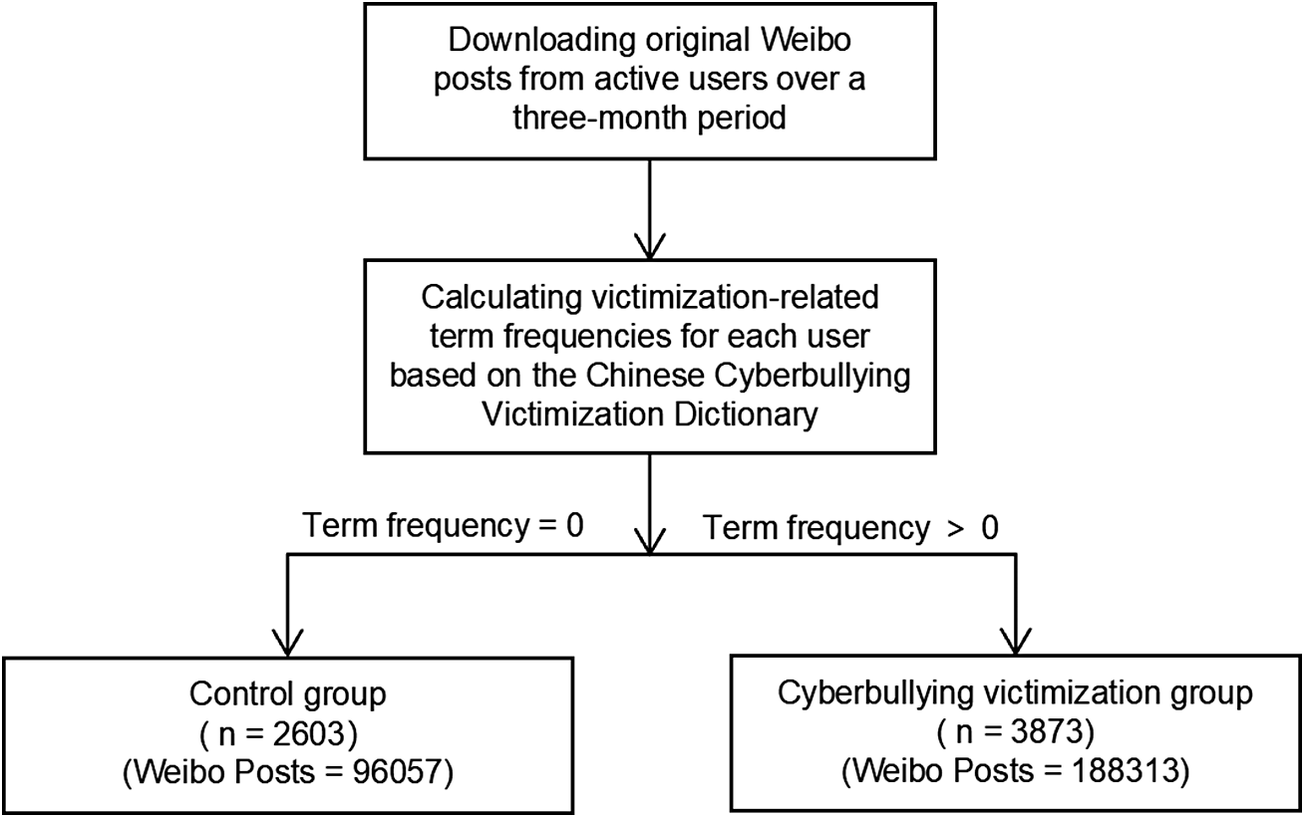

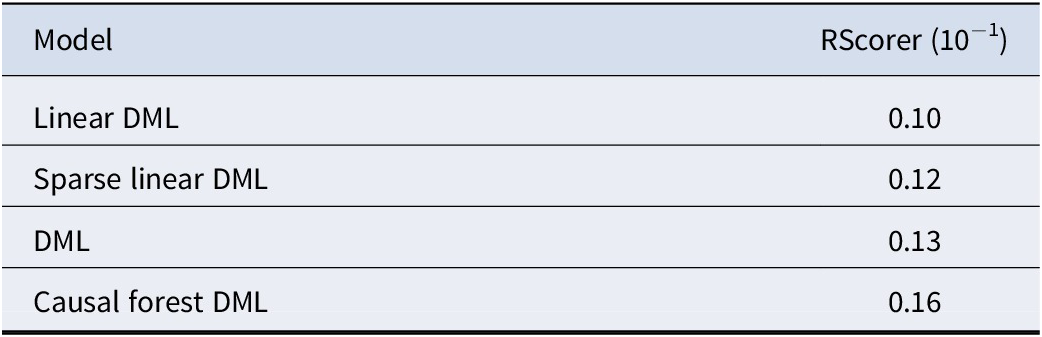


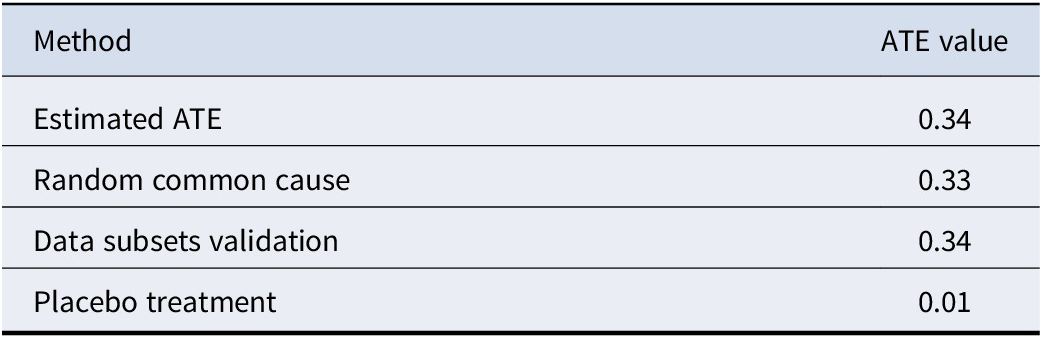


 Open access

