





Introduction
Preterm birth, defined as the delivery of a child before 37 weeks of pregnancy, remains a global health concern, affecting approximately one in ten infants and representing one of the early life insults with potential long-term health consequences. Although the mortality rates of preterm infants have significantly reduced due to advancements in neonatal care, individuals born preterm are at increased risk of cardiometabolic diseases, such as insulin resistance, dyslipidaemia, hypertension, Metabolic Dysfunction-Associated Steatotic Liver Disease (MASLD) and type 2 diabetes mellitus later in life. Reference Althabe, Howson, Kinney and Lawn1,Reference Patel2 Increasing evidence suggests that these outcomes are associated with disruptions in organ maturation following preterm birth. Reference Casirati, Somaschini and Perrone3,Reference Crump, Winkleby, Sundquist and Sundquist4 These observations are consistent with the Developmental Origins of Health and Disease concept, which proposes that disruption of organ development during critical developmental periods can have lifelong consequences for metabolic health. Reference Barker5,Reference Gluckman, Buklijas and Hanson6
The liver undergoes rapid structural development and functional maturation during late gestation. This period is characterised by hepatocyte differentiation, glycogen accumulation, maturation of glucose and lipid metabolic pathways, development of bile acid synthesis and transport systems, establishment of antioxidant defences, and differentiation of resident immune cells. These coordinated processes prepare the liver for the transition from continuous placental nutrient supply to the fluctuating metabolic demands of extrauterine life. Reference Bazaes, Salazar and Pittaluga7–Reference Qin and Crawford10
Preterm birth disrupts these developmental processes, resulting in a structurally and functionally immature liver that is inadequately prepared for the early extrauterine life. Hepatic immaturity is often characterised by reduced glycogen reserves, impaired gluconeogenesis, immature bile acid transport, diminished antioxidant capacity, and incomplete hepatocyte differentiation. Consequently, preterm infants are particularly susceptible to metabolic instability, oxidative stress, and hepatocellular injury during the neonatal period. Reference Qin and Crawford10,Reference Kalra, Ekrem, Chase and Faiz11 Preterm liver function may further be worsened by the exposure of the immature liver to medications, nutritional deficiencies, increased and/or uncontrolled oxidative stress, and infections in the immediate postnatal period. Reference Preidis, Keaton, Campeau, Bessard, Conner and Hotez12 Collectively, these factors may promote hepatocellular reprogramming through persistent alterations in cellular metabolism, nutrient sensing, mitochondrial function, and epigenetic regulation.
One of the earliest clinical manifestations of hepatic immaturity is neonatal cholestasis, which is particularly common among extremely preterm infants. Neonatal cholestasis is currently diagnosed primarily using circulating biochemical markers, including bilirubin, AST, ALT, GGT and ALP. Reference Iqbal13 Although these biomarkers are valuable for detecting hepatocellular and biliary dysfunction during the neonatal period, they provide only indirect measures of hepatic function and offer limited mechanistic insight into the molecular processes linking disrupted liver maturation with long-term metabolic disease.
In this review, we integrated experimental and clinical evidence to examine how preterm birth disrupts hepatic metabolic adaptation during early life. We further distinguish transient neonatal alterations from persistent developmental programming, discuss their potential contribution to long-term metabolic disease, and highlight key knowledge gaps which deserve further investigation.
Normal liver function
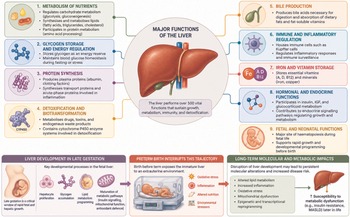
The liver is one of the largest and most metabolically active organs in the body, performing a wide range of essential physiological functions that are critical for maintaining homeostasis (Fig. 1). It is composed of several cell types, including hepatocytes, cholangiocytes, stellate cells, Kupffer cells (KC), and liver sinusoidal endothelial cells. Each of these cell types possesses unique functions that cooperatively regulate hepatic function at multiple levels. Hepatocytes are the primary epithelial cell population of the liver. They make up most of the liver volume and perform many of the functions ascribed to the liver. Cholangiocytes are the second most abundant epithelial population of the liver and have a more traditional epithelial function as the cells lining the lumen of the bile ducts. KCs are the resident macrophage population of the liver. These cells together function to metabolise carbohydrates, lipids, and proteins, synthesise plasma proteins, detoxify endogenous and exogenous compounds, produce bile, regulate immunity, and store nutrients. Reference Trefts, Gannon and Wasserman17–Reference Rui20
Overview of the liver’s major physiological functions, developmental processes during late gestation, and the potential impact of preterm birth on hepatic maturation. Image designed with Grok.
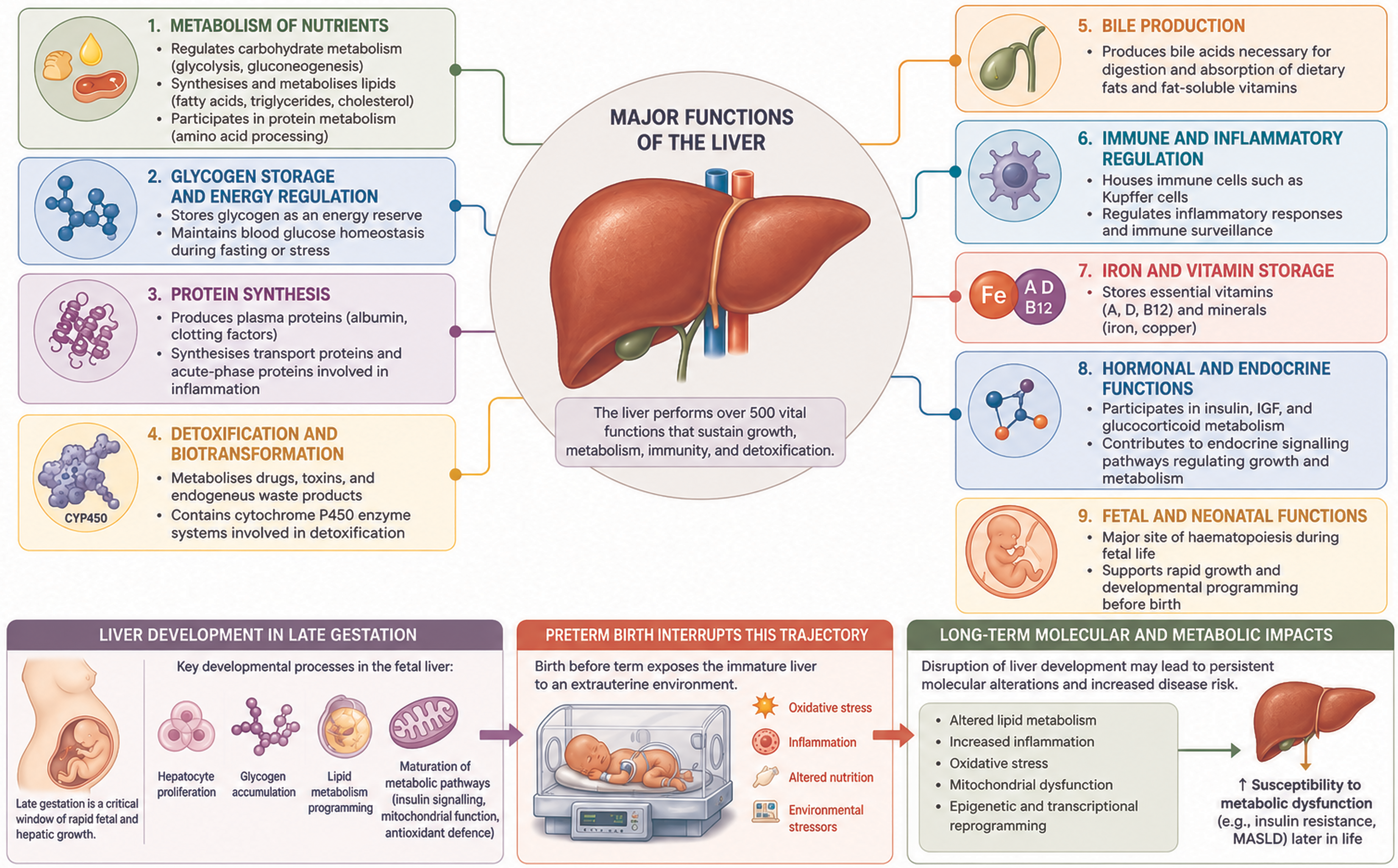
Figure 1. Long description
Panel A: The liver performs over 500 vital functions including metabolism of nutrients, glycogen storage and energy regulation, protein synthesis, detoxification and biotransformation, bile production, immune and inflammatory regulation, iron and vitamin storage, hormonal and endocrine functions, and fetal and neonatal functions. Panel B: Liver development in late gestation involves key developmental processes such as hepatocyte proliferation, glycogen accumulation, lipid metabolism programming, and maturation of metabolic pathways. Panel C: Preterm birth interrupts this trajectory, exposing the immature liver to an extrauterine environment with oxidative stress, inflammation, altered nutrition, and environmental stressors. Panel D: Long-term molecular and metabolic impacts include disruption of liver development leading to altered lipid metabolism, increased inflammation, oxidative stress, mitochondrial dysfunction, epigenetic and transcriptional reprogramming, and susceptibility to metabolic dysfunction later in life.
A primary role of the liver is the regulation of energy metabolism. The liver maintains blood glucose concentrations through glycogenesis, glycogenolysis, and gluconeogenesis. Glucose is converted into pyruvate through glycolysis in the cytoplasm, and pyruvate is subsequently oxidised in the mitochondria to generate ATP through the TCA cycle and oxidative phosphorylation. It also plays a central role in lipid metabolism by facilitating fatty acid oxidation, triglyceride synthesis, cholesterol metabolism, and lipoprotein production. For instance, in the fed state, glycolytic products are used to synthesise fatty acids through de novo lipogenesis. Long-chain fatty acids are incorporated into triacylglycerol, phospholipids, and/or cholesterol esters in hepatocytes. These complex lipids are stored in lipid droplets and membrane structures or secreted into the circulation as very low-density lipoprotein (VLDL) particles. Reference Trefts, Gannon and Wasserman17,Reference Rui20 However, in a state of fasting, the liver generates energy through both glycogenolysis and gluconeogenesis. In addition, the liver is involved in amino acid metabolism through processes such as transamination, deamination, and urea synthesis, which are essential for maintaining nitrogen balance within the body. Reference Guyton, Hall and Hall21 Deamination of amino acids is required before they can be used for energy or converted into carbohydrates or fats. A small amount of deamination can occur in the other tissues of the body, especially in the kidneys, but it is much less important than the deamination of amino acids by the liver. Formation of urea by the liver removes ammonia from the body fluids, which otherwise is very toxic to the body. Reference Robinson, Harmon and O’Farrelly18,Reference Guyton, Hall and Hall21
The liver is the principal site of plasma protein synthesis, producing albumin, clotting factors, transport proteins, and acute-phase proteins that contribute to physiological and immune functions. Reference Kotas and Medzhitov22 Hepatocytes also contain a wide range of metabolic enzymes, including cytochrome P450 enzymes, which are responsible for the biotransformation and detoxification of drugs, toxins, and metabolic waste products. Reference Martignoni, Groothuis and de Kanter19 Another important function of the liver is the synthesis and secretion of bile acids. Bile acids are essential for the digestion and absorption of dietary lipids and fat-soluble vitamins in the intestine. Reference Chiang and Ferrell23 The liver also serves as a storage site for glycogen, vitamins such as A, D, and B12, and minerals including iron and copper, ensuring the availability of these nutrients when required. Reference Guyton, Hall and Hall21 Through this process, the liver contributes significantly to nutrient utilisation and gastrointestinal function. In addition to its metabolic roles, the liver functions as an important immunological organ. KCs, the resident macrophages of the liver, participate in pathogen clearance, immune surveillance, and regulation of inflammatory responses. Reference Robinson, Harmon and O’Farrelly18 Overall, the liver is a multifunctional organ that integrates metabolic, synthetic, detoxification, storage, and immune processes to maintain physiological homeostasis and support normal growth and development.
Impact of preterm birth on liver development
Liver development begins early in embryogenesis from the endodermal foregut during the third week of gestation. Signals originating from the cardiac mesoderm and the transversum mesenchyme initiate the differentiation and migration of bipotential hepatoblasts within the mesenchymal tissue. These hepatoblasts differentiate into cholangiocytes and hepatocytes, forming the functional parenchyma and biliary structures. Reference Si-Tayeb, Lemaigre and Duncan24
The hepatic biliary and vascular system begins to form during early embryogenesis through the remodelling of the vitelline veins, giving rise to the portal vein, hepatic veins, and the sinusoidal network. This remodelling is a fundamental developmental step and is tightly connected with parenchymal development. Reference Zaret and Grompe25,Reference Wisse, Jacobs, Topal, Frederik and De Geest26 By the end of the first trimester, the fetal liver becomes the principal haematopoietic organ and is integrated into the fetal circulation through the umbilical vein, portal venous system, and ductus venosus, which together regulate nutrient-rich placental blood flow to the fetal heart. Concurrently, progressive vascularisation establishes the hepatic arterial and venous systems and promotes maturation of the sinusoidal network, enabling efficient metabolic exchange and supporting hepatic development. Reference Si-Tayeb, Lemaigre and Duncan24,Reference Pi, Ding and Jorgensen27 The liver macrophages, KCs, are derived from the yolk sac progenitor, with their phagocytic role evolving throughout fetal life. Reference Si-Tayeb, Lemaigre and Duncan24,Reference Zaret and Grompe25 Though they are present in preterm livers, KCs have been demonstrated to exhibit reduced response to inflammatory signals and recognition receptors such as TLR4, in comparison to their function in term livers, limiting their innate defence and endotoxin clearance. Reference Si-Tayeb, Lemaigre and Duncan24
Late gestation represents a critical period of rapid hepatic growth and maturation. During this developmental window, the liver undergoes extensive hepatocyte proliferation, glycogen accumulation, maturation of lipid and glucose metabolic pathways, establishment of mitochondrial function, and development of endocrine signalling networks that regulate postnatal metabolism. Reference Si-Tayeb, Lemaigre and Duncan24
Physically, as expected, almost all preterm studies report that being born prematurely affects body and organ weights. Reference Wang, Lenartowicz and Mazgaj28–Reference Sixtus, Gray, Barnes, Paterson, Berry and Dyson31 Specifically, Rasmussen et al. report that preterm pigs showed deficient body growth and altered growth trajectories in the small intestine, colon, liver, spleen, and brain compared with term pigs. Reference Rasmussen, Holgersen and Pankratova29 Anderson and colleagues also reported low deficits in body and liver weights at postnatal day 26. In the Anderson study, preterm pigs’ body weight was significantly lower than that of term pigs at birth, postnatal day 5, and day 26, while liver weight was non-significantly lower at birth and significantly lower at day 26. Reference Andersen, Sangild and Munch30 This represents one of the few studies that report no significant differences in liver weight at birth.
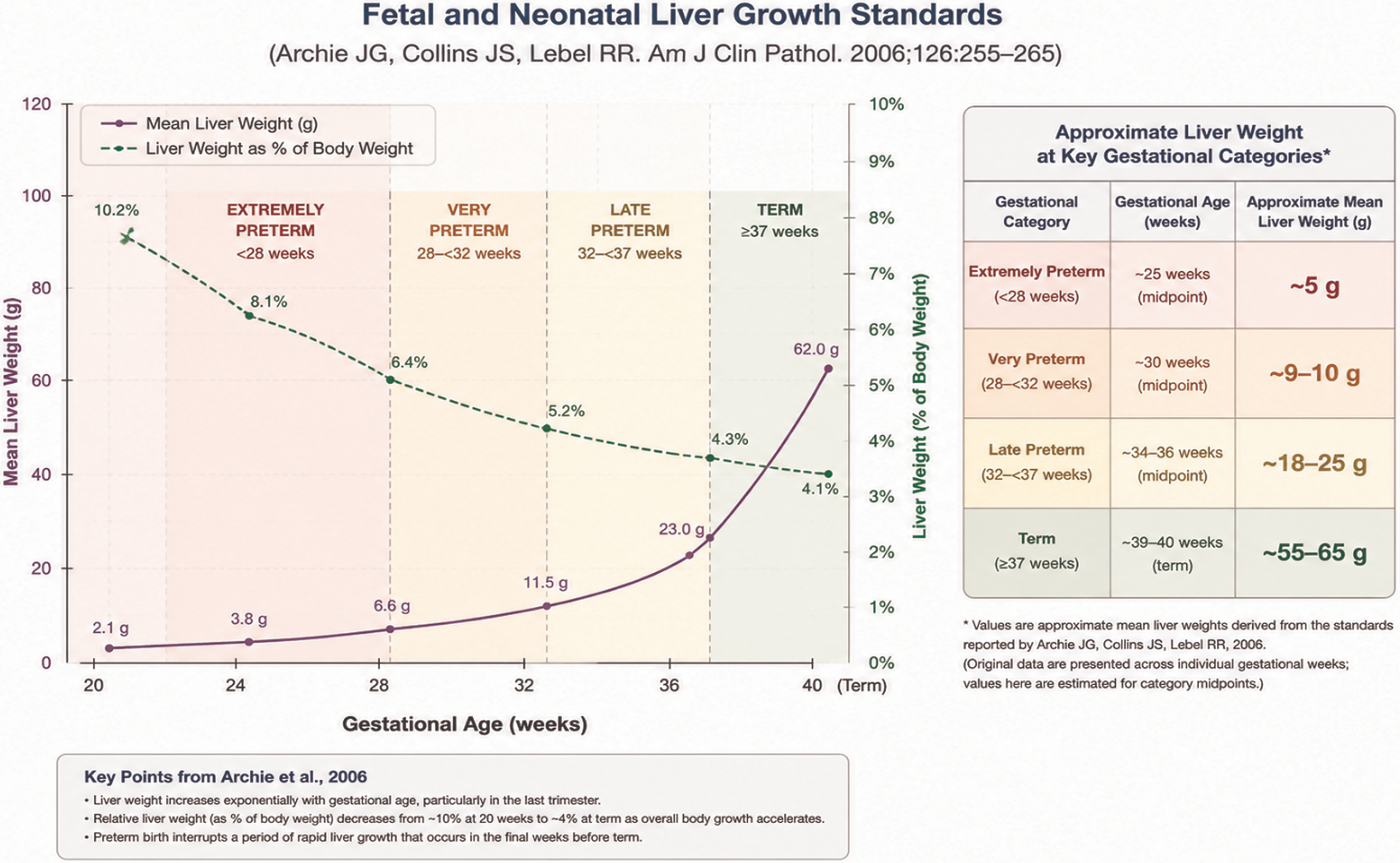
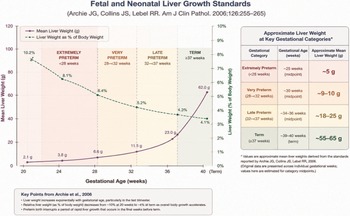
Archie et al. (2006) report normative human fetal and neonatal organ weights, including liver weight across gestation and provide evidence that preterm birth interrupts a period of rapid hepatic growth (Fig. 2). This study demonstrates that the liver, which constitutes approximately 4%–5% of body weight in neonates, increases rapidly during late gestation with accelerated growth during the final weeks before term. Reference Archie, Collins and Lebel32
Gestational increase in liver weight and relative liver size based on quantitative fetal and neonatal autopsy standards reported by Archie, Collins, and Lebel (2006). The purple line represents mean liver weight (g), demonstrating a marked increase during late gestation, while the green dashed line shows liver weight as a percentage of body weight, which progressively decreases as overall fetal growth accelerates. Shaded regions indicate gestational age categories: extremely preterm (<28 weeks), very preterm (28–<32 weeks), late preterm (32–<37 weeks), and term (≥37 weeks). Approximate liver weights at representative gestational ages are shown for each category, illustrating the rapid hepatic growth that occurs during the final weeks of gestation and highlighting the developmental period interrupted by preterm birth. Adapted and modified from Archie et al. (2006).
Delayed hepatic maturation and functional insufficiency following preterm birth
During the third trimester, the fetal liver accumulates glycogen and lipid stores that provide critical energy reserves during the neonatal transition period. Preterm infants are born before these reserves are fully established, increasing vulnerability to metabolic instability and altered nutrient handling. Reference Hay33 Furthermore, premature exposure to enteral nutrition, parenteral nutrition, oxygen therapy, and pharmacological interventions may further modify hepatic metabolic pathways during a period of developmental plasticity. Reference Illsinger, Schmidt, Lücke, Vaske, Bohnhorst and Das34–Reference Battarbee, Sandoval and Gyamfi-Bannerman37
Hepatic function in the preterm neonate reflects the delayed maturation of the liver parenchyma, leading to impaired metabolism and is characterised by reduced glycogen stores and immature gluconeogenic enzymes, predisposing them to hypoglycaemia. Reference Mitanchez9,Reference Sharma, Davis and Shekhawat38,Reference Hume, Burchell and Burchel39 The unstable glycaemic control in the preterm is also potentially attributable to the incomplete pancreatic β-and α-cell maturation, producing blunted and dysregulated insulin and glucagon responses to circulating glucose. Reference Kerper, Ashe and Hebrok40–Reference Bloomfield42 Also, as compared to term, preterm neonates are born with reduced intrauterine adipose tissue stores and limited thermogenic ability, making them vulnerable to rapid energy depletion and hypothermia. Reference Bienboire-Frosini, Wang and Marcet-Rius43–Reference Desoye and Herrera45 This forces the preterm neonate to rely on circulating lipid and hepatic gluconeogenesis to meet the metabolic needs in the immediate postnatal period. Reference Ghaben and Scherer46
Hepatic transcription factors such as HNF4α and C/EBPα initiate the differentiation of hepatoblasts into mature hepatocytes capable of synthesising plasma proteins and detoxifying xenobiotics by the end of mid-gestation. Reference Si-Tayeb, Lemaigre and Duncan24,Reference Zaret and Grompe25 This differentiation may be delayed and not fully achieved in preterm neonates due to the shortened gestation, particularly in extremely preterm (23–24 weeks) neonates, Reference Si-Tayeb, Lemaigre and Duncan24 leading to underdeveloped hepatocytes with decreased enzymatic phase I and II metabolic pathways Reference Ruggiero, Ariano, Triarico, Capozza, Ferrara and Attinà47 , impaired UDP-glucuronosyltransferase (UGT1A1), Reference Yanagi, Nakahara and Maruo48,Reference Mitra and Rennie49 delayed expression of bile salt export pump (BSEP), multidrug resistance protein 3 (MDR3), and multidrug resistance-associated protein 2 (MRP2), Reference Vitale, Sciveres, Mandato, d’Adamo and Di Giorgio50 reduced synthesis of albumin, clotting factors (II, VII, IX, X), Reference Chen, Hammo, Barry and Radhakrishnan51–Reference Hoffman53 and binding proteins as well as limited hepatic glycogen stores and immature gluconeogenesis. Reference McGill-Vargas, Gastaldelli and Liang54 Therefore, the underdeveloped liver is associated with inadequate metabolism of bilirubin, glucose, and drugs, which contributes to the heightened vulnerability of preterm infants to hypoglycaemia, hyperbilirubinemia, altered fat metabolism, and impaired coagulation. Reference Chen, Hammo, Barry and Radhakrishnan51,Reference Vlaardingerbroek, Schierbeek and Rook55
One of the early signs of liver dysfunction is cholestasis, whose pathogenesis is multifactorial. Intrahepatic cholestasis, which primarily reflects developmental immaturity of hepatocytes, is characterised by reduced expression and activity of bile acid transporters, including the BSEP, multidrug resistance protein 3 (MDR3), and multidrug resistance-associated protein 2 (MRP2). These transporters support the excretion of bile acids, phospholipids and conjugated bilirubin. Their reduced expression may lead to decreased bile formation and secretion, promoting intrahepatic retention of bile constituents. Reference van Groen, van de Steeg and Mooij14,Reference Chen, Liu and Chen15 In contrast, contributors of extrahepatic cholestasis include prolonged parenteral nutrition, reduced enteral feeding, infection, and inflammation, which can suppress transporter expression, impair bile flow and further exacerbate hepatic dysfunction. Reference Moin, Evans, Buksh, Knight and Roberts16 Unlike progressive familial intrahepatic cholestasis, which results from inherited pathogenic variants in genes encoding these transporters, Reference Vitale, Sciveres, Mandato, d’Adamo and Di Giorgio50 transporter dysfunction in preterm infants is thought to reflect delayed developmental maturation and generally improves with postnatal liver development. While cholestasis often resolves with postnatal maturation, the extent to which these early hepatic insults contribute to persistent metabolic reprogramming remains poorly understood.
KCs, the resident macrophages of the liver, originate predominantly from yolk sac-derived erythro-myeloid progenitors, colonise the fetal liver early in embryogenesis, and mature alongside the developing hepatic microenvironment. Reference Huang, Balzer and Seep56 Beyond their established roles in innate immune surveillance, phagocytosis, erythrocyte recycling and inflammatory regulation, KCs are increasingly recognised as key regulators of hepatic development and metabolic homeostasis. Reference Huang, Balzer and Seep56,Reference Makdissi, Hirschmann and Frolov57 Recent evidence demonstrates that neonatal KCs regulate hepatocyte glycogen storage, insulin responsiveness and energy metabolism through paracrine signalling, including the local production of insulin-like growth factor-1 (IGF-1). Reference Makdissi, Hirschmann and Frolov57
Huang, Balzer, Mass and colleagues have recently provided a mechanistic precedent linking altered KCs programming to metabolic disorders. They demonstrated that maternal obesity programmed offspring KCs towards a glycolytic, pro-metabolic phenotype, which they said promoted hepatocyte lipid uptake and adult fatty liver disease through increased apolipoprotein secretion. Reference Huang, Balzer and Seep56 Understandably, maternal obesity and preterm birth are distinct developmental insults; however, these findings support the hypothesis that disruption of KC maturation following preterm birth may similarly contribute to long-term hepatic metabolic dysfunction. Nonetheless, this remains speculative, as persistent KC-specific transcriptional, epigenetic or metabolic reprogramming has not yet been demonstrated in preterm-born offspring. Longitudinal studies examining KC development and function in relation to preterm birth across the life course are therefore needed to determine whether KC mediate the increased risk of metabolic liver disease in individuals born preterm.
Molecular and biochemical alterations associated with preterm birth
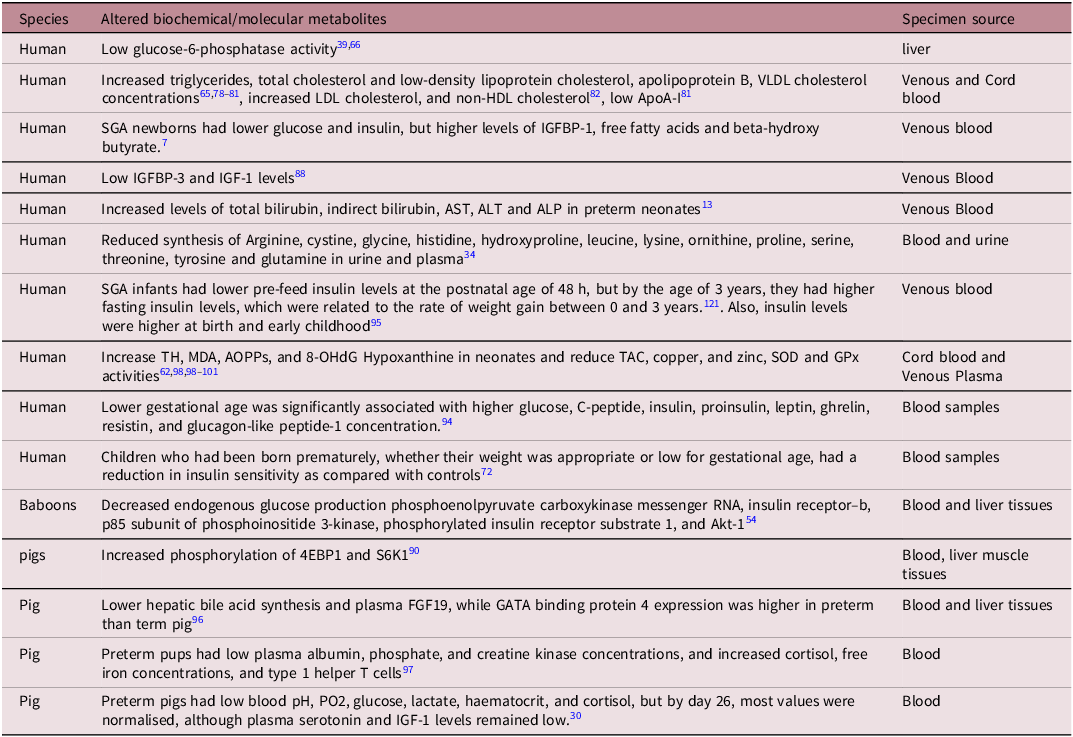
Table 1 outlines altered biomolecules from human and animal studies, which demonstrate that preterm birth is associated with coordinated disturbances across multiple metabolic, endocrine, and redox pathways. This reflects both organ immaturity and persistent postnatal reprogramming. The molecular alterations identified in this review can be broadly categorised into the following themes: dysregulation of glucose–insulin homeostasis, lipid and bile acid metabolism, hepatic synthetic and detoxification capacity, amino acid metabolism, oxidative stress and antioxidant defence, and hormonal and growth factor signalling.
Findings from studies on molecular alteration following preterm birth
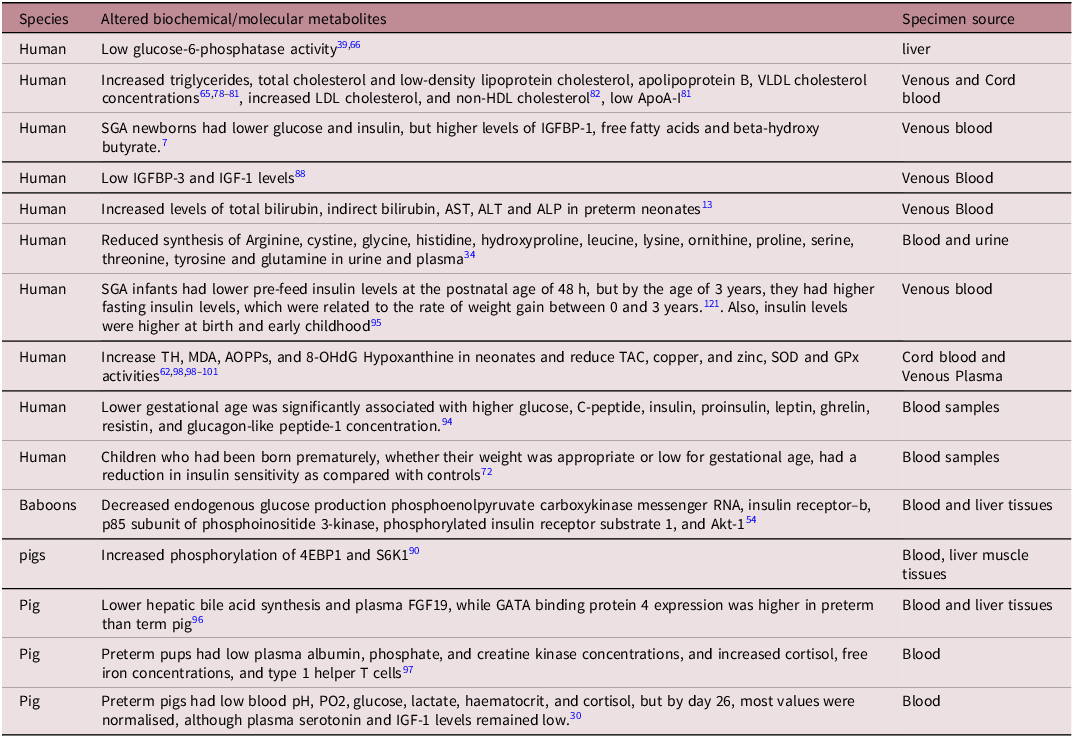
Table 1. Long description
The table has three columns: Species, Altered biochemical/molecular metabolites, and Specimen source. It contains data on humans, baboons, and pigs, detailing specific biochemical and molecular changes observed in different specimen sources such as liver, venous and cord blood, and other tissues. The table lists various altered metabolites and their sources, highlighting the impact of preterm birth on metabolic, endocrine, and redox pathways.
Summary of human and experimental animal studies reporting biochemical and molecular alterations associated with preterm birth. Findings include disturbances in glucose and lipid metabolism, insulin and IGF signalling, bile acid metabolism, amino acid synthesis, oxidative stress and antioxidant defence. Evidence from human blood and liver samples and preterm baboon and pig models demonstrates alterations across multiple hepatic metabolic pathways during neonatal and early postnatal life.
Disruption of glucose and insulin homeostasis
Preterm birth is consistently associated with profound perturbations in glucose regulation and insulin signalling from the neonatal period into later life. In humans, lower gestational age correlates with altered circulating glucose, insulin, proinsulin, C-peptide, and incretin hormones, including glucagon-like peptide-1, alongside altered adipokines such as leptin, ghrelin, and resistin. Reference Zamir, Sjöström, van den Berg, Naumburg and Domellöf94,Reference Wang, Divall and Radovick95 SGA preterm neonates display reduced glucose and insulin levels, accompanied by elevated free fatty acids, as well as ketone bodies Reference Bazaes, Salazar and Pittaluga7 concentrations shortly after birth. This is indicative of an early shift towards lipid utilisation. Mechanistically, preterm baboons exhibited reduced endogenous glucose production alongside downregulation of key gluconeogenic and insulin signalling components, including phosphoenolpyruvate carboxykinase, insulin receptor-β, phosphoinositide 3-kinase, insulin receptor substrate-1, and Akt-1. Reference McGill-Vargas, Gastaldelli and Liang54 These findings support the concept that preterm birth induces early-life defects in glucose handling, which may predispose individuals to insulin resistance and metabolic disease later in life.
Alterations in lipid metabolism and lipoprotein profiles
Molecular alterations involved in lipid metabolism also featured prominently following preterm birth. Human studies report an increased level of circulating triglycerides, total cholesterol, low-density lipoprotein (LDL), VLDL, apolipoprotein B, and non-HDL cholesterol, alongside reduced apolipoprotein AI concentrations. Reference Wang, Cui, Tong, Ye and Li65,Reference Katragadda, Rajesh, Shetty and Baliga78–Reference Küster, Croyal, Moyon, Darmaun, Ouguerram and Ferchaud-Roucher81 Animal studies reinforce these observations and suggest underlying molecular drivers. Preterm pigs demonstrate altered hepatic lipid and nutrient-sensing pathways, including increased phosphorylation of mTOR downstream targets such as 4EBP1 and S6K1. Reference Rudar, Naberhuis and Suryawan90 Such changes point to dysregulated anabolic signalling and nutrient sensing, potentially contributing to aberrant lipid storage and utilisation.
Impaired hepatic function and bile acid metabolism
In humans, preterm neonates show elevated circulating bilirubin (total and indirect) and liver enzymes, including alanine aminotransferase, aspartate aminotransferase, and alkaline phosphatase. Reference Iqbal13 These results suggest hepatic immaturity and reduced detoxification capacity of the preterm liver. Hepatic glucose-6-phosphatase activity was reduced. Reference Hume, Burchell and Burchel39,Reference Burchell, McGeechan and Hume66 This further supports impaired hepatic metabolic function. Animal models also reveal additional disruption in bile acid homeostasis. For instance, preterm pigs exhibit reduced hepatic bile acid synthesis and lower circulating FGF19, and an increased expression of the bile acid regulatory transcription factor, GATA binding protein 4. Reference Vonderohe, Guthrie, Stoll, Chacko, Dawson and Burrin96 These findings suggest altered enterohepatic signalling and bile acid regulation.
Perturbations in amino acid and protein metabolism
Preterm birth also leads to alterations in amino acid availability and protein metabolism. Human studies report reduced circulating concentrations of several amino acids, such as arginine, glutamine, glycine, serine, threonine, leucine, lysine, and ornithine. Reference Illsinger, Schmidt, Lücke, Vaske, Bohnhorst and Das34 These deficiencies possibly reflect immature hepatic metabolic pathways, as well as increased demands for growth and tissue repair. Preterm piglets also display reduced plasma albumin and phosphate concentrations, Reference Ahnfeldt, Bæk and Hui97 which is consistent with impaired hepatic synthetic function and limitation in protein synthesis as well as nutrient handling during early postnatal life.
Oxidative stress and antioxidant imbalance
Preterm neonates demonstrate increased markers of oxidative damage, indicating an imbalance between reactive oxygen species production and antioxidant defence. This is evidenced by increased levels of malondialdehyde, 8-hydroxy-2′-deoxyguanosine, hypoxanthine, and total hydroperoxides, together with reduced key antioxidant enzymes, such as superoxide dismutase and glutathione peroxidase. Reference Buonocore, Perrone and Longini62,Reference Elkabany, El-Farrash and Shinkar98–Reference Ahmed, Abd-Elmawgood and Hassan101 These findings suggest that preterm birth induces sustained oxidative stress, which could potentially contribute to long-term hepatic dysfunction and metabolic disease later in life.
Hormonal, growth factor and immune dysregulation
Reduced circulating levels of IGF-1 and IGFBP-3 have been observed in both human infants and preterm piglets. Reference Andersen, Sangild and Munch30,Reference Paulsen, Marka, Nagel, Gonzalez Villamizar, Nathan and Ramel88 Altered cortisol concentrations and increased type 1 helper T cells suggest activation of stress and inflammatory pathways during the early postnatal period. Together, these molecular alterations demonstrate that preterm birth leads to a complex, multisystem programming involving metabolic, endocrine, and inflammatory pathways. These molecular alterations may potentially increase the risk of individuals born preterm to adverse health outcomes.
Metabolic adaptation following preterm birth
The transition from intrauterine to extrauterine life requires rapid metabolic adaptation. During intrauterine development, the fetus receives a continuous supply of glucose and amino acids via placental transfer, Reference Tas, Garibaldi and Muzumdar8 eliminating the requirement for endogenous glucose production and directing excess substrate toward glycogen deposition and lipogenesis. Reference Garg and Devaskar63 However, after birth, the liver begins to coordinate enteral feeding, endogenous glucose production, lipid oxidation and ketogenesis. Reference Garg and Devaskar63 This physiological transition is particularly challenging for the preterm infant, whose abbreviated gestation has interrupted the normal developmental trajectory of key regulatory enzymes and signalling pathways governing hepatic glucose metabolism. Reference Tas, Garibaldi and Muzumdar8,Reference Hussain and Aynsley-Green64
Hypoglycaemia is one of the most common pathologies encountered by babies born too early, too small, or both. Preterm, small-for-gestational-age (SGA), and intra-uterine growth-restricted neonates are especially vulnerable to hypoglycaemia due to their lack of metabolic reserves and associated co-morbidities. Up to 60% of these high-risk infants may become hypoglycaemic in the initial extrauterine period and require immediate intervention. Reference Sharma, Davis and Shekhawat38 Preterm neonates are uniquely predisposed to developing hypoglycaemia and its associated complications due to their limited glycogen and fat stores, inability to generate new glucose via gluconeogenesis pathways, higher metabolic demands due to a relatively larger brain/body size, and inability to mount a counter-regulatory response to hypoglycaemia due to immature systems and pathways such as glycogenolysis and gluconeogenesis. Reference Mitanchez9,Reference Wang, Cui, Tong, Ye and Li65
The limited capacity for endogenous glucose production is also reflected at the molecular level, which impacts the preterm neonate’s adaptability to the extrauterine environment. For instance, the expression of GYS2, PEPCK and G6Pase are attenuated in preterm newborns, impairing gluconeogenesis and contributing to hypoglycaemia. Reference Bazaes, Salazar and Pittaluga7,Reference Hume, Burchell and Burchel39,Reference McGill-Vargas, Gastaldelli and Liang54,Reference Burchell, McGeechan and Hume66 G6Pase, for example, is involved in gluconeogenesis and glycogenolysis, with the level of expression documented to be low in the preterm population. Reference Hume, Burchell and Burchel39,Reference Burchell, McGeechan and Hume66 G6Pase is responsible for converting glucose-6-phosphate to glucose and phosphate ions, enabling glucose to be released from hepatocytes into the circulation. The low expression of hepatic G6Pase potentially limits their ability to maintain circulating glucose concentrations during periods of reduced exogenous substrate availability. Interventional studies have shown that premature babies respond very poorly to both endogenous and exogenous glucagon administration, which has been shown to induce hepatic G6Pase expression in animal studies. Reference Li, Zhou and Wang67 Therefore, preterm children demonstrate delayed postnatal hepatic G6Pase appearance and are at risk for recurrent hypoglycaemic episodes.
Hepatic lipid metabolism undergoes profound developmental transitions during late gestation and the early postnatal period. Following birth, the abrupt cessation of placental nutrient supply requires a transition towards greater utilisation of lipid-derived substrates. The liver is critical to maintaining lipid homeostasis through regulation of fatty acid oxidation, lipogenesis, lipoprotein assembly, and cholesterol metabolism. Reference Heeren and Scheja76 These pathways exhibit distinct ontogenic patterns that are significantly disrupted by preterm birth, contributing to both immediate metabolic vulnerabilities and potential long-term metabolic programming effects. Reference Desoye and Herrera45,Reference Zhang, Wu and Zheng77
Metabolic adaptations following preterm birth translate into altered plasma lipid and lipoprotein profiles. For instance, at 72 hours post birth, preterm SGA neonates have demonstrably higher triglycerides, total cholesterol and LDL cholesterol concentrations than appropriate-for-gestational-age (AGA) neonates. Reference Wang, Cui, Tong, Ye and Li65 Similarly, serum triglyceride levels were significantly higher in preterm SGA newborns than in AGA newborns. SGA neonates also demonstrate higher levels of Apo B and atherogenic index than AGA neonates. Reference Katragadda, Rajesh, Shetty and Baliga78 Comparison between term and preterm AGA and SGA neonates reveals that all lipid parameters were higher among preterm neonates than their term counterparts, including total cholesterol, triglycerides, and VLDL cholesterol. Reference Kumar, Manazir Ali and Abqari79–Reference Küster, Croyal, Moyon, Darmaun, Ouguerram and Ferchaud-Roucher81
Longitudinal data indicate that these early differences may persist. A prospective cohort study found that LDL cholesterol, high-density lipoprotein (HDL) cholesterol, and apolipoprotein B increased during the first year of life among children born preterm than those born at term. Preterm females also had higher concentrations of lipids at birth and two months after birth compared to their male counterparts (49). Multivariable analysis shows that having high lipid concentrations at birth persisted at two months for LDL cholesterol, HDL cholesterol and apolipoprotein B. Reference Nielsen, Lytsen and Strandkjaer82 Therefore, altered lipid concentrations at birth are not necessarily confined to the immediate postnatal transition but may persist during early infancy and may thus be used to identify children at risk of dyslipidemia in later life. Reference Nielsen, Lytsen and Strandkjaer82
Additionally, the underdeveloped digestive system of preterm newborns further impairs lipid metabolism. For example, preterm infants have been shown to have reduced activity of intestinal, gastric and pancreatic lipases and limited bile salt secretion, Reference Indrio, Neu and Pettoello-Mantovani35,Reference Gaze83 all of which are essential for the emulsification and digestion of dietary lipids. Reference Bertolizio, Ingelmo and Lerman84,Reference Henderickx, Zwittink and Renes85 These enzymatic deficiencies lead to poor lipid hydrolysis and absorption. Furthermore, the preterm infant’s underdeveloped intestinal mucosa, which has both a reduced surface area and lower expression of key transporters, may impair postnatal absorption of both fatty acids and monoglycerides. Reference Indrio, Neu and Pettoello-Mantovani35 Gastrointestinal motility is also thought to be immature in preterm infants, which leads to delayed gastric emptying and uncoordinated peristalsis contributing to inefficient mixing and propulsion of nutrients through the gut. This can exacerbate malabsorption by limiting the time and surface area available for enzymatic action and nutrient uptake. Reference So, Ng and Fok86 As a result, the infant’s capacity to utilise important fatty acids for growth and development, particularly long-chain polyunsaturated fatty acids, such as arachidonic acid and docosahexaenoic acid, may be compromised. Reference Li, Zhou and Wang67,Reference Bertolizio, Ingelmo and Lerman84 Thus, altered substrate delivery may compound the intrinsic immaturity of hepatic lipid metabolic pathways following preterm birth.
Overall, preterm birth requires metabolic adaptation to extrauterine life at a developmental stage when hepatic pathways responsible for glucose and lipid homeostasis remain immature. The resulting phenotype is therefore characterised by a combination of necessary adaptive responses and limitations in the capacity to regulate substrate availability and utilisation. The early metabolic disturbances highlight the physiological challenge imposed by premature separation from the intrauterine environment and may provide a foundation for persistent alterations in metabolic regulation later in life.
Hepatic metabolic pathways affected by preterm birth
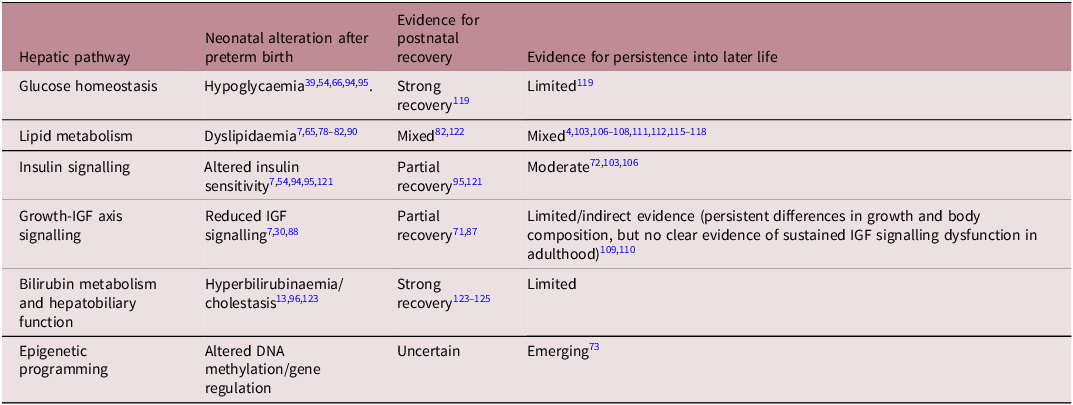
To differentiate between transient neonatal adaptations from alterations that may persist into later life, Table 2 summarises the current evidence for key hepatic metabolic pathways affected by preterm birth. While several neonatal abnormalities, including hypoglycaemia, dyslipidaemia, and hepatobiliary dysfunction, generally improve with postnatal maturation, increasing evidence suggests that disruptions in insulin signalling, lipid metabolism, and a potential emergence of epigenetic programming may have longer-term metabolic consequences. However, the strength of evidence varies across pathways, with some, such as the growth hormone–IGF axis, remaining supported primarily by indirect evidence.
Transient and persistent hepatic metabolic alterations following preterm birth: current evidence
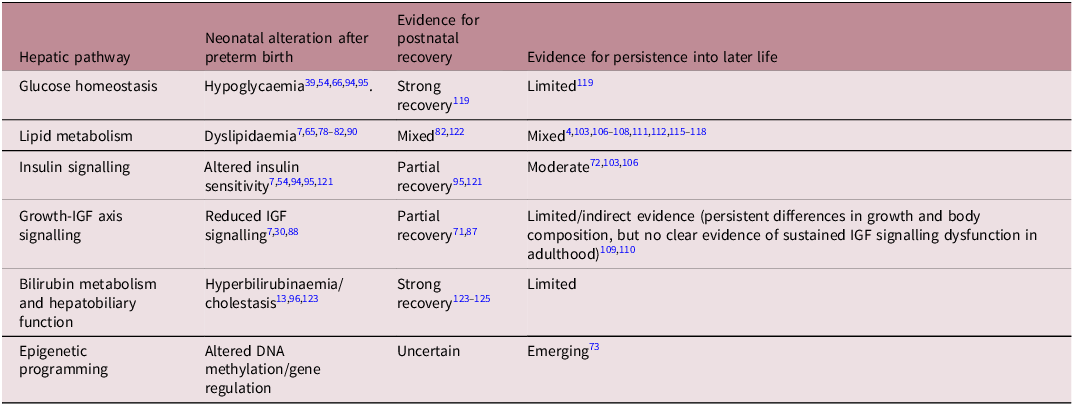
Table 2. Long description
A table comparing evidence for hepatic metabolic alterations after preterm birth across different pathways. The table has six rows and four columns. The columns are labeled Hepatic pathway, Neonatal alteration after preterm birth, Evidence for postnatal recovery, and Evidence for persistence into later life. Row 1: Glucose homeostasis, Hypoglycaemia, Strong recovery, Limited. Row 2: Lipid metabolism, Dyslipidaemia, Mixed, Mixed. Row 3: Insulin signalling, Altered insulin sensitivity, Partial recovery, Moderate. Row 4: Growth-IGF axis signalling, Reduced IGF signalling, Partial recovery, Limited/indirect evidence. Row 5: Bilirubin metabolism and hepatobiliary function, Hyperbilirubinaemia/cholestasis, Strong recovery, Limited. Row 6: Epigenetic programming, Altered DNA methylation/gene regulation, Uncertain, Emerging.
Summary of the temporal patterns of hepatic metabolic alterations following preterm birth. Glucose homeostasis and bilirubin and hepatobiliary abnormalities show strong evidence of postnatal recovery, whereas growth–IGF signalling and insulin signalling show partial recovery. Evidence for lipid metabolism is mixed. Evidence for persistence into later life is moderate for insulin signalling, mixed for lipid metabolism, limited for glucose homeostasis and the growth–IGF axis, and emerging for epigenetic programming. The strength of evidence is based on synthesis of available human and experimental studies.
Persistent hepatic programming and a proposed mechanistic framework following preterm birth
As demonstrated in the previous section, preterm birth disrupts multiple hepatic metabolic pathways during the neonatal period. However, not all abnormalities persist into later life. Several physiological disturbances primarily reflect developmental immaturity and improve as the liver undergoes postnatal maturation. For example, neonatal hypoglycaemia generally resolves with the establishment of enteral feeding and maturation of hepatic glycogen storage and gluconeogenic capacity. Also, hyperbilirubinaemia and cholestasis typically improve during infancy as bile acid synthesis, hepatobiliary transport, and hepatic excretory function mature. Circulating IGF-1 concentrations also increase during early postnatal life, supporting catch-up growth, although complete restoration of the growth hormone–IGF axis remains uncertain. In contrast, recovery of lipid metabolism and insulin signalling appears less complete, with epidemiological and experimental evidence suggesting that early disruption of these pathways may predispose individuals born preterm to metabolic dysfunction later in life.
Although neonatal hypoglycaemia is a common consequence of hepatic immaturity in preterm infants, direct evidence that hypoglycaemia itself induces persistent epigenetic alterations leading to long-term hepatic glucose dysregulation is currently lacking. However, increasing evidence suggests that preterm birth is associated with alterations in DNA methylation Reference Parets, Bedient, Menon and Smith68–Reference Dhobale and Joshi70 and other epigenetic mechanisms that may modify insulin signalling, nutrient sensing and hepatic metabolic pathways that may persist beyond the neonatal period. Reference Rasmussen, Holgersen and Pankratova29,Reference McGill-Vargas, Gastaldelli and Liang54,Reference Paulsen, Marka and Lunos71,Reference Hofman, Regan and Jackson72 Indeed, Kuula et al., recently reported that adults born preterm (mean age of 22 years) exhibited persisted differentially methylated CpG sites with top hits located in HIF3A, EBF4, and GLI2, suggesting that epigenetic signatures are present in adult life. Reference Kuula, Czamara and Hauta-alus73 HIF3A has well-established roles in energy metabolism, insulin sensitivity, adiposity and hypoxia signalling, Reference Dick, Nelson and Tsaprouni74 while GLI2 regulates Hedgehog signalling involved in liver development, hepatic regeneration, and lipid metabolism. Reference Diehl75 Nevertheless, it remains unclear whether these epigenetic alterations contribute to the early metabolic dysfunction or whether the hypoglycaemic episodes directly mediate these epigenetic changes later in life.
Altered lipid metabolism is reported to persist beyond the immediate postnatal period. A longitudinal study showed that high lipid levels at birth also predicted high levels of LDL cholesterol, HDL cholesterol, and apolipoprotein B. Therefore, lipid levels at birth could be used to identify children at risk of dyslipidaemia later in life. Reference Nielsen, Lytsen and Strandkjaer82 Indeed, prospective cohort studies show that individuals born preterm were more likely to develop obesity, hypertriglyceridaemia, high LDL cholesterol, high blood pressure, metabolic syndrome and MASLD later in life. Reference Crump, Winkleby, Sundquist and Sundquist4,Reference Balasuriya, Stunes and Mosti106–Reference Amadou, Ancel, Zeitlin, Ribet, Zins and Charles108
Moreover, there is evidence that preterm birth is associated with elevated insulin levels in early childhood, with some individuals demonstrating persistence of this phenotype over time. Reference Hofman, Regan and Jackson72,Reference Pandolfi, Zugaro and Lattanzio103 These alterations may reflect early disturbances in insulin sensitivity and have been linked to features of metabolic risk, including insulin resistance and components of the metabolic syndrome. Reference Hofman, Regan and Jackson72,Reference Pandolfi, Zugaro and Lattanzio103 However, evidence linking these early-life changes to the development of type 2 diabetes mellitus in adulthood remains limited and inconsistent, with a lack of robust longitudinal data. Insulin resistance enhances lipolysis in adipose tissue, increasing the delivery of fatty acids to the liver and promoting hepatic steatosis. Concurrently, disrupted insulin signalling adversely affects mitochondrial function and fatty acid oxidation. Hyperglycaemia stimulates de novo lipogenesis by activating transcription factors such as SREBP-1c, which enhances fat accumulation. Reference McGill-Vargas, Gastaldelli and Liang54,Reference Garg and Devaskar63 At the same time, changes in MTP/apoB synthesis and secretion limit VLDL efflux, which further enhances hepatic steatosis. This set of maladaptive mechanistic responses to early changes in hormones and nutrients likely makes the preterm population susceptible to MASLD. Reference Nicholas and Ozanne104,Reference Friedman, Neuschwander-Tetri, Rinella and Sanyal105
Increasing evidence suggests that preterm birth is associated with alterations in DNA methylation and other epigenetic mechanisms that may modify insulin signalling, nutrient sensing and hepatic metabolic pathways. Some of these alterations may persist beyond the neonatal period Reference Rasmussen, Holgersen and Pankratova29,Reference McGill-Vargas, Gastaldelli and Liang54,Reference Paulsen, Marka and Lunos71,Reference Hofman, Regan and Jackson72 thereby contributing to developmental metabolic programming. Kuula et al., reported that adults born preterm, with a mean age of 22 years exhibited persisted differentially methylated CpG sites with top hits located in HIF3A, EBF4, and GLI2, suggesting epigenetic signatures present in adult life. Reference Kuula, Czamara and Hauta-alus73 HIF3A has well-established roles in hypoxia signalling, adiposity, insulin sensitivity, and energy metabolism, Reference Dick, Nelson and Tsaprouni74 while GLI2 regulates Hedgehog signalling involved in liver development, hepatic regeneration, and lipid metabolism. Reference Diehl75 Nevertheless, it remains unclear whether these epigenetic alterations contribute to the early metabolic dysfunction or whether hypoglycaemic episodes directly mediate these epigenetic changes, rather than simply reflecting the underlying hepatic immaturity. The mechanistic question requires further investigation.
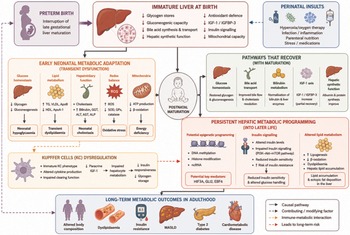
Synthesising both altered metabolic dysregulation during the immediate postnatal period and the persistent dysregulated metabolic abnormalities, we propose in Fig. 3a potential mechanistic link between preterm birth and hepatic molecular and metabolic programming.
Proposed mechanistic framework linking disrupted hepatic metabolic adaptation following preterm birth with persistent developmental programming and long-term metabolic disease. Preterm birth interrupts late gestational liver maturation, resulting in transient neonatal metabolic dysfunction. While several hepatic pathways recover with postnatal maturation, persistent alterations in insulin signalling, lipid metabolism, and potential epigenetic programming may contribute to long-term metabolic dysfunction and increased susceptibility to dyslipidaemia, insulin resistance, metabolic dysfunction-associated steatotic liver disease (MASLD), type 2 diabetes, and cardiometabolic disease. Dashed arrows represent proposed mechanistic pathways for which direct causal evidence remains limited. Image designed with Grok.
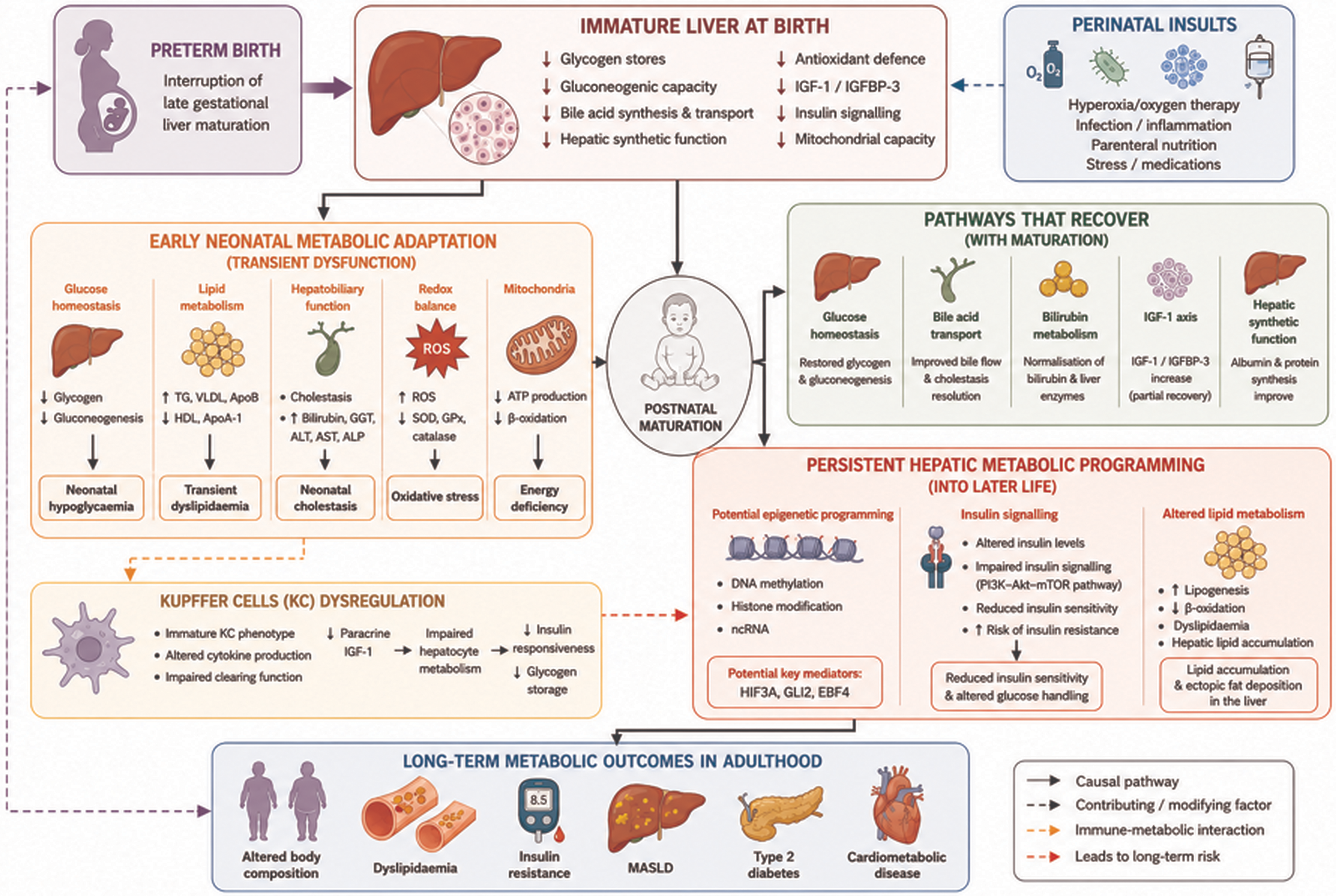
Figure 3. Long description
A diagram of the proposed mechanistic framework linking disrupted hepatic metabolic adaptation following preterm birth with persistent developmental programming and long-term metabolic disease. Panel A: Preterm birth interrupts late gestational liver maturation, resulting in an immature liver at birth with reduced glycogen stores, gluconeogenic capacity, bile acid synthesis and transport, hepatic synthetic function, antioxidant defense, IGF-1/IGFBP-3, insulin signaling, and mitochondrial capacity. Panel B: Early neonatal metabolic adaptation includes transient dysfunction in glucose homeostasis, lipid metabolism, hepatobiliary function, redox balance, and mitochondria, leading to neonatal hypoglycemia, transient dyslipidemia, neonatal cholestasis, oxidative stress, and energy deficiency. Panel C: Postnatal maturation can lead to pathways that recover with maturation, including glucose homeostasis, bile acid transport, bilirubin metabolism, IGF-1 axis, and hepatic synthetic function. Panel D: Persistent hepatic metabolic programming into later life includes potential epigenetic programming, altered insulin signaling, and altered lipid metabolism, contributing to long-term metabolic dysfunction and increased susceptibility to dyslipidaemia, insulin resistance, metabolic dysfunction-associated steatotic liver disease (MASLD), type 2 diabetes, and cardiometabolic disease.
Long-term metabolic health outcome in adults born preterm
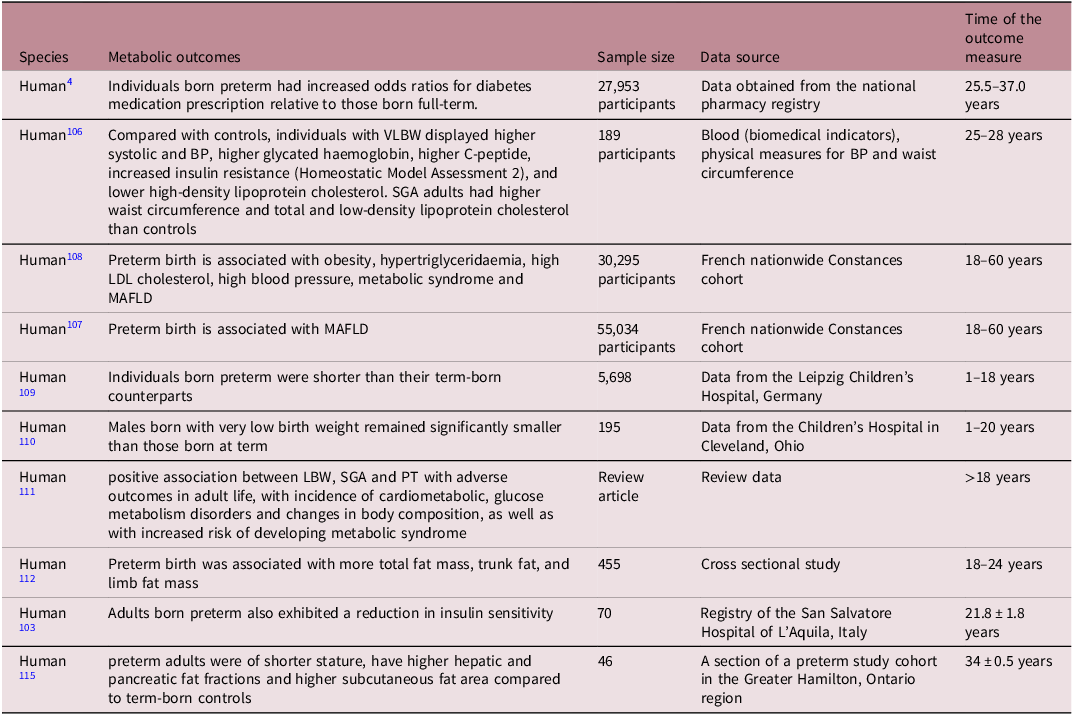
The metabolic disturbances observed during the neonatal period following preterm birth may extend beyond the neonatal period and could contribute to adverse health outcomes in later life. Although many hepatic and metabolic abnormalities are reported to be resolved with postnatal maturation, there is growing epidemiological evidence that suggests that interruption of late gestational development due to preterm birth may lead to persistent alterations in metabolic regulation through developmental programming. These alterations, potentially mediated by sustained changes in insulin signalling, nutrient sensing, mitochondrial function, and epigenetic modifications, may reduce metabolic resilience and increase susceptibility to chronic metabolic disorders later in life. Table 3 summarises epidemiological evidence linking preterm birth with adverse metabolic outcomes across the life course. While these observational studies cannot establish causality, they provide important clinical support for the hypothesis that disruption of hepatic and metabolic maturation during late gestation may contribute to persistent metabolic dysfunction. Nevertheless, the relative contributions of preterm birth itself, neonatal exposures, postnatal environmental factors, and genetic susceptibility remain incompletely understood.
Findings from studies on the long-term metabolic disease/risk following preterm birth
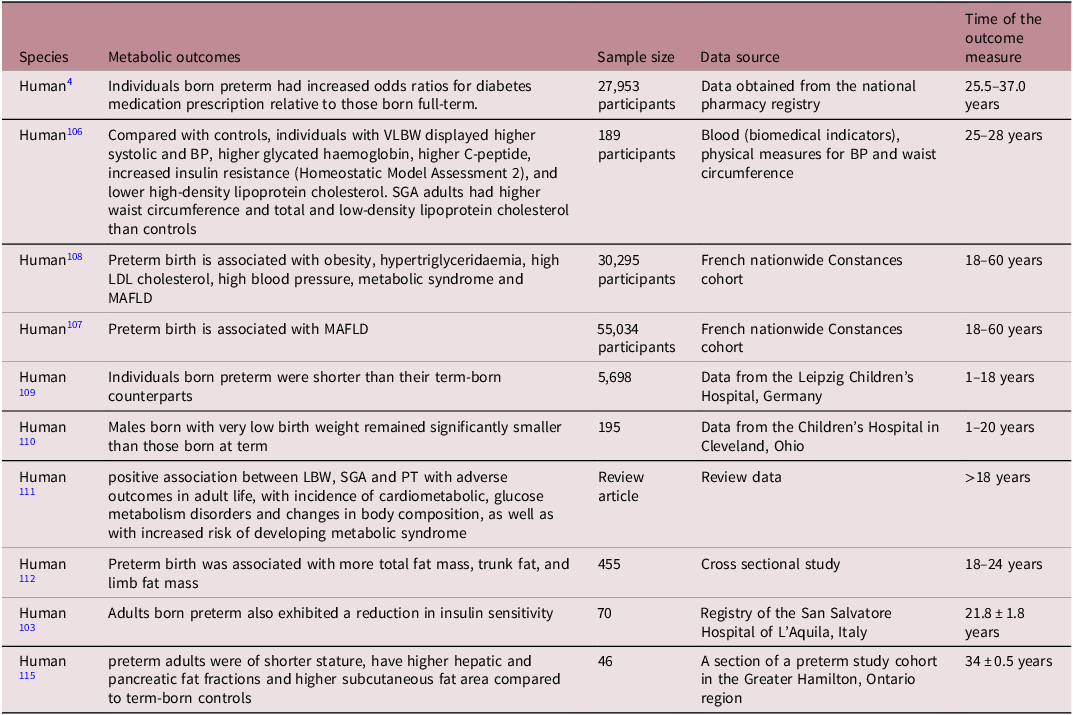
Table 3. Long description
The table presents findings from studies on the long-term metabolic outcomes following preterm birth. It has six columns: Species, Metabolic outcomes, Sample size, Data source, and Time of the outcome measure. The table includes data from various studies on humans, detailing the metabolic outcomes observed, the sample sizes, the data sources, and the time of outcome measures. Row 1: Human, Individuals born preterm had increased odds ratios for diabetes medication prescription relative to those born full-term, 27,953 participants, Data obtained from the national pharmacy registry, 25.5-37.0 years. Row 2: Human, Compared with controls, individuals with VLBW displayed higher systolic and BP, higher glycated haemoglobin, higher C-peptide, increased insulin resistance (Homeostatic Model Assessment 2), and lower high-density lipoprotein cholesterol. SGA adults had higher waist circumference and total and low-density lipoprotein cholesterol than controls, 189 participants, Blood (biomedical indicators), physical measures for BP and waist circumference, 25-28 years. Row 3: Human, Preterm birth is associated with obesity, hypertriglyceridaemia, high LDL cholesterol, high blood pressure, metabolic syndrome and MAFLD, 30,295 participants, French nationwide Constances cohort, 18-60 years. Row 4: Human, Preterm birth is associated with MAFLD, 55,034 participants, French nationwide Constances cohort, 18-60 years. Row 5: Human, Individuals born preterm were shorter than their term-born counterparts, 5,698, Data from the Leipzig Children’s Hospital, Germany, 1-18 years. Row 6: Human, Males born with very low birth weight remained significantly smaller than those born at term, 195, Data from the Children’s Hospital in Cleveland, Ohio, 1-20 years. Row 7: Human, positive association between LBW, SGA and PT with adverse outcomes in adult life, with incidence of cardiometabolic, glucose metabolism disorders and changes in body composition, as well as with increased risk of developing metabolic syndrome, Review article, Review data, >18 years. Row 8: Human, Preterm birth was associated with more total fat mass, trunk fat, and limb fat mass, 455, Cross sectional study, 18-24 years. Row 9: Human, Adults born preterm also exhibited a reduction in insulin sensitivity, 70, Registry of the San Salvatore Hospital of L’Aquila, Italy, 21.8 ± 1.8 years. Row 10: Human, preterm adults were of shorter stature, have higher hepatic and pancreatic fat fractions and higher subcutaneous fat area compared to term-born controls, 46, A section of a preterm study cohort in the Greater Hamilton, Ontario region, 34 ± 0.5 years.
Summary of human studies examining long-term metabolic health outcomes following preterm birth. Across childhood and adulthood, preterm birth or very low birth weight is associated with altered growth and body composition, reduced insulin sensitivity, adverse lipid profiles, increased hepatic and pancreatic fat, and increased risks of metabolic syndrome, diabetes-related outcomes and metabolic fatty liver disease. The table presents study sample sizes, data sources and ages at outcome assessment, illustrating evidence extending from childhood into adulthood.
Alteration in growth and body composition is one the major phenotypical effect of preterm birth. For instance, Roland and colleagues analysed data from about 5700 adults and reported that individuals born preterm were shorter than their term-born counterparts. Reference Pfäffle, Knüpfer and Göbert109 Earlier work by Hack et al., in 2003, reported sex specific differences in the growth of individuals born preterm. They stated that females born with very low birth weight had a catch-up growth by 20 years of age; however, their male counterparts remained significantly smaller as compared to those born at term. Reference Hack, Schluchter, Cartar, Rahman, Cuttler and Borawski110 These findings should be interpreted cautiously, given advances in neonatal care. More recent studies indicate that individuals born preterm tend to have higher body fat percentages and increased body mass index in later life. Reference de Mendonça, de Lima Macêna and de Lima Macênaa111 Similarly, Breukhoven, in their 2012 cross-sectional study involving 167 preterm adult (18–24yrs) subjects compared with 288 full-term adult subjects, found that preterm birth was associated with more total fat mass, trunk fat, and limb fat mass. Reference Breukhoven, Kerkhof, Willemsen and Hokken-Koelega112 This altered body composition may reflect preferential visceral fat accumulation despite relatively lower lean body mass, a phenotype that has consistently been associated with insulin resistance and adverse cardiometabolic risk.
The biological mechanisms which lead to catch-up growth indices seem to be associated with metabolic and cardiovascular risk later in life. For instance, a systematic review by Elaine et al. showed a positive association between LBW, SGA and preterm birth with adverse outcomes in adult life, with incidence of cardiometabolic, glucose metabolism disorders and changes in body composition, as well as with increased risk of developing metabolic syndrome. Reference de Mendonça, de Lima Macêna and de Lima Macênaa111 Furthermore, a study of 162 young adults born preterm shows that accelerated infant weight gain after term age is associated with an increased risk of developing MASLD in early adulthood. Reference Breij, Kerkhof and Hokken-Koelega113 Similarly, in a systematic review, accelerated weight gain within the first two years after preterm birth significantly increased the likelihood of childhood obesity. Reference Ou-Yang, Sun and Liebowitz114 Also, among 55,034 adults born preterm with a mean age of 38 years, MASLD was significantly associated with preterm birth. Reference Amadou, Nabi and Serfaty107 In a very recent study by Amadou et al. in 2025 with a cohort of over 30,000 adults, preterm birth was associated with higher risks of obesity (RR 1.25), metabolic syndrome (RR 1.35), and MASLD (RR 1.26) compared to term-born peers. Reference Amadou, Ancel, Zeitlin, Ribet, Zins and Charles108 These findings are particularly relevant because hepatic steatosis is increasingly recognised as an early manifestation of metabolic dysfunction and may represent an important downstream consequence of developmental hepatic programming initiated following preterm birth.
Advanced imaging studies further support these findings. Crane et al. report that preterm adults (mean age of 34.3) have higher hepatic and pancreatic fat fractions and higher subcutaneous fat area compared to term-born controls (mean age of 34.9). Reference Crane, Yellin and Ong115 These results confirm reports that differential adipose tissue accumulation occurs in adults born with extreme prematurity and may underlie the reported greater cardiometabolic risk in these individuals. Notably, liver fat content correlates with systolic blood pressure and fasting triglyceride levels, even at relatively low levels of steatosis, underscoring the early emergence of cardiometabolic risk in this population. Reference Crane, Yellin and Ong115 These imaging findings provide direct evidence that adults born preterm accumulate ectopic hepatic fat despite relatively young age, supporting epidemiological observations that preterm birth is associated with an adverse metabolic phenotype.
Alterations in glucose homeostasis in adults born preterm have been reported; Pandolffi et al. report that adults born preterm exhibited a reduction in insulin sensitivity as compared with those born at term. Reference Pandolfi, Zugaro and Lattanzio103 In addition, prematurity is associated with higher serum insulin levels and altered fasting glucose levels. Reference Pandolfi, Zugaro and Lattanzio103,Reference Markopoulou, Papanikolaou, Analytis, Zoumakis and Siahanidou116–Reference Kajantie, Strang-Karlsson and Hovi118 However, in Parkinson’s et al. systematic review, they did not find any differences in fasting insulin and glucose levels in adult preterm-born individuals as compared to those born at term. Reference Parkinson, Hyde, Gale, Santhakumaran and Modi119 Collectively, these findings suggest that alterations in glucose homeostasis following preterm birth are heterogeneous and may depend on gestational age, fetal growth restriction, postnatal nutrition, and age at assessment. Nevertheless, the overall body of evidence supports an increased susceptibility to impaired insulin sensitivity among adults born preterm.
Evidence from cohort studies suggests that preterm birth is associated with persistent alterations in lipid metabolism extending into adulthood. In two cohort studies, individuals born preterm exhibited lower HDL and LDL cholesterol concentrations, together with a higher prevalence of hypertriglyceridaemia, than term-born controls, suggesting long-term alterations in hepatic lipid homeostasis. Reference Balasuriya, Stunes and Mosti106,Reference Amadou, Ancel, Zeitlin, Ribet, Zins and Charles108 Consistent with these findings, several longitudinal studies have reported an increased incidence of dyslipidaemia among adults born preterm, supporting the hypothesis that disruption of hepatic metabolic maturation may predispose to adverse lipid profiles later in life. Reference Breukhoven, Kerkhof, Willemsen and Hokken-Koelega112,Reference Markopoulou, Papanikolaou, Analytis, Zoumakis and Siahanidou116,Reference Parkinson, Hyde, Gale, Santhakumaran and Modi119,Reference de Mendonça, de Lima Macêna, Bueno, de Oliveira and Mello120 Further evidence of long-term metabolic dysfunction was reported by Crump et al. Reference Crump, Winkleby, Sundquist and Sundquist4 in a population-based cohort of 630,090 individuals, in which adults born preterm were more likely to receive pharmacological treatment for diabetes than those born at term. The prevalence of diabetes medication use increased with decreasing gestational age, rising from 1.2% among term-born individuals to 1.5%, 1.4%, and 1.9% among those born at 35–36, 29–34, and 23–28 weeks’ gestation, respectively. A similar gestational age-dependent pattern was observed for insulin-only prescriptions, indicating that the risk of clinically significant glucose dysregulation increases with increasing prematurity.
Collectively, epidemiological evidence consistently demonstrates that adults born preterm have an increased risk of adverse body composition, ectopic fat deposition, dyslipidaemia, impaired glucose homeostasis, MASLD and type 2 diabetes. Although these associations cannot establish direct causality, they are consistent with experimental evidence suggesting that interruption of late gestational liver maturation induces persistent alterations in hepatic metabolic regulation. Future longitudinal studies integrating imaging, metabolic phenotyping and multi-omics approaches will be essential to determine the causal pathways linking early hepatic developmental disruption with adult metabolic disease.
Knowledge gap
Despite growing evidence linking preterm birth with adverse metabolic outcomes, there remain an important mechanistic knowledge gap. Some epidemiological studies demonstrate increased risks of insulin resistance, dyslipidaemia, MASLD, and type 2 diabetes in individuals born preterm. However, the causal mechanistic pathways linking the neonatal hepatic immaturity with these later-life conditions have not been fully established. Most available human studies are observational and therefore cannot distinguish whether these outcomes are directly attributable to preterm birth or are influenced by other neonatal complications, nutritional interventions, postnatal growth patterns, or genetic susceptibility.
In particular, it is unclear whether neonatal hypoglycaemic episodes directly induces epigenetic modifications that could contribute to later metabolic disease or simply reflect underlying hepatic immaturity. Similarly, the relative contributions of inflammation, KC development, and disrupted bile acid signalling to persistent hepatic metabolic programming remain poorly defined.
Future research should integrate longitudinal clinical cohorts with experimental animal models and multi-omics approaches, including epigenomics, transcriptomics, proteomics, and metabolomics, to define the molecular pathways linking interrupted hepatic maturation with lifelong metabolic health. Such studies will help distinguish causal mechanisms from adaptive responses, identify biomarkers of early hepatic programming, and inform targeted interventions to reduce the long-term metabolic burden associated with preterm birth.
Data availability statement
All materials are included in the manuscript.
Acknowledgments
Not applicable.
Author contribution
I Yakubu, CL Gray, RM Dyson, MJ Berry conceptualised the study. I, Yakubu, reviewed relevant literature and drafted the original manuscript. I Yakubu, CL Gray, RM Dyson, and MJ Berry reviewed the manuscript. I Yakubu, CL Gray, RM Dyson, and MJ Berry approved the manuscript to be published.
Funding statement
IY was supported by a University of Otago Doctoral Scholarship. The authors also acknowledge the extensive funding, research infrastructure, and administrative support provided by the Department of Paediatrics and Child Health, University of Otago, Wellington Campus and Gillies McIndoe Research Institute, Wellington, New Zealand.
Competing interests
The authors declare no competing interests.
Ethical standard
This article is a review of published literature; it did not require separate ethics approval.

 Open access

