





Impact statement
This research demonstrates how biodesign education can respond to ecological uncertainty by integrating scientific methods with design practice. By treating rainwater as a living microbial system rather than a passive resource, this project enables students to engage directly with urban ecologies, climate systems and multispecies relationships. The pedagogical approach equips emerging designers with practical skills in environmental DNA (eDNA) analysis, data interpretation and bio-informed design, while fostering critical awareness of biodiversity, pollution and regenerative futures.
Introduction on biodesign pedagogy
Biodesign education has increasingly moved beyond representational or biomimetic approaches toward direct engagement with living matter, systems and processes. This shift aligns with experiential learning models in which cycles of fieldwork, species and ecosystem identification, conceptualisation, data collection, visualisation and experimentation structure students’ encounters with biological materials. In biodesign lab-studio environments, these cycles involve hands-on work with environmental samples, cultivation protocols, metabolic processes, microscopic analysis and the temporal uncertainty inherent to working with living systems (Adams Reference Adams2015). Rather than studying biology through abstract or mechanistic frames, students learn through situated, embodied interactions with living organisms and ecological contexts.
Scholarly work has further reframed biodesign artefacts as living artefacts – entities that grow, adapt, decay or resist human intention. Material-driven design research, including the work of Karana and colleagues (Reference Karana, Barati and Giaccardi2020), shows how designers develop embodied, ethical and affective relationships with living and bio-based materials through iterative making. In this framing, pedagogical value lies less in producing finished outcomes and more in navigating care, unpredictability and multispecies entanglement – capacities that become central when students work with microbial species.
Posthuman and more-than-human design perspectives further support this shift by challenging anthropocentric assumptions and positioning design as an ecological practice embedded within interdependent biological, technological and environmental systems. From this standpoint, ecological media such as rainwater, air, nutrients and microbial communities are not neutral substrates but active participants shaping composition, population and metabolic behaviour and design outcomes. Such perspectives require students to reconsider authorship, agency and responsibility when designing with living systems in contexts such as food, energy and material futures.
Concurrently, design education is undergoing broader transformation as fields such as biodesign, ecological design and biocultural design integrate scientific tools and environmental thinking into creative practice. Scholars in ecological education, such as Boehnert et al.(Reference Boehnert, Reitan, Lloyd, Bohemia, Reitan, Lloyd, Bohemia, Nielsen, Digranes and Lutnæs2013) and Diniz and Taylor (Reference Diniz and Taylor2021) argue that addressing the historical separation between humans and the natural world is essential for the development of sustainable design practices. Ecological literacy – understanding environmental cycles, interdependencies and biological co-agency and autopsies – provides a foundation for engaging with the complexity of contemporary environmental challenges. Without it, sustainability efforts risk remaining superficial or insufficiently grounded in the ecological reality.
Yet despite growing interest in biological methods, core biodesign pedagogy has engaged only minimally with the microbial ecologies of atmospheric waterbodies discussed in previous works (Niu et al. Reference Niu, Ren, Zhang, Zhang, Wang and Zhang2021; Llontop et al. Reference Llontop, Amato, Joly, Besaury and Delort2021; Liu et al. Reference Liu, Kasai and Kouduka2017). Projects such as Subculture: Microbial Metrics and the Multi-Species City (Benjamin et al. Reference Benjamin, Slavind and Henaff2018) and Beckett’s Probiotic Cities (Reference Beckett2023; 2025) have demonstrated the conceptual and spatial potential of microbiome-aware design. However, a clear pedagogical gap remains: there is limited documentation of how microbiome and metagenomic approaches can be meaningfully integrated into studio-based learning, how students interpret biological data or how such practices reshape design ethics and methodologies. When microbes appear in existing curricula, they are often instrumentalised – as agents of fermentation, material production or remediation – rather than engaged as parts of relational, adaptive ecological networks. Similarly, DNA sequencing and bioinformatics tend to be positioned as specialised scientific tools rather than design-relevant epistemic methods. Against this backdrop, the integration of microbiome analysis and genomic tools into biodesign pedagogy – particularly within microbial food system projects – offers an opportunity to expand the methodological, ecological and ethical scope of biodesign education.
While taking inspiration from prior seminal works on metagenomic sequencing, architecture and urban design, this research builds projects such as ‘Subculture: Microbial Metrics and the Multi-Species City’ (Benjamin et al. Reference Benjamin, Slavind and Henaff2018) it exemplifies the use of metagenomic sampling and visualisation techniques to make the invisible microbial life of urban spaces visible and actionable. Beckett’s Probiotic Cities (Reference Beckett2023) and more recently (Beckett et al. Reference Beckett, Archer, Barrable, Bogdan-Margineanu, Bradley, Hawes, Herr, Housen, Lacatusu, Laitinen, Roslund, Rumble, Scott, Sinkkonen, Sun and Robinson2025) extends these ideas by exploring how designed urban environments can support beneficial microbial ecologies, such as microbial mapping initiatives and probiotic design frameworks – have demonstrated the conceptual potential of integrating microbiomes into spatial thinking, there remains a clear pedagogical gap in education. Specifically, there is limited documentation of how metagenomic tools can be operationalised within studio-based learning, how students make meaning from biological data and how such practices reshape design ethics, methodologies and student understanding of living systems and the intricate interaction of community composition including the human.
By foregrounding pedagogy over scientific novelty, this paper addresses a critical need within biodesign education: preparing designers to collaborate meaningfully with living systems, biological data and more-than-human actors in an era of ecological instability. Against this backdrop, microbial-based food systems supported by genomics tools offer a powerful pedagogical site. They combine living-system prototyping with molecular-level insight, enabling students to explore ecological relationships, metabolic processes and biotechnological possibilities through both cultivation practice and genomic analysis. By engaging with algae as responsive, dynamic organisms – and by using genomics tools to understand diversity, function and adaptation – students learn to integrate ecological, molecular and design perspectives within a shared biodesign methodology.
Learning objectives: integrating microbiome and genomic data into biodesign pedagogy for algae-based food systems
This paper examines a biodesign project developed for MA Biodesign students at Central Saint Martins. The brief challenges students to investigate how climate change is reshaping urban ecologies, with particular emphasis on increasingly excessive and unpredictable rainwater patterns in London and their implications for local food systems. Through interdisciplinary research and living-systems experimentation, students develop speculative and applied biodesign proposals addressing flooding, water contamination, soil degradation, crop resilience and food insecurity (Pinho-Gomes et al. Reference Pinho-Gomes, Roaf, Fuller, Fowler, Lewis, ApSimon, Noakes, Johnstone and Holgate2023). They had the opportunity to pitch the importance of, benefits of, and potentials of such regenerative rainwater systems as we enter more ecological and climate uncertainties. Projects considered how the hydrological system replenishes biospheres, transferring airborne bacterial, fungal and microalgae communities (Dillon et al. Reference Dillon, Correa, Judon, Sancelme, Fennell, Delort and Amato2020). With winds and water aerosols Microbial -Based Food Systems and Genomics as Pedagogical Sites.
Within this framework, algal, cyanobacterial, bacterial and fungal -based food systems supported by genomic tools offer an especially powerful pedagogical site. They combine living-system prototyping with molecular-level insight, allowing students to explore ecological relationships and biotechnological potentials through both cultivation and genomic analysis. Engaging with the urban microbiome as responsive, dynamic organisms – and using genomics to understand their diversity, functionality and adaptation – supports the integration of ecological, molecular and design perspectives into a cohesive biodesign methodology.
Methods
Toward an expanded biodesign toolkit
Drawing from Haraway’s (Reference Haraway1988) situated knowledge and Kolb’s (Reference Kolb1984) experiential learning theory (ELT), this framework positions microbial data collection – such as rainwater sampling and species isolation – as a site for constructing deeper ecological understanding. Rather than treating biological data as abstract or detached, students work directly with the organisms and environments from which data is derived. This expanded toolkit, integrating visualisation, biomaterial experimentation and genomic analysis, prepares students to address urban food challenges and ecological crises with a more grounded, ethical and systems-oriented approach. As the hydrological cycle becomes increasingly stressed through climate change, learning to observe, understand and design regenerative food and water systems becomes both pedagogically and socially urgent. Biodesign education emphasises experiential learning, where students engage directly with living systems rather than merely theorising about them. Kolb’s (Reference Kolb1984). ELT suggests that knowledge is constructed through a cycle of concrete experience, reflective observation, abstract conceptualisation and active experimentation. In the last decade, several publications have delved into the integration of biodesign into educational frameworks, offering insights into effective pedagogical approaches that emphasise the experiential qualities of materials and explore how livingness can be a material attribute in design. In the article (Karana et al. Reference Karana, Giaccardi, Stamhuis and Goossens2014) ‘Living Artefacts: Conceptualizing Livingness as a Material Quality in Everyday Artefacts’, Karana and her colleagues propose the concept of living artefacts, where livingness is understood as a biological, ecological and experiential phenomenon. They introduce three principles – Living Aesthetics, Mutualistic Care and Habit abilities – to guide designers in creating artefacts that embody livingness, offering novel responsive behaviours and interactions.
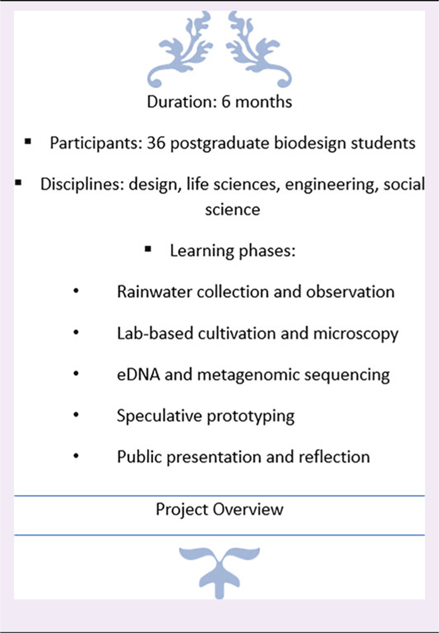
As outlined in the project overview (Table 1) the study of rainwater started with an exploration into the basic structure, properties and origins of water bound with the global hydrological system. Briefly considering the global distribution and the critical importance of the hydrological cycles in a cultural context. The diversity of the student body, supported this cross-cultural reflection and legitimised non-Western knowledge systems coming from various cultural perspectives, contributed greatly, widening and deepening the local normative understanding of the relationship to rain, helping to reframe the educational relevance of rain as a cultural-ecological infrastructure. The long history and mythologies associated with the holy wells of Bridget in Ireland, where healing properties have been affirmed in recent publications (Foley Reference Foley2016). The Chinese mythological tales of the sky dragon Yonglong, the winged dragon moving around the world, giving showers to the land and causing floods where it is not respected. In this context, UK national water catchment and treatment strategies were considered, and students were asked to make observations on the treatment of rain within their local environments.
Project overview

Table 1 Long description
A table detailing a project overview. The table has four rows and three columns. The first row includes the duration of the project, which is 6 months. The second row lists the participants as 36 postgraduate biodesign students. The third row mentions the disciplines involved: design, life sciences, engineering, and social science. The fourth row outlines the learning phases: Rainwater collection and observation, Lab-based cultivation and microscopy, eDNA and metagenomic sequencing, Speculative prototyping, and Public presentation and reflection.
Metagenomics methods as design insight
Once dependent on isolating individual species for species classification, metagenomics enabled high-throughput sequencing of the collective genome by shotgun and amplicon methods such as Illumina and Oxford Nanopore, where previously, pre-isolation of each single species was required to build a representation of the microbial community from an environmental sample (Archer et al. Reference Archer, McGee, Paskuliakova, McCoy, Smyth, Gillespie and Touzet2019, Reference Archer, McGee, Parkes, Paskuliakova, McCoy, Adamo, Cusimano, Bongiovanni, Gillespie and Touzet2020). Targeted amplicon of small sub unit RNA (rRNA) 16S and 18S and the internal transcribed spacer (ITS) are approaches that identify microbes without full genome sequencing by focusing on these specific genes that are present in each domain, kingdom and phyla but mutates differently in each species. As associated genetic libraries have evolved these techniques can now identify individual species in a sample without the need for whole genome sequencing or pre-isolation of small species with undefinable taxonomy, illuminating microbial diversity and community composition across environmental conditions and materials and have become central in microbiome research across gut, marine, soil and symbiotic ecosystems. Allowing for a greater understanding of the adaptive diversity and mechanisms of microorganisms, under different environmental conditions and exploring the interactions between species and their surroundings (Absolon et al. Reference Absolon, Jackson, Monier, Smith and Helliwell2025).
Brief methodology collecting and observing rainwater samples
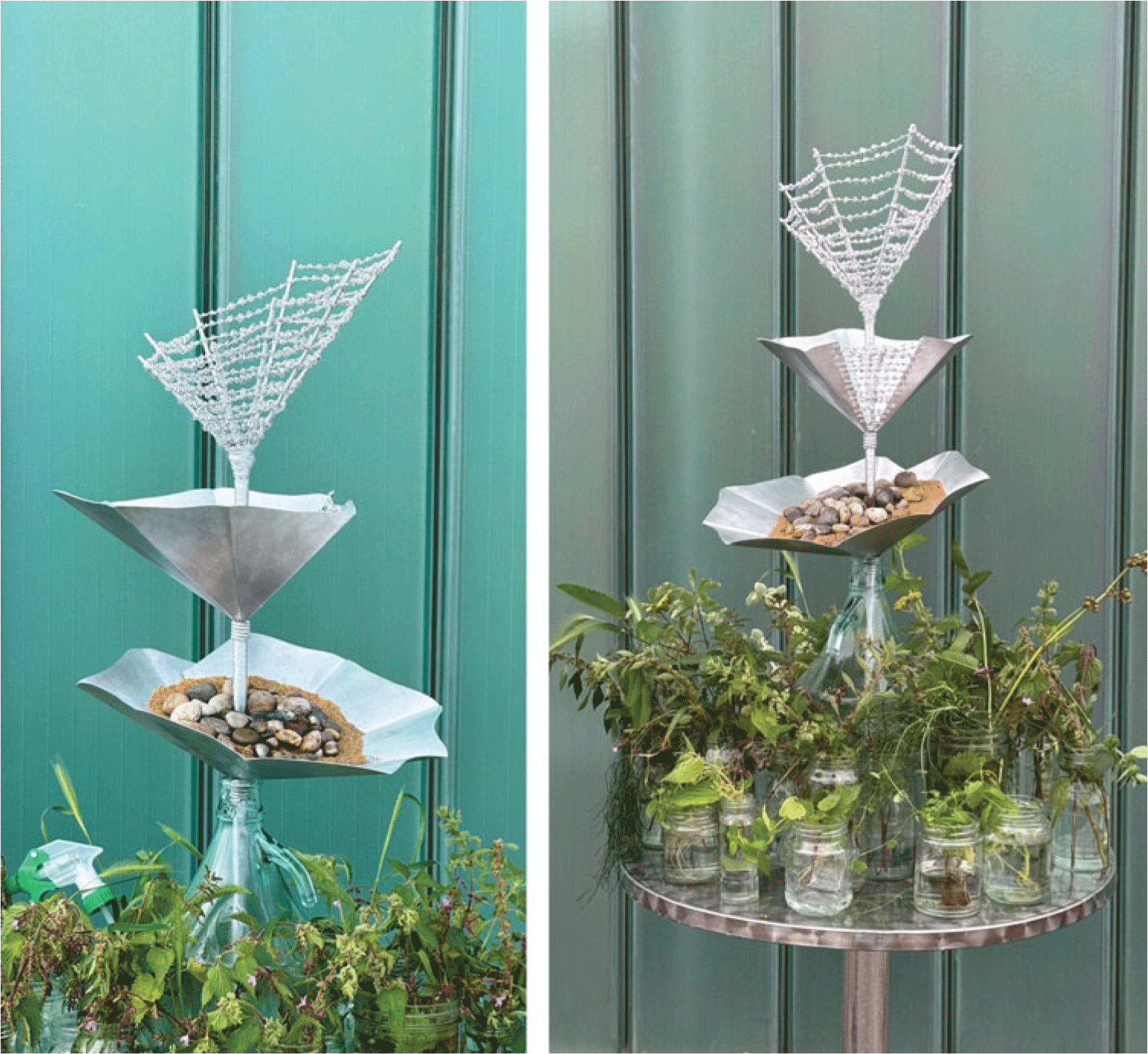
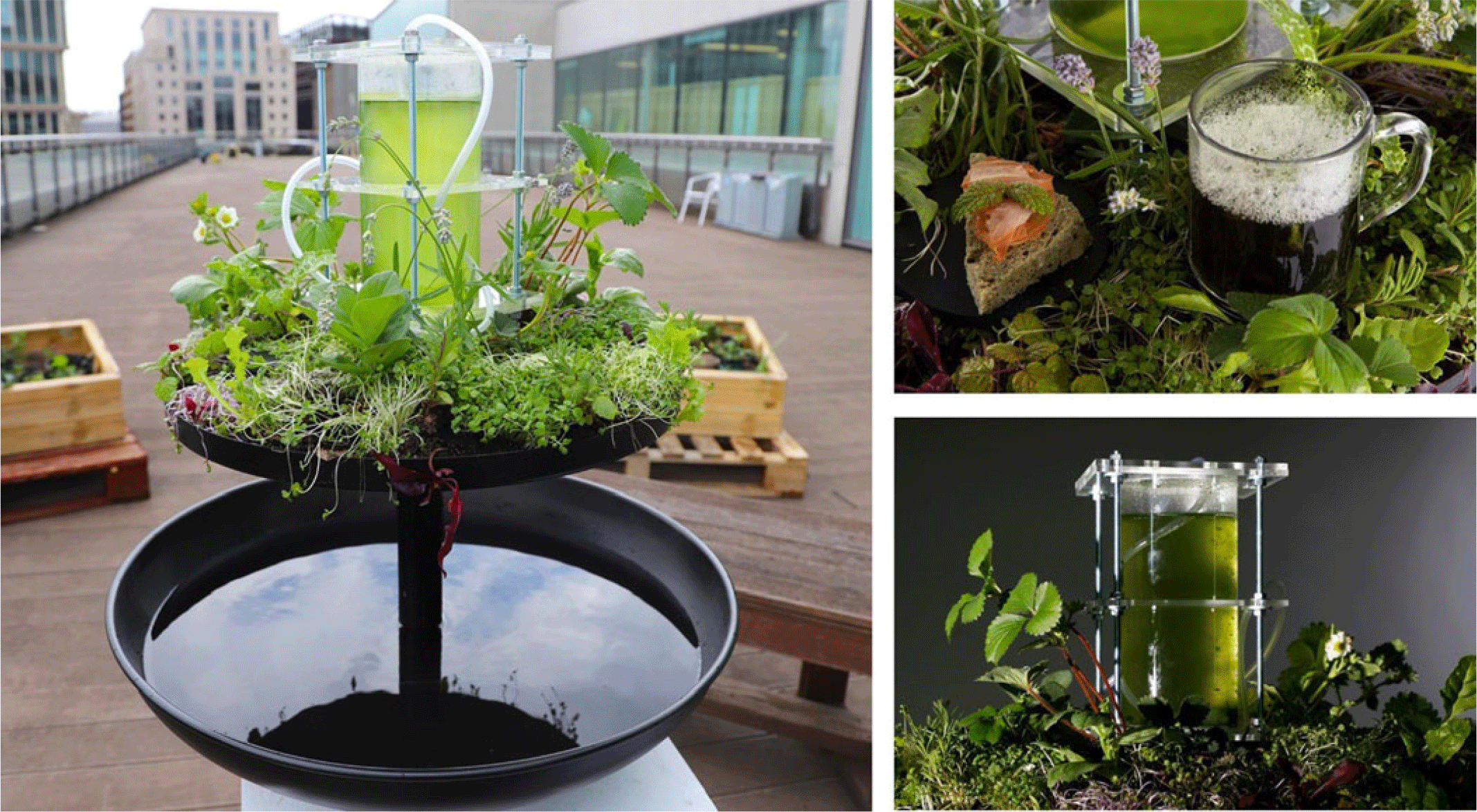
In the first stage, student groups proposed several innovative rainwater harvesting systems in the rooftop of the school building, namely by integrating biomimicry inspired by spider webs with their growing biodesign skills (Figures 1 and 2). Following this stage, students focused on algae cultivation by designing several photobioreactors to grow concentrated microalgal cultures derived from microalgae species isolated from their rainwater samples (Figure 3). Building from the strains provided by the rain microbiome, students designed and created a novel ecosystem for nurturing the human and more-than-human inhabitants of the rooftop.
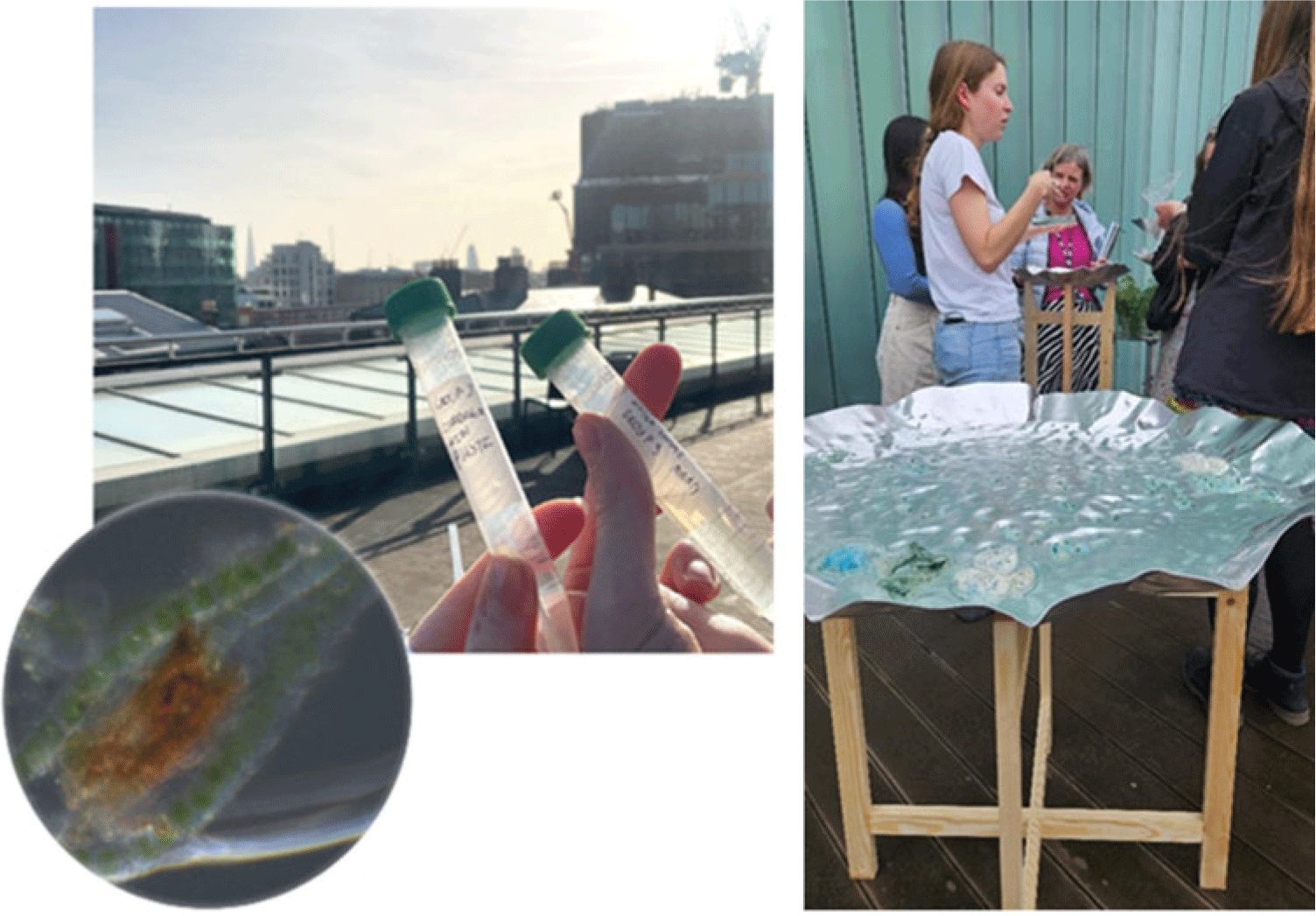
Students collected rainwater samples from the rooftop of the university. Microalgal cultures were isolated, and co-cultures were developed, with pigmented microalgae being highlighted as functional species of interest for biodesign collaborations.

Prototype for one of the rainwater harvesting systems in the rooftop of the school. Image credits by Saundra Liemantoro, Jenna Handley, Lily Batchelor, Lotte Plumb, Rosa Zaunberger Melo, Joanna Cheng, Terry Xia, Echo Zhou, Niki Dimova.

Rainwater samples collection and lab identification and cultivation. Image credits by Saundra Liemantoro, Jenna Handley, Lily Batchelor, Lotte Plumb, Rosa Zaunberger Melo, Joanna Cheng, Terry Xia, Echo Zhou, Niki Dimova.

Microalgal cultures were grown as soil improvers, where biomass would be used in plant beds with vermiculture enriching flowering herbs and plants which in turn attracted insects and pollinators. Thus, the body the microbiome of the rain expanded to realise, include and support the greater biological complex system of place. Each group of students explored a specific food theme focused on the species found in the rainwater samples, which could be brought forward for food applications in speculative futures of food scarcity in London. Redefining concepts to include both the pure water gifted in the rain and the biological fraction, which could be further developed. During this stage, students developed foods using bacterial, fungal and microalgal strains. As the bioremediation of microplastics the water became a subject of interest to one student group. This group further developed microscopic techniques around the bioremediation of microplastics and focused on the saprophytic properties of fungal isolates and developed a speculative project for the bioremediation of microplastics from water.
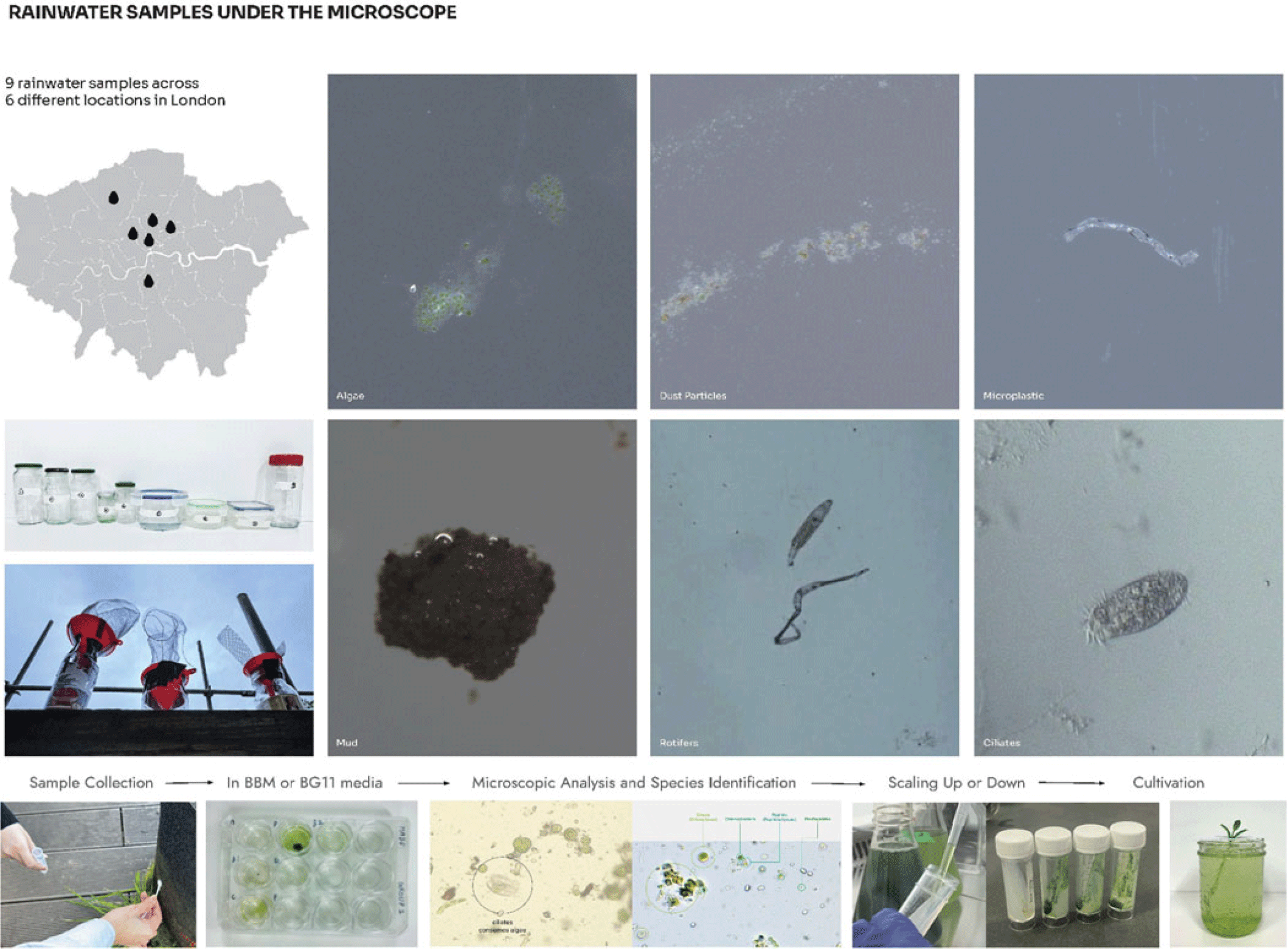
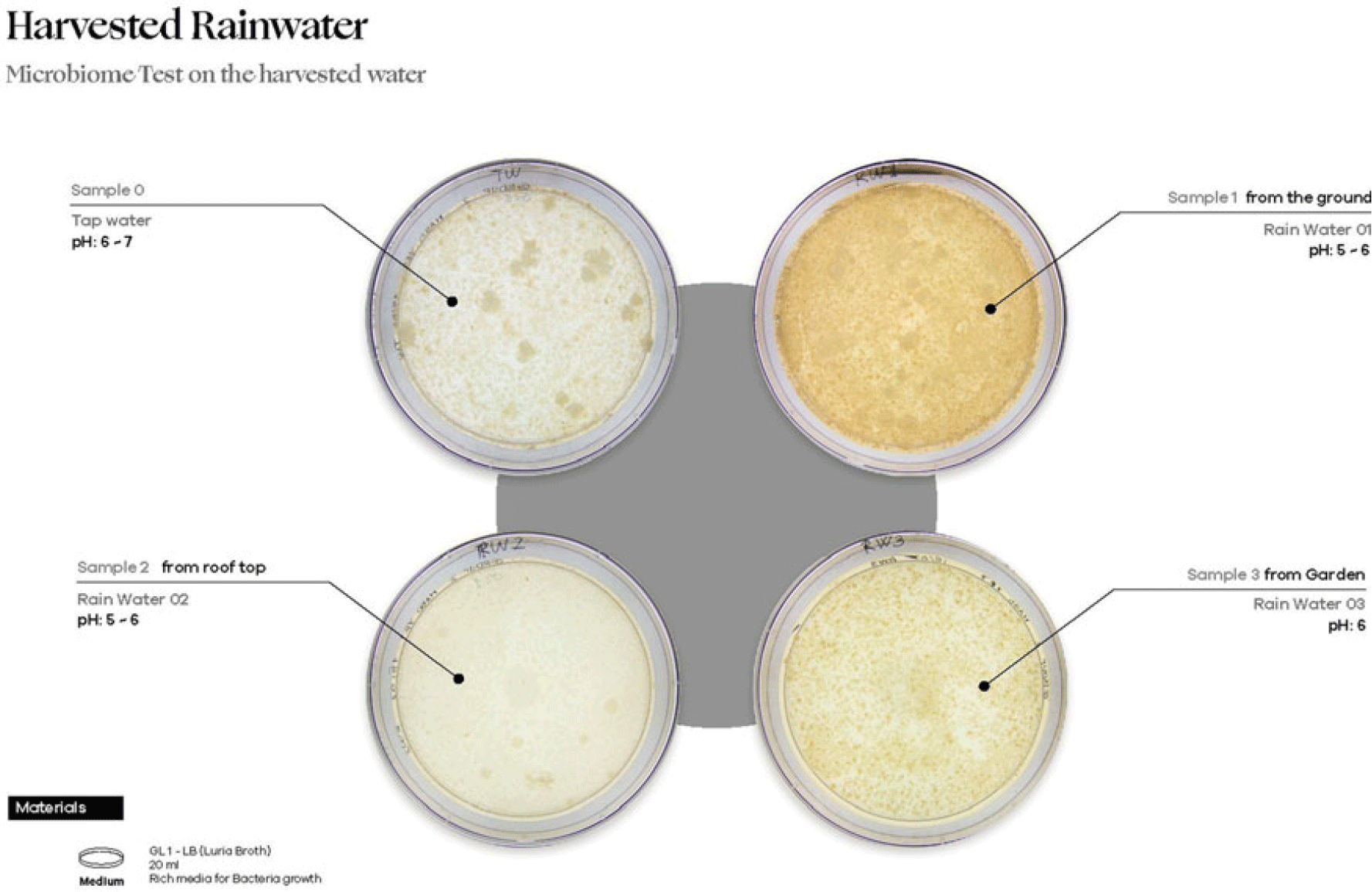
A series of full day lab workshops took place in algae analysis and cultivation, where students collected, identified and scaled up various algae samples from various locations around London and in the University rooftop (Figure 4). The samples were then pipetted into well plates and left to grow. Having cultivated, algae samples were transferred to agar petri dishes for observation (Figure 5). During the following 8 weeks, students in groups cultivated and upscaled algae strains and observed under the microscope and identified what they had found.
Rainwater microbiome testing in the lab. Image credits by Akir Hall, Harry Mann, Kirsten Tingle, Lorenza di Battista, Radhika Khandelwal, Sylvie Qiu, Shijia Huang, Yixuan Song, Haoran Niu.

Algae bioreactors. Image credits by Akir Hall, Harry Mann, Kirsten Tingle, Lorenza di Battista, Radhika Khandelwal, Sylvie Qiu, Shijia Huang, Yixuan Song, Haoran Niu.

Rain collection and microbiome lab analysis
As part of the design workflow students were taught the basics of DNA extraction and the theory of eDNA assemblies. In the GrowLab at Central Saint Martins (CSM), students practised DNA extractions and electrophoresis on Strawberries. This allowed students to gain the basic theoretical and practical skills required before moving onto working with the larger systemic assemblages they would expect to find in the microbiome.
For the sample collection phase of the experiment, 30 L of rainwater was collected to account for low biomass and fractionated by sequential filtration using a vacuum filtration system. Samples were first passed through 0.4 μm polycarbonate membrane filters (Sigma-Aldrich) to retain larger eukaryotic cells, followed by filtration of the filtrate through 0.2 μm polycarbonate membranes to capture bacterial cells. This approach enabled comprehensive recovery of both bacterial, fungal and microalga components of the rainwater microbiome. Filters were stored at −70°C prior to DNA extraction.
DNA was extracted using the QIAGEN DNeasy PowerWater Kit (cat. nos. 14900-50-NF and 14900-100-NF) and stored at −70°C until sequencing. Microbial community composition was assessed using 16S rRNA gene sequencing for bacteria and 18S rRNA and ITS sequencing for eukaryotic microorganisms, including fungi (ITS) and microalgae (18S). Amplicon library preparation, sequencing, quality control and bioinformatic analysis for 16S and ITS were performed by Novogene (Cambridge, UK) using standard pipelines and primers (Figure 6).
Bioinformatics pathway.

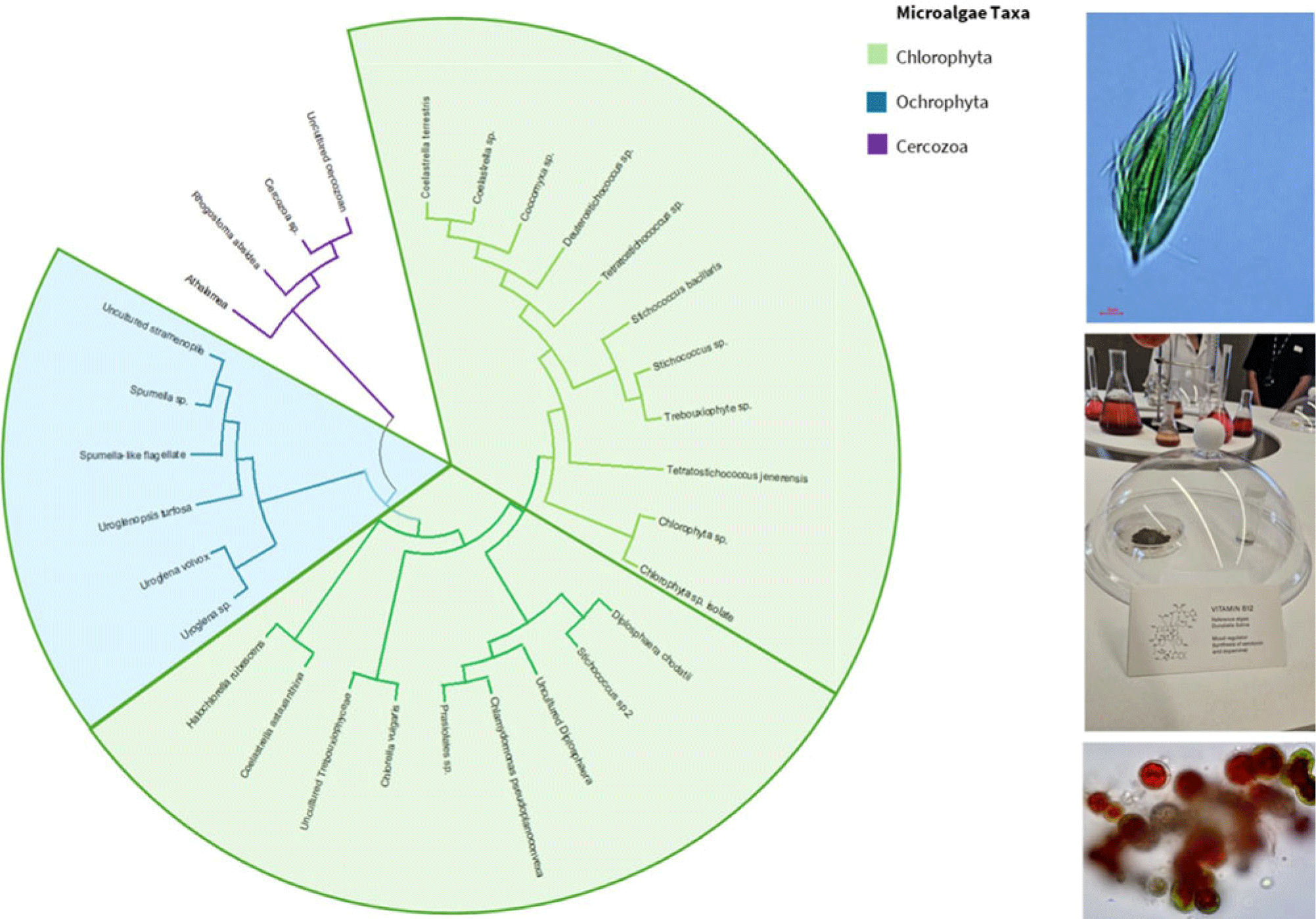
In addition, the pooled microalgal biological fraction was sent for polymerase chain reaction (PCR), a common laboratory technique used to make millions or billions of copies of a specific DNA sample. PCR analysis due to larger sequence size of (18s, V4). All samples were subjected to quality control and data filtration. Microalgal phylogenetic bioinformatics was carried out by the lecturer, and all sequences returned were run on the basic Local alignment search tool NCBI, BLAST®, blastn suite optimised for highly similar sequences (megablast) with results > 98% taken forward to MEGA 11 (2024) (Kumar et al. Reference Kumar, Stecher and Tamura2016). Pairwise and multiple alignments of microalgae were carried out using ClustalW. Phylogeny reconstruction was carried out using neighbour-joining statistical methods with substitutional maximum likelihood. All 32 viable species were run with Cercozoa sp. taken as the rooted outgroup.
The DNA extraction, sequencing and bioinformatic pipelines allowed for the construction of phylogenetic trees representing the separate bacterial, fungal and microalga fractions found within the rainwater, these results were then interpreted to the nearest taxon and graphical and displays were taken forward for student’s interpretation, taxonomic reference and inclusion in further project work. As the study of eDNA is a relatively novel method and is being demonstrated here as a computational design tool for biodesigner, molecular characterisation was considered viable to order level. Where family or genus could be identified by further detailed sequencing and classical taxonomic microscopy.
Results
Metagenomic data
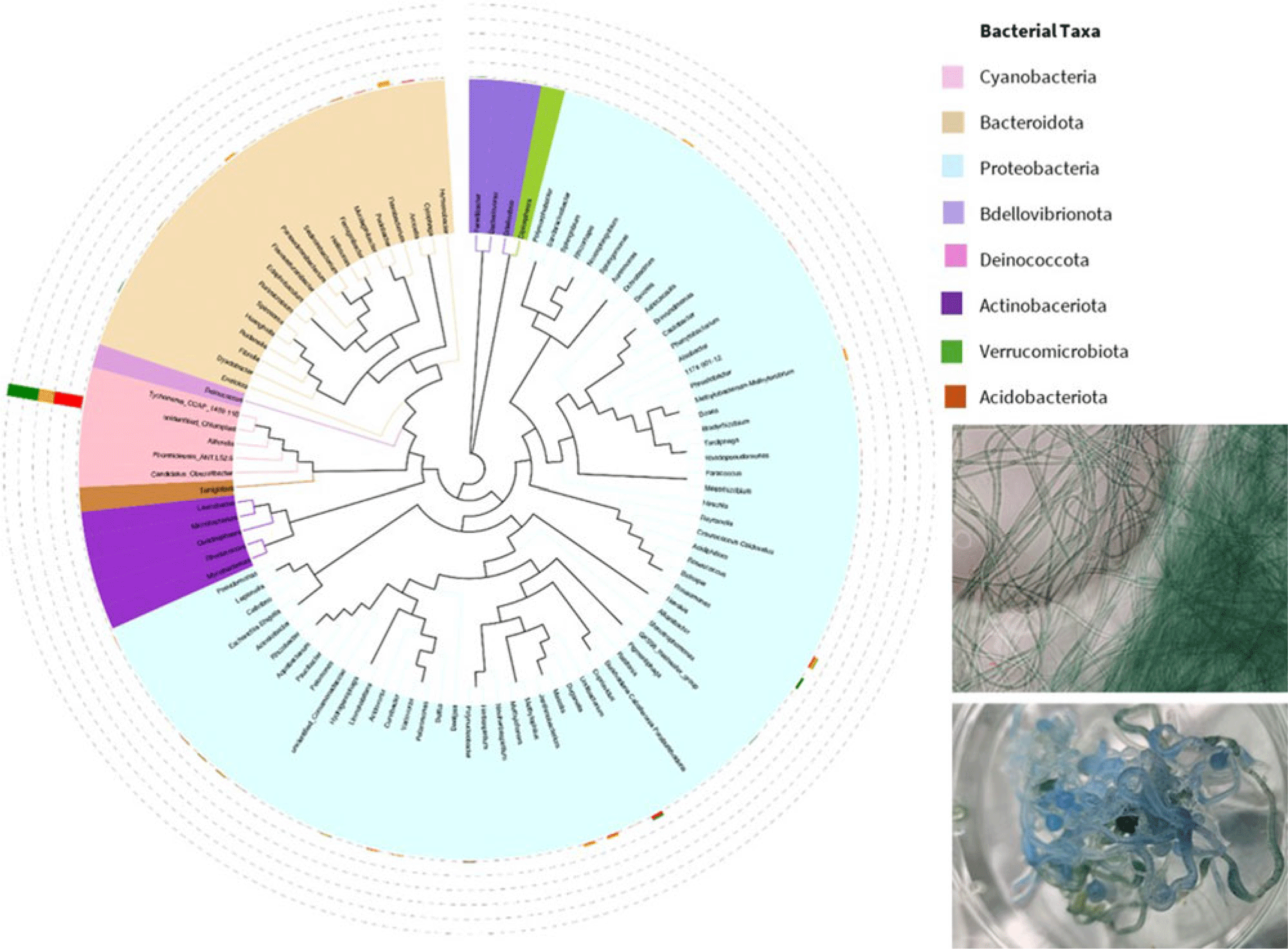
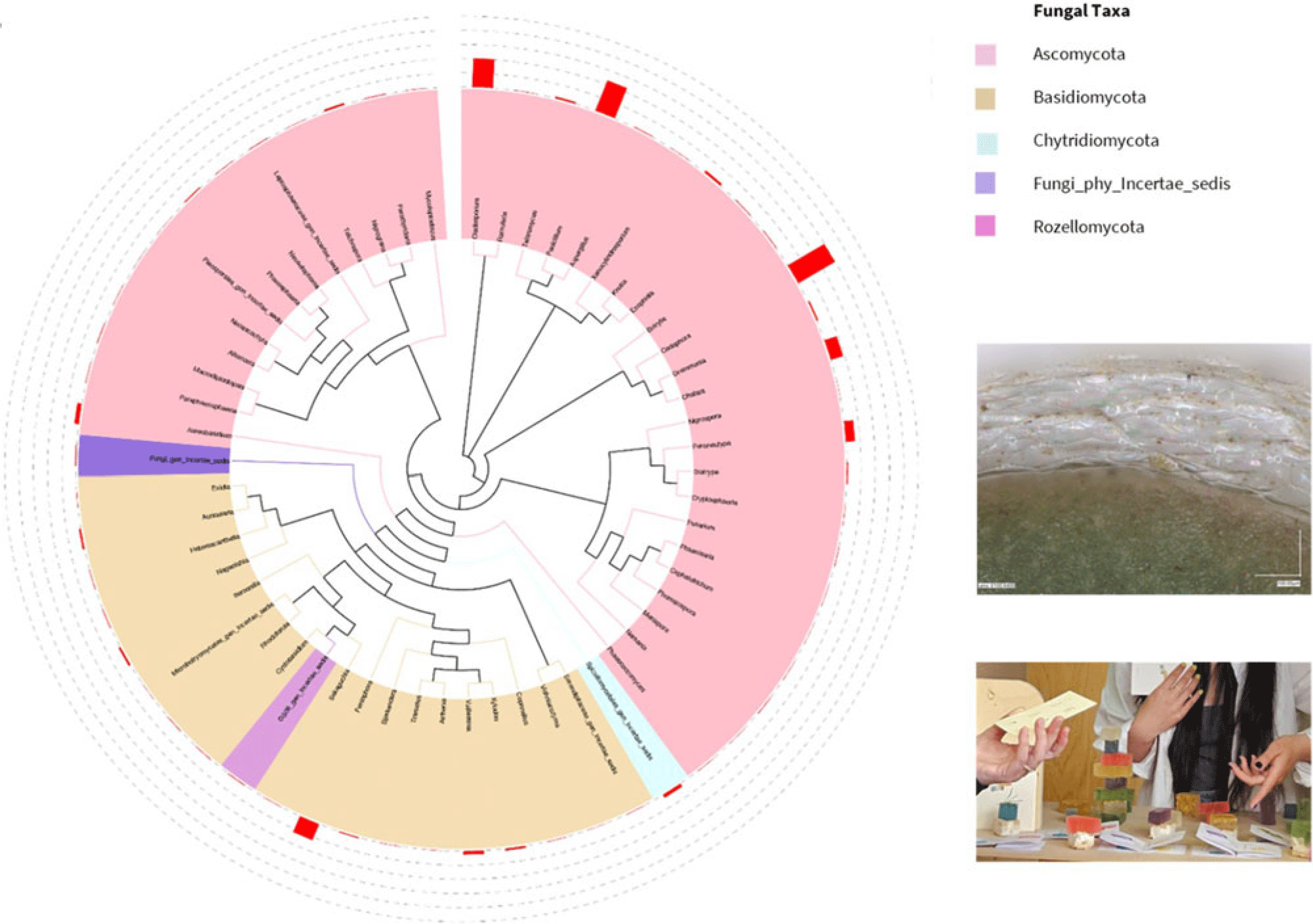
In this simple experiment, the rainwaters microbial diversity within London’s urban atmosphere was notable. Within the three samples gathered by students, the top ten within the bacterial species were dominated by reads representing non-toxic Cyanobacteria (<50%), followed by Gammaproteobacteria, Bacteroidia, Alphaproteobacteria, Bdellovibrionia, Deinococci and unknown others. The fungal fraction was composed of fifty-seven taxa made up of Ascomycota (36), Basidiomycota (18) and Chytridiomycota (1). Across the bacterial, fungal and microalgal fractions, order and some species were identified with significant ecological and biodesign potential, reinforcing the idea that rainwater functions as both a biological medium and a carrier of multispecies vitality.
Bacteria of the rain microbiome
Bacterial results were the most abundant and well-characterised (Figure 7). Dominated by Cyanobacteria, Gammaproteobacteria, Bacteroidia and Alphaproteobacteria, these groups included strains with known applications in photosynthesis-driven bio-production, pigment synthesis, bioremediation and biomaterial development. Notably, species such as Komagataeibacter and Pseudomonas are already used in microbial cellulose production and biosensor technologies. These insights allowed students to identify viable microbial collaborators for speculative materials and systems – from self-healing surfaces to nutrient cycles in food systems – grounded in real genomic data.
Phylogenetic composition and relative abundance of the bacterial fraction from the rainwater microbiome. Circular phylogenetic tree illustrating the taxonomic diversity of microorganisms detected in rainwater based on ribosomal RNA gene sequencing. Branch tips represent individual taxa, clustered according to phylogenetic relatedness, while coloured background segments denote assignments at the phylum level creating a visual representation of the taxa present in the rainwater sampled.

Fungi of the rain microbiome
The fungal fraction (Figure 8) – primarily composed of Ascomycota and Basidiomycota – offered further biodesign pathways. Ascomycetes like Aspergillus are widely known for enzymatic productivity and pigment development, while Basidiomycetes such as Ganoderma and Pleurotus are central to mycelium-based biomaterials and soil regeneration. Students learned to assess both the generative and hazardous potentials of these organisms, balancing design ambitions with biosafety awareness. The presence of incertae sedis and Rozellomycota also introduced students to lesser-known fungal lineages, sparking critical conversations about underexplored microbial life and ethical engagement with the unknown.
Phylogenetic structure and abundance patterns of the rainwater fungal microbiome. Circular phylogenetic tree illustrating the taxonomic diversity of microorganisms detected in rainwater based on ribosomal RNA gene sequencing. Branch tips represent individual taxa, clustered according to phylogenetic relatedness, while coloured background segments denote assignments at the phylum level, encompassing fungal groups. The outer concentric rings indicate relative abundance across three sampling time points (T1, T2, T3), with colour intensity reflecting proportional representation, creating a visual representation of the taxa present in the rainwater sampled.

Microalgae of the rain microbiome
The microalgal fraction (Figure 9), though technically more challenging to sequence and classify, proved highly inspirational for design. Species such as Coelastrella, Tetratostichococcus and Deuterostichococcus demonstrated capacities for pigment production (e.g., astaxanthin, β-carotene), UV protection, desiccation tolerance and CO2 fixation. Students explored applications ranging from regenerative photobioreactors to algae-enhanced soils and speculative functional foods. The resilience and global dispersal capacity of microalgae – many of which can cyst under stress and reanimate in favourable conditions – highlighted rain as a potential vector for microbial ecosystem seeding and long-range biodiversity movement.
Phylogenetic relationships among dominant microalgal and protist taxa in rainwater. Radial phylogenetic tree generated on MEGA7 showing the evolutionary relationships of selected microalgal and protist taxa detected in rainwater. Branch tips correspond to identified taxa, with coloured sectors distinguishing major taxonomic groups, including green microalgae, creating a visual representation of the taxa present in the rainwater sampled.

Prototyping future food systems through rainwater microbiome data
Algae-based food production
A central question emerging from LVMH Maison0 award, who were sponcering the project was: what constitutes luxury? Viewed through the perspective of meeting needs, such as in Maslow’s Hierarchy of Needs, water is a fundamental physiological requirement, without which progression toward safety, belonging and creative self-actualisation is untenable (Maslow Reference Maslow1943). This reframes luxury not as surplus, but as access to the conditions that sustain life and enable creative agency. Bateson’s hierarchy of learning further destabilises Maslow’s linear progression by proposing learning as recursive and relational rather than hierarchical (Rothwell Reference Rothwell1983). Epistemologically, this positions knowledge as emergent from ongoing interactions within systems; ontologically, it foregrounds water as an active participant in ecological and cognitive processes rather than a passive resource. Biodesign pedagogy operationalises this stance by engaging students in learning with living systems, where material conditions, biological processes and design inquiry co-evolve. Within this framework, luxury was redefined as a systemic and relational state – one that arises from sustained ecological interdependence rather than material excess.
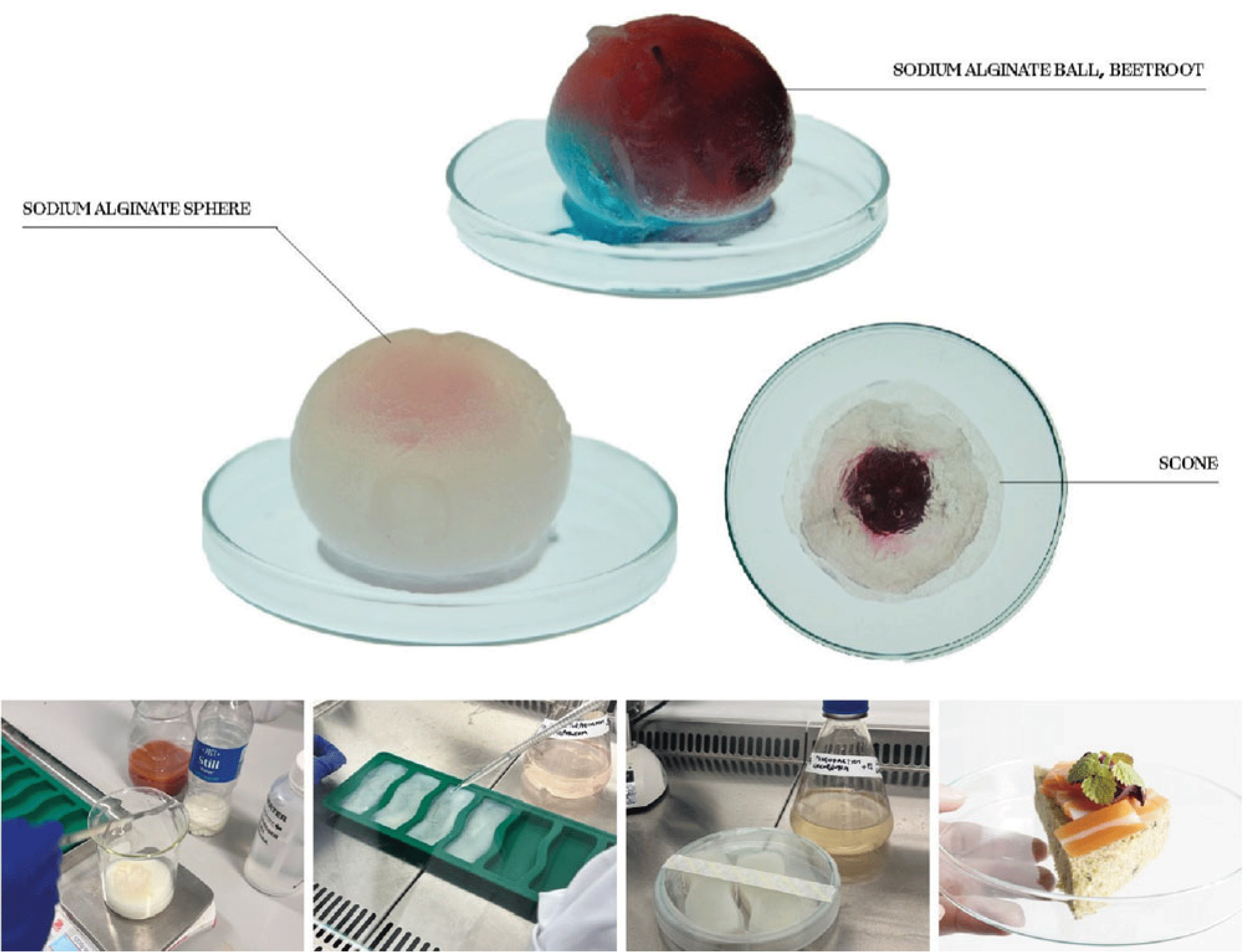
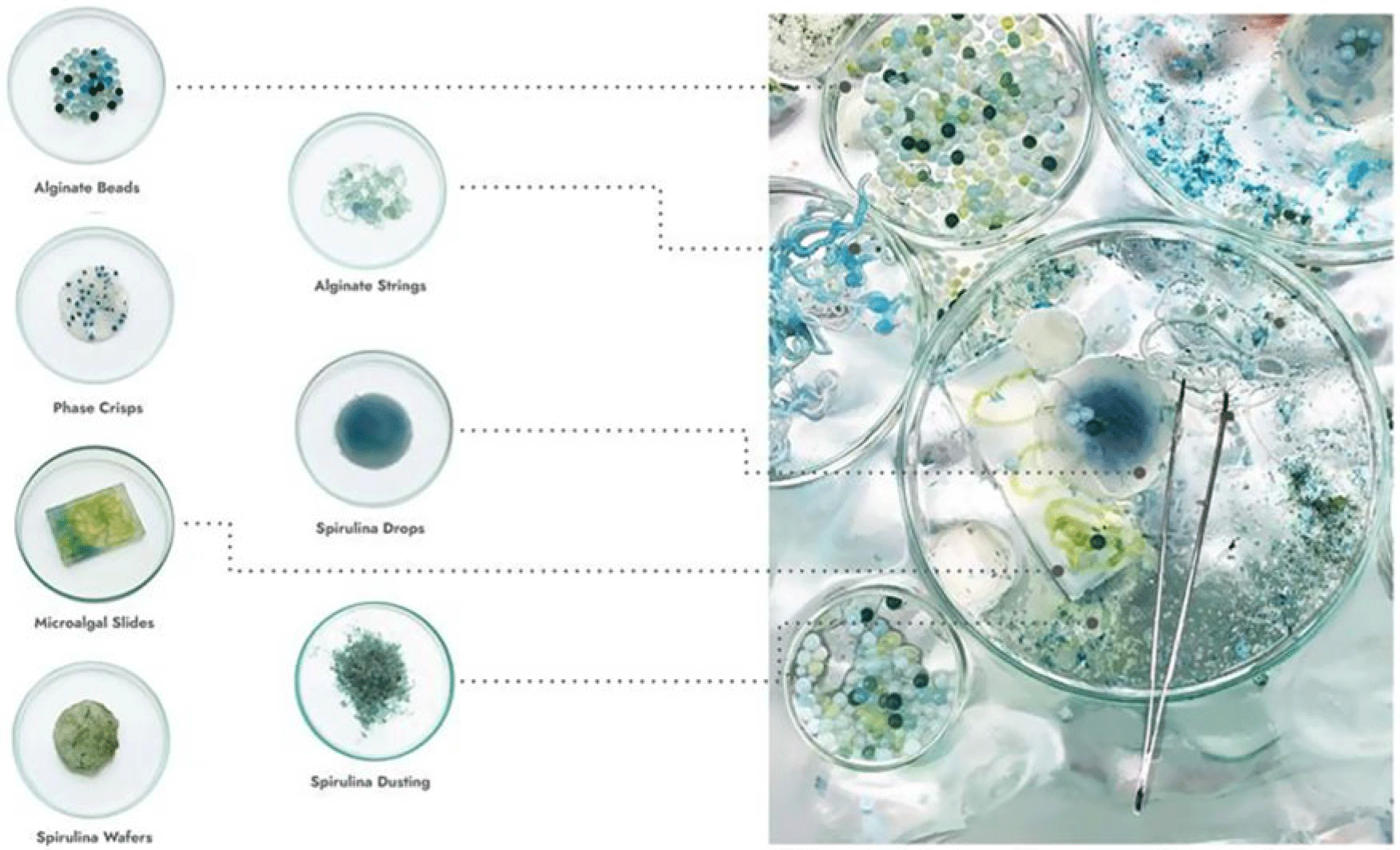
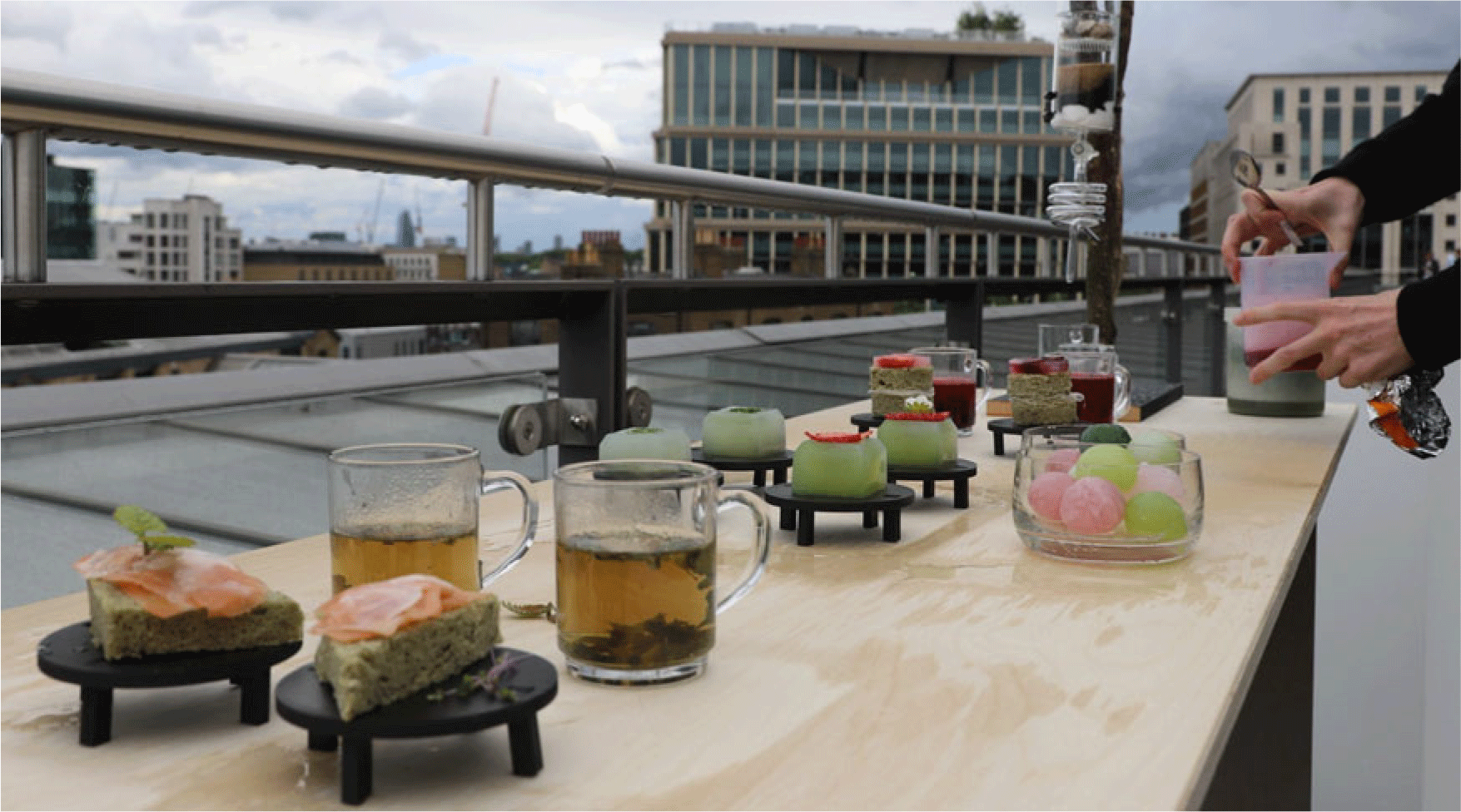
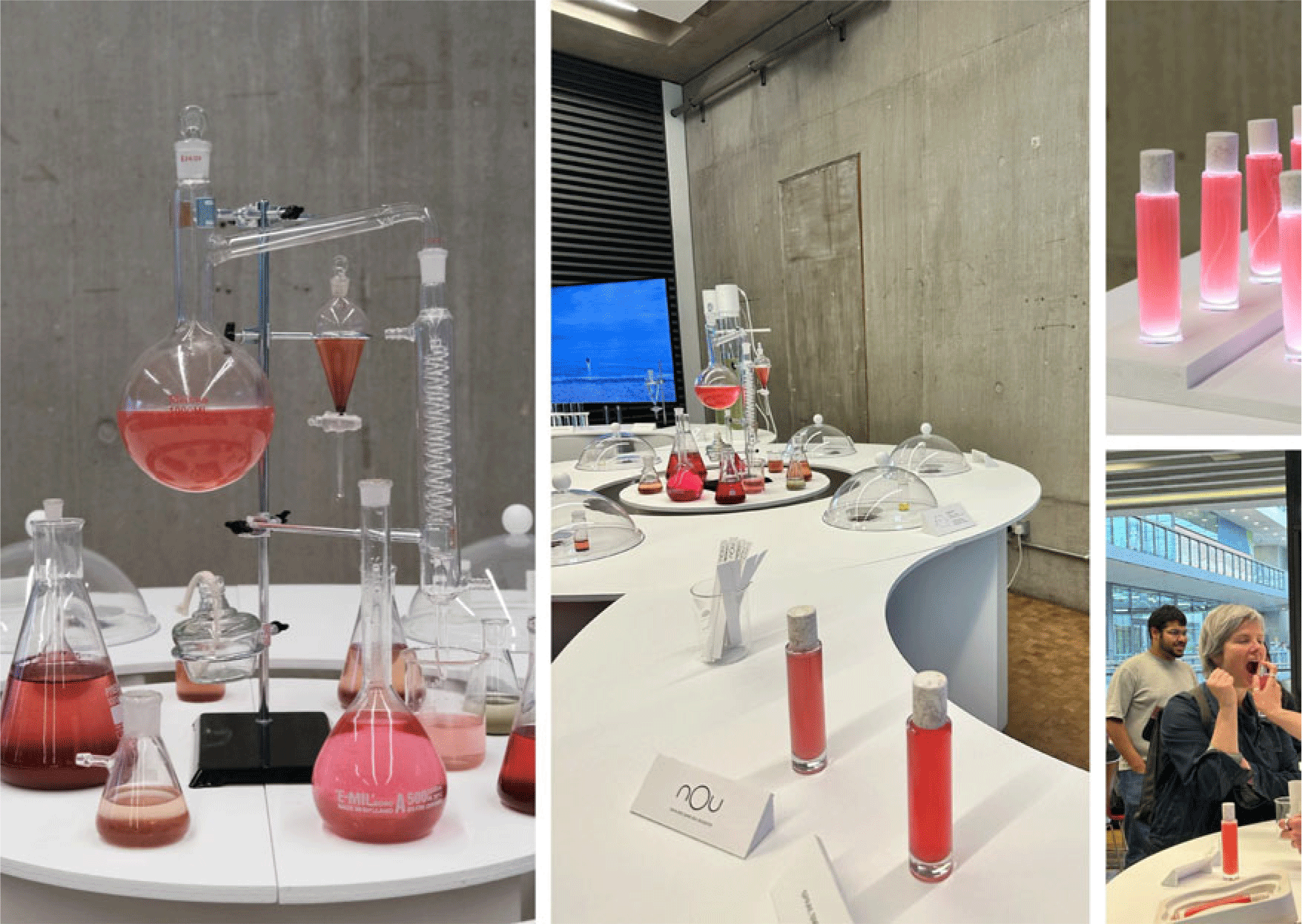
Students prototyped various food solutions using different methods and different species; one popular method involved hydrogel patches and pigment extraction techniques learnt in the algae workshop (learning phase: 2). Cultures from rain samples were cultured in the GrowLab in liquid media and swapped media-enriched agar plates. ‘After a few weeks, colonies of bacteria, fungi, microalga and Cyanobactia appeared, forming beautiful and intricate pattern’. Exploring various algae extraction pigment techniques using Chlorella Vulgaris and Spirulina species, students attempted to recreate this traditional food like tea, scones or sorbets, to be used as a part of the final food event presentation (Figures 10, 11 and 12). Other concepts explored superfoods and bio boosters. In this case, the algae species that we have cultivated are not just considered superfoods for all their health benefits, but they also have a blushed pink colour and floral and fruity aromas which make it pleasant to spray on the body and to taste (Figure 13).
Prototype for one of the rainwater harvesting systems in the rooftop of the school. Image credits by Akir Hall, Harry Mann, Kirsten Tingle, Lorenza di Battista, Radhika Khandelwal, Sylvie Qiu, Shijia Huang, Yixuan Song, Haoran Niu.

Algae-based sorbets and toppings menu developed by one of the groups. Image credits by Saundra Liemantoro, Jenna Handley, Lily Batchelor, Lotte Plumb, Rosa Zaunberger Melo, Joanna Cheng, Terry Xia, Echo Zhou, Niki Dimova.

Algae-based food experiments including sandwiches and pastries. Image credits by Akir Hall, Harry Mann, Kirsten Tingle, Lorenza di Battista, Radhika Khandelwal, Sylvie Qiu, Shijia Huang, Yixuan Song, Haoran Niu.

Final set-up for the project exploring a product with a dual function of scent and superfood. Image credits by Elie Al-Marji, Andrea Carrera, Weronika Turowska, Teresa Colombo, Show Shah, Peichin Lin, Fiona Lu, Xinnuo Du, Yiting Lu, Chris Bellamy.

Genomic tools and its integration in design ideation and prototyping
From a pedagogical standpoint, these scientific insights enabled students to move beyond abstract ecological theory into situated, hands-on experimentation with living systems. Working with real eDNA and microbial sequencing data fostered skills in wet-lab methods, data interpretation and bio-informed design processes. The exposure to both microbial abundance and the reality of contaminants (e.g., microplastics) introduced critical environmental thinking, reinforcing that urban rain is not only ecologically rich but also materially entangled with pollution and climate stressors.
Ultimately, the rain microbiome functioned as a multispecies co-designer – provoking interdisciplinary projects that merged microbial agency, environmental data and design speculation. Students emerged with a stronger understanding of how bioinformatics and ecological complexity can meaningfully inform biodesign practices. This aligns with the broader pedagogical goals of fostering relational, regenerative thinking and preparing designers to respond to uncertain environmental futures with scientific rigour and imaginative scope.
Several taxa identified represent edible, nutraceutically relevant and metabolically valuable microorganisms spanning microalgae, bacteria and fungi. Among the microalgae, Chlorella vulgaris is a well-established edible species, widely cultivated for its high protein and micronutrient content, while Coelastrella and Coccomyxa are valued for carotenoid and lipid production. These eukaryotic producers are complemented by bacterial phyla such as Cyanobacteria, which include photosynthetic taxa with nutritional potential, and Actinobacteriota and Proteobacteria, known for producing vitamins, pigments and diverse bioactive metabolites. Fungal phyla, including Ascomycota and Basidiomycota, further contribute to metabolite diversity through the synthesis of enzymes, organic acids and secondary compounds relevant to food, fermentation and biotechnological applications. Collectively, these taxa position rainwater as a vector for dispersing organisms with relevance to food systems, nutraceuticals and biodesign.
The assemblage also includes microorganisms with pronounced biostimulant potential for organic and regenerative agriculture. Microalgae and cyanobacteria produce phytohormones, polysaccharides and micronutrients that enhance plant growth and stress tolerance. Soil-associated bacterial phyla – Bacteroidota, Proteobacteria, Verrucomicrobiota, Acidobacteriota, Bdellovibrionota and Deinococcota – support organic matter decomposition, nutrient cycling, microbial regulation and environmental resilience. Fungal groups spanning Ascomycota, Basidiomycota, Chytridiomycota, Rozellomycota and taxa classified as Fungi incertae sedis further contribute to nutrient mobilisation, soil structure and trophic connectivity. As one group focused on the detection of microplastics, it was interesting to find during analysis that microplastics were indeed present in all of their rainwater samples and that the fungal species collected in the rainwater could be further developed for their bioremediation. Together, these bacterial, fungal and algal communities underscore rainwater as a biologically active input capable of supporting low-input, organic growing systems through microbial-mediated soil and plant health.
Pedagogical evaluations and conclusions
This project demonstrates how integrating genomic sequencing into biodesign education can influence student engagement with novel urban ecosystems. By treating rainwater as a living microbiome rather than a passive resource, students engaged with microbial communities as design collaborators. Adding genomic sequencing to what Ursula Le Guin has termed as a carrier bag of knowledge, expanding students’ connection and understanding of the bounty and generosity of their environs and the complex connectivity of global system networks. The sequencing of rain-harvested samples revealed diverse bacterial, fungal and microalgal species, offering speculative yet grounded opportunities for regenerative food systems, soil development, bioremediation, the designing of novel ecosystems and elevated ecological storytelling.
Biodesign students used this data to build from this previously unrecognised diversity and prototype potential resilient food systems, treating microbes not as background data but as active agents in urban ecological futures. The pedagogy combined experiential learning, ecological thinking and bioinformatics, enabling students to understand urban rain as a vector for biodiversity, metabolic exchange and material innovation. Projects reflected an exploration of multispecies design thinking, considering microbial life in the context of redesigning food, infrastructure and place.
Supplementary material
The supplementary material for this article can be found at https://doi.org/10.1017/S2977905726100432.
Data availability statement
For data available within the article or its supplementary materials: The authors confirm that the data supporting the findings of this study are available within the article [and/or its supplementary materials].
Acknowledgements
We would like to express our gratitude to the students whose projects are featured in this paper, to the CSM technical staff – most especially the Grow Lab team: Paula Corsini and Barbara Paes – for their support and also to Alejandro Luna for his guidance and inspiration throughout this unit.
Author contributions
AT, NMD, LA and JF contributed toward the conception, development and presentation of this work. LA and NMD contributed toward writing and development of the manuscript. LA wrote and presented the Laboratory Series covering laboratory demonstrations, student experimental protocols and accompanying lectures. DQZ and LA carried out the DNA extractions. LA collated the sequencing data. ND contributed to the overall framing of the course and its positioning within the broader pedagogical and biodesign literature.
Financial support
This work was supported by Masion0 Challenge Fund and M School travel fund at Central Saint Martins, University of the Arts London.
Competing interests
None.
Ethical standards
The research meets all ethical guidelines, including adherence to the legal requirements of the study country.



 Open access

