I. INTRODUCTION
Molecularly imprinted polymers (MIPs) are new biomimetic materials, often considered as “artificial antibodies.”Reference Haupt and Mosbach1 These polymers have advantages over the natural receptors in robustness and inexpensive preparation.Reference Sekine, Watanabe, Yoshimi, Hattori and Sakai2 MIPs are typically prepared with polymerization in the presence of a template molecule that interacts with the polymer network, e.g., hydrogen bonding interactions.Reference Richter, Gibson, Nowicki and BelBruno3 These materials have been shown to provide excellent recognition capability and selectivity for the template.
Traditionally, MIPs were prepared by a bulk polymerization method with simplicity and convenience, where the resultant monoliths had to be crushed, ground, and sieved to produce polymer particles with a desired size for their applications.Reference Haginaka, Tabo and Kagawa4 As a result, large quantities of polymer particles (more than 50%) are wasted and some of the recognition cavities may be destroyed during these time-consuming processes. The irregularity of size and shape of such imprinted polymer particles also made sample handling difficult and chromatographic efficiency reduced. For new analytical applications, the irregular MIP particles are inferior to well-defined MIP beads. In addition to improving the binding performance of MIPs, new physical configurations of MIPs and more efficient synthetic conditions were important research topics in the past few years.Reference Yoshimatsu, Reimhult, Krozer, Mosbach, Sode and Ye5 Several methods of polymerization can be utilized to prepare spherical MIPs, such as suspension polymerization in fluorocarbon solvent, precipitation polymerization, a two-step swelling method, emulsion seeded polymerization, and miniemulsion polymerization.Reference Liang, Wan, Zhu and Cao6
Precipitation polymerization has been proven to be an attractive and straightforward method with sufficient control on the desired characteristics for preparing spherical MIP particles in the submicron scale.Reference Wei and Mizaikoff7,Reference Chaitidou, Kotrotsiou, Kotti, Kammona, Bukhari and Kiparissides8 This method is based on the precipitation of the polymer chains out of the porogen in the form of polymer particles as they grow more and more insoluble in an organic continuous medium.Reference Pérez-Moral and Mayes9 In this method, polymer particles are prevented from coalescence by the rigidity obtained from the cross-linking of the polymer, so there is no need of any extra stabilizer or surfactant. Precipitation polymerization has been used for the preparation of a broad range of template structures. Purification of the MIPs is easily achieved in this method.
It is widely recognized that particle size and surface morphology affect the properties exhibited by polymer particles. Nowadays, research on imprinted polymers is focused on the improvement and development of new morphologies, processes of polymerization, and their applications in separation and assay technology and drug delivery systems.Reference Pérez-Moral and Mayes9 Different uses and potential applications of the MIP demand morphology properties from the polymers. Imprinted polymers are generally insoluble materials whose subsequent use depends on their morphology in terms of the particle size and shape.Reference Holland, Frisby, Owens, Hughes, Duggan and McLoughlin10 Therefore, it is important to investigate the impact of different synthesis conditions on the morphology of imprinted polymers. In different application purposes, imprinted polymers with well controlled physical configurations in different size ranges are highly desirable.Reference Yoshimatsu, Reimhult, Krozer, Mosbach, Sode and Ye5 The imprinted nanospheres are very useful for a wider range of applications, as the accessibility of the binding sites would be facilitated by nanospheres.Reference Vaihinger, Landfester, Krauter, Brunner and Tovar11 With decrease in the size of polymer particles, their specific surface is intrinsically increased. Therefore, the preparation of imprinted polymers at the nanoscale is desirable. The imprinted nanospheres are very suitable to be used to develop binding assays and in microfluidic separation modules, whereas uniformly sized imprinted microspheres in the range of 1.5–3 μm are more appropriate to be used as new stationary phases in liquid chromatography systems to provide very fast analytical separation.Reference Yoshimatsu, Reimhult, Krozer, Mosbach, Sode and Ye5
Recently, we successfully applied MIPs as a new carrier for the sustained release of dipyridamoleReference Esfandyari-Manesh, Javanbakht, Atyabi, Mohammadi, Mohammadi, Akbari-Adergani and Dinarvand12,Reference Javanbakht, Mohammadi, Esfandyari-Manesh and Abdouss13 and carbamazepine (CBZ),Reference Esfandyari-Manesh, Javanbakht, Dinarvand and Atyabi14 sensing materials in the potentiometric detection of hydroxyzineReference Javanbakht, Fard, Mohammadi, Abdouss, Ganjali, Norouzi and Safaraliee15 and cetirizine,Reference Javanbakht, Fard, Abdouss, Mohammadi, Ganjali, Norouzi and Safaraliee16 and solid-phase extraction of tramadolReference Javanbakht, Attaran, Namjumanesh, Esfandyari-Manesh and Akbari-adergani17 in human serum and urine samples. To date, most of the studies related to imprinted polymers have been concerned with methods of synthesis. Few studies have tried to explain the morphology and structure of these polymers. In the present work, we initiated a study on new synthesis conditions to obtain imprinted polymer beads with controllable size at the nano- and micrometer scale, using CBZ as a model template. The main objective of this work is to examine the effects of different synthesis conditions on the particle size and morphology of imprinted microspheres and nanospheres and to understand more about morphological properties. We started to investigate the precise control of the particle size of imprinted polymers that can be synthesized by the precipitation polymerization. The imprinted polymers were prepared by using various amounts of cross-linker monomers (trimethylolpropane trimethacrylate, TRIM, and ethylene glycol dimethacrylate, EGDMA), functional monomer (methacrylic acid, MAA), initiator (azobisisobutyronitrile, AIBN), porogen (acetonitrile and chloroform), temperature and time of polymerization by noncovalent imprinting method. Under these different synthesis conditions, a control of size distribution, in the range of 243 nm to 3.4 μm was achieved. The polymer affinity and specificity rely significantly on the right choice of functional monomers, cross-linker, porogen, temperature and time of polymerization. The most successful noncovalent imprinting systems are based on MAA which is cross-linked with TRIM or/and EGDMA, since the carboxylic acid groups of MAA serve as both hydrogen donor and acceptor.Reference Tunc, Hasirci, Yesilada and Ulubayram18 MAA is also a suitable functional monomer for CBZ as a template because carboxylic acid groups can form hydrogen bonds with the functional groups on CBZ. To gain an insight into the influence of type and amount of cross-linker on MIP properties, TRIM and EGDMA were used.
The particle size and surface morphology of polymer particles were analyzed using scanning electron microscopy (SEM) and photon correlation spectroscopy (PCS). The SEM and PCS are effective techniques for the direct study of the particle size distribution and morphology. For optimization of the synthetic conditions, the influences of various polymerization factors on the particle size and morphology of the imprinted polymers were explored. The thermal properties of polymer particles were investigated by a differential scanning calorimeter (DSC). To examine the binding kinetics of CBZ-imprinted polymer particles, we used the continuous assay with different volume ratios of the water/acetonitrile mixture as an adsorption solution.
II. EXPERIMENTAL
A. Materials
Ethylene glycol dimethacrylate (EGDMA), trimethylolpropane trimethacrylate (TRIM), and azobisisobutyronitrile (AIBN) were supplied from Sigma-Aldrich (Steinheim, Germany). AIBN was recrystallized from methanol before use. Methacrylic acid (MAA), from Merck (Darmstadt, Germany), was purified by distillation in vacuum to remove the polymerization inhibitor. Carbamazepine (CBZ) was obtained from the Ministry of Health and Medical Education (Tehran, Iran). Acetonitrile and chloroform were purchased from Merck (Darmstadt, Germany). All other reagents and solvents were of analytical grade used without further purification.
B. Synthesis of MIPs
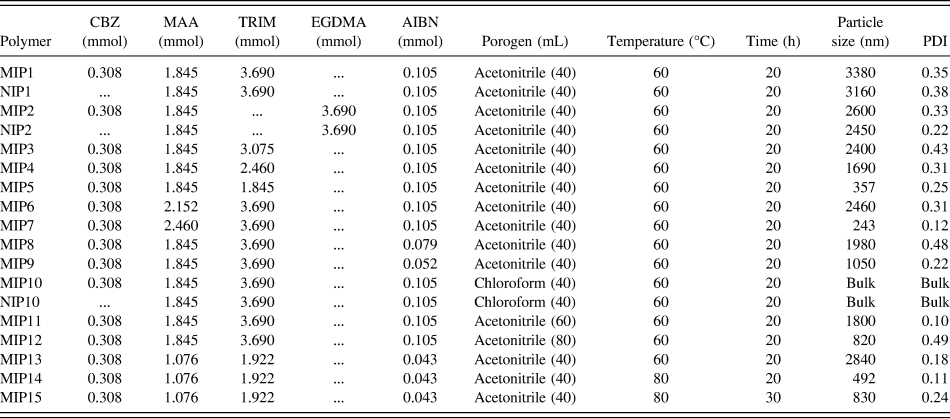
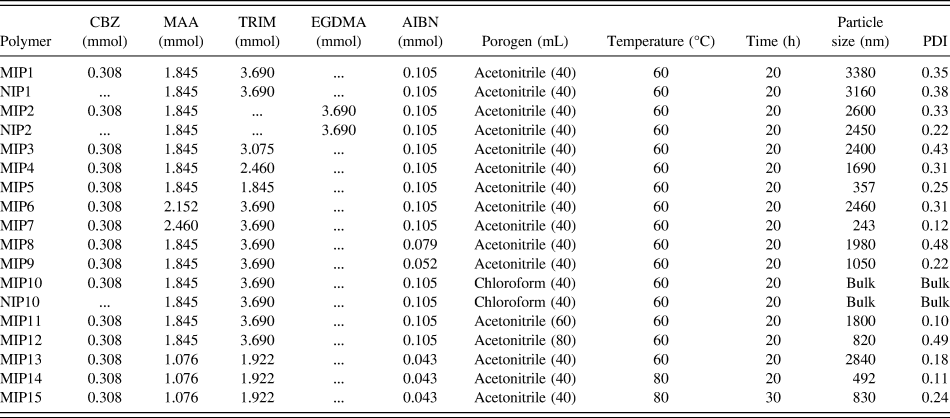
Imprinted and nonimprinted polymers (NIPs) were prepared using the precipitation polymerization method under the conditions illustrated in Table I. CBZ was dissolved in porogen in a thick-walled glass tube and then the functional monomer (MAA) and the cross-linker agent (EGDMA or TRIM) were added. After 2-min sonication in a sonicator (Tecno-Gaz, Tecna 6, Italy), the solution was gently mixed for 30 min. Following addition of the initiator (AIBN), the mixture was degassed by sonication for 6 min. The solution was saturated with a gentle flow of nitrogen for 5 min and sealed under nitrogen. The reaction tube was inserted in a water bath (Memmert WB14, Germany) and shaken horizontally at 40 cycles/min. The temperature was ramped to 60 °C or 80 °C within 40 min, thereafter kept until the end of polymerization. The polymer particles obtained were collected by centrifugation (Sigma 3K30, Osterode am Harz, Germany) at 17,000 rpm for 30 min. The template of unleached MIP particles was removed by five times washing in 40 mL of methanol containing 10% acetic acid (v/v) for 1 h, until no template could be detected from the washing solvent by spectrometric measurement (at λ = 285 nm) (Scinco S-3100, Seoul, Korea). Final rinsing was carried out with the same volume of deionized water and acetone. The leached MIP particles were then dried in an oven (Memmert INB 400, Schwabach, Germany) at 50 °C overnight. NIPs were prepared as a control polymer under identical conditions except for omission of CBZ.
Preparation of CBZ-imprinted and nonimprinted polymers and the size of the resulting polymer particles.
C. Differential scanning calorimetry
Thermal properties of polymers were investigated by a Mettler DSC 823 (Mettler Toledo, GmbH, Switzerland) equipped with a Julabo thermocryostate model FT100Y (Julabo labortechnik GmbH, Germany) under N2 atmosphere. A Mettler Star software system, version 9.x was used for the data acquisition. Indium was used to calibrate the instrument. The unleached and leached polymers were scanned with a heating rate of 10 °C/min in the temperature range of 20–470 °C.
D. Morphologic analysis
The surface characteristics and morphology of the polymer particles were evaluated by SEM (PhilipsXL30 scanning microscope, Philips, Netherlands), after coating the samples with gold films. The particle diameters were measured by PCS (Malvern Zetasizer ZS, Malvern, UK) in deionized water at 25 °C. Polymer particles (6 mg) were suspended in water (3 mL), sonicated in a sonicator for 10 min until no particle aggregate could be observed. The particle suspension was diluted with water to a final concentration of 20 μg/mL. The particle size was measured at a fixed scattering angle of 90°.
E. Saturation experiments
The binding capacity of MIP1, MIP2 and their NIPs at different times was measured from saturation studies. 40 mg of prepared particles were suspended in 6 mL of CBZ (85 μmol/L) dissolved in water/acetonitrile (8:2, v/v) solution and left for 30 min. After the incubation, the suspension was separated through centrifugation (20,000 rpm, 30 min), and the amount of CBZ in the supernatant was quantified by UV absorption. The amount of CBZ bound to polymer particles was calculated by subtraction of the free fraction from the total amount added. The centrifuged polymer particles were again suspended in 6 mL of the initial solution according to the previous stage, and the binding capacity was determined in the next 30 min. This process was repeated 6 times to determine the binding capacity per 30 min during 3 h. The binding capacity of MIP1 and NIP1 was also determined in solutions with different volume ratios of water/acetonitrile (8:1, 8:2, and 8:4).
Accuracy (ratio between the measured concentration and the spiked concentration) was determined by analyzing on six different times (30–180 min) spiked CBZ samples with concentrations ranging from 1 to 85 μmol/L. The measured concentrations were between 99.9 and 106.1% of the spiked concentrations, indicating good accuracy of the assay method.
III. RESULTS AND DISCUSSION
A. Thermal analysis
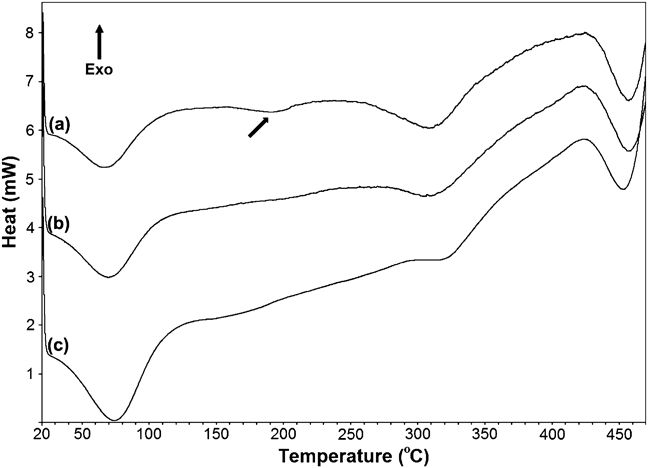
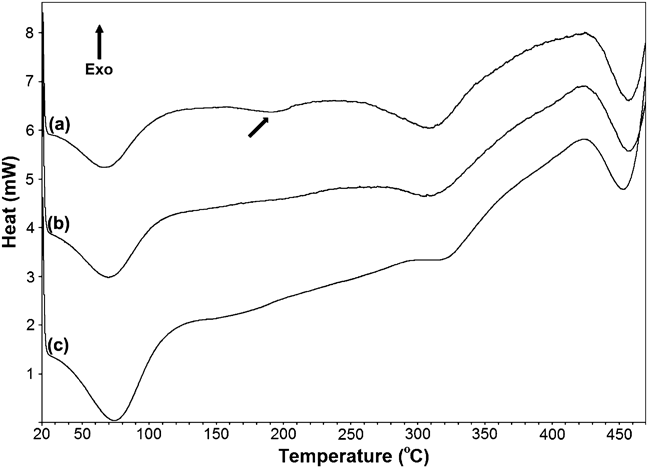
DSC analysis was performed to investigate the thermal characteristics of polymeric particles. DSC thermograms of poly(MAA-co-TRIM) microspheres (MIP1 and NIP1) show that the decomposition process starts approximately at 200 °C (Fig. 1). All polymers had similar thermal characteristics, but an endothermic transition was observed at about 190 °C for unleached MIP1 (shown with arrow). This transition is to be ascribed to the melting process of the loaded CBZ in unleached MIP1.Reference Esfandyari-Manesh, Javanbakht, Dinarvand and Atyabi14
DSC thermograms of unleached MIP1 (a), leached MIP1 (b), and NIP1 (c).
B. Binding characteristics of imprinted polymers
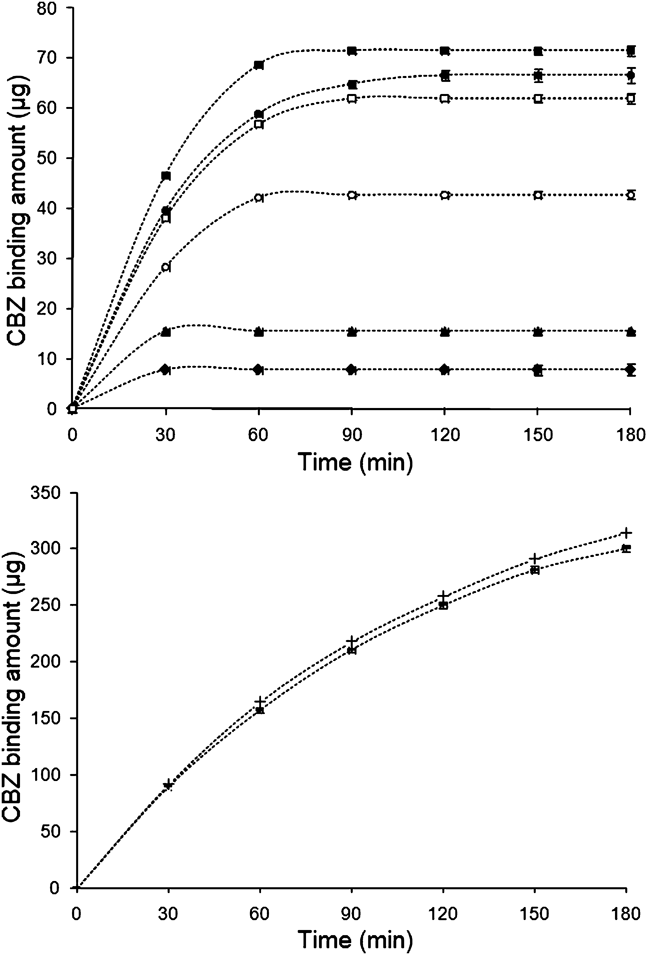
Binding capacity in continuous assay was studied in different solutions (Fig. 2). The different volume ratios of the water/acetonitrile mixture were used as adsorption media. As can be observed, the binding capacity of CBZ was increased with decreasing amount of acetonitrile in adsorption media. It can be associated with the changing of the composition of the solvent system toward being less solvent for CBZ in that medium, resulting in more easy binding of CBZ to polymer particles. The binding capacities of MIP1 in water/acetonitrile mixtures at volume ratios of 8:4, 8:2, and 8:1 were observed to be 0.39, 1.67, and 7.86 (μg CBZ bound/mg polymer), respectively, whereas those values for its NIP were 0.19, 1.07, and 7.52, respectively. The biggest binding difference between MIP1 and NIP1 was detected in a water/acetonitrile volume ratio of 8:2 in the binding medium, whereas the least difference in proportion to CBZ bound was observed in a water/acetonitrile volume ratio of 8:1. MIP1 bound 1.05 times more than NIP1 in a water/acetonitrile volume ratio of 8:1. This phenomenon can be attributed to a significant increase of nonspecific hydrophobic interactions of CBZ and polymer particles, which occur in the media with low amount of acetonitrile between them which makes MIP1 and NIP1 to have high and similar binding capacities. Binding of CBZ to MIP1 at volume ratios of 8:4 and 8:2 was saturated during 30 and 90 min, respectively. The saturation state occurred in longer times with decreasing the amount of acetonitrile in the media, which brings about more solubility for CBZ. Due to a significant nonspecific binding, the binding capacity in water/acetonitrile (8:1, v/v) did not reach the saturated state within 180 min.
Continuous CBZ binding by 40 mg of particles in different volume ratios of the water/acetonitrile mixture as adsorption solutions. The data obtained from incubation of MIP1 in 8:1 (+), 8:2 (●), 8:4 (▲); NIP1 in 8:1 (−), 8:2 (○), 8:4 (♦); MIP2 in 8:2 (■), and NIP2 in 8:2 (□) volume ratios of water/acetonitrile and presented as mean ± SD (n = 3).
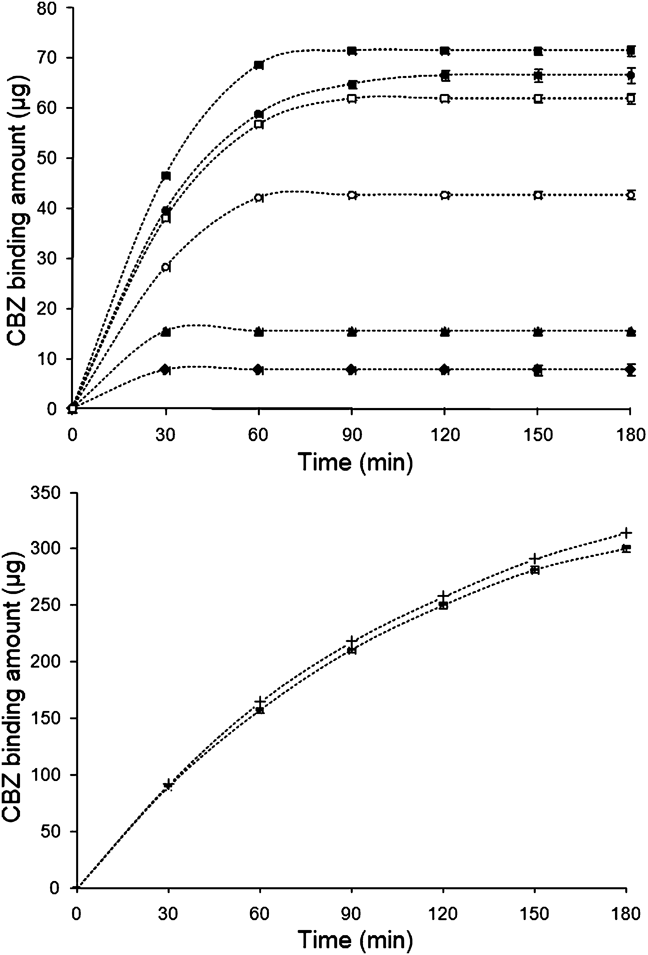
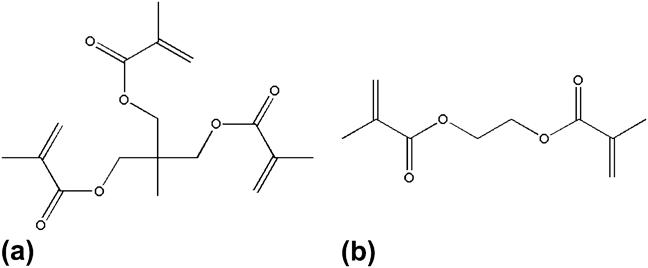
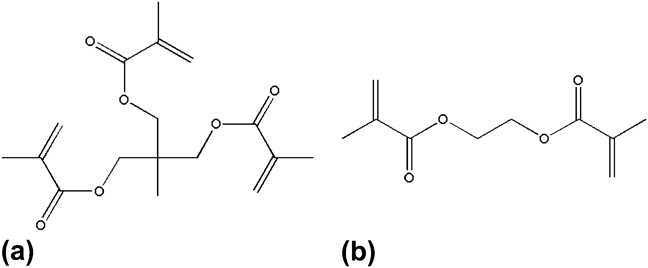
The results of continuous binding capacity of polymer particles with different cross-linkers in water/acetonitrile (8:2, v/v) showed better imprinting efficiency (compared with NIP) for MIP1 (prepared with TRIM) than MIP2 (prepared with EGDMA). Three-functional cross-linker (containing three vinyl groups) of TRIM produces more complementary recognition sites for CBZ than two-functional cross-linker of EGDMA. The chemical structures of cross-linkers are shown in Fig. 3. The binding capacity of MIP2 (1.79 μg CBZ bound/mg polymer) was higher than MIP1 because the particle size of MIP2 was smaller than MIP1, and therefore, MIP2 had better solid–liquid contact in adsorbing medium even though their NIPs showed a similar relationship.
Chemical structure of cross-linkers: TRIM (a) and EGDMA (b).
C. Morphologic analysis and controlling particle size and size distribution of imprinted microspheres and nanospheres
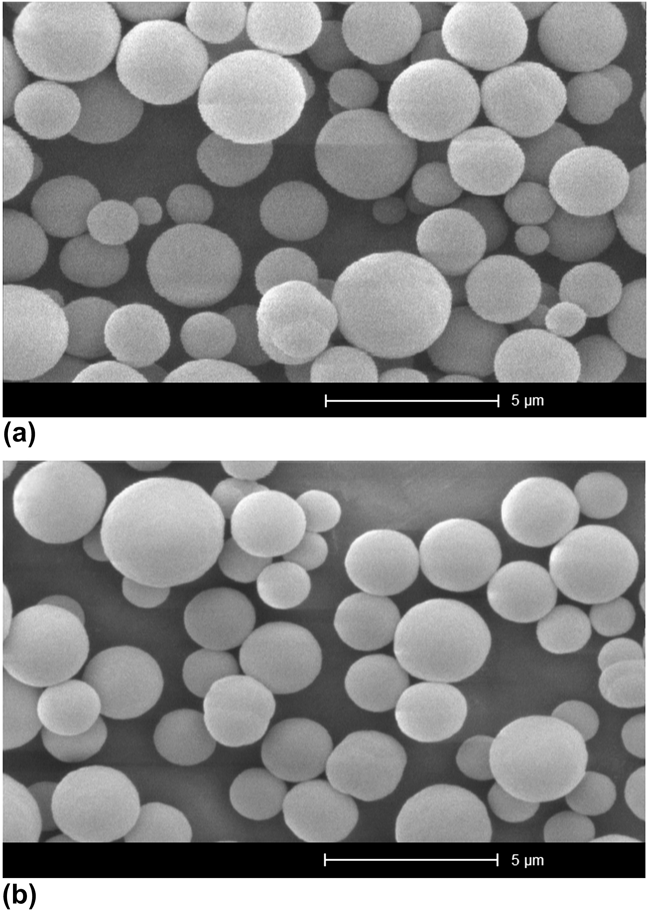
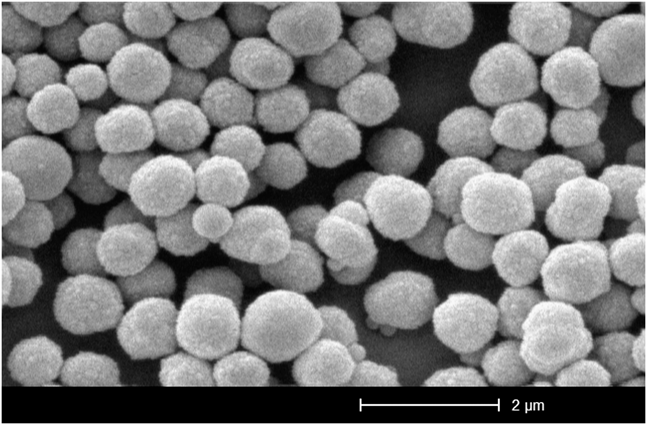
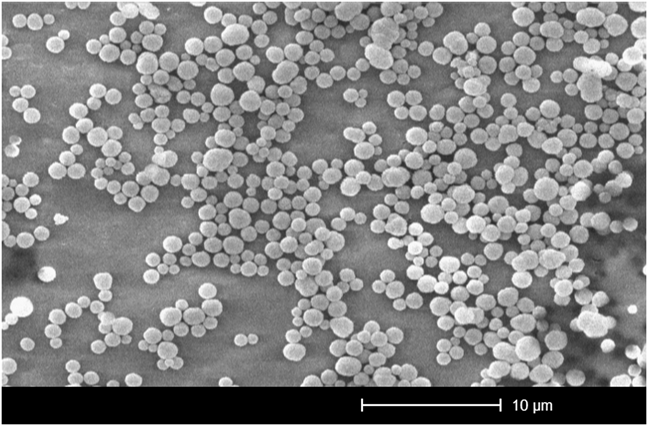
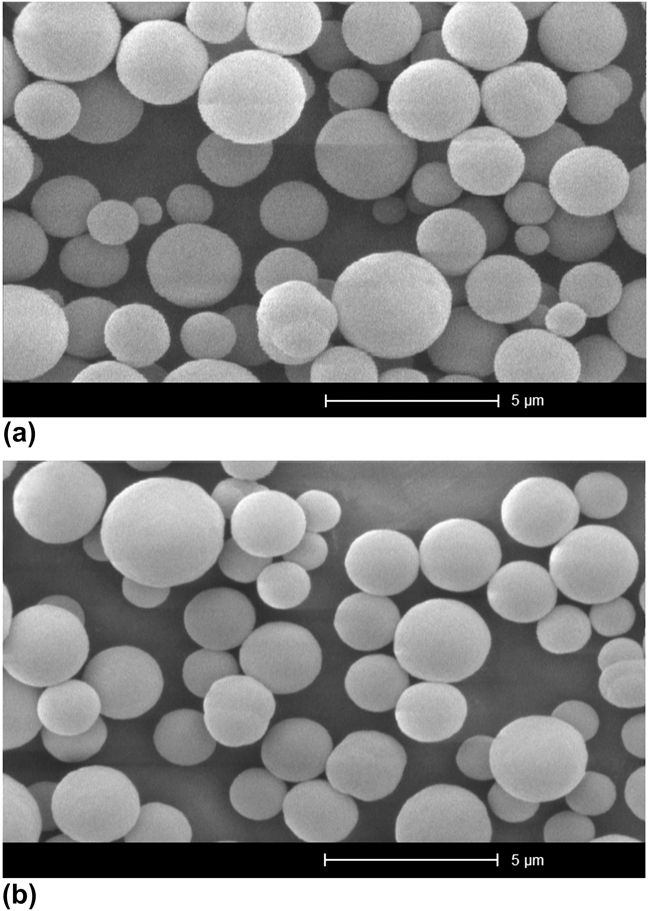
Figure 4 shows the SEM micrographs of MIP1 and NIP1 microspheres. The resulting microspheres, with a diameter of about 3 μm, have perfect spherical shapes, which are appropriate to be used as a stationary phase in columns used for HPLC. The results obtained from SEM show that there are no significant differences in the morphology of imprinted and control microspheres. This less difference is related to CBZ influence on the polymer particle growth during the precipitation polymerization.Reference Yoshimatsu, Reimhult, Krozer, Mosbach, Sode and Ye5 This may not be surprising given that MAA existed in different forms in the two polymerization reactions. In the nonimprinted reaction, MAA can form hydrogen-bonded dimers. The prepolymerization mixture contains both free MAA and MAA dimers. In the presence of CBZ, there is an additional interaction between MAA and CBZ, which might somehow affect the growth of the polymer particle nuclei, resulting in bigger polymer beads, but this phenomenon does not seem to be important.
SEM micrographs of MIP1 (a) and its control polymer NIP1 (b).
To study the morphology of microspheres and nanospheres prepared under different synthesis conditions, CBZ-imprinted polymers were synthesized at various amounts of functional monomer (MAA), cross-linker monomers (TRIM and EGDMA), initiator (AIBN), porogen (acetonitrile and chloroform), temperature and time of polymerization.
1. Functional monomer
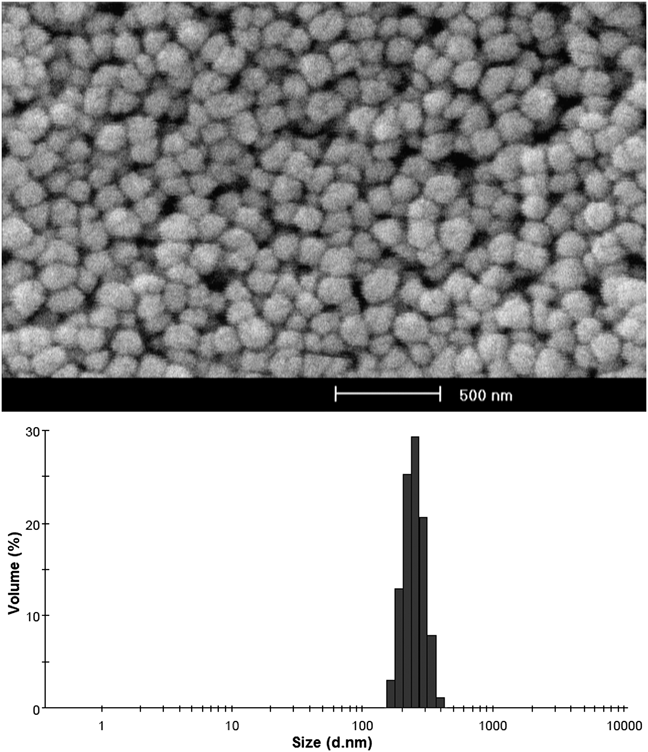
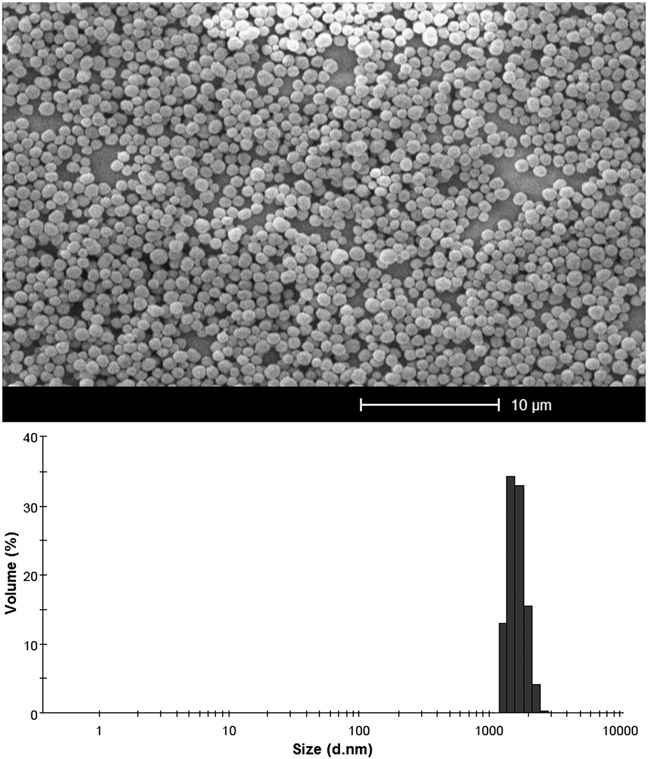
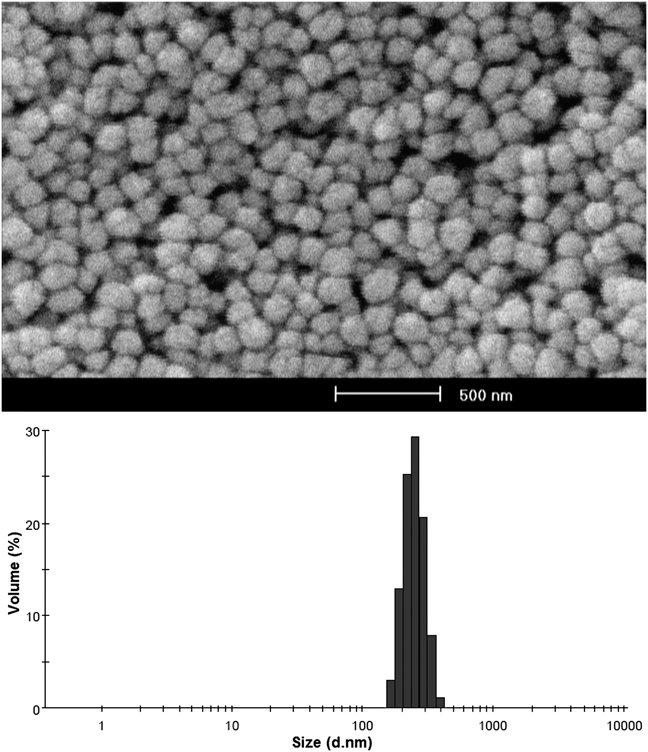
Functional monomer is used for binding interactions in specific binding sites and, for noncovalent molecular imprinting methods, is often used in large excess relative to the number of moles of the template used to favor the formation of the functional monomer–template complex.Reference Cormack and Elorz19 MAA is the most widely used functional monomer in noncovalent molecular imprinting methods and has been applied successfully with a broad range of templates. It is also a suitable functional monomer for CBZ because of the presence of the carboxylic acid groups on its structure which can form hydrogen interactions with the functional groups on CBZ.Reference Esfandyari-Manesh, Javanbakht, Atyabi and Dinarvand20 Increasing the amount of MAA in imprinted polymers in MIP1, MIP6, and MIP7 caused reduction in the particle size of prepared particles (Table I). This phenomenon could be due to stability resulting from electrostatic charge of carboxylic acid side groups on the polymer chains (of MAA). The electrostatic charges cause the stability of growing polymer nuclei during the precipitation polymerization, which bring in augmentation of the number of polymer particles and decreases their number.Reference Pich and Richtering21Figure 5 shows the SEM micrograph and the size distribution of MIP7 with a high amount of MAA. These polymer particles were uniformly sized nanospheres with a size of 243 nm and a polydispersity index (PDI) of 0.12 (resulted from PCS, Table I). However, 30–50% increase in the size of the particles obtained from PCS analysis refers to the swelling of the polymer particles in the aqueous media prior to size measurement by PCS.Reference Yoshimatsu, Reimhult, Krozer, Mosbach, Sode and Ye5 The monodispersed size of imprinted microspheres and nanospheres is a highly desirable characteristic in many applications such as competitive testing of ligand-bound solid-phase micro extraction, development of sensors using microsphere deposition, capillary electrochromatography, and biomedical fields.Reference Ciardelli, Cioni, Cristallini, Barbani, Silvestri and Giusti22
SEM micrograph and particle size distribution of imprinted nanospheres MIP7 with a high percentage of MAA.
2. Cross-linker
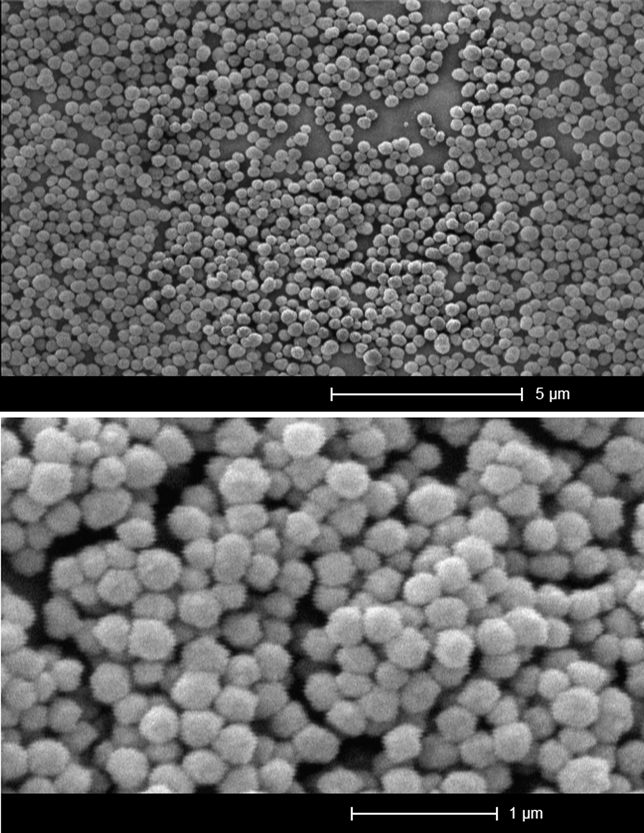
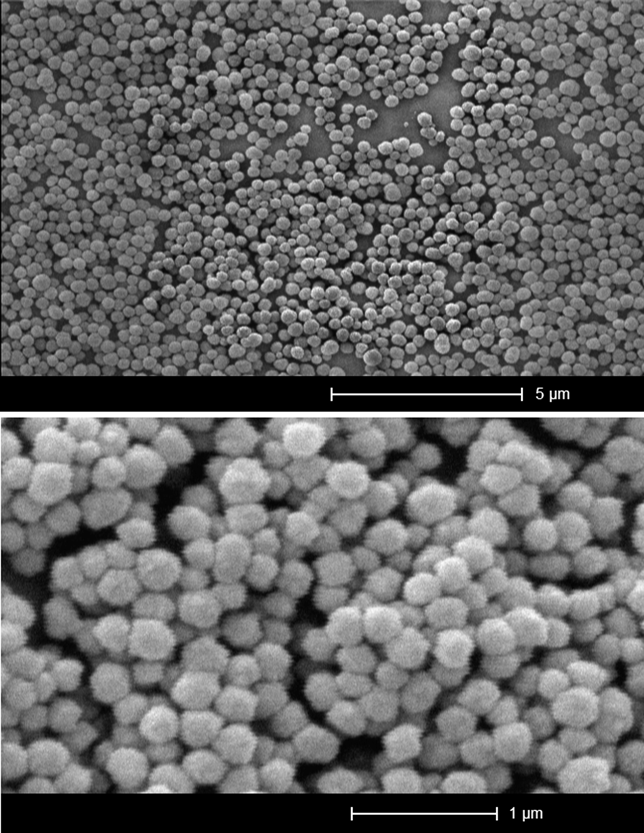
The cross-linker is an important component of molecular imprinting. The cross-linker effects on controlling the morphology of polymer matrix (gel-type, macroporous or microgel powder), stability of binding sites, and mechanical stability of the polymer matrix.Reference Cormack and Elorz19 The TRIM and EGDMA are two well-known cross-linkers that have been used to prepare imprinted polymers in micro- and nanometer range. MIP1, MIP3, MIP4, and MIP5 had different amounts of TRIM. In accordance with the SEM micrographs in Figs. 4 and 6, the PCS results show that the particle size is decreased by decreasing TRIM in imprinted polymers. This is probably due to the fact that the mole percentage of MAA was increased by decreasing the mole ratio of TRIM/MAA from 2:1 in MIP1 and to 1:1 in MIP5. As mentioned in Sec. III. C 1. about the relationship of the charged particle stability and the amount of MAA, the decreasing particle size is related to particle stability results of electrostatic charge. The SEM micrograph of MIP5 shows the smallest spherical particles at 357 nm. These polymer particles had the lowest degree of cross-linking and showed rough and porous surface morphology. The MIP5 beads had a narrower size distribution range than the range obtained with a high amount of TRIM (PDI in Table I).
SEM micrographs of imprinted nanospheres MIP5 with a low percentage of TRIM.
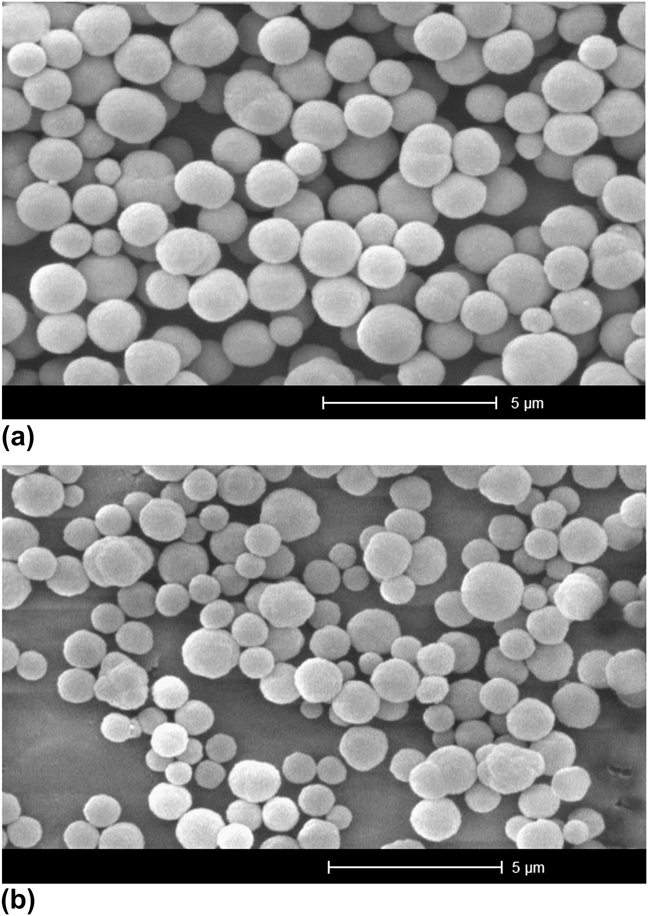
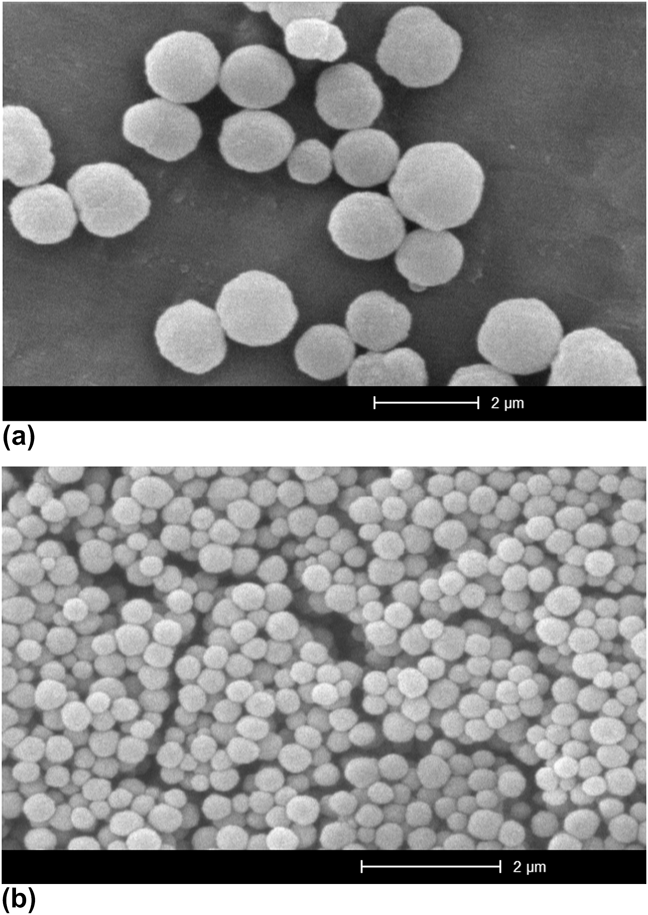
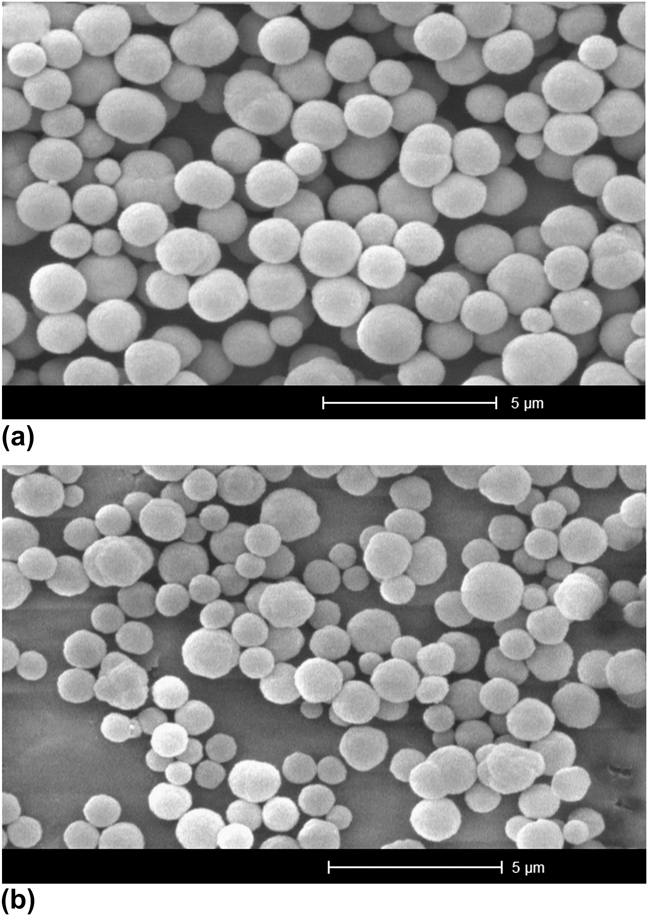
The SEM observations of poly(TRIM-co-MAA) microspheres (MIP1 and NIP1) (Fig. 4) and poly(EGDMA-co-MAA) microspheres (MIP2 and NIP2) (Fig. 7) revealed a similar appearance morphology for polymer particles prepared with different cross-linkers, though their sizes were different. The use of EGDMA as a cross-linker resulted in much smaller imprinted polymer beads with diameters of around 2.4–2.6 μm. As expected, the SEM micrographs obtained showed no significant differences in the morphology of imprinted and nonimprinted poly(EGDMA-co-MAA) microspheres.
SEM micrographs of polymers synthesized with EGDMA as cross-linker, MIP2 (a) and NIP2 (b).
3. Initiator
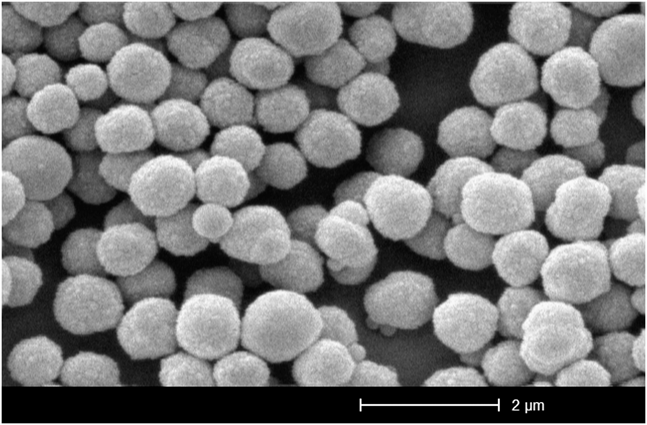
Radical polymerization was initiated by using thermal decomposition of the radical initiator. Different amounts of AIBN initiators were used for preparation of MIP1, MIP8, and MIP9. Figure 8 shows the SEM micrograph of MIP9 with the lowest percentage of AIBN. The micrographs show appreciable differences in the morphology of the polymer particles. MIP9 particles had smaller and monodispersed size (1 μm) and porous surface morphology compared to MIP1 microspheres. The polymers formed with higher percentages of the initiator (MIP1 in Fig. 4) had a more rigid and more well-defined spherical shape. The PCS results indicated the decrease in particle size by decreasing AIBN percentage. The appropriate use of the initiator will control the particle size, size distribution, and surface morphology of polymer particles.
SEM micrograph of imprinted polymer MIP9 with low percentage of AIBN as initiator.
4. Porogen
To synthesize uniformly sized molecularly imprinted microspheres and nanospheres, the choice of the porogen is critical. Porogen also plays an important role in the morphology of final polymer particles. Another important role for porogen in the formation of imprinted polymers is the effect it has on the complexation of the template with functional monomers in the noncovalent imprinting method.Reference Spivak23 Less polar porogens facilitate noncovalent interactions (such as hydrogen bonding) in the polymerization mixture. In addition, the porogen should not only be miscible with all the other components but also be a nonsolvent (or nonswelling solvent) for the polymer formed.Reference Ye and Mosbach24 The nature and the amount of the porogen determine the physical nature of the final polymer product.
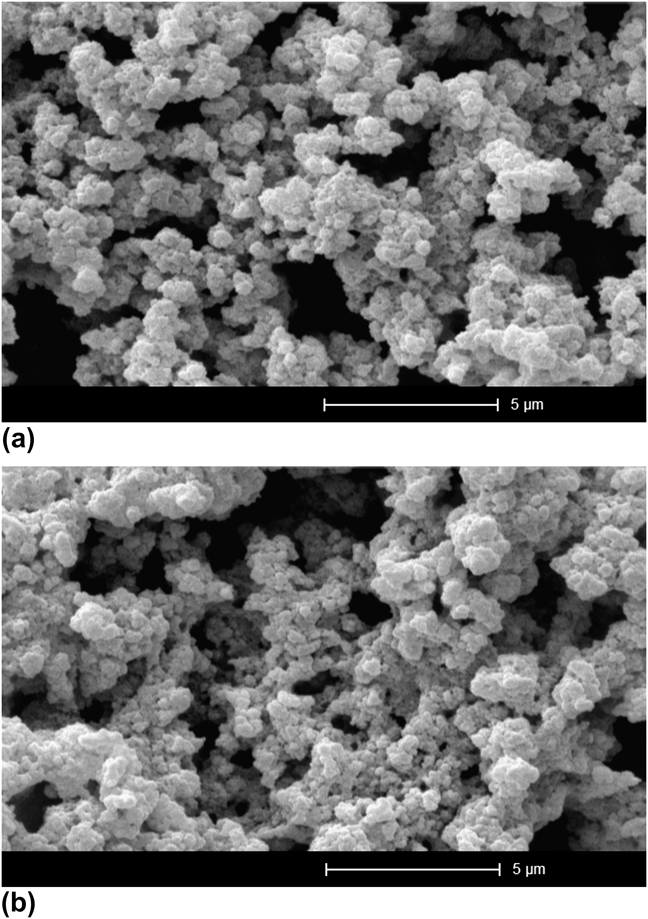
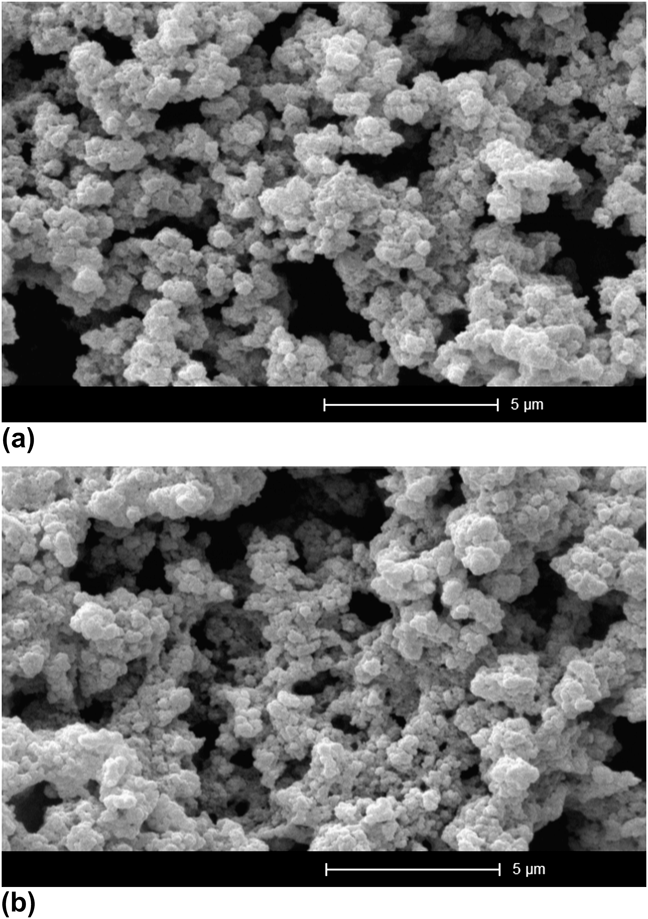
Figures 9(a) and 9(b) show SEM micrographs of MIP10 and NIP10 prepared with chloroform, respectively. Using chloroform as porogen leads to the formation of bulk aggregates unlike the spherical particles synthesized by acetonitrile. It probably can be attributed that the chlorinated porogens cause severe swelling of the final polymer product.Reference Chaitidou, Kotrotsiou, Kotti, Kammona, Bukhari and Kiparissides8 The resulting particles show irregular and rough morphology. There are no differences in the morphology of imprinted and control irregular particles.
SEM micrographs of MIP10 (a) and its control polymer NIP10 (b), prepared with chloroform as porogen.
Acetonitrile has previously been used successfully in noncovalent molecular imprinting of a broad range of templates by precipitation polymerization and was the porogen of choice here.Reference Esfandyari-Manesh, Javanbakht, Atyabi, Badiei and Dinarvand25 MIP11 and MIP12 were synthesized in different amounts of acetonitrile with 1.5 and 2 times the porogen used for the preparation of MIP1, respectively. The SEM micrograph and size distribution of MIP11 show well-defined spherical polymer nanoparticles in narrow size distribution (Fig. 10). In precipitation polymerization, increasing the amount of porogen gradually makes the growing polymeric chain unable to occupy the entire polymerization reactor volume, hence forming a dispersion of macrogel polymeric particles. Further monomeric dilution would lead to reduction in the size of the gel polymeric particles.Reference Ye and Mosbach24 Using acetonitrile and high dilution monomer conditions in polymerization, we obtained very uniformly sized imprinted polymers with an average diameter of 820 nm (see MIP12 in Table I). The increase in dilution of the polymerization mixture caused a decrease in the size of the polymer particles.
SEM micrograph and particle size distribution of imprinted microspheres MIP11 prepared under dilution conditions.

5. Polymerization temperature
Figure 11 shows the surface morphology of MIP13 and MIP14, synthesized under the same conditions but at different polymerization temperatures. Both polymers were well-defined spherical polymer micro- and nanoparticles. The SEM and PCS results show that the particle size decreases with an increase in the polymerization temperature, and at a temperature of 80 °C, smaller particles were obtained (MIP14) with an average size of 492 nm. The temperature of the reaction probably affects the polymer morphology in different ways due to the complexity of the process of phase separation. The free radical initiator decomposes, generating free radicals and the formation of cross-linked nuclei or domains, which soon become insoluble and precipitate in the polymerization mixture, leading to the formation of globules.Reference Piletsky, Piletska, Karim, Freebairn, Legge and Turner26 The higher temperature of the reaction would lead to the formation of a larger number of free radicals and a larger number of growing polymer nuclei during polymerization which would, however, have smaller dimension.
SEM micrographs of imprinted polymers synthesized at 60 °C, MIP13 (a), and 80 °C, MIP14 (b).
6. Polymerization time
The time of polymerization had significant influence on the particle size and size distribution of imprinted polymers. The increase in the polymerization time from 20 (MIP14) to 30 h (MIP15) increased the particle size from 492 to 830 nm (see Table I). MIP15 microspheres (Fig. 12) were less monodispersed than MIP14, and had a PDI of 0.24, whereas this value was 0.11 for MIP14. On the other hand, the imprinted polymers formed during longer times of polymerization would be more rigid. This should ensure a more defined shape of imprinting sites and higher specificity of them, but these imprinted polymers might have hindered mass-transfer and slow binding kinetics.Reference Piletsky, Mijangos, Guerreiro, Piletska, Chianella, Karim and Turner27
SEM micrograph of imprinted microsphere MIP15 synthesized in 30 h.
IV. CONCLUSION
To have a better understanding of the effects of precipitation polymerization conditions on the particle size and morphology property, CBZ-imprinted microspheres and nanospheres have been synthesized with different amounts of cross-linker monomers, functional monomer, initiator, porogen, temperature and time of polymerization. Under these different synthesis conditions, a control of molecularly imprinted nanosphere and microsphere size, in the range of 243 nm to 3.4 μm was achieved. The experimental results obtained provide new insights into particle size and morphology studies, which are important to consider for the development of well-controlled physical configurations in different size ranges. The particle size of MIPs was decreased by increasing the amount of MAA functional monomer, porogen (acetonitrile), and polymerization temperature and the decreasing amount of TRIM cross-linker, initiator, and polymerization time. The best binding performance was obtained in water/acetonitrile mixtures at a volume ratio of 8:2. The polymer's affinity and morphology were significantly improved by changing the type and the amount of cross-linker. The imprinted poly(MAA-co-TRIM) had more complementary recognition sites for CBZ and showed better binding capacity compared to imprinted poly(MAA-co-EGDMA). The result shows that when the mole ratios of MAA to TRIM occur in the ranges of 6:12–8:12 and 6:12–6:6, the size of polymer particles was decreased by increasing the amount of MAA. At a mole ratio of 8:12, uniformly sized nanospheres at a size of 243 nm and a PDI of 0.12 were obtained. We believe that the obtained results should be valuable for future research toward application of imprinted polymers in analytical and biomedical fields.
ACKNOWLEDGMENTS
The authors are grateful to the Amirkabir University of Technology (Tehran, Iran) and Nanotechnology Research Center of Tehran University of Medical Sciences (Tehran, Iran) for financial support of this work.