





Introduction
Comparative research over the past four decades has shown that the third sector development varies widely across political and welfare regimes. Scholars emphasize that third sectors do not emerge through a single universal pathway but are shaped by historically specific patterns of authority, social norms, and institutional legacies (Kendall & Knapp, Reference Kendall and Knapp1996; Lewis, Reference Lewis1999; Wuthnow, Reference Wuthnow1991). For example, studies on Europe and North America highlight long historical negotiations over civic autonomy, welfare responsibilities, and state-society relations (Archambault, Reference Archambault2001; Hammak, Reference Hammak2002), while work in East Asia shows how the nonprofit sectors were shaped by state-led regulation and top-down institutional design (Bidet & Eum, Reference Bidet and Eum2011; Huang, Reference Huang2015; Jing, Reference Jing2015).
Much of the comparative nonprofit field is shaped by the Johns Hopkins Comparative Nonprofit Sector Project, which established common definitions and datasets across countries (Anheier, Reference Anheier2023; United Nations. Statistics Division, 2003). Yet this research infrastructure remains concentrated in Western and middle-income settings. Anheier (Reference Anheier2023) notes that comparative data have stagnated, and theoretical development has not kept pace with global transformations. Scholars repeatedly call for expanding research beyond established welfare regimes into underexamined regions, including the Middle East.
Within this gap, Salamon and Haddock (Reference Salamon and Haddock2010) observe that nonprofit activity in the Middle East region remains largely absent from comparative theory-building, even though the region combines rentier economies, strong philanthropic traditions, and expanding state-led social policy systems. The Gulf Cooperation Council (GCC) countries remain poorly incorporated into debates on third sector emergence and institutionalization. To address this gap, this article advances the concept of a state-constructed third sector. The term refers to a sector whose emergence is not driven by welfare gaps, civic autonomy, or bottom-up mobilization, but by state institutional design, regulatory architecture, and international legitimacy pressures. Rather than substituting for the state, organizations develop within a structured governance environment in which the state defines the boundaries of legitimate activity while enabling organizational expansion.
Recent systematic evidence indicates that research on the Gulf third sector remains geographically uneven, conceptually fragmented, and dominated by descriptive or organization-specific studies. Qatar accounts for only 6% of the 348 studies identified across Qatar, Saudi Arabia, Kuwait, and Oman, while limited attention has been devoted to defining the sector’s boundaries, tracing its institutional emergence, or examining the relationship between state structures and organizational development (Elayah et al., Reference Elayah, Darkhawaja and Barjit2026). Consequently, despite growing interest in particular aspects of Qatari philanthropy, volunteering, and humanitarian action, little research has conceptualized and described the Qatari third sector as a distinct organizational field.
Existing research describes how Gulf societies historically relied on religious charity, kinship networks, and informal giving rather than formal third sector organizations (TSOs) (Alhashimi, Reference Alhashimi2011; Alotaibi, Reference Alotaibi2022). With the rise of oil revenues and expanded state capacity, charitable and social activities became more structured (Al-Jarid, Reference Al-Jarid2015; Cotterrell & Harmer, Reference Cotterrell and Harmer2005), and post-1970s developments saw the gradual emergence of nonprofit and charitable organizations under state-led welfare arrangements (Al-Muhannadi, Reference Al-Muhannadi2022). Another body of work examines the transnational humanitarian role of Gulf charities, documenting their involvement in global crises, disaster response, and development assistance (Barakat & Zyck, Reference Barakat and Zyck2010; Elayah & Al-Awami, Reference Elayah and Al-Awami2024; Elkahlout & Milton, Reference Elkahlout and Milton2024; Young, Reference Young2017). However, this literature does not offer a sector-wide historical account of Qatar’s third sector, nor does it analyze its institutional emergence as a field.
Qatar is an analytically important case within the GCC. The country combines a small population, centralized administration, and one of the most internationally active humanitarian sectors in the Gulf, producing a configuration that is both institutionally dense and globally visible. Yet despite rapid organizational growth and formalization, Qatar’s third sector remains understudied, and its emergence has never been systematically documented. Foundational work on the country’s state formation notes that charitable activities expanded alongside administrative consolidation, shaped by religious obligation, tribal relationships, and emerging bureaucratic structures (Gardner, Reference Gardner2013). Studies on governance and social policy mention early TSOs but treat them as peripheral elements of broader welfare-state development (Tok et al., Reference Tok, Alkhater and Pal2016). More recent work focuses on specific components such as volunteering (Al-Kuwari, Reference Al-Kuwari2019; Al-Nuaimi, Reference Al-Nuaimi2019), organizational challenges (Almaweri & Al-Mansour, Reference Almaweri and Al-Mansour2022; Al-Yafai, Reference Al-Yafai2016; Elayah, Reference Elayah2025b, Reference Elayah2025c; Elkamali & Elayah, Reference Elkamali and Elayah2020), legal reforms (Elayah, Reference Elayah2025a; Naheem, Reference Naheem2021), and humanitarian diplomacy (Elkahlout & Hedaya, Reference Elkahlout and Hedaya2024; Kamrava, Reference Kamrava2013; Roberts, Reference Roberts2017). These contributions, while valuable, remain fragmented and do not provide a holistic view of the sector’s emergence as an organizational field.
The present study provides the first exploratory empirical reconstruction of how Qatar’s third sector emerged and evolved as an organizational field. In doing so, the article examines whether Qatar represents a variant within existing regime typologies or whether it reflects a distinct pathway of sector formation. It addresses three interrelated questions: (1) How has the third sector in Qatar formed and institutionalized as an organizational field? (2) What factors have shaped this trajectory of emergence and institutionalization? (3) What theoretical implications follow for explaining the emergence of the third sector under rentier, state-led governance? This article extends comparative debates on the emergence of the third sector in a rentier, state-led context that remains underexamined. Also, it positions Qatar as a case that contributes to existing theoretical discussions about how such fields form, evolve, and establish institutional scope.
Background: Institutional and policy context of Qatar’s third sector
The development of the third sector in Qatar is tied to state formation, hydrocarbon-driven growth, and expanding social policy. Following independence in 1971, hydrocarbon revenues enabled the state to expand direct provision in education, healthcare, housing, and social protection before a sizeable formal associational sector had developed. Qatar’s institutional trajectory therefore differed from contexts in which voluntary organizations preceded or substituted for public welfare: the state acquired substantial administrative and distributive capacity relative to organized society, while retaining a highly centralized monarchical structure (Kamrava, Reference Kamrava2009; Tok et al., Reference Tok, Alkhater and Pal2016). Organized nonprofit sector activities began taking recognizable form in the 1950s and 1960s, with more visible growth during the 1970s and 1980s as oil and gas revenues strengthened the fiscal and administrative capacity of the modern state (Alhashimi, Reference Alhashimi2011).
In pre-oil Qatar, collective provision was embedded in the institutions that organized everyday economic life. Pearling employed nearly half of the Qatari population before the 1930s, while access to scarce resources, including water, was organized through kinship groups whose authority remained consequential during subsequent state formation (Weiner, Reference Weiner2022). Families, merchants, mosques, and occupational communities mobilized assistance through reciprocal obligations and Islamic practices of Zakat (obligatory almsgiving), Sadaqah (voluntary charity), and Waqf (endowment), rather than through legally incorporated associations. The later sector retained traces of this pattern: Qatar Charity, for example, originated in 1984 as an informal committee established by Qatari philanthropists to support children orphaned by regional conflicts before becoming a formally registered organization in 1992. The establishment of the state-supervised Zakat Fund under Law No. 8 of 1992 and the codification of waqf under Law No. 8 of 1996 further illustrate how previously socially embedded forms of giving were progressively incorporated into formal organizational and regulatory structures.
As shown in Figure 1, institutionalization is recent: 70 percent of TSOs were established within the past 1–17 years, while only a small fraction dates back more than five decades.
Age of Qatari third sector organizations. Note: Figure includes 239 TSOs out of a total of 289 registered organizations in Qatar. The remaining organizations are excluded due to missing registration dates, particularly among religious entities. Source: Authors’ calculations based on the Regulatory Authority for Charitable Activities’ Registry of Third-Sector Organizations (2024).

Early formal organizations were shaped by community and sports activities, including Al Ahli, established in 1950, and Al Wakrah, established in 1959 combined athletic programs with cultural and social events, becoming important local gathering spaces. With rising state capacity in the 1970s, formal registrations expanded beyond sports into charitable and cultural organizations. The establishment of Qatar Red Crescent in 1978 marked a key milestone in structured humanitarian work, while the creation of Qatar Foundation in 1995 reflected a shift toward elite-led, strategic philanthropy in education and human development (Al-Kuwari, Reference Al-Kuwari2019; Tok et al., Reference Tok, Alkhater and Pal2016).
Regulatory frameworks evolved in parallel. Law No. 2 (1974), Law No. 8 (1998), and Law No. 12 (2004) consolidated oversight under the Ministry of Social Affairs and strengthened requirements for registration and internal governance. A major shift occurred with Emiri Resolution No. 43 of 2014, which established the Regulatory Authority for Charitable Activities (RACA). RACA centralized the licensing and monitoring of charitable organizations, strengthened compliance for cross-border transfers, and aligned oversight with global transparency and accountability standards.
Qatari law today recognizes several types of TSOs, including professional and charitable associations, private charitable foundations, private foundations of public benefit, and other nonprofit entities such as clubs, religious centers, business councils, and foreign organizations. As of 2021, 289 TSOs were registered in Qatar, including 17 (today 14) charitable organizations (Regulatory Authority for Charitable Activities, 2022). Although charities constitute <5 percent of registered TSOs, they represent the most financially documented and internationally active part of the sector. In 2021, they managed more than QAR 1.2 billion in external financial assistance (Regulatory Authority for Charitable Activities, 2021, p. 27). In 2022, the 14 charitable associations and foundations reported approximately QAR 5.46 billion in assets and QAR 1.96 billion in revenue.
The sectoral distribution shows a structurally differentiated landscape, dominated by sports and social fields. As illustrated in Figure 2, sports organizations constitute 32.6 percent of all TSOs, social organizations 21.2 percent, cultural organizations 17.4 percent, and religious organizations 14.3 percent. Health, environmental, and education-focused TSOs remain comparatively limited, reflecting the state’s strong role in these areas. For example, the Ministry of Public Health and Hamad Medical Corporation account for more than 80 percent of healthcare provision, complemented by the Primary Health Care Corporation’s extensive network (WHO, 2023).
Number of Qatari TSOs by activity sector. Source: Adapted from Regulatory Authority for Charitable Activities (2021).

Third sector oversight in Qatar remains fragmented across institutional lines. RACA licenses and regulates charitable organizations and maintains the national record of other nonprofit organizations registered by authorities, including the Qatar Financial Centre, the Ministry of Endowments and Islamic Affairs, the Ministry of Social Development and Family, the Ministry of Culture, the Ministry of Sports and Youth, the Ministry of Foreign Affairs, and the Ministry of Justice. For organizations registered elsewhere, RACA’s supervisory competence concerns their collection, receipt, transfer, and expenditure of donations and their compliance with governance, transparency, and anti-money-laundering requirements, rather than the totality of their organizational activities. Qatar’s third sector is therefore not constituted through a single law or regulator. It comprises several legal forms brought together administratively by their nonprofit or public-benefit purposes and their involvement in receiving or deploying resources for charitable, religious, cultural, educational, social, solidarity, or other public-benefit activities.
Identifying the scope of the Qatari third sector
This historical trajectory and fragmented regulatory architecture make Qatar’s third sector an analytically constructed category rather than a self-evident legal domain. Treating it simply as the residual space between government and business would obscure substantial differences in organizational form, financing, governance, and proximity to the state (Corry, Reference Corry and Taylor2010; Kendall & Knapp, Reference Kendall and Knapp1996). Salamon and Anheier (Reference Salamon and Anheier1992) structural-operational definition provides a comparative basis for interpreting this heterogeneous population by identifying TSOs as organized, institutionally separate from government, non-profit-distributing, self-governing, and involving meaningful voluntary participation. The approach differs from the European social-economy tradition, which privileges social purpose and solidarity and therefore encompasses cooperatives, mutuals, and social enterprises that may distribute part of their surplus (Defourny & Pestoff, Reference Defourny, Pestoff, Costa, Parker and Andraeus2014; Evers & Laville, Reference Evers and Laville2004; Salamon & Sokolowski, Reference Salamon and Sokolowski2016). Qatar’s registered nonprofit population corresponds more closely to the structural-operational model because its principal legal forms are distinguished by separate legal personality, formal governance, and the absence of material-profit objectives.
Adjacent organizational forms illustrate this boundary. Law No. 5 of 2000 on Cooperative Societies permits surplus distribution to members, yet Qatar’s consumer cooperatives were converted into a commercial shareholding company under Law No. 24 of 2004, and no cooperative is registered today in Qatar. They therefore fall outside the nonprofit boundary adopted in this study, although their mutual-benefit purpose would support their inclusion within a broader social-economy conception. No distinct social-enterprise law, accreditation framework, or registry category currently exists in Qatar. Social enterprise consequently describes an organizational purpose rather than a legally identifiable population in Qatar: a social-purpose company capable of distributing profits remains within the market, whereas an income-generating entity subject to a nondistribution constraint remains within the third sector (Hansmann, Reference Hansmann1980; Salamon & Anheier, Reference Salamon and Anheier1992).
The location of state-linked organizations is less readily resolved through legal form alone. Comparative classifications generally exclude government-organized NGOs (GONGOs), Quasi-NGOs (QUANGOs), and para-state bodies where government retains effective organizational control, since their inclusion risks eroding the distinction between the public and third sectors (Salamon & Sokolowski, Reference Salamon and Sokolowski2016; Vakil, Reference Vakil1997; Wu, Reference Wu2003, Reference Wu2026). In Qatar, however, several prominent public-benefit foundations originated through royal or elite initiative but subsequently acquired separate legal personality, governing arrangements, and non-profit-distributing status. Such origins do not automatically make them public bodies, just as government support does not negate nonprofit status in other interdependent state-sector systems (Salamon, Reference Salamon1987). Their legal form warrants inclusion, while their continuing dependence on public resources, leadership, or strategic direction remains an empirical feature of the state-constructed sector. Statutory bodies located under ministerial authority are treated differently. The Zakat Fund, for example, performs redistributive functions but was established as a public fund under the supervision of the Minister of Endowments and Islamic Affairs and therefore remains outside the third sector.
A corresponding distinction is required among religious giving, legal arrangements, and organizations. Practices such as Zakat, Sadaqah, and Waqf were central to welfare provision before formal nonprofit institutionalization, but none constitutes a TSO merely by virtue of its charitable purpose. Sadaqah is a mode of giving; the Zakat Fund in Qatar is a public institution; and Awqaf are endowments governed separately under Law No. 8 of 1996 and may be administered through the Ministry of Endowments and Islamic Affairs. Religious activity in Qatar enters the formal third sector only when organized through a separately constituted nonprofit entity, such as a registered religious center or foundation.
Formal organization and nondistribution are therefore the structural-operational criteria most clearly satisfied in Qatar. Decree-Law No. 21 of 2020 on Private Associations and Foundations grants associations and private foundations separate legal personality, requires approved governing structures and financial records, and prohibits the distribution of organizational assets to members or founders. Institutional separation and self-governance are more qualified because registration, amendments to organizational statutes, fundraising, investment, foreign affiliation, and overseas transfers remain subject to administrative approval. Legal separation should consequently not be equated with the political autonomy conventionally attributed to civil society in liberal-democratic contexts.
This qualification is especially consequential within Qatar’s hereditary monarchical system, in which political authority and fiscal capacity are highly concentrated (Kamrava, Reference Kamrava2009, Reference Kamrava2013). Decree-Law No. 21 of 2020 excludes engagement in “political affairs” from the permissible purposes of associations and private foundations, while Qatar National Vision 2030 (General Secretariat for Development Planning, 2008) and the Third National Development Strategy promote volunteering, social support, consultation, and development partnerships. Qatar thus combines restrictions on autonomous political activity with institutional support for development-oriented organizations. Toepler et al. (Reference Toepler, Zimmer, Fröhlich and Obuch2020) identify a similar duality in hybrid regimes, where claims-making organizations may be constrained while service providers and organizations aligned with official priorities receive support and opportunities for collaboration. The Qatari case is therefore neither an autonomous civic sphere in the liberal-democratic sense nor an absence of organized social activity. It is a legally constituted nonprofit sector in which organizational space varies according to function and alignment with state-defined development priorities.
Voluntariness is similarly embedded in local institutional arrangements. Membership, board service, private donations, and unpaid participation coexist with public support, royal and elite philanthropy, obligatory zakat, and longstanding kinship, tribal, and mosque-based systems of mutual assistance (Alhashimi, Reference Alhashimi2011). Informal giving and voluntary initiatives have not disappeared, nor are all forms of informal volunteering prohibited. However, unregistered groups cannot acquire or operate with the legal status of associations or foundations, and public fundraising requires authorization. Because no systematic evidence identifies the continuity, governance, membership, or resources of informal groups, they are not incorporated into the registered organizational count. The 289 TSOs mentioned earlier represent Qatar’s formally constituted third sector rather than the totality of religious giving, volunteering, and kinship-based solidarity.
This count also measures organizational presence rather than economic scale. Among the TSOs for which registration dates are available, 167, or 69.87%, were registered during the preceding 17 years, demonstrating recent formalization but not the sector’s economic weight. Comparative nonprofit research measures scale through paid employment, full-time-equivalent volunteer labor, revenue, expenditure, assets, and contribution to GDP (Casey, Reference Casey2016; Salamon, Reference Salamon1999; United Nations. Statistics Division, 2003). Qatar has neither a nonprofit satellite account nor a consolidated public dataset reporting these indicators across registration authorities. The Third National Development Strategy’s target of a 10% volunteering rate by 2030 is a policy objective rather than an estimate of existing volunteer labor. Organizational density cannot be reliably normalized by either citizen or total resident population because available records do not disaggregate members, employees, volunteers, and beneficiaries, while organizations may serve citizens, expatriate residents, or overseas populations.
The criteria of institutional separation and voluntariness must also be considered in relation to funding, because dependence on government, commercial revenue, or a small group of patrons may blur the boundaries separating the third sector from the state and market. Under Decree-Law No. 21 of 2020, associations may receive membership subscriptions, authorized donations, investment income, and government subsidies or loans, whereas private foundations may receive gifts and bequests but not government subsidies and therefore depend principally on founder contributions and investment returns. This distinction is reflected in the available data for charities only: donations constituted 93% of charitable-association revenue in 2022, while investment and related returns represented ~75% of private charitable-foundation revenue (RACA, 2023). “Voluntary income” nevertheless requires qualification in Qatar. Elite contributions are legally private but institutionally proximate to public authority, while zakat is contributed from income but is religiously obligatory rather than voluntary in the same sense as sadaqah. These funding sources do not negate third sector status where organizations remain legally separate and non-profit-distributing, but they qualify claims of financial autonomy and broad-based voluntary participation. Additionally, government grants and subsidies are not separately identified as a consistent revenue category in the financial reports’ aggregate tables. It is impossible to distinguish systematically among private donations, royal or elite contributions, direct public support, and transfers channeled through state institutions. For the remaining noncharitable TSOs, organization-level financial and audit reports are submitted to their respective regulators but are not available through a unified public repository, while reporting classifications differ across authorities. Consequently, the available evidence cannot support sector-wide estimates of public funding, earned income, expenditure, employment, volunteering, or contribution to GDP.
This evidentiary limitation also defines the contribution of the present study. Rather than treating organizational count as a proxy for economic scale, the analysis reconstructs the sector’s historical development, institutional boundaries, and regulatory relationships. It thereby establishes the conceptual population and institutional categories required for subsequent quantitative research on employment, volunteering, income, expenditure, government support, and economic contribution. The “third sector” in this study denotes the organizational population whose emergence is being explained, whereas the “organizational field” encompasses the regulators, ministries, funders, and other actors through which its boundaries, resources, and permissible activities were constituted (DiMaggio & Powell, Reference DiMaggio and Powell1983). The accounts of the Public regulators included among the interview participants, therefore, illuminate the field-level processes through which Qatar’s numerically limited, organizationally differentiated, and recently institutionalized third sector was constructed.
Theoretical framework
Explaining how third sectors emerge has long been shaped by debates about the roles of markets, states, and organized collective action. Early functionalist approaches argue that nonprofits compensate for gaps in government or market provision. Weisbrod (Reference Weisbrod1977) argues that nonprofits arise when government provision reflects the preferences of the median voter and, therefore, supplies a level of public goods lower than what many citizens with higher demand would prefer. The unmet portion of this demand is then filled by nonprofit organizations. Hansmann (Reference Hansmann1980, pp. 843–846) similarly argues that nonprofits emerge in contexts of contract failure, where consumers cannot accurately evaluate or monitor service quality and thus rely on the nondistribution constraint as a safeguard against opportunistic behavior by for-profit firms, thereby turning to the nonprofits. Although influential, these perspectives overlook the historically specific political and cultural arrangements within which nonprofit fields develop.
Social Origins Theory offers a more historically grounded alternative. Salamon and Anheier (Reference Salamon and Anheier1998, pp. 217–218) show that nonprofit size and composition vary even among countries with similar welfare systems, demonstrating that welfare spending alone cannot explain sectoral patterns. Their analysis evaluates the explanatory power of major prevailing theories, namely market failure/government failure theory, supply-side theory, trust and welfare state theories, and interdependence theory, drawing on a set of hypotheses for each and assessing them against cross-national variations in sector size and financing (Salamon & Anheier, Reference Salamon and Anheier1998, pp. 232–239). While several theories provide partial support in expected directions, the authors conclude that none adequately accounts for the observed cross-national variation, even in subsectors where the theories should be strongest.
As a result, Salamon and Anheier (Reference Salamon and Anheier1998, pp. 239–243) propose four regime types: liberal, social democratic, corporatist, and statist, rooted in deeper state-society relations, class structures, and religious traditions. This framework, developed through the Johns Hopkins Comparative Nonprofit Sector Project, remains the most systematic tool for understanding cross-national variation. Yet, as later reflections on this agenda note, its empirical base remains heavily concentrated in Europe, North America, Latin America, and parts of Asia, with few countries from the Middle East and North Africa included (Egypt, Lebanon, and Morocco) (Salamon & Haddock, Reference Salamon and Haddock2010).
While Social Origins Theory explains why nonprofit regimes take distinct structural forms, it offers less guidance on how organizational fields become institutionalized. For this, sociological institutionalism provides complementary analytical tools. Meyer and Rowan (Reference Meyer and Rowan1977, pp. 340–343) argue that organizations adopt formal structures to signal conformity with institutionalized rules and secure legitimacy, not simply to enhance efficiency. Hall and Taylor (Reference Hall and Taylor1996, pp. 946–949) further clarify that social institutionalism interprets institutional change as driven by the logic of “social appropriateness” rather than material means, emphasizing how “legitimacy” contributes to the stability of certain organizational forms, while Powell and DiMaggio (Reference Powell and DiMaggio1991) extend this argument by theorizing organizational fields in which coercive, normative, and mimetic pressures create patterns of similarity across organizations, especially where states exercise significant regulatory authority.
Applied to the third sector, these perspectives highlight how legal categories, licensing requirements, and regulatory narratives define legitimate nonprofit activity. Research on developmental and rentier states shows that in resource-rich, late-modernizing contexts, TSOs often emerge within state-designed governance architectures rather than through autonomous civic mobilization (Johnson, Reference Johnson1982). Evidence from East Asia illustrates this pattern, where state authorization, controlled organizational spaces, and regulatory experimentation shape nonprofit fields (Bidet & Eum, Reference Bidet and Eum2011, pp. 81–83; Hsu & Jiang, Reference Hsu and Jiang2015; Jing, Reference Jing2015). Kerlin’s (Reference Kerlin2010) comparative work across seven regions and countries worldwide demonstrates that these dynamics are not limited to East Asia but reflect a wider pattern in which political economies influence the forms that TSOs take across regions.
A second body of work adds a transnational lens relevant to the Gulf. Studies of Gulf humanitarian engagement show that TSOs often operate within broader state strategies of diplomacy and reputation building (Koch, Reference Koch2018; Ulrichsen, Reference Ulrichsen2016; Young, Reference Young2017). Research on Gulf aid flows highlights that cross-border humanitarian activity expanded earlier than domestic civil society infrastructure due to longstanding religious giving traditions and state-supported international outreach (Barakat & Zyck, Reference Barakat and Zyck2010; Hanieh, Reference Hanieh2018). At the same time, post-9/11 regulatory scrutiny reshaped the environment in which Gulf organizations formalized and positioned themselves (Howell & Lind, Reference Howell and Lind2009).
Despite the relevance of these studies and theoretical frameworks, the absence of Qatar from major comparative datasets confirms that dominant theories were developed with little reference to rentier, state-led environments in which the state serves as regulator, funder, and architect of social provision. Qatar, therefore, represents an analytically significant case that can extend theoretical debates into contexts that have been largely excluded from cross-national analysis.
This study adopts a dual framework combining Social Origins Theory and sociological institutionalism. Social Origins provides the macrohistorical lens needed to understand the early social and political foundations of third activity in Qatar. Sociological institutionalism explains how legal frameworks, regulatory practices, and shared expectations have structured Qatar’s third sector institutionalization over time. This study positions the Qatari case as an opportunity to refine existing explanations of nonprofit emergence by introducing the notion of a state-constructed third sector. While Social Origins Theory explains cross-national variation through historical state-society relations, it provides limited guidance for contexts where the state simultaneously acts as architect, regulator, and enabler of the sector. The proposed concept captures this configuration.
Methodology
This study adopts a qualitative, exploratory research design grounded in semi-structured interviews with key stakeholders involved in Qatar’s third sector. This methodological choice is supported by the current state of the literature. Given the limited and fragmented body of scholarship, interviews were used as a data-collection tool to empirically document Qatar’s third sector evolution through the perspectives of founders, practitioners, and regulators.
Data were collected through 40 semi-structured interviews conducted in Qatar between November 2024 and March 2025. The interviewees represented 11 distinct entities: 10 TSOs and 1 public regulatory authority. Twenty-eight participants were drawn from the 10 TSOs; 7 organizations were represented by 1 participant each, while the remaining 3 were represented by 5, 7, and 9 participants, respectively. The other 12 interviewees represented different departments and areas of responsibility within the public authority. This public authority was selected because it has statutory responsibilities relevant to the study and is the only authority in contact with the entire third sector. The number of participants recruited from each entity varied according to the availability of individuals possessing direct experience and substantive knowledge of the sector’s historical, regulatory, and organizational development.
Interviews took place either in person or online, depending on participants’ availability, and each lasted ~45–60 min. A purposive sampling strategy ensured representation across TSOs and public bodies involved in regulation and oversight. The sample captures variation in organizational purpose, legal classification, institutional role, and degree of proximity to the sector’s early development, including founders, senior executives, middle-level managers, and regulatory officials.
The interview guide was intentionally broad and exploratory, developed as part of a larger research project on Qatar’s third sector. It covered organizational background, public perceptions of TSOs, regulatory frameworks, historical development, classification and mapping, and the evolution of state-sector relationships.
Interviews were conducted in Arabic and audio-recorded with participants’ consent. Recordings were transcribed verbatim in Arabic and subsequently translated into English for analysis. All transcripts were de-identified, and respondent codes were used throughout to ensure confidentiality.
NVivo software was used to organize and code the data. A line-by-line coding strategy was applied to identify both explicit statements and underlying meanings. Coding began inductively, without predefined categories, allowing themes to emerge in line with the study’s exploratory design. Through iterative coding and constant comparison, preliminary codes were consolidated into broader thematic groupings. The temporal structure presented in the findings was developed during this process rather than specified a priori. Recurring accounts of organizational expansion, regulatory consolidation, professionalization, external shocks, and strategic alignment revealed a broadly sequential pattern of field development. These patterns were compared across organizational and regulatory respondents and situated against the chronology established by the legal and policy review. The findings headings presented in this study, therefore, represent inductively derived analytic themes arranged chronologically. Following inductive coding, the emergent themes were interpreted through the study’s theoretical framework. Theory was not used to shape initial coding but rather to interpret how stakeholders’ narratives reflect the broader structural and institutional conditions that shaped the emergence and evolution of Qatar’s third sector.
Finally, relevant laws and policy frameworks were reviewed to contextualize the interviews and inform both the design of the interview guide and the interpretation of references to regulatory change. This legal review functions as background material in this article rather than a primary data source. A full list of interview details is provided in Table 1, with additional information provided in Supplementary Table S1.
List of interviews and respondent characteristics

Table 1 Long description
The table contains six columns: Respondent I D, Sector, Purpose of organization, Organizational level, Interview medium, and Location. All respondents are located in Doha.
Public Sector (Q A T-P L 01 to Q A T-P L 12):
* 11 respondents are focused on Third Sector Governance and Regulation, with roles ranging from Executive (3), Middle (3), Policy (4), to Operational Staff (1).
* 1 respondent (Q A T-P L 11) focuses on Governance and Financial Management at a Middle level.
* All public sector interviews were conducted in-person.
Third Sector (Q A T-T 01 to Q A T-T 28):
* Purposes include Charitable/Social Development, Education, Youth and Women’s Empowerment, Cultural/Tourism, and Social Development.
* Organizational levels include Executive (8), Middle (10), Policy (1), and Operational Staff (9).
* Interview mediums: 27 were in-person and 1 (Q A T-T 09) was online via M S-Teams.
Findings
Across interviews, participants describe a consistent trajectory in which Qatar’s third sector evolved from informal charitable practices rooted in social norms and redistributive policies into a regulated organizational field. Later development is associated with the introduction of laws, licensing procedures, and the establishment of dedicated supervisory and regulatory authorities that clarified sectoral boundaries. Interviewees also note uneven effects of institutionalization: larger and long-standing organizations gained legitimacy more quickly, while smaller or newer bodies continued to face recognition and capacity constraints. At the same time, respondents highlight a tension between the sector’s growing formalization and professionalization and the procedural constraints accompanying regulation. Overall, the sector is portrayed as developing within structures progressively shaped by the state, reflecting a state-constructed organizational field.
From informal giving to early organizational formation
Stakeholders consistently describe the earliest phase of Qatar’s third sector as emerging from socially embedded practices of giving rather than from formal organizational planning. Respondents across positions emphasize that charitable activity predated legal categories and institutional structures, and was rooted in religious motives, social obligations, and collective norms of generosity.
A humanitarian executive explains that “the humanitarian sector in Qatar started more spontaneously through certain individuals and charitable groups, and it gradually developed” (QAT-T09), highlighting that early activity reflected moral practice rather than sectoral identity. The same respondent links this generosity to broader socio-economic changes, noting that “after the discovery of oil, there were significant donations from both the government side and the public side, and this contributed to the development of charitable work and led to the beginning of aid being sent around the world” (QAT-T09). Early third sector work is thus presented as an extension of emerging national prosperity and state-enabled redistribution rather than as a civic movement in the Western sense.
Public sector respondents reinforce this cultural framing. QAT-PL01 describes charitable giving as “inherent,” rooted in religious and social norms, while QAT-PL06 notes that more than “85 percent of society participates motivated by spiritual rewards.” In this early phase, legitimacy derived from the social meaning of giving rather than from formal organizational characteristics.
Interviewees also agree that the formalization of organizations was gradual. As one executive recalls, “if we start from the 1990s, things began to become more organized,” followed by “a significant increase in Qatari humanitarian institutions and their role in responding to crises during the 2000s” (QAT-T09).
The transition from informal activity to formal organization is particularly visible in accounts from youth-focused initiatives. One respondent explains that early youth groups operated through volunteer-led campaigns in shared civic spaces but still needed institutional cover to function reliably. As they put it, “these activities were open to everyone…yet we had to operate under the umbrella of Qatar Volunteering… so we could have protection under the state” (QAT-T03). This indicates an intermediary stage in which informal practices relied on semi-formal umbrellas for legitimacy and risk protection.
Growing visibility later attracted closer state attention. The same respondent recalls that authorities became concerned about “too many initiatives spreading ideas without a clear and meaningful purpose.” This led to the integration of the group into an official center (QAT-T03). This trajectory shows that informal initiatives were not displaced but were gradually absorbed into formal structures under ministerial oversight.
Institutionalization and the redefinition of the sector’s boundaries
Across interviews, institutionalization is described as the major turning point that reshaped the structure, boundaries, and operating rules of Qatar’s third sector. Respondents portray the pre-2014 landscape as fragmented, loosely coordinated, and dependent on multiple ministries for licensing and oversight. Formal regulation and the establishment of a dedicated Regulatory Authority for Charitable Activities are narrated as foundational shifts that organized the field, clarified mandates, and aligned Qatari organizations with international expectations.
A public sector executive summarizes the transition: “The authority was established in 2014, and before that, associations were under the Ministry of Development, and there was less coordination” (QAT-PL01). Another respondent traces the institutional sequence:
The current authority had a previous version. Initially, there was the Qatar Authority for Charitable Activities, then it was abolished for about four years (more or less), and then re-established as the Regulatory Authority for Charitable Activities. Before, in its first version, there was no regulatory body. Sometimes, we got licenses from the Ministry of Awqaf and Islamic Affairs or the Ministry of Social Affairs. (QAT-T01)
The institutionalization of Qatar’s external humanitarian work is also described through the emergence of the Qatar Fund for Development (QFFD). Before the fund existed, the Ministry of Foreign Affairs directly financed emergency responses. As one humanitarian executive states:
The support either came from the Ministry of Foreign Affairs or sometimes from the Amiri Diwan… then the Qatar Fund for Development was established as a standalone institution… the fund was institutionalized, and its offices moved from the Ministry of Foreign Affairs to its independent building. (QAT-T09)
He adds that this transition expanded the fund’s role, noting that “this contributed to the development of Qatari TSOs,” as QFFD began overseeing project evaluation, funding agreements, and crisis response activities.
Several participants also explain why this regulatory shift was necessary. One policymaker notes that the move toward an authority responded to the growing scale and complexity of organizational activities: “One of the motives for establishing the authority was that charitable work was initially social work. It was individual practices, as merchants, entities, and so on” (QAT-PL03). A legal and compliance respondent adds that “new laws were driven primarily by combating terrorism and money laundering,” and that organizations initially faced challenges adapting to procedures for financial transfers and project implementation abroad (QAT-PL08). Institutionalization thus appears as both a response to internal expansion and an adjustment to international accountability pressures.
At the same time, interviewees describe institutionalization as enabling rather than solely restrictive. One senior respondent highlights the authority’s oversight reach: “Today, as a supervisory body, Qatar has distinguished itself. Our staff goes to see projects’ implementation, monitor offices abroad, audit accounts, and audit the projects” (QAT-PL01). In external humanitarian work, one executive recounts how embassies and diplomatic missions provided direct logistical backing during crises: “We never once requested logistical support from an embassy, whether for vehicles, approvals, or facilitation, without receiving a response within 48 hours” (QAT-T08). Within Qatar, support is described in more procedural and capacity-building terms, including regular awareness meetings. A policymaker from a regulatory body notes that “on average, there is an awareness meeting every month to educate the public about key issues related to the development and growth of the sector” (QAT-PL03).
Participants note that institutionalization has not been uniform across all TSO types. Several describe how only the 14 charitable organizations fall under the Regulatory Authority for Charitable Activities, while more than 250 “nonprofit organizations” are supervised by various ministries. This produces what respondents describe as “multiple regulatory subfields” within the broader third sector label, with differing expectations for reporting, compliance, and project approval (QAT-PL04; QAT-T01).
Some organizations frame institutionalization as a collaborative process. One respondent from a large humanitarian organization explains that their public supervisory authority borrowed heavily from their internal standards:
The authority itself sought out our laws, regulations, procedures, and guidelines to use them in drafting legislation. So, the laws that emerged from the authority, we were part of them. A large portion of the zero drafts of the regulations initially came from us. So, what did this give us? It actually helped us; the authority was more of an asset than a barrier for us. (QAT-T09)
Institutionalization reorganized a fragmented field, clarified supervisory boundaries, professionalized external work, and aligned national practices with international standards, while also introducing differentiated oversight arrangements and tighter controls that later shaped organizational flexibility.
Development through expansion, professionalization, and international orientation
Following the consolidation of regulatory structures, participants described sectoral development through three related processes: the expansion of international activity, the transition from relief-oriented charity to longer-term development, and the professionalization of organizational practices.
Among respondents from internationally active organizations, there was broad agreement that external engagement was not a later extension of domestic service provision but a formative feature of organizational development. One executive explained that his organization “was not created to be a local institution because its mandate is an international mandate” (QAT-T02), linking the organization’s trajectory to global development agendas of the Millennium Development Goals. Another situated this orientation within the regional crises that accompanied the sector’s early expansion:
Initially, most organizations were established to respond to external societal challenges, especially crises and disasters. If you observe, most associations founded in the late seventies, eighties, and nineties were related to crises and disasters in the Arab and Islamic regions. These circumstances shaped most organizations. (QAT-T01)
Participants attributed this international expansion partly to early state support. A humanitarian executive recalled that, during the 1990s and early 2000s, the Ministry of Foreign Affairs financed international emergency responses while allowing recipient organizations to “execute the project, and do the reporting” with considerable operational flexibility (QAT-T09). He notes that this approach enabled institutions to develop field expertise and transition from domestic charity to international humanitarian work.
Executives from these organizations also described a gradual change in the substance of their work. Repeated involvement in prolonged crises exposed the limitations of short-term relief and encouraged the adoption of longer-term development approaches. As one respondent explained:
As organizations began responding to prolonged crises, they began engaging with reality and gradually came to understand that charitable work is not limited to relief or humanitarian aid. It also requires standing alongside communities to help fight poverty, provide job opportunities, education, clean drinking water, and quality healthcare. Gradually, they moved from immediate relief to developmental issues. (QAT-T01)
Sustained interaction with international bodies exposed Qatari organizations to professional standards, technical vocabulary, and programmatic approaches that extended beyond ad hoc charity.
Respondents identified several reasons for maintaining this external orientation. A policymaker connected humanitarian assistance to Qatar’s diplomatic priorities, observing that:
At the level of the State of Qatar, the government focuses its external aid as part of soft power and foreign policy. Sometimes the charitable social sector is instructed to focus on certain areas, especially when Qatar engages in mediation or peacebuilding. (QAT-PL03)
Another interviewee highlights the public’s limited awareness of the purpose of this international orientation:
People sometimes ask: ‘Why are you giving our money to other countries?’ This mentality is dangerous because they do not realize that international humanitarian work has a huge impact on Qatar’s reputation, diplomacy, and influence. This is an issue of public awareness. (QAT-T09)
Another respondent notes that, indeed, external work reflects donor preferences and limited domestic need:
Charitable work is directed more toward international efforts than within Qatar. One reason is that needs are greater outside Qatar. People prefer their donations to go abroad. When they see they have a large number of donations, they need to expand activities beyond Qatar. (QAT-PL05)
The same participant observes that when needs are presented inside the country, “They (people) say, ‘Everything is fine’” (QAT-PL05).
Although these accounts emphasize different motivations, they consistently locate international expansion at the intersection of humanitarian need, donor preferences, and state diplomatic priorities.
A parallel process of professionalization occurred within domestically oriented youth organizations. In their early development, these organizations relied on individuals who contributed outside their principal employment. Such contributions were commonly treated as informal community participation rather than recognized as a distinct organizational role. One respondent described how involvement in state initiatives such as the National Day Celebrations Committee introduced greater structure by clarifying roles, providing monthly allowances, and developing participants’ skills:
There were many entities where people worked in multiple places, but they did not know what part-time meant. The National Day Celebrations Committee was the one that started giving us monthly allowances. They observed our skills and taught us. They developed us. (QAT-T08)
A more structured approach emerged once organizations began receiving ministerial support. Standardized formats, task definitions, and skill evaluation became common practice. The same respondent notes that by 2017, “every third sector organization (youth centers in this case) required a certification (from the facilitators) … it wasn’t just about anyone coming and giving a lecture” (QAT-T08), reflecting the increasing formalization of training, accreditation, and quality control.
These developments were accompanied by closer strategic alignment with national and international policy frameworks. A senior executive explained that third sector organizations’ strategies draw on Qatar’s Vision 2030, National Development Strategies, and international frameworks such as the Sustainable Development Goals (SDGs). He explained: “Naturally, we intersect with the government’s roles, making Qatar’s Vision a fundamental reference. Externally, the organization can engage in international development assistance, and here we intersect with national development strategies and global frameworks like the SDGs” (QAT-T01).
Participants thus described sectoral development as differentiated but interconnected: humanitarian organizations expanded internationally and moved toward longer-term development, while domestic organizations acquired more formalized work and quality practices; across both trajectories, organizational activity became increasingly aligned with state priorities and recognized international frameworks.
External shocks and the tightening of the regulatory environment
Across interviews, respondents identified external shocks as turning points in the institutional development of Qatar’s third sector. The most consequential were COVID-19 and the 2017–2021 Gulf crisis. The 2017–2021 Gulf crisis began when Saudi Arabia, the United Arab Emirates, Bahrain, and Egypt severed diplomatic relations with Qatar and restricted its land, air, and maritime access. The measures were accompanied by allegations that Qatar supported extremist organizations, including through charitable networks operating internationally. Charities consequently became implicated in the crisis because their humanitarian activities involved cross-border financial transfers and operations in conflict-affected settings, where distinguishing legitimate assistance from prohibited financing presented heightened compliance and reputational risks. Although these allegations were contested by Qatar, they disrupted some organizations’ banking relationships and international partnerships and intensified domestic scrutiny of overseas charitable activity (Barakat et al., Reference Barakat, Milton and Elkahlout2020; Naheem, Reference Naheem2021). Respondents understood the blockade not merely as a diplomatic crisis, but as an institutional shock that altered the regulation and international legitimacy of the charitable subsector.
A humanitarian executive explains that the blockade triggered a rapid shift in oversight: “After the blockade on Qatar and the attacks it faced, there was more investment in terms of laws, regulations, procedures, and licensing related to charitable work” (QAT-T09). This account aligns with public sector perspectives. A policymaker similarly notes: “The crisis that happened, the Gulf crisis had a big impact on the charitable sector. It was the tool that was used against the state in this thing” (QAT-PL01). The same participant maintained that the resulting reputational risks did not necessarily indicate organizational misconduct but arose partly from the conditions of humanitarian work in conflict-affected settings:
The State of Qatar is targeted abroad, and the charitable sector is among the most targeted. Many areas of philanthropy have been exploited… it is easy to exploit. I mean, we do not blame our charitable work; it is the fact that today we work in inflamed areas. (QAT-PL01)
Respondents nevertheless reported different levels of exposure to these pressures. An executive from a nationally established humanitarian organization affiliated with a global humanitarian movement explained: “We are within the framework of the largest international humanitarian network in the world… During the blockade crisis, no one could touch our organization. Because behind us, there is a massive international movement” (QAT-T09). Another executive similarly emphasized that the organization had “never operated with a local standard,” but had sought to follow “the same standard as an international organization” (QAT-T02). These accounts do not contradict the reported tightening of oversight. Rather, they indicate that organizations already embedded in international networks or operating according to recognized international standards were better positioned to defend their credibility. Participants thus connected the reputational pressures generated by the crisis with increased regulatory investment and a stronger organizational emphasis on international standards.
COVID-19 produced a different but related process of organizational adaptation. Whereas the blockade exposed vulnerabilities associated with international humanitarian operations, the pandemic demonstrated the domestic value of capabilities developed through those operations. A senior humanitarian executive states: “The skills and experience gained from managing crisis response efforts abroad were valuable for Qatar’s own emergency preparedness. Look at how Qatari humanitarian organizations handled the COVID-19 crisis… this strengthened Qatar’s own resilience” (QAT-T09).
Among domestically oriented social-development organizations, the emphasis was instead on operational adaptation. One staff member recalled: “During COVID, everything shifted online… activities were conducted remotely through Instagram and Zoom. Financially, we were not affected… in fact, expenses decreased since everything was done remotely” (QAT-T06).
The interviews therefore reveal a coherent pattern. Participants with direct involvement in international humanitarian work or regulation associated the blockade with reputational pressure, tighter oversight, and greater reliance on international standards; organizations already possessing transnational recognition reported greater protection. COVID-19 affected a broader range of TSOs, converting accumulated humanitarian expertise into domestic crisis capacity while accelerating digital service delivery.
Where the sector stands today: Perceptions of progress and constraints
In reflecting on the current state of the sector, stakeholders offer mixed assessments, balancing recognition of the sector’s developments with dissatisfaction with ongoing constraints. Respondents recognize that the sector has become more structured, coordinated, and strategically aligned with national development priorities. In particular, respondents emphasized the role of sector-wide planning in shaping this development, including through the formulation of a joint charitable sector strategy. As one public-sector respondent notes, “the strategy was developed by the sector itself… we brought them together, organized meetings, brought in international experts… and in the end, they all align toward achieving sustainable development and serving the community” (QAT-PL03). The same interviewee highlights ongoing efforts to strengthen public trust and update the sector’s image through regular awareness meetings that demonstrate that charitable work today operates within more formalized and professional arrangements (QAT-PL03). Respondents from the noncharitable sector similarly perceive the sector as growing and moving toward maturity, pointing to its closer integration with national frameworks. They explain that activities must align with Qatar Vision 2030 (n.d.) and receive approval from the regulatory bodies only when consistent with strategy goals (QAT-T05).
Yet this increased institutionalization is described as coming at the expense of flexibility and responsiveness. Respondents from both regulatory bodies and the third sector emphasize that dense procedures and compliance requirements have introduced new constraints. One regulatory official reflects this tension, noting that expanding oversight generated early resistance:
Some feel the regulatory body delayed their work… we issued 182 circulars and decisions… but we did surveys on the difficulty of compliance; we asked: How much does the sector agree? And we found relative acceptance that improved over time. (QAT-PL12)
A third sector respondent similarly observes that extensive structuring and regulation limit the space for autonomous initiative, describing the environment as “very structured, very rigid, very controlled… a lot of policies and regulations” (QAT-T02). Overall, respondents describe the sector’s current state as combining greater clarity and accountability with less flexibility and responsiveness.
Respondents also highlight that the present configuration continues to be shaped by legitimacy hierarchies. Older, well-known organizations are perceived to carry an inherited credibility that newer organizations struggle to obtain. One policymaker illustrates:
The history of the association, its authenticity, or its establishment…circulated an image about associations; history was the reason and played a big role. Let us say that when I talk to my grandfather, he knows that Qatar Charity has existed. But I cannot tell him that there are associations established three years ago. (QAT-PL07)
Newer actors remain dependent on partnerships with larger organizations to gain visibility or access. A regulatory official confirms this unevenness by describing how major associations routinely open their training courses to smaller ones, while regulatory bodies encourage “small” organizations to coordinate with the existing offices of large organizations when seeking to work abroad (QAT-PL01).
Alongside these asymmetries, respondents describe significant gaps in public awareness of the sector’s domestic role. One respondent, speaking as a citizen, reflects that third sector work still “doesn’t appear visible at all,” despite ongoing needs within the country (QAT-PL06). Other interviewees report that many young people remain unaware of the centers available to them, despite promotional efforts (QAT-T04; QAT-T05). In the humanitarian domain, respondents emphasize weak media visibility, noting that national media platforms often spotlight international organizations rather than local ones, even when Qatari TSOs are active on the ground (QAT-T09). Despite the sector’s progress, organizations continue to face limited societal recognition and visibility at the national level.
Finally, respondents identify persisting structural constraints that shape current performance. Several describe challenges in attracting skilled professionals, noting that many graduates prefer careers in higher-profile sectors such as energy, aviation, or health. As one policymaker explains, TSOs are still perceived as having “a limited scope and weak capabilities,” making the sector less appealing to highly specialized workers (QAT-PL03). Others observe that community-based organizations remain underdeveloped relative to large charitable organizations, with local participation often limited to activities and events rather than sustained engagement or organizational membership (QAT-PL07).
Theory reflection and discussion
Social origins in context: What Qatar adds to the theoretical debate
The Qatari trajectory complicates both functionalist and Social Origins explanations of nonprofit development. Functionalist accounts expect third sector growth where states or markets undersupply public goods (Hansmann, Reference Hansmann1980; Weisbrod, Reference Weisbrod1977). In Qatar, formal third sector development followed the expansion of state welfare. Hydrocarbon revenues enabled the state to provide education, healthcare, housing, and social protection before a sizeable formal sector emerged (Kamrava, Reference Kamrava2009; Tok et al., Reference Tok, Alkhater and Pal2016). Nevertheless, Qatar developed 289 registered TSOs across humanitarian, religious, cultural, youth, sporting, and community fields. Major charities and foundations address needs abroad, while domestic TSOs focus on religious and cultural activities, youth participation, and social cohesion. General Secretariat for Development Planning (2008) and the Third National Development Strategy support these roles by promoting stronger civil society participation, volunteering, social support, and international aid partnerships. The Qatari case adds to government failure theory by showing that extensive public provision can limit the need for welfare substitution without preventing third-sector development. TSOs can instead grow alongside state welfare by performing complementary domestic and international roles. Explaining why the sector assumed this particular form requires attention to the historically embedded state-society relations emphasized by Social Origins Theory (Salamon & Anheier, Reference Salamon and Anheier1998).
In Salamon and Anheier’s typology, liberal regimes pair low welfare spending with large nonprofit sectors; social democratic regimes pair high spending with small nonprofit sectors; corporatist regimes combine high spending with large nonprofit sectors shaped by church-state bargains; and statist regimes combine limited spending and small nonprofit sectors under strong state dominance.
The Qatari trajectory challenges attempts to infer social origins from the apparent relationship between welfare provision and sector size. Qatar might initially resemble the social-democratic pattern because extensive public provision coexists with a numerically limited population of registered TSOs. This resemblance is superficial. Social-democratic third sectors emerged through mass mobilization, organized labor, democratic contestation, and historically negotiated settlements over welfare provision (Klausen & Selle, Reference Klausen and Selle1996; Onyx et al., Reference Onyx, Armitage, Dalton, Melville, Casey and Banks2010). Qatar’s welfare institutions developed instead through the distribution of hydrocarbon revenues within a centralized monarchical system, without comparable party competition or class-based associational struggles (Beblawi, Reference Beblawi1987; Kamrava, Reference Kamrava2009). Moreover, in the absence of consolidated data on nonprofit employment, volunteering, expenditure, and contribution to GDP, it is difficult to position Qatar within the Social Origins quadrants on quantitative grounds.
The statist model provides a more plausible point of departure because it directs attention to state authority in structuring organized social activity. Consistent with this model, the Qatari state defines permissible legal forms, regulates access to resources and international operations, and directs organizations toward recognized social and developmental functions. Elite and royal initiatives have also played a prominent role in establishing major foundations and humanitarian institutions, while autonomous political activity remains restricted. These patterns accord with scholarship showing that some regimes may enable service-oriented organizations while limiting organizations engaged in independent claims-making (Toepler et al., Reference Toepler, Zimmer, Fröhlich and Obuch2020). Nevertheless, identifying Qatar as statist does not adequately explain the configuration revealed by the findings.
Unlike the conventional statist pathway, state dominance in Qatar has not produced organizational marginality through resource scarcity. Rentier wealth has enabled the state to combine extensive public welfare provision with the financing, professionalization, and international expansion of selected TSOs. The resulting organizations do not primarily compensate for welfare failure: internationally oriented charities and foundations contribute to humanitarian diplomacy and external development, while domestic organizations concentrate on youth development, sport, culture, community participation, and social cohesion. State involvement is consequently constitutive rather than merely restrictive. It creates organizational opportunities, supplies resources and institutional infrastructure, and establishes legitimate domains of activity, while retaining authority over the sector’s boundaries.
This configuration is conceptualized here as a state-constructed third sector. The concept does not denote organizations created or controlled uniformly by government, nor does it collapse legally separate TSOs into the public sector. Rather, it identifies a distinctive pathway of sector formation in which state institutions are the principal architects of the regulatory and developmental environment through which organizational forms, capacities, and fields of action become established. The interviews also show that this process is relational: established organizations contribute expertise to regulatory development, adopt and transmit international standards, and negotiate implementation within the parameters established by public authority. Qatar’s trajectory therefore combines state construction with differentiated organizational agency.
The contribution of the Qatari case is thus not the addition of another fixed regime category, but the identification of a mechanism insufficiently specified by Social Origins Theory. The statist model captures the concentration of institutional authority but not how rentier resources allow the state simultaneously to provide welfare, cultivate internationally prominent humanitarian organizations, and support domestically oriented organizations without transferring core welfare or political functions to them. The state-constructed perspective explains this combination by locating sectoral emergence in the interaction of rentier capacity, elite initiative, international legitimacy pressures, and state-defined development priorities. It thereby extends the statist insight while preserving what is theoretically distinctive about Qatar’s trajectory.
State-led development and institutionalization of the third sector
Sociological institutionalism highlights how Qatar’s third sector has been constructed and stabilized through legal frameworks and regulatory practices. Respondents describe a trajectory in which informal charitable practices and community-based initiatives were progressively absorbed into state-designed governance architectures, culminating in the creation and later re-establishment of a dedicated regulatory authority for charitable activities and the parallel supervision of noncharitable TSOs by line ministries.
For humanitarian organizations, the establishment of the Regulatory Authority for Charitable Activities and the Qatar Fund for Development clarified mandates, licensing procedures, and international compliance standards. For the other TSOs, institutionalization took a different form, often through ministerial sponsorship, formalization of centers that grew out of volunteer initiatives, and the introduction of standardized program approval and monitoring routines. In both segments, organizations adopted formal structures that signal conformity to institutionalized rules in the wider environment, in line with Meyer and Rowan’s (Reference Meyer and Rowan1977) claim that organizations pursue legitimacy as much as technical efficiency.
The interviews show that institutionalization operated through coercive, normative, and mimetic pressures, as elaborated by Powell and DiMaggio (Reference Powell and DiMaggio1991). Coercive pressures are evident in anti-money laundering and counter-terrorism regulations governing cross-border work. Normative pressures emerge through professionalization, training requirements, and the diffusion of humanitarian and social work standards via international and regional networks. Mimetic pressures shape how smaller TSOs look to established charities and foundations for templates and seek to partner with large TSOs to gain legitimacy, especially when contemplating projects abroad.
Crucially, respondents underscored that institutionalization has been co-produced rather than purely top-down. Large humanitarian organizations recount how regulators drew on their internal procedures when drafting legislation, and staff in social development centers describe how ministries and umbrella committees identified promising local initiatives and helped transform them into formal youth or social centers. This pattern suggests a relational dynamic in which experienced organizations act as institutional entrepreneurs within a state-dominated field, shaping rules that then apply to the wider sector. Qatar’s case also contributes to debates on how organizational fields emerge through negotiated interactions between state actors and leading organizations rather than solely through state imposition (DiMaggio & Powell, Reference DiMaggio and Powell1983; Eisenstadt, Reference Eisenstadt1980; Leca et al., Reference Leca, Battilana and Boxenbaum2008).
International aid, national community roles, and reputation pressures
The outward orientation of Qatar’s major TSOs connects the field to literatures on Gulf foreign aid, humanitarian diplomacy, and the securitization of civil society. Studies of Gulf-based aid actors show that charitable institutions often operate within broader state strategies of international engagement and reputation-building. Howell and Lind (Reference Howell and Lind2009) show how post-9/11 security concerns reshaped donor policy, oversight mechanisms, and expectations toward TSOs, especially those working in Muslim-majority contexts. The Qatari case echoes these dynamics but with an added layer of regional contestation. Respondents emphasize that the 2017 Gulf crisis intensified reputational pressures on humanitarian organizations. They describe the blockade as a turning point that accelerated legal reforms and tightened monitoring.
Alongside this humanitarian and foreign policy dimension, the findings highlight a domestic layer of third sector activity that is not primarily about international soft power but about internal community building. Noncharitable TSOs provide safe spaces for young people, organize community events, support social cohesion, and contribute to national identity and participation. The sector’s internal functions are part of a broader architecture of social development.
These two layers intersect. The humanitarian core generates visibility and reputational capital abroad, while national TSOs embody visions of participation, human development, and social cohesion. Risks also differ across these layers: internationally active TSOs face scrutiny over aid governance, while domestic organizations must demonstrate alignment with national strategies and development goals.
Answering calls for a renewed comparative agenda
The study also responds to recent calls to reorient comparative third sector research. Anheier (Reference Anheier2023) argues that the comparative nonprofit research agenda developed through the Johns Hopkins project remains biased toward a limited set of countries and regime types, highlighting the need to broaden empirical coverage and reconsider sectoral boundaries.
Qatar provides a useful analytical case for this agenda. The findings show that third sector development can coexist with extensive state welfare, that sectors may remain organizationally small while maintaining significant financial flows and international reach, and that sector trajectories can be shaped by foreign policy objectives, global governance regimes, and national development strategies.
The case also illustrates porous boundaries between the third sector, the state, and international diplomacy. Charitable organizations implement state-supported projects abroad, while social, youth, and cultural organizations contribute to national development agendas and soft power initiatives. At the same time, these organizations operate under distinct regulatory and accountability frameworks. Finally, the findings highlight how global governance pressures, including post-2017 blockade regulatory shifts and international scrutiny of financial flows, continue to shape sector practices and reforms.
Implications for policy and sector development in Qatar
The findings suggest three practical implications. First, the sector’s segmented structure, dominated by a small group of large charities alongside many smaller social and cultural organizations, risks reinforcing legitimacy and influence gaps. Expanding sector-wide training, capacity-building programs, and consultation mechanisms could help smaller TSOs participate more effectively in policy discussions and planning processes.
Second, although regulatory oversight strengthens accountability and international credibility, extensive procedural requirements can limit operational flexibility, particularly for organizations with limited administrative capacity. More proportionate compliance mechanisms could help maintain oversight while allowing TSOs to operate more effectively.
Third, respondents highlight limited public awareness of the sector’s domestic role. While international humanitarian work remains highly visible, local initiatives are often less recognized. Strengthening communication about domestic programs and services could increase public engagement and highlight the sector’s broader contributions within Qatar.
Limitations and directions for future research
This qualitative study relies on retrospective interviews with senior officials and sector leaders. While these actors provide valuable insight into institutional reforms and key turning points in the sector’s development, their perspectives may underrepresent the experiences of smaller or more recently established organizations. This limitation is compounded by the absence of centralized archival records on the early development of the third sector in Qatar, which restricts the ability to triangulate historical trajectories beyond interview testimony and available legal documentation.
The focus on Qatar also means that broader claims about the Gulf region remain cautious. References to other GCC states are intended to situate the case within emerging regional patterns rather than provide a full comparative analysis. Future research applying similar field-level methods can be conducted in other Gulf countries.
A further limitation concerns the availability of quantitative data on the nonprofit sector. Qatar currently lacks the detailed satellite accounts and disaggregated expenditure data that have enabled comparative studies, particularly those associated with Social Origins research. Publicly available figures provide only aggregate estimates of charitable transfers and social spending and do not distinguish resources across different types of TSOs. Until these data are fully consolidated and comparable satellite accounts are developed in Qatar, the absence of standardized financial indicators continues to limit the ability to carry out the type of quantitative regime testing feasible in OECD and other data-rich settings.
Conclusion
This study set out to answer three core questions: how Qatar’s third sector emerged over time, what factors shaped this evolution, and what this reveals about the limits of established theories of third sector development. The findings show that while existing frameworks explain certain aspects of sector formation, they do not fully capture the interactions among rentier-state high capacity, foreign-policy logics, and national development planning that structure Qatar’s third sector landscape. The evidence shows that third sector growth in Qatar, regulatory tightening, and changing institutional expectations were largely driven by shifts in state priorities and international reputational concerns rather than by welfare gaps or class-based pressures assumed in classical models.
The study introduces the concept of the state-constructed third sector to explain how nonprofit sectors can emerge in contexts in which the state neither withdraws nor fails, but actively organizes the field in which organizations operate. It shows how third sectors take shape in settings where welfare systems are comprehensive, state coordination is strong, and external humanitarian engagement forms a central pillar of national strategy. The analysis also points to clear avenues for further work, including the development of sector-wide data systems and comparative research across Gulf states. In doing so, the study provides a foundation for rethinking how third sector emergence is theorized in non-Western, state-structured contexts and highlights why cases like Qatar matter for the future of comparative third sector scholarship.
Supplementary material
The supplementary material for this article can be found at http://doi.org/10.1017/S0957876526000860.
Data availability statement
Due to the nature of the research and confidentiality considerations, the data are not publicly available.
Acknowledgments
The authors thank the Qatar Research, Development, and Innovation Council for supporting this research. The content is solely the responsibility of the authors and does not necessarily represent the official views of the Qatar Research, Development, and Innovation Council.
Funding statement
This research was supported by the Qatar Research, Development, and Innovation Council through the Qatar National Research Fund under grant ARG01-0520-230234.
Competing interests
The authors declare that they have no conflicts of interest.
Ethical standards
This research was conducted in accordance with ethical guidelines for research involving human participants and received approval from the Doha Institute for Graduate Studies Review Board. All participants provided informed consent prior to data collection. Measures were taken to ensure confidentiality, voluntary participation, and the right to withdraw from the study at any time. Personal data were anonymized to protect participants’ privacy.
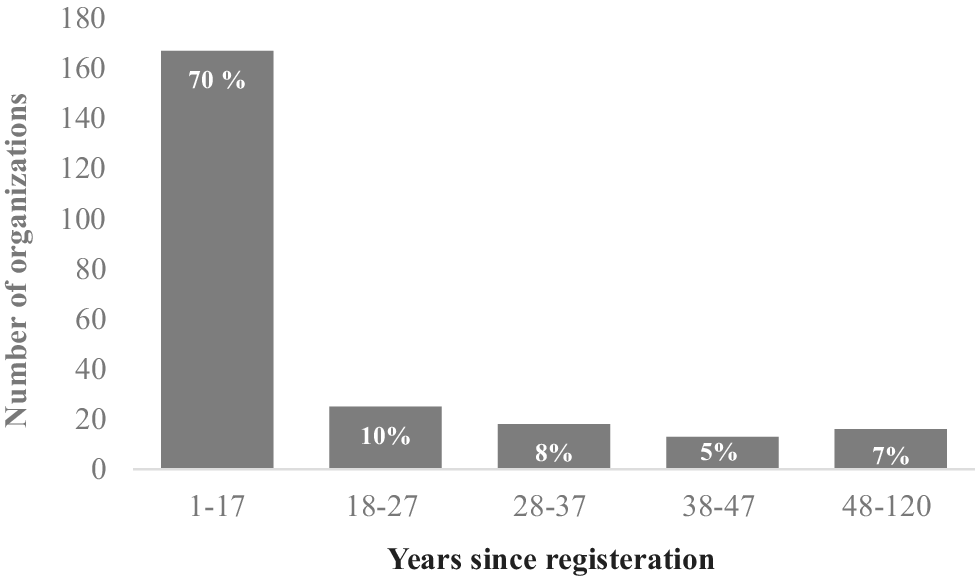
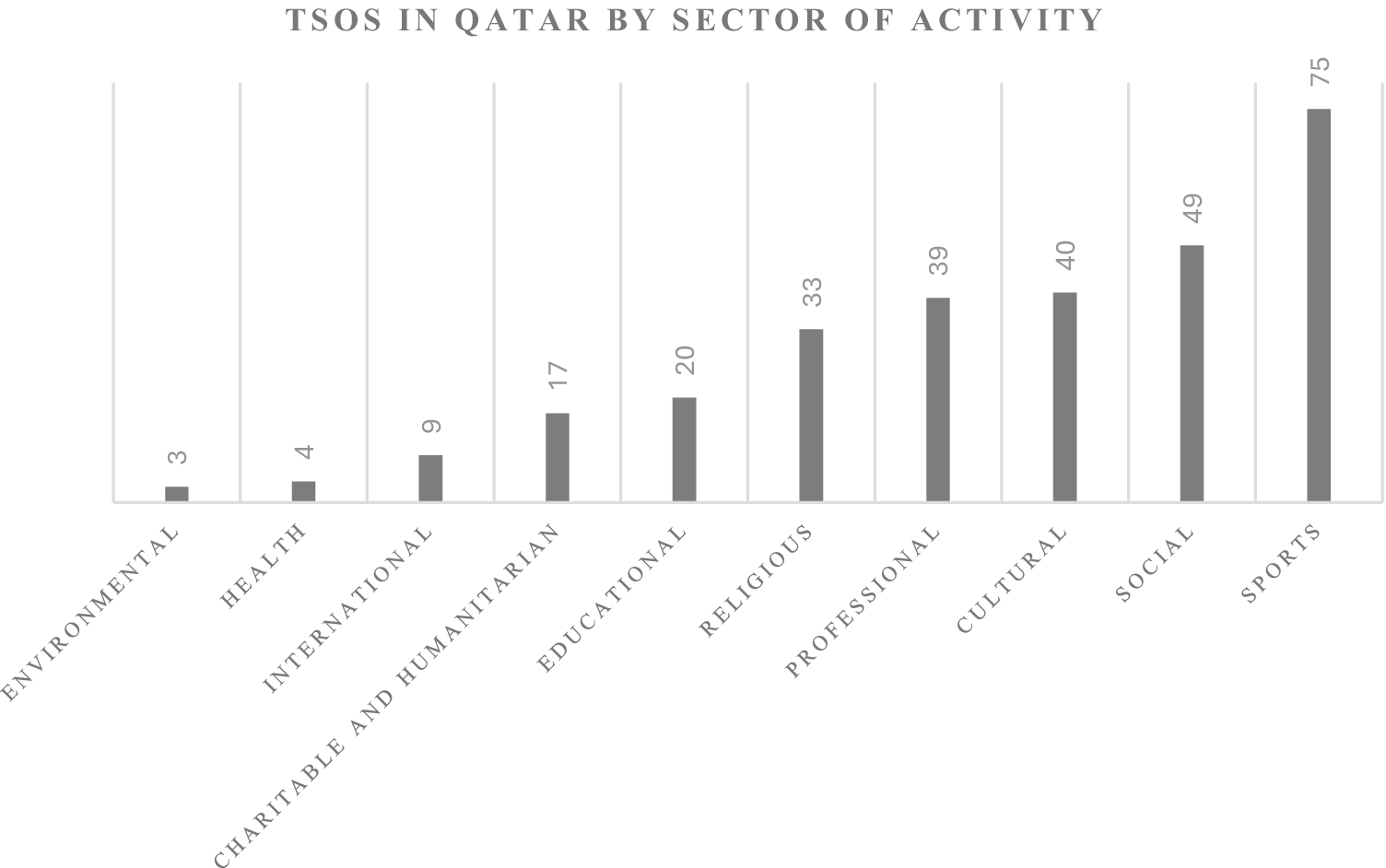


 Open access

