Introduction
Aboriginal and Torres Strait Islander peoples continue to experience significant disadvantage relative to other Australians across numerous social and health indicators (Steering Committee for the Review of Government Service Provision (SCRGSP), 2011). Education is recognised as one of the most crucial strategies in addressing this disadvantage and improving health, economic and educational outcomes for Aboriginal and Torres Strait Islander peoples (Pechenkina et al., Reference Pechenkina, Kowal and Paradies2012). The terms ‘Indigenous Australians’ and ‘Indigenous students’ are hereafter used respectfully to refer to Australia's Aboriginal and Torres Strait Islander peoples and/or students with full recognition of the significant diversity of the cultures and experiences of Australia's First Peoples (Taylor et al., Reference Taylor, Lalovic and Thompson2019).
Despite substantial progress in recent times, Indigenous Australians remain significantly underrepresented in higher education systems. Overall, Indigenous Australians make up less than 1% of higher education students and are one of the most underrepresented minority groups in Australian universities (Bradley et al., Reference Bradley, Noonan, Nugent and Scales2008; Pechenkina and Anderson, Reference Pechenkina and Anderson2011). Despite the number of commencing Indigenous students remaining relatively stable over the past 10 years, the attainment and completion rates have varied (Pechenkina and Anderson, Reference Pechenkina and Anderson2011). It is estimated that less than half of Indigenous students who embark on tertiary studies fulfil their academic goals (James et al., Reference James, Bexley, Anderson, Devlin, Garnett, Marginson and Maxwell2008). Regardless of a students' commitment to complete their degree, Indigenous students encounter a multitude of obstacles that may lead them to withdraw from university at higher rates than their non-Indigenous counterparts (Oliver et al., Reference Oliver, Grote, Rochecouste and Dann2015). The increasing body of literature identifying the complex and often interrelated factors contributing to Indigenous students withdrawal from university include challenges relating to health, family and community responsibilities, finances, social support, academic preparedness, and issues surrounding personal well-being (Parente et al., Reference Parente, Craven and Munns2003; Sharrock and Lockyer, Reference Sharrock and Lockyer2008; Oliver et al., Reference Oliver, Grote, Rochecouste and Dann2015; Barney, Reference Barney2016; Hearn et al., Reference Hearn, Benton, Funnell and Marmolejo-Ramos2019).
It has been consistently recognised that providing a quality student experience and ensuring adequate support can positively influence Indigenous students' success, retention and completions in higher education. Interestingly, findings from Australasian Survey of Student Engagement (AUSSE) research demonstrated a strong association between the support levels perceived by students and their intention to complete their degrees (Asmar et al., Reference Asmar, Page and Radloff2011). Thus, it is critical to not only widen access to university for Indigenous students but to enhance it with appropriate support strategies, ensuring that these students have the best chance of success (Engstrom and Tinto, Reference Engstrom and Tinto2008).
Governments and universities have implemented various strategies to support Indigenous students to increase participation, retention, completion and success of these students in higher education. Previous research suggests that despite universities having developed strategies to support students and increase completions rates, few have been successful in doing so (Pechenkina et al., Reference Pechenkina, Kowal and Paradies2012). One key strategy that has been implemented across universities is the emergence of Aboriginal Education Units (also known as Indigenous Education Units).
At present, nearly all Australian universities have a dedicated Aboriginal Education Unit (Pechenkina and Anderson, Reference Pechenkina and Anderson2011); however, their structure, function and size vary across universities. Aboriginal Education Units also vary in whether they are tasked solely with student support or whether they combine teaching and/or research as part of their core activities. These Units are often located in a purpose-built site within the university campus (Walter, Reference Walter2011). The essential role that these Units play in supporting Indigenous students in undertaking and completing degrees has been demonstrated within the literature (Morgan, Reference Morgan2001; Anderson et al., Reference Anderson, Bunda and Walter2008; Trudgett, Reference Trudgett2009; Oliver et al., Reference Oliver, Grote, Rochecouste and Dann2015; Barney, Reference Barney2016; Gore et al., Reference Gore, Patfield, Fray, Holmes, Gruppetta, Lloyd and Heath2017; Taylor et al., Reference Taylor, Lalovic and Thompson2019). Despite Aboriginal Education Units playing such a critical role in terms of providing support for Indigenous students while at university, little examination of them has taken place from the student perspective.
Outside of the university, family support has been identified as a significant enabler for participation and retention of Indigenous students in higher education (Oliver et al., Reference Oliver, Grote, Rochecouste and Dann2015). In a recent review presenting data related to the participation of Indigenous students in Australian higher education, the support and understanding of family and community was found to be crucial to students pursuing their aspirations as well as participating in higher education (Gore et al., Reference Gore, Patfield, Fray, Holmes, Gruppetta, Lloyd and Heath2017).
Although several studies have highlighted barriers to Indigenous students’ participation in higher education, the significance of examining and evaluating enablers such as support mechanisms, has been strongly encouraged as it provides a critical foundation for targeted support initiatives (Gore et al., Reference Gore, Patfield, Fray, Holmes, Gruppetta, Lloyd and Heath2017). The overall aim of the current study was to explore and examine Indigenous student's perspectives, experiences and engagement with support at university in particular with an Aboriginal Education Unit.
Methods
The current study utilised a mixed-method approach, combining quantitative and qualitative research methodologies to increase the accuracy and scope of the research.
Participants
The study was conducted between May 2019 and June 2019 at The University of Adelaide in South Australia. The University of Adelaide is a member of the Group of Eight, a coalition of Australia's leading research-intensive institutions, which are consistently the highest ranked of all Australian universities. Participants were recruited from an enrolment database managed by Wirltu Yarlu, the Aboriginal Education Unit at The University of Adelaide. In order to participate in the study participants had to (i) be ≤18 years of age, (ii) able to communicate in English, (iii) identify as Aboriginal and/or Torres Strait Islander and (iv) be enrolled in, and participating in a degree at The University of Adelaide. Ethical approval was granted by the Human Research Ethics Committee at the University of Adelaide (Ethics Approval Number: H-2019-044). A total of 249 students were invited to take part in the study, of whom 103 responded; the completion rate was 41%.
Procedure and materials
Students were contacted via email and provided with an information sheet and a link to the questionnaire. Following this initial email, a reminder email was sent followed by a phone call when contact numbers were provided. A questionnaire was considered the most appropriate method of collecting data as it is non-invasive, convenient to complete and not overly time consuming for participants. The information sheet provided detailed information relating to the purpose of the study, the procedure, potential risks and benefits of participation, information around confidentiality and anonymity of responses, contact information of an independent group for individuals to raise concerns or complaints if needed, individuals capacity to withdraw from the study and details about where to access support in the case an individual felt distressed. The self-report questionnaire comprised of a series of questions (including multiple choice, Likert style and open-ended) to measure student's utilisation, experiences and satisfaction with various aspects of support provided by the Aboriginal Education Unit at The University of Adelaide (Wirltu Yarlu), faculties within the university, the broader university, as well as from family and community. The questionnaire could be accessed and completed at any location of the participants choice and was estimated to take around 10–15 min.
Statistical analyses
A number of visual representations of descriptive data were utilised. Additionally, categorical variables were used to visualise data, specifically mosaic plots were utilised to represent associations between variables (e.g. number of participants per faculty according to the supports they had access to) (Hartigan and Kleiner, Reference Hartigan and Kleiner1984). Instead of raw counts, percentages were reported. Associations between categorical variables were assessed via the Fisher's exact test for count data with simulated p-values (based on 2000 replicates) (via the ‘fisher.test’ function in R; this test was used as some cells had less than five observations).
Content analysis was utilised for the qualitative data obtained through the three open-ended response questions. Responses were coded and allocated into themes to quantify responses, they took the form of a single word, complete answer or direct quotations. Once the data were coded, themes of similar content were combined, until a succinct number of categories were established (Mayring, Reference Mayring2000). Researchers cross-checked a subset of themes before a final interpretation was reached. This process improved consistency and reliability of the content analysis process through inter-rater reliability (Mayring, Reference Mayring2000). The presentation of the content analysis in qualitative data tables was adopted from Vogel et al. (Reference Vogel, Falter-Wagner, Schoofs, Kramer, Kupke and Vogeley2019).
Results
Profile of participants
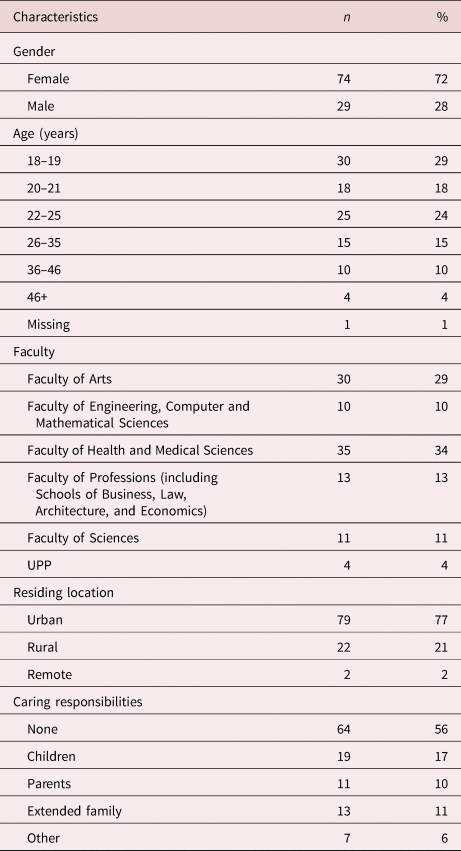
Table 1 reports the sociodemographic characteristics of the participants. Participants ranged in age from 18 to 64, with a mean age of 26 years. The majority of participants were women (72%), a pattern that is consistent with the 2009 AUSSE data (Asmar et al., Reference Asmar, Page and Radloff2011).
Sociodemographic characteristics of participants (n = 103)

Overall support satisfaction
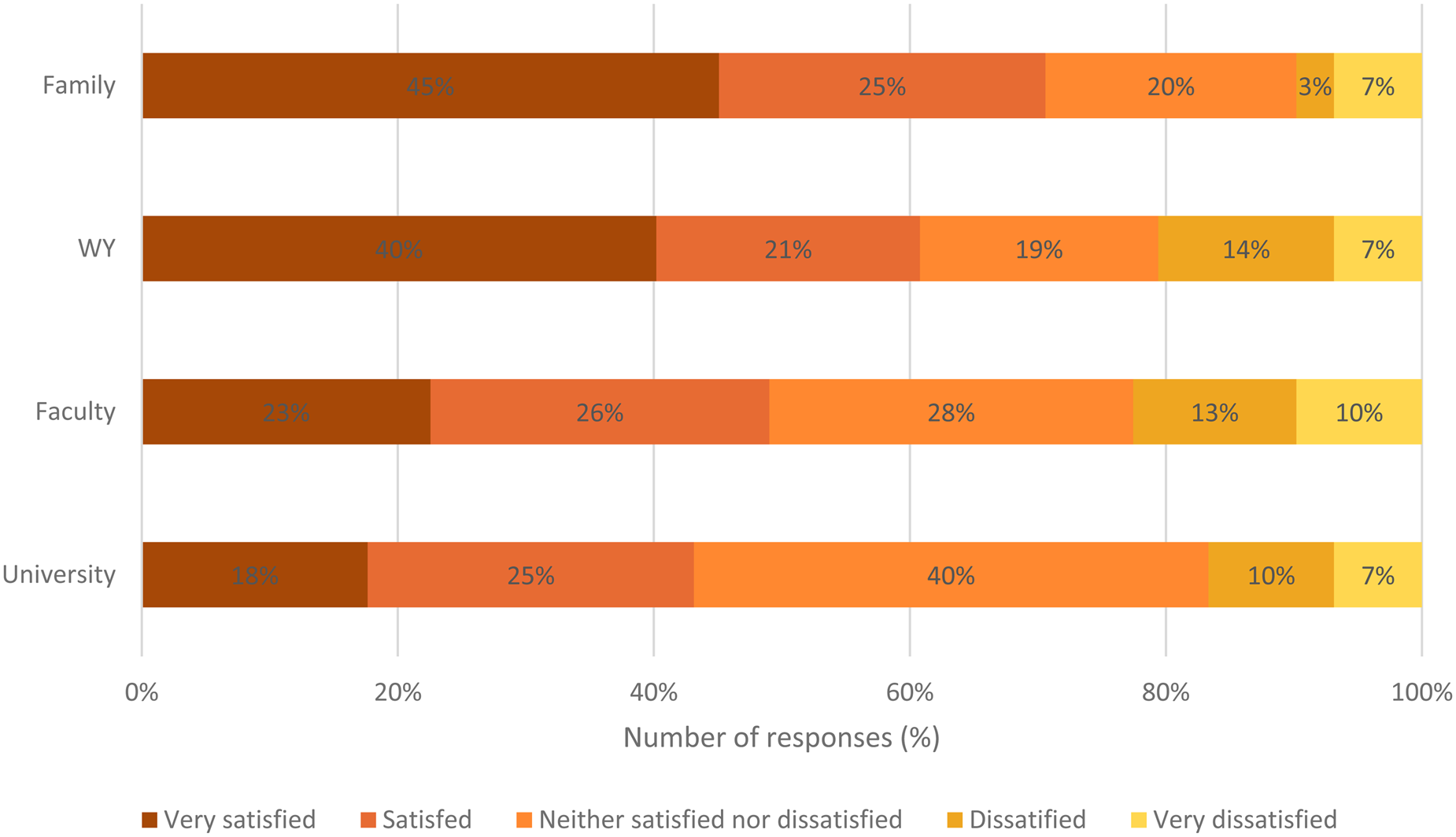
Figure 1 reports the findings in relation to students' satisfaction with support provided by their family, from the Aboriginal Education Unit, from the Faculties in which students were enrolled in and general/wider university supports. Overall, the majority of students were most satisfied with support provided by their families and the Aboriginal Education Unit—Wirltu Yarlu.
Descriptive statistics of students' satisfaction with varying modes of support. Note: Wirltu Yarlu (WY).

Support provided by Aboriginal Education Unit
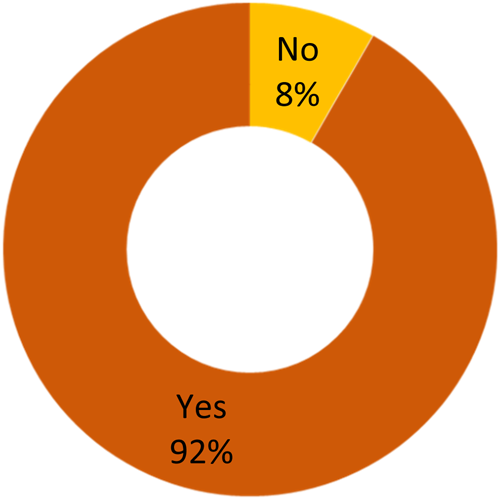
Student's overall awareness, engagement and experiences with the Aboriginal Education Unit were examined through a series of questions. Descriptive statistics are presented in figures 2–4.
Awareness of Units location.

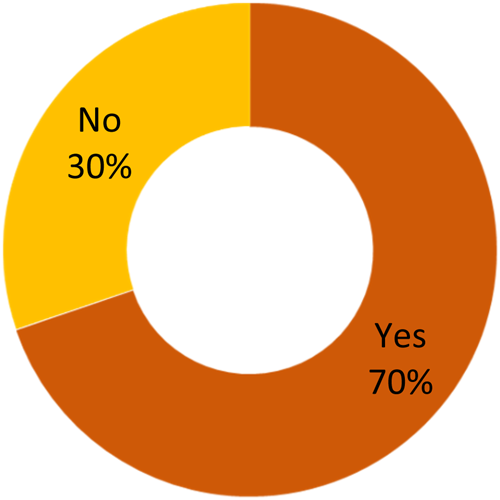
Use of services provided by the Unit.

Students who had visited support officers at the Unit.

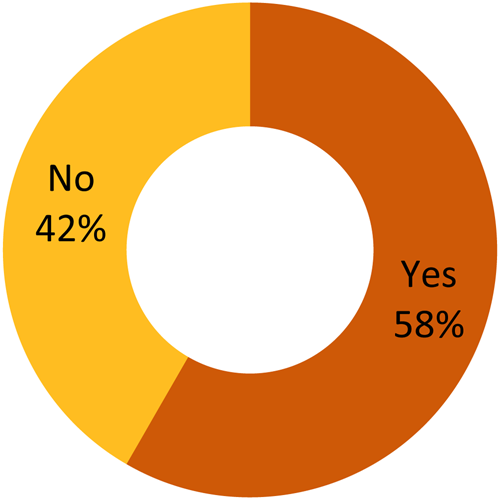
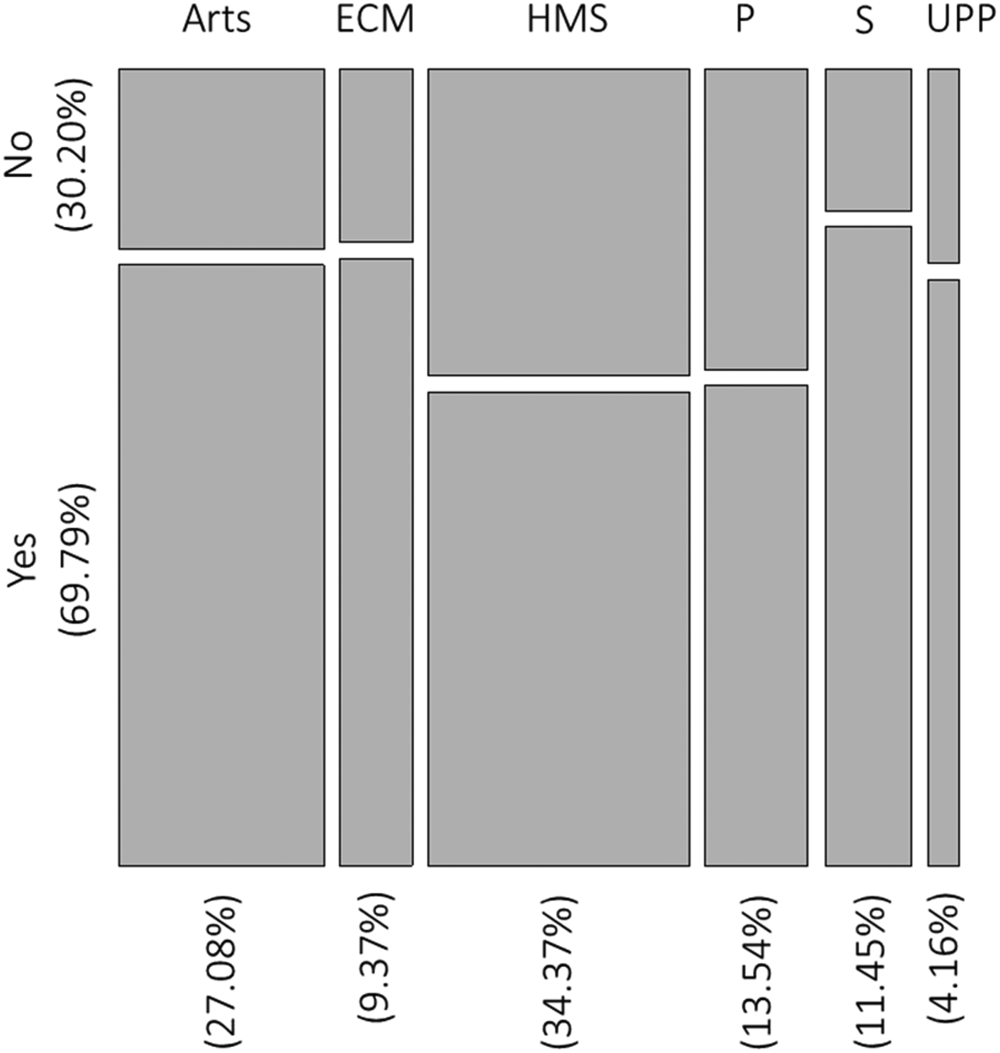
The Fisher test indicated there was no significant association between the faculty and whether Wirltu Yarlu services were accessed (p = 0.12) (figure 5). However, as shown in figure 3, 70% of participants made use of the support provided by Wirltu Yarlu, while 30% did not, with most of the participants who answered in this way coming from the Faculty of Health and Medical Sciences.
Mosaic plot representing associations between categorical variables of interest. The mosaic plot shows the marginal percentages in each faculty (preventing performing [multiple] pairwise comparisons). ECM, Faculty of Engineering, Computer, and Mathematical Sciences; HMS, Faculty of Health and Medical Sciences; P, Faculty of Professions; S, Faculty of Science; UPP, University Preparatory Programme.

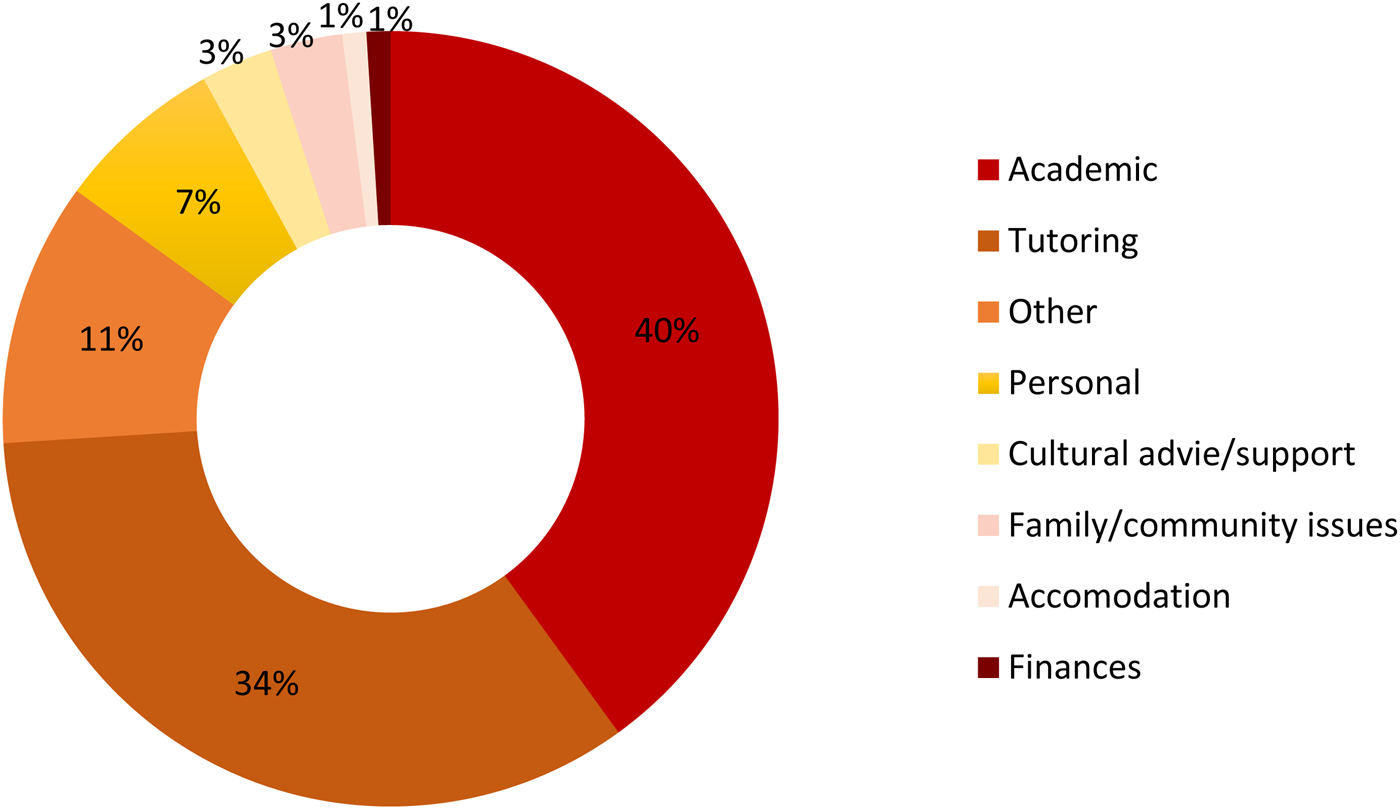
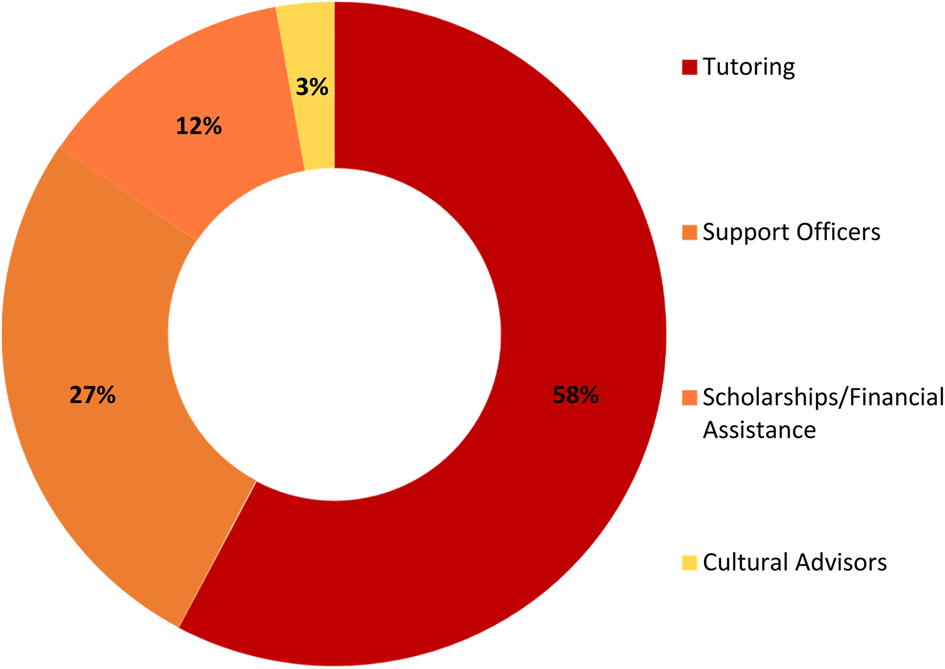
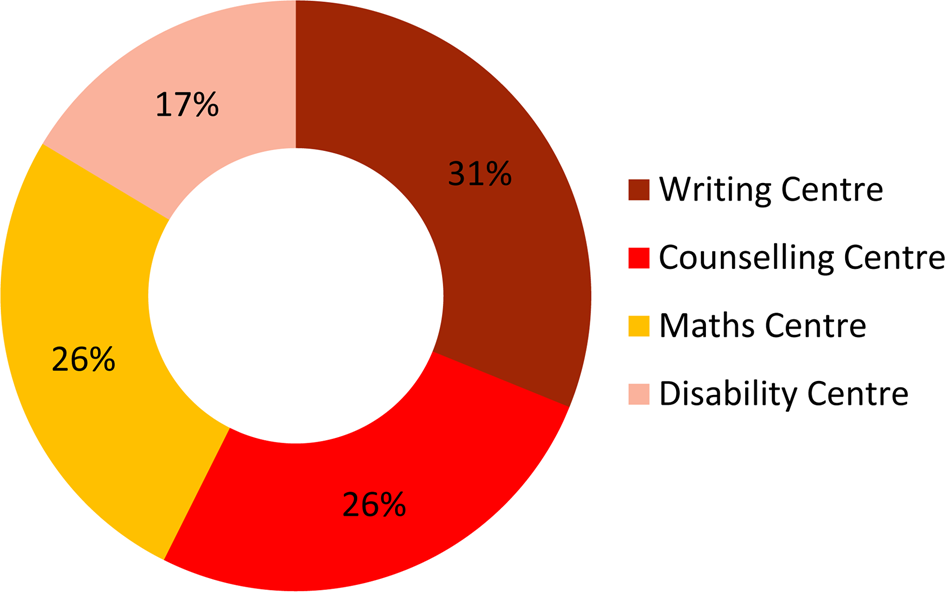
The main reasons students were accessing the Aboriginal Education Unit was for academic and tutoring purposes. Furthermore, nearly 60% of students reported that tutoring was the most beneficial service provided by the Unit (see figures 6 and 7 for descriptive statistics of these data).
Visual representation of the reasons students access the Aboriginal Education Unit.

Visual representation of the most beneficial services provided by the Unit.

In terms of satisfaction with facilities at the Aboriginal Education Unit (including use of computers and culturally safe study spaces and common areas), 67% of students were either satisfied or very satisfied, 6% were either unsatisfied or very unsatisfied, with the remaining 27% reporting being neither satisfied nor unsatisfied.
Tutoring/mentoring
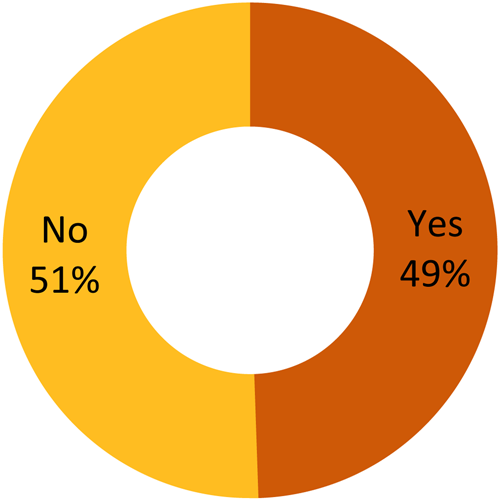
Academic tutoring/mentoring is offered by the Aboriginal Education Unit to all students who identify as Aboriginal and/or Torres Strait Islander at the University. This is a government-funded initiative that is implemented at universities across Australia. The programme is of no cost to the students and can be utilised for all subjects. Interestingly, only half of students actually accessed this service (see figure 8) however, of those students who accessed the service over 80% found it a beneficial service.
Percentage of students who report accessing the tutoring services.

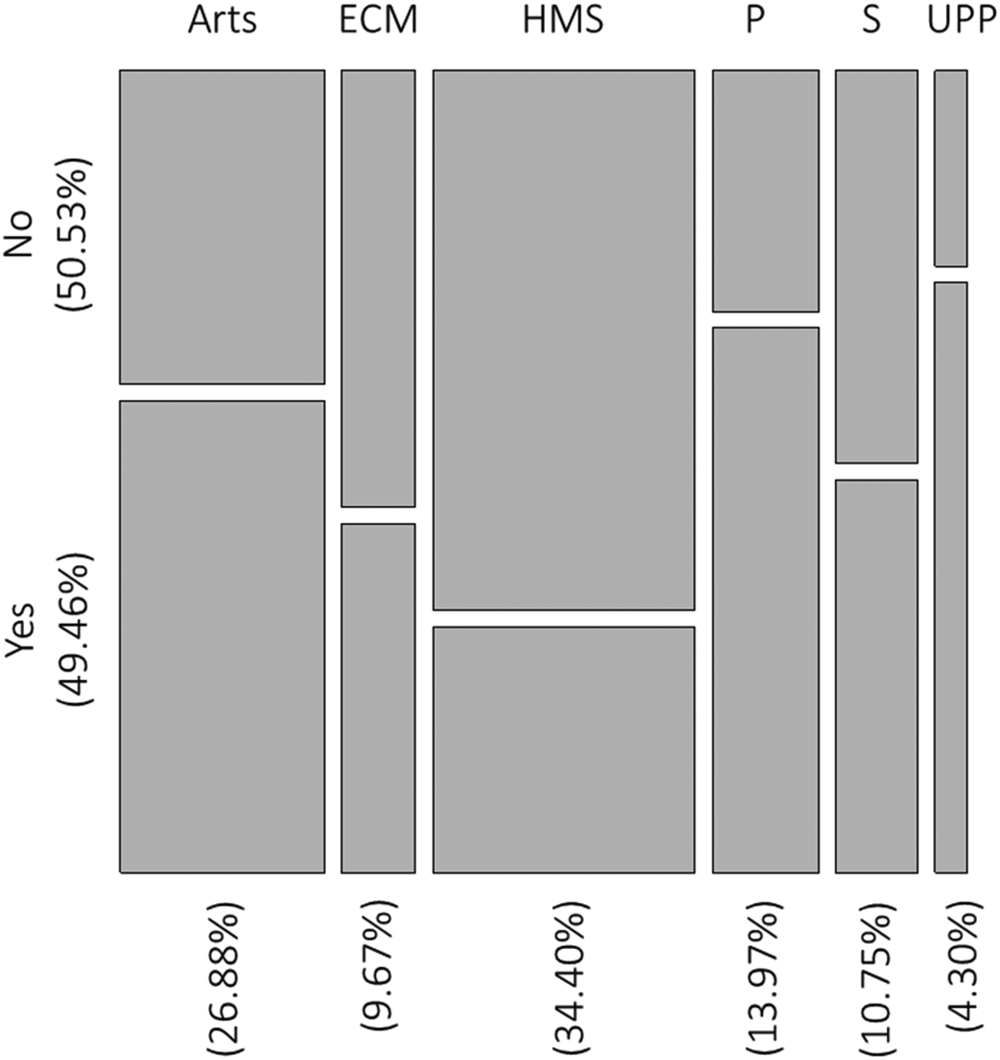
The Fisher test indicated there was no significant association between the faculty and accessing mentoring/tutoring services provided by Wirltu Yarlu (p = 0.67). The percentage of participants from the university's faculties was very similar to the overall scenario (see figure 9).
Mosaic plot representing associations between faculty and mentoring services. The mosaic plot shows the marginal percentages in each faculty. ECM, Faculty of Engineering, Computer, and Mathematical Sciences; HMS, Faculty of Health and Medical Sciences; P, Faculty of Professions; S, Faculty of Science; UPP, University Preparatory Programme.

Support faculty and university
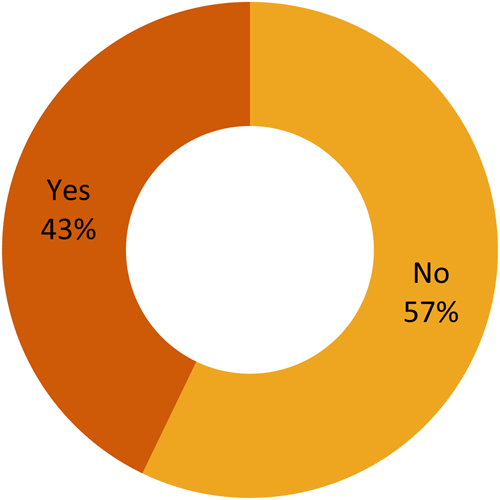
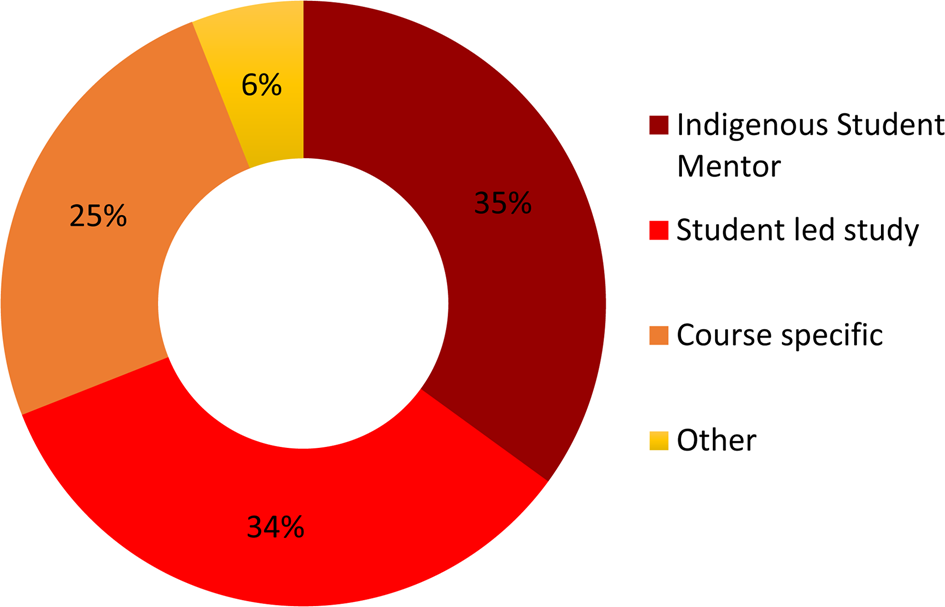
In relation to accessing faculties for support around 40% of students utilised services while almost 60% did not (see figure 10). The main services students were accessing through their faculties included Indigenous Student Mentors and Student led study groups. Interestingly, the main service students were accessing through the broader university was the Writing Centre—a service that provides drop-in academic writing support to university students, this service was closely followed by support provided by the counselling centre (see figures 11 and 12 for descriptive statistics of these data).
Percentage of students who access support provided by faculty.

Use of services provided by faculty.

University services utilised.

Positive experiences with the Aboriginal Education Unit (Wirltu Yarlu)
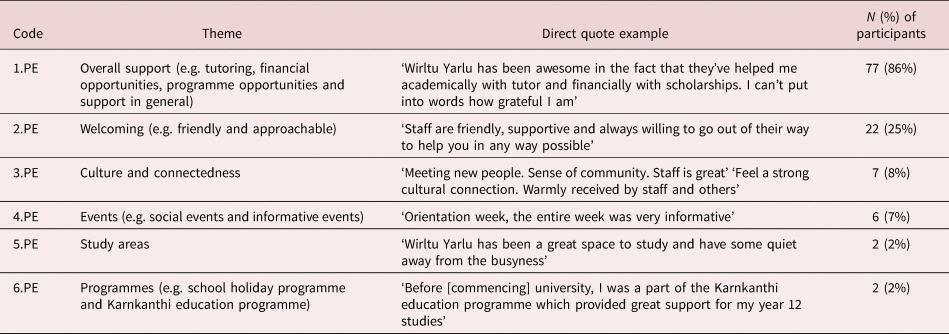
In response to the open-ended survey question, ‘Please describe any positive experiences you have had with Wirltu Yarlu?’, the most frequently identified themes were ‘overall support’ (n = 77) (theme 1.PE) and ‘welcoming’ (n = 22) (theme 2.PE). Overall support consisted of responses related to mentoring/tutoring, financial opportunities, programme opportunities and support in general. Key aspects of mentoring/tutoring that students described as positive were the development of academic skills, assistance on assessments and improvements on grades. Students also felt an ‘ease of financial pressure’ with the availability of scholarships provided through the Unit. Theme 2, ‘welcoming’, referred to the student's experience of staff as being friendly and approachable when assisting students. Some students referred to Wirltu Yarlu as having a strong sense of culture and providing an opportunity to build strong relationships with fellow students and staff members (theme 3.PE). Other students reported having positive experiences at social and informative events as they were able to connect with other students (theme 4.PE). These events included introductory seminars, orientation week and community barbeques. Additional positive experiences were identified, however only by a small portion of students. These included study areas (theme 5.PE) related to dedicated spaces for Indigenous students around the university and broader programmes designed specifically for Indigenous students (theme 6.PE) related to opportunities provided by Wirltu Yarlu prior to university (Table 2).
Content analysis of positive experiences with Wirltu Yarlu (N = 90)

Note: N(%) does not total to 100 as students responses may have been classified under numerous themes.
Negative experiences with the Aboriginal Education Unit (Wirltu Yarlu)
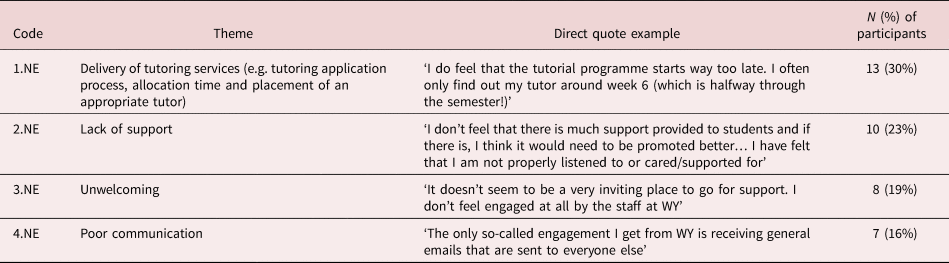
In response to the open-ended survey question, ‘Please describe any negative experiences you have had with Wirltu Yarlu?’, the most frequently identified theme was ‘delivery of mentoring/tutoring services’ (theme 1.NE). This was related to difficulty navigating the online tutoring management system, lengthy allocation time and placements of inappropriate subject tutors. Several students identified a lack of general support provided by the Unit and a lack of general awareness and promotion of support offered by the Unit (theme 2.NE). Additional negative experiences identified by students included unwelcoming (theme 3.NE), which was related to the Unit being a difficult place to approach and not being an inviting place to go. Furthermore, communication (theme 4.NE) was identified as an additional theme related to the Unit displaying a lack of personal/individualised (Table 3).
Content analysis of negative experiences with Wirltu Yarlu (N = 43)

Note: N (%) does not total to 100 as students responses may have been classified under numerous themes.
Improvements suggested by students for the Aboriginal Education Unit (Wirltu Yarlu)
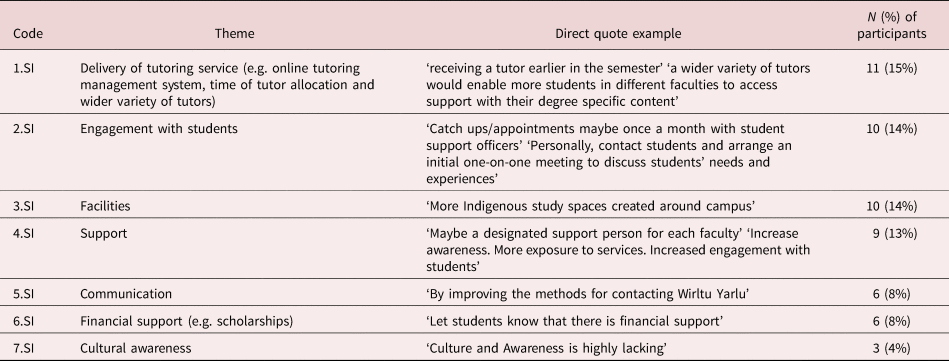
In response to the open-ended survey question, ‘How could support provided by Wirltu Yarlu be improved?’, the most frequently identified themes were delivery of mentoring/tutoring services (theme 1.SI), engagement with students (theme 2.SI), facilities (theme 3.SI) and support (theme 4.SI). Students suggested that the Unit could improve the usability of the mentoring/tutoring management system, reduce the tutor allocation time to earlier in or before the commencement of the semester, and provide tutors across a wider variety of subjects (theme 1.SI). It was also frequently suggested that the Unit should engage with students more regularly and personally by increasing the number of social events, increasing the number of meetings with student support officers, having more student representation in meetings and discussions and increasing direct contact with students as opposed to emails (theme 2.SI). Improvements of facilities was identified by students and related to students' wanting more culturally safe study spaces on the university campus and secure study areas where belongings can be left (theme 3.SI). Students suggested that support could be improved by increasing the amount of general support, increasing the awareness of available support services, locating Wirltu Yarlu support services in more central areas of the university with other student services, designating a specific Wirltu Yarlu support person for each faculty, improving support of mature aged students and improving support of students beyond first year university (theme 4.SI). Improvements in communication from the Unit was suggested by students by sending more focused communication, responding more promptly to student inquires and communicating via phone calls (theme 5.SI). Some students suggested the Unit could improve financial support by providing textbooks, scholarship application support, increasing the awareness of available financial support and cultural awareness (themes 6.SI and 7.SI) (Table 4).
Content analysis of support improvements for Wirltu Yarlu (N = 72)

Note: N (%) does not total to 100 as students responses may have been classified under numerous themes.
Discussion
It has been consistently recognised that providing a quality student experience and ensuring adequate support can positively influence Indigenous students' educational outcomes with relation to success, retention and completions in higher education. If further advances are to be made in addressing the underrepresentation of Indigenous students in higher education, there is still much to do to ensure the support initiatives are effective, targeting the real needs of students, their families and communities (Gore et al., Reference Gore, Patfield, Fray, Holmes, Gruppetta, Lloyd and Heath2017).
With enduring disparities in access, participation, retention and completion of Indigenous students (Behrendt et al., Reference Behrendt, Larkin, Griew and Kelly2012; Bennett et al., Reference Bennett, Naylor, Mellor, Brett, Gore, Harvey, James, Munn, Smith and Whitty2015), it is critical to understand what is needed to achieve and sustain substantially better outcomes. There has been a growing body of literature examining the enablers and barriers within higher education for Indigenous student; however, there is a lack of literature directly relating to the students experience in terms of support (Day and Nolde, Reference Day and Nolde2009). This research therefore aimed to examine Indigenous students' experiences and engagement with support at The University of Adelaide and more specifically with the Aboriginal Education Unit at this university.
Interestingly, students in this study were most satisfied with support provided outside of the university setting, in particular by their families, this was followed by support provided by the Aboriginal Education Unit. Family and community support, and associated commitments have previously been identified as both an enabler and constraint for Indigenous student's enrolled in higher education (Oliver et al., Reference Oliver, Grote, Rochecouste and Dann2015; Gore et al., Reference Gore, Patfield, Fray, Holmes, Gruppetta, Lloyd and Heath2017). Overall, a significantly large number of students were aware of the Unit on campus, with around 70% of students actually accessing the Unit for support, which was considerably more than other support mechanisms including Faculties and broader University services. This highlights the importance of these often-under recognised Units as a strong central pillar of support experienced by students. The primary reasons students were accessing support was for academic and mentoring/tutoring purposes. However, only half of the students actually accessed the tutoring/mentoring services despite a significant number of students reporting it was very beneficial for their academic success. Universities around Australia are provided with federal funding for Indigenous students to receive tuition in the areas of their study (Lydster and Murray, Reference Lydster and Murray2019). The educational literature on supporting Indigenous students frequently points to the important role this supplementary tutoring plays in retention and academic success amongst Indigenous students (Wilks and Wilson, Reference Wilks and Wilson2015). Recent research has highlighted that such tutoring programmes delivered within other Aboriginal Education Units have been viewed by students and tutors alike, as extremely beneficial and a very positive influence on the student experiences of university (Whatman et al., Reference Whatman, Mclaughlin, Willsteed, Tyhuis and Beetson2008; Wilks et al., Reference Wilks, Fleeton and Wilson2017; Nakata et al., Reference Nakata, Nakata, Day and Martin2018). Overall, awareness and ease of accessing these services should therefore be encouraged.
Students provided crucial information through qualitative data around both positive and negative experiences, and overall improvements of services provided by the Aboriginal Education Unit. Interestingly, the mentoring/tutoring programme arose in several identified themes. Similarly to the quantitative findings described above, students qualitative responses described tutoring/mentoring as a very beneficial programme for their academic success. However, students identified organisation factors as inhibiting the overall programme. These were related to lengthy allocation times of mentor/tutor to student and appropriate tutor/student matching. Despite, supporting literature of the importance of this programme, few studies have documented its efficacy in detail or discussed potential solutions to some of these problematic organisation factors that have also been discussed in previous research (Whatman et al., Reference Whatman, Mclaughlin, Willsteed, Tyhuis and Beetson2008). Students also identified a general lack of support and awareness/promotion of the varying support offered by the Unit. Related to this, students suggested that the Unit engage with students more regularly at an individual level particularly with support officers. Therefore, further investigation is needed to identify and evaluate potential strategies to increase support visibility offered by the Unit.
Implications
Overall, there is general agreement that support for Indigenous students is essential for their success, to this end, accurate information that supports their needs must be disseminated more effectively. Moreover, the support provided should consider the whole student life experience in particular support provided from outside of the university. The results obtained from this research offer insights into student's experiences and engagements with support, and the importance of Aboriginal Education Units in doing so. Findings of this study may inform and improve support offered to Indigenous students in an attempt to improve the likelihood of these students continuing and succeeding in higher education. The current study highlights the importance and adds to the growing body of literature evaluating various support services offered to Indigenous Australians by gaining direct experiences from students. To the author's knowledge, few studies similar to this have been undertaken whereby data have been collected in a mixed-method manner.
The research has highlighted the importance students place on support provided by Aboriginal Education Units and as a result this particular unit at The University of Adelaide is developing a number of new strategies to best support students through their services. One of these initiatives is a newly developed Student Success Strategy that aims to ensure targeted and individualised, high-quality support for students by adopting a clear and supportive whole-of-university framework taking into consideration the current findings and ongoing student centred research conducted at Wirltu Yarlu. Furthermore, tuition and mentoring services at the Unit are being offered through a newly developed management system in order to address students’ concerns identified in this study including allocation times and appropriately matched tutors. The overall aim of this ongoing research is to best support students succeed at university and therefore raise retention and completion.
Limitations
Overall, results from this study should be interpreted in the context of several limitations, primarily related to methodology. The cross-sectional nature of the study is a limitation as the interpretation of results is limited to a single time point. A further limitation was related to the survey, which was developed specifically for this study. If this survey is to be utilised in future research, it is suggested that examination and psychometric testing of the survey be undertaken. Additionally, advanced results could have been obtained from the survey if a semantic VAS-type Likert scale had been used in the quantitative components (e.g. in a paper-based implementation, a 10 cm line anchored ‘very unlikely’ and ‘very likely’ could have been used to answer questions posited in the survey). The current study was conducted at one Australian university, and therefore, overall generalisability of the findings is limited. It is acknowledged that support provided by universities and Aboriginal Education Units varies significantly across Australia, and therefore further investigation within varying settings is important.
Despite, the overall response rate being smaller than anticipated, potentially leading to issues in generalisability, it is noted that availability of data in relation to higher education participation of Indigenous students remains a persistent challenge (Drew et al., Reference Drew, Wilks, Wilson and Kennedy2016). In similarly designed studies, response rates have ranged between 28.5 (Oliver et al., Reference Oliver, Grote, Rochecouste and Dann2015) and 33.7% (Hearn et al., Reference Hearn, Benton, Funnell and Marmolejo-Ramos2019). Furthermore, few studies similar to this have been undertaken whereby data have been collected in a mixed-method manner, with majority of research collecting qualitative data. In a large review of the literature of empirical research (n = 57) focusing on the participation of Indigenous students in higher education, the dominant methodology used within the reported publications was qualitative (n = 36), followed by mixed methods (n = 11) and quantitative (n = 10).
Conclusion
The current study provides a greater understanding of Indigenous students' engagement and experience with supports across university, and more specifically with an Aboriginal Education Unit. Overall, by understanding the levels of engagement and listening to student experiences with support services across universities, support that is offered can be enhanced to assist in improving retention and completion rates of Indigenous students in higher education. These findings have relevance to closing the gap between Indigenous and non-Indigenous students by offering knowledge to inform adequate and acceptable support mechanisms and will further inform Indigenous higher education policy and practice.
Madeleine Benton has a PhD in Psychology and also holds a position as a Research Officer at Wirltu Yarlu Aboriginal Education at The University of Adelaide.
Professor Shane Hearn is a Noongar man from Western Australia and is the current Pro Vice-Chancellor Indigenous Engagement and The University of Adelaide.
Fernando Marmolejo-Ramos is a visiting research fellow in the School of Psychology at The University of Adelaide and a research fellow at the Centre for Change and Complexity in Learning at the University of South Australia.