




Introduction
Viral infections continue to be a significant source of morbidity and mortality, as well as a major cause of socioeconomic disruption, across the globe. Respiratory viruses such as influenza and severe acute respiratory syndrome coronavirus-2 (SARS-CoV-2), blood-borne viruses such as hepatitis viruses, and vector-borne viruses such as dengue virus, among others, underscore the ever-present threat of viral infections to global public health (X.-C. Li et al. Reference Li, Zhang and Zhang2024). Notwithstanding the significant progress that has been made in the development of antiviral drugs and vaccines, the effective control of viral infections remains a challenge due to the rapid mutation of viruses, immune evasion mechanisms, lack of therapeutic efficacy in severe infections, and inequitable access to healthcare interventions across the globe (Focosi et al. Reference Focosi, Sullivan and Franchini2025). More importantly, there is a growing body of evidence that suggests that the severity of infection and outcome are not solely dependent on viral replication but also on the host immune response. The role of the host immune system is critical in the clearance of the virus as well as the induction of immune-mediated pathology (Newton et al. Reference Newton, Cardani and Braciale2016). Although a functional innate immune system is crucial in the early recognition and control of the virus, an uncontrolled inflammatory response can lead to an overwhelming cytokine response, tissue injury, and potentially lethal complications such as acute respiratory distress syndrome (Diamond and Kanneganti Reference Diamond and Kanneganti2022). Similarly, the adaptive immune response is crucial in the long-term control of the virus and the induction of immune memory; however, its functionality is strongly dependent on the host physiological and metabolic environment. Among the most important factors that determine the functionality of the immune system, nutritional status has been recognized as a basic yet frequently overlooked determinant of antiviral immunity (H. K. Kim et al. Reference Kim, Park and Han2021). Both macronutrients and micronutrients are essential for the development, signaling, proliferation, and effector functions of the immune cells, and their deficiencies are known to compromise immune surveillance and render the host susceptible to viral infections (Munteanu and Schwartz Reference Munteanu and Schwartz2022). Nutritional immunomodulators, such as vitamins, minerals, fatty acids, amino acids, phytochemicals, and probiotics, have dramatic effects on the regulation of the immune system by modulating antiviral immune responses, regulating inflammation, redox balance, and immune homeostasis. Unlike traditional antiviral drugs that target viral components, nutritional immunomodulators use host-directed approaches, which have a less disruptive effect on immune regulation (Mrityunjaya et al. Reference Mrityunjaya, Pavithra and Neelam2020). Recent experimental and clinical studies have shown promising results for the use of nutritional immunomodulation in the treatment of viral diseases, particularly those that involve high inflammation and immune imbalance. Despite extensive research on individual micronutrients, the field remains fragmented, with limited integration across immune signaling, metabolism, and clinical translation. This review synthesizes nutritional immunomodulation as a systems-level host-directed antiviral strategy, emphasizing mechanistic convergence, clinical heterogeneity, and translational barriers. Other than human viral infections, this article will also focus on recent findings from veterinary/livestock species such as swine, avian, ruminant, and companion animals, where nutritional manipulation of immunity has become a key factor in mounting resistance against viruses, enhancing vaccine efficacy, mucosal immune response, and disease resistance. Special attention will be paid to cross-species variation in gut microbiome, nutrition, and immunity that affects the translation of nutritional approaches from human to non-human systems.
Immune response to viral infections
Immune responses to viral infections are highly coordinated and include rapid innate immune responses followed by adaptive immune responses that are specific to antigens (Varchetta and Marcenaro Reference Varchetta and Marcenaro2025). Rapid recognition of viral pathogens is critical in controlling the replication of viruses. The effectiveness of these immune responses is critical in determining the severity of the disease (Carty et al. Reference Carty, Guy and Bowie2021).
Innate immunity
Innate immunity represents the first line of defense against viral infections and is an essential component in the early control of viral infections. Physical and chemical barriers, such as epithelial surfaces and mucosal fluids, represent the first line of defense that prevents viral entry (Takeuchi and Akira Reference Takeuchi and Akira2009). However, once viruses overcome these barriers, innate immune cells such as macrophages and dendritic cells recognize viral components through pattern recognition receptors such as Toll-like receptors and (retinoic acid-inducible gene I) RIG-I-like receptors (Barthes et al. Reference Barthes, Rousset and Wein2025). This recognition leads to the activation of intracellular signaling pathways, which in turn activate antiviral responses. Natural killer (NK) cells also play a role in the direct killing of virus-infected cells through cytotoxic responses, thus controlling the spread of viral infections in the early stages of infection (R. Chen et al. Reference Chen, Zou and Chen2025b). One of the key characteristics of innate antiviral immunity is the production of type I interferons (IFN-Is), which induce an antiviral state in infected and uninfected cells. IFN-Is induce the transcription of interferon-stimulated genes that encode proteins that inhibit viral replication, stimulate antigen presentation, and activate immune cells (Swiecki and Colonna Reference Swiecki and Colonna2011). At the same time, infected and immune cells produce a variety of cytokines and chemokines that coordinate the activation of immune cells at the site of infection. Although cytokines play a crucial role in antiviral immunity, excessive or prolonged production of cytokines can result in immune dysregulation and tissue damage, underlining the importance of strict regulatory control of innate immunity (Stambas et al. Reference Stambas, Chunni and Tripp2020).
Adaptive immunity
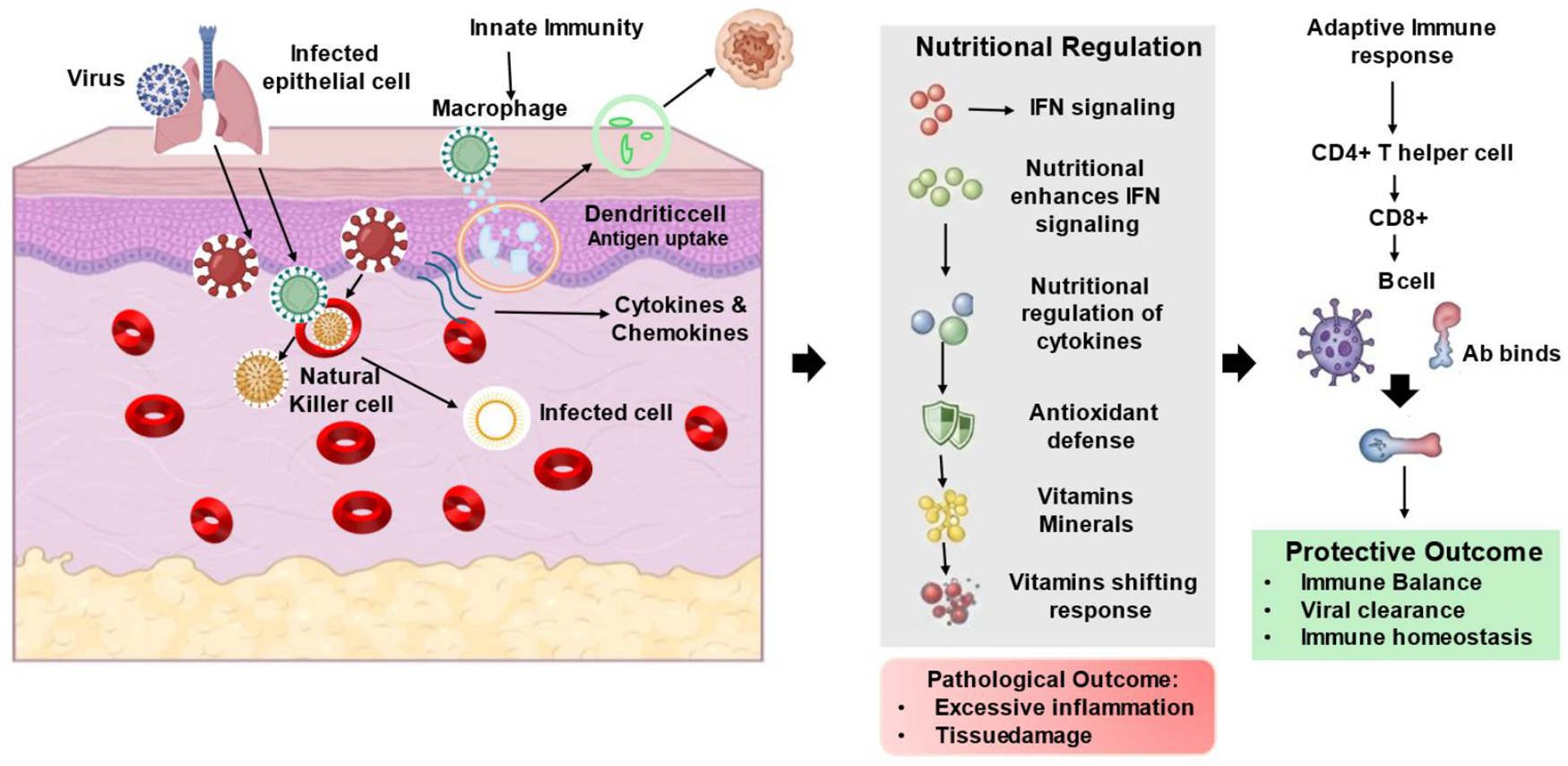
Adaptive immunity offers antigen-specific immunity that is crucial for successful viral clearance, long-term immunity, and immune memory. Following antigen presentation by dendritic cells, CD4+ T helper cells coordinate the immune response by facilitating the activation of cytotoxic T lymphocytes and the differentiation of B cells (Figure 1), whereas CD8+ cytotoxic T lymphocytes directly kill virus-infected cells via the action of perforin and granzymes (Zhang and Sun Reference Zhang and Sun2025). B cells also mediate antiviral immunity by secreting high-affinity neutralizing antibodies that neutralize viruses, mediate opsonization, and facilitate viral clearance (Upasani et al. Reference Upasani, Rodenhuis-Zybert and Cantaert2021). High-affinity antibody responses and isotype switching are major determinants of successful immunity and vaccine responses. After the clearance of infection, some antigen-specific T and B cells differentiate into long-lived memory cells that mediate rapid and potent immune responses upon secondary infection with the same virus (Zinaida et al. Reference Zinaida, Paul and Finn2019). The induction and maintenance of adaptive immune responses are extremely sensitive to nutritional factors. Nutrient deficiencies inhibit lymphocyte proliferation, reduce interferon signaling, decrease antibody production, and disrupt immune memory (Tourkochristou et al. Reference Tourkochristou, Triantos and Mouzaki2021). Furthermore, poor nutritional support can also contribute to exaggerated inflammation, resulting in unsuccessful viral control and tissue damage. These findings emphasize the importance of adaptive immune competence and the role of nutritional factors in modulating antiviral immunity and immune protection.
Host immune response to viral infections and points of nutritional regulation. Host immune responses to viral infections and critical regulatory checkpoints modulated by nutritional immunomodulators. Viral infection triggers innate immunity, such as interferon production and cytokine signaling pathways, followed by activation of adaptive immunity through T and B lymphocytes. Uncontrolled immune activation results in hyperinflammation and tissue injury, whereas controlled immune responses result in viral clearance and the establishment of immune memory. Nutritional immunomodulators modulate various aspects of the immune response by promoting antiviral defense mechanisms and preventing immune pathology.

Figure 1 Long description
Immune response to viral infection, highlighting innate and adaptive immunity, nutritional regulation and outcomes. On the left, a virus infects epithelial cells, triggering innate immunity involving macrophages, dendritic cells, natural killer cells and cytokines. Nutritional regulation in the center includes FN signaling, nutritional effects on cytokines, antioxidants, vitamins and minerals. On the right, adaptive immune response involves CD4+ T helper cells, CD8+ cells and B cells with antibody binding. Protective outcomes include immune balance, viral clearance and homeostasis, while pathological outcomes involve excessive inflammation and tissue damage.
Concept of nutritional immunomodulators
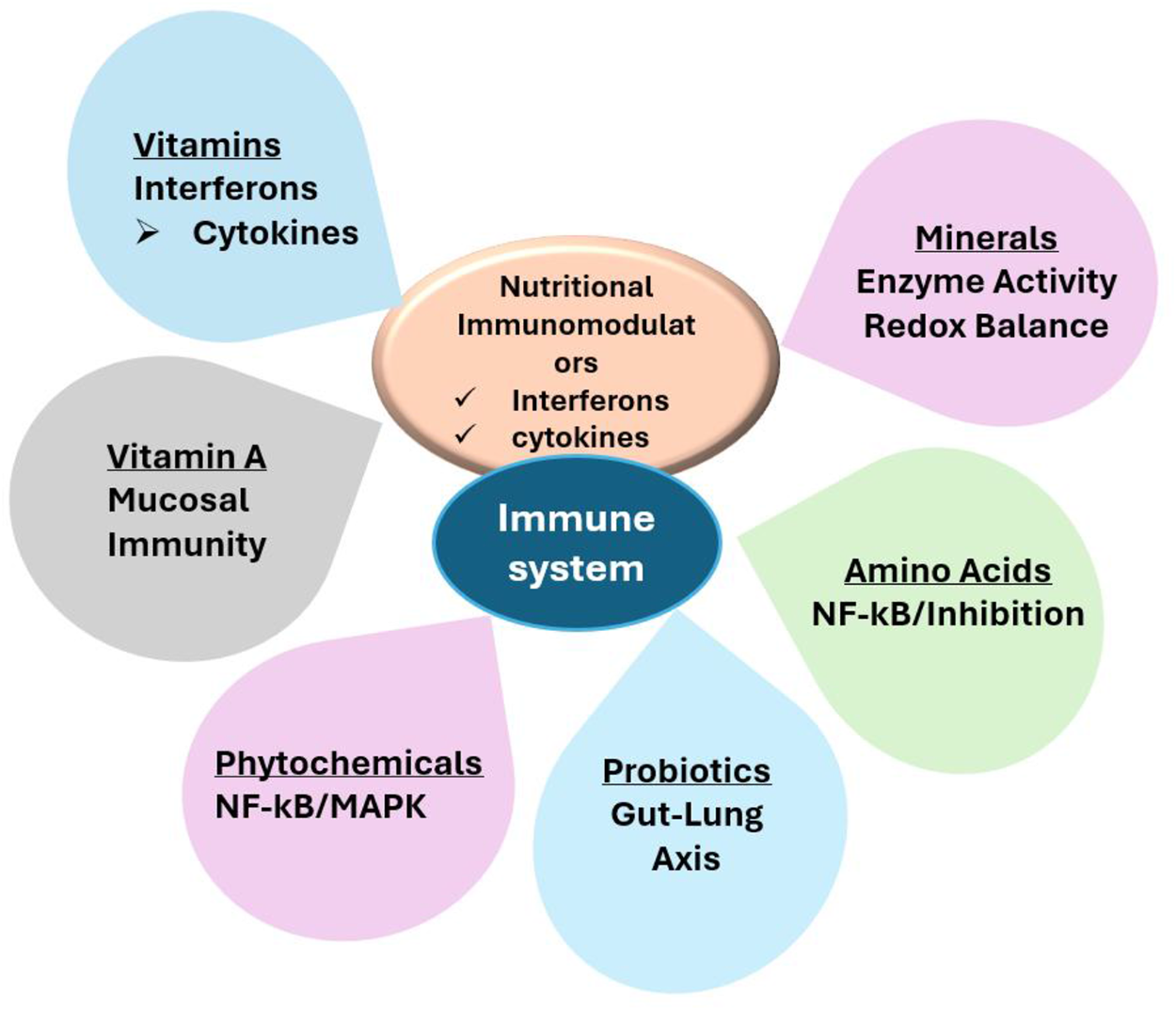
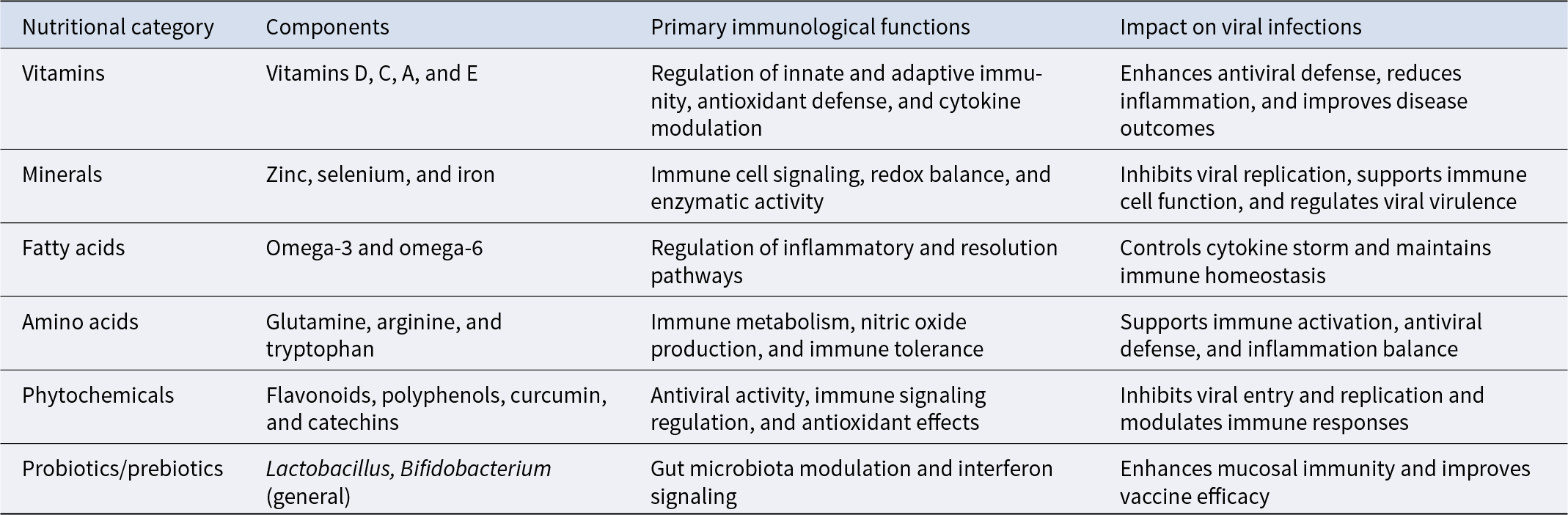
Nutritional immunomodulators are described as nutritional elements that affect the immune system by either promoting beneficial host defenses or inhibiting excessive and harmful immune responses (Figure 2) (Polak et al. Reference Polak, Stępień and Gol2021). These biological compounds modulate the growth, activation, and signaling of the immune cells through various mechanisms, such as the modulation of cytokine production, regulation of the inflammatory response, preservation of redox balance, and regulation of immune cell metabolism (Wu et al. Reference Wu, Lewis and Pae2019). In the context of viral infections, nutritional immunomodulators function mainly as host-targeting agents, which enhance antiviral immunity while maintaining immune homeostasis (Azam et al. Reference Azam, Islam and Wahiduzzaman2023). In contrast to traditional antiviral drugs, which act on viral components or replication mechanisms, nutritional immunomodulators work by carefully modulating the immune system (Medoro et al. Reference Medoro, Davinelli and Colletti2023). They help in the early stages of antiviral immunity, such as interferon responses and NK cell functions, while also facilitating efficient T-cell responses, antibody production, and immune memory (Thirumdas et al. Reference Thirumdas, Kothakota and Pandiselvam2021). Most importantly, these nutrients can also help in the regulation of excessive inflammatory responses, thus preventing the possibility of immunopathological events, such as cytokine storms, which are often seen in severe viral infections (Peter et al. Reference Peter, Sandeep and Rao2021). Nutritional immunomodulators can be generally categorized into several groups depending on their biochemical properties and immunological mechanisms. Vitamins are important for the differentiation of immune cells, mucosal barrier function, and antioxidant mechanisms (Hooda et al. Reference Hooda, Malik and Bhatia2024). Minerals like zinc and selenium are important for immune cell signaling, redox mechanisms, and antiviral enzyme functions. Fatty acids, especially polyunsaturated fatty acids, regulate inflammatory and immune resolution mechanisms (Stefanache et al. Reference Stefanache, Lungu and Butnariu2023). Amino acids are metabolic substrates and signaling molecules that promote immune cell proliferation and effector responses. Phytochemicals, such as flavonoids and polyphenols, have antiviral and anti-inflammatory properties due to multitargeted mechanisms (Castellano and Molinier-Frenkel Reference Castellano and Molinier-Frenkel2020). Finally, probiotics and prebiotics have indirect effects on immune mechanisms through the regulation of gut microbiota and systemic immunity through the gut–immune axis. Collectively, these nutritional immunomodulators represent an integrated system that connects nutritional intake with immune competence, thus underscoring their potential role in viral disease prevention and management as complementary approaches (Table 1).
Classification of nutritional immunomodulators and their immune targets. Main categories of nutritional immunomodulators and their main immune targets. Vitamins, minerals, fatty acids, amino acids, phytochemicals, and probiotics affect antiviral immunity through the regulation of immune signaling pathways, inflammation, redox regulation, immune metabolism, and microbiota–immune system interactions.

Major nutritional immunomodulators and their immunological functions in viral diseases

Vitamins as immunomodulators in viral diseases
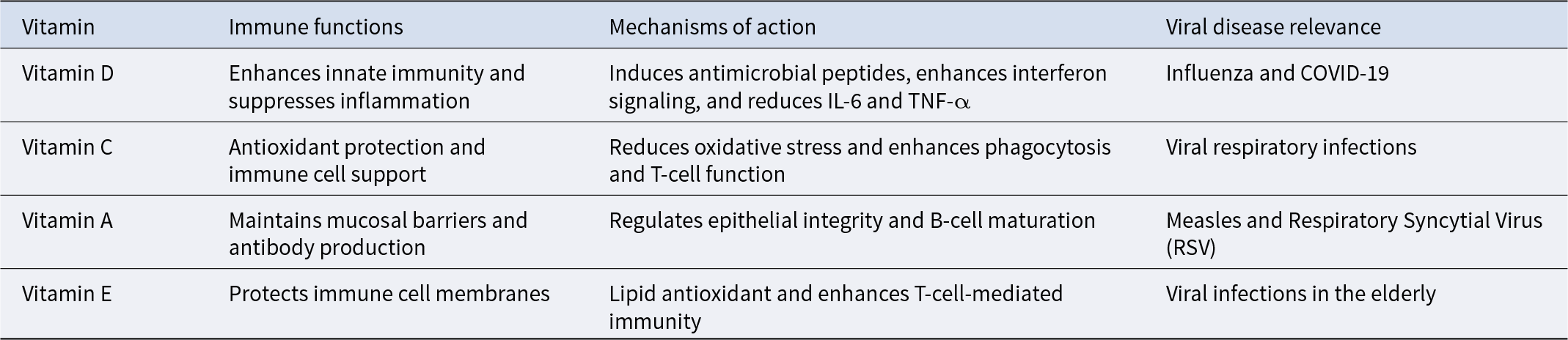
Vitamins have crucial roles in the regulation of immune responses and the maintenance of host resistance against viral infections. Vitamins act as cofactors, antioxidants, and signaling molecules, which modulate the development of immune cells, antiviral signaling pathways, and inflammation (Table 2) (Gombart et al. Reference Gombart, Pierre and Maggini2020). The deficiency of essential vitamins has been consistently linked with susceptibility to viral infections, duration of disease, and severity of disease. Among the different micronutrients, vitamins D, C, A, and E have been widely investigated for their immunomodulatory properties in viral infections (Penkert et al. Reference Penkert, Smith and Hrincius2021).
Vitamins as immunomodulators in viral diseases

Vitamin D
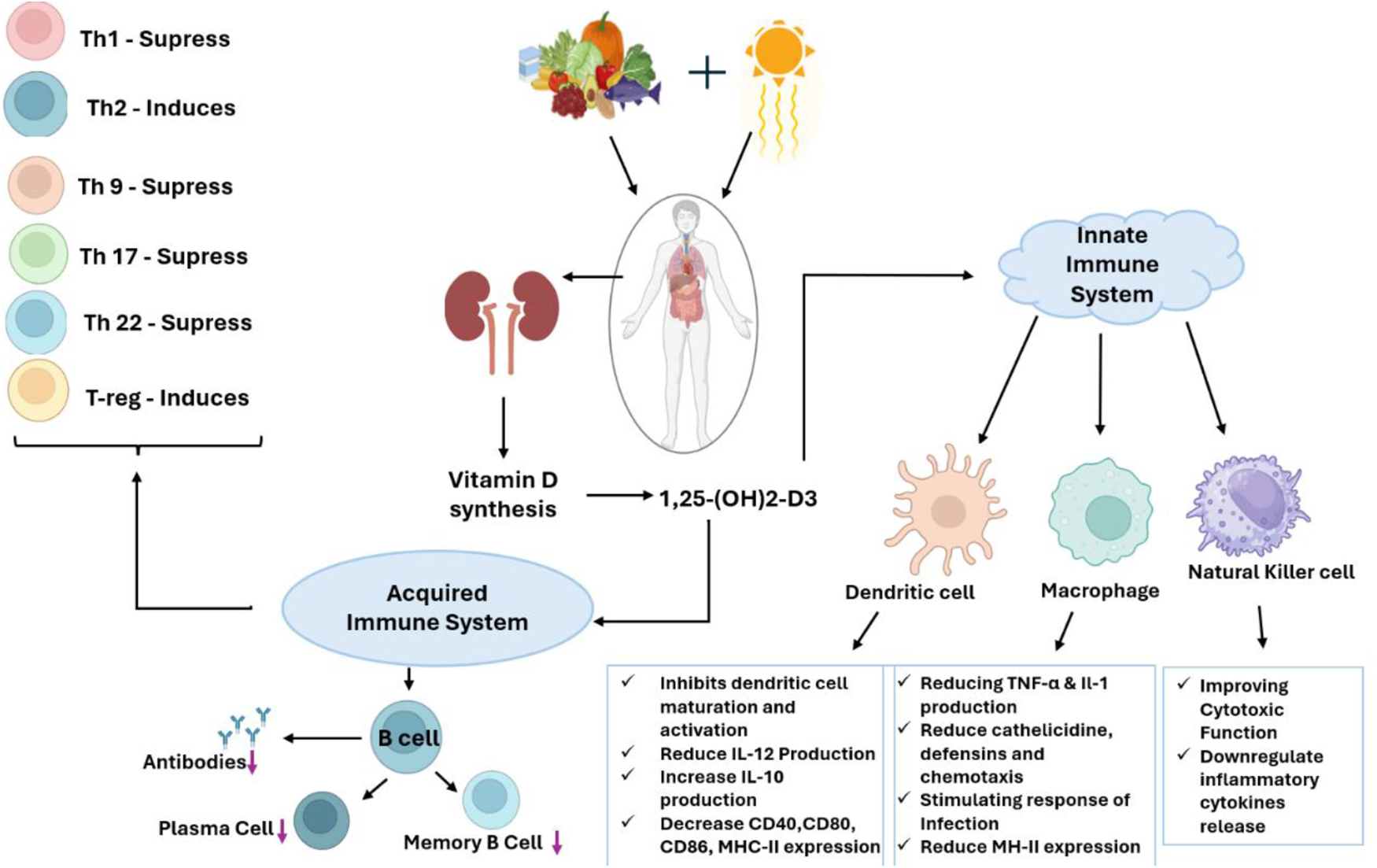
Vitamin D is an important regulator of innate and adaptive immunity and has been identified as one of the most widely researched immunomodulatory agents in viral infections (Khashim Alswailmi et al. Reference Khashim Alswailmi, Shah and Nawaz2021). It stimulates innate immunity by inducing antimicrobial peptides, such as cathelicidins and defensins, which have direct antiviral activity. Vitamin D also stimulates antiviral immunity by regulating pattern recognition receptor signaling and augmenting IFN-I responses, thus inhibiting early viral replication. In addition to its role in augmenting antiviral immunity, vitamin D is an important regulator of immune-mediated inflammation (White Reference White2022). It inhibits excessive pro-inflammatory cytokine production, such as interleukin (IL)-6 and tumor necrosis factor-alpha (TNF-α), thus preventing tissue damage due to cytokine storm. By affecting both innate and adaptive immune responses, vitamin D helps achieve immunological balance while fighting viruses. Clinical and epidemiological studies have demonstrated associations between vitamin D deficiency and increased susceptibility to respiratory viral infections, such as influenza and coronavirus disease 2019 (COVID-19) (Ahmed Reference Ahmed2020). Vitamin D supplementation has been associated with decreased disease severity and improved outcomes, including better regulation of immunity and minimizing inflammatory responses, thus establishing its dual role in stimulating antiviral immunity and maintaining immune homeostasis (Figure 3) (Shah et al. Reference Shah, Varna and Sharma2022).
Effects of vitamin D on the immune system. Vitamin D and 1,25(OH)2D3 regulate the innate immune response. The regulatory effect of this molecule has been demonstrated to influence the innate immune system, including macrophages, dendritic cells, NK cells, and ILCs, so, as a crucial molecule, it has a role in the pathophysiology of many diseases. This vitamin also has a role in the generation of an acquired immune response. (Please see text for further information.) Th, T helper cell; IL, interleukin; IFN-γ, interferon-γ.

Figure 3 Long description
Vitamin D regulates the immune system, highlighting its effects on both innate and acquired immunity. At the top, a combination of fruits, vegetables and sunlight is shown contributing to Vitamin D synthesis, which is indicated by an arrow pointing to a human figure with highlighted kidneys. This leads to the production of 1,25-dihydroxyvitamin D3, which influences both the acquired and innate immune systems. The acquired immune system is depicted with B cells, plasma cells and memory B cells, with arrows indicating the production of antibodies. A box lists effects such as inhibiting dendritic cell maturation, reducing interleukin production and decreasing CD40, CD80, CD86 and MHC-II expression. The innate immune system is represented by dendritic cells, macrophages and natural killer cells, with arrows showing their connection to Vitamin D. Another box details effects like reducing tumor necrosis factor-alpha, enhancing antimicrobial peptide production and improving cytotoxic function. On the left, a legend indicates the suppression or induction effects of Vitamin D on various T helper cells, including Th1, Th2, Th9, Th17, Th22 and T-regulatory cells.
Vitamin C
Vitamin C is a powerful antioxidant that shields immune cells from oxidative damage caused by viral infections. Vitamin C works by reducing oxidative damage caused by reactive oxygen species, thus protecting immune cells (Moore and Khanna Reference Moore and Khanna2023). Vitamin C stimulates the phagocytic function of neutrophils and macrophages, promotes the proliferation and differentiation of T lymphocytes, and helps regulate the inflammatory response. The antioxidant and immunomodulating properties of vitamin C help in developing adaptive immunity against viruses, as well as innate immunity. In viral respiratory infections, oxidative damage and inflammation are major contributing factors to tissue injury and disease progression (Hoang et al. Reference Hoang, Shaw and Fang2020). Vitamin C supplementation has been demonstrated to decrease the severity and duration of illness in viral respiratory infections, especially in individuals with high physiological stress or marginal vitamin C deficiency. It is observed clinically that vitamin C helps in increasing immune resistance and decreases the inflammatory damage caused to tissues by viruses. The role of vitamin C in modulating both innate and adaptive immunity makes it a valuable supportive immunomodulatory agent in the management of viral infections (Holford et al. Reference Holford, Carr and Jovic2020).
Vitamin A
Vitamin A is crucial for the integrity of epithelial and mucosal surfaces, which act as the body’s first line of defense against viral invasion. Vitamin A is also important for the regulation of immune cell differentiation and is a key factor in the development of antibody-mediated immunity (Fujiki et al. Reference Fujiki, Morimoto and Katsuhara2022). Vitamin A is also important for B-cell maturation, immunoglobulin synthesis, and T-cell function, which are important for the development of effective antiviral adaptive immunity. Vitamin A exerts a considerable role in antiviral immune defense via the maintenance of mucosal barriers and the modulation of adaptive immune response. Vitamin A deficiency is closely linked with the severity of viral infections, especially those that involve mucosal surfaces (Yoshii et al. Reference Yoshii, Hosomi and Sawane2019). Vitamin A deficiency has been shown to be a factor in the poor outcomes of viral infections such as measles and respiratory syncytial virus infection, especially in children. There is also evidence from clinical and epidemiological investigations that deficiencies in vitamin A can negatively impact mucosal immunity and enhance susceptibility to serious respiratory viral infections.
Vitamin E
Vitamin E is mainly known for its role as a lipid-soluble antioxidant, protecting the immune cell membranes from oxidative injury during viral infections. Vitamin E helps to ensure the integrity of the immune cell membranes, thus facilitating proper immune cell signaling and function (Lewis et al. Reference Lewis, Meydani and Dayong2019). Vitamin E stimulates T-cell-mediated immunity by increasing the proliferation of lymphocytes and the production of cytokines, especially in older people whose immune systems are likely to be impaired. The action of vitamin E as an antioxidant and immunomodulator helps maintain immune homeostasis and protect against immune dysfunction caused by oxidative stress during viral infections. The antioxidant and immunostimulatory actions of vitamin E make it useful in the prevention of viral infections and the prevention of inflammatory injury (Lee and Han Reference Lee and Han2018). Several clinical studies also indicate that the administration of vitamin E helps boost immune responses and minimize inflammation, especially in older patients with weakened immunity.
Minerals and antiviral immunity
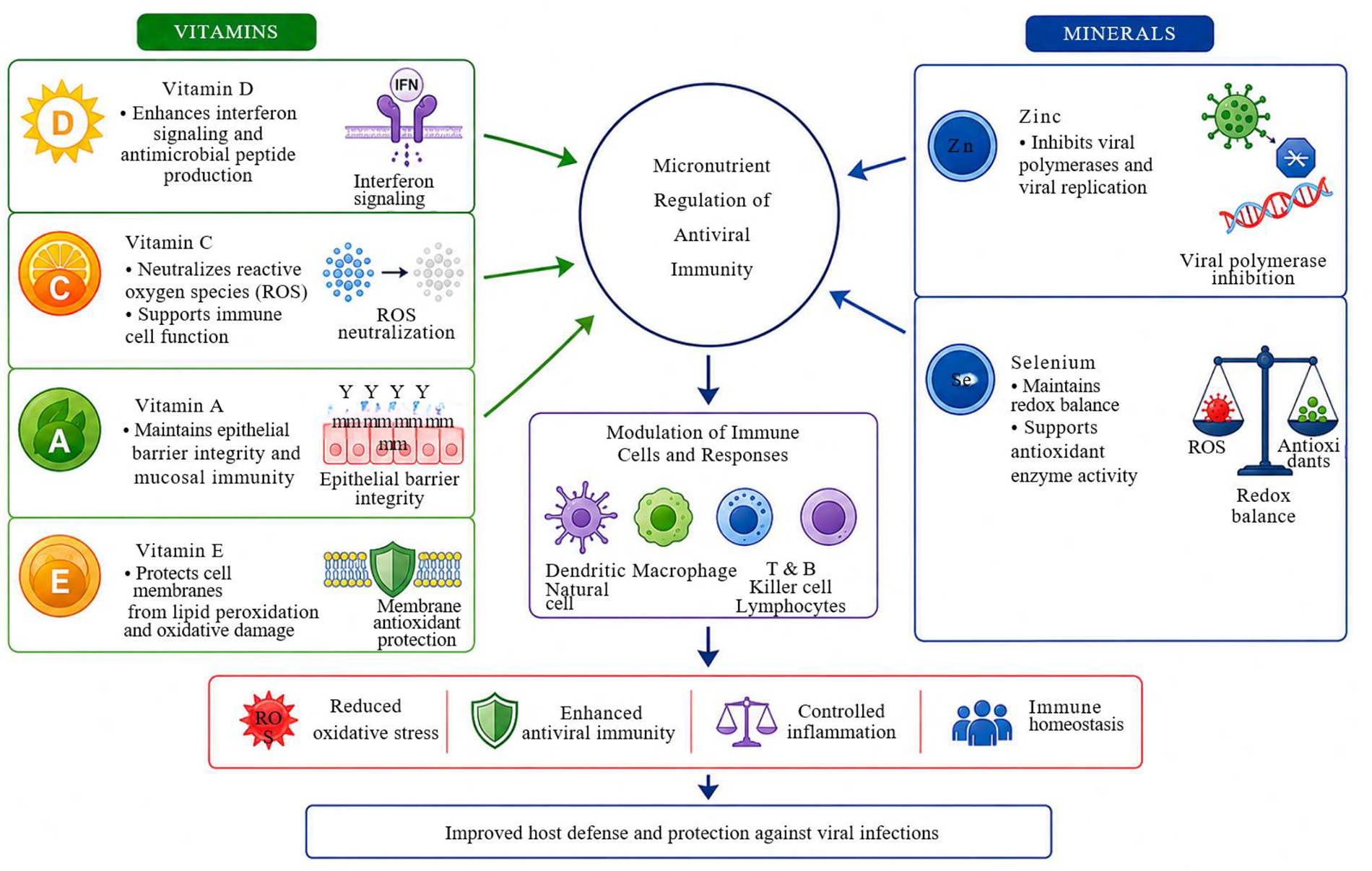
Minerals are vital micronutrients that have important functions in the regulation of the immune system, antiviral mechanisms, and cellular homeostasis. They act as a structural part of immune proteins, a cofactor for enzymes that regulate the immune response, and a redox regulator. Disruptions in the homeostasis of minerals, either through deficiency or toxicity, can greatly affect the susceptibility of the host to viral infections (Figure 4) (Alagawany et al. Reference Alagawany, Attia and Farag2021).
Vitamins and minerals regulating antiviral immune pathways. Immunomodulatory effects of vitamins and minerals in antiviral protection. Vitamins and minerals modulate the innate and adaptive immune systems through the regulation of interferon, cytokines, antioxidant mechanisms, proliferation of immune cells, and viral replication.

Figure 4 Long description
Micronutrient regulation of antiviral immunity is depicted with vitamins and minerals. The vitamins section includes: Vitamin D, which enhances interferon signaling and antimicrobial peptide production; Vitamin C, which neutralizes reactive oxygen species (ROS) and supports immune cell function; Vitamin A, which maintains epithelial barrier integrity and supports immune cell differentiation; Vitamin E, which reduces oxidative stress and supports immune cell membrane integrity. The minerals section includes: Zinc, which inhibits viral replication and supports immune cell function; Selenium, which maintains redox balance and supports immune enzyme activity. The central circle reads: Micronutrient Regulation of Antiviral Immunity. Arrows connect vitamins and minerals to the mediation of immune cells and responses, including dendritic macrophage and killer T and B lymphocytes. Below, benefits are listed: reduced oxidative stress, enhanced antiviral immunity, controlled inflammation and immune homeostasis. The final statement reads: Improved host defense and protection against viral infections.
Zinc
Zinc is a trace element that plays a vital role in antiviral immunity and the development of the immune system. Zinc has a direct antiviral effect, inhibiting viral replication by interfering with viral polymerases, proteases, and other enzymes associated with viral replication, especially in RNA viruses (Marreiro et al. Reference Marreiro, Jayanne Clímaco Cruz and De Oliveira2022). Zinc also helps to stabilize cell membranes and promotes intracellular signaling pathways involved in antiviral mechanisms. In addition to its antiviral properties, zinc is vital for the function of the thymus and the maturation of T cells. Zinc is also important for the proliferation, differentiation, and production of cytokines in lymphocytes (Read et al. Reference Read, Obeid and Ahlenstiel2019). Influence on innate antiviral immunity and adaptive antiviral immunity through the modulation of the interferon pathway, development of immune cells, and the function of antiviral enzymes is made possible by zinc. Zinc deficiency is associated with impaired innate immunity, reduced interferon response, decreased T-cell function, and impaired antibody production, which altogether make one more susceptible to viral infections and increase the duration of the disease. Zinc deficiency has been linked to the incidence and severity of viral respiratory infections (Maywald et al. Reference Maywald, Wessels and Rink2017). Zinc appears to be crucial not only for sustaining immune system competency but also in decreasing vulnerability to respiratory virus infections.
Selenium
Selenium is a major factor in the regulation of redox homeostasis and immune responses through its incorporation into selenoproteins, which protect cells from oxidative damage during viral infections. Sufficient selenium in the body enables the immune system to function properly by reducing oxidative damage and maintaining the integrity of immune cells (Lee et al. Reference Lee, Jang and Baik2025). Selenium is involved in the antioxidative mechanisms and regulation of immunity, both of which are necessary to maintain immune homeostasis and antiviral immune response. Selenium deficiency has been demonstrated to induce instability in the viral genome, resulting in high mutation rates and increased virulence. This has been observed in influenza virus infections, in which selenium-deficient hosts have been shown to have more severe outcomes. Selenium is also a major factor in the regulation of immune responses during chronic viral infections such as HIV, in which selenium deficiency has been linked to rapid progression of the disease and compromised immune function (Q. Liu et al. Reference Liu, Zhao and Jin2021). In fact, other clinical and experimental research indicates that proper selenium status is essential in reducing oxidative stress and boosting immune competence against viruses.
Iron (double-edged sword)
Iron plays a crucial role in the proliferation, differentiation, and metabolism of immune cells. Iron helps in DNA synthesis and energy production in rapidly dividing immune cells, such as lymphocytes and macrophages. Iron plays an important role in maintaining an efficient immune response against viruses through its contribution to the metabolism of immune cells and energy production. Iron deficiency can lead to compromised immune function, resulting in decreased antiviral immunity and susceptibility to infections (Ni et al. Reference Ni, Yuan and Kuang2022). However, iron overload is a major risk factor during viral infections. Several viruses have been shown to use host iron for their replication, and high iron levels can promote viral replication by increasing oxidative stress and tissue damage. Imbalanced iron metabolism has been associated with the severity of several viral infections, and the importance of balanced iron metabolism cannot be overstated during antiviral immunity (Ali et al. Reference Ali, Muhammad and Naqvi2025). Additionally, clinical studies have shown that both iron deficiency and excess iron could negatively impact immune functions and play an important role in viral infections.
Fatty acids and lipid mediators
Fatty acids are known to be important components of the immune cell membrane and precursors of bioactive lipid mediators that control inflammation and immune responses. In viral infections, the ratio of pro-inflammatory to pro-resolving lipid mediators has been shown to play a crucial role in determining the severity of the disease and tissue injury (S. Zhang et al. Reference Zhang, Kebing and Liu2024). Polyunsaturated fatty acids, specifically omega-3 fatty acids, have been identified as important immunomodulatory agents that can modulate inflammatory responses without impairing antiviral immunity (Fenton et al. Reference Fenton, Hord and Ghosh2013).
Omega-3 fatty acids: Omega-3 fatty acids, such as eicosapentaenoic acid and docosahexaenoic acid, have strong anti-inflammatory and immunomodulatory properties in viral infections. Omega-3 fatty acids act by modulating the immune cell membrane and influencing the activation of pro-inflammatory pathways like nuclear factor (NF)-κB (Arnardottir et al. Reference Arnardottir, Pawelzik and Öhlund Wistbacka2021). Consequently, omega-3 fatty acids lower the production of inflammatory cytokines like IL-6 and TNF-α, which are commonly associated with the pathogenesis of severe viral infections and cytokine storm syndrome. Moreover, omega-3 fatty acids not only inhibit the production of inflammatory cytokines but also actively resolve inflammation by producing specialized pro-resolving lipid mediators like resolvins, protectins, and maresins (Lampova et al. Reference Lampova, Doskocil and Kourimska2022). These lipid molecules enhance the clearance of inflammatory cells, restore tissue homeostasis, and prevent chronic inflammation without suppressing antiviral immunity (Z. Li et al. Reference Li, Deng and Yang2026). Via modulating the immune signaling of cytokines and immune resolution of inflammation, omega-3 fatty acids help regulate immune homeostasis and antiviral immunity (Bodur et al. Reference Bodur, Yilmaz and Ağagündüz2025). By modulating cytokine production and immune resolution, omega-3 fatty acids play a pivotal role in maintaining immune homeostasis and preventing adverse outcomes in viral infections associated with hyperinflammation (Hathaway et al. Reference Hathaway, Pandav and Patel2020). There is also evidence from clinical studies as well as experiments indicating the benefits of omega-3 fatty acids in limiting inflammation-induced damage to tissues and improving immune regulation in cases of severe viral infections (Bodur et al. Reference Bodur, Yilmaz and Ağagündüz2025).
Omega-6 fatty acids: Omega-6 fatty acids are critical parts of the immune response and have been shown to play vital roles in cell membrane function, energy production, and the immune response. They are precursors to bioactive lipid mediators, such as prostaglandins and leukotrienes, which play roles in the initiation of the inflammatory response that is required for a successful host defense against invading pathogens (Innes and Calder Reference Innes and Calder2018). However, high levels of omega-6 fatty acids can lead to an imbalance in the immune response, resulting in a pro-inflammatory environment. High levels of lipid mediators derived from omega-6 fatty acids can lead to the production of high levels of inflammatory cytokines and can prolong the inflammatory signal, which can lead to increased immune-mediated tissue damage in viral infections. While omega-6 fatty acids play a key role in the early response of the immune system to infections and are necessary for protection, excess omega-6-driven immune signaling might cause immune imbalance during severe viral infections (R. Xu et al. Reference Xu, Molenaar and Chen2025). A high ratio of omega-6 to omega-3 fatty acids has been linked to increased inflammatory responses and adverse outcomes in diseases that are characterized by an imbalance of the immune response (H. K. Kim et al. Reference Kim, Kang and Go2022a). The optimal balance of omega-6 and omega-3 fatty acids is essential for inflammation regulation and preservation of antiviral immune homeostasis.
Amino acids and immune regulation
Amino acids have pivotal roles in the metabolism, signaling, and effector functions of immune cells, especially during viral infections, where the activation of immunity significantly elevates metabolic demands. In addition to their role as protein precursors, some amino acids have been identified as crucial immunoregulatory molecules that regulate antiviral immunity, inflammation, and immune tolerance (Kanno et al. Reference Kanno, Miyako and Endo2025). Changes in amino acid availability during infection can thus significantly impact immune function and outcomes.
Glutamine is a major metabolic substrate for the rapidly proliferating immune cells, such as lymphocytes and macrophages. It is involved in the synthesis of nucleotides, energy production, and cytokine production, and hence the activation of immune cells during viral infections (J. Li et al. Reference Li, Wang and Deng2023). Depletion of glutamine, which is a common feature of severe infections and inflammation, inhibits the proliferation of lymphocytes, reduces the phagocytic activity of macrophages, and affects the antiviral immune response. Glutamine plays a significant part in the regulation of immune cell metabolism and cytokines, making an important contribution to maintaining adequate antiviral immunity during virus infections.
Arginine has an important role in antiviral immunity because of its role in the production of nitric oxide (Garren et al. Reference Garren, Ashcraft and Qian2021). Nitric oxide produced by activated macrophages has direct antiviral effects because it can inhibit the replication of viruses and the survival of infected cells. Arginine also affects the function of T cells. Low levels of arginine can inhibit the production of nitric oxide (Burrack and Morrison Reference Burrack and Morrison2014). Regulation of the synthesis of nitric oxide and T cells through arginine plays an important role in innate and adaptive immunity for antiviral immune responses. Moreover, studies have revealed that poor arginine metabolism affects the immune system regulation during serious virus infection.
Tryptophan modulates immune responses mainly by its metabolism via the kynurenine pathway. Stimulation of the kynurenine pathway has been shown to modulate immune tolerance and inflammation by regulating T-cell proliferation and cytokine secretion (Ou et al. Reference Ou, Xu and Su2025). In viral infections, imbalanced tryptophan metabolism has been implicated in immune suppression or hyperinflammation. Balanced regulation of tryptophan availability and metabolism is, therefore, crucial for the regulation of immune responses and the prevention of immune dysfunction (A.-Y. Chen et al. Reference Chen, Zhao and Wang2025a). Through regulation of tolerance, inflammation, and T-cell function, tryptophan metabolism is crucial for antiviral immune homeostasis. Collectively, these amino acids emphasize the intimate relationship between immune metabolism and antiviral protection and the significance of sufficient amino acid availability for the support of properly regulated immune responses during viral infections.
Convergent mechanisms of nutritional immunomodulation in antiviral immunity
Although vitamins, minerals, fatty acids, amino acids, phytochemicals, and probiotics are often discussed as distinct categories, growing evidence indicates that their immunological effects converge on a limited set of regulatory checkpoints that shape antiviral defense and immune-mediated pathology. When examined comparatively rather than individually, recurring mechanistic themes become evident, suggesting that nutritional immunomodulation operates through shared biological pathways rather than isolated nutrient-specific actions (Govers et al. Reference Govers, Calder and Savelkoul2022).
One of the most consistent points of convergence is modulation of IFN-I responses, a central component of early antiviral immunity. Vitamin D enhances antimicrobial peptide production and influences pattern recognition receptor signaling, thereby modulating interferon responsiveness. Zinc contributes to the stability of intracellular signaling pathways and supports interferon-mediated antiviral gene expression (Velija et al. Reference Velija, Almira and Tawil Djinan2021). Similarly, phytochemicals, including polyphenols such as resveratrol and flavonoids, have been shown to enhance interferon-stimulated gene activation while simultaneously restraining excessive inflammatory transcriptional programs. Despite differences in their primary biochemical roles, these nutrients appear to converge on a shared outcome: strengthening early antiviral priming while limiting dysregulated downstream inflammation. Notably, clinical benefit is most consistently observed in individuals with baseline deficiencies, suggesting that nutritional interventions may primarily restore impaired interferon competence rather than amplify already optimal antiviral responses (Senrina et al. Reference Senrina, Van Blydenstein and Venter2022).
Another major regulatory node is redox homeostasis. Viral infections are characterized by increased oxidative stress resulting from both viral replication and immune activation. Several nutritional classes – including vitamin C, vitamin E, selenium, polyphenols, and catechins – exert immunomodulatory effects through preservation of redox balance. Redox status influences key immune pathways such as NF-κB activation, cytokine transcription, and immune cell viability. Selenium-dependent selenoproteins limit oxidative damage and may even influence viral mutation rates. Vitamin C protects immune cells from oxidative dysfunction, while phytochemicals modulate intracellular antioxidant signaling pathways (Jayawardena et al. Reference Jayawardena, Sooriyaarachchi and Chourdakis2020). Importantly, these nutrients do not merely function as passive antioxidants; rather, they regulate redox-sensitive immune signaling networks. This convergence highlights redox control as a central checkpoint in antiviral immunity rather than a secondary supportive mechanism. Metabolic adaptation represents another shared axis of regulation. Immune cell activation during viral infection requires rapid metabolic reprogramming. Amino acids such as glutamine and arginine serve as critical substrates for lymphocyte proliferation and macrophage effector functions. Zinc and iron influence enzymatic processes essential for cellular metabolism, whereas fatty acids shape membrane composition and lipid mediator synthesis. Omega-3 fatty acids provide a particularly illustrative example of metabolic–immune integration (SeyedAlinaghi et al. Reference SeyedAlinaghi, Shahidi and Mojdeganlou2024). In addition to reducing pro-inflammatory cytokine production, they generate specialized pro-resolving mediators that actively coordinate the resolution of inflammation without impairing viral clearance. These observations support the emerging field of immunometabolism, which emphasizes that nutrient availability can shape immune cell fate decisions and influence the balance between effector and regulatory responses.
Importantly, nutritional immunomodulators do not simply “boost” immunity. Comparative analysis suggests a more nuanced function: recalibration of inflammatory thresholds rather than indiscriminate immune activation (Zhu et al. Reference Zhu, Zhu and Chu2025). Vitamin D suppresses excessive IL-6 and TNF-α production; omega-3 fatty acids shift lipid mediator profiles toward resolution; flavonoids attenuate NF-κB and mitogen-activated protein kinase (MAPK) signaling; and probiotics influence cytokine networks through microbiome-mediated pathways. This pattern of regulation suggests that nutritional strategies may be particularly relevant in viral diseases characterized by hyperinflammation, where immune dysregulation contributes substantially to pathology (Yaseen et al. Reference Yaseen, Jamshaid and Saif2022).
Maintenance of epithelial and mucosal integrity represents an additional shared mechanism. Vitamin A supports epithelial differentiation and Immunoglobulin A (IgA) production, zinc contributes to barrier stabilization, and probiotics enhance mucosal immune priming via the gut–lung axis. These actions underscore that antiviral defense extends beyond intracellular viral inhibition to include preservation of structural and functional immune barriers. Adequate micronutrient status therefore appears to support a multilayered defense strategy encompassing barrier protection, innate priming, adaptive coordination, and controlled inflammatory resolution (Jayawardena et al. Reference Jayawardena, Sooriyaarachchi and Chourdakis2020). The microbiome further integrates these mechanisms. Probiotics and prebiotics influence immune responses indirectly through microbial metabolites such as short-chain fatty acids (SCFAs), which modulate dendritic cell activity, T-cell differentiation, and interferon responses. Additionally, certain polyphenols interact with gut microbial communities, suggesting crosstalk between dietary phytochemicals and microbial metabolism. Nutritional immunomodulation thus operates not only at the level of individual nutrients but within a dynamic host–microbiome network. Despite these convergent mechanisms, clinical outcomes remain heterogeneous. Effects are often context-dependent, with benefits most apparent in deficient or high-risk populations. The timing of supplementation relative to the infection stage may influence outcomes, and preventive and therapeutic applications likely differ mechanistically (Govers et al. Reference Govers, Calder and Savelkoul2022). Collectively, current evidence supports the view that nutritional immunomodulation functions primarily as restoration of immune homeostasis rather than immune amplification. Recognizing this distinction is critical for trial design, population stratification, and translational implementation. Finally, reductionist approaches that focus on single nutrients may underestimate synergistic or antagonistic interactions within broader nutritional networks. Interactions among vitamins, minerals, fatty acids, amino acids, and microbiota-derived metabolites likely shape immune trajectories in complex and context-dependent ways. Future research should therefore move beyond isolated supplementation paradigms toward systems-based nutritional immunology frameworks capable of capturing these interactions.
Synergistic and antagonistic interactions between nutritional immunomodulators
Immunomodulatory functions of nutraceuticals generally do not arise as solitary events but are mediated via complicated processes involving synergistic and antagonistic actions in metabolic and immune signaling pathways. Evidence continues to mount suggesting that nutrient combinations might exert additive or even cooperative effects on antiviral immunity that surpass the effects of individual nutrients. It thus becomes critical to understand such interactions to develop comprehensive nutritional approaches to virus infections. One such well-known synergy interaction is observed between vitamin D and zinc with regard to antiviral immunity regulation. Vitamin D increases the ability of the epithelium to act as a barrier against viral entry, stimulates the production of peptides capable of fighting viruses, and activates interferon response against viral infection, while zinc maintains the stability of the intracellular antiviral signaling and the gene expression regulated by interferons. Zinc is also needed for the normal functioning of the vitamin D receptor and intracellular signaling processes. Hence, the deficiency in both zinc and vitamin D together can be harmful for the proper antiviral immune response. Another critical relationship is the one between selenium and vitamin E, both of which act together to keep redox equilibrium in check during viral infections. Selenium acts on its selenoprotein enzymes to control oxidative enzyme systems like glutathione peroxidase, while vitamin E protects the membranes of immune cells from lipoperoxidation. Together, these elements act synergistically to lower oxidative stress, increase immune cell survival, and avoid inflammation damage in tissues during severe viral infections. In animal studies, it was also found that supplementing both these elements increased the effectiveness of vaccines against viruses. The interaction between omega-3 fatty acids and probiotics is yet another example of a recent field of integration in immunometabolism. While omega-3 fatty acids contribute to the generation of specialized pro-resolution mediators responsible for resolving inflammation, probiotics impact the composition of gut bacteria as well as the synthesis of SCFAs. Overall, both approaches affect gut–lung axis signaling, dendritic cell activation, mucosal immunity, and systemic inflammation regulation. Notably, nutritional interactions can lead to antagonistic and context-sensitive outcomes as well. Iron administration in excess in the presence of viral infections can induce oxidative stress and increase virus replication, even though iron deficiency is corrected in such cases. Also, excessive consumption of omega-6 fatty acids may cancel out the anti-inflammatory and pro-resolution properties of omega-3 fatty acids by stimulating overproduction of inflammatory eicosanoids. In addition, the excessive use of fat-soluble vitamins might also have an adverse effect on the immune system and become toxic under certain physiological conditions. Nutritional immunomodulators acting from a system-level point of view focus on interconnected regulatory nodes such as the interferon pathway, redox regulation, epithelial barrier function, cytokine regulation, immune metabolism, and immune cell–microbiota interaction. In other words, nutritional immunomodulation is not based on individual pathways but rather works via multi-dimensional interactions within immune cells, metabolic pathways, microbial metabolites, and inflammation mediators. This systemic approach to understanding nutritional immunomodulation can account for the different patient outcomes seen in various populations. Overall, these findings suggest that we should shift our attention from reductionist single-nutrient studies to an integrated network approach of nutrition that can identify synergistic, antagonistic, and context-specific effects of nutrients on antiviral immunity.
Phytochemicals as natural immunomodulators
Phytochemicals are bioactive, non-nutritive plant compounds that have strong immunomodulatory and antiviral effects. Due to their multitarget effects, phytochemicals have gained considerable attention as natural host-targeting agents that can modulate the immune system and directly affect the viral life cycle (Ben-Shabat et al. Reference Ben-Shabat, Yarmolinsky and Porat2020). Unlike traditional antiviral agents that target a single step of the viral life cycle, phytochemicals can modulate multiple steps of viral entry, replication, inflammation, and oxidative damage simultaneously, which makes them highly useful in managing complex viral infections involving immune system dysregulation (Roshni et al. Reference Roshni, Vaishali and Ganesh2022).
Flavonoids, like luteolin and quercetin, are one of the most well-studied types of antiviral phytochemicals because of their broad-spectrum antiviral properties and immunomodulatory effects. Flavonoids demonstrate direct antiviral activity by inhibiting important steps of the viral life cycle (Lu et al. Reference Lu, Zhang and Ren2023). On the level of viral entry, flavonoids can interfere with virus–host receptor interactions by binding to viral surface proteins or host receptors, thus inhibiting viral attachment and entry into the host cell. Moreover, flavonoids inhibit viral replication by blocking the activity of essential viral enzymes, such as viral proteases and RNA-dependent RNA polymerases, thus inhibiting viral genome replication and protein processing (Badshah et al. Reference Badshah, Faisal and Muhammad2021).
In addition to their direct antiviral properties, flavonoids have an important role in modulating the host immune response. They can modulate important intracellular signaling pathways, including the NF-κB and MAPK signaling pathways. Inhibition of these pathways leads to reduced transcription of pro-inflammatory cytokines like IL-6, TNF-α, and IL-1β, which are often upregulated in the setting of severe viral infections. By suppressing excessive inflammatory signaling while maintaining antiviral immune responses, flavonoids have been shown to improve immune homeostasis and prevent tissue damage caused by viral infections. The dual role of flavonoids in suppressing viral entry and replication, as well as in modulating the host inflammatory response, makes them promising natural immunomodulators (Y. Liu and Jiao Reference Liu and Jiao2025). The multitargeted mechanisms of action and safety profiles of flavonoids make them suitable candidates for investigation as adjunct therapies in the prevention and treatment of viral infections.
Polyphenols, such as resveratrol, display antiviral properties due to their ability to target various steps of the viral lifecycle while also modulating the host immune response. Polyphenols have been demonstrated to interact with viral replication by modulating host and viral factors necessary for viral genome replication and protein expression (Burkard et al. Reference Burkard, Piotrowsky and Leischner2025). Resveratrol has been shown to possess the ability to inhibit viral replication in various viral models by suppressing viral transcriptional activity and modulating intracellular signaling pathways necessary for viral replication. Apart from its direct antiviral properties, resveratrol also boosts the host’s antiviral immune response by activating interferon signaling pathways, which play a critical role in the early control of viral replication (Chen et al. Reference Chen, Song and Lixia2022a). The activation of interferon-induced genes also plays a role in the induction of an antiviral state in infected and adjacent cells, thus preventing the spread of the virus. At the same time, resveratrol also has potent anti-inflammatory properties by suppressing the overactivation of immune signaling pathways that are responsible for the production of inflammatory cytokines (Ortega-Prieto and Jimenez-Guardeño Reference Ortega-Prieto and Jimenez-Guardeño2024). This leads to a decrease in the production of pro-inflammatory mediators that are commonly involved in immune-mediated tissue injury during severe viral infections. Another important function of resveratrol is its role in redox balance regulation, where it reduces the oxidative stress caused by viral infection and immune activation (Chen et al. Reference Chen, Song and Zhao2022b). Resveratrol, through its regulation of antioxidant defense pathways and immune signaling, helps to maintain the function of immune cells and protect them from oxidative stress. The antiviral, immunomodulatory, and antioxidant functions of resveratrol and other polyphenols highlight their importance in viral infections and their potential as complementary immunomodulatory therapies in viral diseases.
Curcumin, a bioactive polyphenolic compound extracted from turmeric (Curcuma longa), has strong anti-inflammatory and antioxidant effects, which contribute to its immunomodulatory and antiviral activities. Curcumin acts on the immune system by inhibiting major intracellular signaling pathways, such as the NF-κB and MAPK pathways (Alesci et al. Reference Alesci, Nicosia and Fumia2022, Nicoliche et al. Reference Nicoliche, Bartolomeo and Lemes2024). Inhibition of these pathways results in decreased transcription of pro-inflammatory cytokines like IL-6, TNF-α, and IL-1β, which are often upregulated in the setting of severe viral infections and mediate immune-related tissue damage. Besides modulating inflammatory responses, curcumin also boosts the antioxidant capacity of cells by eliminating reactive oxygen species and inducing the expression of endogenous antioxidant enzymes (M. Liu et al. Reference Liu, Wang and Song2025). This helps to reduce oxidative stress, which preserves the function of immune cells and prevents oxidative damage caused by viral infection and chronic immune activation. By regulating redox balance, curcumin optimizes immune function and prevents excessive inflammation. Curcumin has also been shown to interact with various steps of the viral life cycle (Allegra et al. Reference Allegra, Mirabile and Ettari2022). Experimental studies have indicated that curcumin can prevent viral entry by interfering with the binding of viral surface proteins to host receptors, as well as prevent viral replication by modulating host signaling pathways involved in viral transcription and protein synthesis. By integrating its antiviral, anti-inflammatory, and antioxidant properties, curcumin presents considerable potential as a natural immunomodulator and complementary strategy for managing immune responses during viral infections (Ardebili et al. Reference Ardebili, Pouriayevali and Aleshikh2021).
Catechins, especially those found in high concentrations in green tea, like epigallocatechin gallate (EGCG), have been found to possess strong antiviral and immunomodulatory properties. These compounds have been found to affect the integrity of the viral membrane, thus interfering with the stability of the virus and its ability to bind to and enter the host cells (Dinda et al. Reference Dinda, Dinda and Dinda2023). Moreover, catechins have been found to inhibit the function of viral enzymes, such as proteases and polymerases, which are crucial for viral replication. In this way, catechins have been found to inhibit the replication of the virus at both the early and late stages of the viral life cycle. In addition to their direct antiviral properties, catechins play roles in immune regulation through the promotion of cellular antioxidant mechanisms and the reduction of oxidative stress induced by viral infection and immune activation (Mhatre et al. Reference Mhatre, Gurav and Shah2021). By neutralizing reactive oxygen species and increasing the expression of cellular antioxidant mechanisms, catechins help to maintain the viability and function of immune cells during inflammation. In addition, catechins modulate inflammatory signaling pathways, such as the NF-κB and MAPK pathways, resulting in the suppression of pro-inflammatory cytokine production. By simultaneously regulating viral replication, oxidative stress, and inflammation, catechins help to maintain immune homeostasis and prevent immune-mediated tissue damage during viral infections (J. M. Kim and Heo Reference Kim and Heo2022). The multitarget pharmacological properties of catechins emphasize their potential as natural immunomodulators and complementary therapies in the treatment of viral infections (J. Xu et al. Reference Xu, Zhao and Zheng2017).
Phytochemicals have been shown to work together in modulating antiviral immunity by inhibiting viral entry and replication, regulating inflammatory signaling pathways, and reducing oxidative stress (Table 3). The broad-spectrum mechanisms and good safety profiles of phytochemicals make them promising natural immunomodulators that can be used in the management of viral infections (Table 4) (Chojnacka et al. Reference Chojnacka, Skrzypczak and Izydorczyk2021).
Synergistic and antagonistic interactions between nutritional immunomodulators in antiviral immunity

Phytochemicals as natural antiviral immunomodulators

Gut microbiota, probiotics, and viral immunity
The gut microbiota is a key factor in the regulation of systemic immune responses and immune homeostasis. There is growing evidence that the intestinal microbial flora affects the susceptibility of the host to viral infections not only in the gastrointestinal tract but also in other mucosal surfaces, such as the respiratory system (Yuhao et al. Reference Yuhao, Wu and Huntington2020). This two-way interaction between the gut and the lungs, known as the gut–lung axis, allows microbial-derived factors to modulate immune responses in the respiratory tract, thus affecting the outcome of viral respiratory infections. By producing microbial metabolites, such as SCFAs, the gut microbiota regulates the development and function of innate and adaptive immune cells, such as macrophages, dendritic cells, and T lymphocytes (Yoo et al. Reference Yoo, Groer and Dutra2020). One of the major mediators of the immune conversation between the gut and lung is microbial metabolites such as SCFAs, tryptophan metabolites, and secondary bile acids. These metabolites play the role of signal molecules by connecting the microbiota of the intestines to the regulation of immunity both systemically and locally in the lungs. SCFAs like acetate, propionate, and butyrate are produced due to microbial fermentation of dietary fibers in the intestine. SCFAs regulate antiviral responses of the respiratory tract using different approaches, such as improving epithelial barrier function, regulating dendritic cells’ maturation, promoting regulatory T-cell differentiation, and regulating macrophages’ inflammatory response. In addition, SCFAs have an effect on IFN-I signaling pathways and antiviral cytokines, leading to improved early recognition of viruses and decreased inflammatory response of the lungs to respiratory viral infection. Research has shown that SCFAs are able to increase antiviral defense against influenza by increasing the proper function of innate immunity without causing an inflammatory response related to lung damage. Microbial metabolites derived from tryptophan have also been shown to have significant immunoregulatory functions within the gut–lung axis. Intestinal microbes break down tryptophan into indoles, which activate aryl hydrocarbon receptors to signal immune and epithelial cell processes. These signaling pathways promote the stability of mucosal barriers, cytokine production, and antiviral immune responses. In addition, tryptophan metabolites also affect the differentiation of regulatory T cells and innate lymphoid cells (ILCs), thus playing a part in immune tolerance and inflammatory responses during viral respiratory infections. Disrupted tryptophan metabolism is linked with immune imbalance and hyper-inflammation in severe viral infections. Furthermore, secondary metabolites resulting from microbial metabolism are also instrumental in systemic immune control, affecting macrophages, inflammatory pathways, and T cells. Bile acid signaling is known to affect nuclear receptors and transcription factors controlling cytokines and antiviral immune responses. By this mechanism, bacterial bile acid metabolic function plays an essential role in maintaining immune homeostasis during viral infection. Overall, microbial metabolites form a cascade that links gut microbial composition with immune programming and antiviral activity of the respiratory system. Any change in gut microbial diversity or their metabolites can lead to dysfunction in the interferon response, mucosal immunity, and increased vulnerability to respiratory virus infections. This is especially true when considering zoonotic respiratory viruses like influenza viruses and coronavirus, which have significant morbidity and mortality associated with excessive inflammation and immune dysfunction. New data indicate that altering microbial metabolites through probiotic treatment, prebiotics, dietary fiber, and nutritional intervention can be used as a potent strategy against zoonotic respiratory viruses. These microbial metabolites increase antiviral immunity by promoting interferon signaling and improving antigen presentation, both of which are essential for the early recognition and control of viral infections. An imbalance of the gut microbial flora, or gut dysbiosis, has been linked to impaired interferon responses, exaggerated inflammation, and increased susceptibility to viral infections. Probiotics, which are live microorganisms that provide a health benefit to the host when administered in adequate amounts, have been identified as significant modulators of antiviral immunity (Alwin and Karst Reference Alwin and Karst2021). Probiotic treatment has been demonstrated to improve IFN-I production and the expression of interferon-stimulated genes, thus improving innate antiviral immunity. Moreover, probiotics modulate inflammatory signaling, thus improving cytokine production and minimizing immune-mediated tissue injury in the course of infection. Apart from their role in innate immunity, probiotics also modulate adaptive immunity by improving B-cell function, antibody production, and T-cell activity (Amrouche and Chikindas Reference Amrouche and Chikindas2022). Various studies have demonstrated that probiotic treatment improves the efficacy of vaccines by improving seroconversion and antibody production after vaccination. This is particularly important in the context of viral vaccines, which require the induction of strong and lasting immune memory for long-term protection. From a clinical perspective, the use of probiotics has been linked to a decreased incidence, duration, and severity of viral respiratory infections such as influenza and other upper respiratory tract infections (Kanauchi et al. Reference Kanauchi, Low and Jounai2023). Through the enhancement of mucosal immunity, interferon production, and the regulation of inflammation by the gut–lung axis, probiotics have been shown to improve host resistance to viral infections. Taken together, the above evidence points to the importance of the gut microbiota and probiotics in nutritional immunomodulation for their potential in antiviral immunity (Gutierrez-Merino et al. Reference Gutierrez-Merino, Isla and Combes2020).
Cross-species perspectives in nutritional immunomodulation
While the majority of research about the mechanisms involved in nutritional immunomodulation has come from the study of humans, there is growing evidence that nutrition can play just as significant a role in the development of antiviral immunity in livestock and companion animals. Nutrition has a large impact on viral resistance, vaccine reactions, mucosal immunity, and inflammatory responses across the spectrum of different species. However, considerable differences between species occur in regard to the metabolism of nutrients, gut flora, and other factors involved in antiviral immunity. Nutritional immunomodulation research has extensively studied Porcine Reproductive and Respiratory Syndrome Virus (PRRSV) and Simian immunodeficiency virus (SIV) in swine husbandry. PRRSV infection involves delayed interferon response, dysregulation of immune system function, and chronic inflammation. Selenium and zinc are known to provide effective antioxidant defense functions as well as enhance interferon-induced antiviral protection in PRRSV-infected animals. Another important nutritional element found to be capable of regulating inflammatory cytokine response and providing protective effects against lung inflammation caused by respiratory viral infection is omega-3 fatty acids. Finally, probiotic feeding of Lactobacillus strains in swine has been documented to positively influence gut microbiota and confer protection from respiratory viral infections. Nutritional immunomodulation in poultry has been extensively researched for both Newcastle disease virus (NDV) infection and avian influenza infection. The addition of vitamin E and selenium greatly improves the antibody responses after NDV vaccination through improved lymphocyte proliferation and antioxidant activity. Zinc is also an important factor in the immune system function of broilers during viral infections. Chickens have specialized gut-associated lymphoid tissues and different intestinal microecosystems, which make the microbiota balance in the intestines vital for viral immune response regulation. Therefore, probiotics and prebiotics are more frequently added to the poultry diet to enhance immune functions against viruses. Ruminant animals add more complexity to nutritional approaches due to the role of rumen microbial population in affecting nutrient utilization and immune functions. Selenium, copper, and zinc deficiencies in cattle have been linked to poor antiviral immune responses and lack of vaccine efficacy. Therefore, nutritional approaches aimed at rumen microbial stabilization and antioxidants are considered promising ways to support the immune response in combating bovine respiratory virus infections and stress-induced immunosuppression. Nutrition-related immune responses are seen in pets like dogs and cats, as well. Omega-3 fats, antioxidants, and probiotics can help control inflammatory reactions in these animal species and maintain their gut flora health during viral infections. Lipid metabolism and intestinal microflora differ in companion animals, leading to species-specific antiviral immune responses. Comparisons across different species demonstrate additional distinctions related to the gut–lung axis and metabolic mechanisms. While humans have a variety of microorganisms inhabiting the gut, determined by their diet and environment, livestock animals display microbes that depend on dietary components, farming intensity, and digestive system anatomy. The poultry industry utilizes microbes inhabiting a specialized region of the digestive system and having a shorter transit time compared to humans, whereas ruminant species depend mainly on rumen fermentation by microbes. All these differences have a significant effect on the products of microbial metabolism, SCFA signals, mucosal immunity, and antiviral immune response. Notably, nutritional immunomodulation approaches have been incorporated into livestock production as a viable way of improving disease resistance and minimizing dependence on antibiotic drugs. Nutritional supplements such as probiotics, phytochemicals, organic selenium, omega-3 fatty acids, and vitamins are extensively studied due to their potential in boosting immunity, increasing response to vaccines, promoting optimal growth and development, and enhancing resistance against viral pathogens. This approach is especially useful in confined farm settings, where viral infections may result in substantial financial losses as well as welfare issues. Taken together, these observations highlight the conservation yet marked species-specificity of nutritional immunomodulation as an important controller of antiviral immunity. Thus, knowledge of species-specific nutritional physiology, microbiome composition, and immunological signal transduction pathways is key to devising precision nutrition protocols relevant to human and animal health.
Challenges and limitations
Despite the increasing body of evidence that validates the use of nutritional immunomodulators in viral disease treatment, there are some challenges and limitations that impede their effective clinical application. One of the major challenges is the absence of standardized dosage regimens. Nutritional needs are highly variable depending on age, sex, physiological condition, initial nutritional status, genetic predisposition, and disease severity (Dalimunthe et al. Reference Dalimunthe, Tan and Felice Chrismary2026). Most clinical trials have employed diverse doses and formulations, making it challenging to determine the optimal levels of intake or to compare treatment outcomes across trials. Another major limitation is associated with bioavailability and nutritional composition. The absorption, distribution, metabolism, and utilization of nutrients can be highly variable depending on their chemical composition, carrier matrix, and interactions with other nutritional components (Nicoliche et al. Reference Nicoliche, Bartolomeo and Lemes2024). For instance, fat-soluble vitamins and polyphenols have been shown to have poor bioavailability, which can impede their immunomodulatory potential despite promising in vitro data. Another challenge posed by population heterogeneity is in the interpretation of clinical evidence. Variations in underlying nutritional status, presence of comorbidities, immune status, and risk of exposure make it difficult to obtain consistent results from observational studies and randomized controlled trials (Yaseen et al. Reference Yaseen, Jamshaid and Saif2022). In some instances, the benefits of supplementation may be more apparent in populations with pre-existing deficiencies in nutrients, whereas populations with adequate nutritional status may demonstrate little to no effect. This makes it difficult to generalize results to the larger population. Additionally, the point and duration of nutritional intervention in relation to exposure to the virus and the progression of disease can be unclear in most studies (H.-K. Kim et al. Reference Kim, Park and Han2021). This is particularly true when it comes to the distinction between preventive, early therapeutic, and late-stage treatments during severe infection. The immunological effects of nutritional immunomodulators may vary greatly depending on the point of administration, but this has not been adequately investigated in clinical studies. The potential risks of over-supplementation must also be taken into consideration (SeyedAlinaghi et al. Reference SeyedAlinaghi, Shahidi and Mojdeganlou2024). Over-supplementation of certain vitamins, such as iron, vitamin A, or fat-soluble vitamins, could result in immune dysregulation, oxidative damage, or increased viral replication. However, the outcomes of safety are frequently under-reported in clinical trials, making it difficult to establish a safe upper limit for therapeutic use. Finally, many of the existing clinical trials are conducted on single-nutrient therapies, whereas the immune system is regulated by complex interactions of nutrient networks (Jayawardena et al. Reference Jayawardena, Sooriyaarachchi and Chourdakis2020). This simplification may neglect interactions between nutrients, such as synergistic or antagonistic interactions. Furthermore, the clinical end points of viral load, immune parameters, and clinical severity are not standardized across studies, making it even more difficult to compare studies. Taken together, these factors underscore the need for well-designed, large-scale clinical trials that are mechanistically based and include standardized dosing, bioavailability, immune phenotyping, and safety analysis (J. H. Kim et al. Reference Kim, Kang and Go2022a). Overcoming these issues is crucial for the development of nutritional immunomodulation from a supportive care modality to an evidence-based approach for viral disease management.
Future perspectives
The growing knowledge of immunology, metabolism, and host–pathogen interactions offers new avenues for the advancement of nutritional immunomodulation as a strategic tool in viral disease control. Future studies should focus on the development of precision nutrition strategies that go beyond the current supplementation paradigm and take into consideration individual differences in immune phenotypes, genetic makeup, metabolic conditions, and microbiome composition. The integration of nutrigenomics and immunophenomics with nutritional therapies may provide new avenues for the identification of individuals who would most benefit from personalized nutritional therapies. The development of systems immunology and multi-omics platforms is anticipated to play a crucial role in the dissection of the intricate networks by which nutrients modulate antiviral immunity. Transcriptomic, metabolomic, and microbiome analyses may offer novel mechanistic insights into how nutritional immunomodulators modulate interferon, inflammation, immune metabolism, and redox homeostasis during viral infections. The use of nutritional immunomodulators as complementary therapies for antiviral medications and vaccines is another promising area. Nutritional approaches that can boost innate immune priming, aid adaptive immune memory, and modulate post-vaccination inflammation could potentially improve the safety, efficacy, and durability of vaccines. This is especially important for high-risk groups such as older individuals, those with chronic conditions, and immunocompromised patients, who have been shown to have poor responses to vaccines. Another area that should be investigated in the future is the use of functional foods and bioactive dietary preparations that can provide immunomodulatory nutrients with improved bioavailability and synergistic interactions. Breakthroughs in formulation technology, such as nano-delivery systems and microbiome-directed therapies, could potentially address existing issues of nutrient absorption and stability. From a public health point of view, nutritional immunomodulation has great potential in pandemic preparedness and immune system resilience. The integration of evidence-based nutritional approaches into public health strategies may enhance overall immune system competency in the population, making them less susceptible to viral infections. Notably, nutritional approaches can be implemented as a cost-effective and adaptable strategy to complement conventional medical practices, especially in developing countries. Taken together, these future directions emphasize the importance of interdisciplinarity in immunology, nutrition, and public health. By converging mechanistic research with clinical and public health strategies, nutritional immunomodulation can progress from a complementary strategy to a fundamental part of a comprehensive antiviral disease management strategy.
Conclusion
Viral infections remain a major challenge to global health, and there is an urgent need for complementary approaches that go beyond the conventional antiviral therapies and vaccines. There is accumulating evidence that the severity of disease and outcome are highly dependent on the quality and regulation of the host immune response. In this regard, nutritional immunomodulators have become important host factors that play a critical role in antiviral immunity through modulation of central immune pathways that control viral recognition, immune activation, inflammation, and immune resolution. This review focuses on the diverse roles of vitamins, minerals, fatty acids, amino acids, phytochemicals, and probiotics in modulating both innate and adaptive immune responses during viral infections. Notably, recent studies on livestock and companion animals have also revealed that nutrition-based immunomodulation is a conserved but species-specific pathway that affects the immunity against viruses, vaccine efficacy, and resistance to diseases. Rather than simply potentiating immune activation, these nutritional components modulate immune function by enhancing antiviral immunity while preventing excessive inflammation and immune-mediated tissue damage. Their capacity to modulate interferon responses, cytokine production, redox regulation, immune metabolism, and microbiome-immune interactions highlights their potential as host-directed immunomodulatory agents. Although there is clinical evidence supporting the positive impact of nutritional immunomodulation on viral disease management, the differences in study design, dosing regimens, bioavailability, and population variability underscore the need for standardized clinical practice. Overcoming these challenges through precision nutrition, integrated immunological analysis, and well-designed clinical studies will be critical for the successful translation of nutritional strategies into clinical practice. In summary, nutritional immunomodulation is a promising, feasible, and biologically valid strategy for improving immune resilience against viral infections. The strategic integration of nutritional concepts into antiviral therapy, vaccination, and public health policy has the potential to make a significant impact on disease outcomes and preparedness for future viral pandemics.
Data Availability Statement
All data mentioned are available from the original source papers cited within this review.
Author Contributions
K., A.P., and S.M. conceived and scoped the review, determined the key focal points, and proposed the review structure. R.Y. prepared the figures and tables. A.P. and S.M. wrote and reviewed the manuscript. K. and A.P. contributed equally to this work.
Funding Statement
The authors reported that there is no funding associated with the work featured in this article.
Conflict(s) of Interest
The authors declare no competing interests.
Ethical Standards
No ethical approval was required.



 Open access

