Introduction
In recent decades, advancements by the National Aeronautics and Space Administration (NASA; Washington, DC USA) and its international partners have allowed for the continuous human habitation of the International Space Station (ISS). The health and safety of astronauts and cosmonauts during the ISS program has been exemplary. There has been no medical evacuation, fatality, or long-term sequelae from a treatable medical or traumatic injury. This was made possible by strict astronaut medical selection and mission safety standards. These standards were first implemented during early missions into space when the on-board medical capabilities were primitive and focused on treating minor medical conditions commonly encountered during spaceflight, such as nausea, vertigo, or insomnia.Reference Barratt and Pool 1 Due to limitations in mass and volume, crew medical training, mission duration, and poor prognosis if a severe medical event did take place, provision of critical care and resuscitation abilities was not practical.
As missions lengthen and cumulative man-years in space increase, the risk of an unpredictable medical or traumatic incident rises. Thus, NASA and international partner agencies undergo rigorous evaluation of risk, safety, and cost effectiveness to balance mission requirements with available resources. However, there is a paucity of publicly available research and on-orbit technology dedicated to resuscitation and medical evacuation, due in part to the safety record of the ISS program. Given terrestrial advancements in emergency and austere care, as well as the potential for an increase in human presence in low Earth orbit (LEO) due to commercial spaceflight, it may be timely to re-visit the available capabilities and challenges of providing emergency care during medical evacuation.
In this systematic review, the pertinent literature regarding the past, present, and future of medical evacuation from LEO is contextualized and analyzed. The unique physiologic and technical challenges of prehospital care in space are also discussed, with a focus on situations where resuscitation and medical evacuation would be required, rather than on low-acuity interventions or maintenance health care. This discussion of higher acuity situations pushes the boundaries of today’s capabilities and lays a foundation for advancements in the decades to come.
Methods
All human studies, case series, case reports, or reviews were considered in the literature search. Data were abstracted systematically from a query of PubMed (National Center for Biotechnology Information, National Institutes of Health; Bethesda, Maryland USA); Web of Science (Thomson Reuters; New York, New York USA); Google Scholar (Google Inc.; Mountain View, California USA); NASA Technical Server (NASA Langley Research Center; Hampton, Virginia USA); and Defense Technical Information Center (Fort Belvoir, Virginia USA) from inception to August 2018. The Preferred Reporting Items for Systematic Reviews and Meta-Analyses (PRISMA) guidelines were followed.Reference Moher, Shamseer and Clarke 2 Studies published in a language other than English without available translation and articles not specifically addressing critical care and resuscitation during evacuation from LEO were discarded. The search strategy included free-text words (TW) and controlled vocabulary terms using medical subject headings (MeSH) for these topics, their synonyms, abbreviations, and alternate spellings. The search string included: (“Life Support Systems”[Mesh] OR “Space Flight”[Mesh] OR “Astronauts”[Mesh] OR “Spacecraft”[Mesh] OR “Weightlessness”[Mesh] OR “Weightlessness Simulation”[Mesh]) AND (“Trauma”[TW] OR “Injury”[TW] OR “Ambulance”[TW] OR “Emergency”[TW] OR “Evacuation”[TW] or “Surgery”[TW]).
References in each selected publication were also carefully screened for any additional reports having relevance. All references are cited in appropriate context. A grey literature search was also performed using OpenGrey (INIST-CNRS – Institut de l’Information Scientifique et Technique; Paris, France) and Google. All four authors were independently involved in the search process and in the review of the identified articles. Articles were graded using the Oxford Centre for Evidence-Based Medicine (CEBM) levels of evidence. 3 These levels are defined as: I = properly powered and conducted randomized clinical trial, systematic review, or meta-analysis; II = well-designed controlled trial without randomization, prospective comparative cohort; III = case-control studies, retrospective cohort studies; IV = case series with or without intervention, cross-sectional studies; and V = opinion of authorities, case reports.
Results
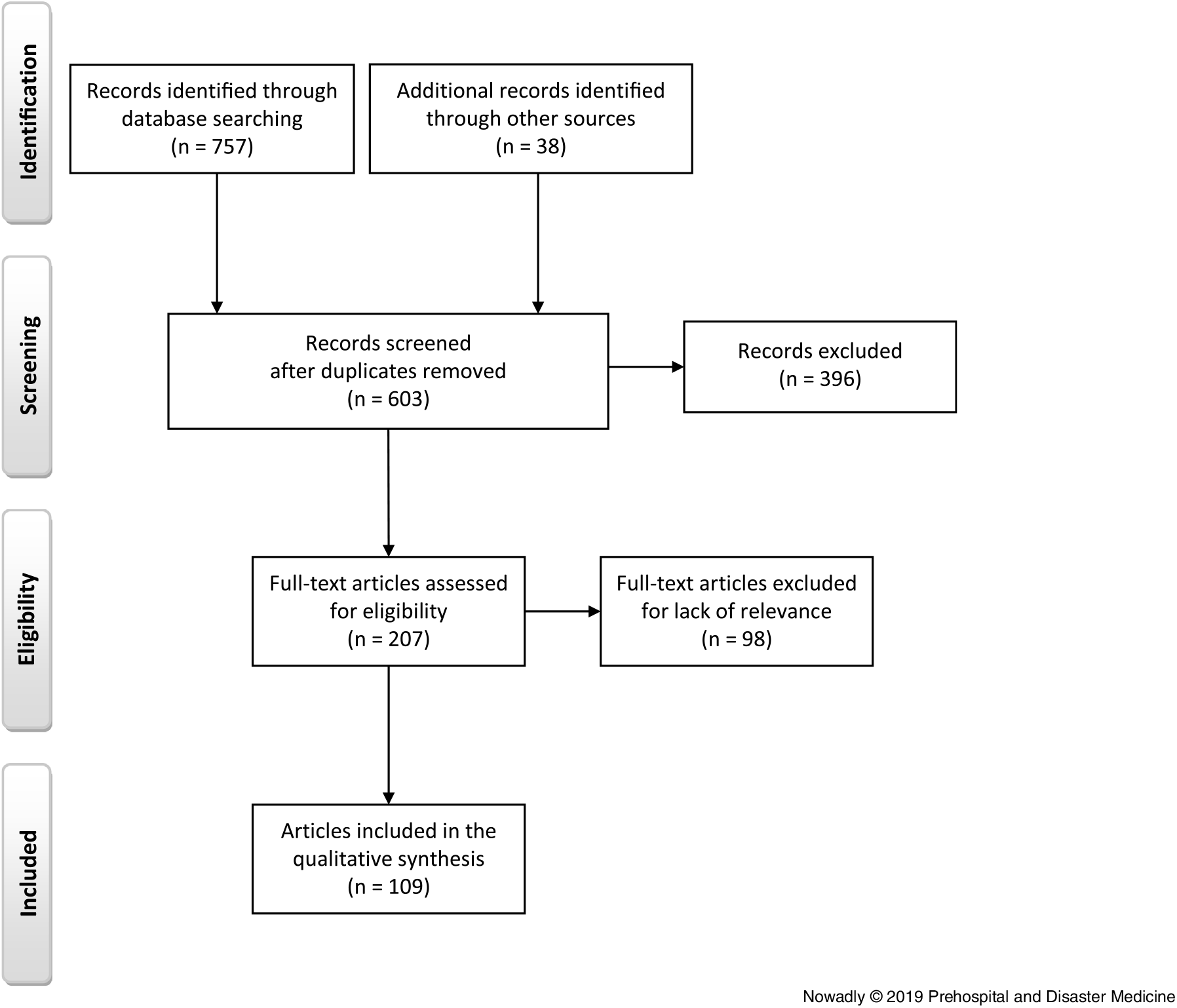
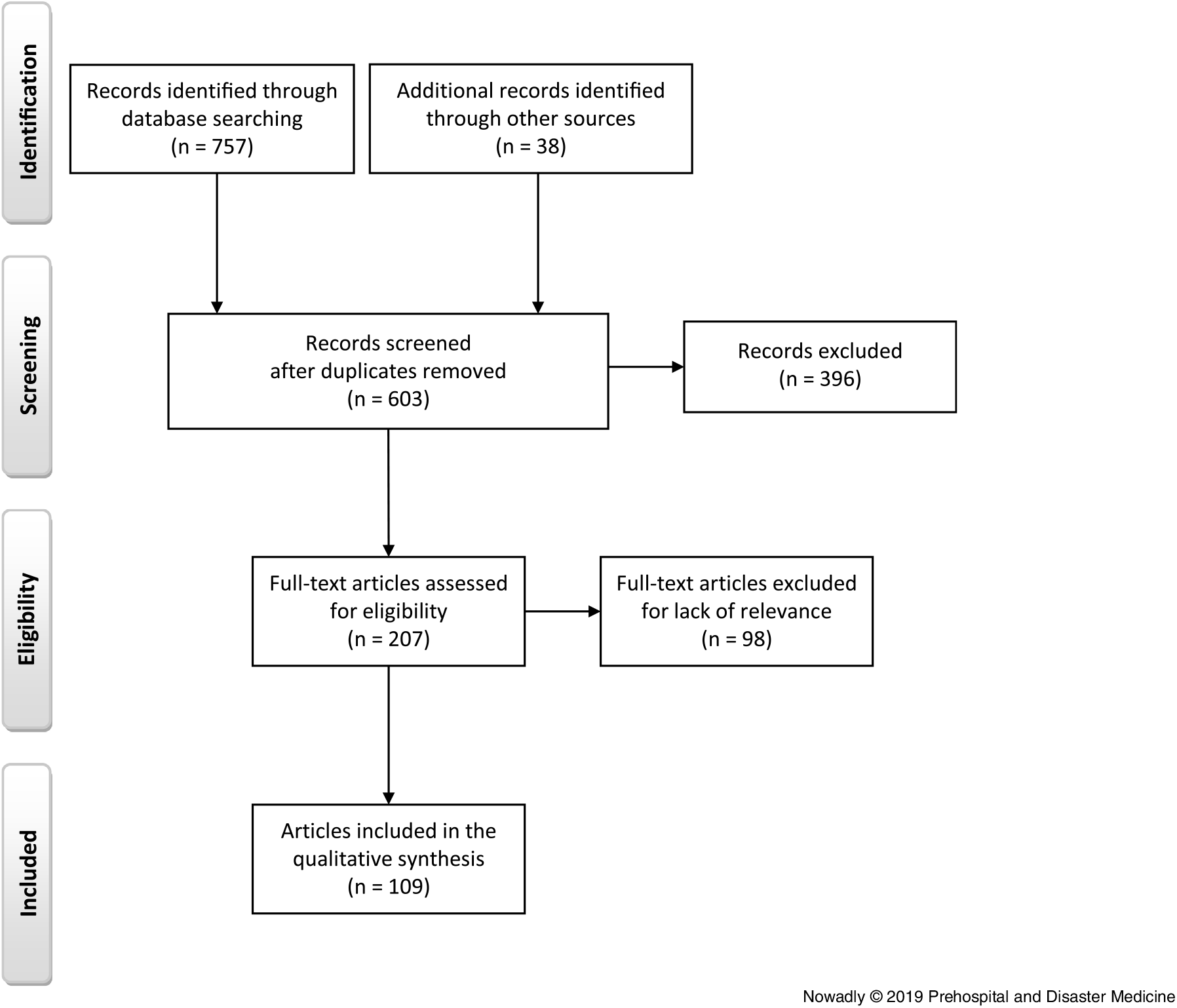
The initial search identified 757 articles, and 38 additional articles were obtained through hand-searching. These records were screened for eligibility after duplicates were removed, and 396 were excluded from review of title and/or abstract contents. Of the remaining 207 publications, 98 addressed issues outside the scope of this systematic review. The remaining 109 articles were included in the review (Figure 1). Literature obtained included human and animal studies, case studies, technical reports, white papers, and review articles. A total of 2,177 study subjects were associated with the included articles. There were two Level I systematic reviews,Reference Braunecker, Douglas and Hinkelbein 4 , Reference Komorowski, Fleming, Mawkin and Hinkelbein 5 33 Level II prospective studies with 647 subjects,Reference Billica, Gosbee and Krupa 6 – Reference Suresh, Blue, Mathers, Castleberry and Vanderploeg 38 seven Level III retrospective studies with 1,455 subjects,Reference Bacal, Billica and Bishop 39 – Reference Myers, Garcia and Griffin 45 and two Level IV case series with four subjects.Reference Blue, Reyes, Castleberry and Vanderploeg 46 , Reference Levin, Blue, Castleberry and Vanderploeg 47 There were two Level V case reportsReference Blue, Blacher, Castleberry and Vanderploeg 48 , Reference Suresh, Blue, Mathers, Castleberry and Vanderploeg 49 and 63 pertinent review articles.Reference Seeler 50 – Reference Hinkelbein, Russomano, Hinkelbein and Komorowski 112 The included articles were further sub-divided into five categories: Airway, Anesthesia, Critical Care, Equipment, and Transport (Supplementary Table 1; available online only).
PRISMA Flow Diagram of Publications Reporting on Topics Specific to Emergency Medical Evacuation from Low Earth Orbit.
Discussion
Is There a Risk?
There have been 21 fatalities from five tragic incidents in the American and Russian space programs.Reference Summers, Johnston, Marshburn and Williams 80 The majority of these fatalities were caused by a failure of the spacecraft resulting in catastrophic injuries which modern medical interventions could not have treated. Medical interventions were required for 17 non-fatal, severe medical events between 1961 and 1999.Reference Summers, Johnston, Marshburn and Williams 80 While many of these were treated utilizing on-board resources, four Russian cosmonaut medical evacuations have occurred when these resources were exceeded.Reference Summers, Johnston, Marshburn and Williams 80 , Reference Halberg, Robinson, Onishi and Blaesser 108
The incidence of medical emergencies for the general terrestrial population is approximately 0.06 events per person-year.Reference Summers, Johnston, Marshburn and Williams 80 Estimated projections have placed the risk of emergent medical evacuation from LEO as low as 0.01 events per person-year to as high as 0.17 events per person-year.Reference Agnew, Fibuch and Hubbard 75 , Reference Summers, Johnston, Marshburn and Williams 80 The reduced risk compared to the general population may be explained by the rigorous medical selection standards for astronauts and the microgravity environment, which reduces the risk of traumatic injury. These frequencies represent a low-risk of severe injury or illness given the current ISS crew complement of three to six individuals. In the event of a larger presence in LEO of commercial crewmembers who may receive less medical screening or training than astronauts, a severe injury or illness requiring advanced medical treatment becomes inevitable.
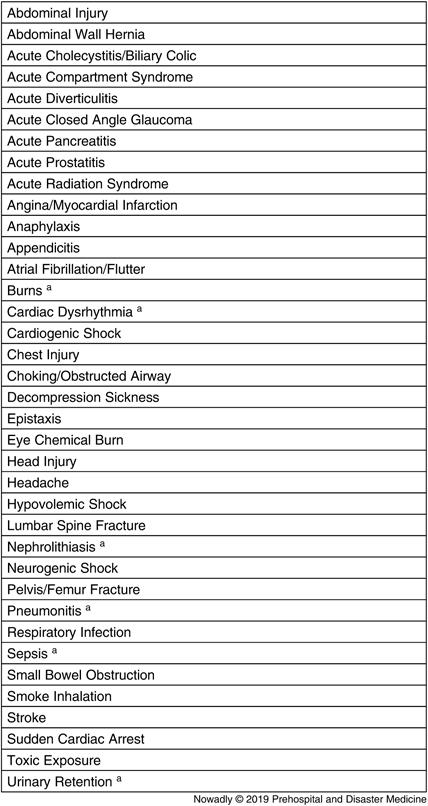
Recent work has been performed to model medical emergencies during spaceflight. The most notable is NASA’s Integrated Medical Model (IMM).Reference Keenan, Young and Saile 42 , Reference Myers, Garcia and Griffin 45 The IMM is a Monte Carlo simulation which uses probabilistic techniques to estimate the risk of medical and traumatic emergencies, the rate of medical evacuation, and the impact of illness on crew performance. In addition, NASA has published a list of 100 medical conditions included in IMM simulations.Reference Myers, Garcia and Griffin 45 These conditions represent a wide spectrum of pathologies, 47 of which have previously occurred. The additional 53 represent theoretical pathologies during spaceflight, such as chest trauma. As shown in Table 1, 37% of these conditions have the potential to require prehospital resuscitation and evacuation.
Integrated Medical Model Conditions with Potential to Require Critical Care Medical Evacuation
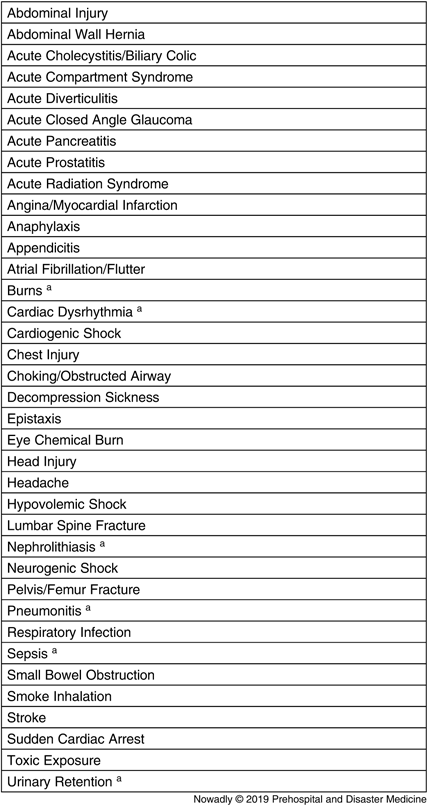
a Indicates documented spaceflight medical events which have occurred.Reference Summers, Johnston, Marshburn and Williams 80
Equipment and Training
The Health Maintenance System (HMS) on the ISS represents the most robust LEO medical capability in use to date. There is a focus on commonly-used medications and equipment, such as anti-inflammatories and sleep aids. 107 However, the HMS contains a selection of up to 190 pharmaceuticals in addition to emergency medical equipment such as an ultrasound, backboard, defibrillator, interosseous access kits, intubation equipment, and a ventilator.Reference Kaczka and Beck 78 , 107 , Reference Hinkelbein, Russomano, Hinkelbein and Komorowski 112 United States Pharmacopeia (North Bethesda, Maryland USA) standards apply aboard the ISS; medications that are re-packaged for the microgravity environment have decreased shelf-lives, requiring complex re-supply logistics to keep medications stocked and updated.Reference Hailey, Urbina and Hughlett 113 , 114
In the event of a medical emergency on the ISS, initial resuscitation would be performed by a pre-selected Crew Medical Officer (CMO). The CMO receives approximately 40 hours of medical training during mission preparation on topics such as basic medical diagnostics and therapeutics.Reference Hamilton, Smart, Melton, Polk and Johnson-Throop 86 , Reference Davis 115 While this model of care is flexible and does not require exhaustive pre-mission training, there are limitations. Most CMOs are not physicians and receive limited clinical training prior to spaceflight. There are no examples in terrestrial health care where individuals with such limited medical training are expected to independently provide advanced prehospital interventions.Reference Bacal, Beck and McSwain 76 Additionally, only one or two CMOs are designated per ISS contingent.Reference Hamilton, Smart, Melton, Polk and Johnson-Throop 86 This represents a single point failure if the CMO themselves becomes incapacitated from injury or illness.
Telemedicine may partially offset a CMO’s lack of clinical experience. If a medical emergency took place, NASA flight surgeons would provide real-time advice to the CMO.Reference Bacal, Beck and McSwain 76 , Reference Haidegger, Sándor and Benyó 91 Under such supervision, the CMO may be capable of medical decision making beyond their training. This assumes video and audio communication capability is available, which may not be the case if the spacecraft has been damaged or is in poor orbital alignment. Russia provides continuous on-console physician staffing, and NASA flight surgeons are present during all high-risk operations. However, given the unpredictability of medical emergencies, the CMO may be required to operate independently. Practical skills such as intubation or chest tube insertion will remain challenging despite telemedical oversight.
Transport Considerations
Given the limitations of the current ISS medical capability, it may appear logical to immediately evacuate an ill or injured crewmember for care at a definitive medical care facility (DMCF). This philosophy, known as “scoop and run,” is common in terrestrial Emergency Medical Systems (EMS) but has inherent risks if applied to spaceflight.Reference Bacal, Beck and McSwain 76 Once medical evacuation is initiated and the crew departs the ISS, CMOs cannot access additional medical resources on either the ISS or Earth for several hours until re-entry is completed. Even under ideal circumstances, a CMO may be unable to maintain communication with flight surgeons and/or access the patient’s body due to ergonomic and gravitational restraints. The CMO is likely to develop neurovestibular symptoms and may be unable to move their head without the development of vertigo, nausea, and vomiting.Reference Reschke, Good and Clément 37 , Reference Bacal, Billica and Bishop 39 Given the large working area of the ISS and available medical and crew resources of the HMS, a short period of resuscitation and stabilization of a casualty would preferably occur on-station prior to evacuation. This may not be possible in the event of a simultaneous technical or structural emergency, when rapid evacuation is imperative for crew safety. While a “stay and play” strategy is not advised, an initial period of stabilization or treatment would be beneficial to ensure the patient is as stable as possible prior to the stress of LEO evacuation.
A crewmember would ideally be returned using a spacecraft optimized for medical evacuation, such as an Assured Crew Return Vehicle (ACRV). Spacecraft capable of medical evacuation were first proposed in the 1970’s and 1980’s.Reference Hinton 51 , Reference Naftel, Powell and Talay 60 , Reference Chandler 65 Also, NASA proposed technical restrictions such as limits on acceleration (no greater than 4g in the ± Gx, 1g in the ± Gy, and 0.5g in the ± Gz direction), spin stability, and impact acceleration which could affect medical outcomes in a deconditioned and injured crewmember.Reference Spaulding, Gaukler, Syracuse, Brodsky and Shean 21 The original plan for the ACRV was to interface with the space station’s medical equipment and facilitate the delivery of Advanced Life Support during evacuation.Reference Chandler 65 The NASA guidelines specified that a crewmember arrive at a DMCF within a maximum of 24 hours, with transit time from ISS separation until arrival at a DMCF of less than six hours.Reference Chandler 65 These requirements balanced the need for rapid evacuation with mission planning, spacecraft preparation, and orbit alignment.
“Space Ambulance” Design
There were numerous proposals for ACRV design, including lifting bodies, capsules, and even single passenger escape pods.Reference Naftel, Powell and Talay 60 , Reference Cerimele 62 Over the last several decades, the ACRV program underwent multiple iterations and different spacecraft were considered, including the Station Crew Return Alternative Module, HL-20, X-38, and The Orbital Space Plane.Reference Halberg, Robinson, Onishi and Blaesser 108 Due to budget restrictions, the program was terminated in 2002.Reference Gibbs 116 At that time, the Space Shuttle and Soyuz descent module were deemed sufficient alternatives for LEO evacuation, despite restrictions on rapidly mobilizing the Space Shuttle during a medical emergency and the Soyuz descent module’s limited ability to evacuate critically injured passengers.
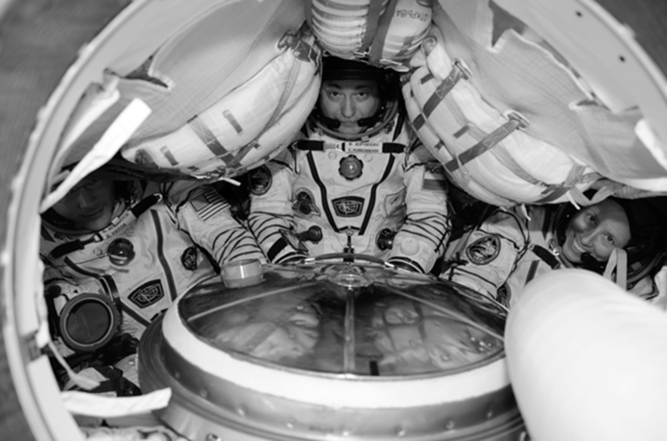
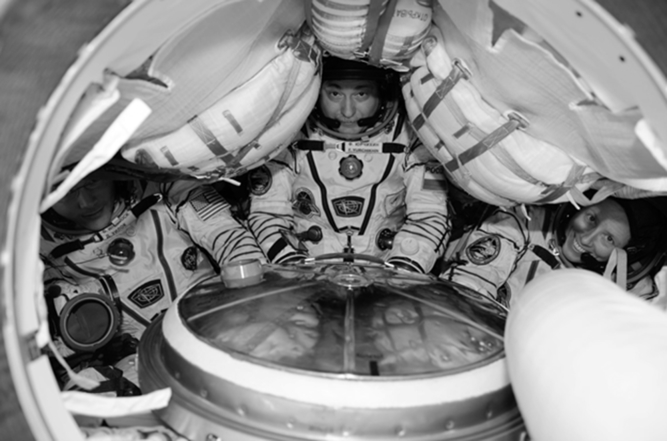
Since the Space Shuttle’s retirement, the Soyuz descent module is the only available manned spacecraft capable of travel to and from LEO. Unfortunately, the Soyuz descent module is not an ideal platform for medical evacuation.Reference Bacal, Beck and McSwain 76 It is small, with a volume of four square meters for a crew of three.Reference Wright 117 As seen in Figure 2, this environment provides minimal additional room for basic medical equipment and is incapable of supporting critical care equipment. During re-entry and descent, crewmembers wearing a Sokol spacesuit are restrained in a seated position. This limits a CMO’s access to a patient and is sub-optimal for trauma patients who may require supine positioning. The module flies a moderate re-entry profile (~4g) and typically lands in the steppes of Kazakhstan, hundreds of miles from the nearest DMCF. While alternative landing sites have been proposed for use during a medical emergency, this has never been simulated.Reference Bacal, Beck and McSwain 76 During the rare ballistic re-entry, crewmembers are subjected to a steep re-entry profile (up to 9g) and the module can land up to 1,200 miles off course, drastically increasing the time required to reach the nearest DMCF.Reference Summers, Johnston, Marshburn and Williams 80 , Reference Halberg, Robinson, Onishi and Blaesser 108 The module impacts the ground with instantaneous g-force in excess of 17g.Reference Mathers 27 These landing conditions occasionally injure healthy astronauts returning from space.Reference Mathers 27 Although medical evacuation with this module may be satisfactory for a patient with a non-critical pathology, it could worsen or prove fatal for a critically ill or injured patient.Reference Stepaniak, Hamilton, Olson, Gilmore, Stizza and Beck 25 , Reference Stepaniak, Hamilton, Stizza, Garrison and Gerstner 74
Space Limitations Inside the Soyuz Spacecraft.
Given the restrictions of the Soyuz descent module, recent work has been performed to revive the ACRV concept by designing a dedicated medical evacuation spacecraft. One proposal adapts the United States Air Force’s X-37B, an unmanned classified spacecraft, for use as a “space ambulance.”Reference Halberg, Robinson, Onishi and Blaesser 108 The X-37B has proven capable of long-duration spaceflight and flies a low-g re-entry profile due to its lifting body design. The interior is large enough to hold a crewed pressure vessel, can accommodate a supine patient, and is capable of accurate landings at pre-determined terrestrial runways with a nearby DMCF. Such an adapted craft would exceed NASA’s original proposed ACRV criteria and provide an environment optimized for medical resuscitation and treatment. While the X-37B remains a classified military asset and these proposed changes would require significant modifications, the revival of the ACRV would fundamentally alter how medical care is provided during LEO evacuation.
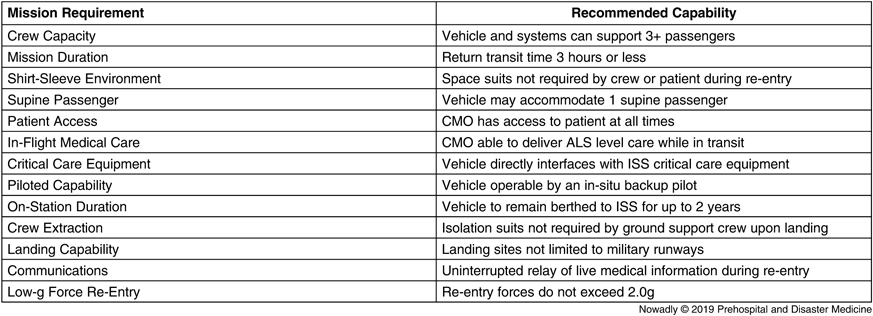
Broad criteria for a “space ambulance” are presented in Table 2. While these criteria represent only minimum technical and medical necessities, they highlight unique challenges of LEO evacuation. Such a spacecraft could be designed solely for use as a dedicated “space ambulance” with an environment optimized for prehospital care, patient and crew safety, and rapid evacuation. It could also be designed to provide a rapidly configurable environment optimized for medical evacuation; a feature common to military transport aircraft. These criteria, and the implications for design, cost, safety, and operational capability, should be considered as new manned spacecraft become operational in the coming years, such as the SpaceX Dragon or Boeing CST-100.
Proposed Mission Capabilities for a Medical Evacuation Capable Spacecraft
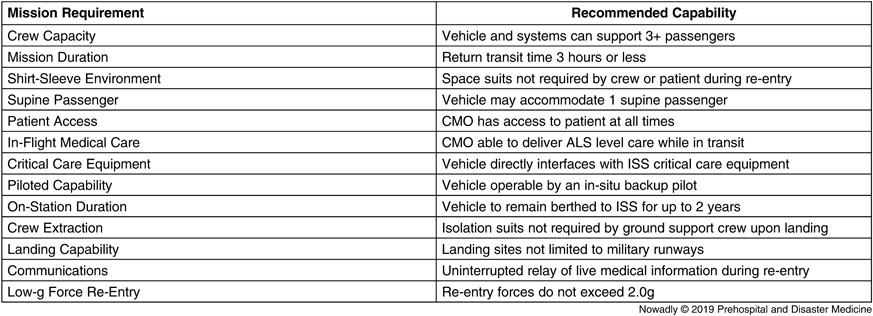
Abbreviations: ALS, Advanced Life Support; CMO, Crew Medical Officer; ISS, International Space Station.
Airway Management
The first step in the resuscitation of a critically ill or injured patient is establishing airway control, which may be complicated by the microgravity environment. Airway access becomes difficult if a patient is wearing a spacesuit, known as the Extravehicular Mobility Unit (EMU). The EMU requires significant time and assistance to don and doff and precludes access to the patient’s head and neck. 72 Furthermore, the EMU is made of layers of durable materials such as Kevlar, contains fluid and electronics components, and has metal and composite struts surrounding the head and neck.Reference Garbino, Nusbaum, Buckland, Menon, Clark and Antonsen 104
One study examined medical care for an injured subject wearing a high-altitude pressure suit similar in configuration to the ISS EMU for a skydiving record attempt. In ground-based simulations of medical treatment, it was found that three to five minutes was required for a team of four rescuers to remove the pressure suit and initiate medical care.Reference Garbino, Nusbaum, Buckland, Menon, Clark and Antonsen 104 This timeline would be further compromised if an astronaut sustained an injury during extravehicular activity (EVA), as additional time is required to ingress through an airlock. Fortunately, during EVA, astronauts are breathing 100% oxygen, which extends physiologic oxygen reserves. 72 No available research has been published that addresses the impacts of space suit design or astronaut size on the feasibility of and time required to gain access to the airway and upper chest, initiate bag-valve-mask ventilation, perform intubation, or the impacts on maintaining cervical spine alignment. These limitations need to be considered during design of future space suits.
Once the patient’s head and neck are exposed, the airway can be temporarily controlled with bag-valve-mask ventilation. Physiologic changes of spaceflight complicate this effort. In LEO, fluid shifts occur within the human body which cause facial, sinus, and neck edema.Reference Barratt and Pool 1 , Reference Davis 115 This may make bag-valve-mask ventilation more difficult. Airway adjuncts are already available on the ISS, such as a nasal trumpet or oropharyngeal airway. 107
Endotracheal Intubation and Alternatives
Since early in the space program, researchers recognized the challenges of endotracheal intubation in microgravity.Reference LeJeune 53 Microgravity does not facilitate clearance of secretions, which can complicate visualization of vocal cords during a difficult intubation, such as a burned or bloodied airway.Reference LeJeune 53 Additionally, the force required to adequately visualize the vocal cords with a laryngoscope causes paradoxical movement of the patient and the operator in microgravity.Reference Keller and Brimacombe 17 , Reference LeJeune 53 , Reference Beck 77 Some of these difficulties have been mitigated by the Crew Medical Restraint System, a backboard, harness, and head restraint.
A CMO typically has either limited or no clinical experience intubating.Reference Keller and Brimacombe 17 , Reference Beck 77 It has been shown that intubation success rates in austere environments by operators with limited training is approximately 50%.Reference Beck 77 Studies show that even after 80 intubations, 18% of first-year anesthesia residents were unable to secure a patient’s airway without additional assistance in optimal operating room conditions.Reference Beck 77 Such outcomes are unacceptable during emergency resuscitation on-orbit.
Despite the inherent challenges of airway control in microgravity, there are proposed techniques to improve success. The odds of successful intubation can be improved by restraining both the patient and operator to the deck of the spacecraft, such as the ISS’s Crew Medical Restraint System, thus limiting movement in microgravity.Reference Keller and Brimacombe 17 In the event that the patient cannot be restrained, there are other techniques to limit movement between the operator and patient, such as grasping the patient’s head between the operator’s knees.Reference Groemer, Brimacombe and Haas 23 However, these techniques had poor success rates in untrained personnel when performed in simulated microgravity.Reference Groemer, Brimacombe and Haas 23
Some experts argue that the use of a supraglottic device is superior to an endotracheal tube.Reference Keller and Brimacombe 17 , Reference Rabitsch, Moser and Inzunza 24 , Reference Beck 77 , Reference Roan and Boyd 84 Debate remains over which supraglottic device is optimal in the austere LEO environment.Reference Rabitsch, Moser and Inzunza 24 , Reference Roan and Boyd 84 For instance, NASA literature documented a success rate for placement of supraglottic device at nearly 99%, even for an operator with limited skill and expertise. 92 A supraglottic device does not represent a definitively secured airway and may be sub-optimal if a patient requires mechanical ventilation or paralytics. The ISS HMS has both supraglottic laryngeal mask airway and endotracheal tubes available. 107 If a physician-astronaut is on-board, placement of an endotracheal tube should be attempted; however, if a non-physician CMO is available, a laryngeal mask airway would be preferred during an emergency until NASA Flight Surgeons can provide additional recommendations. Notably, no studies assessed the use of video laryngoscopy in microgravity, which may significantly improve intubation success compared to direct laryngoscopy. The inclusion of video laryngoscopy on-orbit should be considered during future missions, especially if a physician-astronaut with experience in anesthesia, emergency medicine, or critical care is not available.
It is unclear how microgravity and re-entry would impact a supraglottic device or an endotracheal tube after placement. Movement or mispositioning of either device, which may occur during sustained g-loading, could prove fatal if not rapidly identified and corrected by a CMO. Even minor changes in pressure may impact an airway device’s seal within the oropharynx or trachea. If pressure fluctuated during evacuation, this would proportionally impact the airway’s cuff size, causing either cuff leaks or damage to local structures if under- or over-inflated. This issue is frequently encountered during US Air Force medical evacuation flights, despite pressurized cabins, and requires continuous reassessment.Reference Harris, Billica and Bishop 15 Filling an airway cuff with a fluid has shown to create pressures which can cause damage to local airway structures and is not recommended.Reference Britton, Blakeman, Eggert, Rodriquez, Ortiz and Branson 118
Ventilation and Oxygenation
Microgravity affects respiratory physiology in multiple ways, including increased pulmonary blood flow, decreased strength of chest wall musculature, and increased ventilation-perfusion mismatch.Reference Kaczka and Beck 78 There are also changes in lung volumes, such as decreased residual volume and functional residual capacity.Reference Kaczka and Beck 78 Standard terrestrial resuscitation oxygenation includes 15L per minute of oxygen delivered via non-rebreather facemask, a capability currently available on the ISS. 107 If the same 15L per minute were required throughout a six-hour medical evacuation, access to large oxygen tanks would be required, a difficult engineering challenge given on-orbit mass and volume limitations.
Oxygen delivered by non-rebreather facemask would leak into the confined evacuation spacecraft, changing the pressure and oxygen concentration of its small volume. Without environmental systems capable of controlling for these changes, there is a risk of fire or over-pressurization of the cabin. A patient could receive 100% oxygen if wearing a face seal aviator mask or re-entry space suit during evacuation, but this limits access to the patient by the CMO and may not be possible after injury. Overcoming these challenges may require unconventional medical and engineering solutions, such as prophylactically intubating any patient requiring significant oxygenation in order to create a closed respiratory system.
The ISS HMS currently stocks an Autovent 2000 pneumatic ventilator (Allied Healthcare; St. Louis, Missouri USA), a reliable albeit limited device.Reference Kaczka and Beck 78 , 107 Compared to the features of austere ventilators used on military medical evacuation flights, the Autovent 2000 lacks standard critical care features.Reference Barnes, Branson, Gallo, Beck and Johannigman 26 , Reference Hatfield 87 While capable of changes in tidal volume and rate, this ventilator is not capable of assist ventilation modes, positive end expiratory pressure, continuous positive airway pressure, or adjustments in inspiratory times and delivered oxygen concentration.Reference Kaczka and Beck 78 Given the short duration of evacuation, some advanced ventilator features may not provide additional clinical benefit.
Ventilators are complex medical devices and can be difficult to manage in a controlled terrestrial setting. Although ventilator function has been tested in microgravity, there is limited literature detailing how the re-entry environment may impact an intubated patient or the function of the ventilator.Reference Campbell, Billica, Johnston and Muller 18 Data from experiments involving intubated animal models on parabolic flights describe largely normal ventilator function between alternating periods of zero-g, one-g, and two-g.Reference Campbell, Billica, Johnston and Muller 18 However, these studies did not assess respiratory status or ventilator function as primary outcomes. Small variations in ventilator function or respiratory physiology can have significant clinical impact. Given the complexity of these devices, knowledge required for safe operation, and difficulty of managing a patient in space, some researchers have proposed closed-loop decision making with regard to ventilator management.Reference Kaczka and Beck 78 Closed-loop strategies include ventilators capable of adjustments in response to physiologic inputs remotely controlled by terrestrial flight surgeons, and more recently, artificial intelligence completing autonomous management decisions.Reference Kaczka and Beck 78 , Reference Pomprapa, Muanghong and Köny 119
Cardiopulmonary Resuscitation
Techniques for performing cardiopulmonary resuscitation (CPR) have been studied during simulated microgravity and in LEO.Reference Billica, Gosbee and Krupa 6 , Reference Jay, Lee, Goldsmith, Battat, Maurer and Suner 19 , Reference Johnston, Campbell, Billica and Gilmore 20 , Reference Evetts, Evetts, Russomano, Castro and Ernsting 22 , Reference Rehnberg, Ashcroft and Baers 30 , Reference Rehnberg, Russomano, Falcão, Campos and Everts 35 Cardiopulmonary resuscitation is problematic in microgravity as the force required to provide chest compressions is tiring and causes reciprocal movement of the patient and operator. There were concerns that chest compression may not produce the required intra-thoracic pressure to ensure end organ perfusion, even if performed to the correct depth.Reference Jay, Lee, Goldsmith, Battat, Maurer and Suner 19 Fortunately, research confirmed that end-tidal CO2 levels, a marker of normal physiologic perfusion, were adequate while testing different CPR techniques in simulated microgravity.Reference Johnston, Campbell, Billica and Gilmore 20
A variety of novel CPR techniques have been studied, including for both a restrained or free-floating patient.Reference Kordi, Cardoso and Russomano 29 For example, the Evetts-Russomano method involves the operator diagonally straddling a free-floating patient’s chest while providing compressions.Reference Russomano, Baers and Velho 33 The Handstand Maneuver, by comparison, involves the operator standing on the “ceiling” of the spacecraft, above their patient, and providing compressions with straight arms against the patient on the floor.Reference Evetts, Evetts, Russomano, Castro and Ernsting 22 While it is believed that the Handstand Maneuver produces the best cardiac output, variables that impact effectiveness of each method include airway access, patient and operator size, number of operators available, and the volume of the vehicular compartment.Reference Braunecker, Douglas and Hinkelbein 4 , Reference Rehnberg, Ashcroft and Baers 30 Testing of mechanical CPR devices for use on-orbit has been limited.Reference Jay, Lee, Goldsmith, Battat, Maurer and Suner 19 , Reference Hurst, Whittam, Austin, Branson and Beck 28 In the event of emergent medical evacuation, these devices likely represent the only way CPR can be performed and sustained in the restricted volume of the spacecraft. There are mixed data on the impact of these devices on neurologically-intact survival in terrestrial literature.Reference Gates, Quinn, Deakin, Blair, Couper and Perkins 120 The prognosis and outcome of patients on whom CPR is performed during evacuation from LEO would likely remain grim.
Anesthesia and Sedation
No human has yet required anesthesia or sedation during spaceflight, evacuation from LEO, or immediately after returning to Earth.Reference Komorowski, Fleming, Mawkin and Hinkelbein 5 Researchers sent two primates to LEO for 14 days and administered an anesthetic immediately upon return to Earth. Despite close monitoring and care, one animal died and the other experienced anesthesia-related complications.Reference Norfleet 73 The authors of this study stressed that anesthesia and sedation should only be performed in extreme circumstances. For a critically ill or injured crewmember, anesthesia would be required prior to interventions such as intubation or chest tube placement.Reference Komorowski, Fleming, Mawkin and Hinkelbein 5 Volatile gas anesthetics are contraindicated during spaceflight as there is a high-risk of exposing other crewmembers within an enclosed environment.Reference Komorowski, Fleming, Mawkin and Hinkelbein 5
Ketamine has been suggested as the primary medication for general anesthesia while in space.Reference Komorowski, Fleming, Mawkin and Hinkelbein 5 , Reference Komorowski, Watkins, Lebuffe and Clark 98 , Reference Komorowski, Fleming and Kirkpatrick 106 Ketamine is considered safe, has favorable hemodynamic effects, can be delivered intramuscularly and intravenously, has an extended shelf life, and has been used extensively by military and civilian providers in austere environments. 121 – Reference Kurdi, Theerth and Deva 123 Ketamine has already been approved for spaceflight and is included in the ISS HMS for procedural sedation. 107 Despite a favorable side effect profile, it is important that sufficient doses be given during medical evacuation to prevent emergence phenomena, as the associated agitation carries an additional risk of injury to the crewmember and CMO in an enclosed environment.
Ketamine provides dissociative anesthesia while maintaining protective airway reflexes.Reference Guldner, Petinaux, Clemens, Foster and Antoine 122 This is beneficial as minor procedures and short-term sedation can be achieved without additional airway protection. If intubation was required, however, ketamine monotherapy may not be sufficient, and a paralytic agent would be required to overcome airway reflexes and facilitate endotracheal tube or laryngeal mask airway placement. Due to hypothetical changes in the neuromuscular junction in microgravity, succinylcholine is contraindicated during spaceflight.Reference Komorowski, Fleming, Mawkin and Hinkelbein 5 Rocuronium has been proposed as an acceptable alternative.Reference Komorowski, Fleming, Mawkin and Hinkelbein 5 No paralytics are currently included in the ISS HMS as of 2016, severely limiting the value of on-board intubation equipment. 107 Paralytics will need to be considered in future medical evacuation spacecraft if critical care capability is desired.
Surgical Intervention
The literature regarding anesthetic use during spaceflight focuses on facilitating surgical care during exploration class missions to the Moon and Mars. However, LEO evacuation should be possible within 24 hours, thus simplifying the role of anesthetics, as complex surgical care will be deferred until after return to Earth. Advanced techniques such as regional anesthesia have little to no role during emergent evacuation as they are complex, require additional training, risk damage to local structures, and provide minimal benefit over temporary sedation with ketamine.Reference Komorowski, Watkins, Lebuffe and Clark 98
Like anesthesia, the majority of literature regarding surgicaland traumatic interventions in space focus on long-duration exploration class missions during which medical evacuation may be impossible.Reference Kirkpatrick, LaPorta and Brien 102 , Reference Alexander, Gillman, Widder, Blaivas and Karakitsos 103 , Reference Kirkpatrick, McKee and Tien 110 Parabolic experiments simulating simple surgical procedures in microgravity led to the development of patient and operator restraints to facilitate positioning, as well as sterile surgical chambers to control bodily fluids.Reference McCuaig and Houtchens 10 , Reference Campbell, Billica and Johnston 11 , Reference Campbell and Billica 64 , Reference McCuaig 68 Proper suctioning equipment is essential to control bodily fluids in microgravity, although such equipment is not available on the ISS. 107 Standard sterile surgical preparation and draping have been shown to be effective in simulated microgravity.Reference McCuaig and Houtchens 10 During the 1998 Space Shuttle STS-90 mission, surgical procedures, such as caesarian section and laminectomy, were successfully completed on animal models.Reference Alexander, Gillman, Widder, Blaivas and Karakitsos 103
For a variety of surgical emergencies, a patient must currently receive definitive surgical intervention after medical evacuation to Earth. Until the establishment of robust surgical and medical facilities on future space stations, complex surgical procedures are not practical in LEO due to limitations in mass, crew training, and potentially deleterious outcomes. On-orbit surgical interventions should focus only on short-term stabilization to facilitate re-entry and return to a DMCF.Reference Kirkpatrick, McKee and Tien 110 Procedures integral to trauma resuscitation, such as laceration repair, chest tube insertion, and cricothyroidotomy, have been performed in simulated microgravity on animal models.Reference Gosbee, Kupra, Pepper and Orsak 8 , Reference Campbell, Billica, Johnston and Muller 18 In order to confirm that procedures could be performed with the supplies available on the ISS, nonstandard techniques were used in one study, such as using an endotracheal tube in place of a standard chest tube.Reference Campbell, Billica, Johnston and Muller 18 Researchers found these procedures to be more difficult to perform in simulated microgravity. All simulated procedures except peritoneal lavage were found to be safe and effective. Peritoneal lavage, which has been largely removed from terrestrial standards of care, was considered dangerous given increased abdominal pressure and a high-risk of bowel damage.Reference Campbell, Billica, Johnston and Muller 18 Future investigations are required to design surgical equipment optimized for each procedure, to integrate equipment into spacecraft systems, to assess the impacts of re-entry on surgical equipment, and to assess the clinical outcomes of procedures performed on-orbit.
Intravenous Fluid Considerations
A mainstay of terrestrial trauma and medical resuscitation is the transfusion of crystalloid fluids and blood products. Due to physiologic changes of spaceflight, astronauts have an estimated 15% decrease in circulating red blood cells and plasma on-orbit, which is equivalent to a terrestrial patient with Class I hemorrhage.Reference Alexander, Gillman, Widder, Blaivas and Karakitsos 103 In the setting of this relative deficiency, astronauts suffering from acute blood loss may be more susceptible to shock during re-entry. Animal models with varying levels of hemorrhage induced by phlebotomy showed significant changes in cardiac output and blood pressure when subjected to +Gx centrifugation.Reference Stepaniak, Hamilton, Olson, Gilmore, Stizza and Beck 25 , Reference Hamilton, Smart, Melton, Polk and Johnson-Throop 86 This experiment did not control for on-going hemorrhage or additional gastric fluid loss due to motion sickness. Such losses are likely to worsen overall hypovolemia during medical evacuation. As it is unlikely blood products will be available in LEO in the near future due to storage restrictions and short shelf lives, fluid resuscitation capability prior to medical evacuation is limited to crystalloid products such as normal saline and lactated Ringer’s solution.
The microgravity environment complicates intravenous fluid delivery. As gravity no longer pulls fluids out of fluid bags and into the body, an external force is required. While intravenous pumps can deliver set rates of fluid, studies in simulated microgravity show that some intravenous pumps struggle due to bubble formation.Reference Spaulding, Gaukler, Syracuse, Brodsky and Shean 21 Current protocol in microgravity involves using a pressure bag to provide an external force against the intravenous fluid bag. Unfortunately, it is difficult to control the rate of fluid administration using such techniques.Reference Spaulding, Gaukler, Syracuse, Brodsky and Shean 21 Care also must be taken to remove gas from intravenous bags prior to administration to prevent air emboli, which does not occur on Earth due to the effects of gravity. Techniques have been developed to remove gas bubbles in bags, such as rapidly spinning the bag to push out bubbles using centrifugal force. There are no objective data, however, describing the effectiveness of these techniques or impact on fluid sterility. There is limited discussion in the medical literature regarding the risk of air emboli in microgravity, the acceptable bubble burden a patient can tolerate prior to clinically significant effects, or the impact of the re-entry environment on the formation or dissolution of bubbles in fluids. There are engineering solutions to prevent air embolism using gas-liquid separators, but it is unclear if these solutions will impact the rate of fluid administration or type of fluids which can be administered.Reference McQuillen, McKay, Griffin, Brown and Zoldak 31
Limited amounts of commercial, off-the-shelf intravenous crystalloid fluids are currently available on the ISS but have high mass and volume and can be consumed rapidly in the event of an emergency. 107 Previous experimentation suggests that medical grade crystalloid fluids can be generated on-orbit using recycled water.Reference McQuillen, McKay, Griffin, Brown and Zoldak 31 , Reference Miller, Niederhaus, Barlow and Griffin 82 , Reference McQuillen 100 One notable experiment, known as IVGEN, produced normal saline using recycled water on the ISS. The produced saline met eight of nine US Pharmacopeia standards for terrestrially-produced, normal saline. While this experiment was technically complex and faced challenges such as air bubbles clogging medical tubing and difficulty reconstituting salts, the product would likely be clinically acceptable in the event of an emergency.Reference McQuillen, McKay, Griffin, Brown and Zoldak 31 This suggests that resuscitation fluids may be able to be generated on-orbit and stocked before use. Research is required to develop these technologies given challenges in production, storage, cost, and safety.
In terrestrial critical care resuscitation, it is common to perform procedures to obtain central intravenous access for fluid and medication delivery and invasive physiologic monitoring. These interventions are currently unavailable in LEO. 107 While there is early development of alternative, non-invasive physiologic monitoring, there is limited mention of these interventions and their applications during spaceflight in the medical literature, and it is improbable these interventions will be available in the near future. This may become a liability when rapid expansion of human travel to and beyond LEO becomes a reality. 124 Discovering the limitations and challenges associated with these interventions, such as the reliability of arterial line blood pressure readings during re-entry or the maximum rate of fluid delivery through a central line in microgravity, will lay the foundation for future critical care interventions during spaceflight.
Even with the most advanced medical resources, terrestrial critical care and emergent resuscitation may have sub-optimal clinical outcomes. As human spaceflight becomes more common, on-going discussions about the role of medical interventions will be required to balance medical resources with public and crew expectations. Difficult ethical questions remain largely unanswered in the medical literature, such as when withdrawal of care is appropriate to conserve limited medical resources, the management of patient remains, and the cost-effectiveness of resuscitation and medical evacuation. These challenges will require honest and open conversation between astronauts, leaders in government and commercial spaceflight, and space medicine physicians.
Limitations
This systematic review has potential limitations. The subject matter covered a wide variety of topics from diverse sources. There are no large-scale, Level I studies regarding emergency medical evacuation from LEO. Publication bias is a concern in systematic reviews, and it is possible adverse events or negative outcomes may not have been reported in those articles involving subjects. The search strategy incorporated a low inclusion threshold of all published and unpublished reports but may have missed relevant articles regardless. There is an additional possibility sensitive, protected, or classified government documents may not have been accessible for the purposes of this review.
Conclusion
In the next decade, the United States will have spacecraft capable of carrying astronauts into and beyond LEO. Along with the growth of commercial space partners, there is potential for rapid expansion of personnel operating in space, and with this development comes inherent risk of medical and traumatic emergencies. The challenges of providing critical care medical evacuation from these environments are immense, but as human spaceflight expands, the expectation and need for advanced medical care in increasingly austere environments becomes paramount. These challenges can be overcome with investment and research in medical evacuation spacecraft and development of medical technology optimized for re-entry.
Conflicts of interest/disclaimer
The authors have no conflicts of interest to declare. The views expressed in this article are those of the authors and do not necessarily reflect the official policy or position of the Air Force, the Department of Defense, or the US Government.
Supplementary Material
To view supplementary material for this article, please visit https://doi.org/10.1017/S1049023X19004734