Introduction: fishing communities
Alaska has become a key case study of the viability of fishing communities in the United States. Participation in any fishery in Alaska provides an individual not only with access to food, but is an activity that involves residents’ working together maintaining strong relationships with their families and communities. Participation in fishing, both through subsistence and commercial fisheries activities, produces a unique set of values that change as the economic climate of a community changes. This paper will explore how community members value fishing and what role these values play in the vitality of rural Alaskan fishing culture.
This paper describes three rural fishing communities in Alaska to examine how small rural communities can maintain themselves both economically and socially, and how people's values surrounding commercial and subsistence fishing contribute to community vitality. Since 2000 I have worked in rural communities throughout Alaska from the high Arctic to the southeast, documenting the importance of fisheries, in terms of both nutritional value through the harvest of fish for subsistence, and participation in the commercial fishing economy that provides jobs for rural Alaska residents. Besides the benefits of economic and food security, there is a socio-cultural component to fisheries that plays a role in how individuals perceive themselves and others especially in small rural communities. The act of fishing brings extended families working together to ensure the success of the harvest, and processing, and distribution of the resource to the benefit of the community. People often tell me that they cannot explain why they fish each year. Fishing is a part of their identity that strengthens the bonds of family and community.
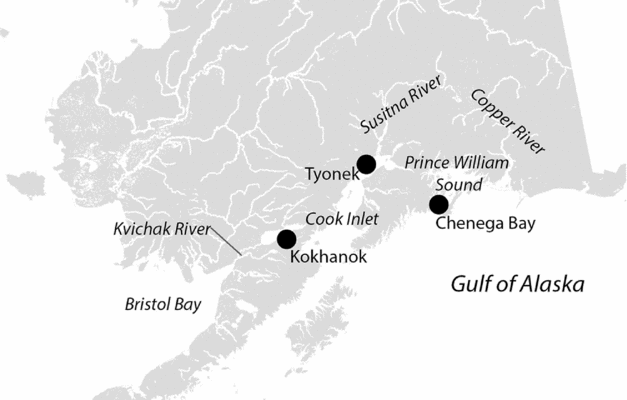
I chose three communities from three different watersheds as test cases for this article. Each watershed has a unique commercial fishery management structure, and each community has a long documented history of both commercial and subsistence fishing. All three communities have active village governments and long established schools, which are a central feature of social activity in rural Alaskan communities. Demographic studies from past household surveys conducted by the Division of Subsistence, Alaska Department of Fish and Game showed a diverse population in terms of age structure with many school-aged children (see Fall and others Reference Fall, Holen, Davis, Krieg and Koster2006; Krieg and others Reference Krieg, Holen and Koster2009; Stanek and others Reference Stanek, Holen and Wassillie2007, for each community respectively). The study communities are Kokhanok located in the Bristol Bay watershed, Chenega Bay located in Prince William Sound, and Tyonek located in Cook Inlet (Fig. 1).
Study communities.

Local valuation of fishing
This article focuses on how residents of Kokhanok, Chenega Bay and Tyonek value fishing activities. Fishing as an activity takes on new meanings in many rural communities throughout the north when residents become involved in commercial fishing. In the distant past, residents of the north, such as the Skokomish, viewed salmon (Oncorhynchus) as kin who gave themselves to the fisher (Lansing and others Reference Lansing, Lansing and Erazo1998). Fishers then treated the salmon with respect returning their bones and other body parts to the water so that they could return again. In Bristol Bay for example, where the community of Kokhanok is located, salmon parts that are discarded during processing are returned to the waters to maintain the continuity of the cycle (Fall and others Reference Fall, Holen, Krieg, La Vine, Stickman, Ravenmoon, Hay and Stariwat2010). With the introduction of commercial fishing in the early 20th century, this human-salmon relationship changed from one once based solely on subsistence and kinship to one also based on monetary value. Researchers have investigated this shift and how it affects culture and identity in the north as well as other parts of the world such as Brittany, France (Callon Reference Callon and Law1986; Menzies Reference Menzies1997), the northwest coast of North America (Boxberger Reference Boxberger1989), and others (Langdon Reference Langdon and Cordell1989; Lansing and others Reference Lansing, Lansing and Erazo1998).
Over the past 100 years, many coastal communities in Alaska have experienced a transition from solely subsistence based fisheries to those driven more by capitalism. In Bristol Bay for example, this new monetary environment affected much of the traditional values of society for local Central Yup’ik and Dena’ina Athabaskan peoples who participated in the fishery. Prestige associated with hunting and fishing skills, leadership qualities, and other non-material characteristics shifted to a value placed on financial returns from fishing for salmon (Peterson Reference Peterson1983: 78). Commercial fishing also shifted from a communal activity, still seen in subsistence economies, to a household and individual level monetary system (Langdon Reference Langdon and Cordell1989). This paper will explore how the change from subsistence to monetary economies has resulted in a new set of values embodied by rural Alaskan cultures.
Research design
The research project on which this article is based focused on three communities located in sub-Arctic Alaska. Community residents were interviewed to understand the role of the commercial and subsistence fisheries in the local economy. Systematic household surveys were administered in each study community between February and April 2012. Harvest assessment surveys documented the 2011 calendar year. Follow-up key respondent interviews were held in the communities in the autumn of 2012 and winter of 2012–2013. Key respondents represented a diversity of ages and participation in fisheries, both commercial and subsistence. They were chosen based on recommendations from tribal council members and in consultation with community liaisons that assisted in administering the surveys and arranging interviews.
The household surveys addressed demographics, the harvest and use of salmon, the practice of removing some salmon from commercial catches for household consumption, household participation in fishing, and attitudes about community. The follow-up key respondent interviews asked questions about values and attitudes regarding fishing, involvement in fishing, local level politics related to fisheries, and how fishing is important for family and community. The findings section is based on the analysis of a specific set of results from both the survey and key respondent interviews focusing on resident values towards fishing and community viability.
The research project explored two hypotheses; one is that both commercial fishing and subsistence fishing are important for the maintenance of economic and social viability in each community. There is a correlation between commercial and subsistence fishing as households with high economic inputs from the commercial fishery often also harvest large amounts of wild foods as they have the equipment and fuel to successfully participate in fishing activities (Wolfe and others Reference Wolfe, Scott, Simeone, Utermohle and Pete2005: 21). A second hypothesis is that the practice of fishing is a significant factor in the creation of community and cultural attitudes, values, and beliefs.
Study communities in context
Fish, in particular salmon, is an important part of the overall diet of all three communities. Harvesting patterns differ between Tyonek, Kokhanok, and Chenega Bay. In Tyonek and Kokhanok, fish camps are close together spread along a mile of beach near each community and families harvest salmon at individual family fish camps, as well as working with other families at neighbouring camps. Salmon are harvested using set gill nets anchored to the beach. In both communities some families have their own nets while others share nets with extended family. Kokhanok residents harvest their salmon over longer periods of time as salmon migrate along the shores of Iliamna Lake. Tyonek residents harvest salmon during three regulatory open periods during the calendar week in Cook Inlet. In neighbouring Chenega Bay there are no beaches to set nets so residents set gill nets from skiffs letting the nets drift near the boat in open water to catch salmon. There are few nets in the community so the harvest is widely shared throughout it.
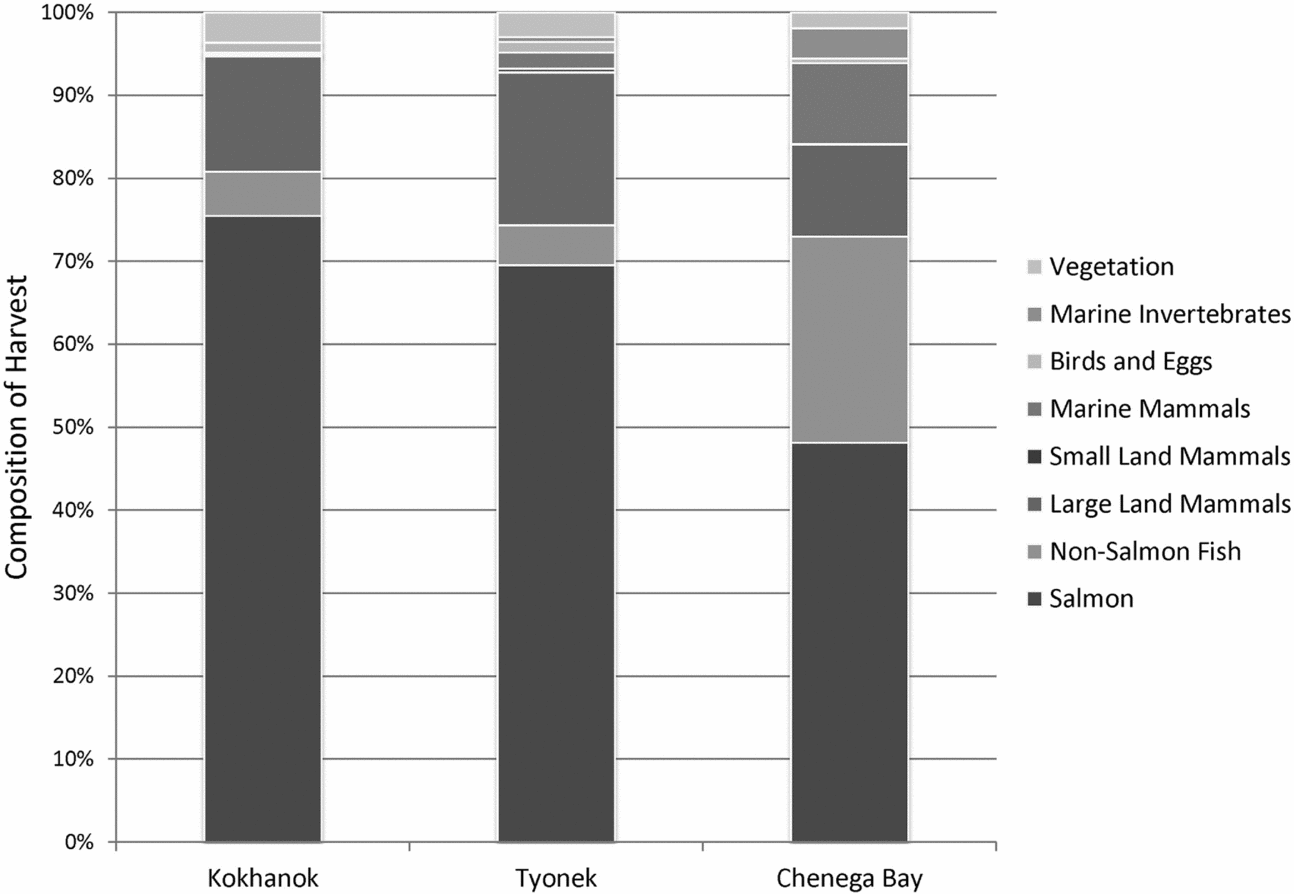
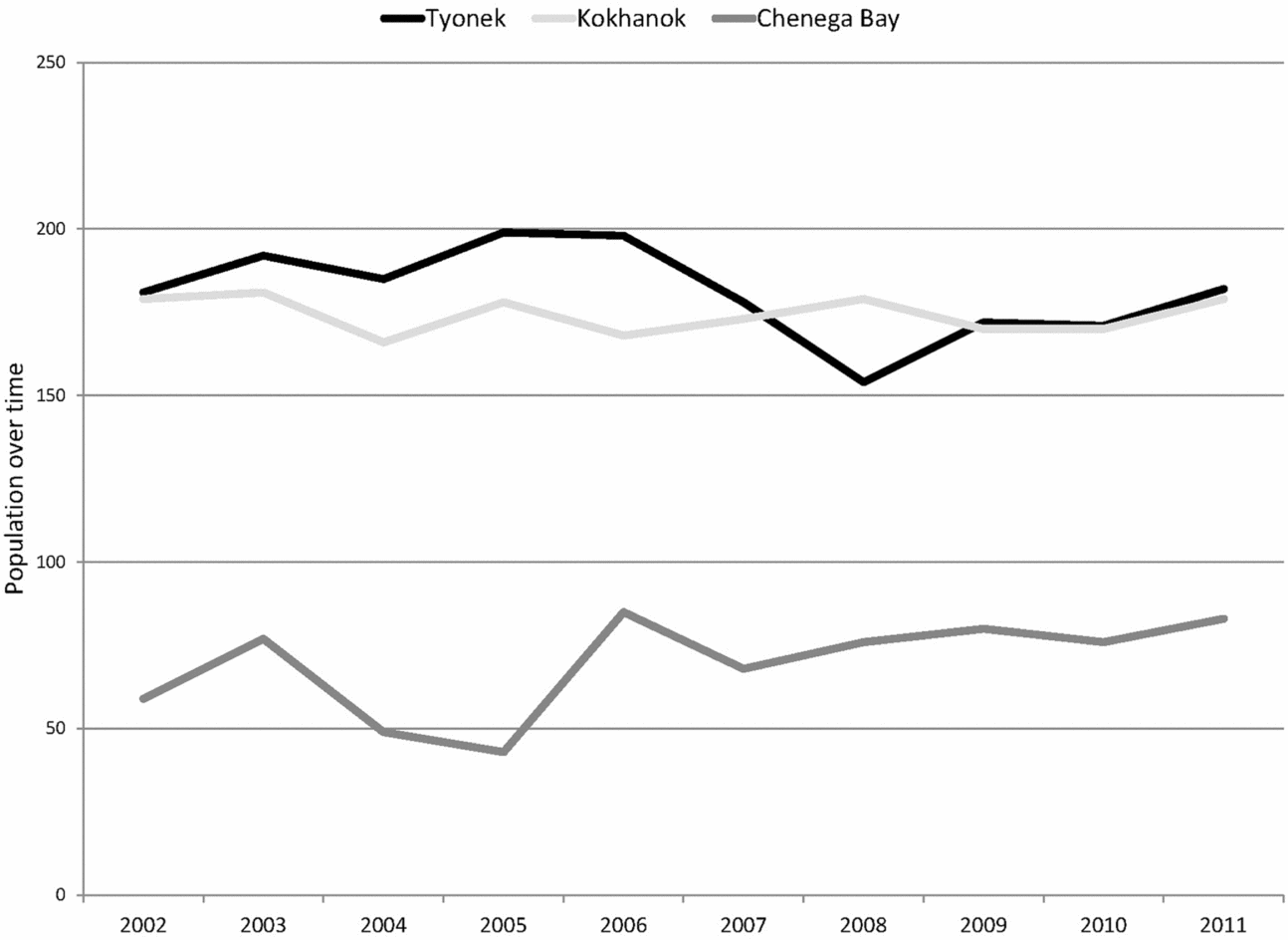
Kokhanok today, located on the south side of Iliamna Lake (Fig. 1), is a predominantly central-Yup’ik community. In 2005 salmon comprised 74% of a total harvest of all wild foods as measured in pounds per capita of edible weight in Kokhanok (680 lbs, 308 kg per capita (Krieg and others Reference Krieg, Holen and Koster2009; Fig. 2). This is the highest harvest of salmon per capita in Alaska. For almost a century, the area's residents have each year traveled down the Kvichak River to Bristol Bay to participate in the commercial salmon fishery (Holen Reference Holen2009). In the late 1990s several households left the commercial fishery, selling their boats and fishing permits due to low salmon prices. A survey in 2006 for the 2005 study year found that only 16% of residents continued to participate in the Bristol Bay fishery (Holen Reference Holen2009; Krieg and others Reference Krieg, Holen and Koster2009). As shown in Fig. 3, the community's population has been stable over the past 12 years. Although not as involved in the commercial fishery as they once were, residents are attempting to remain in the community; they relate that family and subsistence activities are important to them.
Comparison of harvest by resource category; per capita harvest in kg edible weight. Sources: Fall and others Reference Fall, Holen, Davis, Krieg and Koster2006; Stanek and others Reference Stanek, Holen and Wassillie2007; Krieg and others Reference Krieg, Holen and Koster2009.
Population over time in the study communities, 2002–2011; Source: ADLWD 2013.
Tyonek is a mainly Dena’ina Athabaskan community located on the western shore of upper Cook Inlet in southcentral Alaska (Fig. 1). Salmon, especially Chinook salmon (Oncorhynchus tshawytcha ), have become a symbol of the dependence of the Tyonek community on subsistence and commercial fisheries. In 1964, due to a decline in Chinook salmon stocks in Cook Inlet, fishing for Chinook salmon was prohibited. In 1978, after the Alaska Legislature established a priority for subsistence, the Dena’ina of Tyonek sought to reestablish their traditional Chinook salmon fishery. The community's request was denied, yet the community eventually won the right to their traditional fishery after four Tyonek elders entered a case in the Alaska Superior Court (Fall Reference Fall1989). Each May since 2004 I spent a day issuing subsistence fishing permits to households in Tyonek as part of my duties for the Alaska Department of Fish and Game. As they were picking up their permits, residents expressed how important the subsistence fishery was to their way of life. A recent study found that in 2006 salmon comprised 69% of the total per capita harvest of 217 lb, 123 kg per capita of wild foods (Fig. 2; Stanek and others Reference Stanek, Holen and Wassillie2007). In addition to the subsistence salmon fishery, Tyonek residents also have a long history of commercial fishing in Cook Inlet that goes back to the 1880s. In 2006, 17% of the community was involved in the commercial fishery, yet this fishery brought in only 4% of the total community income from employment (Stanek and others Reference Stanek, Holen and Wassillie2007). Besides the commercial fishery, residents also guide sport fishermen who travel to Tyonek to fish in the Chuitna River for Chinook and Coho salmon (Oncorhynchus kisutch), providing additional income for residents.
Chenega Bay is a predominately Alutiiq community located in Prince William Sound, the home of the renowned Copper River fishery (Simeone Reference Simeone2008; Turek and others Reference Turek, Ratner, Simeone and Holen2009). The original village of Chenega was destroyed by a tsunami during an earthquake in 1964. Surviving residents of Chenega moved to Cordova, Valdez, or Anchorage. During the 1970s, plans to reestablish the community were launched and Chenega was reestablished in 1984 at present day Chenega Bay (Simeone and Miraglia Reference Simeone and Miraglia2000: 24). Today Chenega Bay is a small fishing community that relies on salmon and other marine resources for both subsistence and for jobs. A survey in 2004 for the 2003 study year found that salmon comprised 48% of the total wild resource harvest of 471 lbs, 214 kg per capita (Fall and others Reference Fall, Holen, Davis, Krieg and Koster2006; Fig. 2).
Research findings
Participation in subsistence fishing
Salmon is a necessary component of the subsistence economy to maintain adequate food security in rural Alaska. Resident incomes are not as high as in urban communities in Alaska. Higher fuel prices have recently driven up the cost of store bought food, as most food is brought in by plane. Salmon as a subsistence resource is therefore vital in ensuring adequate food security for resident communities. During this study, each community showed a high participation of individual participants in subsistence fishing. Participation activities include both the harvest of the resource at fishing locations and the processing of salmon. Individual participation in subsistence fishing in each community ranged from 44% in Tyonek to 68% in Kokhanok (Table 1). A similar percentage of residents (44% to 67%) assisted in processing the harvest. This processing includes cutting harvested salmon into fillets or strips, and in most cases hanging them in a smokehouse to cure for several days followed by storing the salmon in jars so that they can be saved for the winter. In all three communities, both old and young residents note that younger people are not participating as much in these activities as they did in the past.
Participation in subsistence fishing activities, selected communities, 2011.

Table 2 shows households consuming salmon for food, participating in harvesting salmon, and receiving or giving salmon from or to another household through sharing practices. Participation at the household level in fishing for salmon is high in all three communities, around 82%. Table 2 also shows the harvest of salmon in terms of edible weight and the number of individual salmon harvested. As salmon are often harvested by households working together, the mean household harvest is also provided. The 2011 harvest of salmon varied from 137 lbs, 62 kg per capita in Chenega Bay, 141 lbs, 64 kg per capita in Tyonek, to 436 lbs, 198 kg per capita in Kokhanok (Table 2). This can be compared to urban harvests in Alaska of approximately 22 lbs, 10 kg per capita of all wild foods demonstrating that salmon is important for household consumption throughout the subsistence fishery in rural communities (Fall Reference Fall2012).
Estimated harvests and uses of salmon, 2011.
In all three communities there is a high degree of sharing of salmon, which allows for adequate food security at the community level. Both Chenega Bay and Kokhanok had high levels of sharing, with 75% of households giving salmon to other households. Chenega Bay residents share the drift gill nets available in the community, and those participating in the harvest widely share the harvest with non-harvesting households. Sharing between households takes place at the kin and community level, with households sharing fresh salmon especially with kin-related households in the community and later processed salmon, mainly smoked and jarred, to a wide network both within and outside the community.
Participation in commercial fishing
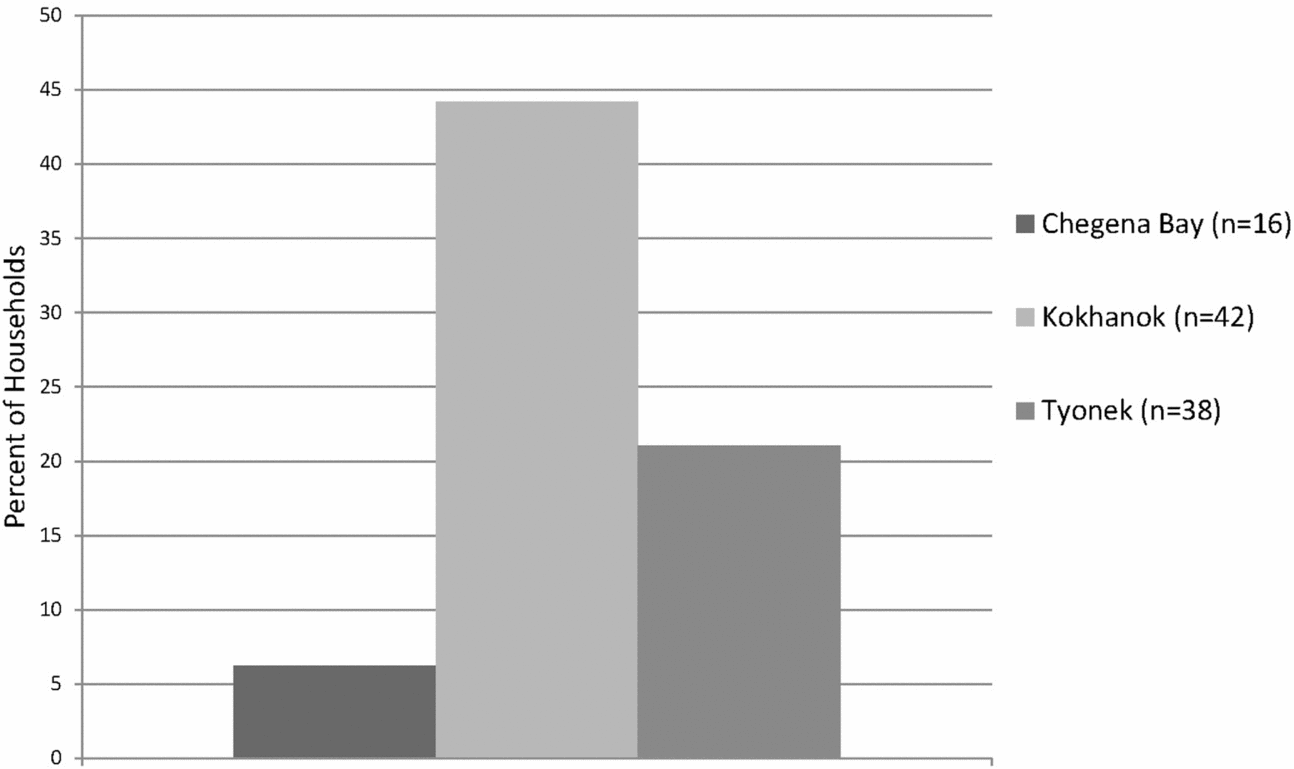
Participation in the commercial fishery is uneven among communities. Whereas in Kokhanok 44% of households had at least one member who participated in the commercial fishery, in Chenega Bay participation has fallen in recent years, and only 6% of households had a member participating in the commercial fishery (Fig. 4). At the same time, during key respondent interviews, respondents noted that only seven residents of Kokhanok still have fishing permits, while most residents who participate in commercial fishing now work as crew on boats or at commercial fishing sites located along beaches near spawning rivers, although they or their families owned boats and permits in the past.
Household participation in commercial fishing.
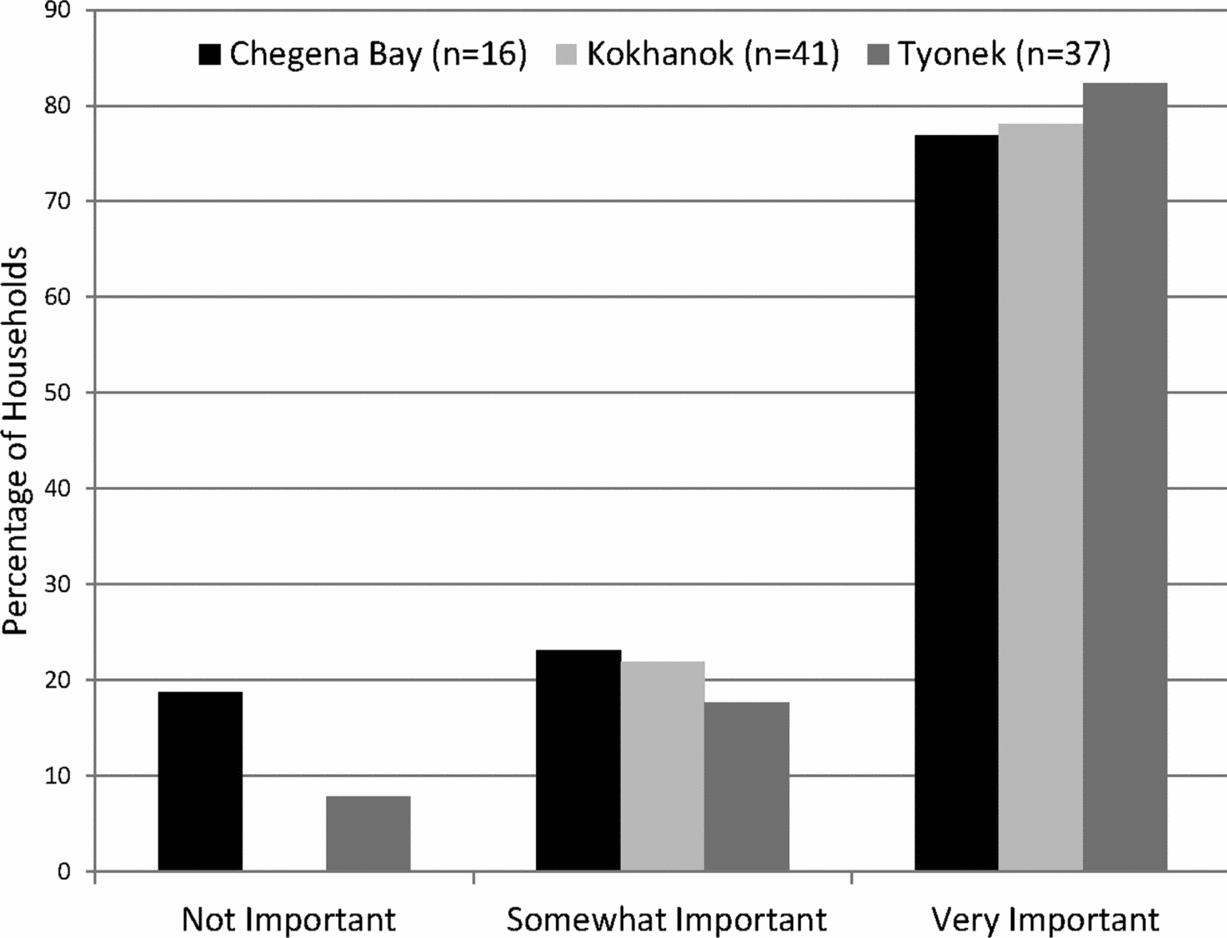
Around 21% of households in Tyonek (Fig. 4) had at least one member participating in commercial fishing. As shown in Fig. 5, when asked if commercial fishing was not important, somewhat important, or very important for the local economy, a majority of respondents in all three communities related that fishing is very important. Although participation may have fallen, residents’ attitude about the value of fishing to the economy was high. Respondents related how their families had fished for generations, and even if family members were no longer fishing they still felt that it is important for the community and the region.
Economic importance of fishing.
Valuation of community and culture
In this study, participants were asked an open-ended question of why fishing is important for the community (Fig. 7). Respondents listed many ways in which they value fishing in their community. Surveys and interviews showed that the three communities valued fishing for the same top three reasons: economic benefits, social viability, and a sense of place and identity. These reasons are illustrated in more detail in the following two sections.
Economic and social viability of fishing
While in many rural Alaskan communities commercial fishing creates a robust economy, in all three of the study communities commercial fishing has contributed a decreasing number of jobs for community members. Very few residents of all three communities stay in the community for jobs; they stay for other reasons that are important for quality of life. Commercial fishing does provide some jobs and economic security, but it does not provide for many jobs in all three communities. Tyonek once had an active fishery with 25 commercial set net permits in the community. Today there are fewer than 10 (Stanek and others Reference Stanek, Fall and Holen2006: 88). In Tyonek efforts are being made to market commercially caught sockeye (Oncorhynchus nerka) and coho salmon in Anchorage, Alaska's largest city, which is only 15 minutes by air from the community. Fresh fish from Tyonek is served in Anchorage restaurants within a day or two of being harvested in Upper Cook Inlet. Efforts are underway by the native village of Tyonek, the Alaska native organisation that governs the community, to open their own processing facility to provide fish processing jobs to produce a value added product that can be shipped out of the community to nearby urban areas such as Anchorage.
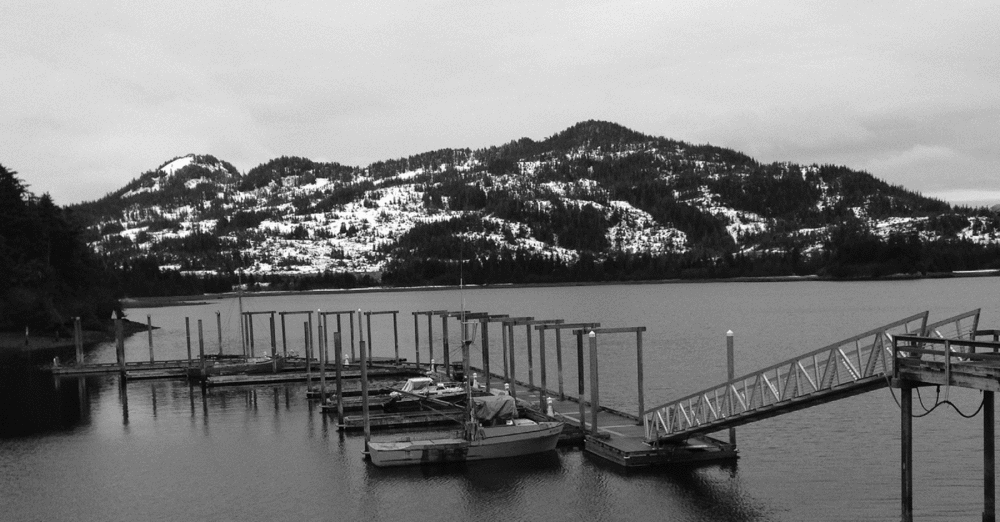
The Chenega Corporation, the Alaska native corporation that represents the community of Chenega Bay, is also working on a programme to get more residents into the fishery by providing financing for community members to purchase boats and permits. Very few Chenega Bay residents continue to fish in Prince William Sound today, and the dock built in the community around 1984 is rarely used for commercial fishing boats (Fig. 6). As shown, there are few boats, most of which are retired and used for day trips for subsistence fishing or to access hunting areas throughout the sound. In summary, commercial fishing is no longer a large contributor to the vitality of Kokhanok, Chenega Bay or Tyonek; however, it is still valued for its limited economic benefits.
Chenega Bay small boat harbour. Photograph by Davin Holen.
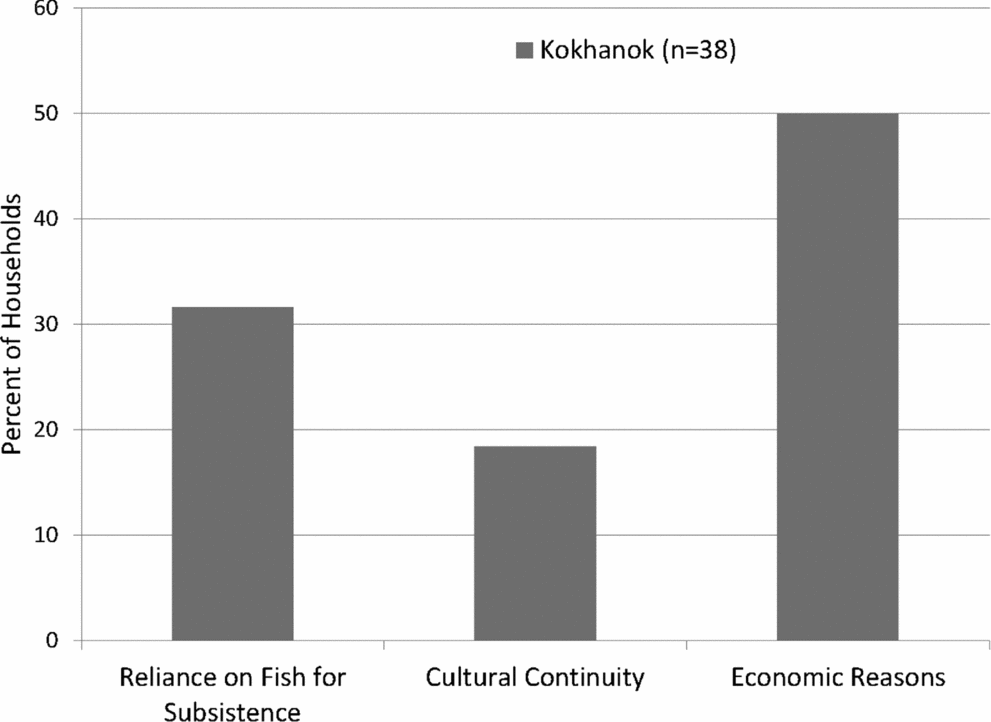
Without subsistence fishing, respondents in Kokanok, Chenega Bay and Tyonek indicated that they could not afford to live in their communities; but more importantly they relayed that they would not want to. In Kokhanok for example, responses were grouped into three categories. Most households associated fishing as important for economic reasons (Fig. 7). Preliminary analysis of key respondent interviews in Kokhanok shows that residents rely on locally caught salmon to offset the cost of fuel to transport groceries to the community. Groceries are brought in by plane adding between $.60 to $1 per lb ($1.20 to $2.00 per kg) to their cost, depending on the size of the food order.
Reasons why fishing is important.
When this data was presented to a school class in Kokhanok, the general question was asked to the students why salmon was important to them and their family. The students replied that harvesting salmon for food meant they did not have to buy as much food, and therefore could have money for other necessities such as fuel and rent. Subsistence practices ensure adequate food security throughout the year, especially for those households that harvest anywhere from 300 to 1,000 salmon a year for themselves and to share with other households
Community based cultural attitudes, values, and beliefs about place and identity
Of equal significance to residents in all three communities was the importance of fishing for culture continuity. For example, one Kokhanok resident who grew up in a small village nearby said that Kokhanok is a successful fishing community. She went on to explain what she meant by this statement by saying that today she fishes with her children, teaching them to fish as her grandmother taught her. Fishing ‘helps kids form their identity’ and it also teaches them how to work together as a group. ‘Everyone has to get along at fish camp’ in order to make the harvest a success. ‘You have to help everyone, it's important for the entire community.’ This woman values fishing because it produces an environment in which all generations can work together in a time when she feels the gaps between them are the most significant.
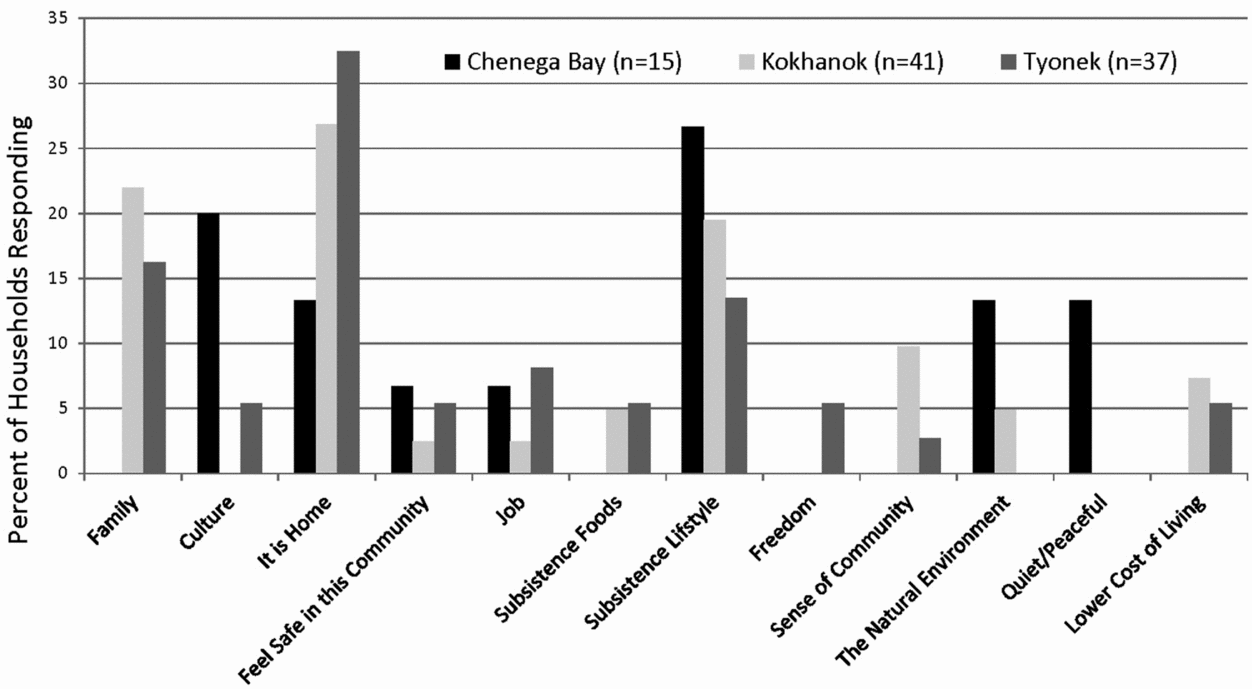
Residents of these small-scale coastal communities have a strong connection to fish as a valuable resource for their way of life, and this factor must be accounted for in their decision making process of whether to continue living in their rural communities. ‘Kokhanok is a fishing community, it's a subsistence community’, commented one resident (R. Zachar, personal communication, 2 November 2012). Continuing to fish for subsistence is seen by residents as a way to maintain culture. Residents interviewed in all three communities talked about how important it is to pass on knowledge about fishing activities to their children as an important part of their culture. The practices involved in fishing (preparing gear, setting out gear, waiting, processing, etc.) involve families working together to continue their subsistence way of life and develop a unique set of values surrounding the practice of fishing. These values placed on subsistence fishing provide support for their subsistence way of life and the continuity of their culture. The subsistence lifestyle is a major reason for continuing to live in these communities, however there are also other important factors that arose during research. Many residents, when asked why they continue to reside in their communities, simply answered that it is home (Fig. 8). When asked what ‘home’ means, they explained that it comprises family, feelings of comfort and security, freedom, a quiet and peaceful environment, and a sense of community. The response of ‘home’ when asked why someone remains in their community was the response of the majority of respondents in all three communities. The values associated with a sense of place were not foreseen in the original hypothesis. This value could be the strongest value in regards to community vitality. The practice of fishing does not only ensure cultural continuity by maintaining a subsistence way of life, but it perpetuates a sense of place and identity for residents in these small Alaskan communities.
Primary reasons resident note that they continue to reside in their community.
Discussion
In Alaskan fisheries socio-cultural factors are not well understood as most discourse revolves around the importance of economics of fisheries for the larger, statewide economy, underestimating additional benefits of fisheries such as their cultural and social significance. It also ignores the uniqueness of each fishing community. In order to understand the diversity of factors involved in the long-term viability of rural fishing communities, this research project examined how residents value fishing and what these values suggest about the vitality of a community. Respondents, while attributing great value to fishing and the economic benefits it brings, showed concern about the economy and the effect of a changing economy on their culture and traditional practices. Some of the economic changes stem from low salmon prices paid to commercial fishermen since the late 1990s. In addition, participation in the commercial fishery became more complicated for residents of rural fishing communities after the implementation of the limited entry system in 1975 that gave permits for specific fisheries to those who could demonstrate an economic dependence and past participation in commercial fishing (Langdon Reference Langdon and Cordell1989: 326). The wealthier individuals in tribal communities control the capital necessary to finance boats and maintain permits to participate in competitive limited entry fisheries. This situation exists within tribal social environments where social elites created through powerful kinship networks control access to the capital necessary to finance fishing (Schroeder Reference Schroeder2003: 438).
According to Langdon (Reference Langdon and Cordell1989: 327), ‘the social obligations and reciprocity between generations to provide for each other, characteristics of the traditional house group [kin-related social networks], appear to have declined substantially.’ Eventually elders who held permits sold those permits to those who could pay. Permits were sold to more wealthy families or to outsiders leading to a decline in the limited-entry permits held by rural residents in the 1980s. With the sale of a family's permit to an outside entity, especially the younger generations are slowly migrating to Alaskan cities, as they can no longer afford to live in rural communities where the cost of living is often higher than in urban centres. According to Langdon (Reference Langdon and Cordell1989: 327) ‘the elderly felt no responsibility to keep permits in the family, because they apparently did not perceive the younger generation as capable or committed to helping support them in their old age.’
It is difficult for the younger generation, if they are not connected to the right kinship network in a community, to raise the capital necessary to buy a permit and finance a boat to participate in the commercial fishery. But this is not always the case. Respondents from Tyonek related that they see more young people entering the commercial fishery. In Tyonek respondents reported that they are giving permits to their children when they come of age and are capable of taking over the family fishery. Fishing provides a high level of job satisfaction for young people as it fulfills a ‘self-actualization component that includes adventure and challenge’ (Pollnac and Poggie Reference Pollnac and Poggie2006: 330). As one respondent from Tyonek related, as a young person fishing ‘gets into your blood and you are hooked’ (John Standifer, personal communication, 26 July 2013).
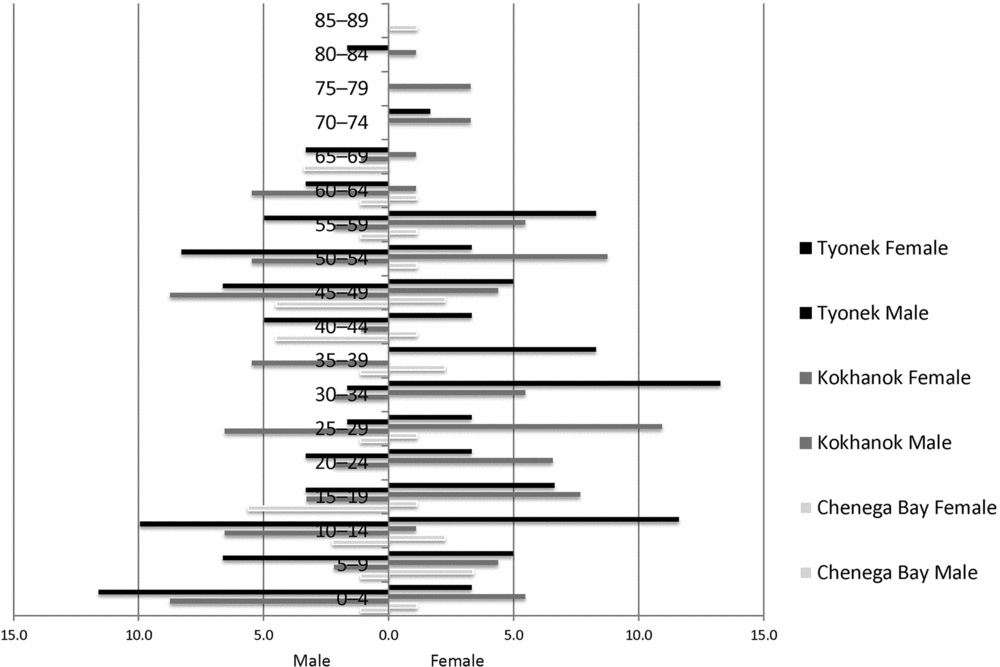
However, to maintain the connection to the place and resource, the community must be viable economically (Aarsæther and others Reference Aarsæther, Riabova and Baerenholdt2004: 139). This means that also fishing needs to be an economical occupation so that children growing up in the community are able to follow their parents into this way of life. Like the people of Tyonek, residents in Kokhanok relate that there is a new generation of fishers as young people are entering the fishery. Fig. 9 shows a cohort of residents in the 20–40 years’ age class living in the community. Residents hope that more young people will return to take over traditional roles in the community such as fishing.
Population profile of study communities, 2011.
Kokhanok residents noted that there were many years when some residents sold their fishing permits and boats and stopped traveling each year to Bristol Bay to fish commercially. Prices paid per pound for salmon began to decline in the early 2000s going from $1.22 per lb, $4.22 per kg for sockeye salmon in 1999 for example, to as low as $0.42 per lb, $0.92 per kg in 2001 (Jones and others Reference Jones, Sands, Morstad, Salomone, Buck, West, Brazil and Krieg2013: 95). Beginning around 2008 prices started to go up again and in 2013 processors were paying $1.53 per lb, $3.30 per kg for sockeye in Bristol Bay (Jones and others in press: 28). According to residents, after a few years of losing money they stopped fishing, which meant some children did not grow up in this way. If a limited entry permit holder fails to pay the fees to renew a permit, that permit reverts back to the Alaska Commercial Fisheries Entry Commission and is therefore lost to the family (CFEC 2014). Traditionally, children travel with their parents and participate as crew on boats learning how to fish. Children become inculturated into the commercial fishing lifestyle by participating alongside their parents as young people, just as they do when participating in subsistence fishing. When they are older, this new generation may take over the boats and fishing permits from their parents, if social and economic conditions allow for such continuity for families in the fishery. Only in the past five years, as prices for salmon have continued to increase, are residents attempting to re-establish this way of life.
Commercial fishing is an occupation that provides a sense of value and identity in all three communities. Residents related that commercial fishing is more of a way of life than a job, and fishers in other fisheries throughout the world hold a similar sentiment. In southeast Alaska, Pollnac and Poggie (Reference Pollnac and Poggie2006: 336) found that, in the words of one Petersburg resident: ‘Fishers define themselves by their job. If they couldn't fish, they wouldn't be themselves - they’d have no identity’.
In Alaska the commercial and subsistence fisheries are often inter-related as fishing equipment is often used for subsistence fishing outside commercial fishing periods (Wolfe and others Reference Wolfe, Scott, Simeone, Utermohle and Pete2005: 21). In addition, households with fishing permits are often also the households that are high producers of subsistence foods. A household's wild food harvest increases by 125.8% if the household is also involved in commercial fishing (Wolfe and others Reference Wolfe, Scott, Simeone, Utermohle and Pete2005: 23). In terms of subsistence, harvests in Alaska are still relatively high compared to other Arctic areas (Poppel Reference Poppel and Glomsrod2006: 68). However, participating in a subsistence lifestyle is increasingly becoming more complicated as incomes in rural communities shrink and residents can no longer afford the material means necessary for engaging in subsistence, such as boats, all terrain vehicles, fuel, and fishing nets. The harvest of wild foods in rural Alaska remains a key factor for providing for food security, but the subsistence economy is intimately tied to the cash economy, leaving rural communities in Alaska vulnerable, especially with a declining participation in commercial fishing by rural residents. During this process of change some communities do not succeed in retaining a viable population, and in many cases young people and young families feel the need to migrate to urban centres in search of jobs, disrupting the social fabric of the community. Recent studies suggest that economic factors are the primary drivers for rural-to-urban migration (Aarsæther and others Reference Aarsæther, Riabova and Baerenholdt2004; Holen Reference Holen2009). However, missing from these studies is valuation of fishing at a cultural and community level.
Communities seek to continue to be fishing communities. However, the way in which participation in the fishery occurs may shift over time between involvement in the commercial and subsistence fisheries. The values expressed by community members about the satisfaction that fishing brings to them and their families demonstrate how fishing benefits rural communities in Alaska in terms of economy, cultural continuity, and giving residents a sense of place and identity.
Conclusion
The aim of this paper was to explore how rural communities in Alaska value subsistence and commercial fishing and how these values contribute to sustaining long-term viability. The research shows that commercial fishing and subsistence fishing are both important for the maintenance of economic and social viability in each community. Commercial fishing is important for economic sustainability by providing jobs and a way of life that is passed down through generations. Subsistence fishing provides a means for obtaining food and strengthens the bonds of family and community. The activity of fishing brings extended families together to ensure the success of the harvest, processing, and distribution of the resource to the benefit of the community. Commercial fishing has provided fewer jobs for all study communities in recent decades; at the same time, the communities have continued to value subsistence fishing for the food it provides and the family relations it builds and secures.
How well a community can adapt fishing opportunities and their values surrounding fishing as an activity is an indicator of community viability. Chenega Bay, Kokhanok, and Tyonek have been able to adapt how they value fishing over the past century as their economies and cultures went from primarily subsistence based to an interrelated economy of subsistence and commercial fishing, formulating economy and identity for their families, their community, and their culture. Residents continue to view fishing as important for the continuity of culture. As one resident of Kokhanok who participates in both commercial and subsistence fishing noted, fishing is a ‘part of our sense of identity, it's who we are’ (Roy Andrew, personal communication, 2 November 2012).