

1. Introduction
Increasing health care expenditure is a serious concern in most industrialized countries. Rationing or priority setting (terms we use as interchangeable throughout) in health care is at the center of political attention around the world. Rationing can occur at the macro or micro level. Macro-allocation includes decisions about how to allocate funds across a range of public goods. Micro-allocation involves bedside decisions about denying a potentially beneficial treatment to patients on the grounds of scarcity. Although conceptually distinct, both levels of decision are related. Restrictions on the financing of the health sector create more situations of patient discrimination. In this paper, we focus on the micro level of priority setting.
An important research objective regarding bedside rationing decisions is to clarify which distributive criteria carry general public support and, in particular, health professional support. Health professionals are the ones who, at the micro level, ultimately decide which patient should have priority. Moreover, priority setting at any level cannot be legitimate without the support and participation of health professionals (Sabin, Reference Sabin2000). This idea is supported by public opinion. There is evidence suggesting that, notwithstanding the general call for civic involvement in the process of priority setting, the dominant preference is to give an advisory role to the public and not a participative role, with prioritization decisions being primarily conferred to health professionals (Bowling, Reference Bowling1996; Coast, Reference Coast2001; Litva et al., Reference Litva, Coast, Donovan, Eyles, Shepherd, Tacchi, Abelson and Morgan2002; Abelson and Gauvin, Reference Abelson and Gauvin2006; McKie et al., Reference McKie, Shrimpton, Hurworth, Bell and Richardson2008; Theodorou et al., Reference Theodorou, Samara, Pavlakis, Middleton, Polyzos and Maniadakis2010; Botelho et al., Reference Botelho, Pinho and Veiga2014).
There is empirical literature on the views of health professionals in different countries concerning the rationing criteria that should guide patient prioritizations (Lees et al., Reference Lees, Scott, Scott, MacDonald and Campbell2002; Kapiriri and Norheim, Reference Kapiriri and Norheim2004; Hurst et al., Reference Hurst, Slowther, Forde, Pegoraro, Reiter-Theil, Perrier, Garrett-Mayer and Danis2006; Lauridsen et al., Reference Lauridsen, Norup and Rossel2008; Strech et al. Reference Strech, Persad, Marckmann and Danis2009; Arvidsson et al., Reference Arvidsson, André, Borgquist, Andersson and Carlsson2012; Bahus et al., Reference Bahus, Steen and Førde2012; Antiel et al., Reference Antiel, Curlin, James and Tilburt2013; Winkelhage et al., Reference Winkelhage, Schreier and Diederich2013; Hurst et al., Reference Hurst, Forde, Slowther and Danis2014; Bahus and Førde, Reference Bahus and Førde2016; Pinho, Reference Pinho2016; Pinho et al., Reference Pinho, Borges and Cookson2018). The conclusions seem to indicate that health professionals’ value judgments vary among countries and that they support multiple ethical criteria. However, the range of different samples and study designs used does not facilitate comparability across studies and does not allow many detailed conclusions to be drawn (Dolan and Shaw, Reference Dolan and Shaw2003). Furthermore, the studies cited above fail to consider decisions that simultaneously involve a trade-off between two rationing criteria. Hence, it is not possible to define the relative importance assigned to each rationing criterion.
The present study takes a more comprehensive approach, looking at seven general criteria applicable to a broad range of bedside health care rationing decisions. In a context of day-to-day health care priority setting decisions, we investigate the rationing criteria supported by Portuguese health care professionals, especially in contexts where two of those criteria are in opposition.
This research is particularly relevant for Portugal because the Portuguese health system is experiencing an excess of health care demand. According to recent data, approximately 5.5% of the Portuguese population (aged 16 or above) reported having some unmet medical care needs (Eurostat, 2017). This number more than doubled between 2010 and 2014 (OECD/EU, 2016). In Portugal, access to health care has clearly deteriorated since the external bailout program in 2011, to which the country was subjected after the global financial crisis of 2008 (Stakellarides et al., Reference Stakellarides, Castelo-Branco, Barbosa and Azevedo2014). With regard to the health system, the objectives of the 3-year plan were focused on reducing health care costs, rationalizing the use of health resources and increasing revenues through mechanisms such as user charges. These reforms adopted a typology of rationing mixing explicit measures taken at the macro level and implicit practices at the micro level, the latter remaining under the responsibility of health care providers. For this reason, it is imperative to know the value judgments of health personnel so that public policies can be developed and implemented with their agreement.
The study reported here followed three main objectives. First, to test a questionnaire design used elsewhere (Kasemsup et al., Reference Kasemsup, Schommer, Cline and Hadsall2008) with a Portuguese sample of health care professionals, in order to explore the respondents’ adherence to rationing criteria. As such, a confirmatory factor analysis (CFA) was performed. Second, to explore the extent to which Portuguese health care professionals support the seven rationing criteria most discussed in the literature (and described below): Length of time spent on the waiting list – waiting time (WT), health maximization (Max), ‘rule of rescue’ (RR), parenthood of minors (PM), age discrimination – youngest first (YF), positive merit (M+) and negative merit (M−). Finally, to compare the importance assigned by health care professionals to each of these rationing criteria when confronted with two-in-two combinations.
2. Bedside rationing criteria – conceptual framework
Many criteria can form the basis of rationing decisions in health care, each of which represents a different interpretation of distributive justice. The following have been proposed as valid criteria for distributing health care (Williams and Cookson, Reference Williams and Cookson2000; Brock, Reference Brock2002; Persad et al., Reference Persad, Wertheimer and Emanuel2009; Scheunemann et al., Reference Scheunemann, Douglas and White2011; Beauchamp and Childress, Reference Beauchamp and Childress2012): (i) fair chances (ii) first-come, first-served; (iii) health maximization; (iv) need; (v) age-based allocation; and (vi) desert/merit-based. A brief description of each of these measures is given below.
First, fair chances. According to the ‘fair chances’ criterion, every person should have a fair chance of treatment (Brock Reference Brock2002). The moral status supports an equal claim to scarce resources (Ramsey, Reference Ramsey2002). Lottery is a straightforward strategy to treat people equally. The lottery criterion follows the idea that no one should decide who should be treated or not. It is a criterion of procedural justice, which takes no account of any differences between patients.
Second, first-come first-served. The first-come, first-served strategy is a criterion of distributive justice that does take account of the differences between patients – the length of time spent on the waiting list. According to the first-come first-served criterion, health care resources are allocated according to the individual’s position on the waiting list. In this context, the patients who waited longer should have priority.
Third, health maximization. The health maximization criterion rests on the broader concept of efficiency by emphasizing the health of the whole community. A single index number – quality-adjusted life-years (QALYs) – comprises morbidity and mortality in every state of health and has been increasingly used as a measure of health outcome. Health economists have proposed the maximization of QALYs (for the same costs) as the criterion for prioritization of health care services. When applied to micro allocation it means that patients with a better prognosis in terms of length or quality of life should be prioritized. Accordingly, health care resources should be allocated to patients who are expected to gain the largest total amount of health over their remaining life span valued in terms of length and quality of life.
Fourth, priority according to need. Although morally well accepted, setting priorities between patients according to need can lead to different allocation depending on the definition of ‘need’. We apply two distinct definitions of need: clinical and social need. Clinical need is defined in terms of the degree of ill-health or the severity of their pre-treatment health state. This criterion is especially popular among clinicians, who see themselves as the expert judges of needs. The severity approach to health care resource allocation is drawn from a number of well-known theories of distributive justice, which emphasizes that the worst-off in society have special and legitimate claims (Rawls, Reference Rawls1972; Daniels, Reference Daniels1985). Accordingly, those patients who have greatest need for treatment at a specific moment in time should be prioritized. There is, however, considerable heterogeneity in the definitions of severity used in the literature (Shah, Reference Shah2009; Gu et al., Reference Gu, Lancsar, Ghijben, Butler and Donaldson2015). Clinical need might encompass pain, mobility, self-care, usual activities and anxiety/depression, to use de EQ-5d as an example. The most common definitions of need as ill-health would encompass (Cookson and Dolan, Reference Cookson and Dolan2000): (i) immediate threat to life and (ii) immediate pain and suffering. These two need definitions are both sometimes called the ‘RR’ (Jonsen, Reference Jonsen1986). According to the ‘RR’ argument society has a duty to do everything possible to rescue all those facing immediate threats to life and/or health. Social need highlights the emotional dimension by taking into consideration patients’ relations with other members of society. The social need criterion captures the idea that the ‘well-being’ of others may depend on the patient’s health. Throughout our analysis we will use child-rearing as a measure of social responsibility. Accordingly, parents of young children (PM) deserve to be prioritized.
Fifth, age-based allocation. Using patient’s age as a criterion to ration health care resources has been much debated in the literature and remains a controversial subject (Zweibel et al., Reference Zweibel, Cassel and Karrison1993 for a review). The most prominent defender of old-age-based rationing has been the biomedical ethicist Daniel Callahan. According to Callahan (1985), there should be an opportunity for every young person to become old and it is only fair to limit assistance to those who are already old. Therefore, life-extending health care should be denied to persons who are aged in their ‘late 70s or early 80s’ and/or have ‘lived out a natural life span’ (Callahan, 1987: 171). The empirical evidence has not been consensual about this idea. Although several studies have indicated that age is a criterion that physicians want to use in prioritization (Myllykangas et al., Reference Myllykangas, Ryynanen, Lammintakanen, Isomaki, Kinnunen and Halonen2003; Krütli et al., Reference Krütli, Rosemann, Törnblom and Smieszek2016), other studies show that physicians thought that age should not influence prioritization (Delden et al., Reference Delden, Vrakking, Van der Heide and Van der Maas2004; Hurst et al., Reference Hurst, Slowther, Forde, Pegoraro, Reiter-Theil, Perrier, Garrett-Mayer and Danis2006; Werntoft and Edberg, Reference Werntoft and Edberg2009). It seems, however, that in some countries physicians already practice age-based rationing (Brockmann, 2002; Strech et al., Reference Strech, Persad, Marckmann and Danis2009).
Sixth, priorities according to merit/desert. The desert or merit-based criterion supports the idea that patients should get what they deserve and, conversely, should not get what they do not deserve. These are positive or negative judgments. The appeal of the positive judgment may rest on the idea of instrumental value (Persad et al., Reference Persad, Wertheimer and Emanuel2009). Harris (Reference Harris1985) describes this as all whose continued existence is clearly required so that others might live have a good claim to priority. The sense here is that health care is a ‘reward’ for making a positive contribution to society. This claim is, however, highly contested in the literature (Clark and Weale, Reference Clark and Weale2012). In a health care context, a common negative version of the merit-based criterion is the lifestyle choices of people whose ill-health is related to those choices (Cappelen and Norheim, Reference Cappelen and Norheim2005). An implication is that patients who are deemed partly responsible for their own illness should receive lower priority for treatment.
In this study, we explore the support by Portuguese health care professionals for the following main criteria: first-come first-served (referring to WT); health maximization; clinical need (referring to immediate threat to life and/or pain/suffering – RR); social need (referring to PM); age-based allocation (referring to YF); desert/merit (referring to having a positive contribution to society or instead having a negative contribution to one’s own health); and fair chances (referring to ‘randomly choose’ when deciding between two patients).
3. Methods
3.1 Questionnaire
The data were collected through a self-administered questionnaire. The questionnaire comprised two groups of questions developed elsewhere (Kasemsup et al., Reference Kasemsup, Schommer, Cline and Hadsall2008). We analyzed seven rationing criteria. The first group of questions presented 21 hypothetical rationing scenario choices involving two patients distinguished by personal or health characteristics. Respondents had to disclose their degree of preference for giving priority to one patient using a 7-point semantic differential scale, with ‘no preference = 0’ serving as the midpoint (−3, −2, −1, 0, 1, 2, 3). The choice of ‘0’ constitutes an adherence to the lottery criterion. The degree of preference for one patient was rated as ‘some preference’ (−1 or 1), ‘strongly prefer’ (−2 or 2) or ‘definitely prefer’ (−3 or 3). The answers to this group of questions were used to support the validity of the scenarios presented in the second group of questions. The second group presented 21 hypothetical rationing scenarios. This group comprises a full factorial analysis, because all rationing criteria are paired against each other. Each scenario described two patients simultaneously characterized with two different conditions derived from two of the seven rationing criteria. Respondents had to choose which patient to treat or do it randomly. By exploring the trade-off between two different rationing criteria, these questions allowed us to define the relative importance attached to each. A summary description of both groups of questions can be found in the Appendix. The questionnaire finished with questions related to the respondent’s demographic background.
The questionnaire was preceded by a sheet explaining the scope of the study and the request for permission to use the data obtained.
We developed a pilot experiment in order to decipher whether respondents agreed that their responses to the specific patient description could be interpreted as an indicator of a specific rationing criteria. This is particularly important when presenting health professionals with extremely simple descriptions of patient scenarios.
We are aware of the sensitive nature of patient prioritization questions, and for this reason we assured confidentiality and had no contact with respondents while they were completing the questionnaire.
3.2 Sample
The questionnaire was administered between January and May of 2016 to a sample of 254 health professionals from the north and center of Portugal. The health professionals consisted of nurses (54.7%) and physicians (45.3%). Health professionals completed the questionnaire during their workday. Respondent’s participation was voluntary and time was given to formulate reflective opinions, as suggested by Dolan et al. (Reference Dolan, Cookson and Ferguson1999).
The majority of respondents (60%) were female. The sample had an average age of 42 years. Most respondents (72.5%) were married, 56.9% had at least one child and 58% had a net monthly income exceeding 1.500EUR.
3.3 Data analysis
Descriptive statistics were used to summarize the respondents’ decisions regarding which patient to provide care for. The CFA was performed to evaluate the reliability and validity of the questionnaire design in translating the seven rationing criteria. Factorial analysis is a general linear modeling technique whose objective is to identify a set of latent (not observed) variables (factors or concepts) that explain the correlation structure observed among a set of manifested (observed) variables. Factorial analysis can be classified into two types, according to the non-existence (exploratory factor analysis) or existence (CFA) of hypotheses about the factorial structure that can explain the correlations between the manifested variables. In the present study, when designing the instrument used, the items were delineated with a precise factor structure associated with each latent concept, for which we used the CFA. The CFA was performed using partial least squares (PLS) methodology. This methodology was chosen for two main reasons: first, due to the non-adjustment to the normal distribution of most of the items ((|Sk|>3 or |Ku|>10) that constitute this instrument (Hair et al., Reference Hair, Sarstedt, Hopkins and Kuppelwieser2014); second, due to the small sample size. The reliability of the instrument was evaluated through the composite reliability coefficients (CR) and its validity was tested through three measures (Ringle et al., Reference Ringle, Wende and Becker2015): (i) factorial validity (factor loading > 0.5); (ii) convergent validity (average variance extracted – AVE > 0.5); and (iii) discriminant validity (squared root of AVE > Pearson correlation). All calculations for CFA were made using SmartPLS software version 3.2.4. The CFA allows the estimation of the latent construct scores. These scores were estimated via a two-step process (Hair et al., Reference Hair, Ringle and Sarstedt2011). The first step consisted of an inner approximation of latent constructs. The second step estimates the proxies for coefficients in the measurement models. The scores obtained were then used to predict the decisions made in each of the 21 scenarios (second group of the survey questions) and to establish a predictive validity of the seven rationing criteria. These analyses were conducted through multinomial logistic regressions. For each scenario, a logistic regression was estimated, where the predictors were the scores corresponding to both criteria included therein. The logistic regression estimates were made using SPSS (version 24).
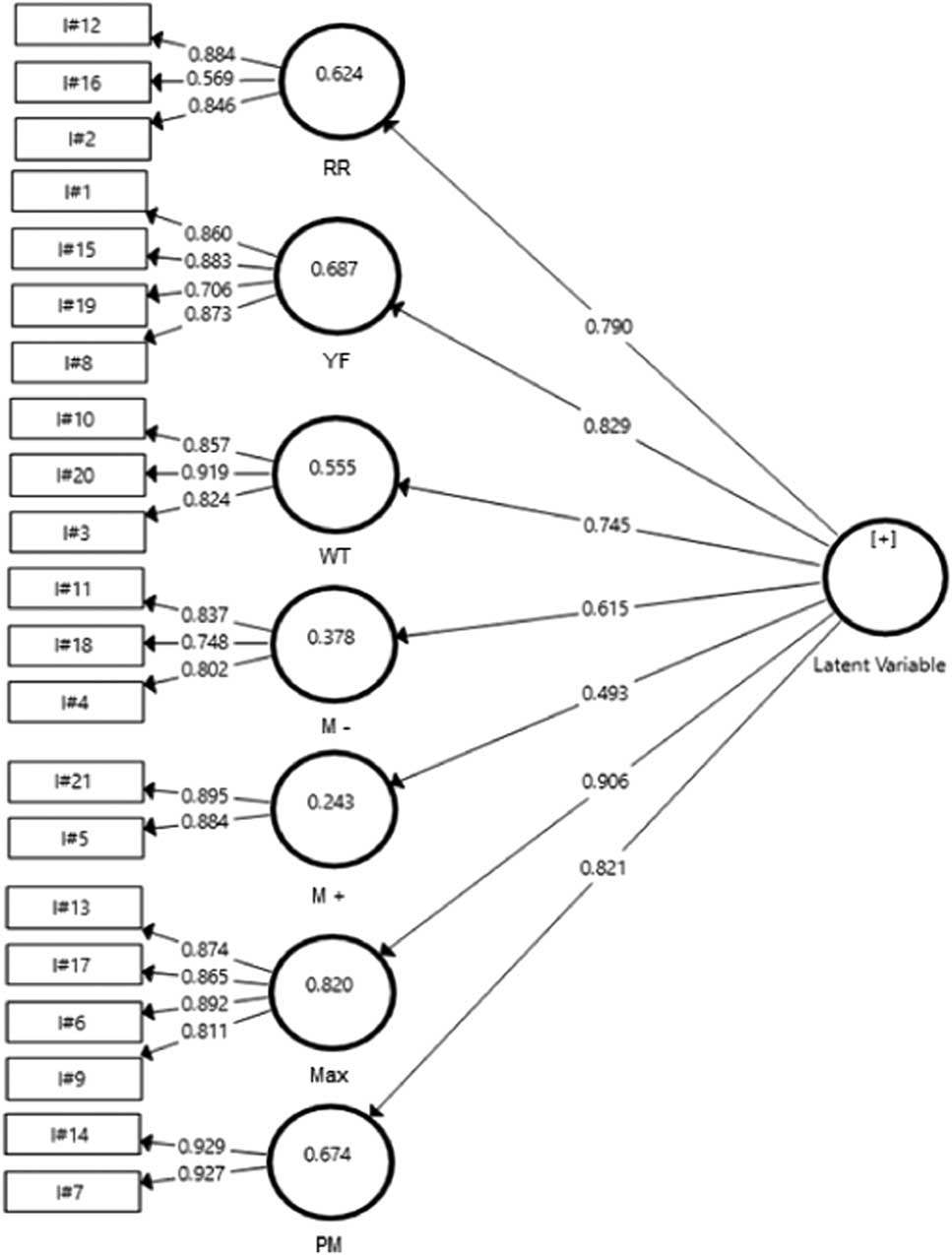
Even though we used the same questionnaire design applied in a Thailand study (Kasemsup et al., Reference Kasemsup, Schommer, Cline and Hadsall2008), our methodology differed significantly. We believe that our approach is more robust for four main reasons. First, we tested the factorial structure of the questionnaire applied in Thailand. Thus, we used the CFA instead of the exploratory factor analysis used by Kasemsup et al. (Reference Kasemsup, Schommer, Cline and Hadsall2008). Second, we defined the scores based on the CFA while in the original study the authors defined the scores based on the average value of each rationing criteria. Third, the authors of the original study gave the same weight to each response of the first group questions (or to each item). We took into account the factor loading of each item. Factor loading indicates the degree of correlation between each item (question) and its latent construct (rationing criteria) and is usually presented in a standardized way (Figure 1) to provide comparative interpretations of the importance of each item in the respective construct. This means that each decision taken by respondents in the first group of questions of the survey does not count the same. Finally, we tested health professionals’ adherence to seven rationing criteria instead of five.
Confirmatory factor analysis model. WT = waiting time; RR = rule of rescue; PM = parenthood of minors; YF = youngest first; M+ = positive merit; M− = negative merit; Max = health maximization.

4. Results
4.1 First group of questions – bedside rationing criteria considered individually
4.1.1 Predictive validity of the first group of questions – CFA
Figure 1 presents the factor loading of each question pertaining to the first set of questions in the survey. The CFA model shows that each item (question) has a factor loading >0.5, which confirms the existence of factor validity. For example, there are three items (questions) correlated with the RR concept. Question 16 (I#16) has the lower correlation with the concept, but this correlation is still strong (0.569). The items (questions) 12 and 2 are the ones more correlated with the RR criterion, with a strong correlation of 0.884 and 0.846, respectively.
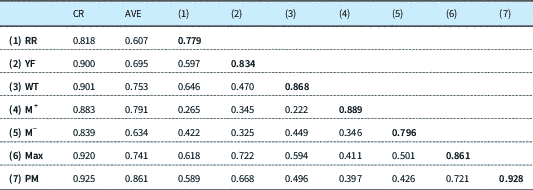
Table 1 presents the individual reliability values of each rationing criterion, as well as the AVE and its square root, indicators of the convergent and discriminant validity, respectively. The results reveal simultaneously high rates of reliability (CR > 0.5) and the existence of convergent (as AVE > 0.5) and discriminant validity. Thus, we can conclude that the instrument (first group of questions) is reliable and has factorial convergent and discriminant validity. The questions are thus suitable for the present investigation.
Reliability of the rationing criteria (CR); AVE and AVE square root (in bold)

WT = waiting time; RR = rule of rescue; PM = parenthood of minors; YF = youngest first; M+ = positive merit; M− = negative merit; Max = health maximization; AVE = average variance extracted.
4.1.2 Support for the bedside rationing criteria when considered individually
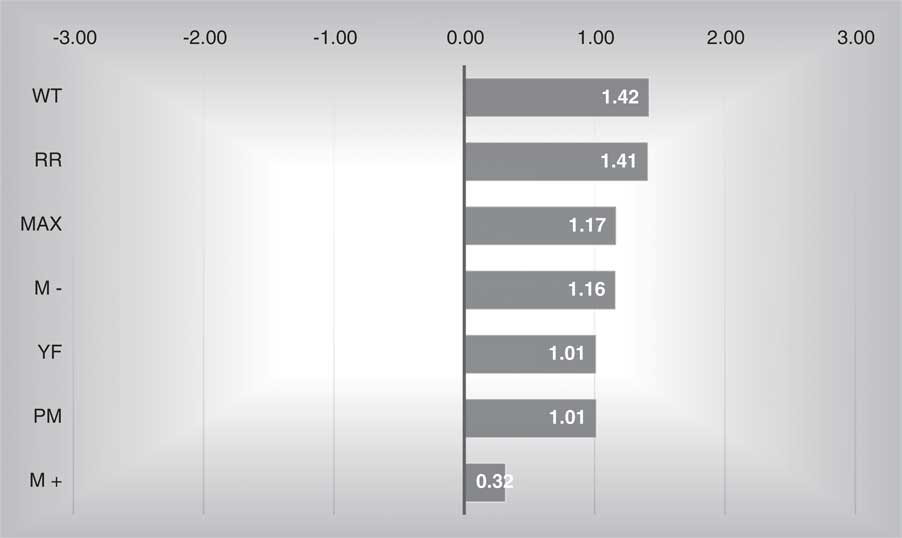
Figure 2 presents the average scores of each rationing criterion, derived from the first group of questions.
Average scores of the rationing criteria. Note: The level of agreement with the rationing criteria increases from −3 to 3, with −3 indicating the lowest agreement and 3 the highest agreement. WT = waiting time; RR = rule of rescue; PM = parenthood of minors; YF = youngest first; M+ = positive merit; M− = negative merit; Max = health maximization.

The findings suggest that, when considered individually, WT and the ‘RR’ (here referring to immediate threat of life or pain/suffering) were the criteria most valued by respondents (average score of 1.4). Respondents gave priority to patients who waited longer or had greater pain. The positive version of the merit-based criterion (M+) was, conversely, the least valued by respondents. Health professionals seem to attach the same importance (average score of 1 or 2 approximately) to the expected prognosis of the treatment (in terms of length or quality of life) and to the accountability for risk behaviors that caused the illness (M−). The same level of importance was also assigned to both person-based priority criteria – PM and younger patients (average score of 1.0).
We may conclude that, when taken individually, respondents support first-come first served, pain relief, treatment outcomes, lifestyle responsibility for the disease, youth and being the parent of a child.
4.2 Second group of questions – trade-offs between the bedside rationing criteria
4.2.1 Support for the bedside rationing criteria when confronted in two-in-two combinations
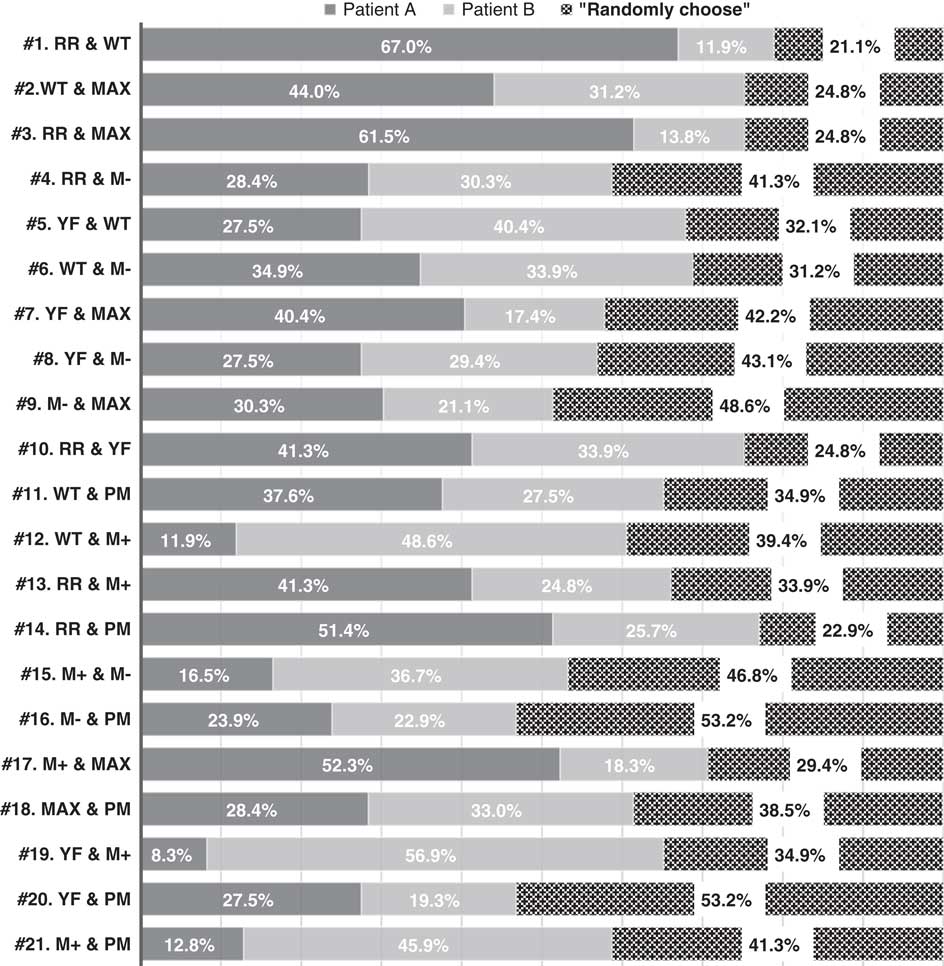
Figure 3 presents respondents’ decisions for each of the 21 scenarios presented.
Decisions for the 21 hypothetical rationing scenarios. WT = waiting time; RR = rule of rescue; PM = parenthood of minors; YF = youngest first; M+ = positive merit; M− = negative merit; Max = health maximization.

In question 1, respondents preferred patient A to patient B, which suggests that an increase in moderate to severe pain was more valuable than the change from entering the queuing system to already being in the queue. In question 2, improvement in quality of life was more valued than the change from entering the queuing system to already being in the queue. In the third question, an increase from a moderate to a painful disease was more weighted than the change of improving quality of life from modestly to substantially. In question 4, the responsibility for risky behaviors was dominant compared to pain relief. However, the difference was small, with approximately two-fifths of respondents choosing randomly. In the fifth question, already being in the queue system in contrast to entering the queue was more valued than patient’s young age. When facing the choice between WT and healthy-restrictive lifestyles, respondents gave a slightly higher weight to the punishment of harmful behaviors (question 6). In question 7, an increase in the change of living longer was more important than discriminating in favor of the youngest. The preference for younger patients was evident when age discrimination was confronted with harmful health behaviors (question 8). In the ninth question, respondents preferred an increase in the probability of living longer than punishing patient risk behavior (illegal drug use). In question 10, the immediate risk of death received preference over the youngest-first criterion. In question 11, being the parent of a child was considered more important than the change from entering the queuing system to already being in the queue. Nonetheless, when WT was confronted with a patient’s positive merit, already being in the queue was more valued (question 12). Patient’s positive merit was also less valued when confronted with the ‘RR’ argument (question 13). In question 14, for the majority of respondents (51.4%) an increase in moderate to severe pain was more important than having children to care. In question 15, respondents were faced with the positive and negative versions of the merit-based criterion. Penalizing abusive alcohol drinking was preferred by 36.7% of the respondents. However, this penalization was slightly less supported when compared with responsibility towards minors (question 16). When respondents were given the opportunity to discriminate patients based on health prognosis (gains in life expectancy) or patient’s social merit, they largely preferred increasing life expectancy (question 17). Increasing life expectancy was also more valued by respondents than PM, as noted in the eighteenth question. Younger age of patient’s was given a much higher weight than their social merit (56.9% versus 8.3%, respectively), but received less support when confronted with their responsibility towards minors, as evidenced by the pattern of responses in questions 19 and 20, respectively. Finally, PM was much more valued than the patient’s social merit (scenario 21).
It is worth saying that the interpretation of these results considered the reference in use (described in Group II questionnaire protocol in Appendix) as different references would lead to distinct trade-offs. Therefore, the main findings from Figure 3 can be summarized as follows:
(i) The ‘RR’ and the expected prognosis (maximizing health gains) were the preferred criteria in five out of its six paired comparisons. Only an increase from moderate to severe pain was preferred over an improvement in quality of life from moderate to substantial (scenario 3). The RR argument only lost for M− (scenario 4), which seems to suggest that respondents greatly blame harmful health behaviors;
(ii) PM was the preferred criterion in four out of its six paired comparisons. The ‘RR’ and the maximizing health gains criteria were both preferred over having responsibilities towards a young child. Increasing pain from moderate to severe and the probability of living longer were both preferred over having children to care.
(iii) There is evidence of a high penalization of risk behavior, due to the preference revealed for M− in three out its six paired comparisons.
(iv) YF was only preferred in two out of six paired comparisons. The younger age of the patient was a criterion preferred only over the penalization of harmful lifestyles and over the positive merit-based criteria (M+).
(v) WT was the preferred criterion in only two out its six paired comparisons. Already being in the queue system was preferred over the patient’s social merit (M+) and younger age.
(vi) The positive version of the merit-based criterion (M+) was not preferred in any of its six paired comparisons;
(vii) The lottery criterion had a very high support in most scenarios, with values ranging from 21.1% to 53.2%. The option for ‘random choice’ suggests difficulty in choosing patients. The greatest difficulties (above 50%) involved deciding between the PM and harmful lifestyle behaviors (scenario 16) and between that and younger patients (scenario 20).
4.2.2 Predictive validity of the second group of questions – multinomial logistic regressions
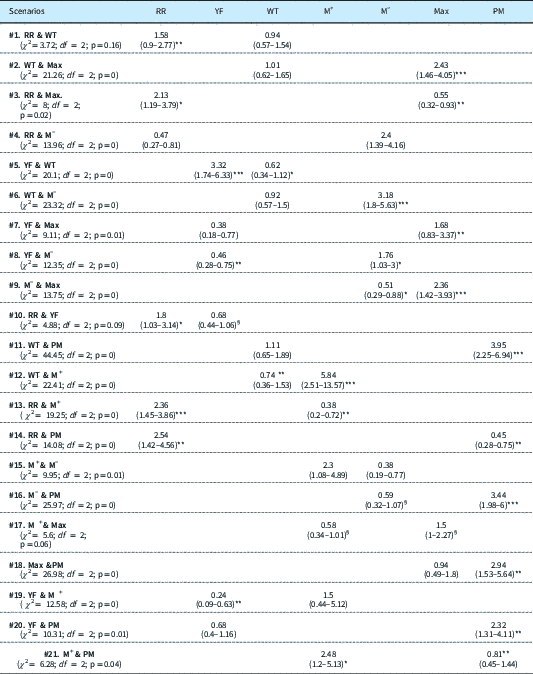
To support the validity of the 21 hypothetical rationing scenarios used in the second group of questions, multinomial logistic regressions were applied. The reported decisions of respondents for patient A in each question were used as dependent variables, while the scores for the two competing criteria in each question were used as independent variables. The results, summarized in Table 2, support the findings presented in Figure 3. The scores are statistically significant in predicting the respondents’ decisions in the 21 hypothetical rationing scenarios.
Odds ratios of the scores computed for factors related to pairs of the seven criteria used to predict respondents’ decisions in the 21 hypothetical rationing scenarios (95% CI)

WT = waiting time; RR = rule of rescue; PM = parenthood of minors; YF = youngest first; M+ = positive merit; M− = negative merit; Max = health maximization; CI = confidence interval.
Significant at §p<0.10; *p <0.05; **p<0.01; ***p<0.001.
The results confirm that, for example, in question 1 the choice of patient A was explained by the ‘RR’ criterion. In the second question, the choice of patient A was explained by the criterion of maximum health gains, and so on.
5. Discussion and conclusions
The hepta-factorial structure of the questionnaire used in this study led to a good fit of the data. The first group of questions proved to be (through the use of CFA) reliable to explore health professionals’ support for individual bedside rationing criteria. The second group of questions proved to be valid (through multinomial logistic regressions) to explore the importance assigned by health professionals to each of the rationing criterion when confronted in two-in-two combinations. Our data suggest that respondents’ adherence to rationing criteria depends on whether these are considered individually or paired in direct confrontation with each other. When each criterion was individually considered, the findings indicate that Portuguese health professionals (taking respondents’ opinions as indicators) support them all, although with different levels of intensity. If patients are distinguished only by one criterion, respondents seemed willing to use the time spent on a queue and immediate threat to life/health as a criterion to prioritize patients. Maximizing health gains (by increasing years and/or quality of life) and the penalization of self-induced illness were the next most important criteria considered if taken as the only criterion to select patients. The patients’ age and their responsibility to care for a child were criteria slightly less preferred, if considered as the only two distinguishing factors between patients. Finally, the positive social contribution (M+) of patients was only marginally valued by respondents. However, when all the criteria were confronted with two-in-two combinations, the results were quite different. Taking into account the reference in use (since different references would lead to different trade-offs), the results showed that the need criterion, referring to the idea of favoring the worst-off (i.e. those whose life or health may be at stake), and treatment outcome criterion were preferred in five out of six paired comparisons. This pattern of preferences corroborates the international evidence (Kapiriri and Norheim, Reference Kapiriri and Norheim2004; Arvidsson et al., Reference Arvidsson, André, Borgquist, Andersson and Carlsson2012; Hurst et al., Reference Hurst, Forde, Slowther and Danis2014; Pinho et al., Reference Pinho, Borges and Cookson2018). Of the remaining non-medical criteria, the PM was the most preferred criteria (in four of the six comparisons). Earlier studies (Kapiriri and Norheim, Reference Kapiriri and Norheim2004) indicate that patients’ responsibilities are given a support around 50% (between 33% and 66% of stockholders agree with this criterion to setting priorities among patients). Using a patient’s health-related lifestyles as a priority criterion was preferred in three of the six comparisons. WT and patient’s age seemed to be the weakest decision criteria, after the positive version of the merit-based criteria. The WT criterion, when confronted with other criteria, seems to be contested by respondents. Even if WT may seem attractive as it implies ‘to each an equal opportunity’, when considered with other criteria it was contested by respondents. Empirical evidence shows that, while WT is considered very fair by lay people, it is less supported by medical students, other health professionals and even contested by general practitioners (Krütli et al., Reference Krütli, Rosemann, Törnblom and Smieszek2016). We can only speculate about the reason for this result, but probably our respondents recognize the inherent shortcoming related to using WT as a criterion to prioritize patients (described in Persad et al., Reference Persad, Wertheimer and Emanuel2009).
One strong opinion coming out of our results seems to be the rejection of age discrimination. Only when patient’s age was confronted with harmful health-related behavior and/or with social merit were younger patients preferred. Our results seem to be in line with international findings. An earlier study revealed that physicians used younger age as a criterion when age was the only criterion for prioritization presented but when other criteria were added the patients’ age became less important (Werntoft and Edberg, Reference Werntoft and Edberg2009). Empirical evidence also suggests that the importance of age in resource allocation decision differs among intervention types (Johri et al., Reference Johri, Damschroder, Zikmund-Fisher and Ubel2005; Krütli et al., Reference Krütli, Rosemann, Törnblom and Smieszek2016). Besides, there is evidence suggesting that health professionals give precedence to the patient’s biological rather than chronological age (Halvorsen et al., Reference Halvorsen, Slettebø, Nortvedt, Pedersen, Kirkevold, Nordhaug and Brinchmann2008; Werntoft and Edberg, Reference Werntoft and Edberg2009).
Our findings also suggest that health professionals seemed to feel uncomfortable with this kind of decision, due to the high level of random choice decisions. Among respondents there was a strong support for the lottery criterion. We suspect that respondents feel that to prioritize patients based on only two criteria is insufficient. This conclusion was found in recent studies that used a mixed methods approach to elicit both quantitative and qualitative responses (Pinho, Reference Pinho2016; Pinho et al., Reference Pinho, Borges and Cookson2018). Physicians often used the lack of information about patients as an argument, when they did not want to make a choice between two patients (Pinho, Reference Pinho2016). The support for the lottery criterion was lesser when the need as ill-health and the treatment prognosis were presented as prioritization criteria, which corroborates our previous results and supports the idea that the most frequently mentioned criteria for rationing is the immediate threat of life and/or pain relief and a greater expected benefit (in years or quality of life).
The results should be interpreted with appropriate caution given some limitations of the study. First, the sample is not fully representative of the Portuguese health care professionals, which prevents us from generalizing the results. Second, we are aware of the shortcomings that are common to studies that use hypothetical questions and questions of this complexity. Psychological research shows how respondents will often adopt simplifying strategies when faced with complex choices (Tversky and Kahneman, Reference Tversky and Kahneman1974; Rabin, Reference Rabin1998). Third, the questionnaire was too long with a total of 42 questions, which may have compromised the consistency of responses. Fourth, the seven criteria can be supported and rejected on grounds of efficiency or equity considerations. Prioritization according to patient’s risk behavior, for example, can have an equity motivation, translated in reducing inequalities in health, or can have efficiency motivation, if patients who have harmful health behaviors are considered with lesser capacity to benefit from treatments. The same happens with the age discrimination criterion. According to Tsuchiya et al. (Reference Tsuchiya, Dolan and Shaw2003), the support for younger patients can be explained by efficiency reasons (health maximization ageism and productivity ageism) or by equity motivations (fair-inning ageism). Since the questions we used forced respondents to choose between only two patients, or choose randomly, they did not have the opportunity to express the full rationale behind their decisions. Without this explanation it is impossible to determine the motivation behind their choices. Fifth, the findings only apply to the indicators representing the seven discussed priority criteria: ‘RR’, ‘health maximization’, ‘WT’, ‘age’, ‘PM’ and ‘positive and negative merit’. We employed a relatively small number of indicators to represent each of the rationing criteria, which means that the context-specific items we used are in no way exhaustive measures of the rationing criteria. In the negative version of the merit-based criterion, for example, only lifestyles were used as an indicator. Besides, we described lifestyles in relation only to alcohol consumption and illegal drug use. As a result, claims about other indicators, for example smoking or unhealthy diet, cannot be made. Furthermore, the negative version of the merit criterion is a complex reality that goes beyond lifestyles. Sixth and related to the previous one is the problem of the reference point. Respondents made choices according to the Group II questioning protocol (Appendix), which makes use of specific references, but if these references are changed, answers may change too. This is a common mistake recognized by decision analysis literature (Keeney, Reference Keeney1996). Finally, comparisons between studies on criteria that should guide health care priority setting may not be entirely valid. The reason is that respondents are not asked about the same criteria in the same way. Also, diverging perceptions of what is fair are likely to exist due to individual experiences with different health systems. There is ample evidence in the literature on justice that cultural differences in fairness judgments are common (Luyten et al., Reference Luyten, Kessels, Goos and Beutels2015). It is our contention, however, that these drawbacks are overcome by the contribution of this study.
In follow-up research, it would be useful to investigate more specifically the reasons for the choices made. It would be interesting to use quantitative and qualitative methodology to understand whether respondents’ concerns are grounded on efficiency or on equity concerns. It would also be useful to conduct further international comparative research to compare views across a range of different countries using a common study design – either this one or another common format – in order to explore cultural differences and trace patterns of common distributive criteria among health professionals.
Overall, our findings suggest that a sizeable group of health care professionals within specific situations under budget constraints use several criteria to ration the access of patients to health care services. Further debate on the role that these rationing criteria should play in setting priorities seems desirable. If decision-makers decide to employ some selection criteria for rationing at the bedside (micro level) it would be important to explore whether their views are aligned with those of health care professionals who are ultimately responsible for their implementation. This is also a matter of procedural justice in facilitating transparency and helping to ensure that open and fair decision-making processes are followed (Daniels and Sabin, Reference Daniels and Sabin1997).
Supplementary Materials
To view supplementary material for this article, please visit https://doi.org/10.1017/S1744133118000403
Compliance with Ethical Standards
The authors declare that they have no conflict of interests (financial or non-financial).