





Impact statement
In response to mounting ecological concerns for coral reefs, artificial reefs as restoration tools fall short. By reconceptualising artificial reef substrates as living artefacts/scaffolds where organisms and materials mutually constitute regenerative ecosystems, we can understand organisms to actively co-create restoration outcomes through settlement and bioeroding interaction. This reframing shifts reef restoration from engineering static structures to designing dynamic, organism-responsive material systems. As restoration scales globally, this methodology advances biodesign practice by demonstrating how material agency can be operationalised as a core design parameter, enabling practitioners to create systems where human designers, organisms and substrate materials collaboratively regenerate ecosystems.
Introduction
Tropical coral reefs are solid, calcium carbonate (CaCO3) structures, formed by calcareous organisms, primarily hard corals and a crustose coralline algae (CCA) that are shaped and sculpted by reef dwelling bioeroders including fish, echinoderms, sponges, worms and bivalves (Cornwall et al. Reference Cornwall, Carlot, Branson, Courtney, Harvey, Perry, Andersson, Diaz-Pulido, Johnson, Kennedy, Krieger, Mallela, McCoy, Nugues, Quinter, Ross, Ryan, Saderne and Comeau2023; Mallela and Fox Reference Mallela, Fox, Hoey and Bonaldo2018). Reefs provide three-dimensional structures supporting a quarter of all marine life and protecting millions of people through coastal attenuation of up to 97% of wave energy (Ferrario et al. Reference Ferrario, Beck, Storlazzi, Micheli, Shepard and Airoldi2014, 4; Perricone et al. Reference Perricone, Mutalipassi, Mele, Buono, Vicinanza and Contestabile2023; Souter et al. Reference Souter, Planes, Wicquart, Logan, Obura and Staub2020, 1). However, these ecosystems are increasingly threatened by the effects of anthropogenically induced climate change, pollution and habitat destruction (Abelson Reference Abelson2006; Anthony et al. Reference Anthony, Kline, Diaz-Pulido, Dove and Hoegh-Guldberg2008; Boström-Einarsson et al. Reference Boström-Einarsson, Babcock, Bayraktarov, Ceccarelli, Cook, Ferse, Hancock, Harrison, Hein, Shaver, Smith, Suggett, Stewart-Sinclair, Vardi and McLeod2020; Duarte et al. Reference Duarte, Agusti, Barbier, Britten, Castilla, Gattuso, Fulweiler, Hughes, Knowlton, Lovelock, Lotze, Predragovic, Poloczanska, Roberts and Worm2020).
In response, ecological restoration and ecological engineering have gained traction as potential interventions to support coral restoration and conservation, commonly in the form of artificial reefs (Aronson and Alexander Reference Aronson and Alexander2013). Artificial reefs are defined as ‘submerged structure[s] deliberately constructed or placed on the seabed to emulate some functions of a natural reef, such as protecting, regenerating, concentrating and/or enhancing populations of living marine resources’ (UNEP 2009, 2). Yet, the role design can play in supporting restoration efforts remains underexplored. In particular, more-than-human design methodologies, which consider multispecies interactions and regenerative design principles, offer significant potential for rethinking ecological restoration challenges (du Plessis Reference du Plessis2012; Groutars et al. Reference Groutars, Kim and Karana2024; Karana et al. Reference Karana, McQuillan, Rognoli and Giaccardi2023).
Background on artificial reefs
Historically, artificial reefs have primarily been used to increase fishing yields for food provision and recreation; more recently they have been adapted for conservation and restoration applications (Bohnsack and Sutherland Reference Bohnsack and Sutherland1985; D’itri Reference D’itri2017; Thierry Reference Thierry1988). Commonly, studies into artificial reefs, including both fabrication and deployment, have focused on the importance of introducing 3D-complexity at an ecosystem scale; meaning the introduction of large objects to stabilise reef substrate or provide new substrate for settlement and/or out planting of corals (Boström-Einarsson et al. Reference Boström-Einarsson, Babcock, Bayraktarov, Ceccarelli, Cook, Ferse, Hancock, Harrison, Hein, Shaver, Smith, Suggett, Stewart-Sinclair, Vardi and McLeod2020; Duarte et al. Reference Duarte, Agusti, Barbier, Britten, Castilla, Gattuso, Fulweiler, Hughes, Knowlton, Lovelock, Lotze, Predragovic, Poloczanska, Roberts and Worm2020; Higgins et al. Reference Higgins, Metaxas and Scheibling2022). This has resulted in many artificial reef projects implementing ‘materials of opportunity’, materials and structures that are cheap and/or readily accessible, including scuttling ships (e.g., ex HMAS Adelaide off the central New South Wales coast of Australia (Cardno (NSW/ACT) Pty Ltd 2016)), large-scale concrete structures (e.g., reef balls (Krumholz and Barber Reference Krumholz, Barber and Hopley2011) and concrete blocks) as well as using metals, plastics and tyres (Bohnsack and Sutherland Reference Bohnsack and Sutherland1985; Boström-Einarsson et al. Reference Boström-Einarsson, Babcock, Bayraktarov, Ceccarelli, Cook, Ferse, Hancock, Harrison, Hein, Shaver, Smith, Suggett, Stewart-Sinclair, Vardi and McLeod2020; Feary et al. Reference Feary, Burt and Bartholomew2011; Higgins et al. Reference Higgins, Metaxas and Scheibling2022; Lima et al. Reference Lima, Zalmon and Love2019; Vivier et al. Reference Vivier, Dauvin, Navon, Rusig, Mussio, Orvain, Boutouil and Claquin2021). These materials are designed and engineered for anthropogenic purposes rather than ecological ones. They prioritise large-scale material structures and often neglect material composition and surface topography, ongoing marine organism interaction and more nuanced biochemical factors.
Substrate selection strongly influences marine organism recruitment, with chemical composition, micromorphology and pH playing larger roles in recruitment than three-dimensional form alone (Harriott and Fisk Reference Harriott and Fisk1987; Vivier et al. Reference Vivier, Dauvin, Navon, Rusig, Mussio, Orvain, Boutouil and Claquin2021, 12). Levenstein et al. (Reference Levenstein, Marhaver, Quinlan, Tholen, Tichy, Yus, Lightcap, Wegley Kelly, Juarez, Vermeij and Wagoner Johnson2022) demonstrated that inorganic composition and micro-scale topography significantly influence coral settlement (Levenstein et al. Reference Levenstein, Marhaver, Quinlan, Tholen, Tichy, Yus, Lightcap, Wegley Kelly, Juarez, Vermeij and Wagoner Johnson2022, 3968).
Surface pH and porosity are also indicated as factors in artificial reef substrate biocompatibility (Guilbeau et al. Reference Guilbeau, Harry, Gambrell, Knopf and Dooley2003; O’Reilly and Willerth Reference O’Reilly and Willerth2024). An investigation of Portland cement mixtures used for artificial reef research by Guilbeau et al. (Reference Guilbeau, Harry, Gambrell, Knopf and Dooley2003) concluded that lower pH levels in different concrete mixes have a beneficial effect on attachment rates of microalgae. O’Reilly and Willerth (Reference O’Reilly and Willerth2024) also noted that pH affected algal recruitment on ceramic and concrete artificial reef samples in artificial reef tanks but concluded that material porosity may be a more influential factor over time. Portland cement mixtures have relatively high pH levels, from 9.5 to 11, which slightly lowers after time due to ocean acidification (O’Reilly and Willerth Reference O’Reilly and Willerth2024). CaCO3, a known neutralising chemical in acidic environments, has a somewhat lower pH of approximately 8.5–9.5 (OMYA n.d.). Their work indicated that CaCO3, with a pH closer to that of the coral skeleton and seawater, represents a more biocompatible substrate for artificial reef fabrication.
Micro-scale topography and recruitment succession (CCA settlement followed by coral larvae) may be playing a much larger role in coral recruitment and reef recovery than initially anticipated. Mallela (Reference Mallela2018) showed that coral larvae (juvenile corals) preferentially settle into grooves on the reef that mimic fish and urchin bite depths when compared to convex surfaces; 91% of all coral recruits settled in fish bite grooves, with the majority (82%) preferentially choosing to settle in a fish bite groove with CCA overgrowth (Mallela Reference Mallela2018). Furthermore, recent literature suggests larval settlement preferences extend to the microscale of substrate composition, much smaller than previously thought. Current Attachment Point Theory proposes that larvae preferentially settle where the length scale of surface features matches their own physical dimensions (Levenstein et al. Reference Levenstein, Marhaver, Quinlan, Tholen, Tichy, Yus, Lightcap, Wegley Kelly, Juarez, Vermeij and Wagoner Johnson2022, 3968). Moreover, bioeroders play a large role in maintaining a healthy reef, while also altering and shaping the reef, creating new crevices and clear topography for coral larval settlement (Mallela and Fox Reference Mallela, Fox, Hoey and Bonaldo2018). Together with holes and tunnels, these cryptic spaces are considered, by some researchers, to make up 30–75% of all reef surface area (Rothstein et al. Reference Rothstein, McCarthy, Luu, Kelly, Heller, Sandin, Smith and deVries2025). In design terms, the microtopography of an artificial reef can be influenced through the design of substrate materials and artefact topography as a part of artificial reef fabrication processes.
Therefore, a trend to develop novel, chemically similar materials, specifically those incorporating CaCO3 as a central constituent, has emerged in reef restoration practice alongside innovation in artificial reef (architectural design) digital fabrication. Whilst it is evident that corals naturally colonise a wide range of submerged materials, research into the effectiveness of artificial reef substrates is relatively new. At a fundamental level, a suitable artificial reef substrate should support the recruitment of reef building organisms (e.g., coral and CCA), and the establishment and growth of corals, while being shapable by the organisms that will inhabit it.
Related work: current approaches and innovation in artificial reef materials
The majority of reef restoration projects utilise concrete (Lima et al. Reference Lima, Zalmon and Love2019). This is due to concrete accessibility, its structural strength and weight and its fabrication process requiring little specialisation. The most well-known concrete reef restoration structures are Reef Balls™, an example of both design and fabrication sharing (licencing) across the globe that results in high distribution of reef restoration scaffolds (over 1,000,000 Reef Balls™ deployed) (‘Reef Ball’s Pioneering World Impact’ n.d.). Reef Balls™ are made from microsilicate based concrete that is pH balanced for use in the marine environment, with an applied texture to promote coral settlement (Krumholz and Barber Reference Krumholz, Barber and Hopley2011, 844). Reef Balls™ and Reef Ball Foundation play a large role in ocean science communication and increasing ocean literacy on the importance of coral reefs through practical applications and action. Other projects including RRREEF (Spaet et al. Reference Spaet, Nanninga and Pfreundt2025) and ArchiReef (ArchiReef n.d.) use terracotta ceramic 3D printing technology to fabricate modular artificial reef scaffolds based on biodesign principles, including biomimicry. Similarly, EcoReef, used a white ceramic material (unglazed ceramic stoneware) to fabricate branching reef restoration scaffolds (Moore and Erdmann Reference Moore and Erdmann2002; Perricone et al. Reference Perricone, Mutalipassi, Mele, Buono, Vicinanza and Contestabile2023, 1222). Perricone et al. (Reference Perricone, Mutalipassi, Mele, Buono, Vicinanza and Contestabile2023) provides a more comprehensive review of current materials and fabrication processes that have been developing over recent years, as well as discussion on the emergence of large-scale 3D printing technology in the marine restoration space (Perricone et al. Reference Perricone, Mutalipassi, Mele, Buono, Vicinanza and Contestabile2023).
The first innovation in artificial reef substrate and design made from CacO3 emerged in the 1970s as BioRock™. Also called Mineral Accretion Technology™, BioRock™ was developed to create artificial reef structures that were chemically identical to reef skeletons (Hilbertz and Goreau Reference Hilbertz and Goreau1996). This is achieved through electrolysis (running a low voltage through metal structures) promoting a CaCO3 coating around the metal scaffold. This technique has been used for many years and is widely considered a valuable material forming process in coral gardening as well as in other reef restoration practices. However, power supply, logistics and maintenance required are contentious and research into efficacy are still debated (Cook et al. Reference Cook, Cook, Harris, Songcuan and Smith2023). More recently, researchers including Schofield (Reference Schofield2020) and Albalawi et al. (Reference Albalawi, Khan, Valle-Pérez, Kahin, Hountondji, Alwazani, Schmidt-Roach, Bilalis, Aranda, Duarte and Hauser2021) have been developing CaCO3-based materials suitable for digital fabrication using 3D printing. Schofield’s (Reference Schofield2020) ‘Fish Homes’ utilises a z-Corp 3D printer, water-soluble polymers and water-based acrylic resin to fabricate structures from powdered CaCO3 (Schofield Reference Schofield2020). Albalawi et al. (Reference Albalawi, Khan, Valle-Pérez, Kahin, Hountondji, Alwazani, Schmidt-Roach, Bilalis, Aranda, Duarte and Hauser2021) outline the development of an artificial coral skeleton using biodegradable binders like polylactic acid (PLA) and polyhydroxyalkanoates (PHA) with CaCO3 to form 3D substrates (Albalawi et al. Reference Albalawi, Khan, Valle-Pérez, Kahin, Hountondji, Alwazani, Schmidt-Roach, Bilalis, Aranda, Duarte and Hauser2021). These approaches demonstrate innovative integration of digital fabrication with novel CaCO3 materials, advancing both design methodology and material science. However, the sustainability of biodegradable binders such as PLA and PHA warrants careful interrogation. Despite not being fossil fuel-based, recent literature suggests that bioplastics exhibit ecosystem consequences similar to conventional plastics when deployed in marine environments (Venâncio et al. Reference Venâncio, Lopes and Oliveira2022).
On the other hand, a growing number of artists are collaborating with marine scientists and government agencies to bring their large-scale sculptural work into the coral restoration space. In Australia, The Coral Greenhouse Sculpture, deployed in 2019 off the John Brewer Reef, stands as Australia’s largest artificial reef and Underwater Artwork. Commissioned by the Museum of Underwater Art, this sculpture by UK-based artist Jason deCaires Taylor serves a dual purpose: (1) educating the public about the Great Barrier Reef’s challenges and (2) supporting coral restoration efforts (Block 2020; Smith et al. Reference Smith, Songcuan, Cook, Brown, Cook and Richardson2022). Fabricated using pH-neutral cement, corrosion-resistant steel,and zinc anodes, Taylor’s biomorphic design aims to facilitate coral growth and create safe havens for smaller marine species (Smith et al. Reference Smith, Songcuan, Cook, Brown, Cook and Richardson2022, 1, 8). More recently, in Miami Florida, United States of America, phase 1 of the ReefLine project, Concrete Coral, by Leandro Erlich, 2025, was deployed (‘REEFLINE | Installations’ n.d.). Similar to the Coral Greenhouse, ReefLine utilises a pH-neutral concrete to cast or 3D print the sculptural work. Both the Museum of Underwater Art and the Reef line Project combine art, science and conservation to boost tourism, ocean literacy and research into coral reefs.
All three concrete scaffolds, ReefBall™, Coral Greenhouse and ReefLine, utilise innovations in pH-neutral cements. However, the carbon footprint of the concrete (cement) is still significant. To place this in perspective, roughly 8% of global carbon dioxide emissions are attributed to Concrete (Akter and Hawas Reference Akter and Hawas2025). To further contextualise standard materials used in reef restoration including concrete and ceramics, a brief outline on ceramic and concrete material properties can be found in Appendix A.
Finally, exciting innovations in decarbonising concrete are being made and applied to reef restoration projects. Reef Rocket, by designer Mary Lempres, is a promising material innovation in the concrete/cement space for reef restoration. Reef rocket is made from crushed shells (CaCO3) and glass that are combined in a mould with a proprietary ‘protein bath’ to essentially grow the cement over a 3 day curing period (ReefCycle 2024). As no calcining processes are being undertaken, this process significantly reduces the carbon footprint of the bio-cement. However, potential issues with scaling and specialised equipment and processes could limit widespread adoption of the material and fabrication process.
A biodesign approach
Addressing the above limitations and potential improvement to artificial reef development presents design challenges and requires a methodology that can integrate material science and marine ecology with biodesign approaches. Under the broader methodological framework of More-than-Human design, the emerging visions, aims and objectives of biodesign are deeply interconnected with ecological theory and practice. This includes Material Driven Design (MDD) and fabrication, with the experiential and temporal focus on incorporating a more-than-human design perspective that biodesign offers. In ecological theory, Gilbert et al. (Reference Gilbert, Sapp and Tauber2012) discuss living organisms as holobionts, where one’s developmental functions evolve in their shared relationships with other species (Gilbert et al. Reference Gilbert, Sapp and Tauber2012, 334). In coral reef ecology, what might, to the non-expert, be understood as a ‘coral’, is actually an entire community of living organisms, in other words, a holobiont (Bay et al. Reference Bay, Mead and Boström-Einarsson2019, 16). Holobionts, organism assemblages and symbiotic relationships are also discussed in Haraway’s concept of sympoiesis (‘making-with’) (Haraway Reference Haraway, Fischer and Dumit2016). Sympoiesis also has parallels to the experiential and explorative methods of MDD (Karana et al. Reference Karana, Barati, Rognoli and van der Laan2015), in the idea that more-than-human organisms could be understood as participants responding to material properties and experiences.
Marine substrate bioreceptivity is conventionally understood through ecological concepts of species ‘settlement’, ‘recruitment’ and ‘succession’, in which every organism plays an integral role in a pattern or ‘assemblage’ of settlement (Kennedy et al. Reference Kennedy, Ordoñez, Lewis and Diaz-Pulido2017; Mallela et al. Reference Mallela, Milne and Martinez-Escobar2017; Perricone et al. Reference Perricone, Mutalipassi, Mele, Buono, Vicinanza and Contestabile2023). These ecological understandings have been increasingly adopted within biodesign discourse, where they are reinterpreted and reframed to inform multidisciplinary design approaches (Giaccardi et al. Reference Giaccardi, Redström and Nicenboim2025; Groutars et al. Reference Groutars, Kim and Karana2024; Haraway Reference Haraway, Fischer and Dumit2016; Karana et al. Reference Karana, Barati and Giaccardi2020; Pataranutaporn et al. Reference Pataranutaporn, Vujic, Kong, Maes and Sra2020).
Additionally, multispecies and more-than-human frameworks use concepts such as ‘open artefact models’ (Groutars et al. Reference Groutars, Kim and Karana2024) to position non-human organisms as active participants in design processes rather than passive recipients of human-designed solutions, or as Giaccardi et al. (Reference Giaccardi, Redström and Nicenboim2025) propose, reframing ‘things’ as partners in the more-than-human design process (Giaccardi Reference Giaccardi and Wiltse2020). This reorientation is reflected in evolving design research, where biology is increasingly discussed as a design material in its own right (Groutars et al. Reference Groutars, Kim and Karana2024), fundamentally shifting how substrates are designed and evaluated, which has links to both ANT and Haraway’s sympoiesis (Haraway Reference Haraway, Fischer and Dumit2016; Latour Reference Latour1996). Thus, reframing reef restoration and conservation ecology as a participatory, multispecies project, prompts this research to reconceptualise how artificial reef substrates should be designed.
Positioning organisms as design partners in material practice requires understanding the material properties that enable such interaction. Central to this research is the concept of material agency; defined as a material’s capacity to affect another material or subsequent process, dependent upon the attributes and qualities of each material (Birat Reference Birat2023; Latour Reference Latour1996). This capacity operates across scales in coral reef ecosystems, from nano-scale chemical interactions to macro-scale structural effects.
Scholars debate whether agency implies intentionality or functions as metaphor in non-human studies; however, both design and marine science recognise how material properties ‘afford’ or facilitate interactions. Historical examples include iron’s role in human development (Birat Reference Birat2023) and CCA producing chemical cues that prompt coral larvae to settle and grow (Jorissen et al. Reference Jorissen, Galand, Bonnard, Meiling, Raviglione, Meistertzheim, Hédouin, Banaigs, Payri and Nugues2021; Siboni et al. Reference Siboni, Abrego, Puill-Stephan, King, Bourne, Raina, Seymour and Harder2020). Understanding CaCO3’s agentic capacity, both as fabrication material and as participant in reef ecological processes, is therefore central to this research.
Within the scope of this research into artificial reef substrates and design, approaching reef restoration through a more-than-human design lens means attending to the needs, scales and temporalities of the non-human organisms the regenerative structure must support, rather than optimising for human fabrication convenience. This positions the artificial reef not as an inert structure placed in an ecosystem, but as an active participant in regenerative reef ecologies. Drawing on Karana et al.’s Reference Karana, Barati and Giaccardi2020 framework of living artefacts and the multispecies extension by Groutars et al. Reference Groutars, Kim and Karana2024, this design approach facilitates ecological regeneration (Groutars et al. Reference Groutars, Kim and Karana2024; Karana et al. Reference Karana, Barati and Giaccardi2020, Reference Karana, McQuillan, Rognoli and Giaccardi2023).
This paper argues that effective reef restoration substrate selection must prioritise material agencies, specifically, the biochemical and physical properties that determine surface microtopography. These properties, in turn, influence the interactions reef-building organisms will have with the designed substrate. Through reframing materials as agents rather than inert structures, we can identify biocomposite materials that facilitate the ecological interactions necessary for regenerative reef ecologies within artificial reef research and development.
Methods
Building on biodesign’s iterative approach between hypothesis generation, scientific analysis and embodied knowledge production (Pollini Reference Pollini2024), we employ a mixed-methods approach combining material and textural experimentation with quantitative analysis to characterise CaCO3 biocomposite material properties across scales and assess performance in reef environments.
We compared physical microstructures of tank-grown coral (Acropora spp., natural control), earthenware ceramics and two CaCO3 biocomposites (ceramic-grade and oyster shell biogenic sources) to identify material characteristics affecting reef organism settlement. We note that coral skeletal morphology varies between species and is influenced by environmental conditions; therefore, our comparison provides preliminary characterisation, and further species-specific analysis is recommended. Earthenware ceramic was selected as a control because of its widespread use in coral propagation (Levenstein et al. Reference Levenstein, Marhaver, Quinlan, Tholen, Tichy, Yus, Lightcap, Wegley Kelly, Juarez, Vermeij and Wagoner Johnson2022) similarly, trracotta ceramic, common in commercial reef modules (e.g., Archireef, REEEF), was included for in-situ reef deployment.
Material properties were assessed through the following methods: (1) workability testing (material performance during studio fabrication and handling); (2) functional tests of strength, durability and brittleness in laboratory aquariums and field conditions; (3) crystalline structure via Powder X-ray Diffraction; (4) physical microstructure via Scanning Electron Microscopy (SEM) and 3D confocal surface mapping.
We present preliminary findings from two complementary deployments: earthenware ceramic and CaCO3 biocomposite tiles in an artificial reef aquarium tank (early-stage proof-of-concept), and terracotta ceramic and CaCO3 tiles in the field to assess material performance, settlement patterns and biological colonisation in authentic reef conditions. These deployments provide preliminary characterisation of benthic organism settlement and colonisation patterns on experimental substrates, establishing a foundation for further rigorous ecological assessment.
Designing materials: exploring biocomposite materials for the reef
The artificial reef biocomposite material development was approached in two stages; firstly, the designing of a material based on experiments informed by reef observations and tacit material knowledge of the workability of various artificial reef and coral substrates, and second, refining and adjusting the selected materials, composition and performance, informed by field experiments and scientific testing. Performance assessment was conducted through various fabrication processes, simple laboratory and field tests.
CaCO3, a ubiquitous compound found across the globe in rocks, shells and reefs forms the foundational three-dimensional complexity of tropical scleractinian (hard) coral reefs (Al Omari et al. Reference Al Omari, Rashid, Qinna, Jaber, Badwan and Brittain2016, 34). Given the ecological significance of its biochemical and material properties, this research positions CaCO3 as a key driver of the design process considering the multispecies material experiences prior to the fabrication and making constraints (Karana et al. Reference Karana, Barati and Giaccardi2020; Pedgley et al. Reference Pedgley, Rognoli, Karana, Pedgley, Rognoli and Karana2021, 8).
To develop biocomposite materials for regenerative ecologies is to adopt the role of a co-designer with the living scaffold, recognising that, the designer works with, rather than upon, the material and the organisms it will support (Haraway Reference Haraway, Fischer and Dumit2016; Pedgley et al. Reference Pedgley, Rognoli, Karana, Pedgley, Rognoli and Karana2021, 8).
Building on established research findings, a biocomposite material design strategy was formulated based on the following core criteria:
-
1. Chemical stability: The biocomposite material must be safe for marine life with constituents closely resembling those found on a reef. CaCO3 must remain chemically intact (insoluble) throughout the fabrication and curing process. Early curing tests produced a pyrogenic transformation to calcium hydroxide (slaked lime), releasing significant quantities of carbon dioxide and undermining the environmental sustainability of the material. Formulations were therefore developed to avoid this transformation.
-
2. Structural integrity underwater: The material must maintain its three-dimensional form during fabrication and throughout prolonged submersion.
-
3. Fabrication suitability: Formulations must be compatible with computational design, additive manufacturing including Paste Deposition Modelling and other processes.
-
4. Bioreceptivity: The material must be non-toxic and promote marine organism settlement, with CCA growth used as a bioindicator for coral recruitment (Harriott and Fisk Reference Harriott and Fisk1987; Kennedy et al. Reference Kennedy, Ordoñez, Lewis and Diaz-Pulido2017; Teong et al. Reference Teong, Hartanto, Ledet, Du, Gupta, Jiang, Kua, Pang, Wang and Todd2024).
-
5. Bioerosion compatibility and biogenic breakdown: The material must be able to break down through the actions of fish and echinoderms, becoming bioavailable and returning to the reef environment as biogenic sediment. To satisfy this criterion, the inclusion of plastics or resins, bio-based or otherwise, was excluded from all formulations.
-
6. Microtopography design: material porosity, crevice creation and substrate hardness.
Sourcing calcium carbonate (CaCO3)
There are two sources of CaCO3; one for each biocomposite – ceramic-grade and oyster-shell-derived. Ceramic-grade calcite (commercial name: Calcite-Omya 10) was used in the ceramic-grade CaCO3 biocomposite. Calcite-Omya 10 CaCO3, is a pure crystalline form of CaCO3 with calcite crystal morphology, commonly used in the ceramics industry. Omya10 CaCO3 is sourced from a range of global marble and sedimentary mines (also known as Omyacarb10-LU or Omyacarb10-TN). Omya10 CaCO3 conforms to industry and the laboratory standard, with a pH range (8.5–9.5) and consistent particle size (median 12 µm) it provided characteristics suitable for use in experimental formulae without further processing.
The second source of CaCO3 used in the oyster-shell-derived CaCO3 biocomposite are oyster shells fines, small fragments of shell diverted from landfill by Ozfish Unlimited (‘Unveiling the hidden world inside Robust Oyster Baskets | OzFish Unlimited’ n.d.). We were able to collect these fines and produce a fine 125 mm powder through a dry ball milling and sifting process (Cardew Reference Cardew1977) (Figure 1).
Process of sourcing and milling oyster shell fines to obtain CaCO3 powder. (a) A large pile of oyster fines from the collection site, (b) washing and drying oyster fines, (c) milling oyster fines in a ball mill and (d) CaCO3 powder obtained through dry ball milling process.

Investigating biological and renewable sources for calcium carbonate is important for future research into cultivating multispecies regenerative ecologies (Groutars et al. Reference Groutars, Kim and Karana2024; Nicenboim et al. Reference Nicenboim, Karana, McQuillan, Devendorf, Kakehi, Bell, Speed, Oogjes, Yao, Søndergaard, Helms and Withers2025).
Preparation of materials
Accordingly, 300 test tiles across 23 formulations and several curing treatments were fabricated with a minimum of 70% CaCO3 to ensure that the chemical composition of the designed material is compatible with the reef. A range of experiments were designed to vary mixtures of calcite with organic and inorganic plasticisers. The investigation aimed to discover a material which not only resembled the structure of coral but could be fabricated using a range of reasonably simple, cost effective and environmentally sensitive processes to create different artificial reef scaffolds ranging from small test tiles to larger artefacts used for test settlement in aquariums and natural reefs. These biomimetic experiments were conducted using simple mixing equipment and measuring scales, with small batches made for testing. Due to its known fabrication properties and deployment in artificial reef research projects, earthenware ceramic was used as a performance baseline. A series of small biomaterial samples were developed and placed in saltwater tanks and a marine aquarium to test resistance to decay or dissolution in a simulated marine environment. Whilst these durability tests were being undertaken, larger batches of potential biomaterials were prepared for workability testing.
Material workability testing
Workability tests assessed biocomposite performance across analogue forming processes (hand-forming, slip-casting, press-moulding) and digital fabrication via Paste Deposition Modelling. Materials were evaluated using a workability assessment matrix (Table 1) documenting constituent sources, visual characteristics, material plasticity, fabrication performance, material cracking and shrinkage during drying. This observational approach prioritises tacit material knowledge, embodied understanding gained through hands-on fabrication, over formal scientific metrics, reflecting a material-driven design methodology where the material itself becomes a knowledge source.
Biocomposite material observational characterisation

Table 1. Long description
A table comparing properties of different ceramic and biocomposite materials. The table has four columns and four rows of data, plus additional rows for visual, material plasticity, analogue methods of fabrication, digital methods of fabrication, material cracking, and shrinkage. Column headers are Ceramic (Earthenware), Ceramic (Terracotta), CaCO3 biocomposite material (commercial CaCO3 ceramic-grade source), and CaCO3 biocomposite material (oyster-shell-derived CaCO3). Row labels include Constituent sources, Visual, Material plasticity, Analogue methods of fabrication, Digital methods of fabrication (paste deposition modelling), Material cracking, and Shrinkage. Each row provides specific details about the materials’ properties and performance across different categories.
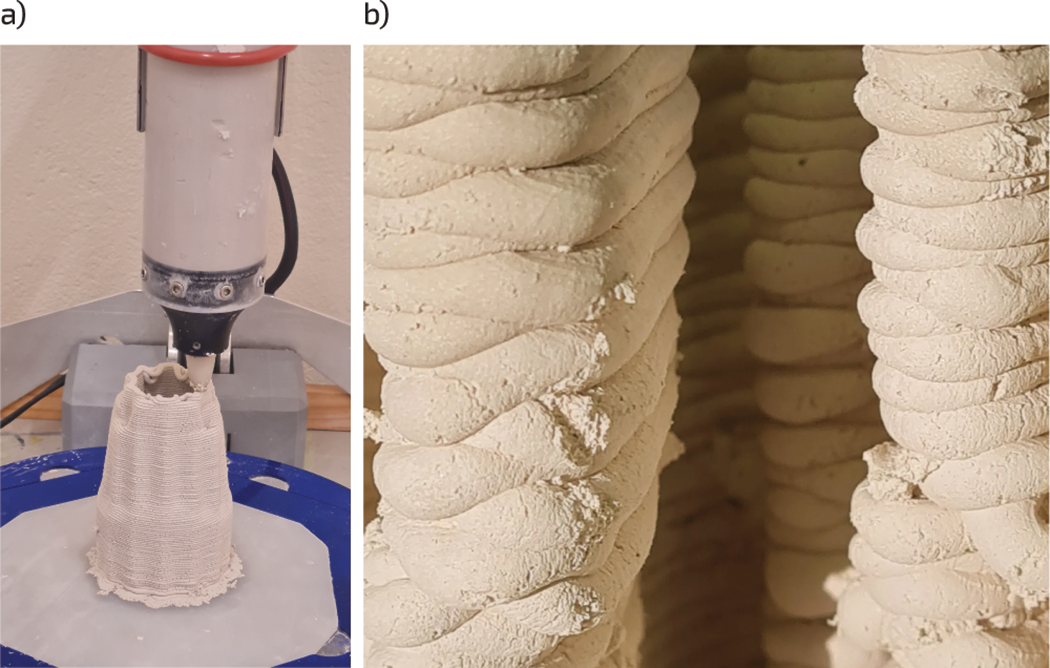
To establish digital fabrication feasibility, a 9th Generation Potterbot (3D potter 2020) was used to fabricate parametrically designed test artefacts from earthenware ceramic and ceramic-grade CaCO3 biocomposite (Figure 2). A 3 mm nozzle and Cura-slicer software (Ultimaker Cura 2023) were employed for all prints. This hands-on testing documented material behaviour during digital fabrication, including extrusion consistency, layer adhesion and surface finish. Rather than reducing these observations to quantitative metrics, we captured embodied properties through tacit feedback, recognising that practical material engagement reveals fabrication possibilities and constraints that formal analysis alone cannot capture. These insights directly informed the selection of optimal fabrication processes and guided future biocomposite optimisation (Appendix B).
3D printing parametrically designed test pieces from the CaCO3 ceramic-grade biocomposite: (a) 1.5 mm layer height and (b) 2 mm layer height.
Analytical methods used for substrate analysis
Fabrication of samples for material analysis
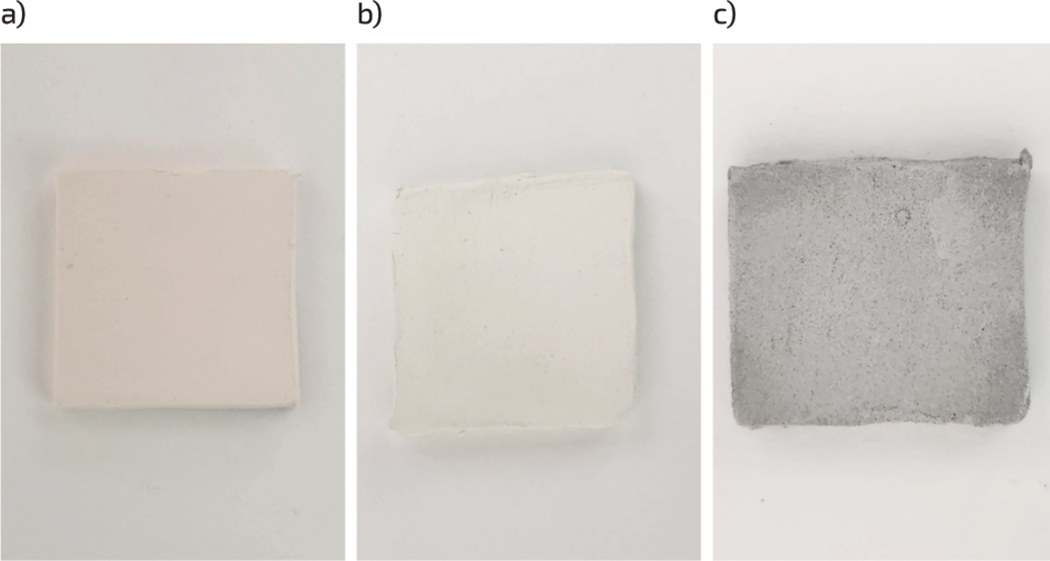
Earthenware clay, ceramic-grade CaCO3 biocomposite and oyster-shell-derived CaCO3 biocomposite material were prepared for Scientific characterisation through the preparation of small tiles. All tiles were made to 4 mm thickness, cut to 30 mm × 30 mm squares and cured through the appropriate processes, for example, earthenware was fired to ∼1060°C in an oxidising environment, following standard ceramic firing regimes (Figure 3).
30 × 30 mm tiles made from (a) earthenware ceramic, (b) ceramic-grade CacO3 and (c) oyster-shell-derived CacO3.
The CaCO3 biocomposite formulations were optimised by varying CaCO3, water and organic mineral binder ratios to achieve plasticity. No glaze, resin or other coatings were applied to the tile samples. These tiles were then analysed using Powder X-ray diffraction, SEM, 3D confocal surface mapping.
Powder X-ray diffraction
Powder X-ray diffraction was completed using a Malvern Panalytical Empyrean diffractometer. Small amounts of fired earthenware ceramic, the ceramic-grade CaCO3 and oyster-shell-derived CaCO3 biocomposite material tiles and aquarium-grown coral were crushed and turned into a fine powder using an agate mortar and pestle. Powdered samples were then mounted on low-background silicon discs and spun to reduce preferred orientation effects. Diffractograms were collected using Cu Kα radiation (Kα1 = 1.5406 Å, Kα2 = 1.5444 Å), acquired over a 2θ range of 15–70° with a step size of 0.05° and a counting time of 96 s per step. The operating voltage and current were 45 kV and 40 mA, respectively. Crystal phases were identified via reference to ICDD PDF diffractograms (International Centre for Diffraction Data, 2025; Kabekkodu et al. Reference Kabekkodu, Dosen and Blanton2024).
Scanning electron microscopy (SEM)
Small fragments of earthenware ceramic and the two CaCO3 biocomposite materials were carefully chipped from tile samples. Samples were then vacuum dried over three days before SEM analysis to ensure no moisture was present. Dried samples were mounted using carbon tape and sputter coated with platinum (20 mA, 90 s) before transfer into a Zeiss Crossbeam 550 FIB/FESEM for imaging using an accelerating voltage of 5 kV, a probe current of 100 pA, a working distance of 9–10 mm and the secondary electron detector.
Topographic surface mapping
While SEM allows for detailed qualitative characterisation of material surfaces, it must be performed under high vacuum which can alter the structure of hydrated samples, and electron-induced artefacts, such as charge-accumulation, can complicate topographic quantitation. Accordingly, to further characterise the hydrated, uncoated surface of our materials, 3D surface maps were obtained by laser scanning confocal microscopy (Leica DM8 Surface Profiling Microscope).
Three-dimensional surface profiling was completed on 30 mm × 30 mm tiles (thickness of 4 mm) of earthenware ceramics and both the ceramic-grade and the oyster-shell-derived CaCO3 biocomposite material, using the LEICA DCM8 in accordance with the Confocal microscopy settings (‘LEICA DCM8 - Operating Manual’ 2014) using 50x objectives. An attempt to image the surface of an aquarium-grown coral fragment was made, however the surface proved difficult to image at x10, x20 and x50 objectives, without holes in the collected data and therefore not included for analysis. Arithmetic mean height (Sa) and the root mean square height (Sq) were calculated through the Leica confocal software, and isometric visualisations of each material’s surface were created. Sq data were processed using Brown-Forsythe and Welch one-way ANOVA with pairwise multiple comparisons between group means. With an n = 5, significance was determined at p < 0.05, with p values given.
Trialling reef restoration substrates
Ceramic-grade CaCo3 biocomposite and earthenware ceramic (control/ traditional) artificial substrates were trialled for 3 months in a coral reef tank at the Australian National University (ANU) to confirm the CaCO3 biocomposite was safe for ‘real world deployment’. The second Phase was to deploy the ceramic-grade CaCO3 biocomposite and terracotta ceramic tiles on the fringing reef at Christmas Island. Terracotta ceramic tiles were selected to align with standard scientific coral reef protocols used to assess recruitment on coral reefs (English et al. Reference English, Wilkinson and Baker1997). This approach also enabled comparison with prior published data sets of different substrate materials (Mallela et al. Reference Mallela, Milne and Martinez-Escobar2017). This enabled us to assess if findings from the CaCO3 composites mimicked natural reef substrate (i.e., coral rubble) data from Flying Fish Cove (FFC). We compared our experimental data to previously published data for recruitment to natural CaCO3 substrates (dead coral rubble) at FFC, 10m depth (Martinez-Escobar and Mallela Reference Martinez-Escobar and Mallela2019).
Reef tank experiments
Three ceramic-grade CaCO3 biocomposite and three earthenware ceramic control tiles were deployed in an established coral reef tank at Australian National University (Figure 4) for 3 months (July–October 2023). Flat smooth tiles (60 mm × 60 mm) were made from ceramic-grade CaCO3 biocomposite and earthenware ceramic. Each material was rolled out to approx. 3 mm thickness. Tiles went through the above-mentioned curing treatments prior to deployment in the reef tank. The tank housed diverse coral genera (Acropora, Montipora, Pavona, Platygyra, Pocillopora, Goniopora, Favites, Fungia), coralline algae, echinoderms, gastropods (Trochus) and fish species (Salarias fasciatus). Tiles were subsequently analysed for benthic recruitment (see results).
(a) Diagram of ANU reef tank deployment and relative tile locations in the tank. The diagram is not to scale. (b) Field site map, contextualising Christmas Island in relation to Australia and Indonesia and the two reef sites where tiles were deployed.

Coral reef experiments- Christmas Island
Ceramic-grade CaCO3 biocomposite and terracotta control tiles were deployed at two Christmas Island fringing reefs in December 2024. All tiles were fabricated to a uniform thickness of approximately 12 mm. Tiles were cut to ∼128 mm × 128 mm using a square tile cutter. Ridged/groove patterning was applied to half the tiles (both terracotta and calcium carbonate biocomposite), following similar previously published research on the importance of microscale topography (Mallela Reference Mallela2018). Ridges/grooves were applied through pressing a custom-made 3D printed PLA stencil into the material and then removing it. Groove dimensions were based on the mean volume of Scarus rivulatus grazing scars (Bonaldo and Bellwood Reference Bonaldo and Bellwood2009, 774). All tiles went through the above-mentioned curing treatments prior to deployment.
Christmas Island is a remote external territory of Australia. Two reefs, Ethel reef and FFC, were chosen as locations. They were selected due to accessibility and proximity to existing benthic community survey data (Martinez-Escobar and Mallela Reference Martinez-Escobar and Mallela2019). A total of twenty-four tiles were deployed (n = 24). At Ethel reef, twenty (5 experimental blocks of 4 tiles each) were deployed at (3–5 m depth across 5 locations), with each block containing smooth and ridged variants of both materials. Four tiles (1 block) were deployed at FFC (10 m depth). All tiles featured pre-made holes for cable-tie attachment (Mallela et al. Reference Mallela, Milne and Martinez-Escobar2017; Mallela and Perry Reference Mallela and Perry2007). Tiles were secured to pre-existing reef infrastructure (e.g., abandoned anchor chains) or PVC pipes secured via nails and aquaputty to bare reef rock. Further details on tile characteristics are listed in Appendix D.
Benthic community analysis of tiles
Upon retrieval, all tiles were photographed with a scale bar. Field-deployed Christmas Island tiles were subsampled for environmental DNA metabarcoding (eDNA) analysis (not included in the scope of this paper). All tiles were air-dried for 48 hours, then oven-dried at 70–80°C for 6 hours for preservation.
The community composition (percentage cover) of organisms overgrowing the tiles were analysed on each tile. This was done by overlaying each tile with a computer-generated grid of 100 points. The organism or substrate type beneath each point was recorded. Encrusting taxa were identified to taxonomic categories, such as calcareous worms, bryozoans or CCA. Encrusting bivalves were grouped together, as were coral recruits less than and greater than 1 cm in diameter. Uncolonised patches of tile were recorded as bare, and organisms that could not be identified were classified as unknown. To determine herbivore and bioeroder interaction by fish and urchins, suggesting natural, healthy substrate modification processes, the percentage area of the tile grazed by reef organisms was also quantified using Fiji ImageJ (Schindelin et al. Reference Schindelin, Arganda-Carreras, Frise, Kaynig, Longair, Pietzsch, Preibisch, Rueden, Saalfeld, Schmid, Tinevez, White, Hartenstein, Eliceiri, Tomancak and Cardona2012).
To statistically compare the experimental tile communities to naturally occurring calcium carbonate substrates, these results were compared with previously published encrusting taxa data describing benthic colonisation of dead coral rubble at FFC at a depth of 10m (Martinez-Escobar and Mallela Reference Martinez-Escobar and Mallela2019).
Statistical analysis of benthic communities
Epibenthic communities on coral rubble and settlement tiles were compared using multivariate community analysis in PRIMER (Clarke and Gorley Reference Clarke and Gorley2006). The dataset contained percentage cover estimates for each epibenthic category, including CCA, turf algae, bare or uncolonised substrate and other reef building organisms. Samples included natural coral rubble from FFC, tiles deployed on the reef in 2025 and tiles deployed in a reef tank in 2023.
Before analysis, samples were standardised by total cover so that the analysis compared relative community composition, rather than being driven by differences in total percentage cover among samples. The data were then square-root transformed. This reduces the influence of very abundant categories, such as CCA or turf algae, and allows less abundant categories to contribute more to the analysis of the overall community pattern.
A Bray–Curtis similarity matrix, commonly used for ecological community data, was calculated as this metric appropriately handles percentage cover data. Samples with similar epibenthic communities have high Bray–Curtis similarity. Samples with different communities have lower similarity.
The similarity matrix was visualised using two complementary PRIMER outputs: hierarchical cluster analysis and non-metric multidimensional scaling, or nMDS. Differences among substrate groups were formally tested using one-way ANOSIM, with substrate as the grouping factor. SIMPER analysis was then used to identify which epibenthic categories contributed most to similarities within substrate groups and dissimilarities among substrate groups.
Results
Biocomposite material observational characterisation
Characterising the novel materials (CaCO3 biocomposite materials) against a controlled material (earthenware and terracotta) is essential to understanding and documenting the material workability and observations of working with novel biocomposite materials (Table 1). Both CaCO3 based materials performed similarly and were able to pass through the 3 mm nozzle of the Paste Deposition Modelling 3D printer. The oyster shell biogenic CaCO3 biocomposite material had some fine grit, this is due to the larger particle size of the CaCO3 as only a <125 µm fraction was achieved compared to the much finer particle size of the ceramic-grade CaCO3. Biocomposite materials are fragile at greenware state, prone to chipping at the edges (the state where the material has been dried but not yet cured). This could pose future fabrication issues, however, with careful handling breakage was easily avoidable. Once cured through our processes the biocomposite material is stable but not as hard as ceramic, it is both a product of its constituents and an integral part of the design biocomposite material as an ‘edible’ substrate for bioeroder and echinoderms on the reef as well as a material that, if damaged or destroyed by the marine elements, would breakdown and become bioavailable CaCO3.
Nano to micro: substrate mineralogy and structure
SEM enabled micron-scale visualisation of the materials’ surfaces (Figure 5). Sharply faceted columnar structures are visible within the coral skeleton micrographs (Figure 5a), characteristic of the biomineralised aragonite CaCO3 polymorph. This has led to the formation of a rough surface with many non-aligned fracture planes. In contrast, the earthenware ceramic (Figure 5b) consists of a consolidated bulk matrix with numerous surface flakes, consistent with partial vitrification during firing and characteristic of the glassy phase of fired aluminosilicates. The powdered ceramic-grade CaCO3 is made up of a highly polydisperse collection of crystal fragments, showing the typical rhombohedral crystal habit of calcite, with stepping observed on larger fragments (Figure 5c). This roughness at the micron-scale may contribute to biofilm formation on such materials (Cheng et al. Reference Cheng, Feng and Moraru2019). The biogenic oyster shell fragments show a more varied surface, on larger fragments, flat expanses exhibit a nano-scale crystal grain, while the edges of the fragments reveal their layered structure, again providing roughness at a micro-organism scale (Figure 5d). A fine powder of CaCO3 resulting from the grinding process covered these larger fragments.
SEM micrographs of the surface of candidate CaCO3 materials, coral and ceramic, scale bars 1 μm (a–d). (a) aquarium-grown coral, (b) earthenware, (c) ceramic-grade CaCO3 and (d) oyster-shell-derived CaCO3.

Many of the biologically relevant properties of minerals, including solubility, micron-scale morphology, surface chemistry and topography and fracture resistance, result from the specific arrangements of atoms within their crystal structure. To further understand how our materials might influence organism settlement, powder X-ray diffraction was used to identify crystalline constituents within the materials and to distinguish between CaCO3 crystal polymorphs (Figure 6). For reference points, diffractograms of aquarium-grown coral (Figure 6a) and earthenware ceramic (Figure 6b) were produced. Figure 6b identifies quartz (ICDD PDF 46-1045) as the major constituent in the earthenware ceramic, while Figure 6a clearly signals the aragonite crystal structure of the coral fragment (ICDD PDF 41-1475). The calcite pattern (ICDD PDF 47-1743) of the ceramic-grade and oyster-shell-derived CaCO3 tiles are indistinguishable and reveal that the biocomposite material remained as calcite throughout the fabrication and curing processes, thus no significant chemical transformation occurred (Figure 6c).
Powder X-Ray diffractograms from ground CaCO3 materials coral and ceramic. (a) Aragonite pattern from aquarium-grown coral, (b) ceramic earthenware (fired) pattern and (c) calcite pattern from ceramic-grade and oyster-shell-derived CaCO3.

Confocal laser scanning microscopy was used to create micron-scale topography maps of their surfaces (Figure 7). The earthenware ceramic tile surfaces showed relatively smooth expanses with truly micron sized deviations, (Figure 7a). The ceramic-grade CaCO3 biocomposite material tile was clearly rougher, with the particulate additive enmeshed in the tile matrix, leading to larger deviations in height than those of the earthenware ceramic (Figure 6b). Partial aggregation of the ground powder may also have occurred during mixing, resulting in a more heterogeneous surface where height varies across domains of approximately 100 × 100 μm (Figure 7b). Incorporation of Oyster-shell-derived CaCO3 into the material has led to a highly variant surface texture, with the steep edged fragments of the additive protruding from the base matrix (Figure 7c), generating large surface features commensurate with enhanced biofilm formation (Pellegrino et al. Reference Pellegrino, Savorana, Cassina, Campanile, Centola, Belgiovine, Vinci, Klinger, Lecuyer, D’Imprima, Mantegazza, Secchi and Rusconi2026). Surface area and quantitative roughness parameters including arithmetic mean height (Sa, Appendix C) and root mean square height (sq, Figure 7d) were extracted from the surface maps and averaged over five separate measurements per substrate tile. Surface roughness was highest for the biocomposite material tile made from Oyster-shell-derived CaCO3 (sq = 8.75 ± 1.86 μm), significantly greater than both the earthenware ceramic (sq = 3.58 ± 1.33 μm, p = 0.0042) and the ceramic-grade CaCO3 biocomposite material tile (sq = 3.19 ± 1.08 μm, p = 0.0033).This surface characterisation provides insight into the importance of spatial interactions (within the 100’s of micrometres) to the organisms which will inhabit the surface (e.g., coral larvae) (Levenstein et al. Reference Levenstein, Marhaver, Quinlan, Tholen, Tichy, Yus, Lightcap, Wegley Kelly, Juarez, Vermeij and Wagoner Johnson2022; Randall et al. Reference Randall, Speaks, Lager, Hagedorn, Llewellyn, Pulak, Thompson, Bay, Mead, Heyward and Negri2020).
Isometric 3D surface maps of substrates: (a) earthenware ceramic tile, (b) ceramic-grade CaCO3 biocomposite material tile and (c) oyster shell (125 micron powder) CaCO3 biocomposite material tile. Images selected are representative of materials surface roughness. d) Root mean square height (Sq) for each tile surface, 350 × 260 μm area, n = 5, error bars ± 1 standard deviation, p values given where p < 0.05 from Brown-Forsythe and Welch one-way ANOVA with multiple pairwise comparisons of group means.

Micro to macro: benthic community analysis
Six tiles were retrieved from the reef tank after three months of deployment (July–October 2023; n = 6). These included three earthenware ceramic tiles and three ceramic-grade CaCO3 biocomposite tiles. Four tiles were retrieved from FFC after 276 days of reef deployment (December 2024–August 2025; n = 4). These featured two ridged and two smooth tile surfaces on ceramic-grade CaCO3 biocomposite tiles and terracotta tile (one surface treatment on each tile), however as one CaCO3 biocomposite ridged tile was found dislodged from the star picket, face down on the sea floor, both sides were assessed and analysed, with the tile contributing to both the ridged (‘front’ side of the tile) and smooth (‘back’ side of the tiles). No tiles were retrieved from Ethel reef as extreme swell prevented safe recovery. Additional reef tiles are planned for retrieval in 2026. The results presented here therefore focus on preliminary early colonisation from the six tank tiles lifted in 2023 and the four reef tiles lifted from FFC in 2025.
Tank tiles were dominated by closely cropped turf algae and bare substrate after three months. Turf algae ranged (min-max) from 7% to 60% cover, while uncolonised substrate ranged from 31% to 75% cover. Crustose coralline algae were present on most tank tiles but remained low to moderate (0–14%). No coral recruits were recorded on tank tiles (0 recruits; n = 6) (Table 2).
Community composition on artificial reef restoration substrates (% cover, min–max)
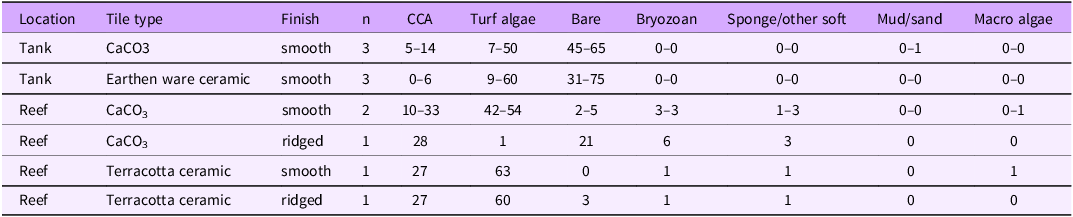
Table 2. Long description
A table with 6 rows and 9 columns. The columns are labeled Location, Tile type, Finish, n, CCA, Turf algae, Bare, Bryozoan, Sponge/other soft, Mud/sand, and Macro algae. The rows are labeled with different combinations of location, tile type, and finish. The values in the table represent the percentage cover ranges of different community compositions on artificial reef restoration substrates. Row 1: Tank, CaCO3, smooth, 3, 5-14, 7-50, 45-65, 0-0, 0-0, 0-1, 0-0. Row 2: Tank, Earthen ware ceramic, smooth, 3, 0-6, 9-60, 31-75, 0-0, 0-0, 0-0, 0-0. Row 3: Reef, CaCO3, smooth, 2, 10-33, 42-54, 2-5, 3-3, 1-3, 0-0, 0-1. Row 4: Reef, CaCO3, ridged, 1, 28, 1, 21, 6, 3, 0, 0. Row 5: Reef, Terracotta ceramic, smooth, 1, 27, 63, 0, 1, 1, 0, 1. Row 6: Reef, Terracotta ceramic, ridged, 1, 27, 60, 3, 1, 1, 0, 0.
In contrast, reef-deployed tiles supported more diverse encrusting assemblages after 276 days (8.8 months). These included bryozoans (1–6%), CCA (10–33%), sponge and other soft cover (1–3%) and turf algae (1–63%) (Table 2). Uncolonised (bare) substrate was generally lower on reef tiles (0–21%). Coral recruitment was only recorded on the face of one reef-deployed CaCO3 tile, with three recruits observed on the same tile (0–3 recruits, see Figure 8). These recruits occurred on or near CCA and in small cracks. This supports evidence from other studies that CCA presence and fine-scale surface microhabitats may support early coral settlement (Mallela et al. Reference Mallela, Milne and Martinez-Escobar2017). Overall, reef deployment produced greater biological cover and taxonomic diversity than tank deployment, although deployment durations differed and coral recruitment remained low across all recovered substrates. Only two tiles exhibited evidence of grazing with scrape marks, these were two CaCO3 smooth tiles (grazing percentage cover 0–1%).
Coral recruits (juvenile corals) found on one tile retrieved from Flying Fish Cove in 2025 (smooth CaCO3 biocomposite material): (a) coral recruit on flat surface (34.88 mm2), (b) coral recruit nestled or in a small divot (32.57 mm2) and (c) coral recruit growing in large crack (19.68 mm2). Scale bars 1 mm.

Comparison with other studies
The results from the tiles were compared to communities recruiting to dead coral rubble on the reef (see Figure 9). A multivariate statistical analysis revealed clear differences in assemblages (Clarke and Gorley Reference Clarke and Gorley2006).
Multivariate analysis graphs. (a) Cluster analysis group samples according to how similar their communities are, with samples joining together at higher similarity levels indicating more similar epibenthic communities. (b) Non-metric multidimensional scaling is an ordination method that plots samples according to how similar their communities are, with closer points indicating more similar epibenthic communities.

Cluster analysis
Cluster analysis (Figure 9a) showed that natural coral rubble formed a distinct and highly similar group, separate from the artificial restoration tile substrates. This indicates that the rubble supported a more consistent and developed reef-building epibenthic community. The rubble samples were primarily associated with CCA, a key reef-building and coral-settlement organism. In contrast, the restoration tiles formed separate clusters and were more variable. Tank tiles and reef-deployed tiles did not cluster closely with natural rubble, suggesting that the artificial substrates were still in early stages of colonisation and had not yet developed epibenthic communities equivalent to established rubble habitat.
nMDS
The nMDS (Figure 9b) showed the same broad pattern as the cluster analysis. Coral rubble samples grouped tightly and were clearly separated from most restoration substrates, indicating a distinct community structure. Reef-deployed terracotta and CaCO3 tiles plotted away from the rubble but were closer to each other, suggesting some overlap in colonisation on these materials. Tank earthenware ceramic and tank CaCO3 biocomposite tiles were generally separated from rubble and were associated with early-stage colonisation, including turf algae and bare substrate. The low stress value in the nMDS (2D stress = 0.07) indicates that the plot provides a reliable visual representation of the similarity patterns. The separation of rubble from the tiles therefore reflects real differences in epibenthic community composition, rather than a plotting artefact.
ANOSIM summary
Analysis of similarities (ANOSIM) is a statistical test that assesses whether community composition differs significantly among predefined groups, such as substrate types (Clarke and Gorley Reference Clarke and Gorley2006). ANOSIM confirmed that epibenthic communities differed significantly among substrate types (Global R = 0.851, p = 0.1%). The high R value indicates strong separation among groups. Pairwise tests showed that natural coral rubble communities differed strongly from terracotta (R = 1, p = 1.5%), CaCO3 (R = 0.941, p = 0.1%) and earthenware ceramic (R = 1, p = 0.3%). This supports the interpretation that natural rubble had a distinct reef-building community compared with the restoration substrates. Differences among artificial substrates were weaker. Terracotta and CaCO3 were not significantly different (R = 0.104, p = 35.7%), and CaCO3 and earthenware ceramic also overlapped (R = −0.062, p = 54.8%). These results suggest that substrate material influenced colonisation, but that artificial substrates were still developing and had not yet diverged into clearly distinct mature communities.
SIMPER summary
Similarity percentages analysis identifies which organisms or cover categories contribute most to similarity within groups and dissimilarity between groups (Clarke and Gorley Reference Clarke and Gorley2006). SIMPER showed that the main difference between natural rubble and the restoration substrates was the balance between reef-building CCA, turf algae and uncolonised surface. Coral rubble had high within-group similarity (85.36%) and was overwhelmingly characterised by CCA, which contributed 91.12% of its similarity. This indicates a mature, reef-building surface suitable for coral settlement. Terracotta tiles also had high similarity (91.09%) but were characterised by both turf algae (51.97%) and CCA (34.68%), suggesting some development of reef-building cover but with substantial early algal colonisation. CaCO3 tiles were more mixed, with uncolonised substrate, turf algae and CCA all contributing to group similarity. Earthenware ceramic tiles were mainly characterised by uncolonised substrate and turf algae, indicating more limited development of reef-building cover. Overall, SIMPER indicates that the restoration substrates were colonising but had not yet matched the CCA-dominated condition of natural coral rubble.
Discussion
This research presents a novel CaCO3-based biocomposite material for potential use as artificial reef scaffolds. Using two sources of CaCO3; ceramic-grade and oyster-shell-derived, we characterised these materials against controls across nano-, micro- and macro-scales. Ceramic-grade CaCO3 was trialled firstly in a reef tank and then on the fringing reefs of Christmas Island, where multispecies interactions were observed and quantified.
We demonstrate the enactment of biodesign methodology, through multidisciplinary mixed-methods, by positioning organisms as design evaluators. Conventional artificial reef design generally optimises for engineering, and conventional marine science characterises physical effects without attending to material legibility. Our integrated approach characterised at organism-relevant scales, deployed in field conditions with real recruitment pressure, and interpreting patterns through material agency, suggest that benthic marine organisms are active participants that could be sensing and responding to designed substrates. Material selection, fabrication (including microtopography design) and field testing were structured as iterative design cycles, feeding into and influencing each other, enabling us to move across multiple scales, material, ecological and relational and generate insights.
Material design characterisation
Our characterisation of material workability reveals properties that support the MDD and living artefacts framework established in our biodesign approach and methodology. The biocomposite materials demonstrated hand-formability comparable to earthenware ceramic (Table 1), with some notable differences attributable to their reduced plasticity. Critically, this property, while requiring more precise water management during fabrication, enables the material to support topographic detail and structural stability over time. Importantly, the biocomposite’s formability allows fabricators to design site-specific features (crevices, cryptic spaces, surface texturing) responsive to local ecological conditions and species-specific settlement requirements. This operationalises more-than-human design as a methodology for developing material design parameters: designers can embed ecological knowledge into material form during fabrication, creating scaffolds intentionally legible to reef organisms.
Beyond hand-forming, digital fabrication (Paste Deposition Modelling) enables site-specific topographies through parametric design, integrating ecological data directly into scaffold/artefact geometry. Material properties, formability, surface texture, fabrication precision, establish conditions through which organisms recognise and respond to designed substrates. These characteristics, grounded in material agency and the living artefacts framework, set the foundation for the physical and biological interactions demonstrated in field results.
Scientific material characterisation
Material characterisation employed SEM, Powder X-ray diffraction and 3D confocal microscopy to examine microstructural properties at scales relevant to coral larvae (∼80–1500 µm (Randall et al. Reference Randall, Speaks, Lager, Hagedorn, Llewellyn, Pulak, Thompson, Bay, Mead, Heyward and Negri2020)). Supplemented by the field studies, these methods combined provide a holistic understanding of material microstructural characteristics. SEM micrographs (Figure 5) and powder X-Ray diffractograms (Figure 6) reveal the similarities and differences between the two biocomposite materials, earthenware ceramics and coral. Both biocomposite materials showed a strong signal for calcite crystallised CaCO3. The SEM micrograph of the oyster shell biocomposite material reveals larger CaCO3 fragments within a fine powder matrix resulting from the grinding process, providing a high surface area for interaction and binding between the carbonate and the printing matrix (Fu et al. Reference Fu, Feng, Lauke and Mai2008).
The crystalline structure of natural coral compared to the two sources of CaCO3 and the earthenware ceramics reveals that the aragonite crystalline structure of the CaCO3 in corals contributes to its micron-scale roughness. Accompanied by the biochemical cues of the coral skeleton’s chemistry, this could affect settlement rates, however, given that grazing marks create space and influence settlement patterns of reef building organisms it would be prudent to examine the surface roughness of the grazing marks to determine surface morphology.
Topographic Surface Mapping and qualitative analysis of surface roughness provides a larval scale characterisation of the material. Surface roughness is associated with increased recruitment, but the specifics of this are still unclear (Levenstein et al. Reference Levenstein, Marhaver, Quinlan, Tholen, Tichy, Yus, Lightcap, Wegley Kelly, Juarez, Vermeij and Wagoner Johnson2022; Pellegrino et al. Reference Pellegrino, Savorana, Cassina, Campanile, Centola, Belgiovine, Vinci, Klinger, Lecuyer, D’Imprima, Mantegazza, Secchi and Rusconi2026) Current coral marine biology theory (Attachment Point Theory) suggests that corals preferentially settle on substrates within their body size range, however more recent research suggests that even smaller topographic characteristics could also affect settlement of corals (Levenstein et al. Reference Levenstein, Marhaver, Quinlan, Tholen, Tichy, Yus, Lightcap, Wegley Kelly, Juarez, Vermeij and Wagoner Johnson2022). With coral larvae size ranges from ∼80 µm to ∼1500 µm, material characterisation needs to move to the micrometre scale (Randall et al. Reference Randall, Speaks, Lager, Hagedorn, Llewellyn, Pulak, Thompson, Bay, Mead, Heyward and Negri2020). Further interrogation into different materials chemical compositions using SEM energy dispersive X-ray spectroscopy and X-ray Fluorescence would provide a more comprehensive understanding and comparison of material composition.
Early-stage coral reef growth pilot study
The results of experimental substrates (tiles) placed in coral reef environments (reef tanks and fringing coral reef) show that the artificial restoration substrates were biologically colonised. However, after 3 and 8.8 months they remained in the early stages of benthic community development when compared with natural, reef-derived, Acropora coral rubble.
Reef-deployed tiles supported more diverse epibenthic assemblages than tank tiles, including CCA, bryozoans, turf algae, sponge/soft cover and limited coral recruitment (Table 2). This suggests that in-situ reef conditions after 8 months promoted a broader colonisation response than the shorter controlled tank trial. After 3 months, tank tiles were dominated by turf algae and bare substrate, with low to moderate CCA and no coral recruits. This indicates that the reef tank trial was useful as an initial material safety and colonisation test, but tests would need to run longer to see if they reproduce the full range of reef recruitment processes observed in the field after 8 months. Coral recruitment was low across all recovered substrates, with three recruits recorded on only one reef-deployed CaCO3 tile. These recruits occurred on or near CCA and small cracks, suggesting that both biological conditioning and fine-scale surface microhabitats may influence early coral settlement. Coral recruit counts may be underestimated due to methodological constraints: recruits <1 mm were not resolvable in initial image documentation, and subsequent destructive sampling for eDNA prevented robust post hoc identification of additional small settlers.
The presence of CCA on reef-deployed tiles is ecologically important because CCA is a reef-building organism and can provide settlement cues for coral larvae (Baker et al. Reference Baker, Cresswell, Gilmour and Renton2025). However, the lower and more variable CCA cover on artificial substrates, when compared to natural rubble substrates from the same location, indicates that these surfaces had not yet developed into mature reef-building substrata. The comparison with natural Acropora coral rubble provides an important ecological benchmark; natural rubble formed a distinct and highly similar community dominated by CCA, whereas artificial tiles formed separate and more variable clusters, indicating that the restoration substrates were colonising, but had not yet converged with established reef-building communities.
The cluster analysis and nMDS both showed clear separation between natural coral rubble and the experimental tiles (Figure 9). This supports the interpretation that the artificial substrates had different epibenthic community structures from natural reef carbonate surfaces at this stage of deployment. The low nMDS stress value indicates that the ordination provides a reliable visual representation of the community similarity patterns. The ANOSIM confirmed a significant difference in epibenthic community composition among substrate groups, with strong separation between natural coral rubble and terracotta, ceramic-grade CaCO3 and earthenware ceramic tiles. This strengthens the ecological evidence base for the study and shows that substrate type and deployment location influenced observed colonisation patterns.
Differences among artificial substrates were weaker than differences between artificial substrates and natural coral rubble. This suggests that, at this early stage, deployment environment and colonisation time may be as important as substrate material in shaping the developing benthic community. Our analysis showed that the main differences between natural rubble and restoration substrates were driven by the balance between CCA, turf algae and uncolonised surface. This is ecologically meaningful because CCA indicates reef-building potential, while turf algae and bare substrate are more consistent with early-stage colonisation. Terracotta tiles supported both turf algae and CCA, suggesting some development of reef-building cover but also substantial early algal colonisation. Ceramic-grade CaCO3 tiles showed a mixed community, while earthenware ceramic tiles were mainly characterised by uncolonised substrate and turf algae, suggesting slower development of reef-building cover.
These early-stage results raise important questions about how substrate material properties influence organism-substrate interactions. Coral settlement patterning (preference for CCA proximity and surface cracks), differential community composition among substrate types and the exclusive appearance of grazing marks on CaCO3 tiles suggest that organisms may be responding to substrate characteristics in ways that differ among materials (Kennedy et al. Reference Kennedy, Ordoñez, Lewis and Diaz-Pulido2017; Mallela Reference Mallela2018).
Novel CaCO3 materials as facilitators of multispecies interactions on living scaffolds
The mixed-methods integration of biodesign, scientific method and characterisation across reef tank and living reef ecological assessment revealed potential for biological interaction. Grazing marks were observed on two CaCO3 biocomposite reef deployed tiles (see Figure 10a) and were absent on all other tiles including control terracotta materials, providing early evidence of biological habitation and reciprocal interaction. While the limited sample (n = 2) prevents formal quantification, this substrate-specific pattern tentatively supports and extends the adopted design framework, casting multispecies organisms as participants within a designed system (inclusive of form and material), aligned with sympoietic ‘making-with’ (Giaccardi Reference Giaccardi and Wiltse2020; Groutars et al. Reference Groutars, Kim and Karana2024; Haraway Reference Haraway, Fischer and Dumit2016). Importantly, the organisms’ grazing on CaCO3 tiles suggests the capacity for reciprocal interaction, with the behaviour indicating organisms functioning as design evaluators, thereby informing iterative design refinement in future work.
Biological recruitment to ceramic-grade CaCO3 biocomposite. (a) Reef deployed smooth CaCO3 biocomposite tile retrieved from Flying Fish Cove, Christmas Island, showing clear recent grazing marks on the mid-left section. (b) Example of coralline algae (CCA) and marine recruitment on an experimental 3D-printed CaCO3 scaffold – 3-months in ANU Reef tank. Future work will investigate digital fabrication and its potential for enhancing microtopography in these biocomposites.

By recognising material agentic capacity, the ability of material properties to influence organism behaviour, we could interpret biological interaction patterns (CCA and coral settlement, and grazing) as active organism responses to material affordances. Scientific characterisation (SEM, pXRD, 3D confocal mapping) revealed the crystalline structures and surface roughness at scales (micro- to nano-meter) relevant to coral larval settlement (∼80–1500 µm range (Randall et al. Reference Randall, Speaks, Lager, Hagedorn, Llewellyn, Pulak, Thompson, Bay, Mead, Heyward and Negri2020)). These observations establish criteria for future material design and optimisation: surface topography parametrised through 3D-confocal mapping can inform digital fabrication, creating designed surfaces that explicitly communicate settlement cues to reef organisms. We have begun this design experimentation through our first iteration of including fish bite volumes (the treatment to the tiles described as ‘ridges’). By combining emerging microtopography research on CCA and coral recruit cues (Mallela Reference Mallela2018) with existing research on attachment point theory (Levenstein et al. Reference Levenstein, Marhaver, Quinlan, Tholen, Tichy, Yus, Lightcap, Wegley Kelly, Juarez, Vermeij and Wagoner Johnson2022), we establish design criteria for parametric design of future scaffolds. Future artificial reef design must therefore prioritise microtopography and material chemistry as core parameters, enabling substrates to communicate reef-building potential. Digital fabrication optimises scaffold microtopography (Figure 10b for reference), with 3D printing parameters potentially directly influencing surface characteristics.
Rather than treating artificial reef substrates as finished objects awaiting passive colonisation, we reconceptualise them as active participants in ongoing sympoietic processes, where organisms and materials mutually constitute the reef ecosystem. Through this lens and the expanded multispecies living artefact framework (Groutars et al. Reference Groutars, Kim and Karana2024; Karana et al. Reference Karana, Barati and Giaccardi2020, Reference Karana, McQuillan, Rognoli and Giaccardi2023), the artefact/scaffolds undertake temporal transformation, from material, to biological interface and finally to an integrated part of a living ecological system.
Limitations and future design directions
The results of the in-situ pilot study should be interpreted cautiously because several methodological constraints shaped what can be concluded. Sample sizes were small, deployment durations differed between tank and reef trials, and some reef tiles were not recovered due to extreme swell. Moreover, environmental constraints confounded substrate effects: aquarium trials lacked the environmental complexity of natural reefs, including, water flow regimes and energy, full benthic community interactions (predation, competition, herbivory) and larval recruitment pressure. Consequently, tank results cannot be directly extrapolated to predict field performance and were only used to understand the novel materials suitability for field deployment. Moreover, field deployment itself was limited to a single reef site, preventing comparison of substrate effects across locations with different recruitment pressures and community assembly dynamics. Additionally, following image capture and documentation of the tiles, the subsequent destructive sampling of tiles for future eDNA species level research removed surface communities and prevented post-sampling analysis of settled organisms on tiles. Although this was necessary, it could have influenced the number of coral recruits observed (as discussed earlier). These collection constraints mean the findings should be framed as a pilot, methods testing, early-stage ecological assessment rather than a definitive test of restoration performance.
However, the research also gains significant insight for future design iteration. Although experimental deployment lengths were short, we gained insight into early biological interaction, particularly grazing marks. Early results show CaCO3 biocomposites support initial biological interactions (settlement, grazing), but differences from ceramic controls remain unclear at this deployment stage. As discussed above, the substrate-specific appearance of grazing marks suggests material legibility to bioeroders, but no formal scientific conclusions can be drawn from this observation alone. However, it does provide insight into how the material (and therefore tile artefact) engaged, suggesting material legibility to reef bioeroders. These gaps prevent confirmation of whether settlement reflects substrate chemistry, surface microstructure, biological conditioning or a combination of factors.
The findings do not yet demonstrate that the artificial substrates replicate natural reef carbonate habitats. Instead, they show that the substrates can support early colonisation by reef-associated organisms and that CaCO3 and terracotta ceramic surfaces may provide a basis for further testing and future work. The data supports a staged restoration-design interpretation: material safety and initial colonisation can be assessed in tanks, but field deployment is essential for evaluating whether substrates develop reef-relevant biological communities. To accomplish this, longer-term field deployments, replicated reef sites, larger sample sizes and standardised sampling methods are needed. In this paper we present the data from the first lift of tiles (2025), with future lifts (2026) providing the longer-term data required for stronger conclusions.
Along with the above-mentioned limitations and directions, three strands of inquiry are outlined for future design work:
-
• Material Characterisation and Biodesign Feedback: To better understand how organisms are ‘reading’ material properties as systematic characterisation of additional material properties including compressive length, hardness, porosity and pH dynamics should be evaluated and compared to natural reef. Furthermore, systematic evaluation of oyster-shell-derived CaCO3 performance across environmental conditions is essential to validate bio-based sourcing strategies (Soledad Duarte Poblete et al. Reference Soledad Duarte Poblete, Romani and Rognoli2024). All of these future directions would support a biodesign feedback loop where scientific material analysis combined with ecological knowledge can help refine a design materials composition. These characterisation data also has implications for digital fabrication and informing parametric design parameters.
-
• Digital Fabrication, Ecological feedback and Modularity: Although the pilot study cannot yet demonstrate causation between specific material properties and recruitment, early settlement patterns and grazing provide a research base for investigating material composition and topographical (nano- to micro-scale) influences on organism response. Integration of ecological data feedback into the design system will enable iterative refinement of scaffold geometry through parametric design. The next phase should focus on embedding grazing mark patterning as parametric design elements and developing site-specific modular systems aligned with emerging reef restoration methodologies (for example, Berman et al. Reference Berman, Weizman, Oren, Neri, Parnas, Shashar and Tarazi2023; Spaet et al. Reference Spaet, Nanninga and Pfreundt2025; ‘Modular Artificial Reef Structure (MARS)’ n.d.). Digital fabrication via 3D printing enables creation of complex scaffold geometries impossible through analogue methods (Bamford Reference Bamford2013), allowing surfaces that explicitly reference and respond to species-specific settlement cues. Critically, modular systems designed through this approach must incorporate environmentally appropriate attachment methods that minimise damage to living reef substrate, ensuring deployment does not compromise existing benthic communities. Continued collaborative research with marine ecologists is essential to ground material design in species-specific biological requirements and to validate attachment protocols suitable for each deployment context.
-
• Extended Ecological Validation: To evaluate whether the CaCO3 biocomposites support maturation to reef-building communities, longer-term deployment should be prioritised. Currently twenty tiles remain deployed on Christmas Island; planned 2026/27 fieldwork will retrieve and analyse these tiles using the tile community analysis, as described in the methods, and eDNA metabarcoding, which may reveal multispecies patterns beyond visual observation, offering additional insight in coral reef assemblages on the artificial substrates (Alexander et al. Reference Alexander, Bunce, White, Wilkinson, Adam, Berry, Stat, Thomas, Newman, Dugal and Richards2020; Levy et al. Reference Levy, Simon-Blecher, Ben-Ezra, Yuval, Doniger, Leray, Karako-Lampert, Tarazi and Levy2023).
Together, these three research strands implement a biodesign methodology where material characterisation, computational design and ecological validation form an iterative cycle. By positioning organisms as design partners and material properties as communication systems, this work advances regenerative reef ecology whilst demonstrating how design thinking can bridge design methodologies and environmental restoration.
Conclusion
This research demonstrates that artificial reef substrate design grounded in material agency outlines a more-than-human design practice distinct from conventional siloed approaches. By integrating mixed-method biodesign methodology with scientific characterisation and ecological assessment, we uncovered that organisms may have responded to substrate material properties in ways that position them as design partners. However, further research is needed to validate these observations. This pilot study establishes the conceptual and methodological foundation for regenerative reef design practice.
Understanding CaCO3 as an ecosystem agent requires recognising it as both a building material (constructed through calcification by corals and other marine organisms), and a dynamic material shaped by currents and bioeroders (echinoderms, fish) (Mallela and Fox Reference Mallela, Fox, Hoey and Bonaldo2018). This dual nature reflects the key components of healthy reefs: three-dimensional structure (building) and temporal ecological processes (bioeroding). By characterising the novel biocomposite materials and connecting micrometre-scale material characteristics to macro reef-building organism recruitment, we establish the foundation for a research agenda promoting improved, dynamic artificial reef materials grounded in material agency and ecological interaction.
This research reconceptualises artificial reef scaffolds as active participants in ongoing sympoietic processes. The scaffolds/artefacts are understood to be part of dynamic systems as well as being dynamic themselves; responding to biological interaction through habitation, bioerosion and growth, continually changing form. This reframing enables organisms to become active co-creators of reef regeneration: when substrates communicate material legibility through properties organisms recognise, they engage through settlement and bioeroding interaction, actively shaping the artefact’s form and function. This sympoietic ‘making-with’ (Haraway Reference Haraway, Fischer and Dumit2016) demonstrates how design methodologies, particularly more-than-human design approaches encompassing biodesign and an expanded multispecies living artefact framework (Groutars et al. Reference Groutars, Kim and Karana2024; Karana et al. Reference Karana, Barati and Giaccardi2020, Reference Karana, McQuillan, Rognoli and Giaccardi2023), support a holistic, ecosystem-wide approach that integrates design and ecological restoration research. As restoration practice scales globally, this approach positions more-than-human and biodesign methodologies, grounded in material agency and multispecies collaboration, as central to ecological regeneration.
Supplementary material
The supplementary material for this article can be found at https://doi.org/10.1017/S2977905726100808
Data availability statement
The authors confirm that the data supporting the findings of this study are available within the article and/or its Supplementary Materials. Coral rubble benthic cover comparison data presented here can be found in Martinez-Escobar and Mallela (Reference Martinez-Escobar and Mallela2019) DOI: https://doi.org/10.1016/j.scitotenv.2019.07.139.
Acknowledgements
This research was undertaken across multiple laboratories and facilities at the Australian National University. We are thankful to Dr Bini Zhou for her technical assistance with powder X-Ray diffraction at Research School of Chemistry, Mahala Hill for technical support in the ceramic department at School of Art and Design. The authors acknowledge Microscopy Australia (ROR: 042mm0k03) at the Centre for Advanced Microscopy, The Australian National University, a facility enabled by NCRIS and university support. We extend our thanks to the King Lab (ARC grant LE20100083) at the Research School of Earth Sciences for training and access to the laboratory equipment as well as Ellwood group for their support in using the ANU Research School of Earth Sciences reef tank.
We also would like to thank Jason Turl who supported the first field trip as a SCUBA diving scientific research assistant in 2024. We thank Lin Gaff and Sarah Wilson and Parks Australia in Christmas Island for their assistance in fieldwork in 2025. Finally, we would also like to thank OzFish Unlimited for their donation of oyster shell fines to the research.
This research was undertaken as part of O’Sullivan doctorate research. We are grateful to O’Sullivan’s supervisory team Dr Naomi Hay, Mr Roderick Bamford, Dr Jennie Mallela and Prof. Adam Perriman.
Artificial Intelligence (Claude, Sonnet 4.6, 2025) was used for contextual editing of spelling, grammar and clarity.
We would like to thank reviewers for their helpful feedback in shaping this manuscript.
Author contributions
-
• Author A: Conceptualisation, Data Curation, Formal Analysis, Funding Acquisition, Investigation, Methodology, Project Administration, Validation, Visualisation, Writing – Original Draft Preparation, Writing – Review & Editing
-
• Author B: Conceptualisation, Supervision, Validation, Methodology, Investigation, Analysis, Writing – Original Draft Preparation Writing – Review & Editing,
-
• Author C: Formal Analysis, Investigation, Methodology, Visualisation, Writing – Original Draft Preparation
-
• Author E: Conceptualisation, Analysis, Funding Acquisition, Investigation, Methodology, Project Administration, Resources, Supervision, Validation, Writing – Review & Editing
-
• Author D: Conceptualisation, Supervision, Funding Acquisition, Methodology, Writing – Review & Editing
Financial support
O’Sullivan is financially supported to complete their doctorate research through the Elevate Scholarship from the Australian Academy of Technological Science and Engineering (ATSE) and the Australian Research Training Program from the Australian Federal Government. Additional financial funding and in-kind support was provided by Parks Australia, through Reef Science Consulting, and the Christmas Island Coral Reef Health Monitoring Program to which this research contributes.
Competing interests
None.
Ethical standards
The research meets all ethical guidelines, including adherence to the legal requirements of the study country. This journal follows the COPE guidelines regarding ethics and as such requires that you include an Ethics Statement detailing relevant approvals such as IRB, the ethical treatment of human and animal research participants and informed consent as appropriate to the study. Further details can be found on our Publishing Ethics Page. Fieldwork was conducted on Christmas Island within the Christmas Island Port jurisdiction. Permission was sought and received from the Christmas Island Harbour Master in 2024 for ongoing research.
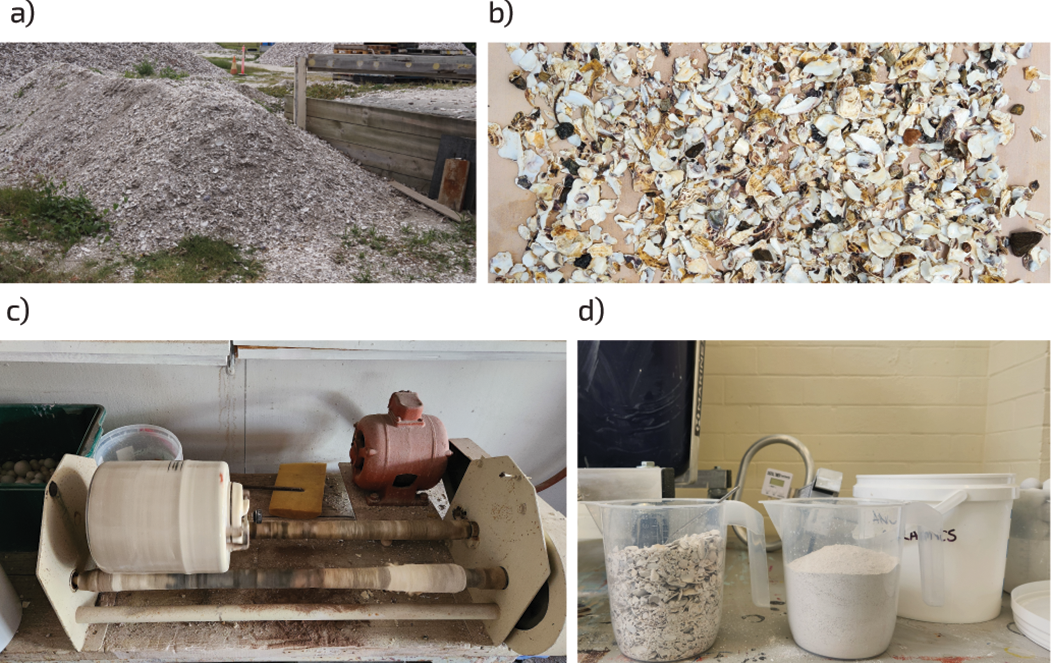
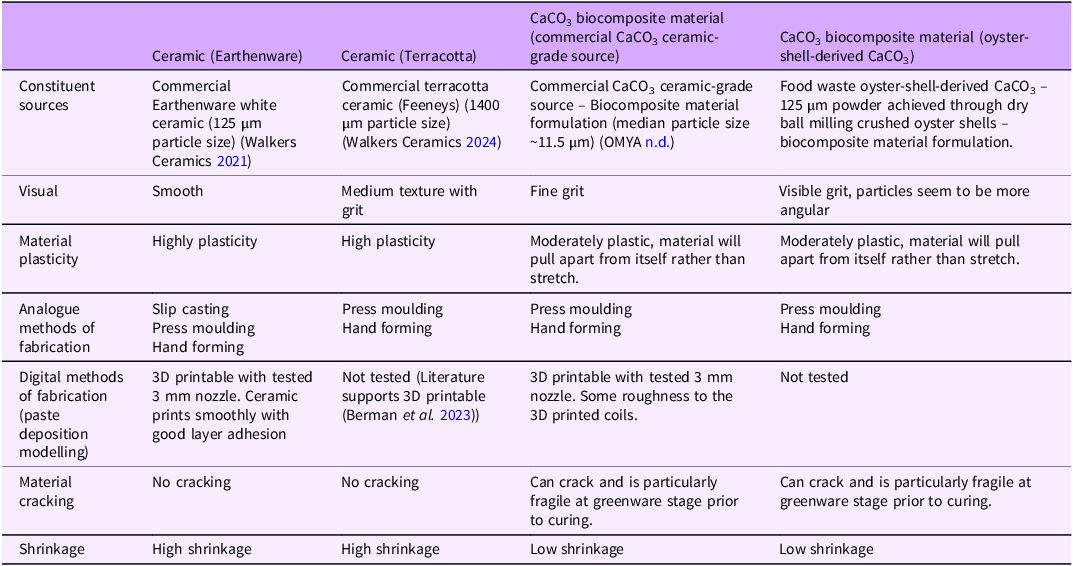
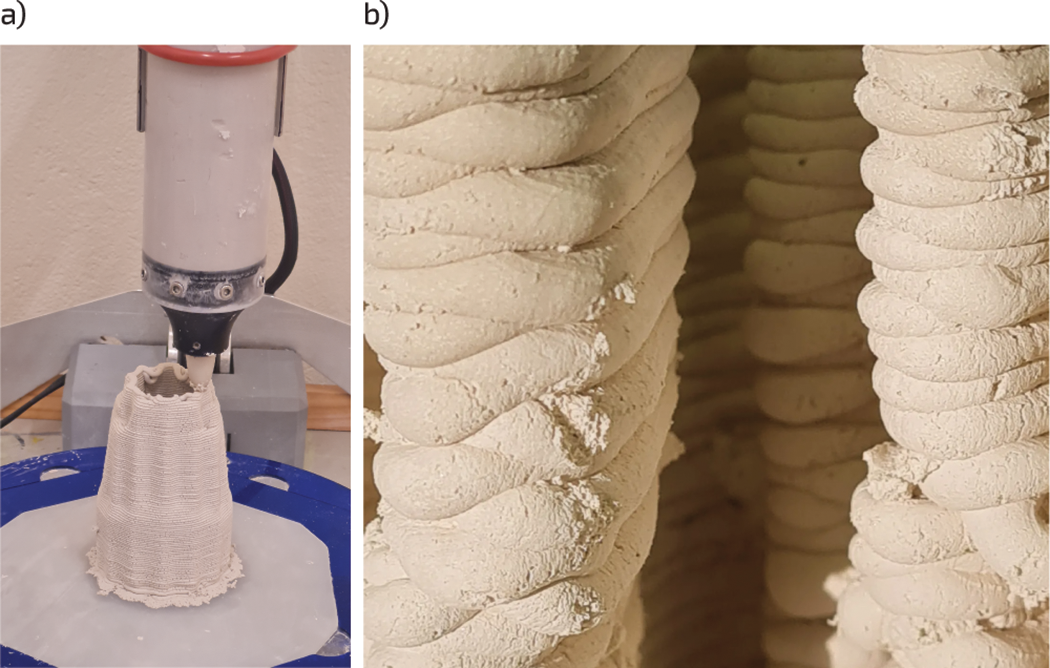
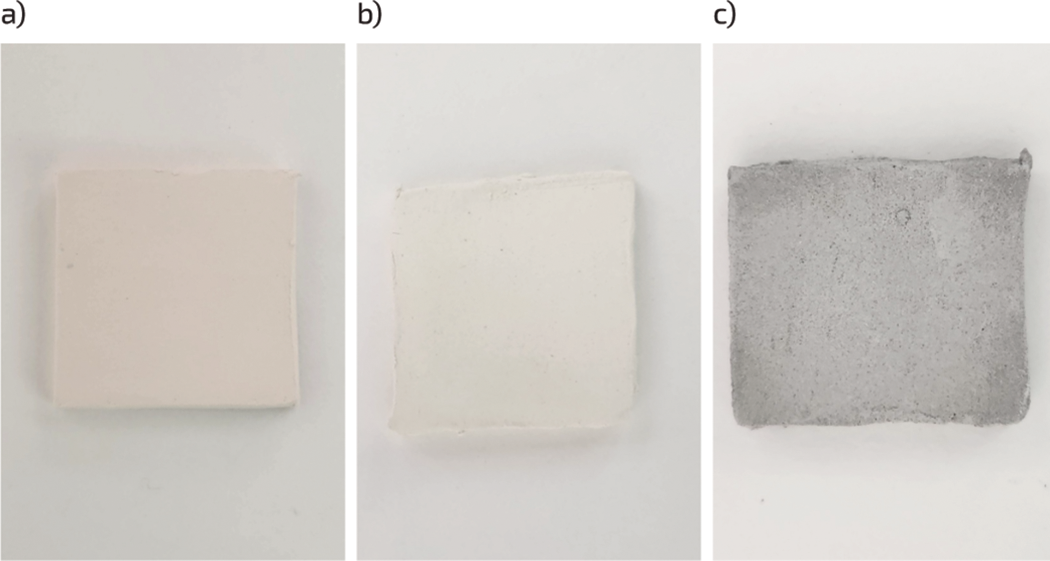
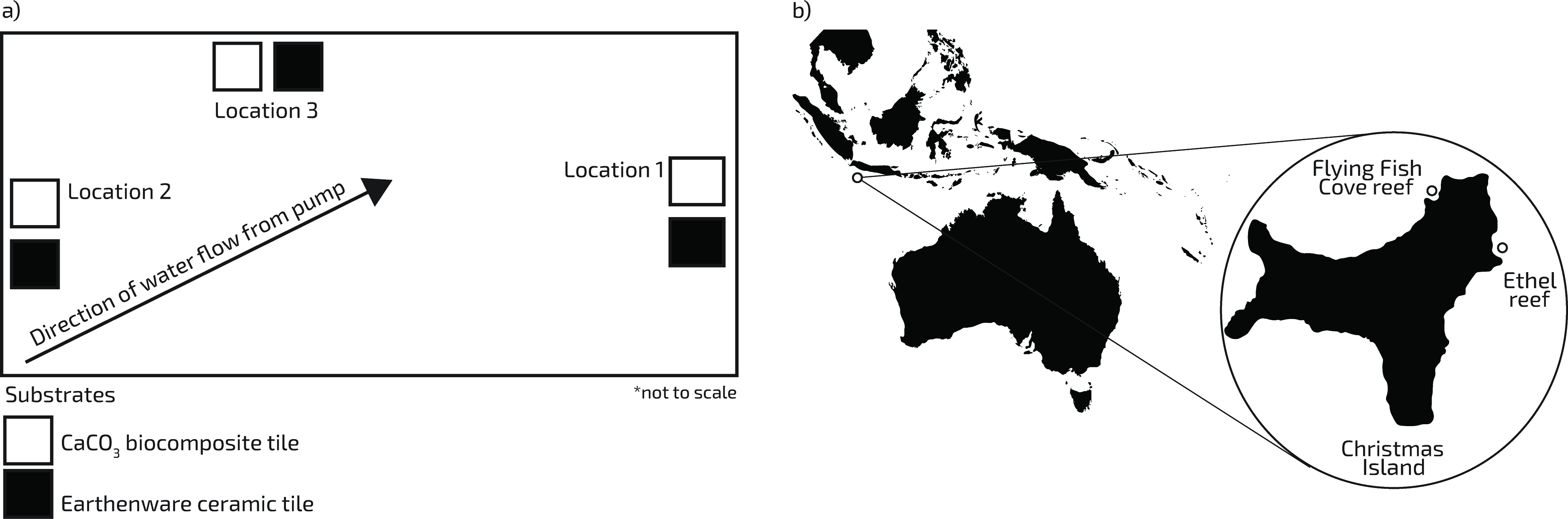
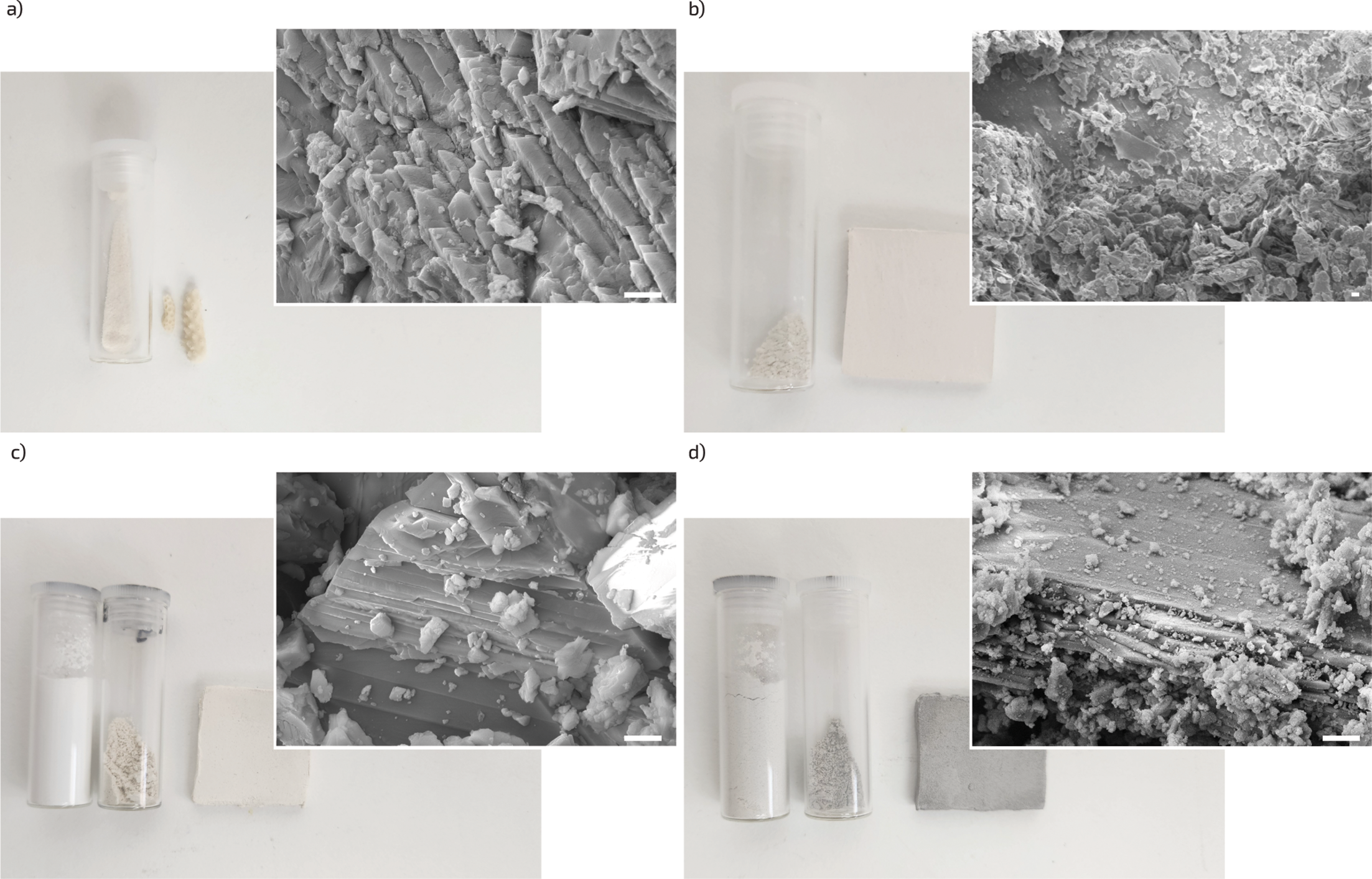
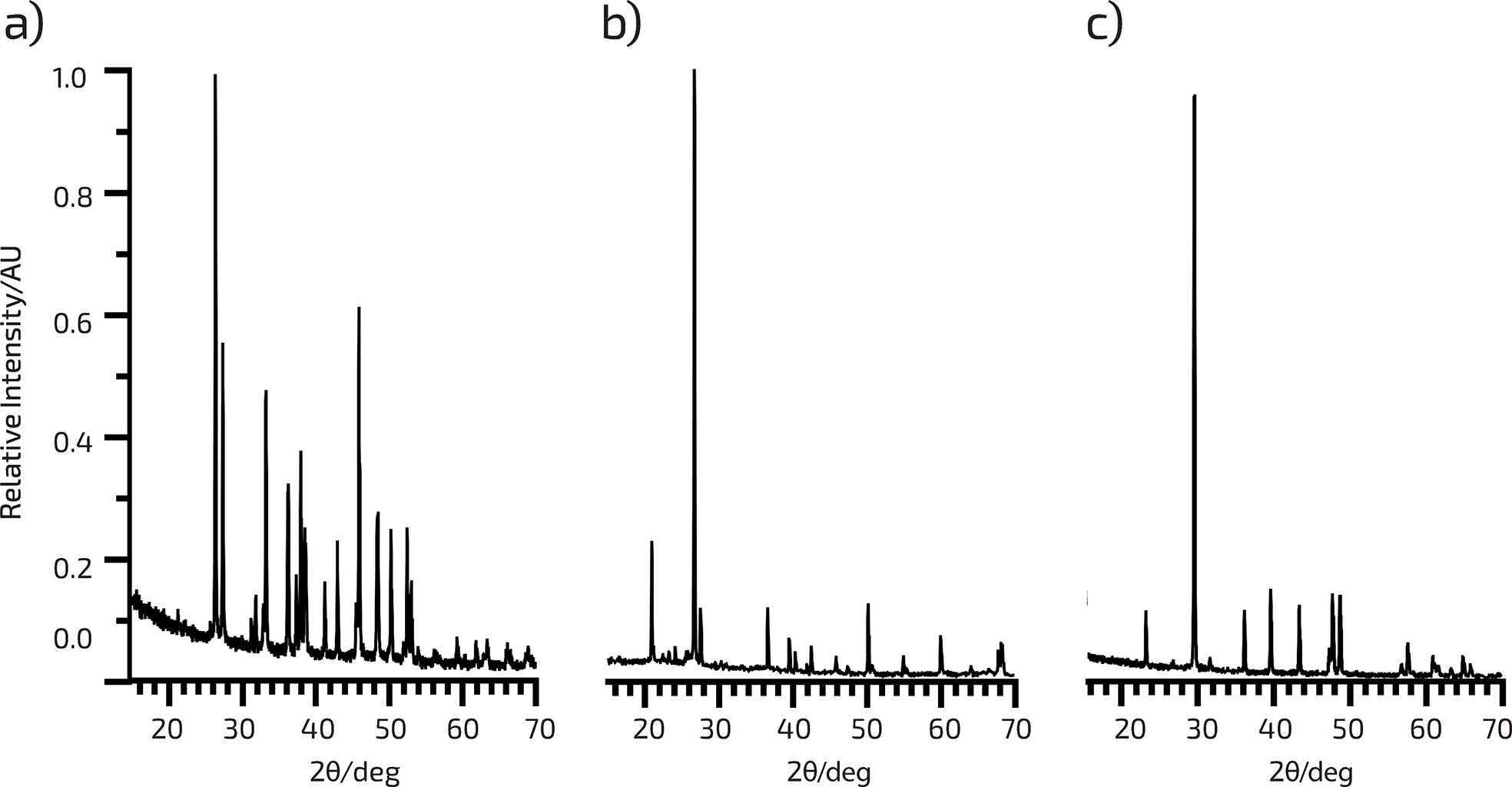
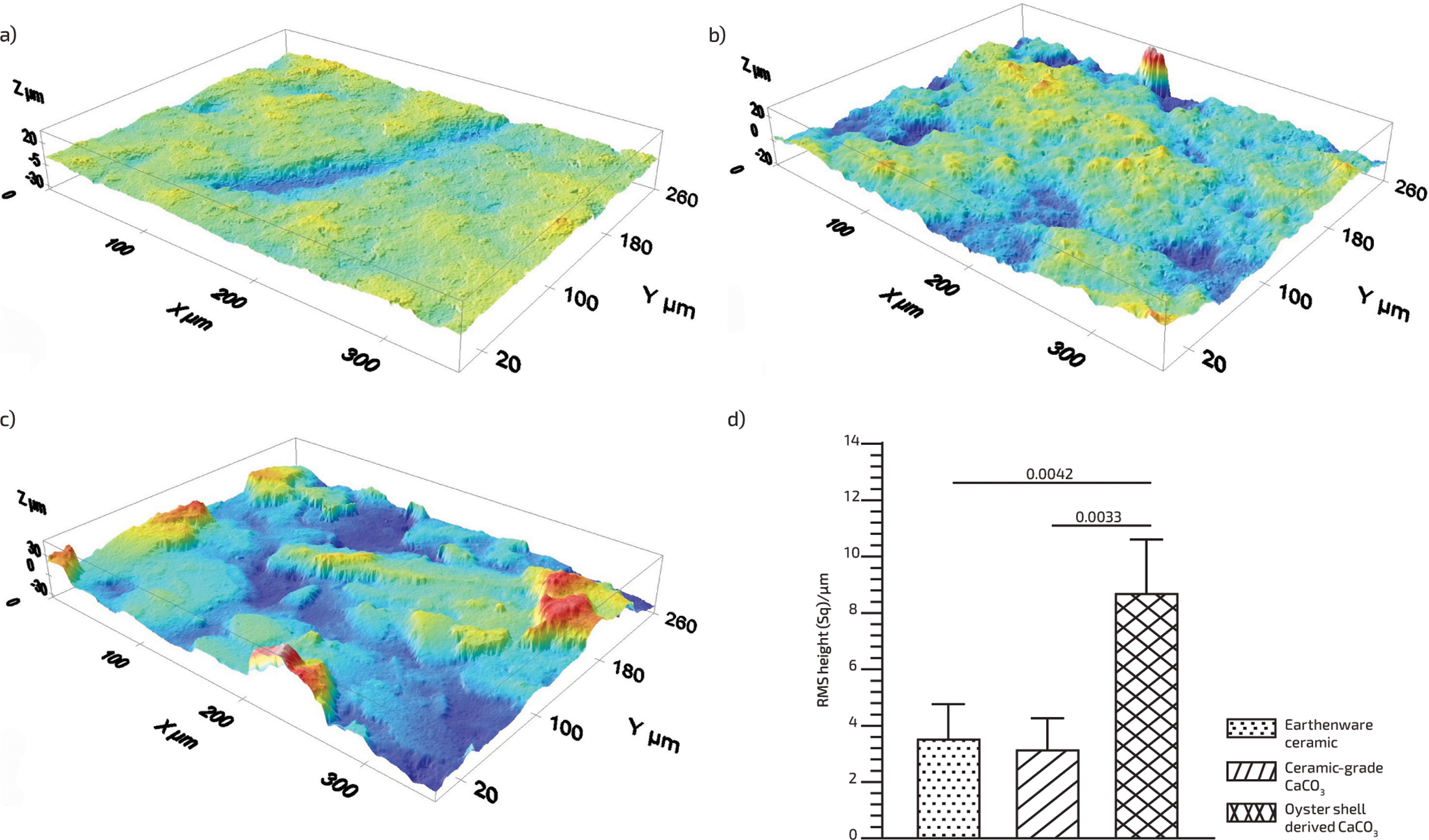
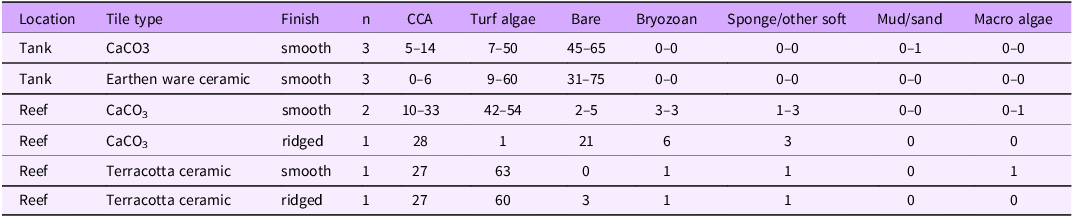
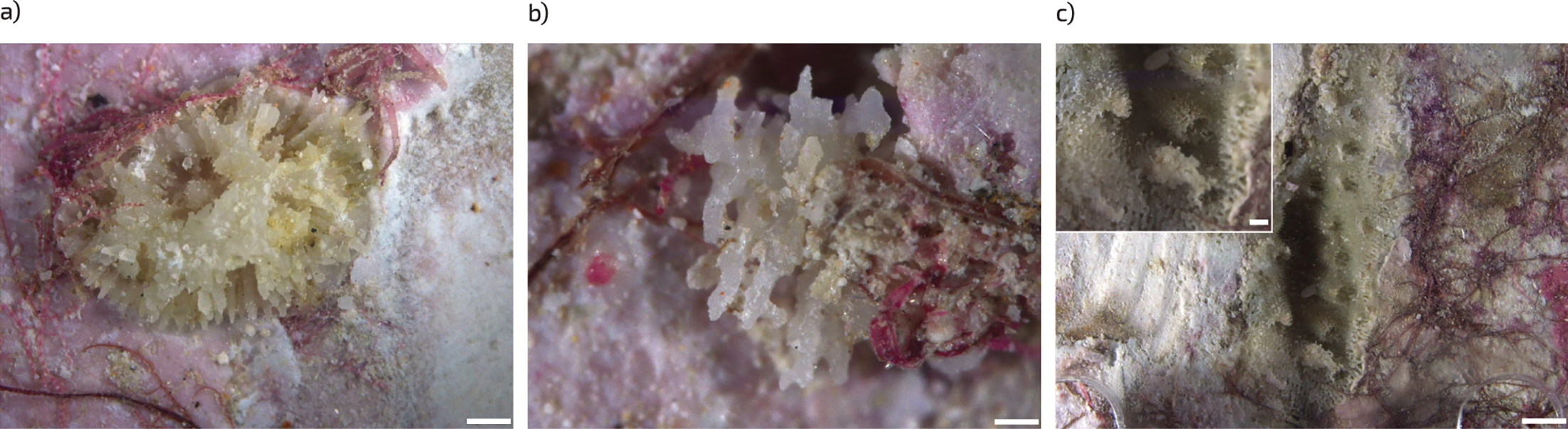
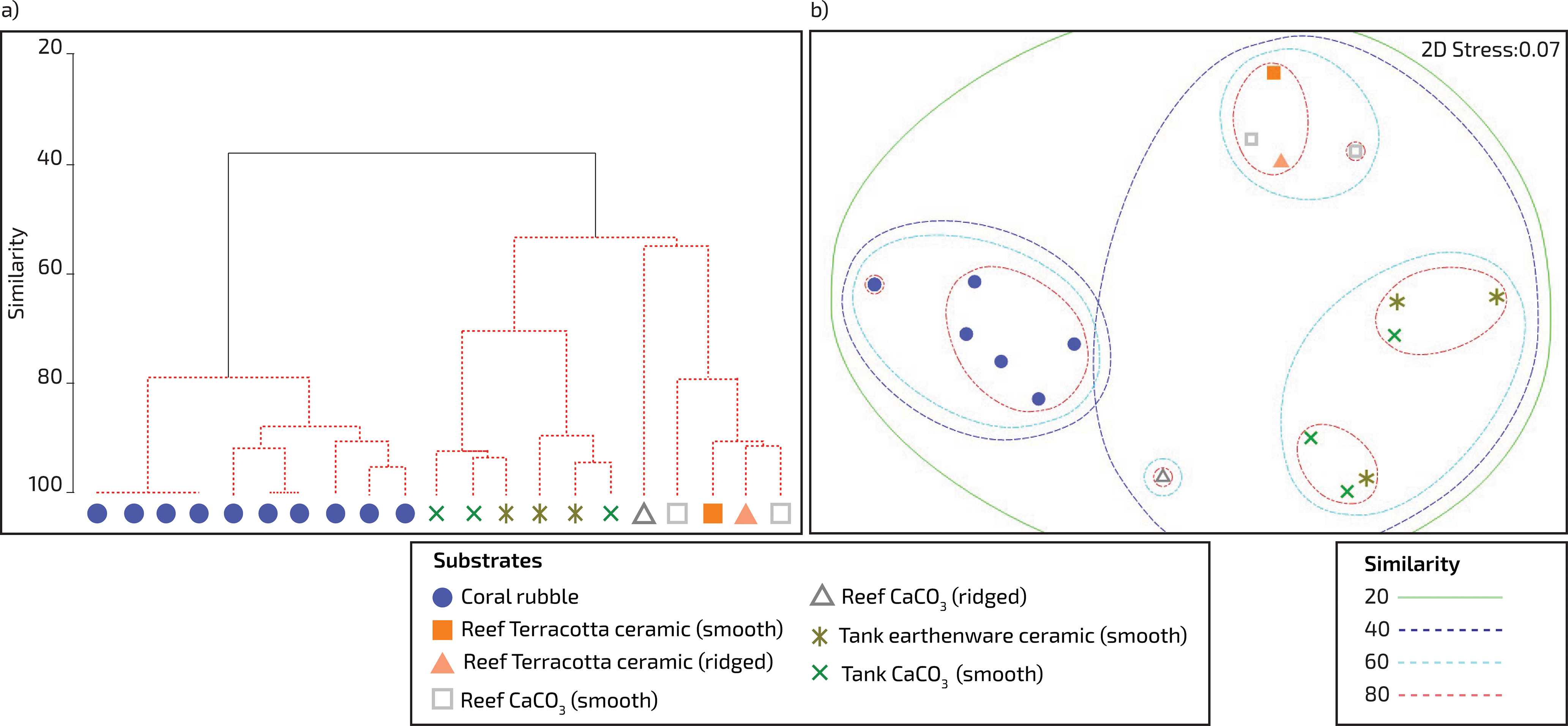
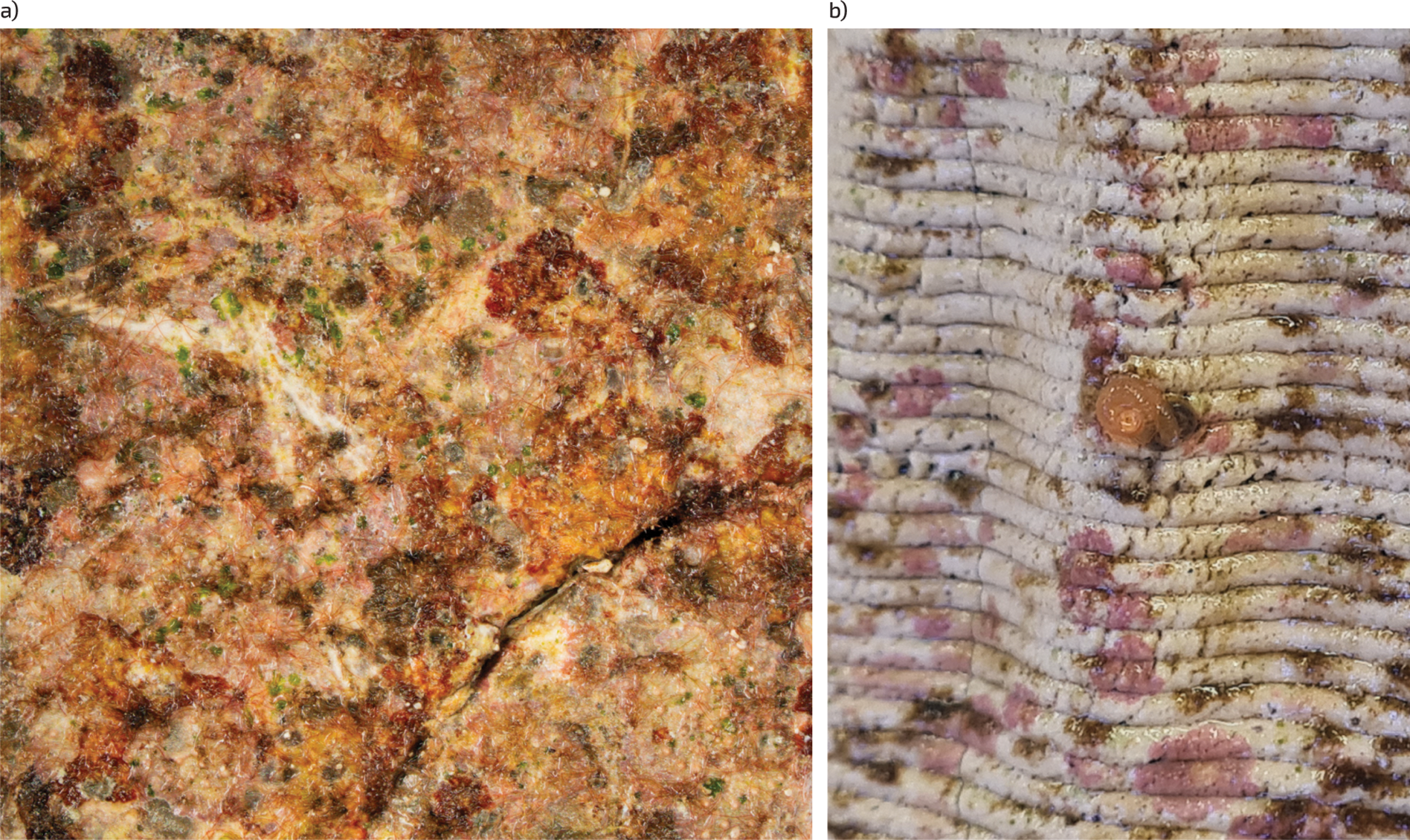


 Open access

