Over the years, a great deal of research has focused on the outcomes achieved by patients who participate in rehabilitation, with participation being defined as the number of sessions patients attended in a cardiac rehabilitation (CR) program (Dunlay, Pack, Thomas, Killian, & Roger, Reference Dunlay, Pack, Thomas, Killian and Roger2014; Gardiner et al., Reference Gardiner, Nwose, Regan, Park, Bwititi, Crockett and Wang2018; Lequerica & Kortte, Reference Lequerica and Kortte2010); however, knowledge is lacking about factors contributing to the process of patient engagement in rehabilitation (Smart, Aulakh, McDougall, Rigby, & King, Reference Smart, Aulakh, McDougall, Rigby and King2017). Cardiovascular (CVD) and circulatory diseases account for prominent causes of death in the world (Naghavi et al., Reference Naghavi, Wang, Lozano, Davis, Liang and Zhou2015). However, death statistics alone are not adequate to describe the real impact of heart disease because many people live with heart disease for extended periods. In these cases, heart disease causes a significant negative impact on quality of life of patients (Verberne, Moulaert, Verbunt, & van Heugten, Reference Verberne, Moulaert, Verbunt and van Heugten2018), as well as on people around them (van't Wout Hofland, Moulaert, van Heugten, & Verbunt, Reference van't Wout Hofland, Moulaert, van Heugten and Verbunt2018).
CR programs are multidisciplinary interventions that include patient assessment, nutritional counselling, risk factor management, psychosocial intervention, and physical activity and counselling complemented by exercise training, to stabilise, slow, or reverse cardiovascular disease and facilitate prevention of further cardiac events (Watchie, Reference Watchie2009).
There have been several recent attempts to develop a more holistic conceptualisation of rehabilitation process participation (Blanchard, Arthur, & Gunn, Reference Blanchard, Arthur and Gunn2015; Medley & Powell, Reference Medley and Powell2010; Selzler, Rodgers, Berry, & Stickland, Reference Selzler, Rodgers, Berry and Stickland2016). One of the more important constructs to emerge is engagement (Lequerica & Kortte, Reference Lequerica and Kortte2010). Rehabilitation engagement has been described as a multicomponent construct, comprising elements such as treatment attitudes, understanding of treatment necessity, motivation, and attendance, participation, and involvement in therapy activities (Medley & Powell, Reference Medley and Powell2010). Positioning engagement at the centre of the rehabilitation process enables a more thorough understanding of this complex process, and also prediction of the likely outcomes.
Interest in the engagement process has been persistent, but the main goal in previous research has been to identify single variables that facilitate or hinder rehabilitation engagement. Important variables have been disparately identified and studied. For instance, some researchers have focused on how a patient's knowledge about rehabilitation and its goals has facilitated participation (Cox, Oliveria, Lahham, & Holland, Reference Cox, Oliveira, Lahham and Holland2017; Lequerica & Kortte, Reference Lequerica and Kortte2010). Although this piecemeal approach has revealed important findings about significant constructs related to each rehabilitation engagement stage, no overarching understanding of the engagement process has been provided. As such, the application of a theoretical model incorporating multiple CR stages and identifying the active mechanisms that intercombine in complex ways may facilitate patient engagement. Lequerica and Kortte (Reference Lequerica and Kortte2010) presented a theoretical model of therapeutic engagement (MTE) aimed at clarifying how and why patients engage in rehabilitation programs. Although evidence supports individual MTE components, the complete model is yet to be tested in any rehabilitation population. Thus, the applicability of the model to CR remains unknown.
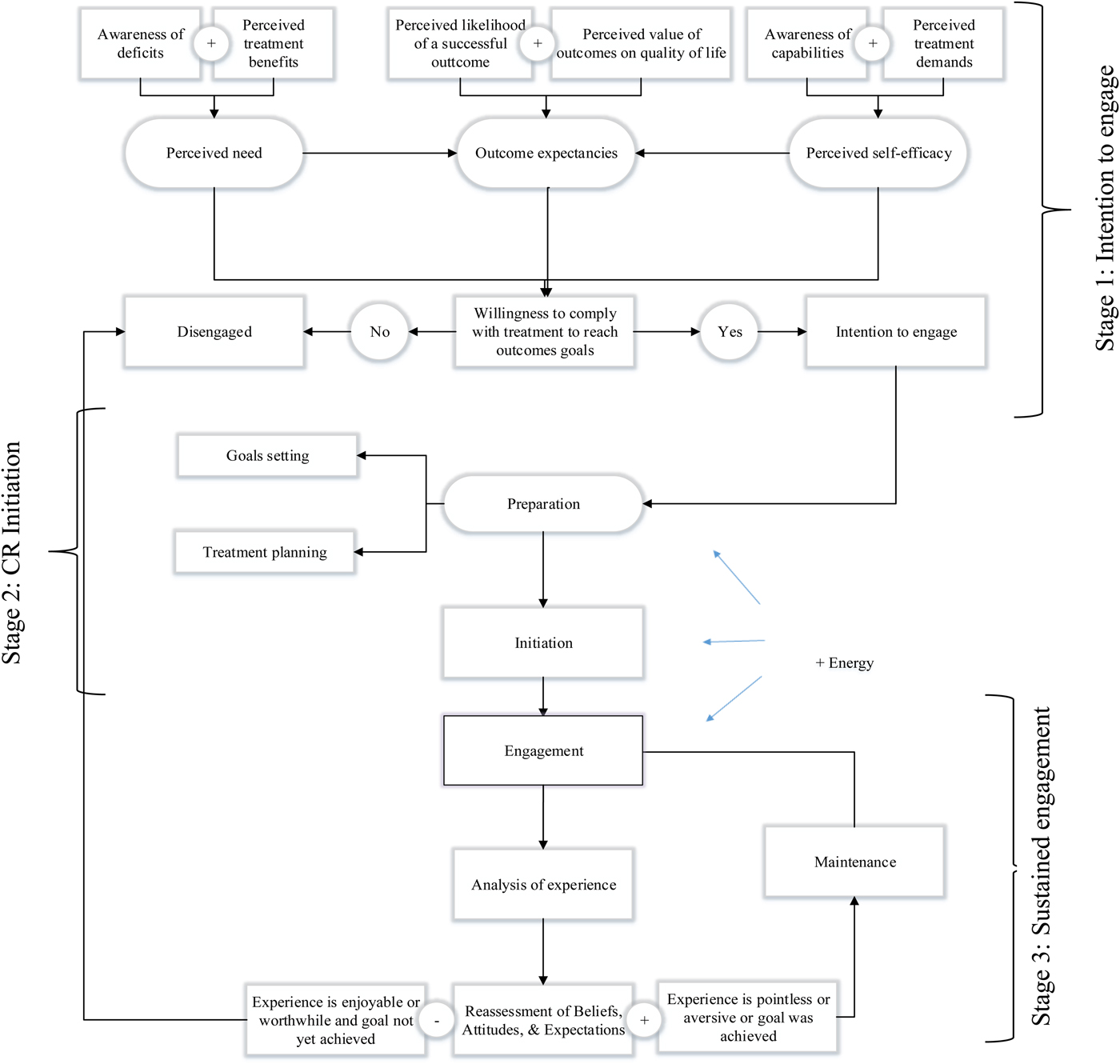
The main aim of this review is to examine the evidence for the three stages proposed within the MTE (Figure 1). Specifically, we will compile the evidence for each of the main hypotheses created in each of the three stages of the MTE. The main hypotheses embodied by each stage of the MTE are:
1. Intention to engage in CR will be associated with higher levels of perceived need, positive outcome expectancies, and perceived self-efficacy.
2. Initiation of CR (i.e., attendance) will be positively associated with greater investment in collaborative goal setting and treatment planning.
3. Sustained engagement in CR (i.e., participation, adherence, maintenance or completion) will be associated with positive evaluation of the experience and perceived progress.
This study introduces a model-centric systematic literature review to examine the existing evidence for the MTE. Further empirical research can be guided by defining the relationships between the proposed-MTE variables that can be investigated by statistical models.
The conceptual framework of the therapeutic engagement model (Lequerica & Kortte, Reference Lequerica and Kortte2010), with arrows indicating how various inputs are related to intermediate outputs: Intention to engage (Stage 1), Initiation (Stage 2), and sustained engagement (Stage 3).

A New Method of Model-Centric, Systematic Literature Review
The MTE has been proposed based on theoretical principles derived from prior research. To evaluate how much the MTE can be explained in practice, a systematic review or a systematic review combined with a meta-analysis needs to be conducted. A systematic review is a formal, systematic and structured approach to review all the relevant literature on a topic. Meta-analysis is a statistical method used to combine the numerical results from such studies if it is possible to do. Often, studies produce results that are too different to combine using statistical techniques. As such, systematic reviews often include a meta-analysis, but not always. Therefore, conducting a meta-analysis is largely advantageous if the available data from systematic review studies makes doing so possible (Higgins & Green, Reference Higgins and Green2011). As the number of studies was not adequate to examine each proposed relationships in the MTE, pooling such findings may lead to inaccurate outcomes. Therefore, in the present study, the systematic quantitative literature review methodology (Pickering, Grignon, Steven, Guitart, & Byrne, Reference Pickering, Grignon, Steven, Guitart and Byrne2015) has been used to collate evidence about the relationships between MTE variables. However, a novel extension of this methodology is proposed by identifying and explicating literature relevant to each relationship proposed in the MTE (Figure 1).
The MTE has been proposed based on the previous health behavioural models, such as the health action process approach (HAPA). Therefore, all research testing various models have been considered in this study in order to provide practical evidence for each MTE-described relationship. This method enabled the synthesis of the current CR engagement research into the framework of MTE, with the final aim of evaluating how much this model could be explained in practice regarding the parameters and relationships determining patient engagement in cardiac rehabilitation programs.
Materials and Search Procedures
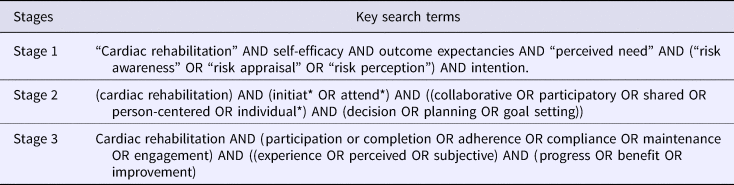
Three steps were considered in conducting this study. The first step was following up the MTE citations in order to make sure that the MTE had not been tested already in any rehabilitation setting (Lequerica & Kortte, Reference Lequerica and Kortte2010). The second step was identifying appropriate search terms related to the MTE concepts in cardiac rehabilitation settings. The constructs and hypothesised relationships at each MTE stage were formally represented as three distinct submodels. Therefore, the dependent and independent variables for each stage of the model were clarified, and relevant terms were selected for each variable. As the overall model was not yet well established or clearly defined, the terminology was diverse and broad (see Table 1). In the third step, once these terms were identified, three systematic searches were conducted of appropriate electronic databases (Cinahal, Cochrane, Embase, Proquest, Pubmed Central, ScienceDirect, Scopus and Web of Science) using the relevant search terms. Records identified through citations on the MTE were screened and separated, based on each stage of the MTE. The searches were conducted on 13 January 2017 with no time limitations. The initial search resulted in 67 papers identified through citations on the MTE, spread between 2010 and 2017; 548 papers for the first stage of the MTE, intention to engage in CR program; 466 papers for the second stage of the MTE, CR initiation; and 786 papers for the third stage of the MTE, sustained engagement.
Key Search Terms Used for Each Stage of the Model

Inclusion Criteria, Exclusion Criteria, and Data Extraction
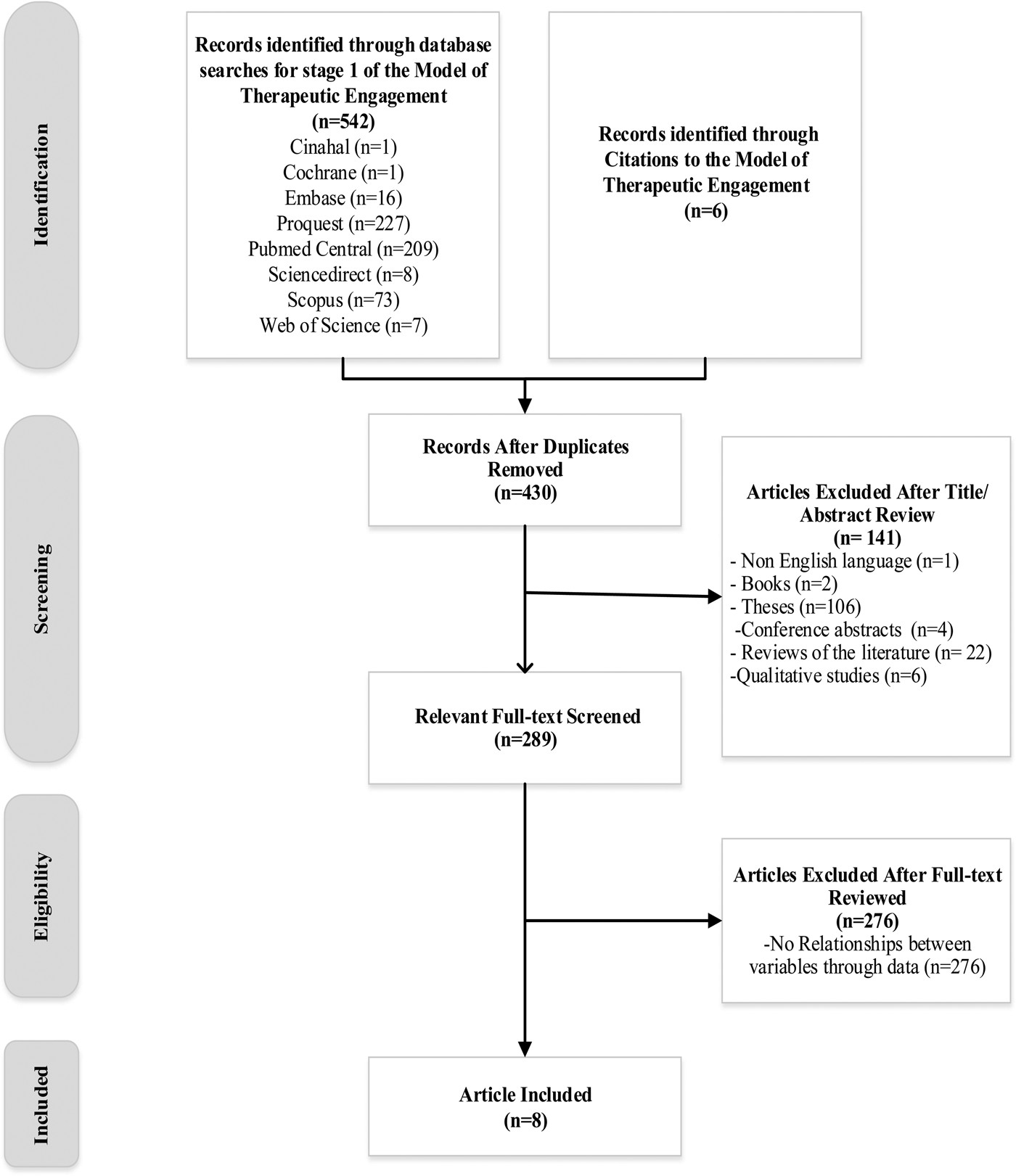
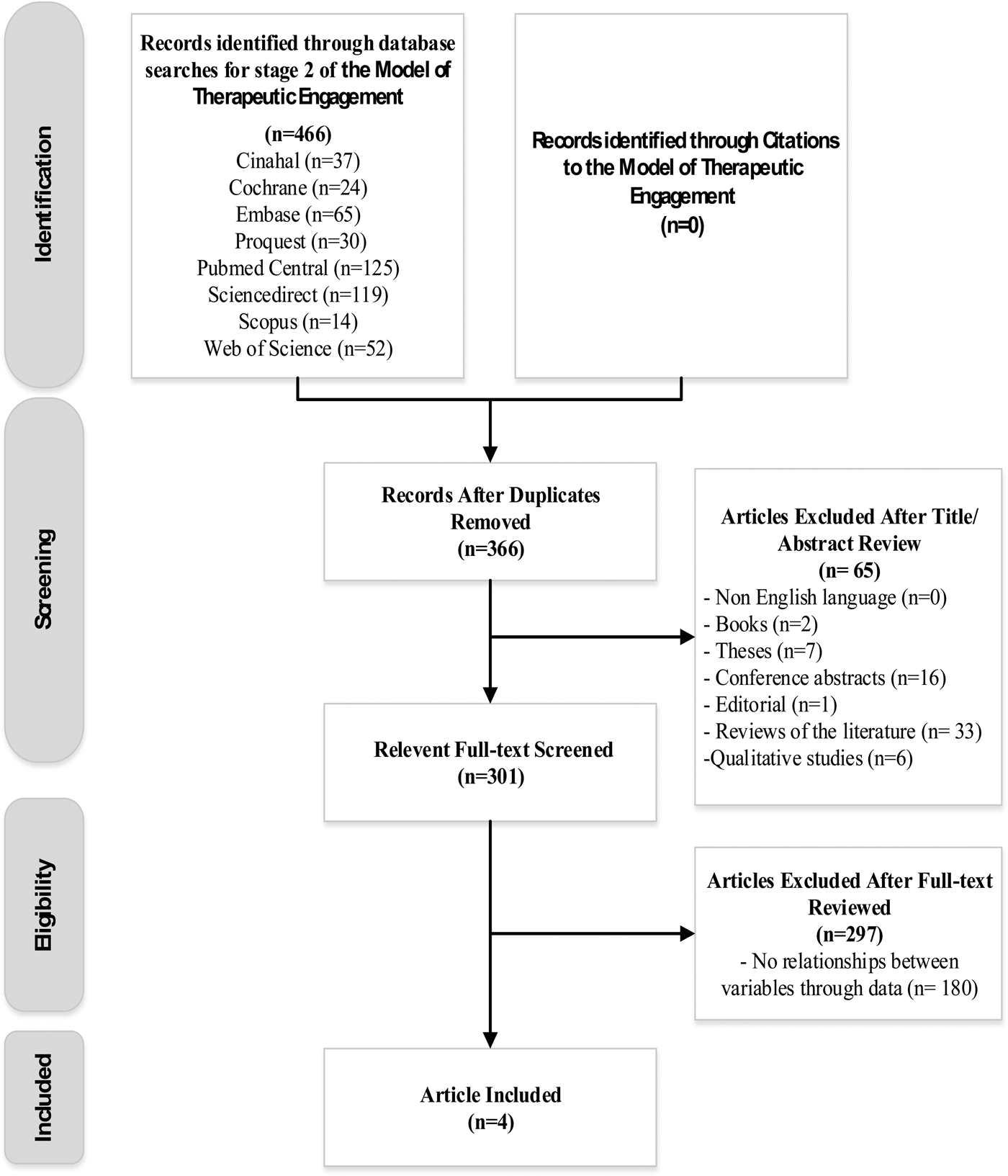
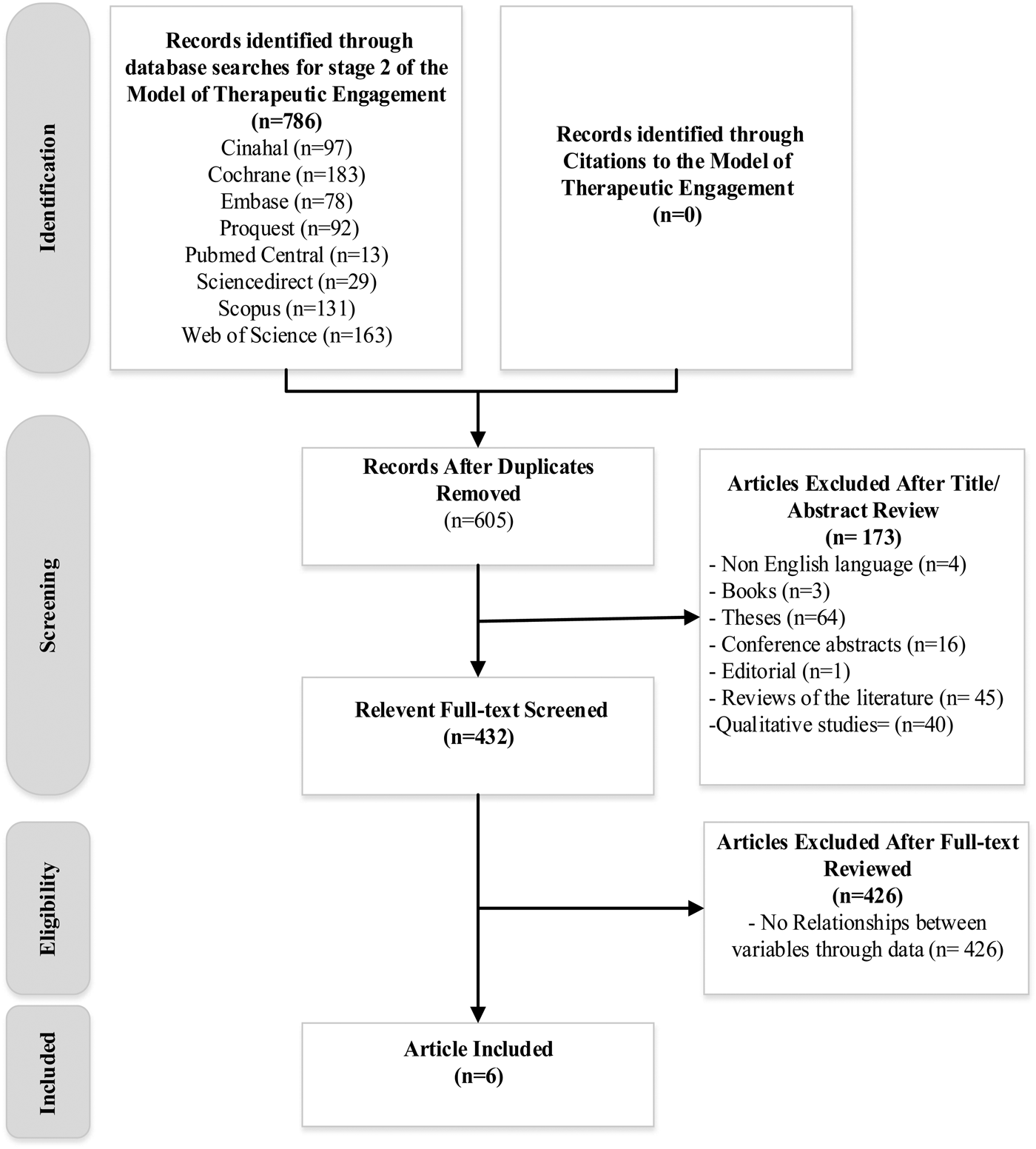
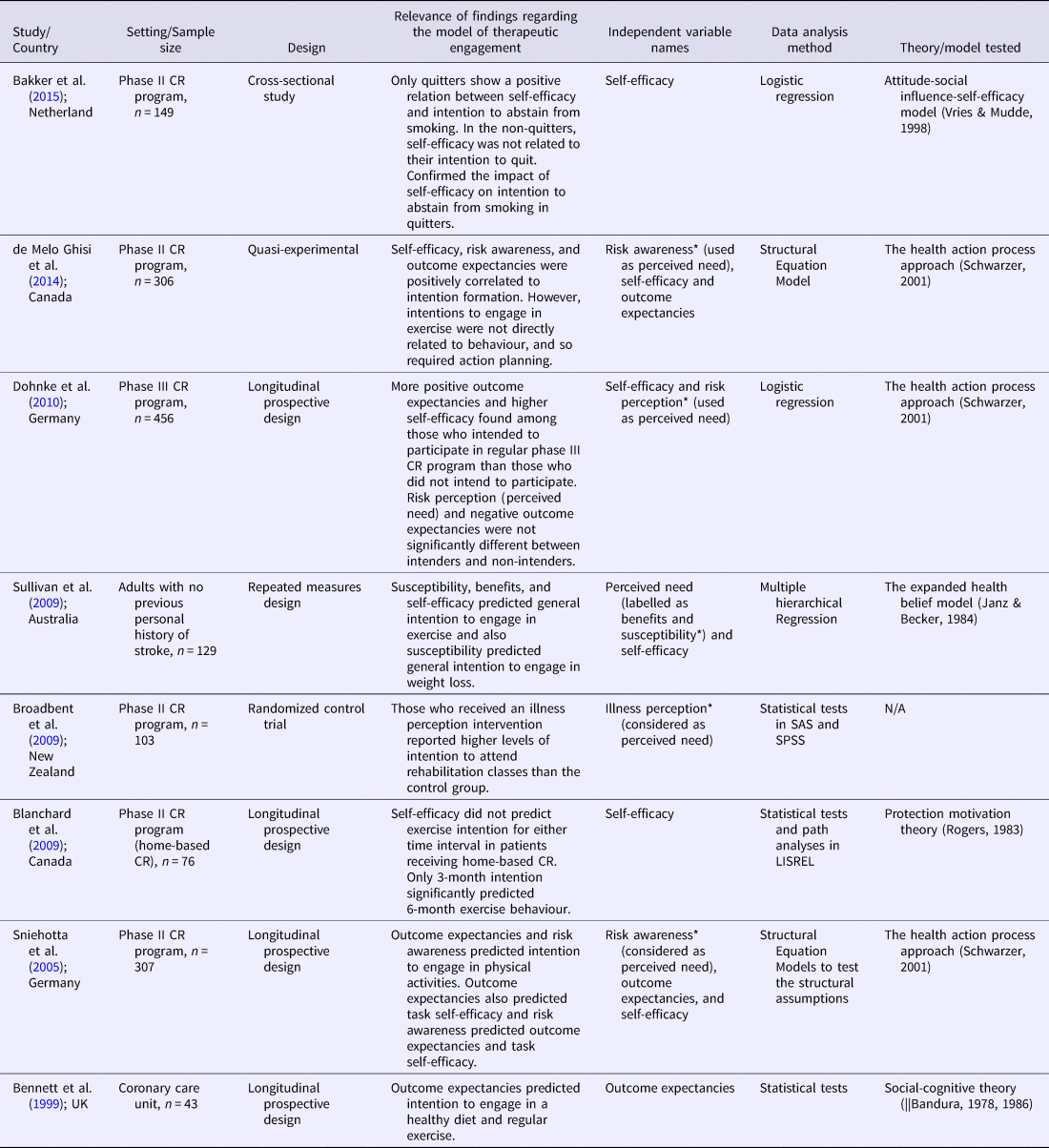
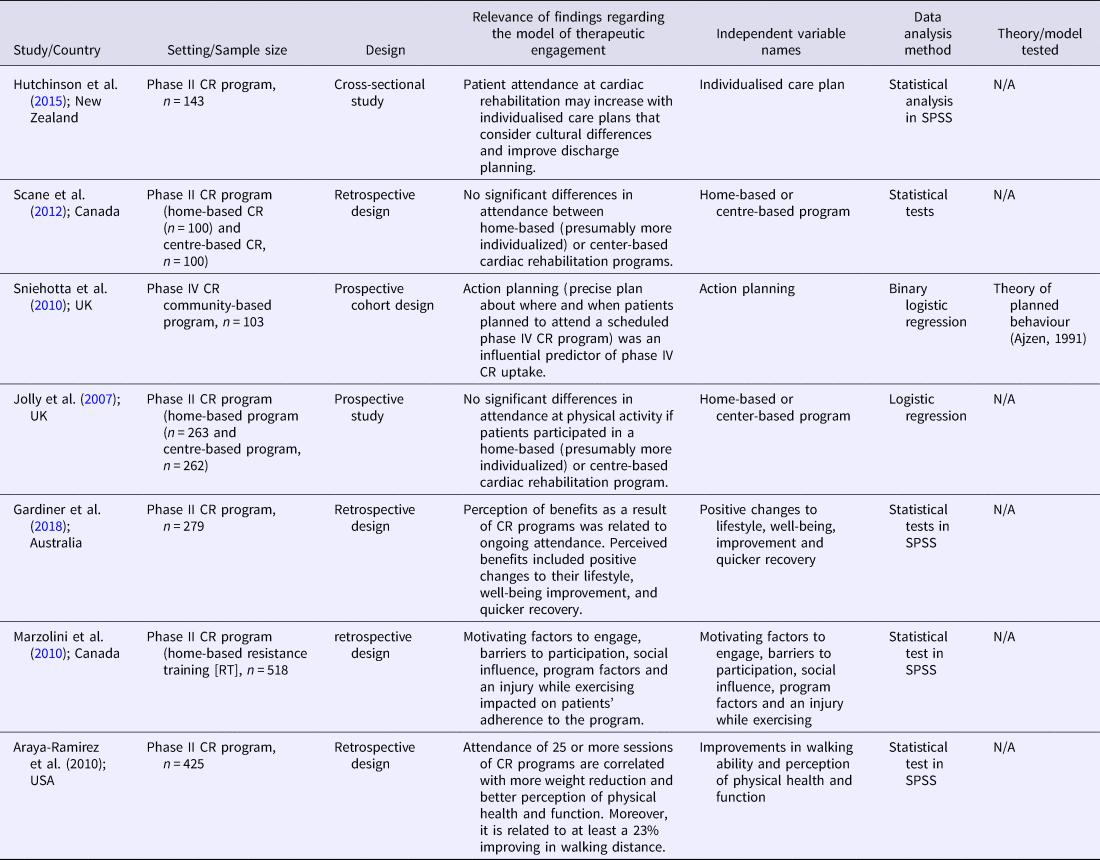
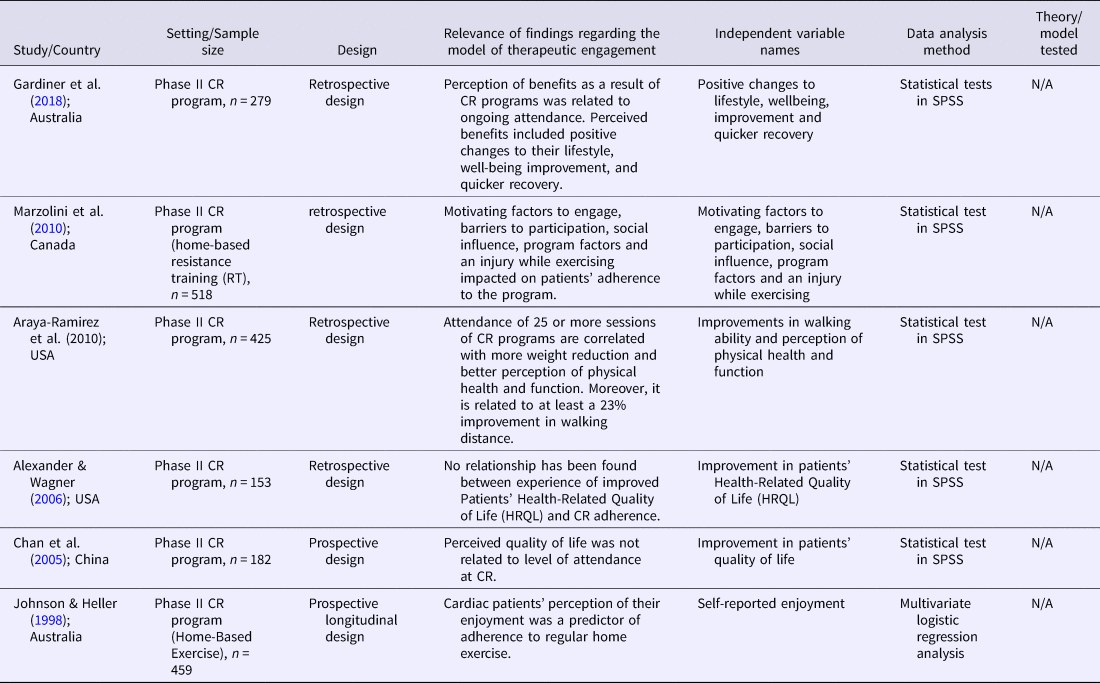
Exclusion criteria were non-English language, books, theses, conference abstracts, reviews of the literature, and qualitative studies. Studies were included if: (a) they measured the MTE concepts in CR settings, regardless of the concept label, and (b) tested the relationships between concepts in the MTE using causal/predictive tests or statistical analysis, such as correlations, group difference analyses, or regressions. The remaining studies were first screened for duplication. The process of selection is shown via a PRISMA study flow diagram for each stage (Figures 2, 3, and 4). Tables 2, 3, and 4 contain a summary of the selected studies relevant to each stage of the MTE. The key information included title, year, author, setting, sample size, study design, relevance of findings regarding the MTE, independent variable names, data analysis method, and theory or model tested. Thus, this process makes visible the strength of evidence supporting each relationship, and permits an overall assessment of gaps and weaknesses in evidence across all studies relevant to the MTE hypotheses encapsulated in their conceptual framework for therapeutic engagement. Three reviewers were involved at all stages of data extraction where uncertainties were encountered.
Search results for hypothesis 1: Intention to engage.

Search results for hypothesis 2: CR initiation.

Search results for hypothesis 3: Sustained engagement.

Details of the Studies Included in the Review Regarding Hypothesis 1: Intention to Engage in Rehabilitation Will Be Associated With Perceived Need, Outcome Expectancies, and Perceived Self-Efficacy

Note: *These terms are used by the authors to refer to ‘Awareness of deficits and perceived treatment benefits’ in the MTE.
Details of the Studies Included in the Review Regarding Hypothesis 2: Initiation of Rehabilitation Will Be Associated With the Experience of Collaborative Goal Setting and Treatment Planning

Details of the Studies Included in the Review Regarding Hypothesis 3: Sustained Engagement in Rehabilitation Will Be Associated With Analysis and Evaluation of the Experience and Pogress

Quality Assessment
The Quality Assessment Tool for Observational Cohort and Cross-Sectional Studies (QAT-OCCSS; National Institutes of Health, 2014) was applied to appraise the quality of studies. The QAT-OCCSS includes 14 criteria that assess the quality of studies, based on some methodological and reporting factors. These factors included the clarity of the study research objectives, any potential sources of bias (e.g., sample selection, attrition), consideration of confounding variables, study power, the description of the measurement tools, and the robustness of the measurement tools, as well as other common factors related to internal validity. Two reviewers completed this tool for each study (the first and second authors).
Results: Applying Model-Centric Systematic Literature Review to the Model of Therapeutic Engagement
Eighteen articles were eligible for consideration in this review: eight for the first stage, intention to engage in CR; four for the second stage, CR initiation; and six for the third stage, sustained engagement. A summary of the findings and the characteristics for each of the included studies can be found in Table 2. Total quality percent scores ranged from 83% to 100%. The results of the quality assessment also showed that 77% of included studies did not justify sample size, nor a power analysis. In addition, 77% of studies did not measure the impact of confounding variables on the relationships between dependent and independent variables. Other factors were strongly described in more than 90% of the included studies (see Supplementary, File 1). The following section provides deeper explanation of included articles in this review.
Stage 1
Hypothesis: Intention to engage in rehabilitation will be associated with perceived need, outcome expectancies, and perceived self-efficacy. The search criteria and records identified through citations of the MTE returned 548 articles. Of these, 112 were duplicates, 141 articles met the exclusion criteria, and 276 did not specifically examine predictive or potentially causal relationships among the variables in the model. These steps identified eight relevant articles (see Figure 2, Table 2).
Four studies contained a test of the relationship between perceived need and intention formation. All four found that health beliefs and perceptions were significant predictors of intention formation (Broadbent, Ellis, Thomas, Gamble, & Petrie, Reference Broadbent, Ellis, Thomas, Gamble and Petrie2009; de Melo Ghisi, Abdallah, Grace, Thomas, & Oh, 2015; Sniehotta, Scholz, & Schwarzer, Reference Sniehotta, Scholz and Schwarzer2005; Sullivan, White, Young, & Scott, Reference Sullivan, White, Young and Scott2009). The study by Sniehotta et al. (Reference Sniehotta, Scholz and Schwarzer2005) on CVD patients indicated that risk awareness was a significant predictor of intentions (β = .11, p = .04, n = 307). Broadbent et al. (Reference Broadbent, Ellis, Thomas, Gamble and Petrie2009) focused on patients admitted for acute myocardial infarction. The intervention group received standard care plus three half-hour patient sessions and one half-hour patient-and-spouse session in hospital with a health psychologist. Findings reported higher intentions to attend outpatient CR programs upon discharge from hospital, in comparison with the control group, mean = 7.69 (SD = 2.52, n = 52) versus mean = 5.89 (SD = 3.77, n = 51), t(78) = 2.70, p < .01. Other study findings on a sample of at-risk individuals concluded that general intention to exercise was predicted by benefits (β = .579, p < .05) and susceptibility (β = 0.143, p < .05) in the Health Belief Model (n = 124), as well as benefits (β = .408, p < .05) and self-efficacy (β = .257, p < .05) in the expanded health belief model (n = 124). In addition, susceptibility (β = .304, p < .05) predicted general intention for weight loss in the health belief model (n = 61; Sullivan et al., Reference Sullivan, White, Young and Scott2009). In a study of CR patients with heart disease or multiple cardiovascular risk factors (de Melo Ghisi et al., Reference de Melo Ghisi, Abdallah, Grace, Thomas and Oh2014), findings were that risk awareness was positively related to intention (r = .20, p < .05, n = 306).
Four of the eight relevant studies demonstrated that outcome expectancies had a positive effect on intention formation (Bennett, Mayfield, Norman, Lowe, & Morgan, Reference Bennett, Mayfield, Norman, Lowe and Morgan1999; de Melo Ghisi et al., Reference de Melo Ghisi, Abdallah, Grace, Thomas and Oh2014; Dohnke, Nowossadeck, & Müller-Fahrnow, Reference Dohnke, Nowossadeck and Müller-Fahrnow2010; Sniehotta et al., Reference Sniehotta, Scholz and Schwarzer2005). The study by de Melo Ghisi et al. (Reference de Melo Ghisi, Abdallah, Grace, Thomas and Oh2014) revealed that psychological outcome expectancies were positively correlated with intention (r = .22, p < .01, n = 81). Sniehotta et al. (Reference Sniehotta, Scholz and Schwarzer2005) showed that outcome expectancies were the significant predictors of intentions (β = .25, p < .01, n = 307) when accounting for the relationships between motivational factors (risk awareness, outcome expectancies, and task self-efficacy) and behavioural intentions.
Dohnke et al. (Reference Dohnke, Nowossadeck and Müller-Fahrnow2010) studied phase III CR patients and found significantly more positive outcome expectancies among actors in a regular phase III CR program (non-intender: M = 2 .81, SD = .72, n = 257; intender: M = 3.25, SD = 0.58, n = 60; actor: M = 3.60, SD = .46, n = 139, p < .01). In addition, negative outcome expectancies were significantly different between intenders and actors (intender: M = 2.00, SD = 0.82, n = 60; actor: M = 1.41, SD = .57, n = 139. p < .01). The study by Bennett et al. (Reference Bennett, Mayfield, Norman, Lowe and Morgan1999) involved patients hospitalised in a coronary care unit with a diagnosis of first myocardial infarction. The results showed that outcome expectancies were significantly associated with intention to engage in a healthy diet (r = .35, p < .05, n = 43) and regular exercise (r = .38, p < .05, n = 43).
A relationship between perceived self-efficacy and intention formation was confirmed in four studies (Bakker et al., Reference Bakker, Nijkamp, Sloot, Berndt and Bolman2015; de Melo Ghisi et al., Reference de Melo Ghisi, Abdallah, Grace, Thomas and Oh2014; Dohnke et al., Reference Dohnke, Nowossadeck and Müller-Fahrnow2010; Sullivan et al., Reference Sullivan, White, Young and Scott2009). Bakker et al. (Reference Bakker, Nijkamp, Sloot, Berndt and Bolman2015) found that for CR patients, intention to abstain from smoking was significantly lower in smokers (M = 5.91, SD = 3.01, n = 46) in comparison with quitters (mean = 8.57, SD = 2.04, n = 103), and also that self-efficacy was lower in smokers (M = 0.28, SD = 1.33, n = 46) than quitters (M = 0.99, SD = 0.99, n = 103). They found that there was a significant positive relationship between self-efficacy and intention to abstain from smoking in quitters (β = 1.245, p < .001, n = 103). However, there was no relationship between self-efficacy and intention in smokers (β = .886, p < .233, n = 46). De Melo Ghisi et al. (Reference de Melo Ghisi, Abdallah, Grace, Thomas and Oh2014) indicated that task self-efficacy was positively related to intention to engage in exercise (r = .27, p < .01, n = 81). Dohnke et al. (Reference Dohnke, Nowossadeck and Müller-Fahrnow2010) showed that patients who participated in CR reported higher self-efficacy than those who only intended to participate: maintenance self-efficacy for intenders (mean = 2.64, SD = 0.79, n = 60) versus actors (M = 2.83, SD = 0.93, n = 139); and recovery self-efficacy for intenders (M = 3.00, SD = 0.82, n = 60) and actors (M = 3.31, SD = 0.86, n = 139). Sullivan et al. (Reference Sullivan, White, Young and Scott2009) reported that self-efficacy predicted general intention to exercise (β = 0.257, p < .05, n = 124) in the expanded health belief model. Therefore, studies consistently found a strong relationship between self-efficacy and intention. In contrast, another study found no relationship (β = 0.01, p < .05, n = 76) between self-efficacy and intention to engage in physical activity at the baseline assessment (Blanchard et al., Reference Blanchard, Reid, Morrin, McDonnell, McGannon, Rhodes and Edwards2009). This discrepancy may be explained by the small sample size or different study context. One study estimated that a total of 69% of variance in intentions was explained by motivational factors, comprising task self-efficacy, outcome expectancies, and risk awareness (n = 307), based on the theoretical assumptions of the Health Action Process Approach (Sniehotta et al., Reference Sniehotta, Scholz and Schwarzer2005).
Based on these reviewed studies, significant relationships were found between all three predictors (perceived need, outcome expectancies, and perceived self-efficacy) and intention formation (Table 2). Overall, these relationships were consistent across all but one study and in the expected direction. Thus, the tenets of the model of therapeutic engagement were well supported in the first stage.
Stage 2
Hypothesis: Initiation of rehabilitation will be associated with the experience of collaborative goal setting and treatment planning. The search returned 466 articles, of which 100 were duplicates. Another 65 articles were excluded according to the inclusion and exclusion criteria. After reviewing the full text of the remaining articles, another 297 were excluded because they did not test the relationships between variables. Thus, only the four remaining articles investigated collaborative goal-setting and treatment planning, and their relationship to initiation of a CR program. Study characteristics are detailed in Table 3 and Figure 3.
Two of the four selected articles investigated home-based or centre-based CR programs’ attendance differences. These were included, assuming that a home-based service provision allowed participants more input into the program design and delivery than a hospital-based service. Scane, Alter, Oh, and Brooks (2012) found no significant differences between the mean attendance rate at prescheduled telephone consultations in the home program and prescheduled visits in the traditional program: home program: 61.1% ± 36.3% (M ± SD), 95% CI [53.9, 68.4], n = 100; traditional program: 55.6% ± 3.5% (M ± SD), 95% CI [43.4, 54.7], n = 100; p = .21); also, no significant difference existed between home and traditional programs regarding program completion: home program: 72/100, traditional program: 64/100; p = .22). Jolly et al. (Reference Jolly, Taylor, Lip, Greenfield, Raftery, Mant and Stevens2007) reported no significant differences in undertaking three episodes of minimum 15-minute duration physical activity in a home-based or centre-based CR program at 12 weeks, 90.1% (n = 263) versus 93.4% (n = 262), p = .3.
The two other articles focused on CR individualised planning and attendance. CR patient attendance may increase when discharge planning for hospital inpatients focuses on responding to specific cultural issues (Hutchinson, Meyer, & Marshall, Reference Hutchinson, Meyer and Marshall2015). Similarly, action planning (precise planning about where and when patients planned to attend a scheduled phase IV CR program) increased uptake of phase IV CR (β = 1.22, p < .05, n = 103; Sniehotta, Gorski, & Araújo-Soares, Reference Sniehotta, Gorski and Araújo-Soares2010). Thus, the two articles on patient involvement in CR planning and preparation found significant relationships in the expected direction. Specifically, deliberate planning about attendance and attention to any cultural or contextual issues facilitated the translation of intention into action. The finding that home versus centre-based programs were not different in attendance rate, indicated that home-based programs (Scane et al., Reference Scane, Alter, Oh and Brooks2012) can be a worthy option for patients who would otherwise not initially engage.
Stage 3
Hypothesis: Positive analysis and evaluation of the experience and progress will result in sustained engagement in rehabilitation. The search returned 786 articles, excluding 181 duplicates and another 173 based on exclusion criteria (as presented in Figure 4); 426 did not quantitatively test the relationships between variables. Only six articles were identified that investigated the relationship between subjective evaluations of rehabilitation experiences and CR adherence or sustained engagement (see Figure 4, Table 4).
Of the six selected articles, two measured changes in perceived quality of life in CR patients, which is a common benefit patients may expect to achieve (Oldridge, Reference Oldridge1997). However, neither showed any relationship with adherence to a program (Alexander & Wagner, Reference Alexander and Wagner2006; Chan, Chau, & Chang, Reference Chan, Chau and Chang2005). The remaining four articles identified several patient experience factors that were associated with adherence. For example, Johnson and Heller (Reference Johnson and Heller1998) found that high perceived enjoyment barriers were predictive of adherence (OR = 12.1, 95% CI [3.03, 48.6], n = 216).
Marzolini, Mertens, Oh, and Plyley (2010) showed that motivator factors (such as improving appearance, maintaining body weight, enhancing self-image and confidence, and so on) had been ranked differently by compliers and dropouts, while 40% of those indicated that ‘improve appearance’ was one factor that motivated them to participate in resistance training (n = 358). In addition, the compliers also reported greater level of family or friends support (p < .005, n = 345) and family physician or cardiologist support (p < .0005, n = 345) in comparison to the dropouts. They also identified negative impact of injuries sustained during exercise, which may have been perceived as the opposite of progress or benefit. In a prospective study (n = 279), Gardiner et al. (Reference Gardiner, Nwose, Regan, Park, Bwititi, Crockett and Wang2018) identified the importance of perceived benefits and progress, such as the ability to make positive lifestyle changes (96.8% changed their lifestyle, 2.5% not changed, and 0.7% without any answer; p < .01), improvements in wellbeing (96% received benefits from attending the CR program and 3.9% no responses; p < .001) and quicker recovery for adherence to CR programs. Finally, Araya-Ramírez et al. (Reference Araya-Ramírez, Briggs, Bishop, Miller, Moncada-Jiménez and Grandjean2010) found that those who achieved the greatest gains in CR were those who had attended the most sessions. Patients who attended 25 or more sessions showed better 6-minute walk test results (20 ± 18 vs. 18 ± 14, p = .012, n = 425). Participants who attended more sessions were also those who reported the highest level of disability, suggesting that higher attendance may simply reflect higher level of need and, therefore, greater gains. Nevertheless, there was clearly a relationship between perceived benefit or progress and attendance at CR sessions.
Discussion
Patient rehabilitation engagement is vital to successfully manage cardiac disease consequences. Unsurprisingly, many contributing variables exist at the individual and environmental interface, potentially influencing engagement (Lequerica & Kortte, Reference Lequerica and Kortte2010). This complexity has been captured and articulated in the MTE developed for use in brain injury rehabilitation (Lequerica & Kortte, Reference Lequerica and Kortte2010), yet to be tested in any rehabilitation setting.
This review examined the extent to which existing evidence supports the relationships proposed in the MTE. No research examines the process of rehabilitation engagement from this holistic perspective has been found. The majority of existing research focuses on the initial MTE stage, prediction of intention to engage (Broadbent et al., Reference Broadbent, Ellis, Thomas, Gamble and Petrie2009; de Melo Ghisi et al., Reference de Melo Ghisi, Abdallah, Grace, Thomas and Oh2014; Sniehotta, Scholz, & Schwarzer, Reference Sniehotta, Scholz and Schwarzer2005; Sullivan et al., Reference Sullivan, White, Young and Scott2009). In this regard, the model is consistently supported, all studies confirming the hypothesised relationships between perceptions of need, self-efficacy, and outcome expectations and intention to engage in rehabilitation.
Much less is known about the process of translating intention into action and then sustaining that engagement over time. The current review provided limited support for the notion that individualised care planning and collaborative processes that involve the person in rehabilitation decisions, and actively address personal contexts may enhance attendance likelihood. A clear relationship emerged between positive experiences or perceived progress and sustained rehabilitation commitment, but with uncertain direction. Similarly, some evidence existed that negative experiences, such as injury, reduced engagement. However, more research is needed to determine the nature of this impact.
At present, no strong evidence exists to alert health care practitioners to the risk of non-engagement or disengagement to improve health system access and promote positive outcomes. It is not surprising to find that individual cognitive, behavioural or emotional issues interfere with ability to fully engage in recovery. However, evidence about how the engagement process happens and is sustained over time is crucial in addressing this challenge (Bright, Kayes, Worrall, & McPherson, Reference Bright, Kayes, Worrall and McPherson2015). Research to date has failed to provide an overarching approach to engagement. The MTE attempts to broaden this perspective and acknowledge the complexity.
This study has confirmed that there are insufficient studies that quantify the variables involved in initiation and sustained rehabilitation engagement, and establish the direction of the relationships. Therefore, further research is required to measure the variables proposed in these model stages and also to examine the direction and strength of the relationships between the variables involved. This type of research will facilitate understanding of how to maximise the likelihood that people who have sustained a cardiac event will initiate a rehabilitation program and sustain engagement, thus improving their outcomes. Few relevant studies in English exist so far: eight on stage 1, four on stage 2, and six on stage 3 of the MTE.
Since the research question emphasised a specific model, the structure of that model was adopted to provide a logical framework for the systematic literature review. Thus, the review structure that directly compiles evidence for hypotheses at each model stage made sense. This approach benefits from the advantages of a systematic quantitative approach: (a) more explicit, less subject to another bias and hence more easily reproducible; and (b) able to clearly identify the strength of evidence and gaps within a well-defined group of studies (Pickering & Byrne, 2014). To our knowledge, this model-centric way of structuring a systematic quantitative literature review is quite novel. Literature reviews that compile quantitative evidence are more often focused on distilling information on a particular relationship or submodel, as in a meta-analysis (Tovar, Walker, & Rew, Reference Tovar, Walker and Rew2018); or the quality of studies (Petit Francis, Spaulding, Turkson-Ocran, & Allen, Reference Petit Francis, Spaulding, Turkson-Ocran and Allen2017).
Study Limitations
Despite promising findings from the literature, some limitations can be mentioned. First, it was difficult to compare studies as there was no homogeneity between studies with respect to study designs and population characteristics. Due to the insufficient number of studies assessing the proposed relationships within the MTE, studies were included that examined the MTE variables from different theoretical settings and from different CR outcomes, such as diet or exercise in different stages of CR. Second, most studies were conducted at one site only, each with a specific type of patient and all the samples were male dominant.
Future Directions
This new approach to model-centric systematic literature review has enabled explicit confirmation that comprehensive multivariate research on the topic of engagement is still in early development and will need to progress, to inform practice and policy. Further research is needed to help broaden understanding about the complex multistage processes underlying therapeutic engagement, and hence identify potential points of influence to improve engagement. Indeed, there is clearly a need to understand how patients assess and evaluate the rehabilitation experience, and consequently adjust their engagement in a CR program.
Supplementary material
The supplementary material for this article can be found at https://doi.org/10.1017/bec.2018.20
Author ORCIDs
Sepideh Jahandideh http://orcid.org/0000-0001-9160-5467.
Conflict of Interest
The authors confirm that this article content has no conflict of interest.
Source of Funding
This research received no specific grant from any funding agency in the public, commercial, or not-for-profit sectors.