


Animal welfare (AW) of farm animals has gained increasing attention in recent years (Espinosa and Treich, Reference Espinosa and Treich2024), as public opinion has begun to raise strong concerns about the value of animals’ lives and their exploitation for human purposes (Cohen et al., Reference Cohen, Brom and Stassen2012; Jackson et al., Reference Jackson, Doidge, Green and Kaler2022a). As societal awareness of AW issues intensifies, citizens and consumers are becoming more discerning about farming methods, leading to heightened scrutiny and expectations for ethical practices (BEUC, 2024).
The concept of AW, however, is not univocally defined, and the criteria used to assess it vary considerably depending on the perspective adopted. Three broad orientations are commonly distinguished (Fraser, Reference Fraser2008): the first emphasizes biological functioning, namely the animal’s health, growth and normal physiological operation; the second focuses on affective states, that is, the animal’s feelings and its capacity to experience positive emotions while avoiding negative ones such as pain, fear or distress; and the third highlights natural living, understood as the possibility for the animal to lead a reasonably natural life and to express species-specific behaviours. These orientations are not mutually exclusive and often overlap, yet different individuals and groups tend to prioritize one over the others, which helps explain why the very notion of what constitutes good welfare can differ markedly across society (Weary et al., Reference Weary, Ventura and von Keyserlingk2015).
In the case of dairy cows, several studies have shown that, according to a segment of public opinion, the expression of so-called natural behaviours (such as pasture access or post-partum cow–calf contact) is considered essential to ensuring AW (Ventura et al., Reference Ventura, von Keyserlingk, Wittman and Weary2015; Kühl et al., Reference Kühl, Gauly and Spiller2019). In addition, various studies focusing on consumers have often demonstrated a willingness to pay (WTP) a premium for products marketed as humane or ethically sourced (Ventura et al., Reference Ventura, von Keyserlingk, Wittman and Weary2016; Chang and Chen, Reference Chang and Chen2022). This trend underscores a broader societal shift towards valuing sustainability and animal protection, with public opinion advocating for improved welfare standards in dairy production (Kilders and Caputo, Reference Kilders and Caputo2021). The public perception of AW in farm animals is influenced by several factors, including personal values, cultural influences and involvement in the dairy sector (Wolf and Tonsor, Reference Wolf and Tonsor2017; Parlasca et al., Reference Parlasca, Knößlsdorfer, Alemayehu and Doyle2023). Indeed, studies have shown that individuals who engage with dairy farms, whether through visits or direct interactions with farmers, tend to develop a more nuanced understanding of AW, often recognizing the complexities of dairy production (Ventura et al., Reference Ventura, von Keyserlingk, Wittman and Weary2015). At the same time, a farmer might perceive AW differently, as they may focus more on productivity-related aspects as indicators of welfare, rather than other factors, such as overcrowding, which could be seen as a negative influence (Rabbie, Reference Rabbie2000; Fraser, Reference Fraser2008). Furthermore, religion may also play a central role in the perception of AW; for instance, in Hindu society, cows are considered sacred animals (Agoramoorthy and Hsu, Reference Agoramoorthy and Hsu2012).
In this regard, the present study aims to explore, through a systematic literature review, how dairy cow welfare is perceived by three distinct segments of public opinion: citizens, consumers and ‘experts’. While the latter perspective refers to citizens with greater knowledge of the topic due to their direct involvement in the dairy sector, this is not necessarily the case for the other two viewpoints. Indeed, several studies have compared individuals’ opinions and perceptions regarding dairy cow welfare based on their societal roles (Schuppli et al., Reference Schuppli, von Keyserlingk and Weary2014; Cardoso et al., Reference Cardoso, von Keyserlingk and Hötzel2019; Robbins et al., Reference Robbins, Proudfoot, Strand, Hemsworth, Coleman, Hemsworth, Skuse, Krawczel and Jacobs2023). Moreover, it is important to emphasize the distinction between the citizen and the consumer (Schudson, Reference Schudson2006). The former is engaged in decisions related to their country of residence, and their opinions directly impact public policies, whereas the latter makes choices that primarily affect their private life and create the macroeconomic system (Porter, Reference Porter and Porter2020). A citizen’s stated attitudes do not always translate into actual consumer behaviour (Vermeir and Verbeke, Reference Vermeir and Verbeke2006). As a result, the apparent demands of public opinion should be contextualized when price becomes a determining factor in purchasing decisions (Weinrich et al., Reference Weinrich, Kühl, Zühlsdorf and Spiller2014).
The interplay between public opinion preferences and dairy farming practices is critical for the industry’s future, especially when the segment of the population that influences both public policy and the market is not directly involved in farming activities. In this context, the objective of the present study is to focus specifically on this segment of public opinion and capture the perceptions of emerging issues related to dairy cow welfare. The findings could serve as a valuable starting point for future research and provide useful insights for both marketing strategies and policymaking.
Materials and methods
The systematic literature review approach is widely adopted across academic fields (Grant and Booth, Reference Grant and Booth2009). Although initially developed within medical disciplines to synthesize the extensive volume of clinical research, it is now increasingly applied in other areas of study as well. This study’s systematic review follows a multi-step structure inspired by Tawfik et al. (Reference Tawfik, Dila, Mohamed, Tam, Kien, Ahmed and Huy2019). The first step is to formulate a clear and concise research question (RQ) that defines the objective of the investigation. The RQ is then ‘translated’ into a research string (RS) aligned with the taxonomy of the selected bibliographic database. Once the search is conducted and the pool of articles matching the RS is identified, all retrieved records are screened by title and abstract. Following this initial filtering, the so-called ‘relevant records’ (RRs) are subjected to bibliometric, network and content analyses, which are described in detail in the subsequent sections of this chapter. Finally, the review presents key findings and offers preliminary insights based on the examined literature.
The research question
The formulation of the RQ was guided by the FINERMAPS approach proposed by Ratan et al. (Reference Ratan, Anand and Ratan2019), which outlines that a well-constructed RQ should be Feasible, Interesting, Novel, Ethical, Relevant, Manageable, Appropriate, possess Potential value and publishability and be Systematic. Based on this approach and through consensus within the research team, the following RQ was developed:
What is the public perception of AW in dairy cow farming?
More specifically, this RQ was designed to understand what people consider important for these cows to live a good life in terms of welfare, and which specific aspects are most related to the concept of AW.
In the RQ formulation, additional attention was paid to avoiding potentially polarizing terminology that could unintentionally introduce bias into the review process (Hofmann, Reference Hofmann2018).
The research string and the database search
The RS plays a pivotal role in the review process, serving as the ‘key’ to retrieving potential RRs and directly influencing the investigation’s success. Various strategies are employed to broaden search results, including Boolean operators and database-specific syntax. An effective RS should accurately reflect the RQ, combining keywords and Boolean logic to retrieve a pool of RRs likely to address the research objectives. To identify the most suitable keywords, three conceptual dimensions were defined (Figure 1).
The three conceptual dimensions ‘public perception’, ‘animal welfare’ and ‘dairy cows’ combined through Boolean operators (‘OR’ within each dimension, ‘AND’ between them) to build the RS.

The first one corresponds to ‘public perception’, the second to ‘animal welfare’, and the third to ‘dairy cows’. These dimensions were connected using the Boolean operator ‘AND’ to narrow the search to records that intersect all three, while keywords within each dimension were combined using ‘OR’ to broaden the scope through synonyms and related terms (Table 1). To support keyword selection, ten previously known, topic-relevant studies were reviewed to identify common terminology in the literature.
Search parameters of the systematic literature review

Table 1 Long description
Search parameters define a systematic literature review focused on public perception of animal welfare in dairy cow farming. The research question asks how the public perceives animal welfare in dairy cow production. The database used is Scopus, and the search was conducted in May 2025. The search string combines terms for public groups such as citizens and consumers with perception-related terms such as attitudes, opinions, awareness, concern, trust, and acceptance. It also combines animal welfare and ethics terms, including well-being, health and welfare, ethical treatment, animal care, hormone treatment or use, and animal rights, with dairy cow terms such as dairy cattle, lactating cows, and milking cows. Results are restricted to English-language records and limited to document types including articles, reviews, and chapters. Because the table lists search settings rather than outcomes, it does not report counts of records retrieved or any findings about public perception.
During the preliminary construction of the RS, several test searches were carried out to refine its sensitivity. These showed that the most widely investigated welfare issues (e.g. cow–calf separation, dehorning) were already well represented, whereas studies concerning the use of reproductive hormones were comparatively under-represented. To improve retrieval, the research team added three additional keywords to the ‘animal welfare’ dimension: ‘hormon* treatment’ OR ‘hormon* use’ OR ‘hormon* administration’. Because these terms were combined with the OR operator, the search was broadened rather than restricted. This addition marginally increased the number of records returned by the string, yielding additional hormone-related studies.
Additional operators were employed during the construction of the RS to refine the search scope. These included the ‘TITLE-ABS-KEY’ field tag, which restricts the search to the title, abstract and keywords of each document; the wildcard symbol ‘*’, which allows for the inclusion of terms sharing a common root; and the proximity operator ‘within’ (W/n), which limits keyword combinations to a specified word distance (n), thus narrowing the search to a more targeted set of results. Furthermore, the RS was refined by applying filters to include only articles (LIMIT-TO (DOCTYPE, ‘ar’)), reviews (LIMIT-TO (DOCTYPE, ‘re’)) and book chapters (LIMIT-TO (DOCTYPE, ‘ch’)), all published in the English language (LIMIT-TO (LANGUAGE, ‘English’)).
In this case, Scopus was selected as the sole bibliographic database, and the corresponding syntax used in the search string reflects its structure and conventions. This choice was motivated by the database’s extensive coverage of bibliographic records. Additionally, Scopus includes only peer-reviewed publications, which adds further quality control to the information retrieved.
The bibliographic search was conducted in early May 2025. For the sake of transparency and replicability, Table 1 reports the specific search parameters applied.
Identification, screening and inclusion criteria
Following the PRISMA flow diagram guidelines (Page et al., Reference Page, McKenzie, Bossuyt, Boutron, Hoffmann, Mulrow, Shamseer, Tetzlaff, Akl, Brennan, Chou, Glanville, Grimshaw, Hróbjartsson, Lalu, Li, Loder, Mayo-Wilson, McDonald and McGuinness2021) (Figure 2), the Scopus search initially returned 458 documents. Each record was screened based on title and abstract using a .csv file exported directly from the database. Of the initial pool, 360 records were excluded for not meeting the inclusion criteria defined by the research team concerning the RQ (see Figure 3). The remaining 98 records were screened by full text to determine their relevance to the study’s objectives. Of these, only one was excluded due to duplication. Ultimately, 97 studies were deemed eligible for inclusion. When combined with the 10 previously known studies, the total number of documents analysed was 107, all of which were used in the bibliometric analysis. Seventy-three studies have been selected for content analysis because they focus on public perception from the perspectives of citizens and consumers.
PRISMA flow diagram (Page et al., Reference Page, McKenzie, Bossuyt, Boutron, Hoffmann, Mulrow, Shamseer, Tetzlaff, Akl, Brennan, Chou, Glanville, Grimshaw, Hróbjartsson, Lalu, Li, Loder, Mayo-Wilson, McDonald and McGuinness2021) of the selection process, from the 458 records retrieved from Scopus to the 107 studies included in the bibliometric and network analyses and the 73 retained for content analysis. Note: Where ‘*’, the inclusion criteria explained in Figure 3 have been followed.

Figure 2 Long description
PRISMA flow diagram detailing the selection process. Identification includes previously known studies (n = 10) and new records from the Scopus database (n = 458). Screening involves studies screened by abstract and title (n = 458), with 360 non-relevant records excluded. Full-text screening results in 98 studies, with 1 duplicate excluded. The review includes 107 studies. Bibliometric and network analyses also include 107 studies. Content analysis includes 73 studies, with exclusions for addressing only ′experts′ dimension (n = 24) and not clearly defined dimension (n = 10).
Sequence of inclusion criteria applied to the records: each study had to address AW (excluding those limited to assessment protocols), concern dairy cows or their food products, and cover public perception from at least one viewpoint – citizen, consumer or expert.

Figure 3 Long description
The flowchart begins with a ′Document′ box leading to a decision point: ′Does it discuss about animal welfare?′ If ′No,′ the document is ′Excluded.′ If ′Yes,′ it proceeds to ′Does it discuss ONLY about animal welfare farming protocols?′ If ′Yes,′ it is ′Excluded.′ If ′No,′ it moves to ′Does it discuss about dairy cows or products?′ If ′No,′ it is ′Excluded.′ If ′Yes,′ it continues to ′Does it discuss about public perception (intended as citizen, consumer or expert)?′ If ′No,′ it is ′Excluded.′ If ′Yes,′ the document is ′Included.′.
The inclusion criteria used to determine whether a study was considered relevant are illustrated in Figure 3. Initially, each study was assessed for its address of AW, and studies that focused solely on assessment protocols were excluded. An additional filter was applied to determine whether the documents addressed the ‘dairy cow’ dimension, either as the animal itself or the food products it produces. Finally, studies were included only if they explored public perception from at least one of the following viewpoints: citizen, consumer or expert. The term ‘expert’ was broadly defined to encompass all stakeholders directly involved in the agri-food sector, including farmers, producers, veterinarians, students and related professionals.
Bibliometric, network and content analyses
Bibliometric analysis is a quantitative approach to describe the characteristics of the bibliographic sources included in a review. This phase enables the identification of research trends and key authors and institutions associated with the topic of interest (Romanelli et al., Reference Romanelli, Pereira Gonçalves, de Abreu Pestana, Degrandi Soares, Stucchi Boschi and Andrade2021). It also serves as both a starting point and a tool to enrich the interpretation of the content in the RRs. In this study, the analysis was conducted in RStudio using the ‘Bibliometrix’ package and its ‘Biblioshiny’ interface (Aria and Cuccurullo, Reference Aria and Cuccurullo2017). The 107 studies identified through the screening process were therefore considered for this analysis (see PRISMA flow diagram, Figure 2).
Network analysis helps uncover the existing interactions and their relative strengths among the bibliographic characteristics of the records. Several relationships can be explored, such as collaborations between institutions and authors, keyword co-occurrences, and the connections between keywords and authors. Network analysis enables researchers to examine how often specific variables co-occur in texts, which is essential for understanding the structure and relationships within a given field of study (McAllister et al., Reference McAllister, Lennertz and Atencio Mojica2021). This analysis reinforces bibliometric analysis by demonstrating the existing connections between authors and keywords (Donthu et al., Reference Donthu, Kumar, Mukherjee, Pandey and Lim2021). Various software tools have been developed to support this type of analysis. The software VOSviewer (Van Eck and Waltman, Reference Van Eck and Waltman2010) was chosen for the present study due to its versatility and compatibility with Scopus-exported datasets. All 107 documents identified through screening were considered (see Figure 2), and a co-occurrence analysis was conducted on both the database-indexed and author keywords.
Content analysis of relevant articles is essential to answering the RQ. At this stage, the RRs are categorized according to the area of public opinion they address, based on the research team’s judgment (Forman and Damschroder, Reference Forman, Damschroder, Jacoby and Siminoff2007), namely: citizens, consumers and experts. This categorization is adopted to distinguish between segments of the public with potentially limited or no knowledge of the topic, whose perceptions may rely mainly on personal impressions, and groups with greater expertise (Weary et al., Reference Weary, Ventura and von Keyserlingk2015). However, although ‘public perception’ may encompass varying degrees of expertise, including expert stakeholders, the present study focuses only on citizens and consumers, as these groups may not be directly involved with dairy cows or the dairy production chain. This selection results in 73 studies being included in the content analysis (see Figure 2), the main findings of which are summarized to address the initial RQ (Mikkonen and Kääriäinen, Reference Mikkonen, Kääriäinen, Kyngäs, Mikkonen and Kääriäinen2020).
Results and discussion
Bibliometric analysis
A total of 107 works met the RQ criteria for this study, spanning 1989 to 2025 and originating from 45 sources. In total, 278 authors contributed to these publications, with approximately one-quarter of the studies involving international co-authorships (Figure 4).
Summary of the main bibliometric features of the 107 relevant studies (analysed and represented with Biblioshiny from Bibliometrix).

The yearly publication trend shows a notable peak in 2021 and 2022 (Figure 5), with an overall annual growth rate of 4.57%. Among the documents analysed, 89% were published between 2013 and 2025, indicating a growing academic interest in this topic over the past decade. Although publication activity for 2025 is ongoing, five studies have already been published before May. A retrospective look reveals that research on this subject began to gain visibility in the early 2000s and has progressively grown in relevance, as Verbeke and Viaene (Reference Verbeke and Viaene2000) anticipated at the beginning of the century.
Annual number of publications among the 107 relevant studies from 1989 to 2025, showing a marked peak in 2021–2022 and an overall annual growth rate of 4.57%. The 2025 figure is partial, covering documents published up to May (analysed with Biblioshiny from Bibliometrix).

Approximately 60% of the documents were published in the sources listed in Figure 6. The Journal of Dairy Science ranked first with 27 publications, followed by PLoS ONE and Animals, and then Animal in third place. Among the top ten sources, only one is a book – The Ethics of Consumption: The Citizen, the Market and the Law, published by Springer Nature – while the remaining are peer-reviewed, indexed scientific journals.
The ten most frequent sources of the relevant studies, which together account for about 60% of the corpus and are led by the Journal of Dairy Science with 27 publications (analysed with Biblioshiny from Bibliometrix).

To determine each country’s scientific production, every publication is attributed to a country based on its authors’ institutional affiliations, with each country counted only once per publication regardless of the number of co-authors affiliated with it. In these terms, Canada is involved in 87 (81%) out of the 107 RRs, followed by the USA and UK, which account for 61 (57%) and 50 (46%) of the total publications, respectively. These findings reflect a strong interest in the topic across Anglo-Saxon countries. Within the EU-27, research on this topic is distributed across different countries, with Germany (32 RRs, 30%) and Italy (22 RRs, 21%) being the most frequently represented. However, the overall number of European publications remains lower than that of North Americans. In South America, only Brazil (21 RRs, 20%) and Chile (4 RRs, 4%) appear among the contributors, with Brazil showing a particularly active engagement. New Zealand stands out in Oceania with 20 publications (19%), while Australia contributes 8 (7%). As for Asia, three countries stand out (Turkey, China and Japan), each with three publications.
Regarding countries collaboration, Canada emerges as the most internationally connected, especially with counterparts in Brazil, the UK and Australia (see Figure 7). Notably, a strong collaborative axis, which could be described as a ‘Canada–USA–UK triangle’, is evident, further confirming the central role of these countries in the development of this research topic. Other collaborations include those between the UK and Spain, and between Sweden and Switzerland.
Scientific production of the ten most represented countries and their collaboration links (minimum of two joint publications), as cumulative totals for the years between 1989 and 2025. Each publication is attributed to a country through the authors’ institutional affiliations and counted only once per country (analysed with Biblioshiny from Bibliometrix).

Figure 7 Long description
The map illustrates scientific production and collaboration among countries, with a focus on Canada, USA, UK and Australia. Collaboration links are represented by lines connecting these countries. The legend indicates scientific production levels, with Canada at 97, USA at 61, United Kingdom at 50, Germany at 32, Italy at 22, New Zealand at 20, Belgium at 14, Switzerland at 14, Netherlands at 17 and Brazil at 2. Darker shades represent higher production levels, with Canada having the highest. Collaboration lines form a triangle between Canada, USA and UK and extend to Australia. Other countries like Germany, Italy and New Zealand are also highlighted but without collaboration lines.
Network analysis
The keyword co-occurrence analysis (Figure 8) revealed three distinct clusters.
Co-occurrence network of the database-indexed and author keywords of the 107 relevant studies, showing 3 clusters: consumer-oriented aspects of AW (green), the perspective of production-chain stakeholders (red) and public opinion on dairy cattle welfare (blue) (analysed and represented with VOSviewer).

Figure 8 Long description
Co-occurrence network of database-indexed and author keywords from 107 relevant studies. It shows three clusters: consumer-oriented aspects of animal welfare, the perspective of production-chain stakeholders and public opinion on dairy cattle welfare. Keywords like ′animal welfare′, ′cattle′ and ′dairying′ are central, with connections to terms such as ′survey and questionnaire′, ′agricultural worker′ and ′public opinion′. The network is analyzed and represented using VOSviewer, illustrating the relationships and focus areas within the research.
The green cluster encompasses ‘animal welfare’-related keywords from a consumer-oriented perspective. Terms such as ‘consumer’, ‘willingness to pay’, ‘survey and questionnaire’, and ‘milk’ indicate a focus on market dynamics concerning quality attributes (Jiang et al., Reference Jiang, Sharma, Bryant, Mohan, Al-Marashdeh, Harrison and Torrico2021), ‘purchasing’ decisions (Richter et al., Reference Richter, Stolz, Martinez-Cruz and Kachi2025), and the influence of labels or certifications on ‘consumer behavior’ (Bayer and Kühl, Reference Bayer and Kühl2024) in ‘dairy products’ such as milk and cheese (Getter et al., Reference Getter, Behe, Howard, Conner, Spaniolo, Freyer and Bingen2015; Bir et al., Reference Bir, Widmar, Thompson, Townsend and Wolf2020). Connections with AW are also compared with broader issues, such as ‘sustainability’ (Ammann et al., Reference Ammann, Mack, El Benni, Jin, Newell-Price, Tindale, Hunter, Vicario-Modroño, Gallardo-Cobos, Sánchez-Zamora, Miškolci and Frewer2024a) and the ‘ethics’ of routine farming practices (Boaitey et al., Reference Boaitey, Lai and Kehoe2022).
The red cluster gathers keywords related to dairy cow welfare from the perspective of stakeholders along the production chain, including ‘farmers’, ‘agricultural workers’ and ‘veterinarians’. This share of the literature explores how these actors perceive and manage AW in the context of everyday farming practices. Predominant keywords such as ‘cattle’, ‘dairying’, ‘farm’, ‘procedures’, along with references to specific issues such as ‘cow-calf separation’, ‘grazing’, ‘cattle disease’ indicate a network between AW and operational decisions, technical and ethical challenges, and the barriers that influence the adoption of welfare standards (de Rooij et al., Reference de Rooij, de Lauwere and van der Ploeg2010; Silva et al., Reference Silva, Magalhães-Sant’Ana, Santos, Olsson, Röcklinsberg and Sandin2013; Ventura et al., Reference Ventura, Weary and von Keyserlingk2023) in farming practices and management (Angus et al., Reference Angus, Bowen, Gill, Knowles and Butterworth2005; Kauppinen et al., Reference Kauppinen, Valros and Vesala2013; van Soest et al., Reference van Soest, Mourits and Hogeveen2015; Schreiner and Hess, Reference Schreiner and Hess2016; Läpple and Wellington, Reference Läpple and Wellington2023; Doyle et al., Reference Doyle, Wickens, van Os and Miller-Cushon2024).
The blue cluster highlights ‘public opinion’ keywords related to the welfare of ‘dairy cattle’. Terms such as ‘wellbeing’, ‘animal housing’, ‘pasture’, ‘animal behaviour’ and ‘well-being’ may indicate how civil society evaluates the living conditions of farm animals.
Concerning the ‘consumer’ keyword (Figure 9a), it remains the most central within the consumer-related keywords network, showing the highest number of connections to other words. Its strong association with ‘animal welfare’ reflects the central focus of this study. Notably, the node also displays meaningful connections with the other two clusters, particularly with expert figures (e.g. ‘veterinarian’ and ‘farmer’) and the dimension of public perception understood as ‘citizen’. Furthermore, the co-occurrence patterns of ‘consumer attitude’ (Figure 9b) and ‘consumer behavior’ (Figure 9c) highlight two distinct facets of the broader consumer domain. Indeed, they differ only by ‘pasture’ and ‘animal housing’ terms, which appear exclusively in connection with ‘consumer attitude’, suggesting that the network between these has likely sought to explore how consumers position themselves regarding these specific farming practices.
Co-occurrence sub-networks of the three consumer-related keywords that occur as distinct nodes in the corpus, isolated from the network in Figure 8: ‘consumer’ (a), the most connected node of the green cluster; ‘consumer attitude’ (b); and ‘consumer behavior’ (c). Panels (b) and (c) differ only in ‘pasture’ and ‘animal housing’, which co-occur exclusively with ‘consumer attitude’ (analysed and represented with VOSviewer).

Figure 9 Long description
Network diagram with image A centered around the keyword ′consumer′, which is the most connected node in the green cluster. It is linked to ′animal welfare′, ′cattle′ and ′dairy′, among others. The connections are represented by lines, with varying thickness indicating the strength of association. The node ′animal welfare′ is prominently displayed in green, while ′cattle′ and ′dairy′ are in orange. Image B illustrates a similar network with ′consumer attitude′ as the central node. This network shares many connections with the previous one but includes unique links to ′pasture′ and ′animal housing′, which are not present in the other diagrams. Image C depicts the network centered on ′consumer behavior′, which is similar to the ′consumer attitude′ network but lacks the connections to ′pasture′ and ′animal housing′. Each network visually represents the relationships and co-occurrence patterns among the keywords, highlighting the central focus on ′animal welfare′ and its associations with other terms.
Regarding the node ‘public opinion’, it is situated within the blue cluster and is connected to 34 different keywords, making it (alongside ‘dairy cattle’) a central hub in this segment of the network (Figure 10). Its strongest connection is with ‘animal welfare’, indicating that the concept of public opinion is in direct relation to the welfare of dairy cows. On the red cluster side, ‘public opinion’ is strongly linked to ‘dairy cattle’, ‘animal husbandry’, ‘animal housing’, ‘pasture’ and ‘procedures’. These links suggest that keyword connections often invoke public judgment when addressing housing systems, pasture access or farming routines. Towards the green cluster, the node maintains medium-strength connections with ‘survey and questionnaire’, ‘consumer attitude’ and ‘consumer behaviour’, reflecting studies that measure public opinion through sample-based methods or compare it with market behaviour. In summary, ‘public opinion’ bridges the social arena and technical farming practices while retaining a distinct identity from consumers and industry insiders.
Co-occurrence links of the keyword ‘public opinion’ isolated from the network in Figure 8, which connects to 34 other keywords and, alongside ‘dairy cattle’, acts as a central hub of the blue cluster (analysed and represented with VOSviewer).

Figure 10 Long description
The network diagram displays interconnected keywords with varying node sizes and colors. The central node ′animal welfare′ is prominently connected to other keywords such as ′survey and questionnaire′, ′consumer attitude′ and ′consumer behavior′. The node ′cattle′ is linked to ′agricultural worker′, ′farmer′ and ′focus group′. ′Dairying′ connects to ′public opinion′, ′animal housing′ and ′procedures′. Lines between nodes indicate relationships, with some nodes acting as hubs for multiple connections.
In contrast, terms such as ‘public attitudes’ and ‘public perception’ (respectively Figure 11a and b) are assigned to the red cluster, which centres on industry stakeholders. The explanation may lie in the fact that these expressions are more frequently associated with public concerns about specific livestock practices, such as ‘cow-calf separation’, ‘dehorning’ or ‘cattle disease’. Since these keywords are connected to terms like ‘farmer’, ‘agricultural worker’, ‘veterinarian’ and ‘farm’, their co-occurrence profiles may more closely resemble those of the red cluster than those of the consumer- or citizen-oriented public opinion domains.
Co-occurrence links of the keywords ‘public attitudes’ (a) and ‘public perception’ (b) isolated from the network in Figure 8, both assigned to the red cluster centred on production-chain stakeholders (analysed and represented with VOSviewer).

Figure 11 Long description
Two network diagrams labeled a and b depict keyword co-occurrence related to animal welfare. In both diagrams, ′animal welfare′ is central and connected to other terms. In diagram a, connections include ′cattle′, ′dairy′ and ′public attitudes′. Diagram b features ′public perception′ linked to ′animal welfare′, ′cattle′ and ′dairy′. The diagrams illustrate relationships between these keywords, with varying line thickness indicating connection strength.
Content analysis
In this phase, all 107 RRs were reviewed in full text and categorized based on the type of public perception addressed from the perspective of citizens, consumers or experts. Given the nature of the topic and the variety of methodological approaches used by the authors, not all studies focused exclusively on one of these three categories. Indeed, several studies have compared different viewpoints based on respondents’ roles and classified them using a Venn diagram, as shown in Figure 12. Of the entire corpus of RRs, ten were classified as ‘other contributions’. Although these contributions addressed the RQ and were therefore included in the bibliometric and network analyses, they were not assigned to a specific category in the content analysis, as their focus was not primarily on dairy cattle or AW but rather on the livestock sector and social sustainability.
Venn diagram classifying the relevant studies by the perspective they address – citizen, consumer or expert – with overlapping areas indicating studies that compare more than one of these viewpoints.

Given the research purpose, a total of 73 records addressing at least one of the citizens’ and consumers’ perspectives were included in the content analysis. The analysis was divided into three distinct periods defined by the research team based on the distribution of annual publication (Figure 5) and the content of the RRs, namely (i) ‘Lag phase’ (documents up to 2012), or the initial stage of interest on the topic; (ii) ‘Naturalness phase’ (documents between 2013 and 2019), characterized by a consistent emphasis on how AW is strongly associated with the ability of dairy cows and calves to express their natural behaviours; and (iii) ‘Detailed phase’ (documents from 2020), marked by expanding the themes already explored in the previous period (Figure 13).
Number and type of documents included in the content analysis (n = 73) across the three periods defined by the research team: the ‘Lag phase’ (up to 2012), the ‘Naturalness phase’ (2013–2019) and the ‘Detailed phase’ (from 2020).

The ‘Lag phase’ (documents up to 2012)
Before 2013, only eight documents addressing the categories of citizen and consumer were identified, six of which focused on consumption-related aspects.
This period, for scientific research, represents an initial phase of engagement with the topic referred to here as the Lag phase. It is characterized by a small number of studies primarily focused on consumer-related themes such as the effect of information and WTP (Napolitano et al., Reference Napolitano, Pacelli, Girolami and Braghieri2008; Ellis et al., Reference Ellis, Billington, McNeil and McKeegan2009; Henseleit, Reference Henseleit, Casabona, San Epifanio and Cirión2010), sensory analysis (Pala and Atakisi, Reference Pala and Atakisi2012), awareness (Ellis et al., Reference Ellis, Billington, McNeil and McKeegan2009), attitudes towards technological innovations in production (Millar et al., Reference Millar, Tomkins, White and Mepham2002) and access to pasture (Conner and Campbell-Arvai, Reference Conner and Campbell-Arvai2009). Only two studies addressed citizens’ perspectives, focusing respectively on how the modernization of dairy farming is perceived (Boogaard et al., Reference Boogaard, Bock, Oosting, Wiskerke and van der Zijpp2011) and how religion among the Jewish kibbutz community was not directly linked to higher welfare considerations of dairy cows when compared to non-observant (Rabbie, Reference Rabbie2000).
A common thread concerns the perception of technological development in the dairy sector. Millar et al. (Reference Millar, Tomkins, White and Mepham2002) reported that the introduction of automated milking systems received less than 50% acceptance among consumers who required assurances regarding AW practices. Similarly, Boogaard et al. (Reference Boogaard, Bock, Oosting, Wiskerke and van der Zijpp2011, 276) emphasized that citizens and consumers ‘expressed a preference for a rather more traditional and natural type of farm’.
Pasture-raised systems were generally associated with better AW (Conner and Campbell-Arvai, Reference Conner and Campbell-Arvai2009), and dairy products perceived to ensure cow welfare were preferred both from a sensory standpoint and in terms of a positive WTP for a premium price (Napolitano et al., Reference Napolitano, Pacelli, Girolami and Braghieri2008; Conner and Campbell-Arvai, Reference Conner and Campbell-Arvai2009; Henseleit, Reference Henseleit, Casabona, San Epifanio and Cirión2010; Pala and Atakisi, Reference Pala and Atakisi2012). Notably, AW considerations played a more prominent role in product choices among female consumers (Ellis et al., Reference Ellis, Billington, McNeil and McKeegan2009).
Concerning hormone use, the study of Millar et al. (Reference Millar, Tomkins, White and Mepham2002) examined public perceptions of recombinant Bovine Somatotrophin (rbST) used as a growth promoter in dairy production. When asked to assess the ethical acceptability of rbST use, 65.7% of respondents disagreed that it was ethically acceptable. Many also believed that rbST would negatively affect AW, with 21.9% stating it would slightly reduce AW and 38.4% stating it would greatly reduce AW. Concerns were also expressed regarding food safety, with over 60% of consumers saying that rbST should not be approved for use within the EU, while 27% remained undecided.
The ‘Naturalness phase’ (documents between 2013 and 2019)
Between 2013 and 2019, research increasingly focused on the complexity of AW by examining the diversity of perspectives on a highly subjective topic (Yeates, Reference Yeates2018).
During this period, studies addressing citizen views concentrated on ethical concerns and perceptions related to specific farming practices, such as early cow–calf separation (Ventura et al., Reference Ventura, von Keyserlingk, Schuppli and Weary2013; Busch et al., Reference Busch, Weary, Spiller and von Keyserlingk2017; Hötzel et al., Reference Hötzel, Cardoso, Roslindo and von Keyserlingk2017), culling of newborn male calves (Cardoso et al., Reference Cardoso, von Keyserlingk and Hötzel2017), housing systems and pasture access (Schuppli et al., Reference Schuppli, von Keyserlingk and Weary2014; Hötzel et al., Reference Hötzel, Cardoso, Roslindo and von Keyserlingk2017; Kühl et al., Reference Kühl, Gauly and Spiller2019; Robbins et al., Reference Robbins, Roberts, Weary, Franks and von Keyserlingk2019), the concept of the ‘ideal’ dairy farm (Cardoso et al., Reference Cardoso, Hötzel, Weary, Robbins and von Keyserlingk2016, Reference Cardoso, von Keyserlingk and Hötzel2019), genetic modifications (GMs) for polled (hornless) cattle (McConnachie et al., Reference McConnachie, Hötzel, Robbins, Shriver, Weary and von Keyserlingk2019; Ritter et al., Reference Ritter, Shriver, McConnachie, Robbins, von Keyserlingk and Weary2019) and heat stress (Cardoso et al., Reference Cardoso, von Keyserlingk, Hötzel, Robbins and Weary2018). Additional works addressed broader themes such as general perception, acceptance and public expectations (Ventura et al., Reference Ventura, von Keyserlingk, Wittman and Weary2015, Reference Ventura, von Keyserlingk, Wittman and Weary2016; Wolf et al., Reference Wolf, Tonsor, McKendree, Thomson and Swanson2016; Cardoso et al., Reference Cardoso, von Keyserlingk and Hötzel2017). On the consumer side, the literature took a more marketing-oriented approach, focusing on WTP (Weinrich et al., Reference Weinrich, Kühl, Zühlsdorf and Spiller2014; Vargas-Bello-Pérez et al., Reference Vargas-Bello-Pérez, Riveros, Köbrich, Álvarez-Melo and Lensink2015; Wolf and Tonsor, Reference Wolf and Tonsor2017; Spain et al., Reference Spain, Freund, Mohan-Gibbons, Meadow and Beacham2018), determinants of purchase intentions (de Graaf et al., Reference de Graaf, Van Loo, Bijttebier, Vanhonacker, Lauwers, Tuyttens and Verbeke2016; Ventura et al., Reference Ventura, von Keyserlingk, Wittman and Weary2016), milk quality and product attributes (Getter et al., Reference Getter, Behe, Howard, Conner, Spaniolo, Freyer and Bingen2015; Pieper et al., Reference Pieper, Doherr and Heuwieser2016), low-input and organic dairy supply chains (Mandolesi et al., Reference Mandolesi, Nicholas, Naspetti and Zanoli2015) and product traditionality (Zuliani et al., Reference Zuliani, Esbjerg, Grunert and Bovolenta2018).
A notable finding is that knowledge of farming practices is generally limited (Cardoso et al., Reference Cardoso, von Keyserlingk and Hötzel2017; Hötzel et al., Reference Hötzel, Cardoso, Roslindo and von Keyserlingk2017), yet AW remains a topic of broad interest. It is widely regarded as a fundamental product attribute that should be respected (Weinrich et al., Reference Weinrich, Kühl, Zühlsdorf and Spiller2014; Wolf et al., Reference Wolf, Tonsor, McKendree, Thomson and Swanson2016) and monitored by third-party organizations (Spain et al., Reference Spain, Freund, Mohan-Gibbons, Meadow and Beacham2018). Vargas-Bello-Pérez et al. (Reference Vargas-Bello-Pérez, Riveros, Köbrich, Álvarez-Melo and Lensink2015) also highlight consumers’ desire to receive more information on AW concerning dairy products.
Intentions to purchase animal-friendly products are positively associated with higher perceived benefit, stronger personal emphasis on extrinsic product attributes and a more naturalistic attitude towards cows (Pieper et al., Reference Pieper, Doherr and Heuwieser2016; Ventura et al., Reference Ventura, von Keyserlingk, Wittman and Weary2016). Conversely, a stronger business-oriented view of animals and greater concern for price negatively affect purchasing intentions (de Graaf et al., Reference de Graaf, Van Loo, Bijttebier, Vanhonacker, Lauwers, Tuyttens and Verbeke2016).
Consumers demonstrate a positive WTP for products that certify AW and related attributes, such as pasture-based milk (Weinrich et al., Reference Weinrich, Kühl, Zühlsdorf and Spiller2014; Wolf and Tonsor, Reference Wolf and Tonsor2017). This is reflected in a higher premium price that consumers are willing to accept (Vargas-Bello-Pérez et al., Reference Vargas-Bello-Pérez, Riveros, Köbrich, Álvarez-Melo and Lensink2015; Spain et al., Reference Spain, Freund, Mohan-Gibbons, Meadow and Beacham2018), with AW often taking precedence over lower milk prices (Wolf et al., Reference Wolf, Tonsor, McKendree, Thomson and Swanson2016).
Significant emphasis is placed on the characteristic of the housing system, as many authors highlight pasture access for dairy cows as a key factor in conveying a sense of naturalness in farming, strongly associated with perceptions of AW (Schuppli et al., Reference Schuppli, von Keyserlingk and Weary2014; Getter et al., Reference Getter, Behe, Howard, Conner, Spaniolo, Freyer and Bingen2015; Ventura et al., Reference Ventura, von Keyserlingk, Wittman and Weary2015; Cardoso et al., Reference Cardoso, von Keyserlingk and Hötzel2017, Reference Cardoso, von Keyserlingk and Hötzel2019; Hötzel et al., Reference Hötzel, Cardoso, Roslindo and von Keyserlingk2017; Zuliani et al., Reference Zuliani, Esbjerg, Grunert and Bovolenta2018; Kühl et al., Reference Kühl, Gauly and Spiller2019) and as a strategy to mitigate heat stress (Cardoso et al., Reference Cardoso, von Keyserlingk, Hötzel, Robbins and Weary2018). Moreover, pasture-based systems tend to convey an intrinsic perception of higher quality in dairy products (Zuliani et al., Reference Zuliani, Esbjerg, Grunert and Bovolenta2018), which can be leveraged as a valid marketing strategy (Weinrich et al., Reference Weinrich, Kühl, Zühlsdorf and Spiller2014).
Regarding cow–calf separation, a common practice in the dairy sector, public perception is generally unsupportive and often considered unnatural (Hötzel et al., Reference Hötzel, Cardoso, Roslindo and von Keyserlingk2017). Studies show that individuals who perceive animals as having high mental and emotional capacities tend to be more sensitive to this issue, particularly female respondents (Ventura et al., Reference Ventura, von Keyserlingk, Schuppli and Weary2013; Busch et al., Reference Busch, Weary, Spiller and von Keyserlingk2017). In contrast, young, college-educated males were found to be less sensitive (Ventura et al., Reference Ventura, von Keyserlingk, Schuppli and Weary2013; Busch et al., Reference Busch, Weary, Spiller and von Keyserlingk2017). Regarding the culling of newborn male calves, public awareness of the practice is generally low; however, when people are informed about it, the practice is overwhelmingly rejected (Cardoso et al., Reference Cardoso, von Keyserlingk and Hötzel2017).
Innovation is generally viewed positively when perceived to improve AW (Mandolesi et al., Reference Mandolesi, Nicholas, Naspetti and Zanoli2015). A practical example is the use of artificial GMs to breed polled (naturally hornless) cows. Several studies report that current dehorning practices are perceived as inhumane, cruel or painful for the animals (McConnachie et al., Reference McConnachie, Hötzel, Robbins, Shriver, Weary and von Keyserlingk2019; Ritter et al., Reference Ritter, Shriver, McConnachie, Robbins, von Keyserlingk and Weary2019). However, public concerns regarding this genetic solution often relate to the morality or naturalness of the practice, as well as the safety and quality of milk derived from genetically modified polled dairy cattle, particularly regarding potential unknown side effects and changes in taste or nutritional value (McConnachie et al., Reference McConnachie, Hötzel, Robbins, Shriver, Weary and von Keyserlingk2019). On the other hand, when the potential of this technology to improve AW is made explicit, public acceptance tends to increase, and the solution is more often regarded as a valid and ethical alternative (McConnachie et al., Reference McConnachie, Hötzel, Robbins, Shriver, Weary and von Keyserlingk2019; Ritter et al., Reference Ritter, Shriver, McConnachie, Robbins, von Keyserlingk and Weary2019).
An original approach was adopted in the studies by Ventura et al. (Reference Ventura, von Keyserlingk, Wittman and Weary2015, Reference Ventura, von Keyserlingk, Wittman and Weary2016), which assessed participants’ knowledge and viewpoints before and after a self-guided visit to a dairy farm, designed to minimize the potential influence of other visitors. The farm visit helped mitigate certain concerns, such as the adequacy of food and water provision, while reinforcing others, including the lack of access to pasture and outdoor confinement. These studies suggest that farm visits may be a practical approach to public engagement and could support efforts to align livestock production with evolving societal expectations. This is consistent with findings by Hötzel et al. (Reference Hötzel, Cardoso, Roslindo and von Keyserlingk2017), who report that educating the public is believed to increase acceptance of current management practices.
Few documents address the use of xenobiotics (including hormones) primarily from a citizens’ perspective, though they are often treated as a secondary topic within broader investigations. Once again, the theme of naturalness reappears (Cardoso et al., Reference Cardoso, Hötzel, Weary, Robbins and von Keyserlingk2016), and concerns about exogenous substances being perceived as potentially harmful to AW are raised (Cardoso et al., Reference Cardoso, von Keyserlingk and Hötzel2017). Generally, citizens are reluctant to accept such practices (Cardoso et al., Reference Cardoso, von Keyserlingk and Hötzel2019). Wolf et al. (Reference Wolf, Tonsor, McKendree, Thomson and Swanson2016) revisited the rbST issue, revealing a perceptual shift over time. While about 49% of respondents indicated they would vote to ban rbST and 41% remained undecided, only around 35% stated they would be willing to pay a premium for milk produced without it. Among the identified studies, Pieper et al. (Reference Pieper, Doherr and Heuwieser2016) examined consumer attitudes towards the use of reproductive hormones and reproductive technologies in dairy production in Germany. The initial findings indicate that consumers are not always aware of the ‘physiological’ presence of hormones in milk or dairy products, as this naturally results from the lactating state of cows, which are intended to nourish their offspring (Jouan et al., Reference Jouan, Pouliot, Gauthier and Laforest2006). Notably, 22% of respondents were unaware that cows only produce milk after calving. The study then explored perceptions of reproductive technologies, which were generally viewed negatively: 53% disapproved of artificial insemination with sexed semen, 58% disapproved of embryo transfer, 81% disapproved of cloning and 65% disapproved of hormone treatments aimed at increasing fertility. Despite the widespread use of such practices, consumers overall expressed negative attitudes towards assisted reproductive technologies in dairy farming. Interestingly, 51% believed that the fertilization method would not affect milk quality.
A particular finding in this phase is the recurrent association between the concept of ‘naturalness’ and AW, hence the name attributed to this period. Several studies (Ventura et al., Reference Ventura, von Keyserlingk, Wittman and Weary2015; Cardoso et al., Reference Cardoso, Hötzel, Weary, Robbins and von Keyserlingk2016, Reference Cardoso, von Keyserlingk and Hötzel2017, Reference Cardoso, von Keyserlingk and Hötzel2019; Hötzel et al., Reference Hötzel, Cardoso, Roslindo and von Keyserlingk2017; Kühl et al., Reference Kühl, Gauly and Spiller2019; Ritter et al., Reference Ritter, Shriver, McConnachie, Robbins, von Keyserlingk and Weary2019) indicate that both citizens and consumers tend to value farming practices and dairy products that reflect the animals’ ‘natural’ needs, especially in relation to pasture access and cow–calf separation. However, some studies suggest that naturalness is sometimes considered secondary to basic welfare principles, such as adequate nutrition and good health (Cardoso et al., Reference Cardoso, von Keyserlingk, Hötzel, Robbins and Weary2018; Zuliani et al., Reference Zuliani, Esbjerg, Grunert and Bovolenta2018). As confirmed by several authors, the concept of ‘naturalness’ or ‘natural behaviour’ is closely linked to AW. Yet, the perceived naturalness of a practice can be highly subjective and influenced more by sociocultural factors than by scientifically evidenced findings (Fraser, Reference Fraser2008; Yeates, Reference Yeates2018; Parlasca et al., Reference Parlasca, Knößlsdorfer, Alemayehu and Doyle2023). One example is provided by studies on early cow–calf separation, where women were found to be more sensitive to the issue (Busch et al., Reference Busch, Weary, Spiller and von Keyserlingk2017). Beyond concerns related strictly to AW, this feminine heightened sensitivity may stem from a greater emotional involvement, as the practice involves separating the calf from the mother shortly after the first lactations.
While the animal behavioural sciences play a crucial role in the study of AW, citizens ultimately exert primary influence over the acceptance or rejection of specific practices. What emerges from this period is that, although citizens and consumers often express strong concern for AW protection, in some instances (Weinrich et al., Reference Weinrich, Kühl, Zühlsdorf and Spiller2014; Robbins et al., Reference Robbins, Roberts, Weary, Franks and von Keyserlingk2019), the so-called ‘attitude–behaviour gap’ (Kraus, Reference Kraus1995) becomes evident. More specifically, this refers to the ‘citizen–consumer gap’ (Vermeir and Verbeke, Reference Vermeir and Verbeke2006), where individuals may endorse ethical or moral principles as citizens yet fail to reflect these values in their purchasing behaviour. A clear example of this phenomenon is found in the study by Robbins et al. (Reference Robbins, Roberts, Weary, Franks and von Keyserlingk2019), which involved two experiments using scenarios related to tie-stall housing for dairy cattle. In the first experiment, most participants (65%) supported a ban on tie-stall systems. In the second, however, where participants were informed about a potential price increase resulting from such a ban, support decreased by ten percentage points, although it remained above 50%. Despite differences in sample characteristics between the two experiments, this study illustrates a potential disconnection between what the ‘citizen mask’ endorses and what the ‘consumer mask’ ultimately does.
The ‘Detailed phase’ (documents from 2020)
Compared to the previous phase, studies from 2020 to the present are significantly more consumer-oriented, although the citizen perspective remains actively explored.
On the citizen side, emerging themes include dairy cow management and milk production (Jackson et al., Reference Jackson, Green, Millar and Kaler2020, Reference Jackson, Green and Kaler2022b; Ly et al., Reference Ly, Ryan and Weary2021; Robbins et al., Reference Robbins, Proudfoot, Strand, Hemsworth, Coleman, Hemsworth, Skuse, Krawczel and Jacobs2023; Kaminski et al., Reference Kaminski, Caputo and McKendree2024), dairy calf management (Perttu et al., Reference Perttu, Ventura and Endres2020, Reference Perttu, Ventura, Rendahl and Endres2021; Ritter et al., Reference Ritter, Hötzel and von Keyserlingk2022; Sirovica et al., Reference Sirovica, Ritter, Hendricks, Weary, Gulati and von Keyserlingk2022; Herrler et al., Reference Herrler, Chagunda and Stroebele-Benschop2023; Ait Sidhoum et al., Reference Ait Sidhoum, Stygar, Bedoin and Niemi2025; Bolton et al., Reference Bolton, Vandresen and von Keyserlingk2025; Calix et al., Reference Calix, Lamino, Rodríguez-Mori, Garcia and Artemiou2025), innovations and technologies (Pfeiffer et al., Reference Pfeiffer, Gabriel and Gandorfer2020; Ly et al., Reference Ly, Ryan and Weary2021; Yunes et al., Reference Yunes, Osório-Santos, von Keyserlingk and Hötzel2021; Hendricks et al., Reference Hendricks, Mills, Sirovica, Sundermann, Bolton and von Keyserlingk2022) and general public perceptions (Schiano et al., Reference Schiano, Nishku, Racette and Drake2022; Jackson et al., Reference Jackson, Green and Kaler2022b; Bolton et al., Reference Bolton, Vandresen and von Keyserlingk2024, Reference Bolton, Vandresen and von Keyserlingk2025).
From the consumer perspective, the most studied topics include the role of information (Jiang et al., Reference Jiang, Sharma, Bryant, Mohan, Al-Marashdeh, Harrison and Torrico2021; Kilders and Caputo, Reference Kilders and Caputo2021; Kitano et al., Reference Kitano, Mitsunari and Yoshino2022; Ait Sidhoum et al., Reference Ait Sidhoum, Stygar, Bedoin and Niemi2025), WTP (Bir et al., Reference Bir, Widmar, Thompson, Townsend and Wolf2020; Jiang et al., Reference Jiang, Sharma, Bryant, Mohan, Al-Marashdeh, Harrison and Torrico2021; Kilders and Caputo, Reference Kilders and Caputo2021; Waldrop and Roosen, Reference Waldrop and Roosen2021; Boaitey et al., Reference Boaitey, Lai and Kehoe2022; Chang and Chen, Reference Chang and Chen2022; Comin et al., Reference Comin, Karsburg, de Souza, de S Almeida, Neira and Rossi2022; Hendricks et al., Reference Hendricks, Mills, Sirovica, Sundermann, Bolton and von Keyserlingk2022; Kitano et al., Reference Kitano, Mitsunari and Yoshino2022; Sirovica et al., Reference Sirovica, Ritter, Hendricks, Weary, Gulati and von Keyserlingk2022; Richter et al., Reference Richter, Stolz, Martinez-Cruz and Kachi2025), housing systems (Erjavec and Klopčič, Reference Erjavec and Klopčič2022), innovations and technologies (Stampa et al., Reference Stampa, Zander and Hamm2020; Kilders and Caputo, Reference Kilders and Caputo2021; Krampe et al., Reference Krampe, Serratosa, Niemi and Ingenbleek2021; Schulze et al., Reference Schulze, Kühl and Busch2023), dairy calf management (Boaitey et al., Reference Boaitey, Lai and Kehoe2022; Schulze et al., Reference Schulze, Kühl and Busch2023) and dairy products (Harwood and Drake, Reference Harwood and Drake2020; Sajdakowska et al., Reference Sajdakowska, Gębski, Guzek, Gutkowska and Żakowska-Biemans2020; Schiano et al., Reference Schiano, Gerard and Drake2021; Bayer and Kühl, Reference Bayer and Kühl2024; Paleologo et al., Reference Paleologo, Castellini, Bosio, Fontana and Graffigna2024; Yue et al., Reference Yue, Jin, Tindale, Vicario-Modroño, Sánchez-Zamora, Gallardo-Cobos, Newell-Price and Frewer2024; Ammann et al., Reference Ammann, Mack, El Benni, Jin, Newell-Price, Tindale, Hunter, Vicario-Modroño, Gallardo-Cobos, Sánchez-Zamora, Miškolci and Frewer2024a, Reference Ammann, Mack, El Benni and Saleh2024b).
In this phase, many themes overlap between citizen and consumer perspectives, further blurring the already fine border between the two roles. This convergence could overlook the well-documented attitude–behaviour gap, which remains critical when interpreting public support and actual purchasing behaviour.
Overall, the literature confirms that both consumers and citizens have limited knowledge of dairy production practices (Ritter et al., Reference Ritter, Hötzel and von Keyserlingk2022; Schulze et al., Reference Schulze, Kühl and Busch2023; Bolton et al., Reference Bolton, Vandresen and von Keyserlingk2025), although such knowledge is not absent (Herrler et al., Reference Herrler, Chagunda and Stroebele-Benschop2023). Knowledge and information asymmetry between producers and consumers have been shown to significantly influence dairy products purchasing behaviour (Kitano et al., Reference Kitano, Mitsunari and Yoshino2022). AW consistently emerges as a central concern, carrying substantial moral and ethical weight for citizens and consumers (Jackson et al., Reference Jackson, Green and Kaler2022b; Paleologo et al., Reference Paleologo, Castellini, Bosio, Fontana and Graffigna2024; Bolton et al., Reference Bolton, Vandresen and von Keyserlingk2025). In many cases, AW is even prioritized over environmental sustainability (Ammann et al., Reference Ammann, Mack, El Benni, Jin, Newell-Price, Tindale, Hunter, Vicario-Modroño, Gallardo-Cobos, Sánchez-Zamora, Miškolci and Frewer2024a; Ammann et al., Reference Ammann, Mack, El Benni and Saleh2024b; Richter et al., Reference Richter, Stolz, Martinez-Cruz and Kachi2025). An innovative approach by Bolton et al. (Reference Bolton, Vandresen and von Keyserlingk2024) analyses ‘Love and Breakup’ letters written by citizens to dairy products, revealing that the perception of AW is a central theme in opposition to the dairy industry, driven by ethical concerns about farming practices. AW is also identified as a key factor influencing parents’ dairy purchasing decisions (Schiano et al., Reference Schiano, Nishku, Racette and Drake2022). However, studies show that more price-sensitive consumers tend to place less importance on AW-related product information (Boaitey et al., Reference Boaitey, Lai and Kehoe2022; Yue et al., Reference Yue, Jin, Tindale, Vicario-Modroño, Sánchez-Zamora, Gallardo-Cobos, Newell-Price and Frewer2024). Among consumer-focused studies, AW is often closely linked to the sensory quality of dairy products, reinforcing its role not only as an ethical criterion but also as a determinant of perceived product excellence (Jiang et al., Reference Jiang, Sharma, Bryant, Mohan, Al-Marashdeh, Harrison and Torrico2021).
The effect of information is closely linked to how it is framed and perceived by those receiving it (Felicetti et al., Reference Felicetti, Volpentesta, Linzalone and Ammirato2023), and the studies examined in this review reflect this dynamic. For example, Jiang et al. (Reference Jiang, Sharma, Bryant, Mohan, Al-Marashdeh, Harrison and Torrico2021) report that AW information can positively affect consumers’ hedonic and emotional responses towards milk, with positive AW information making participants feel satisfied, healthy and happy. In contrast, Ait Sidhoum et al. (Reference Ait Sidhoum, Stygar, Bedoin and Niemi2025) suggest that providing additional information about farming practices does not necessarily lead to greater acceptance of those practices. Several studies highlight that when transparent and objective information is provided, it can positively influence consumers’ WTP, even for more controversial topics such as GMs (Kilders and Caputo, Reference Kilders and Caputo2021). At the same time, emotionally charged topics may elicit resistance, as shown by Sirovica et al. (Reference Sirovica, Ritter, Hendricks, Weary, Gulati and von Keyserlingk2022). After reading a brief description of cow–calf management systems that differed in the types of social and maternal contact allowed, participants developed negative attitudes and perceptions towards AW across all systems involving early cow–calf separation. Regarding disbudding methods, Calix et al. (Reference Calix, Lamino, Rodríguez-Mori, Garcia and Artemiou2025) report that participants’ personal preferences closely align with what they believe are the general public’s preferences and that education supported by scientific evidence can play a significant role in shaping consumer attitudes.
Regarding product labelling, Kitano et al. (Reference Kitano, Mitsunari and Yoshino2022) suggest that implementing specific labelling schemes and establishing new milk production and distribution systems could be effective strategies for promoting AW-friendly dairy practices. By contrast, Waldrop and Roosen (Reference Waldrop and Roosen2021) found that consumers are often sceptical of labels and production systems, placing greater value on transparency and detailed information about husbandry and welfare practices. Organic products, however, benefit from a strong automatic association with AW (Harwood and Drake, Reference Harwood and Drake2020). Several studies have demonstrated that organic dairy is perceived as possessing intrinsic AW value, and for many consumers, AW is a primary reason for choosing organic products (Harwood and Drake, Reference Harwood and Drake2020; Schiano et al., Reference Schiano, Gerard and Drake2021; Bayer and Kühl, Reference Bayer and Kühl2024). Moreover, Erjavec and Klopčič (Reference Erjavec and Klopčič2022) report that consumers and organic farmers share similar views on farming practices, particularly regarding housing systems, which are generally expected to prioritize animal well-being.
This recent phase emphasizes consumers’ WTP for dairy products linked to specific AW practices in dairy cow farming. Consumers are generally willing to pay more for dairy products sourced from farms that ensure enhanced welfare for cows and calves, such as verified pasture access, verified use of polled or dehorned animals with pain relief, protection of calf–dam contact systems and facilitation of socialization among calves once separated from their mothers (Bir et al., Reference Bir, Widmar, Thompson, Townsend and Wolf2020; Jiang et al., Reference Jiang, Sharma, Bryant, Mohan, Al-Marashdeh, Harrison and Torrico2021; Boaitey et al., Reference Boaitey, Lai and Kehoe2022; Comin et al., Reference Comin, Karsburg, de Souza, de S Almeida, Neira and Rossi2022; Sirovica et al., Reference Sirovica, Ritter, Hendricks, Weary, Gulati and von Keyserlingk2022). Using WTP analysis, Richter et al. (Reference Richter, Stolz, Martinez-Cruz and Kachi2025) confirm that consumers oppose greenhouse gas reductions at AW’s expense. Similarly, Chang and Chen (Reference Chang and Chen2022) report that WTP for AW-friendly products is higher among consumers who value environmental sustainability and ethical consumption. Waldrop and Roosen (Reference Waldrop and Roosen2021) note that while consumers are willing to pay a premium for organic dairy products, they are not necessarily willing to do so for specific housing systems, such as compost-bedded barns or artificial floors. This last finding may be related to the automatic association between organic products and AW, as well as the strong connection between pasture access and perceptions of naturalness in farming. Supporting these results, Hendricks et al. (Reference Hendricks, Mills, Sirovica, Sundermann, Bolton and von Keyserlingk2022) report that interviewees were more likely to report that they would pay less for milk from animals kept indoors, while they were more prone to pay a premium for milk from animals raised on pasture. Finally, Kilders and Caputo (Reference Kilders and Caputo2021) demonstrate that a positive marginal WTP for gene-edited secondary animal products exists when marketed with AW benefits as a central strategy, confirming earlier results by McConnachie et al. (Reference McConnachie, Hötzel, Robbins, Shriver, Weary and von Keyserlingk2019) and Ritter et al. (Reference Ritter, Shriver, McConnachie, Robbins, von Keyserlingk and Weary2019).
Housing systems, cow management and perceptions of milk production remain relevant research themes in this phase, though with less emphasis than in the previous period. Attention is paid to cow comfort, including emotional well-being and pasture access, as these factors are perceived as natural and serve as a strategy to mitigate heat stress (Jackson et al., Reference Jackson, Green, Millar and Kaler2020, Reference Jackson, Doidge, Green and Kaler2022a; Hendricks et al., Reference Hendricks, Mills, Sirovica, Sundermann, Bolton and von Keyserlingk2022). Kaminski et al. (Reference Kaminski, Caputo and McKendree2024) report that the US public is most concerned with promptly treating sick animals and that US consumers generally value AW more than they value worker welfare practices.
Of particular interest are the observations by Jackson et al. (Reference Jackson, Doidge, Green and Kaler2022a), in which participants used anthropomorphization to speculate about the needs and optimal environment of cows, often employing a subjective or emotional lens and criticizing the housed scenario. Similarly, Robbins et al. (Reference Robbins, Proudfoot, Strand, Hemsworth, Coleman, Hemsworth, Skuse, Krawczel and Jacobs2023) demonstrate how subjective perceptions shape the evaluation of dairy cow handling by analysing citizens’ reactions to 12 video scenarios. Both studies reinforce the idea that public perceptions of animal well-being are shaped by subjective and emotional components, as reported by Fraser (Reference Fraser2008), Yeates (Reference Yeates2018) and Parlasca et al. (Reference Parlasca, Knößlsdorfer, Alemayehu and Doyle2023).
Alongside WTP, one of the most prominent topics since 2020 has been the welfare of dairy calves. The issue is addressed comprehensively, covering themes such as housing options (Perttu et al., Reference Perttu, Ventura and Endres2020, Reference Perttu, Ventura, Rendahl and Endres2021), calf–dam contact and separation (Boaitey et al., Reference Boaitey, Lai and Kehoe2022; Sirovica et al., Reference Sirovica, Ritter, Hendricks, Weary, Gulati and von Keyserlingk2022; Herrler et al., Reference Herrler, Chagunda and Stroebele-Benschop2023; Ait Sidhoum et al., Reference Ait Sidhoum, Stygar, Bedoin and Niemi2025), dehorning and disbudding methods (Boaitey et al., Reference Boaitey, Lai and Kehoe2022; Calix et al., Reference Calix, Lamino, Rodríguez-Mori, Garcia and Artemiou2025) and the management of male calves (Ritter et al., Reference Ritter, Hötzel and von Keyserlingk2022; Schulze et al., Reference Schulze, Kühl and Busch2023; Bolton et al., Reference Bolton, Vandresen and von Keyserlingk2025). Among the most accepted housing methods for both younger and older respondents is group housing, which is positively perceived as fostering animal socialization and providing adequate space values commonly associated with ‘natural living’ (Perttu et al., Reference Perttu, Ventura and Endres2020, Reference Perttu, Ventura, Rendahl and Endres2021). As in earlier research (Busch et al., Reference Busch, Weary, Spiller and von Keyserlingk2017), women continue to express more negative attitudes towards early cow–calf separation than men (Herrler et al., Reference Herrler, Chagunda and Stroebele-Benschop2023). Consumers assign a significantly higher value to production systems that allow for extended cow–calf contact (Boaitey et al., Reference Boaitey, Lai and Kehoe2022; Ait Sidhoum et al., Reference Ait Sidhoum, Stygar, Bedoin and Niemi2025), and they are largely unwilling to accept any management system involving early separation (Sirovica et al., Reference Sirovica, Ritter, Hendricks, Weary, Gulati and von Keyserlingk2022). Regarding dehorning and disbudding, Calix et al. (Reference Calix, Lamino, Rodríguez-Mori, Garcia and Artemiou2025) highlight that participants’ preferences tend to align with their beliefs about broader public opinion. Education based on scientific evidence has been found to play a crucial role in shaping consumer attitudes and behaviours. Consumers generally expressed positive evaluations of pain-mitigated disbudding practices (Boaitey et al., Reference Boaitey, Lai and Kehoe2022), with caustic paste as the preferred method (Calix et al., Reference Calix, Lamino, Rodríguez-Mori, Garcia and Artemiou2025). Each year, a share of dairy calves are unsuitable for dairy production, with 95% of them being males (Creutzinger et al., Reference Creutzinger, Pempek, Habing, Proudfoot, Locke, Wilson and Renaud2021). Management practices for surplus calves vary widely and may include early culling. According to the reviewed literature, this issue is largely unknown to consumers and citizens. However, there is broad agreement on the need to find ethically and socially acceptable alternatives (Ritter et al., Reference Ritter, Hötzel and von Keyserlingk2022; Schulze et al., Reference Schulze, Kühl and Busch2023; Bolton et al., Reference Bolton, Vandresen and von Keyserlingk2025). In this regard, Ritter et al. (Reference Ritter, Hötzel and von Keyserlingk2022) found that calf management preferences varied depending on the presented scenario, with participants generally opposed to slaughtering calves at a very young age and showing greater acceptance for slaughter after 12 months. Additionally, cow–calf separation had a negative influence on participants’ views on surplus calf management. Schulze et al. (Reference Schulze, Kühl and Busch2023) report that consumers perceived current handling practices as problematic and preferred extended fattening on farms as a more acceptable alternative. Finally, Bolton et al. (Reference Bolton, Vandresen and von Keyserlingk2025) show that consumers rejected killing surplus calves and cow–calf separation practices upon learning about them. The authors argue that addressing the underlying causes of the early-life slaughter of surplus calves may offer an opportunity to enhance the long-term social sustainability of the dairy industry.
Regarding xenobiotics, this phase reports a single study conducted by Schiano et al. (Reference Schiano, Nishku, Racette and Drake2022), which indicates that the use of exogenous hormones is a major source of uncertainty and concerns by parental figures.
The final key theme emerging in this phase concerns the application of innovations and technologies, where the importance of naturalness resurfaces, particularly in discussions around GMs (Ly et al., Reference Ly, Ryan and Weary2021; Yunes et al., Reference Yunes, Osório-Santos, von Keyserlingk and Hötzel2021). Gene editing applications were considered more acceptable when they contributed to reducing animal suffering and less acceptable when perceived as causing harm (Yunes et al., Reference Yunes, Osório-Santos, von Keyserlingk and Hötzel2021). Furthermore, acceptance tended to increase with the amount and quality of information provided (Kilders and Caputo, Reference Kilders and Caputo2021). Schulze et al. (Reference Schulze, Kühl and Busch2023) found that the ‘sexed semen opponents’, identified as one consumer segment in the context of male surplus management, showed the lowest preference for food-related innovations. Perceptions were more favourable towards technologies associated with precision livestock farming (PLF). While these tools are often viewed as part of the broader industrialization of animal farming (Krampe et al., Reference Krampe, Serratosa, Niemi and Ingenbleek2021), they generally receive positive reception when explicitly linked to improvements in AW (Pfeiffer et al., Reference Pfeiffer, Gabriel and Gandorfer2020; Krampe et al., Reference Krampe, Serratosa, Niemi and Ingenbleek2021). In the case of virtual fencing, investigated by Stampa et al. (Reference Stampa, Zander and Hamm2020), public opinion was more ambiguous, with concerns about potential impacts on AW. The authors suggest that communicators and practitioners should emphasize the benefits of virtual fencing, such as enhanced animal well-being and biodiversity conservation, rather than focusing solely on technological innovation.
The studies in this phase tend to elaborate further and refine the key topics previously explored. Indeed, issues such as WTP and dairy calf welfare are examined in greater depth to qualify and quantify information that may be useful to the supply chain. Increasing attention is also devoted to the role and impact of information, highlighting its importance in equipping the public with the knowledge necessary to make informed decisions.
Discussion of the analytic insights
The concept of naturalness is closely linked to AW and plays a significant perceptual role from the perspectives of citizens and consumers. Although the sense of what is considered ‘natural’ may vary depending on individual attitudes, some recurring themes emerge. These include the idea that the industrialization of dairy cow farming and the exploitation of animals are clearly recognized and critically viewed by the public. Dairy cows are widely expected to live on pasture, or at least have access to it, and to be allowed to express their intrinsic nature as herbivorous animals. Technological advancements and PLF have been viewed positively when seen as contributing to the improvement of AW.
Different studies explored the relationship between dairy cow welfare and sustainability. Most of them highlighted how AW is often prioritized over environmental impact, suggesting that concerns about animal exploitation may primarily drive the segment of public opinion opposed to animal farming. In contrast, environmental issues may reinforce, rather than motivate, the underlying stance. Moreover, dairy calf welfare is a central issue that requires careful consideration to improve the social dimension of sustainability in dairy production. Routine practices, mostly unknown to citizens and consumers, such as cow–calf separation and early culling of male calves, tend to elicit adverse reactions from this public segment. These practices are often perceived as unnatural, unethical and as forms of mere exploitation of the animal for human purposes. However, it is particularly relevant to acknowledge the significance of the citizen–consumer gap. While public perception may be critical of certain practices, it remains essential to distinguish between stated attitudes and actual behaviours.
Another point that emerged is that the terms ‘citizen’ and ‘consumer’ may be used incorrectly as synonyms, further blurring an already poorly defined distinction between these two aspects of a person.
Despite the limited number of studies directly addressing hormone usage, one key finding of this review is the potential shift in perception over time. Indeed, in the early 2000s, Millar et al. (Reference Millar, Tomkins, White and Mepham2002) reported that consumers viewed rbST as a possible risk to food safety, while Pieper et al. (Reference Pieper, Doherr and Heuwieser2016) found that more than half of consumers believed that the use of reproductive hormones did not affect the quality of dairy products. Although these practices are permitted under current regulations, particularly within the European Union, which is known for its high standards of food safety and quality, the public still shows significant gaps in knowledge about the topic. While the studies specifically focused on hormones did not assess the impact of information campaigns, other research reviewed in this study (e.g. on GMs and technological innovations) demonstrates that transparent and evidence-based communication can positively influence public perception, even regarding more controversial topics (McConnachie et al., Reference McConnachie, Hötzel, Robbins, Shriver, Weary and von Keyserlingk2019; Ritter et al., Reference Ritter, Shriver, McConnachie, Robbins, von Keyserlingk and Weary2019; Kilders and Caputo, Reference Kilders and Caputo2021; Yunes et al., Reference Yunes, Osório-Santos, von Keyserlingk and Hötzel2021). Thus, a key conclusion of this analysis is the central role of accurate and transparent information and how the public requires accessible and trustworthy knowledge to make autonomous and informed decisions.
The findings of this study underscore that the analysed public perception often lacks knowledge regarding dairy farming routine practices; however, they demonstrate a strong willingness to learn. As consumers and citizens become increasingly informed and engaged, their preferences will continue to shape the dairy production landscape, necessitating a responsive approach from farmers and industry stakeholders. The successful navigation of these complexities will require ongoing dialogue, education and collaboration among all parties involved, ultimately fostering a more sustainable and ethically responsible dairy industry. The difficulty of providing information that is objective, non-polarizing, transparent and free from the so-called ‘information overload’ (Peng et al., Reference Peng, Xu and Huang2021) represents a critical challenge that should be addressed to enable the public to make informed choices. This highlights the role of the scientific community as a ‘knowledge mediator’ by bridging the gap between the expert domain and the public sphere of citizens and consumers.
Study limitations and future research
While systematic literature reviews have both strengths and weaknesses due to their methodological approach and synthesis process (Grant and Booth, Reference Grant and Booth2009), this study faces specific limitations related to the data source and the extent to which its findings can be generalized. One such limitation is the exclusive use of the Scopus database, which excludes grey literature and non-indexed sources. However, this choice ensures that all documents have undergone peer review, thereby providing confidence that the reported findings have been subjected to scholarly scrutiny. Moreover, many characteristics of consumers and citizens are closely linked to socio-demographic factors, yet the research strategy employed did not impose any geographical limitations. As a result, the findings should not be interpreted as statistically representative evidence, but rather as a general overview of public perceptions and viewpoints across countries that have addressed this topic in the scientific literature.
The review maps how the field has addressed public perception of dairy cow welfare rather than quantifying the strength or certainty of the evidence, and the thematic classification of the studies entails the research inclusion criteria decided by the authors. Future approaches could complement this research area by statistically aggregating the findings of comparable studies.
This study reveals that the topic of hormone use often remains secondary, as only a few studies have focused primarily on how public opinion perceives this issue. Based on the evidence that emerged, the use of xenobiotics is generally viewed unfavourably. It is also important to note that several routine practices aimed at improving dairy cow fertility involve hormonal treatments. Given that this segment of the public is often unaware of such practices, this represents a major concern, as highlighted by Schiano et al. (Reference Schiano, Nishku, Racette and Drake2022). Gaining deeper insight into their perceptions should be considered a priority for future research.
Conclusions
The findings underscore the role of naturalness, expressed through natural behaviours, pasture access, natural feed administration and animal health. The industry should focus on these traits to communicate to consumers their efforts and involvement in the well-being of dairy cows and to reinforce this with a certification system that verifies the practices involved.
The reviewed literature indicates that the analysed segment of public perception is more likely to support dairy products that prioritize ethical practices and the welfare of dairy cows, as dairy cows play a central role in feeding the global population. However, the dairy industry faces challenges in meeting these expectations. Many dairy farmers express concerns about the economic viability of implementing enhanced welfare practices, citing high costs and uncertainty regarding consumer WTP for such improvements. The disconnection between citizens’ and consumers’ expectations and farmers’ capabilities underscores the need for collaborative efforts to enhance AW while ensuring the sustainability of dairy farming operations. This recommendation may also be valuable to policymakers, as it demonstrates how transparent and impartial information campaigns can improve public knowledge and perceptions of dairy cow welfare. Moreover, multi-stakeholder approaches can contribute to more effective policy development and support schemes for farmers, ultimately fostering continuous improvements in livestock welfare.
Supplementary material
The supplementary material for this article can be found at https://doi.org/10.1017/S002202992610260X.
Funding statement
This study has been realized in the framework of the project ‘Dairy Rep – Use of hormones in dairy cow reproduction: when are really necessary? Automatic monitoring systems and biological markers for precision reproductive management’, funded by the European Union – Next Generation EU. (PRIN: PROGETTI DI RICERCA DI RILEVANTE INTERESSE NAZIONALE – Bando 2022 Prot. 2022CBNFEX).
Competing interests
The authors declare no competing interests.
CRediT author statement
Conceptualization: M.M, E.D., Y.V., L.Z. and L.M.E.M; Methodology: M.M., E.D. and Y.V.; Software: M.M., E.D. and Y.V.; Validation: Y.V. and L.M.E.M.; Writing – Original draft: M.M, E.D., Y.V., L.Z. and L.M.E.M; Writing – Review & editing: M.M, E.D., Y.V., L.Z. and L.M.E.M; Supervision: Y.V. and L.M.E.M; Project administration: L.M.E.M.; and Funding acquisition: L.M.E.M.
Data availability
None of the data were deposited in an official repository; the analysed data are available as supplementary materials.
Ethics approval
Not applicable.
Declaration of generative AI and AI-assisted technologies in the writing process
During the preparation of this work, the author used ChatGPT (OpenAI) and Grammarly to support the English translation. After using these tools, the authors reviewed and edited the content as needed and take full responsibility for the publication’s content.
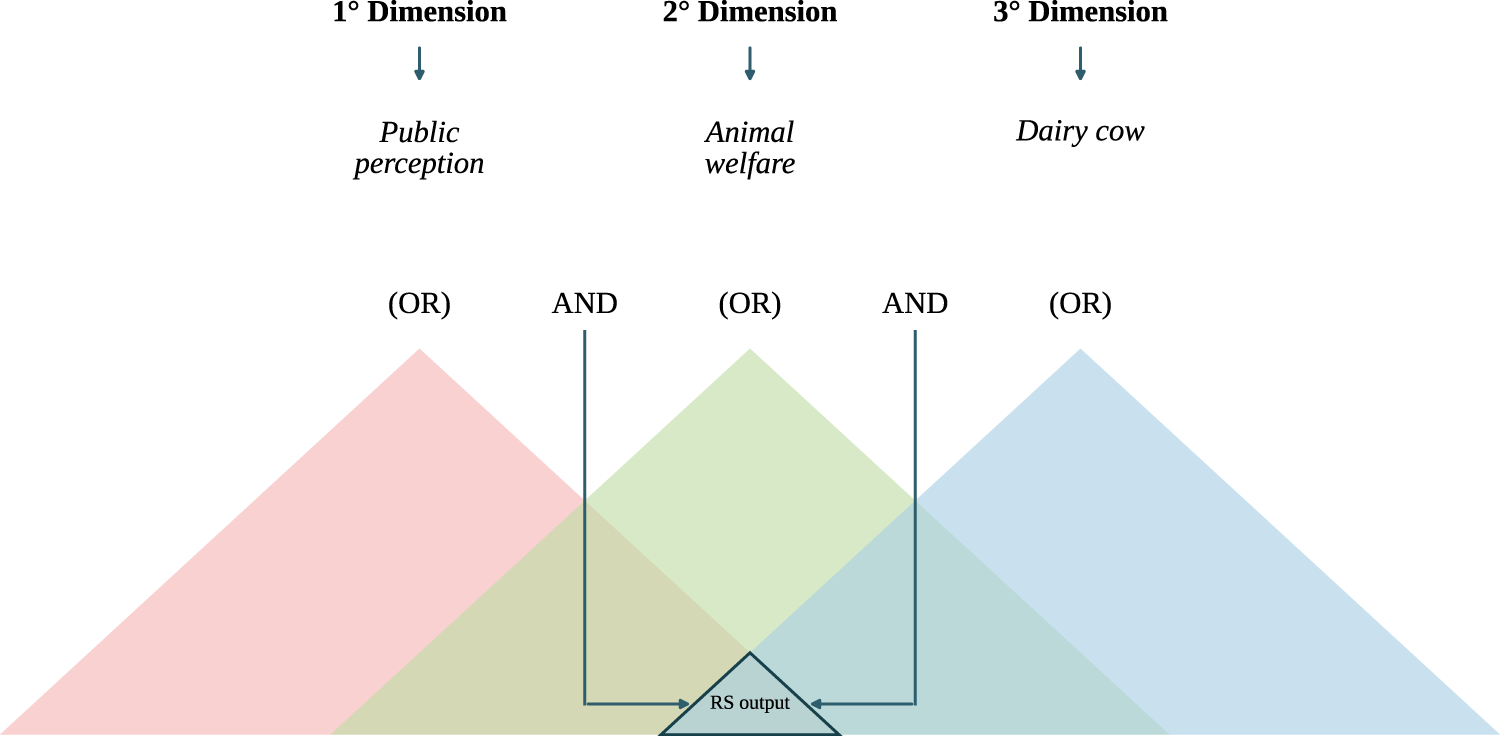

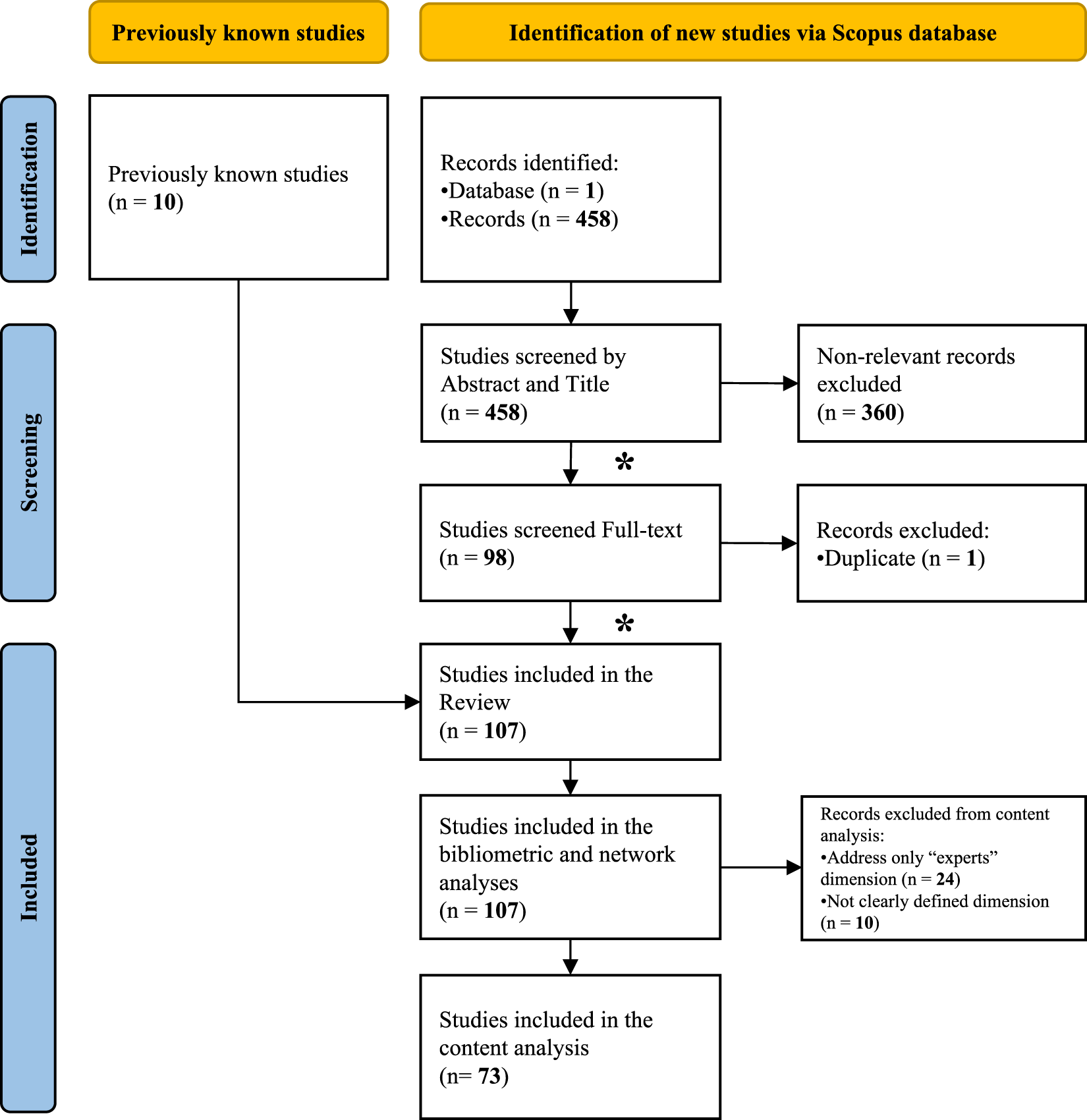
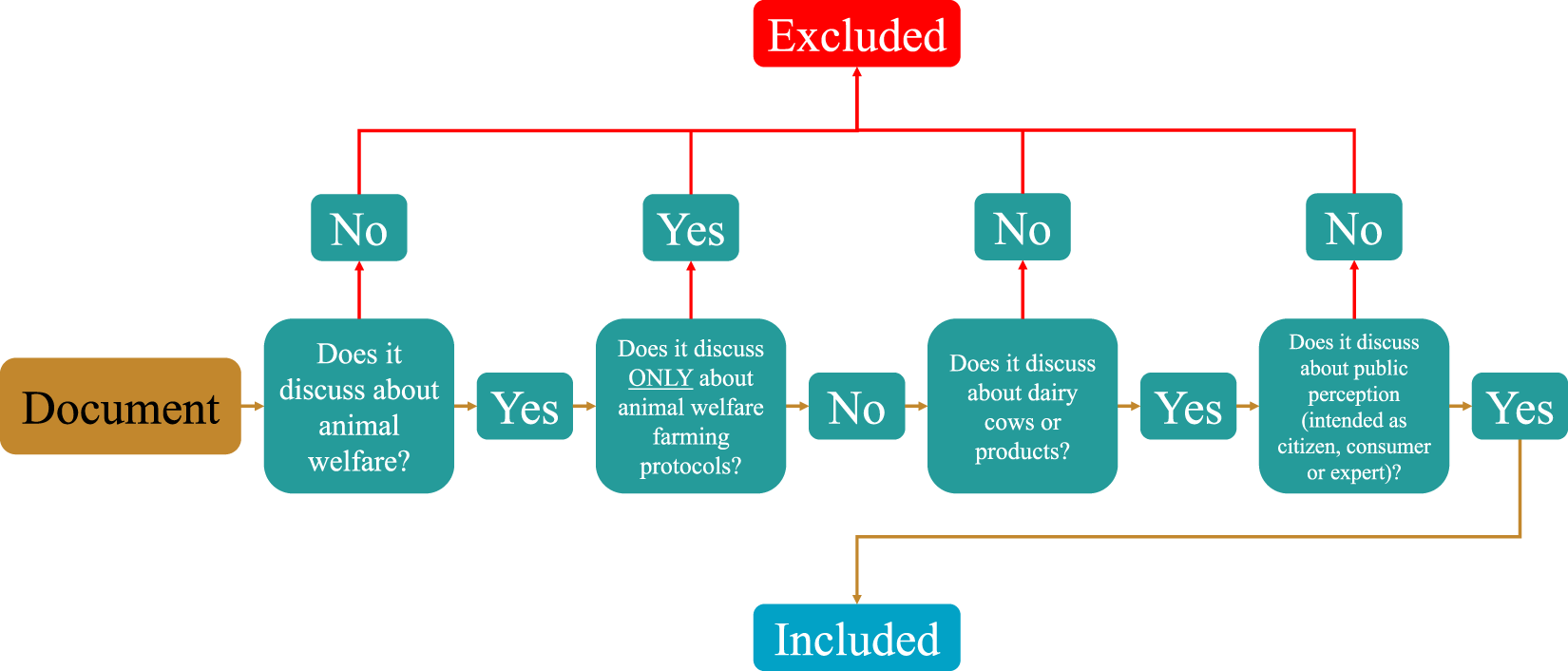

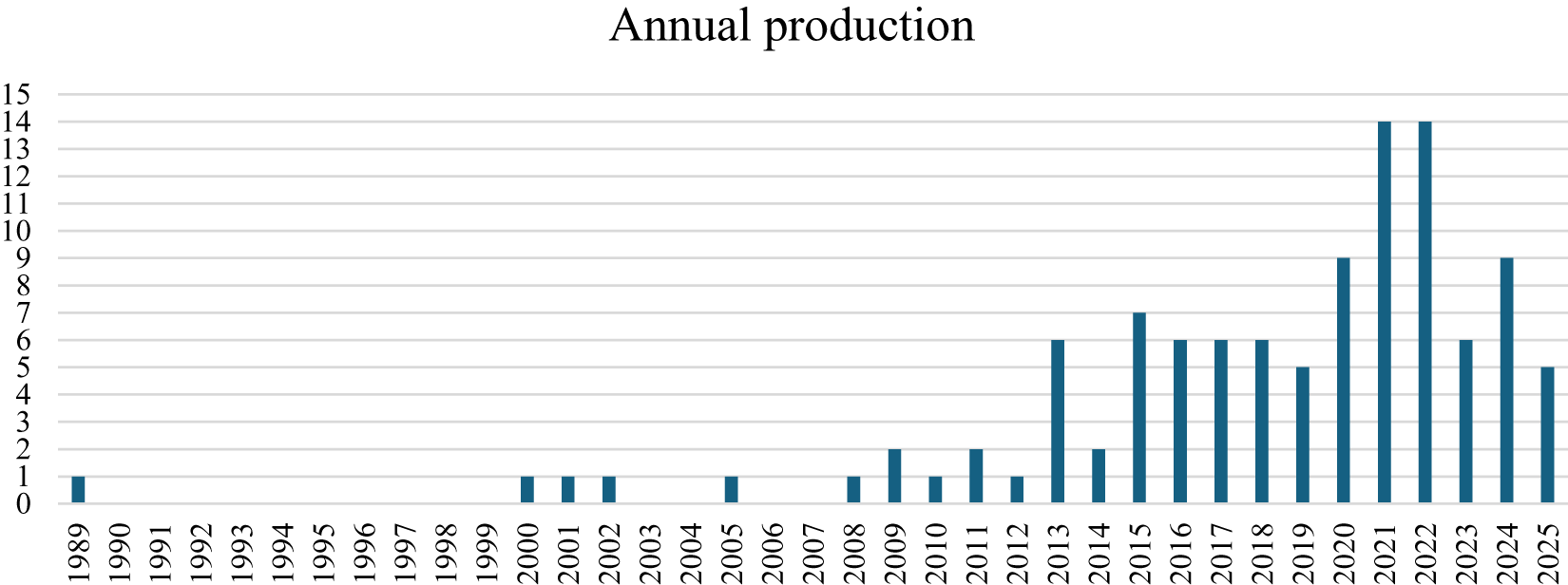
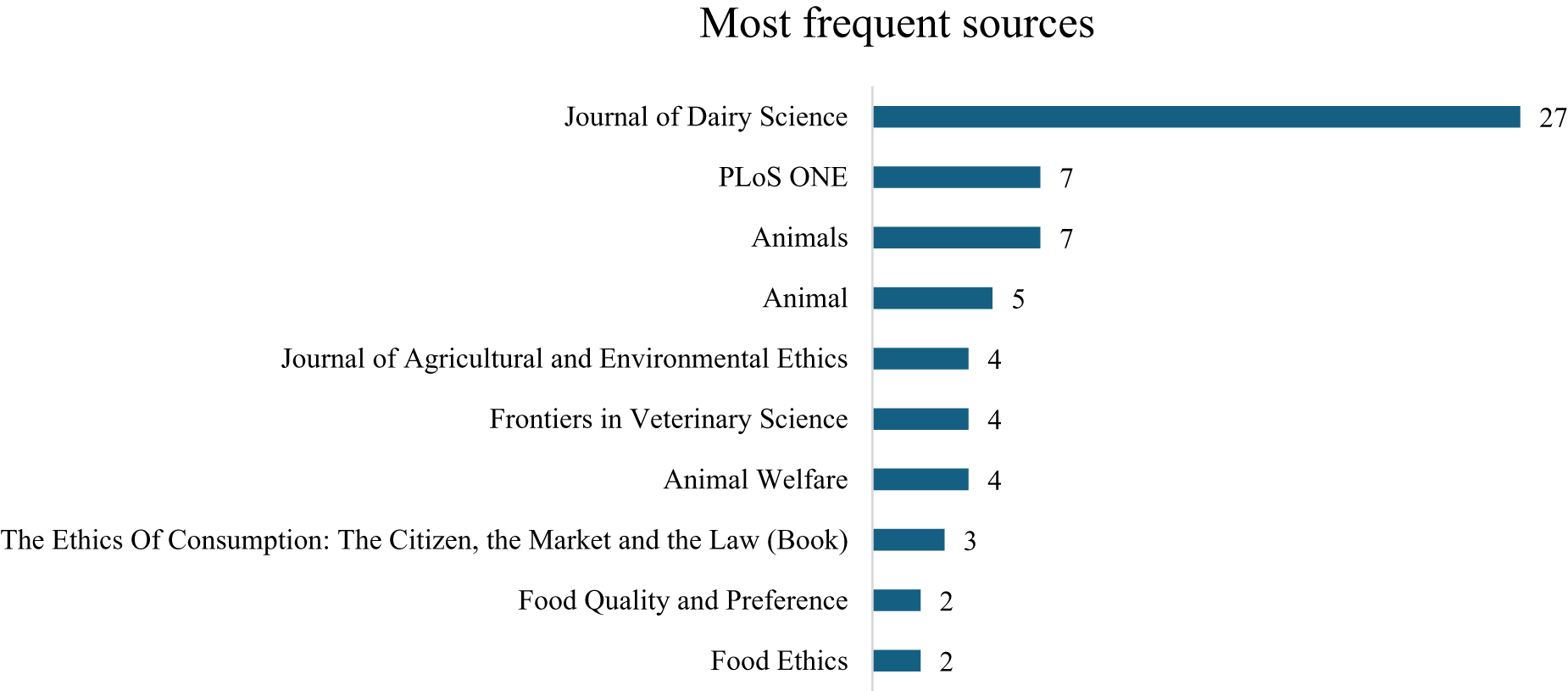


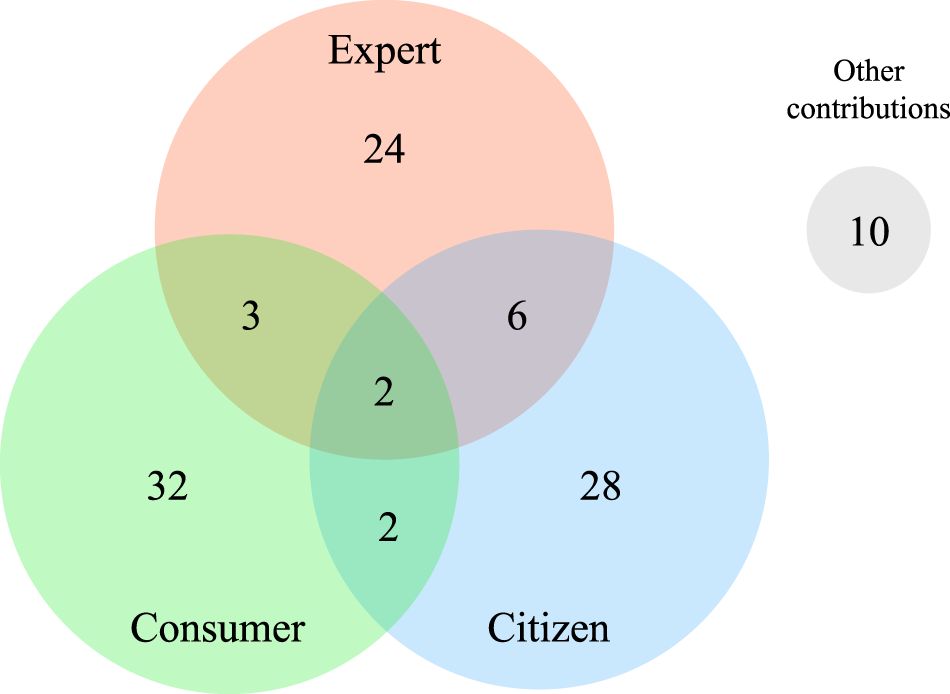
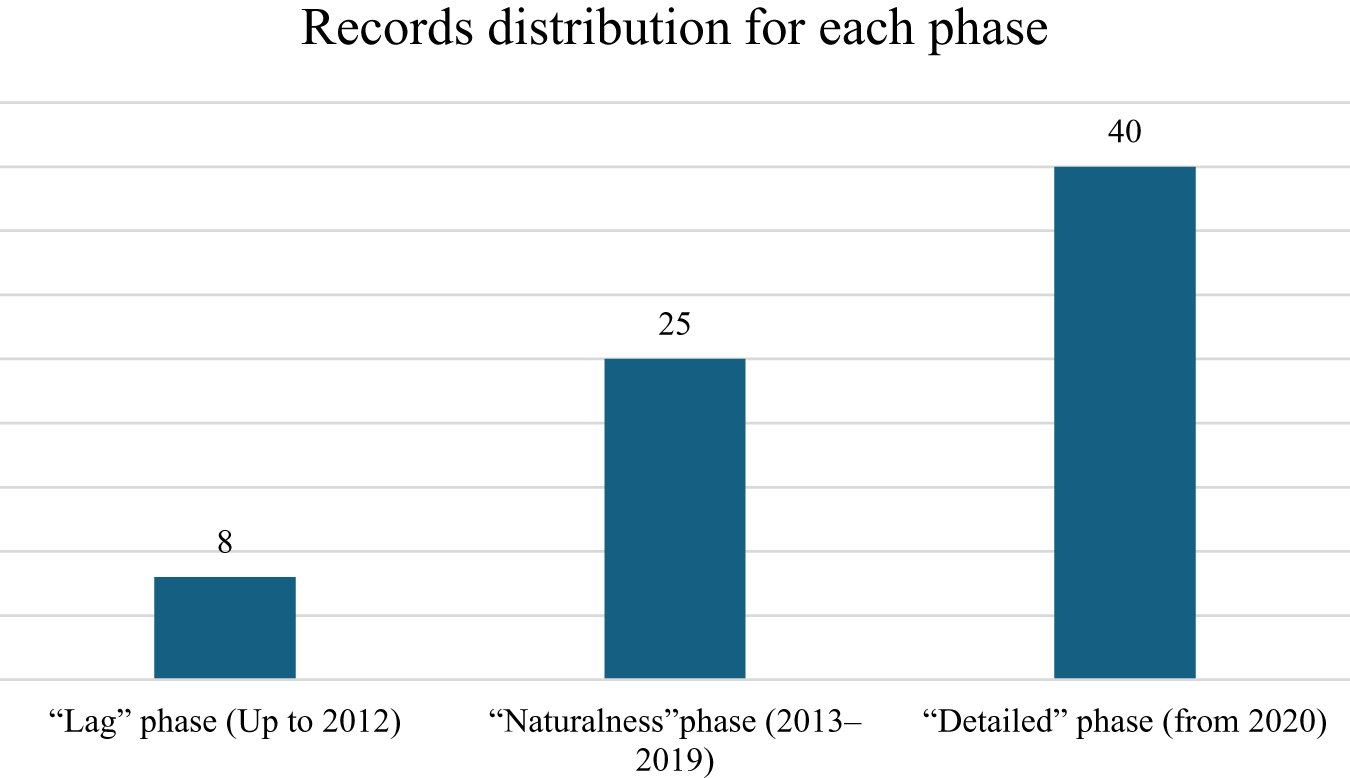


 Open access

