INTRODUCTION
Global disease burden arising from hookworms
With respect to their enormous impact on global health and economic development, the soil-transmitted (STH) helminth infections of humans and livestock share several common features. The major human STHs, Ascaris lumbricoides, Trichuris trichiura and the hookworms occur in 1221 million, 795 million, and 740 million people, respectively (de Silva et al. 2003), making them among the most common pathogens of humans in developing countries. The epidemiological overlap among the STH infections is extensive, so that it is common for an individual, especially a child, to be chronically infected with at least two and sometimes more STHs. Disability-Adjusted Life Year (DALY) estimates indicate that the disease burden from human STH infections is nearly equivalent to better-known conditions such as malaria and tuberculosis (Chan, 1997; WHO, 2002). This situation exists even though STH infections cause only one-tenth of the deaths that result from either malaria or tuberculosis. They primarily have a broad-ranging and chronic effect on childhood growth, nutrition, and cognitive and intellectual development (Stephenson et al. 1989, 1993). STH infections also detrimentally affect pregnancy, resulting in premature birth or low birthweight (Bundy, Chan and Savioli, 1995; Christian, Khatry and West, 2004).
The economic impact of chronic polyparasitism from human STHs is also important and largely reflects the significant reductions in childhood physical fitness (Stephenson et al. 1990, 1993), as well as cognitive and intellectual impairments (Nokes et al. 1992), which presumably occur in hundreds of millions of schoolchildren. Ultimately, STHs adversely affect childhood education by reducing their school performance and attendance (Miguel and Kremer, 2003). A recent economic analysis suggests that chronic hookworm infection during childhood can reduce future wage-earning capacity by 40 percent (Bleakley, 2003). Therefore, the STHs not only occur in the setting of poverty, but like other neglected tropical diseases, they also promote poverty (Molyneux, Hotez and Fenwick, 2005).
The health and economic impact from STHs prompted the 54th World Health Assembly in 2001 to adopt a resolution urging its member states to deworm schoolchildren on a frequent and periodic basis (www.who.int/wormcontrol). However, the cure rates of (e.g. a single dose of mebendazole for hookworm) can be as low as 21% (Bennett and Guyatt, 2000), and post treatment re-infection occurs rapidly in areas of high transmission (Albonico et al. 1995). Moreover, there is preliminary evidence that the efficacy of the benzimidazole class of anthlemintics diminishes with frequent and periodic use (Albonico et al. 2003). Finally, because high intensity hookworm infections occur in both children and adults (Bethony et al. 2002), there is no reason to expect that school-based deworming will affect community-wide transmission (Chan, Bradley and Bundy, 1997).
Hookworm causes greater morbidity worldwide than the other STHs combined (WHO, 2002). This observation together with the particular concerns about deworming as an effective control strategy for hookworm has prompted interest in developing additional control tools. In 2000, the Human Hookworm Vaccine Initiative was established to develop a recombinant vaccine and to identify vaccination strategies that would complement periodic deworming (Brooker et al. 2005; Hotez et al. 2003, 2005).
Haemonchosis
In livestock, Haemonchus contortus is the most pathogenic of the trichostrongyle nematodes due to the blood-feeding habits of the late larval and adult parasites. The severe anaemia which can result is a major factor in the pathogenesis of haemonchosis. Haemonchosis is primarily a disease of sheep in sub-tropical and tropical climates and, with humidity being an important factor for optimal development, the frequency and severity of disease outbreaks is dependent on rainfall in a particular area. An important factor is that the occurrence of acute disease, which can be fatal, is exacerbated by high faecal egg output (2000 to 20000 eggs per gram faeces) even in moderate infections.
Anthelmintic resistance in nematode populations and concerns about the effects of drug residues on consumer health and the environment have focused attention on the prospect of developing effective anti-nematode vaccines. The former is the major driver for efforts to develop vaccines against H. contortus because it has developed resistance to the major anthelmintic classes in current use (e.g. Kaplan, 2004) threatening productivity and sheep farm viability in major sheep producing regions of the world such as Australia, New Zealand, South Africa and parts of South America.
In this review, we have considered the hookworms and Haemonchus together because many of the lead vaccine candidates are common, particularly those involved in blood-meal digestion by adult worms, but also antigens involved in the earliest stages of infection by L3s. Hookworms cause intestinal blood loss leading to iron-deficiency anaemia and protein malnutrition (Stoltzfus et al. 1997a,b) and, as noted above, Haemonchus contortus can induce an acute haemorrhagic anaemia due to the blood-feeding habits of the fourth larval stage and adult worms. It is not too surprising therefore that the lead vaccine candidates under development for hookworms and Haemonchus are strikingly similar (Table 1), ranging from parasite components produced very early in infection (Sharp and Wagland, 1996; Goud et al. 2004, 2005; Bethony et al. 2005; Mendez et al. 2005) to adult-stage parasite gut-derived proteases, including aspartyl-, cysteinyl- and metalloproteases (Knox and Smith, 2001; Loukas et al. 2004, 2005b; Williamson et al. 2004).

THE IMMUNE RESPONSE AND ITS IMPACT ON VACCINE DESIGN
Naturally infected humans mount an extensive and vigorous antibody response against hookworm infection, involving all of the human immunoglobulin (Ig) isotypes and subclasses (for review see Loukas and Prociv, 2001). However, there is a marked heterogeneity in the antibody response to hookworm infection among individuals of the same age, gender and even intensity of hookworm infection. The heterogeneity in humoral immune response includes (1) Antigens recognized (Carr and Pritchard, 1987); (2) Quantity of the antibody response (Pritchard et al. 1992); and (3) Predominance of a particular isotype (Pritchard et al. 1992). As isotypes differ in their biological properties, including their ability to mediate or block the killing of hookworms, heterogeneity in antibody response to hookworm may not permit us to predict the desired antibody response elicited by a hookworm vaccine. Such variation could lead to the ineffectiveness of an antibody-based vaccine in some of the population. The factors which could determine the humoral response in an individual naturally infected with hookworm include: age, genetic predisposition, or co-infections, e.g. other helminth infections.
Similar considerations apply in sheep exposed to H. contortus (Meeusen, Balic and Bowles, 2005) but vaccine development is encouraged by the fact that grazing sheep gradually acquire immunity to infection. Immunity can be expressed against newly ingested third-stage larvae, these either being expelled before they establish within the abomasal glands (rapid expulsion), being directed against developing larvae and pre-adults within the glands, or against the adult worm population (Miller, 1978; Balic, Bowles and Meeusen, 2002). The response is multifactorial with IgE, IgG1 and IgA production from immune cells infiltrating the infected abomasal mucosa all being implicated in protection (Miller, 1978; Gill, Husband and Watson, 1992; Kooyman et al. 2000). Rapid expulsion is associated with the presence of mucosal mast cells and particularly the intraepithelial mast cell population or globule leukocytes (Balic et al. 2002), characteristic of a Th2-type response. When larvae reach their tissue niche, there is pronounced eosinophil recruitment and evidence suggests that this cell type can directly damage invading larvae (Meeusen and Balic, 2000).
IgE is the most studied antibody isotype in human hookworm infection (Pritchard et al. 1995) and has recently become a focus of attention in Haemonchus. During human hookworm infection, IgE levels in serum can increase 100-fold (Jarrett and Bazin, 1974), proportionately greater than the response of any other immunoglobulin. IgE leads to cellular (i.e. mast cell, basophil, eosinophil) activation and degranulation. Total serum IgE and parasite-specific IgE levels are similarly increased during H. contortus infection, but not in the unprotected young lamb, suggesting that the full expression of protective immunity is related to IgE (Kooyman et al. 2000). However, a vaccine inducing an immune pathway mediated by IgE may stimulate adverse hypersensitivity reactions (Pritchard and Brown, 2001).
The prominence of effective antibody responses raises the issue of the relative importance of Th1 or Th2 cytokines in vaccine development. Hookworm infection does not induce the archetypal polarized Th2 responses (Geiger et al. 2004; Quinell et al. 2004) seen in other helminth infections (e.g. Schistosoma mansoni), but a mixed Th1/Th2 response with significant production of both Th1 (IFN-γ, IL-12) and Th2 cytokines (IL-4, IL-5, IL-13). Quinnell et al. (2004) found that intensity of re-infection was negatively correlated with pre-treatment IL-5 response. Geiger et al. (2004) found high IFN-γ secretion to adult antigen extracts in peripheral blood cells from egg-negative individuals residing in high transmission hookworm areas. Together, these results indicate that both arms of the immune response might be involved in protection against hookworms. Schallig (2000) reported that sheep given a primary infection of Haemonchus show a Th1-like response with elevated expression of IL-2 and IFN-γ in abomasal lymph nodes, with the response to secondary challenge showing a classical Th2 bias (Balic et al. 2002).
While chronic human hookworm infections exhibit some of the hallmark features of the polarized Th2 response, an important and unexplored issue is whether the propensity of hookworm infection to induce a mixed cytokine response will permit the design of a vaccine, that preferentially induces a Th2 response. A spectrum of Th1 to Th2 responses are involved in human hookworm and, to an extent, Haemonchus infections, and it is likely that different combinations of cell subsets and mediators operate during infection; as such, it may be that induction of both Th1 and Th2 responses would provide the vaccinated host with a redundancy of protection that could prove optimally effective.
T cell proliferative responses to crude hookworm antigen extracts decrease with the intensity of hookworm infection (Geiger, personal communication). It has been proposed that hookworms create a site of ‘immune privilege’ around themselves (Pritchard and Brown, 2001). This strategy would allow the immune response against hookworm to develop systemically, but would inhibit local immune effector function, i.e. hamper immunologically reactive cells migrating into the sites of parasite attachment. Such mechanisms can include the elimination of reactive T cells via apoptosis (Chow, Brown and Pritchard, 2000). Other mechanisms of possible immune evasion have also been discovered such as metalloproteases that cleave eotaxin and therefore prevent recruitment and activation of eosinophils at the site of infection (Culley et al. 2000); or secreted proteins that selectively bind to natural killer cells and induce IFN-γ secretion, redirecting or even subverting the local cytokine profile (Hsieh et al. 2004).
The problems that confront the hookworm vaccinologist are complex (for an excellent review see Maizels et al. 1999): (1) Vaccine-induced immunity will be difficult in an environment with such strong local and systemic immunoregulation; (2) Typically, patients receiving the vaccine may already be infected, and hence, exhibit either tolerance or marked down-regulation to vaccine antigens; and (3) Vaccination with a hookworm antigen may induce or even increase this systemic down-regulation, thus interfering with the immune response to other vaccine antigens.
In sheep, the key issue is to protect the Haemonchus-naive young lamb against infection from the onset of grazing until adequate natural immunity develops. Immunity to Haemonchus is age-related with lambs remaining susceptible to damaging worm burdens up to 6 months of age (Manton et al. 1962). The immunological reasons remain undefined although recent evidence, summarized in Schallig (2000) indicates that young lambs lack a Th2 response. In addition, evidence suggests that the immune system undergoes a maturation process during the first 12 months of life (Hein and Mackay, 1991; Watson and Gill, 1991). Unresponsiveness has important practical implications for vaccine development given that levels of highest pasture larval contamination coincide with lamb weaning and the onset of grazing. Infection at this time can have a dramatic impact on growth rate and other production parameters such as carcass and fleece quality and increases the time required to reach market weight. Together, these factors increase costs to the producer and reduce profitability. Therefore, it is essential that any vaccine against Haemonchus is effective in young animals.
Much of the basic cellular immunology of hookworm infection in humans and haemonchosis in sheep remains to be done, especially further elucidation of the roles of cytokines, chemokines and cell surface markers. In addition, much work on the humoral and cellular immune response to somatic and secreted antigens from different developmental stages of the parasite needs to be done. The suppression of T cell responsiveness and the armory of immunomodulatory secretions, most of which are probably still unidentified to date, make these parasites intimidating adversaries. Despite these challenges and gaps in our knowledge, researchers continue the search for recombinant vaccines against both infections, as discussed below, and this work has highlighted that these distinct parasites have many common target antigens.
The succession of developmental stages of the parasite, within numerous anatomic sites of the host (e.g. skin, lungs and intestinal mucosa in the case of hookworm) makes the selection of a single vaccine antigen difficult. The developmental stages of hookworm often bear specific antigens (Hawdon and Hotez, 1996). This may allow for the escape from immunity of earlier stages or allow early stages to predetermine the character of responses to subsequent stages. Current genomics projects highlight just how different the mRNA and protein profiles of the different developmental stages of blood-feeding helminths are (Mitreva et al. 2005; Haemonchus EST sequencing project, NEMBASE, www.nematodes.org.uk). The diversity of parasite stages and niches during infection requires us to appreciate the intricacies of this host-parasite relationship when designing a vaccine. It may be that multiple strategies (such as those outlined below) which combine vaccine antigens from different developmental stages are needed to combat the parasite. Finally, the large majority of proteins synthesized by the parasite are destined to remain within its body, whether as cytosolic, plasma membrane or internally secreted substances (Maizels et al. 1999). These will encounter immune recognition only when the parasite is damaged or dead, arguing that immune responses against somatic proteins may not be the most effective path for vaccine development. A more promising avenue has been to generate immune responses to the small subset of products released as ‘excretory/secretory’ or ES antigens (Hotez et al. 2003; Knox et al. 2003). Characterisation of the composition of nematode ES products has demonstrated the presence of many different types of proteins, including proteases, protease inhibitors, C-type lectins, anti-oxidants and anti-inflammatory proteins (reviewed in Loukas and Prociv, 2001 and Loukas et al. 2005a). In the case of several different nematodes, injection of ES products alone has been able to induce immune responses similar to those observed during infection with the live parasites (Allen and MacDonald, 1998). An alternative approach, pioneered in the development of a recombinant vaccine against the cattle tick Boophilus microplus (Willadsen, 2004), is to target proteins expressed on the surface of the gut of haematophagus parasites, these proteins being accessible to vaccine-induced circulating antibody but not usually recognized by humoral responses stimulated by natural infection. This approach, also referred to as the hidden antigen or artificial immunity approach, has proven to be highly effective against Haemonchus (Knox and Smith, 2001) with several of the proteins targetted being intestinal proteinases thought to be required for digestion of the blood meal.
VACCINE EFFICACY
Hookworms
An optimal human hookworm vaccine would have the following features: (1) Reduction in the ability of L3 to penetrate host tissue; (2) Attenuation of L3 development into fully-mature, blood-feeding adults; (3) Reduction of blood feeding by adults; and (4) Reduction in the fecundity of adult hookworms. Based on previous human immunoepidemiological studies and laboratory animal testing, a vaccine comprised of ASP-2 (a protein secreted by L3 upon host penetration – see section on Antigen Selection) would likely meet the first two goals (Hotez et al. 2003; Goud et al. 2004; Bethony et al. 2005), while an adult hookworm haemoglobinase (added as a second component) would contribute the third and fourth objectives (Loukas et al. 2005a,b). Animal studies suggest that the ASP-2 vaccine will only affect L3 and not adult stage hookworms (Bethony et al. 2005). As such, an ASP-2 hookworm vaccine would have prophylactic rather than therapeutic effect. Individuals receiving the vaccine would be required to be treated to clear an established infection.
As outlined by Todd and Colley (2002), when discussing the requirements for a vaccine against Schistosoma mansoni, the goal of a hookworm vaccine would be to partially protect people against infection and the consequent morbidity and mortality associated with heavy infection. Hence, the efficacy of a hookworm vaccine can be judged differently from that of vaccines for viral or bacterial infections, where sterilizing protection is the goal. The reason that partial protection is meaningful for hookworm infection is twofold: (1) The pathogen does not divide and replicate within the host; and (2) Morbidity associated with hookworm infection is correlated with the intensity of the infection. Indeed, the true impact of a hookworm vaccine is related to a reduction in the intestinal blood loss caused by the adult hookworms. Studies by Stoltzfus et al. (1996; 1997a,b; 1998) have shown that intestinal blood loss is proportional to the intensity of hookworm infection. Therefore, use of a hookworm vaccine that results in diminished faecal egg counts would be expected to result in reductions in host intestinal blood loss. In populations with low dietary iron reserves, intestinal blood loss from hookworm would also translate into reduced host haemoglobin and serum ferritin. Iron-deficiency anaemia is the clinical hallmark of hookworm disease. Therefore, host haematological parameters are useful in assessing clinical outcomes; and the clinical outcomes themselves could be considered.
Haemonchus
A practical definition of required efficacy is ‘reducing parasitism below that which causes a significant production loss’ (Klei, 1997). Computer modelling (Barnes and Dobson, 1990) indicates that adequate control can be achieved with vaccine efficacies well below 100% (Barnes, Dobson and Barger, 1995). Conventional vaccines based on antigens recognized during the course of natural infection were predicted to be superior to standard anthelmintic programmes with vaccine efficacies of 60% in 80% of the flock. These figures were obtained on the assumption that sheep naturally acquire immunity to re-infection when exposed to parasites on pasture. This was assumed to be more beneficial in the case of vaccines based on conventional antigens compared to those based on hidden antigens and this was upheld by the model which predicted a required vaccine efficacy of 80% in 80% of the flock. However, this prediction may be somewhat inaccurate in that lambs which were vaccinated against Haemonchus using a defined hidden antigen acquired immunity to re-infection following natural exposure to infection (Smith and Smith, 1993). Therefore, sterile immunity is not a prerequisite for a nematode vaccine and, in fact, may prove detrimental in the long term.
DESIRED VACCINE CHARACTERISTICS
There are several desired vaccine characteristics that are common to hookworms and Haemonchus. Foremost, the vaccines should be safe and tolerated. In the case of a hookworm vaccine, it should be safe enough for use in children and pregnant women. Both vaccines should target different development stages of the parasite within the host, e.g. infective (L3) and adult blood-feeding stages, as well as target excretory/secretory and not just somatic (but exposed on epithelial surfaces) proteins. This strategy is likely to diminish the chances of vaccine breakdown by selection of vaccine resistant worms analogous to the development of anthelmintic resistance. Both vaccines should markedly reduce host blood loss, resulting in elevated haemoglobin and serum ferritin levels. Prolonged protection (years) is desirable. In the case of hookworms, we anticipate (1) 1 to 2 years to improve clinical conditions (Horton, 2003) and (2) 3–5 years to decrease community transmission (Todd and Colley, 2002). For Haemonchus, the key requirement is protection of the young lamb up to 6 months of age as noted earlier. However, this consideration aside, it is desirable that a commercially viable vaccine will be efficacious against all the principal nematode species co-infecting the gastro-intestinal tract. This may be achieved by identifying protective antigens shared by different nematode species or by developing vaccine formulations containing several different species-specific antigens. Both objectives are being rapidly advanced by developments in genomics and proteomics. Moreover, the rapid rejection of incoming larvae from immune sheep is cross-specific (Emery, McClure and Wagland, 1993) and may present future opportunities when the precise mechanisms of worm rejection are further defined. As noted earlier, any vaccine must protect young weaner stock, a difficulty to date only overcome using ‘hidden antigen’ based vaccines. Finally, an effective vaccine will reduce pasture contamination in successive seasons (Emery et al. 1993).
ANTIGEN SELECTION
Two converging lines of evidence have encouraged researchers to begin developing recombinant vaccines against these nematodes. Firstly, vaccination of dogs or sheep with radiation-attenuated larvae of A. caninum or H. contortus, respectively induced high levels of protection against challenge infection (~90% reduction in worm burdens – Miller, 1978; Urquhart et al. 1966) – indeed this was the basis for a commercial vaccine against A. caninum in dogs in the 1970s (Miller, 1978). Secondly, sheep immunized with H. contortus extracts rich in proteases and derived from the intestine of adult worms are highly protected against infection (Knox et al. 2003).
The Human Hookworm Vaccine Initiative (HHVI), a public-private partnership funded by the Bill and Melinda Gates Foundation, has developed a roadmap for the selection, development, clinical testing and global access of a human hookworm vaccine (HHV) (Brooker et al. 2005). A pipeline has been established to assess and then rank the general vaccine efficacies of candidate antigens based on the following endpoints: (1) Pathology – blood loss, worm burdens; (2) Transmission – faecal egg counts; (3) Process development – known function/structure of protein; and (4) Immunoepidemiology – associations between immune responses and infection intensities in naturally exposed/infected cohorts. The ideal HHV would minimise pathology, interrupt transmission and be easy to produce under current good manufacturing processes (cGMP) in middle income developing countries. Two key features of hookworm biology were integral in guiding antigen selection by the HHVI: (1) The transition from a free-living to a parasitic L3; and (2) The ingestion and digestion of host blood.
In the case of Haemonchus, antigens for inclusion in vaccination trials have been selected by (1) The successively refined fractionation of complex parasite extracts; (2) By targeting molecules thought to be essential for parasite invasion and/or maintenance within the host; (3) Using antibodies or cells from immune animals; and (4) Targeting specific parasite organs such as the gut (Emery and Wagland, 1991; Knox, 2000). A major advantage for vaccine development against Haemonchus is the ability to obtain sufficient biomass of parasite material from donor animals to purify native proteins in a quantity to allow vaccine trials. This allows antigen testing without the outcome being clouded by considerations of recombinant protein production in pro- or eukaryotic expression systems which may process (folding, glycosylation) the antigen in a manner immunologically distinct from the native protein. To date, despite several effective native antigens being identified from Haemonchus, no recombinant version has shown the same efficacy. In a sense, particularly, where enzymes and other proteins required for blood-feeding are the targets, the efficacy attained in Haemonchus with native proteins could be viewed as the bench mark which could be attained in hookworms with the equivalent targets. With the latter, trials are restricted to testing recombinant proteins because of the difficulties in obtaining parasite biomass in bulk.
Larval antigens
Like the dauer stage of the free-living Caenorhabditis elegans (Tatar and Yin, 2001), hookworm larvae are developmentally arrested in soil, but undergo activation when exposed to host signals (Hawdon and Hotez, 1996). Upon activation, L3 release excretory/secretory (ES) proteins – the major ES products have been characterized and their cDNAs cloned. They consist of two members of the pathogenesis-related protein (PRP) superfamily – Ancylostoma secreted protein-1 (ASP-1) and ASP-2 (Hawdon et al. 1996, 1999), and an astacin-like metalloprotease – Ac-MTP-1 (Zhan et al. 2002; Williamson et al. 2006).
The selection of ASP-2 was based on three major lines of evidence. First, it was shown that human anti-ASP-2 antibody responses in residents exposed to Necatur americanus L3 in both Brazil and China are associated with a 62% reduced risk of acquiring heavy hookworm infection (Bethony et al. 2005). Second, when recombinant ASP-2 (expressed either in yeast or baculovirus) was used a vaccine in animal models, it resulted in reductions in host hookworm burden, hookworm size and fecundity (Hawdon et al. 1999; Goud et al. 2004; Bethony et al. 2005). Third, it was shown that anti-ASP-2 antibody inhibits larval penetration through host tissue in vitro (Bethony et al. 2005), so that the vaccine most likely operates by eliciting an antibody response that interferes with passage of larvae through host tissue. It was further shown that the canine humoral antibody response against irradiated L3 selectively recognizes ASP-2 (Fujiwara et al. 2006). Therefore, immunization with ASP-2 would reduce the number of L3 establishing in the gastrointestinal tract thereby reducing host worm burdens and faecal egg counts; ASP-2 would not act upon adult worms already residing in the gastrointestinal tract. Of the L3 ES products tested, ASP-2 provided the greatest levels of protection in canines (Bethony et al. 2005) and hamsters (Goud et al. 2005; Mendez et al. 2005) models of hookworm infection and was, therefore, ranked the highest of the L3 vaccine antigens.
ASP homologues are also associated with vaccine-induced protection against Haemonchus. Sharp and Wagland (1996) fractionated L3 ES using lentil lectin chromatography and showed that the proteins binding to the lectin partially protected guinea pigs against Haemonchus challenge. Protection was attributed to a ~40 kDa protein with homology to ASPs. Moreover, Schallig, van Leeuwen and Hendrikx (1994) identified 15 and 24 kDa adult ES antigens that were specifically recognized by immune animals and gave reductions in faecal egg output and final worm burdens of 77% and 85%, respectively in vaccinated, then challenged, lambs (Schallig and van Leeuwen, 1997). The latter protein is an ASP-2 homologue. Recombinant versions of these proteins induced high levels of protection in 8 month old lambs (Vervelde et al. 2002). The same workers reported that protection levels rose with increasing lamb age and that protection correlated with ES-specific serum lgE levels and elevated abomasal mast cell and eosinophil numbers (Vervelde et al. 2001).
Antibodies produced by antibody-secreting cells isolated from abomasal lymph nodes of sheep immune to H. contortus infection (Bowles, Brandon and Meeusen, 1995) were used to identify an antigen (HcL3) which is expressed on the surface of exsheathed L3 and can be purified using size-exclusion chromatography (Ashman et al. 1995). Merino sheep vaccinated with Hc-sL3 showed 64–69% and 45–55% reductions in faecal egg outputs and adult worm burdens, respectively, after a single challenge with 10000 L3 (Jacobs et al. 1999). Protection was induced with aluminium hydroxide and infection exacerbated with Quil A as adjuvant indicating that protection, in some way, involves Th2-type responses. This also emphasises the importance of adjuvant selection in assessing antigen protective efficacy. Studies on the mechanism of rejection (Ashman et al. 1995; Rainbird, Macmillan and Meeusen, 1998) indicated that protection did not correlate with lgE-dependent immediate hypersensitivity mechanisms which are thought to be responsible for rapid expulsion (Newton and Munn, 1999).
Adult antigens
The most consistent and emphatic group of protective antigens identified to date from blood-feeding parasites are those expressed on the surface of the gut and presumed to function in blood meal digestion. Gut membrane proteins have been effectively employed as vaccine antigens against cattle ticks (Willadsen, 2004) and H. contortus (Knox et al. 2003) and are offering promise as vaccine components against hookworms. Haemoglobin digestion is a multi-enzyme synergistic cascade in blood-feeding parasites (Williamson et al. 2003; Goldberg, 2005) and some of the enzymes involved in this process have been identified in hookworms and Haemonchus (Williamson et al. 2004). Concerted effort in the last decade has shown that high levels of protective immunity (reductions in worm burdens and egg output of >70% being attained, Knox and Smith (2001)) can be achieved against Haemonchus by targeting blood feeding. The antigens responsible include an aminopeptidase (H11, reviewed by Newton and Munn, 1999), a protein complex termed H-gal-GP which contains aspartyl- and metallo-proteases (Smith, Smith and Murray, 1994; Longbottom et al. 1997; Redmond et al. 1997). In addition, a number of galectin (Newlands et al. 1999), cystatin (Newlands et al. 2000) and thrombospondin (Skuce et al. 2001) homologues were also detected in H-gal-GP. Moreover, a further antigen subset from the adult intestine enriched for cysteine proteases induced good levels of protective immunity (Knox, Smith and Smith, 1999). These experiments have been paralleled in hookworms with notable success.
Of these Haemonchus antigens, the most effective described to date is an aminopeptidase, abbreviated as H11, found on the microvillar surface of the intestinal cells of fourth larval stage (L4) and adult parasites. It induces high levels of protection (>90% reductions in worm burden) in a range of sheep breeds, in very young lambs and pregnant ewes and is also effective against anthelmintic-resistant strains of H. contortus (reviewed by Newton and Munn, 1999). Enzyme activity is localised exclusively to the microvilli of the parasite's intestine and antisera to H11 inhibit aminopeptidase activity in vitro (Munn et al. 1997) with the level of inhibition closely correlating with protection. Dissociation and denaturation of H11 both reduce vaccine efficacy (Munn et al. 1997) indicating that conformational epitopes are required for the full expression of protective immunity.
Vaccination of dogs with the cysteine haemoglobinase, Ac-CP-2, has provided proof that haemoglobinolytic proteases expressed in recombinant form are efficacious vaccines against hookworm infections (Loukas et al. 2004). Adult hookworms recovered from the intestines of dogs vaccinated with CP-2 expressed in biochemically active form were stunted and the number of female hookworms was significantly reduced relative to control dogs. There was also a marked decrease in faecal egg counts from vaccinated dogs. Antibodies against the recombinant enzyme bound to the gut of hookworms recovered from vaccinated dogs and IgG from the sera of vaccinated dogs diminished proteolytic activity of the recombinant enzyme against a peptide substrate, implying that neutralizing antibodies were induced by vaccination. A cocktail of 3 bacterially-expressed enzymatically inactive cysteine proteases from adult Haemonchus protected (~40% reductions in worm burdens and egg output) lambs against homologous challenge (Redmond and Knox, 2004). As yet, there is no evidence to support an unequivocal view that protection was mediated by antibody neutralizing protease activity. In addition, an ES fraction from adult parasites enriched for cysteine protease activity reduced worm burdens and faecal output by 52 and 50%, respectively, compared to the adjuvant control group. There was a positive correlation between fecundity (number of eggs per female) and the cumulative EPG or worm burden (Bakker et al. 2004).
Ac-APR-1, an aspartic haemoglobinase from A. caninum, and its orthologue from N. americanus, Na-APR-1, were expressed in catalytically active form, and cleaved host haemoglobin at the hinge region among many other sites (Williamson et al. 2002, 2004), a step that would facilitate the unraveling of the haemoglobin tetramer and facilitate its further proteolysis. Vaccination of dogs with recombinant Ac-APR-1 significantly reduced hookworm burdens and faecal egg counts and, perhaps most importantly, vaccinated dogs were protected against blood loss and did not develop anaemia (Loukas et al. 2005). Like the Ac-CP-2 vaccine, IgG from animals vaccinated with APR-1 decreased the catalytic activity of the recombinant enzyme in vitro, and antibody bound in situ to the intestines of worms recovered from vaccinated dogs, implying that the vaccine interferes with the parasite's ability to digest blood. This was the first report of a recombinant vaccine from a haematophagous parasite that significantly reduced both parasite load and blood loss, supporting the development of APR-1 as a second arm of the HHV.
The H-gal-GP complex from Haemonchus also contains aspartyl proteases implying that these proteases may contribute significantly to protection. Unfortunately, it has proven impossible to purify the native enzymes to homogeneity and, to date, attempts to express these proteases in yeast and baculovirus have been largely unsuccessful.
H-gal-GP contains at least 4 metalloproteases (Redmond et al. 1997) which may contribute to protection but this has yet to be established beyond doubt. At least one close homologue is expressed in the intestine of adult A. caninum where it is involved in haemoglobin digestion (Williamson et al. 2004), but the recombinant enzyme did not protect dogs in a vaccine trial (Hotez, Bethony, Loukas, unpublished).
Apart from proteases presumed to mediate blood meal digestion, other protective proteins have been identified in the intestines of Haemonchus. Apical gut surface proteins designated p46, p52, and p100 and collectively termed the GA1 proteins, induced reductions of 60% and 50% in worm and faecal egg outputs, respectively, in immunised goats (Jasmer et al. 1993). The three proteins are encoded by a single gene (GA1) and are expressed in adult parasites as a polyprotein (p100GA1; Jasmer et al. 1996) that is then processed with p52 carrying a glycerophosphatidyl inositol membrane anchor. These proteins have a region with sequence similarity to bacterial Tolb proteins (Jasmer et al. 1996) which are associated with the bacterial membrane and periplasm, and may be involved in transport. Smith et al. (1993) identified a group of three peptides in the concanavalin A lectin-binding fraction which could be separated from H11 by ion-exchange chromatography. These peptides had similarities with the GA1 proteins and induced similar levels of protection (Smith et al. 1993). While only few hookworm gut molecules have been assessed as vaccines, the transcriptome of the hookworm intestine was recently surveyed and cDNAs encoding many of the known gut antigens, as well as potential new vaccine antigens, were identified from A. caninum and N. americanus (Ranjit et al. 2006).
In the coming years, it is anticipated that Na-APR-1, like the Na-ASP-2 Hookworm Vaccine, will also undergo pilot cGMP manufacture and Phase 1 clinical testing. Ultimately proof-of-principle for the efficacy of the combined HHV will likely be sought in a region of high hookworm transmission. In the case of Haemonchus, intensive work is in progress to develop effective recombinant versions of the major antigens described above as a prelude to field trials although some field trails have been conducted, with success, using the native proteins (see below).
Anticoagulant peptides
The anticoagulant properties of hookworms were first reported more than 100 years ago (Loeb and Smith, 1904), and then in 1966, Roche and Layrisse wrote a benchmark review on hookworm-induced anaemia (Roche and Layrisse, 1966). At the time, it was known that hookworms secreted molecules that induced anticoagulation to assist feeding and that the host's inability to form a clot at the site of attachment resulted in anaemia if infection intensities were high enough. In more recent times, significant progress has been made in dissecting the molecular mechanisms by which hookworms disrupt the clotting cascade.
Numerous families of small, anti-clotting peptides have been described from A. caninum. AcAP is an 8·7 kDa peptide secreted by adult A. caninum which reveals no homology to other anticoagulants but is a potent inhibitor of factor Xa (Cappello et al. 1995). Subsequently, a family of related peptides was identified (Stanssens et al. 1996), one of which uniquely inhibited a complex of blood coagulation factor VIIa and tissue factor. More recently, anticoagulants from A. caninum were localised to distinct structures within the parasite (Mieszczanek et al. 2004), implying complementary rather than redundant functions (Bungiro and Cappello, 2004). In addition to inhibitors of coagulation factors, adult A. caninum also secrete proteins that inhibit adherence of platelets to fibrinogen and collagen by binding to integrins (Chadderdon and Cappello, 1999). Interestingly, the protein responsible for this activity was shown to be a member of the PRP family (del Valle et al. 2003). Anticoagulant proteins such as those described here provide novel targets for the development of anti-hookworm vaccines and specific inhibitors as well as the development of new anti-thrombotic therapies for human and veterinary medicine. Recent work suggests that H. contortus contains homologues of some of these anti-clotting peptides (Clark and Knox, unpublished).
LOOKING TO THE FUTURE
Preclinical testing of candidate hookworm vaccine antigens in laboratory animals relies largely on hamsters challenged with Ancylostoma ceylanicum and dogs with A. caninum (Hotez et al. 2003). Nearly 20000 Ancylostoma-derived expression sequence tags (ESTs) have been submitted to GenBank between 1999 and 2006 (Mitreva et al. 2005; Ranjit et al. 2006). Using clustering techniques with C. elegans as a reference genome, so far more than 3000 genes have been discovered from both A. caninum and A. ceylanicum. This represents between 20% and 16% of the genes of each species, respectively (Mitreva et al. 2005). A similar amount of sequence information is available for Haemonchus and genome sequencing is at an advanced stage (www.sanger.org). To date, however, these breakthroughs in parasite genomics have not substantially contributed to the antigen discovery process as they have for prokaryotes and simpler eukaryotic organisms, a situation that largely reflects the absence of high throughput mechanisms for screening appropriate candidate antigens for expressing the corresponding recombinant proteins and then testing them in simple animal models. The development of appropriate and cost-effective algorithms to down-select genes for purposes of antigen discovery would represent an important breakthrough in nematode vaccinology.
RNA interference has considerable potential as a definitive tool in this selection process and has been applied with some success in nematodes (e.g. Hussein, Kichenin and Selkirk, 2002; Aboobakker and Blaxter, 2003; Lustigman, 2004; Issa et al. 2005) but not with sufficient consistency to serve as a routine screen, at least in the case of Haemonchus (Geldhof et al. 2006). Proteomic approaches provide powerful tools to rapidly identify antigens recognized by the host immune system (Yatsuda et al. 2002) and will increasingly support the identification of vaccine candidates.
The lead candidate hookworm antigens have been expressed in a variety of prokaryotic and eukaryotic hosts. Because the function of native ASP-2 is still unknown, it has so far not been possible to develop functional assays for the recombinant protein. However, several lines of evidence suggest that the recombinant protein produced either in yeast or insect cells closely resembles the native protein. First, X-ray crystallographic studies show that recombinant Na-ASP-2 secreted by Pichia pastoris exhibits a characteristic alpha-helix-beta-sheet-alpha-helix sandwich structure (Asojo et al. 2005), which is found in all PRPs studied to date. Second, anti-ASP-2 antibodies elicited in vaccinated laboratory animals and humans recognize the native protein by immunoprecipitation (Bethony et al. 2005; Goud et al. 2005), and anti-ASP-2 inhibit tissue penetration by larvae in vitro (Bethony et al. 2005; Goud et al. 2005). In the case of the gut-derived haemoglobinases, the recombinant proteins examined so far exhibit protease activity in vitro and antibody from vaccinated animals both inhibits enzymatic activity and immunolocalizes to the expected region of the parasite alimentary canal (Loukas et al. 2004, 2005).
Bacterially expressed recombinant versions of a subset of Haemonchus gut-expressed cysteine proteases have induced significant protective effects against challenge in immunized lambs (Redmond and Knox, 2004, 2006) but progress towards effective recombinant expression has been frustratingly slow with H11 and H-gal-GP. The components of both have been expressed in bacteria but the products were ineffective immunogens (Knox and Smith, 2001). Enzymatically active versions of H11 have been expressed using baculovirus but are not protective (Newton, S.E., personal communication) while an MEP (MEP3) from H-gal-GP was expressed in yeast, showed some enzyme activity but was not consistently protective (Skuce, Smith and Newlands, unpublished). Failure to induce protection may be because the protective epitopes are conformational in nature, for example the active site region of an enzyme.
A concept applicable to both hookworm and Haemonchus vaccine development is that combinations of antigens may enhance efficacy or even be a prerequisite for effective vaccination. As noted above, haemoglobin digestion is a multi-enzyme cascade involving aspartyl-, cysteinyl, metallo-proteases as well as di- and aminopetidases (Williamson et al. 2004). Redundancy of function between these protease classes may mean that vaccine-induced inhibition of one protease may be compensated by the action of others.
Glycosylation is potentially a further difficulty, with many of the lead vaccine candidates being predicted to be, or known to be, glycosylated. An analysis of H11 glycan identified a type of core fucosylation not previously observed in eukaryotic glycoproteins, where the major N-linked glycan had up to three fucose residues attached to the chitobiose core (Haslam et al. 1996), a structure predicted to be highly immunogenic. However, it is worth pointing out that despite the fact that high levels of vaccine-induced antibody are directed at the glycan components of these antigens, there is no evidence that this response is protective. Indeed, attempts to address this question (Geldhof et al. 2005, 2006) argue against this being the case. Problems which may arise due to incorrect glycosylation are being addressed by expressing parasite antigens in the free-living nematode C. elegans with the gene encoding the pepsin component of H-gal-GP recently being expressed in trace amounts but in a tissue-specific manner in this system (Redmond et al. 2000). Moreover, a Haemonchus cathepsin L, associated with egg production, has recently been expressed in C. elegans in sufficient quantity to enable purification in quantities sufficient to conduct vaccine trials and to show that the protein is enzymatically active (Britton and Murray, unpublished). Given that C. elegans can be cultivated in large-scale cultures, this may provide the best method for the large-scale production of nematode glycoprotein antigens.
An important consideration for vaccine uptake in the agricultural sector at least is that the method used to produce an effective recombinant (or cocktail) must be amenable to commercial scale-up and the protein readily purified, preferably by a one-step procedure. Production costs and their effects on both profitability and cost per dose to the farmer will ultimately dictate whether a vaccine ever reaches the market place.
Given the integrity of the recombinant antigens produced to date, efforts to improve the efficacy of future hookworm vaccines will most likely emphasize alternative formulations with a variety of adjuvants, including oil-in-water (e.g. mf59 and AS03) and water-in-oil (e.g. ISA 51 and ISA 720), and CpGs, as well as new routes of administration and dosing schedules. Similar considerations apply for Haemonchus but it is worthy of note that the major antigens have proven to be effective when delivered with adjuvants, such as Quil A and aluminium hydroxide, which are acceptable to the registration authorities. Adjuvant will also influence the period of time the recipient of a vaccine will continue to be protected against infection. This is an important consideration when gut antigens are targeted. These tend to be hidden antigens not normally recognized by the humoral response associated with natural infection. Therefore, the protective response is likely to need boosting by repeated vaccination during the period of susceptibility to infection. It is encouraging that protection against haemonchosis in lambs following vaccination with H11 persisted for at least 23 weeks and did not interfere with the acquisition of natural immunity (Andrews, Rolph and Munn, 1997).
Clinical testing of the Na-ASP-2 Hookworm Vaccine in Brazil is designed to establish proof-of-concept for its efficacy in reducing host worm burdens, faecal egg counts and parasite-associated blood loss in an area of high transmission (Brooker et al. 2005). However, it is expected that the efficacy of the vaccine will not be optimised through such a Phase 2b trial. This will likely require revisions in adjuvant formulation, dose and schedule as outlined above. It is further expected that Na-ASP-2 Hookworm Vaccine will require co-formulation with an adult hookworm antigen. In principle, vaccination with the larval antigen would reduce the number of larvae that enter the host gastrointestinal tract, while vaccination with the adult antigen would inhibit blood loss resulting from larvae that successfully evade the immune response from the first vaccine antigen allowing them to develop into adult worms. Studies are in progress to develop A. caninum bivalent hookworm vaccines, evaluate their stability, test them in laboratory dogs to rule out immunological interference and then evaluate their efficacy following larval challenge. This will stimulate efforts to subsequently test bivalent vaccines in humans.
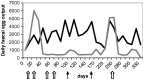
Preliminary field trials have been conducted using H-gal-GP in Haemonchus-endemic regions of the southern USA (Kabagambe et al. 2000) and in South Africa (Smith et al. 2001). In the latter study (Fig. 1), vaccination reduced faecal egg output by 82% and also reduced the incidence of anaemia and deaths due to Haemonchus. During the trial period, there was a period of irrigation when vaccine-induced immunity began to wane and this resulted in a surge in faecal egg output. However, the sheep were re-vaccinated and protection was fully restored. In the former study, the results were positive but not as clear cut because some of the control animals were relatively resistant to challenge. Recently, a successful field trial has been conducted in New South Wales (Australia), an area where multiple drug resistance is rife in Haemonchus (Smith, W. and LeJambre, L., unpublished).

Fig. 1. A diagramatic summary of the group mean egg counts from lambs grazing pasture in South Africa which were either vaccinated with H-gal-GP and H11 in combination (grey line) or were unvaccinated (black line). The thick, open arrows indicate when animals were vaccinated and the thin arrows indicate when 3 control animals required anthelmintic treatment (adapted from Smith et al. 2001).
As hookworm vaccine clinical development continues, an important challenge will be to integrate vaccination protocols with periodic deworming programmes in developing countries. Because vaccination with the Na-ASP-2 Hookworm Vaccine would immediately follow anthelmintic treatment with albendazole (Brooker et al. 2005), it stands to reason to attempt to examine the plausibility of implementing an integrated school-based deworming and vaccination programme. This would diminish the requirement for frequent and periodic anthelmintic chemotherapy and reduce the likelihood that drug resistance will emerge. Such a strategy will also likely facilitate the acceptance of hookworm vaccinations because they would build on an infrastructure established in response to the 54th World Health Assembly. This approach, together with cost-effectiveness interventions and partnering with vaccine manufacturers in innovative developing countries (IDCs) constitutes a global access strategy for hookworm vaccines.
ACKNOWLEDGEMENTS
AL was supported by an R.D. Wright Career Development Award from the National Health and Medical Research Council of Australia. DPK is grateful to the Scottish Executive Environment and Rural Affairs Department for continued support. JB is supported by IRSDA, from the FIC/NIH. Human Hookworm Vaccine Iniative (JMB, ACL and PJH) is a programme of the Sabin Vaccine Institute and is supported by the Bill and Melinda Gates Foundation.