

INTRODUCTION
Rainfed areas in India are spread across varied climatic and soil conditions where crop production is constrained by several factors. Alfisols, which are one of the predominant soils in the semi-arid tropics (SAT), are mostly cultivated during the rainy season only. The main traditional crops of SAT regions are sorghum, pearlmillet, fingermillet, castor, green gram and black gram. Farmers of these regions prefer to grow these crops in mixtures or intercropping to reduce the risk associated with variable rainfall and unpredictable moisture situations and to take maximum advantage of both good and poor rainfall years. Intercropping of cereals with pulses and oilseeds is common (El Swaify et al., Reference El-Swaify, Singh and Pathak1987). Since dry soils are difficult to handle without rains, all the agricultural operations are conducted during the monsoon season. Besides moisture limitations, the common crop production problems witnessed are: soil erosion by water and wind, depletion of organic matter and nutrient status in soils due to unsustainable crop husbandry practices, soil compaction and hard setting (crust formation) caused by intensive agricultural practices etc. On the other hand, the poor economical condition of the dryland farmers, who are mostly marginal and small (land-holding size < 2 ha), force them to add relatively lower rates of fertilizers, which are not sufficient to meet the nutrient requirement of crops. Traditionally, sorghum–castor rotation is successfully practiced by the majority of farmers in Alfisols of semi-arid tropics in India. In Alfisols, hard setting is a serious problem as it hampers sowing, emergence of seedlings and root growth (Pathak et al., Reference Pathak, Singh and Sudi1985). Other major constraints in these soils include weak to moderate profile development, low biological activity, low water-holding capacity, poor aggregation and shallow depth. Traditional cultivation practices such as excessive tillage, harvest and removal of entire biomass, burning of the left over stubbles in the field for preparation of clean seedbed and open grazing aggravate the soil degradation. As a result, the yield of rainfed crops in these soils is very low. In order to improve and sustain crop yields in semi-arid tropics, the practice of reduced tillage coupled with adequate amount of residue retention on soil surface and use of required amount of fertilizers in right proportion gains importance (Papendick and Parr, Reference Papendick and Parr1988). With stubble–mulch tillage, residues on the surface help control erosion by wind and water and also conserve soil moisture (Duley and Russel, Reference Duley and Russel1942; McCalla and Army, Reference McCalla and Army1961). In earlier studies, residue application significantly lowered the runoff and increased the amount of water available to crop (Wani et al., Reference Wani, Pathak, Sachan, Pande, Abrol, Gupta and Malik2005). Similarly, combined application of organic manures (farmyard manure) and crop residues (straw) improved the infiltration rate and, thereby, reduced the runoff and increased the amount of water available for crop production in Alfisols (Rao et al., Reference Rao, Steenhuis, Cogle, Srinivasan, Yule and Smith1998). The benefit of incorporation of organics in SAT Alfisols has been clearly seen in terms of improved soil organic matter content and consequent positive influence on soil structure (Pathak et al., Reference Pathak, Singh and Sudi1985).
Several other studies have shown enhanced moisture conservation and increase in crop yield when soils were mulched with plant residues (Friesen and Korwar, Reference Friesen and Korwar1987; Mahto and Sinha, Reference Mahto and Sinha1980).
Crop residue maintained on soil surface at many semi-arid locations considerably increased soil water storage (AI-Darby et al., Reference AI-Darby, Mustafa, AI-Omran and Mahjoub1989; Marley and Littler, Reference Marley and Littler1990; Nyborg and Malhi, Reference Nyborg and Malhi1989; Ojeniyi, Reference Ojeniyi1986; Rasmussen et al., Reference Rasmussen, Newhall and Cartee1986; Unger, Reference Unger1984). Operational scale research at International Crop Research Institute for Semi-Arid Tropics (ICRISAT) confirmed the clear benefits to soil and water conservation and substantial increase in crop yields due to adoption of improved management practices (Pathak et al., Reference Pathak, Murthy, El-Swaify, Singh and Sudi1984; Rao et al., Reference Rao, Steenhuis, Cogle, Srinivasan, Yule and Smith1998). It has been stated that improved water conservation through use of conservation tillage, including no-tillage, which is the ultimate type of conservation tillage, improves the potential to achieve greater yields of dryland crops (Unger, Reference Unger2002). In the long run, zero tillage and residue retention can also improve soil structure and long-term nutrient cycling. Use of crop residues or other biomass as surface mulch with compost and green manures as amendments enhanced yields and sustained better soil health (Delate and Cambardella, Reference Delate and Camberdella2004; Fettell and Gill, Reference Fettell and Gill1995; Mäder et al., Reference Mäder, Fließbach, Dubois, Gunst, Fried and Niggli2002; Reganold et al., Reference Reganold, Palmer, Lockhart and Macgregor1993; van Keulen, Reference Van Keulen, Bouma, Kuyvenhoven, Bouman, Luyten and Zandstra1995; Willey, Reference Willey1990) and conserved soil and water (Elliot, 1990; Rasmussan and Collins, Reference Rasmussen and Collins1991) in semi-arid tropics. Thus, crop residue mulching not only offers significant savings implied by reduced tillage but also alleviates key constraints for crop growth and/or farm productivity (Erenstein, Reference Erenstein2003).
In view of the above findings, it was felt essential to study whether the practice of different types of tillages, use of various residues and varying N levels on long-term basis could make any improvement in crop yields, which were otherwise low due to soil-related productivity constraints in the rainfed Alfisols. Hence, the present study was undertaken with the following specific objectives viz. (i) to study the response of tillage practices, residue application and varying levels of nitrogen on yield and sustainability of rainfed sorghum and castor crops, (ii) to work out the optimum fertilizer N doses for a given set of management treatments and (iii) to study the profitability of the management treatments.
MATERIALS AND METHODS
Experimental details
The study was conducted at Hayathnagar Research Farm of Central Research Institute for Dryland Agriculture, Hyderabad, India, situated at Hyderabad–Vijayawada National Highway in Andhra Pradesh at 17°18′N latitude, 78°36′E longitude at an elevation of 515 m above mean sea level. The rainfall pattern during the period of experimentation is presented in Table 1. Experimental soils belong to Hayathnagar soil series (Typic Haplustalf), which are slightly acidic to neutral in reaction (pH 5.3). These soils have a sandy surface layer, with increasing clay content in the sub-soil. Soils were initially low in organic C (3.7 g kg−1) and available N (KMnO4 oxidizable N) (145.6 kg ha−1) and medium in available P (Olsen's P) (12.5 kg ha−1) and K (1 N ammonium acetate extractable K) (179.2 kg ha−1). The experiment was initiated during the year 1995 in a strip split–split plot design with two tillage practices as the main treatments, three residue levels as sub-plot treatments and four nitrogen levels as the sub–sub plot treatments with three replications. Thus, the experiment had a total of 72 plots (2 tillage levels × 3 residues × 4 N levels × 3 replicates = 72) with a sub–sub plot size of 4.5 m × 6.0 m. Sorghum (Sorghum vulgare (L)) variety SPV 462 and castor (Ricinus communis (L)) variety DCS-9 were used as test crops in a 2-year rotation. The strip consisted of two tillage treatments viz. (i) conventional tillage (CT) with two ploughings before planting + one plough planting + harrowing + operation for top dressing and (ii) minimum tillage (MT) that included weeding occasionally with blade harrow or chemical spray and only seeding with tractor-drawn planter/farm plough depending upon the situation. In the CT strip, during the pre-monsoon showers, the field was ploughed using a tractor-drawn cultivator followed by one disk ploughing to a depth of 10–12 cm. At the onset of monsoon, sowing was done with the help of country plough by opening a furrow of 5–7 cm depth and the seeds were placed manually in the furrow (also called plough planting). The three residues treatments included: (i) dry sorghum stover (SS) (N content of 5 g kg−1 and C:N ratio of 72) applied @ 2 t ha−1 (ii) fresh Gliricidia loppings (Gliricidia maculata) (GL) (N content of 27.6 g kg−1 on dry weight basis and C:N ratio of 15) @ 2 t ha−1 (fresh weight) and (iii) no residue (NR). As SS was precious and valuable fodder for livestock, we applied it @ 2 t ha−1 instead of the normal recommendation of 3 t ha−1. GL were obtained from the 10–12-year-old shrubs planted on the field boundary, and only the cost of cutting, transportation and spreading was incurred. Since, planting Gliricidia on field bunds was a one-time affair, there was no recurring and opportunity cost. Residues were surface applied 2 weeks after sowing and allowed to decompose in the same plot, which acted as mulch as well as source of organic matter. The four nitrogen levels were: (i) 0 kg N ha−1 (N0), (ii) 30 kg N ha−1 (N30), (iii) 60 kg N ha−1 (N60) and (iv) 90 kg N ha−1 (N90). Nitrogen was applied in two equal splits, one at sowing and another at 45 days after sowing while phosphorus was applied to each crop at 30 kg P2O5 ha−1 at the time of sowing. Depending upon rainfall, crops were sown in the second or third week of June each year. Sorghum was harvested at ground level during the second week of October, and castor was harvested during February. Half of the sorghum residue obtained after harvest was preserved for field application during the succeeding year while the rest was used as dry fodder to feed the farm bullocks. Castor stalks were removed from the field for using them either as domestic fuel or for making on-farm compost. As the experiment had long-term objectives, in this paper, we have presented the data on crop response such as crop yields, sustainability yield indices (SYI) using long-term sorghum equivalent yields, agronomic efficiency (AE) and quadratic response functions developed for yield prediction. Beside these, we have also worked out the optimum fertilizer N requirement and profitability of the different treatments based on 13 years data (1995–2008). For computation of optimum N requirement, we considered 85% of maximum yield obtained under optimal nitrogen regime as the target yield. Normally, nutrient requirement is defined as the nutrient required for achieving a yield target that is normally 90% of the maximum yield obtained under optimal nutrient regime (Sahrawat, Reference Sahrawat and Lal2006). As sorghum and castor are rainfed crops and are susceptible to dry spells, we considered 85% of the maximum yield as the achievable yield target.
Rainfall pattern (mm) during the period of experimentation (1995–2009).

The SYI that represent minimum guaranteed yield in response to soil and nutrient management treatment as a percentage of the maximum observed yield with high probability were calculated as follows:
 \begin{equation*}
{\rm SYI} = ({\rm Y} - \sigma )/{\rm Y}_{\max },\end{equation*}
where Y is the average yield of the treatments across the years; σ is the treatments standard deviation and Ymax was the maximum observed yield over years in the experiment (Singh et al., Reference Singh, Das, Bhaskara Rao and Narayana Reddy1990). In rainfed agriculture, the computation of the sustainability of the yield becomes more important than simple mean as the magnitude of the yield is predominantly influenced by rainfall besides other factors (FAO, 1989).
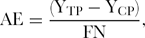
Agronomic efficiency, a parameter representing the ability of the plant to increase yield in response to per unit N applied, was computed based on the average grain yield data using the following relationship:
 \begin{equation*}
{\rm AE} = \frac{{({\rm Y}_{{\rm TP}} - {\rm Y}_{{\rm CP}} )}}{{{\rm FN}}},\end{equation*}
where YTP is the grain yield (kg ha−1) of treated plot, YCP is grain yield of control plot and FN is the applied dose of fertilizer N (kg ha−1).
Profitability of the management treatments
In order to study the relative profitability of the management treatments, the cost of inputs such as cultivation, seed, fertilizers, herbicides and pesticides, residue collection and its application, labour man days required for the operations like field preparation up to harvest and price earned out of the outputs such as sorghum equivalent grain and sorghum fodder were computed using the mean yield over years. To compute the gross returns (GR), the latest price rates prescribed for inputs and outputs for the year 2009–2010 in India were used. The price used for 1 kg of sorghum grain and dry stover was INR 11 (Indian Rupees) and INR 3, respectively. Net returns (NR) were calculated by subtracting the gross input cost (GIC) from the GR. Finally, for studying the techno-economic feasibility of the soil management treatments, benefit:cost ratios (B:C ratios) for all soil management treatments were worked out as ratios of GR and the GIC (Maruthi Sankar et al., Reference Maruthi Sankar, Mishra, Sharma, Singh, Nema, Kathmale, Upadhye, Sidhpuria, Osman, Ravindra Chary, Kusuma Grace, Venkateswarlu and Singh2011).
The data on sorghum, castor yields and profitability of the treatments were statistically analysed. Tukey's test (Tukey, Reference Tukey1953) was used for mean comparison and differences were considered significant at p ≤ 0.05 using SAS 9.2 for Windows. Trend analysis for the rainfall received during the period of experimentation was conducted using the Mann–Kendall (Kendall, Reference Kendall1975; Mann, Reference Mann1945) non-parametric statistical test. The yield prediction functions were computed using polynomial function of second order using Microsoft Excel.
RESULTS
Crop yields
Since the initiation of the experiment in 1995, sorghum and castor crops were grown in rotation. During the period from 1995 to 2008, sorghum crop was grown during the years 1995, 1997, 1999, 2001, 2003, 2005 and 2007. In the year 2003, even though there was a fairly good amount of average crop seasonal rainfall; however, during the month of June, there was a significant deficit (69%) in rainfall that is a very critical period for sowing of sorghum crop. The crop could not be sown in time because of delayed rainfall. Consequently, there was poor crop germination and crop stand due to desiccation of surface, crusting and hard setting. Alternately, castor crop was grown during the years 1996, 1998, 2000, 2002, 2004, 2006 and 2008 in rotation.
Sorghum grain yields
In the present study, tillage significantly (p = 0.05) influenced the pooled average sorghum grain yields. Among the tillages, CT maintained higher grain yields (1266 kg ha−1) compared to MT (Table 2). Application of GL significantly (p = 0.05) influenced the pooled average sorghum grain yields (1156 kg ha−1) followed by application of SS (1114 kg ha−1). Significantly higher (p = 0.05) grain yield was observed with application of N @ 90 kg ha−1 (1425 kg ha−1) followed by application of N @ 60 kg ha−1(1292 kg ha−1). It was quite interesting and encouraging to note that the increase in sorghum grain yields over no N application (N0) was 70.4, 106.4 and 127.6% at 30, 60 and 90 kg levels, respectively. Hence, the response to N application was tremendous.
Long-term effect of tillage, crop residue application and different N levels on sorghum grain yield (kg ha−1) under 13-year sorghum–castor rotation (Alternately, sorghum was grown for 6 years and castor for 7 years) in rainfed Alfisol soils, Hyderabad, India.

Comparison of means is given where F values from analysis of variance are significant. In a column, means followed by different letters are significantly different from each other at p = 0.05 level by Tukey's test.
When the interaction effects of tillage and residues were studied, significantly higher (p = 0.05) yields were observed under CT along with GL (1306 kg ha−1), which was on par with SS (1262 kg ha−1) (Table 3).
Interaction effects of tillage, crop residue application and N levels on sorghum grain yield (kg ha−1) under 13-year sorghum–castor rotation (Alternately, sorghum was grown for 6 years and castor for 7 years) in rainfed Alfisol soils, Hyderabad, India.

Comparison of means is given where F values from analysis of variance are significant. In a column, means followed by different letters are significantly different from each other at p = 0.05 level by Tukey's test.
Considering the tillage and N interaction effects, significantly higher (p = 0.05) sorghum grain yields (1465 kg ha−1) were observed with application of 60 kg N ha−1 followed by N @ 90 kg ha−1 (1229 kg ha−1) under CT. Significantly higher (p = 0.05) pooled average sorghum grain yields were recorded under CTGLN90 (1701 kg ha−1), which was on par with CTSSN90 (1684 kg ha−1) followed by CTSSN60 (1557 kg ha−1).
Castor grain yields
In case of castor, on pooled average basis, CT recorded significantly higher (826 kg ha−1) castor bean yields over MT (526 kg ha−1) (Figure 1). Among the residues, GL maintained significantly higher (p = 0.05) yields (726 kg ha−1) followed by SS (672 kg ha−1). When averaged over N levels, significantly higher (p = 0.05) yields (875 kg ha−1) were observed with N @ 90 kg ha−1 followed by N @ 60 kg ha−1 (749 kg ha−1). The increase in castor yields over N0 level was up to 44.9, 69.8 and 98.6% at 30, 60 and 90 kg N ha−1, respectively, which signified the response to N application.
Castor bean yields as influenced by conventional and minimum tillage, different residues and N levels over years in rainfed Alfisols of Hyderabad, India.

The interaction effects between tillage and residues were significant on castor bean yields. Significantly, higher (p = 0.05) yield was observed with GL (887 kg ha−1) followed by SS (806 kg ha−1) under CT while the interaction of tillage and N levels revealed higher yields with N application @ 90 kg ha−1 (1031 kg ha−1) and @ 60 kg ha−1 (923 kg ha−1) under CT. The interaction effects of tillage, residues and N levels also showed a significant influence on castor bean yield. Significantly, higher yield was observed with CTGLN90 (1083 kg ha−1), which was on par with CTSSN90 (1013 kg ha−1) and CTGLN60 (991 kg ha−1).
Sustainability yield indices
Sustainability yield indices have been computed by transforming the castor yield data of all the years into sorghum equivalent yields and are presented in Figure 2. Sorghum equivalent yields were computed by multiplying the castor yields with the average price factor of 2.29. CT maintained higher SYI of 0.44 compared to MT (0.38). Among the residues, both applications of GL as well as SS maintained almost similar SYI of 0.43 and 0.42, respectively, and were 11–13% higher over NR (SYI of 0.38). The SYI increased with increasing N levels. Nitrogen applied @ 90 kg ha−1 recorded the highest SYI of 0.50, while it was 0.32 with N0, 0.37 with 30 kg N ha−1 and 0.46 with 60 kg N ha−1.
Sustainability yield indices under different tillage, residues and N levels under sorghum–castor rotation in Alfisols of Hyderabad, India.

Agronomic efficiency
Agronomic efficiency as influenced by treatments varied between 6.44 and 18.5 kg grain kg−1 N for sorghum crop and 3.21 and 9.85 kg grain kg−1 N for castor crop across the management practices (Figure 3). On an average, it was observed that CT maintained higher AE of 13.5 and 6.76 kg grain kg−1 N for sorghum and castor, respectively, while MT showed relatively lower AE of 9.61 and 4.30 kg grain kg−1 N for sorghum and castor crops, respectively. GL maintained significantly higher (p = 0.05) AE in both sorghum (12.7 kg grain kg−1 N) and castor crops (6.25 kg grain kg−1 N). SS maintained slightly lower AE of 11.7 kg grain kg−1 N in sorghum crop and 5.43 kg grain kg−1 N in castor crop compared to GL. Even the treatment that received no residue could also maintain AE of 10.3 and 4.92 kg grain kg−1 N for sorghum and castor crops, respectively, because of the N received through fertilizer source. Highest AE was recorded under N30 level, while it gradually decreased with N60 and N90 levels. For sorghum crop, AE was observed to be 14.7, 11.1 and 8.87 kg grain kg−1 N under N30, N60 and N90, respectively, while for castor crop the corresponding values were 6.62, 5.14 and 4.83 kg grain kg−1 N, respectively.
Agronomic efficiency of sorghum and castor crops at different tillage, residues and N levels under sorghum–castor rotation in rainfed Alfisols of Hyderabad, India.

Rainfall versus crop yields
The mean monthly rainfall received in the month of June during the period of experimentation varied from 32.1 to 181.6 mm with a coefficient of variation (CV) of 53%. This extreme variation in the rainfall in June, which is crucial period for the establishment of rainfed crops in this region, significantly influenced the sowing operations, crop germination and overall crop stand. Similarly, the corresponding CV in rainfall in the month of July was up to 78%. Next to June, the distribution and variation of rainfall in the month of July also assumes great significance, as this is the period when interculture operations are crucial for top dressing of fertilizer and weed control. When the crop seasonal rainfall over the years was considered, it varied from 256.1 to 986.5 mm with CV of 40%. The results of Mann–Kendall tests indicated a statistically significant temporal trend with time with respect to rainfall received during June to December during the period of experimentation. A significant positive trend at p = 0.05 was observed and the relation could be described as follows:
 \begin{equation*}
{\rm Y} = - 56940 + 28.76({\rm X}),\end{equation*}
where Y represents average crop season rainfall (mm) and X represents the year.
This expression indicated that there was an increase of 28.76 mm of rainfall every year during the study period.
When the response of crops in terms of per cent increase or decrease in yields with an average crop seasonal rainfall was studied with respect to mulch application under both CT and MT, interesting results were obtained. There was an increase in response with increase in rainfall with crop residue mulch in both castor and sorghum crops under CT. However, under very low rainfall conditions, mulch had an adverse effect and could not benefit the crop (Figure 4). Similarly, under MT, there was increasing response in sorghum while such trend was not much visible in castor crop (Figure 5).
Per cent increase or decrease in sorghum yield due to crop residues mulch over no mulch under conventional and minimum tillage in Nitrogen control plots.

Per cent increase or decrease in castor yield due to crop residue mulch over no mulch under conventional and minimum tillage in Nitrogen control plots.

Response functions, yield prediction and computation of optimum N requirement for a defined condition
In the present study, response functions were developed for both castor and sorghum crops using second-order polynomial function to predict yield and to determine optimum fertilizer N requirement for a given set of management treatments, that is tillage, residue type and N levels. Optimum fertilizer N requirement to achieve at least 85% (achievable yield target in rainfed crops) of the maximum observed yield (Nopt85) of sorghum and castor crops was computed for different combination of treatments (Table 4). The maximum observed yield is the maximum mean yield of sorghum/castor crop obtained from the experimental plots over the years, while the predicted yield is computed by substituting ‘x’ with maximum dose of Nitrogen (90 kg ha−1) in the prediction function. The observed yields of both sorghum and castor crops under MT were low compared to CT. Castor crop recorded still lower yields under MT conditions compared to sorghum crop. The prediction functions between the long-term crop yields and the varying N levels for a given set of tillage and residue treatments showed a higher goodness of fit with R 2 values > 0.95 (p = 0.05) for both sorghum and castor crops. In case of sorghum crop, the optimum fertilizer N requirement varied from 45 to 56 kg ha−1 under different treatments. Optimum N requirement was slightly higher under CT compared to MT conditions. In case of castor crop, the optimum fertilizer N requirement varied between 46 and 74 kg ha−1 under different combinations of treatments. Similar to sorghum, the optimum fertilizer N requirement for castor was also higher for CT compared to MT.
Prediction functions for computing optimum N fertilizer dose to achieve 85% of the maximum observed yield of sorghum and castor under different soil management options in rainfed Alfisol soils, Hyderabad, India.

Profitability of tillage, residues and N level treatments
The total cost of cultivation per hectare varied from INR 9900 to 19100 across the treatments (Table 5). The cost of cultivation for CT was significantly higher (INR 14475) than MT (INR 13075). In case of residue treatments, SS incurred higher mean cultivation cost (INR 17775) than GL (INR 12375) and NR (INR 11175). The cost of cultivation for N @ 90 kg ha−1 was higher (INR 14400) than the other levels. The mean GR per hectare varied from INR 11044 to 34644 across the treatments. CT showed the highest (p = 0.05), gross (INR 26224) and net (INR 11750) returns compared to MT. GL yielded significantly higher NR of INR 11240 compared to SS (INR 4249). The NR increased with increase in N levels. On an average, the B:C ratio was higher for CT (1.86) followed by MT (1.44) (Table 5). B:C ratio was the highest for GL (1.88) followed by NR (1.85) and SS (1.23). The B:C ratio increased with increase in N levels and was highest for 90 kg N ha−1 (2.03). The interaction effects of tillage with residues and N levels were significant at p = 0.05 (Table 6). Significantly higher B:C ratio was observed in case of CTGLN90 (2.52).
Profitability of long-term tillage, residues and N levels under 13-year sorghum–castor rotation system in Alfisols of Hyderabad, India.

In a column, means followed by different letters are significantly different from each other at p = 0.05 level by Tukey's test.
Interaction effects of long-term tillage, residues and N levels on profitability under 13-year sorghum–castor rotation system in Alfisols of Hyderabad, India.

INR = Indian Rupees.
INR 1 = US$0.019948 or €0.01514.
Price taken for 1 kg of sorghum grain is = INR 11.
Price taken for 1 kg of dry sorghum stover is = INR 3.
In a column, means followed by different letters are significantly different from each other at p = 0.05 level by Tukey's test.
DISCUSSION
Sorghum grain and castor bean yields
Of the tillage practices studied, CT recorded significantly higher sorghum (1248 kg ha−1) and castor bean yields (826 kg ha−1), which were 30.4 and 57.0% higher over MT. The reduction in crop yields under MT over CT in Alfisols, which are prone to crust formation, hard setting and compaction of sub-surface layers, could be attributed to poor germination and crop stand, less infiltration of water and consequently low moisture availability and to some extent excessive weed growth. Surface compaction of soil causes reduced infiltration rate and hydraulic conductivity and thereby reduced storage of water in the soil profile (Matula, Reference Matula2003). Similar to present investigations, conservation tillage performed poorly than CT under semi-arid conditions of New Zealand as the soils of this region were more prone to surface crusting and sealing (Francis and Knight, Reference Francis and Knight1993). Practicing CT once in every 2–3 years increases water infiltration into soil and thereby enhances moisture availability in profile and thus benefits the crop (Rao et al., Reference Rao, Agrawal and Bishnoi1986). Application of residues significantly influenced the crop yields of sorghum and castor. Residue application in general provides multi-benefits to soil and plants. Crop residue besides providing nutrients to a certain extent also supply a fresh carbon source for microbial biomass production, which will increase soil aggregation through several different mechanisms (Smith and Elliott, Reference Smith and Elliott1990). Soil micro-organisms can aggregate soil particles by attraction of dissimilar surface charges. Extracellular mucigels and gums, from metabolic by-products of decomposition and plant roots, are major aggregating materials. These benefits in turn create congenial physical, chemical and biological environment for plant growth. In the present study, when the two residues were compared GL application @ 2 t ha−1 maintained its superiority over SS residue (2 t ha−1) in terms of crop yields. This could be possibly due to the release and supply of nutrients to crops through decomposition and mineralization of Gliricidia residue as this material was quite soft and succulent, rich in nitrogen and narrow C:N ratio. Apart from this, its long-term application might have also influenced physical and biological soil functions. Earlier Sharma et al. (Reference Sharma, Abrol, Maruthi Sankar and Singh2009), while studying the performance of low-cost farm-based organics, reported that conjunctive use of 2 t GL + 20 kg N ha−1 (through urea) increased sorghum grain yield by 93% over no nitrogen control. Further, in the present study, interactive effects of all the three components viz. tillage, residues and N levels, also played a significant role by positively influencing the crop response. This kind of positive synergism has also been earlier reported by Unger et al. (Reference Unger, Stewart, Parr and Singh1991). Application of adequate amount of residue along with conservation tillage reduced soil erosion and enhanced water conservation.
It was quite interesting to record that crop mulch increased the sorghum and castor yields with the increase in rainfall under CT where no N was applied. However, in low rainfall situations, residue mulch could not reflect this benefit. In MT, such trend could not be observed in case of castor. The increase in yields with the increasing rainfall under CT with mulching could be due to the combined effect of loosening the soil by tillage and by covering it with residue. This might have resulted in giving better opportunity to the hard soil surface to be more receptive for water infiltration and enhancing the moisture storage in profile. The additive effect of residue as mulch could also be explained in terms of reducing the surface evaporation. Contrary to this, MT could not capitalize these benefits in castor. Being a long-duration crop (about 6 months), adequate moisture could not be conserved under a minimally tilled plots covered with inadequate residue. Some of the earlier studies have revealed that conservation tillage in combination with adequate amount of residue retention giving good coverage to a land surface provide better opportunity for rain water infiltration into soil and its storage in soil profile, and reduce the evaporative moisture loss besides several other benefits such as improved SOC and addition of plant nutrients (Smith and Elliott, Reference Smith and Elliott1990; Unger et al., Reference Unger, Stewart, Parr and Singh1991). Lal (Reference Lal, Lal, Blum, Valentine and Stewart1997) has also categorically indicated that to accrue the effective advantage of reduced tillage in the SAT tropics, it is essential to maintain adequate amount of crop residue on the surface as land cover.
Agronomic efficiency and sustainability yield indices
In the present study, it was quite evident that CT remained superior to MT in maintaining higher crop yields, SYI and AE in the rainfed semi-arid tropical Alfisols, which are prone to water erosion, crust formation and hard setting tendencies and are low in organic matter. However, elsewhere many earlier studies (Brown et al., Reference Brown, Cruse and Colbin1989; Larson, Reference Larson1979; Thomas et al., Reference Thomas, Standley, Webb, Blight and Hunter1990; Unger et al., Reference Unger, Stewart, Parr and Singh1991) emphasized the link between crop residue management and tillage and recognized them as the two practices with major impact on soil conservation, and reported superior performance of MT or zero tillage in the semi-arid zones. The reduction in yield and consequently AE under MT in the present study was probably due to less infiltration of water and poor root growth owing to compact surface and higher weed growth. In earlier studies, conservation tillage systems reduced wheat yield due to poor weed control, which assumes lot of importance under these tillage systems (Camara et al., Reference Camara, Payne and Rasmussen2003; Young et al., Reference Young, Ogg, Boerboom and All-dredge1994a, Reference Young, Ogg, Papendick, Thill and All-dredgeb). In the present study, the residue application rate was merely 2 t ha−1, providing very less soil coverage (about 15–16%), and hence, probably was not adequate to capitalize the benefits of MT. Earlier, it was emphasized that in rainfed semi-arid tropical Alfisols, where crops are mostly dependent on seasonal rainfall, off-season or pre-monsoon primary tillage has the advantage of effective water infiltration and recharging of soil profile (Bansal et al., Reference Bansal, Awadhwal and Mayande1987; Sharma et al., Reference Sharma, Abrol, Maruthi Sankar and Singh2009). Roth et al. (Reference Roth, Meyer, Frede and Derpsch1988) recommended that in general at least 4–6 mg ha−1 of mulch is needed to reduce runoff and erosion effectively, but such amount often is not available in semi-arid regions. The yearly variation in the yields in the present study is attributed to the variations in average rainfall and more importantly its distribution pattern during the crop-growing season. Earlier, Jones and Hauser (Reference Jones, Hauser and Frazier1975) reported that sorghum yields in drylands are highly influenced by soil water content at planting, soil water storage and rainfall distribution. Several studies reported that sorghum yields were highly variable and ranged from complete failures to 6 t ha−1 in drylands of Southern Great Plains of United States (Jones and Johnson, Reference Jones and Johnson1991; Sow et al., Reference Sow, Hossner, Unger and Stewart1996; Unger, Reference Unger1978).
Response functions, yield prediction and computation of optimum N requirement for a defined condition
In case of sorghum and castor crops, the predicted yield trend was in accordance with the observed yields and the predicted yields under CT were higher than the MT. Rainfed farmers, in general, being poor, do not have the risk-bearing capacity and are very cautious to apply higher doses of fertilizers to sorghum and castor due to unexpected withdrawal of monsoon and erratic rainfall pattern fearing crop failure and loss of investment made on the fertilizers. Hence, it was justifiable to work out the fertilizer N optimum at least to achieve 85% of the yield instead of targeting for 100% yields where the average rainfall received varies between 650 and 745 mm. From the results of the present study, it has been observed that, under MT, castor crop recorded higher yield losses (30%) than sorghum (27%) compared to CT because of the several reasons discussed in the foregoing section. Resultantly, castor crop needs more nitrogen under MT conditions and probably this could be the reason for higher predicted fertilizer N optimum levels obtained in this study.
Profitability of tillage, residues and N levels
The most important aspect we observed in profitability analysis was that the net returns increased with increase in N levels. Application of N level as low as 30 kg N ha-1 to these low-fertility soils (very low available N status) could not accrue much benefit despite spending considerably on all other inputs. Finally, on an average, among the tillage practices, the B:C ratio was higher for CT (1.86) compared to MT (1.44). The trend of B:C ratio in case of residues was: GL (1.88) > NR (1.85) > SS (1.24). When averaged over other factors, a high B:C ratio of 2.04 was obtained in case of N applied @ 90 kg ha−1, which signified the importance of adequate levels of fertilizer N in these low-fertility rainfed Alfisol soils to capitalize the advantage of other components (tillage and residues) of soil management practices. To observe the interaction effects (T × R × N), when all the three factors were considered together, the treatment combination viz. CTGLN90 (2.52) proved superior and could be a good combination for recommendation. Similarly, MTGLN90 (2.06) also maintained its superiority and can be adopted when the interest is to follow the MT over long-term basis.
Much information is not available in the literature on the computation of economics and B:C ratios of soil management practices component-wise for rainfed semi-arid tropical conditions as generated in this study. In another study, on maize–wheat system, Sharma et al. (Reference Sharma, Abrol, Maruthi Sankar and Singh2009) reported the highest mean net returns and B:C ratio with MT and lowest with CT. However, Maruthi Sankar et al. (Reference Maruthi Sankar, Mishra, Sharma, Singh, Nema, Kathmale, Upadhye, Sidhpuria, Osman, Ravindra Chary, Kusuma Grace, Venkateswarlu and Singh2011) recently made some efforts in this regard in case of rainfed pearlmillet for different soil and climatic conditions in India and observed that CT also proved superior in terms of net returns and B:C ratios in some of the locations.
CONCLUSION
Results of the present study clearly indicated that CT remained superior to MT in maintaining higher crop yields, SYI, and AE in these rainfed semi-arid tropical Alfisols, which are prone to soil and water erosion, crust formation and hard setting and are low in organic matter. The reduction in yield under MT was probably due to less infiltration of water and poor root growth owing to compact surface and sub-surface and higher weed growth. We realized that in order to improve the performance of MT, which is very much required to ameliorate and rehabilitate these degraded soils, mere application of 2 t ha−1 of crop residue is not adequate. Surface residue management either in the form of stubbles or as mulch in adequate quantity is must to capitalize the beneficial effects of MT. Residue mulch helped in increasing the yield of castor and sorghum with increasing rainfall under CT in those plots that did not receive N fertilizer. Further, the prediction functions between the long-term yield data and the nitrogen levels for a given tillage and residue combination are quite useful to predict the yield levels at a given N level and to determine the optimum fertilizer N to achieve at least 85% of the observed yields in these moisture-stressed soils. The economics of the treatments was superior when CT in combination with easily and cheaply available residue such as GL with adequate level of N was practiced. We are hopeful that the results of these studies would encourage the adoption of appropriate soil and nutrient management practices in rainfed semi-arid tropical Alfisol and related soils more rationally and in a moderate manner in the years to come. However, more long-term studies are required by following the conservation agricultural practices (tillage, residue retention, effective cropping systems) in more strict sense to anticipate the significant benefits in terms of higher crop yields and sustainability.



