


Introduction
Transgender and gender diverse (TGD) individuals – those whose gender identity does not align with their sex assigned at birth – experience disproportionately high rates of mental health difficulties, including self-harm, suicidal ideation, and suicide attempts, compared with their cisgender peers (Adams et al., Reference Adams, Hitomi and Moody2017; Becerra-Culqui et al., Reference Becerra-Culqui, Liu, Nash, Cromwell, Flanders, Getahun, Giammattei, Hunkeler, Lash and Millman2018; Connolly et al., Reference Connolly, Zervos, Barone, Johnson and Joseph2016; Liu et al., Reference Liu, Sheehan, Walsh, Sanzari, Cheek and Hernandez2019). For example, systematic reviews reported prevalence rates of suicidal ideation in TGD populations to range from 37% to 83% (McNeil et al., Reference McNeil, Ellis and Eccles2017) and lifetime prevalence of suicide attempts to be 29% (Kohnepoushi et al., Reference Kohnepoushi, Nikouei, Cheraghi, Hasanabadi, Rahmani, Moradi and Moradi2023).
Minority stress theory (Hendricks and Testa, Reference Hendricks and Testa2012; Meyer, Reference Meyer2003) conceptualises these disparities as consequences of systemic marginalisation, chronic discrimination, and prejudice. As well as experiencing other life stressors, TGD individuals experience distal stressors (e.g. discrimination, victimisation and harrassment) which may result in proximal stressors (e.g. internalised transphobia and hypervigilance for threat). Both distal and proximal stressors demonstrated significant relationships with anxiety, depression, and suicidality (Gosling et al., Reference Gosling, Pratt, Montgomery and Lea2022; Mezza et al., Reference Mezza, Mezzalira, Pizzo, Maldonato, Bochicchio and Scandurra2024; Pellicane and Ciesla, Reference Pellicane and Ciesla2022; Wilson et al., Reference Wilson, Newins, Kassing and Casanova2024).
The mental health of TGD people is also impacted by structural stigma, whereby institutional and societal discrimination reduce opportunities and access to resources (Hatzenbuehler et al., Reference Hatzenbuehler, Lattanner, McKetta and Pachankis2024). Within the UK, TGD people are experiencing escalating marginalisation, as rhetoric and policies deemed as transphobic feed into the increasingly hostile social and political climate (Connolly et al., Reference Connolly, Zervos, Barone, Johnson and Joseph2016; Connolly and Muschialli, Reference Connolly and Muschialli2024). Young TGD people have been under significant scrutiny, particularly following the closure of the Tavistock and Portman NHS Foundation Trust Gender Identity Development Service and the subsequent Cass Review (Cass, Reference Cass2024). Moreover, higher levels of structural stigma have been associated with increased incidents of discrimination, victimisation and violence (Clark et al., Reference Clark, Lunn, Sevelius, Dawson-Rose, Weiss, Neilands, Lubensky, Obedin-Maliver and Flentje2025; Hatzenbuehler et al., Reference Hatzenbuehler, Lattanner, McKetta and Pachankis2024). This suggests that structural stigma may provide a context where interpersonal and internalised stigma are enabled, as attitudes within policymakers may be reflected within communities. Finally, the minority stress framework identified resilience factors (Frost and Meyer, Reference Frost and Meyer2023; Meyer, Reference Meyer2003), such as pride and community connectedness, which buffer against minority stress, thereby reducing depression and suicidal thoughts (Hendricks and Testa, Reference Hendricks and Testa2012; Mezza et al., Reference Mezza, Mezzalira, Pizzo, Maldonato, Bochicchio and Scandurra2024; Testa et al., Reference Testa, Michaels, Bliss, Rogers, Balsam and Joiner2017).
Hatzenbuehler et al. (Reference Hatzenbuehler, Keyes and Hasin2009) expanded on minority stress theory to hypothesise how stigma-related stress elevates maladaptive cognitive, affective, and social processes, thereby mediating the relationship between distal stressors and mental health difficulties. In particular, emotion dysregulation, defined as difficulties in identifying, understanding, and managing emotions (Gratz and Roemer, Reference Gratz and Roemer2004), was identified. A meta-analysis demonstrated higher overall emotion dysregulation in TGD groups compared with cisgender groups (g=0.40; Camp et al., Reference Camp, Blundell, Smith and Rimes2025). This indicates difficulties may be more prevalent in this population, supporting its relevance as a treatment target. Furthermore, improved emotion regulation correlates with improved mental health outcomes (Aldao et al., Reference Aldao, Nolen-Hoeksema and Schweizer2010; Sloan et al., Reference Sloan, Hall, Moulding, Bryce, Mildred and Staiger2017b), positing emotion regulation as a key transdiagnostic target in many therapies (Moltrecht et al., Reference Moltrecht, Deighton, Patalay and Edbrooke-Childs2021).
Dialectical behaviour therapy (DBT) is a transdiagnostic intervention targeting emotion regulation as a core underlying mechanism of distress (Linehan, Reference Linehan1993a; Linehan, Reference Linehan2015). DBT has demonstrated efficacy in reducing emotion dysregulation (Antuña-Camblor et al., Reference Antuña-Camblor, Gómez-Salas, Burgos-Julián, González-Vázquez, Juarros-Basterretxea and Rodríguez-Díaz2024; Neacsiu et al., Reference Neacsiu, Eberle, Kramer, Wiesmann and Linehan2014) and suicidality and self-harm (DeCou et al., Reference DeCou, Comtois and Landes2019; Harvey et al., Reference Harvey, Hunt and White2019; Panos et al., Reference Panos, Jackson, Hasan and Panos2014). Comprehensive DBT includes weekly individual sessions, weekly skills training, between-session coaching and therapist consultation team meetings (Linehan, Reference Linehan1993a).
Given the role of emotion dysregulation in stigma-related distress, DBT is proposed as a promising intervention for TGD individuals (Camp, Reference Camp, Rohleder and Semlyen2023; Skerven et al., Reference Skerven, Mirabito, Kirkman and Shaw2021; Sloan et al., Reference Sloan, Berke and Shipherd2017a). By attending to the impact of the cissexist invalidating environment, DBT has the potential to offer an affirming intervention for TGD people (Sloan et al., Reference Sloan, Berke and Shipherd2017a). Camp et al. (Reference Camp, Durante, Cooper, Smith and Rimes2024) demonstrated similar effectiveness between TGD adolescents and cisgender adolescents in a DBT programme. However, when the TGD group was disaggregated, this study reported that 44% of binary transgender participants completed treatment in comparison with 79% of non-binary participants and 67% of cisgender participants (findings not analysed for statistical significance). This indicates there may be differences in acceptability of standard DBT programmes for binary transgender people. However, conclusions are limited as the former study is the only study at present that has included TGD people as a subgroup of interest A recent systematic review found that only 10% of DBT studies record TGD status, despite the samples containing between 3% and 17% TGD participants when recorded (Camp et al., Reference Camp, Bodea, Skerven, Papoulias, Swales and Smith2026). For sexual minority people, DBT has demonstrated medium to large effect sizes in improving emotion regulation, self-harm and suicidality for sexual minority people (Beard et al., Reference Beard, Kirakosian, Silverman, Winer, Wadsworth and Bjorgvinsson2017; Camp et al., Reference Camp, Durante, Cooper, Smith and Rimes2024; Chang et al., Reference Chang, Halvorson, Lehavot, Simpson and Harned2023; Harned et al., Reference Harned, Schmidt, Korslund and Gallop2021; Oshin et al., 2014) with similar findings demonstrated in a recent qualitative study of lesbian and gay people completing DBT programmes (Harding et al., Reference Harding, Pratt and Lea2025). These findings within a parallel population are promising for TGD people given the overlap in experience and co-existing identities, but warrant further research due to the non-identical experiences between TGD people and sexual minority people.
More broadly, there is developing evidence that DBT skills training can be offered as a cost-effective, stand-alone intervention for lower risk populations with common mental health difficulties (Delaquis et al., Reference Delaquis, Joyce, Zalewski, Katz, Sulymka, Agostinho and Roos2022; Lyng et al., Reference Lyng, Swales, Hastings, Millar, Duffy and Booth2020; Valentine et al., Reference Valentine, Bankoff, Poulin, Reidler and Pantalone2015). DBT skills training has previously been adapted to specifically consider the psychological impact of gender-and-sexual-minority-specific minority stressors for gender-and-sexuality-minoritised (GSM) veterans (Cohen et al., Reference Cohen, Norona, Yadavia and Borsari2021; Skerven et al., Reference Skerven, Mirabito, Kirkman and Shaw2021). Cohen et al. (Reference Cohen, Norona, Yadavia and Borsari2021) delivered a 10-week DBT skills training group, focusing on emotion regulation skills predominantly, which included an additional session incorporating minority stress in the biosocial theory to a group of six sexual minority veterans. Similarly, Skerven et al. (Reference Skerven, Mirabito, Kirkman and Shaw2021) delivered a 16-week DBT skills training group to four GSM veterans and included two additional sessions on stigma and minority stress. Both studies weaved examples of skill use in relation to stigma throughout the interventions, and both found evidence for acceptability and early indicators of effectiveness. Although Skerven et al. (Reference Skerven, Mirabito, Kirkman and Shaw2021) considered the needs of the broad GSM population, no current study has yet tailored DBT specifically to the needs of TGD people.
Moreover, TGD people frequently report negative experiences in mainstream mental health services, including invalidation, transphobia, and unknowledgeable practitioners (Benson, Reference Benson2013; Hughes et al., Reference Hughes, Rawlings and McDermott2018; McDermott et al., Reference McDermott, Hughes and Rawlings2018; Pattinson et al., Reference Pattinson, McDermott, Eastham, Hughes, Johnson, Davis, Pryjmachuk, Jenzen and Mateus2021; Snow et al., Reference Snow, Cerel, Loeffler and Flaherty2019). As a result of anticipated discrimination, TGD people may be significantly more likely to delay accessing care than cisgender people (Macapagal et al., Reference Macapagal, Bhatia and Greene2016). Instead, TGD people may be more likely to access support for their mental health from TGD-specific charity organisations as there is a dearth of TGD-specific or -specialist NHS mental health provision (Pattinson et al., Reference Pattinson, McDermott, Eastham, Hughes, Johnson, Davis, Pryjmachuk, Jenzen and Mateus2021). TGD-specific organisations can provide specialised TGD-affirmative support, often facilitated by people with lived experience and extensive expertise with working sensitively with TGD populations. Accessing social support from other TGD peers is hypothesised to foster resilience (Testa et al., Reference Testa, Habarth, Peta, Balsam and Bockting2015) and so accessing support through TGD organisations may provide additional benefits to young people. Benson (Reference Benson2013) and McDermott et al. (Reference McDermott, Hughes and Rawlings2016) reported that participants preferred therapists associated with gender- and sexual-minority (GSM) organisations, possibly as their affiliation is seen as a sign of safety, indicating that charity GSM organisations may feel safer than the NHS. However, charities are not without their own challenges: funding instability; limited opportunities for formal, specialist mental health training; and increasing complexity of needs of the people they serve (McDermott et al., Reference McDermott, Eastham, Hughes, Pattison, Johnson, Davis, Pryjmachuk, Mateus, Jenzen and McNulty2024; Newbigging et al., Reference Newbigging, Rees, Ince, Mohan, Joseph, Ashman, Norden, Dare, Bourke and Costello2020; Pattinson et al., Reference Pattinson, McDermott, Eastham, Hughes, Johnson, Davis, Pryjmachuk, Jenzen and Mateus2021). As more GSM people seek mental health support from charities, this may result in charities supporting people engaging in higher levels of risk behaviours, when previous guidance has been for charities to refer on people self-harming to specialist NHS services for support (National Institute for Health and Care Excellence, 2022). To address these concerns, therefore, whilst retaining the unique strengths of charity organisations, there is a suggested move towards increased collaboration between NHS services and charity organisations (Dutton et al., Reference Dutton, Humphrey and Qualter2023; Newbigging et al., Reference Newbigging, Rees, Ince, Mohan, Joseph, Ashman, Norden, Dare, Bourke and Costello2020; Smith et al., Reference Smith, Barrett, Barnes, Oltean, Ige, Day and Tranah2025).
Aims
Given the high levels of emotion dysregulation and related difficulties for TGD people and the potential need to optimise DBT skills training for this population, as well as the barriers to access services and the reliance on TGD charity services to support those in distress, the current study had the following aims:
-
(1) To optimise DBT skills training protocol to be implemented within a TGD charity setting.
-
(2) To evaluate the feasibility, acceptability and early indicators of effectiveness of the skills training intervention, in a TGD charity setting.
Method
Setting, participants and recruitment
The current study partnered with Gendered Intelligence, a trans-led charity organisation that offers services to TGD people. Their youth services work with TGD young people up to age 25 years, and offers regular youth groups, residential trips, one-to-one support sessions and a support line. Twelve TGD young adults (mean age = 22.3 years) receiving support from Gendered Intelligence Youth Services participated in Spring 2024. Inclusion criteria required participants to: (1) be aged 16–25 years; (2) identify as TGD; (3) be currently receiving support from the charity; and (4) have reported emotion regulation difficulties. Given that this population is likely to have had difficult experiences with mainstream mental health services (Pattinson et al., Reference Pattinson, McDermott, Eastham, Hughes, Johnson, Davis, Pryjmachuk, Jenzen and Mateus2021), eligibility was determined by self-reported emotion regulation difficulties rather than using clinical cut-offs. Individuals experiencing an acute crisis (reporting active suicide plans or behaviours requiring hospitalisation or crisis support) at recruitment were excluded. This is in line with the work of Lyng et al. (Reference Lyng, Swales, Hastings, Millar, Duffy and Booth2020), which suggested that individuals in acute crisis require a higher level of care than is provided in a skills-only intervention. Two facilitators were also recruited: a senior youth work practitioner expressing internal interest in the charity, and a volunteer identified through the charity’s network. Both facilitators identified as TGD, possessed qualifications in mental health or youth work, and had experience supporting TGD youth in distress and leading group sessions. They were provided with study information sheets and consent forms. All facilitators completed over 9 hours of online training developed by the supervising author, covering DBT principles, risk management, and facilitation techniques prior to facilitating the intervention.
Study design and procedure
This was a open pilot trial, utilising a case series design and mixed methodology to evaluate acceptability, feasibility and early indicators of effectiveness of the optimised DBT skills training intervention within a TGD charity. Feasibility dependent variables (recruitment, retention, attrition and attendance rates) were collected throughout the study. Data were also collected from the facilitators on the implementation, practicality, integration and expansion of the intervention by quantitative and qualitative methods.
The acceptability dependent variables were treatment satisfaction and completion rates. Treatment satisfaction was assessed by quantitative and qualitative self-report questionnaires from participants after the end of each session and at the end of the intervention.
Early indicators of effectiveness dependent variables included depression, anxiety, emotion dysregulation, DBT skill use, dysfunctional ways of coping, suicidal behaviour, A+E attendance and in-patient bed use. TGD-specific dependent variables were also measured and included internalised transphobia, non-affirmation of TGD identity, TGD pride, negative expectations for the future, non-disclosure of TGD identity, and community connectedness.
Youth workers identified and approached eligible young people, sharing study information and recruitment materials. After obtaining informed consent, participants attended an additional meeting with the first author to share relevant background information and collaboratively develop ‘life worth living’ goals (Linehan, Reference Linehan1993a) to guide and motivate engagement in the intervention. All variables to measure effectiveness were collected by quantitative self-report methods at three time points (4 weeks before the start of the intervention, at the start of the intervention and at the end of the intervention; independent variables). Emotion dysregulation, dysfunctional ways of coping, internalised transphobia, TGD pride, community connectedness, suicidal behaviour, A+E attendance and in-patient days were also collected at five additional time points during the intervention.
All measures were completed using the QualtricsTM online survey platform and participants were offered to complete them independently or with the support of the research team in line with reasonable adjustments. Participants were reimbursed for their time completing the measures with a £10 gift voucher after the first four sets of measures, and an additional £20 voucher after completing the latter four sets of measures.
DBT-TGD+ intervention development
The development of the intervention, DBT Skills for Transgender and Gender Diverse People (DBT-TGD+), initially used the 16-week protocol implemented by Skerven et al. (Reference Skerven, Mirabito, Kirkman and Shaw2021), and originally researched by Soler et al. (Reference Soler, Pascual, Tiana, Cebrià, Barrachina, Campins, Gich, Alvarez and Pérez2009), as the foundations for the skills training protocol. The adaptations to this protocol in Skerven et al.’s (Reference Skerven, Mirabito, Kirkman and Shaw2021) work aimed to meet the needs for GSM veterans by including two additional sessions on stigma and minority stress related to sexual orientation, and using examples specific to GSM experiences when teaching the skills (e.g. pros and cons for disclosing sexual orientation to others). Additional key literature (Camp et al., Reference Camp, Morris, Wilde, Smith and Rimes2023b; Cohen et al., Reference Cohen, Norona, Yadavia and Borsari2021; Sloan et al., Reference Sloan, Berke and Shipherd2017a; Tilley et al., Reference Tilley, Molina, Luo, Natarajan, Casolaro, Gonzalez and Mahaffey2022) regarding the experiences of GSM people in DBT were consulted to develop a draft intervention protocol. Alongside the qualitative literature, three 1-hour-long consultation sessions also took place with experts-by-experience (TGD young people who had experience of attending a DBT programme) to optimise the content. All new worksheets and example scenarios were developed collaboratively in the consultation sessions. Changes made to the protocol involved adding in skill practice related to TGD-specific examples such as managing stigma experiences and acceptance of identity; adding in additional content on developing friendships and skills to foster peer connections; and weaving in safety considerations where appropriate such as when asserting one’s identity in potentially non-accepting environments. The intervention was then presented to the facilitators who further suggested amendments based on their lived experience as gender diverse people throughout the preparation phase. Throughout, facilitators also incorporated relevant examples from their lived experience in the group discussions. Table 1 reports the session-by-session content and adaptions.
DBT-TGD+ protocol summary

Table 1. Long description
Panel A: Table with columns for Session, Content module and skills, Mindfulness session skill and task, TGD-specific adaptations, and Homework task. Each row details the specific content and adaptations for sessions 1 to 16. Panel B: Detailed descriptions of each session's content, mindfulness tasks, TGD-specific adaptations, and corresponding homework tasks. Panel C: Examples of TGD-specific scenarios and skill practices integrated into the sessions.
DBT-TGD+
The 16-week DBT skills training group was delivered online via video conferencing software. Each session was 90 minutes in duration with two 5-minute breaks. In line with usual DBT skills training groups, each session started with a mindfulness exercise, homework review, and then teaching of the new skill content (Linehan, Reference Linehan2015). Furthermore, didactic teaching was interspersed with experiential exercises and role-play to promote skill acquisition and strengthening. Homework was set at the end of each session to encourage skill strengthening and generalisation.
Facilitation was shared between the first author (a cisgender trainee clinical psychologist who had completed the British Isles DBT Training 2-day DBT Skills Essentials training), a TGD volunteer from the mental health sector, and a TGD Senior Youth Work Practitioner. Sessions were video-recorded, and 100% of the sessions were compared against the session plan by the supervising author for fidelity. Facilitators attended regular DBT consultation meetings with the supervising author (a non-binary clinical psychologist and accredited DBT therapist). Feedback was provided via the consult mode around areas of improvement in both fidelity to the content and in ways to optimise the quality of teaching.
Participants also had access to treatment as usual provided by Gendered Intelligence throughout the study, including crisis helpline support, structured risk assessment sessions (managed by Gendered Intelligence), and referral to NHS services where required. These elements supported risk management and crisis response alongside skills training, and are conceptually comparable to the case management support described in DBT skills training (Linehan, Reference Linehan2015).
Measures
Session Feedback Questionnaire
A weekly post-session questionnaire (Supplementary material S1) was developed by the research team. It included three Likert-scale and three free-text questions assessing the acceptability of session content and teaching methods.
Acceptability Questionnaire
A questionnaire (Supplementary material S1) was developed by the research team for participants to complete post-intervention. This 11-item questionnaire combined Likert-scale and free-text questions informed by the acceptability framework (Sekhon et al., Reference Sekhon, Cartwright and Francis2022), assessing affective attitude, burden, practicality, perceived effectiveness, coherence, self-efficacy, opportunity costs, and overall acceptability. Questions included: ‘What impact, if any, has the group sessions had on your mental health?’ and ‘How effective were the different forms of teaching methods (i.e. videos, group tasks, discussions) for you as an attendee on a scale from 0 (not at all) to 10 (very effective)?’.
Client Satisfaction Questionnaire (CSQ-8; Larsen et al., Reference Larsen, Attkisson, Hargreaves and Nguyen1979 )
The CSQ-8 is an 8-item measure of intervention acceptability using a 4-point Likert scale (scores 8–32; higher scores suggest higher acceptability). Satisfaction is categorised as poor (8–13), fair (14–19), good (20–25), or excellent (26–32) (Smith et al., Reference Smith, Roche, O’Loughlin, Brennan, Madigan, Lyne, Feeney and O’Donoghue2014). It demonstrates excellent internal consistency (α=.92) and good construct validity (Nguyen et al., Reference Nguyen, Attkisson and Stegner1983).
Facilitator Feasibility Questionnaire
A questionnaire was developed by the research team for the facilitators to complete post-intervention. This 20-item post-intervention questionnaire (Likert-scale and free-text questions) assessed feasibility across demand, implementation, practicality, adaptation, integration, expansion, and limited efficacy (Bowen et al., Reference Bowen, Kreuter, Spring, Cofta-Woerpel, Linnan, Weiner, Bakken, Kaplan, Squiers and Fabrizio2009).
Difficulties in Emotion Regulation Scale (DERS; Gratz and Roemer, Reference Gratz and Roemer2004 )
The 36-item DERS assesses six domains of emotion regulation (clarity, acceptance, awareness, goal-directed behaviour, impulse control, strategies) on a 5-point Likert scale. Higher scores indicate greater difficulties. A clinical cut-off of 129 has been suggested (Camp et al., Reference Camp, Hunt and Smith2023a). The scale has excellent internal consistency (α=.95) and construct validity (Burton et al., Reference Burton, Brown and Abbott2022). An 18-item short form (DERS-SF; Kaufman et al., Reference Kaufman, Xia, Fosco, Yaptangco, Skidmore and Crowell2016) was also used to monitor change.
Generalised Anxiety Disorder Assessment (GAD-7; Spitzer et al., Reference Spitzer, Kroenke, Williams and Löwe2006 )
The GAD-7 is a 7-item scale that measures anxiety on a 4-point Likert scale (0–3), with scores categorised as minimal (0–4), mild (5–9), moderate (10–14), and severe (15–21). A cut-off of 8 is recommended (Plummer et al., Reference Plummer, Manea, Trepel and McMillan2016). It demonstrates good internal consistency (α=.89) and construct validity, including with transgender people (α=.91; Hajek et al., Reference Hajek, König, Buczak-Stec, Blessmann and Grupp2023).
Patient Health Questionnaire (PHQ-9; Kroenke et al., Reference Kroenke, Spitzer and Williams2001 )
The 9-item PHQ-9 measures depressive symptoms on a 4-point Likert scale (0–3), with scores categorised as minimal (1–4), mild (5–9), moderate (10–14), moderately severe (15–19), and severe (20–27). A cut-off of 11 optimises sensitivity and specificity (Manea et al., Reference Manea, Gilbody and McMillan2015). It has strong construct validity and good internal consistency (α=.86–.89), including with transgender people (α=.91; Hajek et al., Reference Hajek, König, Buczak-Stec, Blessmann and Grupp2023).
DBT Ways of Coping Checklist (DBT-WCCL; Neacsiu et al., Reference Neacsiu, Rizvi, Vitaliano, Lynch and Linehan2010 )
The 59-item DBT-WCCL assesses coping through three subscales: DBT skills (38 items), dysfunctional coping (15 items), and blaming others (6 items), scored on a 4-point Likert scale (0–3). Subscale means are calculated for skills use and overall dysfunctional coping. The measure shows construct validity and excellent internal consistency (α=.94; Stein et al., Reference Stein, Hearon, Beard, Hsu and Björgvinsson2016).
Gender Minority Stress and Resilience Measure (GMSR; Testa et al., Reference Testa, Habarth, Peta, Balsam and Bockting2015 )
The GMSR is a 58-item self-report measure that assesses minority stress and resilience experienced by TGD people. The scale consists of nine subscales. Discrimination, rejection, and victimisation are scored dichotomously (1 = yes, 0 = no). Other subscales (non-affirmation, internalised transphobia, trans pride, negative expectations, non-disclosure, community connectedness) use a 5-point Likert scale where higher scores reflect greater endorsement of experiences. All minority stress subscales were included as they have previously demonstrated positive associations with anxiety and depression symptoms (Wilson et al., Reference Wilson, Newins, Kassing and Casanova2024). Internal consistency varied amongst the subscales and all the subscales demonstrated discriminant validity, convergent validity and criterion validity (Testa et al., Reference Testa, Habarth, Peta, Balsam and Bockting2015).
Suicidal behaviours, A+E attendance and in-patient bed days
A questionnaire was developed to monitor risk during the intervention. Participants self-reported frequency of suicidal behaviours (including non-suicidal self-injury), A+E attendances, and in-patient bed days for mental health in the past 3 weeks, aligning with previous research (Camp et al., Reference Camp, Hunt and Smith2023a).
Analysis plan
Qualitative analysis
Qualitative responses from the end-of-session feedback questionnaire, CSQ-8, and acceptability questionnaire were analysed in NVIVO-14 (Lumivero, 2023) to assess acceptability. Reflexive thematic analysis (Braun and Clarke, Reference Braun and Clarke2021) was used to identify patterns across the data, acknowledging the active and interpretive role of the researcher. The six-phase framework was followed. Data were coded inductively by the first author and second author independently through line-by-line engagement with the data. The coded data were discussed collaboratively to explore multiple interpretations and ensure that coding decisions were grounded in the data rather than imposed. This investigator and source triangulation helped enrich the analysis and contributed to methodological transparency and rigour (Tracy, Reference Tracy2010). Candidate themes were developed by examining how different codes clustered together meaningfully and reflected broader patterns of significance across the dataset. These themes were operationally defined using a thematic map and descriptive summaries. The themes were then presented back to the two supervisors to ensure clarity, scope and focus. Pseudonyms were used for transparency but anonymity prevents linking the qualitative feedback to effectiveness data.
Free-text responses from facilitators in the feasibility questionnaire were also analysed using reflexive thematic analysis. The first author coded the data, with triangulation from the third author (an experienced qualitative researcher) to strengthen rigour. Themes were further refined with team input, and member checking was conducted by a charity youth worker facilitator (second author) to ensure interpretations aligned with their experiences.
Having the role of both facilitators and evaluators may have influenced the lens that the first author and second author viewed the data with. A reflexive log was kept throughout the analysis process and supervision was utilised to maintain awareness of whether cisnormative attitudes or assumptions were influencing the analysis. This reflexive process was further enabled by jointly analysing the data with a charity youth worker. Where differences in perspectives arose, these were resolved by drawing on the charity youth worker’s lived experience as a gender diverse person whilst privileging the voices of the participants. Moreover, the first author actively interrogated which data she felt more drawn to in order to explore what might have been overlooked in the analysis due to her positionality as a cisgender woman or as a facilitator.
Quantitative analysis
Given the small sample, descriptive statistics were used to summarise acceptability and feasibility outcomes, consistent with case series methodology (Kooistra et al., Reference Kooistra, Dijkman, Einhorn and Bhandari2009). Reliable and clinically significant changes (Jacobson and Truax, Reference Jacobson, Truax and Kazdin1992) were calculated for emotion regulation, depression, anxiety, DBT skills use, and dysfunctional coping using the Leeds Reliable Change Indicator (Morley and Dowzer, Reference Morley and Dowzer2014). Baseline scores (mean of two pre-intervention time points) were compared with post-intervention outcomes. In line with Jacobson and Truax (Reference Jacobson, Truax and Kazdin1992), criterion C was used to calculate clinically significant change for PHQ-9, GAD-7 and DERS as there was an overlap between the clinical and community samples, and Criterion A was used for DBT-WCCL as there was no community comparison sample available. TGD-specific normative data were used where available.
Results
Participant demographics
Twelve participants were recruited to the study, of which 10 provided their demographic information (Table 2). The two participants who did not provide their demographic information opted out within the first three sessions and did not provide a reason for not providing demographic information.
Participant demographic information

Table 2. Long description
A table with demographic information of participants in a study. The table has 18 rows and 2 columns. The columns are labeled 'Demographic information' and 'M (SD)/frequency (%)'. The rows include various demographic categories such as Age, Ethnicity, Sex assigned at birth, Gender identity, Comparison of sex/gender, Sexual orientation, Religion, Highest level of qualification achieved, and Currently receiving mental health support. Each row lists specific categories within these demographic groups along with their corresponding values or frequencies. For example, under Ethnicity, categories include Asian or Asian British – Pakistani, Black or Black British – African, and others, each with a frequency of 1.00 (10 percent). Under Gender identity, categories include Gender queer, Man/boy, Transman/boy, Woman/girl, Transwoman/girl, Non-binary, Self-described: transmasculine, and Prefer not to say, with varying frequencies. The table provides a comprehensive overview of the diverse demographic background of the study participants.
M, mean; SD, standard deviation. Participants were able to self-describe each area of their identity using multiple terms so some of the percentages do not add up to 100. The data indicates the number of people who endorsed each label as their identity or as part of multiple identities.
Information regarding incidences of gender-related discrimination, rejection and victimisation are described in Table 3.
Incidents of gender-related discrimination, rejection and victimisation

Table 3. Long description
A table showing incidents of gender-related discrimination, rejection, and victimization. The table has three columns: Domain of experience, Question from GMSR, and Number of participants who indicated yes (total responders). It has 18 rows. Row 1: Gender-related discrimination, I have had difficulty getting medical or mental health treatment (transition-related or other) because of my gender identity or expression, 12 (12). Row 2: Gender-related discrimination, Because of my gender identity or expression, I have had difficulty finding a bathroom to use when I am out in public, 11 (11). Row 3: Gender-related discrimination, I have experienced difficulty getting identity documents that match my gender identity, 11 (11). Row 4: Gender-related discrimination, I have had difficulty finding housing or staying in housing because of my gender identity or expression, 8 (11). Row 5: Gender-related discrimination, I have had difficulty finding employment or keeping employment, or have been denied promotion because of my gender identity or expression, 5 (11). Row 6: Gender-related rejection, I have had difficulty finding a partner or have had a relationship end because of my gender identity or expression, 9 (11). Row 7: Gender-related rejection, I have been rejected or made to feel unwelcome by a religious community because of my gender identity or expression, 8 (11). Row 8: Gender-related rejection, I have been rejected or made to feel unwelcome in my ethnic/racial community because of my gender identity or expression, 8 (11). Row 9: Gender-related rejection, I have been rejected or distanced from friends because of my gender identity or expression, 10 (11). Row 10: Gender-related rejection, I have been rejected at school or work because of my gender identity or expression, 9 (11). Row 11: Gender-related rejection, I have been rejected or distanced from family because of my gender identity or expression, 11 (11). Row 12: Gender-related victimisation, I have been verbally harassed or teased because of my gender identity or expression (for example, being called “it”), 11 (11). Row 13: Gender-related victimisation, I have been threatened with being outed or blackmailed because of my gender identity or expression, 7 (11). Row 14: Gender-related victimisation, I have had my personal property damaged because of my gender identity or expression, 6 (11). Row 15: Gender-related victimisation, I have been threatened with physical harm because of my gender identity or expression, 5 (11). Row 16: Gender-related victimisation, I have been pushed, shoved, hit, or had something thrown at me because of my gender identity or expression, 8 (11). Row 17: Gender-related victimisation, I have had sexual contact with someone against my will because of my gender identity or expression, 8 (11). Row 18: Gender-related victimisation, I have heard negative statements about transgender or gender non-conforming people, 11 (11).
Feasibility
Retention and attrition
Figure 1 displays information regarding recruitment, retention and attrition. Of the 12 participants recruited to the study, nine (75%) completed the intervention. Two participants opted out before completion (one participant opted out due to other presenting mental health concerns and one participant opted out with no reason provided). Another participant was withdrawn from the trial as they were admitted as an in-patient for over half of the intervention. Six out of the nine participants (67%) attended at least 12 sessions (75% or more of the intervention), and all participants attended at least 10 sessions (63% of the intervention). Average attendance was 80% of the intervention (12.90 sessions).
Participant retention flowchart.

Facilitator ratings for feasibility
In regard to implementation, both facilitators rated ‘agree’ or ‘strongly agree’ when asked whether the amount of time invested was reasonable and whether they received the adequate support and resources. Both facilitators rated ‘agree’ or ‘strongly agree’ for the statements ‘The intervention fits well into the existing activities and structures at Gendered Intelligence’, ‘I am likely to facilitate the intervention again’, and ‘I feel confident delivering the intervention again’. Both facilitators rated that they ‘strongly agree’ the intervention content and delivery methods were acceptable, the intervention was effective for the group, they were able to adapt the intervention to meet the needs of the TGD young people and that they would recommend this intervention to others.
Acceptability
Acceptability of measures
Nine participants (75%) provided data at all eight time points, and 10 participants (83%) provided data at seven time points.
Acceptability of intervention
Session-by-session ratings are displayed in Table 4. Sessions had mean scores of 4 and above out of 5, indicating that overall participants ‘somewhat agree’ or ‘strongly agree’ with the statements.
Acceptability ratings per session

Table 4. Long description
The table presents acceptability ratings per session across different modules. It has 16 rows and 6 columns. The columns are labeled as Module, Session, 1. The session made sense to me, 2. I enjoyed the session, 3. I learnt something new in the session, 4. The content is helpful for my day-to-day life, and 5. The facilitators' method for delivering the content was understandable. The row labels include Module, Session, and specific session details. Each row provides ratings for different sessions within various modules such as General, TGD-specific, Core mindfulness, Distress tolerance, Emotion regulation, and Interpersonal effectiveness. The table includes mean scores and standard deviations for each session rating. For example, Row 1: General, Session 1 (n=8), 4.50, 4.00, 4.50, 4.13. Row 2: TGD-specific, Session 2 (n=7), 4.57, 4.29, 4.57. Row 3: Core mindfulness, Session 3 (n=4), 4.25, 4.00, 4.75, 5.00. The table captures detailed ratings for each session, indicating participant feedback on the sessions' clarity, enjoyment, new learning, helpfulness, and facilitators' delivery methods.
Items scored on a range of 1 to 5, with 5 indicating ‘strongly agree’. TGD, transgender and gender diverse; n, number of responses received; N, total number of responses; SD, standard deviation.
Table 5 displays the responses on the CSQ-8. Participants gave the intervention a mean total rating of 26.56 (SD = 4.39) indicating the mean rating falls within the ‘excellent’ range for satisfaction (Smith et al., Reference Smith, Roche, O’Loughlin, Brennan, Madigan, Lyne, Feeney and O’Donoghue2014). All items received a mean rating of above 3 (possible score range = 1 to 4).
Client Satisfaction Questionnaire-8 (CSQ-8) responses

Table 5. Long description
The table presents responses on the Client Satisfaction Questionnaire-8 (CSQ-8). It includes eight questions with corresponding mean ratings (M), standard deviations (SD), ranges, and qualitative responses. The table has 8 rows and 4 columns. The columns are labeled Question, M (SD), Range, and Corresponding qualitative response. Each row provides details for a specific question. Row 1: How would you rate the quality of service you received? M (SD): 3.55 (0.73), Range: 2-4, Corresponding qualitative response: Good/excellent. Row 2: Did you get the kind of service you wanted? M (SD): 3.11 (0.78), Range: 2-4, Corresponding qualitative response: Yes, generally. Row 3: To what extent has our service met your needs? M (SD): 3.11 (0.60), Range: 2-4, Corresponding qualitative response: Most of my needs have been met. Row 4: If a friend were in need of similar help, would you recommend our service to them? M (SD): 3.56 (0.73), Range: 2-4, Corresponding qualitative response: Yes I think so/Yes, definitely. Row 5: How satisfied are you with the amount of help you received? M (SD): 3.33 (0.50), Range: 3-4, Corresponding qualitative response: Mostly satisfied. Row 6: Have the services you received helped you to deal more effectively with your problems? M (SD): 3.22 (0.44), Range: 3-4, Corresponding qualitative response: Yes, they helped somewhat. Row 7: In an overall, general sense, how satisfied are you with the service you received? M (SD): 3.44 (0.73), Range: 2-4, Corresponding qualitative response: Mostly satisfied. Row 8: If you were to seek help again, would you come back to our service? M (SD): 3.22 (0.67), Range: 2-4, Corresponding qualitative response: Yes, I think so.
M, mean; SD, standard deviation.
Participants also rated the intervention for usefulness, efficacy in reducing distress, teaching methods and overall satisfaction in four additional questions, provided in Table 6. These factors all had a mean rating of above 7.50 out of 10.
Mean and standard deviations for participant acceptability questionnaire

Table 6. Long description
A table with four rows and three columns. The columns are labeled 'Question', 'M', and 'SD'. The rows are labeled with questions and their corresponding mean (M) and standard deviation (SD) values. Row 1: Question 1, How useful overall would you rate the group sessions on a scale from 0 (not at all) to 10 (very useful)?, M 8.44, SD 1.33. Row 2: Question 2, How helpful was the content of these group sessions in helping you to manage and reduce your distress on a scale from 0 (not at all) to 10 (very helpful)?, M 8.00, SD 1.12. Row 3: Question 3, How effective were the different teaching methods (i.e. videos, group tasks, discussions, etc.) for you as an attendee on a scale from 0 (not at all) to 10 (very effective)?, M 7.89, SD 0.93. Row 4: Question 4, How satisfied were you overall with the group sessions on a scale from 0 (not at all) to 10 (very satisfied)?, M 8.00, SD 1.50.
M, mean; SD, standard deviation.
Qualitative facilitator feedback
Two over-arching themes, with three subthemes, were identified: A new way of doing things and Meeting young people’s needs (Table 7). Pseudonyms are used to differentiate between facilitators, Astrid and River.
Over-arching themes, subthemes and quotes for facilitator feedback

Table 7. Long description
A table with three columns and multiple rows. The columns are labeled 'Over-arching theme', 'Subtheme', and 'Quote'. The table presents feedback from facilitators Astrid and River. Row 1: Over-arching theme is 'A new way of doing things', Subtheme is blank, Quote is 'The project seemed like a brilliant way of supporting our young people' (Astrid). Row 2: Over-arching theme is 'A new way of doing things', Subtheme is blank, Quote is 'I was passionate about the intervention, I really believed in it, and I really wanted to do my best to make it successful' (River). Row 3: Over-arching theme is 'A new way of doing things', Subtheme is blank, Quote is '[Did you have any concerns or questions?] Just about risk things coming up and how to support the young people, who would follow up that risk between groups' (River). Row 4: Over-arching theme is 'A new way of doing things', Subtheme is blank, Quote is 'It was also surprisingly difficult to get young people to express interest in the project, perhaps because it was the first one of its kind' (Astrid). Row 5: Over-arching theme is '1A. Learning and developing in the journey', Subtheme is 'Learning and developing in the journey', Quote is '[What elements of implementing/facilitating this intervention did you find most challenging?] The increased workload on top of an already busy schedule' (Astrid). Row 6: Over-arching theme is '1A. Learning and developing in the journey', Subtheme is 'Learning and developing in the journey', Quote is 'In the first couple of sessions I did come away a little upset and low in confidence because I thought I'd done a bad job facilitating/getting the point across - after being able to name this with people and get clarity on what was wanted/expected it got better' (River). Row 7: Over-arching theme is '1A. Learning and developing in the journey', Subtheme is 'Learning and developing in the journey', Quote is 'I think we learnt a lot through the process that we implemented straight away and already improved it' (River). Row 8: Over-arching theme is '1A. Learning and developing in the journey', Subtheme is 'Learning and developing in the journey', Quote is 'I think having a group like this would be an enormous asset to the already existing activities at [the charity]' (Astrid). Row 9: Over-arching theme is '2. Meeting young people's needs', Subtheme is blank, Quote is 'Many of our young people really struggle when things feel overwhelming ... It is more common than not to work with young trans people who at some point disclose either current or past self-harm' (Astrid). Row 10: Over-arching theme is '2. Meeting young people's needs', Subtheme is blank, Quote is 'I particularly enjoyed the parts where it was applied to the experience of trans people, such as how to withstand and surf the things that could not be changed (e.g. transphobia) in a way that felt safer and reduced suffering' (River). Row 11: Over-arching theme is '2A. The socio-political context', Subtheme is 'The socio-political context', Quote is 'I was also concerned that some of the material might feel like it's individualising people's issues instead of seeing them in a wider context of transphobia and other forms of systematic oppression' (Astrid). Row 12: Over-arching theme is '2A. The socio-political context', Subtheme is 'The socio-political context', Quote is 'I was curious to find out more about the clinical team involved, as I know that there are mental health professionals who don't hold affirming perspectives to trans identities and people' (Astrid). Row 13: Over-arching theme is '2A. The socio-political context', Subtheme is 'The socio-political context', Quote is 'I was glad that the young people in [the charity] had access to it quicker, and in an environment that felt safer' (River). Row 14: Over-arching theme is '2A. The socio-political context', Subtheme is 'The socio-political context', Quote is 'We are not a mental health service and do not have the necessary capacity or expertise to provide young people all they need' (Astrid). Row 15: Over-arching theme is '2B. Skills development', Subtheme is 'Skills development', Quote is 'I was really impressed with how much the young people remembered and was applying their learning and adapting it depending on what was happening for them!' (River). Row 16: Over-arching theme is '2B. Skills development', Subtheme is 'Skills development', Quote is 'Although some of the young people still struggle with their mental health, they all seem to have more skills to also support themselves' (Astrid). Row 17: Over-arching theme is '2B. Skills development', Subtheme is 'Skills development', Quote is 'I've had experience of facilitating groups like this before; this was the most group retention I'd seen, the strongest engagement' (River).
Over-arching theme 1: A new way of doing things
Facilitators described enthusiasm for offering a novel intervention within the charity and invested time in learning the materials. Early concerns centred on how risk would be managed across agencies, the potential increase in safeguarding demands, and the challenges of recruiting young people to a new type of group.
Theme 1A: Learning and developing in the journey
Both facilitators reported that their confidence grew with experience. Although the workload felt demanding initially, preparation time reduced as the group progressed, aided by team support. The level of detail in session plans sometimes made it difficult to identify key teaching points, which affected confidence early on. Adjustments to materials and supervision improved clarity, and training videos, early access to materials, and role-play in team consult were named as helpful ways of developing both facilitators’ knowledge and confidence. Facilitators expressed interest in future delivery but highlighted barriers including limited funding, staff capacity, and the need for mental health professional involvement. They suggested extending sessions to 2 hours and involving previous participants as peer facilitators.
Over-arching theme 2: Meeting young people’s needs
Both facilitators expressed gratitude that young people would have access to the group. Facilitators emphasised the high levels of distress, discrimination, and self-harm among the young people they support, and described DBT skills as well suited to these needs. They valued the TGD specific adaptations introduced in the intervention.
Theme 2A: The socio-political context
One facilitator described initial concerns that the intervention might inadvertently individualise distress without acknowledging systemic oppression. They were also initially cautious about joint working with the NHS due to previous experiences with non-affirming clinicians. However, the facilitator described feeling reassured that their manager had met with the research team prior to beginning the project. This was mirrored by the other facilitator, who viewed the charity as safer than the NHS.
At the same time, there were worries that young people were not getting access to appropriate NHS services and instead were using the charity for mental health support, despite the charity’s limited capacity to handle high-risk cases.
Theme 2B: Skills development
Facilitators described observing changes in the participants since the group began such as applying skills in discussions. Participants also independently referenced skills outside the group, and the facilitators’ perceptions were that all participants gained something from the group. Facilitators reflected on high levels of retention and engagement perceived.
Qualitative young people feedback
Two over-arching themes were generated: Healing from the hurt and Group influences. Both themes are then explored in two subthemes (see Table 8). Participants have been provided pseudonyms: Amari, Carys, Elliot, Jayden, Kai, Makayla, Rowan, Sam and Zephyr.
Over-arching themes, subthemes and quotes for young people feedback

Table 8. Long description
The table has two main themes: Healing from the hurt and Group influences. Each theme is divided into subthemes. The table has three columns: Over-arching theme, Subtheme, and Quote. Row 1: Over-arching theme: Healing from the hurt, Subtheme: (blank), Quote: 'These sessions were very useful and have provided me with a variety of skills to use in my day-to-day life that have reduced my distress and improved my mental health. Thank you!' (Jayden), 'The content was good, and the foundations were solid' (Elliot), 'The group has probably saved my life' (Carys), 'It made me more aware of skills I can use during difficult moments' (Amari), 'The practical element was really useful in making actual changes rather than only intellectual changes, and that's what set it apart from general talking therapy for me' (Rowan), 'I found the tailored DBT skills very useful. They didn't only help with gender dysphoria, but also helped me work towards my life with living goals and taught me valuable crisis skills too' (Sam). Row 2: Over-arching theme: Healing from the hurt, Subtheme: Connection with others, Quote: 'The interaction with peers made me less isolated' (Jayden), 'I think I have gained from connecting with people in the group, as I started the group finding that really difficult to do' (Makayla), 'It was helpful to see how they approached things, be inspired by them and nice to get to know them a little bit' (Rowan), 'I didn't really get to connect with the other young people in the sessions as we rarely spoke one to one' (Sam), 'I found as the group was smaller, we had more time to give feedback, and it felt like we really connected during the session' (end of session feedback). Row 3: Over-arching theme: Healing from the hurt, Subtheme: Validation, Quote: 'It has been good that it has been acknowledged throughout that existing as a marginalised person can be a distressing experience, some of that just can't be reduced entirely but we can learn skills to manage it' (Makayla), 'The lessons were very validating, I expected the group to be more like CBT which I found invalidating in the past because of how much blame it places on the individual for their issues' (Jayden), 'I appreciated the reminder that I am not the only one who struggles with conversation skills. That was validating, so thank you' (end of session feedback), 'I didn't dislike the analogy of using a jar with different coloured beads for showing concentration of positive experiences, but if it had been presented to me 6 months ago when my life was almost entirely negative experiences, it would have felt almost worthless to try adding positive things to it when the example/analogy was shown with only a few negative experiences' (end of session feedback). Row 4: Over-arching theme: Group influences, Subtheme: (blank), Quote: 'I felt unprepared for having to deal with so many emotionally difficult topics throughout the session' (end of session feedback), 'I thought 1.5 hours was too long for a group session especially as most of it was spent listening to other group members which I don't find useful' (Amari), 'The sessions were sometimes seriously exhausting and caused a lot of dissociation' (Carys). Row 5: Over-arching theme: Group influences, Subtheme: Fostering a containing space, Quote: 'I liked how encouraging and participatory the staff were' (Jayden), 'Sometimes being in a safe space for collective healing was enough' (Zephyr), 'Facilitators should take care to ensure that participants respect each other's boundaries during small group segments' (end of session feedback). Row 6: Over-arching theme: Group influences, Subtheme: Logistics of learning, Quote: 'They were welcoming and warm overall, but I didn't feel like I was going to therapy' (Amari), 'It's rather nerve wracking to speak in a group setting' (Sam), 'That most people had their camera on probably helped the experience. But also having front camera on/knowing other people can see you in a way you don't have as much control over (e.g. angle) was hard cause of dysphoria' (Rowan), 'I liked the interactive activities, I think it's helpful to have a chance to practise during the session so that it becomes a concrete skill as opposed to what can feel like an optional set of instructions' (end of session feedback), 'The session sometimes running over/being very rushed by the end felt like things were being skipped over or not explored' (Makayla), '[Please could you provide some feedback on how we could improve the group sessions in future ...] Having longer breaks so we can come back on refreshed and have more attention' (Kai), 'Some of the videos were a bit laggy' (Jayden), '[Please could you provide some feedback on how feasible it was for you to attend these group sessions alongside your other commitments] For the most part it was ok, as they were late enough in the evening, but Uni can sometimes be more of a commitment' (Elliot), 'In future sessions could maybe be more flexible, or if there were two groups running in parallel but on different weekdays, so if you have to miss a day you can switch to another day for that week' (Sam).
Over-arching theme 1: Healing from the hurt
Many participants expressed gratitude for the group and reported improvements in coping, emotional understanding, and overall wellbeing. They described gaining confidence in using a wider range of skills, developing clearer insight into their needs, and strengthening relationships with themselves and others. One participant reflected that the group had not made an impact on their mental health but described it helping them manage distress by making them more aware of skills they can use. Skills from the interpersonal effectiveness and emotion regulation modules were most frequently highlighted (see Appendix 1 of the Supplementary material for the full list), and participants valued both the practical focus of the group and the tailoring of skills to TGD experiences.
Theme 1A: Connection with others
Participants emphasised the importance of connecting with other TGD young people, describing reduced isolation, increased motivation, and learning from peers. Some initially felt apprehensive in groups of gender diverse people but reported this easing over time. A few felt the online format limited opportunities for one-to-one connection; however, in sessions where the group was smaller, a participant reflected that this helped them feel more connected with the other group members.
Theme 1B: Validation
Participants described feeling validated by the conversations within the group. Two participants reflected on how their experience as a marginalised person was validated throughout, whilst also acknowledging the other intersectional aspects of their identity within the work. A comparison was made between the group and cognitive behavioural therapy (CBT), which one participant had previously found invalidating. Group discussion helped normalise shared challenges, although some participants felt that certain analogies or rules did not fully reflect the severity or complexity of their experiences, such as restrictions on discussing risk or simplified examples for building positive experiences.
Over-arching theme 2: Group influences
Participants described a range of factors that impacted their ability to take part and make use of the space. These included emotional overwhelm, anxiety within group settings, interpersonal difficulties, and the impact of physical or mental health conditions on weekly participation. Many factors mirrored the skill areas the intervention aimed to address.
Theme 2A: Fostering a containing space
Participants described feeling anxious joining the group, but the enthusiastic, supportive facilitation style promoted participation. Some described the space as non-judgemental and containing, while others felt emotional safety could be strengthened, particularly in managing peer interactions. Another participant described feeling disappointed that the group hadn’t felt like therapy.
Theme 2B: Logistics of learning
Many participants described the format of a group intervention as anxiety-provoking; however, most found it easier in small breakout rooms led by facilitators. Having cameras on was important to develop a safe environment, and equally, seeing themselves in the camera could cue distress related to gender dysphoria. Participants valued varied teaching methods including handbooks, online materials, homework, and role-plays, but noted that sessions sometimes felt rushed, limiting opportunities for contributions. Suggestions included longer breaks and shorter sessions delivered over more weeks. Technical difficulties with presenting videos were also identified as impacting the experience of participants. Attendance was described as largely feasible. Participants reflected that future iterations could be improved by having two groups running at the same time to enable more flexible availability, and to offer a refresher session months after the group ends.
Indicators of effectiveness
Pre- and post-intervention outcome measures
Figure 2 presents changes in depression, anxiety, emotion dysregulation, DBT skill use, dysfunctional coping, internalised transphobia, trans pride, non‑affirmation of gender identity, non‑disclosure of gender identity, negative expectations for the future, and community connectedness from baseline (T0a and T0b) to the end of the intervention (T6). Eight of the nine participants who completed the intervention provided complete pre‑ and post‑intervention outcome data.
Pre- and post-intervention scores across PHQ-9, GAD-7, DBT-WCCL, and GSMR. T0a, 4 weeks prior to the intervention; T0b, 2 weeks prior to the intervention; T6, post-intervention. *Reliable change; +, clinically significant change. To the left of the line indicates those who attended more than two sessions, and to the right are those who attended less than two sessions. P9 did not provide data on the GMSR so is not included in the graphs.

At baseline, six participants met the PHQ‑9 clinical cut-off for depression (≥11; Manea et al., Reference Manea, Gilbody and McMillan2015). Seven of the eight participants reported reduced depressive symptoms (three achieved reliable change; two achieved clinically significant change), while one showed an increase.
Six participants met the clinical threshold for anxiety (≥8; Plummer et al., Reference Plummer, Manea, Trepel and McMillan2016). Four participants reported reduced anxiety symptoms (two reached both reliable and clinically significant change), whereas four showed increases from baseline to post‑intervention.
Regarding emotion regulation, three participants met the clinical cut-off at baseline (≥129; Camp et al., Reference Camp, Hunt and Smith2023a), with a total sample mean score of 118. Seven participants reported decreased emotion dysregulation (four achieving both reliable and clinically significant change); one reported an increase.
All participants reported increased DBT skill use, with six achieving reliable change and four achieving clinically significant change. Seven participants reduced their use of dysfunctional coping strategies (six reached reliable change; four reached clinically significant change), and one remained unchanged.
In relation to gender‑related minority stress processes, four participants reported reduced experiences of non‑affirmation, and four showed no change. Internalised transphobia decreased among seven participants and increased for one. Trans pride increased for four participants and decreased for four. Negative expectations for the future decreased for five participants and increased for three. Non‑disclosure of gender identity decreased for four participants, remained unchanged for two, and increased for two. Community connectedness increased for five participants, remained stable for two, and decreased for one.
Participant 12 withdrew due to an in-patient admission but contributed data in line with intention‑to‑treat principles. They attended the first intervention session, received in-patient treatment, and had two follow‑up calls with the first author. At baseline, they met clinical thresholds for depression, anxiety, and emotion dysregulation. They reported worsening depression, anxiety, and internalised transphobia, alongside decreased trans pride. However, they showed improvements in DBT skill use (reaching reliable change), dysfunctional coping, emotion regulation, negative expectations for the future, non‑affirmation, and community connectedness. Non‑disclosure remained unchanged.
Change in outcome measures during the intervention
Figure 3 displays changes in emotion dysregulation, dysfunctional coping, internalised transphobia, trans pride, and community connectedness, measured every 3 weeks during the intervention. Participants 9, 10, and 11 are not included as they provided no data beyond time point T0b.
Changes in emotion dysregulation, dysfunctional ways of coping, internalised transphobia, trans pride, and community connectedness over time. Measures were completed 4 weeks before intervention (T0a), 2 weeks before intervention (T0b), session 1 of the intervention (T1), session 4 (T2), session 7 (T3), session 10 (T4), session 13 (T5), session 16 (end of intervention; T6). Participant 12 did not complete the measures at T3 therefore data are not provided for them.

Figure 4 presents suicidal behaviour, A&E attendance, and in-patient bed use across the same time points. Suicidal behaviour was reported intermittently by participants 2, 3 and 4. Participant 3 reported one A&E attendance and one in-patient night at T4; no other intervention completers reported A&E or in-patient use. Participant 12 reported suicidal behaviour at all post‑baseline timepoints except T3 (missing data), as well as five A&E attendances and 59 in-patient nights across T5–T6.
Frequency of suicidal behaviour, A+E attendance, and in-patient bed days due to mental health across time. Measures were completed 4 weeks before intervention (T0a), 2 weeks before intervention (T0b), session 1 of the intervention (T1), session 4 (T2), session 7 (T3), session 10 (T4), session 13 (T5), session 16 (end of intervention; T6). Participant 12 did not complete the measures at T3 therefore data are not provided for them.

Figure 4. Long description
Panel A: A bar graph shows the count of suicidal behavior across different participants and time points. The x-axis represents participants numbered from 1 to 12, and the y-axis represents the count of suicidal behavior. The legend indicates different time points: T0a, T0b, T1, T2, T3, T4, T5, and T6. Participants 2, 3, 4, and 12 show varying counts of suicidal behavior at different time points. Panel B: A bar graph shows the count of A&E attendance across different participants and time points. The x-axis represents participants numbered from 1 to 12, and the y-axis represents the count of A&E attendance. The legend indicates different time points: T0a, T0b, T1, T2, T3, T4, T5, and T6. Participants 3 and 12 show varying counts of A&E attendance at different time points. Panel C: A bar graph shows the count of inpatient bed days due to mental health across different participants and time points. The x-axis represents participants numbered from 1 to 12, and the y-axis represents the count of inpatient bed days. The legend indicates different time points: T0a, T0b, T1, T2, T3, T4, T5, and T6. Participant 12 shows a significantly higher count of inpatient bed days at different time points.
Discussion
This study evaluated the feasibility and acceptability of optimising a DBT skills training protocol for TGD young people (DBT-TGD+), delivered via a group format alongside team consultation meetings within a TGD charity. A secondary aim was to explore preliminary changes in mental health outcomes, skill use, and TGD-specific outcomes.
The study’s population reported high rates of distal minority stressors compared with community prevalence studies. For example, a systematic review found discrimination rates ranged from 40 to 70% for TGD people (McCann and Brown, Reference McCann and Brown2017), whereas 100% of the current sample endorsed having experienced at least one form of discrimination. Boza and Nicholson Perry (Reference Boza and Nicholson Perry2014), a study included in the aforementioned systematic review, reported that 25% of TGD people in the community experienced health care discrimination, in comparison with 100% in the current sample. Moreover, all participants in the current study met clinical levels of anxiety and/or depression at the start of the intervention. In comparison, Hajek et al. (Reference Hajek, König, Buczak-Stec, Blessmann and Grupp2023) found that 30% and 33% of a community sample of TGD people reported clinical levels of anxiety and depression, respectively. A systematic review reported high rates of victimisation and mental health difficulties within TGD young people who had self-harmed and/or had previous suicide attempts (Williams et al., Reference Williams, Jones, Arcelus, Townsend, Lazaridou and Michail2021), therefore the high rates of discrimination and mental health needs within the current sample suggest potential complexity of need. The high level of need in the current sample may also reflect the high level of need often held by charity settings given the systemic barriers to accessing NHS services (McDermott et al., Reference McDermott, Hughes and Rawlings2018; Pattinson et al., Reference Pattinson, McDermott, Eastham, Hughes, Johnson, Davis, Pryjmachuk, Jenzen and Mateus2021).
DBT-TGD+ feasibility
Study retention was 75%, which was higher than rates reported in naturalistic DBT programmes for TGD youth (68%; Camp et al., Reference Camp, Durante, Cooper, Smith and Rimes2024) and a 16-week DBT skills group for GSM people (67%; Skerven et al., Reference Skerven, Mirabito, Kirkman and Shaw2021). Furthermore, this was comparable to the 72% retention in a meta-analysis of DBT RCTs (Dixon and Linardon, Reference Dixon and Linardon2020).
Average attendance was 12.9 sessions (80%), with 67% attending equal to or greater than 75% of sessions. Attendance was lower than previous research that reported attendance rates (Bluth et al., Reference Bluth, Bryce, Lathren, Park, Pflum and Clayton2024; Cohen et al., Reference Cohen, Norona, Yadavia and Borsari2021). Previous literature has found lower attendance and retention rates in longer DBT interventions compared with shorter DBT interventions (McMain et al., Reference McMain, Chapman, Kuo, Dixon-Gordon, Guimond, Labrish, Isaranuwatchai and Streiner2022), which may partly explain the difference in attendance rates between the current study (16 weeks) and aforementioned research (8-session and 10-session, respectively).
The study’s broad inclusion criteria proved feasible; a diverse sample across ethnicity, gender identity, and sexual orientation was recuited, addressing the frequent under-representation of minoritised groups in research (Waheed et al., Reference Waheed, Hughes-Morley, Woodham, Allen and Bower2015). Facilitators perceived the charity as filling gaps left by overburdened or inaccessible NHS services, which they described as lacking adequate provision for TGD youth. Previous evaluations of GSM mental health provision also reflected these concerns, as the scarcity of NHS services providing specialist or culturally sensitive care may result in an over-reliance on charity organisations (McDermott et al., Reference McDermott, Eastham, Hughes, Pattison, Johnson, Davis, Pryjmachuk, Mateus, Jenzen and McNulty2024; Pattinson et al., Reference Pattinson, McDermott, Eastham, Hughes, Johnson, Davis, Pryjmachuk, Jenzen and Mateus2021), without the additional specialist training to manage the level of risk that would be provided within the NHS (Newbigging et al., Reference Newbigging, Rees, Ince, Mohan, Joseph, Ashman, Norden, Dare, Bourke and Costello2020). Facilitators viewed DBT-TGD+ as meeting these needs by addressing risk behaviours with an evidence-based intervention within the charity. They rated it feasible across domains of implementation, adaptability, integration, expansion, and effectiveness, supporting the delivery of DBT skills training outside the NHS by facilitators with limited previous DBT experience. Previous literature has demonstrated trainee therapists can effectively deliver a comprehensive DBT programme to patients with a diagnosis of borderline personality disorder (Rizvi et al., Reference Rizvi, Hughes, Hittman and Vieira Oliveira2017). The current study suggests that it may be feasible to up-skill youth workers and trainee clinicians to deliver DBT skills groups also.
While training, supervision, and consultation team meetings were provided, future studies should offer additional support for facilitators’ emotional needs to reduce anxiety described in the early phase. Organisational capacity was also named as a challenge, as delivery required time allocation and funding, consistent with nationwide concerns about unstable charity sector funding (McDermott et al., Reference McDermott, Eastham, Hughes, Pattison, Johnson, Davis, Pryjmachuk, Mateus, Jenzen and McNulty2024).
DBT-TGD+ acceptability
Participants rated sessions as understandable, enjoyable, helpful, and informative, with mean ratings of ‘agree’ across domains. Similar acceptability ratings were reported by Keng et al. (Reference Keng, Liem, Ting, Chung, Toh, Chrisanne, Wong and Seah2025) and Skerven et al. (Reference Skerven, Mirabito, Kirkman and Shaw2021), indicating that the current study optimising DBT skills training for TGD young people is similar in acceptability metrics compared with previous affirmative DBT skills interventions for GSM people.
Both facilitators and participants described DBT-TGD+ as safer and more validating than previous interventions, such as CBT or NHS mental health services more broadly, echoing literature on anticipated stigma as a barrier to accessing support (Benson, Reference Benson2013; Ellis et al., Reference Ellis, Bailey and McNeil2015; Hughes et al., Reference Hughes, Rawlings and McDermott2018; McDermott et al., Reference McDermott, Hughes and Rawlings2018; Pattinson et al., Reference Pattinson, McDermott, Eastham, Hughes, Johnson, Davis, Pryjmachuk, Jenzen and Mateus2021; Snow et al., Reference Snow, Cerel, Loeffler and Flaherty2019). DBT-TGD+ explicitly incorporated the socio-political context, minority stress, and TGD-specific examples, aligning with best-practice guidelines (American Psychological Association, 2021; British Psychological Society, 2024; Pachankis et al., Reference Pachankis, Soulliard, Morris and van Dyk2023) and recommendations from prior studies (Cohen et al., Reference Cohen, Norona, Yadavia and Borsari2021; Camp et al., Reference Camp, Morris, Wilde, Smith and Rimes2023b; Skerven et al., Reference Skerven, Whicker and LeMaire2019; Sloan et al., Reference Sloan, Berke and Shipherd2017a). Feedback from both facilitators and participants indicated that this core ethos of affirmative DBT was met within the current study and helped engagement, reinforcing the need for therapists to integrate this into their work when working with TGD people. Furthermore, participant feedback suggests that acknowledging and validating the socio-political stressors is necessary groundwork before introducing skills, to avoid individualising or pathologising their distress. Participants also identified a number of skills that they found helpful and valued discussing in relation to their TGD identities. Consistent with prior work (Camp et al., Reference Camp, Morris, Wilde, Smith and Rimes2023b; Tilley et al., Reference Tilley, Molina, Luo, Natarajan, Casolaro, Gonzalez and Mahaffey2022), reality acceptance skills may support coping with aspects of societal stigma that cannot be readily changed, while emotion regulation strategies (for example, act opposite) may help regulate ineffective levels of internalised shame associated with marginalised gender identities in cis-heteronormative contexts. When working with TGD clients, DBT clinicians may find it helpful to apply and frame these skills within the broader context of minority stress.
Participants identified group connection and validation as key processes, consistent with findings that feeling understood are influential factors in DBT skills groups (Ratnaweera et al., Reference Ratnaweera, Hunt and Camp2021). With TGD populations, this may be even more important as community connectedness and social support serve as important protective factors against minority stress (Hendricks and Testa, Reference Hendricks and Testa2012; Meyer, Reference Meyer2015). Despite connection being identified as a key factor within the group, participants described the online format as reducing opportunities for individual conversations and thus connection as well as some challenges with peer interactions. Similarly, loss of connection was identified as a theme in previous research that explored the experiences of young people in DBT interventions facilitated online due to COVID-19 pandemic restrictions (Ramzan et al., Reference Ramzan, Dixey and Morris2022; for a review, see Lakeman et al., Reference Lakeman, King, Hurley, Tranter, Leggett, Campbell and Herrera2022). Future online interventions should include structured opportunities for informal conversation, e.g. at the start of the session to foster a sense of belonging.
Effectiveness of DBT-TGD+
Qualitative feedback from participants and facilitators suggested that the intervention met the needs of the young people, with participants noticing improvements in their mental health, increased availability of coping skills and increased understanding of their needs.
In regard to the quantitative data, the case series design of the current study does not allow for inferential statistics. Instead, data were presented as potential trends for future studies. Improvements in emotion regulation were similar to Cohen et al. (Reference Cohen, Norona, Yadavia and Borsari2021), albeit lower than Skerven et al. (Reference Skerven, Mirabito, Kirkman and Shaw2021)’s work. Compared with the literature, changes in depression were lower than Cohen et al. (Reference Cohen, Norona, Yadavia and Borsari2021) and Skerven et al. (Reference Skerven, Mirabito, Kirkman and Shaw2021). However, the improvements in anxiety in the current study were more favourable than previous literature (Cohen et al., Reference Cohen, Norona, Yadavia and Borsari2021; Keng et al., Reference Keng, Liem, Ting, Chung, Toh, Chrisanne, Wong and Seah2025). Moreover, suicidal behaviour, A+E attendance, and in-patient stays were infrequent among completers. The current study also demonstrated comparable improvements in DBT skill use and reductions in dysfunctional coping to Skerven et al. (Reference Skerven, Mirabito, Kirkman and Shaw2021). DBT skill use has been found to fully mediate changes in suicide attempts and depression following DBT (Neacsiu et al., Reference Neacsiu, Rizvi, Vitaliano, Lynch and Linehan2010), therefore these findings are promising for future efficacy trials.
Furthermore, the current study found promising decreases in internalised transphobia, more favourably than in Cohen et al. (Reference Cohen, Norona, Yadavia and Borsari2021)’s study. The current study was the first to explore changes in additional minority-specific outcomes following DBT-TGD+ or similar DBT interventions. Findings were mixed for each outcome, but trends from the start to end of DBT-TGD+ were suggestive of varied improvements in non-affirmation of gender identity, negative expectations for the future, and community connectedness for this sample. This is promising as minority stress theory hypothesises that increasing resilience factors and reducing proximal minority stressors is protective against poor mental health outcomes (Camp et al., Reference Camp, Morris, Wilde, Smith and Rimes2023b; Meyer, Reference Meyer2003; Mezza et al., Reference Mezza, Mezzalira, Pizzo, Maldonato, Bochicchio and Scandurra2024). Identity concealment and non-disclosure were treated as non‑directional processes, as both can be protective or detrimental depending on context (Osmetti et al., Reference Osmetti, Allen and Kozlowski2025; Pachankis, Reference Pachankis2007). Accordingly, change in either direction was not assumed to be beneficial; rather, these outcomes were measured given their associations with anxiety and depression (Wilson et al., Reference Wilson, Newins, Kassing and Casanova2024).
At baseline, 100% of the participants met the clinical cut-off for either depression and/or anxiety and 44% presented with clinical levels of emotion dysregulation. In comparison, Cohen et al. (Reference Cohen, Norona, Yadavia and Borsari2021) described 67% of their sample meeting the threshold for anxiety and/or depression and no participants presented above the DERS clinical cut-off prior to the intervention. The difference in severity of needs within the current sample may somewhat explain the differences in effectiveness observed and may suggest that the dosage may have been insufficient for this higher-need group. A skills training group intervention may not provide the level of individualisation needed to support skill acquisition and generalisation, which is often supported via the individual session and between-session coaching modes of comprehensive DBT (Linehan, Reference Linehan1993a; Simon et al., Reference Simon, Shortreed, Rossom, Beck, Clarke, Whiteside and Smith2022). However, baseline emotion dysregulation was lower than for TGD young people in a comprehensive DBT programme (M=139; Camp et al., Reference Camp, Durante, Cooper, Smith and Rimes2024), suggesting that increasing DBT-TGD+ dosage (e.g. 24 weeks of 2.5-hour sessions per Linehan, Reference Linehan1993b; Linehan, Reference Linehan2015; Valentine et al., Reference Valentine, Bankoff, Poulin, Reidler and Pantalone2015) may suffice for the current study’s level of need.
When interpreting the results of this study, it is also important to consider the socio-political climate at the time of the intervention. The intervention took place between March 2024 and June 2024, during a period of heightened socio-political hostility towards TGD individuals in the UK (Duffy, Reference Duffy2025). The socio-political climate may have impacted how able participants were to access and make use of the intervention (Hatzenbuehler, Reference Hatzenbuehler2010; Hatzenbuehler et al., Reference Hatzenbuehler, Lattanner, McKetta and Pachankis2024), thereby possibly impacting their reported outcomes.
Limitations
This is the first known study to optimise and deliver a DBT skills training protocol specifically for TGD people within a charity setting, but several limitations must be noted.
Firstly, the small sample size, case‑series design, and absence of a control group do not provide sufficient statistical power or allow causal interpretations regarding intervention effects; further research with larger samples and control conditions is needed.
Attrition‑related information was also limited, as the two participants who opted out did not provide demographic data or reasons for withdrawal. Secondly, albeit most of the measures had normative data available, the GMSR did not, therefore it was not possible to calculate reliable or clinically significant change scores. Alternative measures of stigma (for example, Internalised Stigma of Mental Illness Scale by Ritsher et al., Reference Ritsher, Otilingam and Grajales2003) could be considered in future trials. All outcomes relied on self‑report, raising concerns regarding subjectivity and measurement validity (Chan, Reference Chan, Vandenberg and Lance2010; Paulhus and Vazire, Reference Paulhus, Vazire, Robins, Fraley and Krueger2007). The use of purposive sampling introduces potential selection bias (Rai and Thapa, Reference Rai and Thapa2015), and variable completion of end‑of‑session questionnaires reduced the consistency of session‑level data; future studies could mitigate these issues through probability sampling and structured opportunities for measure completion.
The intervention was delivered in a single TGD affirming charity context, which may not reflect other service environments. It constituted a shortened, skills only version of DBT, delivered by facilitators with relatively brief DBT training which support scalability but limit conclusions about outcomes achievable in full model DBT with experienced clinicians. Whilst protocol adherence was checked, future studies could consider using a validated adherence measure such as the Dialectical Behaviour Therapy Program Fidelity Checklist (Harned and Schmidt, Reference Harned and Schmidt2022). Furthermore, excluding individuals in acute crisis, although recommended for a skills-only intervention (Lyng et al., Reference Lyng, Swales, Hastings, Millar, Duffy and Booth2020), limits applicability to the wider TGD population, given the high rates of suicidality in this population (Kohnepoushi et al., Reference Kohnepoushi, Nikouei, Cheraghi, Hasanabadi, Rahmani, Moradi and Moradi2023).
Finally, the current intervention targeted emotion regulation difficulties; however, this individual-focused approach does not address the systemic factors that result in discrimination and stigma, and related distress, occurring (Silverman et al., Reference Silverman, Rosario, Hernandez and Destin2023). Specialist psychological interventions are warranted but the impact of these interventions will be limited if the underlying mechanisms perpetuating stigma and discrimination continue (Sloan and Shipherd, Reference Sloan and Shipherd2019). It is therefore imperative that psychological interventions are implemented alongside wider social, educational, medical and policy-level interventions to approach health inequalities at multiple levels (Dickey and Budge, Reference Dickey and Budge2020; Restar et al., Reference Restar, Layland, Davis, Thompson and Streed2024). This includes, but is not limited to, policy-level interventions to provide protection against discrimination (Hatzenbuehler et al., Reference Hatzenbuehler, Keyes and Hasin2009; Hughto et al., Reference Hughto, Reisner and Pachankis2015) and to ensure access to gender-affirming medical interventions (Almazan and Keuroghlian, Reference Almazan and Keuroghlian2021; Bauer et al., Reference Bauer, Scheim, Pyne, Travers and Hammond2015).
Research implications
This study is the first to optimise DBT skills training to the specific needs of TGD people. TGD-culturally-sensitive components were added to a DBT skills training protocol and then trialled. The findings demonstrated acceptability and feasibility, and some indicators of effectiveness. As such, these findings lend support for future research exploring effectiveness in a larger sample size with a control group. Moreover, the current study explored changes in a range of TGD-specific outcomes such as internalised transphobia and community connectedness following a DBT skills group. Further intervention studies should include minority-specific outcomes and consider exploring the relationships between these outcomes and core mental health outcomes.
Future research evaluating the current intervention could consider offering further supervision to enable facilitators to feel confident whilst retaining sufficient information in the manual to support adherence. Higher therapist adherence has been found to predict fewer hospitalisations and suicide attempts in clients (Harned et al., Reference Harned, Gallop, Schmidt and Korslund2022), therefore is necessary to support effectiveness. Future trials could consider implementing a 2- or 2.5-hour group with longer breaks in line with previous GSM-adapted DBT skills groups (Cohen et al., Reference Cohen, Norona, Yadavia and Borsari2021; Skerven et al., Reference Skerven, Mirabito, Kirkman and Shaw2021) and Linehan’s recommendations (Reference Linehan1993b, Reference Linehan2015). This would enable deeper discussion of more complex skills, such as reality acceptance in the context of cissexist environments, as well as reduce fatigue through having longer breaks. Furthermore, one participant reported a mismatch between the skills group and their expectations of group therapy indicating that future studies may benefit from providing additional pre-treatment sessions to prepare participants. Future trials could also consider facilitating follow-up refresher sessions and explore peer-support models.
Conclusion
DBT-TGD+ is the first DBT skills training intervention optimised to the needs of TGD youth and tested within a charity setting. The 16-week programme was feasible and acceptable, with recommendations provided to enhance delivery. Preliminary outcomes support further evaluation in larger, controlled trials.
Key practice points
-
(1) DBT-TGD+ may be acceptable and feasible to TGD young people and facilitators.
-
(2) DBT-TGD+ may be acceptable and feasible to deliver within a TGD charity organisation, to help address disparity in access and experience of mental health support for TGD populations.
-
(3) Therapists should consider the potential impact of minority stress on their TGD clients and weave this and examples related to TGD-specific experiences into interventions skilfully.
-
(4) Due to the potential issues of provide shorter, lower intensity interventions (e.g. DBT skills training only) to higher complexity/risk groups, careful consideration is needed as to when this is clinically appropriate compared with when more intensive interventions (e.g. comprehensive DBT) are needed.
Supplementary material
To view supplementary material for this article, please visit https://doi.org/10.1017/S1754470X26100774
Data availability statement
The data are not publicly available to protect the confidentiality of the participants. The quantitative data are available upon reasonable request.
Acknowledgements
We would like to recognise the very significant contributions made by the team at Gendered Intelligence, in particular Jake Kelly and the youth workers, to enable this project to take place. We would also like to thank the gender diverse young people who took part in this study and privileged us by engaging with a novel intervention and sharing their experiences. A further acknowledgement to Dr Andre Morris for his consistent support of the project.
Author contributions
Megan Stock: Conceptualization-Equal, Data curation-Lead, Formal analysis-Lead, Investigation-Equal, Methodology-Equal, Project administration-Lead, Validation-Equal, Visualization-Lead, Writing - original draft-Lead, Writing - review & editing-Lead; Kyt Proctor: Data curation-Equal, Formal analysis-Equal, Investigation-Equal, Methodology-Supporting, Project administration-Supporting, Validation-Supporting, Writing - review & editing-Supporting; James Lea: Conceptualization-Equal, Formal analysis-Supporting, Methodology-Equal, Supervision-Supporting, Validation-Supporting, Writing - original draft-Supporting, Writing - review & editing-Supporting; Jake Camp: Conceptualization-Equal, Formal analysis-Supporting, Investigation-Supporting, Methodology-Equal, Project administration-Equal, Resources-Lead, Supervision-Lead, Validation-Supporting, Visualization-Supporting, Writing - original draft-Supporting, Writing - review & editing-Equal.
Financial support
This research received no specific grant from any funding agency, commercial or not-for-profit sectors.
Competing interests
The authors declare none.
Ethical standards
The study protocol received ethical approval from Kings College Research Ethics Committee (reference number: HR/DP-23/24-39294). All authors abided by the Ethical Principles of Psychologists and Code of Conduct as detailed by the BABCP and BPS. Informed consent was sought from participants to participate and for the findings of the study to be published.

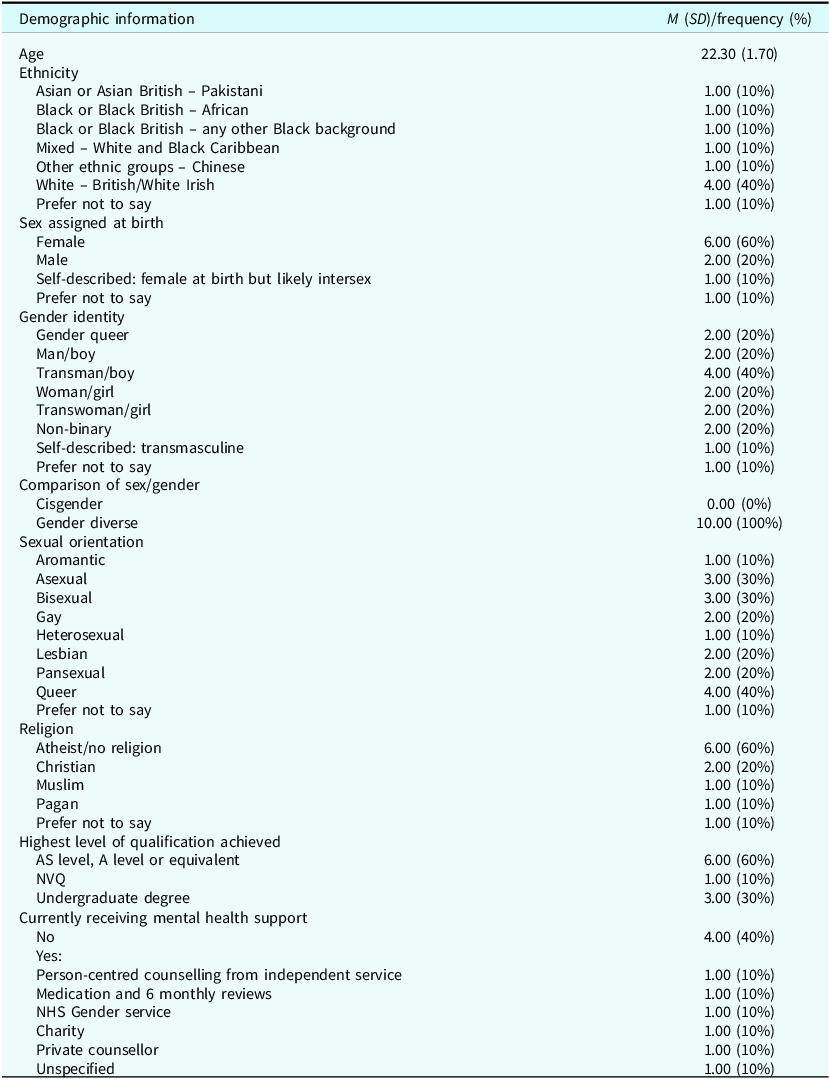
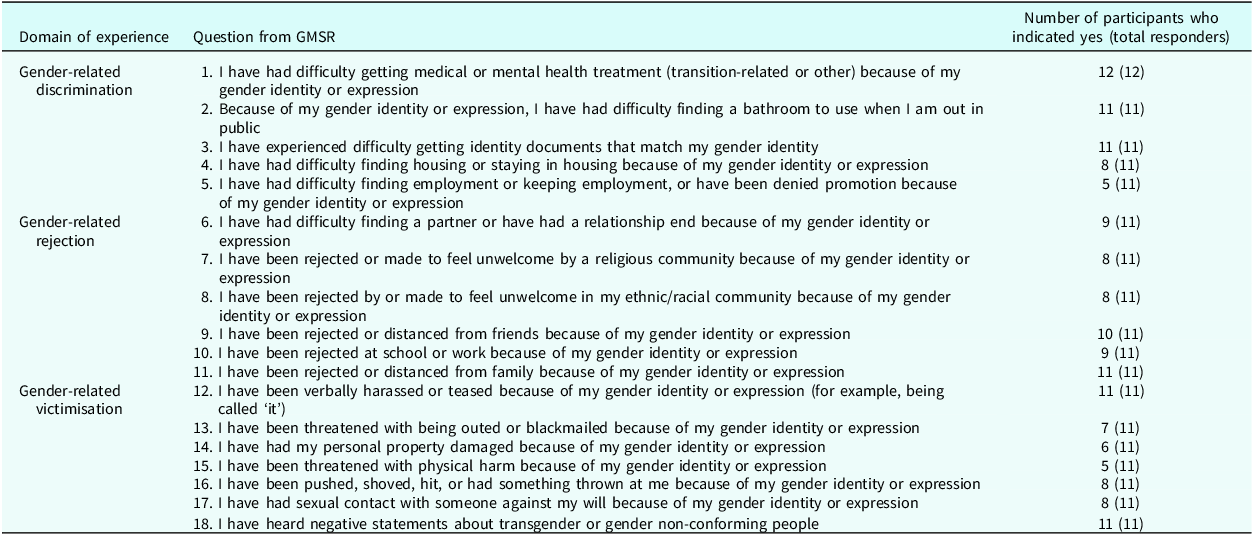

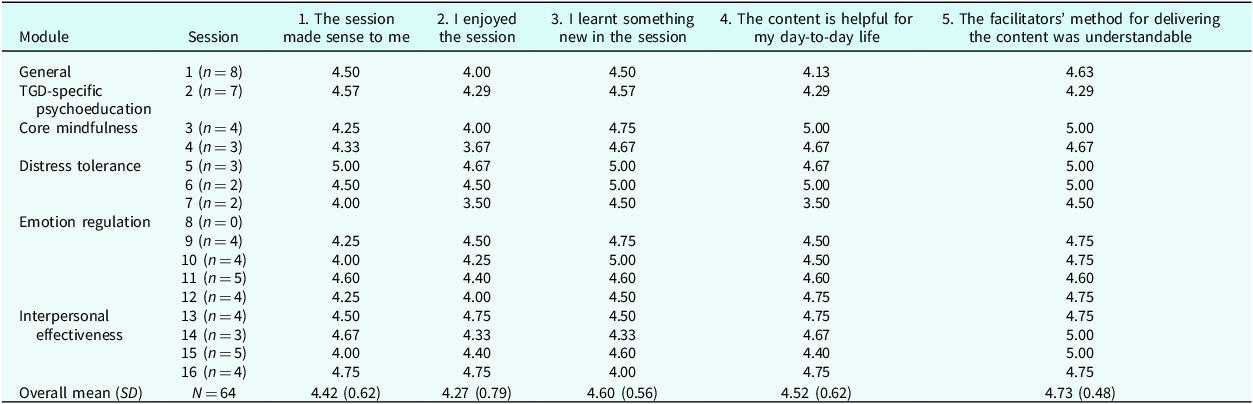
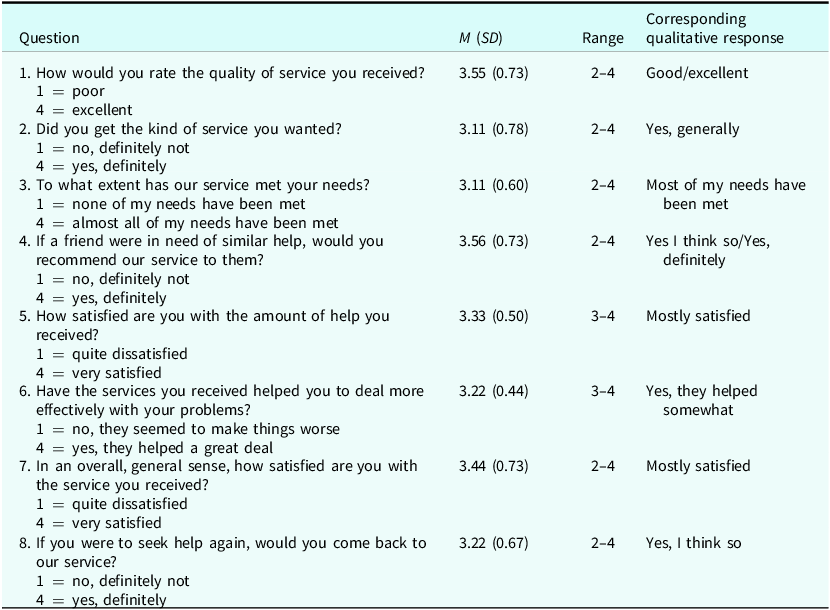
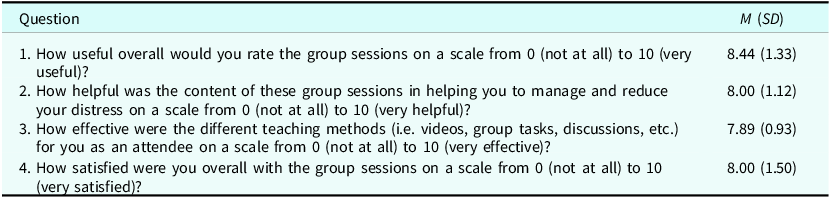
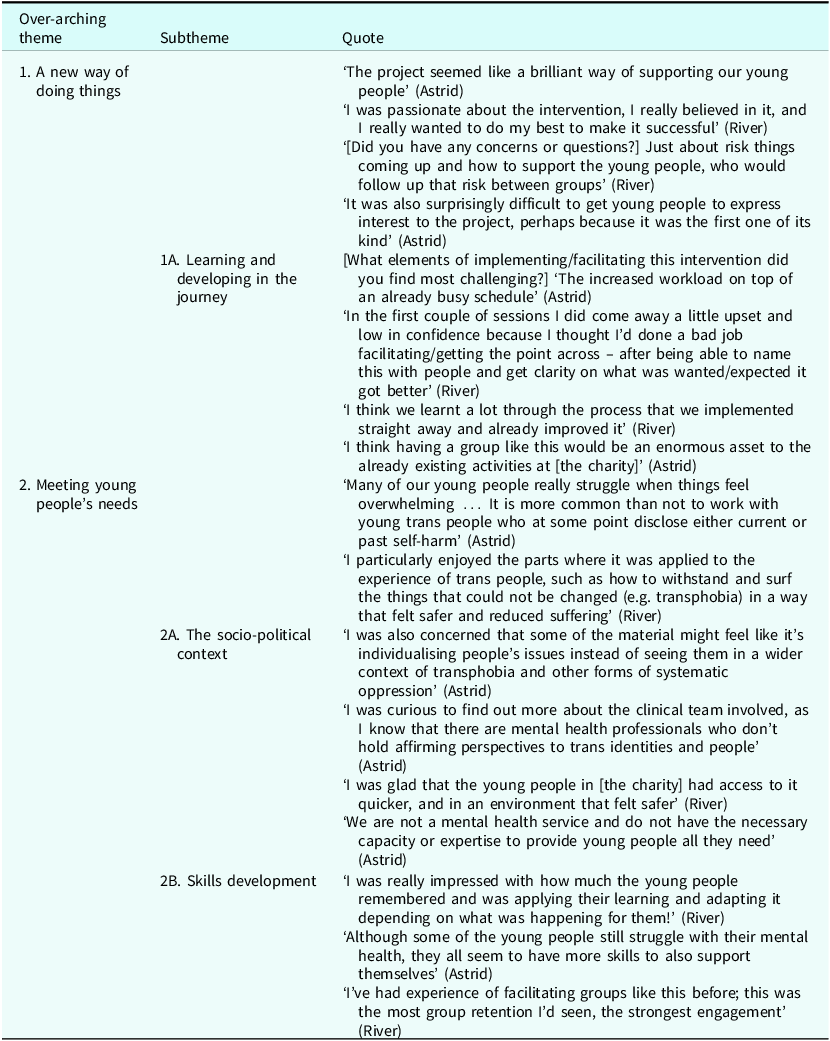

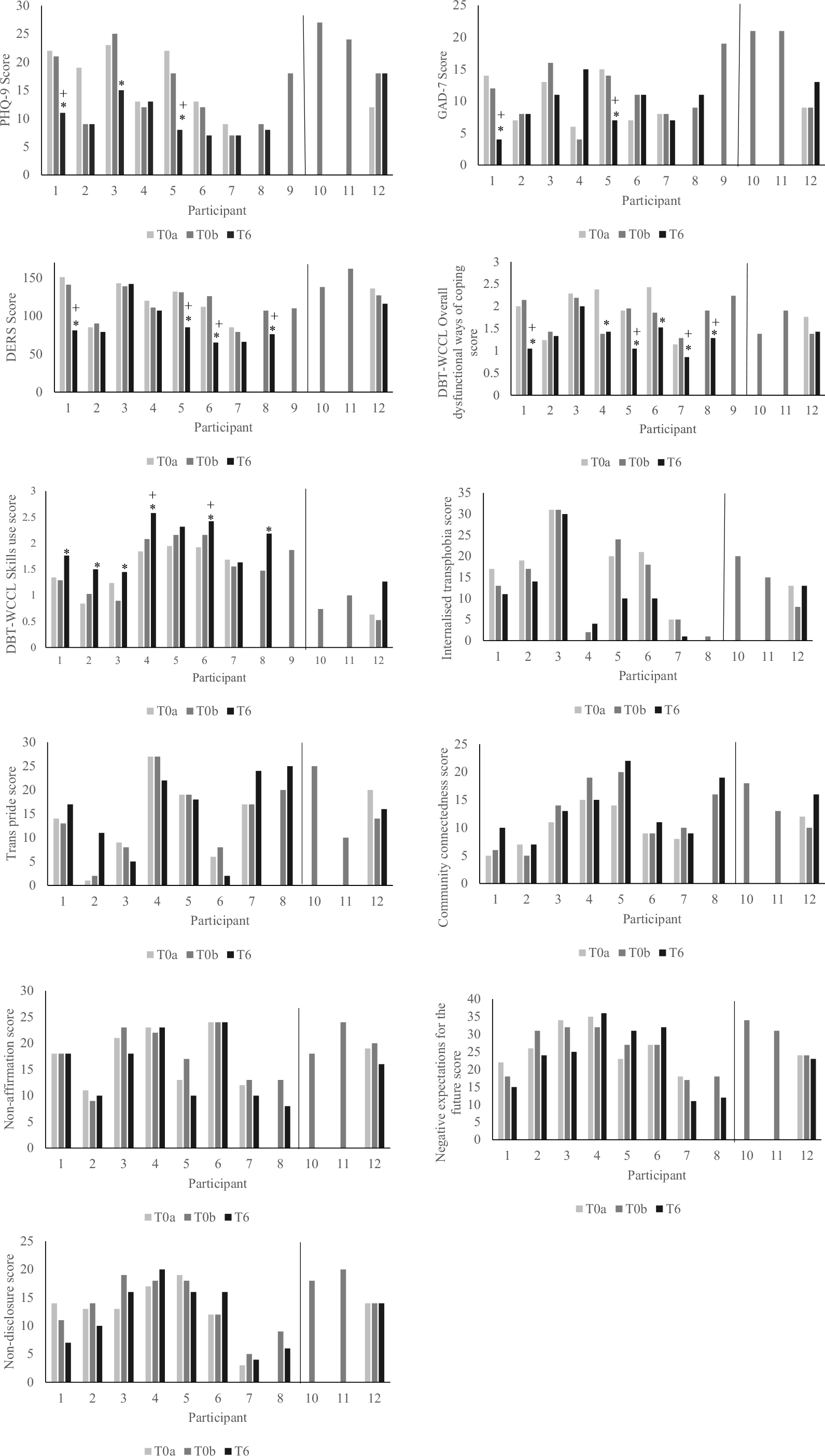
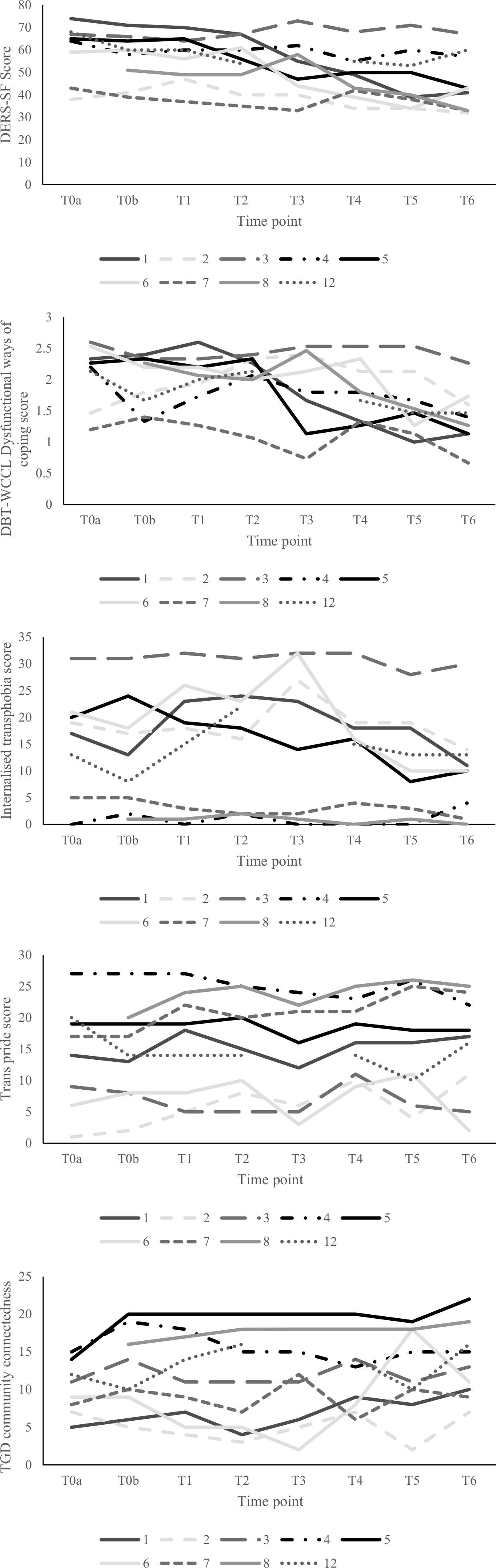
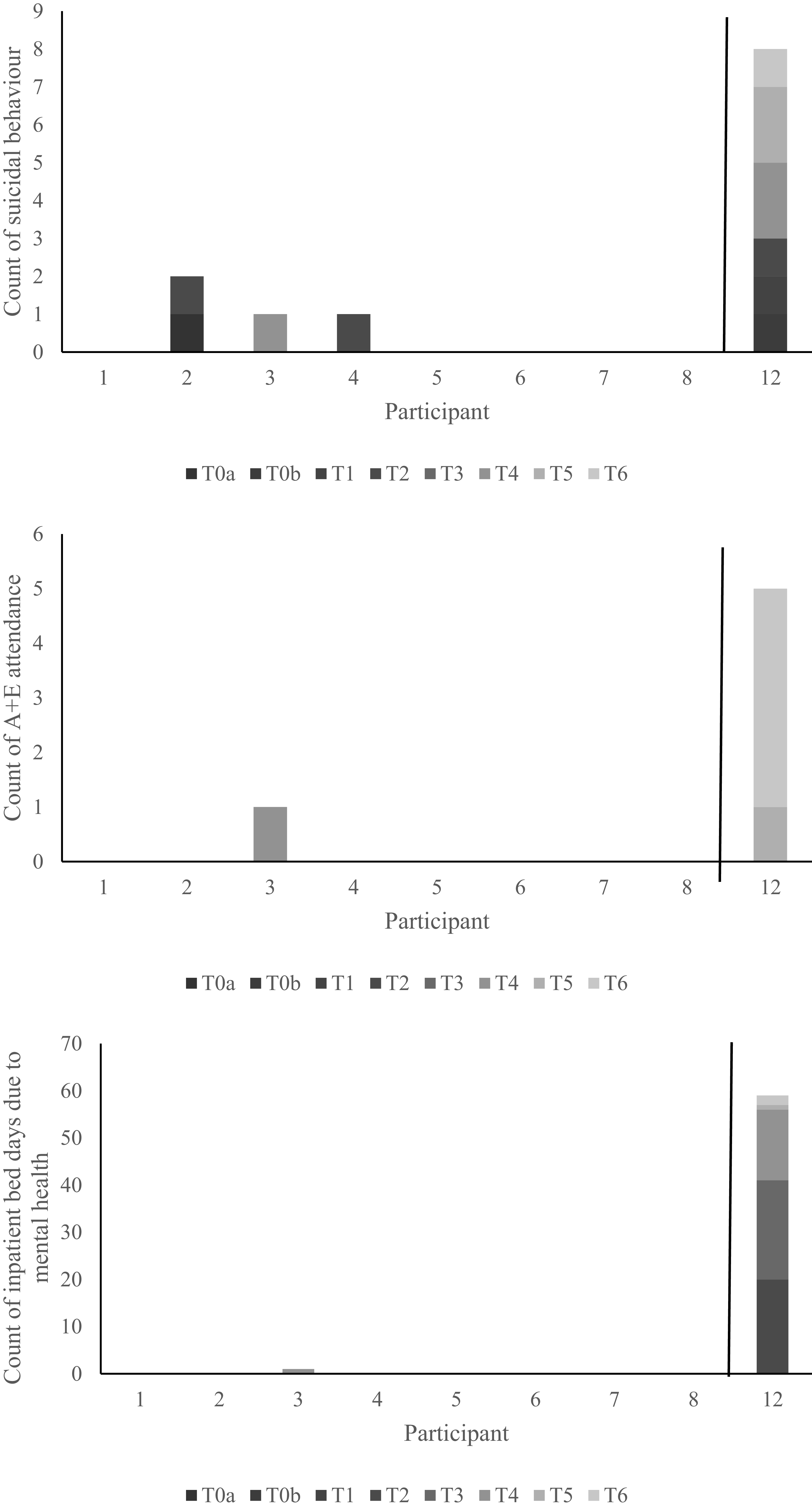


 Open access


Comments
No Comments have been published for this article.