

DISCUSSION POINTS
• Many unique material properties of polyethylene stem from its simple molecular structure. To quote the great Isaac Newton: “Nature is pleased with simplicity. And nature is no dummy.”
• Polyethylene offers an excellent alternative to glasses, combining light weight, flexibility, and optical transparency not only in the visible but also in the infrared spectral range.
• Polyethylene offers an excellent alternative to metals, providing corrosion resistance, higher strength per unit weight, and high thermal conductivity combined with electrical insulation.
• Polyethylene may soon become the material of choice for textile industry, offering a new technological solution for sustainable clothes as well as an opportunity of closing the circular material lifecycle either via a well-established recycling route or via conversion to a new fuel source.
History of polyethylene: from accidental discovery to widespread adoption
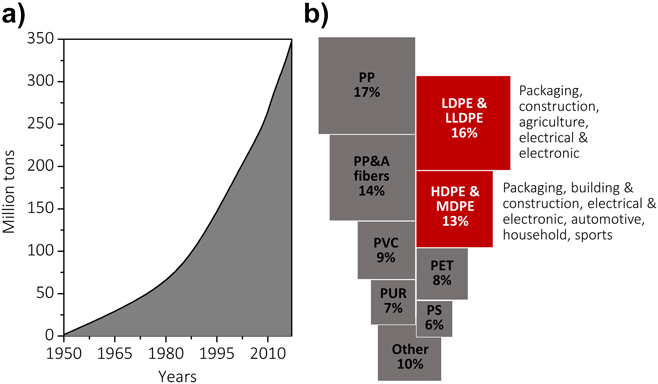
Cheap, lightweight, flexible, and durable polymers are increasingly used across different sectors of economy [Fig. 1(a)], from construction and automotive industries to food packaging to wearables and water filtering. Among many mass-produced polymers—or, as we often refer to them, plastics—polyolefins (i.e., polyethylene and polypropylene) dominate the global markets [Fig. 1(b)].Reference Geyer, Jambeck and Law1 Polyolefins are versatile thermoplastics, which can be produced from oil and natural gas, easily processed at low cost, and recycled at the end of their lifetime. Polyolefins—especially polyethylene—show excellent resistance to most inorganic acids, alkalis, alcohols, fatty oils, food chemicals, detergents, and aqueous solutions, which rapidly corrode metals.
Worldwide plastic production statistics. (a) In 2017, around 350 million tons of plastic were produced worldwide. (b) Polyethylene comprises nearly 30% of all the plastic production, owing to its widespread use across many industries and consumer marketsReference Geyer, Jambeck and Law1 [PP = polypropylene, PP&A = acrylic, PVC = polyvinylchloride, PET = polyethylene terephthalate (polyester), PUR = polyurethane, PS = polystyrene].

The first official record of the successful formation of polyethylene was completely unremarkable and read “waxy solid found in reaction tube.” This was a note that Reginald O. Gibson made in his lab notebook in 1933 after he and Eric W. Fawcett, Gibson’s colleague at the Imperial Chemical Industries (ICI) Research Laboratory in the United Kingdom, discovered a leak in the autoclave where they ran a reaction between ethylene and benzaldehyde under elevated pressure.Reference Trossarelli and Brunella2,Reference McMillan3 At first glance, this looked like another failure in the long streak of failures the ICI researchers experienced in their quest to make chemical compounds react with each other at high pressures. Little they knew that this “failure” will eventually lead to the discovery of polyethylene, a new revolutionary material, which by the year 2018 will reach annual production levels of 99.6 million metric tons, valued at $164 billion.Reference Geyer, Jambeck and Law1
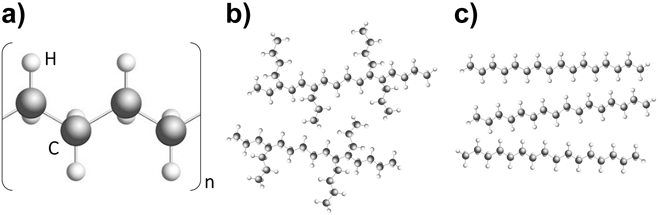
Patented by ICI in 1936,Reference Fawcett and Gibson4 the noncorrosive low-density polyethylene (LDPE) plastic produced under high pressure [Figs. 2(a) and 2(b)] found its first commercial application in the underwater cable coatings. Ultra-light weight and good electrical insulation properties quickly led to its critical military applications as radar insulation during the Second World War (WWII), allowing to reduce the weight of radars placed on airplanes. New polymerization chemistries based on the use of catalysts and not requiring high pressure have been developed after the WWII. These led to the invention of high-density straight-chain polyethylene (HDPE) in 1953 by Karl Ziegler of the Kaiser Wilhelm Institute for Coal Research in Germany [Fig. 2(c)],Reference Ziegler, Breil and Martin5,Reference Ziegler, Heinz, Erhard and Heinz6 who was awarded the 1963 Nobel Prize for Chemistry.
(a) Simple molecular structure of polyethylene includes no ionic bonds or polar groups typical for other polymers. (b) Branched structure of LDPE molecules compared to the linear chain structure typical for HDPE and UHMWPE (c).

Linear polymer chains of HDPE [Fig. 2(c)], which typically contain about 500,000 atomic units, can be packed much closely together compared with the branched ones, yielding a dense, strong, and highly crystalline material useful for making lightweight and unbreakable bottles, appliance housings, and construction. In contrast, LDPE, which contains a mixture of short and long branches, exhibits lower crystallinity and thus higher material flexibility, making it a material of choice in packaging, wire and cable insulation, and toys. One toy in particular helped to shape the future of the polyethylene industry in 1950s, when the invention of the hula-hoop allowed the polyethylene manufacturers to use accumulated large amounts of lower-quality LDPE prone to cracking and to switch to the production of higher-quality polyethylene materials. By using different catalysts and polymerization methods, various forms of polyethylene can now be routinely produced, including linear LDPE featuring short linear molecules, LDPE, HDPE, the in-between medium-density polyethylene, cross-linked linear polyethylene, and ultra–high molecular weight polyethylene (UHMWPE) containing 3–6 million atomic units.Reference Hogan and Banks7,Reference White8
Early on, excellent anti-corrosive, thermal, and electrical insulation properties of polyethylene made it a valuable material for sustainable manufacturing of electric and communication cables and equipment, allowing to prevent power loss and thus preserve the strength of the transmitted signal.Reference Trossarelli and Brunella2,Reference Demirors, Thomas and Rasmussen9 While the original metal-coated transatlantic telegraph cable laid down in 1850s functioned for only three weeks and was plagued by the insulation deterioration issues, modern cable networks exhibit stable operation, in no small part owing to the excellent insulating performance of polyethylene.
Unique optical properties of polyethylene fuel applications in clean energy and water nexus
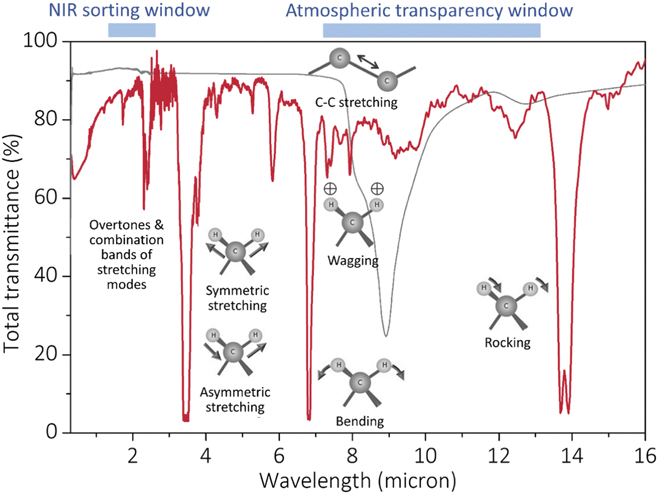
Emerging applications of polyethylene in renewable energy and sustainable management of potable water resources stem from other interesting properties of this versatile material. Simple molecular structure of polyethylene [Fig. 2(a)] translates into its low absorptance not only in the visible part of the electromagnetic spectrum but also in most of the near- and mid-infrared spectral ranges (Fig. 3).Reference Krimm, Liangt and Sutherland10–Reference Hsu, Song, Catrysse, Liu, Peng, Xie, Fan and Cui13 High transmittance of polyethylene and other plastics in the solar spectral range spanning the visible and the near-infrared wavelengths have long made them attractive materials for greenhouse covers and other agricultural and horticultural uses.Reference Betts, Parsons and Brett14,Reference Espí, Salmerón, Fontecha, García and Real15 In addition to keeping the plants in greenhouses warm, polyethylene covers transparent in the solar radiation range find increasing use in solar thermal technologies, most notably in the solar water treatment and desalination.
Transmittance of the UHMWPE film of 125 μm thickness (red line).Reference Lozano, Hong, Huang, Zandavi, El Aoud, Tsurimaki, Zhou, Xu, Osgood, Chen and Boriskina48 The transmittance spectrum of a window glass is plotted for the comparison as a gray line. Insets illustrate the origin of major absorption peaks in the polyethylene infrared spectrum. Near-infrared overtones of stretching modes are typically used as spectral fingerprints to identify polyethylene during the automated sorting process at recycling plants. Mid-infrared transparency window of polyethylene overlaps with the transparency window of the Earth’s atmosphere, enabling the use of polyethylene in radiative cooling and atmospheric water harvesting applications.

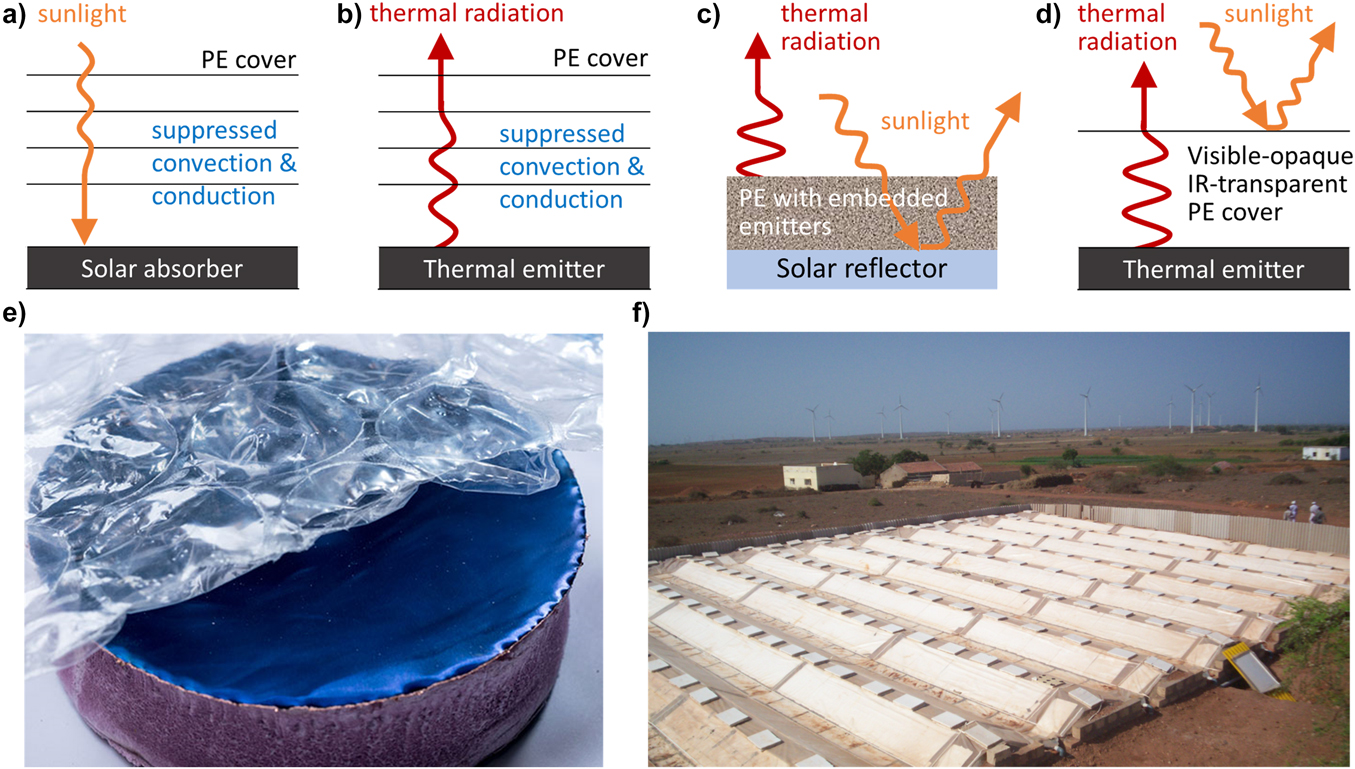
Solar distillation uses sunlight to heat a solar absorber immersed in seawater, brackish water, or bacteria-infested water to promote water evaporation [Fig. 4(a)].Reference Tiwari, Singh and Tripathi16–Reference Elimelech and Phillip18 Water vapor, which is free of salts, bacteria, and other contaminants, can then be condensed and collected, thus providing a clean source of fresh potable water. Traditionally, glass panels have been integrated as transparent covers of solar stills, whose internal surfaces were also used to condense vapor. New solar still designs make use of transparent polyethylene films as covers, which reduce the still weight and cost dramatically, and enable new self-cleaning solar still designs that can float on the water surfaces.Reference Ni, Zandavi, Javid, Boriskina, Cooper and Chen19–Reference Ni, Li, Boriskina, Li, Yang, Zhang and Chen23 Low weight and high transparency of polyethylene also allow designing multiple layer covers [Fig. 4(a)] and covers with embedded air bubbles [Fig. 4(e)].Reference Chiavazzo, Morciano, Viglino, Fasano and Asinari22,Reference Cooper, Zandavi, Ni, Tsurimaki, Huang, Boriskina and Chen24,Reference Ni, Li, Boriskina, Li, Yang, Zhang and Chen25 Such covers help to suppress convection and conduction of solar heat away from the absorber, increasing its temperature and thus boosting the efficiency of fresh water production.
(a) Daytime solar heating for solar energy harvesting and solar water treatment, (b) nighttime radiative cooling, (c) daytime radiative cooling, (d) passive radiative cooling of human body in daytime and nighttime. (e) Floating solar still with a convection and conduction blocking cover, enabling boiling of water under one sun illumination (reproduced from Ref. Reference Ni, Li, Boriskina, Li, Yang, Zhang and Chen25). (f) Radiative-cooling enabled dew collection farm in India (reproduced from Ref. Reference Sharan53).

Most polymers—including natural cellulose and silk as well as synthetic materials such as polyester and acrylic glasses—are highly absorptive in the mid-to-far infrared spectral range. Material absorptance of polymers in this range is typically driven by photoactivation of vibrational modes associated with stretching, twisting, bending, etc., of various chemical bonds in these complex organic molecules.Reference Krimm, Liangt and Sutherland10,Reference Okada and Mandelkern26 In contrast, the absence of many types of bonds in the polyethylene molecule (Fig. 2) limits the number of the corresponding absorption peaks in its mid-infrared spectrum, while presenting characteristic fingerprinting peaks in the near-infrared range (Fig. 3), which can be used for automated sorting during recycling process.Reference Eisenreich and Rohe27 Most notably, polyethylene is very transparent in the so-called atmospheric transparency window between 7 and 14 μm in wavelength (Fig. 3). Most natural and manufactured materials, including vegetation, soil, conventional roofs, road pavement, and animal and human skins, have high emittance in this wavelength window. Likewise, window glass made of silicon dioxide (SiO2) and most other conventional low-cost glasses have strong absorption bands in the mid-infrared spectral range, caused by the excitation of phonon-polariton modes in these polar materials.Reference Inampudi, Cheng, Salary and Mosallaei28–Reference Boriskina, Tong, Hsu, Liao, Huang, Chiloyan and Chen30 The transmittance spectrum of a window glass pane is plotted as thin gray line in Fig. 3 together with the corresponding spectrum for a polyethylene sheet (thick red line) to illustrate the differences in their infrared spectra within the atmospheric transparency window. The Earth’s atmosphere is largely transparent within this range, allowing the mid-infrared radiation emitted by terrestrial objects to escape the Earth surface, a phenomenon that underlies the overall terrestrial temperature balance.
Passive radiative cooling of terrestrial objects via radiation exchange with the outer space provides a sustainable heat-dissipation strategy to mitigate the negative effects of waste heat generation, which accompanies the ever-increasing pace of energy production and to prevent recurring energy crises.Reference Bermel, Boriskina, Yu and Joulain31–Reference Li, Shi, Chen and Fan34 Buildings refrigeration is one of the most energy-intensive technology sectors in the developed countries, representing about 20% of their overall energy consumption.Reference Hoyt, Arens and Zhang35,Reference Strobach and Boriskina36 Most current air-conditioning systems are based on vapor-compression refrigeration, where the heat energy is removed from the building and transferred to the building’s immediate environment. However, in dense urban areas, the heat energy discharged from AC units often contributes to the heat island effect—a raise of the local ambient temperature up to 2 °C—thus further increasing the need for cooling.
The extra low temperature of the outer space in principle allows for radiative cooling of terrestrial objects such as building roofs to the temperatures below ambient at nighttime. However, to prevent the roof surface heating by air convection, this surface needs to be protected by an infrared-transparent cover [Fig. 4(b)]. Polyethylene films have long been used to provide such convection-blocking IR-transparent covers, allowing for efficient nighttime radiative cooling of buildings.Reference Eriksson, Lushiku and Granqvist37–Reference Smith, Gentle, Arnold and Cortie39 The daytime radiative cooling is more challenging, as the thermal radiation process has to compete with roof materials heating via sunlight absorption. Recently, this challenge has been met by the development of spectrally selective surfaces that efficiently reflect sunlight and simultaneously emit mid-infrared radiation.Reference Granqvist, Hjortsberg and Eriksson40–Reference Boriskina, Green, Catchpole, Yablonovitch, Beard, Okada, Lany, Gershon, Zakutayev, Tahersima, Sorger, Naughton, Kempa, Dagenais, Yao, Xu, Sheng, Bronstein, Rogers, Alivisatos, Nuzzo, Gordon, Wu, Wisser, Salleo, Dionne, Bermel, Greffet, Celanovic, Soljacic, Manor, Rotschild, Raman, Zhu, Fan and Chen47 Broadband transparency of polyethylene (Fig. 3) makes it an ideal optically neutral host material to achieve such spectral selectivity by embedding a variety of nanoscale and microscale particles into the polymer matrix.Reference Lozano, Hong, Huang, Zandavi, El Aoud, Tsurimaki, Zhou, Xu, Osgood, Chen and Boriskina48 For example, a polyethylene particle composite can be engineered to scatter and reflect solar light and to emit thermal radiation into the outer space through the atmospheric transparency window, enabling passive radiative cooling in both daytime and nighttime [Fig. 4(c)].
Furthermore, cooling of the surfaces to the temperatures below ambient may promote dew condensation, enabling harvesting of the atmospheric vapor for drinking and irrigation in areas with limited freshwater resources [Fig. 4(f)]. Size-engineered micro-particles that provide narrowband thermal radiation within the atmospheric transparency window can be made of silica (SiO2), barium sulfate (BaSO4), and titanium dioxide (TiO2), while TiO2 and zinc oxide (ZnO) nanoparticles can also provide efficient solar radiation blocking owing to strong scattering of the short-wavelength radiation. Polyethylene sheets with embedded particles have been demonstrated to achieve large-scale dew collection in various geographic locations, ranging from Tanzania to Sweden to Saudi Arabia and India [Fig. 4(f)].Reference Guan, Sebben and Bennett49–Reference Sharan53
Polyethylene clothes can be cool and environmentally friendly
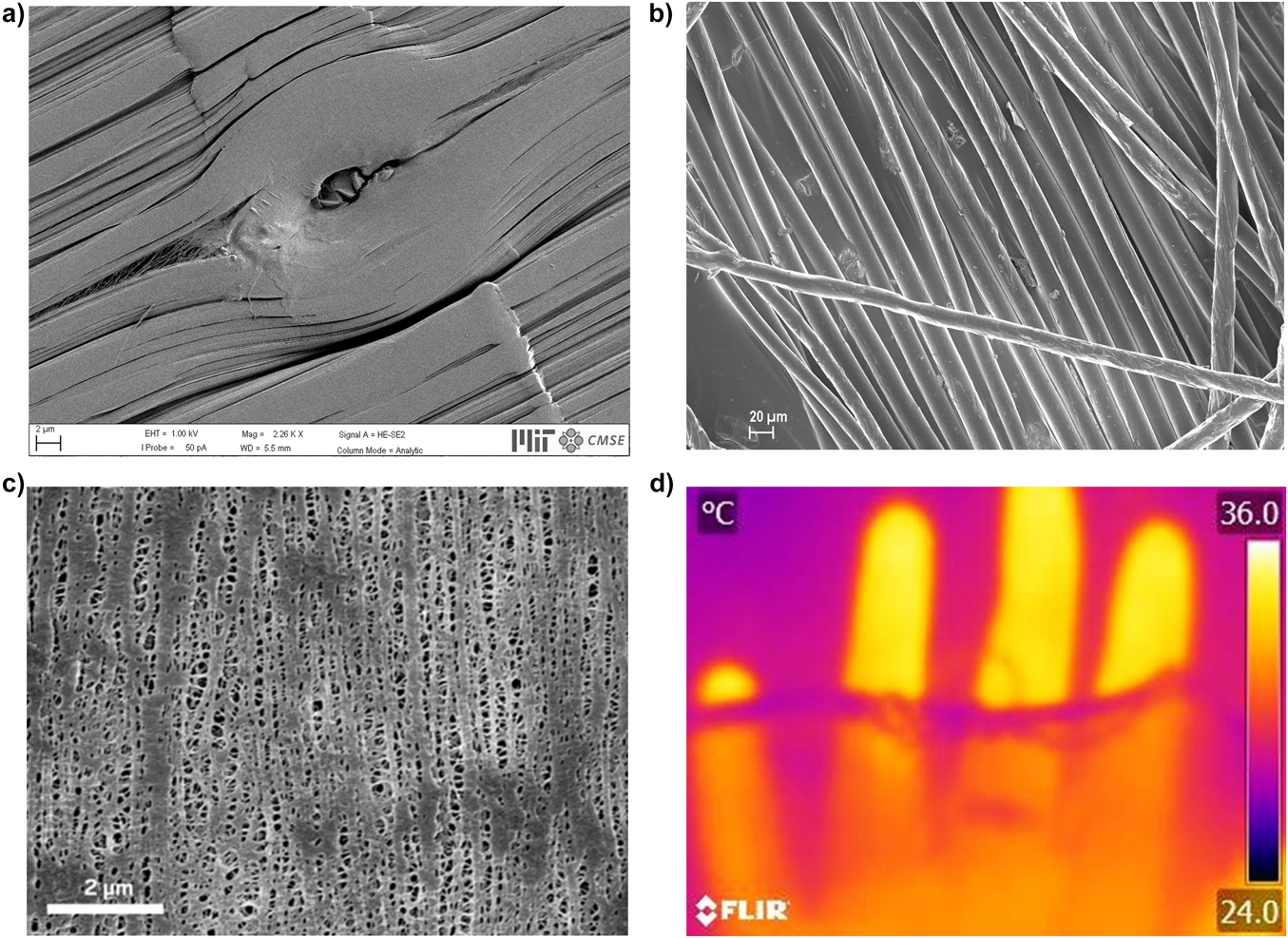
In addition to using embedded nanoparticles to scatter visible light [Fig. 5(a)], the structure of the polyethylene itself can be engineered to achieve blocking of the solar radiation without impeding efficient transmittance of the mid-infrared radiative heat [Figs. 5(b) and 5(c)]. Polyethylene fibers with diameters comparable to or larger than the wavelength of the solar radiation (∼0.3–3 μm) can be used to fabricate visible-opaque yet infrared-transparent fabrics. Fabrics woven or knitted from such fibers scatter and reflect the short-wavelength light visible to human eye but remain transparent to radiation with longer infrared wavelengths, which are larger than the fiber diameters. As such, polyethylene fabrics can provide visual opacity but allow the radiative heat from the human skin to escape, promoting passive cooling mechanism not available in conventional clothing. Furthermore, properly sized pores in polyethylene films can achieve the same effect of scattering the visible light and letting the thermal radiation through as the properly sized fibers in woven, knitted, or non-woven fiber-based fabrics.Reference Hsu, Song, Catrysse, Liu, Peng, Xie, Fan and Cui13,Reference Bhatia, Leroy, Shen, Zhao, Gianello, Li, Gu, Hu, Soljačić and Wang54 Figure 5(d) shows an infrared camera image, which illustrates how human body covered by visibly opaque white polyethylene fabric cools radiatively via transmission of the emitted body heat through the fabric. The ability to control the transmittance properties of the polyethylene fabrics in a broad spectral range by engineering the fiber/pore sizes offers a variety of useful applications in wearable technologies, bedding, bandages, tents, and apparel.Reference Tong, Huang, Boriskina, Loomis, Xu and Chen11,Reference Boriskina, Tong, Hsu, Liao, Huang, Chiloyan and Chen30,Reference Yang, Cai, Zhang, Wang, Hsu, Wang, Zhou, Xu and Cui55–Reference Boriskina, Zandavi, Song, Huang and Chen58
Strategies for engineering visible-opaque infrared-transparent polyethylene covers. (a) Polyethylene films with embedded nanoparticles, (b) polyethylene shaped into fibers, and (c) polyethylene films with nanopores promote visible light scattering without blocking infrared transparency of the material. (d) Infrared camera image of a human hand covered by the infrared-transparent visible-opaque polyethylene knitted fabric made at MIT.Reference Zandavi, Huang, Ni, Pang, Osgood, Kamal, Jain, Chen and Boriskina57

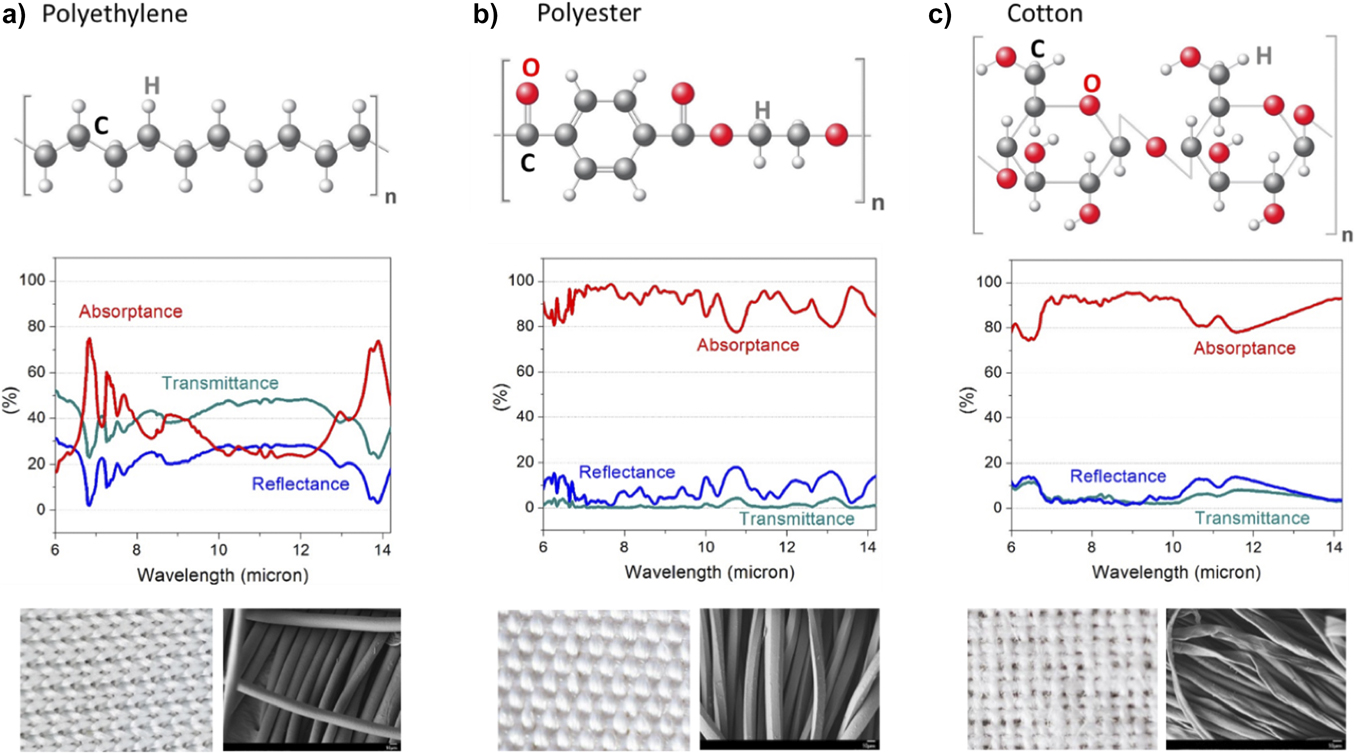
Such control is impossible in fabrics made from other conventional polymer materials, whether natural or synthesized, including polyester, cotton, and linen.Reference Tong, Huang, Boriskina, Loomis, Xu and Chen11 These polymers have more complex molecular structure, which translates into their broad multi-band infrared absorption spectra. Figure 6 compares the molecular structures (top row) and the corresponding infrared transmittance, absorptance, and reflectance spectra (middle row) of three fabrics made of polyethylene, the most common type of polyester used in textile industry (polyethylene terephthalate, PET), and cotton (cellulose). The bottom row shows the photographs of the fabrics and their scanning electron microscopy images, which reveal the fiber sizes. Although all the fabrics are made of fibers of comparable size (∼15 μm in diameter), only the polyethylene textile exhibits infrared transparency reaching 50% in the atmospheric transparency window. Decreasing the fiber diameter enables to further increase the infrared transparency of the polyethylene fabrics.
Infrared absorptance, transmittance, and reflectance spectra of polyethylene (a) compared with those of common textiles [polyester (b) and cotton (c)]. The top row shows the molecular structures of the three polymers, the middle row—their corresponding infrared spectra, and the bottom row—the optical and the scanning electron microscopy (SEM) images of the fabric samples. The scale bars on all the SEM images are equal to each other and measure 10 μm.

The passive radiative cooling mechanism mediated by the fabrics infrared transparency not only promotes thermal comfort but also potentially enables significant energy savings required for the buildings cooling.Reference Tong, Huang, Boriskina, Loomis, Xu and Chen11,Reference Hsu, Song, Catrysse, Liu, Peng, Xie, Fan and Cui13,Reference Chen, Tong, Boriskina, Huang, Loomis and Xu59 The calculations show that a person wearing clothes made of 50% infrared transparent material would experience the same level of personal thermal comfort at the ambient temperature of 26 °C as the person wearing a cotton or a polyester clothing at 25 °C. Clothes that are 70% transparent in the infrared would provide the same comfort level at ambient temperature of 27 °C.Reference Tong, Huang, Boriskina, Loomis, Xu and Chen11 While a couple of degrees does not seem like much of a difference, decreasing the air conditioner temperature setpoint by 1–2° in summer may save up to 30% of energy used to cool the buildings (depending on the outdoor temperatures).Reference Hoyt, Arens and Zhang35
It should be noted that UHMWPE Dyneema fibers manufactured by DSM, Heerlen, NetherlandsReference Fukushima, Murase and Ohta60,Reference Simmelink, Mencke, Jacobs and Marissen61 are already used in fabricating specialty wearables, including body armor and helmets (as a lightweight alternative to Kevlar) and in abrasion-resistant clothing and hand wear. On the other hand, non-woven micro-fibrous Tyvek HDPE materials produced by DuPont, Midland, Michigan62 are used in laboratory wear. Although the above applications of polyethylene materials are driven by the material strength and humidity/chemical insulation properties rather than passive thermoregulation, they offer promise for easy adoption of polyethylene in everyday wearable applications.
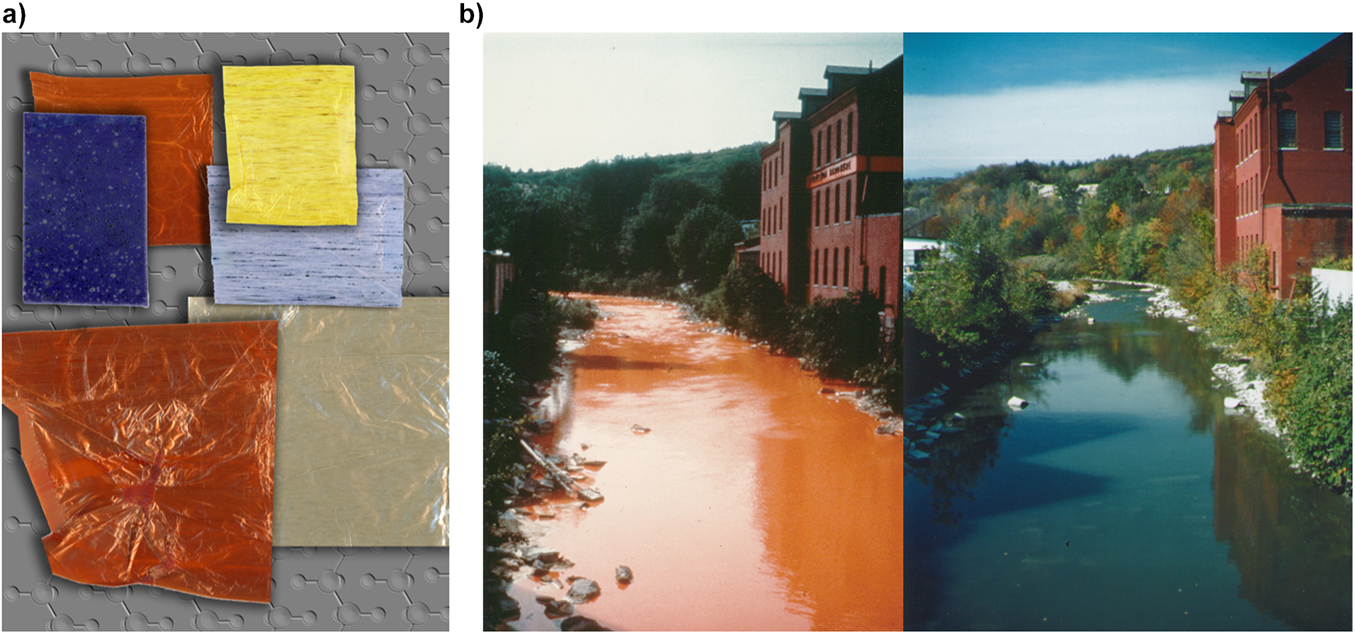
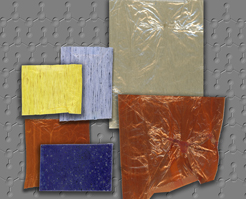
Polyethylene films and fabrics can also be colored in a variety of hues other than white by embedding nanoparticles with the spectrally selective scattering characteristics [Figs. 5(a) and 7(a)].Reference Lozano, Hong, Huang, Zandavi, El Aoud, Tsurimaki, Zhou, Xu, Osgood, Chen and Boriskina48 A typical approach to adding color to conventional fibers and textiles relies on immersing them in aqueous solutions of dyes (often mixed with other toxic chemicals that form a bond with the dye to make it insoluble). To ensure color fastness, dyed fabric or yarn is then washed over and over again in hot water. About 200 L of water is used to produce 1 kg of textile, producing large amounts of wastewater contaminating the environment [Fig. 7(b)].Reference Ghaly, Ananthashankar, Alhattab and Ramakrishnan63 Environmental regulations imposed by the United States and European countries at the end of the last century forced the textile industry to relocate to new geographical locations, mostly in Asia. However, since 2017, tens of thousands of textile dyeing factories in China (amounting to ∼30% of global capacity) were forced to close due to their environmental risks. Indian government has also started taking steps to reel in the textile industry to save precious water resources.Reference Bomgardner64 The lack of ionic bonds or polar groups (Fig. 2) does not allow for conventional dyeing techniques to be applied to add color to polyethylene fibers and films. Traditionally, this presented a hurdle in using polyethylene in the textile production. The current trend in the global textile industry toward tightening environmental standards, however, favors the efforts in developing sustainable coloring technologies that significantly reduce water use and waste, and yield fabrics with good colorfastness performance. Embedding colorants into polyethylene fibers and films during their fabrication by extrusion, solvent casting, gel, or melt spinning does not require significant water usage. Furthermore, it generates colored materials with colorants firmly trapped between polymer chains [Fig. 5(a)], offering promise for good color fastness performance. The use of nonconventional coloring agents such as inorganic nanoparticles also helps to reduce colored polyethylene materials heating under solar illumination, while maintaining their transparency for infrared radiation.Reference Lozano, Hong, Huang, Zandavi, El Aoud, Tsurimaki, Zhou, Xu, Osgood, Chen and Boriskina48,Reference Cai, Peng, Xu, Zhou, Zhou, Wu, Lin, Fan and Cui65
(a) Polyethylene films colored by embedding organic and inorganic particle colorants into the polymer matrix (Image credit: Felice Frankel, MIT). This coloring process does not require large water usage and does not produce toxic wastewater typical for standard polymer water-dipping dyeing techniques. (b) Nashua River in Massachusetts in the 1960s before (left) and in the 1970s after (right) building of new wastewater treatment plants that removed paper dyes from the river. This illustrates the risk to China and other countries in Asia without wastewater treatment plants, where the rivers are presently being polluted by conventional dyes (Image credit: Nashua River Watershed Association Archives).

Material by design: from thermal insulator to metal-like conductor
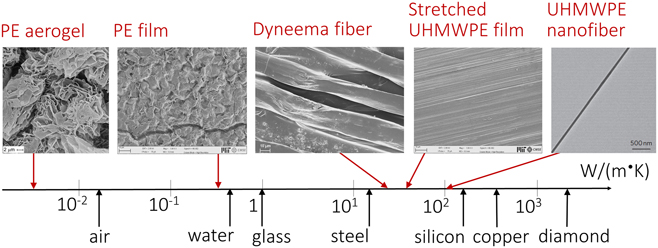
Polyethylene, like most organic polymers, is a partially amorphous, partially crystalline material and a poor heat conductor, which exhibits thermal conductivity between those of air and water, and is often used as a thermal insulation material (Fig. 8). Thermal conductivity of polyethylene can be further reduced by casting it in the form of porous aerogels and foams, where the presence of nanoscale air pockets inhibits the already inefficient heat transport (Fig. 8).Reference Daniel, Longo and Guerra66,Reference Attia67 At the other extreme, carbon-based materials, such as diamond, have proven to be the best heat conductors and exhibit thermal conductivities exceeding those of metals. However, polyethylene molecule has a carbon chain backbone (Fig. 2), offering potential to achieve high thermal conductivity via microstructure engineering of linear form polymer molecules [Fig. 2(c)]. Indeed, isolated and stretched polyethylene nanofibers have been recently demonstrated to provide record thermal conductivity exceeding that of most metals.Reference Shen, Henry, Tong, Zheng and Chen68 Stretched highly crystalline polyethylene films and fibers, where individual molecules are co-oriented, also provide ultra-high thermal conductivity (Fig. 8).Reference Loomis, Ghasemi, Huang, Thoppey, Wang, Tong, Xu, Li, Lin and Chen69–Reference Wang, Ho, Segalman and Cahill74
Thermal conductivity of polyethylene can be engineered to span a wide range from metal-like to lower-than-air values. Scanning electron microscopy images reveal the internal structure of polyethylene underlying its thermal conductivity characteristics: high-porosity LDPE aerogel (reproduced from Ref. Reference Daniel, Longo and Guerra66), Dyneema UHMWPE fibers, low-crystallinity isotropic and high-crystallinity anisotropic UHMWPE films (reproduced from Ref. Reference Lozano, Hong, Huang, Zandavi, El Aoud, Tsurimaki, Zhou, Xu, Osgood, Chen and Boriskina48), and UHMWPE nanofiber (reproduced from Ref. Reference Shen, Henry, Tong, Zheng and Chen68).

These properties of crystalline polyethylene films and fibers offer exciting opportunities in using them as transparent and electrically insulating heat exchangers for (opto-)electronics. Highly conductive polyethylene materials have already been successfully used in conduction cooling of superconducting magnets and can help in mitigating formation of hot spots in photovoltaic solar cells, which decrease the cells’ lifetime and decrease their operational efficiency.Reference Takao, Yuhara, Sakuma, Goto and Yamanaka75–Reference Moretón, Lorenzo and Narvarte78 High thermal conductivity of composite polyethylene particle films has also been demonstrated, which promotes lateral heat spreading away from the locally heated area and allows making use of the larger area for passive cooling through radiation.Reference Lozano, Hong, Huang, Zandavi, El Aoud, Tsurimaki, Zhou, Xu, Osgood, Chen and Boriskina48 Wearable technologies can benefit from integrating such thermally conductive films and fibers into clothes to either deliver thermal energy to toes and fingers in cold environments or to remove heat from the armpit areas when the temperature rises.
Closing the material lifecycle
When polyethylene is spun into fibers or stretched to form a highly crystalline film composed of co-oriented long molecules, not only its thermal conductivity but also its material stiffness and tensile strength increase dramatically.Reference Lin, Patel, Cao, Tu, Zhang, Bilotti, Bastiaansen and Peijs70,Reference Romano, Tops, Bos and Rastogi79,Reference Gerrits, Young and Lemstra80 This combination of extreme strength, low weight, and corrosion resistance of crystalline polyethylene fibers and films, which can float on water, can be put to use to mitigate and even reverse the plastic pollution of oceans. Nets made of UHMWPE Dyneema fibersReference Simmelink, Mencke, Jacobs and Marissen61 are already being used by the Ocean Cleanup project, which aims to develop a passive drifting system to naturally move with the ocean currents and capture plastic debris floating in the oceans. If successful, this project will help to clean up half of the Great Pacific Garbage Patch in 5 years, potentially enabling the use of the new forms of polyethylene with unique material properties to solve the problem created in part by the increased use of conventional polyethylene materials in consumer products. New catalytic processes are currently being developed to convert LDPE into a fuel source, which can help to potentially revert vast amount of accumulated waste plastic back in the supply chain.Reference Zhang, Gora-Marek, Watson, Tian, Ryder, Tarach, López-Pérez, Martínez-Triguero and Melián-Cabrera91
In parallel, there are ongoing efforts in increasing degradability of polyethylene products once they reach the end of their lifespan. It is well known in the recycling industry that polyethylene is non-biodegradable under natural environmental conditions owing to its hydrophobic carbon backbone and high molecular weight.Reference Restrepo-Flórez, Bassi and Thompson81 While resistance to bacterial degradation promotes the use of polyethylene in dental and bone implant fabrication,Reference Buxadera-Palomero, Canal, Torrent-Camarero, Garrido, Javier Gil and Rodríguez82–Reference Ridwan-Pramana, Wolff, Raziei, Ashton-James and Forouzanfar84 it presents a hurdle in the management of polyethylene waste. The ongoing research on this issue proceeds in two directions, including isolating and identifying bacterial and fungal species capable of biodegrading polyethyleneReference Kyaw, Champakalakshmi, Sakharkar, Lim and Sakharkar85–Reference Sivan, Szanto and Pavlov88 and enhancing the biodegradation of polyethylene itself either by adding in hydrophilic parameters to its polymer chain or by blending it with other biodegradable polymers.Reference Tokiwa, Calabia, Ugwu and Aiba89,Reference Gurunathan, Mohanty and Nayak90
However, polyethylene waste can be recycled through a well-established process, especially high-density and high-crystallinity polyethylene materials, which are more stable against bacterial degradation. Most recycling companies accept polyethylene waste, which is automatically separated from other plastic debris by using the infrared scanning procedures.Reference Eisenreich and Rohe27 Once separated, the polyethylene waste is shredded, melted down, and then cooled to form pellets for further use in manufacturing. Colorants added to plastic may complicate this procedure, however, if their infrared absorptance spectra mask the polyethylene “infrared fingerprints” (see Fig. 3) used to distinguish it from other plastics. Thus, developing a range of organic and inorganic nanoparticle colorants that do not mask the spectral signature and can be easily removed during the plastic melting process is important to improve the polyethylene recycling procedures.Reference Lozano, Hong, Huang, Zandavi, El Aoud, Tsurimaki, Zhou, Xu, Osgood, Chen and Boriskina48
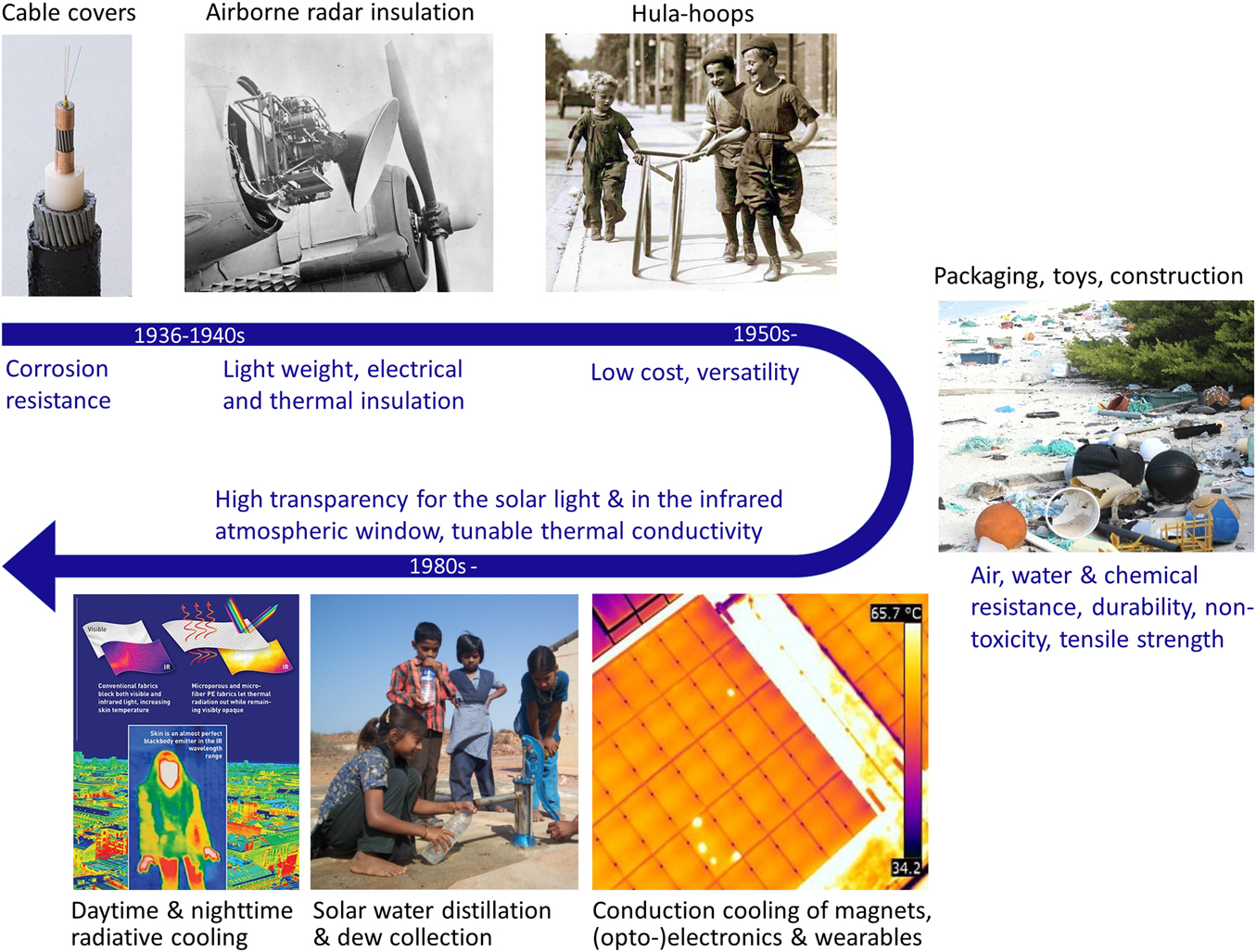
In the decades since its accidental discovery, polyethylene has gone a long way from a soft plastic prone to cracking to one of the strongest and versatile materials currently in use (Fig. 9). Not surprisingly, many industrial applications of polyethylene have emerged during this time and will likely continue to emerge in the near future. High potential of polyethylene for passive radiative and conduction cooling as well as water harvesting applications, together with improved waste treatment and recycling strategies, paves the way to its new exciting applications in addressing sustainability challenges in the water-energy nexus.Reference Boriskina, Raza, Zhang, Wang, Zhou and Zhu92
Material properties of polyethylene drive its past, present, and future industrial applications. In chronological order: light weight and good insulation and anti-corrosive properties promoted early use of LDPE in cable and radar insulation as well as toys. Image credits: Wikimedia Commons (Samples of submarine telecom cables, Author: Lonnie Hagadorn; Royal Air Force Radar, 1939–1945, Author: Royal Air Force official photographer; Boys playing with hoops on Chestnut Street, Toronto, Canada, available via Toronto Public Library). Ever-increasing use of polyethylene in packaging, household items, sports, and leisure equipment increased its waste volume (reproduced from Ref. Reference Borrelle, Rochman, Liboiron, Bond, Lusher, Bradshaw and Provencher93). Engineered high thermal conductivity of polyethylene enables emerging applications of UHMWPE films and fibers in conduction cooling and hot spots mitigation in (opto)-electronics (reproduced from Ref. Reference Gosumbonggot and Fujita77). High optical transparency across most of the solar and infrared spectra makes polyethylene a material of choice for solar water treatment, atmospheric water collection (adapted from Ref. Reference Sharan53), and passive radiative cooling (Image by Alessia Kirkland; adapted with permission from Ref. Reference Boriskina, Zandavi, Song, Huang and Chen58; © 2017, The Optical Society, OPN).

Acknowledgments
The author thanks Gang Chen, Marcelo Lozano, Yanfei Xu, Yi Huang, Jonathan K. Tong, Seongdon Hong, Richard M. Osgood III, Jiawei Zhou, George Ni, Hadi Zandavi, Thomas A. Cooper, TieJun Zhang, Pietro Asinari, and Matteo Fasano for useful discussions, and U.S. Army (via the CCDC Soldier Center and the MIT Institute for Soldier Nanotechnologies), Advanced Functional Fabrics of America (AFFOA), MIT International Science and Technology Initiatives (MISTI), MIT Deshpande Center, UNSW-USA Networks of Excellence, Minifibers, Inc., and Shingora Textiles for financial and in-kind support.