Introduction
It is estimated that almost 129 000 individuals in the Republic of Ireland and more than 28 million individuals worldwide are living with a cancer diagnosis (DeSantis et al. Reference DeSantis, Siegel and Jemal2012, Reference DeSantis, Lin, Mariotto, Siegel, Stein, Kramer, Alteri, Robbins and Jemal2014; National Cancer Registry Ireland, 2012; de Moor et al. Reference de Moor, Mariotto, Parry, Alfano, Padgett, Kent, Forsythe, Scoppa, Hachey and Rowland2013; Levit et al. Reference Jacobsen and Andrykowski2013; Edwards et al. Reference Edwards, Noone, Mariotto, Simard, Boscoe, Henley, Jemal, Cho, Anderson, Kohler and Eheman2014; Stewart & Wild, Reference Stewart and Wild2014; Stanton et al. Reference Stanton, Rowland and Ganz2015). Increased survival rates are attributed to a number of factors including improvements in early detection and treatment (de Moor et al. Reference de Moor, Mariotto, Parry, Alfano, Padgett, Kent, Forsythe, Scoppa, Hachey and Rowland2013; Stanton et al. Reference Stanton, Rowland and Ganz2015). With the rapid expansion in the number of people surviving cancer globally, there is an increasing demand to address the pressing psychological and physical needs of cancer survivors. Although adults diagnosed with cancer generally demonstrate positive psychosocial adjustment over time (Stanton et al. Reference Stanton, Rowland and Ganz2012, 2015) a critical subset are at risk for compromised physical and psychological health.
When compared with normative populations, cancer patients undergoing diagnosis and treatment demonstrate elevated symptoms of depression and anxiety (Jacobsen & Andrykowski, Reference Kim, Carver, Spillers, Love-Ghaffari and Kaw2015). Moreover, research on psychological trajectories indicates that a subset will experience increased psychological distress following the completion of medical treatment (Henselmans et al. Reference Henselmans, Helgeson, Seltman, de Vries, Sanderman and Ranchor2010). Stanton et al. (Reference Stanton, Rowland and Ganz2015) have proposed three fluidic phases within cancer survival where the psychological consequences of cancer treatment and diagnosis are more pronounced, namely re-entry, early survivorship, and long-term survivorship.
Re-entry is described as the phase involving the transition from cancer patient to someone with a history of cancer (Mullan, Reference Mullan1985) and can extend to more than 1 year after the completion of medical treatment. Early survivorship spans from several months to ~5 years post diagnosis. Stanton et al. (Reference Stanton, Rowland and Ganz2015) suggest that although survivors during this period have typically resolved the cancer experience psychologically, and acute physical disturbances have abated, some will continue to experience persistent or periodic psychosocial consequences of diagnosis and treatment (Andersen et al. 1989). The third phase is long-term survivorship and is described as the period extending beyond 5 years post diagnosis (Gotay & Muraoka, Reference Gotay and Muraoka1998). Recovery may be incomplete and long-term physical and psychological effects may persist (Mols et al. Reference Mols, Vingerhoets, Coebergh and van de Poll-Franse2005; Burkett & Cleeland, 2007; Foster et al. Reference Foster, Wright, Hill, Hopkinson and Roffe2009; Syrjala et al. Reference Syrjala, Martin and Lee2012; Weaver et al. Reference Weaver, Forsythe, Reeve, Alfano, Rodriguez, Sabatino, Hawkins and Rowland2012; Stanton et al. Reference Stanton, Rowland and Ganz2015).
In their meta-analysis Mitchell et al. (Reference Mitchell, Chan, Bhatti, Halton, Grassi, Johansen and Meader2011) revealed a 16.3% prevalence rate of major depression in cancer survivors in non-palliative care settings. Their findings demonstrated that the relative risk for depression was significantly higher within the first 2 years post diagnosis although the risk over time could not be examined reliably in that study (Stanton et al. Reference Stanton, Rowland and Ganz2015). Another meta-analysis by Krebber et al. (Reference Lebel, Tomei, Feldstain, Beattie and McCallum2014) indicated that the prevalence of depression is highest during treatment relative to the first year after diagnosis and beyond.
The fear of recurrence is one of the most commonly reported post-treatment experiences cited by cancer survivors (Mehnert et al. Reference Mehnert, Berg, Henrich and Herschbach2009; Koch et al. Reference Krebber, Buffart, Kleijn, Riepma, Bree, Leemans, Becker, Brug, Straten, Cuijpers and Verdonck‐de Leeuw2013) and is linked to increased use of healthcare services (Lebel et al. Reference Levit, Balogh, Nass and Ganz2013) and poorer quality of life for both survivors and their caregivers (Kim et al. Reference Koch, Jansen, Brenner and Arndt2012). Other factors including low levels of optimism and social support, familial stressors, depressive symptoms, pain, and other physical symptoms are related to increased anxiety (Crist & Grunfeld, Reference Crist and Grunfeld2013; Mehnert et al. Reference Mehnert, Koch, Sundermann and Dinkel2013; Phillips et al. Reference Phillips, McGinty, Gonzalez, Jim, Small, Minton, Andrykowski and Jacobsen2013; Stanton et al. Reference Stanton, Rowland and Ganz2015).
A key determinant in psychological adjustment is the manner in which patients’ cope with their illness. The cognitive model of coping with cancer (Moorey et al. 2002) posits that the critical determinant for adjustment rests with the result of the appraisal process. Greer & Watson (Reference Greer and Watson1986) propose five categories of coping styles including fighting spirit, helplessness and hopelessness, anxious preoccupation, fatalism and avoidance. The interplay of thoughts, feelings and behaviours gives rise to the patients coping style (McKiernan et al. Reference McKiernan, Steggles, Guerin and Carr2013) and the psychological adjustment to illness.
Cognitive-behavioural therapy (CBT) interventions and stress management techniques such as mindfulness and relaxation (Penedo et al. Reference Penedo, Molton, Dahn, Shen, Kinsinger, Traeger, Siegel, Schneiderman and Antoni2006; Espie et al. Reference Espie, Fleming, Cassidy, Samuel, Taylor, White, Douglas, Engleman, Kelly and Paul2008; Mann et al. Reference Mann, Smith, Hellier, Balabanovic, Hamed, Grunfeld and Hunter2012; Piet et al. Reference Piet, Würtzen and Zachariae2012) as well as psychoeducational approaches (Scheier et al. Reference Scheier, Helgeson, Schulz, Colvin, Berga, Bridges, Knapp, Gerszten and Pappert2005; Stanton et al. 2005; Meneses et al. Reference Meneses, McNees, Loerzel, Su, Zhang and Hassey2007; Dolbeault et al. Reference Dolbeault, Cayrou, Bredart, Viala, Desclaux, Saltel, Gauvain‐Piquard, Hardy and Dickes2009; Marcus et al. Reference Marcus, Garrett, Cella, Wenzel, Brady, Fairclough, Pate‐Willig, Barnes, Powell Emsbo, Kluhsman and Crane2010) have demonstrated efficacy in randomised controlled trials conducted during re-entry and early survival stages of cancer recovery. Some interventions are designed to address the challenges of the re-entry phase, whereas others aim to promote psychological adjustment throughout the extended recovery period (Stanton et al. Reference Stanton, Rowland and Ganz2015).
When compared to controls, intervention groups demonstrate accelerated improvement in depressive symptoms (Dolbeault et al. Reference Dolbeault, Cayrou, Bredart, Viala, Desclaux, Saltel, Gauvain‐Piquard, Hardy and Dickes2009; Marcus et al. Reference Marcus, Garrett, Cella, Wenzel, Brady, Fairclough, Pate‐Willig, Barnes, Powell Emsbo, Kluhsman and Crane2010; Stanton et al. Reference Stanton, Rowland and Ganz2015), fatigue (Stanton et al. 2005; Dolbeault et al. Reference Dolbeault, Cayrou, Bredart, Viala, Desclaux, Saltel, Gauvain‐Piquard, Hardy and Dickes2009), quality of life (Meneses et al. Reference Meneses, McNees, Loerzel, Su, Zhang and Hassey2007), and the ability to find benefits in the cancer experience (Marcus et al. Reference Marcus, Garrett, Cella, Wenzel, Brady, Fairclough, Pate‐Willig, Barnes, Powell Emsbo, Kluhsman and Crane2010). Moreover, CBT and psychoeducational interventions demonstrate efficacy for fear of recurrence, posttraumatic stress symptoms (Gil et al. Reference Gil, Mishel, Belyea, Germino, Porter and Clayton2006; DuHamel et al. Reference DuHamel, Mosher, Winkel, Labay, Rini, Meschian, Austin, Greene, Lawsin, Rusiewicz and Grosskreutz2010; Butow et al. Reference Butow, Bell, Smith, Fardell, Thewes, Turner, Gilchrist, Beith, Girgis, Sharpe and Shih2013; Germino et al. Reference Germino, Mishel, Crandell, Porter, Blyler, Jenerette and Gil2013), and depression (Hopko et al. Reference Hopko, Armento, Robertson, Ryba, Carvalho, Colman, Mullane, Gawrysiak, Bell, McNulty and Lejuez2011, Reference Hopko, Funderburk, Shorey, McIndoo, Ryba, File, Benson and Vitulano2013).
Objective
The objective of the current study is to evaluate the effectiveness of the ‘TTA’ programme for patients recovering from cancer by exploring patient psychological adjustment post-intervention and to identify features of the programme that patients find most beneficial.
Method
Ethical approval
The University Hospital Limerick Research Ethics Committee hold that ethical approval is not required for studies evaluating routinely delivered psychological interventions.
Design
This retrospective study uses a repeated measures design, and represents a clinical evaluation of a routinely delivered group-based psychological intervention. The independent variable was the TTA programme and the dependent variables were self-reported psychological adjustment outcomes. Participants were asked to complete two standardised self-report measures pre and post intervention. Patient feedback on their experience of the programme was collected in the final session. Data was collected from nine deliveries of the programme between 2012 and 2014.
Procedure
TTA was advertised in the University Hospital Limerick (UHL) Cancer Services and the UHL Cancer Information and Support Centre using brochures and posters in the months before each delivery. The programme was offered to both men and women with a diagnosis of cancer who had completed their cancer treatment, including surgery, radiotherapy and chemotherapy by the programme start date. Participants self-referred for TTA and were required to complete a one-to-one clinical interview with the clinical psychologist before the programme start date. Demographic data such as age, gender, nationality, employment status, marital status, and number of dependent children, data on cancer diagnosis, treatment, treatment side-effects, time since completion of treatment, and any financial concerns arising from the illness was collected during the pre-programme interview.
The purpose of the clinical interview was to determine the suitability of the programme to meet the participant’s current needs. During the interview, the evaluation of psychological interventions in line with good clinical practice was outlined to potential participants. It was explained that they would be asked to complete measures pre- and post-TTA, as well as provide feedback on their experience of the programme upon completion. One-to-one sessions with the clinical psychologist were offered to any participants where clinical interview concluded the TTA to be unsuitable for their current psychological needs.
Initial running of the TTA involved a 90-minute session with a 15-minute break. After five deliveries of the programme the duration of the session was extended to 120 minutes with a 30-minute break based on participant feedback. This extra time allowed for more informal interaction between participants which was identified by them as particularly valuable. Sessions were held in a designated room at the Cancer Information and Support Centre, UHL. Each group was led by a Senior Clinical Psychologist, who was supported in this role by the Assistant Psychologist. The structure of each session followed the programme manual and aimed to balance information giving, group discussion and the experiential relaxation component. A flip chart was used to elaborate certain ideas presented and facilitate group discussion. The clinical psychologist used vignettes from her clinical experience to illustrate the material being presented.
Participants
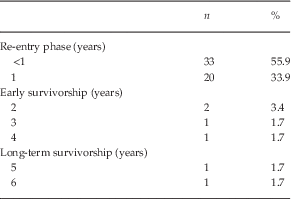
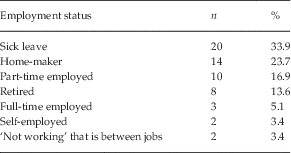
Participants included four men (6.8%) and 55 women (93.2%). The average age of participants was 52.3 years (SD=8.6) and ranged from 34 to 70 years. The most common cancer type among participants was breast cancer, 74.6% (n=44). The remaining 25.4% (n=15) of participants where recovering from a range of ten other cancer types including lymphoma, ovarian, lung and testicular cancer. Physical side-effects of cancer treatment were reported by 93.2% (n=55) of participants. Fifty-three participants (89.8%) were in the re-entry phase of their recovery, four were in the early survivorship phase (6.8%) and two were in the long-term survivorship phase (3.4%) (Table A1). Eighty per cent of participants (n=47) were married/co-habiting, 8.5% (n=5) were single, 10% (n=6) were separated/divorced, and 1.7% (n=1) of participants were widowed. Of the 59 participants, 67.8% (n=40) had dependent children at the time of the programme. Twenty-seven per cent (n=16) of participants reported experiencing financial difficulties as a result of their cancer diagnosis and treatment. The work status of participants at the time of participating in the TTA programme is outlined in Table A2.
Eligibility criteria
Seventy-two participants registered for the programme and data from 59 participants were included in the current study. Eleven participants were excluded on the basis that they did not complete the programme and a further two were excluded as they did not attend the minimum of four out of six sessions. Groups were limited to a maximum of 10 places per programme.
Exclusion criteria included:
-
∙ Participants with metastatic disease as TTA was designed for participants at re-entry or early survival stages of recovery.
-
∙ Participants who were exhibiting high levels of distress such that one-to-one intervention was indicated.
-
∙ Participants whose distress related to factors in their life other than their cancer.
Programme materials
At the start of the programme each patient was provided with a participant handbook which was originally developed by the TTA authors McKiernan et al. (Reference McKiernan, Steggles and Carr2010). The manual contained the original course content for each of the six sessions, the homework exercises, instructions for relaxation exercises, as well as some additional material on sleep, recommendations for further reading and information on local resources. The TTA manual is copyright protected and copies can be obtained authors through authors McKiernan et al. (Reference McKiernan, Steggles and Carr2010). Participants were also provided with a relaxation CD in order to practice the demonstrated breathing and relaxation exercises between sessions.
Intervention
‘Time to Adjust’ (TTA) (McKiernan et al. Reference McKiernan, Steggles and Carr2010) is a 6-week group-based CBT programme. It is designed to address the needs of participants at the end of their cancer treatment who are facing the challenge of the re-entry recovery period. TTA aims to facilitate participant’s adjustment to life after cancer by enhancing existing coping skills, developing new skills and drawing on peer support within the context of a group. Although originally designed for women recovering from breast cancer, the programme covers generic coping skills and was therefore offered to men and women recovering from different types of cancer. The topics covered across the six sessions of the programme include: Stress and Coping; Relaxation; Communication; Thought monitoring; Exploring beliefs; Problem solving and Goal Setting.
Measures
Participants were asked to complete a number of pre-and post-intervention measures. Pre-programme measures were completed at the end of the clinical interview. Post-programme measures were completed at the end of the final session.
Severity of symptoms: SCL-90-R
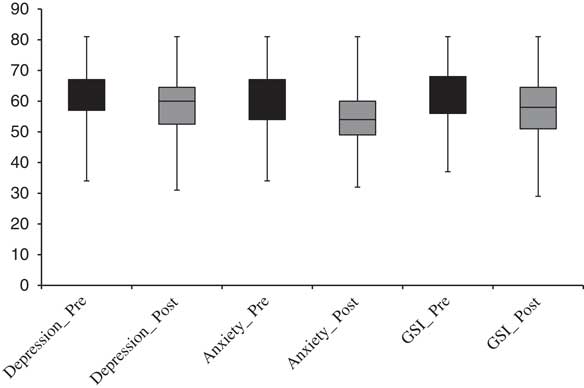
The Symptom Checklist 90-Revised (SCL-90-R) (Derogatis, Reference Derogatis1994) is a 90-item self-report questionnaire that measures a broad range of psychological symptoms, including anxiety and depression and provides a global severity index (GSI) of psychological distress. The GSI captures overall levels of distress by calculating an aggregate score across clinical scales, allowing the comparison of overall emotional well-being of participants with differing diagnoses. A T-score above 63 suggests the presence of a clinically significant level of psychological difficulty. The internal consistencies (Cronbach’s α) of the SCL-90-R Depression, Anxiety and Global Severity index were 0.89, 0.87, and 0.97, respectively. In the current sample scores on the anxiety scale ranged from 34 to 81 pre-TTA and 32 to 81 post-TTA. Depression scores ranged from 34 to 81 pre-TTA and 31 to 81 post-TTA. GSI scores ranged from 37 to 81 pre-TTA and 29 to 81 post-TTA.
Psychological adjustment: MAC
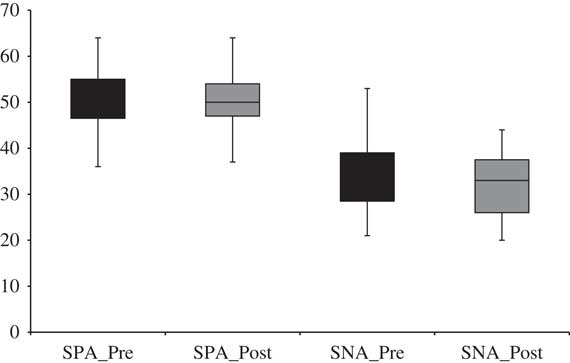
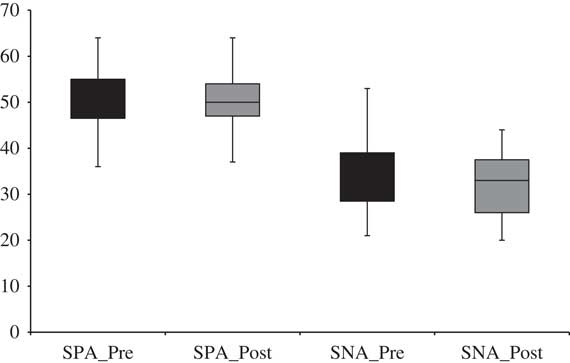
The Mental Adjustment to Cancer Scale (MAC) (Watson et al. 1989) assesses patient adjustment to the diagnosis of cancer and provides a measure of coping style (Fighting spirit; helpless/hopeless; anxious preoccupation; fatalistic; avoidance). Scores indicate the extent to which the coping style is being used. The internal consistencies (Cronbach’s α) of the MAC Summary Positive Adjustment and Summary Negative Adjustment were 0.84. In the current sample scores on the MAC positive adjustment scale ranged from 36 to 64 pre-TTA and 37 to 64 post-TTA. MAC negative adjustment scores ranged from 21 to 53 pre-TTA and 20 to 44 post-TTA.
Feedback questionnaires
Participants completed a feedback questionnaire on their experience of the programme at the end of the final session. A descriptive analysis of this feedback was used to identify the key themes evident in the data taken from five open-ended questions Braun & Clarke (Reference Braun and Clarke2006). The questions asked participants what aspects of TTA they had found most useful, least useful, what they would like to see more or less of on the programme and if they had any further comments. The descriptive analysis aimed to identify features that participants found most beneficial, and to highlight aspects of TTA for potential refinement.
Statistical analysis
For the purpose of the present study, a higher order analysis was used to measure overall positive and negative adjustment by providing a Summary of Positive Adjustment (MAC-SPA) and a Summary of Negative Adjustment (MAC-SNA) (Watson & Homewood, Reference Watson and Homewood2008). MAC-SPA consists of the 15 of the 16 original items from the fighting spirit subscale and two items from the fatalistic sub-scale. MAC-SNA consists of all six items from the helplessness/hopelessness scale, with four items from the fatalistic subscale, five items from the anxious preoccupation sub-scale and the avoidance item. This breakdown highlights the degree to which the MAC-SPA and MAC-SNA endorse each coping style dimension. A low MAC-SPA score indicates less adaptive functioning. A high MAC-SNA score is indicative of poorer functioning and a greater sense of helplessness or hopelessness and anxious preoccupation. The collected data were scored, checked and entered into the Statistical Package of the Social Sciences (SPSS) version 21 for analysis. Before the main analyses, data were verified by checking the distribution of scores. The main outcome variables were analysed using paired sample t-tests.
Descriptive analysis
Responses to the five open-ended questions were examined to identify common subjects, which were then arranged into select themes. A frequency analysis was carried out for each theme to determine the extent to which participants endorsed each theme.
Results
Severity of symptoms: SCL-90-R
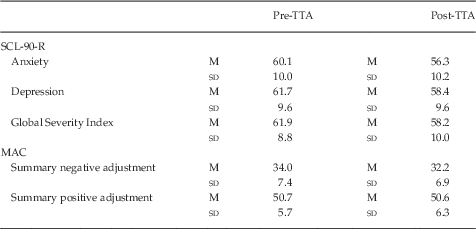
Exploratory analysis revealed favourable trends in the psychological adjustment of patients completing the programme as part of their recovery from cancer. Specifically, statistically significant reductions were seen in scores on the Anxiety, Depression and Global Severity Index scales. Figure B1 outlines the mean scores for each scale pre and post-intervention. Table C1 outlines the results of paired-samples t-tests for each of the three scales. Scores on the Anxiety SCL-90-R subscale were lower post TTA p=0.001, with a small effect size, d=0.38, where effect sizes equate to small (0.2), medium (0.5), and large (0.8). Scores on the Depression SCL-90-R subscale were lower post TTA p=0.001, with a small effect size, d=0.34. Scores were significantly lower for the GSI post TTA p=0.001, with a small effect size, d=0.30.
Psychological adjustment: MAC
Figure B2 outlines the mean scores for MAC-SPA and MAC-SNA pre and post-intervention. Table C1 outlines the results of paired-samples t-tests for both scales. A paired-samples t-test indicated that scores were significantly lower for the MAC Negative Summary post TTA, p=0.018, d=0.26. A paired-samples t-test indicated that MAC Positive Summary scores were not significantly different post TTA, p=0.92.
Descriptive analysis of feedback questionnaires
‘What did you find most useful about the Time to Adjust programme?’
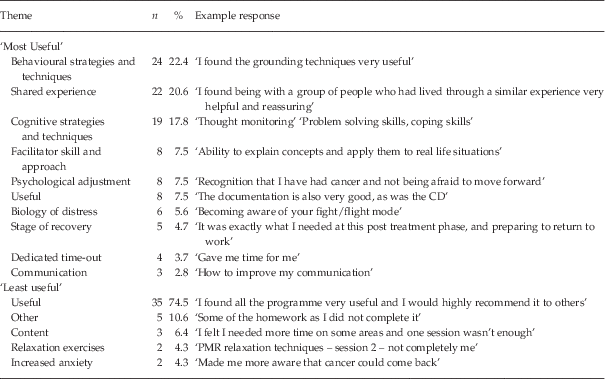
From the 59 participants that provided feedback in the final session, 107 comments were received in relation to the first question on what participants found most useful about the TTA programme. Behavioural strategies and techniques were the most frequently reported theme with 24 participants (22.4%) providing comments such as ‘relaxation and meditation techniques were excellent’. Twenty-two participants expressed the benefits of the shared experience, for example, ‘realising I was not the only one that had my thoughts, fears - made me feel normal’ (20.6%). Nineteen participants reported the usefulness of the cognitive strategies and techniques (17.8%). The theme of psychological adjustment emerged from eight feedback comments (7.5%). For example, one participant explained that TTA ‘built my confidence, made me a stronger person overall, because I now know how to deal with issues in a more positive attitude’. The remaining comments highlighted the value of (Table D1) the facilitator’s skill and approach to delivering the group, an explanation of the biology of distress, the benefits of the programme materials and that it was a useful programme. The appropriate timing of the programme relative to the stage of recovery was also conveyed, in addition to providing ‘time-out’ and tips for effective communication.
‘What did you find least useful about the Time to Adjust programme?’
A total of 47 comments were received for this question (Table D1). Thirty-five comments (74.5%) indicated that there was nothing about the programme that they found least useful. For example, ‘all aspects of the programme were relevant to my experience of a cancer diagnosis’. Three comments related the content of the programme (6.4%) suggesting that more time be devoted to certain areas such as exploring beliefs and including more information on life after treatment. Two participants (4.3%) indicated that they did not enjoy the relaxation techniques. Of the 47 feedback comments, two (4.3%), related to experiencing increased anxiety towards the end of the programme. A further five comments (10.6%) did not fit one theme but included suggestions for a 6-month follow-up session, a longer coffee break and time to get to know others in the group. Other comments related to having to sit for a long period during the session, and that homework tasks, apart from the practice of relaxation exercises, were considered least useful.
‘What would you like to see more of?’
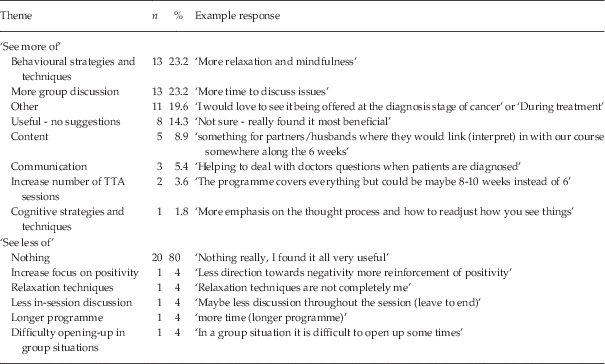
Thirteen participants (23.2%) requested additional relaxation and grounding techniques. Twenty-three per cent (n=13) suggested having more discussion time (Table D2). Fourteen per cent (n=8) found the programme useful and did not have suggestions. Five participants (8.9%) commented on the content, for example, asking to include a session for partners/carers. Three respondents (3.6%) asked for more on the area of communicating with medical staff as well as close family and friends. Two respondents suggested increasing the number of TTA sessions and one respondent asked for more time devoted to some of the cognitive strategies and techniques.
A further 11 comments (19.6%) were made that did not fit particular themes. These included requests for TTA at diagnosis and during medical treatment or when prognosis is unclear. Other requests included having more examples of others experiences of the oncology system, one-to-one sessions, slowing the pace of the programme, emphasis on self-help, inviting a nurse to the session to explain each stage of the cancer process, a written account of examples arising in session, recurring anxiety and additional time after the session for informal discussion between group members.
‘What would you like to see less of?’
The majority of respondents (80%) indicated that there was nothing they would like to see less of (Table D2). For example, ‘there wasn’t anything that I would have liked to see less of. Overall I felt it was balanced between practical and theory’. Of the five remaining comments (2%), three were suggestions for changes to the programme such as increasing the focus on positivity (n=1), less in-session discussion (n=1) and having a longer programme (n=1). The remaining two comments related to a dislike of relaxation exercises and difficulty opening up in group situations.
‘Any further comments?’
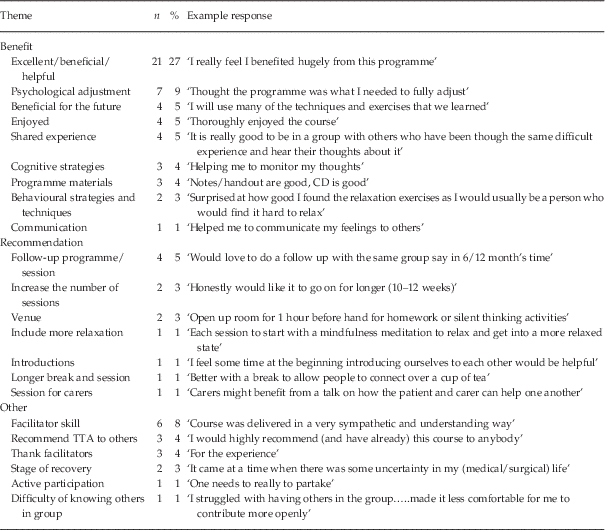
A total of 77 comments were received for the final question (Table D3). The feedback for this question was categorised into three overarching areas including benefits of the programme, recommendations and other comments. Twenty-seven per cent (n=21) stated that they found the programme beneficial. Specific benefits of the programme were identified including psychological adjustment (9%, n=7), usefulness for the future (5%, n=4), that it was an enjoyable programme (5%, n=4), the shared experience (5%, n=4), cognitive strategies (4%, n=3), the programme materials (4%, n=3), the behavioural strategies and techniques (3%, n=2) and the section on communication (1%, n=1).
Recommendations included the addition of a follow up programme (5%, n=4), increasing the number of sessions (3%, n=2), venue conditions and access (3%, n=2), including more relaxation exercises (%, n=1), having more time for introductions at the beginning (1%, n=1), having a longer break and a longer session (1%, n=1) and including a session for carers (1%, n=1).
Other comments related to the facilitators skill and approach (8%, n=6), that participants would recommend the programme to others (4%, n=3), thanking the facilitators (4%, n=3), the suitability of the programme at this stage of recovery (3%, n=2), the necessity of active individual participation (1%, n=1) and obstacles experienced by some in group situations (1%, n=1) whereby opening-up is very challenging.
Discussion
The results of the current study revealed statistically significant improvements in patients reported emotional distress following completion of the TTA programme. Results are consistent with findings from evaluations of similar group-based CBT intervention evaluation studies (Penedo et al. Reference Penedo, Molton, Dahn, Shen, Kinsinger, Traeger, Siegel, Schneiderman and Antoni2006). The majority of patients showed meaningful improvements in their pre to post treatment reports of emotional distress, including anxiety, depression and global severity of symptoms on the SCL-90-R. Similar benefits were observed on the MAC where significant improvements in participants overall negative adjustment to cancer were indicated post intervention. A decrease in MAC-SNA indicates a decrease in feelings of helplessness and hopelessness and anxious preoccupation. This suggests an overall improvement in patients’ emotional adjustment given that the MAC-SNA scale is comprised of maladaptive coping style sub-scale items. No significant changes were found post-intervention for the MAC-SPA scale suggesting consistency in the fighting spirit coping style across the intervention.
The value of TTA for patients recovering from cancer was further explored through a descriptive analysis of patients’ end-of-programme feedback. Participant feedback revealed further support for the significant improvements in emotional distress and psychological adjustment on completion of the TTA programme. Overall TTA was very positively received by participants. Recurring themes of the usefulness of relaxation and mindfulness techniques highlighted the benefits of the experiential component of the programme. Moreover, the normalisation of the cancer experience post-treatment was evident through frequently expressed benefits of the shared experience in the group context. The usefulness of cognitive strategies such as thought monitoring, coping skills and problem solving supports the use of evidence based models such as CBT with this patient group. The facilitators approach was another common theme among the benefits of the programme emphasising the value of groups facilitated by experienced clinical professionals.
The descriptive feedback underscored the quantitative findings for improvements in psychological adjustment and reductions in emotional distress post TTA. Although an increase in anxiety was cited by two of the 59 participants in the descriptive feedback the majority of participants reported considerable improvements and benefits from having completed the TTA programme. Furthermore, findings support the value of TTA at the re-entry stage of recovery for enhancing existing coping skills, developing new coping techniques and reducing feelings of helplessness and hopelessness.
Limitations
There are notable limitations to the current study. First, the study is limited by a small sample size. Second, the current study does not have a control group and therefore findings do not show that this treatment is better than another or no intervention. Without follow-up investigations at 6 or 12 or 18 months’ post-intervention we cannot determine if the reported gains have been sustained. Moreover, long-term follow up with this patient group is a challenge given the varying prognoses within the patient sample regarding disease recurrence and long-term survival.
Conclusion
Psychological adjustment is an important concern for patients, families, and health care professionals once treatment for cancer has been successfully completed. The results of the current study showed significant improvements in reported levels of anxiety and depression and overall severity of symptoms. Moreover, significant improvements in patients overall emotional adjustment to cancer were observed post intervention. Current findings indicate that TTA supports patients’ psychological recovery from cancer with multiple components of the programme facilitating the psychological adjustment. TTA can be successful at improving the emotional distress and psychological adjustment of individuals in the re-entry and early survival stages of their post-treatment recovery. Moreover, TTA can benefit recovery for a range of cancer diagnoses and extends beyond its original target group, breast cancer patients. Findings support the delivery of group-based therapeutic interventions for this patient group. Prospective randomised controlled trials are needed to further identify the specific variables that may mediate the effectiveness of programmes like TTA. Future research could involve in-depth interviews with patients upon completion of the programme for a richer understanding of the benefits of the programme.
Acknowledgements
The authors acknowledge the support of UHL Cancer Services staff in the promotion of the Time to Adjust Programme over the years. The authors acknowledge the assistance of Dr J Saunders CSTAR at the University of Limerick with the statistical analysis of this data.
Financial Support
This research received no specific grant from any funding agency, commercial, or not-for-profit sectors.
Conflicts of Interest
None.
Ethical Standards
The authors assert that as the current study is a retrospective evaluation of a routinely delivered psychology intervention, ethical approval was not required by the University Hospital Limerick Research Ethics Committee.
Appendix A
Number and percentage of patients in the re-entry, early survivorship, and long-term survivorship stages of recovery

Patient post-treatment employment status during TTA

Appendix B
Mean scores for SCL-90-R for Global Severity Index (GSI), Anxiety and Depression subscales pre and post TTA.

Mean scores for MAC Summary of Positive (SPA) and Negative Adjustment (SNA) pre and post TTA.
Appendix C
Means and standard deviations for SCL-90-R Anxiety, Depression and Global Severity Index scales and MAC Summary Positive Adjustment (MAC-SPA) and Summary Negative Adjustment (MAC-SNA) scales pre and post-intervention

Appendix D
Themes emerging from aspects of TTA reported as ‘most useful’ (total number of comments, n=107) and ‘least useful’ (total number of comments=47)

Themes emerging from what participants would like to see more of (total number of comments, n=56) and what participants would like to see less of (total number of comments, n=25)

Themes emerging from the final question on further comments (total number of comments, n=77)