Introduction
Despite advances in radiotherapy practice, skin reactions remain one of the most common, and significant problems for patients undergoing treatment.Reference Harsolia, Kestin and Grills 1 , Reference Naylor and Mallett 2 It is recognised to impact not only the quality of life for the patientReference Barkham 3 , Reference McQuestion 4 but also may lead to delays in treatment or even the cessation of treatment.Reference Aistars 5 The importance of skincare in radiotherapy is therefore paramount, as all patients receiving external beam radiation treatment are liable to erythematic reaction as the radiation beam must penetrate the external epidermis and subcutaneous tissues in order to reach the target volume. Erythema is commonly associated with radiation, occurring at doses of 20–40 Gy, with dry desquamation noted at doses of >30 Gy, and moist desquamation reported at doses >40 Gy.Reference Harris 6 – Reference Byun, Lee and Yang 8
Moist desquamation occurs when the basal layer of the skin cannot produce enough cells to replace those lost in the epidermis, proving particularly difficult for patients undergoing radiotherapy as the damage is repeated throughout treatment.Reference Denham and Hauer-Jensen 9 , Reference Bolderston, Lloyd and Wong 10 Patients undergoing radical radiotherapy for anal cancer receive doses totalling up to 60 Gy to the pelvic region. Moist desquamation is reported in almost all casesReference Kim, Jary and Mansi 11 , Reference Hymes, Strom and Fife 12 suggesting this cohort might particularly benefit from skincare investigation into radiation effects on skin. It is widely accepted that re-granulation and wound healing is more prevalent in moist environmentsReference Hymes, Strom and Fife 12 – Reference Wickline 14 suggesting that as a preventative measure, emollients such as Aqueous Cream (Aqueous Cream BP, BCM Ltd, Nottingham, NG2 3AA, UK) and Aveeno® (Aveeno, Johnson & Johnson Ltd Foundation Park, Roxborough Way, Maidenhead, SL6 3UG, UK) may promote a healing environment and prevent infection.
There is limited research and evidence into skincare after radiotherapy at present, with many centres across the United Kingdom advocating the use of a variety of agents in an ad hoc capacity.Reference Glean, Edwards and Faithfull 15 , Reference Harris 16 The Society of Radiographers (SoR) UK Survey of Radiotherapy Skin CareReference Harris, Probst and Beardmore 17 recommends that further evidence and trials, particularly of new products, are required in order to inform current practice and shape national guidelines. The survey stated difficulties throughout the research in unclear methodologies and varied assessment tools leading to inconsistency of care,Reference Harris, Probst and Beardmore 17 thus standardising assessment and monitoring could prove beneficial in future skincare guidance.
As many of the reviews call for research into new interventionsReference Salvo 18 , Reference Cumming and Routsis 19 one such product, colloidal oatmeal emollient cream licenced under the name Aveeno, has been reportedly used in the treatment of minor burns and drug-induced rashes.Reference Alexandrescu, Vaillant and Dasanu 20 , Reference Sur, Nigam and Grote 21 As presently advocated for use in chemotherapy-related skin conditions, colloidal oatmeal has been recommended for use due to its molecular mechanisms of anti-inflammatory and anti-histaminic activity.Reference Sur, Nigam and Grote 21 Some research suggests that colloidal oatmeal could be of greater moisturising benefit than the water-based emollients alone, due to the high concentration of starches and β glucans, which retain water more effectively.Reference Kurtz and Wallo 22 The beneficial properties of colloidal oatmeal have long been accepted in dermatitis conditions, receiving Food and Drug Administration (FDA) approval for use as studies show good efficacy and no toxicity.Reference Alexandrescu, Vaillant and Dasanu 20 , Reference Talsania, Coffild and Orpin 23 Avenanthramides, which are naturally found in oat grain, are suggested to be responsible for the release of pro-inflammatory cytokines and histamine, gaining both anti-inflammatory and anti-pruritic properties for the user.Reference Cerio, Dohil, Jeanine, Magina, Mahé and Stratigos 24 It is proposed that the high polysaccharide content of colloidal oatmeal forms a protective seal to aid repair and maintenance of the epidermal barrier.Reference Alexandrescu, Vaillant and Dasanu 20 It should, however, be noted that these particular study results, although appearing to cite reputable sources as evidence, should be treated with caution as author bias may be evident as manufacturer sponsorship is alluded to drive the study. With an independent researcher stance, this feasibility study eliminated this element with the double blinding approach.
This study aims to investigate the potential for informing future randomised trials by way of a feasibility study.Reference Salvo 18 , Reference Kedge 25 The study aims to pre-test the combined use of questionnaires and Radiation Therapy Oncology Group (RTOG) grading systemsReference Cox, Stetz and Pajak 26 in a comparative study of two products, and drawing conclusions as to the efficacy of those methods used to form an evidence base to standardise skincare advice.Reference Russell 27 The study aims to evaluate the feasibility of performing a trial on patients receiving treatment for carcinoma of the anus to compare the current skincare product advice at the time of study conception, Aqueous Cream, with an alternative product, Aveeno, which is widely used for dermatological conditions.Reference Kurtz and Wallo 22 , Reference Russell 27
Method
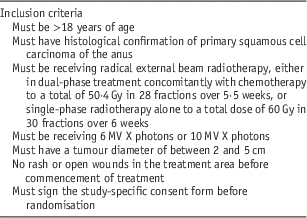
Ethical approval was sought from the Ethics Board to ensure patient safety and that the proposal for the study met with the approval of peer review. Participants were randomised into equally sized comparison groups in order to determine the possible reliability of the methods used and simple statistics were used to determine if there is scope for alternative skincare advice with regard to radiotherapy. All eligible participants were targeted (see inclusion criteria in Table 1). Potential participants were given a Patient Information Sheet detailing the study before starting treatment to allow for informed decisionmaking before consenting to the trial and with comprehensive washing and skincare instructions to ensure consistency.
Inclusion criteria for eligible participants

A sample size calculation for ordered categorical data using a 95% confidence interval was used to determine participant numbers required, allowing for drop outs. The calculation demonstrated that 10–12 patients/arm were required to allow for reliable and valid results with a 4·36% high precision percentage decrease/case. The recruitment size and rate was then verified to be feasible with historical footfall from departmental records.
The study was an randomised controlled trial (RCT) distributing participants between two arms, one group routinely using Aqueous Cream BP, the other using Aveeno. All participants were assigned numbers consecutively and randomised into control or test arms by means of distribution by computer-allocated assignment. Both products were prepared and distributed by the Pharmacology Trials Unit (PTU) at the research site to ensure the safety of the blinded products.
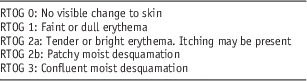
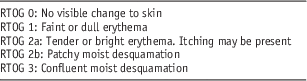
Eligible participants were seen in clinic, the Consultant provided information pertaining to the study to the patient at that time to allow time to make an informed decision. The randomisation of patients then occurred at the point of planning to ensure the patient’s skin status was assessed before treatment, and participants were given the same washing and cream application instructions (3× daily at regular intervals throughout the day) irrespective of study arm. All participants were reviewed weekly as per department protocol, and treatment regime including details of concurrent chemotherapy as well as skin assessment was recorded and monitored by a review radiographer. Patients’ social background was recorded as part of the data collection using the RTOG grading (Table 2) and anus toxicity assessment sheet modified to include all study data required, as it is documented that social factors such as poor hydration, smoking and poor hygieneReference Russell, Knaken and Bruinvis 28 may impact on skin integrity. Where the patients’ skin deteriorated requiring further intervention such as hydrocolloids or dressings, the point at which these were introduced in the patients’ pathway was documented, as with regular review, skin assessment and adherence to the trial requirements. As post radiotherapy treatment is recognised to be the period at which reaction time peaksReference Hopewell and Van Der Kogel 29 follow-up with patients at weeks 2 and 4 post treatment was scheduled. Entire repopulation of the epidermis is commonly seen at 4 weeks post radiotherapy,Reference Wells and MacBride 30 therefore the final follow-up occurred at week 4, with post treatment follow-up also allowing to gauge if the intensity and severity of the reaction was affected between the two groups. Patients submitted a questionnaire at the reviews to gain insight into their experiences with the products. A written response was chosen for questionnaire dissemination due to the captive nature of the audience targeted in the study attending for radiotherapy.Reference Creswell 31 As the study did not require the vast distribution or maximum encompassment discussed by Hek and Moule,Reference Hek and Moule 32 it was deemed acceptable in hardcopy format but may require revision if the study were to be repeated or expanded.
Standardised Radiation Therapy Oncology Group (RTOG) grades for patients undergoing radiotherapy
The questionnaire was derived from the Head and Neck Radiotherapy Questionnaire, a quality-of-life instrument demonstrated to be a valid measure of acute morbidity in radiotherapy clinical trials, yielding significant results in comparative trials throughout treatment and into post treatment as per this study.Reference Browman, Levine and Hodson 33 The questionnaire was revisited for use with anal carcinoma patients and piloted on Patient Advice and Liaison Service within the study site before use (Appendix 1).
The participants’ randomisation was kept from the researcher and investigator by means of a sealed envelope prepared by PTU, only to be opened should the reviewing radiographer deem it necessary in the patients’ best interests. Unmarked tubes for each intervention ensured the study was double blinded to both researchers and patients increasing reliability,Reference Baker 34 , Reference Kunz, Vist and Oxman 35 and randomisation ensured anonymity for the participants throughout the process.
Analysis
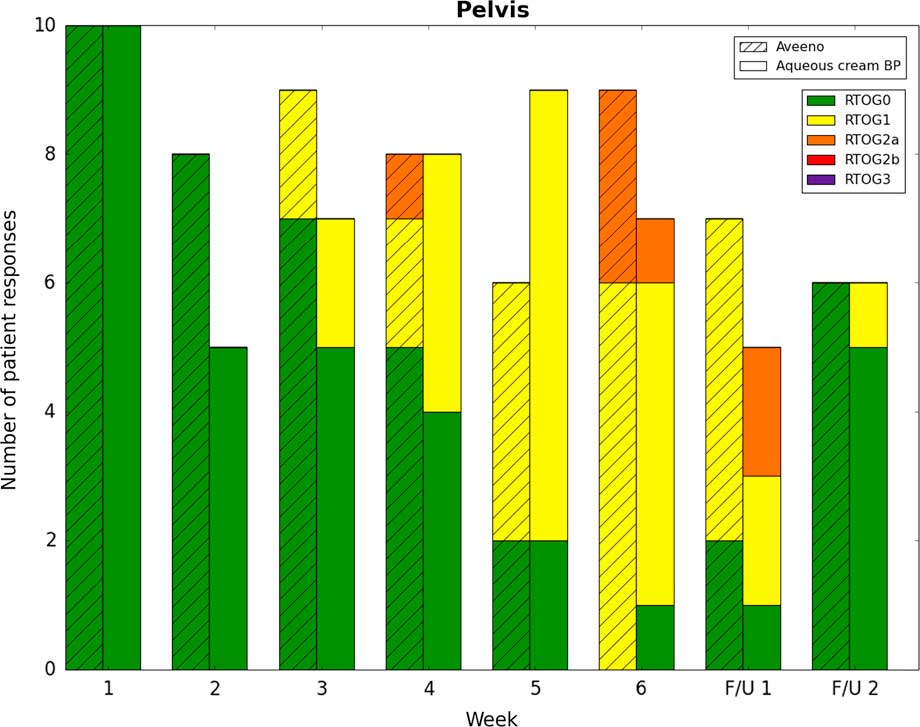
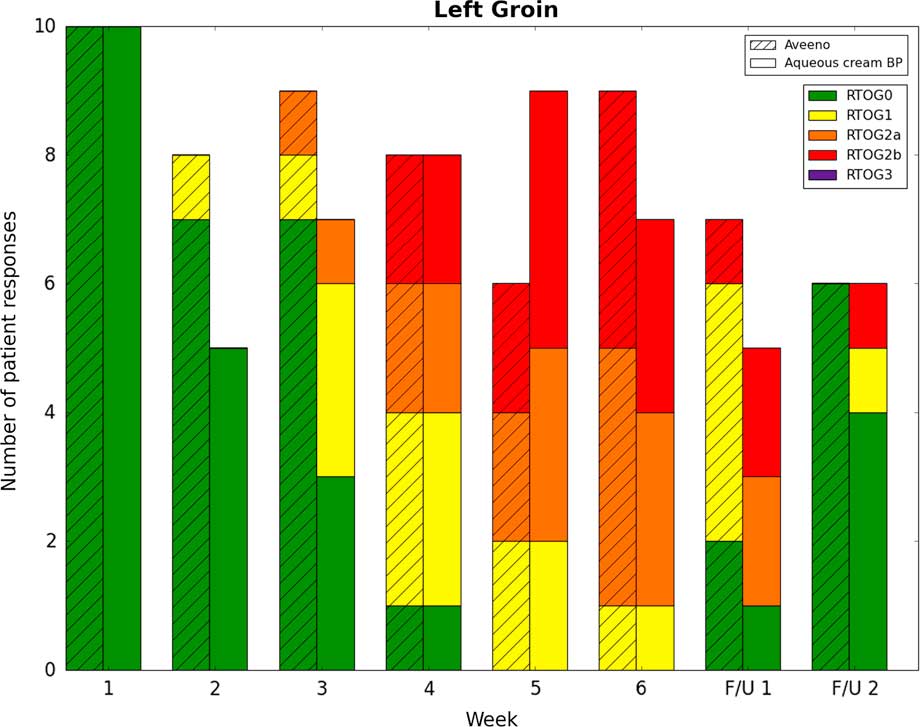
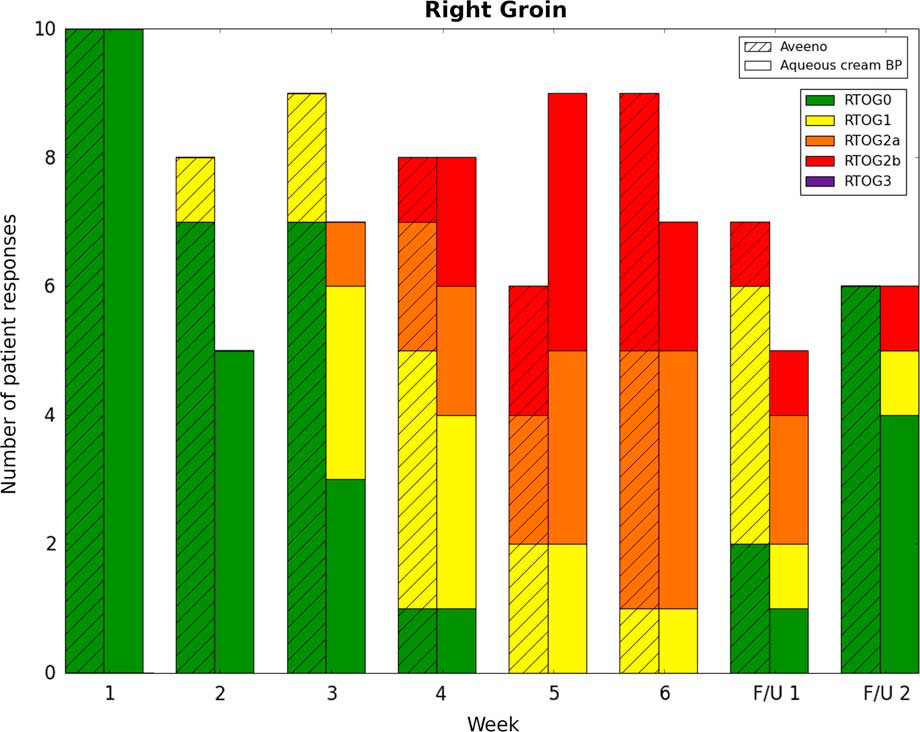
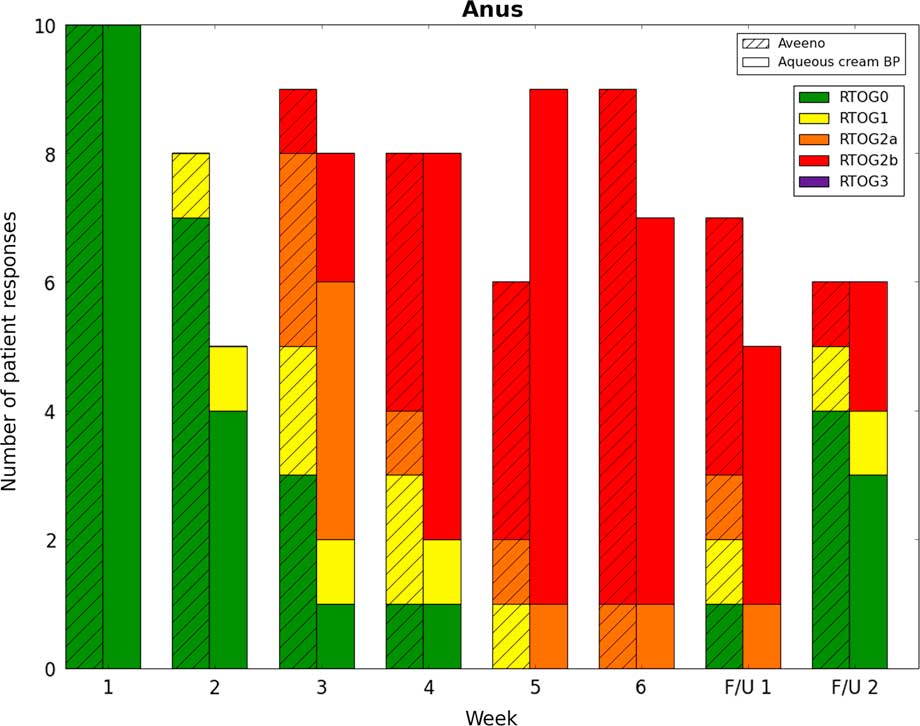
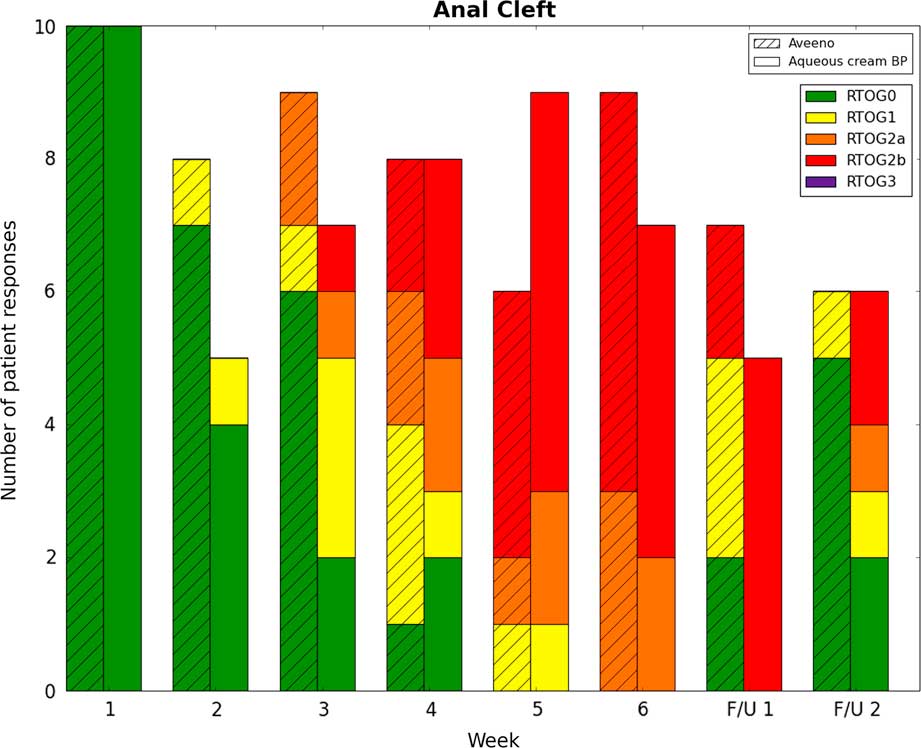
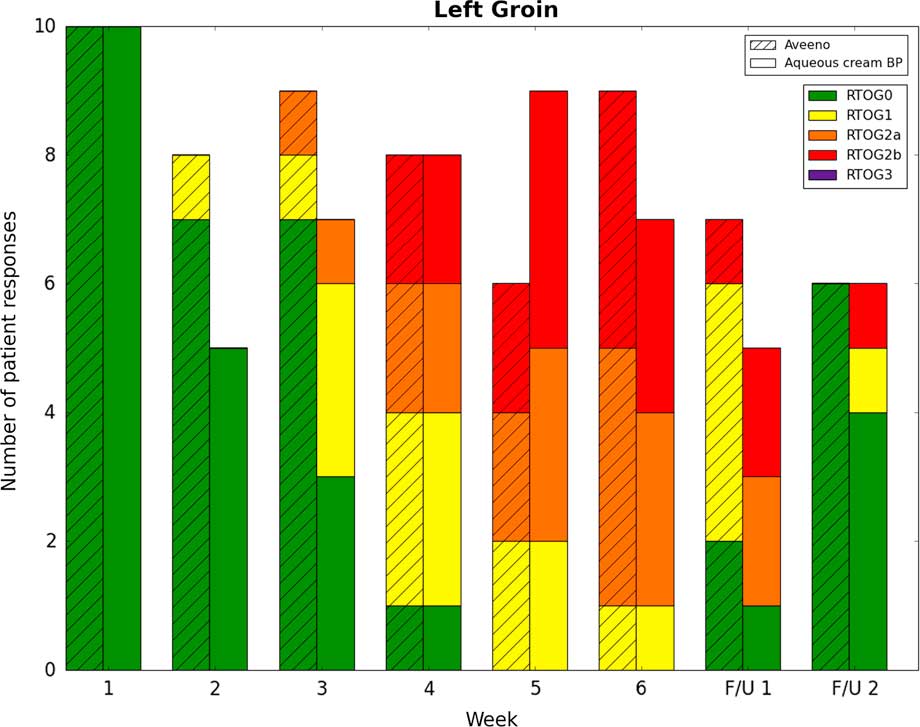
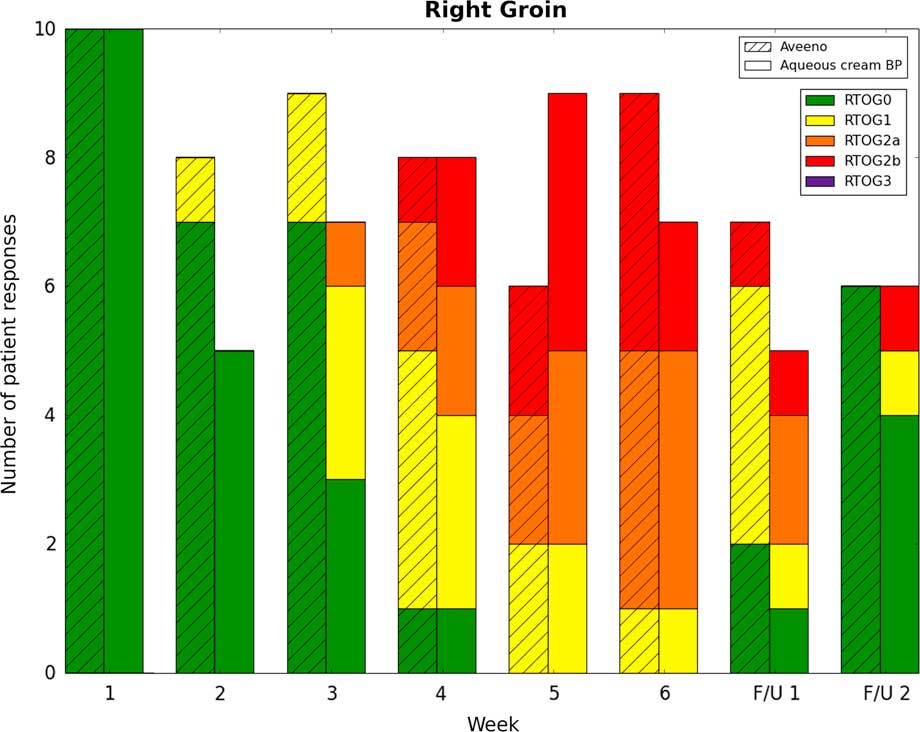
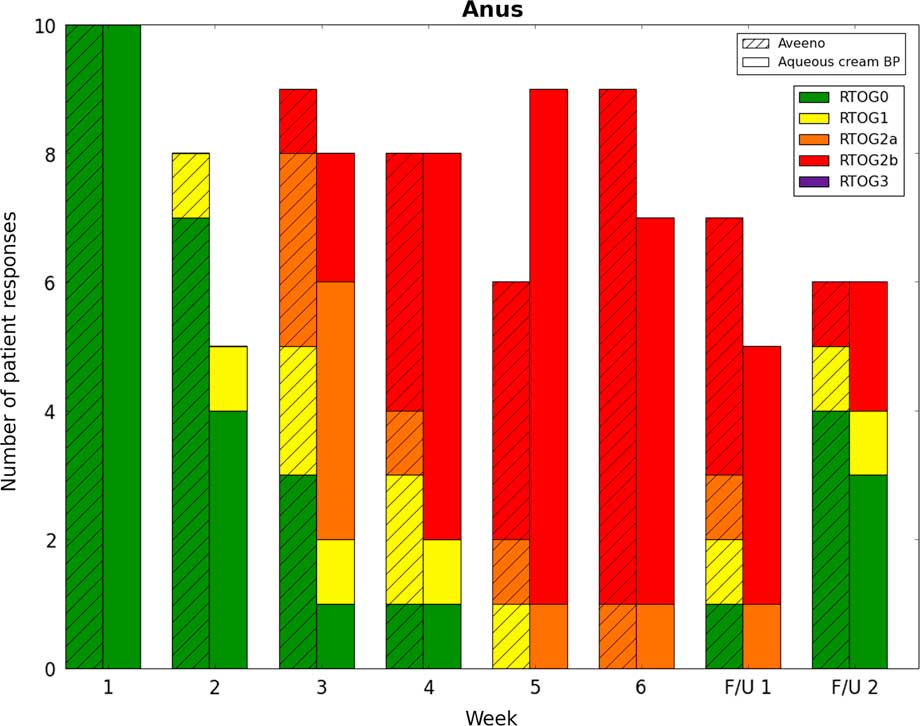
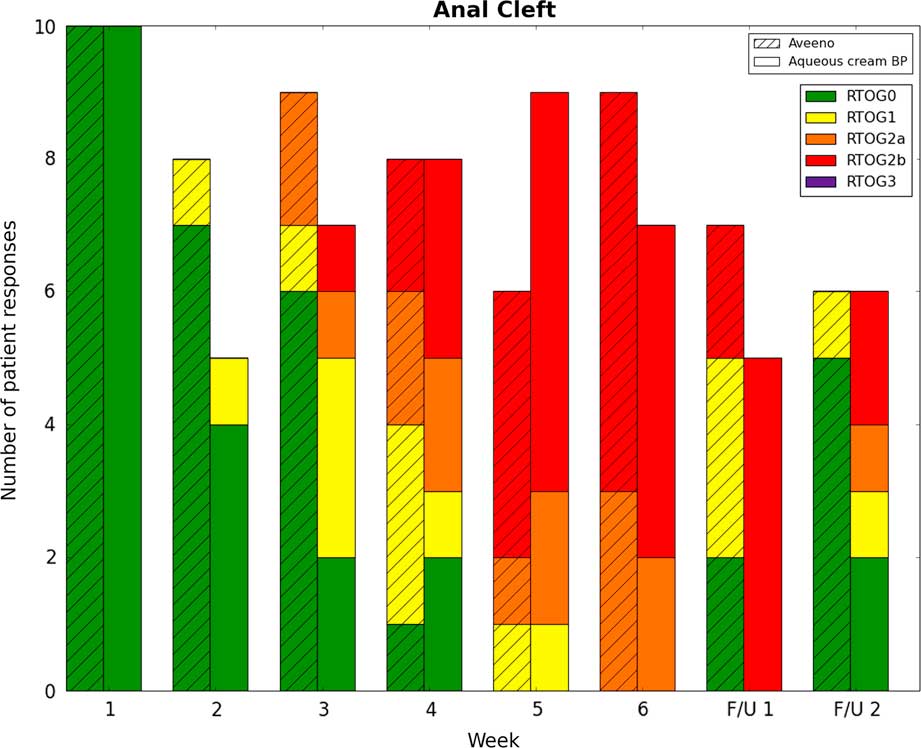
Data collected from toxicity assessment sheets were entered into a spreadsheet, and descriptive statistics were used to draw out common themes. Colour coded bar charts denoting the severity of reaction were used to compare the creams and identify trends using Excel and simple coding techniques and Mann–Whitney U tests were applied to give p-values. Tabular forms were utilised to provide simple summaries about the quantitative data collected from the questionnaires. The ‘free comments’ section of the questionnaires were quantified into positive, negative and neutral to provide at a glance response themes (Figure 1–8).
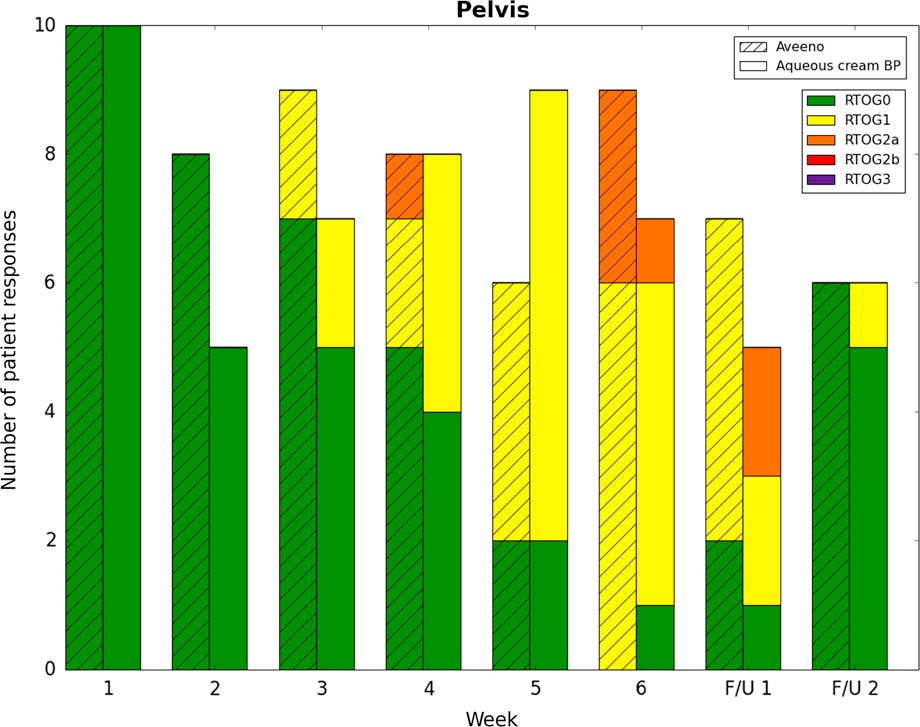
Graphical representation of Radiation Therapy Oncology Group (RTOG) skin reactions week by week for Aveeno (left side) and Aqueous Cream (right side) cohorts side by side for the pelvis region.
Graphical representation of Radiation Therapy Oncology Group (RTOG) skin reactions week by week for Aveeno (left side) and Aqueous Cream (right side) cohorts side by side for the left groin region.
Graphical representation of Radiation Therapy Oncology Group (RTOG) skin reactions week by week for Aveeno (left side) and Aqueous Cream (right side) cohorts side by side for the right groin region.
Graphical representation of Radiation Therapy Oncology Group (RTOG) skin reactions week by week for Aveeno (left side) and Aqueous Cream (right side) cohorts side by side for the anus region.
Graphical representation of Radiation Therapy Oncology Group (RTOG) skin reactions week by week for Aveeno (left side) and Aqueous Cream (right side) cohorts side by side for the anal cleft region.
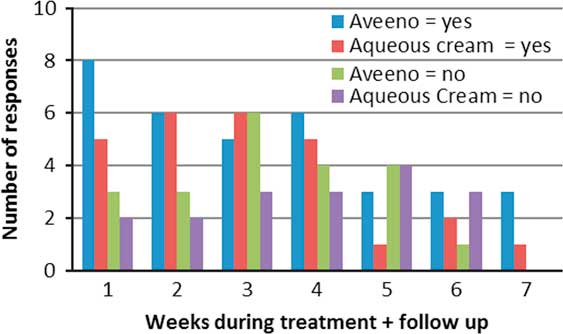
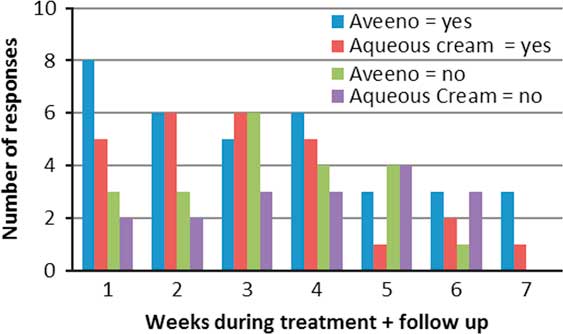
Graphical representation of responses to the quality-of-life section of the questionnaire by participants: ‘Have you felt good about yourself this week?’ as responded positively and negatively week by week for Aveeno and Aqueous Cream cohorts side by side.
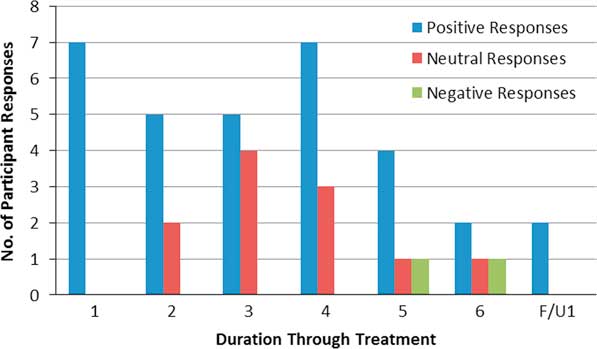
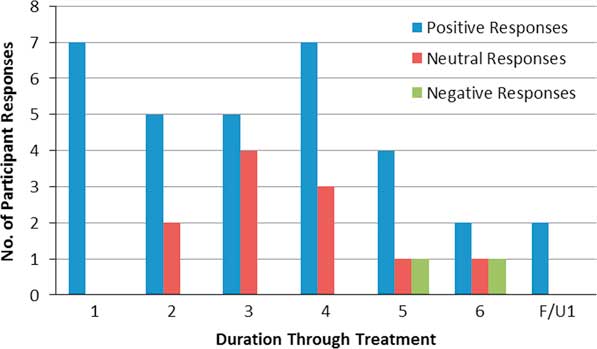
‘Free comments’ section of questionnaires quantified into positive, neutral and negative responses week by week throughout treatment for Aveeno cohort.
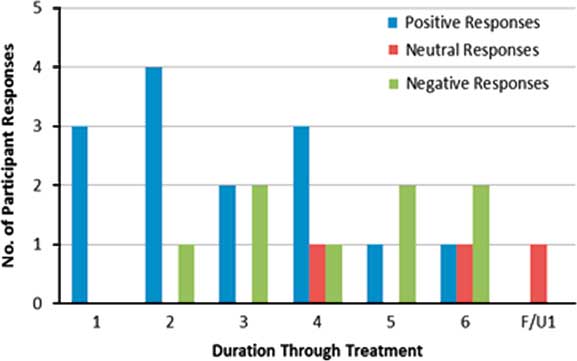
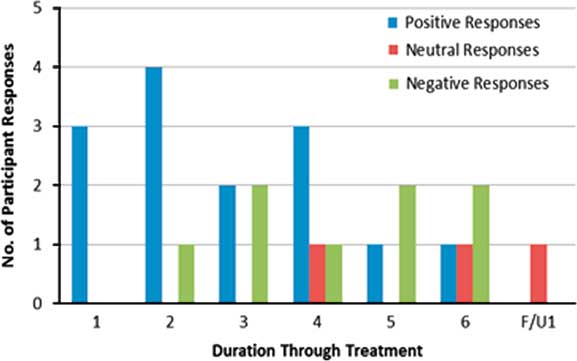
‘Free comments’ section of questionnaires quantified into positive, neutral and negative responses week by week throughout treatment for Aqueous Cream BP cohort.
Results
The research took place between February 2014 and January 2015. The recruitment rate included 95% of attendees to the study site. During this period 24 patients were recruited and consented into the study. Three participants were withdrawn, either due to non-compliance or own wishes, of those remaining there were seven males and 14 females with birth years ranging from 1933 to 1981, with a mean age of 61·5 years. The cohort division was 11 participants in the Aveeno cohort and ten participants in the Aqueous Cream cohort.
Questionnaire responses
In total, 168 questionnaires were distributed, and 100 responses were received for analysis (60% return rate). The response rate decreased throughout treatment progression, with the first 4 weeks yielding 17–20 responses, the final weeks’ 5 and 6 comprising of 13 and ten responses, respectively, then four responses by follow-up. The feedback from the questionnaires all indicated a positive response to using creams as part of a skincare regime on the whole, and initial responses in the 1st week were 100% positive in both cohorts with regard to application and soothing of skin reactions. Responses were categorised into positive, negative and neutral responses, and key themes were identified to assess the response to the cream (Figures 7 and 8). Overall, Aveeno participants ‘free comments’ (total=45 responses) rated positively in 71% of responses, 25% were neutral and 4% were negative, compared with the Aqueous Cream ‘free comments’ (total=25 responses), which rated positively in 56%, neutral in 12% and negatively in 32% of responses. At week 1 100% of responses to both creams were positive, with ‘easy to apply’ and ‘cooling and calming’ comments consistently occurring in both cohorts. By week 3, Aveeno responses were predominantly positive (70%) with comments specifically identifying benefits such as ‘used after each bout of diarrhoea to soothe anal area which worked effectively’ and ‘clearing soreness and calming down itching’ but also inclusive of more ambiguous comments (30%) such as ‘easy to use but leaves slight film on skin’. Conversely, at week 3 50% of responses positively advocated Aqueous Cream, and 50% negatively commented on the cream ‘does nothing to help burning sensation’. At week 5 most responses to Aqueous Cream had become negative (66%) and neutral (33%), comments such as ‘cream does not seem to help’ and ‘no ease up’ were identified as themes by this point. Comparatively, Aveeno responses were remaining 67% positive, ranging from ‘good, soothing, relaxing’, ‘helps tightness in skin’ and ‘whichever cream it is it seems the best for skin as it is sensitive and helping with the soreness’ to the more ambiguous responses (22% neutral and 22% negative) ‘cream seems to be working for about 1 hour then sore and burning again’. By week 6 both creams were reported to ‘make little difference’ as the skin had deteriorated to the point of requiring complex dressings and hydrocolloids in both cohorts. At follow-up, comments were fewer due to the decreased response rate (four responses total), 100% of Aveeno participants exhibited positive responses such as ‘cream continues to be a comfort’ and ‘healing nicely, cream applied on new skin really helps the tightness feeling – feels as if it has really helped’, whereas 100% of the Aqueous Cream responses were ambiguous ‘use different gel on weeping skin/groins cream is only useful in stopping underwear sticking to skin on buttocks’. It should be noted that the RTOG grades for the two cohorts differed considerably in some regions by follow-up which may affect comments on the creams (both groins RTOG=0 in Aveeno cohort, Aqueous Cream RTOG=0–2b) as it is documented that experiencing pain may impact psychological outlook.Reference Bolderston, Lloyd and Wong 10 , 36
Skincare assessment
The baseline statistics indicate minimal external factors such as smoking or alcohol consumption, although it is questionable whether these responses are truly indicative or a reflection of the participants’ fear of judgement by a healthcare professional.Reference Baker 34 Although both cohorts were evenly matched, participant numbers varied weekly making the data difficult to compare effectively. Due to limited participant numbers, and therefore limitations in statistical power, it is difficult to assess clearly whether there is any clear benefit of one cream over another. However, within the limits of the feasibility study, the results show there is a difference in median response between the two creams in most regions at follow-up but generally no statistical significant difference between the two cohorts throughout treatment duration. The Mann–Whitney U non-parametric tests (ran using GraphPad Prism 6 software) were used for all time points and all regions. At follow-up 1 (2 weeks post radiotherapy) there is an almost significant (p=0·0543, Mann–Whitney U test statistic 5) difference in response between the Aveeno and Aqueous Cream cohorts in favour of Aveeno in the anal cleft region. Follow-up 2 (4 weeks post radiotherapy) in the anal cleft also shows a trend towards significance (p=0·106, Mann–Whitney U test statistic 7·5).
Discussion
Studies by Kedge et al.Reference Kedge 25 and WellsReference Wells, Raab, MacBride, Bell, Mackinnon and Munro 37 contend that there is no significant difference between Aqueous Cream and more expensive creams for prophylactic use, however, the post epidermal regeneration results in this study could indicate otherwise, although a larger scale RCT would be required to support this. In the light of the Medicines and Healthcare Products Regulatory Agency 38 safety update refuting the use of Aqueous Cream as an emollient since the advent of the study, the study shows Aveeno to be a viable alternative emollient for comfort, demonstrating no detrimental qualities within the limitations of the pilot study.
Studies conducted by Gosselin et al.Reference Gosselin, Schneider and Plambeck 39 and McQuestionReference McQuestion 4 state that there is little evidence to suggest benefit in the prophylactic use of different emollients such as Aqueous Cream and other creams in reducing the occurrence of skin reactions during treatment other than patient comfort. Conversely, studies by Heggie et al.Reference Heggie, Bryant and Tripcony 40 and Glean et al.Reference Glean, Edwards and Faithfull 15 positively advocate the use of emollients such as Aqueous Cream in reducing skin reactions such as dry desquamation and delaying skin breakdown. The week by week results indicate no significant difference between the two cohorts during treatment, but without a control ‘no cream’ arm the assertion of actual benefit cannot be proven, as it was deemed unethical to withhold treatment, whereas Aqueous Cream was routinely dispensed at the time of the study. As the SoR skincare guidance 41 has since been updated recommending that at present no product can be supported or refuted based on current evidence, and further recommending research designs of ‘no intervention’ be utilised, a wider RCT developing a ‘no intervention’ arm is presently more viable in order to assess benefit effectively.
Heggie et al.Reference Heggie, Bryant and Tripcony 40 and Glean et al.Reference Glean, Edwards and Faithfull 15 also state emollient benefit in pain relief as well as delayed skin reaction, and therefore the combined approach of RTOG grading scores and quality-of-life questionnaires afford a fuller picture of the physical and psychological needs of these individuals. The quality-of-life question ‘have you felt good about yourself in the last week?’ elicited a mixed response (Figure 6), and appeared more dependent on the individual than the point at which they were through treatment or cream assigned. The extremities of responses indicate the need to monitor patient wellbeing and ability to cope. The need for both approaches is exemplified by the inconsistency in scaling the frequency of response, 36 , Reference Greene 42 , Reference Everest 43 however, a more simplistic approach to gauging patient wellbeing would improve evaluation. The yes/no approach followed by a numerical graphic rating scale incurred confusion, for example, those who had rated ‘yes’ they had felt good about themselves at a scale of 3, is difficult to compare to one who rated themselves ‘no’ to feeling good about themselves at a scale of 5. The inference of negativity provides useful information to address patient concerns, but from an evaluative stance, a sliding visual analogue scale of emotional wellbeing might prove more effective in both gauging patients’ status and prove simpler for assessment. By week 6 most respondents’ comments indicate both creams make ‘little difference’ or ‘does not seem to help’. All participants indicated pain levels on high end and majority experiencing itching and dryness by this point.
In total, 17% of patients declared a preference at the consenting stage for Aveeno before commencement, indicating a potential bias, with 12% of overall patients suggesting they knew which cream they were allocated during the study due to the consistency and prior awareness of the cream. This may have led to participants answering according to their perception of allocation. It is recognised that it is difficult to get complete subjectivity,Reference Creswell 31 but reiterated importance of blinding the study to get impartial results such as those obtained by Gosselin et al. (2010)Reference Gosselin, Schneider and Plambeck 39 for future guidance. The comments appear to be favourable for the use of creams as an active method of hydrating and soothing the skin, potentially due to participants wanting to exert a sense of control in a situation otherwise out of their own hands.Reference Bolderston, Lloyd and Wong 10 , Reference Gosselin and Schneider 44 This supports the suggestion in research that by feeling instrumental in actively taking responsibility for an aspect of their health patients were being positively proactive in their own care.Reference Gosselin, Schneider and Plambeck 39 , Reference Miller 45
The most recent publication by the SoR in 2015 41 recognises that although some studies deem skincare products to be ineffective in reducing skin reactions, the element of therapeutic benefit in bringing comfort and symptom amelioration should not be discounted.Reference Gosselin, Schneider and Plambeck 39 , Reference Heggie, Bryant and Tripcony 40 Throughout the free comments the notion of ‘soothing’ and providing relief at times of discomfort such as bouts of diarrhoea it was indicated that the creams afforded symptom alleviation. The Aveeno cohort seemed to find on-going relief in this respect but as the sample size was too small to draw such conclusions it could be wholly subjective to the individual in these qualitative responses.Reference Everest 42 Many researchers discuss the difficulties of data collection and response rateReference Russell, Knaken and Bruinvis 28 , Reference Creswell 31 deeming the process as time consuming with issues in eliciting participant response, and therefore clear instructions for the return of the questionnaires at the regular weekly reviews was put in place to rectify this. Unfortunately, not all questionnaires were returned at the review sessions, suggesting this method of dissemination remains not without difficulty, as response rate declined rapidly throughout the study duration. A definite decline in response rate was recorded as the treatment duration progressed.
Conclusion
Although the data amassed were vast, the limited sample size excludes any representation of a population, but does indicate trends in determining the feasibility of different aspects of the methods of data collection. Throughout research many studies lament the lack of quality studies evaluating skincare solutions in radiotherapy,Reference Harris 16 , Reference Russell 27 , Reference Wells, Macmillan and Raab 46 the study evaluated the RTOG grading system using simple descriptive statistics determining it to be robust and comparable as a method of recording and evaluating skin reaction and severity, with limited room for misinterpretation. The quality-of-life method of using questionnaires indicated a need for quality-of-life assessment in review to address patient concerns and emotional wellbeing in addition to the physical requirements, but greater clarity in eliciting response should be determined. The study indicated participants’ desire for being proactive in skincare and the potential for other products to be of benefit in radiotherapy skin reactions. The SoR 41 recognises a reluctance to investigate the effectiveness of new products, as such this study is the first to recognise colloidal oatmeal in the treatment of radiation-induced skin reactions, but does so solely in a limited feasibility capacity to address the primary need for sound evaluation methods in order to determine the efficacy of any product. In order for significant results to drawn regarding the benefits of post treatment epithelial regeneration, larger clinical trials would need to be conducted.
Acknowledgements
The author thanks all patients who took the time to participate and S. Griffiths for her support and help in reviewing and data collection. The author thanks Dr. J Selfe and A. Brown for assistance with statistical analysis and coding support, and also thanks Dr. S. Falk and S. Willis for their support and mentorship.
Financial support
This research received no specific grant from any funding agency, commercial or not-for-profit sectors.
Conflicts of Interest
None.
Appendix 1
Patient Self-Assessment Questionnaire
I Patient ID number _____________________
II Date of Assessment _____________________
III Patient Name ________________________
(Insert the number of weeks since previous questionnaire) _____ weeks ago, you answered a questionnaire designed for people who have received radiation treatment for anal cancer. Please repeat the questionnaire today to find out how the treatment has been affecting you and how you are coping with skincare during the past week.
Please think about how your skin has felt and how you have got on with the cream provided.
1. Have you had any pain or soreness in the treatment area in the last week?
Yes, (continue to part b)
No
Part b How TROUBLESOME was this for you?
A great deal
A lot
A fair amount
Somewhat
A little
Hardly any
2. Have you had any dryness of your skin, where it was treated, in the last week?
Yes, (continue to part b)
No
Part b How TROUBLESOME was this for you?
1. A great deal
2. A lot
3. A fair amount
4. Somewhat
5. A little
6. Hardly any
3. Have you had any itching or irritation of the skin, where it was treated, in the last week?
Yes, (continue to part b)
No
Part b How TROUBLESOME was this for you?
1. A great deal
2. A lot
3. A fair amount
4. Somewhat
5. A little
6. Hardly any
4. Have you had any swelling of the skin, where it was treated, in the last week?
Yes, (continue to part b)
No
Part b How TROUBLESOME was this for you?
1. A great deal
2. A lot
3. A fair amount
4. Somewhat
5. A little
6. Hardly any
5. Have you felt good about yourself, in the last week?
Yes, (continue to part b)
No
Part b How OFTEN did you feel this way?
1. A great deal of the time
2. A lot of the time
3. A fair amount of the time
4. Some of the time
5. A little of the time
6. Hardly any of the time
6. Free space for comments on the cream used, ease of application, tactility etc.
Taken from the validated HNRQ: ‘The head and neck radiotherapy questionnaire: a morbidity/quality-of-life instrument for clinical trials of radiotherapy in locally advanced head and neck cancer’ Reference Browman, Levine and Hodson 33