




No CrossRef data available.
Article contents
Privatizing Risk without Privatizing the Welfare State: The Hidden Politics of Social Policy Retrenchment in the United States
Published online by Cambridge University Press: 21 June 2004
Abstract
Over the last decade, students of the welfare state have produced an impressive body of research on retrenchment, the dominant thrust of which is that remarkably few welfare states have experienced fundamental shifts. This article questions this now-conventional wisdom by reconsidering the post-1970s trajectory of the American welfare state, long considered the quintessential case of social policy stability. I demonstrate that although most programs have indeed resisted retrenchment, U.S. social policy has also offered increasingly incomplete risk protection in an era of dramatic social change. Although some of this disjuncture is inadvertent—an unintended consequence of the very political stickiness that has stymied retrenchment—I argue that the declining scope of risk protection also reflects deliberate and theoretically explicable strategies of reform adopted by welfare state opponents in the face of popular and change-resistant policies, a finding that has significant implications for the study of institutional change more broadly.
Information
- Type
- ARTICLES
- Information
- Copyright
- © 2004 by the American Political Science Association
Has the welfare state continued to provide the inclusive social protection that defined its goals and operations in the immediate decades after World War II? According to much received scholarly wisdom, the answer is yes. As Paul Pierson writes in one of the earliest and most influential assessments, “Economic, political, and social pressures have fostered an image of welfare states under siege. Yet if one turns from abstract discussions of social transformation to an examination of actual policy, it becomes difficult to sustain the proposition that these strains have generated fundamental shifts” (Pierson 1996, 173). A wave of research, relying on both large-scale statistical modeling and detailed historical analysis, has largely ratified this evaluation (see, e.g., Bonoli, George, and Taylor-Gooby 2000; Esping-Andersen 1999; Huber and Stephens 2001; Pierson 1994, 2001; and Weaver 1998). In this now-conventional view, welfare states are under strain, cuts have occurred, but social policy frameworks remain secure, anchored by their enduring popularity, their powerful constituencies, and their centrality within the postwar order.
This article challenges this conventional wisdom and presents an alternative interpretation based on a comparatively informed historical analysis of the post-1970s trajectory of the American welfare state—long considered the quintessential example of welfare state stability in the face of fiscal and political challenge (see, e.g., Huber and Stephens 2001 and Pierson 1996). This alternative account rests not simply on a reconsideration of the evidence. It rests, too, on a new perspective on social policy reform that broadens the range of policies and forms of change under consideration. In enlarging and shifting the focus of analysis—from formal rules to their social consequences, from the welfare state narrowly defined to the broader public–private economy of welfare, and from the highly visible politics of large-scale reform to the subterranean political processes that shape ground-level policy effects—this conceptual framework illuminates and clarifies the sometimes-covert strategies that political actors adopt when trying to transform embedded policy commitments. In short, this article not only presents a new interpretation and explanation of the specific trajectory of the American welfare state, but also offers a new conceptual lens that lays bare the “hidden” means by which policies can be changed by actors employing strategies of stealth, obstruction, and indirection.
Above all, however, the evidence and arguments presented in this article give cause for questioning the conventional story about welfare state resilience in the United States. Although most U.S. public social programs have indeed resisted radical retrenchment, the American social welfare framework has also, in crucial areas, offered increasingly incomplete protection against the key social risks that Americans confront. One reason for this, as suggested by the 1996 overhaul of the Aid to Families with Dependent Children program (commonly known as “welfare”), is that some policies have experienced major formal revision. But this, I contend, is only relatively small part of the larger story. More crucial are two less visible sources of change, both of which have occurred without significant formal alterations in policy. First, in policy areas that rely substantially on public–private or intergovernmental cooperation, the shifting aims of benefit sponsors and administrators has transformed the ground-level operation of formally stable policies, at times quite radically. Second, and perhaps even more important, recent decades have witnessed an accelerating process that I call “risk privatization,” in which stable social policies have come to cover a declining portion of the salient risks faced by citizens. As a result of this process, many of the most potent threats to income are increasingly faced by families and individuals on their own, rather than by collective intermediaries.
For those familiar with comparative research on the welfare state, this last point will resonate with the common observation that advanced industrial societies are marked by a growing mismatch between traditional social policies and the new social risks that citizens face. As Gøsta Esping-Andersen (1999, 5), the dean of welfare state scholars, puts it, “The real ‘crisis’ of contemporary welfare regimes lies in the disjuncture between the existing institutional configuration and exogenous change. Contemporary welfare states … have their origins in, and mirror, a society that no longer obtains.” And yet, contrary to the normal framing of this disjuncture as a result of exogenous shocks to stable systems, I argue that many of the most glaring mismatches that have arisen in the United States should be seen instead as a direct outgrowth of political struggle—a manifestation of an important but often hidden “second face” (Bachrach and Baratz 1962) of welfare state debate. No less important, I emphasize that crucial policy changes have in fact taken place over the past three decades, despite general stability in formal policies. Their key source, however, is not large-scale legislative reform, but a set of decentralized and semiautonomous processes of alteration within existing policy bounds. Thus, in focusing on active changes in policy rules, analysts have missed fundamental ways in which the welfare state's role and effects are changing.
The implications of this argument therefore extend well beyond social policy reform, intersecting with increasingly prominent questions in institutional theory about the causes and character of institutional change (see, e.g., Pierson 2004 and Thelen 2003). The central implication is that there is not one single pattern of institutional change, whether it be the “big bangs” of sudden transformation or the “silent revolutions” of incremental adjustment. Rather, institutional change takes multiple forms, and strategies for institutional change systematically differ according to the character of institutions and the political settings in which they are situated. By exploring these sources of variation, I show that actors who wish to change popular and embedded institutions in political environments that militate against authoritative reform may find it prudent not to attack such institutions directly. Instead, they may seek to shift those institutions' ground-level operation, prevent their adaptation to shifting external circumstances, or build new institutions on top of them. These are strategies for change that are little studied and even less well understood. They are also strategies, I shall demonstrate, that critics of the welfare state—rebuffed in their direct assaults on social programs—have increasingly attempted to pursue, sometimes with considerable success.
The choice of the United States as the focus of these claims may appear unconventional. Analysts who disagree on much typically view the American welfare state as lying on a wholly different plane from other regimes, or at least on the outer frontier of the “liberal” world of meager, market-oriented welfare states (Esping-Andersen 1990). Nor can it be denied that the recent American experience is distinctive in a number of crucial respects (Smeeding 2002). At the same time, however, the United States, with its multiple institutional “veto players” (Tsebelis 1995), has long been treated as the quintessential example of welfare state resilience, indeed, as the principal validating case of the leading approach to retrenchment, the “new politics of the welfare state” perspective associated with the work of Pierson (1994, 1996). If, as I argue, the surface stability of U.S. social programs has in fact masked major declines in collective protection, then a strong case can be made that prevailing analytic perspectives have overlooked critical dimensions of policy change—abroad as well as in the United States. Moreover, certain unusual aspects of the U.S. framework are becoming increasingly common elsewhere, making the American experience a guide to the long-term effects of these nascent but powerful trends.1
On the increasing role of private benefits in rich nations, see Adema and Einerhand 1998.
THE ANALYSIS OF RETRENCHMENT
The beginning of the recent wave of interest in retrenchment can be conveniently dated to Pierson's (1994) pathbreaking book on welfare state reform in Britain and the United States, Dismantling the Welfare State? A chief reason for the influence of the book is its precision about the dependent variable. “Retrenchment,” notes Pierson, “is one of those cases in which identifying what is to be explained is almost as difficult as formulating persuasive explanations for it.” Spending cuts alone do not exhaust the definition; analysts need also to consider structural reforms that move the welfare state toward a more “residual” role, in which government does little to shift the distribution of income and services in a progressive direction. Retrenchment thus describes “policy changes that either cut social expenditure, restructure welfare state programs to conform more closely to the residual welfare state model, or alter the political environment in ways that enhance the probability of such outcomes in the future” (Pierson 1994, 17). The last of these—long-term changes in the political environment—Pierson labels “systemic retrenchment,” to distinguish it from immediate changes in programs, which he terms “programmatic retrenchment.”2
In some respects, then, this article is as an attempt to revisit Pierson's arguments about “systemic retrenchment.” For the most part, however, the changes I describe fall between systemic and programmatic retrenchment, involving the creation of new policies, internal changes that occur without formal revision, and erosion of programs in the face of external change.
Having defined retrenchment, Pierson goes on to evaluate the success of British and U.S. conservatives in pursuing it. He concludes that “the fundamental structure of social policy remains comparatively stable” (Pierson 1994, 182). Expanding the welfare state involved imposing diffuse costs in return for concentrated benefits. Cutting social programs, by contrast, entails imposing concentrated costs in return for diffuse gains—a far more difficult political prospect. More important, social programs are popular, and they have created powerful constituencies well positioned to fight retrenchment. In short, the chances for retrenchment are—to use a phrase Pierson deploys in more recent writings—highly “path dependent” (Pierson 2000). Past social policy choices create strong vested interests and expectations, which are extremely difficult to undo even in the present era.
Pierson's argument is logical, and it carries a straightforward prescription—namely, that analysts should study efforts to introduce residualizing reforms into existing programs. A large body of writing has followed this prescription and, in doing so, made major advances in our understanding of welfare state reform. Indeed, even predominantly quantitative work now routinely concedes that analysis of retrenchment requires careful probing of political decision-making to verify that spending trends actually reflect collective choices that alter public programs (e.g., Huber and Stephens 2001).
For all its virtues, however, Pierson's approach also has real limits.3
To be fair to Pierson, he has acknowledged some of these limits (Pierson 2001, 2002) and conceded that he underestimated the extent of retrenchment in Britain during the 1980s.
Most critical in this regard are deliberate attempts to prevent the updating of policies to reflect changing social circumstance. In the struggle over health care reform in the early 1990s, for example, advocates of expanded government responsibility embarked on an ambitious campaign to extend health coverage to counteract the declining reach of private health benefits (Hacker 1997; Skocpol 1996). Their efforts, in turn, fell victim to a concerted counter-mobilization among affected interests and political conservatives, who denied that government should step in to deal with the increasing hardships caused by skyrocketing costs and dwindling protections. Whether these efforts were necessary or unnecessary, poorly executed or simply doomed to fail, their defeat had enormous implications for the scope and character of U.S. social policy, as well as for judgments about the relative influence of pro- and anti-welfare-state forces in American politics. Yet from the standpoint of the conventional approach to retrenchment, the failure of health care reform is a nonevent.
This example only hints at the broad range of political processes and policy outcomes occluded by a single-minded focus on formal policy change. Historically, welfare states have been directed not just toward ensuring social protection against medical costs, but also toward providing security against a number of major life risks: unemployment, death of a spouse, retirement, disability, childbirth, poverty. Yet the incidence and extent of many of these risks have changed dramatically over the past three decades, leading to potentially significant transformations in the consequences of social policy interventions, even without formal changes in public social programs. To be sure, we should not assume that the welfare state should naturally adjust to deal with changing risk profiles, or that gaps between risks and benefits are always deliberate—as they clearly are, for example, in the case of active attempts to prevent policies from being updated to achieve their historical goals in the face of demands to upgrade them And yet, we cannot ignore these disjunctures either. Welfare states, after all, constitute institutionalized aims as well as an arsenal of policy means for achieving them, and their development over time must be assessed in that dual light.
In fact, even within the relatively narrow conception of the welfare state that Pierson adopts, there are important policies he largely overlooks. Notable here are two overlapping policy realms central to the U.S. social policy framework: tax expenditures with social welfare purposes and regulatory and tax policies governing privately provided social welfare benefits (Hacker 2002; Howard 1997).4
These policy areas correspond nicely with Richard Titmuss's (1976) categories of “fiscal welfare” and “occupational welfare.” For an argument along similar lines about the distinctive regulatory basis of Australia's welfare state, see Castles and Mitchell 1993.
EVERYDAY FORMS OF RETRENCHMENT: DRIFT, CONVERSION, AND LAYERING
The changes that have taken place within the world of private benefits are an example of what I term “drift”—changes in the operation or effect of policies that occur without significant changes in those policies' structure.5
See the discussion of “utility drift” in Rae 1975.
Esping-Andersen (1999) and others who discuss this type of change imply that it is largely an apolitical process. To the extent that arguments in this vein concern the politics of reform, their ambition is limited to explaining welfare state responses to the disjunction between risks and benefits once that disjunction has become apparent. Yet the emergence of risk–benefit mismatches should itself be seen as a process that is highly mediated by politics. In an environment of new or worsening social risks, opponents of expanded state responsibility do not have to enact major policy reforms to move policy toward their favored ends. Merely by blocking compensatory interventions designed to ameliorate intensified risks, they can gradually transform the orientation of programs. Of course, social policy drift may sometimes be wholly inadvertent. But much of it is quite clearly mediated by politics, a result not of failures of foresight or perception, but of deliberate efforts by political actors to prevent the recalibration of social programs.
An example from the post-1970s American experience will help to clarify the point. In 1974, Congress passed the Employee Retirement Income Security Act (ERISA) to regulate employment-based fringe benefits, especially pensions. Virtually unnoticed at the time was a seemingly minor clause that exempted from state-government regulation all health plans directly financed by employers (commonly called “self-insured” plans). Prior to ERISA, states had sole authority to regulate private health insurance, and most health plans were independently run by insurers and covered multiple workplaces, pooling medical risks across many firms. Yet in the wake of the sweeping law, as the states became by default the primary locus of health coverage expansions, ERISA's “preemption” of state regulation increasingly thwarted efforts to stem the rising tide of medically uninsured Americans (Gottschalk 2000). Seeing an opportunity to escape regulation and limit their sharing of risk with other firms, corporations rushed to set up self-insured plans. And, crucially, once they did so, they needed only to prevent revision of ERISA's preemption clause to hold new government interventions at bay—an aim they relatively easily achieved, given their lobbying strength, the complexity of the issue, and the status-quo bias of American political institutions. The ability of employers and their allies to block a government response to the continued decline of risk-pooling in American health insurance is thus a textbook example of politically mediated policy drift.
Drift is not, however, the only means by which policies may change without formal revision. In addition, what Kathleen Thelen (2003) terms “conversion” may also cause ground-level change. According to Thelen, conversion occurs when “existing institutions are redirected to new purposes, driving changes in the role they perform and/or the functions they serve.” Although Thelen does not put the issue this way, adaptation of policies through conversion reflects the reality that most institutions or policies allow actors working within their constraints to pursue multiple ends. This is one reason why institutions are not simply, as William Riker (1980) has put it, “congealed tastes” for favored states of the world—identical, at root, to any other collective choice. Instead of single-use tools, institutions are usually versatile multitaskers (Schickler 2001), and this versatility is itself a crucial variable shaping the strategies of actors who wish to change them. Although mutability of this sort is particularly characteristic of political institutions, it is also true of many large-scale public policies—which, as institutional frameworks for the achievement of complex ends, frequently grant substantial flexibility to those carrying out their mandates.6
Large-scale policies are not usually treated as institutions. Yet, as relatively enduring sets of rules that shape and constrain behavior, they are in fact consistent with most definitions.
Consider for a moment a highly simplified model of the options open to political actors who wish to change an existing policy. In the starkest calculation, they must decide whether to “work within” this extant policy framework to achieve their ends or “work outside” it by revising or eliminating it. Seen this way, it immediately becomes clear that two questions loom large. First, how easily can these actors achieve their aims through the existing framework? And, second, how costly would it be to replace it with a policy more closely tailored to the ends they desire? If the answer to the first question is “very easily,” then the actors may pass up challenging even a policy that would be relatively costless to change. If the answer to the second question is “very costly,” then they may try to work within even a policy framework that is heavily biased against the ends they seek.
The place to begin, then, is to distinguish between “internal” policy changes that occur without formal revision, on the one hand, and formal policy changes, on the other. The ability to alter a policy internally is influenced primarily by a policy's specific characteristics: its structure, its goals, its distinctive “feedback” (Pierson 1993) effects. Some policies, for example, have clear and consistent goals; others do not. Some have procedures that are clearly specified and understood; others do not. Some give central leaders strong tools for controlling front-line agents; others do not. At one extreme, then, are policies whose dictates are unambiguous and whose front-line agents have little discretion. On the other are policies whose rules are opaque and contested, and whose implementation by front-line agents is highly variable. In general, the conversion of a policy should be easier when it delegates administration or lacks clear overarching rules or aims, as in decentralized federal–state programs or subsidy arrangements that shape voluntary private benefits.
In the realm of social policy, public retirement programs provide perhaps the best example of the first pole of the continuum, while tax breaks for voluntarily provided workplace benefits exemplify the second (Hacker 2002; Howard 1997). Traditional retirement programs base benefits on minutely specified formulae that account for nearly every aspect of workers' careers and earnings: Once in place, public pensions virtually run themselves. In contrast, tax breaks for voluntary workplace benefits usually allow employers quite wide discretion in the structure and level of benefits, who they are (and are not) offered to, and, ultimately, whether they are offered at all. Indeed, within the typically loose constraints of the tax law, employers are free to use pensions and health benefits—or to not use them—for whatever goals they please: employee goodwill, human capital formation, asset accumulation, union thwarting, and a host of other ends (Hacker 2002).
Nearly all retrenchment studies, however, restrict their scope to policies with explicit and elaborate rules governing eligibility and benefits—such as pensions, unemployment insurance, and sick pay. These are policies for which it makes sense to begin by focusing narrowly on policy rules and attempts to change them. And yet there are many key realms of social policy in which the link between policies and effects is much weaker. To take an example just mentioned, regulatory and tax policies governing private benefits leave virtually unfettered discretion to employers, allowing companies to change what they do within these guidelines fundamentally. This is an extreme but not unique example: Many social policies divide authority between units of government or between government and private actors, such as providers, unions, and employers. And even programs run entirely by public organizations may allow significant “street-level bureaucracy” (Lipsky 1980), making problematic the assumption that what a policy dictates is what is actually done. Moreover, such decentralized arrangements are, it appears, becoming more prevalent (Clayton and Pontusson 1998; Gilbert 2002; Rein and Wandensjö 1997). If this is so, it may become increasingly difficult to judge policy effects simply by reading statute books or examining disputes over policy rules. We will need to look at what really happens on the ground.
The architecture of a policy, however, is not all that matters. A less studied but no less important force shaping the internal mutability of policies is the degree to which a policy gives rise to self-reinforcing “policy feedbacks” that cement in place stable constituencies, operating procedures, and definitions of mission (Mettler and Soss n.d.; Pierson 1993). Although research on the feedback effects of policies is still in its youth, it is clear that social policies do differ markedly in the extent to which they give rise to politically efficacious support coalitions. Social Security, for example, promotes widespread mobilization among the aged, who are well poised to fight cuts (Campbell 2003). Cash assistance for the poor, by contrast, gives rise to an extremely weak, fragmented, and politically demobilized constituency, which was unable to present an effective and united front against the 1996 welfare reform law (Soss 2000; Weaver 2000). In general, policies are more durable if they create or encourage the creation of large-scale organizations with substantial setup costs, directly or indirectly benefit sizable organized groups or constituencies, and embody long-lived commitments upon which beneficiaries and those around them premise crucial life and organizational decisions (Hacker 2002, 55).
In contrast to policy conversion, which hinges principally on policy-specific factors, the ability to formally alter a policy is mainly determined by the basic decision rules and partisan balance that characterize a political system. As institutionalists have long argued, opportunities for policy change are systematically shaped by the distribution of decision-makers' preferences regarding the status quo and alternatives to it, as well as by key institutional features of political systems, particularly the degree to which procedural rules create a status-quo bias (Immergut 1992; Krehbiel 1998; Tsebelis 1995). According to George Tsebelis's (1995) “veto players” framework, for example, policy stability increases when more actors or decision-making bodies must assent to change, when the ideological distance between them is greater, and when they are more internally cohesive. All this suggests that the American political context of the 1980s and 1990s—with bicameral and presidential divisions, frequent periods of split party control, and increasingly polarized parties—was particularly inhospitable to large-scale legislative change.
In sum, although the prospects for internal policy change are shaped by a policy's specific characteristics, formal policy change depends principally on whether the basic political structure and partisan context privileges the status quo. When it does, pragmatic advocates of change may find it more attractive to adapt existing policies to their ends than to wage a frontal assault. For this reason, political settings that militate against authoritative change encourage reformers to seek the conversion or erosion of existing policies. In these contexts, not only do reformers find it difficult to establish new policies or replace existing policies, but they are also better able to block efforts to close gaps between a policy's original aims and its actual effects.
Figure 1 sums up the argument. As the bottom-right quadrant indicates, when a policy is both easily convertible and situated in a change-conducive political–institutional setting, it is highly vulnerable to formal revision, whether through reform, replacement, or elimination. This is the type of change with which virtually all institutional and choice-theoretic models of policy formation are concerned. It is also, quite obviously, not the normal state of affairs in welfare state politics.

The most illuminating possibilities for the study of retrenchment, therefore, lie in the other three quadrants. When existing policies resist conversion but the political–institutional context permits the creation of new policies, the dominant pattern of change is likely to be what Eric Schickler (2001, 13) terms “layering,” in which proponents of change work around institutions that have fostered vested interests and long-term expectations “by adding new institutions rather than dismantling the old.” When the political–institutional context poses formidable barriers to authoritative reform but a policy is highly mutable, by contrast, the dominant pattern is instead likely to be “conversion” (Thelen 2003), in which policies are adapted over time rather than replaced or eliminated. Drift, for its part, is most likely when a policy poses high hurdles to internal conversion (meaning it is hard to shift it to new ends) and when the status-quo bias of the external political context is also high (meaning it is hard to eliminate or supplant existing policies). Drift, as noted, may be inadvertent. Or it may be the result of active attempts to block adaptation of institutions to changing circumstances. Finally, all these forms of change, if successful in undermining support coalitions or the ability of policies to achieve their goals, should increase the ability to convert, alter, or eliminate existing policies in the future.
As we shall see, each of these forms of retrenchment was on display in the 1980s and 1990s. Drift was the most pervasive dynamic, as critics of the welfare state grew increasingly adept at using the famously fragmented American political system to block legislative reforms that would close the growing gulf between social risks and benefits. It was not, however, the only pattern of the period. When policies posed opportunities for decentralized cutbacks, either because support coalitions were weak or policies relied on public–private or intergovernmental partnerships, opponents of the welfare state were quick to seize them. And when insurgents gained sufficient leverage to enact legislative reforms (yet not to dismantle existing policies outright), the emphasis correspondingly shifted away from conversion and the encouragement of drift and toward the layering of new policies onto old. Layering in fact aptly describes conservatives' use of openings in the early 1980s (due to Reagan's election), the late 1990s (due to the GOP capture of Congress), and the early 2000s (due to unified Republican control of Congress and the White House) to create tax breaks encouraging individualized private benefits that compete with public programs.
Because these changes largely occurred without formal revision, examining them call for an analysis attuned to the internal reworking of otherwise stable policies and the shifting interaction of policies and their environment. This is, of course, a formidable challenge. We are a long way from having good data on what has happened to benefit rules (but see the fledgling efforts by Korpi and Palme 2003; and Scruggs and Allan 2003), much less on how these rules are implemented or actually affect citizens. But the claim that drift, conversion, and layering are crucial does carry with it prescriptions that run counter to the methodological thrust of much previous work on retrenchment. First, and most straightforward, it suggests that we should be interested not only in the structure of policies, but also in their effects—not only in rules governing benefits or eligibility, that is, but also in the outcomes that those rules produce as they are actually carried out by front-line policy actors in the context of other sources of social protection and shifting social conditions. Second, and no less important, it indicates that our explanations must take seriously the prospect that policy reformers will seek to change policies without formal revision, employing instead less visible means of change. In all these inquiries, however, one question should be central: Have welfare states continued to provide the inclusive risk protection that once defined their structure and goals?
NEW SOCIAL RISKS, OLD SOCIAL POLICIES
Despite many observations about the “new social risks” and welfare state rigidities in coping with them, the changing ability of social policies to deal with major life contingencies has not been intensively studied. This neglect reflects a larger blind spot in the vast literature on the welfare state. While everyone knows that welfare states serves vital insurance functions, most commentary assumes rather reflexively that income redistribution is, if not the defining goal of social programs, at least the strongest indicator of their performance.7
Thus Huber and Stephens 2001 limit their definition of retrenchment to policy changes that decrease the degree of redistribution from rich to poor (and from men to women).
On the central place of social insurance in the welfare state, see, in particular, Baldwin 1990, Barr 1998, Iversen and Soskice 2001, and Moene and Wallerstein 2001. For more general discussions of risk and risk protection, see Baker and Simon 2002, Beck 1992, and Moss 2002.
Risk protection and income redistribution are related but distinct. Although social insurance does redistribute income, its principal goal is to “moderate the risks of current income loss or inadequacy by providing secure cash or near-cash entitlements on the occurrence of defined risks” (Graetz and Mashaw 1999, 65). The bounds of social insurance thus delimit the scope of shared risk—the degree to which potent threats to income are spread across citizens of varied circumstances (risk socialization) or left to individuals or families to cope with on their own (risk privatization). To “privatize” risk, in this parlance, is thus to fragment and undermine collective insurance pools that offer reduced-cost protection to higher-risk and lower-income citizens in favor of arrangements that leave individuals and families responsible for coping with social risks largely on their own.
Intuitively, the boundaries of such collective risk pools can be changed in three ways. The first is explicit alterations of rules governing eligibility or benefits—the subject of most retrenchment analyses. The second and more subtle means is a change in those rules' implementation. Do all those eligible receive legally specified benefits? Do policies permit discretion on the part of administrators or providers? The final source of change is a shift in the constellation of risks itself. Risks may become more severe, leading to an effective decline in protection, or new risks can arise that fall outside the universe of shared responsibility. As already noted, neither of the latter two forms of change is likely to be picked up by the conventional focus on active reform. Nor, it should be said, are these forms of change likely to be captured fully by data on redistribution, which can tell us whether more or less is redistributed at any time, but not how well policies protect citizens over time.9
In response, some scholars have turned to panel studies of income (Burkhauser and Duncan 1991, DiPrete and McManus 2000, and Goodin et al. 1999). But although this research is longitudinal, it does not currently permit assessments of the extent to which family income dynamics have changed over time (the only exception is the preliminary findings reported shortly).
About one point there can be little question: The constellation of risks that citizens face has changed significantly in the past three decades due to linked changes in work and family (Esping-Andersen 1999; Katz 2001; Skocpol 2000). In the employment sector, the shifts include rising levels of earnings inequality, growing instability of income over time, increased employment in services and in part-time and contingent work, and increased structural (rather than cyclical) unemployment. In the realm of family relations, the changes include rising rates of divorce and separation, declining fertility (a root cause of population aging), and the increasing prevalence of single-parent families. Connecting the two domains is perhaps the most important and fundamental shift in the world of work and family—the dramatic movement of women into paid employment. Each of these changes has placed new strain on social protections constructed during an era in which the risks that families faced flowed almost entirely out of the employment status of the male breadwinner. In the brave new world of work and family, even stable full-time employment of household heads is not a guarantee of economic security, and citizens are barraged by a host of risks emanating from families themselves.
Foremost among the economic changes is a major transformation in the employment opportunities and earnings of less skilled male workers that began in the 1970s. In a startling break with the past, “the earnings of less skilled American men began dropping after 1973 and fell precipitously during the 1980s” (Blackburn, Bloom, and Freeman 1990, 31). Moreover, average rates of unemployment among these workers escalated dramatically, and the nature of unemployment also changed, shifting from cyclical layoffs during economic downturns toward permanent job losses (Farber 2003). At the same time, employment in the (often low-wage) service sector and in part-time and contingent positions that offered relatively low pay and few or no benefits increased, and the median length of tenure of male workers dropped significantly.
The most easily tracked manifestation of these trends is a marked increase in economic inequality. Between 1979 and 2000, for example, the post-tax and -transfer income of the top 1% of American households on the income scale increased by 201% in real terms, and that of the top fifth by more than 68%. By contrast, the post-tax and -transfer income of the bottom fifth of households increased by just 8.7%, while that of the second fifth and middle fifth rose by 13.3% and 15.1%, respectively (Greenstein and Shapiro 2003). The growth in inequality of wealth during this period was even more dramatic (Wolff 2002).
This is, to many, the story of the post-1970s American experience: the reversal of longstanding expectations about rapid across-the-board rises in standards of living. Yet simultaneously, and in many ways in concert, the 1970s ushered in equally profound changes in American families. Most striking by far was the continued entry of women into the paid workforce, a trend that by 2000 had made two-earner families, once an exotic species, the majority of married couples. The increasing prevalence of two-earner families must be seen in part as a private response to the economic pressures families face—a form of intrafamily risk sharing that decreases vulnerability to interruptions of earnings or the high cost of services that housewives once provided yet, at the same time, increases the probability that a breadwinner will be subject to earnings losses (Warren and Tyagi 2003).
But if two-earner families became more common, marriages did not become more durable. Rates of divorce and single parenthood (in most cases, motherhood) increased dramatically. Lone mothers are disproportionately less educated women, who have increasingly delayed marriage but not child-bearing, in part because the men they are most likely to marry have suffered economically. More educated women, by contrast, are delaying child-bearing but not marriage and having fewer children, in part because the opportunity costs of child-bearing have risen (Ellwood and Jencks 2001).
Whatever their causes, these changes in family structure are clearly a significant contributor to inequality and hardship. The rise of two-earner families exacerbated family income inequality because high-earning women tend to marry high-earning men. On the other side of the coin, single-parent families are, unsurprisingly, much more likely to have low incomes than two-parent families. And with dual paychecks now a prerequisite for middle-class life, divorce and separation have come to represent potent risks to family well-being. A partial glimpse of these effects can be gleaned from statistics concerning the characteristics of people in poverty. Although poverty rates dipped in the strong economy of the late 1990s, they rose over the 1970s and 1980s and are rising again. But no less striking than the overall rise is the change in the characteristics of those affected: Poverty among the elderly fell sharply in the 1970s and has remained relatively low since, while a sizable and increasing portion of the poverty population is made up of parents with young children.
A similar, but in many ways more nuanced, portrait is provided by evidence on the number and characteristics of Americans filing for bankruptcy. As is well known, personal bankruptcy has risen dramatically, with filings increasing fivefold between 1980 and 2002, to more than 1.5 million (White 2003, 1). Less well known is that the characteristics of filers have also changed. Elizabeth Warren (2003) reports, for example, that women have emerged as the largest single group of filers, their share of filings rising eightfold between 1981 and 2001. Revealingly, half of filers cite health problems, childbirth, a death in the family, or substantial medical bills as a prime reason for filing. By comparison, a 1970s study found just 11% of filers citing one or more of these reasons in 1964 (cited in Jacoby, Sullivan, and Warren 2001).
The rise in economic inequality and the changing character of the poor and bankrupt are each strongly suggestive of the changing composition of social risks that citizens face. Yet perhaps the most powerful evidence of increased risks to family income is the growing instability of income over the past two decades. Robert Moffitt and Peter Gottschalk (2002), for example, have documented a marked increase in the variability of male wages during the 1970s and 1980s—an increase driven more by instability of wages than by instability of employment. Looking specifically at family income, I and Nigar Nargis of the University of Dhaka have recently traced changes in volatility over the past three decades using the Panel Study of Income Dynamics (see Hacker 2003). The analysis confirms that income inequality across families increased dramatically over this period. Our results also show, however, that the over-time variance of family income more than doubled between 1974 and 1998, even when controlling for family size and factoring out the secular increase in mean income. Indeed, at its most recent peak in the mid-1990s, family income was roughly five times as unstable as it was in the early 1970s. This is a potent indication of the increased risks to income that American families confront.
These trends have exposed serious gaps in the American framework of social protection—which, although widely criticized, is also widely misunderstood (Marmor, Mashaw, and Harvey 1990). Comparative researchers, for example, commonly describe the American welfare regime as one in which “benefits cater mainly to a clientele of low-income, usually working-class, state dependents” (Esping-Andersen 1990, 26). But although public social spending is lower in the United States than in other affluent democracies, public cash assistance for the poor represents only a tiny fraction of the total, and means-tested benefits as a whole make up less than a third. This picture is considerably reinforced when we consider tax expenditures and private social benefits, both of which primarily benefit upper-income Americans (Hacker 2002; Howard 1997).
The bulk of public and private social spending in the United States, as in other rich democracies, is devoted to major areas of social insurance—particularly health insurance and pensions. In part because the United States is the only nation in which contributory public health insurance is limited to the aged, public spending is highly concentrated on the elderly (Lynch 2000). By contrast, public and private support for working adults and families with children is comparatively anemic. The United States lacks universal government health insurance and family allowances, benefit levels under cash-assistance programs that aid families are low and falling, public and private support for child care is extremely modest, and employers have been reluctant to provide paid family leave even as they have cut back other benefits for spouses and children. Unlike Germany, Japan, and the Nordic countries, the United States also lacks universal long-term health care for the elderly. In some of the key areas affected by the new and newly intensified risks just examined, then, U.S. social policy was already comparatively meager at the outset of the period under study. If anything, as we shall see, that comparative meagerness has only become more glaring over the past three decades.
THE ANEMIC AMERICAN RESPONSE
In principle, U.S. social policy could have adapted to changing realities. As the pathbreaking feminist writings on the welfare state show (e.g., Orloff 1993 and Stetson and Mazur 1995), some nations—most strikingly, the Nordic welfare states—have dramatically increased their provision of services that help families balance work and child-rearing. Many of these same nations have also tackled the new realities of the labor market with active employment and training polices (J. Levy 1999). Putting aside some modest exceptions, however, the United States clearly did not follow this path. Increases in the Earned Income Tax Credit for low-wage workers (Howard 1997), shifts of money from cash assistance to child care and job retraining, and new family leave legislation were all steps toward a response. But low-wage workers continued to receive only meager public supports. Family leave rules did not apply to small employers and did not provide income support to leave-takers. Government assistance for child care remained scant and frequently unavailable even for eligible families (D. U. Levy and Michel 2002). Despite newly intense job insecurity, unemployment insurance contracted for lower-income and intermittent workers (GAO 2000). And although failing to uphold the direst predictions, the welfare reform legislation of 1996 removed important elements of the safety net for the most disadvantaged (for a comprehensive analysis, see Weaver 2000). Perhaps most striking was a massive decline in employment-based health and pension protections among lower-wage workers—which was only weakly offset by public coverage expansions.
Suzanne Mettler and Andrew Milstein (2003) provide concrete dollar figures for some of these changes. The inflation-adjusted value of the minimum wage, unemployment benefits, and benefits under the Food Stamps and Aid to Families with Dependent Children programs all declined during this period, while unionization rates plummeted in the face of aggressive anti-union policies. Although, as Pierson (1994) argues, declining unionization does not necessarily imperil public programs that enjoy strong support, it is difficult to deny that it has weakened the leverage of those who wish to reorient social policy toward new risks or that it has strengthened the political standing of employers, particularly in negotiations over private benefits.
A further glimpse into these trends is provided by the cross-national measures of redistribution provided by the Luxembourg Income Study (LIS). The LIS statistics show that inequality before taxes and transfers rose sharply during the 1980s in the United States, which has the highest level of inequality among wealthy nations. Yet compared with other countries, the United States appears to have done considerably less to offset the global rise in inequality during this period. Averaging across the 12 other nations for which LIS data exist, for example, the reduction in inequality created by taxes and transfers increased 10% between the first and the last observations. In the United States, by contrast, taxes and transfers reduced inequality slightly less by the end of the series (1997) than at the outset (1986). In short, income inequality increased dramatically in the United States, but income redistribution actually declined. This pattern stands in stark contrast to the experience of nearly every other advanced industrial democracy.
It is important to emphasize that these were not uncontested issues. There were, most obviously, major attempts to scale back public social programs in the early 1980s and then after the ascendance of the GOP in Congress in 1994. Although these efforts had only limited success, they were not without effect. Perhaps more important, these struggles unquestionably helped produce a major shift in policy discourse, immortalized in President Clinton's 1995 declaration that the “era of big government is over.” Although in both periods conservatives quickly moved to protect themselves against charges that they were hostile to popular programs, the larger drift was clearly toward the conservative pole of the debate. Proposals for major structural reform of public programs gained ground, liberals found themselves vying with conservatives over the depth of their commitment to make welfare recipients work, tax cuts that threatened future social spending passed into law, and calls for the creation of new social interventions all but vanished from public debate. This new climate has shaped the orientation and structure of the few new policy innovations that have been put in place, leading to an increased emphasis on tax expenditures, market incentives, and private provision. In more decentralized and discretionary programs, it has also shaped the character of front-line administration and even, some evidence suggests, the degree to which citizens take advantage of benefits for which they formally qualify (D. U. Levy and Michel 2002; Zedlewski 2002).
In addition, although few big new policy departures took place, a series of often-unnoticed incremental changes have produced, or seem likely to produce, significant longer-term effects. Most notable here are a deliberate expansion of tax-favored investment accounts for retirement—sold as an alternative to both older company pension plans and Social Security—the creation and expansion of opportunities for private health plans to contract with Medicare and Medicaid, and a significant loosening through both legislative changes and administrative processes (such as waivers) of federal restrictions on state and local social welfare activities. Waivers, in fact, were deliberately used by the Republican-led executive branch in the late 1980s because the “left was strong enough to veto certain policies in the legislative context that it has been unable to stop when pursued through the waiver process” (Teles 1998, 141)—a telling example of strategic adaptation to a political context preventing legislated policy reform. Moreover, all of these more subterranean changes, whether through drift, conversion, or layering, have been aided by the inherent difficulty in a fragmented polity of closing gaps that have opened between original policy aims and ground-level policy effects.
Indeed, overshadowing and dominating these other events were active campaigns to block legislation that might extend social protections to new risks or limit the weakening of existing protections. The Family and Medical Leave Act, for example, passed in 1993 only after it was whittled down for more than a decade—and vetoed twice by President George H. W. Bush. But this was a (marginally) successful example: Most proposals to close the growing gap between social risks and benefits ended up in the political graveyard, stymied by fiscal constraints, actual or threatened filibusters and vetoes, and formidable conservative resistance. The signal case of policy drift of this sort, as discussed earlier, is the failure to pass any proposal for expanded health coverage, despite declining private coverage, President Clinton's strong advocacy, and public enthusiasm for action.
This is an impressionistic tally, to be sure. But, we shall see, its message is confirmed by a closer review of recent developments in the two largest areas of U.S. social policy: health insurance and pensions. These policy areas not only comprise the majority of social spending in the United States (and, indeed, in all affluent democracies); in addition, by virtue of their size and the unambiguous popularity of the policies that constitute them, they are also widely seen as the most resilient components of the postwar welfare order. Yet as the next two sections detail, in both these bedrock areas, relative stability in public programs has masked major declines in the ability of social policies to provide inclusive risk protection. As both employment-based social benefits and government programs have eroded, social risks have shifted from collective intermediaries—government, employers, large insurance pools—onto individuals and families. Efforts to address new and newly intensified risks have failed, and new policies sharply at odds with established ones have been created and expanded. Although the paths of health and pension policy differ in crucial and revealing ways, their overarching trajectories appear the same: toward a significant privatization of risk.
THE UNRAVELING OF AMERICAN HEALTH INSURANCE
By the 1970s, the basic structure of American health insurance was firmly in place. For most Americans—more than 80% by the mid-1970s—private health insurance provided the first line of protection against the risk of medical costs. Historically, employment-based health insurance was provided by large commercial and nonprofit insurers, which pooled risks across many workplaces (and, originally, even charged all subscribers essentially the same rate—a practice favorable to higher-risk groups). Workplace health benefits were (and are) also heavily subsidized through the tax code, which treats virtually all workplace health benefits as exempt from taxation as compensation. (The revenue loss created by this tax break exceeded $188 billion in 2004 [Sheils and Haught 2004].) From 1965 on, the federal Medicare program provided public coverage for elderly—and, later, nonworking disabled—and the joint federal–state Medicaid program covered poor people on public assistance, the working disabled, and the indigent aged.
Since the 1970s, the private foundation of this system has undergone a radical contraction—in what amounts to a textbook case of drift and conversion within the bounds of stable formal policies. From a peak of more than 80% of Americans, private insurance coverage fell during the 1980s and early 1990s to less than 70%. Employment-based protection was the biggest casualty: Between 1979 and 1998, the share of workers who received health insurance from their own employers fell from 66% to 54%—a trend that, in a growing workforce, translates into tens of millions of workers without protection (Medoff and Calabrese 2000). At the same time, employers have grown less willing to cover workers' dependents, and they have required that workers pay a larger share of the cost of coverage, which has discouraged some from taking coverage even when it is offered. The result has been a marked rise in the number of medically uninsured Americans. For more than a decade, the number of Americans uninsured for the entire year has been rising at the rate of about 1 million a year and now hovers around 43 million, with some 75 million—one of three nonelderly Americans—uninsured at some point during a two-year period (Families USA 2003). Almost nine of 10 uninsured Americans live in families headed by at least one worker.
The gravest effects have been felt by those on the periphery of the labor market: the young, the low-skilled, the low-paid. Among the lowest-paid 20% of workers, for example, the share who receive health benefits from their employers fell from almost 42% to just over 26% between 1979 and 1998 (Medoff and Calabrese 2000). These trends reflect multiple factors, including declining unionization and changing employment patterns. But above all, they mirror the simple reality that medical costs have risen much faster than median wages, outstripping the ability of workers and their employers to finance protection (Kronick and Gilmer 1999). With employers free to drop coverage, and workers under financial pressure to decline it even when it is offered, the risk of medical costs is being shifted from insurers and employers onto workers and their families.
This view is reinforced when we consider one of the most fundamental transformations in American health insurance since the 1970s: the rise of “self-insurance” among employers. As already discussed, corporate self-insurance—the paying of medical claims directly—was encouraged by the 1974 Employee Retirement Income Security Act, which protects self-insured health plans from most state insurance regulations and lawsuits in state courts. But an additional crucial underlying motive for self-insurance has been the desire of larger employers to limit the cross-subsidization of the medical expenses of workers outside their own employment pool. Rather than purchase insurance from external companies that provide coverage to multiple firms (and, as noted, traditionally charged relatively similar rates to all subscribers), employers increasingly financed just their own workers' claims, thereby pooling risks within—and only within—their own labor force. Self-insurance has thus seriously worsened the situation of smaller employers, which have employment groups too small to self-insure safely, while encouraging private insurers to weed out subscribers with high expected costs. The chronically ill, the near-elderly, and those with expensive conditions have all faced increasingly serious barriers to obtaining insurance as a result.
Meanwhile, employers (and in some cases unions, which jointly manage many self-insured plans) have joined with conservative politicians to beat back any attempt to revisit the provisions of ERISA that exempt self-insured health plans from regulation (see Gottschalk 2000). The ERISA Industry Committee, an organization of large employers created in 1976, has been perhaps the most vociferous champion of federal preemption of state regulation, supporting “legislation that preserves and strengthens ERISA preemption and reduces government interference with employers' efforts to provide cutting-edge, comprehensive health care benefits to their employees” (ERIC 2003). As a consequence, government regulation of private health plans has changed relatively little since the mid-1970s, despite a massive swing away from inclusive risk protection in the private sector.
Although Americans' prime source of health protection is eroding, public programs have largely failed to fill the gap. Medicare—a centerpiece of U.S. social insurance—has essentially been caught in a holding pattern (Marmor 2000): Its popularity and the veto-ridden American political structure have prevented radical retrenchment, but it has grown increasingly inadequate as costs have rapidly outstripped the program's constrained spending. In a striking demonstration of drift, Medicare beneficiaries devote a larger share of income to medical care today than they did at Medicare's passage (Moon 1993, 10–11). At the same time, employment-based coverage for retirees and supplemental private benefits have been in a tailspin, as insurers and employers find that they cannot bear the risks Medicare does not cover. These risks are thus shifting by default to beneficiaries and their families.
Medicare has not been static, of course. But few of the changes made can be described as expansionary. Even the prescription drug benefit enacted in 2003 will cover only a very small share of seniors' expected drug expenses (while outlawing supplemental coverage that fills its huge gaps in protection). And other recent policy changes, including some contained within the 2003 prescription drug law itself, pose the possibility that Medicare's protections could deteriorate even further. The crucial example here is Medicare contracting with private health plans, an effort at policy layering that originated in demonstration projects first pursued by the Reagan administration. Conservatives have aggressively pursued the transformation of contracting into a full-fledged system of competing, risk-bearing private plans, which they hope will undermine the unified constituency that has blocked direct benefit cuts in the past. Although studiously careful not to challenge Medicare directly, the strongest advocates of a competitive system clearly believe that the traditional program should, as Republican House Speaker Newt Gingrich infamously put it in 1995, “wither on the vine.” (Gingrich, in fact, was unusually candid about Medicare reformers' covert strategy, noting of Medicare that “we don't get rid of it in Round One because we don't think it's politically smart” [Toner 1995].)
In contrast, coverage of the poor has unquestionably grown: first, with federally mandated extensions of Medicaid in the 1980s and, second, with the creation of the state–federal Childrens' Health Insurance Program (CHIP) in 1997. These were important expansions, all the more remarkable because they occurred in such a hostile climate. Before ending the story, however, three important points should be emphasized. First, the expansion of Medicaid has only partially offset the decline in private coverage. Second, the trend toward expanding coverage appears to have run its course. And third, the 1996 welfare reform bill has created a massive exodus from the welfare rolls, with those who leave moving into the low-wage employment sector, where private coverage is rare. Millions eligible for CHIP and Medicaid are not enrolled, and this is likely to become more true as time limits on welfare kick in. In sum, public coverage expansions appear more like Band-Aids on a festering wound than an inexorable expansion of public protection.
In strategic terms, critics of Medicaid have been greatly aided by the joint federal–state structure of the program, which has facilitated cutbacks by fostering interstate competitive pressures in favor of budgetary stringency, while making cutbacks more difficult to identify and assign responsibility for. Since 2000, federal waivers have been aggressively used to encourage state-based program restructuring by the Bush administration (Park and Ku 2001), which also hopes to shift from the current guaranteed matching formula to so-called block grants, in which the states are provided a fixed amount of funds. Like Medicare reform, Medicaid block grants last became a major issue in the mid-1990s—when, as now, advocates of block grants espoused “an ideological commitment to shrink the welfare state and return power to states from Washington” (Weaver 1996, 52).
No discussion of the recent evolution of U.S. health insurance is complete without mention of the stunning defeat of the Clinton health plan—arguably the most dissected legislative failure in modern history (Hacker 1997; Johnson and Broder 1996; Skocpol 1996). Rather than rehash the saga, I wish simply to emphasize that its defeat represents perhaps the best evidence of politically mediated policy drift. The Clinton health plan and its major competitors reflected a belief that the American policy of relying on voluntary employer provision of health benefits was increasingly unworkable as a secure foundation for risk pooling. The opposition to the plan, centered among hard-core political conservatives, employers, insurers, and private medical interests, in turn reflected not simply the recognition that many of these groups would be immediately hurt by the plan, but also the awareness that its passage would create a new and valued entitlement for anxious middle-class and working-class voters whose long-term political allegiances were very much up for grabs. Thus conservative activist William Kristol warned that the Clinton plan would “relegitimize middle-class dependence for ‘security’ on government spending and regulation” and “revive the reputation of…the Democrats…as the generous protector of middle-class interests” (quoted in Skocpol 1996). On the other side, Clinton explicitly cast his crusade as an effort to undo the policy drift of the past two decades—drift that had created, in the words of the White House's Health Security report, “growing insecurity.” “From the 1940s through the 1970s,” the report explained, “the United States made steady progress toward broader health care coverage…. Beginning in the 1980's, however, the number of Americans lacking health insurance has increased steadily—while health care costs have increased at ever-rising rates” (Domestic Policy Council 1993).
In the end, the Clinton plan was brought down by much the same dynamic that stymied conservatives' efforts to dismantle public programs: the easily ignited fears of Americans that reform would compromise the social protections on which they relied—in this case, private insurance (Hacker 2002). But what is crucial to emphasize is that U.S. leaders debated whether social policy would adapt to the changing job market and declines in private protection. The privatization of risk in American health insurance occurred without major policy reforms, but it was very much a matter of political struggle.
In sum, when one considers the broader framework of U.S. risk protection in health care, the direction of change is clearly toward a marked narrowing of the bounds of collective protection, driven principally by the conversion and politically mediated drift of policies away from their original scope and purpose. To be sure, major public programs have been preserved. The demise of conservative efforts to scale back Medicare and Medicaid in the mid-1990s is a powerful illustration of the hurdles thrown up by American political institutions and the enduring popularity of established programs. But resilience in the overall framework of American health insurance has not prevented a major shift in the distribution and intensity of the risks faced by citizens. The Medicare program has stagnated in the face of rapidly rising costs. The Medicaid program has expanded, but not nearly enough to offset the implosion of private coverage. There has been a massive decline in private health protection, which has increasingly ceased to be available or affordable for lower-wage workers. Serious efforts to deal with this have been effectively blocked by a formidable constellation of ideologically committed opponents and vested interests. The outcome has been a significant privatization of risk.
INDIVIDUALIZING RETIREMENT SECURITY
The American approach to retirement security is also a public-private hybrid, blending public social insurance and employment-based benefits—and, increasingly, tax-favored savings accounts. But pension policy differs crucially from health policy in the respective roles of public and private benefits. Whereas Medicare and Medicaid emerged after the large-scale development of private health insurance, private retirement pensions largely built on top of the public foundation of Social Security. This supplementary role was embodied most concretely in the practice of “integration,” in which employers that qualified for tax breaks for their private retirement plans were allowed to reduce pension benefits sharply for lower- and middle-income workers to reflect expected Social Security benefits. It was also embodied in the 1974 ERISA statute, which regulated private plans to ensure that they would be secure counterparts to the public foundation established by Social Security and even created a quasi-public insurance company to protect defined-benefit plans against insolvency. Put simply, while employers offered health insurance as workers' first line of defense, they offered retirement pensions to “top off” expected Social Security benefits—a role sanctioned, regulated, and insured by the federal government. Thus, in its underlying structure—guaranteed, insured benefits based on earnings and years spent working—the private pension system looked very much like the public, though it was much more favorable to the highly paid than was Social Security.
This vision of the division of labor between public and private still has relevance, but it is much less accurate or widely shared than in the past. First, since the 1970s, Social Security has been under serious financial pressure. Slower wage growth and increases in the ratio of retirees to workers precipitated the passage of two major legislative overhauls, in 1977 and 1983. Although preserving the program, albeit at reduced levels, these reforms have effectively ended its expansion.
Second, employers have rapidly shifted away from the traditional “defined-benefit” plans that were the subject of ERISA. Instead, they have adopted so-called defined-contribution plans (such as the familiar 401[k] plan) that are not tied to Social Security and, unlike defined-benefit plans, place most of the risk of investment onto workers. Although this momentous transformation is mostly a case of conversion, in which employers have restructured their plans within relatively stable federal guidelines, it is important to note that defined-contribution plans were enabled and greatly encouraged by new and expanded federal tax subsidies layered onto the existing retirement system during periods of conservative ascendance. As with health insurance, there has also been a basic decline in employers' support for retirement benefits—and, in tandem, a major privatization of risk.
As employers have moved away from defined benefits and decreased their commitment to pensions since the 1970s, employer pension contributions have significantly decreased as a share of pay. Like the decline in private health insurance, the fall in pension contributions is symptomatic of the broader reversals in the economic outlook of less-educated workers. Between the early 1980s and the mid-1990s, the value of pension benefits to current workers dropped in every income group, but by far most rapidly among the lowest paid workers, who already had the lowest coverage levels (Pierce 1998). In addition, tax breaks for private pensions and other retirement savings options heavily favor better-paid employees: Two-thirds of the nearly $100 billion in federal tax breaks for subsidized retirement savings options accrue to the top 20% of the population (Orzag 2000).
Although the post-1970s economic transformation was the underlying spur for these dramatic forms of conversion and drift, its impact has been deeply mediated by politics. The 1980s signaled the beginning of an ongoing tug-of-war between two increasingly homogenized and polarized parties, with Republicans seeking to create and liberalize individual retirement options and Democrats fighting to place new restrictions on existing pension tax subsidies and limit the top-heavy skew of individual accounts. The overall thrust of policy has nonetheless been in the more conservative direction—toward the expansion of tax-favored plans and toward the loosening of restrictions both on eligibility for them and on the purposes for which they can be used.
The path of IRAs illustrates the overall pattern. Included in ERISA as a retirement savings device available only to workers without private coverage, IRAs were expanded and made available to all workers in the early 1980s. In 1997 and 2001, they were liberalized again, permissible uses of the accounts were broadened to include education and housing expenses, and a new plan—called “Roth IRAs”—was created that would require account holders to pay taxes up front and then avoid all future taxes on their accounts (including estate taxes). Because, at the time, the vast majority of Americans already could establish traditional IRAs, the main effect of these changes has been to make tax-favored accounts more available and attractive to upper-income households.
The story of so-called 401(k) plans is different but similar. In contrast with IRAs, which are individual accounts sponsored by the federal government, 401(k) plans are employer-sponsored retirement accounts that operate under section 401(k)—a provision added with little debate to the tax code in 1978. In 1981, a private benefits expert pressed the IRS to rule that the provision extended to pensions in which workers put aside their own wages, much as in an IRA (Crenshaw 1999). The Reagan IRS agreed, and corporate sponsorship of 401(k) plans exploded. In 2001, as part of that year's tax-reduction plan, Republicans successfully pressed for dramatic liberalization of 401(k)s and IRAs and the creation of “Roth 401(k)s” similar to Roth IRAs.
The explosive growth of 401(k) plans and IRAs over the past decade represents one of the most important developments in the political history of U.S. pension policy. During the 1980s, contributions to IRAs, 401(k)s, and Keogh plans for the self-employed rose dramatically (Venti and Wise 1997, 85), and by 1998, their assets were almost a third as large as the American economy (U.S. Census Bureau 1999, Tables 851 and 852).
Behind this transformation lies a new conception of pensions, for these retirement accounts have few of the characteristics of either Social Security or older defined-benefit plans. These accounts are voluntary for individual workers, participants have a significant degree of control over investment choices, and benefits are often paid as a lump sum upon employment separation or achievement of a specific age and, increasingly, can be accessed for purposes besides retirement. Because they are voluntary, many younger and poorer employees who are offered them choose not to participate or contribute little. And the risk of poor investment decisions or bad financial luck falls entirely on participants—as became painfully clear in the wake of the recent stock-market downturn.
The strength of the stock market in the last decade obviously helps explain the enthusiasm for individualized investment accounts. But the shift must also be seen as rooted in linked economic and political developments of the past two decades. By the 1980s, defined-benefit pensions no longer offered the attractions to employers that they had in the more stable employment climate of the 1950s and 1960s, with its strict managerial hierarchies and large, unionized manufacturing firms. Nor, as Social Security's tax-to-benefit ratio grew less favorable, did employers have a strong incentive to set up integrated plans whose expense would be partially offset by the federal program.
No less important, however, are the underlying political motives that lie behind the expansion of private accounts. For years, conservatives despaired of ever effectively challenging Social Security. Even at the height of Reagan's influence, the conservative push for reform was quickly crushed by the weight of past programmatic choices. These past defeats, however, fostered a new awareness on the part of critics that Social Security could only be fundamentally reformed if there existed a “parallel system” of private individual accounts that could eventually be portrayed as a viable alternative to the public program (Butler and Germanis 1983, 551, 553). Conservatives therefore retooled their strategy to encourage private retirement savings through ever more flexible and individualized means, acclimating Americans to private accounts and layering the institutional infrastructure for a full-fledged private system on top of the core public program of Social Security.
The motives for this approach have been carefully analyzed by Stephen Teles (1998), who argues that “conservatives have slowly built up counter-institutions, counter-experts, and counter-ideas … [in] an attempt to solve the political problem of social security privatization.” The core of this strategy, Teles concludes, was to “carve out a competing policy path, one that would slowly undermine support for Social Security and preserve the idea of privatization for the day when it was politically ripe” (14–15). This is layering par excellence.
Whether the day will ever be ripe remains a very open question. The reluctance of elected politicians to consider plans for even partial privatization of Social Security is overwhelming—all the more so, in light of the stock market and federal budgetary turnaround. The difficulty of reforming mature pay-as-you-go-pensions, which stems from the massive expectations and accumulated fiscal commitments they embody, stands out as the ultimate example of programmatic path dependence and policy feedback. Nonetheless, these barriers should not blind us to the significant change that has already occurred. As corporations and individuals have shifted to more individualized plans, the explicit links between the public and private systems have steadily eroded, undermining some of the self-reinforcing mechanisms that previously secured Social Security's privileged position. And most American employers have lost their direct stake in the program's health, as their own plans have broken off from the public pension core around which they previously revolved. These transformations are perhaps most visible in the growing role of tax-favored retirement accounts linked to the stock market and in the changing balance of public and private pension benefits—a balance that tilted toward the private side of the scale for the first time in the 1980s. Whatever else these momentous shifts foretell, they clearly signal a major privatization of risk.
RETHINKING RETRENCHMENT
In the end, then, the conventional story about retrenchment appears to be only half-right. The path dependence of large-scale social welfare interventions is undeniable. Yet the character of path dependence has varied greatly across different programs and policy domains. In some, such as Social Security, path dependence has implied relative stability both in formal policies and in their outcomes. In others, such as employer-provided benefits and some state-based programs, formal policies have been relatively stable but outcomes have not. A critical explanation for this difference is that in the latter areas, departures could occur without active policy change, because formal policies created opportunities for unilateral (or near-unilateral) action by the administrators or providers of benefits. At least as important as internal policy conversion of this sort, however, are politically rooted failures of public action—which retrenchment studies, focused as they are on large-scale policy reform, have largely missed. Even as the scope of American social protection eroded in crucial domains, concerted efforts to close the growing gap caused by this ongoing policy drift were repeatedly stymied.
By no means is this the last word on recent trends in American social protection. The need for comprehensive data on the ground-level effects of risk-protection policies is pressing, and scholars have only started to move toward assembling the types of evidence that might allow more conclusive answers. Nor, I want to stress, is the foregoing intended as a refutation of research on welfare state retrenchment that shows that big programmatic reforms have been quite rare. My point is not that public social policies in the United States have been radically scaled back, but that, for a variety of reasons, their ability to achieve the goals embodied in them has noticeably weakened. This is an argument that, while not infrequently advanced, has not been intensively interrogated, and its refinement could go a long way toward reconciling the conflicting views that continue to characterize the burgeoning body of research on welfare state reform.
The American experience suggests the considerable utility of this shift in focus, demonstrating a general pattern that I have described as “privatization of risk without privatization of the welfare state.” Although public social policies have indeed largely resisted the political and economic onslaught of recent decades, efforts to update them to changing social risks have failed (drift), their ground-level operation has shifted in directions at odds with their initial goals (conversion), and new policies that subvert or threaten them have been put in place (layering). The result has been a significant erosion of U.S. social protection, despite the absence of many dramatic instances of policy reform. Because the American experience is widely considered to be the strongest evidence of welfare state resilience in the face of conservative opposition, this is a notable finding in itself. But it also carries lessons for our understanding of welfare state restructuring in other nations, and of the character, cause, and consequence of policy reform more generally.
In extreme form, American developments provide a window into transformations taking place in many affluent democracies, as fiscally constrained welfare states confront new and newly intensified social risks. As Esping-Andersen (1999) argues, these risks have strained the capacity of existing social welfare frameworks. Unlike Esping-Andersen and others, however, I have argued that the growing gap between risks and benefits is not simply a result of exogenous shocks to stable welfare states. Instead, I have highlighted two key respects in which the gap between risks and policies grows directly out of the politics of welfare state reform. First, while the literature on retrenchment has focused on active legislative reform, considerable evidence suggests that changes in policy goals and operation have occurred even in cases where formal policy rules have been relatively stable. Conversion of this sort is especially likely, I have argued, when policies lack powerful support coalitions and when program structures embody principal-agent relationships that leave substantial control over the delivery of benefits to actors other than the authorities charged with establishing policy rules.
Why change of this form has been mostly in the direction of restricted protection is an important question. In the case of subnational policymaking, there are of course the well-known constraints on redistributive spending that states face due to interstate competition for capital and skilled labor (Peterson 1981). But the changing orientation of front-line policy actors, such as caseworkers, also appears crucial, and much more work needs to be done to understand the actions and motives of front-line policy agents. In the case of employment-based benefits, the reasons for the retreat from inclusive risk protection may appear far more obvious. Yet it was employers, after all, who constructed the extensive private systems of risk socialization that they are now so busy dismantling. Their abandonment of the old order appears to reflect not just the declining worth of private benefits for corporate strategies, but also the absence of effective political counterweights in either government or the private sector. The weakening of organized labor may not imperil the welfare state, but in the world of private benefits, the precipitous fall of unions does matter greatly.
The second cause of risk privatization that is endogenous to the politics of reform is precisely the fierce assault on public programs that Pierson (1994, 1996) and others have seen as ultimately so ineffectual. My reason for highlighting conservatives' ability to reframe debates, block new initiatives, and create parallel policy paths is not that I wish to equate these dimensions of accomplishment with the large-scale reforms that retrenchment studies have searched for (and mostly found lacking). Although I believe that U.S. conservatives have been more successful than received scholarly wisdom acknowledges in achieving self-reinforcing incremental reforms, my essential argument is simply that, in a context where social risks are changing and policy drift is ubiquitous and consequential, critics of existing programs have not had to enact major reforms to move toward many of their favored ends. Merely by delegitimizing and blocking compensatory interventions designed to correct policy drift, opponents of the welfare state have gradually transformed the orientation of social policy. Fights over the welfare state concern more than whether programs will be cut or scrapped. They also concern the degree to which social policies will uphold longstanding goals and adapt to the world around them. We vastly understate the strength of the welfare state's opponents if we do not see the extent to which they have succeeded in this latter debate.
This “second face” (Bachrach and Baratz 1962) of conservative influence exposes an important soft spot in retrenchment scholarship. Retrenchment studies have argued that fragmented constitutional structures, have very different implications in the era of retrenchment than in the era of expansion: The same institutional fragmentation that once hindered the passage of large-scale programs now presents an effective barrier to conservative attempts at retrenchment (Huber and Stephens 2001; Pierson 1994; Swank 2001). Yet this argument does not go far enough in acknowledging the conditional character of institutional effects. In the United States since the late 1970s, conservatives have had two central projects—cutting back existing policies and preventing new initiatives or the updating of existing ones—and whereas institutional fragmentation has indeed hindered the former project, it has facilitated the blocking activities that are the central strategic element of the latter. Furthermore, fragmentation not only creates multiple veto points. It also creates multiple venues in which conservatives can pursue their aims while hindering efforts by defenders of existing programs to undo the policy drift and parallel policy paths that result.
More generally, as we shift our gaze beyond episodes of large-scale retrenchment to take in processes of welfare state adaptation (or failures of adaptation, as the U.S. case seems to be), the political struggles that we find bring together the “old” and “new” politics of the welfare state in interesting ways. In the battle to scale back existing programs, we see the new politics writ large: the perilous obstacle course of veto players, loss aversion, and mobilized constituencies. Yet when we begin to consider the ways in which welfare states have responded to shifting constellations of risk and the weakened ability of established systems of social provision to cope with them, we see more affinities between present struggles and those that lay behind the welfare state's rise. There is good reason to believe, for example, that the power of leftist parties and organized labor—and of emergent forces like feminist coalitions—are quite important in determining whether and how welfare states adapt to new social realities. As just discussed, moreover, there is also good reason to believe that the institutional factors that help explain the size and scope of welfare states have effects similar to those that they had in the past on contemporary efforts to upgrade existing policies. The crucial difference between past and present—and here the effects of past choices indeed loom large—is that current struggles take place in the shadows of massive systems of social provision, which pervasively shape the challenges and opportunities that today's leaders confront.
To capture the interaction of old and new politics, this article has outlined a general framework for studying policy change based on the premise that opponents of existing policies weigh the relative costs of working within an existing policy framework, on the one hand, or of replacing or eliminating the framework through authoritative change, on the other. This calculation suggests that, in political settings that make authoritative change difficult, insurgents may not seek formal revision of policies, but may instead work to alter such policies through active internal reform or the blocking of adaptation to external circumstances. Although I used this framework to illuminate the strategies of opponents of the welfare state—and, in turn, to question the conclusion that there has been limited retrenchment of U.S. social policy—the argument has substantially broader applicability. Indeed, it hints at a solution to the old rational choice conundrum “Why so much stability?” (Tullock 1981) that does not rest on ad hoc distinctions between institutions and outcomes (Riker 1980) or on claims about the inherent uncertainty of reform (Shepsle 1986). Rather, it suggests that policy design choices are not equivalent to preferences regarding states of the world simply because policies can be used to achieve multiple ends. Reformers always face the fundamental question of whether the sacrifices they must make to work within an existing policy outweigh the costs of formal revision.
Within this framework of expectations, I also developed a set of propositions about the strategies that welfare state reformers will follow under different conditions that were well borne out by my analyses of pension and health policy. Faced with status quo-biased political institutions and popular social programs, conservative opponents of the welfare state have turned to strategies designed to abet policy drift, undermining longstanding programs while blocking efforts to adapt policies to shifting social risks. When the support coalitions behind policies have proved weaker or the latitude for internal change greater, they have turned to strategies of internal conversion, altering policies' aims or operation without revamping their formal structure. And when the political barriers have declined in response to favorable electoral or political winds, conservatives have successfully layered new policies that embody new goals on top of existing change-resistant programs.
Moreover, the role that private benefits play in a particular policy area—whether they serve as the core source of benefits, as in health policy, or as a supplementary source, as in pension policy (Hacker 2002)—influences the reform strategies that opponents of the welfare state adopt in the precise fashion that the conceptual framework suggests it should. When private benefits play a core role, as in health care, opponents need only play defense, keeping new state interventions at bay and abetting externally caused policy drift. When private benefits are supplementary, however, much more active use of government power is required to encourage the expansion of private options and undercut public programs, as evidenced by conservatives' layering of new tax breaks onto existing policies in the pension area. This framework thus offers a promising starting point for further analysis of the means by which established public policies are challenged and, at times, transformed.
The pursuit of theoretical advances should not, however, cause us to lose sight of the ultimate concern: the changing role of the welfare state in the lives of citizens. In the new climate of economic and family risks, the welfare state has had to run to stay still—to do more merely to secure past gains. In the United States, it has not done more, and when we examine the broader framework of American social protection, a strong case can be made that it has done less. The scholarship on retrenchment has offered strong reassurance to those who believe that the welfare state is an essential element of a just society. My analysis raises the possibility, however, that formal welfare state policies may turn out to be more resilient than the ideals embodied in them.
For comments on drafts of this essay, I thank Benjamin Cashore, Alan Jacobs, Oona Hathaway, Stephan Leibfried, Philip Manow, Kimberly Morgan, Kathleen Thelen, Lee Sigelman, Wolfgang Streeck, R. Kent Weaver, three anonymous reviewers, and, especially, Paul Pierson, as well as participants in workshops at Brandeis University, the University of Bremen, and Ohio State University. Nelson Gerew, Rachel Goodman, Joanne Lim, Mary Mason, Julia Sheketoff, Tova Serkin, and Natalie Wigg provided able research and editorial assistance; Nigar Nargis helped develop the index of income volatility; and David Jesuit, Vincent Mahler, and Timothy Smeeding kindly gave me unpublished comparative data on income redistribution. Finally, I thank the Peter Strauss Fund, Yale Institution for Social and Policy Studies, and the William Milton Fund of the Harvard Medical School for financial support.
References
Adema Willem.
1999
Net Social Expenditure.
Paris:
OECD.
Adema Willem, and
Marcel Einerhand.
1998
The Growing Role of Private Social Benefits.
Paris:
Organization for Economic Cooperation and Development.
Adema Willem,
Marcel Einerhand,
Bengt Eklind,
Jørgen Lotz, and
Mark Pearson.
1996
Net Public Social Expenditure.
Paris:
OECD.
Bachrach Peter, and
Morton S. Baratz.
1962
“The Two Faces of Power.”
American Political Science Review
56
(3):
942.Google Scholar
Baker Tom, and
Jonathan Simon, eds.
2002
Embracing Risk: The Changing Culture of Insurance and Responsibility.
Chicago:
University of Chicago Press.
Baldwin Peter.
1990
The Politics of Social Solidarity: Class Bases of the European Welfare State, 1875–1975.
Cambridge:
Cambridge University Press.
Barr Nicholas.
1998
The Economics of the Welfare State.
3rd ed.
Oxford:
Oxford University Press.
Beck Ullrich.
1992
Risk Society: Towards a New Modernity.
London:
Sage.
Blackburn McKinley L.,
David E. Bloom, and
Richard B. Freeman.
1990
“The Declining Economic Position of Less Skilled American Men.”
In A Future of Lousy Jobs? The Changing Structure of U.S. Wages,
ed. G. Burtless.
Washington, DC:
Brookings Institution.
Bonoli Giulano,
Vic George, and
Peter Taylor-Gooby.
2000
European Welfare Futures.
Cambridge:
Polity Press in association with Blackwell.
Burkhauser Richard V., and
Greg J. Duncan.
1991
“United States Public Policy and the Elderly: The Disproportionate Risk to the Well-Being of Women.”
Journal of Population Economics
4:
217–31.Google Scholar
Butler Stuart, and
Peter Germanis.
1983
“Achieving Social Security Reform: A ‘Leninist’ Strategy.”
Cato Journal
3
(2):
547–56.Google Scholar
Campbell Andrea.
2003
How Policies Make Citizens: Senior Political Activism and the American Welfare State
(Princeton, NJ:
Princeton University Press).
Castles Francis G., and
Deborah Mitchell.
1993
“Worlds of Welfare and Families of Nations.”
In Families of Nations: Patterns of Public Policy in Western Democracies,
ed. F. G. Castles.
Sydney:
Dartmouth.
Clayton Richard, and
Jonus Pontusson.
1998
“Welfare-State Retrenchment Revisited: Entitlement Cuts, Public Sector Restructuring, and Inegalitarian Trends in Advanced Capitalist Societies.”
World Politics
51
(1):
67–
98.Google Scholar
Crenshaw Albert.
1999
“Accidental Beginning for 401(k)s in the Tax Code.”
Seattle Times,
11 April. Available at http://www.seattletimes.com.
DiPrete Thomas A., and
Patricia A. McManus.
2000
“Family Change, Employment Transitions, and the Welfare State: Household Income Dynamics in the United States and Germany.”
American Sociological Review
65
(3):
343–70.Google Scholar
Domestic Policy Council, White House.
1993
Health Security: The President's Report to the American People.
Washington, DC:
Government Printing Office.
Ellwood David T., and
Christopher Jencks.
2001
The Growing Difference in Family Structure: What Do We Know? Where Do We Look for Answers?
Cambridge, MA:
John F. Kennedy School of Government, Harvard University.
ERIC.
2003
Who We Are.
ERISA Industry Committee (ERIC) [cited September 19 2003]. Available at http://www.eric.org/public/who/overview.htm.
Esping-Andersen Gøsta.
1990
The Three Worlds of Welfare Capitalism.
Princeton, NJ:
Princeton University Press.
Esping-Andersen Gøsta.
1999
Social Foundations of Postindustrial Economies.
New York:
Oxford University Press.
Families USA.
2003
Going Without Health Insurance.
Washington, DC:
Families USA.
Farber Henry.
2003
“Job Loss in the United States, 1981–2001.”
NBER Working Paper No. W9707.
Cambridge, Mass.:
National Bureau of Economic Research.
GAO.
2000
Unemployment Insurance: Role as Safety Net for Low-Wage Workers Is Limited.
Washington, DC:
United States General Accounting Office.
Gilbert Neil.
2002
Transformation of the Welfare State: The Silent Surrender of Public Responsibility.
New York:
Oxford University Press.
Goodin Robert E.,
Bruce Headey,
Ruud Muffels, and
Henk-Jan Dirven.
1999
The Real Worlds of Welfare Capitalism.
Cambridge:
Press Syndicate of the Cambridge University Press.
Gottschalk Marie.
2000
The Shadow Welfare State: Labor Business and the Politics of Welfare in the United States.
Ithaca, NY:
Cornell University Press.
Graetz Michael J., and
Jerry L. Mashaw.
1999
True Security: Rethinking American Social Insurance.
New Haven, CT:
Yale University Press.
Greenstein Robert, and
Isaac Shapiro.
2003
The New Definitive Data on Income and Tax Trends.
Washington, DC:
Center for Budget and Policy Priorities.
Hacker Jacob S.
1997
The Road to Nowhere: The Genesis of President Clinton's Plan for Health Security.
Princeton, NJ:
Princeton University Press.
Hacker Jacob S.
2002
The Divided Welfare State: The Battle over Public and Private Social Benefits in the United States.
Cambridge:
Cambridge University Press.
Hacker Jacob S.
2003
“Call It the Family Risk Factor.”
New York Times.
11 January,
A15.Google Scholar
Howard Christopher.
1997
The Hidden Welfare State: Tax Expenditures and Social Policy in the United States, Princeton Studies in American Politics.
Princeton, NJ:
Princeton University Press.
Huber Evelyne, and
John D. Stephens.
2001
Development and Crisis of the Welfare State.
Chicago:
University of Chicago Press.
Immergut Ellen.
1992
Health Politics: Interests and Institution in Western Europe.
New York:
Cambridge University, Press.
Iversen Torben, and
David Soskice.
2001
“An Asset Theory of Social Policy Preferences.”
American Political Science Review
95
(4):
875–93.Google Scholar
Jacoby Melissa B.,
Teresa A. Sullivan, and
Elizabeth Warren.
2001
“Rethinking the Debates over Health Care Financing: Evidence from the Bankruptcy Courts.”
New York University Law Review
76:
375–
417.Google Scholar
Johnson Haynes, and
David S. Broder.
1996
The System: The American Way of Politics at the Breaking Point.
New York:
Little, Brown.
Katz Michael B.
2001
The Price of Citizenship: Redefining the American Welfare State.
New York:
Metropolitan Books.
Korpi Walter, and
Joakim Palme.
2003
“New Politics and Class Politics in the Context of Austerity and Globalization: Welfare State Regress in 18 Countries, 1975–1995.”
American Political Science Review
97
(3):
425–46.Google Scholar
Krehbiel Keith.
1998
Pivotal Politics: A Theory of US Lawmaking.
Chicago:
University of Chicago Press.
Kronick Richard, and
Todd Gilmer.
1999
“Explaining the Decline in Health Insurance Coverage, 1979–1995.”
Health Affairs
18:
30–
47.Google Scholar
Levy Denise Urias, and
Sonya Michel.
2002
“More Can Be Less: Child Care and Welfare Reform in the United States.”
In Child Care Policy at the Crossroads: Gender and Welfare State Restructuring,
ed. Sonya Michel and
Rianne Mahon.
New York:
Routledge.
Levy Jonah.
1999
“Vice into Virtue? Progressive Politics and Welfare Reform in Continental Europe.”
Politics and Society:
27
(2):
239–73.Google Scholar
Lipsky Michael.
1980
Street-Level Bureaucracy: Dilemmas of the Individual in Public Services.
New York:
Russel Sage Foundation.
Lipsky Michael.
1984
“Bureaucratic Disentitlement in Social Welfare Programs.”
Social Service Review
58:
3–
27.Google Scholar
Lynch Julia.
2000
“The Age Orientation of Social Policy Regimes in OECD Countries.”
Journal of Social Policy
30
(2):
411–36.Google Scholar
Marmor Theodore R.
2000
The Politics of Medicare.
2nd ed. London:
Routledge & Kegan Paul.
Marmor Theodore R.,
Jerry L. Mashaw, and
Philip L. Harvey.
1990
America's Misunderstood Welfare State: Persistent Myths, Enduring Realities.
New York:
Basic Books.
Medoff James L., and
Michael Calabrese.
2000
The Impact of Labor Market Trends of Health and Pension Benefit Coverage and Inequality.
Center for National Policy.
Washington, DC.
Mettler Suzanne B., and
Andrew Milstein.
2003
“A Sense of the State: Tracking the Role of the American Administrative State in Citizens' Lives Over Time.”
Presented at the Annual Meeting of the Midwestern Political Science Association, Chicago.
Mettler Suzanne, and
Joe Soss. N.d.
“Beyond Representation: Tracing the Consequences of Public Policy for Democratic Citizenship.”
Perspectives on Politics.
Forthcoming.
Moene Karl Ove, and
Michael Wallerstein.
2001
“Inequality, Social Insurance, and Redistribution.”
American Political Science Review
95
(4):
859–74.Google Scholar
Moffitt Robert, and
Peter Gottschalk.
2002
“Trends in the Transitory Variance of Earnings in the United States.”
Economic Journal
112
(March):
C68–73.Google Scholar
Moon Marilyn.
1993
Medicare Now and in the Future.
Washington, DC:
Urban Institute Press.
Moss David A.
2002
When All Else Fails: Government as the Ultimate Risk Manager.
Cambridge, MA:
Harvard University Press.
Orloff Ann Shola.
1993
The Politics of Pensions: A Comparative Analysis of Britain, Canada, and the United States, 1880–1940.
Madison:
University of Wisconsin Press.
Orzag Peter R.
2000
Raising the Amount That Can Be Contributed to Roth IRAs: The Dangers in the Short Run and the Long Run.
Washington, DC:
Center on Budget and Policy Priorites.
Park Edwin, and
Leighton Ku.
2001
Administration Medicaid and SCHIP Waiver Policy Encourages States to Scale Back Benefits Significantly and Increase Cost-Sharing for Low Income Beneficiaries.
Washington, DC:
Center on Budget and Policy Priorities.
Peterson Paul E.
1981
City Limits.
Chicago:
University of Chicago Press.
Pierce Brooks.
1998
Compensation Inequality.
Washington, DC:
Bureau of Labor Statistics.
Pierson Paul.
1993
“When Effect Becomes Cause: Policy Feedback and Political Change.”
World Politics
45
(4):
595–
628.Google Scholar
Pierson Paul.
1994
Dismantling the Welfare State? Reagan, Thatcher, and the Politics of Retrenchment.
New York:
Cambridge University Press.
Pierson Paul.
1996
“The New Politics of the Welfare State.”
World Politics
48
(2):
143–79.Google Scholar
Pierson Paul.
2000
“Increasing Returns, Path Dependence, and the Study of Politics.”
American Political Science Review
94
(2):
251–67.Google Scholar
Pierson Paul, ed.
2001
The New Politics of the Welfare State.
Oxford:
Oxford University Press.
Pierson Paul.
2002
“A Quiet Revolution? Long-Term Processes and Welfare State Restructuring.”
Presented at Transforming the Democratic Balance among State, Market and Society: Comparative Perspectives on France and the Developed Democracies, Cambridge, Mass.
Pierson Paul.
2004
Politics in Time.
Princeton, NJ:
Princeton University Press.
Forthcoming.
Rae Douglas W.
1975
“The Limits of Consensual Decision.”
American Political Science Review
63:
1270–98.Google Scholar
Rein Martin, and
Eskil Wandensjö, eds.
1997
Enterprise and the Welfare State.
Cheltenham, UK:
Edward Elgar.
Riker William.
1980
“Implications from the Disequilibrium of Majority Rule for the Study of Institutions.”
American Political Science Review
774:
432–46.Google Scholar
Schickler Eric.
2001
Disjointed Pluralism: Institutional Innovation in the U.S. Congress.
Princeton, NJ:
Princeton University Press.
Scruggs Lyle, and
James P. Allan.
2003
“Dynamics of Welfare State Regime Change 1971–2002.”
Presented at the Annual Meeting of the the American Political Science Association, Philadelphia.
Sheils John, and
Randall Haught.
2004
“The Cost of Tax-Exempt Health Benefits in 2004.”
Health Affairs,
Web Exclusive, February.Google Scholar
Shepsle Kenneth.
1986
“Institutional Equilibria and Equilibrium Institutions.”
In Herbert F. Weisberg, ed.
Political Science: The Science of Politics.
New York:
Algora Publishing.
Skocpol Theda.
1996
Boomerang: Clinton's Health Security Effort and the Turn against Government in U.S. Politics.
New York:
W. W. Norton.
Skocpol Theda.
2000
The Missing Middle: Working Families and the Future of American Social Policy.
New York:
W. W. Norton.
Smeeding Timothy.
2002
Globalization, Inequality and the Rich Countries of the G-20: Evidence from the Luxembourg Income Study (LIS).
Syracuse, NY:
Maxwell School of Citizenship and Public Affairs, Syracuse University.
Soss Joe.
2000
Unwanted Claims: The Politics of Participation in the U.S. Welfare System.
Ann Arbor:
University of Michigan Press.
Stetson Dorothy McBride, and
Amy G. Mazur, eds.
1995
Comparative State Feminism.
Thousand Oaks, CA:
Sage.
Swank Duane.
2001
“Political Institutions and Welfare-State Restructuring: The Impact of Institutions on Social Policy Change in Developed Democracies.”
In The New Politics of the Welfare State,
ed. P. Pierson.
New York:
Oxford University Press.
Teles Steven M.
1998
“The Dialectics of Trust: Ideas, Finance, and Pension Privatization in the U.S. and U.K.”
Presented at the Annual Meeting of the Association for Public Policy Analysis and Management.
New York, NY.
Teles Steven M.
Whose Welfare? AFDC and Elite Politics.
Lawrence, Kan.:
University of Kansas Press.
Thelen Kathleen.
2003
“How Institutions Evolve: Insights from Comparative-Historical Analysis.”
In Comparative Historical Analysis in the Social Sciences,
ed. J. Mahoney and
Dietrich Rueschemeyer.
Cambridge:
Cambridge University Press.
Titmuss Richard M.
1976
Essays on “The Welfare State.”
3rd ed.
London:
Allen & Unwin.
Toner Robin.
1995
“Of Touching Third Rails and Tackling Medicare.”
New York Times,
21.Google Scholar
Tsebelis George.
1995
Decision Making in Political Systems: Veto Players in Presidentialism, Parliamentarism, Multicameralism and Multipartyism.
British Journal of Political Science
25:
289–
325.Google Scholar
U.S Census Bureau.
1999
Statistical Abstract of the United States.
Washington, DC:
U.S. GPO.
Venti Steven F., and
David A. Wise.
1997
“The Wealth of Cohorts: Retirement Savings and the Changing Assets of Older Americans.”
In Public Policy toward Pensions,
ed. S. J. Schieber and
J. B. Shoven.
Cambridge, MA:
MIT Press.
Warren Elizabeth.
2003
“What Is a Women's Issue? Bankruptcy, Commercial Law, and Other Gender-Neutral Topics.”
Harvard Women's Law Journal
25:
19–
56.Google Scholar
Warren Elizabeth, and
Amelia Warren Tyagi.
2003
The Two-Income Trap: Why Middle-Class Mothers and Fathers Are Going Broke (with Surprising Solutions That Will Change Our Children's Futures).
New York:
Basic Books.
Weaver R. Kent.
1996
“Deficits and Devolution in the 104th Congress.”
Publius
26
(3):
45–
86.Google Scholar
Weaver R. Kent.
1998
“The Politics of Pensions: Lessons from Abroad.”
In Framing the Social Security Debate,
ed. R. Douglas Arnold.
Washington, DC:
Brookings Institution Press.
Weaver R. Kent.
2000
Ending Welfare as We Know It.
Washington, DC:
Brookings Institution.
White Michelle J.
2003
“Bankruptcy and Consumer Credit in the U.S.”
Presented at The Economics of Consumer Credit: European Experience and Lessons from the US, May, at European University Institute, Florence, Italy.
Wolff Edward.
2002
Top Heavy: A Study of Increasing Inequality of Wealth in America.
New York:
Twentieth Century Fund.
Zedlewski Sheila R.
2002
Are Shrinking Caseloads Always A Good Thing?
Washington, DC:
Urban Institute.
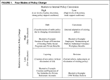
 You have
Access
- 972
- Cited by
Comments
No Comments have been published for this article.