




No CrossRef data available.
Marine parasites as pollution indicators: an update
Published online by Cambridge University Press: 10 November 2003
Abstract
Eight major reviews are cited to indicate a recent knowledge explosion on the use of marine parasites as potential indicators of pollution. A literature update is given for the period 1995–2001. An analysis of the publications cited is used to provide 10 refined criteria for selecting parasites as indicator/monitor species. Previously unpublished data on Diclidophora merlangi and Dictyocotyle coeliaca confirm their value as potential indicators of hydrocarbon pollution in the North Sea. An extensive knowledge of D. merlangi is summarised to emphasize its potential value as an indicator species and also to encourage studies on the health status and immune responses of its host when subjected to pollutant stressors and infection with this monogenean. A discussion focuses on publications which have reported significant recent advances in this area of research and also on accompanying issues, problems and controversies. These selected publications are used to suggest species, stages in the development of species and assemblages of species worthy of further more detailed investigations into their value as indicators/monitors of pollution. It is predicted that further good progress will be made when contaminants can be accurately identified, their precise effects on both host and parasite can be measured by histochemical and biological methods and the roles of contaminants and parasites in causing disease can be assessed separately. About 100 references are cited.
Keywords
Information
- Type
- Research Article
- Information
- Copyright
- © 2003 Cambridge University Press
INTRODUCTION
From the 1950s increasing concern about marine pollution has led to many conferences and publications (for example Ruivo et al. 1972; White, 1984; Salomons et al. 1988; GESAMP, 1990; McIntyre, 1995 a,b). The methodology of detection, assessment and monitoring of pollution is diverse and includes the use of indicator species ranging from diatoms, seaweeds, free-living worms, molluscs and crustaceans to tunicates, fish, birds and mammals. The use and misuse of biological monitors was well discussed by White (1984). White argued, as had been done in previous publications, that it is unrealistic and naive to expect a single taxon of organisms simultaneously to serve as indicators for all interests and that the indicators concept is too simplistic and restrictive. It was suggested by one of us (HHW) in 1978 (see Cole, 1979) that some groups of fish parasites might be good indicators because they have a variety of life-cycle patterns with delicate developmental stages which, depending on the species, can infect most of the groups of animals previously used as indicators. If only one taxon is used, for example parasitic flatworms, a study of all stages of their life-cycles would require observations not only on other taxa serving as hosts (e.g. molluscs, arthropods, fish, birds and/or mammals) but also on bottom sediments because most helminth life-cycles involve stages, such as eggs and larvae, that are in contact with the sea bottom. Thus the fact that sediments alone can be used as indicators (White, 1984 p. 326) supports the use of free-living stages of parasites especially if they are closely associated with sediments.
The last twenty years have seen a knowledge explosion on the use of marine parasites as potential monitors, as is evident from Møller (1987), Khan & Thulin (1991), Vethaak & Rheinallt (1992), Williams & Jones (1994), MacKenzie et al. (1995), Overstreet (1997), MacKenzie (1999) and Hemmingsen & MacKenzie (2001). Since around 1995 about 50 publications have appeared on the subject. Williams & Jones (1994 p.34) listed over 30 genera of helminths then thought to be of potential value as pollution indicators, whilst MacKenzie et al. (1995) focused on various kinds of marine pollution and their potential effects on parasite transmission stages, including those of the monogeneans Diclidophora merlangi on Merlangius merlangus and Dictyocotyle coeliaca in Raja radiata and R. naevus. MacKenzie (1999) reiterated some of these aspects. Our view in 1995 was based on extensive unpublished observations and data on these two monogeneans. Not unexpectedly, recent publications on marine parasites as indicators of pollution include views which are sceptical about their use, those which accept their potential value but emphasise the need for caution in interpreting results (e.g. MacKenzie et al. 1995), and papers with few if any reservations on parasites as bioindicators. It is now tempting to join the last category for reasons that we hope will become apparent in the conclusions of this paper, especially the encouraging trend in a direction we suggested in 1995: the use of parasites together with ‘a combined monitoring approach including the analysis of sediment contamination, infaunal community composition and laboratory bioassays’.
Our aims in this paper are to: (1.) update literature on different types of pollution; (2.) update and refine criteria for selecting parasites as monitors; (3.) present unpublished data on Diclidophora merlangi and Dictyocotyle coeliaca as an aid to further work on their use as biomonitors; (4.) discuss problems and controversies in this area of research; and (5.) suggest species that have potential for use as indicators if used in combination with other approaches to biomonitoring.
LITERATURE UPDATE
Papers published since 1995 have focused on the effects of hydrocarbons, heavy metals, climate and temperature (thermal), pulp and paper mill effluents, eutrophication and its various causes, including aquaculture, and various combinations of these types of pollution. These, in relation to the parasite/host systems studied, together with locality and references, are given in Table 1.

REFINED CRITERIA FOR SELECTING HOST/PARASITE SYSTEMS AS BIOMONITORS
Some of the authors referred to in our literature update clearly indicated a need (1.) to select well known parasite/host systems in well known study areas; (2.) to combine their use as biomonitors with other methods of investigating pollution; (3.) to verify results in the laboratory; and (4.) for a better knowledge of the effects of pollutants on fish health and immune responses.
Advances in our knowledge in these areas are encouraging and call for a need to update and refine criteria previously used in selecting suitable host-parasite systems. To this end we suggest the following criteria of which we would consider 1 to 8 to be essential requirements, while 9 and 10 are preferable if achievable: (1.) The ecology of the study area should be well known from research over a long period. (2.) Both host and parasite should be readily available for study throughout the year and over a number of years using cost-effective methods. (3.) Host and parasite should be readily identifiable without the aid of time-consuming methods. (4.) Problems regarding possible sampling of different host and parasite populations should be taken into consideration. (5.) The ecology and life-cycles of both host and parasite should be well known. (6.) There should be consistency in the use of ecological terms, for example those in Bush et al. (1997). (7.) The pollutant(s) should be identifiable and their possible effects on both host and parasite considered relative to those of almost 30 biotic and abiotic factors. (8.) Selection should focus on host/parasite systems with large geographical and ecological ranges but also where populations might be restricted in their migrations within this range. Sampling should occur where conditions are thought to be optimal for host and parasite as well as near the limits of the parasite's geographical range. (9.) Wherever possible the indicator parasite(s) should be used in conjunction with one or more of about 50 other techniques used for monitoring the biological effects of pollution. (10.) Host/parasite systems for which it might be possible to investigate the complex interactions between pollutant, immune response and parasites when interpreting results, should be selected.
DICLIDOPHORA MERLANGI AND DICTYOCOTYLE COELIACA AS POTENTIAL INDICATORS OF POLLUTION IN THE NORTH SEA AND ADJACENT WATERS
During the period 1990–1995 the present authors investigated the potential of the gill parasitic monogenean Diclidophora merlangi as an indicator of marine pollution, with particular reference to hydrocarbon pollution associated with the oil industry in the North Sea. This parasite was selected for investigation for the following reasons. (1.) Its biology and ecology are relatively well known. (2.) Previous workers have provided data on its distribution and prevalence in British waters (Llewellyn, 1956; Smith, 1969; Shotter, 1972, 1973 a,b; Pilcher, Whitfield & Riley, 1989; Lang, 1990). (3.) It is relatively easily seen and highly host-specific to whiting Merlangius merlangus L, which are themselves abundant and easy to sample.
Important references on D. merlangi are listed in chronological order in Table 2. This table summarises the main observations on this species and shows that it is amongst the best known of all marine polyopisthocotylean monogeneans.

The aim of our study was to test the hypothesis that some forms of pollution, particularly hydrocarbon, are associated with increased infection by ectoparasites. We did this by comparing our data on D. merlangi with those of the earlier workers referred to above, and then comparing levels of infection on whiting collected from areas of oil and gas production in the North Sea with those from areas unaffected by these activities. Smith (1969) presented data from whiting collected in 1963–1964 at four stations in the central North Sea close to some sampled by us in 1991. The mean intensities of infection in our samples were significantly higher than Smith's, suggesting that levels of infection in the North Sea had increased considerably in the intervening three decades. Results from two sets of samples taken during research vessel cruises in May 1990 and in June–July 1991 showed that prevalences and mean intensities of D. merlangi tended to be higher on whiting caught at stations close to oil installations than at other stations (Figs. 1, 2). Later sampling in 1993 and 1995 failed to show such clear-cut differences, but these discrepancies may be due to a number of biotic and abiotic factors, including the fact that the whiting is a migratory species, so different populations may have been sampled in different years and seasons. Nevertheless, we believe that this particular host/parasite relationship is worth investigating further as an indicator of pollution, particularly hydrocarbon, in the northeast Atlantic. Both host and parasite are suitable for experimental work.

Fig. 1. Map of northern North Sea showing 21 positions (solid circles) of Merlangius merlangus samples taken in May 1990 with percentage prevalences and mean intensities of Diclidophora merlangi infection, and sites of major oil and gas installations (open squares).

Fig. 2. As Figure 1 for samples taken in June–July 1991.
The prevalence of another monogenean, Dictyocotyle coeliaca, in the North Sea, appears to have changed over the last 35 years or so. Williams (1965) recorded a prevalence of 59·2% in a sample of 76 North Sea Raja radiata. In 1990–91, however, the prevalence was 89·3% in a sample of 28 rays. It is premature to suggest that this is a real change associated with hydrocarbon pollution. Problems in investigating a migratory host species might be alleviated if a suitable sedentary benthic fish was studied in the same locality. Williams (1961) referred to evidence that various species of Raja do not show extensive migratory movements. Two species of this genus are often caught in sufficiently large numbers on North Sea research cruises sampling for Merlangius merlangus. Further monitoring of R. radiata and R. naevus for the presence of Dictyocotyle coeliaca and Calicotyle kroyeri could, therefore, be easily achieved at little extra cost and effort. These monogeneans are conspicuous, easily identified and their hosts can be successfully maintained in aquaria for experimental work, especially the responses of oncomiracidia to chemicals in the environment. Focusing on these monogeneans and on Diclidophora as indicator species may obviate criticisms of using a pelagic migratory fish only for pollution studies.
DISCUSSION
As indicated in our aims and objectives, research on marine parasites as pollution indicators is fraught with problems and issues. Amongst the main problems are (1.) difficulties in defining what constitutes pollution and its main causes, and (2.) understanding the relationship between a parasite species and its environment which is affected by almost 30 biotic and abiotic factors (Williams & Jones, 1994). There are however, clear indications in recent publications that some of these problems are being slowly resolved. A main issue is a division between a minority of fish parasitologists, for example Kennedy (1997) and Elston et al. (1997), who are sceptical about the use of fish parasites in this research, and a substantial majority who are in favour although many advocate caution in doing so. A comment on the minority view is appropriate before discussing how some of the main problems are being resolved. Kennedy (1997) was of the view that until we know the precise causal relationship between fish parasites and pollution their use has no clear advantages over free-living organisms as indicators of pollution. He listed 8 problems and difficulties in using them as indicators of environmental change. It is evident, however that six of these problems do not apply in our choice of D. merlangi as an indicator. Chubb (1997), anticipating publications by Yeomans, Chubb & Sweeting (1997) and Yeomans et al. (1999), questioned Kennedy's view that it is unlikely that parasites will provide easy options for monitoring environmental change. Chubb's work and that of his colleagues present convincing field and experimental results that indicate a clear link between water-borne bacterial numbers (in an organic pollution gradient) and increased intensity of trichodinid infestations. Elston et al. (1997), in discussing research results funded by the Exxon Corporation, found no trends in the health and condition of herring Clupea pallasi that could reasonably be attributed to the Exxon Valdez oil spill in 1989 in Prince William Sound, Alaska. They were sceptical about the use of condition factor, disease and indices of liver function as indicators of pollution exposure. They believed that such claims are invalid unless other factors unrelated to pollutant exposure are considered, for example age and reproductive stage of the herring, spawning behaviour and location and date of capture. The results of Moles & Wade (2001), however, do not support those of Elston et al. (1997). They stated that the link between hydrocarbon-induced immunosuppression and gill parasites, although often theorised, had never been tested. They maintained Pacific sand lance, Ammodytes hexapterus, for five weeks in a holding tank with a 3 cm layer of sand sediment before exposing them to crude oil at a level corresponding approximately to the concentrations of hydrocarbons in the shallow subtidal (10–30 m) following the Exxon Valdez oil spill. The effects of the oiled sediment on blood phagocytic function and parasite abundance were determined. This was the first laboratory study to note increases in a species of Gyrodactylus on the gills of a fish maintained on sediments at a low concentration of crude oil. They suggested that the fish were immunologically compromised due to the stress of exposure to oiled sediments. Higher levels of exposure not only resulted in lower non-specific immune responses but were also correlated to an increase in prevalence of gill monogeneans. Conversely when the immune response was elevated both prevalence and abundance of the parasite infections were reduced. Immune based biomarkers are useful measures of environmental quality. The stress associated with exposure to polycyclic aromatic hydrocarbons (PAH) can both stimulate and suppress phagocytic activity, depending on concentrations. The prevalence and abundance of gill parasites appears to be correlated with phagocytic activity and may provide a field estimate of animal health.
In returning to a discussion of the problems referred to above we can now claim to have a better understanding of the general nature of pollution and its causes. McIntyre (1995 a) pointed out that monitoring aimed at selected problems of marine pollution began around 1920 and from then until the 1940s focused mainly on problems arising from discharges of oil from ships. From the late 1940s to the 1950s fallout from radionuclides could be detected in all the world's oceans. Persistent residues from pesticides also affected fish-eating birds during this period on a global basis. The ‘Minimata’ disease in Japan in the 1950s was eventually traced to mercury-rich factory effluents and this drew attention to the dangers of heavy metals at sea. The Torrey Canyon disaster in 1967 diverted attention away from operational discharges of oil and focused on spills from large tankers. McIntyre (1995 a) lists contaminants to include metals, nutrients, radionuclides, oil, synthetic organic compounds, plastics, sediments, carbon dioxide and other radiatively active gases, and a great diversity of municipal and industrial wastes. Seventy-seven per cent of contaminants originate from land and reach the sea waterborne or airborne. Only 12% are derived from shipping.
In referring to the report of the North Sea Task Force (1993), McIntyre (1995 b) gives an excellent reason for supporting studies in the North Sea. This report was put together over several years by scientists from the eight countries surrounding the North Sea. Offshore the main polluting inputs, apart from atmospheric deposition, are from shipping and hydrocarbon extraction and there is little contamination in the northern and central parts. Shallow coastal zones, however, are very heavily polluted with many contaminants. McIntyre concluded that although in most situations pollution effects would be the results of multiple exposures to a variety of contaminants, the best measure of the integrated impact is through biological effect studies. The North Sea Task Force report firmly recommends fish disease surveys as one of four approaches in studying pollution effects although all carry difficulties in interpretation. Although the diseases referred to did not include metazoan parasites, we consider our decision to examine whiting and its specific Diclidophora parasite to be vindicated in the report.
We are also pleased that the suggestion in MacKenzie et al. (1995) and MacKenzie (1999) that the transmission stages of parasites, particularly helminths, could provide a good early warning system for marine pollution has received practical support from the results of Cross, Irwin & Fitzpatrick (2001). Their study clearly indicated that pollution-induced reductions in cercarial quality of the common inshore digenean Cryptocotyle lingua seemed capable of producing transmission failure. They also commented that cercariae in general could be excellent indicators. This study investigated the effects of heavy metal pollution, but again it is important to note that other types of pollution can have the opposite effect. Barker, Khan & Hooper (1994) found significantly higher levels of C. lingua infection in winter flounder from a site contaminated by pulp and paper mill effluent than in those from their reference site.
Lafferty (1997) gave an admirable review of the use of parasites to assess environmental quality and its complexity. He briefly discussed eight approaches to environmental assessment. A table summarised the nine main causes of change in aquatic environments: heavy metals, acid precipitation, sewage-sludge, industrial effluent, crude oil, pulp-mill effluent, thermal effluent, eutrophication and unspecified human ‘disturbance’. Their effects on parasites have been studied on Digenea, Acanthocephala, Cestoda, Monogenea, Nematoda, Ciliophora and ‘other groups’. Lafferty correctly drew attention to the need to fill many important gaps in our knowledge before conclusions can be drawn on the use of parasites as pollution indicators and advocated further research on the cercariae and miracidia of digeneans, ciliated protozoans and the presence or absence of digeneans in fish as promising areas for further research. A most important step towards further progress would be to adopt better study designs widely used in environmental impact assessment. With increased knowledge and improvements in methodology Lafferty believed environmental parasitology would contribute substantially to future impact assessment.
Lafferty & Kuris (1999) reiterated this view and drew attention to many examples of the interaction between parasites and other stressors in aquatic environments. They emphasized the importance of considering the full range of potentially interacting components of a system because the various direct and indirect effects that can impinge on a parasite's complex life cycle can make the effect of a stressor quite complex. Complexities aside, they believed that parasites can and do interact with other stressors. Recognizing these complexities fish parasitologists, as stated by McVicar (1997), appear to have pursued one or more types of study focusing on (1.) a known contaminant, (2.) a known source of pollution, and/or (3.) disease as the end point of pollution. Progress, often based only on field work, has been made on the effects of a single contaminant or a known source of pollution, as is evident from many examples given in our table updating recent literature on parasites and pollution. In assessing this progress careful consideration should be given to Hoole (1997) who stated that there is no definitive study correlating a pollutant with change in the immune status of fish and subsequent susceptibility to parasitic infection. There are, however, studies which have noted changes in several immune parameters. Hoole reviewed the variable effects of pollutants on innate immunity, antibody levels and leucocyte activity, migration and numbers and emphasized that pollutants affect the dynamics of parasite infections in fish in (1.) having toxic effects on the parasite and its free-living stages, (2.) reducing numbers of invertebrate hosts, and (3.) altering the susceptibility of fish to parasite infection. He concluded that there is evidence that pollution does affect several immune mechanisms which are stimulated by parasites. These immune parameters can be increased in fish exposed to chronic levels of some pollutants thereby possibly increasing host resistance to parasites. In contrast, the suppressive effects of pollutants on the fish immune system is also well documented and he cites his work on increase in apoptosis in pronephric cells of Cyprinus carpio exposed to cadmium. The interactions between pollutant, immune response and parasite are, therefore, very complex. More work is required on fish helminths to clarify: (1.) immune evasion strategies, for example inhibition of leucocyte adherence; (2.) evasion/tolerance of reactive oxygen intermediates; (3.) evasion of antibodies; (4.) proteinase inhibitor production; and (5.) masking host proteins.
Attempts are being made by a number of workers to consider one or more of the problems we have already discussed. Amongst those who have reported encouraging results are Khan (1998 a,b, 1999), Khan et al. (1994), Broeg et al. (1999), Diamant et al. (1999), George-Nascimento et al. (2000) and Overstreet (1999). These authors used data in addition to those from parasite studies, such as chemical analysis of the water together with biochemical and histochemical studies of host tissues. A recommendation of the ICES Advisory Committee on the Marine Environment was pursued by Broeg et al. (1999), i.e. tests on the activity of CYPIA-dependent monoxygenase ethoxyresoruffin O-decthylase (EROD) on the integrity of lysosomal membranes in hepatocytes as an indicator of non-specific acute and chronic toxic effects. The neutral lipid content in the liver was used as a marker for pathologically induced fat accumulation and lysosomal stability/macrophage aggregate activity was tested for measuring immunosuppression. Using flounder, Platichthys flesus, and its parasite assemblage of 33 species in four locations of the German Bight, Broeg et al. concluded that use of a combination of bioindicators for pollution monitoring, including EROD activity, lysosomal membrane stability and parasite diversity, facilitates the interpretation of results against a background of natural and seasonal variation and provides valuable information about the stress level of individual fish. Trichodina sp. best reflected the pollution gradient with highest infection intensity in the most polluted location, the Elbe estuary. A significant result from residue analysis of DDT and PCBs in flounder muscle was that the pollution pattern was different for every site and season sampled in the North Sea. No location was ‘unpolluted’.
A similar approach was adopted by Diamant et al. (1999) in a study of 22 species of heteroxenous and monoxenous parasites of Siganus rivulatus in the Red Sea and the Mediterranean. The Mediterranean data yielded a very low species richness value due to the absence of heteroxenous species. Mean values of EROD activity in Mediterranean fish were almost double those from the Red Sea and were therefore a good measure of exposure to contaminants. Lysosomal stability values were even more discernible for the two localities. Using acid phosphatase, the mean destabilisation time in fish from the Mediterranean was 8 minutes compared with 18 minutes for Red Sea fish. These results clearly indicated liver cell damage in the Mediterranean fish and was a good measure of the basic effects of the contaminants on the liver of S. rivulatus. This is a comparison of species richness in two localities showing high values in an ecologically stable habitat and low values for polluted areas near cage mariculture activities. These were validated by biochemical and histochemical results. It was concluded that changes in parasitological parameters are sensible tools for detecting environmental changes due to pollution.
Towards concluding this discussion of recent progress in marine pollution studies, we draw attention to difficulties in interpreting results in three areas of research, namely the effects of (1.) climate and temperature changes, (2.) pollutants on the community ecology of parasites, and (3.) a mixture of pollutants especially in areas where little basic work has been done on parasite taxonomy and much less on the ecology of host-parasite systems. A reminder of the complexity of the effects of temperature and climate changes was given by Attrill & Power (2002). They drew attention to the long-term influence of climate on our seas and thus on marine fish stocks. These authors found that nine of the 15 species of fish investigated demonstrated a significant variation between population abundance and the North Atlantic Oscillation Index (NAOI), but no significant relationship between gadoids, including whiting M. merlangus, and this index. Marcogliese (2001) drew attention to notable consequences of climate change for abiotic and biotic aspects of the environment and to the enormous literature on this subject. He then explored the potential response of parasites of aquatic animals to climate change. Kesting & Zander (2000) and Landsberg et al. (1998) are good examples of interesting results obtained from community ecology studies and of investigations of the different effects of various pollutants.
From 1992 to 1994 Kesting & Zander (2000) examined 1245 fish of five species, 2850 gammarids of four species, 18980 copepods of four species, and 1610 snails of three species in the Schlei Fjord of the Baltic Sea. Their main aims were to gain knowledge of the metazoan parasite communities of brackish water with varying degrees of salinity and to compare the results with other studies in the same area from 1977 to 1994, since it was known that a considerable increase in eutrophication had taken place during this 17 year period. They found that 21 host species were known in the study area in 1991 but only 14 were present in 1994. Similarly from 1991 to 1994 there was a reduction in the number of parasite species from 18 to 8. It is suggested that two stressors may be related to these changes: low and changing salinity and, more importantly, eutrophication with high oxygen deficiency following pollution with nitrogen and phosphate as a result of farming activities.
An important contribution was made by Landsberg et al. (1998). They evaluated the influence of parasite assemblages on the health of fish and also changes in parasite diversity, prevalence, richness and abundance in response to environmental stressors. Three categories of environmental parameters were considered: (1.) external abiotic (2.) external biotic and (3.) condition of individual fish using organosomatic indices of the spleen and liver. Their aim was to develop a cost-effective index for monitoring and assessing estuarine health. Twenty silver perch, Berdiella chrysura, were taken from each of the 19 sites off the coast of Florida and 18461 parasites representing 44 taxa were found. Nine of the taxa were present at every site and 22 of the most abundant taxa comprised 99·16% of the individuals found. The species diversity ranged from 1·48 to 3·36. Data on the prevalence of parasite groups by site and apparent response of these to environmental stressors were subjected to a rigorous statistical analysis using various methods. The results were used to construct a parasite index with a point score by site. This index was based on changes in the prevalence of parasitic groups and also in three ecological parasite measures (species diversity, parasite species richness and mean number of taxa per fish) in response to particular environmental stressors. Scores of 59 and 109 were recorded for the healthiest and unhealthiest site respectively. A relationship was found between particular stressors and parasites, namely (1.) temperature and monogeneans, (2.) contaminants and nematodes, (3.) low dissolved oxygen and protozoans and (4.) salinity together with a mixture of metal and organic contaminants and crustaceans. They concluded that parasites of fish are useful biomarkers and appear to be more sensitive to environmental stressors than are the fish themselves.
Finally in these complex areas of research, Marcogliese, Nagler & Cyr (1998) reported notable results. They exposed American plaice, Hippoglossoides platessoides, to high levels of polycyclic aromatic hydrocarbons (PAHs) and polychlorinated biphenyls (PCBs) in contaminated sediments. The fish were infected with 18 helminth species, four myxozoans and one protozoan. Significant results were obtained from Trichodina sp., Gyrodactylus sp. and gastrointestinal digeneans. There was a greater abundance of Gyrodactylus and a decrease in Trichodina in exposed fish. An intriguing result was obtained with gastrointestinal digeneans in that, contrary to other studies, no change was observed.
CONCLUSIONS
In the last decade there has been an accumulation of published evidence supporting the use of trichodinids as indicators of excessive eutrophication, gyrodactylids to detect hydrocarbons in marine sediments, and adult acanthocephalans and adult tapeworms for determining high levels of heavy metals. Considerable progress has also been made when parasite studies have been related to chemical analyses of water and to biochemical and histochemical research on host tissues. This approach facilitates the interpretation of data against a background of other complex factors, including the effects of pollutants as stressors which might affect parasite populations. Stressors may cause either increased or decreased intensity of infection depending on the nature of the pollutant and/or the complexity of the host parasite system under investigation. Such effects on the dynamics of host-parasite systems and disease are important complex factors which can only be safely interpreted by specialists in community ecology. There is, however, evidence that disease as the end-point of pollution is a good biomarker. Further work is required on the variable effects of pollutants on fish immune responses and their consequential effects on parasite populations. Marine parasites are as valuable and perhaps have fewer drawbacks than free-living animals as indicators of pollution (see Marcogliese & Cone, 1997). Direct and/or indirect effects of some parasites on the organs and tissues of fish caught in polluted waters are often clearly visible to the naked eye, for example distinctly anaemic as opposed to bright red gills, obvious variations in liver colour (light pink to dark red) or gall bladder colour (from a light yellowish green to a dark brown). Such differences (although they disappear on fixation and preservation) are often an indication of the presence or absence of a parasite species and are in themselves good initial field indicators of pollution worthy of more detailed laboratory deductive methods of examination. There are good reasons for pursuing further research on the monogenean D. merlangi as an indicator and monitor of hydrocarbon pollution in selected areas of the North Sea. We reaffirm that other species named in MacKenzie et al. (1995) are good potential indicators and/or monitors of pollution. Other papers cited in this review provide clear evidence that considerable progress has been made since 1995 from studies of Trichodina spp., myxosporeans, haematozoa, digenean cercariae, gastrointestinal helminths and the entire parasite assemblages of some fish species.
ACKNOWLEDGEMENTS
Work on Diclidophora merlangi was supported by a contract grant from the Department of the Environment to the National Museums and Galleries of Wales for whom one of us (HHW) was nominated as the Contractor's Officer and Scientific Coordinator of the project from 1990–1993. A handwritten manuscript of this entire paper was placed on computer by Margaret Williams for whose assistance we are extremely grateful.
References
REFERENCES
ARME, C. &
HALTON, D. W.
(1972).
Observations on the occurrence of Diclidophora merlangi (Trematoda: Monogenea) on the gills of whiting, Gadus merlangus. Journal of Fish Biology
4, 27–32.CrossRefGoogle Scholar
ARME, C. &
WALKEY, M.
(1970).
The physiology of fish parasites. In
Aspects of Fish Parasitology. Symposia of the British Society for Parasitology (ed. Taylor, A. E. R.) 8, pp. 79–101.
Oxford & Edinburgh, Blackwell Scientific Publications.
ATTRILL, M. &
POWER, M.
(2002).
Climatic influence on a marine fish assemblage.
Nature, London
417, 275–278.CrossRefGoogle Scholar
BARKER, D. E.,
KHAN, R. A. &
HOOPER, R.
(1994).
Bioindicators of stress in winter flounder, Pleuronectes americanus, captured adjacent to a pulp and paper mill in St. George's Bay, Newfoundland.
Canadian Journal of Fisheries and Aquatic Sciences
51, 2203–2209.CrossRefGoogle Scholar
BERGEY, L.,
WEIS, J. S. &
WEIS, P.
(2002).
Mercury uptake by the estuarine species Palaemonetes pugio and Fundulus heteroclitus compared with their parasites, Probopyrus pandalicola and Eustrongylides sp.
Marine Pollution Bulletin
44, 1046–1050.CrossRefGoogle Scholar
BROEG, K.,
ZANDER, S.,
DIAMANT, A.,
KÖRTING, W.,
KRÜNER, G.,
PAPERNA, I. &
WESTERNHAGEN, H. V.
(1999).
The use of fish metabolic, pathological and parasitological indices in pollution monitoring 1. North Sea.
Helgoland Marine Research
53, 171–194.CrossRefGoogle Scholar
BROWNLEE, D. J. A.,
THORNDYKE, M. C.,
FAIRWEATHER, I. &
JOHNSTON, C. F.
(1995).
Immunocytochemical demonstration of SALMFamide (S1)-like immunoreactivity in the nervous system of two marine platyhelminth parasites, Diclidophora merlangi and Grillotia erinaceus.
Acta Biologica Hungarica
46, 205–209.Google Scholar
BUSH, A. O.,
LAFFERTY, K. D.,
LOTZ, J. M. &
SHOSTAK, A. W.
(1997).
Parasitology meets ecology on its own terms: Margolis et al. revisited.
Journal of Parasitology 83, 375–583.CrossRefGoogle Scholar
CHU, F. L. E. &
HALE, R. C.
(1994).
Relationship between pollution and susceptibility to infectious disease in the Eastern oyster, Crassostrea virginica. Marine Environmental Research
38, 243–256.CrossRefGoogle Scholar
CHUBB, J. C.
(1997).
Fish parasites as indicators of environmental quality: a second perspective.
Parassitologia 39, 255.Google Scholar
COLE, H. A.
(1979).
The assessment of sub-lethal effects of pollutants in the sea.
Philosophical Transactions of the Royal Society of London (B) 286, 399–424.Google Scholar
CROSS, M. A.,
IRWIN, S. W. B. &
FITZPATRICK, S. M.
(2001).
Effects of heavy metal pollution on swimming and longevity in cercariae of Cryptocotyle lingua (Digenea: Heterophyidae).
Parasitology
123, 499–507.CrossRefGoogle Scholar
DIAMANT, A.,
BANET, A.,
PAPERNA, I.,
WESTERNHAGEN, H. V.,
BROEG, K.,
KRUENER, G.,
KOERTING, W. &
ZANDER, S.
(1999).
The use of fish metabolic, pathological and parasitological indices in pollution monitoring II. The Red Sea and Mediterranean.
Helgoland Marine Research
53, 195–208.CrossRefGoogle Scholar
ELSTON, R. A.,
DRUM, A. S.,
PEARSON, W. H. &
PARKER, K.
(1997).
Health and condition of Pacific herring Clupea pallasi from Prince William Sound, Alaska, 1994.
Diseases of Aquatic Organisms
31, 109–126.CrossRefGoogle Scholar
GEORGE-NASCIMENTO, M.,
KHAN, R. A.,
GARCIAS, F.,
LOBOS, V.,
MUNOZ, G. &
VALDEBENITO, V.
(2000).
Impaired health in Flounder, Paralichthys spp., inhabiting coastal Chile.
Bulletin of Environmental Contamination and Toxicology
64, 184–190.CrossRefGoogle Scholar
GESAMP (1990).
The State of the Marine Environment. UNEP Regional Reports and Studies No. 115. Nairobi.
HALTON, D. W.
(1974).
Hemoglobin absorption in the gut of a monogenetic trematode, Diclidophora merlangi. Journal of Parasitology
60, 59–66.CrossRefGoogle Scholar
HALTON, D. W.
(1975).
Intracellular digestion and cellular defecation in a monogenean, Diclidophora merlangi. Parasitology
70, 331–340.CrossRefGoogle Scholar
HALTON, D. W.
(1976).
Diclidophora merlangi. Sloughing and renewal of hematin cells.
Experimental Parasitology
40, 41–47.Google Scholar
HALTON, D. W.
(1979).
The surface topography of a monogenean, Diclidophora merlangi, revealed by scanning electron microscopy.
Zeitschrift für Parasitenkunde
61, 1–12.CrossRefGoogle Scholar
HALTON, D. W.,
BRENNAN, G. P.,
MAULE, A. G.,
SHAW, C.,
JOHNSTON, C. F. &
FAIRWEATHER, I.
(1991).
The ultrastructure and immunogold labelling of pancreatic polypeptide-immunoreactive cells associated with the egg-forming apparatus of a monogenean parasite Diclidophora merlangi.
Parasitology
102, 429–436.CrossRefGoogle Scholar
HALTON, D. W.,
DERMOTT, E. &
MORRIS, G. P.
(1968).
Electron microscope studies of Diclidophora merlangi (Monogenea: Polyopisthocotylea). I. Ultrastructure of the cecal epithelium.
Journal of Parasitology
54, 909–916.Google Scholar
HALTON, D. W. &
HARDCASTLE, A.
(1976).
Spermatogenesis in a monogenean, Diclidophora merlangi.
International Journal for Parasitology
6, 43–54.CrossRefGoogle Scholar
HALTON, D. W. &
JENNINGS, J. B.
(1965).
Observations on the nutrition of monogenetic trematodes.
Biological Bulletin
129, 257–272.CrossRefGoogle Scholar
HALTON, D. W.,
MAULE, A. G.,
MAIR, G. R. &
SHAW, C.
(1998).
Monogenean neuromusculature: Some structural and functional correlates.
International Journal for Parasitology
28, 1609–1623.CrossRefGoogle Scholar
HALTON, D. W. &
MORRIS, G. P.
(1975).
Ultrastructure of the anterior alimentary tract of a monogenean, Diclidophora merlangi.
International Journal for Parasitology
5, 407–420.CrossRefGoogle Scholar
HALTON, D. W.,
MORRIS, G. P. &
HARDCASTLE, A.
(1974).
Gland cells associated with the alimentary tract of a monogenean, Diclidophora merlangi.
International Journal for Parasitology
4, 589–599.CrossRefGoogle Scholar
HEMMINGSEN, W. &
MACKENZIE, K.
(2001).
The parasite fauna of the Atlantic cod, Gadus morhua L.
Advances in Marine Biology
40, 1–80.CrossRefGoogle Scholar
HOOLE, D.
(1997).
The effects of pollutants on the immune response of fish: implications for helminth parasites.
Parassitologia
39, 219–225.Google Scholar
JOHNSTON, R. N.,
SHAW, C.,
BRENNAN, G. P.,
MAULE, A. G. &
HALTON, D. W.
(1995).
Localisation, quantitation, and characterisation of neuropeptide F- and FMRF amide-immunoreactive peptides in turbellarians and a monogenean: A comparative study.
Journal of Comparative Neurology
357, 76–84.CrossRefGoogle Scholar
KENNEDY, C. R.
(1997).
Freshwater fish parasites and environmental quality: an overview and caution.
Parassitologia
39, 249–254.Google Scholar
KESTING, V. &
ZANDER, C. D.
(2000).
Alteration of the metazoan parasite faunas in the brackish Schlei Fjord (Northern Germany, Baltic Sea).
International Revue of Hydrobiology
85, 325–340.3.0.CO;2-9>CrossRefGoogle Scholar
KHAN, R. A.
(1998 a).
Parasites of fish as indicators of environmental stress.
Proceedings of the IX International Congress of Parasitology,
Makuhari Messe, Chiba, Japan, 24–28 August, 1998, pp. 313–318.
Monduzzi Editore, International Proceedings Division, Bologna, Italy.
KHAN, R. A.
(1998 b).
Influence of petroleum at a refinery terminal on feral winter flounder, Pleuronectes americanus.
Bulletin of Environmental Contamination and Toxicology
61, 770–777.Google Scholar
KHAN, R. A.
(1999).
Length-weight relationship, histopathology and parasitism as bioindicators of stress in winter flounder (Pleuronectes americanus) living near a PCB contaminated naval facility in Newfoundland.
Canadian Journal of Zoology
77, 381–388.CrossRefGoogle Scholar
KHAN, R. A.,
BARKER, D. E.,
WILLIAMS-RYAN, K. &
HOOPER, R. G.
(1994).
Influence of crude oil and pulp and paper mill effluent on mixed infections of Trichodina cottidarium and T. saintjohnsi (Ciliophora) parasitizing Myoxocephalus octodecemspinosus and M. scorpius.
Canadian Journal of Zoology
72, 247–251.Google Scholar
KHAN, R. A. &
PAYNE, J. F.
(1997).
A multidisciplinary approach using several biomarkers, including a parasite, as indicators of pollution: a case history from a paper mill in Newfoundland.
Parassitologia
39, 183–188.Google Scholar
KHAN, R. A. &
THULIN, J.
(1991).
Influence of pollution on parasites of aquatic animals.
Advances in Parasitology
30, 201–238.CrossRefGoogle Scholar
KVACH, Yu. V.
(2001).
Ligula invasion of monkey goby (Neogobius fluviatilis) in some estuaries of north western Black Sea region.
Vestnik Zoologii
35, 85–88.Google Scholar
LAFFERTY, K. D.
(1997).
Environmental parasitology: What can parasites tell us about human impacts on the environment?
Parasitology Today
13, 251–255.Google Scholar
LAFFERTY, K. D. &
KURIS, A. M.
(1999).
How environmental stress affects the impacts of parasites.
Limnology and Oceanography
44, 925–931.CrossRefGoogle Scholar
LANDSBERG, J. H.,
BLAKESLEY, B. A.,
REESE, R. O.,
McRAE, G. &
FORSTCHEN, P. R.
(1998).
Parasites of fish as indicators of environmental stress.
Environmental Monitoring and Assessment
51, 211–232.CrossRefGoogle Scholar
LANG, T.
(1990).
Infestation of North Sea whiting (Merlangius merlangus L.) with externally visible parasites.
ICES C.M.1990/E:31 Ref. G, 1–23.
LENIHAN, H. S.,
MICHELI, F.,
SHELTON, S. W. &
PETERSON, C. H.
(1999).
The influence of multiple environmental stressors on susceptibility to parasites: An experimental determination with oysters.
Limnology and Oceanography
44, 910–924.CrossRefGoogle Scholar
LLEWELLYN, J.
(1954).
Observations on the food and the gut pigment of the Polyopisthocotylea (Trematoda: Monogenea).
Parasitology
44, 428–437.CrossRefGoogle Scholar
LLEWELLYN, J.
(1956).
The host-specificity, micro-ecology, adhesive attitudes, and comparative morphology of some trematode gill parasites.
Journal of the Marine Biological Association of the United Kingdom
35, 113–127.CrossRefGoogle Scholar
LLEWELLYN, J.
(1958).
The adhesive mechanisms of monogenetic trematodes: the attachment of species of the Diclidophoridae to the gills of gadoid fishes.
Journal of the Marine Biological Association of the United Kingdom
37, 67–79.CrossRefGoogle Scholar
LLEWELLYN, J.
(1972).
Behaviour of monogeneans. In
Behavioural Aspects of Parasite Transmission (ed. Canning, E. U. & Wright, C. A.). Zoological Journal of the Linnean Society 51, 19–30.
LLEWELLYN, J.,
GREEN, J. E. &
KEARN, G. C.
(1984).
A check-list of monogenean (Platyhelminth) parasites of Plymouth hosts.
Journal of the Marine Biological Association of the United Kingdom
64, 881–887.CrossRefGoogle Scholar
LLEWELLYN, J. &
TULLY, C. M.
(1969).
A comparison of speciation in diclidophorinean monogenean gill parasites and in their fish hosts.
Journal of the Fisheries Research Board of Canada
26, 1063–1074.CrossRefGoogle Scholar
MACDONALD, S.
(1975).
Hatching rhythms in three species of Diclidophora (Monogenea) with observations on host behaviour.
Parasitology
71, 211–228.CrossRefGoogle Scholar
MACDONALD, S. &
CALEY, J.
(1975).
Sexual reproduction in the monogenean Diclidophora merlangi: Tissue penetration by sperms.
Zeitschrift für Parasitenkunde
45, 323–334.CrossRefGoogle Scholar
MACHKEVSKY, V. K. &
GAEVSKAYA, A. V.
(1997).
Response of some parasite systems from the Black Sea coastal zone to aquatic pollution.
Ekologiya Morya
46, 51–57.Google Scholar
MACKENZIE, K.
(1999).
Parasites as pollution indicators in marine ecosystems: a proposed early warning system.
Marine Pollution Bulletin
38, 955–959.CrossRefGoogle Scholar
MACKENZIE, K.,
WILLIAMS, H. H.,
WILLIAMS, B.,
McVICAR, A. H. &
SIDDALL, R.
(1995).
Parasites as indicators of water quality and the potential use of helminth transmission in marine pollution studies.
Advances in Parasitology
35, 85–144.CrossRefGoogle Scholar
MAIR, G. R.,
MAULE, A. G.,
HALTON, D. W.,
ORR, D.,
JOHNSTON, R. N. &
JOHNSTON, C. F.
(1997).
Comparative analysis of the distribution of bradykinin-, GYIRamide- and neuropeptide F-like immunoreactivities in the monogenean, Diclidophora merlangi.
Parasitology
114, 467–473.CrossRefGoogle Scholar
MAIR, G. R.,
MAULE, A. G.,
SHAW, C. &
HALTON, D. W.
(1998).
Muscling in on parasitic flatworms.
Parasitology Today
14, 73–76.CrossRefGoogle Scholar
MARCOGLIESE, D. J.
(2001).
Implications of climate change for parasitism of animals in the aquatic environment.
Canadian Journal of Zoology
79, 1331–1352.CrossRefGoogle Scholar
MARCOGLIESE, D. J. &
CONE, D. K.
(1997).
Parasite communities as indicators of ecosystem stress.
Parassitologia
39, 227–232.Google Scholar
MARCOGLIESE, D. J.,
NAGLER, J. J. &
CYR, D. G.
(1998).
Effects of exposure to contaminated sediments on the parasite fauna of American plaice (Hippoglossoides platessoides).
Bulletin of Environmental Contamination and Toxicology
61, 88–95.CrossRefGoogle Scholar
MAULE, A. G.,
SHAW, C.,
HALTON, D. W.,
JOHNSTON, C. F. &
FAIRWEATHER, I.
(1989 a).
Localization, quantification, and characterization of pancreatic polypeptide immunoreactivity in the parasitic flatworm Diclidophora merlangi and its fish host (Merlangius merlangus).
General and Comparative Endocrinology
74, 50–56.Google Scholar
MAULE, A. G.,
SHAW, C.,
HALTON, D. W.,
JOHNSTON, C. F. &
FAIRWEATHER, I.
(1989 b).
Tachykinin immunoreactivity in the parasitic flatworm Diclidophora merlangi and its fish host the whiting (Merlangius merlangus): radioimmunoassay and chromatographic characterisation using region-specific substance P and neurokinin A antisera.
Comparative Biochemistry and Phsiology. C, Comparative Pharmacology and Toxicology
94, 533–541.Google Scholar
MAULE, A. G.,
HALTON, D. W.,
JOHNSTON, C. F.,
SHAW, C. &
FAIRWEATHER, I.
(1990 a).
The serotoninergic, cholinergic and peptidergic components of the nervous system in the monogenean parasite, Diclidophora merlangi: a cytochemical study.
Parasitology
100, 255–273.Google Scholar
MAULE, A. G.,
HALTON, D. W.,
JOHNSTON, C. F.,
SHAW, C. &
FAIRWEATHER, I.
(1990 b).
A cytochemical study of the serotoninergic, cholinergic and peptidergic components of the reproductive system in the monogenean parasite, Diclidophora merlangi.
Parasitology Research
76, 409–419.Google Scholar
MAULE, A. G.,
BRENNAN, G. P.,
HALTON, D. W.,
SHAW, C.,
JOHNSTON, C. F. &
MOORE, S.
(1992).
Neuropeptidase F-immunoreactivity in the monogenean parasite Diclidophora merlangi.
Parasitology Research
78, 655–660.CrossRefGoogle Scholar
McINTYRE, A. D.
(1995 a).
Environmental monitoring of the oceans.
Marine Policy
19, 497–502.Google Scholar
McINTYRE, A. D.
(1995 b).
Human impact on the oceans: the 1990s and beyond.
Marine Pollution Bulletin
31, 147–151.Google Scholar
McVICAR, A. H.
(1997).
The development of marine environmental monitoring using fish diseases.
Parassitologia
39, 177–181.Google Scholar
MOLES, A. &
WADE, T. L.
(2001).
Parasitism and phagocytic function among sand lance Ammodytes hexapterus Pallas exposed to crude oil-laden sediments.
Bulletin of Environmental Contamination and Toxicology
66, 528–535.CrossRefGoogle Scholar
MØLLER, H.
(1987).
Pollution and parasitism in the aquatic environment.
International Journal for Parasitology
17, 353–362.CrossRefGoogle Scholar
MONEYPENNY, C. G.,
MAULE, A. G.,
SHAW, C.,
DAY, T. A.,
PAX, R. A. &
HALTON, D. W.
(1997).
Physiological effects of platyhelminth FMRFamide-related peptides (FaRPs) on the motility of the monogenean Diclidophora merlangi.
Parasitology
115, 281–288.CrossRefGoogle Scholar
MORRIS, G. P. &
HALTON, D. W.
(1971).
Electron microscope studies of Diclidophora merlangi (Monogenea: Polyopisthocotylea). II. Ultrastructure of the tegument.
Journal of Parasitology
57, 49–61.Google Scholar
NORTH SEA TASK FORCE (1993).
North Sea Quality Status Report 1993.
Oslo and Paris Commissions, London.
OVERSTREET, R. M.
(1997).
Parasitological data as monitors of environmental health.
Parassitologia
39, 169–175.Google Scholar
OVERSTREET, R. M.
(1999).
Fish protozoans as indicators of pollution. 5th International Symposium on Fish Parasites, České Budějovice, Czech Republic, 9–13 August, 1999. Book of Abstracts, 102.Google Scholar
PALM, H. &
DOBBERSTEIN, R. C.
(1999).
Occurrence of trichodinid ciliates (Peritricha: Urceolariidae) in the Kiel Fjord, Baltic Sea, and its possible use as a biological indicator.
Parasitology Research
85, 726–732.CrossRefGoogle Scholar
PILCHER, M. W.,
WHITFIELD, P. J. &
RILEY, J. D.
(1989).
Seasonal and regional infestation characteristics of three ectoparasites of whiting, Merlangius merlangus L., in the North Sea.
Journal of Fish Biology
35, 97–110.Google Scholar
POWELL, E. N.,
BARBER, R. D.,
KENNICUTT, M. C. &
FORD, S. E.
(1999).
Influence of parasitism in controlling the health, reproduction and PAH body burden of petroleum seep mussels.
Deep Sea Research Part I–Oceanographic Research Papers
46, 2053–2078.CrossRefGoogle Scholar
REIMER, L. W.
(1995).
Parasites especially of piscean hosts as indicators of the eutrophication in the Baltic Sea.
Applied Parasitology
36, 124–135.Google Scholar
RUBEC, L. A. &
DRONEN, N. O.
(1994).
Revision of the genus Diclidophora Krøyer (Monogenea: Diclidophoridae), with the proposal of Macrouridophora.
Systematic Parasitology
28, 159–185.CrossRefGoogle Scholar
RUIVO, M.,
SAHRHAGE, D.,
ANDREN, L.,
ANGELESCU, L. V. &
TOMCZAK, G. (eds.) (1972).
Marine Pollution and Sea Life.
Fishing News Book Ltd. West Byfleet, Surrey, by arrangement with FAO.
SALOMONS, W.,
BAYNE, B. L.,
DUURSMA, E. K. &
FÖRSTNER, U.
(1988).
Pollution of the North Sea. An Assessment.
Berlin, Springer-Verlag.CrossRef
SHOTTER, R. A.
(1972).
Notes on helminth parasites of the whiting, Odontogadus merlangus (L.) from the northern Irish Sea.
Journal of Fish Biology
4, 117–130.Google Scholar
SHOTTER, R. A.
(1973 a).
A comparison of the parasite fauna of young whiting, Odontogadus merlangus (L.) (Gadidae) from an inshore and an offshore location off the Isle of Man.
Journal of Fish Biology
5, 185–195.Google Scholar
SHOTTER, R. A.
(1973 b).
Changes in the parasite fauna of whiting, Odontogadus merlangus (L.), with age and sex of host, season, and from different areas in the vicinity of the Isle of Man.
Journal of Fish Biology
5, 559–573.Google Scholar
SIDDALL, R.,
PIKE, A. W. &
McVICAR, A. H.
(1994).
Parasites of flatfish in relation to sewage sludge dumping.
Journal of Fish Biology
45, 193–209.CrossRefGoogle Scholar
SMART, D.,
JOHNSTON, C. F.,
MAULE, A. G.,
HALTON, D. W.,
HRCKOVA, G.,
SHAW, C. &
BUCHANAN, K. D.
(1995).
Localization of Diploptera punctata allatostatin-like immunoreactivity in helminths: An immunocytochemical study.
Parasitology
110, 87–96.CrossRefGoogle Scholar
SMITH, J. W.
(1969).
The distribution of one monogenean and two copepod parasites of whiting, Merlangius merlangus (L.) caught in British waters.
Nytt Magasin for Zoologi
17, 58–63.Google Scholar
SMYTH, J. D. &
HALTON, D. W.
(1983).
The Physiology of Trematodes. Cambridge, Cambridge University Press.
SURES, B.,
SIDDALL, R. &
TARASCHEWSKI, H.
(1999).
Parasites as accumulation indicators of heavy metal pollution.
Parasitology Today
15, 16–21.CrossRefGoogle Scholar
TKACHUK, L. P &
MORDVINOVA, T. N.
(1999).
On parasitic infection of the shrimp, Palaemon elegans, from two coastal regions of the Black Sea.
Ekologiya Morya
49, 21–23.Google Scholar
VETHAAK, A. D. &
RHEINALLT, T. AP.
(1992).
Fish disease as a monitor for marine pollution: the case of the North Sea.
Reviews in Fish Biology and Fisheries
2, 1–32.CrossRefGoogle Scholar
WHITE, H. H. (ed.) (1984).
Concepts in Marine Pollution Measurements.
A Maryland Sea Grant Publication, University of Maryland, U.S.A.
WILLIAMS, H. H.
(1961).
Observations on Echeneibothrium maculatum (Cestoda: Tetraphyllidea).
Journal of the Marine Biological Association UK 41, 631–652.CrossRefGoogle Scholar
WILLIAMS, H. H.
(1965).
Observations on the occurrence of Dictyocotyle coeliaca and Calicotyle kroyeri (Trematoda: Monogenea).
Parasitology
55, 201–207.CrossRefGoogle Scholar
WILLIAMS, H. H. &
MACKENZIE, K.
(1995).
Is Diclidophora merlangi (Platyhelminthes: Monogenea) a good sentinel of water quality in the North Sea? In
Program and Abstracts of the IVth International Symposium of Fish Parasitology, Munich, October 3–7 1995 (
ed. R. W. Hoffmann), p. 14.
YEOMANS, W. E.,
CHUBB, J. C. &
SWEETING, R. A.
(1997).
Use of protozoan communities for pollution monitoring.
Parassitologia
39, 201–212.Google Scholar
YEOMANS, W. E.,
CHUBB, J. C.,
SWEETING, R. A.,
SOMMERVILLE, C.,
HARRIS, C. &
OKAMURA, B.
(1999).
Trichodinids as indicators of organic pollution: the last word. 5th International Symposium on Fish Parasites, České Budějovice, Czech Republic, 9–13 August, 1999. Book of Abstracts, 166.Google Scholar
ZANDER, C. D. &
KESTING, V.
(1996).
The indicator properties of parasite communities of gobies (Teleostei, Gobiidae) from Kiel and Lübeck Bight, SW Baltic Sea.
Applied Parasitology
37, 186–204.Google Scholar
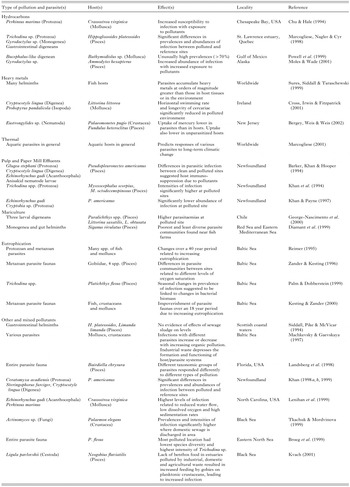
Table 1. Recently reported effects of pollution on marine hosts and/or parasites
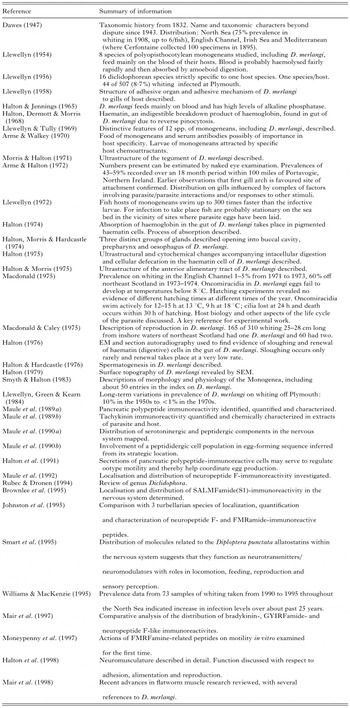
Table 2. Published information on the biology of Diclidophora merlangi

Fig. 1. Map of northern North Sea showing 21 positions (solid circles) of Merlangius merlangus samples taken in May 1990 with percentage prevalences and mean intensities of Diclidophora merlangi infection, and sites of major oil and gas installations (open squares).
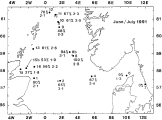
Fig. 2. As Figure 1 for samples taken in June–July 1991.
 You have
Access
- 74
- Cited by