Introduction
Where and how we live is of utmost importance in our life (Sargisson, Reference Sargisson2010). Therefore, it is not surprising that the creation of age-friendly cities and communities (AFCC) has excited the interest of several researchers and investment from governments, international organisations and businesses (World Health Organization (WHO), 2002). There is complete unanimity among these stakeholders that promoting ageing in AFCC makes social and economic sense (Lui et al., Reference Lui, Everingham, Warburton, Cuthill and Bartlett2009). For example, the WHO is promoting the development of AFCC by raising awareness of the vital role of the environment in shaping healthy ageing (WHO, 2018a). Although the AFCC concept has not fully matured, this concept has been investigated in most developed countries mainly due to the demand of the escalating ageing population. However, this is not the case in most developing countries (Steels, Reference Steels2015). Research publications are important media through which academics and universities impact economic, political and social policies (Cohen et al., Reference Cohen, Nelson and Walsh2002). Publications in high-quality refereed journals can foster the development and maturity of a research field (Hensen, Reference Hensen2009). It is believed that a country's research output on a topic might have an influence on the level of economic, political and social developments on the topic in that country (Hong et al., Reference Hong, Chan, Chan and Yeung2011). Thus, it is crucial to analyse the research publication trajectories in AFCC to keep a track record of AFCC research outputs in different countries in order to ascertain initiatives for improvement where necessary. In addition, a critical analysis of AFCC publication trajectories will enable researchers to gain insight into the past, present and future topics to generate ideas for their on-going academic career.
Some review research studies have been conducted on AFCC (Lui et al., Reference Lui, Everingham, Warburton, Cuthill and Bartlett2009; Dellamora et al., Reference Dellamora, Zecevic, Baxter, Cramp, Fitzsimmons and Kloseck2015; Neville et al., Reference Neville, Napier, Adams, Wham and Jackson2016). These reviews were limited to evaluating policy trends and models (Lui et al., Reference Lui, Everingham, Warburton, Cuthill and Bartlett2009; Neville et al., Reference Neville, Napier, Adams, Wham and Jackson2016) and identifying instruments for assessing age-friendliness (Dellamora et al., Reference Dellamora, Zecevic, Baxter, Cramp, Fitzsimmons and Kloseck2015). Furthermore, Lui et al. (Reference Lui, Everingham, Warburton, Cuthill and Bartlett2009) did not consider studies that were published prior to 2005 and Neville et al. (Reference Neville, Napier, Adams, Wham and Jackson2016) also did not consider studies that were conducted before 2007 although the AFCC policy initiative was launched between the 1990s and early 2000s (Buffel et al., Reference Buffel, Phillipson and Scharf2012). Moreover, the review by Neville et al. (Reference Neville, Napier, Adams, Wham and Jackson2016) was limited to rural communities, and the outcome of the studies was based on only nine published studies. However, none of these studies provided a comprehensive review of the trend of AFCC research outputs from various countries and institutions. Merging these diverse studies would facilitate a more profound and holistic understanding of AFCC, bring to light existing gaps in the AFCC research corpus and could trigger efforts for improvements in different regions. The contribution of this study aims to bridge this gap. The aim of this paper is to provide a critical review of AFCC studies with the following objectives: (a) examine the annual publication trend of AFCC-related studies up to 2018; (b) evaluate the contributions of authors from different countries or regions, and institutions to AFCC research up to 2018; and (c) identify the trending research themes and make future research projections.
Many research disciplines have already benefited from this type of research. For example, Lin et al. (Reference Lin, Lin, Potvin and Tsai2018), Antwi-Afari et al. (Reference Antwi-Afari, Li, Pärn and Edwards2018), Darko and Chan (Reference Darko and Chan2016) and Tsai and Wen (Reference Tsai and Wen2005) have conducted similar studies in their research fields. However, there is no similar review in the AFCC research discipline. Thus, this study is arguably the first to conduct a similar review approach in the AFCC research discipline. The demand of the burgeoning ageing population calls for more contributors to this research discipline, and this type of research will be a good reference for researchers, policy makers, experts and stakeholders in AFCC.
Definition of age-friendly community
WHO defined an age-friendly city as a city with
policies, services, settings and structures support and enable people to age actively by: recognizing the wide range of capacities and resources among older people; anticipating and responding flexibly to ageing-related needs and preferences; respecting their decisions and lifestyle choices; protecting those who are most vulnerable; and promoting their inclusion in and contribution to all areas of community life. (WHO, 2007: 5)
The term elder-friendly community was also used by Feldman and Oberlink (Reference Feldman and Oberlink2003), Hanson and Emlet (Reference Hanson and Emlet2006) and Alley et al. (Reference Alley, Liebig, Pynoos, Banerjee and Choi2007). An elder-friendly community is ‘a place where older people are actively involved, valued, and supported with infrastructure and services that effectively accommodate their needs’ (Alley et al., Reference Alley, Liebig, Pynoos, Banerjee and Choi2007: 4). In scientific studies, the term age-friendly originated from an ecological perspective of ageing that proposes an interrelation between an individual and the conditions of the environment (Menec et al. Reference Menec, Means, Keating, Parkhurst and Eales2011; Greenfield, Reference Greenfield2012). It is important to draw the attention of researchers and practitioners to the fact that different terminologies have been adopted by different studies to describe the concept WHO (2007) referred to as age-friendly cities. Other terminologies identified in the literature include elder-friendly community, age-friendly communities, liveable community and lifetime neighbourhood (Feldman and Oberlink, Reference Feldman and Oberlink2003; Kihl et al., Reference Kihl, Breenan, Gabhawala, List and Mittal2005; Hanson and Emlet, Reference Hanson and Emlet2006; Alley et al., Reference Alley, Liebig, Pynoos, Banerjee and Choi2007; Lui et al., Reference Lui, Everingham, Warburton, Cuthill and Bartlett2009). Lui et al. (Reference Lui, Everingham, Warburton, Cuthill and Bartlett2009) identified in their review that the term age-friendly community was mainly used in Canada, liveable community was mainly used in the United States of America (USA) and lifetime neighbourhood was mainly used in the United Kingdom (UK). Despite the differences in the terminologies, they all share a common theme with the WHO (2007) definition of age-friendly cities.
Research methodology
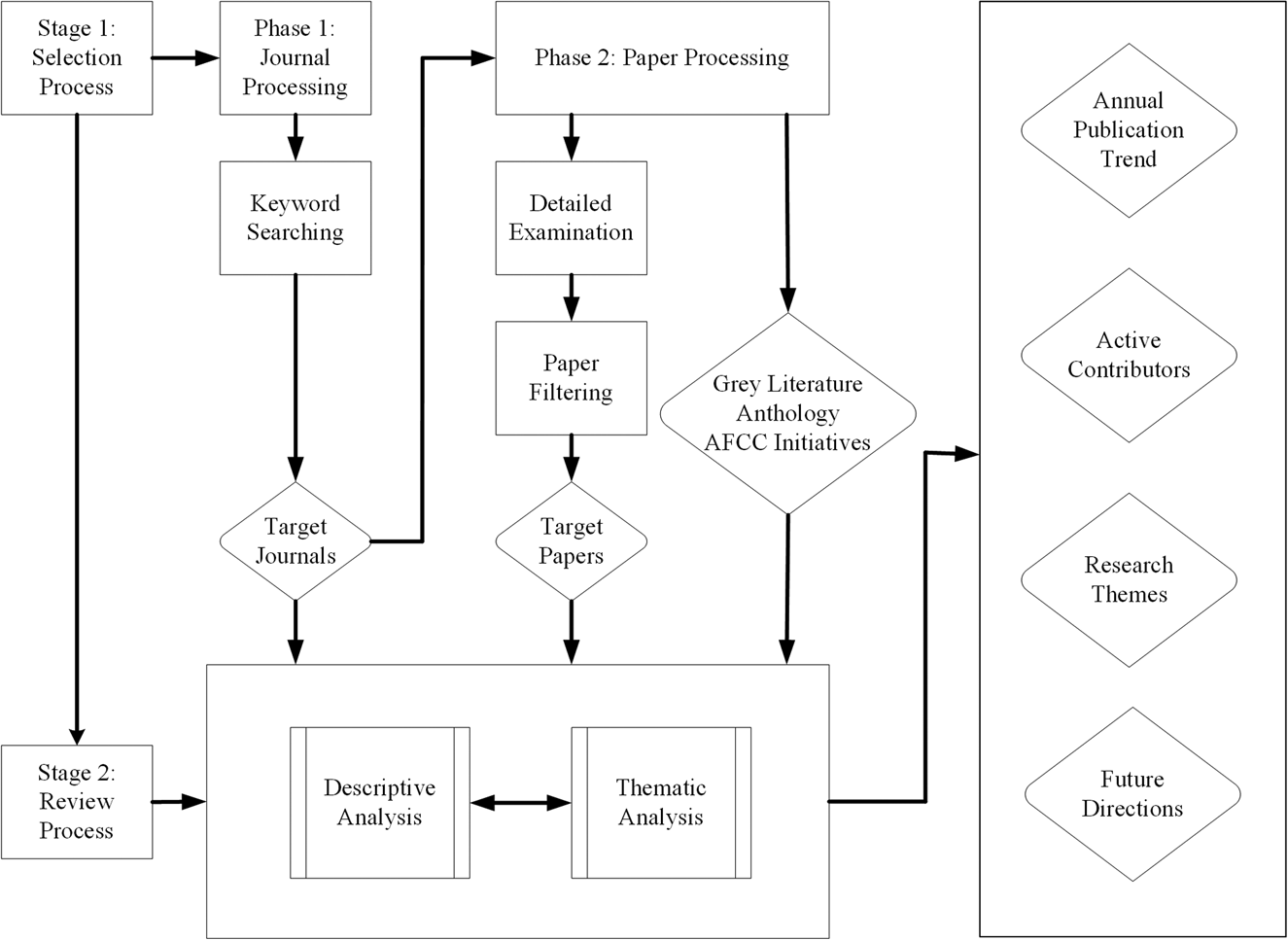
A critical systematic assessment of previous publications in academic journals is a prerequisite to an in-depth analysis of a topic or research area (Tsai and Wen, Reference Tsai and Wen2005). This study draws on the methodology adopted in previous review articles (Darko and Chan, Reference Darko and Chan2016; Lu et al., Reference Lu, Wu, Chang and Li2017; Zhang et al., Reference Zhang, Oo and Lim2019) to identify and systematically analyse the AFCC research publications up to 2018 (as of the end of November). The review considered publications in peer-reviewed academic journals. The reason behind this is that peer-reviewed academic journals go through a relatively more rigorous review process before their acceptance for publication (Darko and Chan, Reference Darko and Chan2016). Therefore, conference publications, articles in press, textbooks and internet data were not included in the review process. However, grey literature such as the WHO policy documents dedicated to the AFCC topic were included in the review. WHO is internationally recognised and has conducted several studies which were deemed reliable. Therefore, it was essential to include their publications. The study adopted a two-stage analysis process to select and review AFCC research studies. The two-stage analysis process is illustrated in Figure 1.
Two-stage analysis process.
Note: AFCC: age-friendly cities and communities.

Stage 1: The selection process
The selection process comprises two phases: (1) journal processing and (2) paper processing.
Phase 1: Journal processing
A powerful search engine – Scopus – was electronically searched in November 2018 to identify academic journals with AFCC research publications. The Scopus search engine has a wide and up-to-date database of publications covering different subject areas including but not limited to social sciences, medicine, engineering and environmental science (Chadegani et al., Reference Chadegani, Salehi, Yunus, Farhadi, Fooladi, Farhadi and Ale Ebrahim2013; Darko and Chan, Reference Darko and Chan2016). The publications in this database are highly influential in directing future research fields (Chadegani et al., Reference Chadegani, Salehi, Yunus, Farhadi, Fooladi, Farhadi and Ale Ebrahim2013; Zhang et al., Reference Zhang, Oo and Lim2019). The above reasons influenced the decision to adopt Scopus as a search engine for the study. Akin to previous review publications (Darko and Chan, Reference Darko and Chan2016; Lu et al., Reference Lu, Wu, Chang and Li2017; Zhang et al., Reference Zhang, Oo and Lim2019), keywords were carefully selected to search the Scopus database to retrieve relevant journals and articles. These keywords were coined from the different terminologies that have been used to describe AFCC. The following keywords with the appropriate Boolean operators: ‘age-friendly city’ OR ‘elder-friendly community’ OR ‘liveable community’ OR ‘lifetime neighbourhood’ were used to search the Scopus database. The search was conducted at the end of November 2018 and was not limited to any specific year in order to retrieve all the relevant literature present in the Scopus database up to date. However, the search was limited to article and review document type; and documents in English. The full search code with the appropriate Boolean operators is as follows:
TITLE-ABS-KEY (‘age-friendly city’ OR ‘elder-friendly community’ OR ‘liveable community’ OR ‘lifetime neighbourhood’) AND DOCTYPE (ar OR re) AND (LIMIT-TO (LANGUAGE, ‘English’))
Based on the above search code, 81 journals with a total of 117 documents were retrieved from the Scopus database.
Phase 2: Paper processing
A detailed examination of the title, abstract and keywords was conducted on each of the 117 publications. The detailed examination was to confirm that the searched keywords appeared either in the title, abstract or keywords of the papers (Darko and Chan, Reference Darko and Chan2016; Lu et al., Reference Lu, Wu, Chang and Li2017; Zhang et al., Reference Zhang, Oo and Lim2019). This process aimed to identify all AFCC-related articles and review papers by using the search keywords of ‘age-friendly city’ OR ‘elder-friendly community’ OR ‘liveable community’ OR ‘lifetime neighbourhood’. After a detailed examination of the papers, 79 papers were selected for further analysis. The 79 papers were further filtered by a brief examination of the full text of the documents. For the paper to pass the filtration process, the document must entirely or partly articulate matters relating to AFCC. This filtration criterion was adapted from Owusu et al., (Reference Owusu, Chan and Shan2019). The aim is to filter out publications that mention the keywords in their title, abstract or keyword but did not articulate any AFCC issues either entirely or partly in the full text. All the 79 papers met the filtration criterion and thus were considered as target papers for further analysis. However, prior to submission (in January 2020), additional keywords (age-friendly places, ageing in place) were introduced. An additional nine relevant papers were identified from the updated search and included in the review, resulting in a total of 88 papers. A total of five grey literature publications by the WHO and four grey literature publications by the American Association of Retired Persons (AARP) Public Policy Institute; UK Department for Communities and Local Government; University of Calgary, Canada; and New Zealand Ministry of Social Development were included in the review. One additional anthology dedicated to the AFCC topic, published by Springer, was also included in the review. A complete list of the publications is presented in the online supplementary material. Furthermore, the AFCC evaluation, strategy and action plan for Portland and Multnomah County, USA; City of Reykjavik, Iceland; City of Cornwall, Canada; Elgin of St. Thomas, Canada; Tai Po District, Hong Kong; City of Greater Sudbury, Canada; New York City, USA; Mornington Peninsula Shire, Australia; and Quebec, Canada were included in the review.
Stage 2: The review process
The review process comprises two phases: (1) descriptive analysis and (2) thematic analysis.
Phase 1: Descriptive analysis
The targeted publications were descriptively analysed to present the annual publication trend and active contributors in the AFCC research corpus. Frequency count, percentage and contribution assessment formula proposed by Howard et al. (Reference Howard, Cole and Maxwell1987) were used to achieve the first phase of the review process. The proposed formula has been widely adopted in previous review publications (see Yuan and Shen, Reference Yuan and Shen2011; Darko and Chan, Reference Darko and Chan2016; Lin et al., Reference Lin, Lin, Potvin and Tsai2018). The widely accepted and validated formula by Howard et al. (Reference Howard, Cole and Maxwell1987) is shown below:

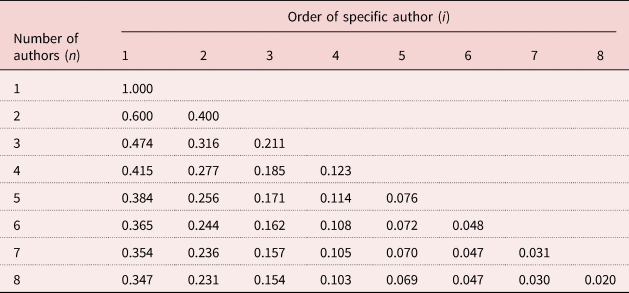
where n denotes the number of authors and i denotes a specific author's order. In a multi-authored publication, the weight of each author's contribution differs, that is, the first author is assumed to contribute more to the publication than the subsequent authors, the second author also contributes more to the publication than the subsequent authors and so forth (Howard et al., Reference Howard, Cole and Maxwell1987). Based on the formula of Howard et al. (Reference Howard, Cole and Maxwell1987), a score of 1 is allocated to each publication regardless of the number of authors. The score (1) is further distributed to each author based on the order of authorship of the publication. The score matrix based on the order of authorship is presented in Table 1. Explicitly, the study adopts this formula to rank the authors, institutions and countries/regions that contributed to the AFCC research corpus up to November 2018.
Score matrix based on the order of authorship

Note: The sum of i for multi-authored papers may not be exactly 1 due to approximation.
Phase 2: Thematic analysis
Thematic analysis was conducted to identify and categorise the AFCC research interests and themes that were covered in the publications identified in the selection stage. Howitt and Cramer (Reference Howitt and Cramer2011) recommended highly the use of thematic analysis in analysing qualitative data. Thematic analysis entails the analysis of data (words of text) with the purpose of identifying the significant themes therein (Howitt and Cramer, Reference Howitt and Cramer2011). The publications are the ‘data’ for this study. A similar analysis can be found in previous review studies (Tsai and Wen, Reference Tsai and Wen2005; Sodhi and Tang, Reference Sodhi and Tang2018; Zhang et al., Reference Zhang, Oo and Lim2019). A systematic approach proposed by Braun and Clarke (Reference Braun and Clarke2006) was adopted for this analysis. The approach is comprehensively described in six main steps (Braun and Clarke, Reference Braun and Clarke2006): (1) familiarisation with the data; (2) initial coding generation; (3) search for themes based on the initial coding; (4) review of themes; (5) theme definition and labelling; and (6) report writing. Familiarisation with the data (step 1) was achieved in stage 1 (selection process) of the study. Steps 2, 3, 4 and 5 led to the identification and categorisation of four AFCC research themes as follows: (1) conceptualisation; (2) implementation and development; (3) assessment; and (4) challenges and opportunities. The theme definition and labelling were done by two researchers (with a research background in the field of AFCC) with an agreement of 0.87. The differences in opinions were discussed among the authors, and this led to the identified themes. Publications that covered multiple themes were grouped into the various themes that were covered. Step 6, the report writing, is presented in the next section.
Results and discussion
This section ascertains the annual publication trend, the contributions of authors, institutions and countries, and the themes covered in the AFCC research corpus.
Annual publication trend of AFCC research
The WHO has spearheaded the AFCC movement since the 1990s. The publications within the 1990s were geared towards promoting physical activity among older adults. The WHO, with contributions from a scientific committee, proposed the guideline for facilitating the development of strategies and policies aimed at maintaining and increasing the level of physical activity among older adults Reference World Health Organization (WHO)(WHO, 1996). During the late 1990s and early 2000s, the WHO expanded its focus from promoting ‘physical activity’ to ‘active ageing’ (WHO, cited in Kalache, Reference Kalache, Moulaert and Garon2016). The ‘active ageing’ concept was in line with the theme headlining the United Nations’ International Year of Older People in 1999. The WHO (2002) further expounded on the ‘active ageing’ concept. The WHO (2002: 12) defined active ageing as ‘the process of optimizing opportunities for health, participation and security in order to enhance quality of life as people age’. Despite this definition, the WHO (2002: 12) further emphasised that ‘the word active refers to continuing participation in social, economic, cultural, spiritual and civic affairs, not just the ability to be physically active or to participate in the labour force’.
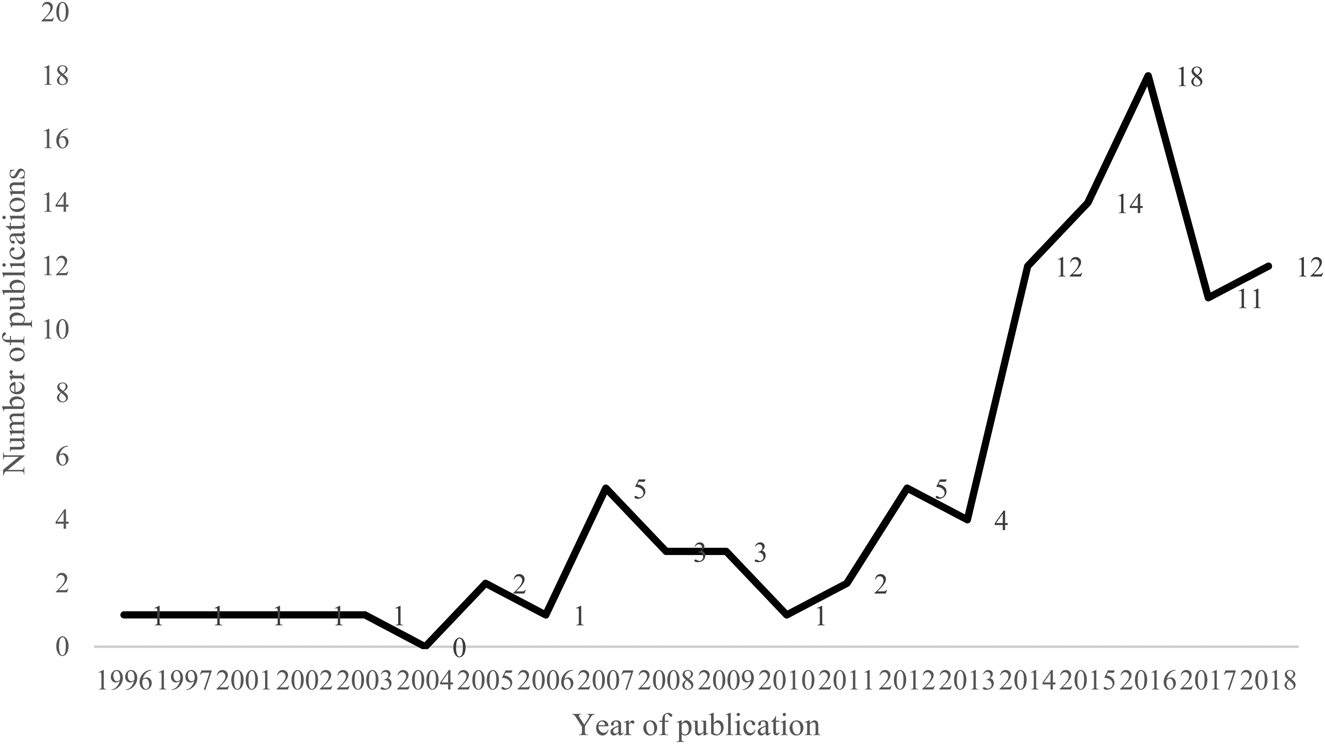
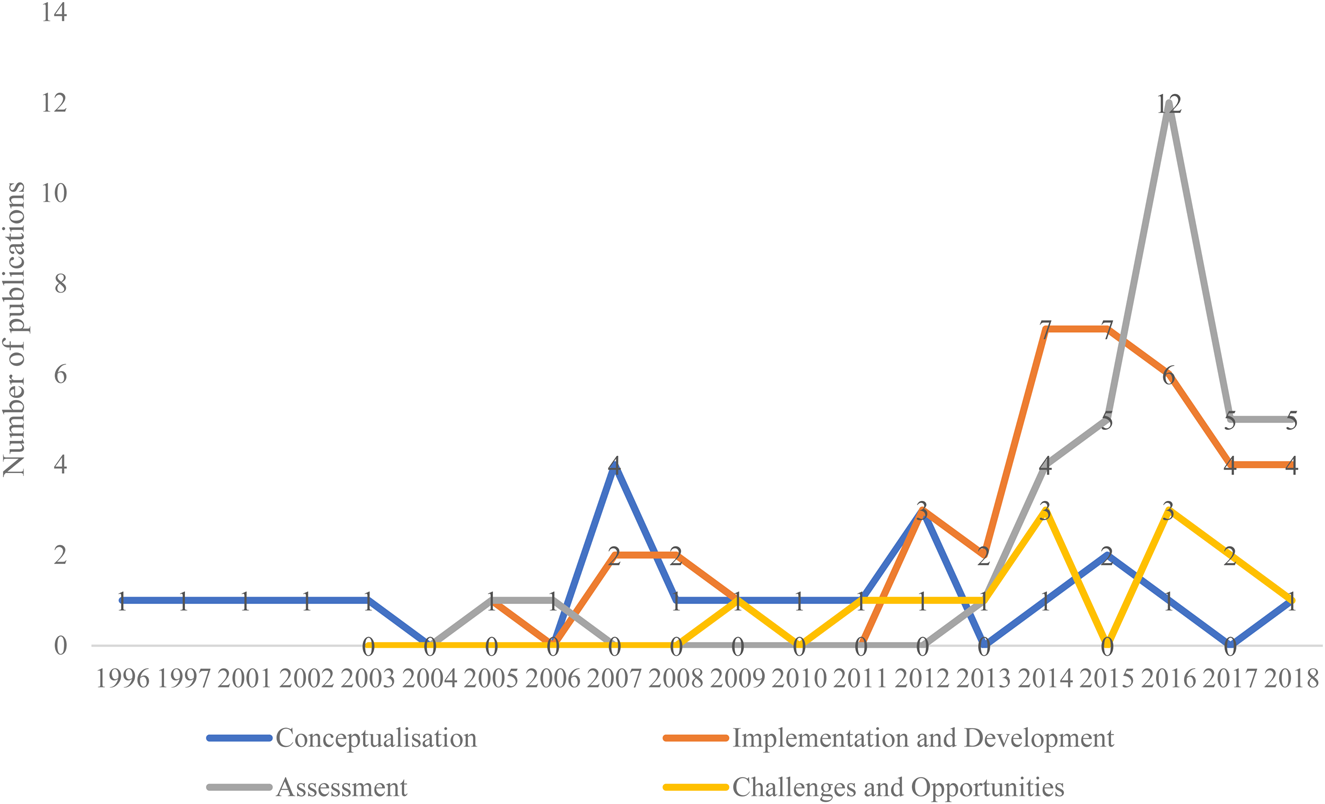
The active ageing concept started attracting wide recognition among the academic community after 2002 largely due to the efforts of the WHO. Between 2003 and 2010, an average of 2.00 AFCC publications were published annually. Between 2011 and 2018, an average of 9.75 AFCC publications were published annually. The increase in the average annual publication echoes an increasing interest in AFCC research; more researchers have joined international organisations, policy makers and advocates to promote the AFCC movement. The increase in interest may be because most countries started experiencing the demands and challenges posed by the ageing population. In October 2007, the WHO's Age-friendly Cities: A Guide was published to spur the interest of policy makers at both international and local levels to implement changes that aim to make cities friendlier for the ageing population (WHO, 2007). The WHO's Age-friendly Cities: A Guide motivated local age-friendly interventions across different cities and communities in most developed countries. It explains the sudden increase in AFCC publications. The annual publication trend is illustrated in Figure 2.
Annual publication trend of age-friendly cities and communities research.

Contributions of countries, institutions and researchers to the AFCC research
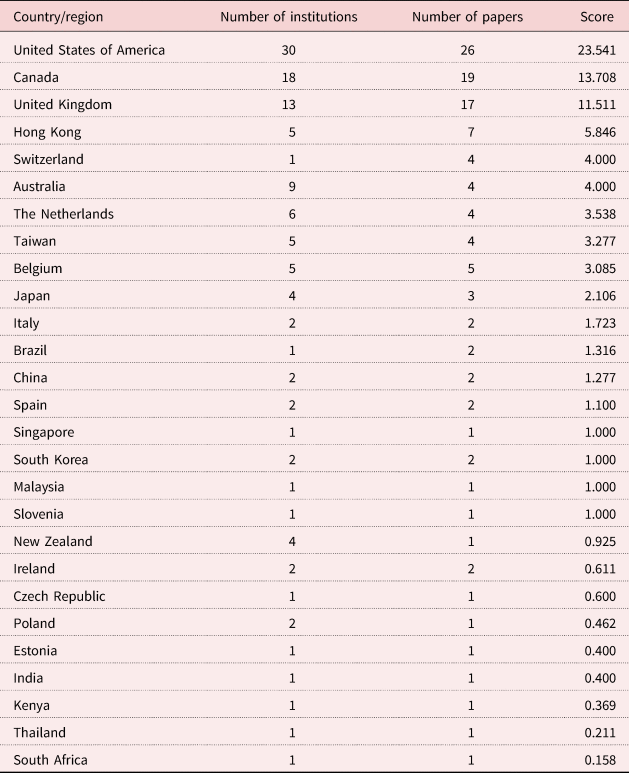
Determining the contribution of countries, institutions and researchers will be valued by interested AFCC researchers and policy makers to identify potential collaborations and opportunities for future research. The score matrix shown in Table 1 was applied in quantifying the contribution of countries, institutions and researchers to the AFCC research corpus. The score for each country and institution was computed based on each author's score. For example, Menec, VH (first author), Means, R (second author), Keating, N (third author), Parkhurst, G (fourth author), Eales, J (fifth author) authored the article ‘Conceptualizing age-friendly communities’ (Menec et al., Reference Menec, Means, Keating, Parkhurst and Eales2011). The first author is affiliated to the University of Manitoba, Canada; the second and fourth authors are affiliated to the University of the West of England, UK, and the third and fifth authors are affiliated to the University of Alberta, Canada. In this case, score distribution will be done using the score matrix with n = 5 as shown in Table 1. According to the order of authorship, the score for each author is 0.384 (first author), 0.256 (second author), 0.171 (third author), 0.114 (fourth author) and 0.076 (fifth author). A score of 0.631 (0.384 + 0.171 + 0.076) is awarded to Canada for its contribution; and a score of 0.37 (0.256 + 0.114) is awarded to UK for its contribution. Similarly, the University of Manitoba is scored 0.384; the University of the West of England is scored 0.37 (0.256 + 0.114); and the University of Alberta is scored 0.247 (0.171 + 0.076). The summation of the scores for selected publications is presented in Tables 2–4.
Origins of identified age-friendly cities and communities research publications

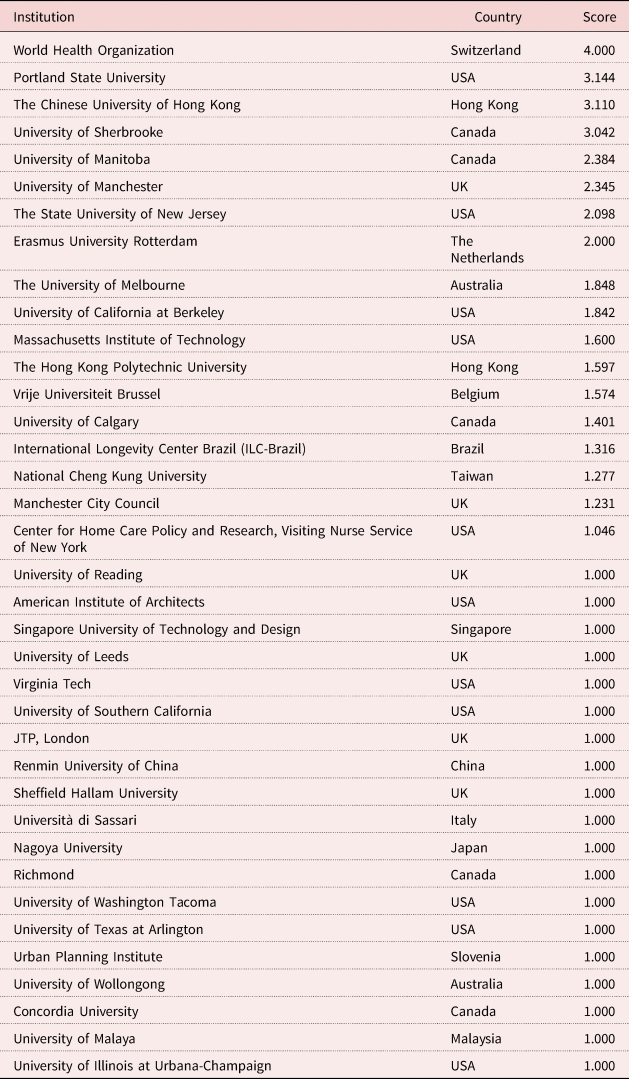
Institutions publishing age-friendly cities and communities research

Notes: UK: United Kngdom. USA: United States of America.
Authors contributing to age-friendly cities and communities research corpus

Notes: UK: United Kngdom. USA: United States of America.
Table 2 presents the country of origin, the number of institutions and the score for each country. From Table 2, the USA, Canada, UK and Hong Kong have the highest contribution to the AFCC research corpus. Developing countries including India, Kenya, Thailand and South Africa also contributed to the AFCC research corpus, although not as significantly compared to the developed countries. Researchers are of the view that a country with a high research publication on a topic might also have a high level of industrial practices and policy developments on the topic (Hong et al., Reference Hong, Chan, Chan and Yeung2011). This view may hold because almost all the countries with high scores are developed and the scores reflect the efforts they have put into making their cities and communities age-friendly. For example, quite a number of cities and communities in these developed countries are members of the WHO's Global Network for Age-friendly Cities and Communities, which means they are committed to becoming more age-friendly (WHO, 2018a). Unlike the developing countries, these developed countries are aware of the benefits of AFCC and have made it a priority, which is also supported by their matured publication culture.
Table 3 presents the institutions contributing to the AFCC research corpus. The WHO (Switzerland) emerged as the highest contributor. This is followed by Portland State University (USA), The Chinese University of Hong Kong (Hong Kong), University of Sherbrooke (Canada) and University of Manitoba (Canada). Other institutions conducting similar research were identified but Table 3 presents only the institutions that scored 1 or more.
Table 4 presents authors that are contributing to the AFCC research corpus. Several authors were identified, however, Table 4 reports only on the authors with a score of 1 or more. Moulaert T, Buffel T, Scharlach AE, Garon S and Kalache A, among others, have the highest contribution to the AFCC research corpus, respectively. As mentioned previously, the Howard et al. (Reference Howard, Cole and Maxwell1987) formula determined the author's contribution based on the order of authorship and the number of authors, which means that an author may have a lot of collaborated publications and end up with a lower contribution score.
In general, the scores show that the concept is still growing in developed countries and it is also emerging in developing countries. Also, it is worth mentioning that a higher proportion of publications in the AFCC research corpus were collaborated by authors located in the same country or region. Such condition may also imply that a higher number of publications in the AFCC research corpus were contextualised in some specific cultural, social, political or economic settings. This means that in order to conduct AFCC research, authors must be aware of the local circumstances such as the cultural, social, political and economic settings – authors from different settings may have a different interpretation of the AFCC concept. For example, some authors critique the WHO's (2007) AFCC initiatives as Western-oriented although it included cities and communities worldwide (Wang et al., Reference Wang, Gonzales and Morrow-Howell2017; van Hoof et al., Reference van Hoof, Kazak, Perek-Białas and Peek2018). The implication drawn from this research trend is that albeit countries, institutions and authors conducting AFCC research may benefit from each other's findings, each city or community is unique and complex, its contradiction requires a careful understanding of the local circumstances instead of implementing the findings from others. However, to encourage international collaboration, the researchers from different cultural, social or economic settings should engage in cross-nation comparative research in the future.
AFCC research theme trend
Theme 1: Conceptualisation
The trend observed in the research themes (Figure 3) conform to the historical development of AFCC research. The sense of urgency to create AFCC was heightened by the statistical data of most of the developed countries. Responding to the demands of the ageing population led to studies that concentrated on conceptualising AFCC. The conceptual framing of the AFCC was influenced by both policies and scientific research. The major policy influencer is the WHO (2007) at the global level. The liveable community framework (Kihl et al., Reference Kihl, Breenan, Gabhawala, List and Mittal2005), positive ageing framework (New Zealand Ministry of Social Development, 2007) and the Lifetime neighbourhood framework (Harding, Reference Harding2007) are notable policy influencers at the national level. The elder-friendly community (Austin et al., Reference Austin, McClelland, Sieppert, Holinda, Hartley and Flux2001) is a pioneering policy-inspired framework at the local level. In the context of the scientific-inspired framework, Menec et al. (Reference Menec, Means, Keating, Parkhurst and Eales2011), Alley et al. (Reference Alley, Liebig, Pynoos, Banerjee and Choi2007), Greenfield (Reference Greenfield2012), Greenfield et al. (Reference Greenfield, Oberlink, Scharlach, Neal and Stafford2015), Bookman (Reference Bookman2008), Lehning et al. (Reference Lehning, Scharlach and Wolf2012) and Scharlach (Reference Scharlach2012) are among the notable scientific contributors. Drawing on these frameworks, several research–policy relations appear to underpin the overreaching conceptualisations of the age-friendly movement.
Age-friendly cities and communities research theme trend.

The policy-inspired framing at the local level focuses on delivering benefits to targeted individuals. The global and national levels have an emphasis on the community. The focus on the community level can be seen as an ongoing paradigm shift from intervention at the individual level to a more community-centred level. In the past decade, the age-friendly concept has witnessed enormous growth in the emphasis on community, with the expansion of physical and social opportunities for older adults to age actively and independently. The policy frameworks aimed to lay the foundation for supporting physical and social features through sustainable initiatives, programmes, services and activities at the community context. In general, the policy frameworks included the provision of outdoor spaces, housing, transportation, social and civic participation, social inclusion, communication and information, community supports and health services.
The scientifically inspired framing advances broad theories including the bioecological systems theory, the general ecological model and person–environment interaction to conceptualise the policy-inspired frameworks as AFCC initiatives and for conceptualising the similarities and differences in the context of the features that promote ageing in place and AFCC (Menec et al., Reference Menec, Means, Keating, Parkhurst and Eales2011; Greenfield, Reference Greenfield2012). The scientifically inspired framing provides a heuristic device to appreciate the inherent differences and similarities across AFCC frameworks for policy makers and other AFCC stakeholders to strategically select features from the frameworks and initiatives that fit a specific context. Many of these studies demonstrate examples of scientific research feeding into AFCC policy and vice versa. In this manner, AFCC research knowledge and policy governance are co-produced through an ongoing process of mutual constitution. The various frameworks are presented in Table 5.
Age-friendly cities and communities concepts

Although this theme remains critical and fundamental to the AFCC research corpus, it has not received any significant addition recently. It could be because the existing conceptual models have been widely accepted and implemented by several cities and communities. For example, over 1,000 cities and communities in 41 countries, covering over 240 million people worldwide, are members of the WHO's Global Network for Age-friendly Cities and Communities and are committed to implementing these AFCC models to developing AFCC (WHO, 2020). One of the reasons why the WHO (2007) framework has been widely adopted could be because it was based on international research and collaboration with researchers, practitioners and older adults. Also, the WHO (2007) model is the first to allow researchers worldwide to adopt the age-friendly concept into a local setting (Moulaert and Garon, Reference Moulaert, Garon, Moulaert and Garon2016). This model has been translated into several languages. Therefore, flexibility and adaptability are essential characteristics that influence the acceptance of any AFCC model.
The review demonstrated that a strong and growing consensus is emerging on the fundamental features of AFCC. Moreover, all the models share a central theme which is to develop cities and communities that support active ageing, reduce isolation, sustain independence, and improve accessibility and affordability for the older adults and general population. The proposed features broadly span from the physical to the social environment. Furthermore, the interrelationship between the individual features of AFCC also exists between the physical and social features – these features are complementary and mutually reinforcing. The interrelated nature of the physical and social environment can be exploited to create AFCC. For example, developing new residential buildings (physical component) alone cannot make a city or community age-friendly. However, developing residential buildings and implementing appropriate home funding schemes (social component) can make these homes affordable for older adults, thereby creating AFCC. Several studies have shown this in their implementation and development process of AFCC as detailed in Theme 2. More critical attention is needed on the levels of influence as it is improbable to have a universal concept that works in all context – AFCC concepts will be different for dependent (frail) older adults and independent older adults (Van Dijk et al., Reference Van Dijk, Cramm, Van Exel and Nieboer2015; Cramm et al., Reference Cramm, Van Dijk and Nieboer2018). For example, concepts addressing needs applicable to an independent older adult such as driving, walkable streets and accessible shopping will be completely different from concepts that are addressing needs for the independent, frail older adult such as home care or assisted living. Therefore, the conceptualisation of AFCC should be characterised by the levels of influence, taking into account applicable physical and social environment features. The central theme of all the models, interrelation of the physical and social environment and the level of focus, is presented in Figure 4. The authors speculate that future contributions to this theme will depend on the outcomes of the other themes – an outcome that demands improvement to the existing concepts will attract the interest of researchers to contribute to this theme.
Commonality among age-friendly cities and communities concepts.

Theme 2: Implementation and development
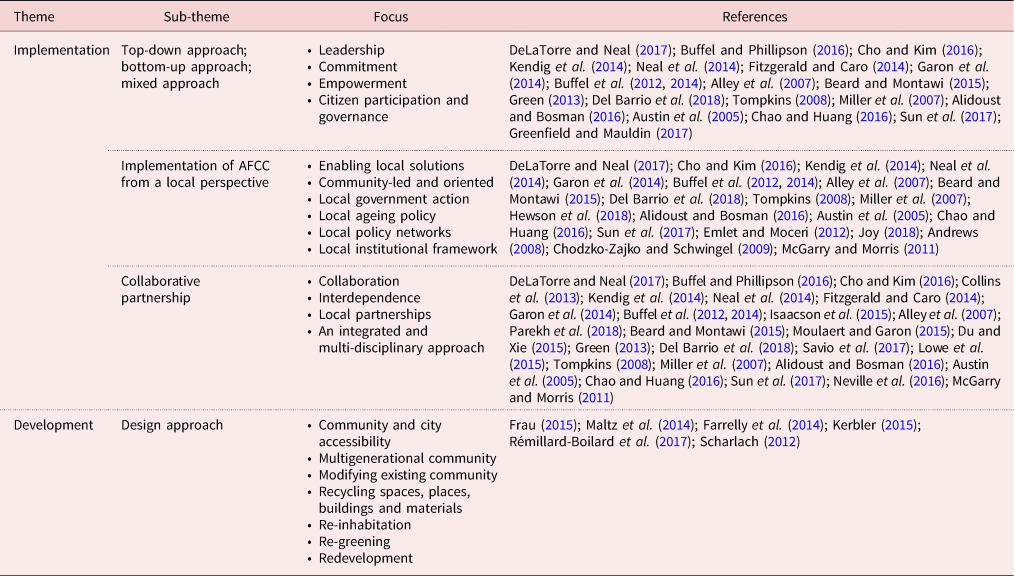
This theme is currently the most popular in the AFCC research corpus. The theme includes studies that highlighted the strategies, policy approaches and action plans for implementing and developing AFCC, as presented in Table 6. This theme is an embodiment of the research corpus that translates the conceptual models into policy and practice. Research studies that focused on this theme started emerging a few years after the instigation of the conceptualisation theme (see Figure 3). This theme is predicted to remain popular because of the increasing awareness that has been created by international organisations such as the WHO to the development of AFCC.
Age-friendly cities and communities (AFCC) implementation and development approaches

Although AFCC implementation efforts have been attempted in cities and communities worldwide, evidence suggests that AFCC initiatives are not globally effective (Buffel et al., Reference Buffel, Phillipson and Scharf2012; Garon et al., Reference Garon, Paris, Beaulieu, Veil and Laliberté2014; Kendig et al., Reference Kendig, Elias, Matwijiw and Anstey2014; Joy, Reference Joy2018). One of the reasonable explanations for this is the variations in the implementation approach. The mechanisms by which age-friendly interventions are implemented are characterised by two basic approaches: top-down approach and bottom-up approach. The top-down approach is initiated by international organisations and people on a higher level in the hierarchy such as planners, policy makers and local authorities. It relies on pre-conceived initiatives and expectations to implement age-friendliness. The bottom-up approach relies on collective action from the local level with the older adults being the main drivers for implementing age-friendly initiatives at the local level. While some of the cities and communities focus more on one of these approaches than the other, it should be emphasised that none of the approaches reviewed is solely top-down or bottom-up. Previous implementation strategies prove that the top-down approach fails to develop the required commitment to support the AFCC initiative. Also, the bottom-up approach often ends up with insufficient resources to support the AFCC initiative. As a result, an increasing number of cities and communities adopt elements of both the top-down and bottom-up approaches (mixed approach) to implementing AFCC initiatives.
For example, the City of Reykjavik (2013), City of Cornwall (2017), Elgin of St. Thomas (2017) and Tai Po District (CUHK Jockey Club Institute of Ageing, 2016) adapted pre-conceived AFCC initiatives and the implementation efforts were driven mainly by the older adults at the local level. The concentration of older adults’ participants in the implementation of AFCC has increased in almost all cities. In general, the modification of AFCC domains across different cities and communities reinforces the need to approach the implementation of AFCC from a local perspective. Also, the flexibility of pre-conceived models can facilitate the modification of knowledge generated at the international level (such as the WHO model) to the local level. Therefore, cities and communities are encouraged to take advantage of the flexibility of the models by reviewing and, if necessary, modifying the domains and checklist to reflect the city's or community's diversity.
The importance of collaborative partnership as a key element in implementing AFCC is articulated in the literature (Garon et al., Reference Garon, Paris, Beaulieu, Veil and Laliberté2014; Steels, Reference Steels2015; Buffel and Phillipson, Reference Buffel and Phillipson2016; Rémillard-Boilard et al., Reference Rémillard-Boilard, Buffel and Phillipson2017). Collaborative partnership is achieved through a flexible and decentralised form of governance at all levels: grassroot, local, regional and national. Such participation motivates the partners to use their resources and networks to implement the AFCC initiatives more efficiently and effectively. Closer collaboration between partners at the micro-level – grassroot and local levels – are of much importance for implementing AFCC initiatives in resource-scarce cities and communities. This is because AFCC interventions are community-led and focused. For instance, the City of Greater Sudbury (2018) partnered with local businesses, Community Action Networks and individual older adults to develop age-friendly initiatives. A similar partnership is shown in Tai Po District where The Hong Kong Jockey Club Charities Trust is implementing the Jockey Club Age-friendly City Project in partnership with four gerontology research institutions in Hong Kong (CUHK Jockey Club Institute of Ageing, 2016). Age-friendly New York City also had a public–private partnership between the New York City Council, Office of the Mayor, New York Academy of Medicine and Age-friendly Commission in making New York a more age-friendly city (New York City, 2011). The impact of the collaborative partnership was also reflected in the success of implementing the AFCC concept in Quebec (Garon et al., Reference Garon, Paris, Beaulieu, Veil and Laliberté2014).
Steering committees have been instrumental in the implementation and development of AFCC initiatives. The success of age-friendliness in Quebec was primarily determined by the collaborative partnership that was created through the forming of a steering committee (Garon et al., Reference Garon, Paris, Beaulieu, Veil and Laliberté2014). In Mornington Peninsula Shire (2013), the Peninsula Advisory Committee for Elders was formed to steward the Elderly Citizen's Strategy. Elgin of St. Thomas (2017) also recruited a steering committee to oversee the development and implementation of the Age-friendly Plan. A few common attributes shared by the Mornington Peninsula Shire (2013), City of Greater Sudbury (2018) and Elgin of St. Thomas’ (2017) steering committees include: the committee consisted of members who are interested in representing the views of older adults, the members were familiarised and understood the city or community, and the committees were included throughout the development and implementation of the AFCC initiatives. For instance, the steering committee in Mornington Peninsula Shire (2013) meets monthly to further the Elderly Citizen's Strategy which shows the level of commitment required from the committee members. The inclusion of older adults and older adults’ organisations in the steering committee is mandatory for the success of the AFCC initiatives.
Flexible development approaches are needed to develop and sustain AFCC. Some of the development concepts put forward include re-inhabitation, re-greening, redevelopment and the natural perceptual wayfinding concept which focuses on improving urban accessibility through modification of existing spaces and places to make navigation easier for all age groups (Farrelly, Reference Farrelly2014; Frau, Reference Frau2015). Furthermore, developing sustainable AFCC should be approached by designing multigenerational cities and communities to encourage interaction among all age groups and social inclusion of the older adults in the immediate and wider social community (Maltz et al., Reference Maltz, Hunter, Cohen and Wright2014; Kerbler, Reference Kerbler2015).
Theme 3: Assessment
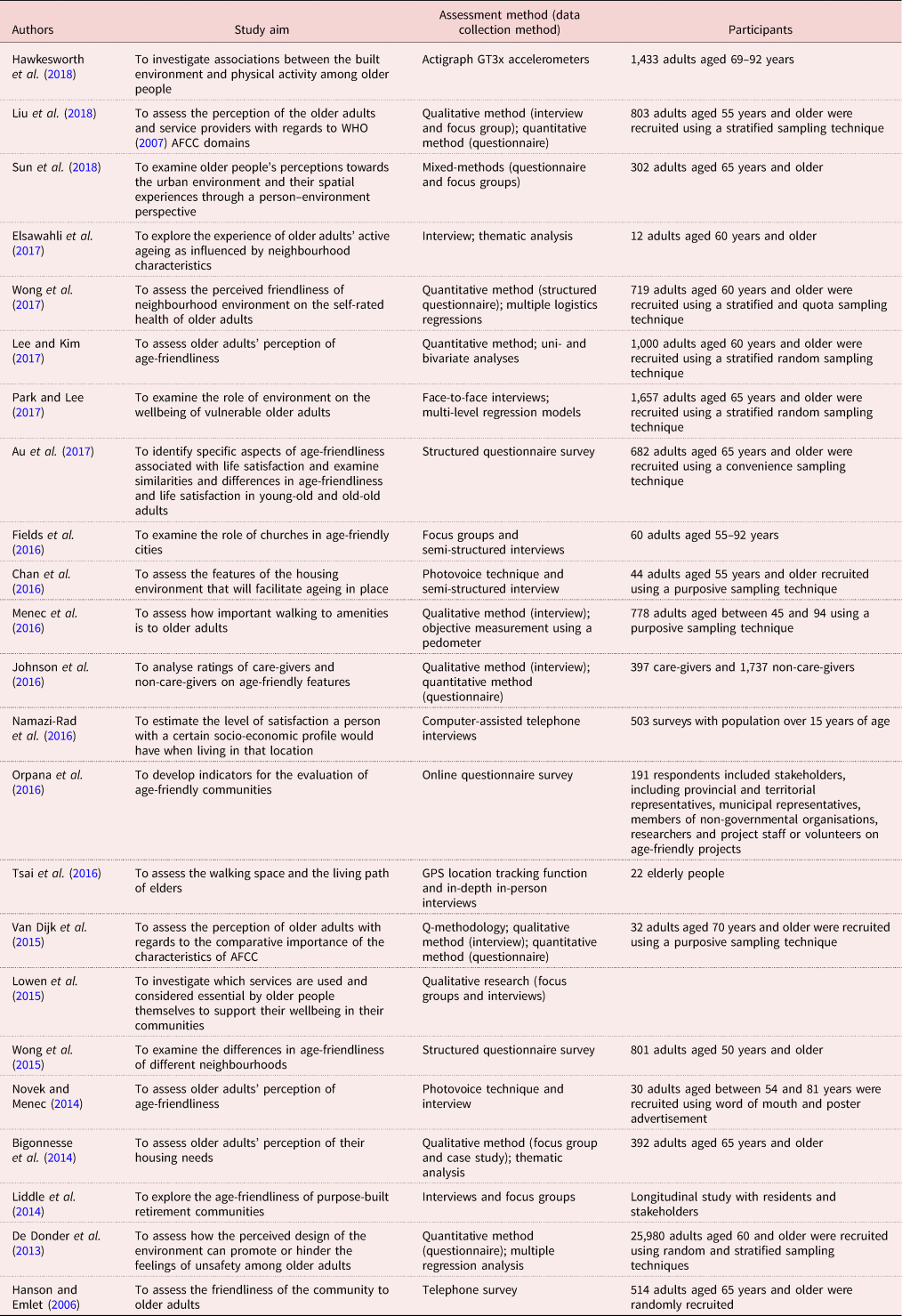
All through this period the interest and focus on assessing and evaluating the implemented conceptual frameworks (Themes 1 and 2) on AFCC have been growing steadily. It showed a significant increase between 2014 and 2016, and it is currently the second most popular theme in the AFCC research corpus (see Figure 3). This theme grouped studies that aimed to assess the age-friendliness of cities and communities. It is one of the most critical themes in the AFCC research corpus. The outcomes of this theme will define the turning point of the AFCC research corpus. With increasing implementation and development of the AFCC movement, this theme will remain popular with a consistent increase in publications. The characteristic features of the domains of AFCC have been used to assess age-friendliness. The WHO checklist is mostly used by cities and communities that adopt the WHO model. Also, the AARP's Livable Communities: An Evaluation Guide includes a toolkit for assessing the age-friendliness of a city or community based on eight diverse domains (Kihl et al., Reference Kihl, Breenan, Gabhawala, List and Mittal2005). The assessment methods adopted throughout this study are presented in Table 7.
Age-friendly cities and communities (AFCC) assessment methods

Note: GPS: Global Positioning System.
The age-friendly journey proposed by the WHO includes a baseline assessment and an evaluation after the strategy and action plan has been implemented. The baseline assessment provides information about how older adults perceive the existing features of the environment. This will trigger the needed age-friendly interventions and serve as a reference or benchmark for assessing the impact of the intervention. The evaluation is conducted after the implementation of the strategy and action plan to assess the impact of the intervention. Cities and communities have relied on the WHO checklist for baseline assessment and evaluation of age-friendliness. However, the WHO checklist has attracted considerable criticism. According to Plouffe et al. (Reference Plouffe, Kalache, Voelcker, Moulaert and Garon2016), the WHO checklist is unable to capture the diversity of older adults and the communities, and the progress of the implemented AFCC initiatives in the communities. Also, the identified needs of the older adults on the checklist are too broad and unrealistic (Plouffe et al., Reference Plouffe, Kalache, Voelcker, Moulaert and Garon2016). Furthermore, adopting the WHO checklist can result in a ‘top-down’ approach to governance by local authorities (Lui et al., Reference Lui, Everingham, Warburton, Cuthill and Bartlett2009).
Practically, most reviewed studies shown in Table 7 adopted the WHO checklist and were geared towards a ‘bottom-up’ approach to governance. Most of the assessments were entirely built on the older adults and some studies included care-givers (see Table 7). Lee and Kim (Reference Lee and Kim2017) relied on gerontological professionals and older adults to revise the WHO checklist. Other examples that adopted the WHO checklist and relied solely on older adults as participants include the baseline assessment conducted in Tai Po District, Hong Kong (CUHK Jockey Club Institute of Ageing, 2016) and Elgin of St. Thomas (2017). Therefore, it is crucial that the features that are included in the baseline assessment are relevant areas of concern to the older adults and the community or city.
Some of the cities and communities have included a diverse group of older adults in their assessment which somewhat addresses the criticism raised by Plouffe et al. (Reference Plouffe, Kalache, Voelcker, Moulaert and Garon2016). Cities and communities assured diversity with respect to age, education level, living arrangement, geography (urban and rural), marital status, financial level and health status (Lee and Kim, Reference Lee and Kim2017; Park and Lee, Reference Park and Lee2017). For example, Novek and Menec (Reference Novek and Menec2014) recruited older adults living in urban and rural communities in the province of Manitoba, Canada. Also, a range of methods has been used to engage a diverse group of older adults, including word of mouth and poster advertisements in the province of Manitoba (Novek and Menec, Reference Novek and Menec2014). Elgin of St. Thomas (2017) used both online and physical contact to solicit information from its members. Focus groups and questionnaire survey are the dominant approaches used to date (Orpana et al., Reference Orpana, Chawla, Gallagher and Escaravage2016; Liu et al., Reference Liu, Kuo and Lin2018; Sun et al., Reference Sun, Phillips and Wong2018).
The existing methods to assess age-friendliness were mainly quantitative or qualitative. A few studies adopted both quantitative and qualitative methods as shown in Table 7. Each domain of the AFCC was assessed based on the domain features. However, Moulaert and Garon (Reference Moulaert, Garon, Moulaert and Garon2016) argued that using only one assessment method with discrete domain features may not capture the interactive and dynamic nature of the domains. These interrelationships among the domains are essential in identifying joint AFCC policy initiatives for effective implementation. A mixed-method (combining quantitative and qualitative methods) can be more effective in establishing interrelationships and assessing age-friendliness (Moulaert and Garon, Reference Moulaert, Garon, Moulaert and Garon2016). Dellamora et al. (Reference Dellamora, Zecevic, Baxter, Cramp, Fitzsimmons and Kloseck2015) further added that the mixed method provides the most comprehensive, inclusive, rigorous and systematic community assessment. Despite the effectiveness of these methods, the WHO (2017) identified that the current metrics and methods used in the field of ageing are limited, preventing a complete understanding of the experience of the older adults and appropriate interventions. This may be because almost all the current assessment methods in the AFCC research corpus are subjective and based on the perception of the older adults or care-givers (see Table 7). The common limitations of these methods include reflecting subjective factors, reporter bias, Hawthorne effects, memory lapses and recall biases (Wild et al., Reference Wild, Mattek, Austin and Kaye2016; Lee and Yoo, Reference Lee and Yoo2018). For example, Bigonnesse et al. (Reference Bigonnesse, Beaulieu and Garon2014) assessed the housing needs of older adults by conducting focus groups (subjective assessment method) with care-givers to express the perceptions of frail older adults who were unable to participate in the data collection. However, perceptions are subjective, based on personal experiences and opinions which can vary among individuals. Therefore, relying on a care-giver, in the case of Bigonnesse et al. (Reference Bigonnesse, Beaulieu and Garon2014) to voice an older adult's perception, may yield unreliable results. In general, adopting such subjective assessment (focus group, interviews, questionnaire surveys, photovoice, among others) may result in recall bias, and this may affect the reliability and validity of the assessment result in the AFCC research corpus. In order to provide a more rigorous, innovative and evidence-based intervention for AFCC, it is crucial for researchers to adopt a more objective assessment method where possible.
It is worth mentioning that emerging studies have used accelerometer data (Hawkesworth et al., Reference Hawkesworth, Silverwood, Armstrong, Pliakas, Nanchalal, Jefferis, Sartini, Amuzu, Wannamethee, Ramsay, Casas, Morris, Whincup and Lock2018), pedometer data (Menec et al., Reference Menec, Brown, Newall and Nowicki2016) and Global Positioning System (GPS) data (Tsai et al., Reference Tsai, Chen and Ning2016) to assess the physical environmental features. These cutting-edge methods have significantly advanced the frontiers of the relationship between the physical environment and physical activity among older adults. Although these methods adopted objectively generated user data, answers to the fundamental question of how the older adult body responds to stress-inducing or adverse physical features have not been adequately answered. For example, Menec et al. (Reference Menec, Brown, Newall and Nowicki2016) used pedometer data (mainly the number of steps taken) to study objectively whether amenities within walking distance relates to overall physical activity level. Hawkesworth et al. (Reference Hawkesworth, Silverwood, Armstrong, Pliakas, Nanchalal, Jefferis, Sartini, Amuzu, Wannamethee, Ramsay, Casas, Morris, Whincup and Lock2018) employed accelerometer data to investigate the association between physical built environment features and physical activity. However, the complexity and the demanding nature of the environment surrounding the amenities may influence the older adult's decision to walk to an amenity. The demanding nature of the environment can be reliably captured using the older adult's bodily responses such as the cognitive effort required to navigate the environment or several heart-related measures. Identifying these stress-inducing or adverse physical features will be a major breakthrough in assessing the age-friendliness of cities and communities.
Theme 4: Challenges and opportunities
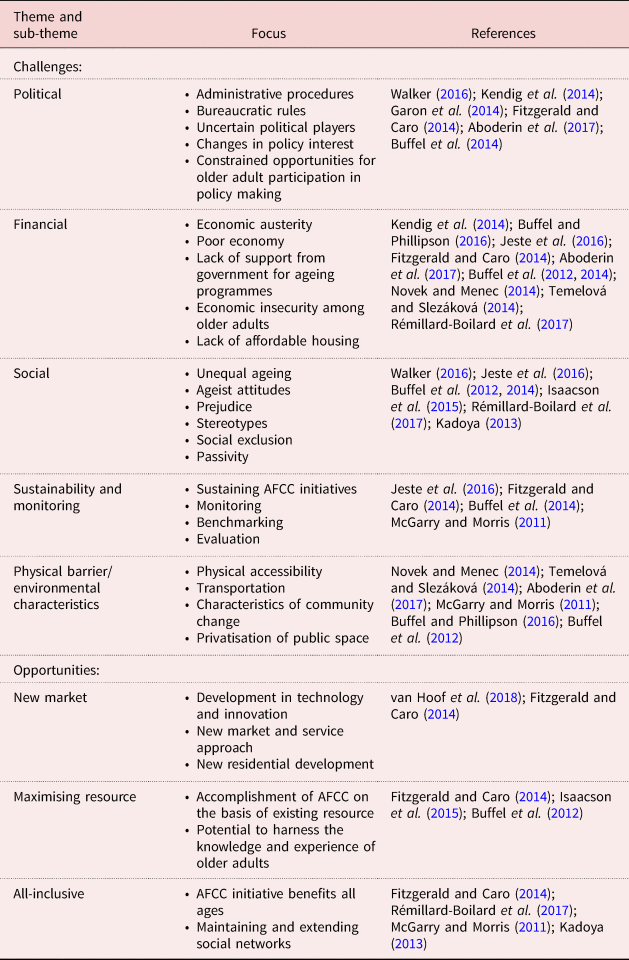
‘Challenges and opportunities’ is another significant theme, reinforcing the need to harness the opportunities presented by developing AFCC and the challenges that may need to be addressed when developing AFCC. It includes political, financial, social and physical characteristics of the environment that promote or hinder: older adults to age in friendly environments; or the implementation of age-friendly initiatives as shown in Table 8. For the past decade, few publications focused on this theme, and the highest number of contributions to this theme was recorded in 2014 and 2016 (see Figure 3). This theme presents a few general challenges and opportunities that all cities and communities should consider to some extent.
General age-friendly cities and communities (AFCC) challenges and opportunities

The administrative procedures and bureaucratic rules limit the realisation and implementation of AFCC. Cities and communities tend to divide AFCC responsibilities among ministries and departments. In addition, these ministries and departments are characterised by division of labour which impedes and complicates the AFCC policy acceptance and implication process (Walker, Reference Walker, Moulaert and Garon2016). This was a major hiccup that hindered the implementation of AFCC in Victoria, Australia. The fragmented nature of the government departments and multi-sectoral partnership limited the strategic directions for AFCC at the federal, state and local level in Victoria, Australia (Brasher and Winterton, Reference Brasher, Winterton, Moulaert and Garon2016). Major AFCC initiatives demand strong and committed top-down support. However, constantly changing leaders and changing policies often result in a new political style and government commitment (Fitzgerald and Caro, Reference Fitzgerald and Caro2014; Garon et al., Reference Garon, Paris, Beaulieu, Veil and Laliberté2014; Kendig et al., Reference Kendig, Elias, Matwijiw and Anstey2014).
Buffel and Phillipson (Reference Buffel and Phillipson2016) identified economic austerity, pressures from urban development and privatisation of public space as challenges to implementing age-friendly initiatives. The tight fiscal environment, cuts in public and private funding, and austerity policies in many cities and communities have obstructed the implementation, monitoring and evaluation of age-friendly initiatives (Buffel et al., Reference Buffel, McGarry, Phillipson, De Donder, Dury, De Witte, Smetcoren and Verté2014; Fitzgerald and Caro, Reference Fitzgerald and Caro2014; Buffel and Phillipson, Reference Buffel and Phillipson2016). Many of the leading cities in the WHO's Global Network for Age-friendly Cities and Communities, including New York, Manchester, London, Barcelona and Madrid, have experienced challenges in implementing age-friendly policies since the introduction of austerity policies (Buffel and Phillipson, Reference Buffel and Phillipson2016). Another roadblock is the sustainability of AFCC. Sustaining, monitoring and evaluating AFCC initiatives is becoming increasingly difficult, especially when economics, politics and society are continuously changing (McGarry and Morris, Reference McGarry and Morris2011; Buffel et al., Reference Buffel, McGarry, Phillipson, De Donder, Dury, De Witte, Smetcoren and Verté2014; Fitzgerald and Caro, Reference Fitzgerald and Caro2014). However, the impact of austerity policies can be mitigated if cities and communities utilise their existing assets, develop targeted local solutions to complement local problems, promote financial security among older adults and harness the networks of the private sector (Goldman et al., Reference Goldman, Owusu, Smith, Martens, Lynch, Moulaert and Garon2016).
Also, the lack of ongoing political and financial commitment has caused many implemented age-friendly initiatives to remain unrealised and not live up to expectation (Kalache, Reference Kalache, Moulaert and Garon2016). Although AFCC is community-led, major initiatives demand strong political leadership. The problem is political players constantly change which can result in changes in policy interest (Fitzgerald and Caro, Reference Fitzgerald and Caro2014; Garon et al., Reference Garon, Paris, Beaulieu, Veil and Laliberté2014; Kendig et al., Reference Kendig, Elias, Matwijiw and Anstey2014). The role of government in showing commitment to the AFCC movement is indispensable for supporting the ‘bottom-up’ initiatives for implementing AFCC. A massive shift of land ownership from public-owned spaces to private/corporate-owned spaces has been a common observation in most cities in the 21st century (Minton, Reference Minton2009). The control and ownership of public spaces have hindered the extent to which these spaces can be adapted to meet the changing needs of people in later life (Buffel and Phillipson, Reference Buffel and Phillipson2016).
Equally important are the barriers created by unequal ageing (Walker, Reference Walker, Moulaert and Garon2016). The implemented AFCC initiatives need to capture the diversity of older adults and the communities (Lui et al., Reference Lui, Everingham, Warburton, Cuthill and Bartlett2009; Plouffe et al., Reference Plouffe, Kalache, Voelcker, Moulaert and Garon2016). However, the extensive disparity in ageing between countries, cities and communities obstructs an inclusive approach to creating an AFCC (Walker, Reference Walker, Moulaert and Garon2016). For example, life expectancy varies substantially in different countries. Individual older adults experience different changes in functional capacity. The social, cultural, political and economic settings create major differences among countries, cities and communities. Also, the quality of life in later life varies significantly among developed and less-developed countries. These inequalities make it more cumbersome to create an all-inclusive and flexible AFCC initiative. Older adults may be denied the opportunity to participate in the AFCC processes due to the prevalence of ageist attitudes, prejudice and stereotypes that portray older adults as burdens or care-dependent (Buffel et al., Reference Buffel, McGarry, Phillipson, De Donder, Dury, De Witte, Smetcoren and Verté2014; Isaacson et al., Reference Isaacson, D'Ambrosio, Samanta and Coughlin2015; Rémillard-Boilard et al., Reference Rémillard-Boilard, Buffel and Phillipson2017).
Demographic ageing can be turned into opportunities depending on how cities and communities address the challenges it presents. The development of AFCC provides significant opportunities for cities, communities, businesses and older adults themselves. The existing and potential opportunities include development in technology and innovation, and new market and service approaches to meeting housing and support needs of older adults (Fitzgerald and Caro, Reference Fitzgerald and Caro2014; van Hoof et al., Reference van Hoof, Kazak, Perek-Białas and Peek2018). AFCC initiatives may stimulate cities and communities to harness existing resources to achieve age-friendliness (Buffel et al., Reference Buffel, Phillipson and Scharf2012; Isaacson et al., Reference Isaacson, D'Ambrosio, Samanta and Coughlin2015). These opportunities have the potential to develop what van Hoof et al. (Reference van Hoof, Kazak, Perek-Białas and Peek2018) described as the ‘silver economy’. The development of AFCC can boost the economy by increasing the demand for innovative solutions which in turn create jobs for both young and older workers. Furthermore, AFCC initiatives have the potential to create an all-inclusive community, and maintain and extend social networks, because AFCC has elements that benefit the needs and abilities of all ages (Fitzgerald and Caro, Reference Fitzgerald and Caro2014; Rémillard-Boilard et al., Reference Rémillard-Boilard, Buffel and Phillipson2017).
It is important to mention that challenges and opportunities will arise when cities and communities pursue the AFCC movement. However, every city or community will have unique opportunities and challenges to address. The socio-economic and cultural settings in every city and community will play a major role in addressing these unique challenges and utilising the opportunities.
Future directions
In line with the current research themes and the increasing interest among researchers, institutions and countries, the following future directions have been identified:
(1) The current studies from developing countries suggest that older adults living in low- and middle-income countries have a different experience and perception of age-friendliness (Isaacson et al., Reference Isaacson, D'Ambrosio, Samanta and Coughlin2015; Aboderin et al., Reference Aboderin, Kano and Owii2017; van Hoof et al., Reference van Hoof, Kazak, Perek-Białas and Peek2018). The low- and middle-income countries that are embracing the age-friendly concept required a substantial modification of the extant AFCC framework of dimensions and indicators to fit locally defined, priority challenges and contexts of older adults in these settings. A typical example is the age-friendly slums initiatives in Nairobi (Aboderin et al., Reference Aboderin, Kano and Owii2017). Furthermore, a study conducted by the WHO in Bamenda (Cameroon), Conakry (Guinea) and Kampala (Uganda) identified missing dimensions of the WHO AFCC model. One of these included meeting the basic needs of the older adults, with respect to access to food and financial security in old age (WHO, 2018b). This situation raises a key question about the extent to which the AFCC concept may offer an appropriate basis and useful frame for the initiatives to advance the wellbeing of older adults living in low- and middle-income settings. As a result, the existing concepts such as the WHO's (2007) AFCC initiatives have been criticised for promoting an ideal city and being Western-oriented (Buffel et al., Reference Buffel, Phillipson and Scharf2012; Wang et al., Reference Wang, Gonzales and Morrow-Howell2017; van Hoof et al., Reference van Hoof, Kazak, Perek-Białas and Peek2018). Collaboration among AFCC researchers from developed and developing countries provides a potential solution to resolve this criticism. Also, this calls for researchers in developing countries to conduct more AFCC research to facilitate cross-nation comparative research and bring into the limelight ways in which cultural, social, political and economic settings can influence age-friendly outcomes. Researchers in developed countries, specifically the USA, Canada, UK and Hong Kong, have researched the following themes: conceptualisation, implementation and development, assessment, and challenges and opportunities. To facilitate the cross-nation comparison, researchers in developing countries should focus on studying these themes. These cross-nation comparisons are essential to providing answers to existing and future critics. Also, various cities and communities in developed countries have shared their experiences, progress, evaluation and initiatives on the WHO's Global Network for Age-friendly Cities and Communities’ portal. These shared initiatives can be a useful knowledge base when conducting the cross-nation comparison. More importantly, a comprehensive comparison should include the heterogeneity, diverse needs and capabilities of the older adults in a city or community.
(2) The Portland and Multnomah County and Quebec approach to age-friendliness may serve as a model for cities, communities, researchers and practitioners who are currently in the process of implementing the age-friendly concepts and developing action plans for creating AFCC. Although the age-friendly movement can potentially transform the experience of all age groups, the core of each initiative should be driven by the older adults. Also, cities and communities should be aware that the implementation and development of AFCC require more than the existing generalised AFCC models. The AFCC models should be a preliminary step to a successful implementation of AFCC. More importantly, the sustainability of the AFCC initiatives will demand both political and financial commitment from ministries, departments, organisations, academics, older adults and other AFCC stakeholders throughout the process and accepting a bottom-up approach where older adults are perceived as place-makers and valuable resources. A successful bottom-up approach to implementing AFCC can only be achieved when there is an effective and supportive top-down back-up. Furthermore, the reviewed studies proved that older adults are willing to contribute to the development of AFCC, therefore this presents a good opportunity for researchers to implement measures to maximise the participation of the older adults. However, different cities and communities will demand different participatory measures. Conducting a prior participatory analysis can be beneficial for the assessment of AFCC.
(3) Several studies have been conducted to assess the age-friendliness of cities and communities (see Table 7). The current methods involve: the older adults self-reporting their satisfaction with the features of the environment using instruments such as verbal feedback, questionnaires and visual audit completed by trained auditors. Although these methods have provided valuable insight about AFCC, they also have several limitations such as reflecting subjective factors, reporter bias, Hawthorne effects, memory lapses and recall biases (Wild et al., Reference Wild, Mattek, Austin and Kaye2016; Lee and Yoo, Reference Lee and Yoo2018; Kim et al., Reference Kim, Ahn and Nam2019). Moreover, the WHO (2017) recently mentioned that the existing methods and metrics are limiting a comprehensive understanding of the experience of the older adults in AFCC and appropriate interventions. For example, fundamental questions such as ‘which interventions work to create more age-friendly environments?’ remain unanswered (WHO, 2017: 20). The WHO recommended that ‘new methods and instruments are needed that can capture trajectories of Healthy Ageing and their determinants, outcomes and distributions across the life course, and these will need to be incorporated in routine data collection and other periodic population surveys’ (WHO, 2017: 21). Recent developments in sensing technology can be exploited by future researchers to collect objective, routine and unbiased data on the older adults’ physiological, psychological, emotional and behavioural responses. These responses can contain vital information about older adults’ experience and interaction with the AFCC domains. The ability of humans to exhibit different physiological, psychological, emotional and behavioural responses while interacting with the environment (Taj-Eldin et al., Reference Taj-Eldin, Ryan, O'Flynn and Galvin2018; Ojha et al., Reference Ojha, Griego, Kuliga, Bielik, Buš, Schaeben, Treyer, Standfest, Schneider, König and Donath2019) makes it viable to adopt human-centred measures to assess the friendliness of cities and communities. For example, instead of asking the older adults how they perceive the interval between outdoor seating using a questionnaire, physical audit or other subjective assessment methods, photoplethysmography sensors can be used to measure the variability in the older adults’ heart rate. The older adults’ heart rate may contain vital information about the age-friendliness of the interval between outdoor seating. Similarly, inertial measurement unit motion sensors can be used to assess the gait pattern of the older adults and relate it to the age-friendliness of a footpath. Wearable insole pressure sensor systems sense foot dynamics and can be used to collect the foot planter distribution patterns of the older adults when exposed to the built environment features. These responses can correlate with the older adult's experience and interaction with the physical environment. This concept is termed ‘elderly-centric sensing’. Recognising the physiological, psychological, emotional and behavioural patterns in these sensor data can potentially facilitate the continuous assessment of AFCC, complement existing assessment methods, enhance the ability to understand the older adults’ needs and provide age-friendly interventions that meet their needs.
(4) The interaction between community-level and national-level AFCC development can be complex: national-level AFCC development necessitates appropriate AFCC initiatives applicable to communities with diverse needs. However, challenges remain as to whether communities are financially self-sufficient to embark and sustain the AFCC movement. Local government constrained budgets may result in difficult administrative procedures, bureaucratic rules and political processes in setting AFCC initiative priorities. Furthermore, re-allocation of resources from existing government commitments to a new area such as AFCC is a major challenge. However, this can be addressed in the long-term by establishing a stronger need and focus on the older adults in the long-term commitments and activities of the governments, and aligning the commitments and actions of all levels of entities. Considering these challenges, more attention is needed on how to secure community-level income. More research is needed on how different entities – local, state-regional, and national policy and political action groups, the non-profit-volunteer and the private sector – can support communities to create AFCC. More fundamental research is required to understand how to successfully run a whole community AFCC approach inclusive of the various entities (especially the non-governmental entities) with respect to all the domains of AFCC.
Conclusion
This study examined the annual publication trend of AFCC-related studies, the contribution of authors and institutions from different countries, and the trending research themes in the AFCC corpus based on a systematic literature review of 98 publications. The increase in the average annual publication from 2.00 papers (between 2003 and 2010) to 9.75 papers (between 2011 to 2018) reflects an increasing interest in AFCC research among researchers, with the USA, Canada, UK and Hong Kong having the highest contribution to the AFCC research corpus. Contributions from developing countries such as India, Kenya, Thailand and South Africa were marginal compared to the developed countries. However, with the rapid urbanisation coupled with the ageing population, developing countries are expected to increase their contribution to the AFCC corpus. Institutions that emerged as highest contributors to the AFCC research corpus were the WHO (Switzerland), Portland State University (USA), The Chinese University of Hong Kong (Hong Kong) and University of Sherbrooke (Canada). From the thematic analysis, four themes were identified to be trending in the AFCC research corpus: (1) conceptualisation; (2) implementation and development; (3) assessment; and (4) challenges and opportunities. The themes highlighted important issues that need to be addressed in the development of AFCC: the need to adopt new methods and instruments such as sensing technology to collect objective, routine and unbiased data to complement existing assessment methods; the need to conduct collaborative research among developed and developing countries through cross-nation comparisons; the need to perceive older adults as place-makers and value resources in AFCC; the need to conduct a prior participatory analysis to identify appropriate participatory measures that can maximise the participation of older adults in the development of AFCC. It is worth mentioning that, although the review was very comprehensive on AFCC research, the selected publications may not be exhaustive, that is there may be a possibility that the review process did not include all publications in the corpus of AFCC research. However, the authors believe that the selected publications are sufficient to achieve the aim of the study. That is, publications that may have been omitted would not result in any significant changes to the findings of this study. Researchers and practitioners within the AFCC research discipline will find this study to be an essential reference to gain an understanding of the status and future directions of AFCC research.
Supplemental Material
The supplementary material for this article can be found at https://doi.org/10.1017/S0144686X20000239
Author contributions
All authors have contributed substantially to the creation of this paper.
Financial support
This research was supported by the Research Grant Council (RGC) of Hong Kong and the Department of Building and Real Estate, The Hong Kong Polytechnic University.
Conflict of interest
The authors declare no conflicts of interest.