Introduction
Mobile technology and social media are changing the way people communicate in their day-to-day lives, jobs, as well as during disasters that threaten public health.Reference Bachmann, Jamison, Martin, Delgado and Kman 1 Smartphone applications (or apps) are becoming increasingly popular with emergency responders and health care providers. These tools can also be used to improve preparedness by linking the public with real-time information about how their community’s health care system is functioning. There are thousands of medical apps available for Smartphones and tablet computers, with more added each day. These include apps to view guidelines and medication databases, perform calculations, remotely monitor patients’ vital signs, and view radiology images.Reference Merchant, Elmer and Lurie 2 - Reference Case, Morrison and Vuylsteke 4 A review of apps specifically relating to Emergency Preparedness and Disaster Response was conducted.
Methods
A search of the Apple iTunes (Version 12; Apple Inc.; Cupertino, California USA) store for the iPhone (Version 4s; Apple Inc.) was performed using the following terms obtained from the PubMed (National Center for Biotechnology Information; Bethesda, Maryland USA) Medical Subject Headings Database: Emergency Preparedness; Emergency Responders; Disaster; Disaster Planning; Disaster Medicine; Bioterrorism; Chemical Terrorism; Hazardous Materials (HazMat); and the Federal Emergency Management Agency (FEMA; Washington, DC USA).
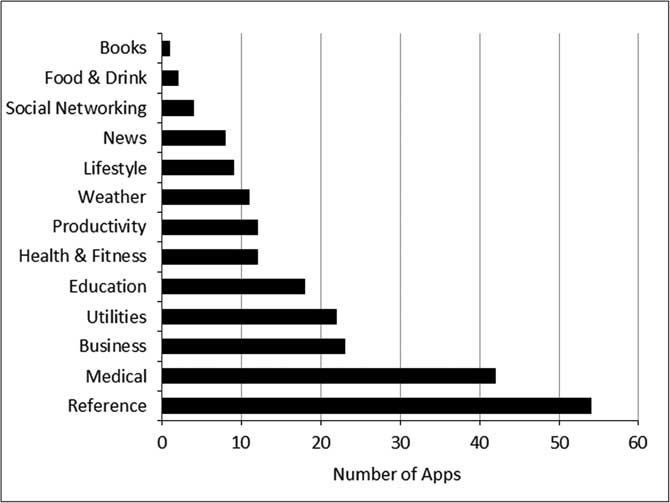
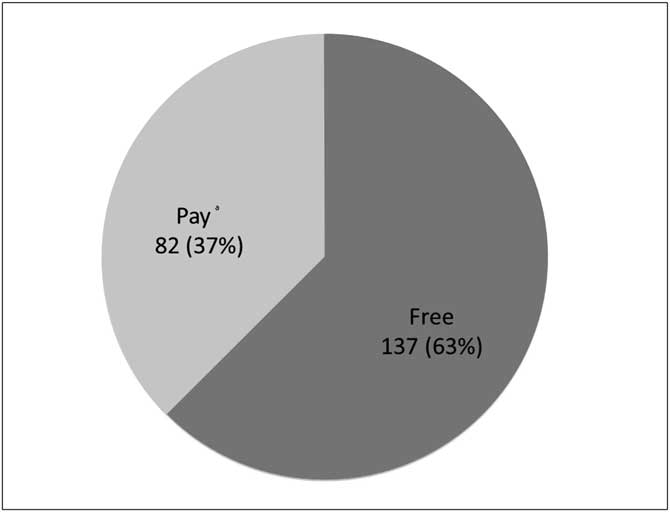
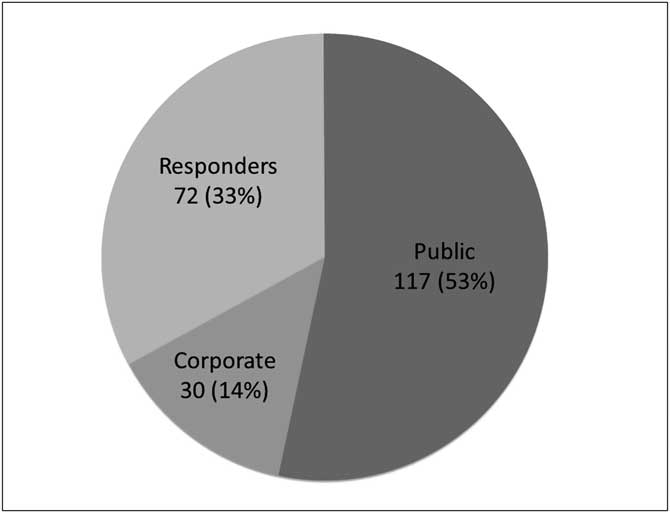
The search for these terms was conducted in March 2014 and was updated continually until September 29, 2014, yielding 683 apps. For the keyword “disaster” alone, over 400 apps were found. Relevant apps were found in the following subcategories in various price ranges: Books, Education, Medical, Health & Fitness, Reference, Weather, Lifestyle, Productivity, Business, Social Networking, News, Food & Drink, and Utilities (Figure 1 and Figure 2). Apps were excluded if they were games, insurance-related, commercial, corporate, or otherwise deemed not applicable to disaster response by the authors. The author team included members with military experience, FEMA Urban Search & Rescue experience, and Hospital Emergency Preparedness experience. Each app was downloaded and explored for content, use, and applicability to Emergency Preparedness. Apps were categorized by intended user (emergency responders, the public, or corporate) and then subcategorized by topic (Figure 3).
Smartphone App Categories.

Smartphone App Cost. aMost pay apps cost US $0.99-$29.99. One app was US $199.99.

Smartphone App Intended Users.

Results
This search revealed 683 applications and was narrowed to 219 based on relevance to the field. After grouping the apps as described above, and subsequently ranking them, the highest quality apps were determined from each group. The Community Emergency Response Teams and FEMA had the best apps for National Disaster Medical System responders. The Centers for Disease Control and Prevention (CDC; Atlanta, Georgia USA) had high-quality apps for emergency responders in a variety of fields. The National Library of Medicine’s (Bethesda, Maryland USA) Wireless Information System for Emergency Responders (WISER) app was an excellent app for HazMat responders. The American Red Cross (Chicago, Illinois USA) had the most useful apps for natural disasters. Numerous valuable apps for public use, including alert apps, educational apps, and a well-made regional app, were also identified.
Discussion
The apps intended for emergency responders are reviewed first, although some of these apps also contain features useful for the general public. The chemical, biological, radiological, nuclear, and explosive (CBRNE) apps also are intended generally for responder use. The remainder of the apps reviewed—natural disasters, alerts, pets, family reunification, educational, and regional preparedness—are targeted primarily to the general public. The author/seller of the app is listed behind the app in parentheses.
Disaster Planning and Response for Emergency Responders
“FEMA” (Federal Emergency Management Agency)
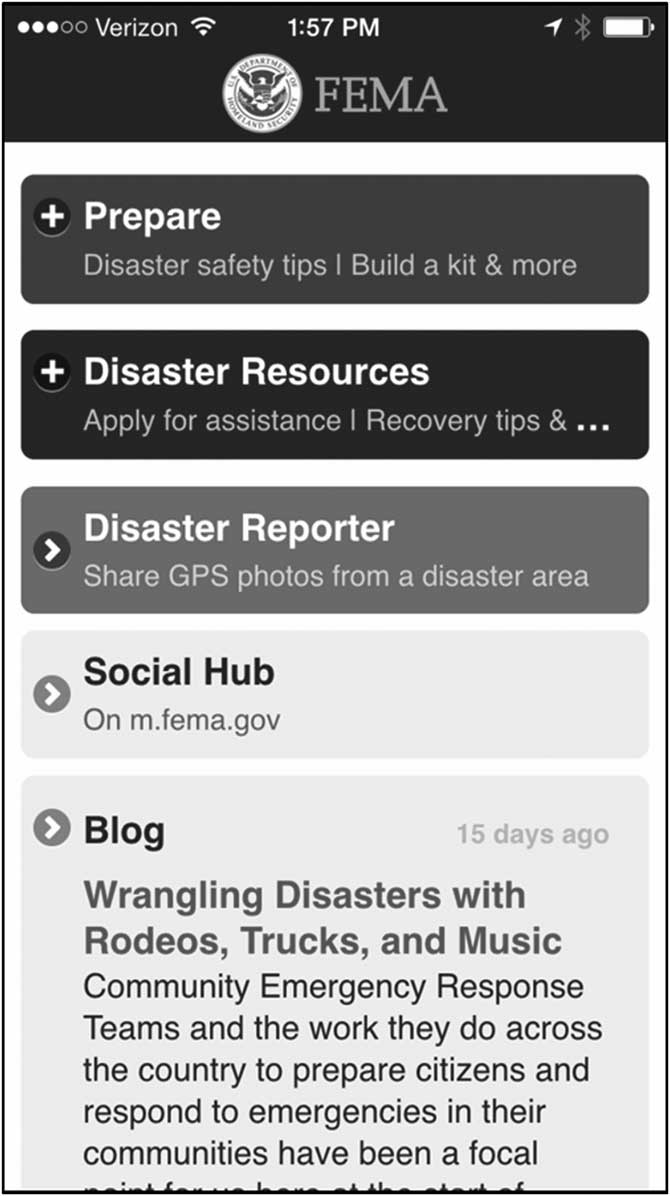
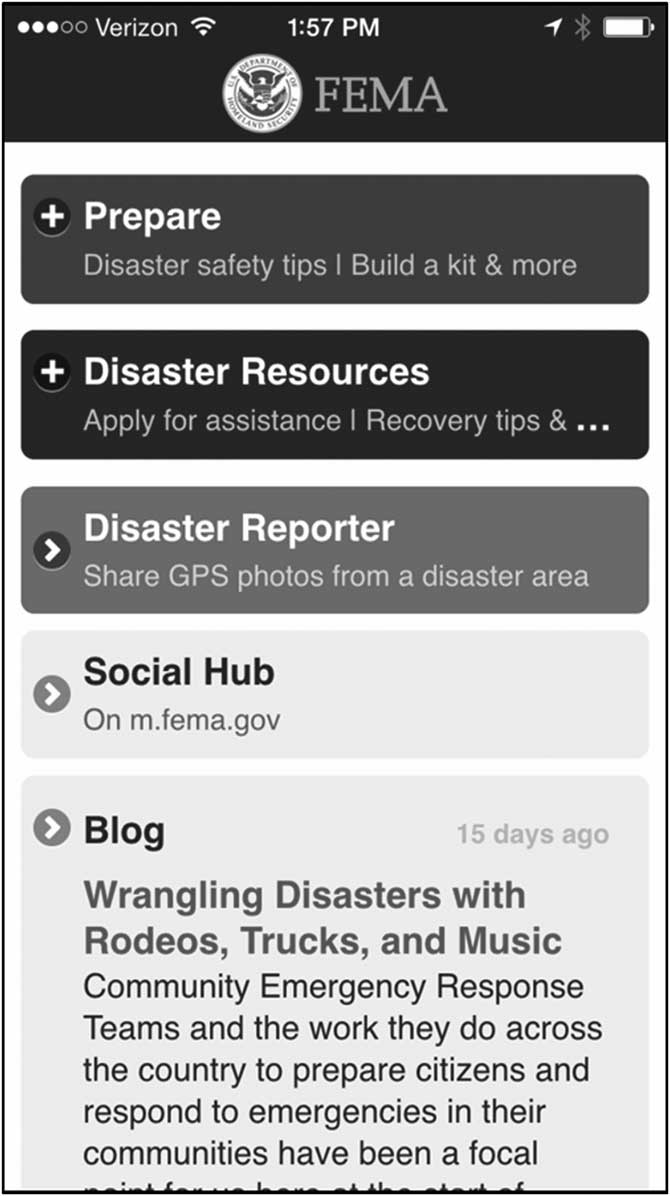
The FEMA mobile app contains disaster safety tips, an interactive emergency kit list, storable emergency meeting locations, and a map with open shelters and open FEMA Disaster Recovery Centers (DRCs). The app also has a Disaster Reporter feature, allowing users to take and submit Global Positioning System photo reports of disasters so they can be displayed on a public map for others to view. This free reference app for both the public and responders contains preparedness information for different types of disasters, an interactive checklist for emergency kits, a section to plan emergency meeting locations, guides on how to stay safe/recover after a disaster, a map with FEMA DRC locations/shelters, and a link to a FEMA blog (Figure 4). Finally, for responders fluent in social media, there is a link to FEMA’s social media hub wherein users can follow national and regional Emergency Preparedness agencies on twitter.
FEMA Smartphone App. Abbreviation: FEMA, Federal Emergency Management Agency.
“NIMS ICS Guide” (Informed Publishing; Burlington, Massachusetts USA)
This reference app, for US $14.99, contains the Incident Command System (ICS) Guide by National Incident Management System (NIMS; Department of Homeland Security; Washington, DC USA) to be used by responders.
“NIMS Academy” (Peakview Software LLC; Boulder, Colorado USA)
This US $1.99 app is a collection of flashcards to help users study for the following FEMA NIMS/ICS courses: ICS-100, ICS-200, IS-700, and IS-800. These are the courses offered by FEMA for NIMS and the ICS. The course material is not included with this app, but there are web links provided. This app also has over 160 multiple choice quiz questions with score tracking.
“911 Toolkit for Emergency Responders” (Peakview Software LLC)
This free app is geared mostly towards firefighters, but is also useful for paramedics, HazMat teams, and other emergency responders. It offers in-app purchases and quick pocket guides on: water delivery measures for estimated fire flow; tender shuttle flow rates; incident response checklists; Emergency Medical Services basics for documentation; 20 sample electrocardiogram strips; lung sounds; cardiopulmonary resuscitation (CPR) guidelines; Simple Triage and Rapid Assessment (START) Triage guides; training/study guides (firefighting, terrorism response, NIMS IS-700, and CPR); HazMat (bomb stand-off charts, Emergency Response Guidebook [ERG] guides, road trailer diagrams, National Fire Protection Association [NFPA; Quincy, Massachusetts USA] 704 guide, and contact numbers); and NIMS/ICS (organization chart, ICS forms, and incident types).
“Team Red Cross by American Red Cross” (The American Red Cross)
This free social networking app is designed to help coordinate responder volunteers during disasters/emergencies. It helps with disaster assessment, feeding, bulk distribution, shelters, and other important work to help those in need. Users get briefed on volunteer-related jobs with short videos and quizzes. It allows users to share volunteer opportunities and connect with other volunteers through social media.
“START Review” (Bob McDonald LLC; Alexandria, Virginia USA)
This educational app for responders costs US $0.99 and helps responders study the START triage method by giving a series of randomly simulated victims to be triaged and treated for practice. The app also includes a scoreboard that displays time spent and errors made. There is also a free version available, although it does not contain as many simulated victims or the scoreboard feature.
“Quick Triage” (JXT; Beavercreek, Ohio USA)
This US $3.99 medical app for responders uses the START triage protocol for adults and the JumpSTART triage protocol for children. It provides first responders with an easy way to assist in rapid sorting and tagging of casualties in a mass-casualty incident and in tracking the number and type of tags applied. The app also provides accurate casualty notifications to hospitals preparing to receive casualties.
“Quickseries ICS” (QuickSeries Publishing; Fort Lauderdale, Florida USA)
This US $7.99 reference for responders uses the ICS standard framework to help describe how Emergency Medicine responders plan/prepare for extreme situations. Contents include: logistics, finance/administration section, area command, incident types, locations/facilities, intelligence/investigative function, and planning process/incident action plan. The app includes helpful pictures and charts, full official ICS checklists, and is NIMS-compliant.
“Show Me for Emergencies” (Massachusetts Department of Public Health; Boston, Massachusetts USA)
This free app allows responders and people with communication needs to communicate during an emergency with a research-based Augmentative and Alternative Communication tool using clear, understandable icons. This allows communication for those who do not speak the same language or who are otherwise not able to communicate. This app does not require phone service or WiFi.
“Relief Central with Ebola Guidelines” (Unbound Medicine, Inc; Charlottesville, Virginia USA)
This free app with content from the Central Intelligence Agency (CIA; Washington, DC USA), the CDC, and the United States Agency for International Development (USAID; Washington, DC USA) was developed for assisting relief workers, first responders, and others who may be called to serve in disaster relief situations around the world. It includes access to the World Factbook, CDC yellow book, USAID field operations guide, relief news, up-to-date Ebola guidelines, and Medline (Medline Industries, Inc; Mundelein, Illinois USA) journals. The journals included are:
-
∙ American Journal of Disaster Medicine;
-
∙ Bulletin of the World Health Organization;
-
∙ Disaster Medicine and Public Health Preparedness;
-
∙ Disasters;
-
∙ Journal of Hazardous Materials; and
-
∙ Prehospital and Disaster Medicine.
CBRNE Weapons of Mass Destruction
Chemical
“WISER for iOS” (The National Library of Medicine)—The WISER mobile app is designed to assist first responders in HazMat incidents. The free app features access to the National Library of Medicine Hazardous Substances Data Bank, information about hazardous substances, specified roles for different users, and ERG 2012 data.
“HazRef 2008” (Symbolic Armageddon LLC; Texas USA)—This US $3.99 reference app is marketed to both the public and responders. Users can browse and search a portable database of nearly 3,000 HazMats. This database allows users to identify HazMats by shipping name, United Nations’ designation number, Department of Transportation (DOT; Washington, DC USA) hazard class, or placard. This app also has regional emergency contacts and incident maps. While there are several apps allowing users to identify HazMats, this app is more user friendly than others and is the best reviewed. “HazRef Lite” is a free, trimmed down version that is also available.
Biologic
“Bioagent Facts” (UPMC Center for Biosecurity; Pittsburgh, Pennsylvania USA)—This free app from the University of Pittsburg Medical Center (UPMC; Pittsburgh, Pennsylvania USA) contains facts about pathogens that could cause serious disease resulting from a natural epidemic or use as a biologic weapon. It includes background information, symptoms, and treatment for pathogens such as anthrax, smallpox, and Ebola.
“CDC Influenza” (The CDC)—This app is for clinicians and other health care professionals and allows easy access to the CDC’s latest recommendations and influenza updates. It includes updated information on national flu activity, vaccine recommendations, information on diagnosis and treatment including antivirals, information on lab testing, infection control, videos, and links to order CDC-designed print products for posting in the workplace or distributing to patients.
Radiologic/Nuclear
“Medical Management of Radiological Casualties” (QuickSeries Publishing)—This reference eGuide app for responders costs US $7.99 and helps personnel deal with the medical management of radiologically contaminated casualties within the first 72 hours of an emergency.
Explosive
“CDC Blast Injury” (The CDC)—This free app supports prehospital and hospital health care providers, as well as public health professionals, in preparing for and responding to terrorist bombings and other mass-casualty explosive events. Information is provided on the steps to take from the moment an event happens, blast injury patterns, and treatment considerations. This app also provides quick links to CDC’s Blast and Bombing Injuries web site.
Natural Disasters
American Red Cross Apps for Natural Disasters (includes “Flood,” “Hurricane,” “Wildfire,” “Earthquake,” and “Tornado”)
These free, weather-related apps are ideal for both the public and for responders and are available in both English and Spanish. The tornado app, for example, alerts users when the National Oceanic and Atmospheric Administration (NOAA; Washington, DC USA) issues a tornado warning for pre-set monitored locations and gives instructions on what to do before and during a tornado. The hurricane app allows users to track the path of current hurricanes while the earthquake app sends earthquake and tsunami warnings. All of these apps also have Red Cross location-based shelter maps and interactive quizzes. The apps allow users to link to other apps by the Red Cross.
“Hurricane Tracker” (GenCode Systems, Inc; Dade City, Florida USA)
For US $2.99, this is a very popular and well-reviewed hurricane tracking app. Features include daily audio updates, long-range threat graphics, a model watch product to see possible future developments, graphics with alert level and impact-potential maps, and others. Users can pay for extra content.
“FloodWatch” (D5G Technology, LLC; Atlanta, Georgia USA)
This is a free weather app that allows users to monitor rivers/streams throughout the US with data from the US Geological Survey and National Weather Service (Silver Spring, Maryland USA). It provides the most recent historical river heights, precipitation totals, and flood stage data.
“NOAA World Radar-Free Rain & Weather Forcast” (International Travel Weather Calculator; Washington, DC USA)
This well-reviewed and popular free weather app from the NOAA has one hour radar forecast, hurricane development and path prediction, and weather warnings displayed geographically on maps. It also includes information about tornados, flooding, fog warnings, and tropical storms.
Alerts
“Disaster Alert” (Pacific Disaster Center; Kihei, Hawaii USA)
This app provides mobile access to multi-hazard monitoring and early warning for active hazards around the globe. Compared to other alert apps, Disaster Alert provides the most notifications in a timely manner. It was well reviewed.
“Pulse Point” (Pulse Point Foundation; Pleasanton, California USA)
This free app is able to notify those trained in CPR when someone nearby is having a cardiac emergency. The app also shows locations of nearby public access automated external defibrillators (AEDs). Additionally, users can choose to receive incident notifications when they are dispatched from local response organizations, like fire departments, which allows this app to serve as a modern version of a traditional fire scanner. These notifications can be displayed in a live feed or geographically. There is also a “Pulse Point AED” app which only shows nearby public access AEDs.
Family Reunification
“ReUnite” (National Library of Medicine)
ReUnite is a free app for the public and responders for post-disaster family reunification aid. The app enables the user to report to, and search for, missing or found person information on US National Library of Medicine’s People locator web site.Reference Lin, Rezaie and Husain 5
Pets
“Pet First Aid by American Red Cross” (The American Red Cross)
This US $0.99 app gives veterinary advice to the public for everyday emergencies of dogs/cats. It contains advice on administering medication, behavioral help, and how to act in a disaster situation, including pet CPR techniques. Also, it has an early warning sign checker for preventative care and allows users to locate the nearest emergency vet hospital or pet-friendly hotel. Users can customize pet profiles, set veterinary appointments, and earn badges via quizzes.
Education
“First Aid by American Red Cross” (The American Red Cross)
This free app contains videos, quizzes, and basic step-by-step advice in regards to first aid maneuvers/scenarios for the public. It allows the lay user to learn first aid for a variety of topics, including anaphylaxis, burns, poisoning, seizures, and others. It also contains a section on preparation for emergencies, such as power outages, severe weather, and making an emergency kit. A search feature for nearby hospitals is also included.
“Disaster Preparedness for the Family” (QuickSeries Publishing)
This app for US $5.99 is a guide to helping families prepare for emergencies. It is an all-hazards overview of disaster information to help prepare, plan, and respond to natural disasters, HazMats, and terrorism.
“CSEPP Ready” (ORAU; Oak Ridge, Tennessee USA)
This free app was created to assist Chemical Stockpile Emergency Preparedness Program (CSEPP; Oak Ridge Associated Universities; Oak Ridge, Tennessee USA) communities to prepare for emergencies involving the chemical stockpile. It helps users assemble family disaster kits with checklists of items to assemble. This app provides places to store important medical/insurance contact information as well.
Regional Preparedness
There are numerous regional-based, Emergency Preparedness apps available. One particularly good example is:
“ReadyTN” (State of Tennessee, USA)
This free app is designed as a tool for citizens in Tennessee to know the hazards in their communities and the preparedness they should take to be ready for an emergency. It also provides updates on weather, road conditions, information about shelters, and recovery operations. This is a well-made app that could serve as a model for other local/regional organizations interested in creating regional preparedness apps.
Limitations
The greatest limitation to this study is the dynamic nature of mobile technology. In a single week, several new apps will appear and disappear from the iTunes store. The goal of this review was to identify ones that are most helpful to responders and the public alike. This search was conducted during a defined period and will not reflect apps recently added or deleted. Additionally, Disaster Medicine apps are categorized inconsistently making a comprehensive search difficult. This search generated apps for games, insurance companies, food storage, finance, and contact lists. Furthermore, the apps that were found to be relevant represented 13 different categories; this again illustrates the inconsistencies of the categorization process. For this reason, all apps that might be helpful to emergency responders were likely not able to be identified.
Conclusion
Smartphone applications are fast becoming essential to emergency responders and the lay public. Many high-quality apps existing in various price ranges and serving different populations were identified. This field is changing rapidly and deserves continued analysis as more apps are developed.