




No CrossRef data available.
Article contents
Echinococcus granulosus strain differentiation based on sequence heterogeneity in mitochondrial genes of cytochrome c oxidase-1 and NADH dehydrogenase-1
Published online by Cambridge University Press: 06 May 2004
Abstract
Genetic analyses of Echinococcus granulosus isolates from different intermediate host species have demonstrated substantial levels of variation for some genotype (strain) clusters. To determine the range of genetic variability within and between genotypes we amplified and cloned partial cox1 and nadh1 genes from 16 isolates of E. granulosus from 4 continents. Furthermore, we sequenced different clones from a PCR product to analyse the intra-individual genetic variance. The findings showed a moderate degree of variance within single isolates and a significant degree of variance between the cluster of genotypes G1–G3 (sheep, Tasmanian sheep and buffalo strain), genotypes G4 (horse strain) and G5 (cattle strain) and the cluster of the genotypes G6 (camel strain) and G7 (pig strain). The variance of up to 2·2% within genotypes was relatively low compared with that of 4·3–15·7% among genotypes. The present results indicate that a re-examination of the classification of 5 genotypes of Echinococcus is warranted. Hence, our data highly support a re-evaluation of the taxonomy of the clades G1–G3, G4, G5, G6/7 and G8 (cervid strain) within the genus Echinococcus.
Keywords
Information
- Type
- Research Article
- Information
- Copyright
- 2004 Cambridge University Press
INTRODUCTION
Several strains of the cestode species Echinococcus granulosus, the aetiological agent of cystic echinococcosis of humans, have been described based on morphological characters, intermediate host specificity and/or genetic analysis of mitochondrial and nuclear DNA (Bowles, Blair & McManus, 1992; Bowles & McManus, 1993; Thompson, Lymbery & Constantine, 1995; Eckert & Thompson, 1997; Thompson & McManus, 2001). Recent information also provides evidence for the existence for a further genotype in cervids (Lavikainen et al. 2003). However, several genotypes clustered firmly and varied only slightly genetically. The sequence of the cytochrome c oxidase–1 (cox1) gene for the sheep strain (G1) differed by 3 bp from the Tasmanian sheep strain (G2) and by 2 bp from the buffalo strain (G3) (Lavikainen et al. 2003). While the horse strain (G4), the cattle strain (G5) and the cervid strain (G8) are quite distinct, the camel strain (G6) and the pig strain (G7) are closely related. While the cox1 sequence of the cervid strain (G8) is more similar to those of the G1–G3 cluster, the nadh1 sequence of this strain is more similar to those of the strains G6/G7. A more extended analysis of the complete genome of strains G1 and G4 provided considerable evidence that these strains should be regarded as distinct species (Le et al. 2002; Thompson & McManus, 2002).
Mitochondrial gene sequences have been used to determine phylogenetic relationships, since it is considered that the mitochondria are inherited from the female line and exist as multiple clonal copies in every cell. Thus, gene conversion, random replication and random segregation of the mitochondrial genome should maintain similar sequences within individuals (Birky, 1996). However, it has been demonstrated that polymorphism in mitochondrial genes can occur in trematodes (van Herwerden, Blair & Agatsuma, 2000). This phenomenon could be explained by biparental inheritance (Rawson & Hilbish, 1995), or, more extensive heterogeneity might relate to the existence of pseudogenes in the nucleus. Such pseudogenes have been described for diverse organisms including fungi, plants, trematodes, insects, sea urchins, birds, rodents, felids and humans (e.g., Morgan & Blair, 1998; van Herwerden, Blair & Agatsuma, 2000). Modified sequences (artefacts) may also be induced via different DNA extraction methods, misincorporation by polymerase and/or sequencing (Suzuki & Giovannoni, 1996; Parfait et al. 1998; Speksnijder et al. 2001). On the other hand, an existing heteroplasmy may be hidden when PCR products are sequenced directly, where, in most cases, a so-called ‘consensus sequence’ is produced.
While many authors could not find any polymorphism in the primary sequences of genes, recent studies could demonstrate moderate heterogeneity within some E. granulosus strains (Kedra et al. 1999; Kamenetzky et al. 2002; Turcekova et al. 2003). Thus, the question arises as to whether some genotypes represent only one variant within the gene pool or whether they represent distinct genotypes. This is of significant interest since the underestimation of polymorphisms or heterogeneities obtained due to PCR or sequencing errors could lead to misinterpretations. However, the classification of E. granulosus strains, with special respect to preferences for different intermediate hosts and infectivity to humans, is of epidemiological relevance (Eckert, Conraths & Tackmann, 2000). The recognition of too many strains might lead to confusion rather than to a better understanding.
To estimate the degree of variability within and among genotypes, we have amplified and cloned partial cox1 and nadh1 genes of 16 isolates of E. granulosus from different hosts and 4 continents. To evaluate the intraspecific and intraindividual variance, several clones from each isolate were sequenced and compared. To estimate the number of non-coding genes (pseudogenes), the cox1 sequences were conceptually translated into their protein sequences, and the substitution rates of non-synonymous amino acids at highly conserved functional regions analysed.
MATERIALS AND METHODS
E. granulosus isolate
Sixteen cysts from humans or animals were collected and either freeze-dried, fixed in 70% ethanol or frozen at −80 °C and dispatched to the Department of Medical Parasitology at the Clinical Institute for Hygiene and Medical Microbiology, Vienna, Austria (Table 1).

Genomic DNA extraction, PCR and sequencing
DNA was isolated using the DNA extraction kit from Stratagene according to protocol II employing 10% of the recommended volumes.
Partial regions of the mitochondrial genes cox1 and nadh1 were amplified using primer sets described elsewhere (Bowles, Blair & McManus, 1992; Bowles & McManus, 1993). PCR amplification was performed in 50 μl containing 100–200 ng of DNA (in 5 μl), 200 μM of each dNTP (Promega) 2·5 mM MgCl2, 0·2 μM of each primer and 1·5 U of Taq DNA polymerase (Promega). The PCR was performed in a PTC–200 gradient thermocycler (MS Research Inc, Waltham, MA) with an initial denaturation step of 94 °C for 5 min, followed by 40 cycles, 95 °C for 30 s, 53 °C (cox1) or 48 °C (nadh1) for 60 s and 72 °C for 60 s. PCR products were purified and cloned into the TOPO TA cloning vector (Invitrogen) according to the manufacturer's instructions, and inserts were sequenced using the ThermoSequenase II kit (Amersham-Pharmacia).
Determination of Taq polymerase errors
For the determination of nucleotide substitutions due to misincorporation in the PCR, a cloned PCR product from a single plasmid template was re-amplified under the same conditions. To obtain comparable amounts of initial matrices from both plasmid- and parasite-DNA, the plasmid extract was serially diluted, and the amount of the final PCR products were estimated by ethidium bromide gel staining. PCR products were then cloned and sequenced again. Then, 6 PCR products representing each of the cox1 and nadh1 genes, were sequenced directly, and the heterogeneity between the original PCR product and the subclones was established.
Sequence analysis
Sequences of the genotypes G1–G8 originally reported by various authors (Bowles, Blair & McManus, 1992, 1994; Bowles & McManus, 1993) and other sequences from current databases. Sequences were aligned manually using the GeneDoc software and conceptually translated using the platyhelminth mitochondrial code (Garey & Wolstenholme, 1998). Phylogenetic analyses were carried out using the maximum parsimony and the neighbour-joining (Kimura 2-parameter correction) methods employing the bootstrap application (1000 replicates) and the PHYLIP package 3.5c (Felsenstein, 1993). Taenia crassiceps was used as the outgroup because it is closely related to the genus Echinococcus. Transition/transversion ratios were estimated by DAMBE software (Xia & Xie, 2000).
Verification of coding sequences and identification of pseudogenes
Cloned sequences with internal stop codons or deletions associated with frame shifts and putative incomplete proteins were designated as pseudogenes. Furthermore, cloned sequences with substitutions in key residues (Ferguson-Miller & Babcock, 1996) were also considered as pseudogenes. Cloned sequences with an open reading frame (ORF) and without frame shifts were regarded as coding sequences.
RESULTS
Taq errors and sequence variation within isolates
The control plasmid template sequences of 5 clones, produced by PCR amplification from a ‘parent clone’ differed by 3 mutations over a sequence length of 10 kb from the original sequence. No base deletions or insertions could be detected. The error rate of 0·03% was in concordance with previous results (data not shown). The sequences of 6 clones, generated from one PCR product of one isolate (A1-6), showed variation of up to 1·6% from one another. Directly sequenced PCR products had the same or similar (99%) sequences to the published genotypes.
Sequence variation among isolates
The sequence alignment of 12 isolates formed a cluster with genotypes G1–G3 (sheep, Tasmanian sheep and buffalo, respectively), 1 isolate each formed a cluster with genotype G4 and G5, respectively (horse, cattle) and 2 isolates formed a cluster with genotypes G6–G7 (camel, pig) (Fig. 1). Interestingly, a zebra was identified as intermediate host for the cattle strain.

Fig. 1. Consensus tree obtained from partial cytochrome c oxidase-1 (cox1) using sequences obtained in this study (accession numbers: AJ508005–AJ508089) and sequences deposited in current gene databases.
Sequence variation ranged between 0 and 2·45% within one cluster, and between 4·06 and 15·99% between clusters (Table 2). Although the sequence variation in the nadh1 gene between the postulated clusters was higher than for the cox1 gene, the variation within each of the genotype G1–G3 and G6–G7 clusters was similar or lower than for the cox1 gene. The highest level of variation (2·45%) was recorded between pseudogenes and other clones representing the cluster of genotypes G1–G3. Four variable sites could be identified in both the cox1 and the nadh1 genes (Table 3A and B).
Table 2. Dissimilarities (as percentages) within and between clusters (Comparison of the cox1 sequence with genotypes G8 and G9 was not possible (N.D.) since no unequivocal sequences were available.)


Pseudogenes
For the nadh1 gene 2 clones (L2 and L4) had internal stop codons. For the cox1 genes 3 clones (N2, P2, and P3) showed a single base deletion and 1 clone (M5) had an internal stop codon and a single base deletion. Four clones (A1, A5, B1, I2, and M1) had substitutions at the conserved CuB-binding histidines at positions 42 and 43, (A1: Gln; A5: Arg; I2: Gln; and M1: Tyr; corresponding to the histidines 290, 291 in beef heart cox1); clone B1 had a substitution of Lys by Met (pos. 319 in beef heart cox1), which is a residue in a proposed substrate proton channel (Ferguson-Miller & Babcock, 1996). Evidence suggests that these clones encode pseudogenes in the nucleus. The transition/transversion was biased (ts/vs =2·3/1) in such pseudogenes compared with coding genes (ts/vs=5/1), which is typical for genes in the nuclear genome rather than for genes of the (rapidly evolving) mitochondrial genome.
DISCUSSION
It is considered that the mitochondria are maternally inherited and are, therefore, haploid (clonal). However, the mtDNA is not coated by protective histones and is exposed to oxygen free radicals, released by the respiratory chain (Wallace, 1999). These factors appear to contribute to an increased rate of mutations and to genetic variability within individual organisms.
Recent studies demonstrated the existence of genetic variation or sequence heterogeneity in mitochondrial DNA within some of the recognized genotypes of E. granulosus (see Bardonnet et al. 2002; Le et al. 2002; Kamenetzky et al. 2002; Turcekova et al. 2003). Also, Kedra et al. (1999) described sequence heteroplasmy of the nadh1 gene within single isolates by direct sequencing of PCR products. These sequences were obtained independently using different PCR protocols and different reagents, inferring reliable results. Although artefactual misincorporation of nucleotides can occur during PCR and sequencing, there is clearly recent evidence that ‘true’ genetic variability exists within different genotypes of Echinococcus. Thus, the purpose of our study was to determine the sequence heterogeneity of the partial cox1 and nadh1 genes within and between E. granulosus strains, with special reference to currently recognized genotypes.
To estimate misinterpretations of sequence heterogeneity due to misincorporations by Taq polymerase, we calculated a mean error rate of 0·03%. Six clones, generated from 1 PCR product, however, showed dissimilarities of up to 1·6%, which represents a >50-fold higher substitution rate that can be explained by Taq polymerase errors. Although 40 cycles were used for amplification of the DNA, which is rather high, sequence heterogeneity of this magnitude was not estimated for the two internal transcribed spacer regions (ITS) of Toxocara canis, using a similar PCR protocol (unpublished findings). These results demonstrate the existence of heteroplasmy and/or the existence of pseudogenes within an isolate, which has been previously described for trematodes (van Herwerden, Blair & Agatsuma, 2000). Sequences of 9 of 36 clones had contained base substitutions, leading to internal stop codons or exchanges of key residues in the cox1 gene. Although the number of such non-functional genes appeared to be rather high, it was lower than between functional and non-functional genes for other trematode species as e.g. Paragonimus (van Herwerden, Blair & Agatsuma, 2000), in which 4 different types of the nadh1 gene had been identified, namely 2 coding genes and 2 non-coding genes. A recently submitted cox1 sequence in the GenBank database, however, was identical to the original sequence of genotype G1 (Accession no.: U50464, Okamoto et al. 1995), thus indicating that this is the only translated (functional) sequence. Direct sequencing of PCR products has shown that 1 sequence had 1 polymorphic site (T_C) (Table 3A, isolate F derived from mRNA position 257). Both nucleotides were detected in some other isolates or clones. The fact that heterogeneitiy might be overlooked using PCR-based sequencing approaches could be convincingly demonstrated in a worldwide evaluation of DNA sequencing approaches for the identification of drug resistance mutations in HIV type 1 reverse transcriptase (Schuurman et al. 1999). In the latter study, <70% of the laboratories could successfully identify known mutations, which were present at a concentration of ~25% in the DNA used.
Thus, the sequence heterogeneity (2·45%) within the genotype cluster G1–G3 can be partially explained by the existence of genetic variability within individual isolates, which is also supported by the fact that different clones from one isolate group with different parent genotypes. The existence of sequence heterogeneity within isolates is in concordance with a single-strand conformation polymorphism (SSCP) analysis (Gasser, Zhu & McManus, 1998), showing that besides 2 major bands also several other bands with minor intensity were detectable in some genotypes. However, the authors did not establish whether this heterogeneity was due to the existence of different sequence types or due to the formation of different confomers of the single-stranded molecules. The variation within different clusters is markedly lower than the varieties between the clusters, where sequence differences of at least 4·64% and up to 15·99% could be identified for the nadh1 gene. Although sequence variation was usually scattered across the entire gene region, 4 polymorphic sites could be detected within the cox1 and nadh1 genes, respectively. The findings of the same mutations at the same positions have been published by other workers, indicating that this heterogeneity is not artefactual (Kedra et al. 1999; Bardonnet et al. 2002; Kamenetzky et al. 2002; Lee et al. 2002).
Within the clades, ‘randomized congregations’ of clones representing different isolates and different geographical origins were identified. Similar results were obtained within the cluster for genotypes G6/7, where sequence variations of up to 1·43% were calculated. Although morphological data demonstrate differences between the sheep-, Tasmanian sheep- and buffalo-strains and the camel- and pig-strains, their differentiation within these clusters using cox1 and nadh1 genes is considered questionable or unreliable. However, differences between the clusters for genotypes G1–G3, G4, G5, G6/7 and G8 support a re-evaluation of the classification of individual genotypes within the genus Echinococcus, as suggested recently by other workers (Le et al. 2002; Thompson & McManus, 2002).
References
REFERENCES
BARDONNET, K.,
PIARROUX, R.,
DIA, L.,
SCHNEEGANS, F.,
BEURDELEY, A.,
GODOT, V. &
VUITTON, D. A.
(2002).
Combined eco-epidemiological and molecular biology approaches to assess Echinococcus granulosus transmission to humans in Mauritania: occurrence of the ‘camel’ strain and human cystic echinococcosis.
Transactions of the Royal Society of Tropical Medicine and Hygiene 96, 383–386.CrossRefGoogle Scholar
BIRKY, C. W.
(1996).
Heterozygosity, heteromorphy, and phylogenetic trees in asexual eukaryotes.
Genetics 144, 427–437.Google Scholar
BOWLES, J.,
BLAIR, D. &
McMANUS, D. P.
(1992).
Genetic variants within the genus Echinococcus identified by mitochondrial DNA sequencing.
Molecular and Biochemical Parasitology 54, 165–173.CrossRefGoogle Scholar
BOWLES, J. &
McMANUS, D. P.
(1993).
NADH dehydrogenase I gene sequences compared for species and strains of the genus Echinococcus.
International Journal for Parasitology 23, 969–972.CrossRefGoogle Scholar
BOWLES, J.,
BLAIR, D. &
McMANUS, D. P.
(1994).
Molecular genetic characterization of the cervid strain (‘northern form’) of Echinococcus granulosus.
Parasitology 109, 215–221.CrossRefGoogle Scholar
ECKERT, J. &
THOMPSON, R. C.
(1997).
Intraspecific variation of and related species with emphasis on their infectivity to humans.
Acta Tropica 64, 19–34.CrossRefGoogle Scholar
ECKERT, J.,
CONRATHS, F. J. &
TACKMANN, K.
(2000).
Echinococcosis: an emerging or re-emerging zoonosis?
International Journal for Parasitology 30, 1283–1294.Google Scholar
FELSENSTEIN, J.
(1993).
PHYLIP (Phylogeny Interference Package) 3.55c. Distributed by the author.
FERGUSON-MILLER, S. &
BABCOCK, G. T.
(1996).
Heme/copper terminal oxidases.
Chemical Reviews 96, 2889–2907.CrossRefGoogle Scholar
GAREY, J. R. &
WOLSTENHOLME, D. R.
(1989).
Platyhelminth mitochondrial DNA: evidence for early evolutionary origin of a tRNA(serAGN) that contains a dihydrouridine arm replacement loop, and of serine-specifying AGA and AGG codons.
Journal of Molecular Evolution 28, 3743–3787.CrossRefGoogle Scholar
GASSER, R. B.,
ZHU, X. &
McMANUS, D. P.
(1998).
Display of sequence variation in PCR-amplified mitochondrial DNA regions of Echinococcus by single-strand conformation polymorphism.
Acta Tropica 71, 107–115.CrossRefGoogle Scholar
KAMENETZKY, L.,
GUTIERREZ, A. M.,
CANOVA, S. G.,
HAAG, K. L.,
GUARNERA, E. A.,
PARRA, A.,
GARCIA, G. E. &
ROSENZVIT, M. C.
(2002).
Several strains of Echinococcus granulosus infect livestock and humans in Argentina.
Infection Genetics and Evolution 2, 129–136.CrossRefGoogle Scholar
KEDRA, A. H.,
SWIDERSKI, Z.,
TKACH, V. V.,
DUBINSKY, P.,
PAWLOWSKI, Z.,
STEFANIAK, J. &
PAWLOWSKI, J.
(1999).
Genetic analysis of Echinococcus granulosus from humans and pigs in Poland, Slovakia and Ukraine. A multicenter study.
Acta Parasitologica 44, 248–254.Google Scholar
LAVIKAINEN, A.,
LEHTINEN, M. J.,
MERI, T.,
HIRVELA-KOSKI, V.,
MERI, S.
(2003).
Molecular genetic characterization of the Fennoscandian cervid strain, a new genotypic group (G10) of Echinococcus granulosus.
Parasitology 127, 207–215.CrossRefGoogle Scholar
LE, T. H.,
PEARSON, M. S.,
BLAIR, D.,
DAI, N.,
ZHANG, L. H. &
McMANUS, D. P.
(2002).
Complete mitochondrial genomes confirm the distinctiveness of the horse-dog and sheep-dog strains of Echinococcus granulosus.
Parasitology 124, 97–112.CrossRefGoogle Scholar
MORGAN, J. A. &
BLAIR, D.
(1998).
Mitochondrial ND1 gene sequences used to identify echinostome isolates from Australia and New Zealand.
International Journal for Parasitology 28, 493–502.CrossRefGoogle Scholar
OKAMOTO, M.,
BESSHO, Y., KAMIYA, M.,
KUROSAWA, T. &
HORII, T.
(1995).
Phylogenetic relationships within Taenia taeniaeformis variants and other taeniid cestodes inferred from the nucleotide sequence of the cytochrome c oxidase subunit I gene.
Parasitology Research 81, 451–458.CrossRefGoogle Scholar
PARFAIT, B.,
RUSTIN, P.,
MUNNICH, A. &
ROTIG, A.
(1998).
Co-amplification of nuclear pseudogenes and assessment of heteroplasmy of mitochondrial DNA mutations.
Biochemical and Biophysical Research Communications 247, 57–59.CrossRefGoogle Scholar
RAWSON, P. D. &
HILBISH, T. J.
(1995).
Evolutionary relationships among the male and female mitochondrial DNA lineages in the Mytilus edulis species complex.
Molecular Biology and Evolution 12, 893–901.Google Scholar
SCHUURMAN, R.,
DEMETER, L.,
REICHELDERFER, P.,
TIJNAGEL, J.,
DE GROOT, T. &
BOUCHER, C.
(1999).
Worldwide evaluation of DNA sequencing approaches for identification of drug resistance mutations in the human immunodeficiency virus type 1 reverse transcriptase.
Journal of Clinical Microbiology 37, 2291–2296.Google Scholar
SPEKSNIJDER, A. G.,
KOWALCHUK, G. A.,
DE JONG, S.,
KLINE, E.,
STEPHEN, J. R. &
LAANBROEK, H. J.
(2001).
Microvariation artifacts introduced by PCR and cloning of closely related 16S rRNA gene sequences.
Applied and Environmental Microbiology 67, 469–472.CrossRefGoogle Scholar
SUZUKI, M. T. &
GIOVANNONI, S. J.
(1996).
Bias caused by template annealing in the amplification of mixtures of 16S rRNA genes by PCR.
Applied and Environmental Microbiology 62, 625–630.Google Scholar
THOMPSON, R. C.,
LYMBERY, A. J. &
CONSTANTINE, C. C.
(1995).
Variation in Echinococcus: towards a taxonomic revision of the genus.
Advances in Parasitology 35, 145–176.CrossRefGoogle Scholar
THOMPSON, R. C. A. &
McMANUS, D. P.
(2001).
Aetiology: parasites and life cycles. In
WHO/OIEManual on Echinococcosis in Humans and Animals: A Zoonosis of Global Concern
(ed. Eckert, J.,
Gemmel, M. A., Mesin, F. X. &
Pawlowski, Z.S.
), pp. 1–19.
World Organisation for Animal Health (OIE), Paris.
THOMPSON, R. C. &
McMANUS, D. P.
(2002).
Towards a taxonomic revision of the genus Echinococcus.
Trends in Parasitology 18, 452–457.CrossRefGoogle Scholar
TURCEKOVA, L.,
SNABEL, V.,
D'AMELIO, S.,
BUSI, M. &
DUBINSKY, P.
(2003).
Morphological and genetic characterization of Echinococcus granulosus in the Slovak Republic.
Acta Tropica 85, 223–229.CrossRefGoogle Scholar
VAN HERWERDEN, L.,
BLAIR, D. &
AGATSUMA, T.
(2000).
Multiple lineages of the mitochondrial gene NADH dehydrogenase subunit 1 (ND1) in parasitic helminths: implications for molecular evolutionary studies of facultatively anaerobic eukaryotes.
Journal of Molecular Evolution 51, 339–352.CrossRefGoogle Scholar
WALLACE, D. C.
(1999).
Mitochondrial diseases in man and mouse.
Science 283, 1482–1488.CrossRefGoogle Scholar
XIA, X. &
XIE, Z.
(2001).
DAMBE: Software package for data analysis in molecular biology and evolution.
Journal of Heredity 92, 371–373.CrossRefGoogle Scholar
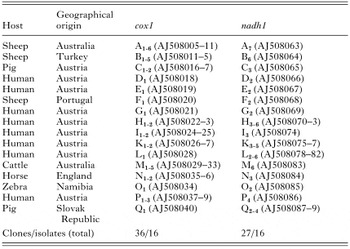
Table 1. Echinococcus granulosus isolates, number of clones and Accession numbers analysed for each isolate
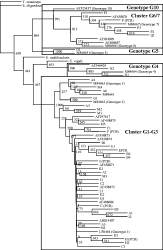
Fig. 1. Consensus tree obtained from partial cytochrome c oxidase-1 (cox1) using sequences obtained in this study (accession numbers: AJ508005–AJ508089) and sequences deposited in current gene databases.
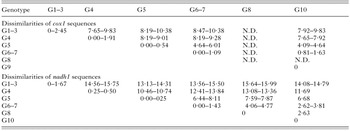
Table 2. Dissimilarities (as percentages) within and between clusters
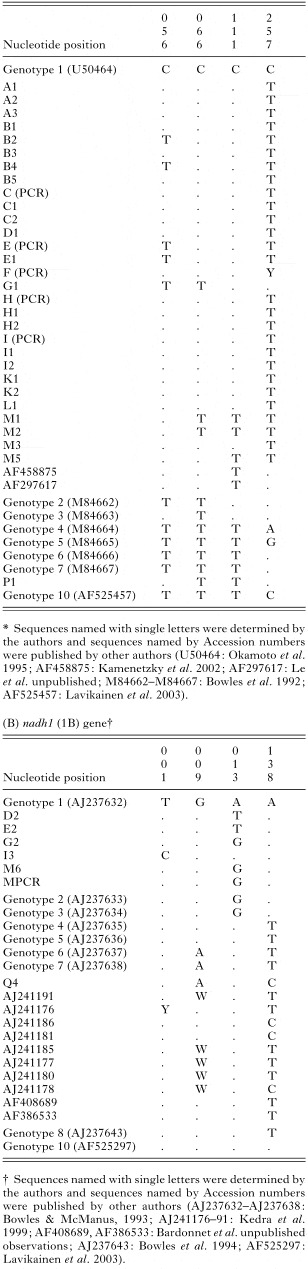
Table 3. Variable sites of the cox1 and nadh1 genes of Echinococcus granulosus genotypes G1–G10
 You have
Access
- 67
- Cited by