In a world of states and dominated by states it is unsurprising that the maintenance of state boundaries would appear as a vital problem and that “state contraction,” “secession,” or “partition” would be figured, by most scholars and politicians, as evidence of public policy failure or as desperately exercised options of last resort. To be sure, in the 1990s some scholars revived interest in territorial self-determination via partition of existing states as a sometimes useful policy option for individual states and for the international community. Against a background of severe political instability in the Balkans, central Asia, Africa, the Middle East, and the former Soviet Union, it has been suggested that some political conflicts might be managed best by “rightsizing” states, i.e., adjusting their boundaries or creating new states (Hoppe 1998; O'Leary, Lustick, and Callaghy 2001). Others have emphasized the occasional necessity for forcible partitions and even population transfers to achieve a correspondence between ethnopolitical or sectarian allegiances and the contours of states legitimized by them (Kaufmann 1998; Tullberg and Tullberg 1997). On balance, however, the bulk of the scholarly and public policy community continues to oppose such approaches on moral, legal, practical, and other grounds. Instead they direct much more attention to how conflict, especially violent conflict, can be managed while protecting existing state boundaries (Carley 1997; Horowitz 1985, 588–92; 1997, 435; Kumar 1997; Sambanis 2000).
Many factors, considered independently or in interaction, have been prominent in recent studies of the etiology of secessionism. They include the implications of economic advantage/disadvantage, topography, world region, demographic patterns, globalization, cultural distinctiveness, inter-group antipathy, type of identities in conflict, political entrepreneurship, and outside intervention by irredentist or culturally related powers. In this paper, however, we focus specifically on one key thread in this sprawling conversation—the relationship between institutionalized empowerment of potentially secessionist groups and the appearance of secessionism.
Indeed it can be argued that the single most popular line of argument offered by scholars to policy makers has been to suggest political and institutional arrangements to satisfy demands by whatever regional, religious, ethnic, or other groups with secession potential appear to threaten the integrity of the existing territorial states. Under this rubric various techniques and approaches have been elaborated, including affirmative action, multicultural liberalism, federalism, autonomy, cantonal arrangements, and power-sharing (e.g., Danspeckgruber 1996; Lapidoth 1996; Lijphart 1977, 1985; Sambanis 2000). The general view here is that by responding positively and integratively, if only partially, to the demands of disgruntled minorities, secessionism can be abated and secession prevented while preserving the predominance and stability of the central state. By making government more responsive to the concerns of disgruntled minorities, potentially secessionist groups will be encouraged to feel confident of representation and protection for their most vital concerns. Such institutional responses by the central state are deemed capable, if designed and implemented properly, of reducing the intensity of separatist demands by those who otherwise might make them. In Hirschman terms, the impetus for exit is to be blunted by providing opportunities for voice and reasons for loyalty (Hirschmann 1970).
However the opposite view is also strongly argued—that creating autonomous, federal, or otherwise devolved institutions of self-government or self-administration, especially if they allow regionally concentrated groups to mobilize within them, is liable to contribute to secessionism by affording elites and groups the political resources they need to undertake mass mobilization and wage separatist struggles. This literature supports a widely acknowledged fear among state elites that granting regionally concentrated minorities special forms of autonomy, devolved powers, or privileges within a system of asymmetric federalism would not so much assuage demands for representation, control, or resources, as lead the country down a slippery slope to separatism (Cornell 2002; Hale 2000; Mozaffar and Scarritt 2000; Roeder 1991).
A distinct but related line of argument was spurred in part by the collapse of the Soviet bloc, successful secession (or partition) in Yugoslavia and Czechoslovakia, and eruption of secessionist conflicts in many parts of the former Soviet Union. Some researchers during the last decade have argued that democratization might not be able to be fine-tuned enough to prevent devolution and empowerment from producing more rather than less secessionism and attendant violence. From this position there is a tendency to minimize the importance of minority group dissatisfaction with central state policies as an explanation for secessionism. Instead, a “supply-side” interpretation is favored. On this account, illegal mobilization against the state for secessionist purposes does not increase as a function of demands for more responsiveness, democracy, or autonomy. Rather it arises when the human and material wherewithal to make such risky behavior profitable is available to political entrepreneurs and the small group of activists actually engaged in mobilizational or violent activities (Collier 2000; Fearon and Laitin 2003; Laitin 2001).
Another form of the position that dangerous instabilities arise from the abilities of peoples to rebel, rather than from the depredations of states, has been articulated by researchers who point to apparent correlations between democratization and the eruption of severe ethnic violence and secessionism. Jack Snyder offers a neo-Huntingtonian argument that stresses the importance of establishing strong political institutions prior to democratization to prevent demands for participation from disrupting the political stability of the state. Whereas Donald Horowitz used peaceful interethnic accommodation in Malaysia and violent secessionism in Sri Lanka to support his thesis that properly designed democratic institutions prevent ethnic violence and secessionism, Snyder (2000), writing in the late 1990s, argues that Malaysia illustrates the “advantages of authoritarianism” while Sri Lanka shows the “dangers of democratization” (275, 280).1
Snyder makes a similar argument about patterns of political violence and secessionism in India and the “perils of pluralism and power-sharing” in Rwanda and Burundi. See also Cornell (2002), McGarry and O'Leary (1994, 94), and Saideman (1998).
This line of analysis reflects a subtheme in the literature on containing potentially secessionist and violent ethnic mobilizations via repression, control, or domination. The idea that “repression works” is implicit in the argument that states can maintain their borders, prevent secessionism, and preserve the political position of ascendant groups by refraining from offers of institutional compromises or added resources to accommodate out-group demands (Collier 2000; Laitin 2001).2
For broader consideration of strategies of control and domination see Adam (1971), Fearon (1998), Fearon and Laitin (2000), Lustick (1979, 1980), McGarry and O'Leary (1993, 23–26), and Yiftachel (2000).
The current state of the scholarly debate regarding the general relationship between institutionalized empowerment of potentially secessionist regional groups is confused. Hechter and Okamoto address this head on in their 2001 metastudy. They observe that “there is little consensus about the kinds of political institutions that are most likely to contain nationalism” (203). As an example, they describe three positions held by important groups of scholars regarding the effect of federalism on nationalist mobilization: (1) federalism reduces nationalism, (2) federalism increases nationalism, and (3) federalism itself does not determine strength of nationalism (204). Similar to other of the more sophisticated approaches to this question, Hechter and Okamoto conclude that causal relationships between institutionalized empowerment of potentially secessionist minorities and the rise of secessionism are complex, nonlinear, and highly sensitive to context. Thus in his own work Hechter (2000) suggests a possible reconciliation of the two opposing arguments in the literature: “Whereas decentralization may provide cultural minorities with greater resources to engage in collective action…at the same time it may erode the demand for sovereignty.”3
Emphasis in the original.
A similarly nuanced view of the curvilinear patterns associated with different combinations of pairs of important variables is advanced by Atul Kohli. He argues that if the central authority structure is strong but willing to be accommodating and responsive to demands by potentially secessionist minorities, the result will be short-term increases in ethnopolitical mobilization but long-term decreases in likelihood that the state will face potent secessionist threats. Unaccommodating strong states can expect continuing cycles of mobilization and repression. Weak but accommodating states face increased possibilities of peaceful breakup. Weak and unaccommodating states can be expected to experience turbulence or secession/collapse (Kohli 1997).4
For similarly nuanced views on the difficulty of making linear predictions about the effect on secessionism of more inclusive electoral arrangements, see Crawford (1998), Reilly and Reynolds (1999), and Scarritt, McMillan, and Mozaffar (2001).
More common, however, among scholars studying the relationship between autonomy, devolution, power-sharing, federation, affirmative action, electoral reform, democratization, etc., and ethnically charged secessionism is the admission, à la Hecther and Okamoto, that available findings are contradictory and inconclusive (Freeman
1999, 369–70; Hechter
2000, 9; Spencer
1998, 3).
AN AGENT-BASED MODELING APPROACH TO SECESSIONISM: ISSUES OF VALIDITY AND THE ROLE OF CONSTRUCTIVIST THEORY
We turn now to consideration of the methods used to produce these incomplete but intriguing results. Two methods are prominent in scholarly work on this subject. One is to conduct process tracings of a significant case or cases, using synchronic or diachronic comparisons. The other is to draw on one or more large data sets describing events, countries, or minority groups. Here the technique is to examine whether or not hypotheses about general relationships between institutional practices and outcomes are consistent with the patterns discernible from consideration of the data in these arrays.
There is much to be learned in these ways. Clearly there is no substitute for studying the phenomena themselves, in the real world, through careful scrutiny of crucial cases, through artfully structured comparisons of small numbers of episodes, and through statistically sophisticated treatments of highly processed, standardized, but rigorously conceived data sets. But it is our view that with so many variables involved and so many interaction effects present, with the great difficulty of gathering data relevant to those variables deemed theoretically most interesting, and with the extreme scarcity of episodes of secessionism and secessionist conflict, compared to the array of potential contexts for their emergence, a third technique—agent-based computer simulation—has a crucial role to play in advancing the study of questions about the conditions that shape the likelihood of serious internal threats to the integrity and stability of states.
Among the most daunting challenges to scholars using the small-N approach, drawn from one case or from structured focused comparisons of a small number of cases, is the stringent limit on the array of possible natural experiments that can be arranged. This limit arises from the rarity of full-blown secession and the infrequency of severe ethnic conflict relative to the number of interethnic encounters that might have but did not produce such conflict. Typically the investigator must settle for some level of contamination of the comparison based on factors that were either inconveniently different or similar about the cases or about the episodes being compared within a single case study. Ideally the investigator would be able to select cleanly sorted comparisons, leaving all possibly relevant values identical except for differences on either the dependent or the independent variable. In the real world, investigators have to settle for best available, partial, confounded, and therefore clouded comparisons.5
This is the case even as scholars pick and choose from an array of historical accounts that is considerably more differentiated than whatever it is that those accounts are seeking to describe (Lustick 1996).
Among the most daunting challenges facing scholars using large-N approaches is the inevitable gap that arises between the imputed meaning of the variables under investigation, as specified in theories under test, and the real measurements used to indicate the values taken on by those variables in specific cases. These gaps are in part produced by the need to use best available quantifiable surrogates for the complex sentiments, opinions, behavior patterns, and circumstances that are of theoretical interest. Such gaps are then widened by the need to treat data gathered in different ways in different countries as comparable across cases and by serious differences across cases and time periods in the reliability of the information gathered. Such problems are then further compounded by the challenge of establishing and enforcing coding routines that avoid issues of selection bias, pass tests of intercoder reliability, and are updated regularly based on new or improved knowledge available about cases or historical episodes. Combined, these challenges pose serious risks that findings may be driven as much or more by artifactual aspects of data collection and processing as by the underlying patterns putatively reflected in the data collected. It is probably safe to assume that a substantial portion of the disagreements that arise among researchers using large-N approaches springs from these problems (Chandra 2001, 10; King and Zeng 2001).6
Important work is underway to improve the reliability of these techniques. See Doyle and Sambanis (2000), Laitin (2000), Laitin and Posner (2001), and Wilkinson (2000, 2001).
The kind of “bottom-up” simulations offered by agent-based modeling provides researchers a third way. Using computers to produce simulations of social and political phenomena based on widely distributed but interactive processes is not new. Important work has been done on mobilization or repression in political contexts (Bhavnani and Backer 2000; Epstein, Steinbruner, and Parker 2002; Lustick and Miodownik 2002; Srbljinovic et al. 2003), identity diffusion (Axelrod 1997; Hoffmann 2003; Lustick 2000; van der Veen 2002), the emergence of ethnocentrism (Axelrod and Hammond 2003), and the endogenization of borders (Cederman 1997, 2002). Excellent metaanalyses have identified emerging trends, challenges, and opportunities in this cluster of research programs (Cederman 2001; Macy and Willer 2002).7
An older tradition of computer simulation relies on differential equations rather than on interactions among multitudes of adaptive agents. We have not found useful applications of this “systems dynamics” approach to ethnopolitical mobilization or secessionism. We do know of a substantial amount of work in this area done by Russians scholars. It is based largely on computer operationalizations of Parsonian categories and variables. See, for example, Laptev (http://www.univer.omsk.su/MEP/). For a discussion of this earlier tradition in relation to agent-based modeling approaches, see Macy and Willer (2002).
If theoretical expectations are relatively clear, but data are hard to find that reliably match theoretical categories, if available natural experiments do not allow crucial questions to be posed cleanly because of inconvenient confounds, and if key aspects of the phenomenon of interest are relatively rare, computer simulation should be considered a logical complement to other techniques of analysis. Such simulation involves creating a virtual world in which the basic theoretical relationships among individuals or groups are implemented directly, obviating the need for surrogate measures or indices of key variables. Large batches of “histories” or “futures” of these worlds can be produced by randomizing initial conditions or the pattern of perturbations to which the world is subjected. Standard statistical tests can then be run on the distributions of outcomes produced under specified conditions.
By controlling initial conditions and/or the valences and sequence of the streams of perturbations, the effects of change in individual parameters of interest or the interaction between two or more specific variables of interest can be identified.8
By keeping the initial conditions and pattern of perturbations constant, and changing the algorithms or microrules controlling agent behavior, problematic aspects of the theories of identity change, political behavior, and elite recruitment these rules reflect can be tested as well.
Such theoretically significant variables could include predominance of different identities across the population, geographical concentration patterns, indices of difference or similarity across groups of agents, amount of variation in agent influence, etc. By randomizing perturbations and/or initial conditions and collecting data on the trajectories produced by the “landscape” as it moves forward in time (with “agents” interacting and taking on or maintaining values depending on the algorithms with which they are endowed), researchers can systematically conduct the thought experiments that they cannot conduct or observe in the real world and cannot perform in their heads because of the hundreds of thousands or even millions of calculations involved in every step.
It is common and natural for questions to be raised about the “empirical validity” of computer simulation models. The important version of this question is not about whether or not the theory being tested with the model is true (a question that is obviously central in the evaluation of any model—whether computer deployed or not) but about whether the assumptions built into the virtual world are so radically different from conditions in the “real world” that inferences about the latter from the former cannot be justified. To understand why the problem of establishing the “empirical validity” of agent-based computer models is no more difficult, and possibly even less difficult, than in noncomputer simulation models, it is useful to recall that such questions pertain to the “generalizability” of the findings produced with the model. Can findings produced in a virtual world, with a model whose terms are implemented systematically and exactly via computer, be generalized to cognate phenomena the real world?
Of course all applications of scientific models to the real world must include, or should include, discussion of limits on their generalizability. Such limits are associated with any kind of research project. Hypotheses are always tested, not against the “real world,” but against a proxy for it that arises from the assumptions of the theoretical approach adopted and the rules used to observe and code data. Accordingly, there is no intrinsic difference between the use by agent-based modelers of an explicitly constructed virtual world as that proxy and the use by researchers employing traditional small-N or large-N techniques of the implicitly virtual worlds that arise from their assumptions and coding rules as the backgrounds against which their hypotheses are tested (or “validated”). For each of these approaches limits to generalizability must be identified in terms of the versimilitude believed to exist between the surrogate world created for the testing of hypotheses and the “real world.” Indeed, for each of these approaches, including agent-based simulation modeling, an important source of validation is productive communication across theoretical assumptions and methodological divides. If researchers using diverse methods, assumptions, and coding rules produce findings that correspond with or usefully articulate with one another, that cumulative discussion itself constitutes validation. It represents a kind of triangulation of a stable “real world” to which each participating theoretical effort would appear to have access.
If the validation question is fundamentally the same across approaches, each of which tests its hypotheses against a surrogate for the real world, what does distinguish an agent-based modeling approach from others? It is the completeness and understandability of the virtual world it is using as its surrogate. Unlike other approaches, its machinery can be both complex and transparent, for everything in it is decidable, visible, and registered. Some approaches (such as rational choice) are transparent but radically simple in terms of the number of interacting parts and variables. Other approaches using more complex models obscure the limits imposed by their substantive theories and conceal the vast number of arbitrary, uncontrolled, or unknown “parameter values” under a sweeping ceteris paribus assumption.
In work with PS-I in general, and specifically in our studies of secessionism, we use specific substantive theories and “pretheories”—theories of constructivist identity, social identity, and collective identity mobilization. We find, just as virtually all social scientists do, that even the best of these theories and the most careful of research designs fail to produce an experimental world in which every element in any way related to the phenomenon under study is assumed as a constant or is incorporated in the research design as a controlled variable. An obvious example is the constructivist position that individuals and collectives have “repertoires” of identities that are relatively easily presented or concealed. Exactly how much easier it is to present a concealed identity than to integrate a new identity formerly not within the repertoire is seldom if ever explored, let alone set out as a theoretical proposition or research finding. The advantage of agent-based modeling is not that it eliminates stipulated parameter values, but that, as in our work described below, every stipulation is noted. In contrast to other approaches, especially nonformal approaches, there are no unrevealed or unseeable assumptions. An added value of computer simulations of this sort is the opportunity for systematic sensitivity tests in the face of good (i.e., theoretically based) arguments that specific parameters might be particularly liable to produce artifactual results.
The constructivist basis of political identity and identity change is now well established.9
For early examples of the constructivist approach to ethnic and national identity see Barth (1959), Brass (1974), and Hechter (1975). For representative applications and expositions of the approach see Eley and Suny (1996), Kowert and Legro (1996), Nagel (1994), and Verdery (1991).
Studies of identity—ethnic, national, or otherwise—begin almost as commonly with a statement decrying the practice of comparing primordialist and constructivist approaches as they do with that comparison itself. As Kanchan Chandra (
2001) put it in her introduction to a symposium on the constructivist consensus prevailing in political science:
The constructivist approach, developed across the disciplines of anthropology, sociology, political science, history and literature, has discredited the primordialist approach by showing that ethnic groups are fluid and endogenous to a set of social, economic and political processes. Those who subscribe to the constructivist approach agree on two basic propositions: First, individuals have multiple, not single ethnic identities; and second, the identity with which they identify varies depending upon some specified causal variable. Changes in the value of these causal variables are likely to lead to changes in individual identifications. (7)
From the now standard constructivist position, identities at both the individual and the collective levels are ultimately fluid, chosen, instrumentalizable, responsive to change in relevant incentive structures, and susceptible to manipulation by cultural or political entrepreneurs. Examples of more or less standard positions within this approach are Aronoff (1998), Brass (1980), Laitin (1998), and Nagel (1994). Extremes within this general perspective are anchored on one side by arguments of the sort made by David Brown (1988), Walker Connor (1998), A. D. Smith (1981, 1986), and some sociobiologists such as Gary R. Johnson (1997). These scholars emphasize the psychological affinity of identity appeals based on kinship patterns or tropes to explain why communities imagined in common descent terms are so prevalent, stable, and politically potent (i.e., why the effects of opportunities for choice are so limited). At the other extreme are those scholars more impressed with the extraordinary variability of ethnic and other forms of cultural identification over time and in different circumstances. Indeed some sociologists, anthropologists, and cultural studies scholars operating in this mode shift their attention entirely from the individuals and groups themselves (and their putative “identities”) to the prevailing categories of identification and the relationship of changing circumstances to “performances” of those categories. Rogers Brubaker (1996) is one of the most influential scholars taking this perspective. Some political economy approaches to identity also tend toward extreme positions of the sort that implicitly imagine any identity as presentable by any actor or group depending on incentives and the choices those incentives make attractive (Hardin 1995).
To be sure, constructivism performs its fundamental theoretical role not by producing final answers but by framing questions. For example, how large are repertoires of identities? How easily can they change? What is the effect on larger political processes of variation in the size of identity repertoires, the fluidity with which identities are traded, or the volatility and turbulence of the incentive structure affecting competing identities? These questions are implicit in constructivist identity theory, but until the development of agent-based modeling approaches they have been extremely difficult to investigate, or even pose properly (Lustick 2000). But the fact that there are good but unanswered questions implied by constructivism is evidence of its fruitfulness as a framework for research, not of its inability to provide guidelines for designing mechanisms to animate a virtual world of competing political identities carried in the repertoires of multiple, but different, agents.
BEITA—A VIRTUAL MULTIETHNIC STATE
To exploit constructivist identity theory for the exploration of patterns of secession and secessionism a virtual state was created, named, for convenience, “Beita.” Beita was designed using the PS-I simulation platform to capture in composite form certain common features of multicultural or multiethnic states that might encounter threats of secession (Dergachev 2003; Lustick 2000, 2002; Lustick and Miodownik 2000, 2002).
As displayed in Figure 1, Beita is a square with 66 cells, or agents, per side (4356 cells). The external edge of Beita is comprised of a fixed, unbroken, and impermeable array of 260 black-colored “border” cells. Within these borders are located 4,096 agents that comprise the Beita polity.10
Agents can be imagined as modeling individuals, families, villages, or any unit of political aggregation that may seem appropriate.
Each square-shaped cell, or agent, in this array is endowed at time zero (
t=0) with a repertoire or portfolio of identities, one of which is “activated,” i.e., visible to the agents in its neighborhood (the eight agents bordering it on its four sides and its four corners). Different colors represent different identities. As Beita moves forward in time the rules governing agent behavior permit the rotation and trading of identities as functions of changing advantages and disadvantages associated with individual identities and with local conditions. These identity substitutions are in turn reflected in patterns of color change and clustering as some identities coalesce into control of particular regions or lose their grip on those regions. Statistics describing changing characteristics of Beita are automatically collected for diachronic and synchronic analysis.
The polity is divided into four quadrants, not by boundaries but by changes in patterns of overlapping and shared political identities. The upper left, or “northwest” (NW), quadrant is the core of the state. A national bureaucracy, comprised of a web of agents drawn from one of three “agent classes” of “influentials” (see Table A1, Appendix) and having double, triple, or quadruple the “influence” of “basic” agents, radiates out from this quadrant into the other quadrants. In the “standard” version of Beita, used as a baseline for experimental purposes, these “bureaucrats” (or “officials”) all have the currently dominant, i.e., incumbent, identity, identity “5,” in their repertoires and almost all of them are activated on identity 5 at t=0. Two other identities, identities 4 and 13, are “loyal opposition” national identities. All national bureaucrats have these identities in their repertoires.
Top-echelon bureaucrats have an influence level of 4, compared to the influence of a basic agent, whose influence level is 1. Top-echelon bureaucrats are few in number, relatively centrally located within the radiating bureaucratic web, comprised (initially, at least, since all identities in Beita are tradable) of only the three national identities, and marked visually with a circle inside the normal agent square. Mid-echelon bureaucrats are marked with a spiral, have an influence level of 3, and a slightly larger identity repertoire than top-echelon bureaucrats—reflecting the regionally prevalent identities as well as national identities. Lower-echelon bureaucrats, those with influence level 2, have within their repertoires both regionally prevalent and parochial identities in their region along with the three national identities. Thus, for example, lower-echelon national officials in the northeast (NE; upper right) quadrant have regionally prevalent identities 3 and 15 in their repertoire, along with a less prominent “parochial” identity, identity 9, and all three national identities, 4, 5, and 13. For detailed information about the exact representation of different kinds of agents in Beita and their identity complexions, see Table A2 (Appendix); for color coding see Figure 3.
Beita was produced as a composite rendering of a multinational or multiethnic country, corresponding directly to no one particular country but containing common aspects of many. In the NE and southwest (SW) quadrants regionally prevalent identities have separate small authority structures. These can be identified as local arrays of officials activated on colors associated with regionally prevalent identities—bureaucrats whose loyalties to the central state are reflected in the presence of national identities in their repertoires even as they begin Beita histories activated on their particular ethnic identity. The intent in these quadrants was to model relationships of multinational democracy based on principles of federalism and/or multicultural liberalism. Thus national identities were included within the repertoires of both bureaucrats and ordinary inhabitants, regardless of their activation on more particularist identities or the local prevalence of such identities within the repertoires of agents in that region. The radiating web of the national bureaucracy in each of these quadrants is substantial, though not as dense as in the state's “national core” in the NW. The tolerant and accepting relationship between the national state and the ethnic groups in the NE and SW is also reflected in the presence of regionally prominent ethnic identities in the repertoires of mid- and low-echelon national bureaucrats in those regions.
But things are different in the southeast (SE). The SE is modeled as a region controlled by the state but inhabited by a disgruntled regional minority (DRM) whose identity (10) is present in the repertoires of 79% of the agents in this quadrant.11
In the SE quadrant, identity 10 is activated at t=0 by 12% of the agents with that identity in their repertoire compared, for example, to an activation rate of 24% for identity 15 in the NE quadrant, where it is a regionally prominent identity.
The fearful and alienated relations between the state and this group are reflected in the low activation rate of this identity and by the complete absence of identity 10 from the repertoires of the national bureaucrats stationed in SE. Beita also features a minority group in the SE region, associated with identity 16, that is historically distinct from and even antagonistic to the regionally dominant identity (10). As is quite typically the case, it is thus attractive as an ally against identity 10 by the national center.
12 Reflecting the favor it enjoys from the regime, identity 16 has a very high activation rate (54% of agents in SE with identity 16 in their repertoire are activated on that identity at t=0). It also has a high rate of overlap with the incumbent national identity—identity 5. Indeed more than 80% of SE agents activated on 16 have all three national identities present within their repertoires. In contrast, identity 16 is present within the repertoires of only 8% of SE agents activated on 10 at t=0.
Such features in Beita were designed to make it a kind of “ideal type”—a country that actually does not exist but that, in the deliberate clustering of elements held to be crucial by relevant theories, bears stronger resemblances to countries relatively predisposed to secessionism linked to processes of identity-based self-determination movements. Indeed Beita is not presented as a universal template for simulating the many kinds of economic, political, legal, international, and cultural pressures that may be involved in the entire range of ethnopolitical mobilization and secessionist activity. It should be regarded as a specialized tool, useful for exploring the extent to which some patterns of ethnopolitical mobilization and secessionism could be accounted for by focusing specifically on “identitarian” processes and pressures.
In addition, particular aspects of Beita's institutional design render it more like some countries than others. For example, Beita features a dominant but not unitary regime authority structure, emanating from a secure core. The institutions of the regime within the borders of Beita include a variety of relatively decentralized structures with overlapping loyalties in areas of identitarian diversity. Beita also includes one area of the country in which the regime appears as a rigid, unresponsive, and alien set of institutions in contrast to a regionally predominant identity group deprived of any substantial authority structure of its own. Countries and their disgruntled regional minorities to which our findings may best apply include Iraq/Kurdish region; Turkey/Kurdish region; Spain/Basque country; Canada/Quebec; Yugoslavia under Milosevic; Sri Lanka/Tamil Northeast; United Kingdom/Ireland (19th century); France/Algeria (late 19th to mid-20th centuries); Pakistan/East Pakistan; Pakistan/regions such as the Sindh or the Northwest Frontier Province; India/Kashmir, Assam, or the Punjab; France and Corsica; and Indonesia/Papua or Aceh. Needless to say, none of these countries corresponds exactly to Beita, and in some of these cases, clearly, variables other than the political/institutional variables investigated in this article are decisively at work.13
One important variable excluded from the sets of experiments with Beita reported here is the direct influence of cross-border pressures from neighboring countries possibly sympathetic to secessionist tendencies within Beita. The impermeable border surrounding Beita prevents such pressures, though in other work, unreported here, we have explored the implications of increasing the porosity of the border separating the southeastern quadrant from variously constituted neighboring states.
Nevertheless, for different reasons these cases do contain the elements and dynamics of the kind of countries Beita is designed to simulate more than, for example, the United States/Native Americans, Iraq/southern Shia areas, France/Brittany or Provence, Morocco/Western Sahara, and Israel/Palestinian areas.
As Beita moves forward in time, the patterns of identity activation and hence the patterns of visible color across the landscape change. Individual cells change identity activation as a result of interactions with their neighbors (agents directly touching their sides or corners). Each agent registers the activated identities and influence levels of its neighbors but not the composition of their repertoires. Simple calculations of relative “identity weight” lead each agent to either remain activated on its currently activated identity; rotate into activation an alternative identity from its repertoire; substitute an identity from outside its repertoire for one inside its repertoire; or, in cases of a fairly overwhelming discrepancy in favor of an identity not in its repertoire, actually substitute and activate on an identity previously absent from its repertoire. (See the Appendix for technical details.) Clusters of agents activated on the same identities form—a process usually accelerated in regions featuring webs of “influential” agents activated on a common identity or having that identity in their repertoires. The clusters can then expand to include agents who bring that identity into their repertoires after being surrounded or nearly surrounded by agents activated on that identity. For purposes of illustration, Figure 2 is provided, showing a typical run, or history, of Beita at time step 50 (t=50).
Just as in the real world the origin of signals that shape the identity-based behavior of people and groups is not wholly local, so too can agents in Beita (and in PS-I models in general) have access to some nonlocal information. At every point in time each identity is assigned a “bias,” that is, a negative number, a positive number, or zero.14
A bias of “+1,” for example, would count in the identity weight calculation of an agent as much as would one extra basic agent in its neighborhood activated on that identity.
According to what can be thought of as a “mass media” mechanism, each agent is aware of these signals and how they change. Each agent updates its activation by adding these signals to its calculations about local identity weights.
Figure 3 displays all the identities present in the spectrum of Beita (that is, present as a subscribed identity in at least one agent). Each identity is labeled by number and color. The figure also shows, for each identity, the bias assigned to it at time step 50. The assignment of biases is random, though for experimental purposes that randomness can be adjusted to introduce more or less volatility in the way the world is changing, a greater or smaller range within which it can change, and more or less predictability in the way it will change.15
Predictability is a measure, assuming that a change of bias assignment takes place, of how likely it is that that change will entail a move of more than one integer step away from its original bias assignment. As with most experiments reported here, this illustrative history was set at a low predictability setting, such that large bias shifts were just as likely as small ones.
At every even-numbered time step each identity is eligible for the assignment of a new bias. In the Beita history from which these illustrations are taken, the volatility was set so that the probability of being eligible for a bias change at any one time step was .005% (with a bias range of between −2 and +2).
STUDYING SECESSIONISM WITH BEITA
Beita was designed as a state in which secession is not ruled out in any region but, in which under typical conditions of governance and political relations, in most regions, it does not occur.16
Indeed in the thousands of histories we have generated, secession by groups other than identity 10, or in regions other than the SE, where identity 10 is concentrated, have almost never been observed.
Secessionism among identity 10 agents in the southeast region is modeled in Beita as the emergence of boundaries within the state that separate a sizable region dominated by identity 10 from the rest of the state—a region featuring substantial cultural homogeneity in terms of both activated and subscribed identities. Borders appear as some cells containing agents are transformed into small zones of separation that may be considered either as “immutable and inactive agents” or as “border cells” (black squares).
17 Technically the cells in the Beita array are “positions” that may or may not contain agents of different kinds at any given time. Since almost every cell in Beita is always inhabited by an agent with particular characteristics, we refer to them as “agents.” But since the transformation of a basic agent into a “border agent” is actually the transformation of an inhabited cell into a cell that is uninhabited but rather serves as a small “zone of separation,” we use the phrase “border cells” rather than “border agents” to describe the emergence of local manifestations of secessionism.
Such transformations can be considered “secessionist” activity in the sense that the appearance of such zones of separation corresponds to the crystallization of identitarian and political differences associated with regionally based emergent processes of alienation and out-group mobilization.
The results of various factors (such as institutional responsiveness, repression, and devolution) on the occurrence of secessionism can then be investigated by adjusting those aspects of Beita and comparing the results by analyzing large batches of runs under otherwise tightly controlled conditions. Apart from studying secessionism (how many border cells are produced in what regions), the emergence of a sufficient number of border cells combined with a sufficiently high level of activated homogeneity within the regions dominated by the secessionist group can be used as a measure of secession itself.18
By using the complexion of identity activation (via low tension levels within the newly bounded region) as a part of our index of secessionism, we do not reject the role of a reorganization or transformation of authority structures in the process of secession. Indeed, though we have not reported the data, secessions in Beita are frequently associated with the emergence of separate authority structures. That is, portions of the webs of influential agents previously activated on regime identities are captured by the secessionist movement and transformed into webs of influentials activated on the secessionist identity and separated from the rest of Beita by walls of border cells.
The rules governing the circumstances in which individual basic agents become border cells were designed to conform to basic and consensual understandings of secessionism as they appear in the scholarly literature. For although there is precious little agreement on the sufficient conditions for producing secessionism, i.e., the relative contribution of variables such as regional economic standing, degree of ethnic or identity difference, irredentist influences, and institutional features, there is broad, if usually implicit, consensus on the necessary conditions for secessionism. These conditions are (1) polarization or alienation of the potentially secessionist identity group from the dominant identity groups in the state; (2) regional concentration of the identity on a scale that is not negligible; and (3) some significant level of tension or disharmony in the relations between individuals expressing the “alienated” identity and others in their social environment. Indeed, few if any analysts have produced theories of secession that do not assume the satisfaction of these three conditions—alienation, nontrivial size, and individual-level tension with others.
The conditions under which such behavior occurs thus pertain to both macro circumstances of which the individual agents are unaware and local realities of which they are aware. When for any particular agent in any particular time step each of these conditions is met, a low but nontrivial probability is created that that agent will be transformed into a border cell.19
In the experiments reported in this paper the probability of an otherwise qualifying basic agent turning into a border cells was 20% per time step in which the basic agent remained qualified. This probability can easily be adjusted for experimental purposes. Sensitivity tests indicated that adjusting this probability value between 15% and 25% did not alter the frequency with which border cells appeared. The effects on these adjustments on the number of border cells produced were linear, relatively small, and in the expected directions.
The rules we have implemented to operationalize these conditions governing the production of border cells can be stated, nontechnically, as follows:
- Polarization/alienation: Secessionist activity can be expected to be unlikely or impossible to the extent that members of a potentially secessionist group also harbor the identity of the dominant group. Accordingly, no agent, at any particular time, can transform into a border cell if 20% or more of the agents activated on that identity at that time have the dominant identity within their repertoires.
- Size of a qualifying identity: Secession of the leading group in a society is excluded from these experiments insofar as the leading group is considered to be the identity activated at any particular time by a plurality of agents in the polity. Similarly, secessionism cannot be produced by a group unless it constitutes a substantial proportion of its region. In Beita no agent is allowed to transform into a border cell unless its activated identity is activated by at least 10% of Beita agents.20
Since the size of countries and the sizes of disaffected populations within those countries vary widely, the 10% rule for the minimum size of what we refer to as a “subordinate identity” cannot be considered absolute. Instead the rule used to calculate the minimum size of a regionally disgruntled minority capable of producing secessionism is 40% of the ratio of the population of the region to the total population of the state. Thus, the SE quadrant of Beita represents 25% of the entire state. Forty percent of that is 10%, so the minimum size of an activated group in Beita capable of producing secessionism is 10% of the size of Beita or 409 agents. Roeder (2003) presents an extensive discussion of the statistical issues involved in coding secession for comparisons across large and small states. Roeder's findings, though arrived at with different techniques and for somewhat different purposes, are consistent with our coding rules. We are grateful to Paul Brass for posing the question that clarified our understanding of this general point.
- Individual action: Some otherwise qualifying agents are more likely than others to engage in secessionist activity, and those lacking very much contact with agents activated on identities other than their own can reasonably be expected to be less inclined to take the risks of secessionist action than liminal agents, exposed to other identities but not harboring those identities within their repertoires. Accordingly, no agent can transform into a border cell unless half or more of the agents it is in direct contact with are activated on an identity other than its own activated identity.
With these rules implemented for the operation of Beita, we proceeded to investigate the relationship among variables of interest with respect to secessionism and institutional schemes of repression, responsiveness, and representation. This was done by comparing histories produced under slightly different conditions or with slight changes introduced into the polity to operationalize such institutional strategies.
SIMULATION EXPERIMENTS
Several groups of simulation experiments designed to explore relationships among institutions, ethnopolitical mobilization, secessionist activity, and secession were conducted. Each series of experiments focused on changing aspects of the authority structure in the SE region. The first series studied the effects of repression, modeled as increasing the range and density of the distribution of regime officials in SE. The second focused on the effects of increasing the responsiveness of the regime officials to the demands of the potentially secessionist identity. The third group of experiments was aimed at investigating the effect of increasing the representativeness of the authority structure, whether by increasing the proportion of existing regime officials expressing the potentially secessionist identity or by expanding the authority structure by adding networks of regime officials expressing that identity.21
As a manipulation test for our baseline template we ran several experiments entailing the removal of key operationalizations (variable bias values, variable agent influence levels, the impermeable boundary surrounding Beita, and rules for the production of border cells). We then added these elements and observed the results in batches of 100 runs each. The results conformed to our expectations of the role each of these operationalizations, both individually and in combination, plays in producing the overall effect of Beita as a simulated country disposed toward, but not necessarily destined for, separatism. The results of these manipulations are not reported here but are available from the authors.
Each series of experiments entailed creation of distinctive versions of Beita—each captured in a different “snapshot.” Each snapshot featured a carefully controlled group of parameter settings and/or changes in the complexion of agents in SE. Each version of Beita was used to produce 100 separate and unique histories—histories run through 508 time steps to time 508 (t=508).22
The length of each history is considered to be 500 time steps. Our experience with Beita strongly suggests that only rarely would extending the examination of dynamic processes beyond this point yield statistically different results. The reason observations are conducted at t=508, and not t=500, is that each run includes eight initial time steps during which the likelihood of change of a bias value associated with any given identity is very high (50%, as opposed to 0.005% during the history itself). This has the effect of “scrambling” the biases and allowing the history to begin “in media res,” rather than from an artificially “calm” position. Other settings that remained constant through all manipulations as well as in the standard or baseline Beita included a bias range of −2, +2, a moderated jump factor of 10,000 (meaning that the likelihood of a bias changing from one value to another was equal, regardless of the size of the increment entailed in that change), and a sight radius for all agents of 1, meaning that all agents could see the activated identities of the eight agents adjacent to them and no others.
The uniqueness of each specific history was ensured by the application of a distinctive stream of randomly generated “biases” affecting the sequence and extent of changes in the relative attractiveness of activating on different identities.
23 Given exactly the same parameter settings, exactly the same array of agents operating by the same rules, given the same complexion of identities in agent repertoires, and assuming that all agents are activated on the same identities, applying any particular stream of bias values will always produce exactly the same (unique) history. Experiments reported here are based on running “treated” landscapes 100 times using the same set of 100 randomly generated streams of bias values and comparing the distribution of results to the histories generated from the standard Beita landscape when those same streams of biases were applied.
Our analysis compared the distributions of histories produced by incremental changes in these variables to the distribution of histories produced by the standard Beita landscape.
Table 1 presents a summary of all of the experimental settings.
In the first series of experiments, the effect of repression was studied by extending the size of the state authority structure in the SE region by an additional 25%, 50%, 75%, or 100% of its original size. The additional regime bureaucrats were created by adjusting the identity complexions of agents in the SE region with existing identity complexions that excluded identity 10, activating them on the identity of the regime officials in SE and the dominant incumbent identity at t=0 in Beita (5), and endowing them with an influence level of 2. The combination of a larger number of influentials, arrayed in relatively close proximity to one another, activated on the originally activated dominant regime identity (5), and not including within their repertoires the DRM (Disgruntled Regional Minority) identity (10), implements “repression” in that it makes it much more difficult for agents in the region of this web of influentials to activate on identities other than the identity activated by the regime bureaucracy. In other words, in a region with a repressive bureaucracy more agents will be constrained to activate on an identity that is not assigned a bias as high as that assigned to some other identity in those agents' repertoires. Repression thus interferes with the ability of agents to do the best they can for themselves with the political resources under their control.
These repression manipulations produced four distinct versions of Beita at t=0, i.e., four different snapshots. Running each of these snapshots, each with a larger regime bureaucracy in SE, produced 400 histories (with one set of 100 observations at t=508 for each of the four renderings of the regime officials in SE).
In the second series of experiments we studied the effects of increasing responsiveness by adding identity 10 to the repertoires of 25%, 50%, 75%, and 100% of the original set of regime officials in SE. These responsiveness operationalizations entailed the use of four separate snapshots at t=0 and the generation of 400 histories, yielding four sets of 100 observations each. This was an attempt to operationalize a kind of regime bureaucracy less repressive in its effects and more oriented toward the provision of public goods to the inhabitants of SE. Thus, even though activated on an identity alien to that of the majority of agents in the region, the influentials in SE comprising the regime authority structure were nevertheless disposed to enable that population to realize its potential for activation on its own identity under favorable conditions, i.e., when the bias for identity 10 might be relatively high.24
We are grateful to one anonymous reviewer for this journal whose comments on our operationalizations helped us clarify their intent.
The third series of experiments included simulations of (a) power-sharing and (b) the granting of different degrees of autonomy to the potentially secessionist identity. Power-sharing was operationalized by increasing the proportion (25%–100%) of SE regime officials activated on the identity of the disgruntled regional minority (10). The effect of semiautonomous institutions was studied by extending the size of the authority structure. In this set of experiments the existing authority structure in SE was unchanged, but increasingly substantial webs of officials were added to it. These added arrays were comprised of agents with identity 10 not only in their repertoires, but activated. Each of these new officials was also endowed, in its repertoire, with identity 5, the identity of the regime officials in SE and the dominant incumbent identity at t=0 in Beita. The four levels of manipulation (25%, 50%, 75%, and 100%) and two types of representativeness produced 800 histories (eight sets of 100 histories each).
Three criterion measures were developed to study the questions of interest. First, the number of agents activated on identity 10 at t=508 was used as a measure of ethnopolitical mobilization—the extent to which the potential for aggregated public expressions of a particular collective identity was realized. Second, the amount of secessionist activity—the extent to which the necessary conditions for secessionism were met—measured as the number of border cells at t=508, was used. Third, we identified those specific histories that met two criteria for outright secession. Histories at t=508 were coded as secession if they included a substantial and clearly demarcated zone (or zones) within SE that was both (a) heavily dominated by agents activated on identity 10 and (b) separated from the central state by coherent though not necessarily fully closed boundaries of border cells. Figure 4 displays an example of secession. Figure 5 displays an example from the same group of Beita histories that features some secessionist activity but is not coded as an instance of secession.25
Specifically, a history was treated as secession if two conditions were met at t=508: (1) there were at least 84 border cells in the SE quadrant, and (2) the average tension of agents activated on identity 10 in the SE quadrant was less than .80 (which means that, on average, agents activated on identity 10 had fewer than one adjacent agent activated on a different identity). These two benchmarks were adopted because they effectively statistically identified those baseline histories that a majority of four trained raters independently judged to clearly represent secession based on visual inspection of the landscapes at t=508.
Within the sample of 100 baseline histories the three criterion measures were significantly intercorrelated (all
p<.01). The correlation between ethnopolitical mobilization and secessionist activity was
r(100)=.68, the correlation between ethnopolitical mobilization and secession was
r(100)=.43, and the correlation between secessionist activity and secession was
r(100)=.78.
In the following sections we compare the results from specific manipulations to the results obtained from 100 histories produced with Beita “standard” (our baseline condition). Table 2 presents our findings for all manipulations and for the standard baseline condition. Two types of tests were used. For the two continuous criterion measures, ethnopolitical mobilization and secessionist activity, statistical comparisons were made using paired sample t-tests (e.g., comparing the baseline histories with each set of experimental histories). For the dichotomous criterion measure, secession frequency, comparisons were made using McNemar's chi-square test for nonparametric distributions.
Repression
We first examined repression—the effect of increasing the size of the regime bureaucracy in SE—and its effect on ethnopolitical mobilization, secessionist activity, and secession by identity 10. The findings for all of the repression manipulations are summarized in the first set of four rows in Table 2. In the column labeled “Amount of Ethnopolitical Mobilization” are the mean number of agents activated on identity 10 in SE at t=508 for separate sets of 100 Beita histories using four different snapshots (with regime bureaucracies in SE that are, respectively, 25%, 50%, 75%, and 100% larger than the regime bureaucracy in SE within standard Beita). We see that increasing the size of the regime bureaucracy progressively and effectively reduced public expressions of attachment to the potentially secessionist minority community as measured by activation on identity 10.
However, the “success” of repression was not so clearly demonstrated with regard to our measures of secessionist activity and outright secession. Examining the column in Table 2 labeled “Amount of Secessionist Activity,” we see that increasing repression did not significantly reduce the amount of secessionist activity within SE compared to the baseline condition, although the trend was in this direction. As indicated in the column labeled “Frequency of Secession,” when the threat of secessionism to the central state is measured in terms of the frequency of actual secession, sufficient repression did reduce its occurrence. This reduction approached statistical significance at the 75% level and was highly significant when the size of the original bureaucracy was doubled.
Responsiveness
This set of experiments with Beita was designed to investigate the impact of institutional changes very different from the repressive changes described above. Specifically, how would changes in the bureaucracy to make it more responsive to the potentially secessionist identity affect patterns of mobilization, secessionist activity, and secession in SE? As discussed in the introduction, various specific schemes of institutional reform are quite commonly recommended to reduce the threat of confrontation and secessionist struggles in the kind of situations Beita simulates.
The results of the responsiveness manipulations are summarized in the second set of four rows in Table 2. With respect to changes in the amount of ethnopolitical mobilization, our findings indicate that increasing responsiveness modestly but significantly increased the prevalence of agents activated on identity 10 in SE. The average number of Beita inhabitants publicly expressing identification with identity 10 increased by roughly 8% from the baseline condition, when 100% of the entire authority structure in SE was responsive. While these results may disappoint those who would hope to reduce tendencies toward mobilization of competing ethnic identities by strategies of bureaucratic cooptation, they support those who contend that offering positions of power in the state's authority structure to regionally predominant minority groups is likely to result in more robust mobilizations. On the other hand, results from our experiments seem contrary to the worst fears of those who believe that any concessions to a potentially secessionist group will lead the state down a slippery slope toward secession. Our responsiveness manipulations produced only a modest effect on the average amount of secessionist activity even when the entire network of regime officials was made more responsive (see Table 2), and the direction of this change was toward diminished rather than heightened secessionism. At the same time, our findings do not provide support for those who believe that simply reforming the governing bureaucracy to be more attentive to the concerns of a disaffected minority can substantially reduce the likely incidence of secessionist activity. The results obtained for our third criterion measure, the frequency of outright secession, paralleled those reported for secessionist activity: a statistically nonsignificant decline with increasing responsiveness compared to the baseline condition.
Representativeness: Power-Sharing and Building Semiautonomous Institutions
Most proposals for mitigating tendencies toward secessionism and confrontations with regional minorities seeking national self-determination entail more than reforming or reorienting the existing authority structure, whether through democratization or affirmative action programs. Almost all schemes for devolving power to potentially secessionist groups require an increase in the number of power-holders publicly representing the identity of the disaffected group. This can be achieved in either of two ways: (a) through power-sharing by recruiting representatives of the minority group for positions within the existing authority structure or (b) by building semiautonomous institutions designed to provide representation, expression, access, resources, and symbolic satisfaction to members of the out-group. The claim is that by increasing the representativeness and/or scope of institutions exercising power over the lives of members of the potentially secessionist group, challenges to the regime can be avoided. Ethnopolitical mobilization that otherwise might lead to confrontation with the regime would instead be channeled within boundaries constrained by loyalty to the central state and acceptance of the integration of the region within its jurisdiction.
The bottom half of Table 2 presents summary data from the experiments designed to explore representativeness using the operationalizations described earlier for the simulation of power-sharing and semiautonomous institutions. The “sharing” of power and the “semi” autonomous aspect of these institutions is expressed in the fact that all officials, whether or not activated on identity 10, have within their repertoires at the beginning of these histories identity 5—the dominant governing identity most prominently associated with the central state. The picture here is of a small authority structure, formerly domineering and rigid, that becomes not only sensitive to, but representative of and controlled by, agents identifying with the disaffected group. Examining first the impact on the amount of ethnopolitical mobilization, we found that both power-sharing and the building of semiautonomous institutions produced significant increases in mobilization of the DRM (10)—even with only relatively small increases in the representativeness of the existing regime officials (i.e., the 25% and 50% conditions). In the 75% and 100% conditions, the resulting levels of public identification with identity 10 were especially high. Overall, as the degree of representativeness increased, the impact of power-sharing became more and more potent in comparison to the parallel effects of building semiautonomous institutions.
Despite these increases in ethnopolitical mobilization, we find striking evidence of the constraining effect of power-sharing or building semiautonomous institutions on our second criterion measure, secessionist activity. When agents expressing DRM (10) were given real opportunities to exercise public power, secessionist activity was significantly reduced even in the midst of robust increases in size of the population actively associating themselves with that identity. Interestingly, under conditions of “tokenism,” when only 50% or fewer of existing officials display identity 10, power-sharing did not diminish secessionist activity. However, a significant decline in secessionist activity did appear under power-sharing arrangements when a clear majority of the regime officials in SE began Beita histories by publicly expressing their attachment to identity 10. In contrast, the building of semi autonomous institutions effectively reduced secessionist activity even with only limited devolution of poilitical power.
The data describing the frequency of secession itself mostly recapitulate the results reported regarding the reduction of secessionist activity associated with power-sharing and building semiautonomous institutions. It is worth emphasizing the support that these findings seem to offer to the argument that opening up very substantial opportunities for participation in local governance, while tending to increase rates of ethnopolitical mobilization, can greatly reduce secessionist activity and make secession itself extremely unlikely.
DISCUSSION AND CONCLUSION
Our overall results help explain why scholarship in this area has produced many seemingly conflicting claims. Even when, as in the experiments reported here, key variables (such as international involvement, relative economic position of the potentially secessionist region, and distinctiveness of group identity) are held constant, the data often suggest nonlinear patterns. On the other hand, our findings also encourage support for the analyses of researchers such as Hechter and Kohli. These scholars discern trade-offs that may be expected in choosing between repressive policies and policies that emphasize responsiveness and representation. The former are likely to produce short-term quiescence and longer term threats of secessionism and secession, while the latter are likely to lead to broader and noisier mobilizations but substantially lower threats of secessionism and, particularly, of secession. In this regard, it is worth reviewing the results of these experiments in terms of the three outcome variables of interest: extent of ethnopolitical mobilization, amount of secessionism, and frequency of secession.
Ethnopolitical Mobilization
Analysts who have argued or implied that repression, domination, or control can work (Adam 1971; Fearon and Laitin 2003; Lustick 1980) receive strong support insofar as limiting the amount of ethnopolitical mobilization is concerned. Indeed, rates of mobilization decrease steadily as the size of the control apparatus increases. Relatedly, the wider mobilizations produced by increasing either the representativeness of the existing regime bureaucracy or the size of a representative semiautonomous bureaucratic apparatus support at least parts of the arguments of scholars who warn of the energizing effects of democratization for patterns of nationalist or ethnopolitical mobilization (Snyder 2000).
To be sure, our model does not distinguish between violent and nonviolent forms of mobilization. If one imagines this mobilization as violent, then regardless of the longer-term consequences, regimes may find it advisable to engage in repressive or control policies, avoiding responsiveness or representativeness in the governance of a regionally concentrated, potentially secessionist minority, if only to avoid violent confrontations. However, if one imagines that secessionist struggles, per se, are more likely to be violent than others, then to judge the attractiveness or necessity of such policies a regime would also have to consider their effect on the impetus given among those mobilized to engage in secessionist activity.
Secessionist Activity
Repression, i.e., strengthening a rigid and unresponsive regime bureaucracy, may decrease mobilization by the latently secessionist identity, but it does not significantly decrease (nor increase) secessionist activity within that community. There is no strong support in our experiments, in other words, for a direct relationship between increased repression and the robustness of secessionist movements. Similarly, increasing the responsiveness of the authority structure did not substantially alter secessionist activity.
In contrast, increasing representativeness encouraged public participation by the potentially secessionist, regionally concentrated minority and did in fact decrease the secessionist activity. Particularly strong effects in this direction followed the creation of semiautonomous governing structures. Low levels of power-sharing, that is, small or moderate increases in the representativeness of the existing bureaucracy, have no significant effect on the amount of secessionist activity. But with the regime bureaucracy in the less well-integrated region fully or nearly fully staffed by representatives of the latently secessionist minority, we registered significant decreases in secessionist activity. Of particular interest, when the regime maintained its existing bureaucratic array and then added even a small-sized bureaucracy staffed by representatives of the regionally dominant identity, secessionist activity by this group decreased quite sharply.
These findings lend support to the body of scholarship referred to above that has argued in favor of self-administration, limited autonomy, or other schemes to create settings for the exercise of public power by representatives of potentially secessionist groups as a means of preventing the development of secessionist struggles. Ready to accept higher levels of ethnopolitical mobilization, these authors imagine that with semiautonomous institutions to channel that mobilization, secessionist struggles can be averted. The mechanisms that are understood to produce this combination of effects for these authors vary and are not always clearly specified. An advantage of the agent-based simulation approach is that we can understand how this seemingly odd combination of effects arises from the simple assumptions made about the conditions widely believed to contribute to secessionism.
As the proportion of the population that publicly identifies with identity 10 in SE increases, larger numbers of those who come to activate on that identity also have within their repertoires the identities they were previously activated on, including the original governing identity 5 or other identities that may become dominant in Beita. As these agents are integrated into the ethnopolitically mobilized group, a larger proportion of the entire group comes to contain within their individual repertoires the dominant identity in Beita—usually identity 5. This reduces the likelihood of secessionist activity. Moreover, as identity 10 becomes the prevailing activated identity in SE, the number of agents publicly expressing this identity, and who find themselves in neighborhoods inhabited predominantly by other agents also activated on identity 10, increases. With lower tension levels secessionist activity is also likely to decrease. Representative institutions, even if not fully autonomous, thus seem to inhibit secessionism. They do so by reducing the overall amount of alienation or polarization between regime-dominant and regionally dominant identity groups and by reducing the likelihood that individuals identifying with the regionally dominant group will be in tension with the majority of those with whom they have direct contact.
Secession
Increasing the size of a repressive bureaucracy did significantly reduce the frequency of secession itself, but only when the regime was willing to invest the resources necessary to double (or nearly so) the size of the original bureaucracy in the SE region. Although increasing the responsiveness of the existing bureaucracy did not decrease the frequency of secession, significant decreases were achieved by increasing power-sharing or by erecting semiautonomous institutions that complemented the existing regime identity-dominated bureaucracy.
There are two reasons why—from the point of view of the regime—sharing power or building semiautonomous institutions for the regionally concentrated and disaffected minority group may be a more attractive approach than repression. First, significant decreases in secession frequency were achieved with relatively smaller-scale increases in representativeness compared to the scale of increases in the repression necessary to produce comparable decreases in secession frequency (See Table 2). Second, it may reasonably be assumed that under conditions of both power-sharing and creation of a subsidiary bureaucracy fully staffed by agents activated on identity 10, revenues from taxation would be more dependable and more robust than under the repression condition. On the other side of the political ledger, of course, may be the regime's need to accept, in the absence of greatly increased repression, higher levels of ethnopolitical mobilization by the potentially disaffected minority—increases that are indeed associated with maintaining a more representative bureaucracy. It is striking, however, that even a relatively small investment in the development of minority self-governance through semiautonomous institutions reduced the probability that even the larger mobilizations associated with this condition resulted in a break from the state.
Looking across all of our conditions and dependent measures it appears that the broadest and most compelling finding emerging from our data is that explanations for variation in amounts of ethnopolitical mobilization, even by members of communities that seem primed for secessionism, cannot be expected to correspond to explanations for patterns in the variation of amounts of secessionism or outright secession. This result not only helps explain the difficulty scholars have had making sense of cumulative findings, but also justifies the search for techniques of investigation permitting more precision and control in the examination of the effects of specific variables on patterns of outcomes. In part it was the search for such techniques, by scholars who emphasize process-tracing in small-N studies and by those who search for their insights through the construction and refinement of large databases, that inspired our effort to deploy agent-based computer simulation modeling to this problem.
Brief consideration of several real-world cases in terms of our findings illustrates what may be our most important conclusion—that noncoercive policies available for the reduction of secessionism and secession may work only at the “cost” of a state accepting a significantly larger role in the public political arena for political expressions of historically “out-group” identities. For what Rogers Brubaker has called “nationalizing states,” featuring regimes dedicated to the exclusive expression of a particular identity and to serving the interests of those attached to it, this cost may be perceived as too high (Brubaker 1996). Such states will be rather likely to face a choice between extended and extensive regimes of repression or the emergence of robust and possibly successful secessionist movements.
Canada's extraordinarily generous response to the potent threat of Quebecois separatism included changing the country's flag and transforming its political culture from an “Anglo” state to a truly binational state. The extent to which French-speaking and Quebecois-identifying inhabitants of Quebec were granted the kind of semiautononous and representative institutions whose effects we have sought to investigate is reflected in the palpable discomfort many English speakers have felt in Montreal and other cities and towns in Quebec and the significant out-migration of these Canadians from the region. On the other hand, another effect of this real policy change by the Canadian regime has been to create conditions in which Quebecois separatists have repeatedly failed to gain majority support for referenda on secession itself.
In July 2003 the French government sponsored a referendum in Corsica on a new statute that would significantly expand the power and prestige of semiautonomous political institutions in Corsica. This measure was explicitly justified as a means to combat Corsican separatism, which had produced chronic violence and protest against French rule of the island. Adding drama to the referendum was a French police announcement days before of the arrest of Ivan Colonna, a Corsican separatist leader charged with assassinating a French official. The referendum failed by a narrow margin. Though the overwhelming majority of non-Corsican French on the island opposed it, the statute had been supported by many mainstream Corsican nationalists and by the French government. Observers subsequently suggested that the timing of the arrest of the separatist leader, reflecting a successful exercise in “repression,” had shifted what would have been many “Yes” votes among Corsican nationalists into the “No” column.
This episode would appear to illustrate several of our findings with Beita. First, the French government does appear to have concluded that strengthening representative and semiautonomous institutions would be a more attractive and expedient way to reduce secessionist pressures in Corsica than continued repression. Support of most Corsican nationalists for the referendum, at least prior to Colonna's arrest, would seem to indicate their preference for a regime within which their identity would be expressed more vigorously and their interests honored more substantially than a concerted and direct struggle to separate from France. The strong opposition of the “French” inhabitants of Corsica is also understandable as an expression of their realization that the implication of combating secessionism via autonomy and Corsican representativeness rather than a centralized and repressive order enforced from Paris would be an unacceptable “indigenization” of the island's political culture and public space.
Finally, consider the case of India in its relationship with Kashmir—its only Muslim majority state. Aside from relatively meaningless symbolic frameworks adopted in the late 1940s, India has generally refused to recognize the ethnopolitical distinctiveness of Kashmir, where a nationalist movement with strong secessionist overtones has been active for 50 years demanded, with varying degrees of intensity and violence. Elsewhere within India's borders the state has emphasized a federal structure that acknowledges and gives expression to a host of regional cultural and ethnopolitical or linguistic variants. But whether dominated by the secularist Congress Party or, more recently, by the Hindutva-oriented BJP, the regime in New Delhi has always firmly opposed Kashmiri demands and emphasized rigorous repression and direct rule of the territory by non-Kashmiris.
Our finding that under such conditions repression can, if rigorous enough, prevent robust public ethnopolitical mobilizations, but only at great cost and without eliminating the threat of secessionism, is well illustrated in this case. Although support for separatists from Pakistan and other external sources is clearly significant and lies outside the terms of the experiments reported here with Beita, the combination of Kashmiri exclusion from the public arena, continued high levels of separatist violence, and high levels of costly regime repression is quite consistent with our findings regarding the trade-offs likely to prevail between repression and representative, semiautonomous or responsive institutions, as well as between preservation of the exclusiveness of a public political space and the stabilizing consequences of increasing the responsiveness, autonomy, and/or representativeness of governing institutions.
As there are limits to other approaches, so too are there limits to agent-based modeling simulation in general, and PS-I in particular. We as yet have no reliable method for portraying a simulation of Beita of a particular length as corresponding to a particular length of time in a country comparable to Beita in the real world. We are in the process of integrating other key variables of interest to scholars in this area into Beita and our study of its dynamics, but as we do so we run the risk of creating, in our virtual space, the intractably entangled and complex causal relationships that make it difficult to isolate effects in the real world. The variable appearance of violence as an aspect of regime repression or of ethnopolitical mobilization and of secessionist struggles is of great interest but is not readily captured in a computational model such as Beita, based as it is on a cellular automata design. It is our hope, however, that having demonstrated the usefulness of a user-friendly platform such as PS-I, researchers will add this technique to their methodological quiver, whether as an “idea pump” or as a method for exploring the logic of their arguments independent of the accidents of available data and confounding circumstances that may be associated with particular cases or databases.
Finally, having considered the results of our investigations with Beita, having interpreted them as interventions in the scholarly debate over relationships among ethnopolitical mobilization, secessionism, and various institutional responses, and having illustrated their application in a few real world cases, it is worth returning to the issue of “empirical validity.” From a Lakatosian (1970) perspective in which science advances via the competition of technically incommensurable research programs, the real test of a scientific enterprise is whether the results of its work articulate with the results of work done in other programs to form an interesting and progressive conversation within the scholarly community. In this context we take satisfaction in the extent to which the findings drawn from our experiments with Beita yield nuanced answers to questions being asked on the cutting edge of the field, questions of great interest to researchers using radically different techniques, and questions politicians must answer to alleviate the real suffering that ignorance of processes associated with ethnopolitical conflict helps produce.
APPENDIX: BEITA TECHNICAL DETAILS, MODEL SPECIFICATION, AND NOTATION
This appendix presents the BEITA simulation environment in greater detail. It does not provide general information about the PS-I toolkit, nor does it present technical details regarding all of its simulation capabilities.26
Such information has been provided elsewhere. See Dergachev 2003 and Lustick 2002.
We wish to emphasize, however, that the templates, scripts, and software necessary to replicate our findings exactly are available to all researchers at the URL listed in the Acknowledgments. At least as important, however, is that researchers who may wish to explore the robustness of our findings to variation in particular parameter settings or coding rules may do so quite straightforwardly and systematically by adjusting those settings in the templates (snapshots) provided and observing the consequences when those adjusted templates are used to generate batches of 100 histories.
The Appendix is divided into three sections. The first section addresses issues related to the definition of agents in BEITA and provides more details regarding the distribution of agents of different types in the landscape. In the second section we present the rules for repertoire and identity transformation in BEITA. The third section discusses the conditions for the emergence of border cells.
Agents in BEITA
BEITA is designed to approximate the characteristics of a multicultural, multiethnic, multiregional state. The landscape is a square grid (66×66) and contains 4,356 cells. At the beginning of each Beita history 4,096 of these cells are inhabited by agents. The remaining 260 “border cells” form an external and unchanging boundary along its four straight edges. (see Figure 1).
BEITA contains agents from different types or agent classes. Agents belonging to different classes can be distinguished visually by different icons. Agent behavior is affected by differences they may have in four parameters: (a) influence—the effect of one agent on other adjacent agents; (b) sight radius—the size of the agent's “social” neighborhood or the number of agents in its proximity that it surveys before implementing rules governing identity activation and repertoire composition; (c) inactive—whether an agent affects other agents at all; and (d) immutable—whether an agent can change its activated identity, i.e., whether it can be affected at all. Combinations of values on these parameters produce the five agent classes in BEITA (Table A1). Note that only a few of the many agent classes producible in PS-I are included in Beita.
In addition to the parameters discussed above, each agent in BEITA has its own unique location and a particular array of identities, with one identity activated at any time. Each agent's identity repertoire is a subset of the total number of identities available in BEITA. (There is a total array of 20 identities present in Beita—its “spectrum.”) But at any particular time step, only the identities within an agent's identity repertoire are available to that agent to be rotated into activation on any particular time step. Identities in the spectrum are each assigned a number and a corresponding color. Each agent's activated identity is viewable via this color coding (see Figure 1). Table A2 offers a summary of authority structures and patterns of activation for agents in BEITA (Baseline).
Repertoire and Identity Transformation in BEITA
Once BEITA begins to move forward in time agents begin to interact, guided by a set of simple, but precise algorithms that govern their adaptive responses to information available from their local neighborhoods and from bias signals. These rules are designed to operationalize the main tenets of constructivist identity theory and to remain consistent with social psychological analyses of individual and group behavior, including social identity theory and self-categorization theory (Tajfel and Turner 1986; Turner et al. 1987; Turner and Reynolds 2001). Under specified conditions the evaluation of the information may result in changing the agent's activation or the composition of an agent's identity repertoire.
In general, agents act in a boundedly rational fashion, adapting to their world by monitoring biases and aligning their activated identities with the identity most prominently activated in their neighborhoods. For every mutable agent, the algorithms controlling these calculations take into account identities available within the agent's repertoire, identities activated within its neighborhood, its currently activated identity, biases currently assigned to different identities, and the influence levels of agents in its neighborhood, including itself.
Each mutable agent updates its activation on every other time step. On each updating time step each agent counts all activated identities in its neighborhood (including its own identity), taking into account each agent's influence, as well as the biases assigned to the identities. This operation returns an “identity weight,” or “count,” for each activated identity in an agent's neighborhood.
In addition to calculating the relative weight of each identity in its neighborhood, agents must also identify candidate identities that could be discarded, rotated, swappedout, or acquired.
A discard candidate is the identity with the smallest count in an agent's repertoire (including the active identity):
A swapout candidate is the identity with the smallest count among the agents' nonactive identities (i.e., all excluding the active identity):
A rotate candidate is the identity with the highest count among all the subscribed identities:
Finally, an acquire candidate must not be part of the subscribed set and is the one with the highest count in the identity spectrum:
As time progresses the repertoire of active agents evolves according to the following rules. In this example the triggering thresholds for each operation are those assigned in BEITA to basic agents.
- If the count of the activated identity equals or is larger than the count for any other identity, the agent's repertoire and activated identity stay the same.
- If the count for the rotate_candidate is larger than or equals two, the agent activates on the rotate_candidate.
- If a discard_candidate and an acquire_candidate have been defined and the count for the acquire_candidate is equal to or larger than seven, the agent discards the candidate identity and activates the acquired identity.
- If both swapout and acquire identities have been defined, and the count of the acquire identity is equal to or larger than five, the acquire_candidate replaces the swapout_candidate in the agent's repertoire.
new_repertoire=
Agent Transformation in BEITA
In PS-I one can set conditions governing the transformation of an agent from one agent class to another. In BEITA we implemented a set of conditions that would allow the transformation of basic-agents into border cells. To be eligible for border transformation (bt) an agent must meet a set of three conditions.
First, the activated identity must be defined as an oppositional identity (OI). Oppositional identities are a subset of identities that are not the dominant identity (DI). DI is the identity, at any particular time, with a plurality of Beita agents activated on it. It is computed from the distribution of activated identities:
To qualify as an OI, no more than 20% of the agents activated on that identity can have the DI identity in their repertoires:
Second, the activated identity agent must be defined as a subordinated identity (SI). This condition is met in any time step by identities activated by at least 10% of the agents in BEITA, excluding the DI.
Third, no individual agent meeting the first and second conditions can transform into a border cell unless it is experiencing a high level of tension (a value of at least three). Tension is calculated for each agent by summing the number of agents in its neighborhood with an activated identity different from its own.
As indicated before, all three conditions (OI, SI, and tension) must be met before an agent becomes eligible to transform into a border cell.
During an updating time step an eligible agent has a 20% probability of actually transforming into a border cell.
The authors gratefully acknowledge the crucial contributions provided by Vladimir Dergachev and Ben Eidelson in the software development and applications used in this research. In addition, we express our thanks for their comments to Amel Ahmed, Kanchan Chandra, Edward Gibson, Jason Kirk, David Laitin, Brendan O'Leary, David Rousseau, Maurits van der Veen, participants in the Penn Agent-Based Modeling Laboratory (PAMLA), members of the Laboratory in Comparative Ethnic Processes (LiCEP), and this journal's anonymous reviewers. For their financial support we thank the Carnegie Corporation of New York (Award B-7081), the National Science Foundation (Award SES-0218397), and the Solomon Asch Center. Color versions of the figures in this article are available at http://www.polisci.upenn.edu/abir/SecessionFigures.pdf. For replication purposes, the software, manual, templates, and scripts used to produce the data analyzed in this article are available at http://www.polisci.upenn.edu/abir/SecessionReplication.zip.



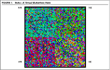
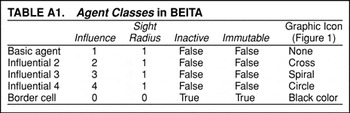
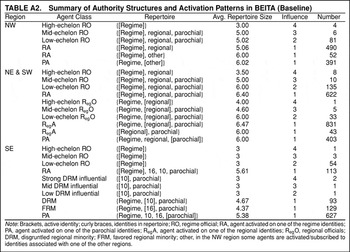
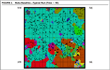
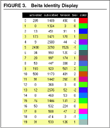



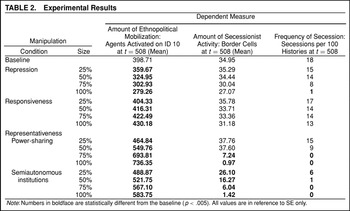



Comments
No Comments have been published for this article.