Introduction
Anthocyanins are extensively found as natural compounds in the plant kingdom, and are known as flavonoids, or polyphenols, having an important growth promoting and pharmacological potentials against various pathological conditions (McGhie and Walton, Reference MCGHIE and WALTON2007). Anthocyanins are commonly found in plants such as apple, banana, sweet cherry, mango, green bean, purple corn and purple sweat potato etc. (Bueno et al., Reference BUENO, SAEZ-PLAZA, RAMOS-ESCUDERO, JIMENEZ, FETT and ASUERO2012). Anthocyanins are principally recognised as bioflavonoid phytochemicals. The free-radical scavenging and antioxidant capacities of anthocyanin pigments are well documented in literature and demonstrate that anthocyanins exhibit potential health benefits (Tsuda et al., Reference TSUDA, SHIGA, OHSHIMA, KAWAKISHI and OSAWA1996; Reference TSUDA, HORIO, UCHIDA, AOKI and OSAWA2003). Anthocyanin-rich mixtures of plant flavonoids exhibit potential effects such as protection from DNA damage, enzyme inhibition, oestrogenic activity (altering development of hormone-dependent disease symptoms), boosting immunity (trigger cytokines production), lipid peroxidation, anti-inflammatory activity, decreasing capillary permeability and fragility and membrane robustness (Lefevre et al., Reference LEFEVRE, HOWARD, MOST, JU and DELANY2004). The immune boosting and health-promoting activities of anthocyanins suggest that they could be used in animals to achieve potential physiological benefits. Research has been conducted during last two decades to explore non-essential nutrients, including anthocyanin, responsible for health promoting effects and to treat several physiological disorders in human (Prior and Wu, Reference PRIOR and WU2006; Cardile et al., Reference CARDILE, FRASCA, RIZZA, RAPISARDA and BONINA2010). On the basis of previous research conducted on in vitro and in vivo models, it can be hypothesised that anthocyanins are ideal flavonoids to be used as feed additive for commercial poultry farming. Some reviews have been published on beneficial effects of plant-derived anthocyanins for humans (Silva et al., Reference SILVA, COSTA, COSTA, PEREIRA, PEREIRA, SOARES and PINTADO2015), however published reports regarding use of anthocyanins in avian species are limited. The major objective of this review is to provide information to veterinarians, researchers and poultry nutritionists and to encourage more research on a molecular level to find out possible mechanism of action, therapeutic and health boosting potentials of anthocyanins in avian models.
Sources of anthocyanins
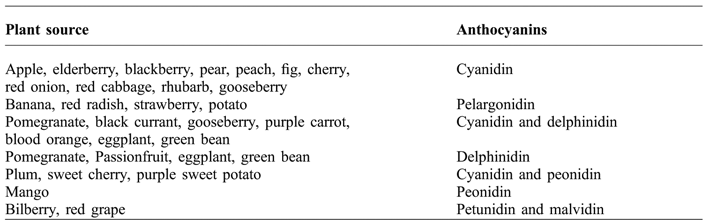
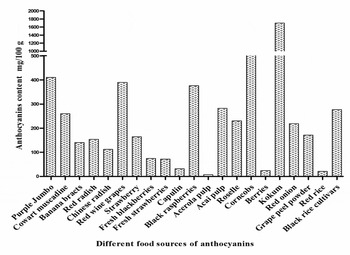
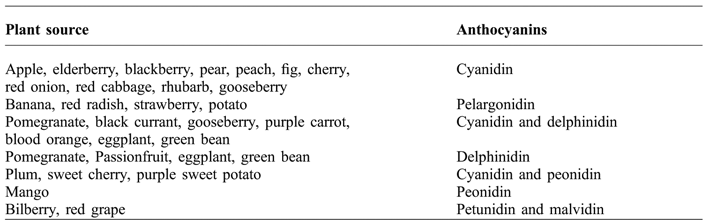
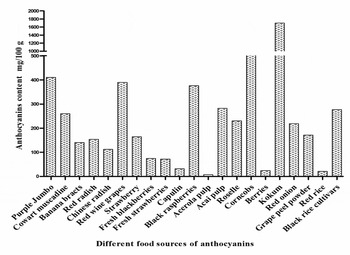
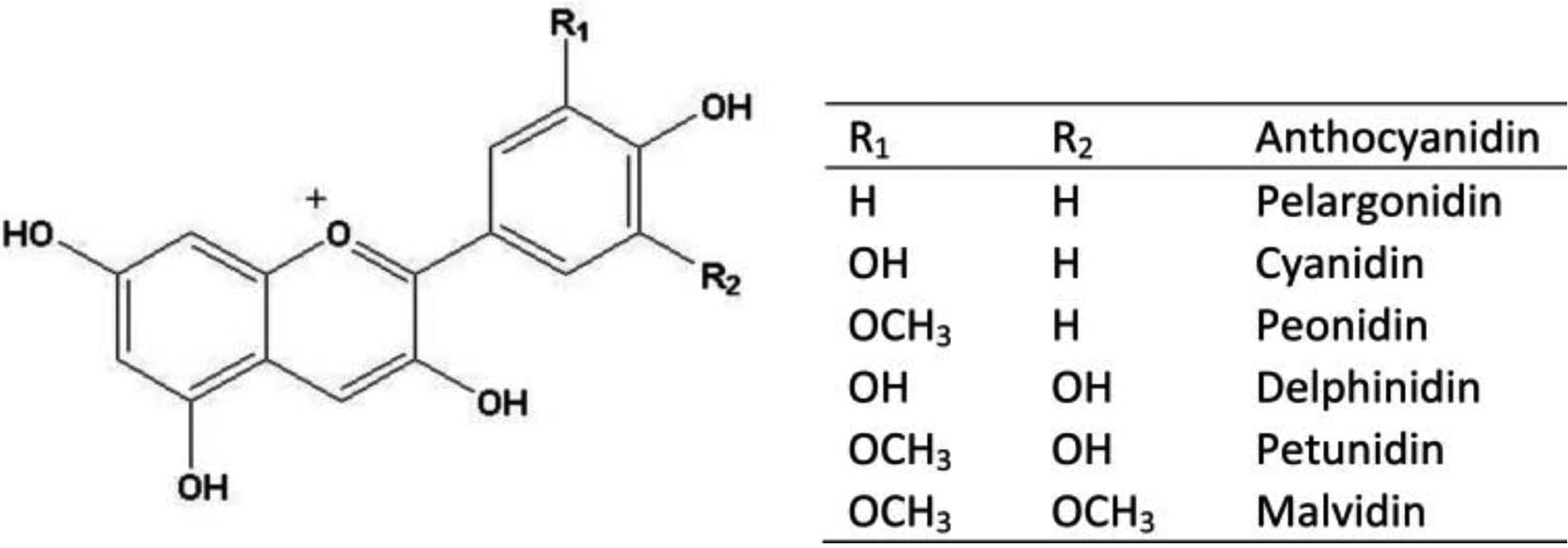
Anthocyanins are flavonoids found adequately in food plants, including raspberry, blueberry, black soybean, strawberry, banana bracts, grape peels, black and red rice, etc. (Davies, Reference DAVIES2004; Archetti et al., Reference ARCHETTI, DORING, HAGEN, HUGHES, LEATHER, LEE, LEV-YADUN, MANETAS, OUGHAM, SCHABERG and THOMAS2009). There are around 17 anthocyanins found in nature, only six of which are widely distributed, such as delphinidin (dp), cyanidin (cy), peonidin (peo), petunidin (pt), pelargonidin (pl) and malvidin (Prior and Wu, Reference PRIOR and WU2006) as listed in Table 1. In addition, anthocyanin concentration varies in different types of food depending upon the source as presented in Figure 1 (Yousuf et al., Reference YOUSUF, GUL, WANI and SINGH2016).
Major anthocyanins found various plant sources.
Adapted from Bueno et al. (Reference BUENO, SAEZ-PLAZA, RAMOS-ESCUDERO, JIMENEZ, FETT and ASUERO2012).
Concentration of anthocyanins in various plants and fruits (Yousuf et al., Reference YOUSUF, GUL, WANI and SINGH2016).
Chemistry of anthocyanins
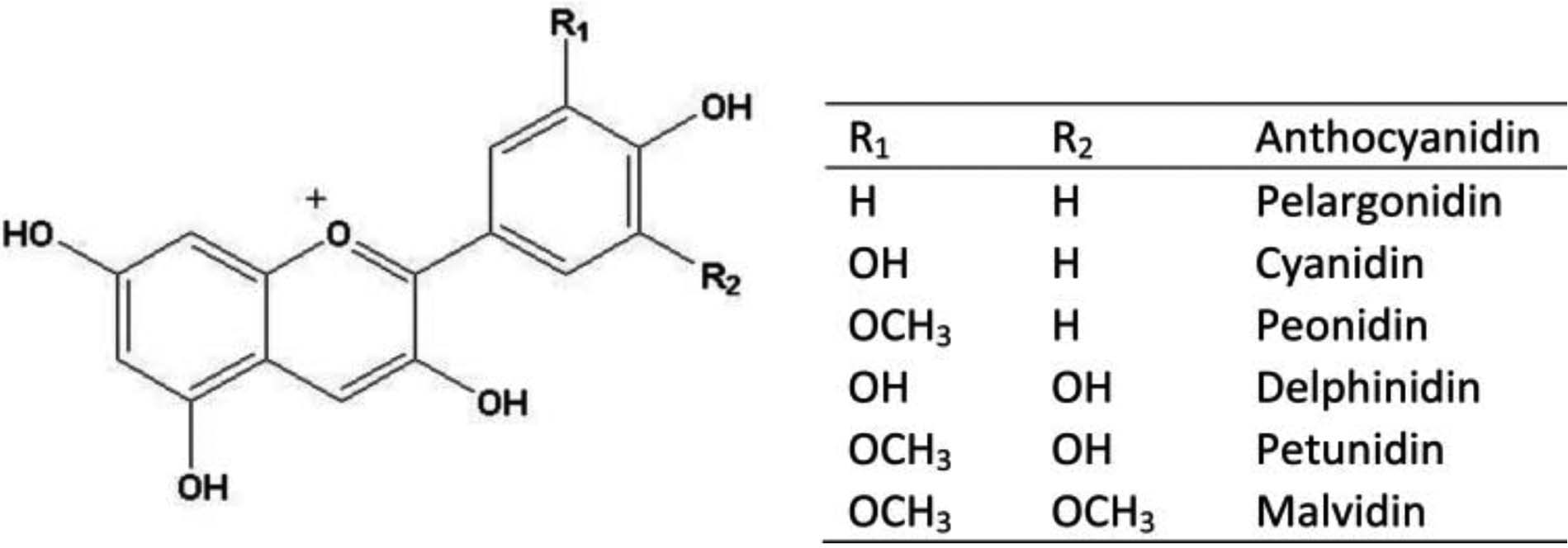
Anthocyanins are polyphenolic compounds that synthesise colours of petals, flowers and fruits of numerous kinds of plants (Strack and Wray, Reference STRACK and WRAY1989). These pigment compounds impart red, purple and blue colour to many fruits and vegetables and are responsible for colour of industrial products that are prepared from other products, such as wine (Mazza, Reference MAZZA1995). The chemical structure of anthocyanins shows two benzene rings combined by a linear three carbon chain (C2, C3, C4) as shown in Figure 2, which means that they possess a C6-C3-C6 basic skeleton (Kong et al., Reference KONG, CHIA, GOH, CHIA and BROUILLARD2003). The difference between six common anthocyanins ascends from: (i) position and number of hydroxyl (OH) groups, (ii) degree of methylation of these OH groups, (iii) the location, number, and nature of sugars bound to the molecule, and (iv) number and nature of aromatic or aliphatic acids bound to sugar (Mazza and Miniati, Reference MAZZA and MINIATI1993).
Structure of the anthocyanins most commonly found in foods.
Absorption, metabolism and excretion of anthocyanins
The therapeutic and preventive potential of anthocyanins is directly proportional to their absorption and metabolism in body of living organisms. Several studies conducted on animal models indicated that absorption of anthocyanins may start in the stomach and quickly appear in the bloodstream after few minutes of ingestion (6 to 20 min), and attains maximum blood levels after 15 to 60 min (Matsumoto et al., Reference MATSUMOTO, ICHIYANAGI, IIDA, ITO, TSUDA, HIRAYAMA and KONISHI2006; McGhie and Walton, Reference MCGHIE and WALTON2007). Many factors are involved in absorption of anthocyanins in gut that include nature of food, chemical structure, type, level of food processing and preparation, interaction with other macro and micro phytonutrients, as well as pathophysiological, nutritional and genetic factors of individual (Riaz et al., Reference RIAZ, ZIA-UL-HAQ and SAAD2016).
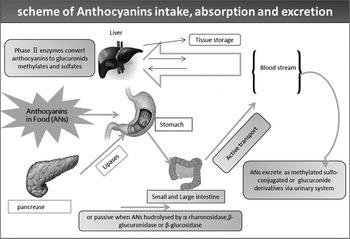
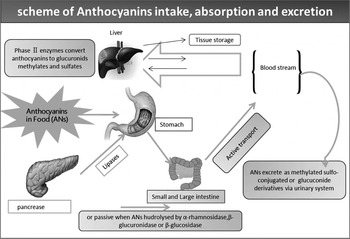
Several studies have reported that small intestine is the main site of flavonoid absorption (Scalbert and Williamson, Reference SCALBERT and WILLIAMSON2000; Williamson et al., Reference WILLIAMSON, DAY, PLUMB and COUTEAU2000). The absorption and metabolism of anthocyanins follows the same mechanisms involved in common hydrophilic flavonoid glycosides and may occur through the transportation of intact glucosides via sodium glucose co-transporter, or extracellular hydrolysis of glycosides, followed by passive diffusion of the final product (Gee et al., Reference GEE, DUPONT, DAY, PLUMB, WILLIAMSON and JOHNSON2000; Figure 3). Anthocyanins are not absorbed by passive diffusion because of their larger size and hydrophilic property. Thus, anthocyanins absorption is generally achieved through active transport mechanism, otherwise the large molecules are hydrolysed into β-glycoside before absorption (Riaz et al., Reference RIAZ, ZIA-UL-HAQ and SAAD2016). Either, the hydrolysed anthocyanin glycosides may conjugate into serosal fluid before transportation or enters into systemic circulation as an aglycone (Hollman, Reference HOLLMAN2001). Another possible mechanism for the absorption of anthocyanins is the sodium-glucose co-transport as reported for other flavonoids (Williamson et al., Reference WILLIAMSON, DAY, PLUMB and COUTEAU2000).
In previously published research, there is huge diversification regarding the pathways for anthocyanin absorption. Current evidence suggests that both pathways are involved in the absorption of anthocyanins. Nevertheless, the mechanisms behind the anthocyanin absorption and the factors affecting its pharmacokinetics are essentially to be explored further. After absorption through gastrointestinal tract, enzymes convert anthocyanins to methylates, sulphates, and glucuronids in the liver and kidneys (Kroon et al., Reference KROON, CLIFFORD, CROZIER, DAY, DONOVAN, MANACH and WILLIAMSON2004). These conjugated forms may be transported via bile to jejunum and recycled by enterohepatic circulation system in intestine/colon. Urine is the main excretory pathway of intact anthocyanins and aglycones (McGhie et al., Reference MCGHIE, AINGE, BARNETT, COONEY and JENSEN2003). Several reports have shown that most conjugated flavonoid metabolites get excreted through the urinary tract (Wu et al., Reference WU, CAO and PRIOR2002). However, a simple part of them may re-enter into the jejunum via bile, and is reabsorbed through colon and attain entero-hepatic circulation again (Ichiyanagi et al., Reference ICHIYANAGI, SHIDA, RAHMAN, HATANO and KONISHI2006), or are excreted with faeces. The lung is a principal excretion organ for many bioactive flavonoids including quercetin (Walle, Reference WALLE2004). However, there is no evidence found in literature indicating excretion of anthocyanins through respiration.
An overview of anthocyanins (ANs) intake, absorption, and excretion (Gee et al., Reference GEE, DUPONT, DAY, PLUMB, WILLIAMSON and JOHNSON2000).
Biological activities of anthocyanins
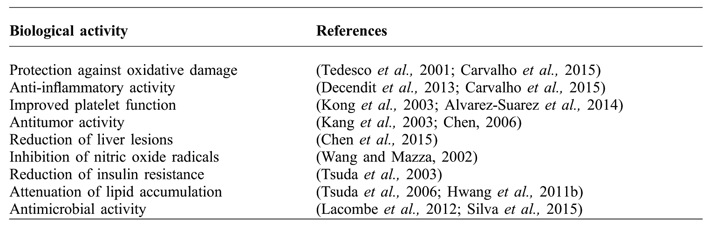
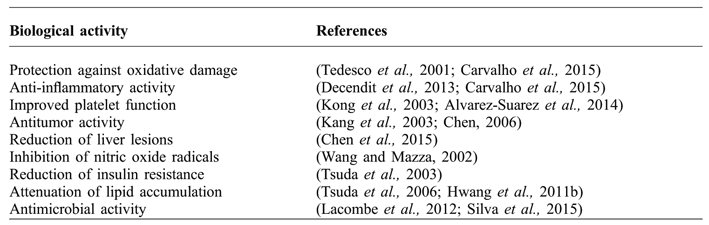
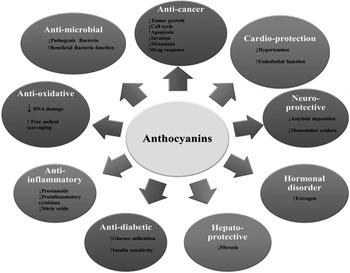
Anthocyanins have the potential to boost immune system and promote health and hence could be useful for the treatment of disorders. In the last decade, plant-derived flavonoids have attracted attention from scientific and research community owing to their biological properties with little or no adverse effects compared to synthetic medicines. Human studies have shown that dietary anthocyanins produce positive effects against several disease conditions, and promote health by acting as anti-obesity, antioxidant, neuroprotective and antidiabetic agents (Prior and Wu, Reference PRIOR and WU2006). Among various flavonoids found in functional foods and herbs, anthocyanins are useful as anti-inflammatory agents and can promote cardiovascular health (Mazza, Reference MAZZA2007; He et al., Reference HE, WALLACE, KEATLEY, FAILLA and GIUSTI2009). The major beneficial effects of anthocyanins are summarised in Table 2.
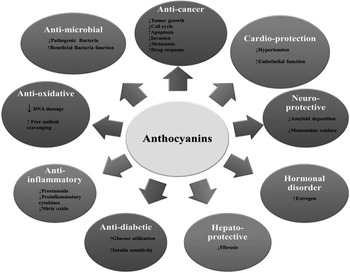
However, from a therapeutic viewpoint, it is difficult to distinguish which active components of plant extracts exert such effects. Various medicinal effects of plant-derived bioactive anthocyanins and their mechanisms of action for pharmacological effects are presented in Figure 4. As it appears that dietary anthocyanins improve health and overall performance they could be recommended as non-toxic feed additives for the poultry industry. Therefore, it is suggested to explore the above-mentioned health benefits of anthocyanins in avian species.
Biological properties associated with anthocyanins.
The schematic overview of the therapeutic effects and mechanisms of action of anthocyanins.
antioxidant activity of anthocyanins
Physiological stress results from production of reactive oxygen species (ROS) leading to shifts in oxidative balance and causes cell damage, inflammation, and can result in degenerative changes like cancer, aging and metabolic diseases (Allen and Tresini, Reference ALLEN and TRESINI2000). Anthocyanins possess more potent antioxidant activity than α-tocopherol (Wang et al., Reference WANG, CAO and PRIOR1997; Fukumoto and Mazza, Reference FUKUMOTO and MAZZA2000), trolox and catechin (Kahkonen and Heinonen, Reference KAHKONEN and HEINONEN2003). However, other factors can influence anthocyanins to downregulate or upregulate antioxidant activity in host body and must be considered (Pojer et al., Reference POJER, MATTIVI, JOHNSON and STOCKLEY2013). The oxygen radical absorbance capacity (ORAC) assay (Wang et al., Reference WANG, CAO and PRIOR1997) has been used to evaluate antioxidant potential of anthocyanins and their glycosylated derivatives, and revealed that they possess antioxidant potency similar to vitamin E (Tsuda et al., Reference TSUDA, SHIGA, OHSHIMA, KAWAKISHI and OSAWA1996). Other studies revealed that anthocyanins protect DNA damage and act as free radical scavengers in dose-dependent manner, as well as significantly (P<0.05) inhibiting xanthine oxidase activity (Singletary et al., Reference SINGLETARY, JUNG and GIUSTI2007).
anti-inflammatory activity
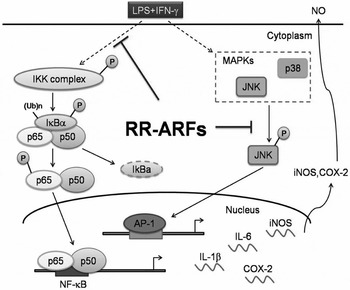
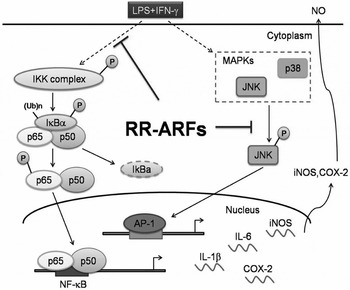
The inflammatory process is linked with cyclo-oxygenase (COX) enzyme activity that converts arachidonic acid to pro-inflammatory cytokines (prostaglandins). Seeram et al. (Reference SEERAM, MOMIN, NAIR and BOURQUIN2001) explored anti-inflammatory potential of anthocyanins, and reported that activities of COX-1 and COX-2 were decreased by 52% and 74%, respectively, compared to a positive control (aspirin). All anthocyanin fractions inhibited the activity of both COX-1 and COX-2 enzymes, while fractions of berries (blackberry, raspberry, and strawberry), when compared with naproxen and ibuprofen (positive controls), exhibited excellent activity (Seeram et al., Reference SEERAM, MOMIN, NAIR and BOURQUIN2001). Expression of COX-2, NF-kβ, prostaglandin synthase and various interleukins was inhibited by anthocyanins in many in vitro studies (Boivin et al., Reference BOIVIN, BLANCHETTE, BARRETTE, MOGHRABI and BELIVEAU2007). Tsoyi et al. (Reference TSOYI, PARK, KIM, CHUNG, SHIN, LEE, SEO, LEE, CHANG and KIM2008) reported that anthocyanins induced anti-inflammatory effects via downregulation of stress activated protein kinase pathways such as JNK and p38. Tsoyi et al. (Reference TSOYI, PARK, KIM, CHUNG, SHIN, LEE, SEO, LEE, CHANG and KIM2008) stated that anthocyanins improved inflammation- associated diseases by targeting mitogen-associated protein kinase (MAPK) and NF-κB signalling pathways. In the meantime, the anti-inflammatory activity of anthocyanins-rich fraction was also confirmed by both in-vitro and in-vivo methods (Li et al., Reference LI, WANG, WU, YAO, WU, HUANG, LIU, ZHOU and GOU2014). Anthocyanins-rich fractions significantly (P<0.05) suppressed p65 phosphorylation and its nuclear transduction, as well as activation of various signalling pathways such as Jun N-terminal kinase (JNK), inhibited nuclear factor kappa kinase (IKK) and IkBa, inhibitor kappa-B kinase a (IkBa), which lead to suppress pro-inflammatory gene expression including IL-1b, IL-6 COX-2 and iNOS, (Figure 5; Li et al., Reference LI, WANG, WU, YAO, WU, HUANG, LIU, ZHOU and GOU2014).
Schematic model showing the role of anthocyanin-rich fractions from red raspberries (RR-ARFs) in inflammatory signalling pathways. RR-ARFs attenuated LPS/ IFN-g-induced inflammatory responses through inhibition of NF-kB, MAPK/JNK activities, respectively, in LPS/IFN-g-stimulated RAW264.7 cells (Reproduced from the original source: Li et al., Reference LI, WANG, WU, YAO, WU, HUANG, LIU, ZHOU and GOU2014).
antimicrobial activity
Many studies have evaluated the anti-microbial activity of anthocyanins e.g. berry polyphenol reduced the viable count of Salmonella enterica serovar Typhimurium (Nohynek et al., Reference NOHYNEK, ALAKOMI, KAHKONEN, HEINONEN, HELANDER, OKSMAN-CALDENTEY and PUUPPONEN-PIMIA2006). Growth of both many gram positive and negative bacteria has been inhibited by bilberry and blueberry extracts where Citrobacter freundii and Enterococcus spp. were determined as sensitive strains while Escherichia coli showed strong resistance (Burdulis et al., Reference BURDULIS, SARKINAS, JASUTIENE, STACKEVICENE, NIKOLAJEVAS and JANULIS2009; Cesoniene et al., Reference CESONIENE, JASUTIENE and SARKINAS2009). Strong inhibitory effects were seen in growth of Staphylococcus aureus and Enterococcus faecium strains; however, E. coli and Saccharomyces cerevisiae were least effected (Werlein et al., Reference WERLEIN, KUTEMEYER, SCHATTON, HUBBERMANN and SCHWARZ2005). Antimicrobial activity of anthocyanins is due to their ability to destroy cell membranes, leading to condensation of cellular material (Cisowska et al., Reference CISOWSKA, WOJNICZ and HENDRICH2011). Moreover, anthocyanins can deprive microbes of substrates by inhibiting extracellular enzymes (Naz et al., Reference NAZ, SIDDIQI, AHMAD, RASOOL and SAYEED2007), directly affecting microbial metabolism (Burdulis et al., Reference BURDULIS, SARKINAS, JASUTIENE, STACKEVICENE, NIKOLAJEVAS and JANULIS2009). In addition, it was reported that anthocyanins can positively influence growth of beneficial bacteria e.g. Bifidobacterium spp., Lactobacillus spp. and Enterococcus spp. (Pojer et al., Reference POJER, MATTIVI, JOHNSON and STOCKLEY2013).
other health benefits
Various other health benefits have been observed in human and mammalian models. Hwa et al. (Reference HWA, CHUNG, CHUNG and CHUN2011) reported that anthocyanins-rich extract derived from purple-fleshed sweet potato exhibit hypouricemic effects in hyperuricemic mouse model. Jang et al. (Reference JANG, HA, KIM, YOON, HAN, YUK and KIM2010) proposed that anthocyanins inhibit the hyperplastic growth of prostate gland, and Mpiana et al. (Reference MPIANA, NGBOLUA, BOKOTA, KASONGA, ATIBU, TSHIBANGU and MUDOGO2010) investigated the anti-sickle effects of anthocyanins-rich extract derived from Justicia secunda Vahl. The result showed that anthocyanins effectively prevent haemoglobin polymerisation and stabilised the cell membrane of red blood cells. Moreover, in vitro application of anthocyanins in developing embryos at 0.1 μg/ml significantly (P<0.05) improved developmental competence by stimulating nuclear reprogramming through increased transcription factor expression, probably by enhancing GSH synthesis and decreasing ROS level (You et al., Reference YOU, KIM, LIM and LEE2010). However, the mechanisms behind these beneficial effects of anthocyanins need elucidation.
Use of anthocyanins in poultry nutrition
Poultry production is often confronted by various diseases (Quiroz-Castañeda and Dantán-González, Reference QUIROZ-CASTAÑEDA and DANTÁN-GONZÁLEZ2015), and other factors, such as environmental conditions, heat stress, viruses, pathogenic bacteria, parasites, and several other pathological conditions pose serious challenges for chicken. Anthocyanins and several bioactive compounds of plant origin have proved good health promoting and therapeutic potential against various diseases (Smeriglio et al., Reference SMERIGLIO, BARRECA, BELLOCCO and TROMBETTA2016; Arain et al., Reference ARAIN, MEI, HASSAN, SAEED, ALAGAWANY, SHAR and RAJPUT2018; Saeed et al., Reference SAEED, ABD EL-HACK, ALAGAWANY, ARAIN, ARIF, MIRZA, NAVEED, CHAO, SARWAR, SAYAB and DHAMA2017a; Reference SAEED, BABAZADEH, ARIF, ARAIN, BHUTTO, SHAR, KAKAR, ANZOOR and CHAO2017b; Reference SAEED, NAVEED, ARAIN, ARIF, EL-HACK, ALAGAWANY, SIYAL, SOOMRO and SUN2017c). The dietary inclusion of Konini wheat, having a higher content of anthocyanins of approximately 14.01 mg/g, showed a positive effect on body weight gain in chickens (Stastnik et al., Reference STASTNIK, KARASEK, ROZTOCILOVA, DOLEZAL, MRKVICOVA and PAVLATA2014). Another study revealed that broilers fed milk thistle (Silybum marianum L.) seed cakes containing cyanidin-3-glucoside (129.83 mg/kg), significantly improved tenderness, colour, flavour and other sensory characteristics of breast and thigh meat in broilers (Stastnik et al., Reference STASTNIK, MRKVICOVA, KARASEK, TROJAN, VYHNANEK, HRIVNA and JAKUBCOVA2016). Moreover, feeding a different coloured grain to broilers improved growth as well as shelf life of meat (Stastnik et al., Reference STASTNIK, MRKVICOVA, KARASEK, TROJAN, VYHNANEK, HRIVNA and JAKUBCOVA2016). Similarly, feeding purple field corn containing anthocyanins improved egg quality, performance and carcass quality in various avian species such as laying hens and Japanese quail (Amnueysit et al., Reference AMNUEYSIT, TATAKUL, CHALERMSAN and AMNUEYSIT2010). Additionally, purple field corn anthocyanins were highly effective in improving heart health in broilers, suggesting a therapeutic potential for cardiac disorders such as ascites (Amnueysit et al., Reference AMNUEYSIT, TATAKUL, CHALERMSAN and AMNUEYSIT2010). Similarly, supplementation of corn anthocyanins in broilers showed positive effects on antioxidant status and liver enzymes.
Dietary supplementation of plum-derived lyophilised powder at 0.5 and 1.0% inclusion in feed improved body weight, reduced faecal oocyst shedding and increased levels of mRNAs for interferon-γ and interleukin-15 expression in broiler chicken challenged with coccidiosis (Lee et al., Reference LEE, LILLEHOJ, LILLEHOJ, CHO, PARK, HONG, CHUN and PARK2008). In another study, Ahossi et al. (Reference AHOSSI, DOUGNON, KIKI and HOUESSIONON2016) used anthocyanins-rich Tridax procumbens powder as a partial substitution of soybean meal in broiler feed and noted a positive effect on overall performance. Stastnik et al. (Reference STASTNIK, MRKVICOVA, KARASEK, TROJAN, VYHNANEK, HRIVNA and JAKUBCOVA2016) observed that supplementation of purple wheat containing anthocyanins (36.66 mg/kg dry matter basis) increased carcass yield without altering the haematological profile in chicken. Similarly, Leusink et al. (Reference LEUSINK, REMPEL, SKURA, BERKYTO, WHITE, YANG, RHEE, XUAN, CHIU, SILVERSIDES, FITZPATRICK and DIARRA2010) reported that broilers fed a diet supplemented with cranberry fruit extract (40, 80, or 160 mg/kg anthocyanin) improved feed efficiency and body weight. Moreover, birds fed higher concentrations of cranberry fruit extract (160 mg/kg) significantly (P<0.05) decreased Enterococcus spp. in the caeca and cloaca. Wang et al. (Reference WANG, LEI, MA, ZHANG and ZHAO2014) reported the potential of anthocyanins to prevent DF-1 cells apoptosis in an avian leukosis virus subgroup A (ALV-A) in vitro model. Anthocyanins protected against cell apoptosis via interruption of NF-κB signalling which was involved in crosstalk between DF-1 cells and ALV-A. Furthermore, they proposed three kinds of inhibitory actions, (1) anthocyanins improved resistance of DF-1 cell to ALVA; (2) anthocyanins inactivated NF-κB p50 and p65 through reducing phosphorylation of kinase and (3) anthocyanins downregulated expression level of NF-κB p50 and p65 in nucleus, which inhibited transcription and translation of target genes (Wang et al., Reference WANG, LEI, MA, ZHANG and ZHAO2014).
A further study demonstrated that dietary inclusion of purple field corn as a substitute energy source and containing anthocyanins, significantly (P<0.05) improved heart weight of broiler chicken without any adverse effect on health and performance (Amnueysit et al., Reference AMNUEYSIT, TATAKUL, CHALERMSAN and AMNUEYSIT2010). Hanieh et al. (Reference HANIEH, GERILE, NARABARA, GU, ABE and KONDO2010) suggested that anthocyanin-rich purple sweet potato can boost immune response in broilers after vaccination; however, further research is required to elucidate this mechanism of action. Similarly, Hwang et al. (Reference HWANG, CHOI, YUN, HAN, KIM, KIM, PARK, KHANAL, CHOI, CHUNG and JEONG2011a) proved that anthocyanins derived from purple sweet potato have the potential to enhance immunity via upregulation of antioxidant enzymes and nuclear erythroid 2-related factor 2 (Nrf2) while decreasing inflammatory mediators via nuclear factor kappa B (NF-κB) in mice models. The extract of purple sweet potato significantly (P<0.05) improved protein intake, protein digestibility and meat protein content in broilers (Saputra et al., Reference SAPUTRA, SUTHAMA and SUKAMTO2016).
Anthocyanin has been reported to alleviate heat stress in chickens. Hajati et al. (Reference HAJATI, HASSANABADI, GOLIAN, NASSIRI-MOGHADDAM and NASSIRI2015) supplemented feeds with grape seed extract (150, 300, 450 mg/kg diet) and showed significant effects on growth performance. It suppressed the detrimental effects of heat stress by decreasing levels of glucose, cholesterol and heat shock protein (HSP70) gene expression in birds exposed to chronic heat stress. These studies indicate that anthocyanins have potential as an alternate feed additive for poultry; however, determination of quantity, duration and time of supplementation is required through more research in different avian species.
Conclusions
Anthocyanins are plant flavonoids that possess excellent antioxidant, antimicrobial, anticancer and anti-inflammatory activities and have proved to be safe and potent feed additives. Previous studies revealed that anthocyanins possess several pharmacological and health promoting properties in human and animals. Considerable studies have been conducted to explore potential effects of anthocyanins in both human and animals but fewer reports are available regarding supplementation in poultry. Feeding trials in poultry have shown benefits not only in growth and productive performance, but also in organ function and reduction in pathogenic bacteria in the gut and cloaca. However, advanced research on mechanisms of action and at a molecular level is required to fully understand the pharmacological, health and growth promoting ability of anthocyanins in different poultry species.
Acknowledgements
The author is very grateful for Qinghai Science and Technology Department project (2017-ZJ-708).