Biography

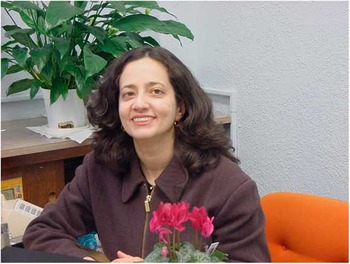
Dr. Rosário received her medical degree from Bahiana School of Medicine in Bahia, Brazil; her PhD in science from the University of São Paulo, Brazil; and completed a post-doctoral research fellowship at the Child Study Center at Yale University, New Haven, Connecticut, USA.
Her expertise is in child and developmental psychiatry, and she has conducted research on obsessive compulsive disorder (OCD), tic disorders, and attention deficit hyperactivity disorder (ADHD). Dr. Rosário's major interests are dedicated to better understanding the phenotype of these disorders and their genetic and environmental interactions. Dr. Rosário is also interested in producing and disseminating educational information and training programs for mental health professionals with the main goals of improving early identification of psychiatric symptoms; implementing prevention strategies and early referral for adequate treatment; and developing state-of-the-art and easy-to-understand information on psychiatric disorders for reducing mental health stigma.
Brief History of Professional Interests
When present, OCD can cause great impairment in subjects’ lives and in the lives of their families. For decades it has been clear that OCD is a heterogeneous disorder, that the search for more homogeneous subgroups of patients was a heuristic endeavor, and that a better and more comprehensive understanding of these OCD phenotypes was extremely relevant.
This was a motivating scenario for a child psychiatrist, and therefore she started to focus on studies addressing age at onset of the OC symptoms and its impact on the clinical and neurobiological characteristics of the disorder,Reference Rosario-Campos, Leckman and Mercadante1–Reference de Mathis, Diniz and Shavitt4 as well as on studies trying to better define the tic-related OCD phenotype.Reference de Mathis, Diniz and Shavitt4, Reference de Alvarenga, de Mathis and Dominguez Alves5 Interestingly, a frequent characteristic of both the early-onset and the tic-related OCD phenotypes is the presence of sensory phenomena, which can cause as much distress as the obsessions and compulsions. A major contribution to their assessment was the development of the University of Sao Paulo Sensory Phenomena Scale, in Brazil (USP-SPS).Reference Rosario, Prado and Borcato6
More recently, a dimensional approach to addressing OCD heterogeneity proved to be even more useful. OC symptom dimensions cut across diagnostic boundaries and have been identified as valid and stable subcomponents of the OCD phenotypes.Reference Mataix-Cols, Rosario-Campos and Leckman7 In 2005, the first scale to assess the presence and severity of specific symptom dimensions was developed. The Dimensional Yale Brown Obsessive Compulsive Scale (DY-BOCS) demonstrated excellent psychometric properties,Reference Rosario-Campos, Miguel and Quatrano8 and has been translated into several languages and used worldwide.
One of the most frequent constraints that limit the progress of OCD research is the relatively small number of patients enrolled in most studies, which contributes to reducing the statistical power and to limiting interpretation of the findings. Therefore, patient recruitment and proper evaluation is a fundamental step for the development of clinical research. Another challenge is to perform comprehensive evaluations in a large number of patients. Detailed phenotypic interviews are very time-consuming, and several reliable interviewers need to be trained to interview a substantial number of subjects. One strategy to overcome these limitations and to optimize recruitment and training efforts is to create multicenter collaborations between research groups. In order to achieve this goal, in 2006, seven Brazilian university centers put together the Brazilian Research Consortium on Obsessive-Compulsive Spectrum Disorders (CTOC), which aimed to investigate characteristics of OCD patients and their families and spanned all areas of OCD research.Reference Miguel, Ferrão and do Rosário9 Since then, around 1200 patients have been comprehensively interviewed, and more than 20 articles have been published. The CTOC is also part of an international consortium for research on OCD genetics, which has recently published the largest genome-wide association study of OCD.Reference Stewart, Yu and Scharf10
Future Concerns Regarding OCD and ADHD Research in Brazil
Despite the advances in research and all the contributions that researchers in Brazil have given to the OCD and ADHD literature, there are still a lot of unanswered questions: How can we reduce the impact of these disorders on patients and their families? How can we improve their quality of life? How can we increase adherence to treatment? How can we provide access to high quality treatment to all the patients? These questions were the motivation for continuing to focus on clinical research and also to investigate the impact of OCD and ADHD symptoms on the quality of life of patients and their families, how family members accommodate the patients’ symptoms, and the impact on treatment response.
Other challenges are the insufficient numbers of services and trained clinicians. According to the last population census, Brazil has approximately 52 million children and adolescents below the age of 18. Considering that well-designed epidemiological studies have clearly shown that mental health problems affect 10% to 20% of children and adolescents worldwide and account for a large portion of the global burden of disease, it would be expected that around 5 to 10 million Brazilian children and adolescents would need some kind of mental health assistance.
Despite these numbers, there are no national guidelines recommending the early identification of children at risk for delayed development or behavioral disorders. Additionally, there have been very few studies that have evaluated the therapeutic interventions offered by the few mental health facilities for children and adolescents in Brazil. Completing this somber scenario, there is a dearth of trained clinicians. For instance, in all of Brazil, there are less than 500 child and adolescent psychiatrists.
Trying to address this scenario, a joint effort between UNIFESP, University of São Paulo (USP), the Federal University of Rio Grande do Sul (UFRGS), and the Federal Universities of Pernambuco (UFPE) and Bahia (UFBA) put together the National Institute for Developmental Psychiatry (INPD) (http://inpd.org.br). The INPD consists of 16 ongoing research projects focused on characterization of risk and protective factors, as well as the training of family doctors, pediatricians, and public school teachers to correctly identify children at risk for developing mental health problems and to correctly refer them for treatment.
Another challenge in Brazil has been how to integrate research advances with clinical practice in order to improve the quality of care offered to children and adolescents independent of their socioeconomic level. In Brazil, there is still a huge gap between the quality of the work produced by the research studies and the applicability of these findings in clinical practice, especially in poorer areas of the country.
As part of the efforts to integrate scientific knowledge and clinical practice, and to reduce the gap between them, UNIFESP created a postgraduate course on child and adolescent mental health, which was implemented in 2012. This course represents an innovative effort to deliver state-of-the-art knowledge in simple, easy-to-understand language to mental health professionals working with children and adolescents with the main goal of improving the quality of care provided to these patients and their families.
Since mental illnesses are conceptualized as chronic disorders of young people, addressing mental health problems in early developmental stages in low and middle income countries (like Brazil) is a priority for the global health agenda. Early intervention and prevention offer the hope of avoiding later adult mental health problems and improving personal well-being and productivity. Furthermore, support of child and adolescent mental health research is needed, including prevalence and longitudinal studies, high-quality clinical trials, and cost-effectiveness analyses.
CNS Spectrums may have a very important role in this endeavor. In fact, CNS Spectrums is currently available through the CAPES portal, as part of the Cambridge collection.